
Dental and gum disease is one of the most common oral health problems affecting millions of people worldwide. Despite being highly preventable, dental and gum disease continues to impact individuals of all ages due to poor oral hygiene habits, lifestyle factors, and lack of awareness. Understanding dental and gum disease is the first step toward protecting your smile and maintaining long-term oral health. 😊
In simple terms, dental and gum disease refers to conditions that affect both the teeth and the surrounding gum tissues. These conditions range from mild plaque buildup and gingivitis to severe periodontal disease that can lead to tooth loss. When dental and gum disease is not treated early, it can progress silently, causing significant damage without noticeable pain in the beginning.
One of the primary reasons dental and gum disease is so widespread is the accumulation of plaque. Plaque is a sticky film of bacteria that constantly forms on your teeth. If not removed through proper brushing and flossing, it hardens into tartar, which irritates the gums and leads to dental and gum disease. Over time, this can cause inflammation, bleeding gums, and eventually damage to the bone supporting your teeth.
Dental and gum disease typically develops in stages. The earliest stage is known as gingivitis, where the gums become red, swollen, and may bleed during brushing. At this stage, dental and gum disease is still reversible with proper oral care and professional cleaning. However, if left untreated, it can progress into periodontitis, a more serious form of dental and gum disease that can result in gum recession and tooth mobility.
Another important aspect of dental and gum disease is that it does not only affect your mouth. Research shows a strong connection between dental and gum disease and overall health conditions such as heart disease, diabetes, and respiratory issues. This means that maintaining good oral hygiene is not just about having a bright smile—it is essential for your general well-being. 🦷
There are several risk factors that increase the likelihood of developing dental and gum disease. These include smoking, poor diet, stress, hormonal changes, and certain medical conditions. People who neglect regular dental check-ups are also at a higher risk of developing dental and gum disease because early signs often go unnoticed without professional evaluation.
Fortunately, dental and gum disease can be prevented and managed effectively with the right approach. Brushing your teeth at least twice a day, flossing daily, and using an antibacterial mouthwash can significantly reduce the risk of dental and gum disease. Regular dental visits allow early detection and treatment, preventing more serious complications.
If you are unsure about your oral health or suspect signs of dental and gum disease, it is important to seek professional help. You can easily reach out through the Redent Klinik Contact Page to get expert guidance and personalized care tailored to your needs.
Additionally, following trusted guidelines from organizations like the American Dental Association can help you stay informed about the best practices to prevent dental and gum disease. These resources provide valuable insights into maintaining optimal oral hygiene and avoiding common mistakes.
In conclusion, dental and gum disease is a serious but preventable condition that requires attention and consistency. By understanding what dental and gum disease is, recognizing early symptoms, and adopting proper oral care habits, you can protect your teeth and gums for life. Taking action today will not only improve your oral health but also enhance your overall quality of life. ✨
What Is Dental and Gum Disease and Why It Matters
Dental and gum disease is a broad term used to describe a range of oral health conditions that affect the teeth, gums, and supporting structures in the mouth. Understanding dental and gum disease is crucial because it often develops silently and can lead to severe complications if ignored. Many people underestimate the seriousness of dental and gum disease, thinking it is only about bleeding gums or bad breath, but in reality, it can impact both oral and overall health significantly. 🦷
Definition and Overview of Dental and Gum Disease
At its core, dental and gum disease refers to infections and inflammatory conditions caused by bacteria accumulating in the mouth. These bacteria form plaque, a sticky film that constantly builds up on the surface of teeth. If not properly removed, plaque hardens into tartar, which becomes much more difficult to clean and contributes to the progression of dental and gum disease.
Dental and gum disease typically begins with gingivitis, the mildest form, characterized by redness, swelling, and bleeding gums. At this stage, dental and gum disease is reversible with good oral hygiene practices. However, if left untreated, it progresses into periodontitis, a more advanced stage where the infection damages the gums and bone supporting the teeth. This progression makes dental and gum disease one of the leading causes of tooth loss in adults.
Stages of Dental and Gum Disease
Understanding the stages of dental and gum disease helps in recognizing its severity and taking timely action:
- Gingivitis: Early stage of dental and gum disease with mild inflammation.
- Early Periodontitis: Gum pockets begin forming, and slight bone loss may occur.
- Moderate Periodontitis: Increased damage to supporting tissues and deeper pockets.
- Advanced Periodontitis: Severe dental and gum disease leading to tooth mobility or loss.
Each stage of dental and gum disease requires a different level of treatment, making early detection extremely important. 😊
Why Dental and Gum Disease Is a Serious Concern
Dental and gum disease is not just an oral issue—it is a health concern that can affect your entire body. The bacteria involved in dental and gum disease can enter the bloodstream and contribute to systemic conditions. This makes dental and gum disease a condition that should never be ignored.
One of the biggest reasons dental and gum disease is dangerous is that it often progresses without pain in the early stages. By the time symptoms become severe, the damage may already be extensive. This is why regular dental check-ups are essential in preventing dental and gum disease from advancing unnoticed.
Impact on Daily Life
Dental and gum disease can significantly affect your quality of life. Some common issues include:
- Persistent bad breath (halitosis)
- Difficulty chewing food
- Sensitivity to hot or cold foods
- Uncomfortable or bleeding gums
- Loss of confidence due to oral appearance
These symptoms of dental and gum disease can interfere with everyday activities and reduce overall well-being. 😷
The Connection Between Dental and Gum Disease and General Health
Modern research highlights a strong link between dental and gum disease and systemic health conditions. Chronic inflammation caused by dental and gum disease can contribute to serious health issues such as cardiovascular disease, diabetes, and even complications during pregnancy.
For example, individuals with untreated dental and gum disease are more likely to develop heart problems due to bacteria entering the bloodstream and causing inflammation in blood vessels. Similarly, people with diabetes may find it harder to control their blood sugar levels if dental and gum disease is present.
Maintaining good oral hygiene is therefore essential not only for preventing dental and gum disease but also for supporting overall health. You can always seek professional advice and treatment through the Redent Klinik Contact Page to ensure your oral health is in top condition.
Trusted Guidance for Managing Dental and Gum Disease
Following professional recommendations is key to managing and preventing dental and gum disease. Organizations such as the American Dental Association provide evidence-based guidelines on oral hygiene practices, dental visits, and treatment options.
By staying informed and proactive, you can reduce your risk of dental and gum disease and maintain a healthy smile for years to come. 🪥
Conclusion: Why Awareness of Dental and Gum Disease Matters
In conclusion, dental and gum disease is a common yet serious condition that requires attention and care. From its early stages to advanced complications, dental and gum disease can have a lasting impact on both oral and overall health. The key to preventing dental and gum disease lies in awareness, early detection, and consistent oral hygiene practices.
By understanding what dental and gum disease is and why it matters, you are taking an important step toward protecting your health. Remember, a healthy smile starts with knowledge and daily care. ✨
Main Causes of Dental and Gum Disease You Should Know
Understanding the root causes of dental and gum disease is essential for preventing long-term oral health problems. Dental and gum disease does not develop overnight; it is the result of a combination of habits, biological factors, and lifestyle choices that allow harmful bacteria to thrive in the mouth. By identifying these causes early, you can significantly reduce your risk of developing dental and gum disease and protect your smile for years to come. 🦷
Plaque Buildup: The Primary Cause of Dental and Gum Disease
The most common cause of dental and gum disease is plaque buildup. Plaque is a sticky film composed of bacteria that forms on the teeth throughout the day. When food particles, especially sugars and carbohydrates, remain on the teeth, bacteria feed on them and produce acids. These acids irritate the gums and weaken the enamel, creating the perfect environment for dental and gum disease to develop.
If plaque is not removed through daily brushing and flossing, it hardens into tartar (calculus). Unlike plaque, tartar cannot be removed with regular brushing and requires professional cleaning. Tartar buildup accelerates the progression of dental and gum disease, making it more difficult to control without dental intervention.
Why Plaque Is Dangerous
- Encourages bacterial growth leading to dental and gum disease
- Causes gum inflammation and bleeding
- Leads to enamel erosion and cavities
- Contributes to bad breath and oral discomfort
This is why maintaining a plaque-free mouth is critical in preventing dental and gum disease. 😊
Poor Oral Hygiene Habits
One of the leading contributors to dental and gum disease is inadequate oral hygiene. Skipping brushing, not flossing regularly, or using improper techniques allows bacteria to accumulate and multiply. Over time, this neglect creates the ideal conditions for dental and gum disease to progress from mild to severe stages.
Many people brush their teeth but fail to clean between them. Flossing is essential because it removes food particles and plaque from areas that a toothbrush cannot reach. Without flossing, dental and gum disease can develop even if brushing is done regularly.
Common Oral Hygiene Mistakes
- Brushing for less than two minutes
- Not flossing daily
- Using a worn-out toothbrush
- Ignoring tongue cleaning
A consistent and thorough oral care routine is one of the most effective ways to prevent dental and gum disease.
Smoking and Tobacco Use
Smoking is a major risk factor for dental and gum disease. Tobacco products weaken the immune system, making it harder for the body to fight infections, including those affecting the gums. Smokers are more likely to develop severe dental and gum disease and often experience delayed healing after dental treatments.
Additionally, smoking reduces blood flow to the gums, which can mask early signs of dental and gum disease such as bleeding. This means the condition may go unnoticed until it becomes advanced and more difficult to treat. 🚬
Poor Diet and Nutritional Deficiencies
Your diet plays a crucial role in the development of dental and gum disease. Consuming excessive sugary or acidic foods increases the risk of bacterial growth and enamel damage. A lack of essential nutrients, particularly vitamin C, can weaken the gums and make them more susceptible to infection.
A balanced diet rich in fruits, vegetables, and whole foods helps strengthen the immune system and supports gum health. Proper nutrition is a key factor in preventing dental and gum disease and maintaining strong teeth.
Foods That Increase Risk
- Sugary snacks and drinks
- Sticky candies that cling to teeth
- Highly acidic beverages like soda
Reducing these foods can significantly lower the chances of developing dental and gum disease.
Hormonal Changes and Medical Conditions
Hormonal fluctuations, especially during pregnancy, puberty, or menopause, can make gums more sensitive and vulnerable to dental and gum disease. During these periods, increased blood flow to the gums can lead to inflammation and a higher risk of infection.
Certain medical conditions such as diabetes also play a significant role in dental and gum disease. People with diabetes are more prone to infections, including gum disease, due to impaired immune function. Managing underlying health conditions is therefore essential in controlling dental and gum disease.
Lack of Regular Dental Check-Ups
Many cases of dental and gum disease go undetected because individuals do not visit the dentist regularly. Professional dental check-ups allow early detection and treatment before the condition worsens. Dentists can identify signs of dental and gum disease that may not be visible to the untrained eye.
Routine cleanings remove tartar buildup and reduce bacterial presence, preventing dental and gum disease from progressing. If you suspect any issues, you can easily reach out through the Redent Klinik Contact Page for professional evaluation and care.
Expert Recommendations for Prevention
Following trusted advice from organizations like the American Dental Association can help you maintain proper oral hygiene and avoid the main causes of dental and gum disease. These guidelines emphasize regular brushing, flossing, and dental visits as essential preventive measures.
Conclusion: Taking Control of Dental and Gum Disease
In conclusion, dental and gum disease is largely preventable when you understand its causes and take proactive steps. From plaque buildup to lifestyle habits, each factor plays a role in the development of dental and gum disease. By addressing these causes early and maintaining consistent oral care, you can protect your teeth and gums effectively.
Awareness is the first step toward prevention. By making small but consistent changes in your daily routine, you can significantly reduce your risk of dental and gum disease and enjoy a healthier, brighter smile. ✨
Early Warning Signs of Dental and Gum Disease
Recognizing the early warning signs of dental and gum disease is one of the most important steps in protecting your oral health. Dental and gum disease often begins quietly, without severe pain or obvious symptoms, which is why many people overlook its initial stages. However, identifying dental and gum disease early can prevent more serious complications, including tooth loss and long-term damage to the gums and bone structure. 🦷
In its earliest form, dental and gum disease may seem harmless, but it is actually the beginning of a progressive condition that worsens over time if not addressed. Being aware of subtle changes in your mouth can help you take immediate action and avoid more invasive treatments later.
Common Early Symptoms of Dental and Gum Disease
The first signs of dental and gum disease are usually mild but noticeable if you pay close attention. These symptoms are often related to inflammation caused by bacteria buildup along the gum line.
- Red, swollen, or tender gums
- Bleeding while brushing or flossing
- Persistent bad breath (halitosis)
- Increased tooth sensitivity
- Slight gum recession
These early indicators of dental and gum disease should never be ignored. Even occasional bleeding is not normal and often signals underlying inflammation that requires attention. 😊
Why Gums Bleed in Dental and Gum Disease
Bleeding gums are one of the most common signs of dental and gum disease. This occurs because plaque bacteria irritate the gum tissue, causing inflammation known as gingivitis. When the gums are inflamed, even gentle brushing or flossing can cause them to bleed.
Many people mistakenly believe that bleeding gums are caused by brushing too hard, but in most cases, it is actually an early symptom of dental and gum disease. Addressing this symptom early can reverse the condition before it progresses.
Changes in Breath and Taste
Another early warning sign of dental and gum disease is persistent bad breath or a bad taste in the mouth. This happens because bacteria produce sulfur compounds that create unpleasant odors. Even after brushing, the smell may return quickly if dental and gum disease is present.
Bad breath caused by dental and gum disease is often chronic and does not improve with regular oral hygiene alone. This is a clear indication that deeper cleaning or professional treatment may be needed.
How Bacteria Cause Bad Breath
- Bacteria break down food particles and release odor-causing gases
- Plaque buildup traps bacteria near the gum line
- Untreated dental and gum disease increases bacterial growth
This is why bad breath should be seen as more than just a cosmetic issue—it can be an early sign of dental and gum disease. 😷
Gum Sensitivity and Discomfort
Sensitivity in the gums is another early indicator of dental and gum disease. You may notice discomfort when eating hot, cold, or sweet foods. This sensitivity often results from gum inflammation or slight recession, exposing more of the tooth surface.
As dental and gum disease progresses, the gums may begin to pull away from the teeth, creating small pockets where bacteria can accumulate. These pockets are difficult to clean and contribute to the worsening of dental and gum disease.
Signs of Gum Recession
- Teeth appear longer than usual
- Visible gaps between teeth and gums
- Increased sensitivity near the gum line
Gum recession is an important warning sign of dental and gum disease and should be addressed promptly to prevent further damage.
Subtle Tooth Changes and Mobility
In the early stages of dental and gum disease, you may also notice slight changes in how your teeth feel or fit together. Teeth may feel slightly loose or shift position over time. Although these changes are subtle, they indicate that dental and gum disease may be affecting the supporting structures of the teeth.
If dental and gum disease is not treated, these minor changes can become more pronounced, leading to serious complications such as tooth loss.
The Importance of Early Detection
Detecting dental and gum disease early allows for simple and effective treatment. At the gingivitis stage, dental and gum disease can often be reversed with improved oral hygiene and professional cleaning. However, once it progresses to periodontitis, treatment becomes more complex and may involve deep cleaning procedures or surgical interventions.
Regular dental check-ups are essential for identifying dental and gum disease before symptoms become severe. Dentists can detect early signs that may not be visible or noticeable at home. If you notice any symptoms, it is highly recommended to seek professional help through the Redent Klinik Contact Page.
Professional Guidelines and Recommendations
Following expert advice is key to preventing and managing dental and gum disease. The American Dental Association recommends brushing twice daily, flossing regularly, and visiting the dentist at least twice a year to catch early signs of dental and gum disease.
By staying proactive and informed, you can reduce the risk of dental and gum disease and maintain healthy gums and teeth.
Conclusion: Act Early to Prevent Dental and Gum Disease
In conclusion, the early warning signs of dental and gum disease should never be ignored. From bleeding gums to bad breath and sensitivity, these symptoms are your body’s way of signaling that something is wrong. Recognizing these signs early can help you take action before dental and gum disease becomes severe.
Taking control of your oral health today will save you time, discomfort, and potential complications in the future. Stay aware, maintain good oral hygiene, and consult a dental professional when needed to keep dental and gum disease under control. ✨
Advanced Symptoms and Serious Risks of Dental and Gum Disease
When dental and gum disease progresses beyond its early stages, it can lead to severe oral health problems and even impact your overall well-being. Advanced dental and gum disease, often referred to as periodontitis, is not just a minor inconvenience—it is a serious condition that requires immediate attention. Many people ignore the early signs of dental and gum disease, which allows it to develop into a more dangerous stage where permanent damage can occur. 😷
At this point, dental and gum disease begins to affect not only the gums but also the bone structures that support the teeth. Without proper treatment, the consequences of dental and gum disease can be long-lasting and, in some cases, irreversible.
Progression from Gingivitis to Advanced Dental and Gum Disease
Dental and gum disease typically starts as gingivitis, but when left untreated, it progresses into periodontitis. In this advanced stage, bacteria penetrate deeper into the gum tissues and create pockets between the teeth and gums. These pockets become breeding grounds for infection, accelerating the damage caused by dental and gum disease.
As the infection spreads, the body’s immune response begins to break down the connective tissues and bone that hold the teeth in place. This is why advanced dental and gum disease is one of the leading causes of tooth loss worldwide.
Key Differences Between Early and Advanced Stages
- Early dental and gum disease is reversible, while advanced stages are not
- Advanced dental and gum disease involves bone loss
- Symptoms become more severe and noticeable over time
- Treatment becomes more complex and costly
Understanding this progression highlights why early intervention is critical in managing dental and gum disease. 🦷
Severe Symptoms of Dental and Gum Disease
As dental and gum disease advances, the symptoms become more pronounced and difficult to ignore. These symptoms often indicate significant damage to oral structures and require immediate dental care.
- Persistent and severe bad breath
- Loose or shifting teeth
- Deep gum pockets and pus between teeth
- Gum recession exposing tooth roots
- Pain while chewing
These symptoms of dental and gum disease can greatly affect daily life, making simple activities like eating or speaking uncomfortable. In many cases, individuals only seek treatment when dental and gum disease reaches this advanced stage, which can complicate recovery.
Tooth Mobility and Loss
One of the most alarming consequences of dental and gum disease is tooth mobility. As the supporting bone deteriorates, teeth lose their stability and may begin to move or shift. Eventually, this can lead to tooth loss, which is often permanent if not addressed in time.
Tooth loss caused by dental and gum disease not only affects appearance but also impacts chewing ability and overall oral function. 😟
Impact on Jawbone and Oral Structure
Advanced dental and gum disease does not stop at the gums—it also affects the jawbone. The bacteria responsible for dental and gum disease trigger inflammation that gradually destroys the bone supporting the teeth. This process is known as bone resorption.
As bone loss progresses, the facial structure can change, leading to a sunken appearance. This makes dental and gum disease not only a health issue but also a cosmetic concern.
Signs of Bone Loss
- Teeth appearing longer due to gum recession
- Changes in bite alignment
- Difficulty wearing dentures or dental appliances
Bone loss is a serious complication of dental and gum disease and often requires advanced treatments such as bone grafting.
Systemic Health Risks Linked to Dental and Gum Disease
One of the most concerning aspects of advanced dental and gum disease is its connection to overall health. The bacteria from dental and gum disease can enter the bloodstream, leading to systemic inflammation and increasing the risk of various medical conditions.
Studies have shown that dental and gum disease is linked to:
- Heart disease and stroke
- Diabetes complications
- Respiratory infections
- Adverse pregnancy outcomes
This connection highlights that dental and gum disease is not isolated to the mouth—it can affect the entire body. Maintaining oral health is therefore essential for overall wellness. 💙
Emotional and Psychological Effects
Advanced dental and gum disease can also have a significant emotional impact. People suffering from severe dental and gum disease may experience embarrassment due to bad breath, missing teeth, or visible gum issues. This can lead to reduced self-confidence and social anxiety.
Addressing dental and gum disease not only improves physical health but also enhances mental well-being and quality of life.
Importance of Immediate Treatment
Once dental and gum disease reaches an advanced stage, professional treatment becomes essential. Delaying care can lead to irreversible damage and more complex procedures. Dentists may recommend deep cleaning (scaling and root planing), antibiotics, or surgical treatments depending on the severity of dental and gum disease.
If you notice any advanced symptoms, it is crucial to seek help immediately. You can contact professionals through the Redent Klinik Contact Page to receive proper diagnosis and treatment.
Expert Recommendations for Managing Advanced Dental and Gum Disease
Following guidelines from trusted organizations like the American Dental Association can help manage and prevent severe dental and gum disease. These recommendations include maintaining strict oral hygiene routines and attending regular dental visits.
Conclusion: Do Not Ignore Advanced Dental and Gum Disease
In conclusion, advanced dental and gum disease is a serious condition that can lead to tooth loss, bone damage, and systemic health problems. Recognizing the symptoms and seeking timely treatment is essential to prevent long-term complications.
Taking dental and gum disease seriously and acting early can protect not only your smile but also your overall health. Stay proactive, stay informed, and prioritize your oral care to avoid the serious risks associated with dental and gum disease. ✨
How Dental and Gum Disease Is Diagnosed by Dentists
Diagnosing dental and gum disease accurately is a crucial step in preventing long-term oral health complications. Dental and gum disease often develops gradually, and many of its early signs may go unnoticed without professional evaluation. This is why regular dental visits play a vital role in identifying dental and gum disease before it progresses into more serious stages. 🦷
Dentists use a combination of visual examinations, clinical measurements, and advanced imaging techniques to detect dental and gum disease. The goal is not only to confirm the presence of dental and gum disease but also to determine its severity and develop a personalized treatment plan.
Initial Visual Examination for Dental and Gum Disease
The first step in diagnosing dental and gum disease is a thorough visual inspection of the mouth. During this process, the dentist examines the gums, teeth, and surrounding tissues for any visible signs of inflammation, infection, or damage.
Common visual indicators of dental and gum disease include redness, swelling, bleeding, and gum recession. Dentists also look for plaque and tartar buildup, which are key contributors to dental and gum disease. Even subtle changes in gum color or texture can indicate the early stages of dental and gum disease.
What Dentists Look For
- Gum inflammation and redness
- Bleeding during gentle probing
- Tartar accumulation along the gum line
- Changes in gum shape or position
This initial assessment helps dentists identify whether dental and gum disease may be present and whether further testing is needed. 😊
Periodontal Probing and Pocket Measurement
One of the most important diagnostic tools for dental and gum disease is periodontal probing. Dentists use a small, calibrated instrument called a periodontal probe to measure the depth of the pockets between the teeth and gums.
In a healthy mouth, these pockets are typically shallow. However, in cases of dental and gum disease, the pockets become deeper due to gum detachment and bone loss. Measuring pocket depth allows dentists to assess the severity of dental and gum disease and monitor its progression over time.
Understanding Pocket Depth
- 1–3 mm: Healthy gums
- 4–5 mm: Early signs of dental and gum disease
- 6 mm or more: Advanced dental and gum disease
Deeper pockets indicate more severe dental and gum disease and may require specialized treatment. This method is essential for detecting hidden damage that cannot be seen with the naked eye.
Dental X-Rays and Imaging Techniques
Dental X-rays are another critical tool in diagnosing dental and gum disease. While visual exams reveal surface-level symptoms, X-rays allow dentists to see beneath the gums and evaluate the condition of the bone supporting the teeth.
In advanced dental and gum disease, X-rays can reveal bone loss, which is a key indicator of periodontitis. This imaging helps dentists determine how much damage has occurred and plan the most effective treatment strategy.
Benefits of X-Rays in Diagnosis
- Detect hidden bone loss
- Identify infections beneath the gum line
- Monitor progression of dental and gum disease
- Assist in treatment planning
Without X-rays, it would be difficult to fully assess the extent of dental and gum disease. 📸
Review of Medical and Dental History
Another important aspect of diagnosing dental and gum disease is reviewing the patient’s medical and dental history. Certain health conditions, medications, and lifestyle factors can increase the risk of dental and gum disease.
For example, patients with diabetes or those who smoke are more likely to develop severe dental and gum disease. By understanding these risk factors, dentists can tailor their diagnostic approach and recommend preventive measures accordingly.
Key Risk Factors Considered
- Smoking or tobacco use
- Chronic illnesses such as diabetes
- Medications affecting saliva production
- Family history of dental and gum disease
This comprehensive evaluation ensures that dental and gum disease is diagnosed accurately and managed effectively.
Advanced Diagnostic Methods
In some cases, dentists may use advanced diagnostic tools to detect dental and gum disease at a microscopic level. These methods can include bacterial testing or saliva analysis to identify harmful bacteria associated with dental and gum disease.
Although not always necessary, these advanced techniques provide additional insights, especially in complex or recurring cases of dental and gum disease.
Importance of Early Diagnosis
Early diagnosis of dental and gum disease significantly improves treatment outcomes. When detected in its initial stages, dental and gum disease can often be reversed with non-invasive procedures such as professional cleaning and improved oral hygiene.
However, if dental and gum disease is diagnosed late, treatment may involve more complex procedures like deep cleaning, gum surgery, or even tooth replacement. This highlights the importance of regular dental visits for early detection.
If you suspect any symptoms, it is essential to seek professional evaluation through the Redent Klinik Contact Page. Early consultation can prevent dental and gum disease from progressing further.
Professional Guidelines and Best Practices
Trusted organizations such as the American Dental Association emphasize the importance of routine dental examinations for early diagnosis of dental and gum disease. Following these guidelines ensures that any issues are identified and treated promptly.
Conclusion: Accurate Diagnosis Is the Key to Control
In conclusion, diagnosing dental and gum disease involves a combination of visual examination, probing, imaging, and patient history analysis. Each of these methods plays a vital role in identifying dental and gum disease and determining its severity.
By prioritizing regular dental check-ups and staying aware of potential symptoms, you can ensure that dental and gum disease is detected early and managed effectively. Accurate diagnosis is the foundation of successful treatment and long-term oral health. ✨
Effective Treatment Options for Dental and Gum Disease
Treating dental and gum disease effectively requires a combination of early intervention, professional dental care, and consistent home hygiene practices. The approach to dental and gum disease treatment depends on its stage and severity. While early dental and gum disease can often be reversed with simple measures, advanced cases may require more intensive procedures. Understanding these treatment options helps patients take control of their oral health and avoid long-term complications. 🦷
The primary goal of treating dental and gum disease is to eliminate infection, reduce inflammation, and prevent further damage to the gums and supporting structures. With modern dentistry, there are multiple effective ways to manage dental and gum disease and restore oral health.
Non-Surgical Treatments for Early Dental and Gum Disease
In the early stages, dental and gum disease (gingivitis) can often be treated without surgery. The focus is on removing plaque and tartar buildup and improving oral hygiene habits.
Professional Dental Cleaning
One of the most common treatments for dental and gum disease is professional cleaning. During this procedure, a dentist or hygienist removes plaque and tartar from the teeth and gum line. This helps stop the progression of dental and gum disease and allows the gums to heal.
- Removes harmful bacteria causing dental and gum disease
- Reduces gum inflammation and bleeding
- Prevents progression to more severe stages
Regular cleanings are essential for maintaining oral health and preventing dental and gum disease from returning. 😊
Improved Oral Hygiene Routine
Patients are often advised to improve their daily oral care routine to control dental and gum disease. This includes brushing twice a day, flossing daily, and using antibacterial mouthwash. Proper oral hygiene is the foundation of all dental and gum disease treatments.
Scaling and Root Planing (Deep Cleaning)
For moderate dental and gum disease, a procedure called scaling and root planing is commonly recommended. This deep cleaning process goes beyond regular cleaning by removing bacteria and tartar from below the gum line.
How Scaling and Root Planing Works
- Scaling: Removes plaque and tartar from tooth surfaces and beneath the gums
- Root Planing: Smooths the tooth roots to help gums reattach
This treatment is highly effective in controlling dental and gum disease and preventing further damage. It may require local anesthesia to ensure patient comfort during the procedure.
Medications for Dental and Gum Disease
In some cases, dentists may prescribe medications to help manage dental and gum disease. These medications are used to reduce bacterial infection and inflammation.
Common Types of Medications
- Antibiotic gels or mouth rinses
- Oral antibiotics for severe infections
- Antiseptic mouthwashes
Medications are often used alongside other treatments to enhance the effectiveness of dental and gum disease management.
Surgical Treatments for Advanced Dental and Gum Disease
When dental and gum disease reaches an advanced stage, surgical intervention may be necessary. These procedures aim to repair damaged tissues and restore oral health.
Flap Surgery (Pocket Reduction Surgery)
This procedure involves lifting the gums to remove deep tartar deposits and reduce pocket depth. Flap surgery helps control severe dental and gum disease by making it easier to clean the affected areas.
Bone and Tissue Grafts
In cases where dental and gum disease has caused significant bone loss, grafting procedures may be required. Bone grafts help regenerate lost bone, while soft tissue grafts restore damaged gum tissue.
- Improves tooth stability
- Enhances appearance and function
- Supports long-term recovery from dental and gum disease
These advanced treatments are essential for restoring oral structures affected by dental and gum disease. 🛠️
Cost of Dental and Gum Disease Treatments
The cost of treating dental and gum disease varies depending on the severity and type of procedure required. Below is a general overview of treatment costs:
- Professional cleaning: $75 – $200 per session
- Scaling and root planing: $200 – $400 per quadrant
- Flap surgery: $1,000 – $3,000 per area
- Bone grafting: $600 – $3,000 depending on complexity
Investing in early treatment of dental and gum disease can help avoid higher costs associated with advanced procedures.
Post-Treatment Care and Maintenance
After treatment, maintaining good oral hygiene is essential to prevent dental and gum disease from returning. Patients should follow their dentist’s recommendations carefully and attend regular check-ups.
Key Maintenance Tips
- Brush and floss consistently
- Avoid smoking and unhealthy foods
- Schedule regular dental visits
Ongoing care is crucial for long-term success in managing dental and gum disease.
When to Seek Professional Help
If you notice symptoms such as bleeding gums, persistent bad breath, or tooth sensitivity, it is important to seek professional care immediately. Early treatment can prevent dental and gum disease from progressing.
You can contact experienced professionals through the Redent Klinik Contact Page to receive personalized treatment for dental and gum disease.
Expert Recommendations
According to the American Dental Association, regular dental visits and proper oral hygiene are essential for preventing and treating dental and gum disease. Following these guidelines ensures better outcomes and healthier gums.
Conclusion: Choosing the Right Treatment for Dental and Gum Disease
In conclusion, dental and gum disease can be effectively managed with the right treatment approach. From professional cleaning to advanced surgical procedures, there are solutions available for every stage of dental and gum disease.
Taking timely action and maintaining consistent oral care can help you overcome dental and gum disease and enjoy a healthy, confident smile. ✨
Daily Prevention Tips to Avoid Dental and Gum Disease
Preventing dental and gum disease starts with consistent daily habits and a proactive approach to oral care. While professional treatments are effective, the most powerful defense against dental and gum disease is prevention. By adopting the right routines and making small but meaningful lifestyle changes, you can significantly reduce your risk of developing dental and gum disease and maintain a healthy, confident smile. 😊
Dental and gum disease is largely preventable because it is primarily caused by plaque buildup and poor oral hygiene. This means that with proper care, you can stop dental and gum disease before it even begins. In this section, we will explore practical, easy-to-follow daily prevention tips that protect your teeth and gums.
Proper Brushing Techniques to Prevent Dental and Gum Disease
Brushing your teeth correctly is the foundation of preventing dental and gum disease. It is not just about brushing regularly, but also about using the right technique and tools.
How to Brush Effectively
- Brush at least twice a day for two minutes each time
- Use a soft-bristled toothbrush to avoid gum damage
- Hold the toothbrush at a 45-degree angle to the gums
- Clean all surfaces of the teeth, including the back and chewing areas
Proper brushing removes plaque, which is the main cause of dental and gum disease. Skipping brushing or doing it incorrectly allows bacteria to grow and increases the risk of dental and gum disease. 🪥
The Importance of Daily Flossing
Flossing is essential in preventing dental and gum disease because it removes plaque and food particles from areas that a toothbrush cannot reach. Many people neglect flossing, but this habit is critical for maintaining gum health.
Benefits of Flossing
- Prevents plaque buildup between teeth
- Reduces gum inflammation
- Helps prevent dental and gum disease progression
Without flossing, plaque accumulates in tight spaces, leading to dental and gum disease even if brushing is done regularly.
Using Mouthwash for Extra Protection
Antibacterial mouthwash can be a valuable addition to your daily routine. It helps kill bacteria that cause dental and gum disease and provides additional protection against plaque buildup.
Choosing the Right Mouthwash
- Look for products with antibacterial properties
- Use alcohol-free formulas if you have sensitive gums
- Follow instructions for proper usage
Mouthwash supports your oral hygiene routine and enhances your defense against dental and gum disease. 😁
Healthy Diet Choices to Prevent Dental and Gum Disease
Your diet plays a significant role in preventing dental and gum disease. What you eat directly affects the health of your teeth and gums.
Foods That Support Oral Health
- Fruits and vegetables rich in vitamins
- Dairy products for calcium and enamel strength
- Water to wash away food particles and bacteria
A balanced diet helps strengthen the immune system, making it easier to fight off infections like dental and gum disease.
Foods to Avoid
- Sugary snacks and drinks
- Sticky candies
- Acidic beverages such as soda
Reducing these foods lowers the risk of dental and gum disease and protects your enamel from damage.
Regular Dental Check-Ups
Even with excellent daily care, professional dental visits are essential for preventing dental and gum disease. Dentists can remove tartar buildup and detect early signs of dental and gum disease that you may not notice.
Routine check-ups allow for early intervention, which is key to avoiding more serious problems. If you want to ensure your oral health is in top condition, you can schedule an appointment through the Redent Klinik Contact Page.
Avoiding Harmful Habits
Certain habits increase the risk of dental and gum disease and should be avoided. Smoking, for example, weakens the immune system and makes it harder to fight infections.
Habits That Harm Oral Health
- Smoking or using tobacco products
- Grinding teeth (bruxism)
- Ignoring oral hygiene routines
Eliminating these habits can significantly reduce your chances of developing dental and gum disease.
Staying Consistent with Oral Care
Consistency is the key to preventing dental and gum disease. Occasional brushing or flossing is not enough—you need to maintain a daily routine.
Daily Routine Checklist
- Brush twice daily
- Floss once a day
- Use mouthwash regularly
- Drink plenty of water
Following this routine helps keep dental and gum disease under control and ensures long-term oral health.
Trusted Guidelines for Prevention
Following expert advice is essential for preventing dental and gum disease. The American Dental Association recommends maintaining proper oral hygiene and visiting the dentist regularly to reduce the risk of dental and gum disease.
Conclusion: Build Strong Habits to Prevent Dental and Gum Disease
In conclusion, preventing dental and gum disease is entirely achievable with the right daily habits. From proper brushing and flossing to a healthy diet and regular dental visits, each step plays a vital role in protecting your oral health.
By staying consistent and proactive, you can avoid dental and gum disease and enjoy a lifetime of healthy teeth and gums. Small daily efforts lead to big long-term results—start today and keep your smile strong and healthy. ✨
The Link Between Dental and Gum Disease and Overall Health
Dental and gum disease is not just a localized oral health issue—it is deeply connected to your overall health and well-being. Modern research has clearly shown that dental and gum disease can influence various systems in the body, making it a condition that extends far beyond the mouth. Understanding the relationship between dental and gum disease and general health is essential for taking a holistic approach to wellness. 🧠🦷
When dental and gum disease develops, harmful bacteria in the mouth can enter the bloodstream through inflamed gum tissues. This allows infections and inflammation caused by dental and gum disease to spread throughout the body, potentially contributing to serious medical conditions. This connection highlights why maintaining oral health is a critical part of overall health care.
How Dental and Gum Disease Affects the Body
The primary link between dental and gum disease and systemic health lies in inflammation. Chronic inflammation caused by dental and gum disease triggers the body’s immune response, which can negatively affect other organs and systems.
Bacteria associated with dental and gum disease can travel through the bloodstream and attach to blood vessels, contributing to inflammation in different parts of the body. Over time, this process can increase the risk of serious health complications.
Key Mechanisms Behind the Connection
- Bacteria from dental and gum disease entering the bloodstream
- Inflammatory response spreading throughout the body
- Weakened immune system due to chronic infection
These mechanisms explain why dental and gum disease is considered a significant health risk beyond oral concerns. 😷
Dental and Gum Disease and Heart Health
One of the most well-documented connections is between dental and gum disease and cardiovascular disease. Studies suggest that individuals with untreated dental and gum disease are at a higher risk of developing heart conditions such as heart attacks and strokes.
The inflammation caused by dental and gum disease can contribute to the buildup of plaque in the arteries, a condition known as atherosclerosis. This narrows the blood vessels and increases the risk of cardiovascular events.
Cardiovascular Risks Linked to Dental and Gum Disease
- Increased risk of heart attack
- Higher likelihood of stroke
- Worsening of existing heart conditions
This strong connection emphasizes the importance of managing dental and gum disease as part of heart health prevention. ❤️
Diabetes and Dental and Gum Disease Relationship
The relationship between dental and gum disease and diabetes is bidirectional. This means that each condition can influence the other. People with diabetes are more prone to infections, including dental and gum disease, due to reduced immune function.
At the same time, dental and gum disease can make it more difficult to control blood sugar levels. The inflammation caused by dental and gum disease interferes with insulin function, leading to increased blood glucose levels.
Impact on Diabetic Patients
- Higher risk of severe dental and gum disease
- Difficulty managing blood sugar levels
- Increased risk of complications
Managing dental and gum disease is therefore essential for individuals with diabetes to maintain overall health. 🩺
Respiratory Issues and Dental and Gum Disease
Another important connection is between dental and gum disease and respiratory health. Bacteria from the mouth can be inhaled into the lungs, leading to infections such as pneumonia or worsening existing respiratory conditions.
This is particularly concerning for older adults or individuals with weakened immune systems. Preventing dental and gum disease can reduce the risk of these respiratory complications.
Respiratory Risks
- Pneumonia caused by oral bacteria
- Aggravation of chronic lung conditions
- Increased vulnerability to infections
This highlights the importance of maintaining oral hygiene to protect not only your teeth but also your lungs. 😮💨
Pregnancy Complications and Dental and Gum Disease
Dental and gum disease can also affect pregnancy outcomes. Research indicates that pregnant women with untreated dental and gum disease may have a higher risk of premature birth and low birth weight babies.
The inflammation associated with dental and gum disease can trigger biological responses that affect fetal development. Therefore, maintaining good oral health during pregnancy is crucial.
Potential Pregnancy Risks
- Premature delivery
- Low birth weight
- Increased inflammation affecting the fetus
Pregnant women should prioritize dental check-ups to prevent dental and gum disease and ensure a healthy pregnancy. 🤰
Mental and Emotional Health Impact
Dental and gum disease can also influence mental health. Chronic pain, discomfort, and cosmetic concerns caused by dental and gum disease may lead to stress, anxiety, and reduced self-confidence.
People suffering from dental and gum disease may avoid social interactions due to embarrassment about their oral condition. Addressing dental and gum disease can improve both physical and emotional well-being.
Preventing Systemic Effects of Dental and Gum Disease
The best way to avoid the systemic effects of dental and gum disease is through prevention and early treatment. Maintaining good oral hygiene, eating a balanced diet, and visiting the dentist regularly are essential steps.
If you are concerned about your oral or overall health, you can consult professionals through the Redent Klinik Contact Page for expert advice and care.
Expert Recommendations for Overall Health
Organizations such as the American Dental Association emphasize that preventing dental and gum disease is key to maintaining overall health. Their guidelines highlight the importance of regular dental visits and proper oral hygiene practices.
Conclusion: Dental and Gum Disease Is More Than an Oral Issue
In conclusion, dental and gum disease is closely linked to overall health and can contribute to serious medical conditions if left untreated. From heart disease to diabetes and respiratory issues, the impact of dental and gum disease extends far beyond the mouth.
Taking care of your oral health is an investment in your entire body. By preventing and managing dental and gum disease, you can protect your overall health and enjoy a better quality of life. Stay proactive and prioritize your well-being every day. ✨
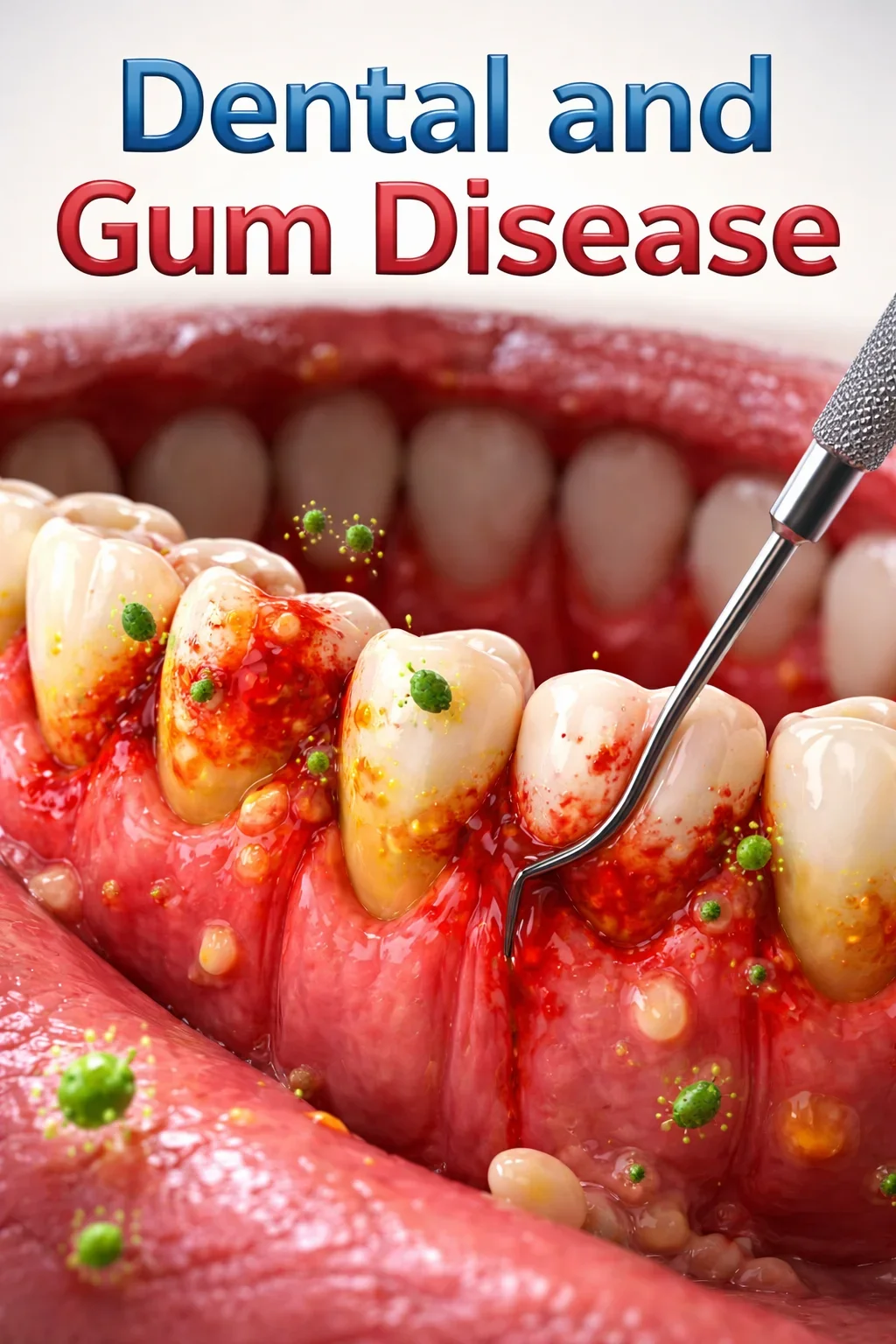
When to Visit a Dentist for Dental and Gum Disease
Knowing when to visit a dentist for dental and gum disease is essential for preventing serious oral health complications. Dental and gum disease often develops gradually, and many people delay seeking professional help until symptoms become severe. However, early intervention is the key to effectively managing dental and gum disease and avoiding more complex treatments in the future. 🦷
Regular dental visits are not only important for treatment but also for early detection and prevention of dental and gum disease. Even if you do not experience pain, routine check-ups can identify underlying issues before they worsen.
Early Signs That Require a Dental Visit
One of the most important reasons to visit a dentist is the presence of early symptoms of dental and gum disease. These symptoms may seem minor but can indicate the beginning of a more serious condition.
Common Warning Signs
- Bleeding gums أثناء brushing or flossing
- Red or swollen gums
- Persistent bad breath
- Sensitivity to hot or cold foods
If you notice any of these signs, it is important to consult a dentist promptly. Addressing dental and gum disease at this stage can prevent it from progressing into more advanced conditions. 😊
Signs of Advanced Dental and Gum Disease
As dental and gum disease progresses, the symptoms become more severe and require immediate professional attention. Ignoring these signs can lead to permanent damage to the teeth and gums.
Serious Symptoms to Watch For
- Loose or shifting teeth
- Gum recession exposing tooth roots
- Pain أثناء chewing
- Pus between teeth and gums
These symptoms indicate advanced dental and gum disease and should be treated as urgent. Delaying care can result in tooth loss and more invasive procedures.
Routine Dental Check-Ups for Prevention
Even if you do not experience any symptoms, regular dental check-ups are essential for preventing dental and gum disease. Dentists can detect early signs that are not visible or noticeable at home.
Most dental professionals recommend visiting the dentist at least twice a year. These visits allow for professional cleaning, removal of tartar, and monitoring of oral health. Routine check-ups play a critical role in preventing dental and gum disease and maintaining a healthy smile.
What Happens During a Check-Up
- Examination of teeth and gums
- Professional cleaning to remove plaque and tartar
- Assessment of gum health and pocket depth
- Discussion of oral hygiene habits
These steps ensure that dental and gum disease is identified and managed early.
High-Risk Individuals Who Should Visit More Often
Some individuals are at a higher risk of developing dental and gum disease and may need more frequent dental visits. Identifying these risk factors helps ensure timely care and prevention.
Who Is at Higher Risk?
- Smokers or tobacco users
- People with diabetes
- Pregnant women بسبب hormonal changes
- Individuals with a history of dental and gum disease
For these groups, visiting the dentist more frequently can help control dental and gum disease and prevent complications.
Emergency Situations Related to Dental and Gum Disease
In some cases, dental and gum disease can lead to emergencies that require immediate attention. Severe pain, swelling, or infection should never be ignored.
When to Seek Urgent Care
- Severe toothache or gum pain
- Swelling in the gums or face
- Sudden tooth mobility
- Signs of infection such as fever
These situations may indicate advanced dental and gum disease and require urgent treatment to prevent further complications. 🚨
Benefits of Early Dental Visits
Visiting the dentist early for dental and gum disease offers several benefits. Early detection allows for simpler treatments, reduces costs, and improves overall outcomes.
Key Advantages
- Prevents progression of dental and gum disease
- Reduces need for invasive procedures
- Maintains oral and overall health
- Improves confidence and quality of life
Taking action early is one of the most effective ways to manage dental and gum disease.
How to Schedule a Dental Visit
If you suspect any symptoms of dental and gum disease or simply want to maintain your oral health, scheduling a dental visit is easy. Professional guidance ensures that your condition is properly evaluated and treated.
You can reach out through the Redent Klinik Contact Page to book an appointment and receive expert care for dental and gum disease.
Expert Advice on Dental Visits
According to the American Dental Association, regular dental visits are essential for preventing and managing dental and gum disease. Their guidelines recommend maintaining a consistent schedule and seeking care whenever symptoms arise.
Conclusion: Do Not Delay Dental Care
In conclusion, knowing when to visit a dentist for dental and gum disease can make a significant difference in your oral health. Whether it is early symptoms, advanced signs, or routine check-ups, timely dental visits are essential.
By staying proactive and seeking professional care when needed, you can effectively manage dental and gum disease and maintain a healthy, confident smile. Do not wait for symptoms to worsen—take action today and protect your oral health for the future. ✨