
Choosing the right dental and orthodontic insurance plans can make a major difference in both oral health and long-term financial savings. Many people delay dental care because they worry about treatment costs, especially when braces, aligners, crowns, implants, or specialized orthodontic procedures are involved. However, modern dental and orthodontic insurance plans are designed to help patients access preventive care, restorative treatments, and orthodontic solutions without overwhelming expenses. 🦷
Understanding how dental and orthodontic insurance plans work is essential before selecting coverage. These plans typically help pay for routine dental visits, professional cleanings, X-rays, fillings, root canals, extractions, and orthodontic procedures such as braces or clear aligners. Some policies focus mainly on preventive dental care, while others offer more advanced orthodontic benefits for both children and adults.
Most dental and orthodontic insurance plans divide coverage into three main categories: preventive, basic, and major services. Preventive services often include exams and cleanings covered at 100%, encouraging patients to maintain healthy teeth and gums. Basic procedures like fillings or simple extractions may be partially covered, usually around 70–80%. Major services such as crowns, bridges, dentures, implants, or orthodontic treatments are often covered at lower percentages depending on the provider and policy structure.
One of the biggest reasons people compare dental and orthodontic insurance plans is orthodontic treatment costs. Braces and aligners can become expensive without insurance support. Traditional metal braces may cost between $3,000 and $7,500 in the United States, while clear aligners may range from $4,000 to $8,000 depending on complexity and treatment duration. Many insurance providers reduce these costs through monthly payment assistance or partial orthodontic coverage.
Patients looking for affordable oral care should carefully review annual maximums, deductibles, waiting periods, and provider networks included in dental and orthodontic insurance plans. Some plans have low monthly premiums but limited orthodontic benefits. Others provide broader treatment access but higher monthly costs. Finding the right balance between affordability and comprehensive care is extremely important.
Preventive oral care remains one of the most valuable aspects of dental and orthodontic insurance plans. Regular dental checkups help identify cavities, gum disease, enamel erosion, oral infections, and bite issues before they become severe problems. Early treatment often reduces long-term expenses and helps patients avoid complicated surgeries or emergency dental visits.
Families frequently search for dental and orthodontic insurance plans because children often require orthodontic monitoring during adolescence. Orthodontists typically evaluate jaw growth, bite alignment, tooth crowding, and spacing issues between ages 7 and 14. Insurance support during this stage can significantly reduce out-of-pocket expenses for parents. 👨👩👧
Adults are also increasingly purchasing dental and orthodontic insurance plans due to the growing popularity of cosmetic orthodontics and smile correction treatments. Clear aligners, ceramic braces, and discreet orthodontic appliances are now widely used by professionals seeking improved aesthetics and oral function. Adult orthodontic coverage is becoming more common as insurance companies adapt to modern patient demands.
Many patients also compare dental discount programs alongside traditional dental and orthodontic insurance plans. Discount plans are not technically insurance policies but instead provide reduced treatment pricing through participating clinics. While these programs may lower immediate costs, they usually do not offer the same level of financial protection as comprehensive insurance coverage.
Another important factor when reviewing dental and orthodontic insurance plans is network flexibility. PPO dental insurance plans often allow patients to visit both in-network and out-of-network providers, while HMO dental plans may require choosing dentists within a smaller network. PPO plans generally offer greater flexibility but may involve slightly higher monthly premiums.
Patients interested in cosmetic dentistry should verify whether dental and orthodontic insurance plans cover elective procedures. Teeth whitening, veneers, and purely cosmetic smile enhancements are usually excluded from standard coverage. However, medically necessary orthodontic procedures are often partially covered when they improve oral function or jaw alignment.
According to the American Dental Association, maintaining routine oral healthcare plays a critical role in overall wellness. Healthy gums and teeth may help reduce the risk of systemic health conditions linked to inflammation and infection. This makes preventive dental care an important investment rather than simply an optional expense.
International dental tourism is also influencing how patients evaluate dental and orthodontic insurance plans. Many people compare domestic insurance costs with treatment abroad, especially for implants, orthodontics, and cosmetic dental procedures. Some clinics provide affordable treatment packages that remain attractive even without insurance coverage. Patients seeking professional consultation and treatment planning can visit the Redent Klinik Contact Page for additional guidance regarding modern dental solutions.
When researching dental and orthodontic insurance plans, patients should also examine lifetime orthodontic maximums. Many insurance companies set lifetime orthodontic limits between $1,000 and $3,500. Understanding these limitations helps patients avoid unexpected treatment costs later.
Another growing trend involves flexible spending accounts (FSA) and health savings accounts (HSA), which are commonly used alongside dental and orthodontic insurance plans. These accounts allow patients to pay eligible dental expenses using pre-tax funds, helping reduce overall treatment costs while maximizing healthcare savings.
Ultimately, the best dental and orthodontic insurance plans are those that match a patient’s oral health needs, budget, treatment goals, and provider preferences. Whether someone needs preventive cleanings, braces for a teenager, clear aligners for adults, or major restorative dentistry, choosing the right plan can improve both financial security and long-term oral health outcomes. 😊
How Dental and Orthodontic Insurance Plans Work
Understanding how dental and orthodontic insurance plans work is one of the most important steps when choosing the right coverage for yourself or your family. Many patients purchase insurance without fully understanding deductibles, annual limits, waiting periods, provider networks, or orthodontic coverage rules. As a result, they may face unexpected costs during treatment. Learning the structure of dental and orthodontic insurance plans helps patients make smarter healthcare decisions while protecting long-term oral health. 🦷
What Are Dental and Orthodontic Insurance Plans?
Dental and orthodontic insurance plans are healthcare policies designed to reduce the cost of preventive, restorative, and orthodontic dental procedures. These plans typically help patients pay for routine dental cleanings, oral examinations, X-rays, fillings, root canals, extractions, crowns, braces, clear aligners, and other dental treatments.
Most dental and orthodontic insurance plans operate through monthly premiums. In exchange for regular monthly payments, insurance companies share a portion of dental treatment expenses. Depending on the policy, the insurance provider may cover preventive care entirely while partially covering basic and major procedures.
Unlike standard medical insurance, dental and orthodontic insurance plans usually have annual maximum benefit limits. This means there is a cap on how much the insurance company will pay during a calendar year. Understanding these limits is essential before starting expensive orthodontic treatment.
How Coverage Categories Work
Most dental and orthodontic insurance plans divide treatments into several categories. Each category has different reimbursement percentages depending on the policy.
Preventive Services
Preventive services are commonly covered at 100% in many dental and orthodontic insurance plans. These services may include:
- Routine dental examinations
- Professional teeth cleanings
- Dental X-rays
- Fluoride treatments
- Sealants for children
Insurance companies encourage preventive care because it reduces the risk of expensive dental problems later. Regular dental visits can identify cavities, gum disease, enamel wear, and orthodontic concerns early. 😊
Basic Dental Procedures
Basic treatments in dental and orthodontic insurance plans are usually covered at approximately 70–80%. These procedures often include:
- Fillings
- Simple tooth extractions
- Periodontal therapy
- Emergency dental care
Patients may still pay part of the treatment cost through coinsurance or deductibles.
Major Dental Procedures
Major restorative procedures are generally covered at lower percentages under dental and orthodontic insurance plans. Coverage may range from 40–60% depending on the policy. Major services often include:
- Dental crowns
- Bridges
- Dentures
- Dental implants
- Complex oral surgery
Because these procedures can become expensive, reviewing annual benefit maximums is extremely important before treatment begins.
Orthodontic Coverage Explained
Orthodontic treatment is one of the most discussed parts of dental and orthodontic insurance plans. Orthodontics focuses on correcting tooth alignment, bite problems, spacing issues, and jaw irregularities.
Traditional braces and clear aligners may cost thousands of dollars without insurance support. Many insurance providers offer orthodontic benefits specifically for children, while some also include adult orthodontic treatment.
Common Orthodontic Treatments Covered
- Metal braces
- Ceramic braces
- Clear aligners
- Retainers
- Orthodontic evaluations
However, not all dental and orthodontic insurance plans provide the same orthodontic coverage. Some policies only cover medically necessary treatment, while others partially cover cosmetic alignment procedures.
Deductibles and Coinsurance
Deductibles are another essential feature of dental and orthodontic insurance plans. A deductible is the amount patients must pay out-of-pocket before insurance benefits begin.
For example, if a dental plan has a $100 deductible, the patient must first pay that amount before insurance starts sharing treatment costs.
Coinsurance is the percentage split between the patient and insurance provider after the deductible has been met. If a plan covers 80% of a procedure, the patient pays the remaining 20%.
Waiting Periods in Dental Insurance
Many dental and orthodontic insurance plans include waiting periods for certain procedures. Preventive services are often available immediately, while major procedures and orthodontic treatment may require waiting periods ranging from 6 to 24 months.
Waiting periods protect insurance companies from patients enrolling only when they need expensive treatment. Before choosing coverage, patients should carefully compare waiting period policies.
PPO vs HMO Dental Insurance
Two common types of dental and orthodontic insurance plans are PPO and HMO plans.
PPO Dental Plans
PPO plans offer greater flexibility by allowing patients to visit both in-network and out-of-network dentists. Patients save more money when choosing participating providers but still maintain treatment flexibility.
HMO Dental Plans
HMO plans generally require patients to use dentists within a specific network. These plans often have lower monthly premiums but less provider flexibility.
Average Orthodontic Costs With Insurance
The cost of orthodontic treatment varies widely even with dental and orthodontic insurance plans. Approximate treatment costs in the United States may include:
- Metal braces: $3,000–$7,500
- Ceramic braces: $4,000–$8,000
- Clear aligners: $4,000–$8,500
- Retainers: $150–$600
Insurance may reduce these costs significantly depending on lifetime orthodontic maximums.
Why Preventive Dental Care Matters
Preventive care remains one of the greatest advantages of dental and orthodontic insurance plans. Routine cleanings and exams help reduce the risk of serious oral health problems such as gum disease, infections, tooth loss, and bone deterioration.
According to the American Dental Association, preventive oral care plays a critical role in maintaining both oral and overall health. Patients who consistently attend dental appointments often experience fewer emergency dental procedures and lower long-term healthcare expenses.
Finding the Right Insurance Provider
Choosing among various dental and orthodontic insurance plans requires careful comparison of coverage details, treatment exclusions, provider networks, and monthly premiums. Patients should evaluate:
- Orthodontic lifetime maximums
- Annual benefit limits
- Coverage percentages
- Deductibles
- Waiting periods
- Provider flexibility
Patients considering advanced dental procedures or orthodontic treatment may also benefit from consulting experienced clinics before selecting insurance coverage. Professional guidance regarding treatment planning and smile restoration options can be obtained through the Redent Klinik Contact Page.
Ultimately, understanding how dental and orthodontic insurance plans work allows patients to maximize insurance benefits, reduce financial stress, and maintain healthier teeth and gums over the long term. Comprehensive dental coverage is not simply about saving money — it is also an investment in confidence, comfort, and lifelong oral wellness. 😁
Best Dental and Orthodontic Insurance Plans for Families
Finding the best dental and orthodontic insurance plans for families is an important decision that affects both oral health and long-term financial stability. Families often require multiple types of dental care at the same time, including preventive cleanings for children, orthodontic evaluations for teenagers, and restorative procedures for adults. Because of these varying needs, choosing comprehensive dental and orthodontic insurance plans can help reduce treatment costs while ensuring consistent access to professional dental care. 👨👩👧👦
Modern families are increasingly aware that preventive oral healthcare is essential for overall wellness. Cavities, gum disease, bite alignment problems, and jaw development issues can become more serious and expensive if left untreated. Quality dental and orthodontic insurance plans provide financial support for routine dental care while also helping families manage the cost of braces, aligners, retainers, and specialized orthodontic treatment.
Why Families Need Comprehensive Dental Coverage
Families often have more complex dental healthcare needs compared to individuals. Children may require fluoride treatments, sealants, and orthodontic monitoring, while adults may need crowns, implants, periodontal therapy, or cosmetic restorations. The right dental and orthodontic insurance plans can make these treatments more affordable through shared insurance coverage.
Without proper insurance, routine dental care costs can quickly increase. Preventive appointments alone may include:
- Dental examinations
- Professional cleanings
- X-rays
- Orthodontic consultations
- Emergency dental visits
When multiple family members need treatment during the same year, expenses may become difficult to manage. Comprehensive dental and orthodontic insurance plans help families avoid unexpected financial stress while encouraging consistent dental care.
Important Features to Compare in Family Plans
Not all dental and orthodontic insurance plans provide the same benefits. Families should carefully compare policy details before selecting coverage.
Annual Maximum Benefits
Most dental and orthodontic insurance plans include annual maximum limits. This is the total amount an insurance company will pay during a calendar year.
Typical annual maximums range between:
- $1,000–$1,500 for standard family plans
- $2,000–$3,500 for premium family plans
Families expecting orthodontic treatment or restorative dental procedures should consider plans with higher annual limits whenever possible.
Orthodontic Lifetime Maximums
Orthodontic coverage often has separate lifetime maximums within dental and orthodontic insurance plans. This amount usually ranges from $1,000 to $3,500 per patient.
For families with children who may need braces or aligners, reviewing orthodontic limits carefully is extremely important before starting treatment.
Waiting Periods
Many dental and orthodontic insurance plans include waiting periods for major dental procedures and orthodontics. While preventive services may begin immediately, braces or restorative procedures may require waiting periods between 6 and 24 months.
Families planning orthodontic treatment soon should prioritize plans with shorter waiting periods.
Orthodontic Coverage for Children and Teenagers
One of the main reasons families purchase dental and orthodontic insurance plans is orthodontic care for children and teenagers. Orthodontic treatment can improve:
- Bite alignment
- Tooth spacing
- Jaw development
- Speech function
- Oral hygiene accessibility
Orthodontists often recommend evaluations around age 7 to identify developing alignment problems early. Early intervention may help reduce treatment complexity later in adolescence.
Common Orthodontic Treatments Covered
Many family dental and orthodontic insurance plans partially cover:
- Metal braces
- Ceramic braces
- Clear aligners
- Retainers
- Space maintainers
However, cosmetic orthodontic treatments may not always receive full coverage. Families should verify treatment eligibility directly with insurance providers.
Average Family Orthodontic Costs
Orthodontic treatment can become expensive without insurance support. Approximate treatment costs in the United States may include:
- Traditional metal braces: $3,000–$7,500
- Ceramic braces: $4,000–$8,000
- Clear aligners: $4,000–$8,500
- Retainers: $150–$600
Strong dental and orthodontic insurance plans can significantly reduce out-of-pocket expenses through partial reimbursement and negotiated provider pricing.
PPO vs HMO Family Dental Plans
Families choosing between PPO and HMO dental and orthodontic insurance plans should understand the differences carefully.
PPO Family Plans
PPO plans provide greater flexibility and allow families to visit both in-network and out-of-network providers. These plans are often preferred by families who want freedom when selecting pediatric dentists or orthodontists.
Advantages of PPO plans include:
- Large provider networks
- Flexible specialist access
- More treatment choices
- Out-of-network coverage options
HMO Family Plans
HMO dental and orthodontic insurance plans usually offer lower monthly premiums but require treatment within a limited provider network.
Advantages may include:
- Lower monthly costs
- Reduced copayments
- Affordable preventive care
However, specialist flexibility is generally more limited.
Preventive Dental Care for Families
Preventive dentistry is one of the greatest long-term benefits of dental and orthodontic insurance plans. Routine cleanings and exams help families avoid:
- Severe tooth decay
- Advanced gum disease
- Emergency dental procedures
- Complex oral surgery
- Costly restorative treatments
According to the American Dental Association, preventive oral healthcare helps improve both oral and systemic health. Regular dental visits may reduce the risk of infections, inflammation, and chronic dental complications.
Choosing the Right Plan for Your Family
When comparing dental and orthodontic insurance plans, families should evaluate several important factors:
- Monthly premium affordability
- Orthodontic coverage percentages
- Provider network size
- Annual benefit limits
- Waiting periods
- Emergency dental coverage
- Pediatric dental benefits
Families with younger children may prioritize preventive care and orthodontic evaluations, while families with adults may need broader restorative coverage including implants and crowns.
Dental Tourism and Family Savings
Some families also compare international treatment options when evaluating dental and orthodontic insurance plans. Dental tourism has become increasingly popular for orthodontics, implants, and cosmetic dentistry because treatment costs abroad may be significantly lower than domestic prices.
Professional consultation regarding treatment planning and advanced dental procedures can be obtained through the Redent Klinik Contact Page. Families considering comprehensive smile restoration or orthodontic treatment may benefit from discussing available treatment options with experienced dental professionals.
Long-Term Value of Family Dental Insurance
The best dental and orthodontic insurance plans provide more than simple financial savings. They encourage regular dental care, improve oral health outcomes, reduce emergency treatment risks, and support confidence through healthy smiles. 😁
For families managing multiple dental needs simultaneously, comprehensive insurance coverage can create peace of mind while helping every family member receive the care they need. Investing in preventive dentistry and orthodontic support today often prevents far more expensive and complicated oral health problems in the future.
Comparing Monthly Costs and Coverage Benefits
One of the most important steps when choosing dental and orthodontic insurance plans is comparing monthly costs and overall coverage benefits. Many patients focus only on low monthly premiums without understanding how deductibles, annual maximums, orthodontic limits, and treatment percentages affect total expenses over time. A detailed comparison helps individuals and families select dental and orthodontic insurance plans that provide the best balance between affordability and long-term value. 🦷
Insurance companies offer many different plan structures, each designed for specific oral healthcare needs. Some policies focus heavily on preventive care, while others provide stronger orthodontic or restorative coverage. Understanding these differences can help patients avoid unexpected out-of-pocket costs and improve access to quality dental treatment.
Understanding Monthly Premiums
The monthly premium is the amount paid each month to maintain active dental and orthodontic insurance plans. Premiums vary depending on:
- Coverage level
- Provider network size
- Orthodontic benefits
- Geographic location
- Family size
- Insurance company policies
Basic preventive plans generally have lower monthly premiums, while comprehensive family dental and orthodontic insurance plans with orthodontic coverage often cost more.
Average Monthly Premium Costs
Approximate monthly premium ranges in the United States may include:
- Basic individual dental plans: $15–$35 monthly
- Comprehensive individual plans: $40–$70 monthly
- Family dental plans: $80–$180 monthly
- Premium orthodontic family plans: $150–$300 monthly
While lower premiums may appear attractive initially, they sometimes include limited coverage or higher out-of-pocket treatment expenses.
Comparing Coverage Percentages
One of the most important aspects of dental and orthodontic insurance plans is the percentage of treatment costs covered by the insurance company.
Preventive Care Coverage
Most dental and orthodontic insurance plans cover preventive care at 100%. Preventive services commonly include:
- Routine dental exams
- Professional cleanings
- Dental X-rays
- Fluoride applications
- Sealants
Preventive coverage is extremely valuable because it helps patients maintain oral health and avoid expensive future procedures.
Basic Procedure Coverage
Basic procedures are usually covered at 70–80% under many dental and orthodontic insurance plans. These procedures may include:
- Dental fillings
- Simple extractions
- Emergency treatment
- Periodontal cleaning
Patients are typically responsible for the remaining percentage through coinsurance payments.
Major Procedure Coverage
Major restorative procedures often receive lower coverage percentages in dental and orthodontic insurance plans. Coverage commonly ranges from 40–60% depending on the provider and policy.
Major procedures may include:
- Dental crowns
- Bridges
- Dentures
- Dental implants
- Oral surgery
Because these treatments can become costly, patients should carefully compare coverage percentages before selecting insurance.
Orthodontic Benefits Comparison
Orthodontic treatment is one of the biggest factors affecting the value of dental and orthodontic insurance plans. Braces and aligners can cost thousands of dollars without insurance support.
Typical Orthodontic Coverage
Many dental and orthodontic insurance plans cover approximately 25–50% of orthodontic treatment costs up to a lifetime maximum.
Common orthodontic treatments include:
- Metal braces
- Ceramic braces
- Clear aligners
- Retainers
- Orthodontic consultations
Patients should confirm whether adult orthodontic treatment is covered because some insurance policies only include benefits for children under 18.
Lifetime Orthodontic Maximums
Most dental and orthodontic insurance plans include lifetime orthodontic maximums ranging between $1,000 and $3,500. This means the insurance company will stop contributing after reaching that limit, regardless of total treatment cost.
Families expecting multiple orthodontic cases should prioritize plans with higher orthodontic maximums whenever possible.
Deductibles and Out-of-Pocket Costs
Deductibles are another major factor when comparing dental and orthodontic insurance plans. A deductible is the amount patients must pay before insurance coverage begins.
Typical annual deductibles may range from:
- $50–$100 for individuals
- $150–$300 for families
Lower-premium plans often include higher deductibles, which may increase treatment expenses later.
Waiting Periods and Treatment Delays
Waiting periods are common in dental and orthodontic insurance plans, especially for major restorative and orthodontic procedures.
Common Waiting Period Ranges
- Preventive care: immediate coverage
- Basic procedures: 3–6 months
- Major restorative procedures: 6–12 months
- Orthodontics: 12–24 months
Patients planning immediate treatment should compare waiting periods carefully before purchasing insurance coverage.
PPO vs HMO Cost Differences
Different insurance structures affect both flexibility and pricing within dental and orthodontic insurance plans.
PPO Dental Plans
PPO plans generally have:
- Higher monthly premiums
- Larger provider networks
- Greater specialist flexibility
- Out-of-network coverage options
PPO plans are often preferred by patients seeking flexibility in choosing orthodontists and specialists.
HMO Dental Plans
HMO dental and orthodontic insurance plans usually feature:
- Lower monthly premiums
- Lower preventive care costs
- Restricted provider networks
- Reduced specialist flexibility
While HMOs may save money monthly, treatment choices can become more limited.
Comparing Long-Term Value Instead of Monthly Price
Many patients mistakenly select the cheapest dental and orthodontic insurance plans without evaluating long-term treatment needs. A low monthly premium may appear affordable but could result in higher total expenses if major procedures or orthodontic treatment become necessary.
For example, a family paying slightly higher premiums may ultimately save thousands of dollars if braces, crowns, or implants are partially covered.
Preventive Dentistry and Cost Savings
Preventive care remains one of the greatest financial advantages of dental and orthodontic insurance plans. Routine dental visits help identify oral health problems early, reducing the likelihood of:
- Advanced tooth decay
- Gum disease
- Tooth loss
- Emergency dental surgery
- Complex orthodontic complications
According to the American Dental Association, preventive oral healthcare significantly improves long-term oral wellness and may reduce expensive future treatment needs.
Professional Consultation Before Choosing a Plan
Patients considering implants, orthodontics, cosmetic dentistry, or restorative procedures should consult dental professionals before selecting dental and orthodontic insurance plans. Understanding anticipated treatment needs helps patients choose coverage that provides the best financial protection.
Professional treatment consultation and advanced dental planning support can be obtained through the Redent Klinik Contact Page. Experienced dental clinics can help patients evaluate future treatment needs and estimate expected costs more accurately.
Ultimately, comparing monthly costs and coverage benefits carefully allows patients to choose dental and orthodontic insurance plans that support both oral health and long-term financial stability. The best plan is not always the cheapest one — it is the plan that provides reliable protection when important dental treatment becomes necessary. 😁
What Orthodontic Treatments Are Usually Covered?
One of the most common questions patients ask when researching dental and orthodontic insurance plans is which orthodontic treatments are actually covered. Orthodontic care can significantly improve both oral function and smile appearance, but treatment costs are often expensive without insurance assistance. Understanding what procedures are typically included in dental and orthodontic insurance plans helps patients prepare financially and make informed treatment decisions. 🦷
Orthodontic treatment focuses on correcting problems related to tooth alignment, jaw positioning, bite irregularities, and spacing issues. These conditions may affect not only appearance but also chewing efficiency, speech, oral hygiene, and long-term dental health. Many insurance providers recognize the importance of orthodontic care and include partial coverage within their dental and orthodontic insurance plans.
Why Orthodontic Treatment Matters
Orthodontic treatment is about much more than cosmetic improvement. Properly aligned teeth are easier to clean and maintain, reducing the risk of cavities, gum disease, and enamel wear. Patients with severe bite problems may also experience jaw discomfort, headaches, speech difficulties, and uneven tooth pressure.
Comprehensive dental and orthodontic insurance plans can help patients access corrective treatments earlier before complications become more severe and expensive.
Most Common Orthodontic Treatments Covered
Insurance companies vary in what they include, but many dental and orthodontic insurance plans partially cover several standard orthodontic procedures.
Traditional Metal Braces
Traditional metal braces remain one of the most frequently covered treatments within dental and orthodontic insurance plans. Metal braces use brackets and wires to gradually move teeth into proper alignment.
Metal braces are commonly recommended for:
- Severe crowding
- Overbites
- Underbites
- Crossbites
- Spacing problems
- Jaw alignment issues
The average cost of traditional braces in the United States ranges between $3,000 and $7,500 depending on treatment complexity and duration. Insurance coverage may reduce a significant portion of these expenses.
Ceramic Braces
Ceramic braces function similarly to metal braces but use tooth-colored or clear brackets for improved aesthetics. Some dental and orthodontic insurance plans partially cover ceramic braces, although patients may still pay higher out-of-pocket costs compared to traditional metal braces.
Ceramic braces are often chosen by:
- Teenagers concerned about appearance
- Adults seeking discreet treatment
- Professionals wanting less visible orthodontics
Treatment costs for ceramic braces generally range from $4,000 to $8,000.
Clear Aligners
Clear aligners have become increasingly popular within modern dental and orthodontic insurance plans. These removable transparent trays gradually shift teeth into proper alignment while offering improved aesthetics and convenience.
Clear aligners may be appropriate for:
- Mild to moderate crowding
- Minor bite corrections
- Adult orthodontic treatment
- Patients seeking removable appliances
However, not all dental and orthodontic insurance plans provide equal aligner coverage. Some insurance companies classify aligners as cosmetic treatments and offer limited reimbursement.
Clear aligner treatment commonly costs between $4,000 and $8,500 depending on case complexity.
Retainers and Post-Treatment Maintenance
Retainers are another orthodontic service sometimes covered within dental and orthodontic insurance plans. Retainers help maintain tooth alignment after braces or aligners are removed.
Without proper retainer use, teeth may gradually shift back toward their original positions. Retainers can be:
- Removable plastic retainers
- Hawley retainers
- Permanent bonded retainers
Retainer costs usually range from $150 to $600 depending on type and replacement frequency.
Orthodontic Evaluations and Diagnostic Services
Many dental and orthodontic insurance plans also cover diagnostic orthodontic services such as:
- Orthodontic consultations
- Panoramic X-rays
- Cephalometric imaging
- Digital treatment scans
- Bite analysis
These evaluations help orthodontists determine treatment needs and develop customized correction plans.
Orthodontic Coverage for Children vs Adults
One major difference among dental and orthodontic insurance plans involves age-based orthodontic coverage.
Children and Teen Orthodontic Coverage
Most insurance companies primarily focus orthodontic benefits on children and teenagers because jaw development and tooth movement are often more predictable during adolescence.
Children’s orthodontic coverage commonly includes:
- Braces
- Space maintainers
- Retainers
- Early intervention appliances
Orthodontic evaluations are often recommended around age 7.
Adult Orthodontic Coverage
Adult orthodontic treatment is becoming increasingly common, but not all dental and orthodontic insurance plans provide strong adult coverage.
Some premium plans now include partial reimbursement for:
- Adult braces
- Clear aligners
- Bite correction therapy
- Retainers
Adults considering orthodontic treatment should carefully review policy details before enrolling.
What Orthodontic Treatments Are Often Excluded?
Although many procedures are included in dental and orthodontic insurance plans, some treatments may have limited or no coverage.
Cosmetic-Only Orthodontics
Insurance providers may deny coverage for purely cosmetic orthodontic procedures that do not improve oral function or bite alignment.
Examples may include:
- Minor cosmetic tooth adjustments
- Luxury aligner upgrades
- Optional aesthetic accessories
Replacement Appliances
Lost or damaged retainers and aligners may not always be covered under dental and orthodontic insurance plans. Patients often pay replacement costs separately.
Orthodontic Waiting Periods
Many dental and orthodontic insurance plans include waiting periods before orthodontic benefits become active. Common waiting periods range between 12 and 24 months.
Patients planning immediate orthodontic treatment should compare waiting periods carefully before selecting insurance coverage.
Orthodontic Lifetime Maximums
Unlike preventive dental care, orthodontic coverage within dental and orthodontic insurance plans often includes lifetime maximum limits.
Typical lifetime orthodontic maximums range from:
- $1,000–$1,500 for basic plans
- $2,000–$3,500 for premium plans
Once this limit is reached, patients become responsible for remaining treatment costs.
Preventive Dentistry and Orthodontics
Preventive oral healthcare plays an important role even during orthodontic treatment. According to the American Dental Association, patients wearing braces or aligners should maintain excellent oral hygiene to reduce the risk of cavities and gum inflammation.
Routine cleanings and exams covered under dental and orthodontic insurance plans help maintain healthy teeth throughout orthodontic treatment.
Professional Consultation Before Starting Orthodontics
Before beginning braces or aligner treatment, patients should review their dental and orthodontic insurance plans carefully with both the insurance provider and orthodontic clinic. Understanding coverage limitations, reimbursement percentages, waiting periods, and provider networks helps prevent unexpected expenses.
Patients considering orthodontic treatment, smile restoration, or advanced dental procedures may obtain professional consultation through the Redent Klinik Contact Page. Personalized treatment planning helps patients better understand available orthodontic options and expected costs.
Ultimately, understanding which orthodontic treatments are covered within dental and orthodontic insurance plans allows patients to maximize benefits, reduce financial stress, and achieve healthier, more confident smiles. 😁
Dental and Orthodontic Insurance Plans for Adults
Modern dental and orthodontic insurance plans are no longer designed only for children and teenagers. Today, millions of adults seek orthodontic treatment and advanced dental care to improve both oral health and smile appearance. As adult orthodontics becomes increasingly popular, insurance companies are gradually expanding coverage options to meet growing demand. Understanding how dental and orthodontic insurance plans work specifically for adults can help patients choose the right policy while reducing long-term treatment expenses. 🦷
Adults often require more complex dental treatment compared to younger patients. While children usually focus on preventive care and braces, adults may need restorative dentistry, periodontal therapy, implants, crowns, veneers, or clear aligner treatment. Comprehensive dental and orthodontic insurance plans help adults manage these costs while maintaining healthy teeth and gums throughout life.
Why Adults Need Dental and Orthodontic Coverage
Many adults mistakenly believe orthodontic treatment is only appropriate for children. However, orthodontics can improve oral function, bite stability, and overall dental health at almost any age.
Adults commonly seek orthodontic care for:
- Crooked teeth
- Bite misalignment
- Jaw discomfort
- Speech difficulties
- Spacing problems
- Smile aesthetics
Without proper dental and orthodontic insurance plans, these treatments may become financially difficult. Insurance support allows adults to access corrective treatment while minimizing out-of-pocket expenses.
Common Adult Dental Treatments Covered
Most dental and orthodontic insurance plans for adults include preventive, basic, and major restorative services.
Preventive Services
Preventive care is typically covered at 100% under many dental and orthodontic insurance plans. These services may include:
- Routine dental exams
- Professional cleanings
- Dental X-rays
- Fluoride treatments
- Oral cancer screenings
Regular preventive care helps adults avoid more severe oral health complications later.
Basic Restorative Procedures
Basic procedures commonly covered within dental and orthodontic insurance plans include:
- Dental fillings
- Simple extractions
- Periodontal therapy
- Emergency dental treatment
Insurance providers usually cover approximately 70–80% of these procedures after deductibles.
Major Restorative Procedures
Adults are more likely to require major restorative dentistry than younger patients. Many dental and orthodontic insurance plans partially cover:
- Dental crowns
- Bridges
- Dentures
- Root canal therapy
- Dental implants
Coverage percentages for major procedures generally range from 40–60% depending on the plan.
Adult Orthodontic Treatment Options
One of the fastest-growing areas within dental and orthodontic insurance plans is adult orthodontic care. Many adults now seek treatment to improve both oral function and appearance.
Traditional Braces for Adults
Traditional braces remain highly effective for correcting severe alignment and bite problems in adults.
Metal braces may help correct:
- Overbites
- Underbites
- Crossbites
- Tooth crowding
- Jaw misalignment
Adult braces treatment generally costs between $3,000 and $7,500 depending on complexity and duration.
Clear Aligners for Adults
Clear aligners have become extremely popular among adults using dental and orthodontic insurance plans. Adults often prefer aligners because they are discreet, removable, and comfortable.
Advantages of clear aligners include:
- Improved aesthetics
- Removable trays for eating
- Easier oral hygiene
- Reduced dietary restrictions
Clear aligner treatment commonly costs between $4,000 and $8,500. Some insurance providers partially cover aligners, while others classify them as cosmetic treatments.
Periodontal Health and Adult Orthodontics
Adults considering orthodontic treatment should also understand the connection between gum health and dental and orthodontic insurance plans. Adults are more likely to develop periodontal disease compared to younger patients.
Healthy gums are essential before beginning braces or aligners because orthodontic tooth movement depends on stable bone and periodontal support.
Many insurance plans partially cover:
- Deep cleanings
- Scaling and root planing
- Periodontal maintenance
- Gum disease therapy
Adult Orthodontic Coverage Limitations
Although adult orthodontics is becoming more common, not all dental and orthodontic insurance plans offer equal adult coverage.
Age Restrictions
Some insurance companies still limit orthodontic coverage to patients under 18 years old. Adults should carefully review policy details before enrolling.
Lifetime Orthodontic Maximums
Most dental and orthodontic insurance plans include lifetime orthodontic maximums between $1,000 and $3,500.
Patients are responsible for remaining treatment costs once this limit is reached.
Waiting Periods
Adult orthodontic coverage often includes waiting periods ranging from 12 to 24 months. Patients planning immediate treatment should compare waiting periods carefully.
Cosmetic Dentistry and Adult Insurance
Many adults also pursue cosmetic smile improvements while using dental and orthodontic insurance plans. However, cosmetic procedures are not always fully covered.
Common Cosmetic Procedures
- Teeth whitening
- Porcelain veneers
- Smile makeovers
- Cosmetic bonding
Insurance providers may deny coverage if treatments are considered purely aesthetic rather than medically necessary.
Average Adult Dental Treatment Costs
Adults should understand the approximate costs associated with common dental procedures even when using dental and orthodontic insurance plans.
- Dental cleaning: $75–$200
- Tooth filling: $150–$450
- Dental crown: $800–$2,500
- Dental implant: $3,000–$6,000
- Adult braces: $3,000–$7,500
- Clear aligners: $4,000–$8,500
Insurance may significantly reduce these costs depending on the plan structure and provider network.
PPO vs HMO Plans for Adults
Adults selecting dental and orthodontic insurance plans often compare PPO and HMO options.
PPO Plans
PPO plans usually offer:
- Greater provider flexibility
- Access to specialists
- Out-of-network options
- Broader treatment choices
HMO Plans
HMO plans typically include:
- Lower monthly premiums
- Smaller provider networks
- Lower preventive care costs
- More restricted specialist access
The best option depends on treatment priorities and budget considerations.
Preventive Care for Lifelong Oral Health
Preventive oral healthcare remains one of the greatest benefits of dental and orthodontic insurance plans for adults. Routine dental visits help reduce the risk of:
- Tooth loss
- Advanced gum disease
- Bone deterioration
- Oral infections
- Emergency dental procedures
According to the American Dental Association, preventive dental care supports both oral and systemic health by helping reduce chronic inflammation and untreated infections.
Professional Treatment Planning for Adults
Adults considering braces, implants, smile restorations, or cosmetic dentistry should review their dental and orthodontic insurance plans carefully with dental professionals before beginning treatment.
Patients seeking advanced dental consultation, orthodontic evaluations, or comprehensive smile restoration planning can obtain professional guidance through the Redent Klinik Contact Page. Personalized treatment planning allows adults to better understand available options and expected insurance coverage.
Ultimately, modern dental and orthodontic insurance plans provide adults with valuable access to preventive care, orthodontic correction, restorative dentistry, and long-term oral health support. Investing in adult dental coverage not only improves smile aesthetics but also contributes to overall wellness, confidence, and quality of life. 😁
How to Choose Affordable Preventive Dental Coverage
Choosing affordable preventive coverage within dental and orthodontic insurance plans is one of the smartest investments patients can make for long-term oral health. Preventive dentistry focuses on stopping dental problems before they become severe, painful, and expensive. Regular cleanings, exams, and early diagnosis can significantly reduce the need for major restorative procedures later. Understanding how preventive care works inside dental and orthodontic insurance plans helps patients maximize benefits while protecting both their oral health and financial stability. 🦷
Many patients underestimate the importance of preventive dental care until they experience serious problems such as tooth decay, gum disease, infections, or tooth loss. However, preventive services are usually among the most valuable components of modern dental and orthodontic insurance plans because insurance providers know early treatment reduces long-term healthcare costs.
What Is Preventive Dental Care?
Preventive dental care refers to routine oral healthcare designed to maintain healthy teeth and gums while preventing disease progression. Most dental and orthodontic insurance plans prioritize preventive care because it reduces the need for expensive emergency treatment and complex restorative procedures.
Preventive dentistry commonly includes:
- Routine dental examinations
- Professional cleanings
- Dental X-rays
- Fluoride treatments
- Dental sealants
- Oral cancer screenings
- Periodontal evaluations
By attending regular preventive appointments, patients can identify problems early and maintain healthier smiles for many years.
Why Preventive Coverage Matters
One of the biggest advantages of affordable dental and orthodontic insurance plans is access to preventive services with minimal out-of-pocket costs. Most insurance providers cover preventive care at 100%, especially when patients visit in-network providers.
Preventive dental care may help patients avoid:
- Severe cavities
- Advanced gum disease
- Root canal infections
- Tooth extractions
- Bone deterioration
- Emergency dental treatment
Routine care also allows dentists to detect orthodontic concerns such as crowding, bite irregularities, or jaw alignment problems before they become more complicated.
How Affordable Preventive Plans Work
Affordable dental and orthodontic insurance plans generally focus heavily on preventive services while offering partial coverage for restorative and orthodontic procedures.
Monthly Premium Structure
Preventive-focused plans usually have lower monthly premiums compared to comprehensive orthodontic policies.
Average monthly costs may include:
- Basic preventive individual plans: $15–$35 monthly
- Family preventive plans: $50–$120 monthly
- Enhanced preventive PPO plans: $40–$80 monthly
Although lower premiums may reduce monthly expenses, patients should still compare annual limits and provider networks carefully.
Preventive Coverage Percentages
Most dental and orthodontic insurance plans cover preventive services at:
- 100% for routine cleanings
- 100% for oral exams
- 100% for standard X-rays
- 80–100% for fluoride treatments
This level of coverage encourages patients to maintain consistent dental visits.
Choosing Between PPO and HMO Preventive Plans
Patients comparing affordable dental and orthodontic insurance plans often choose between PPO and HMO coverage structures.
PPO Preventive Plans
PPO plans generally offer:
- Larger provider networks
- Greater specialist flexibility
- Out-of-network treatment options
- More provider choice
PPO plans may have slightly higher monthly premiums but often provide greater convenience.
HMO Preventive Plans
HMO dental and orthodontic insurance plans usually include:
- Lower monthly premiums
- Lower copayments
- Simplified preventive care access
- Restricted provider networks
Patients who prefer lower monthly costs may find HMO plans attractive if network limitations are acceptable.
Importance of In-Network Dentists
Most affordable dental and orthodontic insurance plans provide better pricing when patients use in-network dentists. Insurance companies negotiate discounted treatment rates with participating providers.
Advantages of using in-network providers include:
- Lower treatment costs
- Reduced copayments
- Simplified claims processing
- Predictable pricing
Out-of-network treatment may involve higher out-of-pocket expenses even with active insurance coverage.
Preventive Coverage for Children
Children benefit significantly from preventive-focused dental and orthodontic insurance plans. Early dental care helps monitor tooth development and identify orthodontic concerns during growth.
Common Pediatric Preventive Services
- Fluoride applications
- Sealants
- Growth monitoring
- Orthodontic evaluations
- Routine cleanings
Preventive dental visits during childhood often reduce future orthodontic complexity and long-term treatment expenses.
How Preventive Care Supports Orthodontics
Preventive oral care plays an important role during orthodontic treatment as well. Patients wearing braces or aligners require additional hygiene maintenance to prevent plaque buildup and enamel damage.
Many dental and orthodontic insurance plans continue covering preventive cleanings and exams during orthodontic treatment.
Routine preventive visits help reduce:
- Gum inflammation
- Cavity formation
- Enamel staining
- Orthodontic complications
Understanding Annual Maximums
Even affordable dental and orthodontic insurance plans usually include annual benefit maximums. These limits commonly range between:
- $1,000–$1,500 for basic preventive plans
- $2,000–$3,500 for premium plans
Preventive care generally consumes only a small portion of annual benefits, allowing patients to preserve remaining coverage for restorative treatment if necessary.
Waiting Periods for Preventive Care
One major advantage of preventive-focused dental and orthodontic insurance plans is that preventive services often begin immediately after enrollment.
Unlike orthodontics or major restorative dentistry, preventive services usually do not require long waiting periods.
Dental Discount Plans vs Insurance
Some patients compare dental discount memberships with traditional dental and orthodontic insurance plans.
Dental Discount Programs
Discount plans are not true insurance policies. Instead, they provide reduced pricing through participating clinics.
Advantages may include:
- No waiting periods
- Lower monthly fees
- Simple enrollment
However, discount plans usually lack the financial protection provided by comprehensive insurance coverage.
Long-Term Savings Through Preventive Dentistry
According to the American Dental Association, preventive oral healthcare is essential for maintaining long-term dental wellness and reducing serious oral health complications.
Patients who consistently attend preventive appointments often experience lower lifetime dental expenses because early treatment reduces the need for:
- Root canals
- Tooth extractions
- Dental implants
- Emergency surgery
- Advanced periodontal treatment
Professional Guidance Before Choosing Coverage
Selecting the right preventive-focused dental and orthodontic insurance plans requires careful evaluation of treatment needs, provider networks, monthly premiums, and long-term oral health goals.
Patients considering orthodontics, smile restoration, or comprehensive dental treatment may benefit from professional consultation before selecting insurance coverage. Personalized treatment planning and dental guidance can be obtained through the Redent Klinik Contact Page.
Ultimately, affordable preventive-focused dental and orthodontic insurance plans provide tremendous value by supporting regular oral healthcare, reducing long-term dental expenses, and helping patients maintain healthy, confident smiles throughout life. 😁
Understanding Waiting Periods and Annual Limits
When comparing dental and orthodontic insurance plans, many patients focus only on monthly premiums and treatment coverage percentages. However, two of the most important factors affecting the real value of insurance are waiting periods and annual benefit limits. These policy details directly influence when patients can begin treatment and how much financial assistance they will actually receive. Understanding waiting periods and annual maximums within dental and orthodontic insurance plans helps patients avoid unexpected expenses and make more informed healthcare decisions. 🦷
Insurance policies are designed to balance patient care with financial risk management for insurance providers. Because of this, most dental and orthodontic insurance plans include restrictions that control how quickly benefits become available and how much coverage is provided within a given period.
What Are Waiting Periods?
Waiting periods are specific timeframes patients must wait after enrolling in dental and orthodontic insurance plans before certain benefits become active. During the waiting period, some procedures may not be covered even though the policy is already active.
Insurance companies use waiting periods to prevent patients from enrolling only when expensive treatment becomes necessary.
Common procedures affected by waiting periods include:
- Major restorative dentistry
- Orthodontic treatment
- Dental implants
- Crowns and bridges
- Root canal therapy
Understanding waiting period policies is essential before selecting insurance coverage, especially for patients planning immediate dental treatment.
Common Waiting Period Lengths
Different categories within dental and orthodontic insurance plans usually have different waiting periods.
Preventive Care Waiting Periods
Preventive services are often available immediately after enrollment. Most insurance companies encourage preventive dentistry because it helps reduce future treatment costs.
Immediate preventive coverage may include:
- Routine cleanings
- Dental exams
- X-rays
- Fluoride treatments
This immediate access is one reason preventive-focused dental and orthodontic insurance plans are attractive to many families.
Basic Procedure Waiting Periods
Basic dental procedures often have shorter waiting periods ranging between 3 and 6 months.
Basic services commonly include:
- Dental fillings
- Simple extractions
- Emergency dental treatment
- Periodontal cleaning
Patients should carefully review whether these procedures are covered immediately or delayed.
Major Procedure Waiting Periods
Major restorative treatments within dental and orthodontic insurance plans often require waiting periods between 6 and 12 months.
Major procedures may include:
- Dental crowns
- Bridges
- Dentures
- Dental implants
- Oral surgery
These procedures involve higher treatment costs, which is why insurance providers commonly delay full coverage eligibility.
Orthodontic Waiting Periods
Orthodontic treatment usually has the longest waiting periods in dental and orthodontic insurance plans. Patients may need to wait between 12 and 24 months before orthodontic benefits become active.
Orthodontic services affected by waiting periods often include:
- Traditional braces
- Ceramic braces
- Clear aligners
- Retainers
- Bite correction therapy
Patients planning immediate orthodontic treatment should compare waiting period policies carefully before enrolling.
What Are Annual Maximum Limits?
Annual maximum limits are another critical component of dental and orthodontic insurance plans. An annual maximum is the total amount an insurance provider will pay for dental treatment within a calendar year.
Once this limit is reached, patients become responsible for all additional treatment costs until the next benefit year begins.
Average Annual Maximums
Typical annual limits within dental and orthodontic insurance plans may include:
- $1,000–$1,500 for basic plans
- $2,000–$3,500 for premium plans
- $5,000 or more for specialized comprehensive coverage
Patients expecting major restorative work or orthodontic treatment should prioritize plans with higher annual maximums whenever possible.
How Annual Limits Affect Treatment Planning
Annual limits directly affect how much financial assistance patients receive during complex dental treatment.
For example, if a patient requires:
- Dental implants
- Orthodontic treatment
- Multiple crowns
- Periodontal therapy
The total treatment cost may exceed the annual maximum provided by their dental and orthodontic insurance plans.
In these situations, dentists often help patients phase treatment across multiple calendar years to maximize insurance benefits.
Orthodontic Lifetime Maximums
Unlike preventive dental benefits, orthodontic treatment in dental and orthodontic insurance plans often includes lifetime maximums rather than annual limits.
This means the insurance company sets a total maximum contribution for orthodontics over the patient’s lifetime.
Common Orthodontic Lifetime Limits
- $1,000–$1,500 for standard plans
- $2,000–$3,500 for premium orthodontic coverage
Once this lifetime limit is reached, patients become responsible for remaining orthodontic costs.
Deductibles and Their Relationship to Annual Limits
Deductibles are another important factor connected to dental and orthodontic insurance plans. Patients must often pay a deductible before insurance benefits begin.
Typical deductibles may include:
- $50–$100 for individuals
- $150–$300 for families
Deductibles do not usually count toward annual maximum limits. Patients should understand this distinction before starting treatment.
PPO vs HMO Limit Differences
Different insurance structures may also influence waiting periods and annual limits within dental and orthodontic insurance plans.
PPO Plans
PPO plans often offer:
- Higher annual maximums
- Broader specialist access
- Greater provider flexibility
- Out-of-network coverage options
However, PPO plans may include higher monthly premiums.
HMO Plans
HMO dental and orthodontic insurance plans generally feature:
- Lower monthly premiums
- Smaller provider networks
- Lower annual limits
- Reduced specialist flexibility
While HMO plans may save money monthly, patients should evaluate whether annual limits are sufficient for anticipated treatment needs.
How to Avoid Insurance Surprises
Patients can avoid unexpected problems with dental and orthodontic insurance plans by carefully reviewing policy details before treatment begins.
Important questions to ask include:
- What are the waiting periods?
- What is the annual maximum?
- Is orthodontic coverage included?
- Are adult braces covered?
- What are the lifetime orthodontic limits?
- Are implants partially covered?
Reviewing these details early helps patients plan treatment timelines more effectively.
Preventive Care Helps Preserve Annual Benefits
Routine preventive dentistry covered under dental and orthodontic insurance plans can help patients preserve annual benefits by reducing the likelihood of expensive future procedures.
According to the American Dental Association, preventive dental care significantly improves long-term oral health outcomes and reduces severe complications.
Routine cleanings and exams help reduce the risk of:
- Advanced gum disease
- Tooth loss
- Infections
- Emergency oral surgery
- Complex restorative treatment
Professional Treatment Planning and Insurance Review
Patients planning orthodontics, implants, or major restorative dentistry should discuss treatment timelines and insurance limitations with dental professionals before beginning care.
Professional consultation regarding treatment planning and insurance coordination can be obtained through the Redent Klinik Contact Page. Personalized planning helps patients maximize insurance benefits while reducing financial stress.
Ultimately, understanding waiting periods and annual limits within dental and orthodontic insurance plans allows patients to plan treatment more effectively, avoid unexpected expenses, and make smarter long-term oral healthcare decisions. 😁
Top Mistakes to Avoid When Buying Dental Insurance
Choosing the right dental and orthodontic insurance plans can improve oral health, reduce treatment expenses, and provide long-term financial protection. However, many patients make costly mistakes when purchasing coverage because they focus only on monthly premiums or fail to understand policy details. These mistakes may lead to denied claims, unexpected out-of-pocket expenses, delayed orthodontic treatment, or insufficient coverage for major procedures. Learning the most common mistakes related to dental and orthodontic insurance plans helps patients make smarter decisions and maximize their benefits. 🦷
Dental insurance policies vary significantly between providers. Coverage percentages, provider networks, orthodontic benefits, annual maximums, waiting periods, and exclusions may differ greatly from one plan to another. Without careful comparison, patients may select insurance that does not properly match their oral healthcare needs.
Choosing Plans Based Only on Low Monthly Premiums
One of the most common mistakes patients make when selecting dental and orthodontic insurance plans is focusing only on the monthly premium cost.
Low-cost insurance plans may appear attractive initially, but they often include:
- Lower annual maximums
- Limited orthodontic benefits
- Restricted provider networks
- Long waiting periods
- Higher deductibles
Patients who anticipate needing braces, implants, crowns, or periodontal treatment should carefully evaluate total coverage value rather than monthly price alone.
Ignoring Waiting Periods
Many patients fail to review waiting periods included in dental and orthodontic insurance plans. Waiting periods determine how long patients must wait before certain procedures become eligible for coverage.
Common Waiting Period Ranges
- Preventive services: immediate coverage
- Basic procedures: 3–6 months
- Major restorative treatment: 6–12 months
- Orthodontics: 12–24 months
Patients planning immediate orthodontic or restorative treatment may face major expenses if they choose plans with long waiting periods.
Not Checking Orthodontic Coverage Carefully
Orthodontic treatment is one of the most misunderstood areas within dental and orthodontic insurance plans. Some patients incorrectly assume all braces and aligners are fully covered.
In reality, many insurance policies:
- Cover only children under 18
- Limit lifetime orthodontic benefits
- Exclude cosmetic aligners
- Require lengthy waiting periods
Patients considering orthodontics should carefully confirm:
- Coverage percentages
- Age restrictions
- Lifetime maximums
- Covered treatment types
- Network orthodontists
Average Orthodontic Costs Without Proper Coverage
- Metal braces: $3,000–$7,500
- Ceramic braces: $4,000–$8,000
- Clear aligners: $4,000–$8,500
Without appropriate dental and orthodontic insurance plans, these expenses can become financially overwhelming.
Overlooking Annual Maximum Limits
Another major mistake is failing to review annual maximum benefit limits within dental and orthodontic insurance plans.
An annual maximum is the total amount the insurance company will pay during a calendar year. Many patients assume insurance will continue paying indefinitely, but most policies include strict limits.
Typical Annual Maximums
- $1,000–$1,500 for standard plans
- $2,000–$3,500 for premium plans
- Higher limits for specialized coverage
Patients requiring implants, multiple crowns, or complex orthodontics may quickly exceed annual limits if treatment planning is not carefully managed.
Ignoring Provider Networks
Many patients purchase dental and orthodontic insurance plans without verifying whether their preferred dentist or orthodontist participates in the provider network.
Problems With Out-of-Network Care
Out-of-network treatment may lead to:
- Higher out-of-pocket costs
- Reduced reimbursement percentages
- Complicated claims processing
- Limited specialist access
Patients should always confirm provider participation before enrolling in coverage.
Confusing PPO and HMO Insurance Plans
Patients often misunderstand the differences between PPO and HMO dental and orthodontic insurance plans.
PPO Plans
PPO plans generally offer:
- Greater provider flexibility
- Access to specialists
- Out-of-network options
- Broader treatment choices
However, PPO plans may have higher monthly premiums.
HMO Plans
HMO plans typically feature:
- Lower monthly costs
- Restricted provider networks
- Reduced specialist flexibility
- Lower preventive care costs
Selecting the wrong plan type may create frustration later when specialist treatment becomes necessary.
Failing to Understand Deductibles and Coinsurance
Another frequent mistake with dental and orthodontic insurance plans involves misunderstanding deductibles and coinsurance responsibilities.
Deductibles
Deductibles are the amounts patients must pay before insurance benefits begin.
Typical deductibles may range between:
- $50–$100 for individuals
- $150–$300 for families
Coinsurance
Coinsurance refers to the percentage patients must still pay after insurance contributes.
For example:
- Insurance covers 80%
- Patient pays remaining 20%
Failing to calculate coinsurance may result in unexpected treatment costs.
Not Reviewing Exclusions Carefully
Some procedures may not be fully covered within dental and orthodontic insurance plans.
Common Exclusions
- Cosmetic veneers
- Teeth whitening
- Luxury aligner upgrades
- Elective cosmetic procedures
Patients should carefully review exclusions before beginning treatment to avoid denied claims.
Skipping Preventive Care
Ironically, some patients purchase dental and orthodontic insurance plans but rarely use preventive services.
This is a major mistake because preventive care helps reduce the risk of:
- Severe cavities
- Gum disease
- Tooth loss
- Emergency dental procedures
- Advanced orthodontic complications
Most insurance providers fully cover preventive services because early treatment lowers future healthcare costs.
Not Coordinating Treatment Timing
Patients often fail to coordinate treatment timing with annual maximums inside dental and orthodontic insurance plans.
For example, extensive restorative treatment may be divided across multiple calendar years to maximize insurance benefits.
Proper scheduling may significantly reduce total out-of-pocket expenses.
Ignoring Adult Orthodontic Limitations
Many adults assume all orthodontic treatment is covered equally under dental and orthodontic insurance plans. However, adult orthodontic benefits may be more limited than pediatric coverage.
Adults should confirm:
- Adult treatment eligibility
- Clear aligner coverage
- Orthodontic lifetime limits
- Waiting periods
Not Seeking Professional Consultation
Patients sometimes choose dental and orthodontic insurance plans without consulting dental professionals about anticipated treatment needs.
Professional guidance can help patients:
- Estimate future dental expenses
- Understand treatment priorities
- Select appropriate coverage
- Avoid unnecessary costs
Patients considering orthodontics, implants, smile restorations, or comprehensive dental treatment may obtain professional consultation through the Redent Klinik Contact Page.
Preventive Dentistry and Long-Term Savings
According to the American Dental Association, preventive dental care plays a critical role in reducing long-term oral health complications and maintaining overall wellness.
Routine preventive appointments covered under dental and orthodontic insurance plans help patients avoid expensive restorative treatment later.
Making Smarter Insurance Decisions
The best way to maximize the value of dental and orthodontic insurance plans is to compare policies carefully, understand limitations clearly, and align coverage with anticipated treatment needs.
Patients who avoid common insurance mistakes are more likely to receive timely care, reduce financial stress, and maintain healthier smiles for years to come. 😁
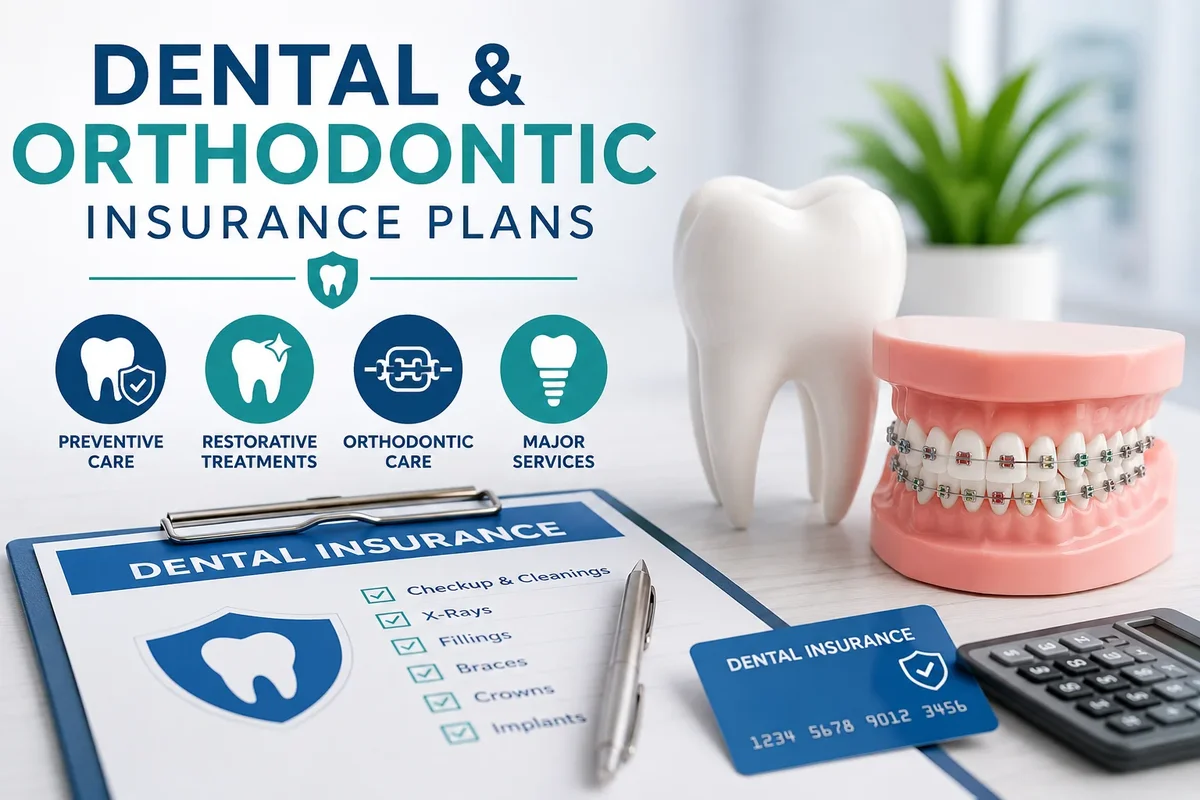
How to Maximize Benefits From Dental and Orthodontic Insurance Plans
Choosing quality dental and orthodontic insurance plans is only the first step toward reducing dental expenses and maintaining long-term oral health. Many patients pay monthly premiums for years without fully understanding how to maximize their insurance benefits effectively. By learning how insurance policies work, planning treatment strategically, and using preventive services consistently, patients can receive far greater value from their dental and orthodontic insurance plans. Proper insurance management not only reduces financial stress but also improves access to essential dental and orthodontic care. 🦷
Insurance providers design policies with multiple categories of coverage, annual limits, waiting periods, provider networks, and reimbursement percentages. Patients who understand these details are more likely to save money while receiving timely treatment.
Use Preventive Services Regularly
One of the easiest ways to maximize dental and orthodontic insurance plans is by consistently using preventive dental services. Most insurance companies cover preventive care at 100%, especially when patients visit in-network providers.
Common Preventive Services Covered
- Routine dental exams
- Professional cleanings
- Dental X-rays
- Fluoride treatments
- Oral cancer screenings
Preventive care helps identify oral health problems early before they require expensive restorative procedures or emergency treatment.
Patients who skip preventive appointments often experience:
- Severe tooth decay
- Gum disease
- Root canal infections
- Tooth loss
- Higher future dental expenses
Routine cleanings and exams are among the most valuable components of dental and orthodontic insurance plans.
Stay Within Provider Networks
Most dental and orthodontic insurance plans offer better pricing when patients use in-network dentists and orthodontists. Insurance companies negotiate lower treatment rates with participating providers.
Benefits of In-Network Providers
- Lower out-of-pocket costs
- Higher reimbursement percentages
- Simplified claims processing
- Predictable treatment pricing
Out-of-network treatment may still be covered under PPO plans, but patients often pay significantly more.
Understand Your Annual Maximum
Many patients fail to maximize their dental and orthodontic insurance plans because they do not monitor annual benefit maximums carefully.
Annual maximums represent the total amount an insurance provider will pay during a calendar year.
Typical Annual Maximum Ranges
- $1,000–$1,500 for standard plans
- $2,000–$3,500 for premium plans
- Higher limits for specialized coverage
Patients planning multiple procedures should coordinate treatment timing to avoid exceeding annual limits too quickly.
Split Treatment Across Calendar Years
One of the smartest ways to maximize dental and orthodontic insurance plans is by spreading major treatment across multiple benefit years.
For example, if a patient requires:
- Several crowns
- Dental implants
- Orthodontic treatment
- Periodontal therapy
The dentist may divide procedures strategically between December and January to use two separate annual maximum periods.
This approach can significantly reduce out-of-pocket expenses.
Start Orthodontic Treatment at the Right Time
Orthodontic treatment is one of the most expensive areas within dental and orthodontic insurance plans. Patients should verify benefits carefully before starting braces or aligners.
Important Orthodontic Questions
- Are adult braces covered?
- What is the orthodontic lifetime maximum?
- Does the plan cover clear aligners?
- Are there waiting periods?
- Which orthodontists are in-network?
Orthodontic treatment commonly costs:
- Metal braces: $3,000–$7,500
- Ceramic braces: $4,000–$8,000
- Clear aligners: $4,000–$8,500
Understanding orthodontic benefits before treatment begins helps patients maximize insurance reimbursement.
Review Waiting Periods Carefully
Waiting periods are another important factor affecting dental and orthodontic insurance plans. Patients should avoid enrolling in coverage without reviewing when benefits actually become available.
Common Waiting Periods
- Preventive care: immediate coverage
- Basic procedures: 3–6 months
- Major procedures: 6–12 months
- Orthodontics: 12–24 months
Patients anticipating major dental work should choose plans with shorter waiting periods whenever possible.
Use Flexible Spending Accounts and HSAs
Many patients maximize dental and orthodontic insurance plans by combining insurance with Flexible Spending Accounts (FSA) or Health Savings Accounts (HSA).
Advantages of FSA and HSA Accounts
- Pre-tax healthcare savings
- Reduced overall treatment costs
- Additional orthodontic payment support
- Coverage for deductibles and coinsurance
These financial tools help patients manage expenses that insurance does not fully cover.
Understand Deductibles and Coinsurance
To maximize value from dental and orthodontic insurance plans, patients must clearly understand deductibles and coinsurance requirements.
Deductibles
Deductibles are the amounts patients must pay before insurance benefits begin.
Typical deductibles include:
- $50–$100 for individuals
- $150–$300 for families
Coinsurance
Coinsurance refers to the percentage patients pay after insurance contributes.
For example:
- Insurance covers 80%
- Patient pays remaining 20%
Understanding these costs helps patients budget more accurately.
Choose the Right PPO or HMO Structure
Selecting the correct insurance structure is essential for maximizing dental and orthodontic insurance plans.
PPO Plans
PPO plans generally provide:
- Greater provider flexibility
- Broader specialist access
- Out-of-network treatment options
- More treatment freedom
These plans may involve higher premiums but often provide better overall flexibility.
HMO Plans
HMO plans typically offer:
- Lower monthly premiums
- Lower preventive care costs
- Restricted provider networks
- Less specialist flexibility
Patients should choose based on treatment needs and provider preferences.
Coordinate Family Treatment Plans
Families can maximize dental and orthodontic insurance plans by coordinating treatment schedules carefully.
For example:
- Children’s orthodontic evaluations may be timed strategically
- Preventive appointments can be grouped together
- Restorative work may be distributed across benefit years
Coordinated scheduling helps families use annual maximums more efficiently.
Maintain Excellent Oral Hygiene
One of the most overlooked ways to maximize dental and orthodontic insurance plans is maintaining excellent oral hygiene at home.
Daily oral care reduces the likelihood of:
- Cavities
- Gum disease
- Orthodontic complications
- Emergency dental treatment
- Major restorative procedures
Simple habits such as brushing, flossing, and reducing sugar intake can significantly lower long-term dental expenses.
Work Closely With Dental Professionals
Patients who communicate openly with their dental providers often maximize their dental and orthodontic insurance plans more effectively.
Dental offices frequently help patients:
- Verify benefits
- Estimate treatment costs
- Coordinate insurance claims
- Schedule treatment strategically
- Understand policy limitations
Patients seeking advanced dental consultation, orthodontic planning, implants, or smile restoration may obtain professional guidance through the Redent Klinik Contact Page.
The Importance of Preventive Dentistry
According to the American Dental Association, preventive dental care plays a critical role in maintaining oral and systemic health. Routine dental care helps reduce severe complications and supports long-term wellness.
Patients who consistently use preventive services included in dental and orthodontic insurance plans are more likely to maintain healthier teeth, avoid major treatment, and reduce lifetime dental expenses.
Long-Term Benefits of Smart Insurance Use
Ultimately, maximizing dental and orthodontic insurance plans requires careful planning, consistent preventive care, strategic treatment timing, and strong communication with dental professionals. Patients who understand their policies thoroughly can reduce financial stress, improve oral health outcomes, and maintain confident smiles for many years. 😁
Disclosure: this page may contain affiliate links. We may earn a commission if you use them, at no extra cost to you.