
Welcome to our comprehensive guide to dental and orthodontic treatments — your all-in-one resource for achieving a healthy, beautiful smile that lasts a lifetime. In today’s fast-paced world, oral health plays a vital role not just in aesthetics but also in overall well-being. Understanding how dental and orthodontic care complement each other can help you make informed decisions about your oral health journey. Whether you’re considering braces, aligners, dental implants, or preventive check-ups, this detailed guide will walk you through every essential aspect of the field.
The terms dental and orthodontic are often used interchangeably, yet they refer to different aspects of oral healthcare. Dental treatments primarily focus on teeth, gums, and mouth health — including cleanings, fillings, crowns, and root canals. Orthodontic care, on the other hand, focuses on correcting misalignments of the teeth and jaw through specialized procedures such as braces, clear aligners, and retainers. Together, these disciplines ensure both functional and aesthetic harmony in your smile. 🪞
At Redent Klinik Contact Page, you can learn more about tailored dental and orthodontic solutions that suit your specific oral health needs. Professional consultation is the first step in determining which treatment plan best aligns with your lifestyle and long-term goals. Most patients start with a comprehensive dental examination before being referred to an orthodontist if alignment or bite correction is needed.
Understanding the Connection Between Dental and Orthodontic Health
When we talk about dental and orthodontic care, we are essentially referring to two branches of oral medicine that work together to create optimal results. Dentists handle oral hygiene, cavity prevention, and gum disease management, while orthodontists specialize in repositioning teeth and aligning jaws. Both are critical for achieving a balanced bite, a confident smile, and a healthy mouth free from discomfort or disease.
For example, if you have crowded teeth, a dentist might first clean and treat decay before orthodontic intervention begins. Once the teeth are healthy, the orthodontist can apply braces or aligners to correct positioning. This coordinated effort ensures that your teeth are not only straight but also strong, functional, and free from decay. It’s this synergy between dental and orthodontic care that ensures long-term results and a truly radiant smile. ✨
Why Regular Dental Check-Ups Matter Before Orthodontic Treatment
Many patients underestimate the importance of regular dental visits before starting orthodontic treatment. Cavities, gum disease, or weak enamel can interfere with braces or aligner progress. Therefore, your dentist will usually recommend a full cleaning and any necessary restorations before moving forward with orthodontic care. This approach minimizes complications and ensures that the orthodontic treatment proceeds smoothly.
During a standard check-up, your dentist examines the overall oral condition, takes X-rays, and evaluates the gum line. If you’re planning to start orthodontic treatment, your orthodontist will use these insights to plan precise tooth movements. This step is vital to avoid unnecessary pain or prolonged treatment times. A healthy mouth is the foundation of every successful orthodontic journey.
Modern Advances in Dental and Orthodontic Care
Technology has revolutionized the dental and orthodontic fields in the last decade. Digital scanners, 3D imaging, and computer-aided design (CAD) systems now allow for highly accurate and customized treatment plans. For instance, Invisalign and other clear aligners are developed through precise digital mapping of your teeth, ensuring perfect fit and predictable results. Similarly, dental implants have become more durable and natural-looking thanks to titanium integration and improved surgical techniques.
Even traditional braces have evolved — modern ceramic braces are nearly invisible and more comfortable than ever before. These innovations make it possible for patients to achieve both aesthetic and functional improvements without compromising comfort or confidence during treatment. 🔬
Preventive Care: The Key to Lifelong Oral Health
One of the most crucial aspects of dental and orthodontic care is prevention. Daily brushing, flossing, and professional cleanings every six months can help prevent cavities and gum disease — two major obstacles to orthodontic success. Orthodontic patients, in particular, need to pay extra attention to oral hygiene, as food particles can easily get trapped around brackets or under aligners. Specialized brushes and water flossers can make this process much easier.
Preventive measures also include maintaining a balanced diet rich in calcium, phosphorus, and vitamin D. Avoiding sugary snacks and acidic beverages is essential for preventing enamel erosion. Regular check-ups not only maintain your smile’s brightness but also ensure that early signs of alignment or bite issues are addressed promptly.
The Importance of Professional Expertise
While home care is essential, professional intervention cannot be replaced. Both dentists and orthodontists undergo years of specialized training to diagnose and treat complex oral conditions. A general dentist may focus on restorative and preventive care, while an orthodontist receives additional education to specialize in tooth movement and jaw alignment. When these professionals collaborate, patients receive the highest standard of care — blending health, comfort, and aesthetics seamlessly.
It’s also important to choose a certified and reputable clinic. Accreditation from trusted organizations such as the American Dental Association ensures that your provider follows strict hygiene and quality standards. Certification provides peace of mind that every material, tool, and procedure used meets international safety and performance guidelines.
Final Thoughts: A Smile Worth Investing In
Your smile is an investment that pays lifelong dividends in confidence, comfort, and health. Combining dental and orthodontic care creates a holistic approach that addresses every aspect of oral wellness — from disease prevention to aesthetic improvement. Remember, the earlier you start with routine dental care and orthodontic assessments, the easier and more affordable your journey will be. 🌟
At Redent Klinik, we believe that everyone deserves access to world-class dental and orthodontic services. Schedule your consultation today through the Redent Klinik Contact Page and take the first step toward your perfect smile!
Understanding the Difference Between Dental and Orthodontic Care
When people hear the words dental and orthodontic, they often assume they mean the same thing. While both are integral parts of oral healthcare, they serve distinct yet complementary roles. Understanding these differences helps patients make better treatment choices, ensures accurate expectations, and fosters a more proactive approach to long-term oral health. In this section, we’ll break down what separates dental care from orthodontic care, how they overlap, and why a combination of both often provides the best outcomes for patients seeking functional and aesthetic improvement.
What Is Dental Care?
Dental care encompasses all treatments and preventive practices focused on the health of your teeth, gums, and oral tissues. This includes regular cleanings, fillings, crowns, extractions, root canals, and other procedures that aim to maintain oral hygiene and prevent decay. A general dentist focuses on diagnosing, treating, and preventing issues such as cavities, gingivitis, tooth loss, and oral infections.
Dental care is the foundation of oral health — without it, even the most advanced orthodontic treatments may fail. A healthy mouth ensures that orthodontic procedures, such as braces or aligners, can be performed effectively and safely. Dentists are also responsible for identifying early signs of issues that may later require orthodontic attention, such as crowding, malocclusion (bad bite), or jaw misalignment.
Core Areas of Dental Treatment
- Preventive care: Includes cleanings, fluoride treatments, and patient education to avoid decay and gum disease.
- Restorative care: Procedures such as fillings, crowns, bridges, and implants to restore damaged teeth.
- Cosmetic dentistry: Treatments like whitening, veneers, and bonding that improve the aesthetic appearance of the smile.
- Oral surgery: Minor surgical procedures like tooth extractions or dental implant placements.
Without consistent dental care, even minor issues can develop into severe problems that later complicate orthodontic treatments. Therefore, every orthodontic plan should start with a comprehensive dental evaluation.
What Is Orthodontic Care?
Orthodontic care specializes in diagnosing, preventing, and correcting misaligned teeth and jaws. Orthodontists undergo years of additional training beyond general dentistry to master the mechanics of tooth movement, bite correction, and facial balance. The primary goal of orthodontic care is to achieve proper alignment and improve both function and appearance. 🦷
Modern orthodontics offers several options for patients, ranging from traditional metal braces to invisible aligners like Invisalign. The choice depends on the complexity of the case, patient preferences, and budget. While braces gradually move teeth using brackets and wires, aligners use custom-made trays to gently guide teeth into their ideal positions over time.
Common Orthodontic Treatments
- Braces: Traditional metal or ceramic braces that use brackets and wires to reposition teeth.
- Clear aligners: Removable, nearly invisible trays that move teeth without the need for wires.
- Retainers: Devices used after braces to maintain the newly aligned teeth.
- Jaw correction: Treatments for overbites, underbites, and crossbites to improve bite and facial symmetry.
Orthodontic care goes beyond cosmetics. Misaligned teeth can lead to problems such as uneven wear, jaw pain, difficulty chewing, and even speech issues. By addressing these problems early, orthodontists not only enhance aesthetics but also promote long-term dental functionality.
Key Differences Between Dental and Orthodontic Care
The main distinction between dental and orthodontic care lies in their focus and methods. Dentists primarily work on the overall health of the teeth and gums, while orthodontists specialize in alignment and structure. A helpful way to think of it is this: dental care ensures that your teeth are healthy, while orthodontic care ensures that your teeth are positioned correctly. Together, they create the perfect balance of health and harmony in your mouth.
| Aspect | Dental Care | Orthodontic Care |
|---|---|---|
| Focus Area | Teeth and gum health | Teeth and jaw alignment |
| Specialization | General dentistry and restoration | Tooth movement and structural balance |
| Treatments | Fillings, crowns, root canals | Braces, aligners, retainers |
| Duration | Usually short-term or routine | Often long-term (months to years) |
| Primary Goal | Maintain oral health | Correct misalignment and improve bite |
How Dental and Orthodontic Care Work Together
Although distinct, these two fields of care work hand-in-hand. Before beginning orthodontic treatment, dentists ensure that teeth are free of decay, the gums are healthy, and oral hygiene habits are established. Once orthodontic treatment begins, both the dentist and orthodontist may coordinate to monitor progress and maintain dental health.
For instance, braces can make cleaning teeth more challenging, increasing the risk of plaque buildup. Dentists play a key role in providing professional cleanings and preventive guidance during orthodontic treatment. This collaboration ensures that when the braces come off or the aligner therapy is complete, patients reveal not just straight teeth but also strong, healthy ones.
Why Coordination Matters
Effective communication between dental and orthodontic teams helps prevent treatment complications. For example, orthodontists rely on dental X-rays and prior restorations to plan safe tooth movements. Similarly, dentists must understand the orthodontic plan to ensure fillings or crowns do not interfere with the movement of teeth.
This multidisciplinary approach enhances overall treatment success, reduces discomfort, and ensures long-lasting results. It also allows for a smoother patient experience, as both professionals can align their efforts toward one shared goal — your healthiest, most confident smile. 😁
The Role of Modern Clinics in Integrated Care
Modern clinics, such as Redent Klinik Contact Page, offer both dental and orthodontic services under one roof. This integrated model saves patients time, eliminates communication gaps between specialists, and ensures consistency in care. Patients benefit from streamlined diagnostics, faster treatment planning, and a holistic approach to oral health.
Many clinics also adopt advanced technologies like 3D imaging, AI-based treatment planning, and laser dentistry to optimize both dental and orthodontic results. These innovations make procedures faster, less invasive, and more predictable.
Trusted Standards and Professional Guidelines
When seeking treatment, it’s essential to ensure that your provider follows the highest professional standards. The American Dental Association sets strict guidelines for safety, hygiene, and ethical practice. Choosing certified professionals who adhere to these standards guarantees the quality and reliability of your care. Accreditation reflects a commitment to excellence in every aspect of dental and orthodontic services.
Conclusion: A Unified Approach for a Perfect Smile
Understanding the difference between dental and orthodontic care empowers patients to take control of their oral health journey. While dentists ensure your teeth and gums remain healthy, orthodontists refine alignment and bite function. Both are equally essential — and when combined, they deliver the ideal smile: healthy, straight, and radiant. 🌟
For expert guidance on combining dental and orthodontic care under one plan, reach out to the professionals at Redent Klinik Contact Page. Together, we’ll craft a personalized roadmap to the smile you’ve always dreamed of.
Common Dental and Orthodontic Problems and Their Causes
When it comes to maintaining oral health, understanding the most frequent dental and orthodontic problems—and their underlying causes—is crucial. Millions of people suffer from oral conditions that could have been prevented with early detection and proper care. From cavities and gum disease to crooked teeth and bite issues, the symptoms may seem minor at first but can lead to significant long-term complications if ignored. This section provides a deep dive into the most common problems affecting both dental and orthodontic health, exploring their root causes, risk factors, and modern solutions. 🦷
1. Tooth Decay: The Most Widespread Dental Problem
Tooth decay remains one of the most prevalent dental and orthodontic concerns worldwide. It occurs when bacteria in the mouth feed on sugars, producing acids that erode the tooth enamel. Over time, this process forms cavities that can lead to pain, sensitivity, and infection if untreated.
Causes of Tooth Decay
- Poor oral hygiene habits, such as irregular brushing and flossing
- Frequent consumption of sugary foods and drinks
- Dry mouth conditions reducing saliva protection
- Lack of fluoride in toothpaste or water
- Skipping regular dental check-ups
Early intervention through professional cleanings and fluoride treatments can halt decay before it worsens. When combined with orthodontic care, it also ensures that any planned tooth movements are performed on a healthy foundation.
2. Gum Disease: A Silent Threat to Oral Health
Gum disease (periodontal disease) is another major dental and orthodontic issue, often caused by plaque buildup along the gum line. In its early stage (gingivitis), it manifests as redness, swelling, and bleeding during brushing. When left untreated, it progresses to periodontitis, where gum tissue recedes and teeth may become loose.
Primary Causes of Gum Disease
- Poor brushing and flossing habits
- Smoking or using tobacco products
- Hormonal changes (especially in women)
- Uncontrolled diabetes
- Genetic predisposition
Orthodontic patients wearing braces are particularly vulnerable because food particles can easily get trapped around brackets. Maintaining strict oral hygiene and regular visits to both your dentist and orthodontist can prevent these complications.
3. Malocclusion: When the Bite Doesn’t Fit Right
Malocclusion refers to misalignment of the teeth or jaws, leading to bite issues. This condition is primarily treated through orthodontic interventions such as braces or aligners. Types of malocclusion include overbite, underbite, crossbite, and open bite. These can cause not only aesthetic issues but also difficulties with chewing, speech, and even jaw discomfort.
Common Causes of Malocclusion
- Genetic inheritance (jaw size discrepancies)
- Thumb sucking or pacifier use beyond early childhood
- Early tooth loss without replacement
- Trauma or injury to the jaw
- Improper dental restorations
Addressing malocclusion is vital for overall dental and orthodontic harmony. Left untreated, these problems can cause uneven wear on teeth and long-term temporomandibular joint (TMJ) disorders. Orthodontic treatments realign teeth gradually, restoring functional balance and improving appearance.
4. Crowded Teeth and Spacing Issues
Dental crowding happens when there’s not enough space in the jaw for all teeth to align properly. Conversely, spacing issues occur when gaps form between teeth due to missing teeth or natural jaw structure. Both conditions are categorized as dental and orthodontic irregularities that affect bite, appearance, and oral hygiene.
Why Crowding and Gaps Occur
- Genetic jaw size differences
- Early or late loss of baby teeth
- Habits such as tongue thrusting
- Excessive dental arch growth or shrinkage
Orthodontic solutions like braces, clear aligners, and retainers can reposition teeth and close unwanted gaps. Severe cases may require tooth extraction or jaw expansion before alignment begins. Addressing these issues not only enhances aesthetics but also improves long-term dental health by making cleaning easier and reducing the risk of cavities and gum disease.
5. Tooth Sensitivity and Enamel Erosion
Tooth sensitivity is one of the most uncomfortable dental and orthodontic issues. It often results from enamel erosion — a gradual wearing away of the outer tooth layer. This can be triggered by acidic foods, excessive brushing pressure, or grinding (bruxism).
How to Manage Sensitivity
- Use toothpaste designed for sensitive teeth
- Avoid acidic or highly sugary drinks
- Get professional fluoride applications
- Wear night guards if you grind your teeth
For orthodontic patients, enamel protection is especially critical. Brackets or aligners can make enamel more susceptible to plaque retention, making preventive care and professional monitoring vital throughout treatment.
6. Orthodontic-Specific Problems: Braces and Beyond
During orthodontic treatment, patients may face issues like bracket breakage, wire irritation, or temporary discomfort. These challenges are common and manageable, but maintaining strict oral hygiene is essential to prevent secondary dental and orthodontic problems such as white spots (decalcification) around braces or inflamed gums.
Modern materials and designs—such as self-ligating braces and 3D-printed aligners—have minimized these complications, making orthodontic care more efficient and comfortable than ever before. 😁
7. Bruxism and Jaw Disorders (TMJ)
Bruxism, or chronic teeth grinding, affects both the dental structure and jaw alignment. Over time, it can lead to headaches, jaw pain, and fractured teeth. If untreated, it can cause serious dental and orthodontic complications, including shifting teeth positions or undoing previous orthodontic corrections.
Common Causes
- Stress and anxiety
- Misaligned bite (malocclusion)
- Sleep disorders
- Excessive caffeine or alcohol intake
Customized mouthguards and stress management therapies can reduce grinding. In severe cases, orthodontic correction may be necessary to restore balance between the upper and lower jaws.
8. The Role of Genetics in Oral Health
Genetics plays a major role in both dental and orthodontic conditions. Some individuals naturally have weaker enamel, smaller jaws, or crowded teeth due to hereditary factors. While these cannot be changed, early orthodontic evaluation (usually by age 7) can help detect potential issues and plan preventive interventions.
Children with parents who had braces or dental problems should be monitored closely, as early treatment can prevent more complex corrections later in life. Preventive orthodontics can guide jaw growth and reduce the need for extensive braces in the future.
9. Preventing Common Dental and Orthodontic Problems
Prevention is always better than cure. Simple habits like brushing twice daily, flossing, using mouthwash, and visiting your dentist regularly can significantly reduce the risk of oral disease. For orthodontic patients, specialized flossers and water jets help maintain hygiene around brackets and aligners.
Choosing a clinic that integrates both dental and orthodontic expertise—like Redent Klinik Contact Page—ensures that all aspects of your oral health are monitored cohesively. This integrated approach allows for early detection, seamless communication between professionals, and faster recovery times.
10. When to See a Professional
If you experience persistent pain, bleeding gums, loose teeth, or difficulty chewing, it’s time to consult a qualified specialist. Regular visits every six months to a dentist, and yearly orthodontic assessments, can keep most dental and orthodontic problems under control.
For verified and safe treatments, always ensure your provider adheres to American Dental Association standards. Their certification ensures that your oral care is not only effective but also compliant with global best practices. 🌟
By understanding these common issues and their causes, you can take a proactive approach toward prevention and early intervention—ensuring your smile remains healthy, functional, and radiant for years to come.
The Step-by-Step Process of a Modern Dental and Orthodontic Examination
Understanding what happens during a dental and orthodontic examination helps patients feel more confident, informed, and prepared for their visit. Whether it’s your first consultation or a routine check-up, knowing each step of the process ensures you understand why these procedures are essential for maintaining oral health and achieving a beautiful smile. Modern technology and personalized care have transformed the way dental and orthodontic assessments are performed — making them faster, more accurate, and more comfortable than ever before. 🦷
1. The Initial Consultation: Laying the Foundation
Every dental and orthodontic journey begins with a comprehensive consultation. This appointment allows your dentist or orthodontist to understand your medical history, oral concerns, and treatment goals. During this stage, you’ll typically fill out forms about your dental background, previous treatments, allergies, and general health conditions such as diabetes or cardiovascular issues that may affect oral care.
Your dentist may begin by conducting a visual inspection of your mouth to identify immediate problems like cavities, gum inflammation, or broken fillings. Meanwhile, orthodontists focus on tooth alignment, bite relationships, and jaw symmetry. This preliminary phase establishes a baseline for your personalized treatment plan.
What to Expect During the First Visit
- Review of your dental and medical history
- Evaluation of oral hygiene habits
- Discussion of any pain, discomfort, or concerns
- Preliminary visual examination of teeth and gums
This stage often determines whether you need further diagnostic imaging or specialized assessments before starting treatment. It’s also your opportunity to ask questions and understand what type of dental and orthodontic care best fits your needs — from preventive cleanings to advanced aligner therapy.
2. Diagnostic Imaging and 3D Scans
Once the initial examination is complete, diagnostic imaging provides a deeper look into the structures beneath the surface. Modern dental and orthodontic clinics use cutting-edge technologies such as digital X-rays, panoramic radiographs, and 3D cone-beam computed tomography (CBCT) scans to gain a complete understanding of your oral condition.
Benefits of Modern Imaging
- Accuracy: Digital scans reveal cavities, bone density, and alignment issues invisible to the naked eye.
- Safety: New imaging systems use up to 90% less radiation compared to traditional X-rays.
- Comfort: 3D scanners replace messy molds with quick, non-invasive scans.
- Precision planning: Orthodontists use these images to simulate how braces or aligners will move your teeth.
This stage is especially crucial for orthodontic treatment planning, as it allows your orthodontist to predict tooth movement and evaluate jaw growth patterns. Digital simulations can even show you what your smile will look like after treatment — providing motivation and clarity before you begin. 😁
3. Comprehensive Dental Cleaning and Plaque Assessment
Before beginning any orthodontic intervention, your dentist must ensure your mouth is clean and healthy. Professional cleaning removes plaque, tartar, and stains that brushing and flossing may miss. This step is a fundamental part of every dental and orthodontic evaluation since untreated gum disease or decay can complicate orthodontic progress.
The hygienist will use ultrasonic tools and polishing instruments to remove buildup along the gum line. Once your teeth are thoroughly cleaned, fluoride treatment may be applied to strengthen enamel and prevent future decay. Clean teeth provide a stable foundation for orthodontic appliances, ensuring better bonding of brackets and a smoother treatment experience.
4. Oral Health Examination and Gum Evaluation
Next comes a detailed oral examination, where the dentist checks for cavities, cracks, gum inflammation, and soft tissue abnormalities. In dental and orthodontic settings, gum health is paramount — because orthodontic treatments exert gentle pressure on teeth, unhealthy gums can delay progress or cause complications.
During This Stage, Your Dentist Will:
- Measure gum pockets to check for signs of periodontal disease
- Inspect enamel thickness and tooth wear patterns
- Check jaw joints for clicking, popping, or pain (possible TMJ issues)
- Assess how teeth come together when you bite
If any issues are detected, the dentist may recommend treatments such as deep cleaning, scaling, or gum therapy before proceeding with orthodontic procedures. Healthy gums ensure that braces, aligners, or retainers can function effectively without causing irritation or inflammation.
5. Orthodontic Assessment: Analyzing Bite and Alignment
Once the dental portion is complete, the orthodontic evaluation begins. This is where the orthodontist examines how your teeth fit together, how your jaws align, and whether you have any irregularities in bite patterns (malocclusion). The goal is to achieve both functional efficiency and aesthetic balance. 🪞
The orthodontist may use digital models or impressions to create a custom plan. They will discuss whether you’re a candidate for traditional braces, ceramic braces, or clear aligners. In complex cases, the orthodontist might collaborate with oral surgeons or prosthodontists to ensure comprehensive treatment planning.
Types of Data Collected During This Step
- Photographs of teeth and facial profile
- Bite registration records
- Jaw movement tracking
- Digital tooth alignment analysis
This data-driven approach enables precise adjustments and a shorter treatment time. Collaboration between dental and orthodontic specialists ensures that your oral health remains strong throughout the alignment process.
6. Personalized Treatment Planning and Patient Education
After collecting all diagnostic data, the next step is designing a personalized treatment plan. The dentist and orthodontist review your scans and clinical findings, then propose a roadmap that outlines the procedures, duration, cost, and maintenance instructions. This phase is a hallmark of modern dental and orthodontic care — a customized, transparent, and patient-centered approach.
Advanced clinics often use 3D visualization software to demonstrate expected outcomes. You can see digital models showing how your teeth will move during treatment. This not only enhances understanding but also builds confidence in your care plan.
At this stage, you’ll also receive detailed guidance on hygiene practices, dietary adjustments, and follow-up schedules. Orthodontic success depends heavily on patient cooperation — proper brushing, flossing, and attending scheduled visits ensure long-term results.
7. Financial Consultation and Treatment Options
Before starting, most patients appreciate understanding the financial aspects of their treatment. A typical dental and orthodontic evaluation includes a transparent cost discussion covering X-rays, cleanings, braces, or aligners. Many clinics provide payment plans to make high-quality care accessible to everyone.
Estimated Price Range (2025):
- Comprehensive dental examination: $80 – $150
- Orthodontic consultation with X-rays: $100 – $250
- Braces treatment: $3,000 – $7,000 (depending on type and duration)
- Clear aligner therapy (e.g., Invisalign): $3,500 – $6,500
These prices vary depending on geographic location, clinic reputation, and technology used. Always verify whether your dental insurance covers orthodontic procedures and preventive care.
8. The Role of Technology in Enhancing Accuracy
Modern dental and orthodontic examinations rely heavily on digital innovations. Artificial intelligence now assists in detecting decay, planning tooth movements, and even predicting treatment outcomes. Laser scanning, intraoral cameras, and cloud-based patient monitoring make treatments faster, more accurate, and minimally invasive.
For example, AI-powered diagnostics can flag early enamel damage before it becomes visible to the human eye. Similarly, 3D-printed retainers are more precise and comfortable than traditional molds. These advancements redefine patient experience and set new standards for quality care. 🔬
9. Collaboration Between Dental and Orthodontic Teams
Seamless communication between your dentist and orthodontist ensures complete oral health management. If the dentist detects gum inflammation or cavities during an exam, orthodontic treatment may be postponed until those issues are resolved. This coordinated workflow minimizes risks and enhances results.
Clinics like Redent Klinik Contact Page excel at offering integrated dental and orthodontic care under one roof. Their multidisciplinary teams streamline treatment, monitor progress collectively, and provide consistent follow-up. This approach guarantees a balanced outcome — not just straight teeth, but strong, healthy ones.
10. Final Review and Next Steps
Once the assessment is complete, the specialist will summarize the findings and recommend next steps. This could involve preventive cleaning, restorative treatment, or a full orthodontic plan. The goal is to create harmony between dental health and alignment — the foundation of a confident, functional, and radiant smile.
By the end of your visit, you’ll understand the condition of your teeth, the available options, and the expected results. It’s an empowering process designed to make every patient an active participant in their oral health journey. 🌟
For certified professionals adhering to international standards, look for clinics recognized by the American Dental Association. Their seal of approval ensures your dental and orthodontic examination meets the highest levels of safety and expertise.
Regular comprehensive exams every six months are your best defense against oral disease and misalignment. They’re not just appointments — they’re investments in your lifelong health, confidence, and smile.
How Orthodontic Braces and Aligners Transform Your Smile 😁
Orthodontic treatment has evolved tremendously over the past few decades, combining science, technology, and artistry to create beautiful, functional smiles. Whether you’re considering traditional braces or modern clear aligners, understanding how these systems work—and how they fit into overall dental and orthodontic care—is essential. This section explores every detail of how braces and aligners reposition teeth, correct bite issues, and ultimately enhance both oral health and self-confidence. 🦷
1. The Purpose of Orthodontic Treatment
The primary goal of dental and orthodontic treatment is to align teeth properly within the jaws, improving both aesthetics and functionality. Misaligned teeth can cause uneven wear, gum problems, and jaw discomfort, making correction not just a cosmetic improvement but a health necessity. Orthodontic appliances such as braces and aligners apply gentle, controlled forces over time to guide teeth into their correct positions. This process not only improves smile symmetry but also ensures that chewing, speech, and bite patterns function properly.
Modern orthodontics isn’t just for teenagers anymore—adults now represent nearly 30% of all orthodontic patients. This shift is due to the availability of more discreet treatment options, such as clear aligners, lingual braces, and ceramic brackets, which provide aesthetic and comfortable alternatives to metal braces.
2. How Braces Work: The Mechanics of Tooth Movement
Traditional braces are the cornerstone of dental and orthodontic correction. They consist of small brackets bonded to each tooth and connected by an archwire. This wire exerts consistent pressure, gradually moving teeth into alignment over time. The bone surrounding each tooth remodels in response to this pressure, allowing for controlled and predictable movement.
Components of a Braces System
- Brackets: Small metal or ceramic attachments fixed to the teeth that hold the archwire in place.
- Archwire: The main wire that applies force to move teeth into desired positions.
- Elastic ligatures: Tiny rubber bands that connect the archwire to each bracket.
- Bands: Metal rings placed around molars to anchor the braces system.
- Rubber bands: Used in some cases to correct bite discrepancies between the upper and lower jaws.
The treatment is typically adjusted every 4–8 weeks to maintain steady progress. While braces are highly effective for complex alignment issues, they require diligent oral hygiene to prevent plaque buildup and potential enamel staining during the process.
3. The Rise of Clear Aligners: A Modern Alternative
Clear aligners, such as Invisalign or ClearCorrect, have revolutionized the dental and orthodontic field. These removable, transparent trays are custom-made to fit snugly over your teeth, gently shifting them into place through a series of progressive aligners. Each set is worn for about 1–2 weeks before moving on to the next stage of treatment.
Advantages of Clear Aligners
- Invisibility: Virtually undetectable, allowing for discreet treatment.
- Comfort: No metal wires or brackets that can cause irritation.
- Removability: Easy to take out for eating, brushing, and flossing.
- Predictability: Digital simulations show your expected final results before treatment begins.
However, success with aligners depends heavily on patient compliance—they must be worn at least 20–22 hours daily. Skipping usage or forgetting to switch trays on schedule can delay results. Aligners are ideal for mild to moderate alignment cases but can also handle complex movements when planned by experienced orthodontists.
4. Comparing Braces and Aligners
Choosing between braces and aligners depends on your specific dental and orthodontic needs, lifestyle, and personal preferences. Both methods are effective, but each offers distinct benefits and considerations.
| Feature | Traditional Braces | Clear Aligners |
|---|---|---|
| Visibility | Visible (metal or ceramic brackets) | Nearly invisible |
| Comfort | Can cause irritation initially | Smooth plastic surface, minimal discomfort |
| Maintenance | Requires careful brushing and flossing | Remove before meals for easy cleaning |
| Effectiveness | Ideal for complex alignment and bite issues | Best for mild to moderate misalignment |
| Treatment Duration | 18–30 months (average) | 6–18 months (depending on case) |
5. The Phases of Orthodontic Treatment
Both braces and aligners follow structured phases within a dental and orthodontic treatment plan:
Phase 1: Initial Alignment
In this stage, crooked or rotated teeth are gradually straightened. Braces use flexible wires, while aligners apply localized pressure through precision-cut trays.
Phase 2: Bite Correction
Once teeth are aligned, the orthodontist adjusts the bite to ensure proper contact between upper and lower teeth. This is essential for chewing, jaw health, and long-term stability.
Phase 3: Finishing and Detailing
Minor adjustments are made to perfect tooth positioning and enhance smile aesthetics. Patients may also receive interproximal reduction (IPR), a gentle reshaping technique to create tiny spaces between teeth for optimal alignment.
Phase 4: Retention
After active treatment, patients wear retainers to maintain the achieved results. Without this phase, teeth may slowly shift back to their original positions. Retention is a lifelong commitment and a crucial part of dental and orthodontic success.
6. Oral Hygiene During Orthodontic Treatment
Maintaining oral hygiene during braces or aligner therapy is vital. Plaque accumulation around brackets or trays can lead to cavities, white spots, and gum disease. Orthodontists often recommend specialized toothbrushes, interdental cleaners, and fluoride mouthwash to protect enamel. Aligners should be cleaned daily using gentle, non-abrasive cleansers and rinsed thoroughly to avoid odor or bacterial buildup.
7. The Role of Technology in Orthodontics
Technology plays an essential role in today’s dental and orthodontic care. Advanced 3D imaging and AI-powered treatment simulations allow for hyper-precise adjustments and reduced treatment times. Digital monitoring tools now enable remote progress checks, allowing orthodontists to track tooth movement virtually between visits. These innovations have made orthodontic treatment faster, more predictable, and more comfortable than ever before.
8. Cost Considerations and Treatment Accessibility
Costs can vary widely depending on the complexity of your case, location, and technology used. On average, braces cost between $3,000–$7,000, while clear aligners range from $3,500–$6,500. Many dental and orthodontic clinics, including Redent Klinik Contact Page, offer flexible payment plans and insurance assistance to make treatment accessible to more patients. When comparing prices, always factor in follow-up visits, retainers, and aftercare costs.
9. Emotional and Aesthetic Benefits of Orthodontic Treatment
Beyond physical alignment, orthodontic treatment profoundly impacts self-confidence. A well-aligned smile can enhance facial harmony, improve speech, and boost self-esteem. Many patients describe orthodontic care as life-changing—transforming not only their smiles but their overall confidence in personal and professional settings.
Moreover, correcting misalignments improves oral hygiene by making brushing and flossing easier. This leads to fewer cavities, healthier gums, and fresher breath—long-term rewards that go beyond aesthetics.
10. Post-Treatment Care and Long-Term Maintenance
Once your braces are removed or aligner therapy is complete, the retention phase begins. Wearing retainers as prescribed by your orthodontist is vital to maintain your new alignment. Neglecting this phase could lead to relapse, undoing years of progress.
Routine check-ups, professional cleanings, and adherence to your dentist’s instructions ensure long-term success. The collaboration between dental and orthodontic professionals guarantees that your smile remains as stunning and healthy as the day your treatment concluded.
For the highest standards of safety and quality, seek providers certified by the American Dental Association. Their accreditation ensures your orthodontic care is handled with precision, professionalism, and patient-centered excellence. 🌟
With modern braces and aligners, achieving your dream smile has never been easier. Combining expert dental and orthodontic guidance, advanced technology, and personalized care, your journey to a confident smile begins today—one adjustment at a time.
Cosmetic Dentistry and Orthodontic Solutions for Adults
In recent years, an increasing number of adults have turned to dental and orthodontic treatments not only for oral health but also for aesthetic enhancement. Cosmetic dentistry and orthodontics now work hand-in-hand to provide advanced solutions that improve the appearance, symmetry, and overall health of the smile. Unlike in the past, where braces were mainly for teenagers, modern innovations have made these treatments faster, more discreet, and more comfortable for adults seeking confident, professional, and youthful smiles. 🌟
1. The Rise of Adult Orthodontics
Adult orthodontics has grown significantly, accounting for nearly 30–35% of orthodontic patients globally. Many adults who missed orthodontic treatment during childhood are now correcting long-standing misalignments or bite problems. In today’s dental and orthodontic landscape, options like clear aligners and ceramic braces make it possible to undergo treatment without the aesthetic drawbacks of metal braces.
Why Adults Choose Orthodontic Care
- To correct crowded or misaligned teeth for a more balanced appearance
- To improve chewing, speech, and jaw function
- To enhance confidence in personal and professional interactions
- To prevent long-term dental wear caused by misaligned bites
Thanks to digital treatment planning and invisible orthodontic technology, adults can now experience subtle and efficient alignment procedures without social discomfort. At Redent Klinik Contact Page, patients can consult specialists who tailor every dental and orthodontic solution to lifestyle needs and treatment goals.
2. The Role of Cosmetic Dentistry in Smile Design
Cosmetic dentistry focuses on enhancing the visual appeal of teeth and the harmony of the overall smile. Combined with orthodontic alignment, it provides a transformative effect that goes beyond simple straightening. Procedures such as teeth whitening, veneers, crowns, bonding, and gum contouring play a major role in modern smile design.
Popular Cosmetic Dental Treatments for Adults
- Porcelain Veneers: Thin ceramic shells that cover imperfections such as discoloration, chips, or gaps.
- Teeth Whitening: Professional-grade whitening procedures that safely remove deep stains caused by aging, coffee, or smoking.
- Dental Bonding: Composite material applied to reshape and restore minor defects.
- Dental Crowns: Restorations that strengthen damaged teeth while maintaining a natural look.
- Gum Contouring: Laser-based reshaping of gum lines for a balanced smile.
When these procedures are combined with dental and orthodontic alignment, the outcome is both functional and aesthetically flawless. Patients achieve not only a symmetrical smile but also improved oral health through better bite balance and cleaning efficiency.
3. How Orthodontics Enhances Cosmetic Results
Orthodontic care lays the foundation for cosmetic success. Straight teeth reflect light more evenly, appear cleaner, and make aesthetic restorations easier to perform. Moreover, properly aligned teeth reduce the risk of chipping, enamel wear, and gum recession—all of which are critical to maintaining a youthful appearance. 🦷
Benefits of Combining Orthodontics with Cosmetic Dentistry
- Enhanced smile symmetry and proportion
- Improved longevity of veneers and crowns
- Balanced facial structure and jawline
- Reduced strain on teeth and gums
- More predictable and natural-looking aesthetic outcomes
Orthodontists and cosmetic dentists often collaborate to time procedures properly—sometimes performing whitening or veneer placement after orthodontic treatment to achieve perfect alignment and shade consistency. This interdisciplinary approach is a cornerstone of modern dental and orthodontic care.
4. Clear Aligners and Invisible Orthodontic Options for Adults
For many adults, the idea of wearing traditional braces can be intimidating. Fortunately, clear aligners such as Invisalign or ClearCorrect provide discreet alternatives that are nearly invisible and removable. These transparent trays are designed to gradually shift teeth into place while allowing patients to maintain their daily routines without discomfort or embarrassment.
Additionally, advanced options like lingual braces (attached behind the teeth) and ceramic braces (tooth-colored brackets) make orthodontic correction both effective and visually subtle. These methods are ideal for professionals or individuals frequently in public-facing roles who value a polished appearance throughout treatment.
5. Smile Makeovers: Combining Functionality and Aesthetics
A “smile makeover” is a customized treatment plan that integrates both dental and orthodontic elements to completely rejuvenate the patient’s appearance. This comprehensive approach may include orthodontic alignment, whitening, veneer application, and gum reshaping—all planned through digital smile design software that visualizes the final result before any procedure begins.
Steps in a Smile Makeover
- Initial consultation and 3D imaging to analyze facial proportions
- Orthodontic alignment to create proper tooth positioning
- Cosmetic enhancements like veneers, whitening, or bonding
- Post-treatment maintenance with retainers and periodic cleanings
Patients benefit from improved oral health, facial balance, and a confident smile that can last decades with proper care.
6. The Psychological and Professional Impact of a Beautiful Smile
For adults, a well-aligned and aesthetically pleasing smile can have a profound impact on confidence, relationships, and career opportunities. Numerous studies have shown that individuals with attractive smiles are perceived as more trustworthy, successful, and approachable. Investing in dental and orthodontic treatments is therefore more than a cosmetic choice—it’s an investment in self-esteem and personal growth.
Furthermore, correcting bite and alignment issues often relieves chronic tension, headaches, and jaw discomfort, improving quality of life alongside appearance. A confident smile becomes not just a visual asset but a reflection of inner wellness. 😊
7. Cost, Duration, and Maintenance
The cost of combined cosmetic and orthodontic treatments varies based on complexity and materials used. On average, cosmetic dentistry ranges from $500 for whitening to $1,200–$2,500 per veneer. Orthodontic options range between $3,000–$6,500 depending on duration and technology. While these numbers may seem high, many clinics offer financing plans to make dental and orthodontic improvements affordable.
Treatment duration also depends on the starting point—aligner therapy may last 6–18 months, followed by cosmetic enhancements. Maintenance requires regular dental check-ups, daily hygiene, and retainer use to preserve alignment and brightness. At Redent Klinik Contact Page, professionals offer follow-up care to help patients sustain long-term results.
8. Technology Behind Adult Cosmetic and Orthodontic Care
Digital technologies have elevated the precision and speed of modern dental and orthodontic care. Clinics now use 3D scanners, CAD/CAM systems, and smile design software to plan treatments with microscopic accuracy. These systems simulate tooth movement and aesthetic outcomes, allowing patients to preview their new smiles before any procedure starts. 🔬
Laser dentistry, minimally invasive veneers, and digitally printed aligners further enhance comfort and efficiency. Artificial intelligence assists clinicians in diagnosing complex cases, predicting treatment outcomes, and customizing appliances for individual patients.
9. Choosing a Qualified Clinic
Selecting the right clinic is essential for achieving exceptional results. Always ensure that your providers are certified members of recognized bodies such as the American Dental Association. Accreditation ensures adherence to hygiene, ethics, and treatment standards. Multi-specialty clinics—those offering both cosmetic and orthodontic expertise—deliver cohesive care plans without communication gaps between specialists.
10. Final Thoughts: Reclaiming Confidence Through Modern Dentistry
Cosmetic dentistry and orthodontic solutions empower adults to reclaim their smiles with minimal discomfort and maximum efficiency. Whether through braces, aligners, veneers, or whitening, today’s dental and orthodontic treatments blend precision with artistry to produce naturally radiant results.
With professional guidance, advanced technology, and proper maintenance, you can achieve a youthful, confident smile that lasts a lifetime. 🌸 Explore options at Redent Klinik Contact Page to begin your journey toward a beautiful, balanced smile designed uniquely for you.
Dental and Orthodontic Costs: What Affects the Price?
Understanding the financial aspects of dental and orthodontic treatments is crucial for anyone planning to improve their oral health or enhance their smile. Costs can vary significantly depending on factors like location, treatment complexity, materials used, and the expertise of your dental professional. While many people associate orthodontic and dental procedures with high expenses, modern clinics now offer flexible payment plans and advanced technologies that make quality care more accessible than ever. 💳
1. Key Factors Influencing Treatment Costs
Several variables determine how much you will pay for dental and orthodontic care. These include:
1.1. Type and Complexity of Treatment
Basic procedures like teeth cleaning, fillings, or whitening are generally affordable, whereas complex procedures such as implants, braces, or jaw surgery require more expertise and time. For instance, orthodontic treatments that correct severe malocclusions or crossbites are typically more expensive due to longer treatment durations and multiple follow-up visits.
1.2. Location and Clinic Reputation
Prices can differ greatly based on the city and clinic reputation. Clinics in major metropolitan areas or premium dental centers may charge higher fees due to superior facilities and internationally trained specialists. However, many patients travel abroad for affordable yet high-quality dental and orthodontic care in countries such as Turkey, where clinics like Redent Klinik Contact Page combine world-class standards with competitive prices.
1.3. Technology and Materials Used
Modern dental and orthodontic clinics utilize advanced technology—such as digital 3D imaging, AI diagnostics, and laser treatments—to improve precision and comfort. While these innovations enhance treatment outcomes, they can slightly raise the overall cost. Similarly, materials like ceramic braces, titanium implants, and zirconia crowns are more durable but more expensive than traditional alternatives.
1.4. Professional Expertise
The experience and specialization level of your dentist or orthodontist also impact the final cost. A board-certified specialist with advanced training in cosmetic and functional dentistry may charge more, but their expertise often leads to more accurate, lasting, and aesthetically superior results.
2. Average Price Range of Common Treatments
Below is a general cost overview for popular dental and orthodontic procedures (based on 2025 international averages):
| Treatment Type | Average Cost (USD) | Notes |
|---|---|---|
| Routine Dental Cleaning | $75 – $150 | Recommended every 6 months |
| Tooth Filling (Composite) | $100 – $250 | Depends on cavity size and location |
| Root Canal Therapy | $300 – $1,000 | Front teeth are cheaper than molars |
| Dental Implants | $1,000 – $3,500 per tooth | Includes surgery, abutment, and crown |
| Braces (Metal) | $3,000 – $6,000 | Common for complex orthodontic correction |
| Clear Aligners (Invisalign) | $3,500 – $7,000 | Discreet and comfortable alternative to braces |
| Teeth Whitening | $300 – $600 | Professional, in-office laser whitening |
| Porcelain Veneers | $800 – $2,500 per tooth | Custom-made for aesthetics and durability |
Note that prices vary by country, clinic, and complexity. Always ask for a detailed treatment plan and cost breakdown before beginning any dental and orthodontic procedure.
3. Insurance and Financing Options
While many health insurance plans do not fully cover cosmetic dentistry, they often provide partial coverage for medically necessary dental and orthodontic treatments, such as braces for jaw correction or restorative procedures following accidents. Always verify coverage limits with your provider.
Financing and Payment Solutions
- Installment plans offered directly by clinics
- Medical credit cards (e.g., CareCredit in the U.S.)
- Employer-sponsored dental plans
- Flexible spending or health savings accounts (FSA/HSA)
Many international clinics, including those accredited by the American Dental Association, now provide cost-effective financing and travel packages for overseas patients. These typically include accommodations, transfers, and post-treatment follow-ups—significantly reducing out-of-pocket costs.
4. Long-Term Cost Benefits of Orthodontic and Dental Care
While some may hesitate due to the initial cost, investing in professional dental and orthodontic care offers long-term savings. Correcting bite alignment, replacing missing teeth, and maintaining oral hygiene prevent expensive complications down the line, such as gum disease, tooth loss, or jaw problems.
Health and Financial Advantages
- Prevention of decay, infections, and costly surgeries
- Improved oral function leading to better digestion and nutrition
- Longer lifespan of natural and restored teeth
- Enhanced professional confidence and social appeal
In the long run, patients who prioritize consistent dental maintenance and orthodontic follow-ups spend significantly less on emergency or reconstructive procedures. Regular cleanings and adjustments every six months are small investments that yield substantial lifetime returns.
5. The Cost of Neglect
Delaying dental and orthodontic treatments often leads to higher expenses later. Misaligned teeth, untreated cavities, or gum disease can escalate into conditions requiring complex interventions such as implants or jaw surgery. For example, a simple $150 filling ignored today may turn into a $1,000 root canal or a $3,000 implant later on. Therefore, preventive care is always more affordable and effective than corrective treatment.
6. International Trends in Dental and Orthodontic Tourism
Countries such as Turkey, Hungary, and Thailand have become leading destinations for dental and orthodontic tourism due to their combination of affordability and quality. Patients can receive premium care—often performed by internationally certified specialists—at a fraction of Western prices. For instance, a full-mouth implant restoration costing $30,000 in the U.S. might cost around $10,000 in Turkey with equivalent technology and materials.
Why Dental Tourism Is Growing
- Lower treatment costs without compromising quality
- State-of-the-art clinics with modern equipment
- Short waiting times and personalized care
- Opportunity to combine treatment with travel
Clinics like Redent Klinik Contact Page offer full-service packages that make dental and orthodontic treatments both convenient and financially accessible for international patients.
7. How to Budget for Dental and Orthodontic Care
Creating a dental budget can make treatment more manageable. Start by identifying necessary procedures, estimating their cost, and discussing available payment options with your provider. Many clinics offer free consultations or treatment simulations to help patients plan effectively.
Budgeting Tips
- Prioritize essential procedures before cosmetic ones
- Ask about package deals or multi-treatment discounts
- Consider preventive care to avoid major expenses later
- Use dental savings plans or annual checkup memberships
8. Final Thoughts: Balancing Cost and Quality
When evaluating dental and orthodontic treatments, cost should not be the only deciding factor. Quality, safety, and long-term results matter equally. Choosing an accredited, experienced clinic ensures that you receive durable and predictable results. Always confirm the materials used, follow-up schedules, and warranty terms for restorations or orthodontic devices.
Ultimately, investing in professional dental and orthodontic care enhances both your oral health and self-esteem. Whether through local treatment or international options, patients today have more flexibility and access than ever before. By planning wisely, consulting specialists, and maintaining good oral hygiene, you can achieve a lifelong healthy, confident smile that’s well worth every penny. 💎
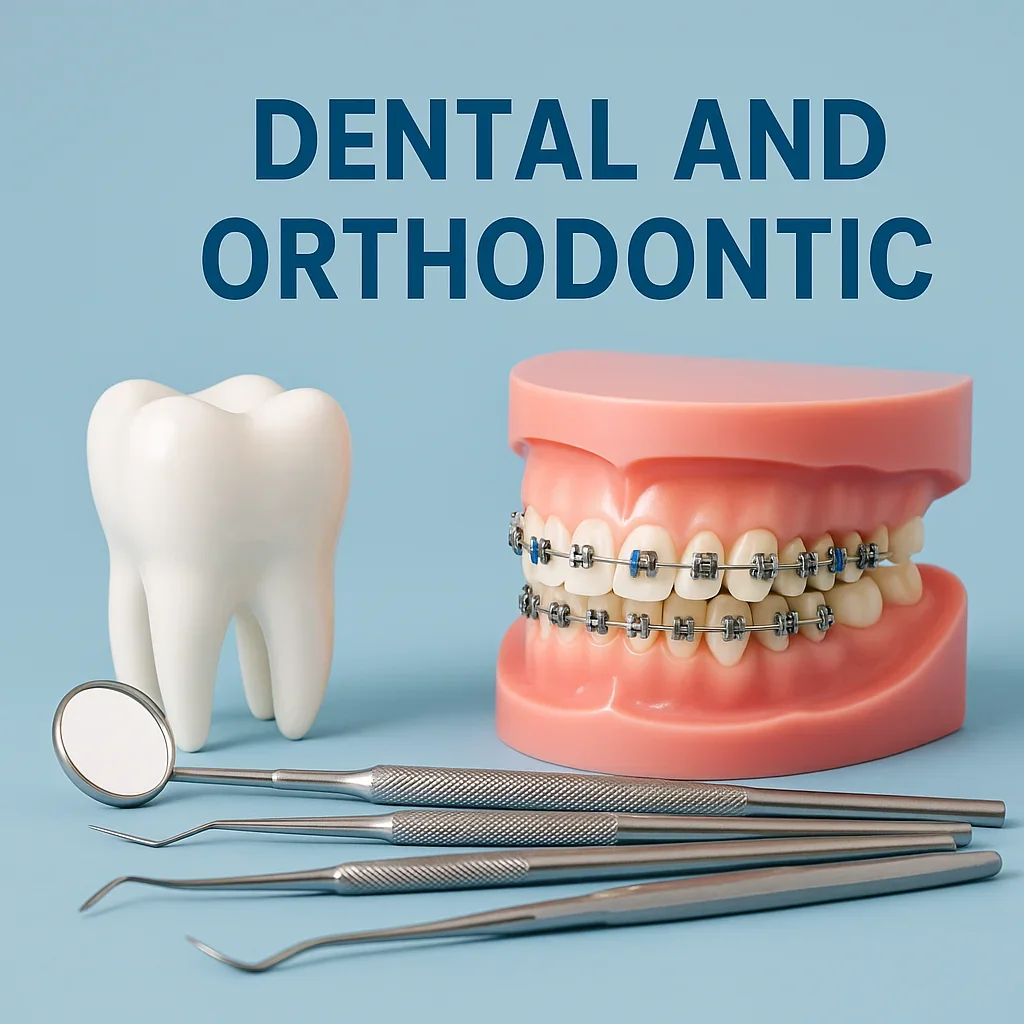
Choosing the Right Dental and Orthodontic Clinic for Long-Term Care
Selecting the ideal dental and orthodontic clinic is one of the most important decisions you can make for your long-term oral health. The quality of care you receive will influence not only the outcome of your treatments but also your comfort, confidence, and financial investment over time. In this detailed section, we’ll explore how to evaluate clinics, what qualifications to look for, and how to build a lasting partnership with your dental care provider. 🦷
1. The Importance of Choosing the Right Clinic
Your smile deserves personalized, expert attention. A well-chosen clinic ensures that every stage of your dental and orthodontic journey—from diagnosis to aftercare—is handled with precision and professionalism. Clinics that combine general dentistry with orthodontic specialization provide a holistic approach, ensuring that all oral health issues are treated under one roof.
High-quality clinics don’t just focus on short-term fixes; they prioritize preventive care, advanced diagnostics, and customized treatment plans. This long-term focus helps maintain dental integrity and prevents recurring problems such as misalignment, decay, or gum disease.
2. Qualifications and Certifications to Look For
When selecting a clinic, professional credentials and affiliations are vital indicators of trust and expertise. Reputable clinics are staffed by licensed professionals who are members of respected organizations such as the American Dental Association or similar regional bodies. These memberships signify that practitioners adhere to strict ethical and technical standards, ensuring safety and efficacy in all procedures.
Key Qualifications Include:
- Dental degrees from accredited universities
- Specialized orthodontic training (2–3 years beyond dental school)
- Certifications in cosmetic dentistry, implantology, or clear aligner systems
- Continued education and participation in professional development courses
Experienced dental and orthodontic professionals often display their certifications, case studies, or awards in the clinic or on their website, demonstrating transparency and credibility.
3. Advanced Technology and Modern Facilities
State-of-the-art technology plays a crucial role in providing safe, efficient, and comfortable treatments. Leading clinics use cutting-edge diagnostic and treatment tools that enhance accuracy and reduce recovery time.
Modern Technologies to Expect:
- Digital X-rays and 3D imaging for precise diagnostics
- CAD/CAM systems for same-day crowns and restorations
- Laser dentistry for painless soft-tissue procedures
- Intraoral scanners that eliminate uncomfortable molds
- AI-driven treatment planning for orthodontic accuracy
When a clinic integrates these innovations into its dental and orthodontic services, patients experience fewer complications, shorter appointments, and better long-term outcomes.
4. Patient Experience and Comfort
The best clinics prioritize patient comfort from the moment you enter. Friendly staff, clean facilities, and a relaxing atmosphere contribute to a positive experience—especially for those with dental anxiety. Many top-tier dental and orthodontic clinics offer amenities such as calming music, sedation options, or even virtual reality distraction systems for anxious patients.
Questions to Consider:
- Does the clinic offer flexible appointment scheduling?
- Are there private consultation rooms for discussing treatment options?
- Do they explain procedures and costs clearly before beginning?
- Is there a patient care coordinator to assist with follow-ups?
A patient-centered approach reflects the clinic’s commitment to building long-term relationships and ensuring trust.
5. Range of Services Offered
Comprehensive clinics provide all necessary dental and orthodontic services in one place, eliminating the need to visit multiple specialists. These services often include:
- Preventive care (cleanings, checkups, fluoride treatments)
- Restorative dentistry (fillings, crowns, root canals)
- Cosmetic procedures (veneers, whitening, bonding)
- Orthodontics (braces, clear aligners, retainers)
- Implantology and oral surgery
This all-in-one approach ensures consistency in care, seamless communication between specialists, and a unified treatment plan designed around your individual needs.
6. Transparency in Pricing and Policies
Transparent pricing is one of the hallmarks of a trustworthy clinic. Reputable providers will clearly outline the cost of each procedure, discuss possible alternatives, and provide a written treatment plan. This level of transparency allows patients to make informed financial decisions without hidden fees or surprises.
Many clinics also provide flexible payment options, including installment plans or financing for extensive treatments. Clinics like Redent Klinik Contact Page often combine affordability with world-class quality, helping patients achieve top-tier dental and orthodontic results without financial strain.
7. The Role of Communication and Trust
Building a strong relationship between patient and practitioner is essential. A good dentist or orthodontist listens carefully, explains procedures in detail, and addresses every question with clarity. Trust-based communication ensures that patients remain confident and informed throughout their treatment journey.
Signs of a Trustworthy Clinic:
- Clear, jargon-free communication
- Respectful and empathetic staff interactions
- Detailed pre- and post-treatment instructions
- Commitment to ongoing care and follow-ups
Long-term success in dental and orthodontic treatment depends on mutual respect and transparency between patients and their care providers.
8. Hygiene and Safety Standards
Strict hygiene standards are non-negotiable in modern dentistry. Clinics should adhere to internationally recognized sterilization protocols and infection control measures. Disposable tools, autoclaved instruments, and sanitized treatment areas are essential to patient safety. You should feel confident that your dental and orthodontic clinic prioritizes cleanliness as much as precision.
9. Long-Term Maintenance and Aftercare
Successful treatment doesn’t end when your braces come off or your crown is placed—it continues through maintenance. Top clinics schedule periodic checkups, provide retainers or maintenance devices, and monitor oral health to ensure long-lasting results. They also educate patients about daily hygiene routines, dietary precautions, and lifestyle habits that preserve their smiles.
Essential Aftercare Services Include:
- Regular follow-up visits every 6–12 months
- Professional cleanings and polishings
- Retainer checks after orthodontic treatment
- Reinforcement of proper oral hygiene practices
Choosing a clinic that prioritizes aftercare means ensuring the longevity of your dental and orthodontic results. It transforms a one-time visit into a lifelong relationship focused on continuous improvement and prevention.
10. Final Thoughts: Building a Lifetime of Oral Health
Your smile deserves the best. Selecting the right dental and orthodontic clinic is an investment in your health, confidence, and future. Look for expertise, technology, transparency, and genuine care when making your choice. Always verify credentials, ask questions, and trust your instincts.
Clinics that blend compassionate care with advanced dentistry—like Redent Klinik Contact Page—offer more than treatments; they provide peace of mind. With experienced professionals, modern facilities, and patient-focused values, you can enjoy lifelong oral wellness and a smile that radiates health and happiness. 😁
Remember: a great dental and orthodontic partnership is not just about fixing problems—it’s about preventing them and maintaining your smile for years to come. Choose wisely, stay consistent, and your investment will reward you with confidence that lasts a lifetime. 🌟