
Welcome to the ultimate guide on dental and orthodontics — where science meets aesthetics to create your dream smile 😁. Whether you’re considering braces, dental implants, or cosmetic procedures, understanding how dental and orthodontic care work together is the first step toward achieving lasting oral health. This article dives deep into what these fields mean, their differences, and how they can transform your confidence and wellbeing. Let’s explore everything you need to know about maintaining a healthy, beautiful smile through professional dental and orthodontics treatments.
In modern dentistry, dental and orthodontics are often mentioned together, yet they serve distinct but complementary roles. Dental care focuses on the health of your teeth, gums, and mouth — including treatments such as fillings, root canals, crowns, and cleanings. Orthodontics, on the other hand, specializes in diagnosing and correcting misaligned teeth and jaw structures. These two disciplines, when combined, offer comprehensive solutions to both functional and aesthetic problems.
According to the American Dental Association, preventive dental care and orthodontic alignment not only enhance your appearance but also prevent serious health issues such as gum disease, tooth decay, and even digestive disorders. A properly aligned bite ensures that chewing forces are evenly distributed, minimizing wear and tear on individual teeth. Moreover, good oral alignment supports better speech, reduces jaw pain, and contributes to a more symmetrical facial structure — all part of what makes dental and orthodontics essential to total wellness.
From a patient’s perspective, one of the most important benefits of dental and orthodontic treatments is improved self-esteem. People with straight, clean, and healthy teeth tend to smile more often, which has been scientifically linked to greater confidence and positive social interactions. This emotional impact is just as significant as the physical health improvements. In fact, many patients report that after completing orthodontic treatment, they feel rejuvenated — as if their entire facial expression has become more vibrant and youthful 🌟.
In the realm of dental and orthodontics, technology has revolutionized how procedures are performed. Digital scanning, 3D imaging, and laser-assisted treatments have made dental visits faster, less invasive, and more comfortable. Clear aligners such as Invisalign have become popular alternatives to traditional braces, allowing adults to correct misaligned teeth discreetly. Similarly, advanced diagnostic tools enable orthodontists to plan treatments with precision, predicting tooth movement and final outcomes before the process even begins. This integration of dental science and digital innovation ensures every patient receives personalized care.
Another critical aspect of dental and orthodontics is preventive care. Regular check-ups, professional cleanings, and early orthodontic evaluations can detect issues before they escalate. For example, children who receive orthodontic screening by age 7 often avoid more complicated procedures later in life. Preventive strategies such as fluoride treatments, sealants, and education on proper brushing techniques form the backbone of lifelong oral health. In this sense, dental and orthodontic specialists don’t just treat existing problems — they actively work to prevent them.
Globally, the demand for dental and orthodontics services has grown exponentially. People are becoming more aware of the link between oral health and overall health. Poor dental hygiene can contribute to heart disease, diabetes complications, and even respiratory issues. As medical research continues to reveal these connections, dental professionals are increasingly adopting a holistic approach, addressing the mouth as part of the entire body system rather than an isolated area.
For those considering treatment, the process often starts with an initial consultation and evaluation. During this visit, the dentist and orthodontist will assess your dental history, perform a comprehensive examination, and possibly take X-rays or digital scans. This collaboration between dental and orthodontic experts ensures that both aesthetic and functional needs are addressed simultaneously. Patients are then provided with a customized treatment plan designed to optimize oral health, appearance, and comfort.
Choosing the right clinic is also crucial to your success. At Redent Klinik Contact Page, patients can find a professional team dedicated to excellence in dental and orthodontics. With state-of-the-art equipment and personalized treatment plans, clinics like Redent Klinik combine expertise with compassion — ensuring that every smile they craft reflects both beauty and health.
In conclusion, dental and orthodontics represent two halves of the same goal: a balanced, functional, and radiant smile that enhances your quality of life. Investing in your oral health is one of the most powerful ways to invest in yourself. Through modern techniques, preventive care, and professional guidance, achieving a perfect smile is not just a dream — it’s a realistic, attainable goal available to anyone willing to take the first step. 🌿
What Is the Difference Between Dental and Orthodontics Treatments?
When exploring dental and orthodontics care, many people wonder — what exactly sets them apart? 🤔 While both fall under the umbrella of oral health, each has a specialized focus, purpose, and treatment method. Understanding their differences helps patients make informed decisions about their oral care and select the right professionals for their unique needs.
Dental Care: The Foundation of Oral Health
Dental care focuses on maintaining the health, function, and aesthetics of your teeth and gums. Dentists are the primary professionals who diagnose and treat oral issues such as cavities, gum disease, infections, and tooth loss. They also provide preventive care like cleanings, fluoride treatments, and sealants to protect against decay. In other words, dental treatments ensure your mouth stays healthy, functional, and pain-free. 🦷
The most common dental procedures include:
- Fillings and restorations: Repairing cavities or minor damage to restore tooth structure.
- Root canal therapy: Treating infected or decayed pulp inside a tooth to save it from extraction.
- Extractions: Removing teeth that are severely decayed or impacted.
- Dental crowns and bridges: Restoring or replacing damaged and missing teeth for improved function and appearance.
- Dental implants: Permanent replacements for lost teeth that help preserve bone density and bite alignment.
In addition to these restorative treatments, dentists emphasize prevention. Regular check-ups every six months allow for early detection of issues that could otherwise become serious. Preventive dentistry is the foundation upon which the success of dental and orthodontics care is built.
Orthodontics: The Art of Alignment and Balance
Orthodontics is a specialized branch of dentistry that deals with correcting misaligned teeth and jaws. Orthodontists focus on achieving a functional and aesthetic bite through braces, aligners, and retainers. Their expertise lies in creating harmony between teeth, jawbones, and facial structure.
When teeth are crooked, crowded, or have spacing issues, it can lead to problems such as:
- Difficulty cleaning teeth properly, which increases the risk of decay and gum disease.
- Excessive wear on certain teeth due to uneven bite forces.
- Jaw discomfort, headaches, and temporomandibular joint (TMJ) problems.
- Reduced self-confidence caused by visible misalignment.
By aligning teeth and correcting the bite, orthodontics not only enhances aesthetics but also supports long-term oral health. Treatments such as metal braces, ceramic braces, and clear aligners like Invisalign offer customized solutions for patients of all ages. The goal is not just a perfect smile but also proper function and balance within the oral system.
How Dental and Orthodontics Work Together
Although they focus on different aspects, dental and orthodontics professionals often collaborate closely. A dentist may identify early signs of misalignment during a routine exam and refer the patient to an orthodontist. Similarly, orthodontists depend on dentists to ensure the teeth and gums remain healthy throughout alignment treatment. This cooperation ensures optimal results both cosmetically and medically.
For instance, before beginning orthodontic treatment, a dentist may perform a thorough cleaning, treat cavities, or extract teeth if necessary. Once the orthodontic process begins, regular dental check-ups help maintain hygiene, especially since braces or aligners can make cleaning more challenging. This teamwork illustrates how dental and orthodontics are two complementary fields working toward a shared goal — a healthy, harmonious smile.
Key Differences Between Dentists and Orthodontists
| Aspect | Dentist | Orthodontist |
|---|---|---|
| Education | General dental degree (DDS/DMD) | Additional 2–3 years of orthodontic specialization |
| Primary Focus | Teeth and gum health, prevention, and restoration | Alignment of teeth and jaw, bite correction |
| Common Treatments | Fillings, crowns, root canals, cleanings, implants | Braces, aligners, retainers, jaw repositioning |
| Patient Age Range | All ages | Mostly children, teens, and adults seeking alignment |
Why Understanding the Difference Matters
Recognizing the difference between dental and orthodontics treatments helps patients choose the right care at the right time. For instance, someone with a cavity or gum infection needs a dentist, while a person with crooked teeth or bite problems should consult an orthodontist. However, both specialists may be part of a larger treatment plan, ensuring comprehensive oral care.
It’s also important to note that orthodontic care is not limited to aesthetic purposes. Straight teeth are easier to clean, reducing the risk of cavities and gum disease. Likewise, a balanced bite prevents strain on the jaw and minimizes headaches caused by muscle tension. So, even if you’re not primarily concerned about appearance, orthodontic treatment can significantly improve your long-term dental health.
The Role of Technology in Modern Dental and Orthodontics
Technological innovations have blurred the line between traditional dental and orthodontic treatments. 3D imaging, AI-based treatment planning, and computer-aided design have allowed for more accurate diagnostics and better patient outcomes. Orthodontic simulations, for example, can now predict how teeth will move throughout treatment, giving patients a preview of their future smile 😃. Similarly, digital scanners eliminate the discomfort of traditional molds, making the process more precise and pleasant.
When to Visit a Dental or Orthodontic Specialist
Experts recommend visiting a dentist twice a year for regular check-ups, while an orthodontic evaluation is typically advised for children by age 7. Adults, too, can benefit from orthodontic care — age is no longer a barrier. If you experience crowding, gaps, or jaw discomfort, scheduling an appointment with a Redent Klinik Contact Page specialist ensures early intervention and better results.
In summary, while dental and orthodontics serve different purposes, they are deeply interconnected. Dentistry maintains oral health, while orthodontics perfects the alignment that supports it. Together, they form the cornerstone of a complete oral care system that keeps your teeth functional, your bite comfortable, and your smile radiant for life ✨.
Common Dental and Orthodontic Problems You Shouldn’t Ignore
When it comes to dental and orthodontics, prevention is always better than cure 🦷. Many people underestimate early warning signs like mild tooth pain, jaw discomfort, or slight misalignment — yet these seemingly minor issues can lead to serious complications over time. Understanding common dental and orthodontic problems allows you to take action early, preserve your oral health, and avoid costly treatments later.
Tooth Decay and Cavities
One of the most widespread dental issues globally is tooth decay. Caused by bacterial plaque that produces acid, decay erodes the enamel — the protective outer layer of the tooth. When untreated, cavities can progress into deeper layers, leading to pain, infection, and tooth loss. Dentists recommend brushing twice daily, flossing, and avoiding excessive sugar intake to reduce risk. Professional cleanings every six months are vital for detecting cavities early before they become severe.
Advanced decay can also impact orthodontic treatments. For example, if cavities develop while wearing braces, it becomes challenging to clean around brackets and wires. Therefore, patients under dental and orthodontics care must maintain rigorous hygiene habits to ensure both tooth health and alignment success.
Gum Disease (Gingivitis and Periodontitis)
Gum disease is another silent but dangerous condition in the realm of dental and orthodontics. It begins as gingivitis — red, swollen gums that bleed easily. If untreated, it progresses to periodontitis, a severe form that damages the bone supporting the teeth. Common symptoms include persistent bad breath, gum recession, and loose teeth. Orthodontic patients are particularly susceptible because braces can trap food and plaque, creating ideal conditions for bacteria to thrive.
Maintaining oral hygiene is critical. Orthodontists often recommend specialized brushes, water flossers, or interdental cleaners to reach hidden areas. If signs of gum inflammation appear, visiting your Redent Klinik Contact Page dentist promptly can prevent irreversible damage. Healthy gums are the foundation of any successful dental and orthodontic treatment plan.
Misaligned Teeth and Bite Problems
Misalignment is one of the core focuses of orthodontic care. Problems such as overcrowding, overbite, underbite, crossbite, or open bite affect not only aesthetics but also oral function. These conditions can cause uneven wear, speech difficulties, and even jaw pain. Fortunately, advancements in dental and orthodontics have made correction more accessible and efficient than ever.
Common Types of Malocclusion
- Overbite: Upper front teeth excessively overlap the lower front teeth.
- Underbite: Lower teeth protrude past the upper front teeth, affecting facial balance.
- Crossbite: Some upper teeth sit inside the lower ones, causing uneven wear and gum damage.
- Open bite: Front teeth do not touch when the mouth is closed, often caused by thumb-sucking or tongue thrusting.
These bite issues can be corrected through braces, clear aligners, or other orthodontic appliances. Early detection — especially in children — can prevent more complex treatments later. Orthodontic evaluations typically begin around age 7, but adults are increasingly seeking alignment therapy as well. A well-balanced bite contributes to both comfort and confidence 😃.
Tooth Sensitivity
Tooth sensitivity is a common complaint in dental and orthodontics. It occurs when enamel wears down or gums recede, exposing the dentin layer beneath. This leads to sharp discomfort when consuming hot, cold, or sweet foods. Sensitivity can also result from teeth grinding (bruxism), aggressive brushing, or acid erosion from beverages like soda and citrus juices.
Fortunately, sensitivity can be managed through desensitizing toothpaste, fluoride treatments, or bonding procedures. If you’re undergoing orthodontic treatment, your provider may adjust your appliances to reduce excessive pressure on sensitive teeth. Always report persistent sensitivity — it could signal a deeper issue like enamel loss or gum disease.
Jaw Pain and TMJ Disorders
Jaw pain, clicking, or limited mouth movement may indicate a temporomandibular joint (TMJ) disorder. These problems are closely linked with misaligned teeth, uneven bites, or teeth grinding. Orthodontists play a key role in diagnosing and correcting bite discrepancies that contribute to TMJ dysfunction. Treatments may include mouthguards, physical therapy, or bite correction devices.
Ignoring TMJ symptoms can worsen discomfort and lead to headaches or chronic facial tension. Addressing bite alignment through dental and orthodontics interventions often brings significant relief and restores jaw harmony.
Tooth Discoloration and Staining
While not always painful, tooth discoloration can have a major impact on self-esteem. Stains may result from coffee, tea, tobacco, or poor oral hygiene. Orthodontic patients are particularly prone to uneven staining if oral care is neglected during treatment. Dentists offer professional whitening options, while orthodontists ensure that alignment treatments do not contribute to long-term discoloration. Regular cleaning and fluoride treatments help maintain natural brightness ✨.
Bad Breath (Halitosis)
Bad breath can stem from various causes — bacteria buildup, dry mouth, gum disease, or even sinus infections. For orthodontic patients, food particles trapped in braces or aligners often lead to persistent odor. Incorporating tongue cleaning and antibacterial mouthwash into your routine helps reduce this issue. Dentists can also identify underlying causes and recommend specialized rinses or treatments to restore freshness.
Preventing Dental and Orthodontic Problems
Here are key tips to minimize common issues and maintain optimal oral health:
- Brush twice daily using fluoride toothpaste and soft-bristled brushes.
- Floss or use interdental cleaners, especially around braces or aligners.
- Visit your dentist every 6 months for professional cleaning and check-ups.
- Avoid excessive sugar and acidic foods to protect enamel.
- Wear retainers or mouthguards as directed by your orthodontist.
Regular professional monitoring ensures that both dental and orthodontic systems remain in balance. Remember, early treatment prevents long-term complications and preserves your smile’s natural beauty.
When to Seek Professional Help
If you experience pain, bleeding gums, jaw discomfort, or notice shifting teeth, schedule an appointment immediately. The sooner you act, the more options are available for conservative treatment. Clinics like Redent Klinik Contact Page specialize in identifying and addressing problems before they escalate, combining modern dental and orthodontics techniques for optimal care.
Ultimately, ignoring dental and orthodontic problems risks more than your smile — it can affect digestion, speech, and even overall health. With the right care, awareness, and commitment, you can prevent small issues from becoming big ones and enjoy a lifetime of confident, pain-free smiles 🌿.
The Role of Orthodontics in Correcting Teeth Alignment
The relationship between dental and orthodontics care is crucial in achieving a perfect smile and maintaining proper oral function. While dental treatments address issues such as decay, gum disease, and missing teeth, orthodontics focuses on ensuring teeth and jaws are properly aligned. Misalignment isn’t just a cosmetic concern — it can affect chewing, speech, and even long-term jaw health. Understanding how orthodontics corrects alignment helps patients appreciate the science and precision behind every smile transformation 😁.
Why Teeth Alignment Matters
Proper teeth alignment plays a vital role in oral and overall health. When teeth are crooked, overcrowded, or spaced unevenly, cleaning them effectively becomes more difficult. This increases the risk of plaque buildup, tooth decay, and gum disease. Misalignment can also cause uneven wear on teeth, leading to premature enamel loss and sensitivity. Furthermore, bite problems may strain the jaw joint, resulting in pain or temporomandibular joint (TMJ) disorders.
Through professional dental and orthodontics interventions, alignment issues can be corrected, improving both aesthetics and functionality. Orthodontic treatment ensures that every tooth fits harmoniously within the jaw, making oral hygiene easier and daily functions such as chewing and speaking more comfortable.
How Orthodontics Corrects Alignment
Orthodontic treatments use controlled, gradual pressure to move teeth into their correct positions. This process takes advantage of the body’s natural ability to remodel bone. As pressure is applied through braces or aligners, the bone surrounding the teeth slowly adapts, allowing teeth to shift safely.
1. Braces: Traditional but Effective
Conventional metal braces remain the most common method in dental and orthodontics care for alignment correction. They consist of metal brackets bonded to each tooth and connected by an archwire. Adjustments are made regularly to apply consistent pressure and guide teeth into position. Although visible, modern braces are smaller and more comfortable than in the past.
2. Ceramic Braces and Aesthetic Options
For those seeking a more discreet appearance, ceramic braces blend with the natural tooth color. These braces offer the same precision as metal versions but are less noticeable. Patients who are conscious about their smile during treatment often prefer this alternative. However, proper cleaning is essential since ceramic brackets can stain if not maintained correctly.
3. Clear Aligners: The Modern Revolution
Clear aligners, such as Invisalign, have revolutionized the field of dental and orthodontics. They are removable, transparent trays custom-made to fit your teeth. Each set of aligners gradually shifts teeth into alignment over time. Patients appreciate their convenience, comfort, and aesthetic appeal. Since they can be removed during meals and brushing, maintaining oral hygiene is significantly easier than with traditional braces.
4. Retainers and Post-Treatment Stability
After alignment is achieved, retainers are used to maintain the new position of the teeth. Without them, teeth can gradually return to their previous positions — a process called relapse. Orthodontists design retainers that fit comfortably and are either removable or fixed behind the teeth. This final phase is just as important as the alignment itself, ensuring long-term stability and success.
Jaw Alignment and Orthodontic Correction
Orthodontics doesn’t just straighten teeth — it also corrects jaw misalignment. Many patients have an overbite, underbite, or crossbite, which affects facial harmony and functionality. Advanced orthodontic planning can reposition the jaw, balancing both sides of the face. In severe cases, orthodontic appliances are used alongside surgical intervention (orthognathic surgery) for optimal results.
Proper jaw alignment is essential for preventing chronic pain, headaches, and uneven tooth wear. With the help of advanced imaging tools, dental and orthodontics specialists can visualize the jaw structure in 3D and create customized treatment plans that ensure precision.
Technological Advancements in Orthodontic Treatment
Modern orthodontics benefits greatly from technology. Digital scanners, 3D imaging, and computer-aided design (CAD) systems allow orthodontists to predict tooth movement with incredible accuracy. Patients can even preview their expected results before treatment begins — a motivating factor for many adults considering dental and orthodontics care.
- 3D Scanning: Eliminates the need for messy traditional molds by creating a detailed digital map of your mouth.
- AI Treatment Planning: Uses artificial intelligence to plan and simulate precise tooth movements.
- Self-Ligating Braces: Use sliding mechanisms instead of rubber bands, reducing friction and shortening treatment time.
These innovations make orthodontic treatment more efficient, less painful, and faster than ever before. The result is a more predictable and satisfying outcome — perfectly aligned teeth and a confident smile.
Orthodontics for Different Age Groups
Children and Teenagers
Early orthodontic intervention can prevent severe alignment problems later in life. Children as young as 7 should undergo evaluation, as recommended by the American Dental Association. During growth, orthodontists can guide jaw development and ensure permanent teeth erupt in proper alignment. This proactive approach minimizes the need for complex treatments in the future.
Adults
Many adults are now choosing orthodontic care to improve aesthetics and oral health. With clear aligners and low-visibility braces, adults can correct misalignment discreetly while maintaining professional appearance. In dental and orthodontics clinics, adult patients benefit from customized solutions that fit their lifestyle without interrupting work or social life.
The Connection Between Orthodontics and Dental Health
Aligned teeth contribute significantly to dental health. When teeth fit together properly, chewing efficiency improves, and the risk of trauma or breakage decreases. Straight teeth are easier to brush and floss, reducing plaque accumulation and gum inflammation. This synergy highlights why dental and orthodontics are inseparable — one ensures cleanliness and health, while the other ensures harmony and balance.
Choosing the Right Orthodontic Clinic
Success in orthodontic treatment depends largely on choosing an experienced specialist. Reputable clinics such as Redent Klinik Contact Page provide comprehensive diagnostic imaging, advanced treatment plans, and patient-centered care. From the initial consultation to post-treatment maintenance, expert orthodontists guide patients through every step of their journey to perfect alignment.
In conclusion, orthodontics plays a transformative role within the broader scope of dental and orthodontics care. It not only refines your smile but also enhances functionality, comfort, and overall health. With modern technology and professional expertise, achieving a naturally aligned and radiant smile has never been more accessible. 🌿
Latest Technologies in Dental and Orthodontics Care
The world of dental and orthodontics has evolved dramatically in recent years thanks to technological innovation. Today, patients benefit from faster, safer, and more comfortable treatments than ever before. From digital imaging to AI-driven diagnostics, modern dentistry is no longer just about fixing problems — it’s about predicting, preventing, and perfecting smiles using precision-based science and smart technology 🤖.
Digital Dentistry: The Foundation of Modern Care
Digital tools have revolutionized how dental and orthodontics professionals diagnose and treat patients. One of the most significant advancements is digital impressions, which replace uncomfortable traditional molds with precise 3D scans. Using intraoral scanners, dentists can capture detailed digital images of the mouth within minutes. These scans eliminate errors common in manual impressions and make the patient experience far more pleasant.
Once captured, these digital impressions are used for designing crowns, bridges, aligners, and even implants. The level of accuracy reduces treatment time and ensures a better fit. Moreover, digital files can be stored, shared, and adjusted instantly, allowing dentists and orthodontists to collaborate efficiently — a true example of technology bridging the gap between dental and orthodontics.
3D Printing in Dentistry and Orthodontics
3D printing has become one of the most revolutionary innovations in the field. This technology allows the creation of customized dental models, aligners, retainers, and even surgical guides with unmatched precision. Traditional manufacturing methods were time-consuming and costly, but 3D printing has made same-day restorations possible.
Applications of 3D Printing
- Custom Aligners: Orthodontic aligners can now be printed to exact specifications, reducing fitting errors.
- Crowns and Bridges: Dental restorations can be produced within hours, not days, ensuring rapid treatment.
- Surgical Guides: Implant placement is now more predictable with digitally designed and printed surgical templates.
- Educational Models: Dentists can print 3D replicas of a patient’s mouth to explain treatment plans visually.
These innovations empower both patients and practitioners to visualize treatment outcomes before any procedure begins. The result? Faster, more predictable, and patient-friendly dental and orthodontics experiences.
Artificial Intelligence (AI) and Predictive Analytics
Artificial intelligence is transforming diagnostic accuracy and treatment personalization. AI-powered software analyzes X-rays, 3D scans, and patient records to detect early signs of cavities, gum disease, and misalignment. For orthodontic cases, AI predicts tooth movement with incredible precision, helping design aligner series that minimize treatment time while maximizing results.
Moreover, AI systems can identify patterns invisible to the human eye. For instance, algorithms can analyze bite pressure, detect subtle changes in tooth position, and even anticipate potential relapses after treatment. The integration of AI into dental and orthodontics practices ensures data-driven decisions and enhanced care quality for every patient.
Laser Dentistry: Painless Precision
Laser technology represents another major step forward. Dental lasers allow for painless gum contouring, cavity removal, and whitening treatments. Compared to traditional drills or scalpels, lasers offer superior accuracy and minimal discomfort. In dental and orthodontics treatments, soft-tissue lasers are especially beneficial for managing gum irritation caused by braces or aligners.
Laser-assisted procedures also promote faster healing, reduce the need for anesthesia, and minimize bleeding — making them ideal for both adult and pediatric patients. This approach enhances both the aesthetic and therapeutic aspects of oral care.
CAD/CAM Technology: Design and Production Integration
Computer-Aided Design and Computer-Aided Manufacturing (CAD/CAM) have streamlined the creation of crowns, veneers, inlays, and orthodontic appliances. With CAD/CAM, dental professionals can design and fabricate restorations on-site, reducing patient wait times dramatically.
Advantages of CAD/CAM in Dental and Orthodontics
- Precision fit restorations that blend seamlessly with natural teeth.
- Fewer appointments — many treatments completed in a single visit.
- Digital storage of designs for future adjustments or replacements.
- Reduced human error through automated milling and design systems.
By combining aesthetics and functionality, CAD/CAM systems embody the future of dental and orthodontics care — efficiency and perfection working hand in hand.
Teleorthodontics and Remote Monitoring
Telehealth has entered dentistry through “teleorthodontics” — remote monitoring systems that allow patients to stay in touch with their orthodontists without frequent in-office visits. Using smartphone apps and AI image recognition, orthodontists can track tooth movement and adjust treatment plans digitally. This innovation is particularly useful for patients living far from clinics or those with busy schedules.
Clinics like Redent Klinik Contact Page have begun integrating teleconsultations and digital progress tracking into their dental and orthodontics systems, enhancing accessibility and patient engagement. With these advancements, orthodontic care becomes more flexible and efficient while maintaining high standards of accuracy.
CBCT (Cone-Beam Computed Tomography) Imaging
CBCT imaging has revolutionized dental diagnostics by providing three-dimensional views of teeth, bones, and nerves. Unlike traditional X-rays, CBCT scans offer detailed images with minimal radiation exposure. This technology is invaluable in planning complex procedures such as implants, root canals, and jaw corrections.
For orthodontists, CBCT helps visualize how teeth move in relation to jaw bones, ensuring precise and safe adjustments. This integration of imaging and data analytics underscores the synergy between dental and orthodontics for comprehensive treatment planning.
Smart Materials and Biocompatible Solutions
Recent material science innovations have introduced biocompatible composites and shape-memory alloys that adapt naturally to oral conditions. For example, heat-activated archwires in braces respond to body temperature, applying consistent and gentle pressure to move teeth effectively. These “smart” materials enhance comfort and reduce the number of necessary adjustments.
In restorative dentistry, bioceramics and nanocomposites mimic natural tooth structure and provide long-lasting strength. These materials align perfectly with the goals of dental and orthodontics — durability, aesthetics, and functionality combined.
The Future of Digital Integration in Dental and Orthodontics
Looking ahead, we can expect further integration of technologies such as augmented reality (AR), virtual treatment planning, and robotic-assisted procedures. AI algorithms will continue to evolve, allowing dental and orthodontics specialists to deliver hyper-personalized care based on genetic, behavioral, and anatomical data.
In short, the latest technologies have made dental and orthodontic care faster, smarter, and more comfortable than ever. Whether through digital scanning, laser precision, or AI prediction, patients can now enjoy treatments that are minimally invasive yet maximally effective. The future of oral care is not just bright — it’s beautifully digital ✨.
How to Choose the Best Dental and Orthodontic Clinic Near You
Finding the right dental and orthodontics clinic can be a life-changing decision — one that affects not only your smile but your overall health and confidence. With so many options available, it’s essential to know what factors truly define quality care. From qualifications and technology to transparency and patient experience, this guide will help you identify the best clinic for your needs and ensure you receive exceptional, long-term results. 🦷✨
Understanding the Importance of Choosing the Right Clinic
The quality of your treatment largely depends on the expertise and professionalism of your dental team. A reputable dental and orthodontics clinic provides personalized care, transparent communication, and state-of-the-art technology to ensure every procedure is performed with precision and comfort. The wrong choice, however, can result in unnecessary pain, extended treatment times, or even irreversible damage. Therefore, taking the time to evaluate clinics carefully is vital for achieving a healthy, radiant smile.
Step 1: Check Credentials and Specializations
When choosing a clinic, always start by reviewing the qualifications of the dentists and orthodontists. Look for professionals who are board-certified and have extensive training in their specialties. Membership in organizations such as the American Dental Association or similar international bodies is a strong indicator of credibility.
Orthodontics is a specialized branch that requires additional years of education beyond general dentistry. Hence, not every dentist is an orthodontist. A clinic offering both dental and orthodontic services should have separate specialists for each area to ensure comprehensive care. This collaboration allows for holistic treatment planning — a crucial component of successful dental and orthodontics outcomes.
Step 2: Evaluate Technology and Facilities
Modern clinics rely on advanced technology to deliver safe, precise, and efficient results. When researching, look for facilities equipped with digital X-rays, 3D scanners, CAD/CAM systems, and laser technology. These tools improve diagnostic accuracy, reduce discomfort, and allow faster recovery.
For orthodontic patients, innovations such as 3D treatment simulations and clear aligner systems like Invisalign are signs that the clinic embraces the latest developments in dental and orthodontics care. A tech-forward clinic not only improves patient comfort but also enhances overall treatment predictability.
Questions to Ask About Technology
- Do they use digital imaging or traditional molds for impressions?
- Can they show you a digital preview of your treatment results?
- What sterilization and hygiene technologies are in place?
These small details make a big difference in ensuring safety, quality, and satisfaction throughout your treatment journey.
Step 3: Read Patient Reviews and Testimonials
Online reviews and testimonials can offer valuable insights into real patient experiences. Look for consistent feedback about professionalism, cleanliness, communication, and treatment effectiveness. A trustworthy dental and orthodontics clinic should have verifiable reviews across platforms like Google, Trustpilot, or their own website.
In addition, pay attention to how the clinic responds to feedback — a professional team takes patient comments seriously and strives to improve. Transparency and responsiveness are strong indicators of patient-focused care.
Step 4: Assess Treatment Options and Transparency
Every patient has unique needs. A top-tier dental and orthodontics clinic should offer a wide range of services — from preventive dental care and cosmetic dentistry to orthodontic treatments like braces and aligners. They should clearly explain all possible solutions, their benefits, expected timelines, and costs upfront. Avoid clinics that pressure you into a single option without discussing alternatives or providing detailed cost breakdowns.
Cost Transparency and Value
Price transparency is critical in building trust. Request a written estimate before committing to any procedure. Be cautious of unusually low prices — quality materials and skilled specialists come at a fair, realistic cost. While affordability matters, remember that oral health is a long-term investment. The best clinics strike a balance between quality and value, offering payment flexibility or installment plans when needed.
Step 5: Prioritize Cleanliness and Safety Standards
Hygiene and sterilization are non-negotiable aspects of a professional clinic. The COVID-19 pandemic emphasized the importance of infection control in all medical environments. The best dental and orthodontics centers follow strict protocols for disinfection, use of disposable equipment where possible, and proper ventilation. You should feel safe and comfortable throughout your visit — from the waiting area to the treatment chair.
Step 6: Look for Personalized and Compassionate Care
A clinic’s atmosphere and approach to patient interaction can greatly affect your experience. The best dental and orthodontics providers take time to listen, understand your concerns, and tailor treatments to your preferences. Whether you’re anxious about dental procedures or need customized orthodontic solutions, compassionate professionals make every effort to ensure your comfort.
At Redent Klinik Contact Page, for example, the team is known for combining expertise with empathy. They provide detailed consultations, explain each procedure in simple terms, and create personalized care plans for both dental and orthodontic needs. This patient-centered philosophy builds trust and encourages long-term commitment to oral health.
Step 7: Check Accessibility and Location Convenience
While expertise and technology are key, location also plays a practical role. Regular visits are essential, especially for orthodontic treatments that require periodic adjustments. Choosing a clinic close to home or work ensures you can maintain your schedule without unnecessary stress. Additionally, clinics that offer flexible appointment hours or emergency support show a deeper commitment to patient care.
Step 8: Evaluate Communication and Aftercare
Post-treatment care is as important as the procedure itself. The best dental and orthodontics clinics provide comprehensive aftercare instructions, follow-up reminders, and continued support. Whether it’s adjusting retainers after orthodontic treatment or ensuring dental implants heal properly, reliable communication builds lasting patient relationships.
Aftercare Essentials
- Regular follow-up appointments to track healing or progress.
- Emergency support for discomfort or unexpected issues.
- Educational materials on oral hygiene and preventive care.
Final Thoughts: Quality Over Convenience
In the search for the right clinic, don’t settle for the nearest or cheapest option. Instead, prioritize expertise, technology, and personalized service. A trusted dental and orthodontics provider will guide you through every stage — from diagnosis to maintenance — ensuring comfort, confidence, and long-term success. 🌿
When all these factors align — professional credentials, modern technology, transparent pricing, and compassionate care — you can be confident that you’ve found the perfect partner for your oral health journey. The right clinic doesn’t just fix your teeth; it transforms your smile and empowers your confidence for years to come.
The Cost of Dental and Orthodontic Treatments in 2025
Understanding the cost of dental and orthodontics treatments in 2025 is essential for anyone planning to improve their oral health or aesthetics. As technology continues to advance, prices can vary depending on the complexity of treatment, the expertise of the dental team, and the country or city where the clinic operates. This guide provides a detailed breakdown of the typical costs, influencing factors, and how to plan your budget effectively for both dental and orthodontic procedures. 💰🦷
Why Treatment Costs Vary So Widely
The cost of dental and orthodontics care differs significantly between patients. This variation depends on several key factors, including:
- Type of treatment: Preventive, restorative, cosmetic, or corrective procedures all have different cost structures.
- Clinic reputation: High-end clinics with advanced equipment and internationally certified specialists may charge more, but also deliver superior results.
- Materials used: Premium materials such as zirconia crowns or ceramic braces are costlier than traditional alternatives.
- Geographic location: Treatments in major metropolitan areas or Western Europe and the U.S. tend to be more expensive than in countries like Turkey, Thailand, or Hungary.
- Technology level: Clinics utilizing 3D imaging, laser tools, and CAD/CAM systems often provide more precise outcomes, which can influence pricing.
Let’s explore how these factors translate into real-world costs for 2025 and what patients should expect when planning dental and orthodontics treatments.
Average Prices for Common Dental Procedures (2025 Estimates)
The following is a general overview of dental treatment costs across different regions, based on recent market data:
| Procedure | Average Price in the U.S. (USD) | Average Price in Europe (EUR) | Average Price in Turkey (USD) |
|---|---|---|---|
| Routine Dental Cleaning | $100 – $200 | €70 – €150 | $40 – $80 |
| Tooth Filling | $150 – $350 | €100 – €250 | $50 – $120 |
| Root Canal Treatment | $800 – $1,500 | €500 – €1,000 | $150 – $400 |
| Dental Crown (Zirconia) | $1,200 – $2,000 | €800 – €1,500 | $250 – $600 |
| Dental Implant (Single Tooth) | $3,000 – $5,000 | €1,800 – €3,500 | $600 – $1,200 |
As evident, countries such as Turkey have become global hubs for affordable and high-quality dental and orthodontics treatments, attracting thousands of international patients annually. The cost savings are often between 50–70% compared to Western countries, without compromising on quality or safety.
Cost of Orthodontic Treatments in 2025
Orthodontic procedures vary in complexity and duration. The choice between metal braces, ceramic braces, or clear aligners affects both the aesthetic experience and total expense. Here’s an approximate cost range for common orthodontic treatments:
| Treatment Type | Average Global Price (USD) | Duration |
|---|---|---|
| Traditional Metal Braces | $2,500 – $6,000 | 18 – 24 months |
| Ceramic Braces | $3,000 – $7,500 | 18 – 30 months |
| Lingual Braces (Behind Teeth) | $5,000 – $9,000 | 24 – 36 months |
| Clear Aligners (Invisalign Type) | $3,000 – $7,000 | 12 – 24 months |
Factors Influencing Orthodontic Costs
- Case complexity: More severe misalignments require longer treatment and higher costs.
- Type of appliance: Invisible aligners and lingual braces are more aesthetic but come at a premium price.
- Follow-up care: Retainers and adjustments add to the overall expense.
In many regions, insurance plans partially cover orthodontic treatments for children, but adult orthodontics often remain an out-of-pocket expense. Some clinics offer flexible installment plans to make dental and orthodontics treatments more accessible.
How Technology Affects Costs
Modern dental technologies have improved treatment quality while optimizing efficiency. Although high-tech equipment such as digital scanners, laser systems, and 3D printers increase initial costs, they reduce long-term expenses by minimizing complications and shortening treatment times. AI-assisted diagnostics also ensure greater accuracy, preventing unnecessary procedures.
Technology-Driven Value
- Reduced chair time and fewer visits save both money and time.
- Improved precision reduces the need for costly revisions.
- Predictable outcomes increase overall treatment satisfaction.
Medical Tourism and Cost Savings
Dental tourism has become a major global trend, with patients traveling abroad for high-quality, affordable care. Countries like Turkey, Hungary, and Mexico lead this field, offering advanced dental and orthodontics treatments at competitive rates. Clinics such as Redent Klinik Contact Page specialize in welcoming international patients, providing comprehensive packages that include consultation, treatment, transfers, and accommodation.
For instance, a full-mouth dental implant treatment that may cost $35,000 in the U.S. could be performed in Turkey for around $8,000–$10,000 with the same materials and internationally accredited dentists. Such savings make medical tourism an appealing option for patients seeking world-class results without financial strain.
Insurance and Financing Options
Most insurance plans cover basic dental services like cleanings and fillings, but coverage for orthodontic or cosmetic procedures varies. Patients should check with their insurance providers regarding partial reimbursements or co-payment structures. Some clinics offer in-house financing or partner with health credit companies to help spread payments over several months.
Tips for Managing Costs
- Compare multiple clinics and request detailed quotes before deciding.
- Look for combination discounts (e.g., teeth whitening with aligner packages).
- Ask if follow-up visits are included in the initial treatment plan.
Balancing Cost and Quality
While affordability is important, the cheapest option is not always the best. Patients should prioritize clinics with proven success records, qualified specialists, and transparent pricing. A balanced approach ensures both safety and value, leading to long-lasting satisfaction.
Ultimately, investing in dental and orthodontics treatments is investing in your health, confidence, and future. Whether it’s a single crown, full orthodontic realignment, or a complete smile makeover, the right clinic can deliver world-class care that fits your budget. 🌿
Remember: high-quality care doesn’t have to come with a high price tag. With smart research, clear communication, and trusted clinics like Redent Klinik, achieving your perfect smile in 2025 is more accessible than ever before.
Step-by-Step: What to Expect During Your Orthodontic Treatment
Embarking on an orthodontic journey can feel both exciting and overwhelming. Whether you’re getting braces or clear aligners, knowing what to expect helps you prepare mentally, physically, and financially. In this section, we’ll take you through the entire process of dental and orthodontics treatment — from the first consultation to post-treatment care — so you understand every step and achieve the best possible smile 😁.
Step 1: Initial Consultation and Diagnosis
Your first appointment marks the foundation of your dental and orthodontics plan. During this stage, the orthodontist evaluates your oral condition, examines your bite alignment, and identifies any existing dental issues that may need attention before treatment begins. High-quality digital X-rays, photographs, and 3D scans are taken to provide a comprehensive picture of your teeth and jaw structure.
What Happens During the First Visit
- A full dental and orthodontic examination using intraoral cameras and 3D imaging tools.
- Discussion of your concerns, expectations, and treatment goals.
- Development of a personalized treatment plan outlining duration, cost, and appliance options.
Sometimes, your dentist may need to perform restorative or preventive treatments such as fillings or cleaning before orthodontics begins. This ensures your teeth and gums are healthy enough to handle corrective pressure. Clinics like Redent Klinik Contact Page provide combined care under one roof, streamlining both dental and orthodontics processes for convenience and efficiency.
Step 2: Customized Treatment Planning
After diagnosis, the orthodontist creates a personalized treatment plan tailored to your needs. This stage involves digital simulations that show predicted tooth movement and expected results. In advanced dental and orthodontics centers, AI-assisted software calculates the ideal force and sequence for tooth adjustments, reducing treatment duration while maintaining safety.
Key Components of the Plan
- Choice of appliance: traditional braces, ceramic braces, or clear aligners.
- Estimated treatment duration based on severity of misalignment.
- Schedule of adjustments or aligner replacements.
- Projected results using digital previews.
Transparency is vital. A reputable clinic will explain every aspect of your plan, including risks, maintenance routines, and expected outcomes, before you proceed.
Step 3: Placement of Braces or Aligners
Once the plan is finalized, it’s time for application. If you’re getting braces, the orthodontist will bond small brackets onto each tooth using a special adhesive. These brackets are connected with an archwire that gradually guides your teeth into the correct position. For aligner users, your first set of trays is fitted, ensuring comfort and accuracy.
Tips for the First Week
- Mild discomfort or tightness is normal as your teeth begin to move.
- Stick to soft foods like soup, yogurt, and mashed potatoes during the first few days.
- Use orthodontic wax to reduce friction on lips and cheeks.
The initial adjustment phase may take a week, after which you’ll start feeling more comfortable. Maintaining communication with your dental and orthodontics provider ensures any early concerns are quickly addressed.
Step 4: Regular Adjustments and Monitoring
Throughout the treatment, regular check-ups are essential. Traditional braces typically require monthly adjustments, while clear aligner patients change trays every 1–2 weeks. These appointments allow the orthodontist to track progress and make minor modifications as needed.
Modern Monitoring Tools
- Digital Tracking Apps: Some clinics now offer smartphone-based systems to monitor progress remotely.
- AI Analysis: Automated algorithms measure tooth movement and detect potential issues early.
- Progress Photos: Taken at each visit to document visible changes and motivate patients.
This monitoring stage demonstrates the collaboration between patient and professional — a vital part of successful dental and orthodontics treatment. Skipping visits can delay progress or cause complications, so consistency is key.
Step 5: Oral Hygiene During Treatment
Maintaining proper oral hygiene during orthodontic care is critical. Braces and aligners can trap food particles, increasing the risk of cavities and gum inflammation. A comprehensive hygiene routine will preserve both your teeth and your appliance.
Best Practices
- Brush after every meal using a soft-bristled toothbrush and fluoride toothpaste.
- Floss daily using special orthodontic flossers or water flossers.
- Rinse with an antibacterial mouthwash to reduce plaque buildup.
Orthodontists often recommend professional cleanings every 3–6 months to maintain optimal hygiene throughout your dental and orthodontics treatment journey.
Step 6: Managing Discomfort and Diet
It’s normal to experience mild soreness after adjustments or new aligner fittings. This discomfort usually subsides within a few days. Over-the-counter pain relievers, cold compresses, and orthodontic wax can ease irritation. Avoid sticky, hard, or chewy foods that may damage appliances, such as gum, popcorn, or caramel.
Clear aligner users should remove trays during meals and clean them regularly to prevent discoloration or odor. Staying consistent with usage (at least 20–22 hours daily) is crucial for achieving timely results.
Step 7: Retainers and Post-Treatment Care
Once your teeth are perfectly aligned, the orthodontist will remove your braces or provide your final set of aligners. However, treatment doesn’t end there — retention is essential to keep your teeth in their new position. Without proper retainers, teeth may slowly drift back to their original alignment, undoing months or years of progress.
Types of Retainers
- Fixed Retainers: Thin wires bonded to the back of the teeth, providing constant support.
- Removable Retainers: Clear trays worn during sleep or specific hours of the day.
Your orthodontist will advise how long and how often to wear your retainer. Regular follow-ups ensure everything remains stable and healthy.
Step 8: Long-Term Results and Maintenance
After completing your dental and orthodontics treatment, regular dental visits are essential to preserve your results. Teeth whitening, professional cleaning, and periodic bite evaluations can enhance and maintain your new smile for years. Remember, orthodontic care isn’t just about aesthetics — it’s a long-term investment in function and confidence.
Clinics like Redent Klinik Contact Page provide comprehensive aftercare programs, including check-ups, hygiene guidance, and digital monitoring to ensure your results stay perfect. With consistent follow-up and proper care, your new smile can truly last a lifetime 🌿.
Final Thoughts
Orthodontic treatment is a gradual yet rewarding journey that blends art and science. With modern techniques, patient-friendly technology, and expert care, achieving a balanced, healthy smile has never been easier. By understanding each phase of the process and staying dedicated to hygiene and appointments, you can ensure your dental and orthodontics experience is smooth, successful, and truly transformative.
Preventive Care and Maintenance After Dental and Orthodontic Treatment
Completing your dental and orthodontics treatment is a major milestone — but maintaining those results requires ongoing care. Preventive dental maintenance is essential not only to preserve your new smile but also to protect your oral health from potential complications such as cavities, gum disease, or misalignment relapse. In this comprehensive section, we’ll explore how to care for your teeth after treatment, what habits to adopt, and which professional check-ups to maintain for long-term success. 🌟
Why Post-Treatment Care Matters
Many patients assume their dental and orthodontics journey ends once the braces come off or aligners are complete. However, this is just the beginning of a lifelong commitment to oral health. Teeth have a natural tendency to shift over time, especially during the first few months post-treatment. Without proper preventive measures, your newly aligned teeth could gradually return to their previous positions.
Post-treatment maintenance also ensures that your gums, jaw, and supporting bone structures remain strong. Keeping up with good oral hygiene, dietary discipline, and professional visits will help you sustain the benefits of orthodontic correction for decades.
Daily Oral Hygiene Routine
A well-structured oral hygiene routine is the cornerstone of post-treatment maintenance. The goal is to prevent plaque buildup, protect enamel, and maintain gum health — all while safeguarding your orthodontic results. Here’s how you should care for your teeth every day after completing your dental and orthodontics treatment:
1. Brushing Technique
- Brush at least twice a day using a fluoride toothpaste and a soft-bristled toothbrush.
- Hold the brush at a 45-degree angle to your gums, using gentle circular motions.
- Spend at least two minutes brushing, ensuring you reach every tooth surface — front, back, and chewing areas.
For added protection, consider an electric toothbrush with a pressure sensor. This technology helps prevent excessive force that can damage enamel or gums. Many dental and orthodontics professionals recommend switching brush heads every three months for optimal performance.
2. Flossing and Interdental Cleaning
Even after orthodontic treatment, plaque and food debris can hide between teeth. Floss daily using traditional floss or a water flosser to ensure cleanliness. Interdental brushes are particularly helpful for patients with permanent retainers or narrow spaces between teeth.
3. Mouthwash and Fluoride Use
Rinse with an antibacterial mouthwash once or twice a day to reduce bacteria and strengthen enamel. Choose fluoride-based rinses for additional protection against cavities. Avoid alcohol-based formulas that can cause dryness or irritation.
Wearing Retainers: The Key to Stability
Retention is one of the most critical stages in dental and orthodontics maintenance. After active treatment, your orthodontist provides either fixed or removable retainers to prevent relapse. Teeth naturally shift because bone and ligaments around them take time to stabilize after movement.
Types of Retainers
- Fixed Retainers: Thin wires bonded behind the front teeth to hold them in place permanently.
- Removable Retainers: Clear trays or Hawley retainers worn during sleep or specific hours of the day.
Follow your orthodontist’s guidelines carefully regarding retainer wear. Consistent use for the first 6–12 months is crucial, after which you may only need them at night. Always clean retainers daily using a soft brush and mild soap or specialized cleaning tablets — avoid hot water, as it can deform the material.
Regular Dental Check-Ups and Cleanings
Even with excellent home care, professional visits remain essential. Schedule check-ups every 6 months — or more often if advised by your dental and orthodontics specialist. These visits allow for early detection of issues such as:
- Minor tooth shifts or misalignments.
- Gum inflammation or bone loss.
- Wear and tear on retainers or dental restorations.
Professional cleanings remove plaque and tartar buildup that brushing alone cannot reach. During these visits, your dentist will polish your teeth, evaluate your bite, and ensure your orthodontic results remain intact. If necessary, they may recommend fluoride varnish or sealant applications to further strengthen enamel.
Protecting Your Smile Through Diet and Lifestyle
Your diet plays a powerful role in long-term oral health. Sugary and acidic foods contribute to enamel erosion and bacterial growth. Post-treatment, it’s essential to follow a balanced diet that supports both your dental and orthodontics outcomes and overall well-being.
Recommended Foods
- Calcium-rich items like cheese, yogurt, and almonds to strengthen enamel.
- Fibrous fruits and vegetables (apples, carrots, celery) to stimulate saliva flow and clean teeth naturally.
- Lean proteins and leafy greens to support gum health and tissue regeneration.
Foods to Limit or Avoid
- Sticky or hard candies that can crack retainers or chip enamel.
- Carbonated drinks and citrus juices high in acid.
- Excessive coffee, tea, or wine that can stain enamel over time.
Additionally, avoid smoking or vaping — both can stain teeth, dry out the mouth, and cause gum problems. These habits significantly compromise the results of your dental and orthodontics treatments.
Nighttime Protection and Bruxism Prevention
Many patients grind or clench their teeth during sleep, a condition known as bruxism. This habit can damage both your enamel and retainers. Ask your dentist about a custom nightguard — a thin, clear appliance that protects your teeth and orthodontic results from excessive pressure.
Professional Whitening and Cosmetic Maintenance
Once your alignment is perfect, you may want to enhance the brightness of your smile. Professional whitening treatments can safely lighten stains and restore a youthful glow. Some dental and orthodontics clinics offer package deals that include whitening after braces removal, ensuring your new smile looks its absolute best.
Always consult your orthodontist before whitening, especially if you’ve recently completed aligner or brace treatment, as enamel sensitivity may be temporarily heightened.
When to Contact Your Dentist or Orthodontist
Even after completing your treatment, stay alert for any unusual changes. Contact your dental and orthodontics clinic immediately if you experience:
- Pain or pressure around previously treated areas.
- Loosening of a fixed retainer or loss of a removable one.
- Swelling or bleeding in gums.
- Unexpected tooth movement or bite changes.
Prompt attention prevents small issues from escalating into costly complications. Reliable clinics, such as Redent Klinik Contact Page, prioritize ongoing patient support and offer convenient post-treatment consultations for lasting results.
Final Thoughts on Long-Term Maintenance
Post-treatment care is more than just hygiene — it’s a lifelong habit that protects your investment in dental and orthodontics treatment. Regular cleaning, disciplined retainer use, balanced nutrition, and professional monitoring all contribute to keeping your teeth straight, healthy, and radiant. 🦷✨
Remember, your smile is not just a cosmetic asset — it’s a reflection of your confidence and well-being. By committing to proper preventive care and professional guidance, you ensure that your beautiful new smile lasts a lifetime. Consistency, awareness, and trust in your dental team will keep you smiling brightly for years to come!
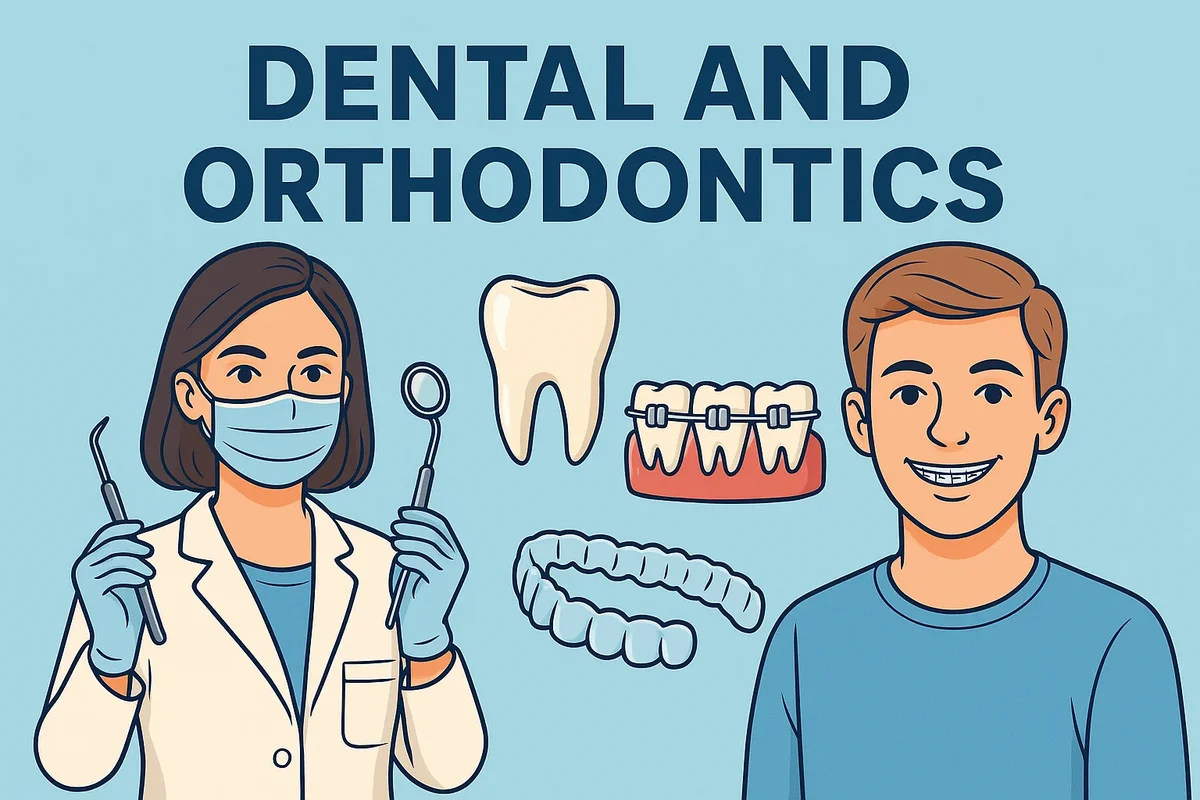
The Future of Dental and Orthodontic Innovations: What to Expect
The world of dental and orthodontics is evolving faster than ever before. With the rise of artificial intelligence, 3D printing, robotics, and biotechnology, dental care is entering a revolutionary era where precision, comfort, and aesthetics converge. From digital smile design to bioengineered teeth, the future promises personalized treatments that are faster, safer, and more effective than traditional methods. 🌐🦷
1. Digital Transformation in Dentistry
The digitalization of dentistry has already begun transforming how treatments are planned, executed, and monitored. Modern dental and orthodontics clinics now integrate AI-based diagnostic tools, intraoral scanners, and 3D simulation technologies to improve accuracy and patient experience.
AI-Powered Diagnosis
Artificial intelligence allows dentists and orthodontists to analyze X-rays and scans with greater precision than ever before. AI systems can detect early signs of decay, gum disease, or bone loss that might be invisible to the human eye. For orthodontics, AI can simulate tooth movement, optimize aligner design, and predict treatment outcomes with remarkable accuracy.
Digital Smile Design (DSD)
DSD technology enables patients to see a preview of their future smiles before treatment begins. Using high-resolution scans, facial analysis, and software modeling, dental professionals create digital mock-ups of expected results. This helps patients actively participate in planning their dental and orthodontics journey, ensuring satisfaction and trust.
2. 3D Printing and Customization
3D printing is one of the most groundbreaking innovations shaping the future of dental and orthodontics. It allows for customized restorations, aligners, and implants to be produced quickly, accurately, and cost-effectively.
Applications of 3D Printing
- Aligners and Braces: Clear aligners and retainers can be printed precisely to fit each patient’s mouth.
- Dental Crowns and Bridges: 3D printers create zirconia or resin-based crowns within hours instead of days.
- Surgical Guides: Used for accurate implant placement, ensuring safety and reduced healing time.
- Prosthetics and Dentures: Tailor-made for comfort and functionality with minimal adjustments.
By minimizing human error, 3D technology enhances both aesthetic and functional outcomes. The ability to print personalized dental appliances directly in the clinic reduces waiting time and improves efficiency — a major advantage for both dentists and patients.
3. Robotics and Automation in Dental Procedures
Automation is revolutionizing how clinics operate. Robots and computer-assisted systems are being used in dental surgeries and orthodontic procedures to increase precision and reduce recovery times. In implant dentistry, robotic arms guide drills with micrometer accuracy, ensuring optimal placement and bone integration.
In orthodontics, semi-automated systems help apply consistent force for bracket bonding or wire placement. These technological enhancements improve procedural safety and reduce treatment duration — key goals for the future of dental and orthodontics care.
Examples of Robotic Advancements
- Yomi Dental Robot: The first FDA-approved robot for dental implant surgery, offering real-time feedback and high accuracy.
- Automated Wire Bending Systems: Robotics that shape orthodontic wires according to precise digital models.
- Laser-Assisted Procedures: Used in gum contouring, whitening, and cavity treatment with minimal discomfort.
4. Regenerative Dentistry and Biomaterials
One of the most exciting frontiers in dental and orthodontics is regenerative medicine — the use of stem cells and biomaterials to repair or even regrow teeth and tissues. Scientists are experimenting with bioengineered dental pulp, enamel regeneration, and bone graft materials that stimulate natural healing.
Current Developments
- Stem Cell Tooth Regrowth: Research suggests that dental pulp stem cells could eventually regrow entire teeth within the next two decades.
- Biodegradable Scaffolds: Used to rebuild bone and soft tissue in preparation for implants or orthodontic anchorage.
- Nanotechnology Fillings: Nano-particles enhance the bonding strength and longevity of fillings and crowns.
Regenerative dentistry will likely reduce the need for traditional dental implants or prosthetics, making natural tooth preservation the new gold standard in the dental and orthodontics field.
5. Teleorthodontics and Remote Monitoring
Teleorthodontics, or virtual dental care, has gained momentum since 2020. Patients can now receive professional consultations, treatment updates, and monitoring directly from home through digital platforms. Using smart dental scanners and smartphone apps, orthodontists can evaluate progress remotely, reducing the need for frequent in-office visits.
Advantages of Teleorthodontics
- Convenience and accessibility for patients in remote areas.
- Continuous digital tracking ensures timely aligner changes or adjustments.
- Lower overall treatment costs and travel expenses.
Clinics such as Redent Klinik Contact Page are beginning to integrate telemonitoring systems for follow-up care, providing patients with seamless and flexible dental and orthodontics experiences that fit modern lifestyles.
6. Eco-Friendly and Sustainable Dentistry
As environmental awareness grows, sustainability is becoming an important aspect of dental and orthodontics practice. Modern clinics are moving toward eco-friendly materials, digital recordkeeping, and waste reduction strategies.
Green Innovations Include:
- Biodegradable impression materials and recyclable aligner packaging.
- Paperless patient records and AI-based scheduling systems.
- Energy-efficient sterilization equipment and water-saving devices.
These sustainable practices not only protect the environment but also appeal to eco-conscious patients, adding long-term value to modern dental care.
7. Personalized and Predictive Treatment Plans
The future of dental and orthodontics lies in personalization. Genetic testing, 3D facial mapping, and predictive modeling allow clinicians to design unique treatment plans based on individual biological and lifestyle factors. AI-driven analytics can predict patient response to braces or aligners and optimize treatment length and comfort accordingly.
Benefits of Predictive Care
- Shorter treatment durations with fewer adjustments.
- Higher precision in tooth movement and bite correction.
- Customized aesthetics tailored to facial symmetry.
This data-driven approach ensures maximum results with minimal discomfort, enhancing both efficiency and patient satisfaction.
8. The Integration of Virtual and Augmented Reality
Virtual reality (VR) and augmented reality (AR) are finding their way into dental and orthodontics training and patient education. VR headsets are used to simulate complex surgeries for students, while AR tools overlay real-time visual guides during live treatments. For patients, VR offers distraction during long procedures, reducing anxiety and improving overall experience.
9. The Next Decade: A Holistic Vision
In the coming decade, dental and orthodontics care will merge traditional expertise with cutting-edge technology. We can expect treatments to become faster, pain-free, and tailored to individual needs. As innovation continues, collaboration between dental researchers, engineers, and AI developers will reshape how oral care is delivered worldwide.
From AI-driven diagnostics to 3D-printed prosthetics and regenerative tissues, the future of dentistry is rooted in precision and personalization. By combining scientific advancement with compassionate care, clinics like Redent Klinik Contact Page exemplify the next generation of oral healthcare — where innovation meets humanity. 🌿
In essence, the future of dental and orthodontics will not only perfect smiles but redefine what it means to receive healthcare — intelligent, personalized, and sustainable. The next revolution is already here, and it’s shaping a brighter, healthier world of smiles.