
Dental artistry is more than just dentistry—it is the fusion of medical science and creative design aimed at enhancing both oral health and the beauty of a smile. While traditional dentistry focuses primarily on diagnosing and treating dental problems, dental artistry goes a step further by incorporating aesthetics, balance, and natural harmony into every treatment. Patients today seek not only healthy teeth but also radiant, confident smiles, and this is where the concept of artistry in dentistry becomes essential. 😁
The foundation of dental artistry lies in understanding the relationship between teeth, gums, lips, and facial structure. A dental artist carefully evaluates proportions, symmetry, and alignment to craft results that look natural rather than artificial. This approach ensures that treatments such as veneers, crowns, implants, or orthodontics are not only functional but also visually pleasing. By blending artistic vision with advanced dental techniques, professionals can create smiles that leave lasting impressions.
One of the key elements of dental artistry is personalization. Every smile is unique, shaped by genetics, lifestyle, and personal preferences. A skilled dentist must take into account the patient’s facial features, skin tone, and even personality when designing treatments. For example, a bold, wide smile may suit one individual, while another might look better with a softer, subtler curve. This customization ensures that patients receive results that enhance their overall appearance rather than simply providing a one-size-fits-all solution.
The rise of dental artistry has been supported by innovations in digital dentistry and modern technology. Digital smile design (DSD) software allows patients to preview how their new smile will look before the procedure begins. This visual approach increases confidence and helps both the patient and the dentist align expectations. Tools such as intraoral scanners, CAD/CAM milling machines, and 3D printing also make it possible to create restorations that are more accurate and durable than ever before. These advancements mean that dental artistry today is not only about aesthetics but also about precision and predictability.
Furthermore, dental artistry bridges the gap between cosmetic dentistry and restorative care. Many patients who seek cosmetic improvements also require functional restoration. For instance, someone with missing teeth may receive dental implants designed to look identical to their natural teeth, ensuring both proper chewing and an attractive smile. In such cases, artistry ensures that the restorative work blends seamlessly with the existing teeth, avoiding the artificial look that once plagued dental prosthetics.
Patient psychology plays a significant role in the importance of artistry. Smiling confidently has been proven to improve self-esteem, enhance social interactions, and even impact career opportunities. By improving a smile through dental artistry, dentists are not only transforming appearances but also influencing lives on a deeper level. Patients often report feeling younger, more approachable, and more self-assured after undergoing smile-enhancing procedures. 🌟
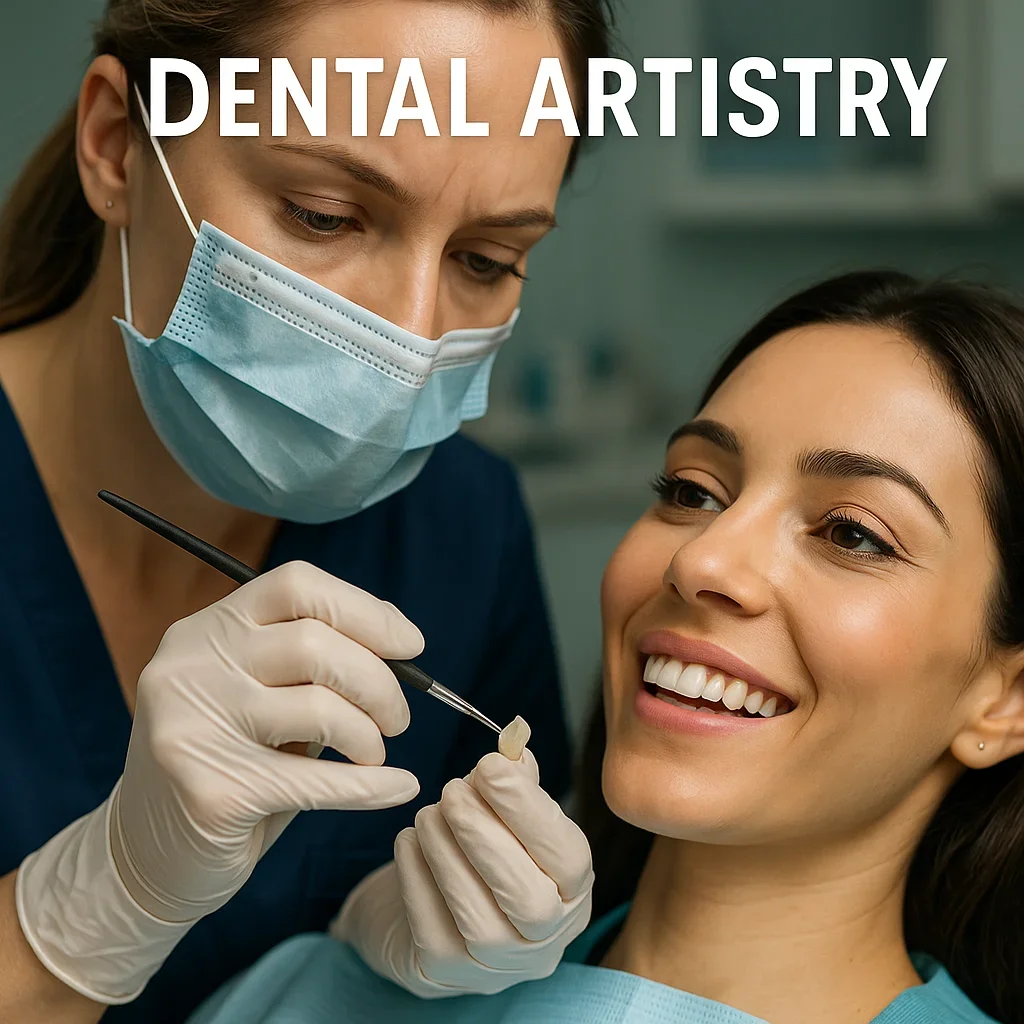
Another aspect of artistry is the dentist’s craftsmanship. Much like a sculptor shaping marble, a dental professional must have steady hands, a keen eye, and artistic sensitivity. This craftsmanship is particularly visible in procedures such as creating porcelain veneers, where the shade, translucency, and texture must perfectly mimic natural enamel. A miscalculation in shape or color can make teeth appear artificial, which is why artistry is essential for delivering results that are indistinguishable from nature.
The influence of cultural standards of beauty also underscores the importance of dental artistry. In some societies, extremely white and aligned teeth are considered ideal, while in others, a more natural and varied look is preferred. Dental artists must balance patient desires with cultural expectations and natural anatomy to provide the most satisfying results. This cultural awareness makes dental artistry a global discipline that adapts to individual needs while maintaining universal standards of excellence.
It is important to note that artistry in dentistry is not only for celebrities or high-income patients. Increasingly, modern clinics are making these services accessible to everyday people. Financing plans, competitive pricing, and advancements in materials have reduced the cost of aesthetic dental care. For example, a set of high-quality porcelain veneers might range from $800 to $2,500 per tooth depending on the clinic and country, but many patients consider this a worthwhile investment for the boost in confidence it provides. (For consultation details, see the Redent Klinik Contact Page.)
Beyond local clinics, professional organizations like the American Dental Association support the standards and ethical practices that underpin the field of dental artistry. They provide guidelines ensuring that treatments are safe, evidence-based, and patient-centered. Dentists who pursue artistry are encouraged to continue learning and updating their skills, which ensures that patients always receive care that is both artistic and scientifically reliable.
In conclusion, dental artistry is the future of dentistry—an integration of medical expertise, cutting-edge technology, and creative skill. It is about more than teeth; it is about the expression of personality, the harmony of facial features, and the empowerment of individuals to smile without hesitation. Whether through simple whitening procedures or complex implant-supported restorations, dental artistry represents the perfect balance of science and art. And in today’s world, where first impressions matter more than ever, investing in a smile crafted by dental artistry is investing in self-confidence, well-being, and lifelong satisfaction. 💎
The Evolution of Dental Artistry Through History
The story of dental artistry is deeply rooted in human civilization, stretching back thousands of years. From ancient societies that experimented with rudimentary tooth replacements to the highly advanced smile design practices of today, the evolution of dentistry reflects not only medical progress but also humanity’s desire for beauty, function, and self-expression. This section explores how artistry entered dentistry, how techniques evolved, and why the concept of blending science with aesthetics has remained important throughout history. 🏺
Ancient Civilizations and the First Forms of Dental Artistry
Historical records show that early civilizations were surprisingly inventive in their approach to dental health and beauty. The ancient Egyptians, for instance, are believed to have created the first dental prosthetics by using gold wire to stabilize loose teeth. Their interest in appearance was not limited to jewelry and makeup—it extended to smiles as well. Mayans are known to have decorated their teeth with gemstones such as jade, inlaid directly into drilled cavities. While these practices were not medically advanced, they represent the earliest evidence of dental artistry as a cultural expression of beauty and social status.
Similarly, the Etruscans of Italy (circa 700–400 BCE) crafted bridges and dentures out of ivory, gold, and animal teeth. These prosthetics were intended not only to restore function but also to preserve facial aesthetics. In their culture, a healthy and symmetrical smile was closely linked to nobility and refinement. These early practices highlight how dental artistry has always been intertwined with ideas of identity, class, and personal presentation.
Medieval and Renaissance Advancements
The Middle Ages saw slower progress in dentistry, with treatments often being handled by barbers rather than medical specialists. However, artistry was still present, even if primitive. Barbers would extract teeth and sometimes carve replacements from bone or wood. Though painful and often unsuccessful, these procedures reflected humanity’s consistent effort to restore both appearance and oral function.
The Renaissance (14th–17th centuries) brought renewed interest in anatomy, science, and aesthetics, creating fertile ground for dentistry to evolve. Art and science were merging in Europe, and this spirit influenced dental care. Ambroise Paré, a French surgeon, made significant contributions by documenting surgical techniques and emphasizing the importance of restoring oral structure. During this period, dentistry began to transition from a craft into a recognized medical practice, laying the groundwork for what would eventually become modern dental artistry.
The Birth of Modern Dentistry in the 18th and 19th Centuries
The 18th century marked a turning point in dental history, often credited to Pierre Fauchard, known as the “Father of Modern Dentistry.” His book Le Chirurgien Dentiste (1728) outlined detailed methods for dental restoration, including techniques for creating prosthetics that blended function with appearance. For the first time, dentistry was formally acknowledged as both a science and an art.
By the 19th century, advancements in materials dramatically changed the field. Porcelain teeth became popular, providing more natural aesthetics compared to ivory or animal substitutes. This development brought a new level of artistry to dental work, as porcelain could be shaped and colored to match the patient’s natural smile. At the same time, anesthetics such as ether and nitrous oxide made procedures more tolerable, allowing dentists to focus on fine detail without causing unbearable discomfort.
Global Expansion of Dental Artistry
During this era, dental practices expanded globally. In the United States, dental schools were established, and the profession began to standardize. The combination of improved materials, formal training, and artistic sensitivity meant that dental artistry could now be delivered more consistently across different regions. Patients increasingly viewed dental treatment not merely as a necessity but as a pathway to confidence and improved quality of life.
20th Century: The Rise of Cosmetic Dentistry
The 20th century introduced revolutionary materials and tools that pushed dental artistry to new heights. Acrylic resins, composites, and high-strength ceramics allowed for the creation of restorations that were both durable and aesthetically pleasing. Hollywood, with its glamorous actors and actresses, amplified the demand for perfect teeth. The “Hollywood Smile” became a cultural phenomenon, inspiring patients worldwide to seek cosmetic dental procedures.
Orthodontics also flourished during this time, with braces becoming a mainstream treatment. While originally focused on function, orthodontics soon embraced aesthetics, as patients wanted straight teeth that not only improved bite but also enhanced appearance. The artistic component was clear: dentists were no longer just correcting dental issues; they were sculpting smiles.
Patient Expectations and Accessibility
By the late 20th century, dental treatments became more accessible to the general public, not just the elite. Clinics worldwide offered cosmetic procedures at competitive prices. With this accessibility came higher expectations—patients wanted natural-looking results, which demanded both technical skill and artistic vision. Thus, the artistry in dentistry became as important as the science itself.
21st Century: Digital Dentistry and Artistic Precision
Today, dental artistry has reached a remarkable level of sophistication. Digital technologies such as 3D scanning, computer-aided design (CAD), and digital smile design (DSD) allow dentists to craft personalized treatment plans with precision. Patients can visualize their new smiles before any procedure begins, ensuring confidence and satisfaction. Materials like zirconia and lithium disilicate now provide restorations that are virtually indistinguishable from natural enamel.
Additionally, the integration of photography, video analysis, and artificial intelligence has enhanced the accuracy of dental artistry. For example, AI can analyze facial features and suggest optimal tooth shapes and alignments that complement the patient’s unique anatomy. This merging of technology and artistry ensures results that are both functional and aesthetically harmonious.
The Timeless Value of Dental Artistry
Despite the dramatic technological changes over centuries, one thing has remained constant: the desire for a beautiful, confident smile. From ancient gemstone inlays to state-of-the-art digital veneers, dental artistry continues to symbolize self-expression, identity, and confidence. It is not merely about fixing teeth; it is about crafting smiles that empower individuals in every aspect of their lives. 🌟
The evolution of dental artistry through history shows how humanity has consistently valued both oral health and aesthetics. By blending culture, science, and creativity, dentistry has become a true art form. Today’s patients benefit from centuries of innovation, enjoying treatments that are safer, more comfortable, and more beautiful than ever before.
Modern Techniques That Define Dental Artistry Today
In the 21st century, dental artistry has evolved into a sophisticated blend of medical science and creative design. What was once limited to basic restorations and cosmetic adjustments is now a highly advanced field that integrates digital technology, biomaterials, and precision techniques. Today’s dentists are not just medical professionals; they are also artists who sculpt, design, and refine smiles to achieve natural beauty and optimal function. This section explores the cutting-edge techniques that define dental artistry and make it one of the most transformative branches of modern healthcare. ✨
Digital Smile Design: Visualization Before Treatment
One of the most revolutionary tools in dental artistry is Digital Smile Design (DSD). This technology allows dentists to capture high-resolution images and videos of a patient’s face and simulate how different treatments will affect their smile. Patients can preview veneers, crowns, or orthodontic results before undergoing any procedure, ensuring alignment between expectations and outcomes. This process empowers patients by making them active participants in their treatment journey, while also giving dentists a clear roadmap for execution.
The digital workflow not only enhances accuracy but also reduces the risk of dissatisfaction. Instead of relying solely on verbal descriptions or manual sketches, the dentist can demonstrate realistic projections. This creates transparency, builds trust, and elevates dental artistry to a new level of precision.
Minimally Invasive Cosmetic Dentistry
Modern dental artistry emphasizes preserving natural tooth structure. Unlike older practices that required aggressive reshaping of teeth, today’s techniques favor minimally invasive approaches. For instance, ultra-thin porcelain veneers often require little to no enamel removal, while composite bonding can correct imperfections with minimal drilling. These techniques ensure patients receive beautiful smiles without compromising long-term oral health.
Porcelain Veneers
Porcelain veneers remain a cornerstone of cosmetic dental artistry. Crafted from high-quality ceramics, they mimic the translucency and light-reflecting properties of natural enamel. Custom-made in dental laboratories using CAD/CAM systems, veneers offer durability and lifelike aesthetics. Patients seeking whiter, more uniform smiles often choose veneers because they deliver dramatic transformations with relatively minimal invasiveness.
Composite Bonding
Composite bonding is a more affordable and conservative option. By applying tooth-colored resin materials directly to the teeth, dentists can reshape, lengthen, or repair chipped areas in a single visit. While not as durable as porcelain, bonding exemplifies how artistry and efficiency can coexist in modern dentistry. It is ideal for patients looking for immediate, cost-effective improvements.
Orthodontics and Clear Aligners
Orthodontics has always been part of dental care, but modern dental artistry has expanded its role. Beyond correcting bite issues, orthodontics now focuses heavily on aesthetics. Clear aligners such as Invisalign have revolutionized this space by offering discreet, removable, and highly effective solutions for misaligned teeth.
Unlike traditional braces, clear aligners allow patients to maintain confidence during treatment while gradually achieving straighter smiles. Dentists can digitally map tooth movements, ensuring precision and predictability. This integration of technology and artistry ensures that results are not only functional but also naturally attractive.
Dental Implants and Artistic Restorations
Implantology is another area where modern techniques demonstrate the power of dental artistry. Today’s dental implants are designed with both biomechanics and aesthetics in mind. With advanced imaging such as cone-beam computed tomography (CBCT), dentists can plan implant placement with millimeter precision, ensuring that the prosthetic tooth looks indistinguishable from natural ones.
Restorations are carefully crafted to match surrounding teeth in color, shape, and translucency. The artistic component here is crucial—while the implant must function like a natural tooth, it must also blend seamlessly with the smile. This is where the sculpting skills of the dentist and the craftsmanship of dental technicians converge, representing the highest form of modern dental artistry.
Laser Dentistry and Gingival Sculpting
Modern dental artistry extends beyond teeth—it also includes gum contouring and sculpting. With the use of dental lasers, dentists can reshape gingival tissue to create more balanced, harmonious smiles. For instance, patients with “gummy smiles” can benefit from gingival sculpting, which redefines the gum line and exposes more of the natural tooth.
Laser dentistry is minimally invasive, reduces healing times, and enhances precision. The ability to combine soft tissue modification with restorative or cosmetic treatments underscores the multidisciplinary nature of dental artistry today.
Teeth Whitening: Science Meets Art
Teeth whitening remains one of the most requested aesthetic procedures. However, modern approaches have elevated this service far beyond simple bleaching. Professional systems now use LED light activation, advanced hydrogen peroxide formulas, and custom-fitted trays to deliver safe, uniform results.
The artistry lies in achieving a natural shade that complements the patient’s skin tone, age, and facial features. Over-whitening can appear artificial, while a carefully selected brightness level enhances the smile without drawing unwanted attention. This delicate balance illustrates how even seemingly simple procedures require artistic judgment.
In-Office Whitening vs. At-Home Kits
In-office whitening provides faster and more controlled outcomes, making it ideal for patients seeking immediate results. At-home kits, prescribed by dentists, allow gradual whitening under professional supervision. Both methods, when guided by a skilled practitioner, embody the principles of dental artistry: precision, personalization, and aesthetic awareness.
The Role of Technology in Enhancing Artistry
Advances in artificial intelligence, 3D printing, and digital modeling continue to reshape the landscape of dentistry. AI-powered tools can analyze facial proportions and recommend ideal tooth dimensions, while 3D printers produce crowns, bridges, and aligners with unprecedented accuracy. These innovations save time and ensure that the artistic vision of the dentist is fully realized in the final outcome.
By merging artistic insight with data-driven precision, today’s dental artistry achieves outcomes that were unimaginable just a few decades ago. Patients benefit from smiles that are not only visually stunning but also structurally sound and long-lasting.
In conclusion, modern techniques defining dental artistry demonstrate that dentistry has moved far beyond mere functionality. From digital smile design to implants, veneers, orthodontics, and gingival sculpting, every innovation reflects a commitment to blending science and aesthetics. This holistic approach ensures that patients enjoy smiles that are healthy, natural, and truly life-changing. 🌟
The Role of Cosmetic Dentistry in Dental Artistry
Cosmetic dentistry is one of the most visible expressions of dental artistry, where the science of oral health merges with the art of beauty. While general dentistry focuses on preventing and treating oral diseases, cosmetic dentistry emphasizes the appearance of teeth, gums, and the overall smile. Patients today seek treatments that not only restore function but also enhance confidence, attractiveness, and harmony with facial features. This section explores the profound role cosmetic dentistry plays in shaping modern dental artistry, from simple whitening procedures to complex full-mouth reconstructions. 😃
Understanding Cosmetic Dentistry as Art and Science
Cosmetic dentistry is often described as the “art of dentistry,” and for good reason. Procedures such as veneers, bonding, or smile makeovers require technical expertise and an artistic eye. A dentist must consider tooth color, proportion, shape, and alignment, while also paying attention to facial balance and the patient’s personality. This is why cosmetic dentistry is inseparable from dental artistry: every procedure is a careful act of design as much as it is a clinical treatment.
Core Cosmetic Dentistry Procedures That Define Dental Artistry
The range of cosmetic treatments available today is broad, but certain procedures stand out as essential to dental artistry. Each of these plays a unique role in creating natural, harmonious smiles.
Porcelain Veneers: The Cornerstone of Smile Design
Porcelain veneers are ultra-thin shells bonded to the front of teeth to correct discoloration, chips, misalignment, or uneven spacing. Because they mimic the light-reflecting properties of natural enamel, veneers are a hallmark of dental artistry. They allow dentists to sculpt smiles that look both flawless and authentic. Customization is critical—veneer color, translucency, and shape must be adjusted to suit the patient’s face and desired look.
Teeth Whitening: Brightening Smiles Safely
Teeth whitening is one of the most requested cosmetic dental services worldwide. Professional whitening treatments are designed to lift stains caused by coffee, wine, or smoking while maintaining the integrity of the enamel. The artistry lies in finding the ideal balance: teeth should appear bright, but not unnaturally white. Dentists trained in dental artistry carefully assess a patient’s skin tone and facial aesthetics before recommending the right shade of whiteness. 🌟
Dental Bonding and Sculpting
Bonding involves applying a tooth-colored resin to correct small imperfections like cracks, chips, or gaps. While this might seem simple, it requires remarkable artistic skill. A dentist must sculpt the resin to blend seamlessly with the natural tooth, replicating the shade, contour, and surface texture. Successful bonding showcases the dentist’s artistic ability to disguise imperfections while enhancing the harmony of the smile.
Orthodontics as Part of Cosmetic Dentistry
Although orthodontics has traditionally been considered a functional treatment, modern dentistry recognizes its strong cosmetic role. Straight teeth not only improve bite and oral health but also significantly enhance smile aesthetics. Clear aligners, lingual braces, and accelerated orthodontic systems make it possible for patients to achieve straighter smiles discreetly. In the context of dental artistry, orthodontics ensures balance, symmetry, and long-term stability of cosmetic results.
Gum Contouring: The Frame of the Smile
Dental artistry extends beyond teeth; gums are the frame that shapes how teeth appear. Cosmetic gum contouring, often performed with lasers, helps correct “gummy smiles” or uneven gum lines. By carefully reshaping soft tissue, dentists can make teeth appear longer and smiles more symmetrical. This subtle adjustment often creates dramatic visual impact, proving that artistry in dentistry involves every element of the oral structure.
Full-Mouth Reconstruction: Where Function Meets Artistry
For patients with severe wear, multiple missing teeth, or extensive damage, cosmetic dentistry overlaps with restorative care in full-mouth reconstruction. This process may involve a combination of crowns, veneers, implants, and orthodontics. Here, dental artistry is crucial—without careful design, such reconstructions risk looking artificial. Instead, by using an artistic approach, dentists create results that restore full function while appearing completely natural and harmonious with facial features.
The Role of Color Theory in Cosmetic Dentistry
Color selection is one of the most underestimated but critical aspects of cosmetic dental artistry. A tooth that is too white may look unnatural, while one that is too dark can detract from a smile. Dentists trained in artistry apply principles of color theory, blending shades, translucency, and surface textures to achieve lifelike results. This ensures that restorations and natural teeth blend seamlessly, enhancing both the smile and the overall facial aesthetic.
Psychological Benefits of Cosmetic Dentistry
The impact of cosmetic dentistry goes beyond appearance. Studies show that patients who undergo smile transformations often experience improved self-esteem, social confidence, and even career opportunities. A radiant smile is universally perceived as a sign of health, vitality, and friendliness. By enhancing these aspects through dental artistry, dentists are not just changing teeth—they are transforming lives. 💎
Affordability and Accessibility of Cosmetic Dentistry
While cosmetic dentistry was once considered a luxury, it has become increasingly accessible to people from all walks of life. Advances in materials, techniques, and financing options have made smile enhancements affordable in many clinics. For example, professional whitening may cost between $300 and $600, while veneers typically range from $800 to $2,500 per tooth depending on quality and location. These costs reflect both the materials and the artistic labor required, reminding patients that they are investing in skilled dental artistry.
In conclusion, cosmetic dentistry is the beating heart of dental artistry. From porcelain veneers to gum sculpting, every treatment combines precision, creativity, and an understanding of aesthetics. The role of cosmetic dentistry extends beyond superficial beauty—it creates smiles that are authentic, balanced, and life-enhancing. By blending science and artistry, dentists empower patients to radiate confidence and joy in every smile they share. 😁
Materials and Technology Advancing Dental Artistry
The progress of dental artistry has always been closely tied to innovations in materials and technology. In the past, limited resources meant that restorations were often functional but rarely natural-looking. Today, however, the combination of advanced biomaterials, digital workflows, and high-tech equipment has completely transformed how dentists design and deliver aesthetic smiles. From stronger ceramics to 3D printing and artificial intelligence, each advancement contributes to making dental artistry more precise, accessible, and life-changing. 🔬
Revolutionary Dental Materials
The materials used in dentistry form the foundation of dental artistry. High-quality, biocompatible materials are essential for restorations that look natural, function properly, and last for many years. Recent developments in ceramics, composites, and metals have elevated the artistry of modern dentistry.
Porcelain and Ceramic Materials
Porcelain has long been a gold standard in cosmetic dentistry because of its ability to replicate the translucency and light-reflecting properties of natural enamel. Modern ceramics like lithium disilicate (IPS e.max) and zirconia have taken this further by offering both exceptional aesthetics and durability. These materials allow dentists to design crowns, veneers, and bridges that blend seamlessly with the patient’s smile, embodying the essence of dental artistry.
Composite Resins
Composite resins are versatile, tooth-colored materials often used for bonding and small restorations. They are sculpted directly on the teeth and hardened with curing lights. Modern composites now come in multiple shades and translucencies, enabling dentists to layer them like an artist mixes paints. The result is a restoration that is nearly indistinguishable from natural enamel. This layering technique highlights the artistic craftsmanship central to cosmetic dental work.
Biocompatible Metals and Alloys
Although less visible in the final result, metals such as titanium remain critical in dental artistry, particularly for implants. Titanium is biocompatible, lightweight, and integrates seamlessly with bone (osseointegration). Modern alloys are designed to minimize allergic reactions and maximize stability, ensuring that the artistic restoration above the gumline has a strong and reliable foundation.
Digital Dentistry: Precision Through Technology
The integration of digital technology is perhaps the most significant driver of dental artistry today. Digital tools allow dentists to visualize, design, and execute treatments with unparalleled precision, reducing errors and creating consistent results.
Intraoral Scanners
Traditional dental impressions, made with trays and alginate, were often uncomfortable and prone to inaccuracies. Intraoral scanners now replace this step by capturing 3D digital impressions in minutes. These scans are highly accurate and allow dentists to plan restorations that align perfectly with the patient’s anatomy. This accuracy directly translates to better artistry in the final outcome.
CAD/CAM Systems
Computer-Aided Design (CAD) and Computer-Aided Manufacturing (CAM) are central to modern dental artistry. With CAD/CAM, dentists and technicians can digitally design crowns, veneers, and bridges and then mill them from ceramic blocks in-house. This not only reduces treatment time but also allows for fine adjustments that ensure natural aesthetics and comfort.
3D Printing in Dentistry
3D printing is revolutionizing the dental field by enabling the creation of models, surgical guides, aligners, and even temporary crowns with speed and accuracy. This technology supports dental artistry by giving dentists more creative flexibility while lowering costs and expanding patient access to advanced care.
Advanced Imaging and Planning Tools
High-tech imaging tools are essential for planning and executing artistic restorations. Cone-beam computed tomography (CBCT) provides 3D views of bone and soft tissue, allowing dentists to design implants with millimeter precision. When combined with digital smile design (DSD), these tools create a comprehensive blueprint where artistry and science merge seamlessly.
Digital Smile Design (DSD)
DSD software allows both patients and dentists to preview smile transformations before treatment. The ability to visualize changes ensures that the artistic goals align with patient expectations. This collaborative approach enhances the artistic process, ensuring the final smile reflects both functional and aesthetic harmony.
Laser Dentistry and Soft Tissue Artistry
Lasers have added a new dimension to dental artistry, particularly in soft tissue sculpting. They allow dentists to reshape gumlines with precision and minimal discomfort, enhancing the overall balance of the smile. Lasers are also used in whitening procedures, cavity detection, and even minimally invasive surgeries, expanding their role in both function and artistry.
The Role of Artificial Intelligence
Artificial intelligence (AI) is emerging as a transformative force in dental artistry. AI-powered systems can analyze patient photos and suggest optimal tooth shapes, alignments, and proportions that best match facial features. This data-driven approach enhances the artistic decisions made by dentists, ensuring consistency and predictability in results.
Patient Benefits of Advanced Materials and Technology
The integration of new materials and technologies into dental artistry benefits patients in multiple ways. They enjoy faster treatment times, more natural-looking results, and longer-lasting restorations. Additionally, the combination of biocompatibility and artistry means that patients not only leave with beautiful smiles but also with restorations that support long-term oral health.
In summary, the advancements in materials and technology have elevated dental artistry from a craft into a high-tech discipline. From porcelain veneers and zirconia crowns to 3D printing and artificial intelligence, every innovation strengthens the marriage of science and art. As dentistry continues to evolve, the role of these tools will only expand, ensuring that patients receive treatments that are functional, durable, and aesthetically extraordinary. 🌟
Smile Design: The Art Behind Perfect Teeth
Smile design is at the heart of dental artistry, combining scientific precision with an artistic vision to create smiles that are functional, harmonious, and visually stunning. A beautiful smile is not simply about white, straight teeth; it involves balance, proportion, and alignment with the entire face. Dentists practicing smile design must act like architects, carefully planning every angle, shade, and curve to ensure the final result complements the patient’s natural features. This section explores the principles, processes, and tools that make smile design an essential element of modern dental artistry. 😁
The Principles of Smile Design
Successful smile design relies on specific aesthetic principles rooted in both dentistry and art. Proportion, symmetry, and harmony are key considerations. For example, the “golden ratio,” a mathematical principle found in art and nature, is often applied when evaluating tooth size and spacing. The goal is to create smiles that look natural rather than artificial, ensuring each restoration blends seamlessly with surrounding teeth and facial structure.
Tooth Proportion and Shape
Every tooth has an ideal width-to-height ratio. Central incisors, for instance, should be slightly longer than lateral incisors, while canines provide balance and strength to the arch. Dental artistry comes into play when shaping these teeth to match a patient’s age, gender, and personality. Rounded edges often create a softer, youthful appearance, while sharper angles can project strength and confidence.
Symmetry and Alignment
Human perception is highly sensitive to asymmetry. Even small variations in tooth length or alignment can alter the way a smile is perceived. By using digital imaging and precise measurements, dentists can design symmetrical smiles that still retain the individuality of the patient. This balance between uniformity and uniqueness is central to the artistry of dentistry.
Digital Smile Design (DSD) as a Tool
Digital Smile Design (DSD) has revolutionized how dentists approach smile design. By using advanced photography, 3D imaging, and computer software, dentists can preview and refine proposed changes with the patient before any treatment begins. This interactive process ensures that patients actively participate in designing their new smiles, making the experience both collaborative and transparent.
DSD allows for precise planning of veneers, crowns, implants, and orthodontics. It also reduces treatment errors by creating a digital blueprint that serves as a guide during the procedure. In this way, dental artistry is not left to chance—it is carefully mapped and executed with accuracy.
Techniques in Smile Enhancement
Smile design encompasses a variety of techniques, depending on the patient’s needs and desires. Some focus on cosmetic enhancements, while others require restorative care combined with artistry.
Veneers and Crowns
Porcelain veneers and crowns are often used in smile design to correct discoloration, chips, gaps, or misalignment. Their ability to replicate natural enamel makes them indispensable tools in dental artistry. Dentists can adjust their shape, translucency, and color to create a tailored look for each individual.
Orthodontic Adjustments
For patients with crooked or misaligned teeth, orthodontics plays a crucial role in smile design. Clear aligners such as Invisalign provide discreet corrections, ensuring that the final smile is both functional and beautiful. Orthodontic planning combined with artistic foresight ensures long-term results that look natural and harmonious.
Gum Contouring
The gum line significantly impacts the aesthetics of a smile. Gummy or uneven smiles can be reshaped through laser gum contouring, a minimally invasive technique that enhances symmetry. This aspect of dental artistry highlights how even soft tissue adjustments can dramatically improve overall appearance.
Personalization in Smile Design
No two smiles are identical, and personalization is essential. Dentists consider factors such as facial structure, lip dynamics, skin tone, and even the patient’s personality when designing a smile. For example, a vibrant, outgoing person may prefer a bold and radiant smile, while someone seeking subtlety may prefer softer tones and contours. The goal is to create results that feel authentic to the individual rather than manufactured.
Psychological Impact of Smile Design
The effects of smile design go far beyond aesthetics. Patients often report profound psychological benefits after undergoing cosmetic treatments. A confident smile improves self-esteem, enhances social interactions, and even influences professional success. This is why dental artistry is not merely about teeth—it is about empowering people to express themselves fully and confidently. 🌟
The Role of Interdisciplinary Collaboration
Smile design frequently requires collaboration between specialists such as prosthodontists, orthodontists, and periodontists. Each expert contributes unique skills that enrich the artistic and functional outcome. This interdisciplinary teamwork reflects the essence of modern dental artistry: blending diverse talents to create unified, stunning results.
Costs and Accessibility of Smile Design
Smile design can vary greatly in cost depending on the complexity of treatment. Professional teeth whitening might start at around $300, veneers may range from $800 to $2,500 per tooth, and full-mouth reconstructions can reach tens of thousands of dollars. These prices reflect not only the materials used but also the artistry, time, and customization required. Many clinics now offer financing options, making the benefits of dental artistry more accessible to a wider range of patients. (For inquiries, visit the Redent Klinik Contact Page.)
In conclusion, smile design is the ultimate expression of dental artistry. It combines mathematical precision, technological innovation, and artistic creativity to produce smiles that are both beautiful and functional. By tailoring treatments to each individual and applying the principles of symmetry, proportion, and harmony, dentists create smiles that enhance confidence and quality of life. In the world of modern dentistry, smile design stands as proof that teeth are more than tools for chewing—they are works of art that define how we express ourselves to the world. 💎
Dental Artistry for Restorations and Implants
Restorative dentistry is not only about repairing damaged teeth—it is also about recreating natural beauty and harmony. In this sense, dental artistry plays a crucial role in making restorations and implants look indistinguishable from real teeth. Patients no longer accept treatments that are functional but visually artificial. Instead, they seek restorations that restore oral health while enhancing aesthetics, creating smiles that are both durable and attractive. This section explores how dental artistry is applied to crowns, bridges, dentures, and implants, and how technology and creativity merge to achieve life-like results. 🦷
The Artistic Dimension of Restorations
Dental restorations include crowns, inlays, onlays, and bridges. While their primary purpose is to restore strength and function, artistry ensures they also complement the patient’s natural smile. The color, translucency, and surface texture of a crown, for example, must match the surrounding teeth so precisely that it becomes invisible in the mouth. This requires both technical precision and an artistic touch.
Crowns and Their Aesthetic Role
Crowns are commonly used to restore teeth damaged by decay or fractures. In the past, metal-based crowns were durable but lacked aesthetic appeal. Today, all-ceramic crowns made from zirconia or lithium disilicate are preferred because they replicate the appearance of natural enamel. A dentist skilled in dental artistry carefully selects the shade and translucency of the crown, ensuring that it blends seamlessly into the patient’s smile.
Bridges as Functional Art
Dental bridges replace missing teeth by anchoring prosthetics to neighboring teeth. While they provide essential function, artistry ensures the bridge integrates with surrounding teeth in both shape and color. Without artistry, bridges can look bulky or artificial. By sculpting subtle contours and matching enamel-like textures, dentists turn bridges into seamless restorations that restore both chewing ability and aesthetics.
Removable and Fixed Dentures with Artistic Precision
Dentures have historically been seen as functional but often unnatural-looking. Modern techniques, however, incorporate dental artistry to create dentures that are customized to each patient’s unique anatomy. Dentists design the size, alignment, and shade of the artificial teeth while also shaping gum-colored bases to look natural. Digital dentures, created using CAD/CAM technology, allow for greater precision and faster fabrication, delivering results that restore smiles with authenticity.
The Artistry of Dental Implants
Dental implants represent the pinnacle of restorative dentistry, combining biomechanics with aesthetics. Unlike removable dentures, implants are surgically placed into the jawbone and topped with lifelike crowns. This treatment requires meticulous planning, as placement affects not only function but also how natural the smile appears.
Implant Planning and Digital Technology
Advanced tools such as cone-beam computed tomography (CBCT) scans allow dentists to visualize bone density and determine the ideal position for implant placement. Guided surgery software ensures accuracy within millimeters. The crown design, informed by dental artistry, is then created to mirror natural teeth in shade, size, and contour.
The Crown-Abutment Connection
A crucial aspect of implant artistry is the abutment—the connector between the implant and crown. Custom abutments, designed with CAD/CAM systems, allow for optimal angulation and gum tissue support. This customization ensures the crown emerges naturally from the gum line, avoiding the “fake tooth” appearance often seen in older implant systems.
Soft Tissue Management
Implants must not only look like natural teeth but also integrate seamlessly with surrounding gums. Soft tissue sculpting, often aided by laser or surgical techniques, creates a natural gum contour around the crown. This gum shaping is a delicate form of dental artistry that gives implants the illusion of being indistinguishable from real teeth.
Full-Arch Restorations: Blending Function and Beauty
Patients who have lost most or all of their teeth can benefit from full-arch implant restorations, such as All-on-4 or All-on-6 systems. These treatments combine advanced biomechanics with aesthetic design. Each prosthetic tooth must be shaped and positioned with care to provide chewing efficiency while creating a beautiful smile. Here, artistry ensures that even large-scale reconstructions look natural and expressive rather than uniform or artificial.
Materials Used in Restorations and Implants
Materials play a key role in the artistry of restorations. High-strength ceramics like zirconia are used for implant crowns, while layered porcelains provide lifelike translucency. Composites are also used in bonding procedures for small corrections. By combining the right materials with skilled craftsmanship, dentists achieve results that replicate nature’s perfection.
Psychological and Functional Benefits
Restorations and implants crafted with artistry provide more than aesthetic benefits—they transform lives. Patients often report greater confidence, improved ability to chew, and enhanced social interactions. When restorations look natural, individuals can smile, laugh, and speak freely without fear of embarrassment. This emotional uplift is a direct reflection of how dental artistry impacts daily life. 🌟
Cost Considerations and Value
The cost of restorative artistry varies depending on materials, complexity, and geographic location. For example, a single all-ceramic crown might cost between $800 and $2,000, while dental implants can range from $3,000 to $5,000 per tooth. Though these prices may seem high, they reflect both the durability of the treatment and the artistic skill required to make them indistinguishable from natural teeth. Many clinics provide financing to make these life-changing treatments more accessible. (For more information, see the Redent Klinik Contact Page.)
In conclusion, restorations and implants demonstrate the perfect balance between science and art. With the use of advanced materials, precise technology, and skilled dental artistry, modern dentists can provide patients with functional, durable, and aesthetically flawless smiles. From crowns and bridges to full-arch implant systems, restorative dentistry has become a field where artistry is as important as technical expertise. As technology continues to evolve, the artistry behind restorations will ensure that patients receive results that are not only functional but also life-changing. 💎
The Human Touch: Artistic Skills Every Dentist Needs
Technology and advanced materials may shape modern dentistry, but it is the human touch that truly brings dental artistry to life. Behind every natural-looking crown, veneer, or implant lies the skill, creativity, and vision of a dentist who approaches their work as both a medical professional and an artist. This section explores the personal qualities and artistic skills that distinguish a good dentist from a great dental artist—highlighting the balance of science, craftsmanship, and empathy that defines the profession. 🎨
Manual Dexterity and Precision
Dentistry is one of the most delicate medical fields, requiring exceptional hand–eye coordination. A dentist must often work within millimeters, sculpting or shaping restorations with the same precision as a jeweler or sculptor. For example, creating the perfect margin for a veneer requires not only technical skill but also artistic sensitivity to ensure it blends seamlessly with natural enamel. Without this level of precision, the results of dental artistry would lack authenticity and durability.
Sculpting Dental Restorations
Every restoration, whether composite bonding or a ceramic crown, requires fine sculpting. Dentists use specialized tools to mimic the grooves, ridges, and surface textures of natural teeth. These micro-details make the difference between an artificial-looking restoration and one that is indistinguishable from nature. This is why artistry is at the core of restorative work.
An Eye for Aesthetics
A critical skill in dental artistry is the ability to evaluate proportions, symmetry, and harmony. Dentists must assess not only the teeth but also the lips, gums, and facial structure when designing treatments. A trained artistic eye helps determine how tooth color complements skin tone, how smile curves align with lips, and how balance can be achieved across the dental arch.
Color Matching and Shade Selection
Selecting the right shade for a restoration is one of the most challenging artistic skills. Teeth are not a single flat color; they display multiple layers of translucency, brightness, and subtle shading. A skilled dentist must match these nuances perfectly to create natural results. By using shade guides and digital color analysis, dentists apply their artistic judgment to produce restorations that seamlessly blend with natural teeth.
Creativity in Problem-Solving
Every patient presents unique challenges, and creativity is essential in finding solutions that balance aesthetics and functionality. For instance, a patient with a missing tooth in a highly visible area requires a restoration that not only restores chewing ability but also looks natural in photographs and daily interactions. Creativity allows dentists to design treatments that adapt to the patient’s lifestyle, preferences, and cultural perceptions of beauty—demonstrating the flexibility of true dental artistry.
Empathy and Communication Skills
While technical ability is vital, artistry in dentistry also requires empathy. Patients often approach cosmetic treatments with emotional concerns, such as low self-esteem or anxiety about appearance. A compassionate dentist listens carefully, explains procedures in understandable terms, and collaborates with the patient in designing the smile. This empathetic communication is an integral part of dental artistry, ensuring that results reflect not just technical success but also the patient’s personal vision of beauty.
Building Trust Through Collaboration
The process of designing a smile is a partnership. By involving patients in decisions—whether through digital smile previews or detailed discussions—dentists empower them and build trust. This collaboration ensures that the final outcome is not only technically perfect but also personally meaningful.
Attention to Detail in Every Step
Details matter in dentistry. From the angle of a crown’s cusp to the gloss of a veneer’s surface, each small element contributes to the overall perception of naturalness. Dentists practicing dental artistry approach every step with meticulous care, knowing that even the smallest imperfection can affect the harmony of the smile. This relentless pursuit of perfection is what separates artistry from routine treatment.
Lifelong Learning and Artistic Growth
Dental artistry is not static—it evolves as new techniques and technologies emerge. Great dental artists commit themselves to lifelong learning, attending workshops, mastering new materials, and staying informed about global trends in smile aesthetics. Just as painters refine their craft over time, dentists sharpen their artistic skills with continuous practice and education.
Cultural Awareness in Aesthetic Dentistry
Different cultures value different types of smiles. Some societies prefer extremely white, aligned teeth, while others favor more natural variations. Dentists must respect these preferences while applying universal principles of harmony and proportion. This cultural sensitivity is a key aspect of dental artistry, ensuring that treatments align with patient expectations and values.
The Balance Between Function and Beauty
While artistry is central to modern dentistry, function can never be ignored. Dentists must balance beauty with bite stability, speech, and long-term oral health. The artistry lies in ensuring that cosmetic enhancements never compromise biological health. For example, overly thin veneers may look good initially but could weaken enamel over time. True dental artistry always integrates durability with aesthetics, creating smiles that last.
In conclusion, the human touch remains at the core of dental artistry. From manual dexterity and aesthetic vision to empathy and cultural awareness, the artistic skills of a dentist determine the success of every treatment. Technology can support and enhance these skills, but it cannot replace the creativity, sensitivity, and craftsmanship that only a human can provide. By combining science with artistry, dentists deliver smiles that are not just functional, but deeply personal and transformative. 🌟
Patient Experience in the World of Dental Artistry
At the heart of dental artistry lies the patient experience. While techniques, materials, and technology shape clinical outcomes, the way patients feel before, during, and after treatment is equally important. A beautiful smile is not just a product of precision and creativity—it is also the result of how well the patient’s needs, expectations, and comfort are managed. In modern dentistry, artistry extends beyond aesthetics to include empathy, communication, and a personalized journey that transforms oral care into a life-changing experience. 🌟
The Emotional Dimension of Dental Artistry
Many patients seek cosmetic or restorative treatments not only for functional reasons but also to address deep emotional concerns. A damaged or unattractive smile can negatively affect self-confidence, social interactions, and even career opportunities. Through dental artistry, dentists help patients rediscover their self-esteem by designing smiles that reflect their personality and enhance their overall appearance. The emotional transformation is as significant as the physical one, often leading to greater happiness and social confidence.
Building Trust and Reducing Anxiety
Fear and anxiety are common in dentistry. Patients may worry about pain, costs, or unrealistic outcomes. Dental artists address these concerns by building trust from the first consultation. By explaining procedures clearly, showing digital smile previews, and involving patients in every step, dentists reduce uncertainty and make patients feel valued. This transparent communication turns the dental office into a place of collaboration rather than fear.
Personalization of the Treatment Journey
No two patients are the same, and personalization is key to a positive experience. A successful dental artistry journey begins with a comprehensive consultation, where the dentist listens to the patient’s goals and evaluates their oral health and facial features. This information is then used to design a tailored plan that balances beauty, function, and long-term health. Patients are encouraged to participate in the process, ensuring the final smile aligns with their expectations and lifestyle.
Smile Mock-Ups and Previews
Modern dental practices often use temporary smile mock-ups or digital visualizations. These tools allow patients to “test-drive” their new smile before permanent changes are made. Seeing potential results firsthand gives patients confidence and strengthens the collaborative relationship between dentist and patient, making the artistry of dentistry feel both interactive and empowering.
Comfort and Atmosphere in the Clinic
The physical environment of the dental office also plays a major role in patient experience. Comfortable seating, soothing colors, and friendly staff contribute to reducing stress and making patients feel welcome. Clinics that emphasize dental artistry often design their spaces to reflect creativity and professionalism, ensuring that patients associate treatment with positivity rather than fear.
Pain Management and Relaxation Techniques
Innovations in anesthesia, sedation dentistry, and minimally invasive techniques ensure patients experience less discomfort. Some clinics even offer relaxation aids such as music, aromatherapy, or virtual reality glasses to ease anxiety. The artistry here lies not only in sculpting smiles but also in crafting a patient journey that is gentle and reassuring.
Long-Term Care and Follow-Up
A patient’s experience does not end after a procedure. Regular follow-ups, maintenance care, and clear post-treatment instructions are critical for sustaining results. Dentists skilled in dental artistry understand the importance of long-term relationships, offering continuous support that keeps patients engaged in their oral health journey. This holistic approach ensures smiles remain healthy and beautiful for years.
The Psychological Impact of a Transformed Smile
When patients complete their treatments, the impact often goes beyond aesthetics. They may report feeling more approachable, youthful, and confident. Research shows that people with radiant smiles are perceived as more trustworthy and successful, which influences both social and professional interactions. Thus, dental artistry provides benefits that extend far outside the clinic, shaping how patients experience life itself. 😁
Cultural Sensitivity and Patient Preferences
Different patients have different definitions of beauty, shaped by culture, age, and personal style. While some prefer ultra-white, perfectly aligned teeth, others may seek a more natural look that preserves slight imperfections. Dental artistry thrives on this diversity, allowing dentists to adapt their techniques to reflect each patient’s cultural and personal identity while maintaining universal standards of harmony and proportion.
Accessibility and Value for Patients
One of the most important aspects of patient experience is accessibility. Cosmetic and restorative dentistry was once considered a luxury, but advancements in materials and financing options have made dental artistry more attainable. For instance, professional whitening may cost $300–$600, while single veneers or crowns range between $800 and $2,500 per tooth depending on quality and location. Patients view these as investments in confidence and long-term oral health rather than simple expenses. (To explore options, visit the Redent Klinik Contact Page.)
The Role of Professional Organizations
Institutions like the American Dental Association play a vital role in shaping patient experience by promoting safety, ethical practices, and continuing education for dentists. Patients benefit from knowing their treatments are backed by recognized standards, giving them peace of mind that their smile transformation is both safe and artistic.
In conclusion, the patient experience is the soul of dental artistry. From reducing anxiety and personalizing treatments to creating lasting emotional benefits, artistry is about more than technical skill—it is about empathy, trust, and transformation. When patients leave the clinic with a smile that reflects their inner confidence, they carry with them not only a set of improved teeth but also a renewed sense of self. This is the true power of dental artistry: enhancing lives, one smile at a time. 💎
Costs, Value, and Accessibility of Dental Artistry
The beauty of dental artistry lies not only in the science and creativity behind it but also in its ability to be accessible and valuable to patients from different walks of life. While cosmetic and restorative procedures have historically been considered luxury treatments, advancements in technology, materials, and global competition have made them more widely available than ever before. This section explores the financial aspects of dental artistry—its costs, value, and accessibility—helping patients understand what makes these treatments an investment rather than just an expense. 💰
Breaking Down the Costs of Dental Artistry
The cost of treatments in dental artistry varies depending on the procedure, complexity, and location. High-quality materials and the expertise of skilled professionals naturally increase the price, but they also ensure better long-term outcomes. Below is a general overview of common treatments and their typical costs.
Cosmetic Procedures
- Professional Teeth Whitening: $300–$600 per session, depending on the method and clinic.
- Porcelain Veneers: $800–$2,500 per tooth, based on material quality and customization.
- Composite Bonding: $250–$600 per tooth, offering a more affordable but less durable solution.
Restorative and Implant-Based Procedures
- All-Ceramic Crowns: $800–$2,000 per tooth, with natural aesthetics and long-lasting strength.
- Dental Implants: $3,000–$5,000 per implant, including surgery, abutment, and crown.
- Full-Arch Implant Systems (All-on-4): $15,000–$30,000 per arch, offering permanent, life-like restoration.
These figures reflect averages in the U.S. and Europe, though costs can be significantly lower in countries such as Turkey, where dental tourism thrives due to lower operating costs while maintaining high standards of dental artistry.
The Value of Investing in Dental Artistry
Although the costs may appear high, it is important to view dental artistry as a long-term investment. Patients are not only paying for durable materials and advanced technology but also for the unique skills of dental professionals who blend science and art. The value is multifaceted:
- Aesthetic Value: A beautiful smile enhances self-esteem, social appeal, and professional opportunities.
- Functional Value: Restorations and implants restore chewing efficiency, speech, and oral health.
- Psychological Value: Patients often report reduced anxiety, improved relationships, and overall happiness after smile transformations.
Return on Investment
Studies show that people with radiant smiles are more likely to be perceived as successful, approachable, and trustworthy. In this sense, dental artistry is not just about aesthetics—it has tangible benefits in both personal and professional life. Many patients view these treatments as one of the most valuable investments they can make in themselves.
Accessibility and Global Dental Tourism
With rising demand, dental artistry has become increasingly accessible. Clinics worldwide now provide financing options, flexible payment plans, and competitive pricing. Dental tourism has also grown significantly, with countries like Turkey, Mexico, and Thailand attracting patients from around the world. These destinations offer world-class care at a fraction of the cost found in Western countries, making high-quality artistry available to more people.
Turkey as a Global Hub
Turkey, in particular, has become known for its expertise in dental artistry. Clinics invest heavily in modern equipment, advanced training, and patient-focused experiences, often providing package deals that include accommodations and travel. Patients benefit from affordable, high-quality treatments while enjoying a unique cultural experience. (For treatment details and booking, visit the Redent Klinik Contact Page.)
Financing and Insurance Options
In many countries, cosmetic procedures are not covered by insurance, but restorative treatments often are. Patients can also benefit from payment plans, third-party financing, or dental membership programs. These options spread costs over time, making dental artistry accessible to more people without compromising quality.
The Role of Technology in Cost Reduction
Innovations such as CAD/CAM systems, 3D printing, and digital imaging have lowered costs by reducing treatment times and laboratory expenses. For example, same-day crowns produced with CAD/CAM technology eliminate the need for multiple appointments, saving both time and money while maintaining artistry and accuracy.
Balancing Quality and Affordability
While cost is an important factor, patients should be cautious of extremely low prices that compromise quality. True dental artistry requires skilled professionals, advanced technology, and premium materials—all of which ensure long-lasting, natural results. Patients are advised to consider value rather than price alone when choosing treatments or clinics.
Patient Perceptions of Cost and Value
Most patients who undergo smile transformations report that the results far outweigh the financial investment. The boost in confidence, social opportunities, and overall quality of life are often described as “priceless.” By framing dental artistry as both an art form and a life-enhancing investment, dentists help patients understand that they are not just paying for treatment—they are paying for transformation. 😁
In conclusion, while the costs of dental artistry may vary, its value and accessibility are greater than ever before. Through financing options, global dental tourism, and technological innovation, high-quality artistry is no longer reserved for the elite. Patients worldwide can now achieve smiles that reflect health, confidence, and beauty. When approached wisely, investing in dental artistry is one of the most rewarding decisions a person can make—for both their oral health and their overall well-being. 💎