
Choosing among different dental bridge financing options can make replacing missing teeth more manageable without delaying necessary care. Many people postpone treatment because they assume they must pay the full cost upfront, but that is not always the case. Depending on the dental clinic, your location, your insurance benefits, and your personal financial situation, there may be several ways to spread treatment costs over time. Understanding dental bridge financing options allows you to compare payment plans, estimate your budget realistically, and decide when it is appropriate to move forward with treatment.
For many patients, the most important question is not simply “How much does a dental bridge cost?” but rather “How can I comfortably pay for it?” That is where dental bridge financing options become valuable. Instead of focusing only on the total treatment fee, financing lets you evaluate whether monthly payments fit your financial circumstances while allowing you to restore chewing ability, improve appearance, and help maintain the alignment of neighboring teeth.
The best dental bridge financing options vary from one person to another. Some patients may benefit from in-house payment plans offered by a dental clinic, while others may qualify for third-party healthcare financing. Flexible Spending Accounts (FSA), Health Savings Accounts (HSA), employer health benefits, dental insurance, or staged treatment planning may also help reduce immediate financial pressure. Since every patient’s oral condition is different, the overall treatment recommendation and associated costs should always be based on a professional examination rather than assumptions.
It is also important to understand that dental bridge financing options do not change the quality of treatment itself. Financing simply changes how treatment is paid for. Your dentist will first determine whether a dental bridge is the most appropriate solution based on factors such as the condition of adjacent teeth, gum health, bite alignment, bone support, and your long-term oral health goals. Only after a treatment plan has been established can financing choices be discussed in a meaningful way.
Many patients compare bridges with dental implants or removable partial dentures before making a decision. While these alternatives may have different initial costs, maintenance requirements, treatment times, and long-term considerations, choosing between them should never be based on price alone. Instead, dental bridge financing options should help make the recommended treatment more accessible rather than encouraging a compromise that may not suit your clinical needs.
Insurance coverage is another factor that influences dental bridge financing options. Some dental insurance plans contribute toward restorative treatments, while others have annual maximums, waiting periods, exclusions, or percentage-based reimbursements. Because policies vary significantly, patients should verify their individual benefits before estimating out-of-pocket expenses. Even when insurance contributes to treatment, financing may still be useful for covering the remaining balance.
Treatment costs may also vary depending on several clinical factors. These include the number of missing teeth, the location of the bridge, the materials selected, laboratory work, whether additional procedures are necessary, and the complexity of your case. For this reason, no responsible clinic can provide guaranteed pricing without first performing an examination. A personalized consultation helps ensure that both the treatment plan and any recommended dental bridge financing options are appropriate for your individual circumstances.
If you are considering treatment abroad or comparing clinics internationally, remember that financing availability differs by country and provider. Some clinics offer internal installment plans, while others work with external financing companies or require payment according to treatment stages. Asking detailed questions about payment schedules before beginning treatment can help prevent misunderstandings later. Patients should also request a written treatment estimate whenever possible.
Reliable information is essential when evaluating restorative dental treatment. Educational resources from the American Dental Association can help you understand general oral health concepts, while your own dentist can explain how those principles apply to your specific condition. Combining trusted educational resources with a professional examination provides a stronger basis for making informed financial and clinical decisions.
At Redent Klinik, patient consultations focus first on understanding individual oral health needs before discussing treatment recommendations and available payment approaches. Rather than recommending a one-size-fits-all solution, the goal is to explain appropriate treatment choices, expected procedures, and possible dental bridge financing options based on each patient’s circumstances. If you would like to discuss your situation directly, you can request an appointment through the Redent Klinik Contact Page.
Ultimately, dental bridge financing options are designed to help patients plan treatment responsibly instead of delaying care solely because of immediate payment concerns. Financing cannot replace a clinical examination, nor can it determine which restoration is medically appropriate. However, understanding available payment methods allows you to make practical decisions with greater confidence once your dentist has developed a personalized treatment plan.
What Should You Do Next?
If you believe a dental bridge may be suitable for replacing one or more missing teeth, begin by scheduling a comprehensive dental examination rather than focusing only on pricing. During the consultation, ask whether a bridge is the recommended treatment, request a personalized cost estimate, discuss possible insurance contributions, and review the available dental bridge financing options. Taking these steps will help you compare your choices carefully and select a treatment plan that fits both your oral health needs and your financial situation.
What Are Dental Bridge Financing Options? A Quick Answer
If you are researching dental bridge financing options, the short answer is that there are several ways to make treatment more affordable without necessarily paying the full amount at once. The right financing method depends on your treatment plan, your budget, your insurance coverage, and the payment solutions available through the dental clinic. Understanding dental bridge financing options early in your decision-making process allows you to focus on receiving the most appropriate dental care instead of selecting a treatment based only on immediate cost.
Many patients delay replacing missing teeth because they worry about affordability. While financial planning is an important consideration, postponing treatment for an extended period may allow neighboring teeth to shift, affect chewing efficiency, or influence bite balance. This does not mean every patient requires immediate treatment, but it does highlight why discussing dental bridge financing options together with a professional dental examination is often beneficial. A dentist can determine whether a bridge is appropriate and explain how payment plans may fit your situation.
Why Do Dental Bridge Financing Options Matter?
The primary purpose of dental bridge financing options is to reduce the financial burden of treatment by spreading payments over time or combining different payment sources. Financing does not change the clinical procedure itself. Instead, it gives patients greater flexibility when managing healthcare expenses.
For example, someone who has dental insurance may receive partial reimbursement for restorative treatment but still have remaining out-of-pocket expenses. Another patient may not have insurance but may qualify for monthly installment plans. Others may choose staged treatment planning when clinically appropriate. Each of these situations represents a different approach to dental bridge financing options, and none is automatically the best choice for every patient.
Common Types of Dental Bridge Financing Options
Dental Clinic Payment Plans
Many clinics provide internal payment plans that allow patients to divide treatment costs into manageable installments. The exact structure varies by provider, and eligibility requirements may differ. Before agreeing to any arrangement, patients should ask about payment schedules, administrative fees, and any conditions that apply. Understanding these details helps you compare dental bridge financing options objectively.
Third-Party Healthcare Financing
Some dental practices cooperate with healthcare financing companies that offer structured repayment plans. Approval criteria, repayment periods, and interest terms vary depending on the financing provider and local regulations. Patients should review the full agreement carefully before selecting this type of dental bridge financing options.
Dental Insurance Benefits
Insurance may reduce part of the treatment cost, depending on your individual policy. Some plans contribute toward bridges after deductibles or waiting periods have been satisfied, while others include annual maximum benefits that limit reimbursement. Even if insurance contributes, many patients still use dental bridge financing options to manage the remaining balance more comfortably.
Health Savings Accounts and Flexible Spending Accounts
In some countries, eligible patients may use Health Savings Accounts (HSA) or Flexible Spending Accounts (FSA) for qualifying dental expenses. Because regulations differ, patients should verify eligibility with their plan administrator before relying on these funds as part of their dental bridge financing options.
Should Cost Be the Main Decision Factor?
Cost is naturally an important consideration, but it should not be the only reason for choosing or rejecting a particular treatment. A lower initial price may not always represent the most suitable long-term solution. Similarly, a higher treatment estimate does not automatically mean better quality. When evaluating dental bridge financing options, patients should also consider treatment longevity, oral health needs, maintenance requirements, and the dentist’s recommendations.
Every dental bridge is planned according to individual clinical findings. Factors such as the health of supporting teeth, gum condition, bite alignment, the number of missing teeth, and the materials selected all influence treatment planning. These same factors may also affect the overall cost that eventually determines which dental bridge financing options are most appropriate.
Questions You Should Ask Before Choosing Dental Bridge Financing Options
- Is a dental bridge the most suitable treatment for my oral health?
- Are there alternatives such as implants or removable partial dentures that should also be considered?
- What services are included in the treatment estimate?
- Will insurance contribute to any portion of the treatment?
- Which dental bridge financing options are available through the clinic?
- Are there installment plans or external financing providers?
- Are additional procedures likely to affect the final treatment cost?
- Can the treatment plan be completed in stages if clinically appropriate?
These questions help patients understand not only the financial aspects of care but also the clinical reasoning behind the recommended treatment plan.
Making a Well-Informed Decision
Reliable educational resources, including information published by the American Dental Association, can help patients better understand restorative dentistry before attending a consultation. However, online information should complement—not replace—a comprehensive dental examination. Every person’s oral health is unique, making individualized treatment planning essential.
At Redent Klinik, consultations begin with evaluating the patient’s oral condition before discussing available treatment recommendations and suitable dental bridge financing options. This personalized approach allows patients to understand both the clinical and financial aspects of treatment without unnecessary pressure. If you would like to discuss your individual situation, you can request an appointment through the Redent Klinik Contact Page.
What Should You Check Next?
Before making any financial commitment, confirm that you have received a complete treatment plan, understand what services are included, know whether your insurance contributes, and have compared the available dental bridge financing options. If you are unsure whether a bridge is appropriate for your case, or if multiple restorative treatments are possible, request a comprehensive dental consultation so your treatment recommendation and payment plan can be tailored to your individual oral health needs.
What Affects the Cost of Dental Bridge Financing Options?
Understanding what influences the overall cost of treatment is one of the most important steps when comparing dental bridge financing options. While many people begin by searching for an average price, there is no single figure that applies to every patient. The final cost depends on your oral health, the type of bridge recommended, the materials selected, any additional procedures required, and the complexity of your treatment plan. Because these variables differ from person to person, the most suitable dental bridge financing options should always be discussed after a comprehensive dental examination rather than estimated from general online pricing.
Looking only at the total fee can sometimes lead patients to overlook other important factors. A lower initial estimate may not include every stage of treatment, while a higher estimate may include additional diagnostics, laboratory work, temporary restorations, or follow-up visits. For this reason, comparing treatment plans carefully is just as important as comparing dental bridge financing options. Understanding exactly what is included helps you make an informed financial decision without unexpected surprises later.
Clinical Factors That Influence Treatment Cost
One of the biggest influences on cost is your individual oral condition. Every patient presents a different clinical situation, meaning the recommended bridge design and treatment approach may vary considerably. These clinical differences directly affect both the treatment plan and the available dental bridge financing options.
Number of Missing Teeth
A bridge replacing one missing tooth is generally different from one replacing multiple teeth. Larger restorations may require additional laboratory work, more supporting teeth, and greater planning. As treatment becomes more complex, patients often benefit from reviewing several dental bridge financing options that make the financial commitment easier to manage over time.
Location of the Missing Tooth
Replacing a front tooth may involve greater aesthetic considerations, while restoring back teeth often focuses on chewing function and bite stability. Depending on the location, different materials or fabrication techniques may be recommended. These choices may influence treatment costs and therefore affect which dental bridge financing options are most appropriate.
Condition of Supporting Teeth
A traditional dental bridge relies on neighboring teeth for support. If these teeth require fillings, crowns, or additional restorative work before supporting the bridge, treatment planning becomes more comprehensive. Addressing these needs may increase the overall treatment cost, making flexible dental bridge financing options particularly valuable for some patients.
Material Selection and Its Impact
Dental bridges can be fabricated from different restorative materials, each with its own characteristics. Material selection depends on clinical requirements, appearance, durability expectations, bite forces, and the dentist’s professional recommendation.
Porcelain-Based Restorations
Porcelain materials are frequently selected because they can provide a natural appearance. Depending on the clinical situation, porcelain may be combined with other supporting materials. Since laboratory processes differ, material selection may influence the final treatment estimate and therefore your preferred dental bridge financing options.
Zirconia and Other Modern Materials
Some treatment plans may involve zirconia or other advanced restorative materials. These options may be recommended for specific clinical reasons rather than purely cosmetic preferences. Your dentist can explain why a particular material has been suggested and how it affects both treatment planning and available dental bridge financing options.
Additional Procedures That May Affect Cost
Some patients require more than simply placing a dental bridge. Additional procedures can influence both treatment duration and total expenses. Examples may include:
- Comprehensive dental examinations
- Digital imaging or X-rays
- Professional cleaning before treatment
- Treatment of gum disease when necessary
- Replacement of failing restorations on supporting teeth
- Temporary restorations during treatment
Not every patient requires these procedures, but when they are clinically indicated, they become part of the overall treatment plan. As a result, reviewing dental bridge financing options after a complete evaluation provides a much more accurate financial picture than relying on advertised prices alone.
How Insurance Can Influence Dental Bridge Financing Options
Dental insurance can significantly affect out-of-pocket expenses, although coverage varies widely between policies. Some plans contribute toward restorative procedures after deductibles or waiting periods, while others apply annual benefit limits or percentage-based reimbursements. Patients should never assume coverage without confirming the details of their individual policy.
Even when insurance helps reduce expenses, many people continue to explore dental bridge financing options to spread the remaining balance across manageable payments. Combining insurance benefits with financing may improve affordability while allowing treatment to proceed according to the dentist’s recommendation.
Comparing Treatment Estimates Carefully
When comparing clinics, it is helpful to request written treatment plans rather than focusing exclusively on advertised prices. A detailed estimate should explain the recommended procedure, anticipated treatment stages, materials being used, and any additional procedures that may be necessary. This information allows patients to compare dental bridge financing options fairly because each estimate reflects similar clinical expectations.
Remember that final costs cannot be guaranteed before a clinical examination. Responsible dental professionals base treatment recommendations on your oral health rather than offering fixed pricing without proper assessment.
Balancing Affordability With Long-Term Value
The goal of reviewing dental bridge financing options is not simply to find the lowest monthly payment. Instead, patients should consider long-term oral health, expected maintenance, functional needs, and treatment suitability. A financing plan that comfortably fits your budget while supporting appropriate dental care is often more valuable than selecting treatment based solely on the lowest advertised price.
Educational information from the American Dental Association can help patients better understand restorative dentistry before attending a consultation. During your appointment, your dentist can explain how these general principles apply to your individual clinical situation.
At Redent Klinik, treatment planning begins with a detailed clinical evaluation before discussing recommended procedures and suitable dental bridge financing options. This individualized approach helps patients understand the reasons behind each recommendation while exploring payment solutions that may fit their circumstances. If you would like to arrange a consultation, you can visit the Redent Klinik Contact Page.
What Should You Check Before Making a Decision?
Before choosing among different dental bridge financing options, make sure you understand the complete treatment plan, what services are included in the estimate, whether additional procedures may be required, how insurance benefits apply, and which payment methods are available through the clinic. If you have questions about treatment complexity, material choices, or affordability, request a comprehensive consultation so your dentist can provide recommendations based on your specific oral health needs rather than general pricing estimates.
Who Is a Good Candidate for Dental Bridge Financing Options?
Choosing between different dental bridge financing options begins with an important question: is a dental bridge the right treatment for your oral health? Financing should support an appropriate treatment plan rather than determine it. Before comparing payment plans, your dentist will evaluate your teeth, gums, bite, and overall oral condition to decide whether a dental bridge is suitable. Once a personalized treatment recommendation has been made, you can explore dental bridge financing options that fit your financial situation without compromising the quality of care.
Many people assume they automatically qualify for a dental bridge after losing a tooth, but every case is unique. Factors such as the health of neighboring teeth, the location of the missing tooth, the condition of the gums, and long-term treatment goals all influence whether a bridge is recommended. Understanding these clinical considerations helps patients make better decisions while evaluating dental bridge financing options.
When Is a Dental Bridge Commonly Recommended?
A dental bridge is often considered when one or more teeth are missing and the surrounding teeth are healthy enough to provide support. The objective is to restore chewing function, improve appearance when appropriate, and help maintain the alignment of nearby teeth. While a bridge may be an excellent solution for many patients, it is not automatically the best option for everyone.
Once your dentist confirms that a bridge is suitable, discussing dental bridge financing options becomes much more meaningful because the payment plan can be tailored to the recommended treatment instead of a general estimate.
Patients Who May Benefit From Dental Bridge Financing Options
Patients Replacing One Missing Tooth
If you have lost a single tooth and the neighboring teeth are suitable for supporting a bridge, you may be a candidate for this treatment. Depending on your insurance benefits and personal budget, different dental bridge financing options may help distribute treatment costs over time, making the procedure easier to manage financially.
Patients Missing Multiple Teeth
Some bridges can replace more than one missing tooth, although treatment planning becomes more complex. Additional clinical considerations may influence both the overall treatment recommendation and the financial arrangement. In these situations, reviewing multiple dental bridge financing options allows patients to compare affordability while following the dentist’s recommendations.
Patients Looking for an Alternative to Dental Implants
Not every patient chooses dental implants. Some individuals prefer a bridge because of treatment duration, medical considerations, financial planning, or personal preference. A comprehensive examination allows your dentist to explain the advantages and limitations of each option before discussing suitable dental bridge financing options.
Who May Need Additional Evaluation Before Treatment?
Some oral health conditions require further assessment before a bridge can be recommended. This does not necessarily mean treatment is impossible, but it may influence both the treatment sequence and the available dental bridge financing options.
Patients With Gum Disease
Healthy gums provide essential support for restorative treatment. If active gum disease is present, your dentist may recommend periodontal therapy before placing a bridge. Any additional treatment required should be included in the overall treatment plan before reviewing dental bridge financing options.
Patients With Damaged Supporting Teeth
Since a traditional bridge relies on adjacent teeth, those teeth must be strong enough to support the restoration. Existing decay, fractures, or worn restorations may need attention first. Addressing these issues helps create a more predictable treatment plan and provides a clearer understanding of the total cost associated with available dental bridge financing options.
Patients With Bite Alignment Problems
Your bite influences how chewing forces are distributed across the bridge. Significant bite issues may require additional evaluation before restorative treatment begins. Understanding these factors helps ensure that dental bridge financing options are discussed only after the complete treatment sequence has been established.
Financial Suitability Is Also Part of the Decision
Clinical eligibility alone does not determine the best treatment path. Financial planning also plays an important role. Some patients prefer to complete treatment as soon as possible, while others may feel more comfortable using installment plans. Reviewing dental bridge financing options after receiving a detailed treatment estimate helps patients choose a payment approach that aligns with both their oral health goals and household budget.
Before agreeing to any financing arrangement, patients should understand repayment schedules, payment deadlines, insurance contributions, and any additional administrative costs that may apply. Comparing these details carefully allows for a more informed decision.
Questions to Discuss During Your Consultation
- Is a dental bridge the most appropriate treatment for my case?
- Would an implant or another restoration be a better long-term option?
- Are my supporting teeth healthy enough for a bridge?
- Will any preliminary treatment be required?
- How will these clinical findings influence the available dental bridge financing options?
- Does my insurance contribute toward restorative treatment?
- Can payments be divided into installments if appropriate?
These questions encourage productive conversations between patients and dental professionals while helping clarify both clinical and financial expectations.
Making a Personalized Decision
No website can determine whether you are an ideal candidate for a dental bridge. General educational information provides useful guidance, but only a clinical examination can evaluate tooth support, gum health, bite function, and restorative needs accurately. Resources from the American Dental Association can help patients understand restorative dentistry, but treatment recommendations should always be personalized.
At Redent Klinik, each consultation begins with a detailed examination before discussing restorative solutions and available dental bridge financing options. This patient-centered approach allows every treatment recommendation to be based on clinical findings rather than assumptions or advertised pricing. Patients who wish to receive an individualized evaluation can arrange an appointment through the Redent Klinik Contact Page.
What Should You Check Before Moving Forward?
Before selecting among different dental bridge financing options, confirm that a dental bridge is the most appropriate treatment for your oral health, understand whether any additional procedures are required, review your insurance benefits, and compare the available payment methods offered by the clinic. If you have missing teeth, uncertain bite function, gum concerns, or questions about affordability, request a professional dental consultation so both your treatment plan and financing choices can be tailored to your individual needs.
How Does the Dental Bridge Treatment and Financing Process Work?
Understanding the treatment journey is just as important as comparing dental bridge financing options. Many patients feel more confident once they know what happens before, during, and after treatment. While every case is unique, most dental bridge procedures follow a similar sequence that begins with a comprehensive examination and ends with long-term maintenance. At each stage, your dentist can explain how the recommended treatment affects the available dental bridge financing options, helping you plan both your oral healthcare and your budget realistically.
It is important to remember that financing is typically discussed after the dentist has determined the most appropriate treatment plan. Choosing a payment method before knowing exactly what treatment is required may lead to inaccurate expectations. For this reason, the clinical evaluation and the discussion of dental bridge financing options usually go hand in hand.
Step 1: Initial Consultation and Examination
The process begins with a detailed dental assessment. During this appointment, the dentist examines your teeth, gums, bite, and the area where the missing tooth or teeth are located. Digital X-rays or other diagnostic images may also be recommended when clinically appropriate.
This examination allows the dentist to determine whether a dental bridge is suitable or whether another restorative option may better meet your long-term needs. Once the clinical findings are complete, the discussion can move to estimated treatment costs and appropriate dental bridge financing options.
Questions Asked During the Examination
- How many teeth are missing?
- Are the neighboring teeth healthy enough to support a bridge?
- Is gum health sufficient for restorative treatment?
- Does the patient’s bite require additional evaluation?
- Are there alternative treatment options that should also be considered?
The answers to these questions influence both the treatment recommendation and the available dental bridge financing options.
Step 2: Creating a Personalized Treatment Plan
Once the examination is complete, your dentist prepares a treatment plan based on your individual oral condition. This plan explains the recommended procedure, expected treatment stages, restorative materials, and any additional care that may be necessary before placing the bridge.
Rather than relying on generalized online estimates, patients receive information that reflects their own clinical situation. At this stage, reviewing dental bridge financing options becomes more practical because the payment discussion is based on an individualized treatment plan instead of assumptions.
What May Be Included in the Treatment Plan?
- Diagnostic examinations
- Preparation of supporting teeth if required
- Temporary restorations when appropriate
- Laboratory fabrication of the bridge
- Bridge placement
- Follow-up appointments
Every patient’s plan is different, so the exact sequence varies according to clinical findings.
Step 3: Reviewing Dental Bridge Financing Options
After the treatment plan has been explained, patients can compare available dental bridge financing options. Depending on the clinic and local healthcare systems, several payment approaches may be available.
Possible Financing Methods
- Paying the full treatment fee at the beginning of care
- In-house installment plans offered by the clinic
- Third-party healthcare financing providers
- Insurance reimbursement where applicable
- Health Savings Accounts (HSA) or Flexible Spending Accounts (FSA), when eligible
Not every clinic offers every financing method, and availability differs by country and provider. Patients should always ask which dental bridge financing options are available before beginning treatment.
Step 4: Beginning Treatment
Once both the treatment plan and financing arrangements have been agreed upon, restorative treatment can begin. Depending on the complexity of the case, treatment may require multiple appointments over several weeks.
Supporting teeth may need to be prepared before impressions or digital scans are taken. A dental laboratory then fabricates the custom bridge. During this period, some patients receive temporary restorations when clinically appropriate.
Although financing discussions are largely completed before treatment begins, patients should continue reviewing payment schedules associated with their chosen dental bridge financing options to ensure they understand future obligations.
Step 5: Bridge Placement and Follow-Up
When the final restoration is ready, your dentist checks the fit, bite alignment, appearance, and overall function before permanently placing the bridge. Minor adjustments may be made to improve comfort and function.
Follow-up visits allow the dentist to monitor healing, evaluate bite stability, and answer any questions regarding oral hygiene or long-term maintenance. Successful restorative treatment depends not only on the bridge itself but also on regular dental care and daily cleaning.
Choosing suitable dental bridge financing options helps patients focus on these long-term health goals instead of worrying about immediate financial pressure.
Tips for Managing the Financial Process
Request a Written Estimate
Ask for a detailed written treatment plan explaining which services are included. This makes it easier to compare clinics and evaluate different dental bridge financing options.
Verify Insurance Benefits
Do not assume that insurance will cover every restorative procedure. Contact your insurance provider to confirm deductibles, annual limits, waiting periods, and reimbursement percentages before finalizing treatment.
Understand Every Financing Agreement
If you choose installment payments or third-party financing, carefully review repayment schedules, administrative fees, interest conditions where applicable, and payment deadlines. Understanding these details helps you select dental bridge financing options that match your financial circumstances.
Planning With Confidence
Reliable educational resources, including the American Dental Association, provide valuable information about restorative dentistry and oral health. However, they cannot replace an individualized clinical examination. Only your dentist can determine whether a bridge is appropriate and explain how different dental bridge financing options relate to your personalized treatment plan.
At Redent Klinik, patients receive a comprehensive evaluation before treatment recommendations and financing solutions are discussed. This ensures that every decision is based on clinical findings rather than assumptions about pricing or treatment complexity. If you would like to receive an individualized assessment, you can arrange a consultation through the Redent Klinik Contact Page.
What Should You Check Before Starting Treatment?
Before proceeding, confirm that you understand each stage of your treatment plan, know what services are included in the estimate, have verified any available insurance benefits, and have reviewed the available dental bridge financing options carefully. If you have questions about treatment timing, payment schedules, restorative materials, or alternative options, request a professional consultation so your treatment and financial plan can be tailored to your specific oral health needs.
What Risks and Limitations Should You Know Before Choosing Dental Bridge Financing Options?
Before selecting among different dental bridge financing options, it is important to understand not only the financial aspects of treatment but also the clinical limitations of a dental bridge. Financing can make treatment more accessible, but it does not change whether a bridge is the most appropriate restorative solution for your oral health. A well-informed decision considers both the benefits and the potential risks associated with treatment. By understanding these factors, patients can use dental bridge financing options to support an appropriate treatment plan rather than making decisions based solely on monthly payments.
Every dental restoration has advantages and limitations. A bridge can successfully replace missing teeth for many patients, but the long-term outcome depends on proper case selection, careful treatment planning, good oral hygiene, and regular dental follow-up. Discussing these topics with your dentist before reviewing dental bridge financing options helps ensure that financial planning aligns with realistic treatment expectations.
Understanding the Clinical Limitations of Dental Bridges
A dental bridge is designed to restore missing teeth by using neighboring teeth for support. Although this approach has been used successfully for many years, it is not suitable for every clinical situation. The condition of the supporting teeth and surrounding tissues plays a significant role in determining whether a bridge is the right choice.
Supporting Teeth Must Be Healthy
Traditional bridges rely on adjacent teeth for stability. If these supporting teeth are weakened by extensive decay, fractures, or advanced periodontal disease, additional treatment may be required before a bridge can be considered. These extra procedures may influence both the treatment timeline and the available dental bridge financing options.
Oral Hygiene Remains Essential
A bridge restores function, but it also requires careful cleaning. Food particles and plaque can accumulate around the restoration if oral hygiene is inadequate. Patients should learn the recommended cleaning techniques and continue attending routine dental examinations after treatment. Financing cannot replace proper maintenance, making education an important part of every discussion about dental bridge financing options.
Potential Risks to Consider
No dental procedure is entirely without risk. Understanding possible complications allows patients to prepare appropriately and recognize when professional advice is needed.
Wear of Supporting Teeth
Supporting teeth experience functional forces during chewing. While bridges are designed to distribute these forces appropriately, long-term success depends on careful treatment planning and regular monitoring. Patients considering dental bridge financing options should understand that ongoing dental care remains an important part of maintaining the restoration.
Changes in Gum Health
Healthy gums contribute to the stability of any restorative treatment. If gum disease develops after bridge placement, both the restoration and supporting teeth may be affected. Maintaining excellent oral hygiene and scheduling regular professional cleanings help reduce this risk.
Future Treatment Needs
Like many dental restorations, bridges may eventually require maintenance, repair, or replacement depending on individual circumstances. Longevity varies according to oral hygiene, bite forces, general oral health, and other clinical factors. Patients reviewing dental bridge financing options should consider both the initial treatment costs and the importance of long-term dental maintenance.
Financial Risks to Consider
Choosing among dental bridge financing options involves more than comparing monthly payment amounts. Understanding the financial agreement itself is equally important.
Review the Payment Agreement Carefully
If financing is provided through a third-party lender or installment plan, carefully review repayment schedules, administrative fees, applicable interest where relevant, and payment deadlines. Understanding the complete agreement helps prevent unexpected financial obligations during treatment.
Confirm Insurance Coverage
Some patients assume that insurance will cover most of the treatment cost, but policies differ considerably. Waiting periods, annual benefit limits, deductibles, and exclusions may all influence reimbursement. Insurance should always be verified before finalizing dental bridge financing options.
Avoid Choosing Treatment Based Only on Price
Although affordability is an important factor, selecting a restoration solely because it appears less expensive may not provide the best long-term value. Your dentist may recommend a different treatment approach depending on your oral health needs. Financing should help patients receive appropriate care rather than encouraging decisions based exclusively on short-term cost.
How to Reduce Potential Risks
Patients can reduce many treatment-related risks by taking an active role in their dental care before and after bridge placement.
- Attend a comprehensive dental examination before beginning treatment.
- Discuss all available restorative alternatives with your dentist.
- Understand why a bridge has been recommended for your specific case.
- Follow all oral hygiene instructions after treatment.
- Attend regular dental reviews to monitor the bridge and supporting teeth.
- Read every financing agreement before accepting dental bridge financing options.
These simple steps help patients make balanced decisions that consider both oral health and financial planning.
When Might Another Treatment Be More Appropriate?
Some patients may benefit from dental implants, removable partial dentures, or other restorative solutions instead of a traditional bridge. The most appropriate choice depends on several factors, including bone support, neighboring teeth, medical history, oral hygiene, treatment goals, and personal preferences. During your consultation, your dentist should explain why one option may be more suitable than another before discussing dental bridge financing options.
Reliable educational information from the American Dental Association can help patients understand restorative treatment options. However, individualized clinical recommendations should always come from a licensed dental professional who has examined your oral condition.
Planning for Long-Term Success
At Redent Klinik, treatment planning focuses on identifying the most appropriate restorative solution before discussing financial arrangements. Patients receive personalized recommendations based on their oral health, followed by an explanation of suitable dental bridge financing options that may help make treatment more manageable. This approach encourages informed decision-making rather than focusing exclusively on treatment costs. If you would like an individualized assessment, you can schedule a consultation through the Redent Klinik Contact Page.
What Should You Check Before Making Your Final Decision?
Before choosing among different dental bridge financing options, confirm that you understand the clinical benefits and limitations of a dental bridge, ask about possible alternative treatments, review the long-term maintenance requirements, verify your insurance benefits, and carefully read any financing agreement. If you have concerns about supporting teeth, gum health, bite function, future maintenance, or affordability, request a professional dental consultation so your treatment recommendation and payment plan can be tailored to your individual oral health needs.
What Are the Best Alternatives to Dental Bridge Financing Options?
Although many patients begin by researching dental bridge financing options, it is equally important to understand that a dental bridge is only one of several possible solutions for replacing missing teeth. Financing can make treatment more affordable, but the first priority should always be choosing the restoration that best matches your oral health needs. Once your dentist recommends the most appropriate treatment, you can compare the available dental bridge financing options or financing plans for alternative procedures if another solution is more suitable.
No single treatment is ideal for every patient. Age, oral hygiene, gum health, bone support, the number of missing teeth, medical history, personal preferences, and long-term expectations all influence the final recommendation. Understanding these factors allows you to compare restorative options based on clinical suitability first and financial planning second. This balanced approach helps patients use dental bridge financing options wisely instead of selecting treatment based only on the lowest immediate cost.
When Might a Dental Bridge Be the Right Choice?
A dental bridge is commonly recommended when one or more teeth are missing and the neighboring teeth are healthy enough to support the restoration. Compared with some other treatment options, a bridge may allow tooth replacement without placing a surgical implant. For many patients, this makes a bridge an appropriate restorative solution, especially when combined with suitable dental bridge financing options that help spread treatment costs over time.
However, a bridge is not automatically the best choice for everyone. During your consultation, your dentist will explain why a bridge is recommended or whether another treatment could provide greater long-term benefits based on your specific oral condition.
Alternative 1: Dental Implants
How Dental Implants Differ
Dental implants replace missing tooth roots by placing a titanium implant into the jawbone before attaching a crown. Unlike a traditional bridge, implants generally do not rely on neighboring teeth for support. Whether an implant is appropriate depends on factors such as bone volume, healing capacity, overall oral health, and individual treatment goals.
Some patients compare implant financing with dental bridge financing options before making a decision. While implants may involve different treatment stages and timelines, they are not automatically better or worse than bridges. Each option has specific indications that should be evaluated professionally.
Questions to Discuss
- Is there sufficient bone support?
- Would implant surgery be appropriate?
- How long will treatment require?
- How do implant payment plans compare with dental bridge financing options?
Alternative 2: Removable Partial Dentures
Who May Consider This Option?
Removable partial dentures are another restorative solution for replacing missing teeth. They are designed to be removed for cleaning and may be recommended in specific clinical situations. Depending on the patient’s oral condition, removable dentures may represent an alternative when a bridge or implant is not considered the most appropriate treatment.
Patients often compare removable dentures with dental bridge financing options because the financial structure and treatment costs may differ. Your dentist can explain how each solution compares in terms of function, maintenance, appearance, and long-term expectations.
Alternative 3: Implant-Supported Bridges
A Combination Approach
For some patients with multiple missing teeth, an implant-supported bridge may be considered. Instead of relying on adjacent natural teeth, this restoration is supported by dental implants. Whether this option is appropriate depends on clinical findings, bone quality, and comprehensive treatment planning.
Because treatment may involve surgical and restorative stages, patients should compare implant financing separately from traditional dental bridge financing options. The dentist can explain which financial arrangements are available after determining whether this treatment is suitable.
Factors That Influence the Best Choice
Choosing among restorative options involves much more than comparing prices. Your dentist evaluates several important clinical factors before recommending treatment.
Number of Missing Teeth
The number and position of missing teeth influence whether a bridge, implant, removable denture, or another restoration is most appropriate.
Condition of Neighboring Teeth
If supporting teeth are healthy and structurally suitable, a bridge may be recommended. If these teeth are compromised, another solution may better preserve long-term oral health.
Bone Health
Bone quantity and quality are particularly important when dental implants are being considered. Patients with reduced bone support may require additional evaluation before implant treatment can proceed.
Long-Term Maintenance
Every restoration requires ongoing care. Cleaning techniques, maintenance appointments, and regular examinations are essential regardless of whether you choose a bridge, implant, or removable prosthesis. Reviewing these long-term responsibilities is just as important as comparing dental bridge financing options.
Should Financing Determine Your Treatment?
Ideally, financing should support an appropriate clinical recommendation rather than influence it. Selecting treatment solely because one payment plan appears easier may not always serve your long-term oral health. Instead, your dentist should first recommend the restoration that best meets your needs, after which you can review available dental bridge financing options or financing plans for alternative procedures.
When comparing payment plans, ask for a detailed written treatment estimate, verify insurance benefits, understand repayment schedules, and carefully review any financing agreement before making a commitment.
Making a Personalized Decision
Educational information from the American Dental Association provides helpful guidance about restorative dentistry, but online information cannot replace an individualized clinical examination. Each patient’s oral health is unique, making professional evaluation essential before selecting any restorative treatment.
At Redent Klinik, treatment planning begins with a comprehensive assessment of your oral health before discussing available restorative options and suitable dental bridge financing options. This approach allows patients to compare treatments objectively while considering both clinical recommendations and financial planning. If you would like a personalized consultation, you can schedule an appointment through the Redent Klinik Contact Page.
What Should You Check Before Choosing an Alternative?
Before deciding between a dental bridge, implant, removable denture, or another restorative solution, confirm that you understand why each treatment has been recommended, review the advantages and limitations of every option, verify insurance benefits, and compare the available dental bridge financing options or financing plans that apply to your personalized treatment. If you are uncertain which restoration best matches your oral health, arrange a professional dental consultation so the decision can be based on a thorough clinical examination rather than cost alone.
How to Compare Dental Bridge Financing Options and Choose the Right Payment Plan
Selecting the most appropriate dental bridge financing options involves much more than choosing the lowest monthly payment. A financing plan should support a treatment recommendation that is based on your oral health needs while remaining manageable within your personal budget. Before signing any agreement, it is important to understand how different payment methods work, what costs are included, and whether the proposed financing aligns with your long-term financial goals. Comparing dental bridge financing options carefully can help you avoid unnecessary financial stress while ensuring that you receive the restorative treatment your dentist recommends.
Every patient has different financial circumstances. Some prefer paying the treatment cost upfront, while others find installment plans easier to manage. Insurance coverage, employer healthcare benefits, savings, and healthcare financing programs may all influence the final decision. Rather than assuming that one payment method is always better than another, patients should compare every available dental bridge financing options based on both affordability and transparency.
Step 1: Understand Your Complete Treatment Plan
Before comparing payment methods, make sure you fully understand the treatment being recommended. Financing should always follow the clinical diagnosis rather than determine it. Your dentist should explain why a dental bridge is appropriate, whether alternative treatments exist, and which procedures are included in the overall treatment plan.
Without this information, it is difficult to compare dental bridge financing options accurately because treatment estimates may include different services.
Ask for a Detailed Written Estimate
A written treatment estimate makes comparing clinics much easier. It should clearly explain which procedures are included, whether temporary restorations are planned, laboratory costs if applicable, follow-up appointments, and any additional treatment that may become necessary. Reviewing these details provides a stronger basis for evaluating dental bridge financing options.
Step 2: Compare Monthly Payments Carefully
Monthly payment amounts are often the first feature patients notice, but they do not tell the complete financial story. A lower monthly payment may involve a longer repayment period, while a higher monthly payment may reduce the total repayment period. Patients should review every aspect of available dental bridge financing options before making a commitment.
Important Financial Questions
- How long does the repayment period last?
- Are administrative fees included?
- Does the financing involve interest where permitted?
- Are there penalties for missed or early payments?
- When is the first payment due?
- Does the clinic offer multiple dental bridge financing options?
Understanding these details helps patients compare payment plans objectively instead of focusing only on the monthly installment amount.
Step 3: Verify Your Insurance Benefits
Dental insurance may reduce a portion of treatment expenses depending on your individual policy. However, benefits differ considerably between providers. Annual limits, deductibles, waiting periods, reimbursement percentages, and exclusions should all be verified before choosing among available dental bridge financing options.
Some patients discover that insurance covers part of the restorative procedure, allowing financing to be used only for the remaining balance. Others may find that financing remains necessary because insurance benefits are limited. Confirming your benefits before treatment helps prevent misunderstandings later.
Step 4: Compare Different Financing Sources
In-House Payment Plans
Some dental clinics provide their own installment plans. These may allow patients to spread payments across several months according to clinic policies. Before selecting this type of dental bridge financing options, ask about eligibility requirements, payment schedules, and administrative conditions.
Third-Party Healthcare Financing
External financing providers may offer repayment plans designed specifically for healthcare expenses. Approval criteria, repayment terms, and financial conditions differ depending on the provider. Patients should review every agreement carefully before accepting this type of dental bridge financing options.
Personal Savings or Employer Benefits
Some individuals prefer combining personal savings, employer healthcare benefits, Flexible Spending Accounts (FSA), or Health Savings Accounts (HSA), where available, with financing. This approach may reduce the amount that needs to be financed while still maintaining financial flexibility.
Step 5: Consider Long-Term Value Instead of Initial Cost
Choosing the most appropriate treatment should never depend solely on the lowest immediate expense. The restoration recommended by your dentist should meet your clinical needs first, while financing helps make that treatment financially manageable. Comparing dental bridge financing options based on long-term affordability rather than short-term savings often leads to more confident decision-making.
Patients should also remember that maintaining a bridge through regular examinations, professional cleanings, and consistent oral hygiene remains an essential part of protecting their investment regardless of the chosen financing method.
Warning Signs to Watch For
When reviewing dental bridge financing options, patients should be cautious if important information is missing or unclear. Consider requesting additional clarification if:
- The treatment estimate is incomplete.
- Repayment conditions are not fully explained.
- Insurance assumptions have not been verified.
- Additional treatment costs have not been discussed.
- You feel pressured to choose financing before understanding the treatment plan.
Taking time to ask questions allows patients to make financial decisions based on complete information rather than urgency.
Combining Professional Advice With Financial Planning
Educational resources published by the American Dental Association provide valuable information about restorative dentistry and oral health. However, only a comprehensive clinical examination can determine which treatment is appropriate for your specific situation. Once the treatment plan has been established, your dentist can explain which dental bridge financing options are available and how they fit your personalized care.
At Redent Klinik, every consultation begins with understanding the patient’s oral health before discussing payment solutions. This approach ensures that treatment recommendations are based on clinical findings while allowing patients to review dental bridge financing options that suit their financial circumstances. If you would like an individualized consultation, you can arrange an appointment through the Redent Klinik Contact Page.
What Should You Check Before Choosing a Payment Plan?
Before selecting among different dental bridge financing options, confirm that you understand the complete treatment plan, request a written cost estimate, verify insurance benefits, compare repayment schedules, review all financing terms carefully, and ask about any additional procedures that may influence the final cost. If you are uncertain about treatment suitability or financial planning, schedule a professional dental consultation so both your restorative care and payment strategy can be tailored to your individual needs.
Frequently Asked Questions About Dental Bridge Financing Options
Patients researching dental bridge financing options often have similar concerns. While every treatment plan is unique, understanding the answers to common questions can make it easier to prepare for your consultation and compare available payment solutions. The information below provides general educational guidance, but your dentist should always evaluate your oral health before recommending treatment or discussing personalized dental bridge financing options.
Can I Get a Dental Bridge Without Paying the Full Cost Upfront?
In many cases, yes. Many dental clinics offer dental bridge financing options that allow eligible patients to divide treatment costs into scheduled payments instead of paying the entire balance before treatment begins. The availability of installment plans varies by clinic, financing provider, and country. Some practices offer internal payment plans, while others work with third-party healthcare financing companies.
Before making any financial commitment, ask your dentist which dental bridge financing options are available and request a clear explanation of repayment schedules and payment conditions.
Does Dental Insurance Cover a Dental Bridge?
Insurance coverage depends entirely on your individual policy. Some dental insurance plans contribute toward restorative procedures after deductibles, waiting periods, or annual benefit requirements have been satisfied. Others may only reimburse a percentage of the treatment cost.
Even when insurance contributes, patients frequently continue using dental bridge financing options to cover any remaining out-of-pocket expenses. Contacting your insurance provider before treatment helps clarify your expected benefits.
How Is the Total Cost Determined?
The final treatment estimate depends on several clinical factors rather than a fixed price. These may include:
- The number of missing teeth.
- The condition of supporting teeth.
- The restorative materials selected.
- Whether additional treatment is required.
- Laboratory procedures.
- The complexity of your individual case.
Because every patient is different, responsible dental clinics do not guarantee treatment costs before completing a comprehensive examination. After the treatment plan has been prepared, your dentist can explain which dental bridge financing options are available for your specific situation.
Will Financing Affect the Quality of My Treatment?
No. Appropriate dental bridge financing options are designed to help patients manage treatment costs—they do not change the clinical procedure, restorative materials, or professional standards of care. Financing should simply provide greater financial flexibility while allowing treatment recommendations to remain based on your oral health needs.
Your dentist should recommend the restoration that is most suitable for your condition first and discuss financing only after the treatment plan has been established.
Can I Compare Multiple Financing Plans?
Yes. In fact, comparing available dental bridge financing options is often one of the best ways to make a confident financial decision. Patients should review:
- Monthly payment amounts.
- Repayment periods.
- Administrative fees.
- Applicable interest where relevant.
- Insurance contributions.
- Payment deadlines.
- Early repayment conditions.
Comparing every detail rather than focusing only on the monthly payment provides a more complete understanding of the overall financial commitment.
Can I Delay Treatment Until I Save Enough Money?
Some patients choose to postpone treatment for financial reasons, while others use dental bridge financing options to begin care sooner. The appropriate timing depends on your individual oral health. Delaying treatment may not always be advisable if missing teeth begin affecting chewing function, neighboring teeth, or bite alignment.
Rather than making this decision independently, discuss your situation with your dentist. They can explain whether treatment timing is clinically important and whether financing may help make treatment more manageable.
Are Dental Bridge Financing Options Available for International Patients?
Availability depends on the country, the clinic, and the financing provider. Some clinics offer payment plans specifically for local residents, while others provide staged payment schedules that may also be suitable for international patients. Before traveling for treatment, ask exactly which dental bridge financing options are available and request a written explanation of payment expectations.
What Should I Bring to My Consultation?
Preparing in advance helps your consultation run more efficiently. Consider bringing:
- Your dental insurance information if applicable.
- Previous dental records or X-rays if available.
- A list of current medications.
- Questions about treatment alternatives.
- Questions regarding available dental bridge financing options.
Having this information available allows your dentist to explain both treatment recommendations and financial planning more accurately.
How Can I Make the Best Financial Decision?
The best financial decision is usually one that balances affordability with appropriate clinical care. Instead of choosing treatment based only on the lowest advertised price, compare the complete treatment plan, verify insurance benefits, review financing agreements carefully, and discuss every available dental bridge financing options with your dental team.
Educational information from the American Dental Association can help patients better understand restorative dentistry before attending a consultation. However, individualized treatment recommendations should always come from a licensed dental professional after a comprehensive examination.
At Redent Klinik, consultations are designed to answer both clinical and financial questions. After evaluating your oral health, the dental team explains appropriate treatment recommendations together with available dental bridge financing options, allowing patients to make informed decisions based on their personal circumstances rather than assumptions. If you would like to request a consultation, you can visit the Redent Klinik Contact Page.
What Should You Check Before Making Your Final Choice?
Before selecting among different dental bridge financing options, confirm that you understand your treatment recommendation, verify your insurance coverage, compare repayment plans carefully, request a detailed written estimate, and ask any remaining questions about treatment timing, maintenance, or alternative restorative options. If anything remains unclear, schedule a professional consultation so your treatment plan and financing arrangement can be personalized according to your oral health needs and financial situation.
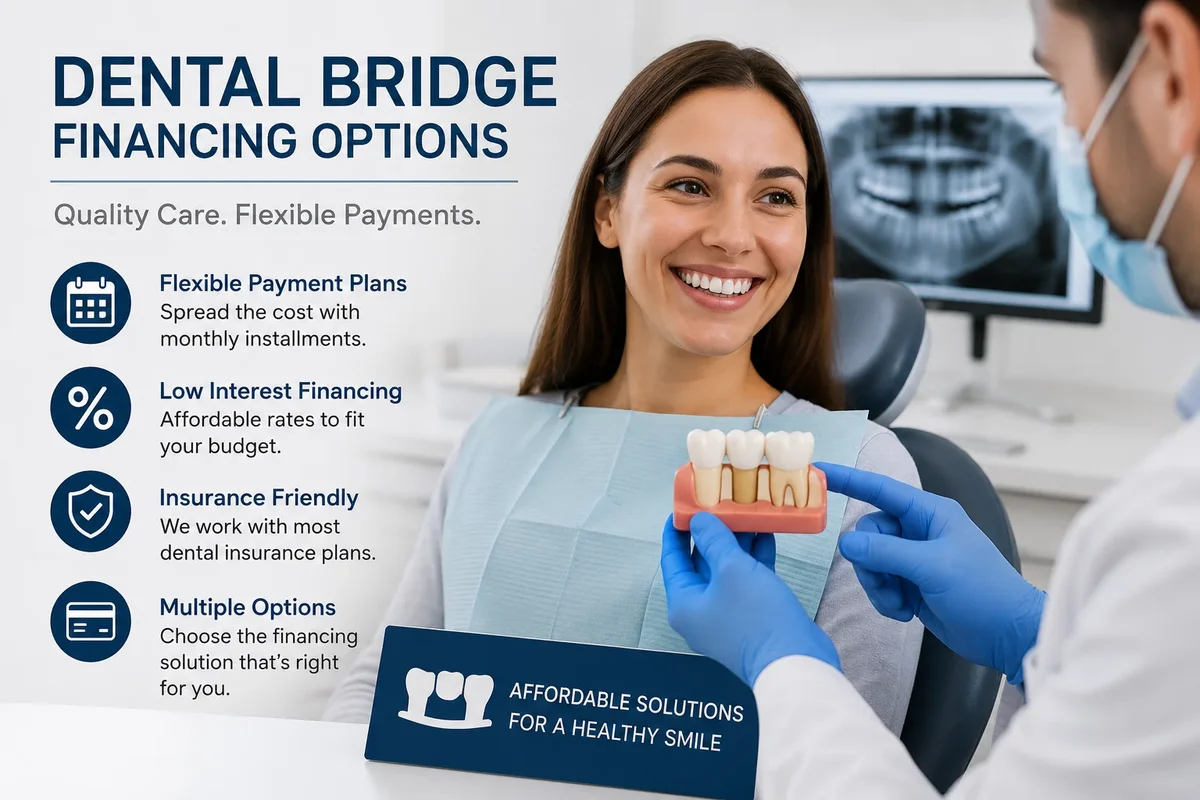
Your Next Step: When to Schedule a Professional Consultation for Dental Bridge Financing Options
After learning about dental bridge financing options, many patients ask the same question: “What should I do next?” The answer is simple—before making any financial commitment, schedule a professional dental consultation to determine whether a dental bridge is the most appropriate treatment for your oral health. Financing is an important part of planning restorative care, but it should always follow a comprehensive clinical examination. By combining an accurate diagnosis with a personalized discussion about dental bridge financing options, you can make decisions based on both your dental needs and your financial circumstances.
Online research is an excellent starting point, but no article can evaluate the condition of your supporting teeth, gums, bite, or jaw. Every patient’s oral health is unique, which means the most suitable restorative solution and the most appropriate dental bridge financing options will vary from person to person. A consultation provides the information needed to replace uncertainty with a structured treatment plan.
Why a Professional Consultation Matters
A comprehensive examination allows your dentist to assess factors that cannot be evaluated through online information alone. During the appointment, your oral health is carefully examined to determine whether a dental bridge is appropriate or whether another restorative option may better meet your needs.
Only after this assessment can your dentist explain which dental bridge financing options are available for the recommended treatment. This approach ensures that financing supports the correct clinical decision rather than influencing it.
The Consultation May Include
- A review of your medical and dental history.
- A comprehensive oral examination.
- Digital X-rays or other diagnostic imaging when clinically indicated.
- An evaluation of supporting teeth and gum health.
- An assessment of your bite and chewing function.
- A discussion of suitable restorative options.
- A personalized treatment estimate.
- An explanation of available dental bridge financing options.
Although the exact process varies according to individual circumstances, these steps help create a treatment plan that reflects your specific oral health needs.
Questions You Should Ask During Your Appointment
Preparing questions before your consultation can help you make informed decisions and fully understand both the clinical and financial aspects of treatment.
Clinical Questions
- Is a dental bridge the best option for my situation?
- Would an implant or removable restoration be more appropriate?
- Will additional treatment be required before placing the bridge?
- What maintenance will the bridge require after treatment?
Financial Questions
- Which dental bridge financing options are available?
- Does my insurance contribute toward treatment?
- Can payments be divided into installments?
- Are there additional costs that may arise during treatment?
- Can I receive a written treatment estimate?
These questions help patients compare payment solutions while maintaining a clear understanding of the recommended clinical care.
Signs That You Should Schedule a Consultation Soon
Although every patient’s situation is different, it may be appropriate to arrange an examination if you experience any of the following:
- You have one or more missing teeth.
- You are having difficulty chewing comfortably.
- You notice neighboring teeth beginning to shift.
- You are uncertain whether a bridge or implant is more appropriate.
- You want to compare dental bridge financing options before delaying treatment.
- You have questions about insurance or payment planning.
A consultation does not obligate you to begin treatment. Instead, it provides the information needed to make an informed decision based on your own oral health and financial priorities.
Preparing Financially Before Your Visit
Being financially prepared allows you to have a more productive discussion with your dental team. Before your appointment, consider gathering:
- Your dental insurance details.
- Previous dental records if available.
- A list of current medications.
- Your questions about treatment alternatives.
- Your questions regarding available dental bridge financing options.
Having this information available helps your dentist provide more accurate guidance regarding both treatment recommendations and payment planning.
Planning for Long-Term Oral Health
A dental bridge is only one part of maintaining a healthy smile. Regardless of the chosen restoration, long-term success depends on regular dental examinations, professional cleanings, and consistent oral hygiene at home. Financing should be viewed as a tool that supports appropriate care rather than a substitute for ongoing maintenance.
Patients who carefully compare dental bridge financing options, understand their treatment plan, and commit to regular follow-up appointments are often better prepared to protect their restorative investment over time.
Working With a Trusted Dental Team
Educational resources provided by the American Dental Association can improve your understanding of restorative dentistry, but they cannot replace an individualized clinical examination. A qualified dental professional will evaluate your oral condition, explain treatment alternatives, answer your questions, and discuss personalized dental bridge financing options based on your unique needs.
At Redent Klinik, every patient receives a comprehensive evaluation before treatment recommendations and financing discussions begin. The focus is on helping patients understand their available restorative solutions while reviewing payment approaches that may fit their financial circumstances. Rather than encouraging one standard treatment for every patient, the clinic emphasizes personalized care and informed decision-making. If you are ready to discuss your own situation, you can request an appointment through the Redent Klinik Contact Page.
Final Recommendation
Before making your final decision, confirm that you understand your diagnosis, compare all appropriate restorative treatments, review your written treatment estimate, verify insurance benefits, and carefully evaluate the available dental bridge financing options. If you still have questions about treatment suitability, long-term maintenance, expected procedures, or payment planning, schedule a professional dental consultation. A personalized evaluation will help ensure that both your treatment plan and your financing decisions are based on your individual oral health needs rather than general information or estimated pricing.
Disclosure: this page may contain affiliate links. We may earn a commission if you use them, at no extra cost to you.