
A dental cleaning dentist plays a vital role in maintaining not just your oral health, but your overall well-being. Many people underestimate the importance of professional dental cleanings, assuming daily brushing and flossing are enough. However, even with perfect home care, plaque and tartar can still build up over time, leading to gum disease, tooth decay, and bad breath. Visiting a dental cleaning dentist ensures that your teeth are properly cleaned, polished, and protected against these common oral health issues 🦷.
When you visit a dental cleaning dentist, the experience is far more comprehensive than a simple tooth polish. The dentist or hygienist uses advanced tools to remove hardened tartar (calculus) that cannot be eliminated by brushing alone. During your visit, your gums are also evaluated for early signs of periodontal disease. This preventive care approach helps you avoid expensive treatments later while keeping your smile fresh and healthy 😁.
Regular professional cleanings from a dental cleaning dentist help control bacterial growth in the mouth. Bacteria thrive on leftover food particles, forming sticky films known as plaque. When plaque hardens, it turns into tartar — a rough substance that irritates the gums and creates an ideal environment for infection. A dentist uses ultrasonic scalers and hand instruments to remove this buildup safely without harming your enamel.
Another key benefit of visiting a dental cleaning dentist is the early detection of dental problems. Many conditions, such as cavities or gingivitis, can develop silently without noticeable pain. Dentists can identify these issues during your cleaning session, allowing for early intervention and less invasive treatments. In fact, a dental cleaning often includes an oral cancer screening, ensuring your entire mouth is examined thoroughly.
In addition to health benefits, dental cleanings have powerful aesthetic advantages. Over time, drinking coffee, tea, or wine can stain your teeth. Professional cleanings help remove surface stains, making your smile appear brighter and more confident. A dental cleaning dentist often finishes the session with a polish that smooths tooth surfaces, reducing future plaque buildup and giving you that silky-clean feeling. ✨
From a preventive standpoint, visiting your dental cleaning dentist twice a year is one of the most cost-effective ways to maintain oral health. Skipping these appointments might seem harmless, but untreated tartar and plaque can cause gum recession, bone loss, and even tooth loss. Patients who maintain regular cleaning appointments usually experience fewer dental emergencies and lower long-term treatment costs.
Moreover, dental cleanings have been linked to better heart health. Studies suggest that gum inflammation contributes to systemic inflammation, which may increase the risk of cardiovascular disease. By visiting a dental cleaning dentist regularly, you reduce bacterial load and inflammation in your body — supporting not just a healthy mouth but a healthier heart ❤️.
At Redent Klinik Contact Page, you can easily book an appointment with experienced professionals who specialize in comprehensive oral hygiene and personalized dental care. The clinic follows international hygiene standards and uses advanced ultrasonic cleaning systems to ensure your comfort and safety during every session.
For those seeking credible information about oral care, the American Dental Association provides valuable resources on preventive dentistry and patient education. According to ADA guidelines, professional cleanings are essential for preventing periodontal disease and maintaining long-term dental function. This aligns with modern research proving that consistent cleanings every six months significantly reduce the risk of decay and infection.
It’s important to understand that even though home brushing and flossing are vital, they serve as supportive routines rather than complete substitutes for professional cleaning. Think of your dental cleaning dentist as your oral health partner — someone who ensures every corner of your mouth stays bacteria-free, polished, and protected. Whether you have natural teeth, dental implants, or veneers, these cleanings help maintain your dental work and preserve gum health over the years.
In summary, visiting a dental cleaning dentist is not merely a cosmetic choice — it’s a preventive health measure that saves you from serious complications. Regular cleanings eliminate tartar, enhance appearance, and support overall wellness. So if you haven’t scheduled your next appointment yet, now is the time to act. Your smile deserves professional care, and your body will thank you for it! 🪥
What Does a Dental Cleaning Dentist Actually Do? 🦷
Many patients visit their dental cleaning dentist every six months without fully understanding the scope of the procedure. While it may seem like a simple cleaning, a professional dental cleaning involves multiple technical steps aimed at protecting your teeth, gums, and overall oral health. In fact, this process is a crucial part of preventive dentistry, helping you avoid costly and painful dental treatments later in life.
The Core Responsibilities of a Dental Cleaning Dentist
A dental cleaning dentist focuses on removing harmful plaque, tartar, and bacteria from the surfaces of your teeth. Using specialized tools like ultrasonic scalers and polishers, the dentist ensures your mouth remains clean and free from disease-causing buildup. Unlike at-home care, which mainly targets visible debris, professional cleanings reach deep under the gumline and between teeth, where bacteria tend to hide.
During the cleaning, your dentist also assesses your oral tissues and gums. This includes checking for signs of gingivitis, bleeding, swelling, or pockets around the teeth — early indicators of gum disease. If these signs are found, the dentist can take immediate preventive action before the condition worsens. Regular visits to a dental cleaning dentist also make it easier to track changes in your oral health over time, leading to early detection of potential issues like tooth decay or enamel erosion.
The Step-by-Step Process of Professional Cleaning
When you sit in the dental chair, your dental cleaning dentist begins with an examination using a small mirror. This helps identify areas of plaque accumulation, tartar, or gum inflammation. Next, ultrasonic scalers are used to gently vibrate and dislodge hardened deposits on the teeth. This process removes calculus (tartar) from above and below the gumline, which cannot be removed by brushing or flossing alone.
Once scaling is complete, the dentist uses a gritty polishing paste and a soft rubber cup to polish your teeth. This step smooths enamel surfaces, reducing the likelihood of new plaque forming. Finally, flossing between each tooth ensures no residue remains. Depending on the clinic, fluoride treatment or sealants may be applied to strengthen enamel and protect against cavities — especially for children and patients prone to decay.
Why This Process Matters for Long-Term Oral Health
The dental cleaning dentist does more than make your teeth sparkle — they help protect your entire body from infection. Research shows that oral bacteria can enter the bloodstream through inflamed gums, increasing the risk of cardiovascular issues, diabetes complications, and respiratory infections. Regular cleanings reduce bacterial load, making it easier for your immune system to stay balanced and healthy.
Additionally, cleanings performed by a dental cleaning dentist can prevent tooth loss. When tartar builds up beneath the gumline, it triggers inflammation that destroys the bone supporting your teeth. Consistent professional care halts this process early, keeping your gums firm and your teeth secure for life. That’s why professional cleanings are often described as “insurance for your smile.”
Diagnostic Tools and Modern Techniques
Modern dental cleaning dentist practices use digital tools to improve precision and comfort. Ultrasonic scalers minimize discomfort, while intraoral cameras allow patients to visually see problem areas on-screen. Some clinics use laser-assisted cleaning to remove bacteria from periodontal pockets without pain or bleeding. In addition, digital X-rays help detect tartar accumulation or hidden decay between teeth, giving dentists a clearer view of your oral health.
Comprehensive Care Beyond Cleaning
During a cleaning session, your dental cleaning dentist may also apply preventive care measures. These can include fluoride varnish, desensitizing treatments, or advice on proper brushing techniques. Patients with braces or dental implants receive special care instructions since these devices require unique maintenance methods. The dentist’s role is not just to clean but to educate and empower patients to maintain oral hygiene at home.
Beyond that, the dental cleaning dentist may provide personalized dietary advice. For instance, limiting acidic drinks like soda or citrus juice can prevent enamel erosion, while increasing calcium intake supports strong teeth. This holistic approach combines professional cleaning with lifestyle guidance to ensure long-term oral health stability.
How a Dental Cleaning Dentist Helps with Aesthetic Goals
Many patients visit a dental cleaning dentist not just for health reasons but also to improve their smile’s appearance. Polishing removes surface stains caused by coffee, tea, and smoking, making teeth appear noticeably whiter. This is especially beneficial before events like weddings or professional photoshoots. While not a substitute for whitening treatments, regular cleanings keep teeth looking fresh and natural — without chemicals or bleaching.
For patients who have undergone cosmetic procedures such as veneers or crowns, the dental cleaning dentist ensures these restorations remain clean and bright. Specialized polishing pastes and instruments protect the surface of dental work while still removing plaque effectively.
Summary: Why Every Visit Counts
Visiting your dental cleaning dentist every six months ensures that both preventive and aesthetic needs are met. This simple habit can save you thousands of dollars in restorative care, boost your confidence, and support a healthier body overall. Think of your cleaning as a full-service maintenance check — it keeps your teeth strong, your gums healthy, and your smile glowing. 😊
If you’re ready to experience professional care that goes beyond the basics, consider scheduling an appointment at Redent Klinik Contact Page. Their experts follow global dental hygiene standards and tailor each cleaning session to your unique oral health needs. For additional authoritative information, you can visit the American Dental Association to explore evidence-based practices in preventive dentistry.
Why Regular Dental Cleanings Are Essential for Oral Health
Seeing a dental cleaning dentist regularly is one of the most effective ways to maintain strong, healthy teeth for life. Many people think brushing and flossing are enough, but microscopic bacteria, tartar, and plaque buildup can silently damage your gums and enamel over time. Routine professional cleanings prevent these issues before they become serious, offering both medical and aesthetic benefits that go far beyond a brighter smile 🪥.
The Role of Professional Cleanings in Preventive Dentistry
Preventive care is the foundation of modern dentistry, and a dental cleaning dentist plays a leading role in this process. During a cleaning, the dentist removes hardened plaque (tartar) that can’t be eliminated by normal brushing. This reduces the risk of gum inflammation, cavities, and periodontal disease. Regular cleanings also allow your dentist to monitor early warning signs — such as gum bleeding or enamel erosion — before they develop into more severe conditions requiring costly treatments.
Scientific research shows that patients who visit a dental cleaning dentist at least twice a year have significantly lower rates of tooth decay and tooth loss compared to those who skip appointments. Regular dental visits not only preserve oral health but can also prevent systemic diseases connected to poor oral hygiene, such as diabetes and cardiovascular disorders.
How Oral Health Affects the Whole Body
One of the most overlooked reasons for seeing a dental cleaning dentist regularly is the direct connection between oral health and overall wellness. Bacteria from the mouth can enter the bloodstream, causing systemic inflammation. This inflammation is linked to increased risks of heart disease, stroke, and respiratory infections. By keeping your gums and teeth clean, you reduce bacterial spread and support a healthier immune system.
In fact, the American Dental Association emphasizes that professional dental cleanings are essential for managing chronic conditions. For instance, diabetics who maintain regular dental visits often show improved blood sugar control. This highlights how essential a dental cleaning dentist is in supporting overall medical well-being, not just oral hygiene.
Early Detection of Dental Problems
Routine cleanings give your dental cleaning dentist the opportunity to identify problems early. Cavities, gum disease, and even oral cancer often develop silently. During a cleaning, your dentist examines your gums, tongue, and cheeks for abnormalities. Small issues, like gum pockets or soft enamel spots, can be treated quickly, avoiding the need for fillings, root canals, or extractions in the future. This proactive approach saves both time and money while ensuring long-term oral health stability.
Signs You Might Be Overdue for a Cleaning
If you notice bad breath, bleeding gums, or sensitivity to cold drinks, it may be time to schedule a visit to your dental cleaning dentist. These symptoms often indicate hidden plaque buildup or early gum inflammation. Even if you don’t experience pain, subtle signs like yellowing teeth or tartar along the gumline can signal the need for professional attention. Consistency is key — skipping even one cleaning can allow harmful bacteria to multiply rapidly.
Cosmetic and Confidence Benefits
Besides the health advantages, visiting a dental cleaning dentist can dramatically improve your smile’s appearance 😁. Over time, stains from coffee, tea, or tobacco can dull your teeth. Professional polishing removes these discolorations, revealing a cleaner, whiter surface. Many patients report feeling more confident after a cleaning because their teeth look and feel smoother. In fact, maintaining regular dental visits is one of the easiest and most affordable ways to achieve a naturally radiant smile.
Moreover, consistent dental cleanings help extend the lifespan of cosmetic restorations such as veneers, crowns, and implants. A dental cleaning dentist uses specialized instruments to safely clean around these restorations, preventing gum inflammation and discoloration. This ensures your investment in cosmetic treatments lasts much longer.
Impact on Gum Disease Prevention
Gum disease begins when plaque hardens into tartar beneath the gumline. If left untreated, this leads to gingivitis — the earliest stage of periodontal disease. A dental cleaning dentist removes these deposits using precise scaling techniques, preventing the bacteria from spreading. This not only stops bleeding and swelling but also helps gums reattach more tightly to the teeth. Patients who receive regular cleanings rarely progress to advanced gum disease, which can otherwise result in bone loss and tooth mobility.
The Connection Between Cleanings and Fresh Breath
Bad breath (halitosis) is often caused by bacteria trapped under the gums or in hard-to-reach areas of the mouth. A dental cleaning dentist eliminates these odor-causing microorganisms by deep-cleaning the surfaces where bacteria thrive. After a professional cleaning, patients typically notice a fresher, cleaner mouth and improved taste perception. Using mouthwash or breath mints may temporarily mask odors, but only professional dental cleanings address the root cause.
Cost-Effectiveness of Regular Dental Cleanings
Some people avoid dental visits due to cost concerns, but skipping routine cleanings often leads to more expensive procedures later. Treating advanced gum disease or tooth decay can cost hundreds or even thousands of dollars, whereas preventive cleanings are relatively affordable. At many clinics, including Redent Klinik Contact Page, patients can find customized cleaning plans that suit their budget and schedule. Regular visits also minimize emergency appointments caused by neglected oral care, saving both time and discomfort.
Summary: Why You Shouldn’t Skip Cleanings
Regular appointments with a dental cleaning dentist keep your teeth bright, your gums healthy, and your body free from harmful bacteria. Professional cleanings complement daily brushing and flossing, providing a deeper level of hygiene that simply isn’t possible at home. They also help your dentist detect early signs of disease, improve your breath, and enhance your smile’s natural beauty. Skipping these cleanings may save time temporarily, but it can cost you your oral health in the long run.
Ultimately, your dental cleaning dentist is your best partner in preventive care. By scheduling biannual visits, you ensure that your teeth and gums remain in peak condition — supporting both confidence and long-term wellness. 🌿
Types of Dental Cleaning Procedures Explained
Not every cleaning is the same, and understanding the different types of procedures performed by a dental cleaning dentist can help you know what to expect and why each method matters. Depending on your oral condition, the dentist may recommend one of several cleaning types — from a standard prophylaxis to deep scaling and root planing. Each cleaning type serves a unique purpose, helping to maintain gum health, prevent disease, and keep your smile bright 🦷.
1. Prophylaxis Cleaning: The Standard Preventive Procedure
A dental cleaning dentist most commonly performs what’s known as a prophylaxis cleaning. This is the routine cleaning you receive during your regular dental visit, usually every six months. The dentist removes soft plaque and hard tartar (calculus) from both above and slightly below the gumline. The process involves scaling, polishing, and flossing to ensure your teeth are free of debris and bacteria.
Prophylaxis cleanings are ideal for patients who maintain good oral hygiene and do not show signs of gum disease. The dental cleaning dentist may also apply fluoride treatment afterward to strengthen the enamel and reduce sensitivity. This type of cleaning is essential for preventing gingivitis and maintaining overall oral health.
2. Scaling and Root Planing (Deep Cleaning)
When gum disease progresses beyond the early stage, a dental cleaning dentist may recommend scaling and root planing, also known as deep cleaning. This procedure targets bacterial buildup beneath the gumline, where regular cleaning tools can’t reach. Using specialized instruments, the dentist carefully removes plaque and tartar from the root surfaces of the teeth. Root planing then smooths the roots, helping gums reattach more securely and reducing pocket depth.
Patients with bleeding gums, persistent bad breath, or gum pockets deeper than 4 mm are ideal candidates for this treatment. Deep cleaning may require local anesthesia for comfort, and depending on the severity, it can be completed in one or multiple visits. Regular follow-up appointments are necessary to ensure gums heal properly and bacteria levels remain under control.
3. Periodontal Maintenance Cleaning
After a patient undergoes scaling and root planing, a dental cleaning dentist may recommend ongoing periodontal maintenance. This specialized cleaning is performed every three to four months to manage gum disease and prevent its recurrence. The procedure focuses on maintaining gum health by removing residual tartar, disinfecting gum pockets, and monitoring tissue healing.
Unlike standard cleanings, periodontal maintenance cleanings are more frequent and may include localized antibiotic therapy or laser treatment to eliminate persistent bacteria. Your dental cleaning dentist will personalize the schedule based on your gum response and oral hygiene habits.
4. Gross Debridement Cleaning
In some cases, patients who have not visited a dentist in several years may require a more intensive cleaning called gross debridement. This procedure removes thick layers of hardened tartar that obscure the surfaces of the teeth. The dental cleaning dentist uses ultrasonic tools to break down and flush out heavy deposits before a standard cleaning can be performed.
Gross debridement may feel slightly more extensive than regular cleanings because of the amount of buildup removed, but it is essential for restoring the health of your mouth. Once the heavy plaque and tartar are cleared, the dentist can conduct a thorough examination and proceed with fine scaling and polishing. This step ensures that future cleanings are smoother and less invasive.
5. Child Dental Cleaning
Children also benefit greatly from regular visits to a dental cleaning dentist. Pediatric cleanings are gentle and designed to make young patients feel comfortable. The dentist uses smaller tools to remove plaque and apply fluoride varnish for cavity prevention. Teaching proper brushing and flossing habits early in life helps children maintain a lifetime of good oral health.
Since children’s teeth are more susceptible to decay, the dental cleaning dentist may recommend sealants — a protective coating applied to molars — to guard against bacteria. These sealants can significantly reduce the risk of cavities and are a standard preventive measure in pediatric dentistry.
6. Ultrasonic Cleaning Technology
Modern dental cleaning dentist practices increasingly rely on ultrasonic cleaning technology. This method uses high-frequency sound waves to break down plaque and tartar quickly and efficiently. Ultrasonic scalers emit vibrations that dislodge deposits without scraping the enamel, making the process more comfortable for patients. Water jets then wash away debris while cooling the area, minimizing discomfort and inflammation.
Ultrasonic cleanings are especially beneficial for patients with sensitive teeth or extensive tartar buildup. The precision of this technology allows the dental cleaning dentist to clean difficult areas thoroughly while reducing treatment time.
Comparing Different Cleaning Types
| Type of Cleaning | Purpose | Recommended Frequency |
|---|---|---|
| Prophylaxis Cleaning | Preventive care for healthy gums | Every 6 months |
| Scaling & Root Planing | Treat moderate to severe gum disease | As recommended by dentist |
| Periodontal Maintenance | Ongoing care after gum disease treatment | Every 3–4 months |
| Gross Debridement | Remove heavy tartar buildup | Initial procedure before full cleaning |
| Child Dental Cleaning | Prevent decay and teach hygiene habits | Every 6 months |
Choosing the Right Cleaning for Your Needs
Not every patient needs the same type of cleaning. Your dental cleaning dentist will determine which procedure is appropriate based on your gum health, plaque buildup, and oral hygiene habits. During your consultation, X-rays and periodontal measurements help assess bone health and tartar depth. From there, the dentist creates a personalized plan to restore and maintain your oral health.
If you’re unsure which cleaning you require, schedule a consultation at Redent Klinik Contact Page to receive a comprehensive evaluation. Their team uses modern diagnostic tools to recommend the most effective cleaning approach tailored to your dental needs.
Final Thoughts
Understanding the different types of cleanings helps you appreciate how much care goes into maintaining a healthy mouth. Whether you need a simple prophylaxis or deep scaling, your dental cleaning dentist ensures your teeth and gums remain in peak condition. By committing to regular cleanings and following professional recommendations, you protect your smile, reduce health risks, and enjoy the confidence that comes with a clean, healthy mouth. 🌿
How Often Should You Visit a Dental Cleaning Dentist?
Knowing how frequently to visit your dental cleaning dentist can make all the difference between maintaining a radiant smile and developing hidden dental issues. While the common recommendation is every six months, the truth is that the ideal interval varies depending on your oral health condition, age, and lifestyle habits. Regular visits not only help maintain clean teeth but also allow early detection of gum disease, cavities, and even systemic conditions connected to oral health 🪥.
The General Rule: Every Six Months
The American Dental Association recommends that most patients visit a dental cleaning dentist twice a year for a professional cleaning and check-up. This six-month cycle ensures plaque and tartar buildup are kept under control before they harden into calculus. Even with excellent home care, bacteria can accumulate in areas that brushing and flossing miss. By maintaining regular appointments, your dentist can help prevent gum inflammation and tooth decay long before they start causing discomfort.
However, this six-month guideline isn’t universal. Some patients may need more frequent visits depending on their oral and overall health status. That’s why your dental cleaning dentist tailors recommendations specifically for you after evaluating your gums, bone density, and dental history.
Who Needs More Frequent Cleanings?
Certain groups are at higher risk for dental complications and may need to see a dental cleaning dentist every three to four months. These include:
- Smokers: Tobacco users are more prone to gum disease, staining, and delayed healing, which require extra care.
- Diabetic patients: Fluctuating blood sugar can increase bacterial growth, raising the risk of infections and inflammation.
- Pregnant women: Hormonal changes heighten gum sensitivity, often leading to “pregnancy gingivitis.”
- Patients with gum disease history: Individuals who have undergone deep cleaning or periodontal therapy need frequent maintenance to prevent recurrence.
- Orthodontic patients: Braces and aligners trap food particles easily, requiring professional cleaning more often.
For these patients, visiting a dental cleaning dentist every three months helps prevent plaque buildup in difficult-to-reach spots, maintaining both gum health and treatment results.
When Once a Year Might Be Enough
Some patients with exceptional oral hygiene, balanced diets, and no history of gum issues may only need annual cleanings. However, this is relatively rare and typically applies to individuals under close professional supervision. Even if you maintain perfect brushing and flossing habits, your dental cleaning dentist will still recommend at least one comprehensive cleaning per year to remove minor deposits and evaluate your oral health status.
Factors That Influence Cleaning Frequency
The number of times you should see your dental cleaning dentist annually depends on several lifestyle and biological factors, including:
- Genetic predisposition: Some people are naturally more susceptible to gum inflammation due to genetics.
- Dietary choices: High-sugar or acidic diets accelerate plaque formation.
- Stress levels: Chronic stress can weaken the immune system and trigger gum problems.
- Medication use: Certain medications cause dry mouth, increasing bacterial activity.
- Systemic conditions: Autoimmune or cardiovascular diseases can impact gum health significantly.
Your dental cleaning dentist will consider these elements when setting your personalized cleaning schedule to optimize long-term oral wellness.
Consequences of Skipping Appointments
Neglecting to visit a dental cleaning dentist regularly can lead to severe and expensive problems later. Plaque hardens into tartar within days, which cannot be removed with normal brushing. This triggers gum inflammation (gingivitis), which can progress into periodontitis — a condition that damages bone and can result in tooth loss. Even mild gum disease increases your risk of cardiovascular conditions due to systemic inflammation. Regular dental cleanings act as your first line of defense against these interconnected health issues.
Furthermore, skipping cleanings can result in aesthetic issues such as stains and bad breath. Many patients who delay visits notice their teeth becoming duller, even if they brush diligently. Regular visits to your dental cleaning dentist restore natural brightness through professional polishing and plaque removal, keeping your smile vibrant and fresh 😁.
Benefits of Staying Consistent
Routine visits don’t just clean your teeth — they establish a relationship with your dental cleaning dentist, allowing for personalized care and early detection of dental problems. Consistent appointments ensure small issues, like enamel wear or gum pockets, are addressed before they worsen. Patients who maintain consistent six-month cleanings are statistically less likely to need fillings, crowns, or root canals later in life. These cleanings are therefore both a preventive and financial investment in your future oral health.
How to Maintain Results Between Visits
Between visits to your dental cleaning dentist, maintaining a strong at-home care routine is vital. Here are a few professional recommendations:
- Brush your teeth at least twice daily using fluoride toothpaste.
- Floss or use interdental brushes to clean between teeth and along the gumline.
- Use an antimicrobial mouthwash to reduce bacterial growth.
- Avoid sugary snacks and drinks that encourage plaque formation.
- Replace your toothbrush every 3–4 months or after illness.
Combining these habits with professional cleanings ensures the best long-term results. If you experience gum bleeding or persistent bad breath before your next appointment, schedule an earlier visit through the Redent Klinik Contact Page to address issues promptly.
Summary: Tailor Your Dental Cleaning Schedule
The ideal cleaning frequency is not one-size-fits-all. Your dental cleaning dentist evaluates your personal risk factors, lifestyle, and oral condition to create a customized plan that keeps your mouth healthy and your smile beautiful. For most people, a six-month interval works best, but those with specific conditions may need more frequent care. By following professional advice and maintaining consistency, you can protect your teeth, gums, and overall health for life 🌿.
Step-by-Step: What Happens During a Professional Cleaning
Visiting a dental cleaning dentist for a professional cleaning is an essential part of maintaining a healthy mouth, but many patients don’t fully understand what happens during the process. A typical cleaning session involves several carefully executed steps that remove plaque, tartar, and stains, while also allowing the dentist to assess your overall oral health. From examination to polishing, each step contributes to a cleaner, stronger, and brighter smile 🦷.
Step 1: The Initial Dental Examination
Before starting the cleaning, your dental cleaning dentist or hygienist will begin with an oral examination using a small mirror. This initial check helps detect any signs of gum inflammation, tooth decay, or other oral health concerns. If necessary, the dentist may also take digital X-rays to identify problems that are invisible to the naked eye, such as bone loss or hidden cavities between teeth.
This examination is crucial because it determines the level of cleaning required. For example, if you show early signs of gum disease, your dental cleaning dentist may recommend a deeper cleaning known as scaling and root planing instead of a regular prophylaxis cleaning. This ensures that your treatment plan is both preventive and personalized.
Step 2: Scaling — Removing Plaque and Tartar
The first major cleaning step is scaling, where your dental cleaning dentist removes plaque and tartar deposits from the surface of your teeth and along the gumline. Even with perfect brushing habits, it’s impossible to remove all plaque at home. Over time, plaque hardens into tartar, which can only be eliminated with professional tools.
Using an ultrasonic scaler that emits gentle vibrations, the dentist breaks up tartar and flushes it away with a stream of water. The sound you may hear is simply the vibration of the device and not harmful to your teeth. The dental cleaning dentist follows up with manual instruments for precise removal in tight spaces between teeth, ensuring that every crevice is thoroughly cleaned.
Why Scaling Is Important
Scaling doesn’t just clean your teeth; it helps prevent gum disease by removing the bacterial biofilm responsible for inflammation. Without this step, tartar buildup can irritate your gums, leading to bleeding, swelling, and bad breath. Patients who undergo regular scaling from a dental cleaning dentist typically experience less gum sensitivity and fresher breath overall.
Step 3: Polishing — Smoothing and Brightening the Teeth
After scaling, the next phase involves polishing. Your dental cleaning dentist uses a soft rubber cup and a special polishing paste to smooth tooth surfaces. This process removes minor stains from coffee, tea, or smoking, giving your teeth a natural shine. The paste has a slightly gritty texture that helps eliminate residual plaque while leaving enamel smooth and glossy.
The smoother the surface, the harder it is for bacteria and plaque to adhere in the future. That’s why polishing isn’t just about aesthetics — it’s also a preventive measure. Your dental cleaning dentist might offer a mint-flavored or fluoride-enriched polish, depending on your personal preferences and dental needs.
Step 4: Flossing — Reaching Hidden Areas
Once polishing is complete, your dental cleaning dentist or hygienist will floss between your teeth to remove any remaining debris. Professional flossing helps clean deep between teeth and under the gumline — areas most people tend to miss during their daily routine. This also allows the dentist to check for bleeding or tenderness, both of which could signal gum issues that need attention.
Flossing Technique and Home Tips
While professional flossing provides a deep clean, your dental cleaning dentist will usually demonstrate proper flossing techniques for home care. They may recommend specific floss types such as waxed floss, water flossers, or interdental brushes for those with braces or sensitive gums. Practicing these techniques at home between visits helps maintain results and prevents gum inflammation.
Step 5: Fluoride Treatment — Strengthening Enamel
After your teeth are clean and polished, your dental cleaning dentist may apply a fluoride treatment. This is especially important for patients prone to cavities or enamel erosion. Fluoride is a natural mineral that strengthens tooth enamel and makes it more resistant to decay. The treatment may be applied as a gel, foam, or varnish using a tray or small brush.
The fluoride is usually left on for a few minutes to allow maximum absorption. Patients are advised not to eat or drink for about 30 minutes after the treatment to ensure effectiveness. This quick step adds a protective layer that lasts for several months and helps fight off cavity-causing bacteria.
Step 6: Final Inspection and Oral Health Advice
Once the cleaning process is finished, your dental cleaning dentist performs a final inspection. They ensure no tartar remains, check your bite alignment, and evaluate the health of your gums. The dentist may also discuss areas that need special attention, such as spots prone to plaque buildup or sensitivity. You’ll receive personalized recommendations for toothbrush types, flossing tools, and mouthwash products suited to your needs.
At this stage, many dental cleaning dentists also conduct an oral cancer screening. This involves examining your lips, cheeks, tongue, and throat for any unusual tissue changes or discolorations. Early detection through such screenings can be life-saving.
Optional Add-Ons for Enhanced Results
Some clinics offer additional treatments as part of the professional cleaning session. For instance, air polishing can remove stubborn stains using a fine powder mist, while laser therapy can disinfect gum pockets to prevent infection. Your dental cleaning dentist may also recommend sealants or whitening treatments to enhance both protection and appearance.
At Redent Klinik Contact Page, patients can enjoy advanced cleaning procedures using state-of-the-art equipment. Their team prioritizes comfort and precision, ensuring each visit leaves your mouth feeling refreshed and revitalized.
Summary: A Step Toward Lifelong Oral Health
A professional cleaning from your dental cleaning dentist is far more than just polishing teeth — it’s a full preventive health treatment that keeps your gums and enamel strong. The process removes harmful bacteria, enhances aesthetics, and protects your entire oral environment. Regularly undergoing this step-by-step cleaning procedure ensures long-term dental health, fresher breath, and the confidence that comes with a healthy, sparkling smile 😁.
Benefits of Seeing a Dental Cleaning Dentist Regularly 😁
Visiting a dental cleaning dentist on a consistent basis offers far more than just a brighter smile. Regular dental cleanings are essential for preventing disease, improving oral hygiene, and even supporting overall health. Many people don’t realize that the mouth acts as a mirror to the body’s general condition. Therefore, taking proper care of your teeth through professional cleanings is one of the best ways to preserve long-term wellness. 🌿
1. Prevents Gum Disease and Tooth Decay
The most immediate advantage of seeing a dental cleaning dentist regularly is the prevention of gum disease and tooth decay. Even with perfect home care, plaque and tartar naturally build up on teeth over time. Once plaque hardens into tartar, only a professional cleaning can remove it. If left untreated, tartar can irritate and inflame the gums, leading to gingivitis—the earliest stage of periodontal disease.
Your dental cleaning dentist removes these harmful substances during each cleaning, stopping infection before it starts. This proactive approach not only saves you from gum discomfort and bleeding but also preserves the bone structure supporting your teeth. Early intervention through routine cleanings helps you avoid costly dental treatments in the future.
2. Reduces the Risk of Serious Health Problems
Maintaining good oral hygiene under the care of a dental cleaning dentist contributes to more than just a healthy mouth. Numerous studies have shown a link between gum disease and serious systemic illnesses, including heart disease, diabetes, stroke, and respiratory infections. Bacteria from infected gums can enter the bloodstream and trigger inflammation throughout the body.
By having regular cleanings, you reduce these bacterial levels significantly. This not only supports a cleaner mouth but also promotes a healthier cardiovascular system and immune response. For patients with chronic conditions like diabetes, consistent cleanings help manage blood sugar levels more effectively by reducing systemic inflammation.
3. Enhances the Appearance of Your Smile
Visiting a dental cleaning dentist regularly keeps your teeth looking their best. Over time, foods, beverages, and habits such as smoking can leave stubborn stains on your enamel. A professional cleaning removes these surface stains and restores your teeth’s natural shine. Polishing also smooths out the enamel, preventing future discoloration and giving your smile a cleaner, fresher appearance. ✨
In fact, many patients notice an immediate boost in confidence after a cleaning. Having a bright, healthy smile encourages better social interactions, helps you look younger, and contributes to improved self-esteem. Regular cleanings from your dental cleaning dentist can even enhance the longevity of cosmetic dental work such as veneers or crowns.
4. Prevents Bad Breath (Halitosis)
Persistent bad breath is often caused by bacteria, decaying food particles, and tartar buildup on the teeth and tongue. While mouthwash may mask the odor temporarily, it doesn’t address the underlying cause. A dental cleaning dentist removes the bacterial colonies responsible for foul odors, leaving your mouth truly fresh.
Additionally, professional cleanings target areas that at-home care often misses, such as the back molars and below the gumline. Patients who schedule regular appointments report noticeably fresher breath and more comfort when speaking or eating in social settings.
5. Saves Money in the Long Run
Preventive care is always more affordable than restorative treatment. Regular visits to your dental cleaning dentist can help you avoid expensive procedures such as root canals, crowns, or gum surgeries. By catching potential problems early—before they escalate—you save both time and money.
Most insurance plans fully or partially cover preventive cleanings twice a year. Even without insurance, the cost of professional cleaning is minimal compared to the expense of treating advanced gum disease or tooth loss. In short, regular visits are a small investment that yields huge returns for your dental and financial health.
6. Early Detection of Oral Health Issues
Routine visits to your dental cleaning dentist also provide an opportunity for early diagnosis of oral problems. Cavities, enamel erosion, and even oral cancer can develop silently without pain. During each appointment, the dentist examines your mouth for early warning signs, allowing for timely treatment.
For instance, catching a small cavity early means it can be treated with a simple filling instead of requiring a costly crown or root canal. Early detection of oral cancer can be life-saving, as survival rates dramatically increase when the condition is found in its earliest stages.
Conditions Commonly Detected During Routine Cleanings
- Early-stage cavities and enamel demineralization
- Signs of gum inflammation or periodontal pockets
- Jaw alignment issues and teeth grinding (bruxism)
- Oral cancer lesions or unusual tissue growths
- Hidden decay between teeth visible only through X-rays
7. Supports Healthy Aging and Long-Term Wellness
As we age, gum recession, dry mouth, and medication side effects can increase the risk of dental issues. Seeing a dental cleaning dentist regularly helps mitigate these age-related challenges. Professional cleanings maintain gum elasticity, strengthen enamel, and reduce inflammation—all crucial for retaining natural teeth in later years.
Furthermore, regular cleanings can help older adults maintain a balanced diet. Healthy teeth make it easier to chew nutritious foods, improving digestion and overall health. In this way, dental care directly contributes to longevity and quality of life.
8. Psychological and Social Benefits
Oral health is closely tied to confidence and self-image. People with clean, bright smiles are perceived as more approachable, professional, and trustworthy. Routine appointments with your dental cleaning dentist not only help maintain your smile but also reinforce positive self-care habits. This can lead to better mental well-being and a more optimistic outlook in daily interactions.
9. Professional Guidance for Home Care
Each visit to your dental cleaning dentist is also an educational experience. The dentist or hygienist provides feedback on your brushing and flossing techniques, recommends suitable oral hygiene products, and identifies areas you might be missing at home. This personalized guidance helps you maintain results between cleanings.
For expert advice or to book your next appointment, visit the Redent Klinik Contact Page. Their team offers personalized preventive care plans tailored to your lifestyle and dental needs.
Summary: A Lifetime Investment in Your Health
Seeing a dental cleaning dentist regularly is one of the most impactful health habits you can adopt. From preventing gum disease to boosting confidence and supporting overall well-being, the benefits are comprehensive. Dental cleanings are not just about aesthetics—they’re about preserving your oral and systemic health for life. Make your next cleaning appointment today and enjoy the lasting rewards of a clean, confident smile 😄.
Dental Cleaning Cost: What to Expect and How to Save
One of the most common questions patients ask a dental cleaning dentist is: “How much will it cost?” The answer depends on several factors, including the type of cleaning, the dentist’s experience, and your location. Understanding dental cleaning costs helps you make informed decisions about your oral health while avoiding surprise bills. A regular cleaning is not just an expense — it’s an investment in your smile, confidence, and long-term wellness. 🦷
Average Cost of a Professional Dental Cleaning
In general, the cost of a standard cleaning at a dental cleaning dentist in the United States ranges from $75 to $200 per session. This typically includes scaling, polishing, and flossing. However, more advanced cleanings such as scaling and root planing (deep cleaning) can cost between $150 and $400 per quadrant, depending on the severity of gum disease.
For children, preventive cleanings are often less expensive, ranging from $50 to $100. Pediatric dentists focus on gentle techniques and fluoride treatments, which are essential for developing healthy teeth at a young age. Some clinics offer package deals for families to make care more affordable.
Sample Price Breakdown (Based on Typical U.S. Averages)
| Cleaning Type | Approximate Cost | Includes |
|---|---|---|
| Routine Prophylaxis Cleaning | $75–$200 | Scaling, polishing, flossing, exam |
| Deep Cleaning (Scaling & Root Planing) | $150–$400 per quadrant | Gum pocket cleaning, root smoothing |
| Periodontal Maintenance | $120–$250 | After gum disease treatment |
| Child Cleaning | $50–$100 | Pediatric exam, cleaning, fluoride |
These prices are estimates and can vary depending on your region, dental insurance, and the reputation of the clinic. For example, major cities often have slightly higher costs due to overhead and staffing expenses, while smaller towns may offer lower prices.
Factors That Influence the Cost of Dental Cleaning
When you visit a dental cleaning dentist, several elements affect the total cost of your procedure. These include:
- Extent of buildup: Heavier tartar accumulation requires more time and effort to remove.
- Presence of gum disease: Deep cleanings are more complex and costlier than routine visits.
- Use of advanced technology: Ultrasonic or laser-assisted cleaning may raise the price but improve precision and comfort.
- Geographic location: Urban clinics generally charge higher fees than suburban or rural ones.
- Dentist expertise: Highly experienced or specialized professionals may have premium pricing.
Your dental cleaning dentist can provide a detailed quote after evaluating your oral condition. It’s always a good idea to ask about the specific cleaning type and whether additional treatments like fluoride or sealants are included in the quoted price.
Does Dental Insurance Cover Cleanings?
Most dental insurance plans cover at least two preventive cleanings per year at little to no cost. Routine cleanings, exams, and X-rays are often considered preventive care and are typically 100% covered. However, deeper cleanings for gum disease treatment might fall under basic or major services, requiring a copay of around 20% to 50%.
To get the best value, confirm your coverage details before your appointment. Your dental cleaning dentist can help you verify your benefits and estimate out-of-pocket costs. If you don’t have insurance, some clinics provide in-house membership plans that offer discounts on preventive and restorative treatments.
Ways to Save on Dental Cleaning Costs
There are several smart strategies for lowering the cost of professional cleanings without compromising quality. Here are the most effective options:
- In-House Dental Plans: Many clinics, including Redent Klinik Contact Page, offer annual membership programs that include two cleanings and exams per year at discounted rates.
- Preventive Care: Maintain consistent oral hygiene at home to minimize tartar buildup, which reduces the need for costly deep cleanings.
- Dental Schools: Accredited dental schools often provide professional cleanings performed by supervised students at reduced rates.
- Flexible Spending Accounts (FSA) or Health Savings Accounts (HSA): These tax-advantaged accounts can cover your dental cleaning costs.
- Seasonal Promotions: Some dental offices run promotions during National Dental Health Month or holiday seasons, offering discounted cleanings.
Tip: Compare Before You Commit
Before scheduling an appointment, it’s perfectly acceptable to request cost estimates from multiple clinics. A reputable dental cleaning dentist will always be transparent about pricing. Choose a provider who offers a balance between affordability, advanced technology, and professional experience. Avoid “too cheap” deals that may compromise quality or hygiene standards.
Why Professional Cleanings Are Worth the Cost
Although dental cleanings may seem expensive at first glance, they prevent much more serious (and costly) issues in the long term. Skipping professional care can lead to gum disease, root canals, or tooth loss — treatments that can cost thousands of dollars. By seeing a dental cleaning dentist regularly, you’re investing in both your health and your financial stability.
Moreover, professional cleanings improve your quality of life. They eliminate discomfort from tartar buildup, enhance the beauty of your smile, and protect against chronic conditions linked to oral bacteria, such as heart disease. Every visit to your dental cleaning dentist reinforces preventive care that keeps you healthy inside and out.
Summary: Value Beyond the Price Tag
The cost of a cleaning may vary, but the benefits are universal. Regular visits to your dental cleaning dentist ensure clean teeth, fresh breath, and lasting confidence. When you factor in the long-term savings from disease prevention, professional dental care pays for itself many times over. Always remember — prevention is cheaper, safer, and easier than cure. Investing in regular dental cleanings today guarantees a brighter, healthier tomorrow. 💎
For reliable and transparent pricing information, visit Redent Klinik Contact Page or consult the American Dental Association for nationwide average dental care costs and insurance guidance.
Dental Cleaning for Kids vs. Adults: Key Differences
When it comes to oral hygiene, both children and adults benefit greatly from visiting a dental cleaning dentist, but the approach, tools, and techniques can differ significantly. Each age group has unique dental needs — from baby teeth that require gentle care to adult teeth that face years of wear, tartar buildup, and gum challenges. Understanding these differences helps families make informed choices and maintain healthy smiles at every stage of life. 🦷
Understanding the Purpose of Dental Cleanings at Every Age
The primary goal of visiting a dental cleaning dentist is to remove plaque and tartar, prevent cavities, and ensure gum health. However, the dentist tailors each cleaning based on the patient’s age and oral condition. While children’s cleanings emphasize education, prevention, and comfort, adult cleanings focus more on maintaining enamel strength and treating potential gum disease.
Why Early Dental Visits Matter
Pediatric dental care starts as early as the eruption of a child’s first tooth. Early visits to a dental cleaning dentist establish good oral hygiene habits and reduce dental anxiety. These appointments also allow dentists to detect early signs of misalignment or decay before they worsen. For children, prevention is the best cure — professional cleanings every six months can eliminate risks before they develop into major dental issues.
Dental Cleaning for Kids: Gentle, Educational, and Preventive
A dental cleaning dentist who specializes in pediatric care creates a relaxed, friendly environment to make young patients feel comfortable. The main objectives of children’s cleanings include:
- Education: Teaching proper brushing and flossing techniques tailored to the child’s age.
- Prevention: Applying fluoride treatments and dental sealants to protect enamel from cavities.
- Monitoring growth: Tracking tooth development, alignment, and the emergence of permanent teeth.
- Building trust: Helping kids develop positive associations with the dentist to encourage lifelong care.
Step-by-Step: How Pediatric Cleanings Work
Children’s cleanings typically begin with a gentle inspection. The dental cleaning dentist checks for cavities, plaque buildup, and gum irritation using child-safe instruments. Next, the hygienist carefully removes plaque and polishes the teeth using flavored paste that makes the process enjoyable. Fluoride varnish or gel is then applied to strengthen enamel and prevent decay.
The dentist might also use tooth-colored sealants on the chewing surfaces of molars, which act as a barrier against bacteria. These preventive coatings can significantly reduce the risk of cavities during childhood and early adolescence.
Dental Cleaning for Adults: Restorative, Thorough, and Diagnostic
As we age, the role of a dental cleaning dentist becomes even more crucial. Adult cleanings are designed not only to prevent issues but to manage the cumulative effects of years of wear, diet, and lifestyle habits. Adults are more likely to experience gum disease, enamel erosion, and staining from coffee, tobacco, or alcohol.
During an adult cleaning, the dental cleaning dentist performs scaling to remove hardened tartar above and below the gumline, followed by polishing to eliminate stains. In cases of advanced plaque buildup or gum inflammation, deep cleaning (scaling and root planing) may be recommended. This helps stop the progression of periodontal disease, protecting both gums and bone structure.
Additional Diagnostic Procedures for Adults
Adult patients often undergo additional diagnostic checks, including:
- X-rays: To identify hidden decay or bone loss.
- Periodontal probing: To measure gum pocket depth and detect early gum disease.
- Oral cancer screening: To examine soft tissues for abnormal growths or lesions.
- Customized oral hygiene plan: Tailored advice on brushing techniques, diet, and home care products.
These diagnostic steps ensure that any emerging problem is caught early, keeping long-term oral health in check. Regular visits to your dental cleaning dentist can help maintain not just oral hygiene, but also protect against health conditions linked to poor dental care, such as diabetes or cardiovascular disease.
Comparing Pediatric and Adult Dental Cleaning Techniques
| Aspect | Kids | Adults |
|---|---|---|
| Cleaning Tools | Soft, child-sized instruments and flavored polish | Advanced scaling tools, ultrasonic devices |
| Focus | Education and prevention | Maintenance and disease control |
| Frequency | Every 6 months | Every 3–6 months (depending on gum health) |
| Treatment Extras | Fluoride and sealants | Periodontal cleaning, whitening options |
Behavioral and Emotional Differences During Cleanings
Children often associate dental visits with fear or discomfort. A good dental cleaning dentist uses positive reinforcement, colorful tools, and calm explanations to help them feel safe. Adults, on the other hand, might experience anxiety due to past dental experiences or time constraints. For both, the key to a successful visit lies in communication and trust.
Clinics like Redent Klinik Contact Page specialize in family dentistry, providing tailored care for all age groups in one welcoming environment. This encourages parents and children to maintain consistent dental hygiene routines together.
Long-Term Benefits of Age-Appropriate Dental Care
Seeing a dental cleaning dentist regularly — whether for a child or an adult — builds the foundation for a lifetime of strong teeth and healthy gums. For children, it means avoiding cavities and learning proper care habits early. For adults, it prevents gum disease, tooth loss, and costly restorations. The long-term results are not only aesthetic but also medical, as oral health is directly linked to heart and immune system function.
LSI Terms and Broader Context
Related terms such as “professional teeth cleaning,” “oral hygiene specialist,” and “preventive dental care” are often used interchangeably with dental cleaning dentist. Including these in your understanding and research will help you identify the right services for your age and needs.
Summary: A Lifetime of Healthy Smiles
Both children and adults benefit from the expertise of a dental cleaning dentist, but the methods, focus, and goals evolve with age. Pediatric care emphasizes gentle prevention and education, while adult cleanings focus on thorough maintenance and disease control. By committing to regular professional cleanings for every family member, you ensure that smiles stay bright, healthy, and strong for life. 😁
For trusted family-friendly dental services, reach out via the Redent Klinik Contact Page or learn more about proper cleaning standards at the American Dental Association.
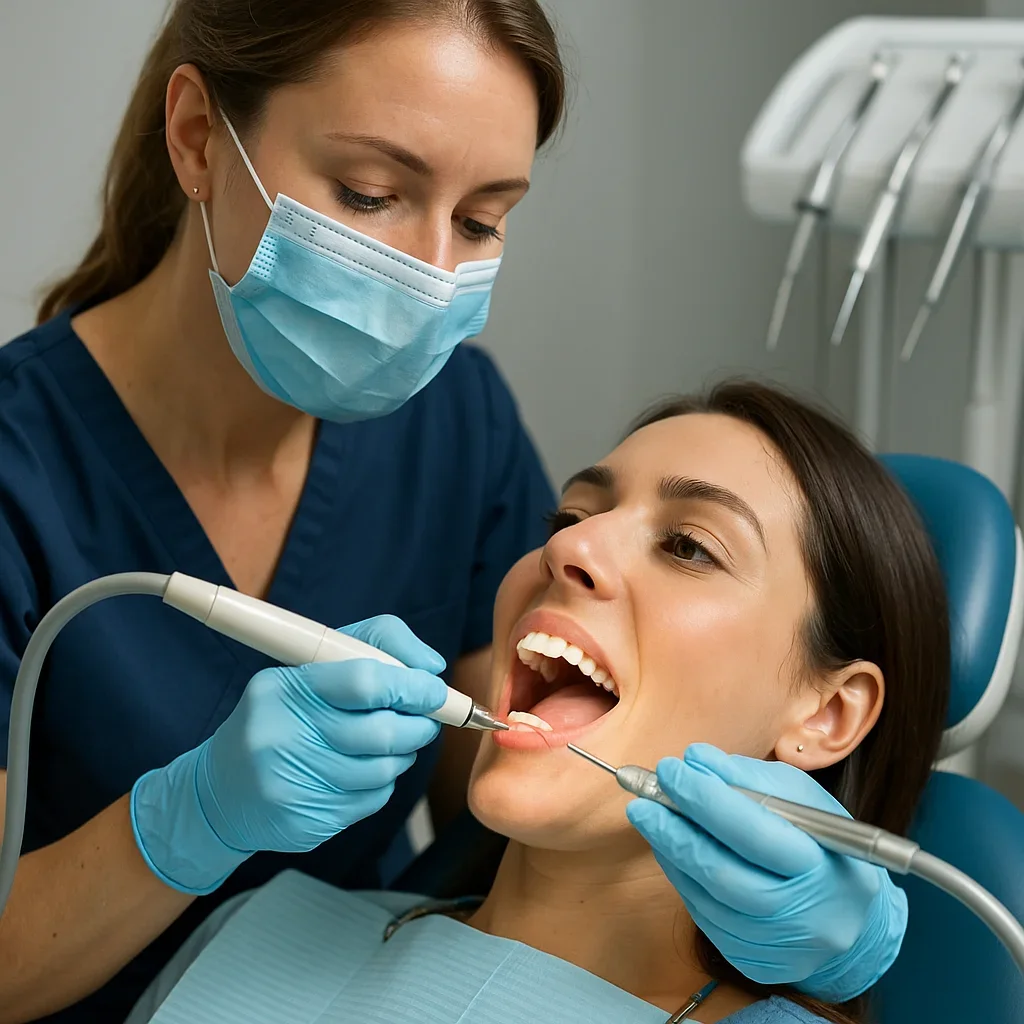
Choosing the Right Dental Cleaning Dentist Near You
Finding the right dental cleaning dentist is one of the most important decisions for maintaining your oral health and confidence. Not all dental professionals offer the same level of expertise, comfort, or technology, so choosing carefully ensures that your teeth and gums receive the best possible care. Whether you’re looking for routine cleanings, specialized periodontal treatments, or cosmetic polishing, knowing what to look for can make your dental experience both pleasant and effective. 🦷
Why Choosing the Right Dentist Matters
Your oral health is directly linked to your overall well-being. A skilled dental cleaning dentist can detect problems early, prevent gum disease, and provide customized recommendations based on your unique oral structure. In contrast, an inexperienced or inattentive provider may overlook subtle signs of decay or gum inflammation, leading to more serious issues later on. Quality dental care is about precision, comfort, and prevention — not just cleaning teeth.
The Long-Term Benefits of a Good Dentist
When you build a long-term relationship with a trusted dental cleaning dentist, you enjoy more consistent results. They keep detailed records of your oral history, track changes over time, and adjust treatments according to your evolving needs. This continuity of care leads to early intervention, fewer emergencies, and better long-term oral stability. Patients with regular dental relationships are statistically less likely to develop advanced gum disease or lose teeth prematurely.
Key Qualities to Look For in a Dental Cleaning Dentist
When evaluating a dental cleaning dentist, pay attention to several key factors that indicate professionalism, skill, and care:
- Credentials and Experience: Verify that the dentist is licensed, accredited, and has specific experience in preventive and periodontal care. Membership in associations like the American Dental Association is a strong indicator of professional commitment.
- Technology and Equipment: The best dentists use modern ultrasonic scalers, intraoral cameras, and digital X-rays to provide safer and more efficient cleanings.
- Patient Comfort: Look for a clinic that prioritizes gentle techniques, pain-free procedures, and a relaxing environment.
- Hygiene Standards: Clean, well-maintained equipment and sterilization procedures reflect high-quality care.
- Transparent Pricing: A reliable dental cleaning dentist clearly explains treatment costs before starting any procedure.
- Positive Reviews: Online testimonials and word-of-mouth recommendations are valuable indicators of patient satisfaction.
How to Research and Compare Local Dentists
Finding a dental cleaning dentist near you has become easier with digital tools. Use trusted directories, review platforms, and official dental association websites to find professionals in your area. Consider visiting each clinic’s website to learn about their services, technology, and team members.
You can also compare dentists based on reviews, service variety, and convenience factors such as parking and working hours. Remember, the best dentist is not necessarily the most expensive one — it’s the one who offers quality care tailored to your needs and comfort level.
Checklist for Evaluating Dental Clinics
- Does the dentist specialize in preventive and cosmetic care?
- Are digital imaging and pain-minimizing tools available?
- Do staff members maintain excellent communication and empathy?
- Is the clinic accessible and clean?
- Are flexible payment plans or insurance options available?
Questions to Ask During Your First Visit
Before committing to a long-term dental care plan, schedule a consultation. Here are a few questions to ask your dental cleaning dentist:
- How often should I have professional cleanings based on my oral condition?
- Do you use ultrasonic or manual cleaning tools?
- What is your policy on pain management during deep cleaning?
- Do you offer fluoride treatments or sealants for cavity prevention?
- What is your experience in treating gum disease and sensitivity?
Asking these questions helps you gauge the dentist’s expertise and communication style. A good dental cleaning dentist will take the time to explain procedures clearly and address your concerns with patience.
The Role of Technology in Modern Dental Cleanings
Today’s advanced dental offices use innovative tools to enhance precision and comfort. Modern technologies used by a dental cleaning dentist include:
- Ultrasonic Scalers: These devices use high-frequency vibrations to remove tartar gently and effectively.
- Intraoral Cameras: Allow patients to see real-time images of their teeth and gums, improving understanding of treatment.
- Digital X-rays: Reduce radiation exposure while providing detailed views of bone health.
- Laser Dentistry: Useful for gum therapy and bacterial disinfection during deep cleanings.
These innovations make visits faster, less invasive, and more accurate. Clinics such as Redent Klinik Contact Page utilize cutting-edge tools to provide patients with safe and efficient treatments that minimize discomfort and maximize results.
Signs You’ve Found the Right Dental Cleaning Dentist
Choosing a dentist goes beyond checking credentials — it’s about how they make you feel. A trustworthy dental cleaning dentist will:
- Listen attentively to your concerns.
- Explain procedures without using complicated jargon.
- Provide honest advice about your dental needs.
- Encourage preventive care rather than unnecessary treatments.
- Make each visit comfortable and stress-free.
Additionally, you should feel respected and valued as a patient, not just as a case file. The best dentists build relationships that motivate you to maintain consistent oral hygiene habits at home and return for routine care.
Red Flags to Watch Out For
Beware of clinics that push unnecessary procedures, have unclear pricing, or make you feel rushed during consultations. Poor hygiene, outdated equipment, and negative reviews are other warning signs. A dental cleaning dentist who values quality will prioritize transparency, professionalism, and patient trust.
Summary: Your Path to the Perfect Smile
Choosing the right dental cleaning dentist means selecting a partner for lifelong oral health. Take the time to research, compare, and visit potential clinics to ensure they align with your expectations. A skilled dentist will help you maintain clean, healthy teeth, fresh breath, and long-term confidence. 😁
When ready to book your next appointment, visit the Redent Klinik Contact Page for expert dental care delivered with professionalism and compassion. For broader standards and guidelines, consult the American Dental Association — a trusted source for oral health excellence worldwide.
Disclosure: this page may contain affiliate links. We may earn a commission if you use them, at no extra cost to you.