
Maintaining a radiant and healthy smile starts with one essential step—dental cleaning. Often underestimated, regular dental cleaning is one of the most effective ways to prevent cavities, gum disease, and even more serious health issues. Whether you’re an oral hygiene enthusiast or someone who hasn’t seen the dentist in years, this procedure is key to your overall well-being 🦷.
So, what exactly is dental cleaning? It’s a professional oral hygiene procedure performed by a dentist or dental hygienist. Unlike daily brushing and flossing, which only target surface-level plaque, a dental cleaning involves removing hardened tartar (calculus), plaque, and stains from your teeth. This deep cleaning process not only makes your teeth feel squeaky clean but also ensures your gums remain healthy and free of infection.
One of the most compelling reasons to schedule a dental cleaning is its ability to prevent gum disease. According to the American Dental Association, regular cleanings reduce your risk of gingivitis and periodontitis, both of which can lead to tooth loss if left untreated. By removing bacteria-filled plaque from below the gumline, dental professionals stop inflammation and bone loss in its tracks.
Dental cleaning is also crucial for aesthetic reasons. Over time, our teeth accumulate stains from coffee, tea, red wine, and even certain foods. While whitening treatments can improve your smile’s brightness, they don’t address plaque and tartar buildup like a professional cleaning does. A thorough dental cleaning session leaves your teeth not just whiter but healthier and smoother.
Another lesser-known benefit of dental cleaning is its role in systemic health. Studies show that poor oral health is linked to heart disease, diabetes, and even respiratory infections. When you get a dental cleaning, you’re not just protecting your teeth—you’re taking a proactive step toward better overall health.
The procedure itself is painless and typically takes about 30 to 60 minutes. It includes scaling (removing tartar), polishing (removing surface stains), and sometimes fluoride treatment to strengthen the enamel. Your dental hygienist may also perform a quick check for cavities, gum recession, or early signs of oral cancer, making dental cleaning a valuable diagnostic tool as well.
For those who suffer from bad breath, also known as halitosis, dental cleaning can be a game-changer. Persistent bad breath is often caused by bacteria buildup in hard-to-reach areas. By thoroughly cleaning your teeth and gums, your dental provider can eliminate these odor-causing culprits and restore fresh breath 😊.
In terms of cost, a standard dental cleaning in the U.S. ranges from $75 to $200 depending on location, insurance coverage, and whether it’s your first visit. At international clinics like Redent Klinik in Turkey, the procedure is both affordable and performed using advanced technology. You can learn more or schedule your appointment through the Redent Klinik Contact Page.
In summary, dental cleaning isn’t just a luxury—it’s a necessity. It safeguards your teeth, supports your gums, freshens your breath, and even benefits your heart. So don’t wait until something hurts. Make dental cleaning a part of your routine today, and your future self will thank you with every confident smile 😁.
What Is Dental Cleaning and Why Is It Important?
Dental cleaning is a preventive dental procedure performed by professionals to remove plaque, tartar, and stains from the teeth. Unlike daily brushing and flossing, which only clean the surface of the teeth, a dental cleaning reaches areas that are difficult to clean at home. This includes below the gumline and between teeth, where harmful bacteria thrive and lead to oral health problems.
The main purpose of dental cleaning is to maintain oral hygiene and prevent conditions such as gingivitis, periodontitis, and tooth decay. According to the American Dental Association, professional cleanings at least twice a year significantly reduce the risk of gum disease and cavities. These cleanings act as a crucial layer of defense, especially for individuals with braces, crowns, or other dental restorations.
Beyond oral health, the importance of dental cleaning extends to overall health. Research has shown that gum disease is linked to various systemic conditions like heart disease, diabetes, stroke, and even complications during pregnancy. By regularly scheduling a dental cleaning, you’re not just preserving your smile—you’re contributing to your total body wellness 🧠❤️.
Let’s break down why dental cleaning matters so much:
- Prevents plaque and tartar buildup: Even with excellent brushing, plaque can harden into tartar within 24–72 hours. Tartar can only be removed by professional tools during a dental cleaning.
- Reduces risk of gum disease: Cleanings reduce inflammation and prevent early-stage gum disease (gingivitis) from progressing into more severe conditions like periodontitis.
- Improves appearance: Clean teeth are brighter and smoother, helping you maintain a whiter and more polished smile.
- Freshens breath: Bad breath is often caused by trapped food particles and bacterial buildup. Regular dental cleaning removes these odor sources.
- Early detection: During a cleaning, dentists often spot early signs of cavities, oral cancer, or gum recession—leading to faster treatment and better outcomes.
Dental cleaning is also an opportunity for education. Your dental hygienist can give you personalized advice on brushing techniques, flossing, and product recommendations. If you’re unsure about electric toothbrushes, tongue scrapers, or mouthwashes, a dental cleaning visit is the perfect time to ask!
In some cases, people may need a deep dental cleaning called scaling and root planing. This is recommended if plaque has accumulated below the gumline and is causing gum pockets or infection. While more intensive, this procedure is vital for restoring gum health and preventing tooth loss.
Skipping dental cleaning appointments can lead to tartar hardening, gum inflammation, and even bone loss. Unfortunately, these conditions often remain painless until significant damage has occurred. That’s why prevention is always better—and more affordable—than treatment.
Speaking of affordability, many dental clinics offer budget-friendly dental cleaning packages. In the U.S., the cost may range between $100 and $200 per session. However, international dental clinics like Redent Klinik provide high-quality cleanings at a fraction of the cost. You can learn more or schedule a cleaning through the Redent Klinik Contact Page.
In conclusion, the importance of dental cleaning can’t be overstated. It serves as a foundational practice that supports your oral and general health. Don’t wait for a problem—act preventively and keep your smile shining with regular dental cleaning appointments ✨.
Types of Dental Cleaning Procedures Explained
When it comes to maintaining optimal oral health, not all dental cleaning procedures are the same. There are different types of cleanings designed to meet varying oral health needs. Whether you’re visiting the dentist for routine maintenance or to address more serious gum issues, understanding the various dental cleaning methods can help you make informed decisions about your care 🧠.
Here are the main types of dental cleaning procedures explained:
1. Prophylaxis Cleaning (Routine Dental Cleaning)
This is the most common and preventive form of dental cleaning. Also known as a “prophy,” it is recommended for patients with generally healthy mouths. During this cleaning, a dental hygienist removes plaque, tartar, and surface stains from teeth and polishes them to a smooth finish. This type of dental cleaning is typically done every 6 months and takes about 30–45 minutes.
2. Scaling and Root Planing (Deep Cleaning)
When gum disease has developed, a more intensive form of dental cleaning is needed. Scaling and root planing target plaque and tartar that have collected below the gumline, causing gum pockets and inflammation. The scaling part involves scraping away deposits from the root surfaces, while root planing smooths the root surfaces to help the gums reattach. This dental cleaning often requires local anesthesia and multiple visits.
3. Gross Debridement
This type of dental cleaning is performed when a patient has excessive plaque and tartar buildup that interferes with a standard exam. It’s often the first step before a comprehensive oral evaluation can be done. The hygienist uses specialized tools to break up hardened deposits and clean the gumline, setting the stage for further evaluation or treatment.
4. Periodontal Maintenance
After a patient has undergone scaling and root planing or periodontal surgery, regular follow-ups are crucial. Periodontal maintenance cleanings are tailored to prevent the recurrence of gum disease. These cleanings are more frequent—usually every 3 to 4 months—and involve a deeper level of cleaning than routine dental cleaning procedures. They also include measurement of gum pockets and ongoing monitoring of periodontal health.
Each dental cleaning type serves a specific purpose:
- Routine cleaning: Best for healthy individuals who want to maintain oral hygiene.
- Deep cleaning: Necessary for those with signs of gum disease or bone loss.
- Gross debridement: Essential for patients who haven’t visited a dentist in years and need a full-mouth detox.
- Periodontal maintenance: Required for long-term care after gum disease treatment.
Choosing the right dental cleaning depends on your oral health status, which your dentist or hygienist will determine during your initial consultation. They may use X-rays, probing measurements, and visual assessments to decide which cleaning is most appropriate for your situation.
It’s important to understand that skipping necessary deep cleanings or periodontal maintenance can lead to worsening gum disease, tooth mobility, and even eventual tooth loss. If you’re unsure what type of dental cleaning you need, don’t hesitate to contact your provider for a thorough evaluation.
In terms of pricing, the cost varies by type. Here’s a general breakdown:
Routine Cleaning (Prophylaxis):         $75 – $150
Scaling & Root Planing (Per quadrant):  $100 – $300
Gross Debridement:                      $150 – $250
Periodontal Maintenance:                $100 – $200
At international dental clinics like Redent Klinik, these services are often available at significantly reduced costs without compromising quality. For more information or to schedule the right type of dental cleaning, visit the Redent Klinik Contact Page.
In summary, dental cleaning is not one-size-fits-all. From routine polishing to deep scaling, each method plays a vital role in protecting your teeth and gums. Knowing the difference ensures you receive the best care tailored to your unique needs 🦷✨.
How Often Should You Get a Dental Cleaning?
One of the most common questions patients ask is: “How often should I get a dental cleaning?” The answer isn’t one-size-fits-all—it depends on your oral health, lifestyle, and risk factors. However, for most individuals, the general recommendation is to have a dental cleaning every six months. This routine helps maintain healthy gums, prevent cavities, and catch early signs of potential issues 🗓️.
The American Dental Association supports biannual visits as a baseline for most patients. During these regular appointments, your dentist or dental hygienist removes plaque and tartar that accumulate over time—regardless of how well you brush or floss. Even the most diligent oral care routine can’t reach every crevice, making professional dental cleaning an essential complement to home care.
Let’s break it down by patient type to better understand how often dental cleaning should be scheduled:
1. Low-Risk Patients (Every 6 Months)
If you have healthy gums, minimal tartar buildup, and no history of gum disease, a dental cleaning every six months is ideal. This schedule is effective for most adults and children and ensures your smile stays fresh and cavity-free. Your hygienist can also provide personalized advice to help keep your teeth clean between appointments.
2. High-Risk Patients (Every 3–4 Months)
Individuals with a history of gum disease, diabetes, smokers, or those with weakened immune systems may need a dental cleaning every 3–4 months. More frequent visits help manage plaque buildup and inflammation before it turns into something serious. For these patients, waiting six months may be too long and can lead to worsening periodontal conditions.
3. Children (Every 6 Months or As Needed)
Kids benefit greatly from regular dental cleaning starting from the appearance of their first tooth. Cleanings every six months help establish good oral hygiene habits and allow dentists to monitor proper tooth development. In some cases, children undergoing orthodontic treatment may require more frequent cleanings to prevent complications.
4. Seniors (Every 3–6 Months)
Older adults may require more frequent dental cleaning due to factors like receding gums, medication side effects, and dry mouth. These conditions can accelerate plaque accumulation and lead to tooth loss if not properly managed. Regular cleanings help mitigate these risks and preserve oral health well into older age 🧓.
So how do you know your ideal dental cleaning schedule? Your dentist will evaluate factors such as:
- Gum condition and depth of gum pockets
- Amount of tartar buildup
- Medical history (e.g., diabetes or heart disease)
- Smoking habits
- Oral hygiene routine at home
Skipping regular dental cleaning appointments can result in tartar hardening, gum inflammation, and even tooth loss. Worse, advanced dental problems are often more costly and complex to treat. Prevention through consistent cleanings is always more effective—and affordable—than treatment.
In the U.S., a biannual dental cleaning typically costs between $100 and $150 without insurance. If you’re looking for more affordable options without compromising quality, consider international dental clinics like Redent Klinik. They offer professional care at a lower cost. For details, visit the Redent Klinik Contact Page.
In summary, regular dental cleaning is a non-negotiable part of oral care. Whether it’s every six months or every three, the goal is the same: to protect your teeth, gums, and overall health. Stick to your personalized schedule and enjoy the long-term benefits of a clean and confident smile 😁.
Dental Cleaning vs. Deep Cleaning: Key Differences
Many patients are surprised to learn that there’s more than one type of dental cleaning. The two most commonly discussed procedures are regular dental cleaning (also known as prophylaxis) and deep cleaning (referred to as scaling and root planing). Though they sound similar, these treatments are distinct in purpose, method, and frequency. Understanding their differences is crucial for maintaining optimal oral health 🦷.
What Is a Regular Dental Cleaning?
A standard dental cleaning is a preventive treatment aimed at maintaining oral hygiene. It’s typically performed every six months and focuses on removing plaque, tartar, and surface stains from the teeth. During the appointment, the hygienist uses specialized tools to scrape away buildup from the tooth surface and polish the enamel for a smooth, clean finish.
This type of dental cleaning is designed for patients with healthy gums and no significant signs of gum disease. The procedure is quick, painless, and essential for cavity prevention, fresh breath, and an overall healthier mouth.
What Is a Deep Cleaning?
A deep dental cleaning, or scaling and root planing, is a more advanced procedure. It’s recommended for patients with signs of periodontal disease—an infection of the gums that can lead to bone loss and tooth mobility. Deep cleaning targets plaque and tartar that have accumulated below the gumline, where regular cleanings can’t reach.
In a deep dental cleaning, the dental professional uses ultrasonic tools and manual scalers to remove deposits from the root surfaces of the teeth. Root planing is then performed to smooth out the roots and encourage gum reattachment. This treatment often requires multiple sessions and may include local anesthesia for comfort.
Key Differences Between Dental Cleaning and Deep Cleaning
| Feature | Regular Dental Cleaning | Deep Dental Cleaning |
|---|---|---|
| Purpose | Preventive care | Treatment of gum disease |
| Target Area | Above the gumline | Below the gumline |
| Frequency | Every 6 months | As needed based on diagnosis |
| Discomfort Level | Minimal | Moderate (may require anesthesia) |
| Duration | 30–45 minutes | 1–2 hours per session |
How to Know Which One You Need
Your dentist will determine whether a regular or deep dental cleaning is necessary based on the health of your gums. They may measure the depth of your gum pockets using a probe. If pockets are greater than 3mm, it may indicate the need for a deep cleaning. Bleeding gums, loose teeth, and bad breath are also signs that a deep dental cleaning could be required.
Cost is another factor to consider. A regular dental cleaning may range from $75 to $150. In contrast, deep cleanings are usually billed per quadrant of the mouth, costing anywhere from $100 to $300 per quadrant. Fortunately, international dental providers like Redent Klinik offer affordable options for both treatments. You can learn more by visiting the Redent Klinik Contact Page.
In conclusion, both dental cleaning and deep cleaning serve essential roles in oral health, but they’re not interchangeable. Knowing which one you need—and when—is key to preventing serious dental issues down the road. When in doubt, consult your dental provider and follow a customized treatment plan for a healthier, brighter smile 😄.
Benefits of Regular Dental Cleaning for Oral Health
Regular dental cleaning isn’t just about having a bright smile—it’s a fundamental pillar of long-term oral health. This preventive procedure offers a range of benefits that go beyond aesthetics. From preventing tooth loss to reducing your risk of heart disease, dental cleaning plays a vital role in overall wellness 🧼🦷.
1. Prevents Tooth Decay
Plaque is a sticky film of bacteria that constantly forms on your teeth. If not removed regularly through brushing and professional dental cleaning, it hardens into tartar, which leads to cavities. Routine cleanings eliminate this risk, keeping your teeth strong and decay-free.
2. Reduces the Risk of Gum Disease
Gum disease, or periodontal disease, begins with gingivitis and can progress into a severe condition that causes bone and tooth loss. Dental cleaning removes plaque and tartar from the gumline, helping prevent inflammation, bleeding, and infection. Regular visits allow early detection and treatment before the condition worsens.
3. Keeps Your Breath Fresh
Persistent bad breath, or halitosis, is often a result of bacteria buildup. A thorough dental cleaning eliminates odor-causing particles and leaves your mouth feeling fresher. For people who struggle with chronic bad breath, cleanings can be life-changing 😮💨.
4. Prevents Tooth Loss
One of the leading causes of tooth loss is gum disease, which silently damages the tissues and bones supporting your teeth. Dental cleaning protects against this by maintaining healthy gum structures and preventing progression to periodontitis.
5. Enhances Your Smile
Over time, food, drinks, and habits like smoking can discolor your teeth. While teeth whitening procedures are helpful, a professional dental cleaning removes surface stains and brings back your natural shine. The polishing step also makes your teeth smoother and more reflective ✨.
6. Early Detection of Oral Issues
During a dental cleaning, your dentist or hygienist also examines your mouth for signs of issues such as cavities, broken fillings, receding gums, or even oral cancer. Early diagnosis means less invasive—and often less expensive—treatments.
7. Boosts Overall Health
Many people don’t realize the connection between oral health and overall health. Studies have linked gum disease to heart disease, stroke, diabetes, and even Alzheimer’s. By scheduling regular dental cleaning appointments, you reduce bacterial load and systemic inflammation that can affect other parts of your body ❤️.
8. Saves Money in the Long Run
Preventive care is always more affordable than corrective procedures. Routine dental cleaning helps avoid costly treatments like root canals, crowns, or periodontal surgeries. Most dental insurance plans cover two cleanings per year, making it a wise financial and health decision.
9. Builds Confidence and Self-Esteem
There’s no denying that a clean, white smile makes you feel more confident. Whether you’re heading into a job interview or a first date, knowing your breath is fresh and your teeth are clean boosts your self-esteem. Dental cleaning is a simple way to invest in your appearance and your confidence 😁.
10. Personalized Oral Care Advice
Each dental cleaning session offers a chance to learn about your oral hygiene habits. Your hygienist can recommend better brushing techniques, flossing tips, and dental tools tailored to your needs—ensuring better care between visits.
In terms of cost, standard dental cleaning procedures in the U.S. range from $100–$200. However, affordable care is available abroad. Clinics like Redent Klinik offer top-tier services at competitive prices. To schedule a professional dental cleaning, visit the Redent Klinik Contact Page.
In conclusion, the benefits of regular dental cleaning are vast and impactful. From saving your teeth to protecting your heart, this simple yet powerful procedure is a cornerstone of lifelong health. Make it a part of your routine—you’ll thank yourself in every smile 😄.
What to Expect During a Professional Dental Cleaning
For many people, not knowing what happens during a dental cleaning can create unnecessary anxiety. The good news? A professional dental cleaning is a simple, non-invasive procedure that leaves your teeth cleaner, smoother, and healthier. Whether it’s your first visit or a routine appointment, understanding each step of the process can help you feel more relaxed and prepared 😌.
1. Oral Examination
Your dental cleaning appointment typically begins with an examination. A dental hygienist or dentist will inspect your mouth using a small mirror to check for signs of inflammation, gum disease, cavities, or other oral concerns. If anything unusual is detected, the dentist may step in for a closer look before proceeding.
2. Removing Plaque and Tartar (Scaling)
The next step in the dental cleaning process is scaling. Using a scaler or an ultrasonic vibrating device, the hygienist removes plaque and tartar from around the gumline and between your teeth. Tartar is hardened plaque that cannot be removed by brushing alone, making this step critical to preventing decay and gum disease. You might hear scraping sounds, but don’t worry—it’s completely normal and painless for most patients.
3. Gritty Toothpaste Cleaning (Polishing)
Once your teeth are free of tartar, the hygienist uses a high-powered electric brush and a special gritty toothpaste to polish your teeth. This part of the dental cleaning process removes surface stains and makes your teeth feel incredibly smooth. While the sound may seem intense, it’s a gentle and safe procedure that adds to your sparkling smile ✨.
4. Flossing Between Teeth
Even if you floss daily, professional flossing during a dental cleaning ensures no debris is left between teeth. The hygienist will expertly navigate each space, catching plaque or toothpaste left behind. It’s also a great opportunity to learn better flossing techniques if needed.
5. Rinsing
After scaling and polishing, you’ll rinse your mouth to flush out any debris. The rinse usually contains fluoride or antiseptic to help kill lingering bacteria and leave your mouth feeling fresh.
6. Fluoride Treatment (Optional)
Depending on your needs and the dental office’s protocol, the dental cleaning may conclude with a fluoride treatment. This involves applying a flavored gel, foam, or varnish to help strengthen enamel and protect against cavities. It’s especially recommended for children, seniors, and those prone to tooth decay.
7. Recommendations and Scheduling
Once your dental cleaning is complete, your hygienist may offer personalized advice on brushing, flossing, or dietary habits. They’ll also help you schedule your next visit—usually six months later—unless you require more frequent cleanings due to gum disease or other conditions.
Does a Dental Cleaning Hurt?
For most people, a dental cleaning is completely painless. However, if you have sensitive teeth, inflamed gums, or heavy tartar buildup, you might feel slight discomfort during scaling. Let your hygienist know if you experience pain—they can adjust their approach or apply numbing gel to ease your experience.
Time and Cost Expectations
A standard dental cleaning takes about 30 to 60 minutes, depending on the condition of your teeth. The cost ranges from $100 to $150 in the U.S., though many insurance plans cover preventive cleanings. Internationally, clinics like Redent Klinik provide comprehensive care at more accessible rates. To book an appointment, visit the Redent Klinik Contact Page.
In summary, a professional dental cleaning is a safe, effective, and refreshing experience that supports both oral and overall health. Knowing what to expect helps you walk into the clinic with confidence—and walk out with a brighter, healthier smile 😁.
Is Dental Cleaning Painful? Myths vs. Reality
One of the most common concerns people express before their appointment is whether dental cleaning is painful. The word “cleaning” might sound harmless, but for those who haven’t visited a dentist in a while, fear and anxiety often creep in. So, let’s debunk some myths and explain the reality of what dental cleaning truly feels like 💡.
Myth 1: Dental Cleaning Always Hurts
False. A routine dental cleaning should not be painful for the vast majority of people. If your teeth and gums are in relatively good condition, the cleaning process typically causes little to no discomfort. In fact, many patients describe the sensation as “ticklish” or mildly annoying at most. Dental hygienists are trained to work gently and adjust their techniques for sensitive patients.
Myth 2: Bleeding Gums Mean the Cleaning Was Too Rough
While bleeding gums can happen during a dental cleaning, especially if you have gingivitis, it doesn’t mean the hygienist was being rough. Inflammation and plaque buildup often cause gum tissues to be more sensitive. The bleeding is usually a result of existing gum disease—not the procedure itself. In fact, the cleaning helps reverse this condition over time.
Myth 3: If It Hurts, I Should Avoid It
This is one of the most dangerous myths. Avoiding dental cleaning due to fear of discomfort only allows problems like tartar buildup and gum disease to worsen. These issues lead to more invasive—and yes, more painful—procedures down the line. Regular cleanings actually reduce the likelihood of needing more extensive treatments later on.
Reality: Some Discomfort Can Occur, but It’s Manageable
While most people experience no pain during dental cleaning, some may feel sensitivity in certain situations:
- Heavy tartar buildup requiring extensive scaling
- Receding gums exposing sensitive root surfaces
- Inflamed or infected gums
- Exposed dentin or enamel erosion
Fortunately, your dental professional can address this. They may apply numbing gel to your gums, use a gentler technique, or break the cleaning into shorter sessions for your comfort.
Tips to Reduce Discomfort During Dental Cleaning
🪥 Practice good oral hygiene: Brushing and flossing daily keeps tartar and inflammation in check, making your cleaning easier and more comfortable.
🦷 Communicate with your hygienist: Let them know about sensitive spots or anxiety beforehand.
😌 Use numbing gels or anesthetics: Many clinics offer desensitizing options for patients who need extra comfort.
🎧 Bring headphones: Listening to music or calming sounds can help you relax during your appointment.
The Psychological Aspect of Pain
Fear often amplifies physical sensations. People who are anxious may perceive dental cleaning as more painful than it actually is. That’s why many dental offices use calming techniques, including aromatherapy, warm towels, or even sedation options for extremely anxious patients. Remember, open communication is key—your dental team is there to help you feel safe and cared for.
How Long Does the Discomfort Last?
If there is any sensitivity after a dental cleaning, it’s usually mild and temporary. You might feel some gum tenderness or temperature sensitivity for a day or two, especially if your cleaning involved deep scaling. Rinsing with warm salt water and using a soft-bristled toothbrush can ease the sensation.
Affordable and Gentle Dental Cleaning Options
If fear of discomfort has kept you away from the dentist, know that affordable and gentle dental cleaning options exist. Clinics like Redent Klinik offer personalized care in a stress-free environment—at prices that won’t make you wince. International patients are welcomed with advanced technology and compassionate service.
In conclusion, dental cleaning is not something to fear. While minimal discomfort can occur, it is manageable, temporary, and far outweighed by the long-term benefits. Don’t let myths stop you from achieving a healthier, brighter smile 😁.
Dental Cleaning Cost Breakdown in the US and Abroad
Understanding the cost of dental cleaning is essential for planning your oral healthcare routine. While regular cleanings are vital for maintaining a healthy smile, many patients are concerned about affordability—especially those without insurance. The good news is that dental cleaning services are available across a wide price range, and some international options offer significant savings without sacrificing quality 🌍.
Average Cost of Dental Cleaning in the U.S.
In the United States, the cost of a standard dental cleaning typically ranges from $75 to $200. Several factors influence this price, including geographic location, the clinic’s expertise, the condition of your teeth, and whether X-rays or fluoride treatments are included. Here’s a general breakdown:
• Basic Dental Cleaning (Prophylaxis):     $75 – $125
• Dental Exam with Cleaning:              $100 – $200
• Deep Cleaning (Scaling & Root Planing): $100 – $300 per quadrant
• X-rays (if required):                   $25 – $100
Dental insurance often covers 100% of the cost for two preventive dental cleaning visits per year. However, for those without insurance, out-of-pocket expenses can add up quickly—especially if more frequent cleanings or periodontal treatments are needed.
Deep Cleaning Costs
If your dentist determines you need a deep dental cleaning due to gum disease, costs will be higher. This procedure is usually charged by quadrant (one-fourth of your mouth), and a full-mouth deep cleaning could cost between $400 and $1,200 without insurance. Periodontal maintenance after deep cleaning can cost an additional $100 to $200 per visit.
Cost of Dental Cleaning Abroad
Seeking dental cleaning services outside of the U.S. is becoming increasingly popular due to the rising costs of healthcare. Countries like Turkey, Mexico, Thailand, and Hungary offer world-class dental care at a fraction of the U.S. price. For example, in Turkey:
• Standard Dental Cleaning:      $30 – $60
• Deep Cleaning (Full Mouth):    $150 – $300
• Exam + Cleaning + X-rays:      $50 – $100
Clinics such as Redent Klinik in Turkey provide high-quality dental cleaning treatments with English-speaking staff, modern equipment, and international sterilization standards. These facilities are popular among medical tourists seeking affordable yet premium oral care.
Is It Worth Traveling Abroad for Dental Cleaning?
For individuals already planning to travel or for those needing multiple treatments (e.g., implants, crowns, and cleanings), scheduling a dental cleaning abroad can result in substantial savings. Consider combining your dental visit with a relaxing vacation. However, if you’re only seeking routine cleanings, the cost of airfare may outweigh the financial benefit unless part of a larger dental care plan ✈️.
Tips for Saving on Dental Cleaning
- Use dental insurance if available—many cover preventive care 100%.
- Look for dental hygiene schools that offer discounted services.
- Join a dental savings plan to reduce out-of-pocket costs.
- Book dental vacations at reputable international clinics.
Transparency in Pricing
Always request a detailed quote before agreeing to treatment, whether local or abroad. Reputable providers will list all included services in the dental cleaning package: scaling, polishing, exam, X-rays, fluoride, etc. Some even offer package deals for tourists that bundle dental services with hotel stays and transportation.
To explore affordable and high-quality dental cleaning options in Turkey, check out Redent Klinik’s Contact Page. Their transparent pricing, modern approach, and personalized care make them a popular choice for international patients.
In summary, dental cleaning doesn’t have to break the bank. Whether you stay local or travel abroad, there are cost-effective ways to maintain your oral health. By comparing options and staying consistent with care, you can protect your teeth and your wallet 🦷💰.
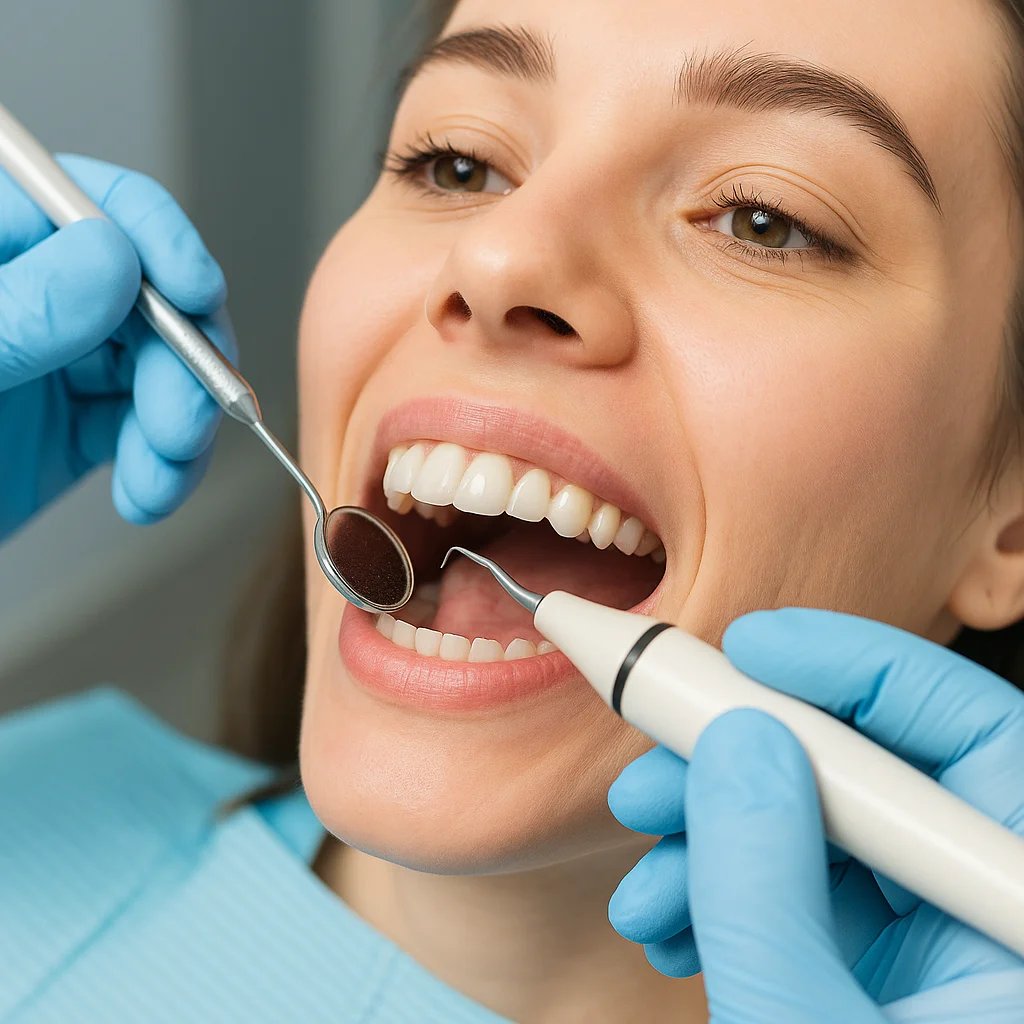
Best Tips to Maintain Clean Teeth Between Appointments
While professional dental cleaning is essential for oral health, what you do between appointments matters just as much. A strong at-home hygiene routine not only extends the benefits of your last dental cleaning but also prevents plaque buildup, gum issues, and cavities. With just a few simple daily habits, you can keep your smile fresh, bright, and healthy 🪥😁.
1. Brush Twice a Day with Proper Technique
Brushing your teeth twice daily is the foundation of oral hygiene. Use a fluoride toothpaste and a soft-bristled toothbrush. Aim for two full minutes, making sure to clean all surfaces—including the backs of your teeth and along the gumline. This helps maintain the cleanliness achieved during your last dental cleaning.
2. Floss Daily to Remove Hidden Plaque
Flossing removes food particles and plaque from areas your toothbrush can’t reach. It’s one of the most overlooked steps in daily care, yet it plays a crucial role in preventing gum disease. Skipping flossing allows bacteria to grow between teeth, undoing the results of a thorough dental cleaning.
3. Use an Antibacterial Mouthwash
Mouthwash can help reduce plaque, freshen breath, and eliminate bacteria left behind after brushing and flossing. Choose an alcohol-free, ADA-approved rinse and use it at least once daily to prolong the effects of your dental cleaning.
4. Avoid Sugary and Acidic Foods
Sugar fuels the bacteria that cause cavities, while acidic foods and drinks can erode enamel. Try to limit your intake of soda, candies, and citrus fruits. If consumed, rinse your mouth with water afterward and brush after 30 minutes to avoid damaging your enamel.
5. Stay Hydrated with Water
Drinking water throughout the day helps wash away food particles and bacteria. It also keeps your mouth moist, which is essential for saliva production. Saliva naturally protects your teeth by neutralizing acids and aiding in the remineralization of enamel—supporting the results of your dental cleaning.
6. Clean Your Tongue Daily
Bacteria often settle on the tongue, leading to bad breath and plaque formation. Use a tongue scraper or gently brush your tongue each morning. This simple step enhances overall oral hygiene and boosts the impact of your dental cleaning.
7. Replace Your Toothbrush Regularly
A worn-out toothbrush loses effectiveness. Replace it every 3–4 months, or sooner if the bristles fray. An electric toothbrush can also improve cleaning efficiency and help you better maintain your dental cleaning results.
8. Snack Smart
Choose teeth-friendly snacks like raw vegetables, cheese, nuts, and apples. These not only nourish your body but also help scrub your teeth naturally. Snacking wisely keeps your mouth healthier between dental cleaning appointments.
9. Wear a Mouthguard If Needed
If you grind your teeth at night (bruxism), using a mouthguard protects enamel and prevents tooth damage. Grinding can reverse the benefits of a dental cleaning by wearing down your teeth and increasing sensitivity.
10. Don’t Skip Regular Checkups
Even if your teeth feel fine, never skip your scheduled appointments. Biannual dental cleaning ensures plaque and tartar don’t accumulate, and it gives your dentist a chance to detect early signs of trouble. Prevention is always more affordable—and more comfortable—than treatment.
Remember, your efforts at home complement the care you receive at the clinic. If you’re looking for expert guidance on maintaining oral hygiene or scheduling a professional dental cleaning, visit the Redent Klinik Contact Page. Their team offers personalized advice to help you stay on track between visits.
In summary, maintaining the results of your dental cleaning requires consistency, discipline, and a few smart habits. When you combine professional cleanings with great daily care, you’re setting the foundation for a lifetime of healthy smiles 😃.