
Booking a dental clinic appointment might seem like a small task, but it plays a huge role in maintaining your oral and overall health 🦷. Whether it’s for a regular check-up, teeth cleaning, or a specific dental procedure, understanding how dental appointments work helps you feel confident, prepared, and informed. In this comprehensive guide, we’ll walk through everything you need to know — from the booking process and preparation tips to what actually happens during your visit and how to make the most of your time at the clinic.
Many people delay scheduling a dental clinic appointment until they experience discomfort, pain, or bleeding gums. However, dental visits are not just for emergencies; they are preventive health check-ups designed to detect problems before they become serious. According to the American Dental Association, regular dental examinations are vital for detecting early signs of tooth decay, gum disease, and even oral cancer. That’s why understanding how appointments work can help you take proactive steps toward better oral hygiene.
Why Dental Clinic Appointments Are Essential
Regular dental clinic appointments do far more than just clean your teeth. They help prevent long-term dental issues that can cost you more money and discomfort in the future. During a routine visit, your dentist performs a detailed examination of your teeth, gums, jaw alignment, and mouth structure. The goal is to identify any hidden problems, such as small cavities or gum inflammation, that might not cause pain initially but could develop into severe issues later.
Beyond medical benefits, dental visits can also boost your self-confidence 😁. A bright, clean smile has psychological and social advantages — it makes you feel more comfortable in public, during meetings, and even in personal relationships. Patients who attend dental appointments regularly report fewer dental emergencies and better overall oral health outcomes.
How Often Should You Visit?
Most dental professionals recommend booking a dental clinic appointment every six months for a cleaning and check-up. However, your dentist might suggest more frequent visits depending on your oral health condition. For example, patients with gum disease, braces, or implants might require appointments every three to four months. The consistency of these visits ensures early detection and timely treatment, saving both time and money in the long term.
What Happens During a Dental Clinic Appointment?
Your first dental clinic appointment usually begins with a consultation and examination. The dental team will review your medical and dental history, discuss any symptoms, and perform an initial visual inspection. X-rays might be taken to assess areas that are not visible to the naked eye — such as tooth roots or bone density. Then, the dentist performs professional cleaning using special tools to remove plaque and tartar buildup.
After the cleaning, you’ll receive an evaluation of your oral hygiene routine. The dentist may recommend changes in brushing techniques, flossing habits, or diet. If any dental issues are detected — like cavities or gum inflammation — they will discuss treatment options. In some cases, the dentist might suggest scheduling a follow-up appointment for procedures such as fillings, crowns, or root canal therapy.
Preparing for Your Appointment
Proper preparation can make your dental clinic appointment smoother and more effective. Start by confirming your booking through the clinic’s website or phone number. For instance, if you’re visiting a clinic in Turkey, you can easily contact the professionals at Redent Klinik Contact Page to schedule your session conveniently online. Before your visit, remember to brush and floss gently, bring your dental records if available, and list any symptoms or questions you want to discuss with your dentist. This preparation helps ensure that your time is used efficiently and that your concerns are fully addressed.
Benefits of Routine Dental Appointments
Maintaining regular dental clinic appointments brings a range of benefits, from fresher breath and whiter teeth to early disease detection. Routine cleanings help remove bacteria that cause bad breath and discoloration. More importantly, consistent dental visits contribute to overall health — as several studies link oral infections to cardiovascular issues, diabetes, and respiratory conditions. In other words, caring for your teeth is not just about appearance but a crucial step toward maintaining your total well-being.
When to Schedule an Appointment Immediately
While preventive appointments are routine, certain symptoms indicate that you need to schedule a dental clinic appointment immediately. These include persistent toothache, bleeding gums, sensitivity to hot or cold foods, loose teeth, or swelling in the mouth or jaw area. Ignoring these signs can lead to serious dental or systemic health problems. The sooner you act, the higher the chance of resolving the issue quickly and effectively.
Common Fears and How to Overcome Them
Many patients delay visiting the dentist due to anxiety or fear of pain. Modern dental practices, however, are designed to be as comfortable and pain-free as possible. Clinics now use advanced anesthesia, ergonomic chairs, and relaxing environments to make your dental clinic appointment a calm experience. Communicate your concerns with the dentist beforehand; many clinics offer sedation options or distraction techniques to help reduce anxiety.
Conclusion
In summary, scheduling and attending a dental clinic appointment is one of the best investments you can make in your health. From preventing cavities and gum disease to improving your smile and self-esteem, regular visits have both short- and long-term benefits. Make it a habit to schedule your next appointment proactively — not reactively. Your future self (and your teeth!) will thank you 🦷✨.
Remember: healthy teeth mean a healthier you. Take the first step today by booking your visit with a trusted dental professional and experience the benefits of proper oral care.
Why Scheduling a Dental Clinic Appointment Matters
Scheduling a dental clinic appointment is one of the most effective ways to protect your oral health and overall well-being 🦷. Many people underestimate the importance of regular dental visits until they experience tooth pain, bleeding gums, or sensitivity. However, dentists emphasize that early detection and preventive care are the true foundations of long-term oral health. In this section, you’ll learn why booking timely dental appointments is so crucial, how it prevents complex health problems, and what benefits you can expect from consistent dental care.
Early Detection Prevents Major Dental Problems
When you book a dental clinic appointment, your dentist doesn’t just clean your teeth; they perform a detailed oral examination that identifies potential issues before they become painful or expensive to fix. Early detection of cavities, gum disease, or enamel erosion can prevent more serious problems like root canal infections or tooth loss. This proactive approach helps you avoid high-cost treatments and saves time, pain, and stress in the future. It’s far easier to treat a small cavity today than to replace a tooth tomorrow.
Regular Dental Visits Promote Long-Term Oral Health
A consistent dental clinic appointment routine every six months creates a strong foundation for lasting oral health. Regular cleanings remove plaque and tartar that brushing alone cannot eliminate. These professional cleanings also reduce the risk of gum inflammation and tooth decay. Moreover, dentists monitor changes in your mouth over time, ensuring that minor concerns—such as slight bleeding or early discoloration—are managed before they develop into significant issues. Regular check-ups are not just about cleaning; they are about maintaining a lifelong partnership with your dental care provider 👩⚕️👨⚕️.
Link Between Oral Health and Overall Health
Your mouth is the gateway to your body. Multiple studies, including those published by the American Dental Association, show a strong connection between oral health and systemic conditions like heart disease, diabetes, and respiratory infections. Bacteria from untreated gum disease can enter the bloodstream and contribute to inflammation throughout the body. Therefore, attending regular dental clinic appointments helps protect more than just your teeth — it safeguards your heart, immune system, and general health. Ignoring dental care can lead to a domino effect of health complications beyond your mouth.
Confidence and Aesthetic Benefits
One of the most immediate advantages of scheduling a dental clinic appointment is the improvement in your smile’s appearance 😁. Professional cleaning removes stains from coffee, tea, and tobacco, giving you a brighter, more confident look. In today’s world, where personal and professional interactions often begin with a smile, maintaining a clean and fresh appearance can positively impact your relationships and self-esteem. Many patients report feeling more confident and motivated after their appointments because they can see and feel the difference in their smile.
Psychological Impact of Regular Dental Care
Good oral hygiene also contributes to mental well-being. Knowing that your teeth are healthy and clean reduces stress and boosts self-confidence. Patients who regularly attend their dental clinic appointments often report lower anxiety during future visits because they become familiar with the procedures and the dental team. Over time, this consistency transforms fear into comfort and builds a sense of trust with your dentist.
Financial Advantages of Preventive Care
Delaying a dental clinic appointment often leads to costly treatments in the future. Preventive check-ups are significantly more affordable than advanced procedures such as root canals, implants, or crowns. For instance, a standard cleaning might cost around $80–$120, whereas a root canal could exceed $800. By scheduling timely appointments, you save hundreds of dollars annually by preventing minor issues from escalating. Many insurance providers even offer full or partial coverage for preventive dental visits, making it a financially wise decision.
Sample Cost Breakdown (Average Prices)
- Routine dental check-up: $80 – $150
- Professional cleaning: $100 – $200
- X-rays and oral exam: $70 – $120
- Tooth filling: $150 – $300
- Root canal treatment: $700 – $1,200
As you can see, the small investment of booking a dental clinic appointment twice a year can help you avoid expensive, time-consuming procedures later on.
Educational Value of Appointments
Each dental clinic appointment is also an opportunity to learn more about your oral hygiene habits. Dentists don’t just treat problems; they educate patients on proper brushing techniques, flossing, and the best diet for dental health. These small adjustments can make a massive difference over time. For example, reducing sugary snacks and acidic drinks, along with using fluoride toothpaste, can dramatically improve enamel strength. This educational aspect empowers you to take control of your oral care and make smarter daily choices.
Encouraging Children and Families
Making dental clinic appointments a family habit teaches children the value of oral hygiene from an early age 👨👩👧👦. Pediatric dentists specialize in creating a fun and comfortable environment for kids, ensuring that visits are positive and fear-free. Early positive experiences help prevent dental anxiety and encourage lifelong oral care habits. Parents who model consistent dental visits set a healthy example for their children, ensuring that good habits are passed down through generations.
How to Stay Consistent With Dental Appointments
Despite busy schedules, maintaining a regular dental clinic appointment schedule is possible with a little planning. Many clinics offer flexible hours, online booking, and reminders via SMS or email. For example, you can easily schedule your next session through Redent Klinik Contact Page, where the team ensures personalized appointment times that fit your lifestyle. You can also set calendar reminders or link visits to other personal milestones, such as birthdays or seasonal changes, to make the habit automatic.
Conclusion: Small Step, Big Impact
In conclusion, scheduling a dental clinic appointment is more than just a simple task — it’s an act of self-care and prevention that protects your health, confidence, and finances. By staying consistent with regular dental check-ups, you not only preserve your smile but also improve your overall quality of life. Don’t wait for pain or discomfort to remind you to visit the dentist. Take charge of your oral health today, and enjoy the long-term benefits of a radiant, healthy smile 🌟.
How to Book a Dental Clinic Appointment Online
In the modern digital age, booking a dental clinic appointment has never been easier. Thanks to online platforms, patients can schedule their visits in minutes without the need for phone calls or long waiting times. Whether you need a regular check-up, a cosmetic procedure, or emergency dental care, online booking systems provide convenience, flexibility, and instant confirmation 📅. This detailed guide will walk you through the step-by-step process of booking an appointment online, what information you’ll need, and how to choose the best clinic for your needs.
Why Online Booking for Dental Appointments Is the Future
Gone are the days when you had to call your dentist during office hours to schedule a dental clinic appointment. Online booking systems have revolutionized the patient experience by offering 24/7 access to scheduling. You can now browse available time slots, compare dentists, and even choose specific treatments from the comfort of your home or smartphone. This accessibility empowers patients to take control of their dental health and eliminates scheduling barriers. It’s particularly beneficial for working professionals and families with busy routines.
Step-by-Step: How to Book a Dental Appointment Online
Booking a dental clinic appointment online usually takes less than five minutes. Here’s how to do it effectively:
Step 1: Choose a Reputable Dental Clinic
Start by finding a trusted dental clinic with good reviews and professional accreditation. For example, if you’re seeking high-quality dental care in Turkey, you can visit Redent Klinik Contact Page to schedule your appointment. Always check the clinic’s credentials, dentist qualifications, and available treatments. Reading verified patient reviews is a great way to gauge reliability and service quality.
Step 2: Select the Service You Need
Most clinics categorize services into sections such as general dentistry, orthodontics, implants, teeth whitening, and emergency care. Selecting the right category ensures you’re paired with the correct specialist. For instance, if you’re experiencing pain, book an emergency dental clinic appointment rather than a routine cleaning. The more accurate your selection, the smoother your visit will be.
Step 3: Pick a Date and Time
Once you’ve chosen your service, select a date and time that fits your schedule. Many online booking systems display real-time availability, so you can instantly confirm your slot. Some even allow you to add reminders directly to your phone calendar 📲, minimizing the risk of missing your appointment. Choosing an early morning or mid-week slot can sometimes mean shorter waiting times at the clinic.
Step 4: Fill in Your Personal and Medical Information
Before confirming your dental clinic appointment, you’ll need to provide basic details such as your name, phone number, and email address. Some clinics may also ask about your medical history, allergies, or ongoing treatments. This step ensures the dentist is prepared to provide safe, personalized care. It’s best to fill this information accurately to avoid any issues during your visit.
Step 5: Confirm and Receive Your Appointment Details
After submitting your details, you’ll receive a confirmation email or text message with your appointment date, time, and location. Keep this confirmation for reference, especially if the clinic offers rescheduling options. Most modern clinics allow online modifications or cancellations up to 24 hours before the appointment. Always verify their cancellation policy to avoid fees or missed opportunities to reschedule.
Tips for Booking the Right Appointment
When scheduling your dental clinic appointment online, consider the following best practices:
- Check Insurance Compatibility: Ensure your dental plan is accepted by the clinic before confirming.
- Look for Transparency: Choose clinics that list prices, estimated durations, and dentist names upfront.
- Emergency Readiness: Prefer clinics that offer same-day or emergency booking options.
- Accessibility: If you have mobility concerns, confirm the clinic’s facilities are accessible.
- Language Options: For international patients, clinics that offer multilingual support ensure smoother communication.
Benefits of Online Booking Systems
Using an online system for your dental clinic appointment offers numerous advantages beyond convenience:
- ✅ 24/7 Access: You can schedule, reschedule, or cancel at any hour, even on weekends.
- ✅ Real-Time Updates: Instant confirmation and reminders reduce no-shows.
- ✅ Transparency: Online systems often display dentist profiles and treatment prices.
- ✅ Secure Data: Reputable systems use encrypted platforms to protect patient information.
These benefits make online booking not only time-saving but also stress-free for both patients and clinic staff. It also minimizes human error and administrative delays, improving overall efficiency for dental practices worldwide 🌐.
How Online Booking Enhances Patient Experience
Convenience aside, online booking creates a more patient-centered experience. It allows patients to plan their visits according to personal schedules, receive timely reminders, and even access pre-appointment checklists. Some advanced systems provide virtual consultation options, enabling initial discussions before arriving at the clinic. This digital-first approach has become increasingly popular, particularly after the COVID-19 pandemic, as more patients prefer minimal in-person interactions unless necessary.
Common Mistakes to Avoid When Booking
Despite its simplicity, some patients make mistakes when booking their dental clinic appointment online. Avoid using outdated contact information, double-booking appointments, or skipping the confirmation email. Always verify the dentist’s specialty — for instance, if you need orthodontic work, ensure the professional specializes in braces or aligners. Failing to specify your needs can result in being booked with the wrong expert, causing unnecessary delays.
When to Book an Emergency Appointment
If you experience sudden pain, bleeding, or swelling, don’t wait — immediately book an emergency dental clinic appointment. Many online platforms now feature an “urgent care” button for immediate booking. These priority slots ensure you’re seen within hours, even outside regular working times. Remember, dental emergencies such as infections or cracked teeth can worsen rapidly, so acting quickly can prevent complications.
Conclusion: Take Advantage of Digital Convenience
In conclusion, booking a dental clinic appointment online offers unmatched convenience, flexibility, and efficiency. Whether you’re a first-time patient or maintaining your regular check-up routine, embracing online scheduling saves time and simplifies communication. The process is user-friendly, transparent, and accessible to everyone, from local residents to international visitors. Don’t wait for dental problems to appear — take charge of your oral health today by booking your next appointment online and experiencing the comfort of modern dentistry 🦷💻.
What to Expect During Your First Dental Clinic Appointment
Your first dental clinic appointment can be both exciting and a little intimidating, especially if it has been a while since your last dental visit. Knowing what to expect can help you feel more comfortable and confident when you step into the clinic. This section provides a detailed breakdown of each stage of your appointment — from the initial check-in process to examination, cleaning, diagnosis, and personalized aftercare advice 🦷. By understanding each step, you can make the most of your visit and ensure that your dental health is in expert hands.
Initial Check-In and Registration
When you arrive at your chosen clinic for a dental clinic appointment, you’ll first go through a short registration process. The receptionist will ask for your personal details, medical history, and insurance information if applicable. It’s important to be honest about any existing health conditions, allergies, or medications you’re taking, as these can influence the type of treatments or anesthesia your dentist might use. Many modern dental clinics offer digital check-in kiosks or online pre-registration forms to save time and minimize waiting.
Tip: Arrive Early for Your First Appointment
For your first dental clinic appointment, try to arrive at least 10–15 minutes early. This extra time helps you complete any required paperwork and allows the dental team to prepare your treatment room. Early arrival also gives you a few minutes to relax, adjust to the clinic environment, and reduce any potential anxiety before your check-up begins.
Meeting the Dental Team
After check-in, a dental assistant or hygienist will greet you and escort you to the treatment room. During your first dental clinic appointment, you’ll likely meet several team members, including the dentist, hygienist, and possibly a dental assistant. They will make you comfortable, explain the process, and review your health questionnaire. If you have any dental fears or specific concerns — such as sensitivity or previous negative experiences — this is the perfect time to share them. The team’s goal is to ensure your visit is stress-free and customized to your comfort level.
Comprehensive Oral Examination
The next stage of your dental clinic appointment involves a detailed oral examination. The dentist will use a small mirror, probe, and other instruments to inspect your teeth, gums, tongue, and mouth. This visual assessment helps identify visible problems like cavities, gum inflammation, or misalignment. In addition, your dentist will check for early signs of oral cancer, infection, or plaque buildup. This thorough evaluation is a crucial part of preventive dentistry and ensures that any minor issue is detected before it worsens.
Digital X-Rays and Advanced Diagnostics
Depending on your situation, the dentist may recommend taking X-rays. These images reveal hidden problems beneath the surface — such as impacted teeth, bone loss, or deep decay — that aren’t visible during the physical exam. Modern dental clinics use low-radiation digital X-rays that provide instant, high-resolution results. Some advanced clinics also use 3D imaging technology for more complex diagnostics. These detailed visuals help your dentist create a personalized treatment plan that fits your oral health needs.
Professional Teeth Cleaning
One of the most refreshing parts of any dental clinic appointment is professional cleaning. The dental hygienist removes plaque, tartar, and surface stains using specialized tools. Even with regular brushing and flossing, some areas of the mouth are difficult to reach — that’s why professional cleaning is essential. This procedure not only improves your smile’s appearance but also helps prevent gum disease, cavities, and bad breath. The process is usually painless and leaves your teeth feeling polished and smooth 😁.
Polishing and Fluoride Application
After cleaning, the hygienist polishes your teeth using a mildly abrasive paste. This removes remaining surface stains and smoothens enamel to make it harder for bacteria to adhere. Some clinics also offer fluoride treatments at the end of the cleaning session. Fluoride strengthens enamel and reduces the risk of tooth decay — especially beneficial for children, teenagers, and adults prone to cavities.
Consultation and Treatment Planning
Once your cleaning and examination are complete, your dentist will review the findings with you. If issues like cavities, misalignment, or gum inflammation are detected, they will explain the problem and propose treatment options. This step of your dental clinic appointment is interactive — you can ask questions, discuss alternatives, and understand costs or procedures in detail. A transparent and well-communicated treatment plan builds trust and ensures you make informed decisions about your dental care.
Common Recommendations After an Initial Visit
- Regular cleanings every six months.
- X-rays once a year or as recommended.
- Fluoride applications for enamel protection.
- Orthodontic evaluation if teeth alignment issues are present.
- Follow-up appointments for fillings, crowns, or gum treatment.
Each dental clinic appointment is personalized — meaning your dentist tailors advice and procedures based on your oral health condition and goals.
Discussion About Oral Hygiene Habits
Before you leave the clinic, your dentist or hygienist will likely discuss your daily oral hygiene habits. You’ll learn the proper way to brush and floss, the importance of using fluoride toothpaste, and how to maintain a balanced diet for strong teeth. They may recommend specific mouthwashes or dental tools (like interdental brushes) to target problem areas. Many patients find this guidance invaluable because it transforms their home care routine, reducing future dental issues dramatically.
Understanding the Emotional Side of Your Visit
It’s normal to feel nervous during your first dental clinic appointment. However, today’s dental professionals prioritize patient comfort and use techniques designed to minimize anxiety. Some clinics even offer calming music, aromatherapy, or sedation options for anxious patients. Remember, the goal is not just to treat your teeth but to ensure you have a positive experience that encourages regular visits. Communicating your fears openly allows the dental team to support you effectively and make future visits easier.
Aftercare and Follow-Up Instructions
Before you leave, the clinic staff will provide aftercare advice based on your treatments. For example, if you had a fluoride application, they might recommend avoiding food or drink for 30 minutes. If additional treatments are needed, you’ll receive instructions for scheduling your next dental clinic appointment. Some clinics even send automatic reminders by email or text to keep you on track with your oral health plan.
Conclusion: A Confident Start to Long-Term Dental Health
Your first dental clinic appointment is the foundation for a lifetime of healthy smiles. From professional cleaning and X-rays to education and comfort, every step is designed to promote preventive care and patient confidence. By knowing what to expect and communicating openly with your dentist, you set the stage for a positive, long-term relationship with your dental team. Remember — the more consistent you are with your appointments, the stronger, cleaner, and healthier your smile will be in the years ahead 🌟.
Tips to Prepare for Your Upcoming Dental Clinic Appointment
Preparing for a dental clinic appointment the right way can make a huge difference in both comfort and results. Many patients underestimate how a few simple steps before the visit can lead to smoother procedures, reduced anxiety, and better communication with the dentist. Whether you’re attending your first visit or a routine check-up, this guide will walk you through how to get ready both physically and mentally. You’ll learn what to bring, how to manage nerves, and what habits to follow before the appointment so that your experience is as efficient and pleasant as possible 🦷✨.
1. Confirm Your Appointment and Clinic Details
Before your dental clinic appointment, confirm the date, time, and location with the clinic. Many clinics, such as Redent Klinik Contact Page, offer reminders via email or text. Double-check whether you need to arrive early for paperwork or if there are special parking instructions. Knowing these details ahead of time ensures that you arrive calm and on time, without unnecessary stress. If it’s your first visit, verify the clinic’s accepted insurance providers and payment methods to avoid confusion later.
Tip:
Save the clinic’s contact number in your phone. In case of emergencies or delays, a quick call keeps the staff informed and maintains good communication.
2. Review Your Dental and Medical History
Your dentist needs to understand your full medical background during a dental clinic appointment. Prepare a list of your current medications, allergies, and any past dental treatments such as fillings, root canals, or extractions. This information helps the dentist provide personalized care and avoid potential drug interactions. If you’ve had major health changes — like pregnancy, diabetes, or surgery — make sure to share these updates during your visit. The more your dentist knows, the safer and more effective your treatment will be.
3. Practice Proper Oral Hygiene Before the Visit
Brushing and flossing your teeth before your dental clinic appointment is essential. A clean mouth allows the dentist to conduct an accurate assessment. Avoid brushing too aggressively, though — especially on the day of your visit — as it may irritate your gums. You can also rinse with a mild mouthwash to freshen your breath. Remember, a clean mouth helps you and your dentist work together more efficiently and leaves a better impression 🪥.
4. Eat a Light Meal Beforehand
Unless your dentist has instructed you to come fasting, it’s best to eat a light meal before your dental clinic appointment. Going on an empty stomach may lead to dizziness, especially if you’re getting anesthesia or undergoing lengthy treatment. Choose balanced foods like yogurt, oatmeal, or a smoothie — easy to digest and gentle on your stomach. Avoid strong-smelling foods such as garlic or onions before your visit.
5. Manage Dental Anxiety Effectively
Feeling nervous before a dental clinic appointment is completely normal. Millions of people experience dental anxiety, but preparation can help ease it. Try deep breathing exercises, listen to calming music, or practice mindfulness before your visit. Modern clinics often provide a relaxing environment with gentle lighting, aroma diffusers, or even sedation options for anxious patients. Be honest with your dentist about your fear — most professionals are trained to handle dental anxiety with care and empathy.
Relaxation Techniques to Try:
- Take five deep breaths before entering the clinic.
- Bring headphones and listen to soft music or a podcast.
- Focus on a positive outcome — a cleaner, healthier smile!
6. Prepare Questions for Your Dentist
One of the best ways to make the most of your dental clinic appointment is to come prepared with questions. Consider asking about your brushing technique, tooth sensitivity, or cosmetic options like whitening or veneers. This is your opportunity to understand your dental health better. Writing questions down beforehand ensures you don’t forget important topics once you’re in the chair. It also shows your dentist that you’re proactive about your oral care, leading to a more meaningful and informative appointment.
7. Gather Important Documents and Items
Before heading out for your dental clinic appointment, make sure you have everything you need. This typically includes:
- Your ID or passport (for verification).
- Insurance card or payment details.
- Medical history or previous dental records (if applicable).
- A list of medications you’re currently taking.
- Any dental appliances, such as retainers or dentures, that you want checked.
Having these items ready saves time and allows the dentist to provide faster, more accurate service.
8. Dress Comfortably and Arrive Early
Wearing comfortable clothes to your dental clinic appointment helps you relax during the examination or procedure. Avoid tight collars or accessories that could cause discomfort while reclining in the chair. Arriving about 10–15 minutes early also helps you fill out any remaining paperwork and get settled. Some patients even use this time to review post-treatment care brochures or discuss upcoming procedures with the reception staff.
9. Plan for Post-Appointment Care
Depending on the purpose of your dental clinic appointment, you might experience mild numbness or sensitivity afterward. If you’re undergoing treatments like tooth extraction, fillings, or whitening, plan your day accordingly. Avoid scheduling intense activities right after your visit. Prepare soft foods like soups, smoothies, or mashed potatoes at home in case your mouth feels tender. Ask your dentist whether you’ll need pain relievers or follow-up visits, and note the instructions carefully.
Post-Visit Essentials:
- Schedule your next appointment immediately after finishing this one.
- Follow your dentist’s aftercare advice closely.
- Monitor your mouth for unusual pain or swelling.
- Contact the clinic if you notice any complications.
10. Take Advantage of Online Tools and Reminders
Most modern clinics now offer online scheduling systems that include automatic reminders, follow-up surveys, and digital health records. Before your dental clinic appointment, sign up for these services if available. They simplify communication, let you reschedule easily, and ensure you stay on track with your oral health routine. You can also connect your calendar app to receive appointment alerts — a small step that ensures you never miss a check-up again 📲.
Conclusion: Preparation Leads to a Better Experience
In summary, a well-prepared dental clinic appointment sets the tone for a stress-free, effective, and rewarding dental experience. By confirming details, maintaining hygiene, managing anxiety, and preparing questions, you ensure that your visit is smooth from start to finish. Remember, dental health is a lifelong commitment — and preparation is the first step toward achieving a confident, healthy smile that lasts. Take these small but powerful actions before your next appointment, and you’ll be amazed at how much more comfortable and productive your dental visits become 🌟.
How Often Should You Schedule a Dental Clinic Appointment?
Determining how frequently to book a dental clinic appointment is one of the most important aspects of maintaining lifelong oral health. Many people only visit the dentist when they experience pain or visible issues, but preventive check-ups are the key to keeping teeth and gums healthy. This section explores how often you should visit your dentist, what factors affect this schedule, and how different dental needs require customized timelines. By understanding the ideal frequency of visits, you can take proactive steps to prevent serious oral health problems 🦷.
Why Regular Appointments Matter
A dental clinic appointment isn’t just a routine cleaning — it’s an early detection system for oral diseases. During each visit, your dentist examines your mouth for cavities, gum inflammation, and signs of oral cancer. These issues often develop silently and may not cause pain until they become severe. Seeing your dentist regularly ensures problems are detected early and treated before they require complex or expensive procedures. Preventive care also strengthens teeth, keeps your gums healthy, and helps maintain fresh breath and a bright smile 😁.
The Standard Recommendation: Every Six Months
The general rule of thumb recommended by the American Dental Association is to schedule a dental clinic appointment every six months. This twice-yearly frequency allows your dentist to monitor your oral health closely and remove plaque or tartar before it causes gum disease. However, this recommendation can vary depending on your individual needs. Some patients benefit from more frequent visits, while others with exceptional oral hygiene may only need to visit once a year. The best schedule is always one that’s tailored to your personal oral health status.
Why Six Months Is Ideal
Six months is the average time it takes for tartar buildup to begin affecting your gums significantly. Regular professional cleaning during this interval removes bacteria that home care cannot fully eliminate. Additionally, it provides your dentist with enough time to notice gradual changes — for example, subtle gum recession or tooth wear caused by grinding. Waiting longer than a year between appointments often leads to the accumulation of dental plaque, which may result in cavities, sensitivity, and gum disease.
Factors That Affect Appointment Frequency
Not everyone needs the same number of visits. The frequency of your dental clinic appointment depends on several factors, including:
- Age: Children and seniors usually require more frequent check-ups because their teeth and gums are more susceptible to problems.
- Medical Conditions: People with diabetes, heart disease, or compromised immune systems are at higher risk of oral infections and should see the dentist more often.
- Smoking Habits: Smokers are more prone to gum disease and tooth discoloration, requiring extra cleanings.
- Dental History: If you’ve had frequent cavities or gum issues in the past, quarterly visits may be recommended.
- Orthodontic Treatment: Patients wearing braces or aligners often need more regular monitoring to prevent plaque buildup around brackets.
Children and Dental Appointment Frequency
For children, regular dental clinic appointments are essential from the time their first tooth erupts — usually around age one. Pediatric dentists recommend visits every six months to monitor growth and development. Early dental visits also help children become comfortable in the dental environment, reducing anxiety as they grow. Preventive fluoride treatments, sealants, and early orthodontic assessments are often part of these visits, setting the stage for a lifetime of healthy smiles 👶🪥.
Special Considerations for Adults
Adults should continue regular check-ups every six months, but lifestyle factors and existing health conditions may influence this schedule. For example, adults with gum disease may require a dental clinic appointment every three to four months for deep cleaning and monitoring. Pregnant women are another special group — hormonal changes can increase gum sensitivity and risk of gingivitis, making regular dental visits essential during pregnancy. Even if your teeth feel fine, consistent monitoring helps maintain both dental and systemic health.
Senior Dental Care Frequency
Older adults often face challenges such as dry mouth, tooth loss, and worn dental restorations. For seniors, visiting the dentist every three to six months ensures these issues are detected and treated early. A routine dental clinic appointment helps maintain oral functionality — which is vital for nutrition, speech, and confidence. Dentists may also check for oral cancer, which becomes more common with age. Regular care ensures dentures fit properly and that any gum irritation or bone loss is managed effectively.
Tip: Coordinate Dental Visits With Medical Check-Ups
Many patients find it helpful to schedule their dental clinic appointment around the same time as their annual physical or vision check-up. This routine creates consistency and ensures you never forget important health appointments. Plus, certain systemic conditions, like diabetes, can influence oral health — so keeping both medical and dental visits aligned provides a more holistic approach to wellness.
How to Know You Need an Extra Appointment
While routine visits are important, certain warning signs mean you should schedule an extra dental clinic appointment sooner. Contact your dentist immediately if you experience any of the following symptoms:
- Persistent toothache or sensitivity to temperature.
- Bleeding gums during brushing or flossing.
- Loose teeth or shifting bite alignment.
- Swelling or pain in the jaw or face.
- Bad breath that doesn’t go away with regular cleaning.
These issues often signal underlying problems like infection, gum disease, or tooth decay that require prompt attention. Early action can prevent more complex treatments later on.
Maintaining the Habit of Regular Dental Visits
Consistency is key when it comes to dental clinic appointments. Many clinics offer automated reminders or membership plans that make it easier to stay on schedule. Setting recurring appointments every six months — perhaps during the same week each year — helps create a lasting habit. Some people pair their visits with significant dates, like birthdays or holidays, to make remembering easier. Over time, these visits become a natural part of your health routine rather than a chore.
Conclusion: Prevention Is Better Than Cure
In summary, scheduling a dental clinic appointment regularly — ideally every six months — is a vital part of preventive healthcare. However, your personal circumstances may require more frequent visits, especially if you have a history of dental problems or medical conditions that affect oral health. By committing to consistent appointments, you’re investing in a brighter, healthier, and longer-lasting smile. Remember: prevention costs far less than treatment, and every check-up brings you one step closer to lifelong dental wellness 🌟.
Understanding the Cost of a Dental Clinic Appointment
The cost of a dental clinic appointment can vary widely depending on the type of service, location, and the dentist’s experience. Understanding these costs in advance helps you plan your budget and make informed decisions about your oral health. Whether you’re visiting for a simple cleaning or a complex dental procedure, knowing what influences the pricing ensures there are no surprises at the end of your visit. This section explains the key factors affecting dental costs, provides average price ranges, and offers practical tips for saving money while maintaining high-quality dental care 🦷💰.
What Determines the Cost of a Dental Appointment?
Several factors contribute to the price of your dental clinic appointment. While some fees are standard, others depend on your specific oral health condition or the materials used. Here are the primary cost determinants:
- Type of Procedure: Preventive care like cleaning or check-ups is generally less expensive than restorative or cosmetic treatments.
- Clinic Location: Urban dental clinics tend to have higher operating costs, resulting in slightly higher prices compared to rural areas.
- Professional Expertise: A highly experienced dentist or specialist may charge more for their expertise and precision.
- Technology Used: Clinics equipped with modern technology — such as 3D imaging, laser dentistry, or same-day crowns — might charge extra for advanced care.
- Materials and Laboratory Work: The type of materials used (for fillings, crowns, or veneers) also impacts pricing significantly.
- Insurance Coverage: Your dental insurance can greatly reduce costs if your plan covers routine and preventive procedures.
Average Dental Appointment Costs by Procedure
Understanding the average cost range of a dental clinic appointment helps you prepare financially. The prices below represent typical rates in private clinics across Europe and the United States, though costs may vary depending on region and provider.
General and Preventive Treatments
- Routine dental examination: $70 – $120
- Professional cleaning (scaling and polishing): $100 – $200
- Digital X-rays: $30 – $100
- Fluoride treatment: $40 – $80
Preventive visits are typically the most affordable and provide the highest long-term value. Regular check-ups and cleanings every six months reduce the risk of more expensive dental problems later.
Restorative and Corrective Procedures
- Tooth filling: $150 – $350
- Root canal treatment: $700 – $1,200
- Crown or cap placement: $800 – $1,500
- Dental bridge (per unit): $1,000 – $2,500
- Dental implant (per tooth): $1,500 – $3,000
These procedures are more complex and require specialized tools and materials. Investing in quality restorations ensures durability, better aesthetics, and improved oral function.
Cosmetic Dental Services
- Teeth whitening: $250 – $600
- Veneers (per tooth): $800 – $2,000
- Smile makeover (multiple treatments): $2,000 – $10,000
Cosmetic procedures are usually not covered by insurance since they are elective, but they greatly enhance confidence and appearance. Many patients choose aesthetic upgrades after achieving basic dental health stability.
Insurance and Payment Options
Most patients can reduce the total cost of a dental clinic appointment through insurance or membership plans. Dental insurance typically covers preventive services (exams, cleanings, X-rays) at 80–100%, while major procedures like crowns or root canals may be partially covered. It’s essential to verify coverage limits, deductibles, and waiting periods with your insurance provider before the appointment. If you don’t have insurance, many clinics offer in-house membership plans or financing options.
Common Payment Options Include:
- Credit card or debit payment at the clinic.
- Monthly installment plans for large treatments.
- Discounted prepaid preventive packages.
- Third-party financing companies that specialize in dental care loans.
Clinics like Redent Klinik often provide transparent cost estimates and flexible payment solutions to make treatment accessible for everyone. Always ask for an itemized estimate before beginning any major procedure to avoid misunderstandings later.
Tips to Reduce Dental Costs Without Sacrificing Quality
Maintaining affordable oral care is possible with a few smart habits. Here are expert tips to minimize the cost of your dental clinic appointment without compromising care:
- Stick to Regular Visits: Preventive check-ups twice a year can stop small issues from turning into expensive problems.
- Compare Clinics: Look for reputable clinics that publish transparent price lists and have strong patient reviews.
- Maintain Daily Oral Hygiene: Brushing twice daily, flossing, and limiting sugary snacks significantly reduce the need for costly procedures.
- Ask About Treatment Alternatives: Sometimes, a filling can replace a crown temporarily if you’re on a tight budget.
- Utilize Promotional Offers: Some clinics provide discounts for new patients or package deals on multiple treatments.
Why Cheaper Isn’t Always Better
While saving money is important, choosing the cheapest dental clinic appointment can sometimes backfire. Inadequate materials, rushed procedures, or unqualified practitioners can result in pain, infection, or the need for corrective treatments later. It’s always safer to prioritize experience, cleanliness, and verified credentials over rock-bottom prices. Think of dental care as an investment — not an expense — because quality treatments prevent future complications and safeguard your overall health.
How to Get an Accurate Estimate
The most reliable way to estimate the cost of a dental clinic appointment is to schedule an initial consultation. During this visit, your dentist can assess your oral condition, discuss treatment options, and provide a personalized cost breakdown. Many clinics offer free or discounted consultations for first-time patients. Bring any previous X-rays or dental records to help the dentist evaluate your needs more efficiently.
Conclusion: Investing in Your Smile Wisely
Understanding the cost of a dental clinic appointment helps you make informed, confident decisions about your oral health. By learning what affects pricing, exploring payment options, and maintaining consistent preventive care, you can enjoy a bright, healthy smile without financial stress. Remember — the best dental plan is prevention. Regular visits, proper hygiene, and choosing trusted clinics ensure that your investment pays off in long-lasting oral wellness and confidence 🌟.
Emergency Dental Clinic Appointments: What to Do
Dental emergencies can happen at any time — a sudden toothache, broken crown, or swollen gums can turn an ordinary day into a stressful one. Knowing how to handle these situations and schedule an emergency dental clinic appointment promptly can make the difference between saving and losing a tooth. This section provides a comprehensive guide to recognizing dental emergencies, what to do before you reach the clinic, and how to find fast, professional care when you need it most 🆘🦷.
Recognizing a Dental Emergency
Not every oral issue requires immediate attention, but some conditions demand urgent dental care. An emergency dental clinic appointment is necessary when pain, bleeding, or trauma occurs and waiting could worsen the situation. The following are the most common dental emergencies that require same-day treatment:
- Severe, persistent toothache that doesn’t subside with pain relief.
- Broken or knocked-out teeth after an accident or fall.
- Swelling in the jaw, face, or gums indicating infection.
- Bleeding that doesn’t stop after 15–20 minutes of pressure.
- Loose fillings, crowns, or dental implants causing discomfort or exposure.
- Cracked teeth that result in sensitivity or visible nerve exposure.
If any of these occur, contact your dentist immediately or use the clinic’s online system to schedule an emergency dental clinic appointment. Acting quickly can relieve pain and prevent permanent damage.
What to Do Before You Reach the Dentist
In the moments before your dental clinic appointment, there are a few steps you can take to minimize pain and protect your teeth. These temporary measures are not replacements for professional treatment but can make your situation more manageable until you’re seen by a dentist.
For Toothache or Infection:
Rinse your mouth gently with warm salt water to disinfect the area. Avoid applying aspirin directly to the gums, as it may cause burns. Instead, use an over-the-counter pain reliever and a cold compress on your cheek to reduce swelling.
For a Knocked-Out Tooth:
Pick up the tooth by the crown (top part), not the root. Gently rinse it with water — do not scrub or remove tissue fragments. Try to place it back in the socket if possible, or keep it in a container of milk or saline until your dental clinic appointment. Seeing a dentist within 30–60 minutes gives the best chance of saving the tooth.
For a Broken or Chipped Tooth:
Save any broken pieces and rinse your mouth to remove debris. Apply a piece of gauze to stop bleeding and use a cold compress to manage swelling. Avoid eating or drinking on that side until the tooth is repaired.
For Lost Fillings or Crowns:
Use dental cement (available at pharmacies) to temporarily reattach the crown or cover the exposed area. This protects the tooth from further damage until your dental clinic appointment. Avoid chewing sticky or hard foods that could worsen the problem.
How to Book an Emergency Appointment Quickly
When a dental emergency strikes, time is crucial. Most modern clinics offer online booking systems and emergency hotlines that allow patients to secure appointments instantly. If you’re in Turkey, for example, you can reach out through the Redent Klinik Contact Page for immediate assistance. Always mention “emergency” when booking so the staff can prioritize your case. Many dental offices reserve specific time slots each day for such urgent cases.
Outside Regular Clinic Hours
If your emergency occurs at night or during weekends, look for 24-hour dental clinics or hospital emergency departments with dental units. Keep your dentist’s after-hours number saved in your phone for quick access. If pain becomes unbearable, over-the-counter pain medication and a cold compress can offer temporary relief until professional care is available.
Common Emergency Procedures Performed
During your emergency dental clinic appointment, the dentist’s first goal is to relieve pain and prevent infection. Depending on your condition, the following emergency treatments may be performed:
- Tooth extraction: For severely damaged or infected teeth that cannot be saved.
- Temporary filling or crown: To seal exposed nerves or restore structure until a permanent restoration can be placed.
- Root canal treatment: To remove infection and save a tooth affected by deep decay.
- Antibiotic prescription: To control or prevent infection spreading to other areas.
- Reimplantation: For knocked-out teeth that are still viable.
The dentist will also assess the need for follow-up care, which may include a more detailed examination or permanent restoration during your next dental clinic appointment.
How Much Does an Emergency Dental Visit Cost?
The cost of an emergency dental clinic appointment depends on the severity of the issue and the treatment required. On average, emergency consultations range between $100 and $250, excluding procedures. A simple pain-relief visit might be at the lower end, while treatments like root canals or extractions can reach $500–$1,200. Many clinics offer flexible payment plans or insurance processing to ease financial stress during urgent situations.
Estimated Cost Range for Common Emergency Treatments:
- Emergency consultation: $100 – $200
- Temporary filling or crown repair: $150 – $350
- Tooth extraction: $200 – $500
- Root canal therapy: $700 – $1,200
- Antibiotic or medication prescription: $30 – $80
Preventing Future Dental Emergencies
While some emergencies are unavoidable, many can be prevented with regular dental check-ups. Attending a routine dental clinic appointment every six months allows your dentist to identify weak spots, cracks, or early infections before they cause pain. Additional prevention tips include wearing a mouthguard during sports, avoiding chewing hard objects like ice or pens, and maintaining strong daily oral hygiene. Prevention not only saves time and money but also spares you from unnecessary discomfort in the future.
When to Visit the Hospital Instead
In rare cases, dental emergencies may escalate to medical emergencies. If you experience swelling that affects breathing, difficulty swallowing, or facial trauma accompanied by heavy bleeding, go to the nearest hospital emergency department immediately. Once stabilized, you can follow up with your dentist for comprehensive care during your next dental clinic appointment.
Conclusion: Quick Action Saves Smiles
Dental emergencies are unpredictable, but knowing how to respond can make all the difference. Booking an emergency dental clinic appointment as soon as symptoms arise ensures faster recovery, reduced pain, and better long-term outcomes. Keep your dentist’s contact information handy, act calmly during emergencies, and prioritize regular check-ups to avoid preventable crises. Remember — a swift response can mean the difference between saving and losing a tooth. Stay prepared, stay calm, and protect your smile 🦷🚑.
Choosing the Right Dental Clinic for Your Needs
Selecting the right dental clinic can have a lasting impact on your oral health, comfort, and overall experience. Whether you’re scheduling a regular check-up or a complex procedure, choosing a reliable and professional clinic ensures that every dental clinic appointment is safe, efficient, and tailored to your needs. In this section, we’ll explore how to evaluate clinics, what questions to ask before booking, and the essential factors that separate an excellent dental practice from an average one 🦷✨.
Why Choosing the Right Clinic Matters
A dental clinic appointment is not just about cleaning or treating your teeth — it’s about building a long-term relationship with a healthcare provider you can trust. A good clinic ensures that your treatments are performed with precision, hygiene, and care. On the other hand, choosing an unreliable clinic can lead to complications such as poor results, recurring problems, or even infections. Therefore, investing time in researching and selecting the best dental practice will pay off in comfort, health, and confidence over the years.
Key Factors to Consider When Choosing a Dental Clinic
When selecting where to book your dental clinic appointment, consider the following essential factors that affect quality and satisfaction:
- Professional Credentials: Verify that the dentists are certified, licensed, and members of recognized dental associations such as the American Dental Association.
- Experience and Specialization: Choose a clinic with professionals who specialize in your specific needs — whether general dentistry, orthodontics, implants, or cosmetic procedures.
- Technology and Equipment: Modern tools like digital X-rays, intraoral cameras, and 3D scanning improve diagnostic accuracy and treatment comfort.
- Hygiene Standards: Ensure the clinic follows strict sterilization and infection-control protocols. Cleanliness is non-negotiable in any healthcare setting.
- Patient Reviews and Testimonials: Read feedback from other patients. Consistent positive reviews signal trustworthiness and quality service.
- Accessibility and Location: A conveniently located clinic makes it easier to attend follow-ups and emergencies without delay.
- Communication and Transparency: A reputable dentist takes time to explain procedures, costs, and aftercare instructions clearly.
How to Research and Compare Dental Clinics
Before finalizing your dental clinic appointment, invest a little time in comparing clinics. Here’s how to conduct effective research:
1. Check Online Reviews and Ratings
Websites like Google, Yelp, and healthcare review platforms provide valuable insights into patient experiences. Look for consistent patterns — clinics with numerous five-star reviews typically maintain high standards. Avoid clinics with repeated complaints about delays, overcharging, or poor hygiene.
2. Visit the Clinic Website
A professional dental website often reflects the clinic’s standards. Reputable clinics provide detailed information about their dentists, services, technology, and patient education resources. For example, the Redent Klinik Contact Page offers transparent information and direct online booking, showing reliability and accessibility.
3. Compare Prices and Service Packages
While the cheapest option may seem appealing, it’s important to balance affordability with quality. Ask for a treatment estimate and ensure there are no hidden fees. Some clinics offer preventive care packages or loyalty discounts for regular patients — an excellent way to manage costs while maintaining consistent care.
4. Ask for Recommendations
Word of mouth remains one of the most reliable ways to find a trustworthy dental clinic. Ask friends, family, or colleagues about their experiences. Recommendations based on first-hand trust often lead to finding clinics with consistent, patient-centered service.
Understanding Clinic Specializations
Not every dental clinic appointment serves the same purpose. Clinics often specialize in particular areas of dentistry, and choosing the right one ensures optimal results. Below are the main types of clinics you may encounter:
- General Dentistry Clinics: Focus on preventive care, fillings, and basic oral hygiene maintenance.
- Cosmetic Dentistry Clinics: Specialize in smile aesthetics — whitening, veneers, and reshaping.
- Orthodontic Clinics: Provide braces, aligners, and bite correction services.
- Implantology Clinics: Focus on tooth replacement with implants and advanced restorative treatments.
- Pediatric Dentistry Clinics: Offer specialized care for children, with gentle, child-friendly approaches.
Evaluating the Dental Team and Patient Experience
The dentist’s qualifications matter, but so does the overall clinic environment. When attending your first dental clinic appointment, observe how the staff interacts with patients. Friendly communication, short waiting times, and detailed explanations reflect professionalism. The clinic should prioritize patient comfort by using ergonomic chairs, proper lighting, and pain-minimizing techniques such as sedation or numbing gels for sensitive treatments.
Tip: Schedule a Consultation Before Committing
If you’re unsure about a clinic, book a consultation or basic cleaning first. This allows you to experience their service quality firsthand before committing to larger treatments. Pay attention to whether the dentist explains procedures clearly and takes time to answer your questions — a good sign of patient-centered care.
How Technology Improves Your Dental Experience
Modern dental practices use advanced technology to enhance every dental clinic appointment. Digital X-rays, for example, provide instant results with lower radiation exposure. Laser dentistry reduces discomfort during treatments and shortens recovery time. 3D scanners allow precise crown fittings without messy molds. These innovations improve accuracy, comfort, and long-term success — making your visit faster and more enjoyable 🖥️.
Red Flags: What to Avoid in a Dental Clinic
Unfortunately, not all clinics maintain high standards. Watch out for the following warning signs before scheduling your dental clinic appointment:
- Unhygienic environment or lack of sterilized tools.
- Vague explanations or reluctance to provide a treatment plan.
- Pressure to undergo expensive, unnecessary procedures.
- Unclear pricing or lack of written estimates.
- Poor communication or dismissive staff behavior.
Trust your instincts — if something feels off, it’s best to look for another clinic. Reliable dental professionals prioritize patient education and transparency above all else.
Balancing Cost, Quality, and Convenience
When choosing a clinic, aim for balance. A slightly higher fee may be worthwhile for experienced professionals, modern equipment, and excellent care. However, if a clinic is far from your home or office, it may be challenging to keep up with follow-ups. Ideally, your dental clinic appointment should fit seamlessly into your schedule without sacrificing quality or comfort.
Conclusion: The Smart Way to Choose Your Dental Care Partner
Choosing the right clinic is an investment in your long-term oral health. A trusted dentist and a professional environment turn every dental clinic appointment into a comfortable, efficient, and positive experience. Prioritize expertise, hygiene, and communication when making your choice. Do your research, ask questions, and never settle for less than excellence. By selecting the right dental partner, you ensure a lifetime of confident smiles and lasting oral health 🌟.
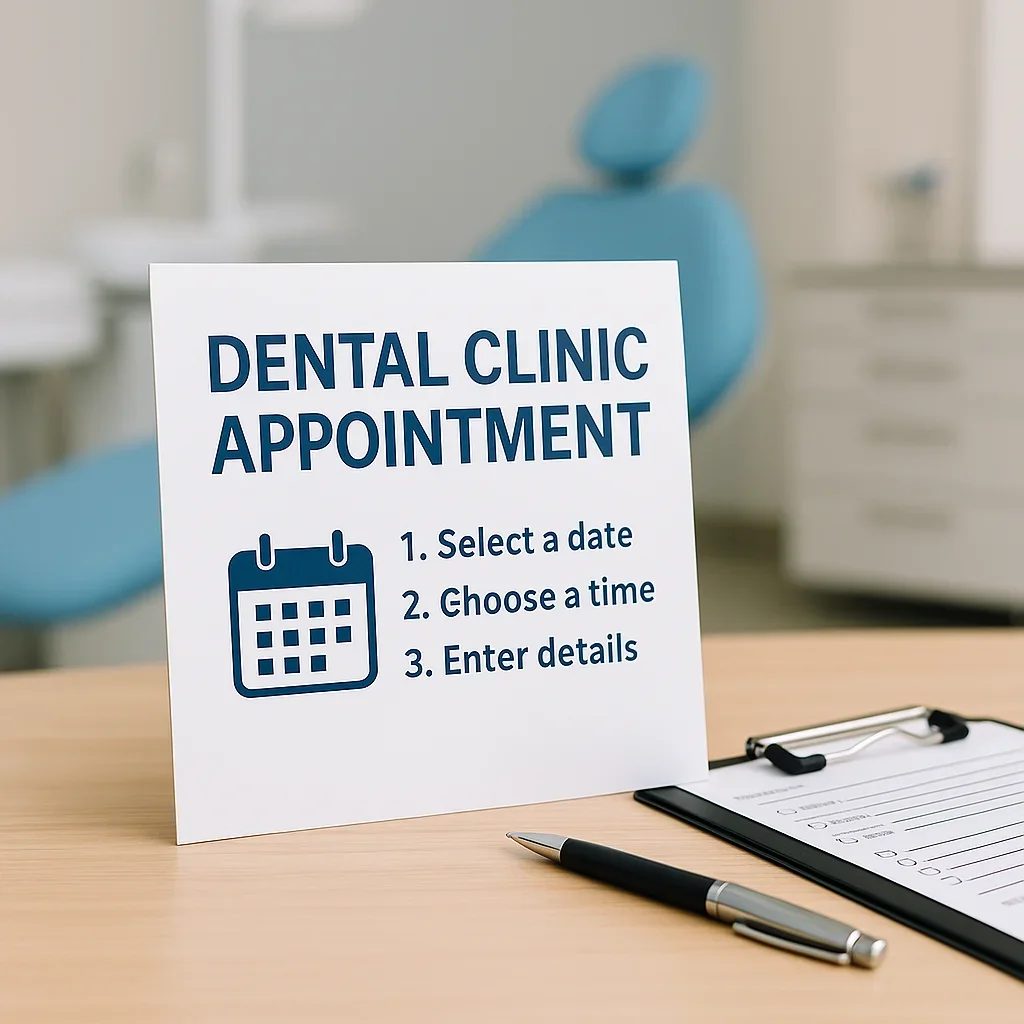
Post-Appointment Dental Care and Follow-Up Tips
Your care doesn’t end when you leave the clinic — in fact, the period after your dental clinic appointment is just as important as the visit itself. Following the correct post-treatment steps ensures proper healing, prevents complications, and keeps your smile healthy and bright. Whether you’ve had a simple cleaning, filling, or major dental procedure, understanding what to do (and what to avoid) afterward can make a major difference in recovery and long-term oral health 🦷💫.
Why Post-Appointment Care Matters
After every dental clinic appointment, your mouth undergoes a period of adjustment. Even routine cleanings can leave teeth slightly sensitive, while procedures such as extractions, fillings, or root canals require healing time. Following the right post-visit routine helps minimize pain, prevents infection, and preserves the results of your treatment. Ignoring aftercare instructions can lead to setbacks — including gum irritation, bleeding, or premature treatment failure — which may require further dental intervention.
Immediate Care After Your Appointment
The first 24 hours after your dental clinic appointment are crucial for protecting your teeth and gums. Your dentist will typically give you personalized instructions based on the procedure you received. Here are the most common post-visit recommendations:
- Avoid eating or drinking until anesthesia wears off. This prevents accidental biting of your tongue or cheeks.
- Stick to soft foods: Soups, yogurt, or mashed potatoes are gentle on the teeth and gums.
- Don’t smoke or consume alcohol: These slow down healing and can cause irritation or infection.
- Take prescribed medications as directed: Painkillers or antibiotics should be used exactly as instructed by your dentist.
- Rest your mouth: Avoid strenuous activity or talking excessively right after surgery.
Managing Pain and Sensitivity
It’s normal to experience some discomfort after a dental clinic appointment, especially after treatments like deep cleaning, fillings, or extractions. Here’s how to manage pain and sensitivity effectively:
Cold Compress Method
Apply a cold compress or ice pack to the outside of your cheek for 10–15 minutes at a time to reduce swelling and numb the area. Repeat several times during the first 24 hours.
Over-the-Counter Pain Relief
Non-prescription medications such as ibuprofen or acetaminophen can help manage mild discomfort. Always follow dosage guidelines and consult your dentist before taking new medications.
Avoid Extreme Temperatures
Skip very hot or cold foods for the first 48 hours after your dental clinic appointment. Teeth and gums are more sensitive during this time, and extreme temperatures may trigger sharp pain.
Proper Oral Hygiene After Treatment
Good hygiene remains essential even after your dental visit — but you’ll need to be gentle. Depending on your treatment, your dentist will likely recommend the following care routine:
- Use a soft-bristled toothbrush and mild toothpaste.
- Rinse your mouth gently with warm salt water 2–3 times daily to disinfect and soothe irritation.
- Avoid vigorous brushing or flossing near treated areas until cleared by your dentist.
- Maintain hydration — water helps flush bacteria and keeps tissues moist during healing.
If you received a dental restoration such as a crown, veneer, or implant, your dentist may provide specific cleaning tools (like interdental brushes or floss threaders) to keep the area clean without causing damage.
Dietary Guidelines for Faster Healing
Your diet plays a huge role in recovery after a dental clinic appointment. Nutrient-rich, soft foods support tissue repair and minimize discomfort. Consider the following meal options during the first few days:
- Mashed potatoes or steamed vegetables for fiber and vitamins.
- Scrambled eggs or soft fish for protein.
- Yogurt and smoothies for probiotics and hydration.
- Soups and broths for warmth and easy digestion.
Avoid crunchy snacks, carbonated beverages, and sugary foods, as they can irritate healing tissue and promote bacterial growth.
Recognizing Signs of Complications
Although complications are rare after a dental clinic appointment, knowing the warning signs can help you act quickly. Contact your dentist immediately if you experience:
- Severe or worsening pain beyond 48 hours.
- Persistent bleeding that doesn’t stop with gentle pressure.
- Swelling that increases rather than decreases after a few days.
- Pus or foul odor indicating possible infection.
- Difficulty swallowing, breathing, or opening your mouth.
Prompt follow-up care can prevent more serious complications and ensure your recovery stays on track.
Scheduling Your Follow-Up Appointment
A crucial part of the healing process is attending your next dental clinic appointment for follow-up evaluation. During this visit, your dentist will check your progress, ensure proper healing, and verify that any restorations are functioning correctly. If stitches or temporary fillings were placed, they may be removed or replaced at this time. Skipping this appointment could lead to incomplete healing or overlooked issues.
Tip:
Book your follow-up before leaving the clinic — it’s much easier to secure a time that fits your schedule. If your clinic offers online booking, use it to receive reminders directly to your phone.
Long-Term Maintenance and Preventive Habits
Once healing is complete, the best way to extend the benefits of your dental clinic appointment is through consistent oral care. This includes brushing twice daily, flossing once a day, and attending regular dental check-ups every six months. Consider professional cleanings and fluoride treatments to strengthen enamel and protect your teeth from decay. Avoid habits like teeth grinding or chewing ice, as they can wear down dental restorations prematurely.
When to Call Your Dentist Between Visits
Even after successful treatment, certain signs may indicate you need an unscheduled visit. If you notice discomfort while chewing, sensitivity to pressure, or visible cracks in a crown or filling, don’t wait until your next routine visit. Schedule an immediate dental clinic appointment to prevent the issue from escalating into a more serious condition.
Conclusion: Protect Your Smile Beyond the Clinic
Post-treatment care is an essential part of dental health. By following your dentist’s instructions, maintaining gentle hygiene, eating wisely, and attending follow-ups, you ensure long-lasting results from every dental clinic appointment. Remember, good oral care doesn’t end when the chair reclines — it continues with every daily habit you build at home. Treat your teeth with care, stay proactive, and your smile will remain strong, healthy, and confident for years to come 🌟.