
Maintaining a healthy, bright smile begins with proper oral hygiene — and at the center of this lies dental clinic cleaning. While daily brushing and flossing are essential for keeping plaque under control, professional cleaning at a dental clinic ensures that your teeth and gums stay in optimal condition. This process goes beyond what home care can achieve, reaching deep into areas that a toothbrush or floss simply can’t access. By understanding what happens during a dental clinic cleaning, how it benefits your oral health, and why regular appointments matter, you can take control of your dental wellness and enjoy a confident smile for life. 🦷
At its core, dental clinic cleaning is a preventive dental procedure performed by a dentist or dental hygienist. It focuses on removing hardened plaque (tartar), polishing teeth, and assessing the health of the gums. The goal is not only to make your teeth look clean but to create an environment where bacteria cannot thrive. Over time, plaque builds up even if you maintain excellent home care habits. Once plaque hardens into tartar, it becomes impossible to remove with brushing alone. That’s when professional dental cleaning becomes indispensable.
Most patients describe dental clinic cleaning as a comfortable and refreshing experience. It usually starts with a thorough examination where your dentist checks for gum inflammation, cavities, and early signs of periodontal disease. Then, ultrasonic tools or scalers are used to gently remove tartar from the surfaces of the teeth and below the gum line. Afterward, a special gritty toothpaste is applied to polish the teeth, followed by expert flossing and a fluoride treatment to strengthen enamel. The result is a noticeably cleaner, smoother surface that makes it harder for new plaque to adhere.
Regular dental clinic cleaning appointments not only improve oral hygiene but also play a crucial role in preventing systemic health issues. Studies show that untreated gum disease caused by plaque buildup can increase the risk of heart disease, diabetes, and respiratory problems. By scheduling professional cleanings every six months, you’re not just protecting your smile — you’re supporting your entire body’s well-being. This holistic connection between oral and overall health is one reason why modern dentistry emphasizes preventive care.
Another key advantage of dental clinic cleaning is early detection. During a professional cleaning, your dentist can spot small cavities, gum recession, or enamel erosion before they turn into bigger problems. Addressing these issues promptly can save you from costly treatments in the future. For example, mild gingivitis detected during cleaning can be reversed with proper care, while advanced periodontal disease requires deep cleaning or even surgery. Prevention is always more effective — and affordable — than cure.
Patients who regularly visit their dentist for dental clinic cleaning also notice cosmetic improvements. Stains from coffee, tea, or tobacco can be significantly reduced through professional polishing, leaving your teeth brighter and smoother. This aesthetic boost not only enhances your appearance but also contributes to confidence in social and professional settings. Many people are surprised by how much cleaner and fresher their mouth feels after just one visit. 🌿
For the best experience, it’s recommended to choose a trusted dental professional with advanced cleaning equipment and gentle techniques. At Redent Klinik Contact Page, patients can book appointments with expert hygienists who specialize in pain-free, effective cleanings. Each session is tailored to your needs — whether you’re dealing with mild tartar buildup, sensitive gums, or simply seeking a deep refresh before an important event.
When evaluating dental care information online, always rely on credible sources such as the American Dental Association, which offers extensive guidelines about oral hygiene and professional cleanings. They emphasize that dental clinic cleaning is a fundamental part of maintaining gum health, preventing tooth decay, and ensuring long-term oral function.
To summarize, dental clinic cleaning is more than a cosmetic routine — it’s a vital step in preventive healthcare. It removes harmful tartar, prevents gum disease, enhances your smile, and contributes to your overall well-being. By committing to biannual cleanings and following your dentist’s advice, you ensure that your teeth remain strong, your gums healthy, and your smile radiant for years to come. Remember, oral health is the gateway to total health — and it all starts with professional dental clinic cleaning.
What Is Dental Clinic Cleaning and Why Is It Important?
When most people think of visiting the dentist, they often imagine checkups or treatments for cavities, but one of the most essential services offered is dental clinic cleaning. This procedure forms the foundation of preventive oral care. It’s designed not just to clean your teeth but also to protect your gums, prevent disease, and ensure your mouth remains in its healthiest possible state. Without regular dental clinic cleaning, plaque and tartar can accumulate, leading to gum inflammation, bad breath, and even tooth loss. The process goes far beyond what brushing and flossing at home can achieve — it’s a detailed, professional service that reaches every corner of your mouth. 🦷
The Purpose of Dental Clinic Cleaning
The main objective of dental clinic cleaning is to remove plaque, tartar, and bacterial buildup that accumulate on teeth and gums over time. Even with diligent home care, microscopic food particles and bacteria can adhere to the enamel and gum line. Once plaque hardens into tartar, it can only be removed by a dental professional. If left untreated, tartar can harbor harmful bacteria that irritate gums and cause gingivitis or periodontal disease. Professional cleanings help prevent these conditions by maintaining a balanced and healthy oral environment.
Additionally, dental clinic cleaning allows dentists to identify early signs of oral health issues, such as cavities, gum recession, or enamel wear. Detecting these concerns early saves patients from future discomfort and expensive treatments. Prevention is always less invasive — and far more cost-effective — than treatment after damage has occurred.
How Dental Cleaning Differs from Regular Brushing
It’s easy to assume that brushing and flossing daily are enough for oral health, but there’s a big difference between home care and dental clinic cleaning. Brushing removes surface-level debris and bacteria; however, toothbrush bristles can’t reach deep gum pockets or hard-to-access areas between teeth. During a professional cleaning, advanced tools such as ultrasonic scalers are used to break apart and suction away tartar deposits that a toothbrush can’t handle. Afterward, polishing removes microscopic stains, and a fluoride treatment strengthens enamel against decay.
Professional Equipment and Techniques
Dentists use specialized tools that ensure a deep, thorough clean. The ultrasonic scaler vibrates at high frequencies to remove tartar with minimal discomfort. Manual scalers then refine the process, ensuring every tooth surface — above and below the gum line — is smooth and plaque-free. Finally, polishing pastes and dental floss are used to finish the cleaning, leaving a fresh, smooth surface that discourages new plaque buildup. This multi-step method is what makes dental clinic cleaning superior to any home routine.
Why Dental Clinic Cleaning Matters for Long-Term Oral Health
Beyond aesthetics, the real importance of dental clinic cleaning lies in disease prevention. Gum disease often starts silently, without pain or noticeable symptoms. However, untreated gum inflammation can gradually destroy the bone supporting your teeth. Regular cleanings prevent this progression by removing the bacteria responsible for infection. Moreover, scientific studies have shown strong links between oral health and systemic diseases like diabetes, heart disease, and stroke. Keeping your mouth clean and bacteria-free directly supports your overall health. 🌿
Another often overlooked benefit of dental clinic cleaning is fresher breath. Chronic bad breath (halitosis) is typically caused by bacterial buildup and tartar. A professional cleaning eliminates these sources, leaving your mouth feeling fresh and clean. Patients frequently report that their breath stays noticeably fresher for weeks following a professional session.
Cosmetic and Confidence Benefits
While the main goal of dental clinic cleaning is health-related, cosmetic benefits are a welcome bonus. Polishing helps remove surface stains from coffee, tea, red wine, and smoking. Over time, this results in a visibly brighter smile. This confidence boost often motivates patients to maintain better home care habits and visit their dentist more regularly.
For individuals preparing for social events, professional photos, or job interviews, scheduling a dental clinic cleaning beforehand can enhance appearance dramatically. Your teeth won’t just look cleaner — they’ll feel smoother and healthier, which contributes to a radiant, youthful look. ✨
Professional Guidance During Each Visit
During your appointment, your dentist or hygienist doesn’t just clean your teeth — they also provide personalized advice for maintaining oral health. Based on the results of your dental clinic cleaning, they may suggest improvements to brushing techniques, recommend specific toothpaste for sensitivity, or demonstrate effective flossing methods. This expert guidance ensures your at-home routine remains effective until your next visit.
Trusted Sources for Dental Health Information
When researching oral care procedures, it’s crucial to rely on credible organizations. The American Dental Association emphasizes that regular dental clinic cleaning is one of the most effective ways to prevent oral disease. Their official recommendations encourage patients to schedule professional cleanings at least twice a year for optimal results.
If you’re seeking personalized, high-quality dental care, visit the Redent Klinik Contact Page to schedule an appointment with skilled dental professionals who use the latest technology to ensure a comfortable and efficient cleaning experience. Whether it’s your first visit or a routine checkup, your oral health deserves the best attention possible.
In conclusion, dental clinic cleaning is far more than a routine procedure — it’s a preventive measure that preserves your oral health, enhances your confidence, and protects your entire body from potential disease. Regular cleanings combined with daily oral hygiene form the perfect partnership for long-term wellness and a truly beautiful smile. 🪥
Step-by-Step Process of Dental Clinic Cleaning 🦷
Understanding what happens during a dental clinic cleaning can ease anxiety and help patients appreciate how vital this procedure is for long-term oral health. Every step is carefully designed to ensure your teeth, gums, and entire mouth are thoroughly cleaned, disinfected, and protected. Whether it’s your first visit or your regular six-month checkup, a professional cleaning provides results that no toothbrush or home remedy can match. The process usually takes between 30 minutes and one hour, depending on the amount of tartar buildup and the individual’s gum condition.
1. Initial Examination and Consultation
The first stage of dental clinic cleaning begins with a complete oral examination. A dental hygienist or dentist will visually inspect your teeth and gums for signs of inflammation, bleeding, plaque buildup, and other abnormalities. Using a small mirror and dental probe, they’ll check for early signs of cavities or gum disease. If any major dental issue is detected, such as deep pockets or decay, the cleaning may be modified to focus on specific areas or followed by further treatment. This evaluation ensures the cleaning is both safe and effective for your particular needs.
Modern Diagnostic Tools
Many modern dental clinics use advanced imaging and digital scanning technology before the dental clinic cleaning process. Digital X-rays and intraoral cameras help identify tartar deposits beneath the gum line or between teeth — areas that aren’t visible to the naked eye. This level of precision allows for a more targeted and thorough cleaning, preventing missed areas and future oral health complications.
2. Plaque and Tartar Removal (Scaling)
The next step is scaling — the core of dental clinic cleaning. Using specialized ultrasonic instruments, your dental hygienist removes hardened plaque (tartar) from tooth surfaces and along the gum line. The ultrasonic scaler vibrates at a very high frequency, breaking apart tartar deposits while spraying a gentle mist of water to wash away debris. This method ensures maximum cleanliness with minimal discomfort.
After ultrasonic scaling, the dentist or hygienist often switches to manual tools for precision work. These fine instruments are used to remove remaining tartar from tight spaces between teeth and under the gum line. The sensation is usually mild, and the sound of scraping may feel unusual but painless. By the end of this step, your teeth are completely free from plaque and tartar — two major causes of gum disease and tooth decay.
Why Scaling Is Essential
Skipping professional scaling can allow bacteria-laden tartar to spread beneath the gums, leading to inflammation and bone loss. Regular dental clinic cleaning prevents these conditions by removing harmful buildup before it causes irreversible damage. Patients who maintain twice-yearly cleanings are statistically less likely to develop gingivitis or require advanced periodontal treatments.
3. Polishing and Stain Removal
Once all tartar has been eliminated, the next stage of dental clinic cleaning involves polishing your teeth. A special rotating brush and a mildly abrasive polishing paste — often flavored with mint or fruit — are used to smooth the enamel surface. This not only makes your teeth shinier but also creates a slick barrier that makes it harder for new plaque to adhere. Polishing removes minor stains caused by coffee, tea, or smoking, giving your teeth a naturally bright appearance. ✨
Types of Polishing Compounds
Dental clinics typically use prophylaxis paste, which comes in varying degrees of grit depending on the patient’s sensitivity and stain level. Some advanced clinics, such as those recommended on the Redent Klinik Contact Page, use fluoride-infused polishing pastes that simultaneously strengthen enamel while brightening the smile.
4. Professional Flossing
Flossing is an integral part of dental clinic cleaning. Even if you floss daily at home, professional flossing ensures that every tiny particle of plaque or debris left between teeth is removed. Hygienists use professional-grade floss and specific techniques to slide between teeth, curving around each side to thoroughly clean under the gum line. This not only enhances freshness but also reduces the risk of gingivitis and bad breath.
5. Rinsing and Debris Removal
After scaling, polishing, and flossing, your mouth will be rinsed thoroughly with a mild antiseptic solution. This rinse removes any remaining particles and bacteria dislodged during cleaning. Some clinics use fluoride-enriched rinses for extra cavity protection, while others may include soothing agents to reduce gum sensitivity.
6. Fluoride Treatment and Final Protection
The final step of a comprehensive dental clinic cleaning is the fluoride treatment. Fluoride is a natural mineral known for its ability to strengthen enamel and prevent decay. The dentist applies a fluoride gel, foam, or varnish directly onto your teeth, allowing it to sit for a few minutes before rinsing. This protective layer helps your teeth resist acids from food and bacteria for several months after your visit.
Customized Care Plans
Based on your oral health assessment, your dentist may create a personalized cleaning schedule. For patients with gum disease, diabetes, or heavy tartar buildup, cleanings might be recommended every three to four months instead of twice a year. Clinics that follow American Dental Association guidelines emphasize individualized treatment to ensure each patient maintains optimal oral health between visits.
7. Post-Cleaning Care and Recommendations
After a dental clinic cleaning, your mouth feels remarkably fresh and smooth. Your dentist will usually advise avoiding food or drink for 30 minutes if a fluoride treatment was applied. They might also suggest using a soft-bristled toothbrush, alcohol-free mouthwash, and flossing daily. Regular dental visits combined with proper home care ensure that plaque never has the chance to harden again, keeping your teeth and gums in excellent condition.
In conclusion, the dental clinic cleaning process is a thorough, multi-step procedure designed to eliminate bacteria, strengthen enamel, and restore your mouth’s natural cleanliness. Every stage — from examination to polishing — serves a unique purpose in maintaining your oral health. With consistent care and regular visits to trusted professionals, you can protect your teeth for life and enjoy a radiant, confident smile every day. 🌿
Key Differences Between Home and Clinic Dental Cleaning
Many people wonder why they should schedule a dental clinic cleaning when they already brush and floss daily at home. While home oral care is essential, it only forms part of the complete dental hygiene routine. A professional cleaning at a clinic provides a level of precision, depth, and protection that simply cannot be matched by at-home methods. Understanding the differences between home and clinic dental cleaning helps highlight why both are necessary for achieving and maintaining long-term oral health.
1. The Depth of Cleaning: Surface vs. Subsurface Care
At-home brushing primarily focuses on removing surface-level plaque and food particles. However, dental clinic cleaning targets deeper layers of buildup beneath the gum line — areas that are impossible to reach with a toothbrush or floss. Over time, plaque hardens into tartar, which bonds tightly to tooth enamel. Once this occurs, only professional scaling tools can remove it safely and effectively. Professional hygienists use ultrasonic instruments and precision hand tools to remove tartar from even the smallest crevices between teeth and along the gum line, ensuring total cleanliness.
Professional Tools vs. Home Equipment
Your home toothbrush, even if it’s electric, can’t compare to the professional tools used in a dental clinic cleaning. Clinics use ultrasonic scalers that vibrate at high frequencies to break up hardened tartar without harming enamel. Polishing devices then smooth the surface, creating a protective barrier against new plaque. By contrast, home brushing provides maintenance but can’t achieve this level of deep cleaning or surface refinement. Regular home care keeps plaque at bay, while professional cleanings eliminate what brushing misses — the combination is what ensures complete oral hygiene.
2. The Role of the Dentist and Dental Hygienist
During a dental clinic cleaning, trained professionals assess your mouth for early signs of dental issues. They are equipped to detect cavities, gum recession, and oral cancer indicators that a mirror at home simply can’t reveal. Dentists also provide tailored advice and care plans to improve your personal hygiene routine. Home care, while valuable, lacks this level of diagnostic accuracy. Professional oversight ensures that problems are detected early, before they develop into serious conditions requiring complex treatments.
Education and Preventive Guidance
Another key advantage of professional cleanings is education. During your visit, the dental hygienist offers personalized tips — such as proper brushing angles, flossing techniques, and dietary advice. This human element of dental clinic cleaning empowers patients to improve their oral health at home, reducing the need for restorative procedures later. 🦷
3. Techniques and Products Used
The toothpaste used during dental clinic cleaning is not the same as what you buy at a pharmacy. Dental professionals use professional-grade polishing pastes with customized abrasiveness to effectively remove stains and smooth the enamel. Likewise, the fluoride treatments and antiseptic rinses applied during professional cleanings provide long-term protection from cavities and bacteria — something regular toothpaste cannot match. Home care maintains daily hygiene; professional cleaning fortifies it with medical-grade treatments.
Advanced Materials and Precision Application
In-clinic fluoride applications are highly concentrated and designed to bond to enamel, strengthening teeth for months afterward. Dentists may also apply sealants or desensitizing agents for patients with sensitivity issues. These specialized materials, used exclusively during dental clinic cleaning, are key to maintaining strong and resilient teeth over time.
4. Frequency and Maintenance
Experts from the American Dental Association recommend professional dental clinic cleaning every six months. This schedule ensures early detection of any emerging problems and helps keep tartar under control. Meanwhile, home brushing should be performed twice a day with fluoride toothpaste and proper flossing at least once daily. The combination of professional and home care forms a balanced strategy that maximizes oral health.
5. The Aesthetic Difference
Professional cleanings do more than just maintain oral health — they also enhance aesthetics. Regular brushing may help remove mild surface stains, but deep discoloration from coffee, tea, or smoking requires professional polishing. After a dental clinic cleaning, patients often notice an immediate improvement in tooth brightness and overall freshness. This boost in confidence reinforces motivation to maintain oral hygiene between visits.
Immediate and Long-Term Results
While home cleaning delivers short-term freshness, professional cleaning produces both immediate and lasting results. Smooth enamel surfaces repel new plaque for weeks, and consistent cleanings prevent yellowing and tartar buildup altogether. Visiting professionals like those at the Redent Klinik Contact Page ensures your cleaning is performed with precision and comfort, tailored to your oral needs and sensitivities.
6. Health Protection Beyond the Mouth
One major distinction between home cleaning and dental clinic cleaning lies in systemic health protection. The mouth is the gateway to the body, and harmful oral bacteria can enter the bloodstream, affecting the heart and other organs. Professional cleaning eliminates these bacteria before they can spread. Research has shown that regular dental cleanings can reduce the risk of cardiovascular disease, diabetes complications, and respiratory infections — benefits that no home remedy can guarantee.
7. Cost vs. Value: The Long-Term Perspective
While professional cleanings may seem like an additional expense, they save money in the long run by preventing expensive treatments such as fillings, crowns, or gum surgery. Investing in dental clinic cleaning every six months is an affordable way to protect your smile and avoid the physical and financial burden of advanced dental disease. Prevention always pays off, both for your health and your wallet. 💎
In summary, the difference between home cleaning and dental clinic cleaning lies in depth, precision, and protection. Home care keeps your mouth fresh daily, while professional cleanings ensure your teeth and gums remain disease-free and strong. The most effective oral health strategy combines both approaches — daily care at home and professional attention at the clinic — for a lifetime of healthy, confident smiles.
Benefits of Regular Dental Clinic Cleaning for Oral Health
Routine dental clinic cleaning is one of the most effective and scientifically proven ways to maintain strong teeth, healthy gums, and a bright smile. While many people only visit the dentist when a problem arises, consistent cleanings can prevent those very issues from developing in the first place. Beyond aesthetics, professional cleaning offers a long list of benefits that impact your overall well-being. From disease prevention to improved confidence, the advantages are both immediate and long-term. 🦷
1. Prevention of Gum Disease and Tooth Decay
The most significant benefit of dental clinic cleaning is the prevention of periodontal (gum) disease and cavities. Over time, bacteria accumulate in the mouth, forming sticky plaque on the teeth. If not removed, this plaque hardens into tartar, which irritates and inflames the gums. This process eventually leads to gingivitis and, if untreated, to periodontitis — a serious condition that can cause tooth loss. Regular professional cleanings remove tartar buildup and stop the progression of gum disease before it becomes a problem.
How Dental Cleanings Protect the Gums
During a professional dental clinic cleaning, dentists or hygienists clean not only the visible surfaces of your teeth but also below the gum line. This deep cleaning reduces bacterial colonies and restores gum health. Regular cleanings minimize bleeding, swelling, and tenderness in the gums, which are early signs of gum disease. In essence, consistent cleanings act as a protective barrier against inflammation and infection.
2. Fresh Breath and Oral Hygiene Confidence
Bad breath, or halitosis, often results from bacteria that thrive in plaque and tartar deposits. No matter how much mouthwash or gum you use, these odors persist without professional intervention. A thorough dental clinic cleaning eliminates these odor-causing bacteria and leaves your mouth fresh and healthy. After a cleaning, patients often report an immediate improvement in breath and an overall feeling of cleanliness. This not only enhances oral comfort but also boosts self-confidence in personal and professional interactions.
3. Whiter, Brighter Smile
Over time, food, beverages, and habits like smoking can cause surface stains that dull your teeth. Professional polishing during a dental clinic cleaning helps remove these stains, restoring the natural brightness of your smile. Unlike whitening toothpaste, which only affects minor discoloration, professional cleanings polish enamel thoroughly and evenly, making your teeth appear naturally radiant without chemicals or sensitivity.
Long-Term Cosmetic Maintenance
While whitening treatments can offer dramatic results, they’re temporary unless supported by consistent cleanings. Regular dental clinic cleaning helps maintain that brightness by keeping enamel smooth and resistant to new stains. Patients who combine whitening procedures with professional cleanings enjoy longer-lasting, healthier-looking results. ✨
4. Early Detection of Oral Problems
Another crucial benefit of professional dental clinic cleaning is early detection. Dentists can identify small issues — such as cavities, gum recession, or microcracks — before they escalate into serious conditions requiring costly treatments. For example, detecting gum inflammation early allows for simple preventive measures rather than complex periodontal surgery. Similarly, spotting enamel erosion in its early stages helps prevent painful sensitivity or decay later on.
Connection Between Cleanings and Oral Cancer Screening
During most dental clinic cleaning appointments, dentists also perform a quick oral cancer screening. They examine the tongue, throat, and inner cheeks for unusual lesions or discolorations. This preventive step can be life-saving, as early detection greatly increases successful treatment rates. Regular visits essentially act as a form of oral health surveillance that ensures overall wellness.
5. Systemic Health Benefits
Recent research highlights the strong link between oral health and overall body health. Bacteria from infected gums can enter the bloodstream, contributing to conditions like cardiovascular disease, diabetes complications, and even respiratory infections. Regular dental clinic cleaning helps eliminate these bacteria, reducing the risk of inflammation throughout the body. Keeping your mouth clean, therefore, supports heart and metabolic health as well.
Scientific Backing for Preventive Dental Care
According to the American Dental Association, people who maintain twice-yearly professional cleanings experience significantly lower rates of tooth decay and gum disease compared to those who skip visits. Consistency is key — each cleaning session resets your oral health baseline, minimizing long-term risks.
6. Cost-Effective Long-Term Care
Regular dental clinic cleaning might seem like an expense, but it’s actually a cost-saving investment. Preventing cavities, gum disease, and tooth loss saves patients from expensive restorative procedures such as crowns, root canals, and implants. Preventive cleanings are affordable, quick, and painless compared to the treatments required for advanced dental conditions. In the long term, maintaining regular appointments can save hundreds or even thousands of dollars.
7. Boosting Confidence and Quality of Life
There’s a psychological benefit to clean, healthy teeth. A well-maintained smile improves confidence and encourages positive self-image. After every dental clinic cleaning, patients often feel renewed motivation to maintain oral hygiene at home. Knowing your smile looks and feels fresh enhances not just appearance but also emotional well-being. 😊
8. Personalized Oral Health Guidance
Each dental clinic cleaning session is also an opportunity for personalized advice. Dentists assess your brushing technique, identify areas of concern, and recommend the best products for your mouth. For example, patients with sensitivity may receive fluoride treatments, while those with deep gum pockets may be advised to use interdental brushes or water flossers. This tailored guidance ensures optimal at-home care between visits.
9. Building a Long-Term Relationship With Your Dentist
By scheduling consistent appointments, you build a relationship of trust with your dental team. They become familiar with your oral health history and can track changes over time. This relationship ensures more accurate diagnoses, better preventive care, and personalized service during every dental clinic cleaning.
For those seeking reliable, professional dental hygiene services, the Redent Klinik Contact Page offers expert care and modern technology for a comfortable, comprehensive experience. Consistent cleanings with skilled professionals are the foundation for lifelong oral health and a confident smile. 🌿
In summary, dental clinic cleaning is far more than a routine procedure — it’s a crucial investment in your health, appearance, and confidence. The benefits extend beyond your mouth, influencing your total well-being and future quality of life. Make it a habit, not an option, and your smile will thank you for years to come.
Common Myths About Dental Cleaning You Should Stop Believing
Despite being one of the most essential oral care procedures, dental clinic cleaning is often misunderstood. Myths and misconceptions cause many people to delay or even avoid professional cleanings altogether — often to their own detriment. These misunderstandings can lead to unnecessary fear, neglected oral care, and preventable dental problems. In reality, professional cleanings are safe, painless, and beneficial for everyone, regardless of age or oral condition. Let’s uncover the truth behind some of the most common myths surrounding dental clinic cleaning and explain why regular visits are crucial for lifelong oral health. 🦷
1. Myth: Dental Cleaning Damages Tooth Enamel
One of the most widespread misconceptions is that dental clinic cleaning can wear down tooth enamel. In truth, professional cleaning does not harm the enamel when performed by a qualified dental hygienist or dentist. The ultrasonic tools used are specifically designed to target tartar and plaque buildup without affecting healthy enamel. The polishing process that follows is gentle and helps smooth the tooth’s surface, making it harder for plaque to accumulate again.
The Science Behind Safe Cleaning
During a dental clinic cleaning, the vibration frequency of ultrasonic instruments is precisely calibrated to remove deposits without scratching or weakening enamel. Dentists also use polishing pastes that are mild enough for regular use, ensuring the surface of your teeth remains protected and healthy. The result is a cleaner, smoother, and stronger enamel surface — not a weakened one.
2. Myth: Dental Cleaning Causes Teeth to Loosen
Some patients believe their teeth become loose after professional cleaning. This myth originates from cases where tartar buildup is so severe that it temporarily stabilizes already-damaged gums. When that tartar is removed during dental clinic cleaning, teeth may feel slightly “different” — but this does not mean they have loosened. In fact, the cleaning reveals the true condition of the gums underneath the tartar. If gum disease is present, it’s the disease — not the cleaning — that weakens tooth stability.
Gum Health Restoration
Regular dental clinic cleaning promotes gum healing by removing harmful bacteria that inflame and erode gum tissue. Over time, with consistent cleanings and proper oral hygiene, gums reattach more firmly to the teeth, strengthening their support. Far from causing looseness, professional cleanings are the first step toward stabilizing your teeth and reversing damage from gum disease.
3. Myth: You Don’t Need Professional Cleaning If You Brush Daily
Even the most diligent brushers cannot remove every bit of plaque from their teeth. Tiny food particles and bacteria accumulate in hard-to-reach places — especially below the gum line and between molars. Once this plaque hardens into tartar, no toothbrush or mouthwash can eliminate it. That’s where dental clinic cleaning becomes essential. Professional tools can remove calcified deposits that daily brushing misses, ensuring complete oral hygiene and disease prevention.
Why Home Care Alone Isn’t Enough
Think of dental clinic cleaning as the professional maintenance your mouth needs, much like regular servicing keeps a car running smoothly. Home care keeps the surface clean, but professional cleanings reach deeper and address hidden risks. Neglecting these appointments can lead to gum disease, cavities, and long-term health issues even if your teeth “look fine.”
4. Myth: Dental Cleaning Is Painful
Modern dentistry has made dental clinic cleaning virtually painless. With advanced ultrasonic scalers, soft polishing tools, and gentle techniques, most patients experience little to no discomfort. Those with sensitive gums or exposed roots can request numbing gels or desensitizing rinses for extra comfort. Most people describe the sensation as refreshing and satisfying rather than painful. 🌿
Comfort-Focused Dental Care
Clinics such as those recommended on the Redent Klinik Contact Page offer patient-centered experiences that prioritize comfort and calm. Soft lighting, ergonomic chairs, and soothing music help patients relax during their appointments. These small details make a big difference in transforming what was once feared into a pleasant and stress-free experience.
5. Myth: Dental Cleanings Are Only for People With Gum Problems
Preventive dental clinic cleaning isn’t just for people who already have oral issues — it’s for everyone. Healthy patients need regular cleanings to maintain their oral hygiene and prevent disease from ever developing. Plaque buildup occurs naturally from eating and drinking, so even those with excellent brushing habits need professional help every six months to maintain balance in the mouth’s bacterial environment.
Cleanings as Preventive Medicine
The American Dental Association emphasizes that routine professional cleanings significantly reduce the likelihood of cavities, gingivitis, and tooth loss. The earlier and more consistently you schedule your cleanings, the less likely you are to face dental emergencies or costly treatments later on.
6. Myth: Cleanings Make Teeth Sensitive
Temporary sensitivity after a dental clinic cleaning is rare and usually mild. It occurs when tartar removal exposes previously covered areas of enamel or root surfaces. However, this sensitivity quickly subsides as gums heal and enamel remineralizes with the help of fluoride treatment. Most patients notice improved comfort and less sensitivity in the long term due to healthier gums and cleaner surfaces.
7. Myth: Professional Cleaning Is Too Expensive
Compared to the cost of fillings, crowns, or gum surgery, dental clinic cleaning is incredibly affordable. It’s an investment in prevention rather than a reaction to damage. Many clinics offer payment plans or preventive care packages, making regular visits accessible for everyone. The small cost of a cleaning every six months is far less than the expense of treating advanced dental disease later.
8. Myth: Cleanings Whiten Teeth Instantly
While dental clinic cleaning removes stains and brightens the smile, it’s not the same as a whitening treatment. The primary goal of a professional cleaning is health — removing bacteria, tartar, and plaque — though the side effect is often a noticeably cleaner, shinier smile. Patients who want a brighter shade can discuss safe whitening options with their dentist following the cleaning.
9. Myth: You Can Skip Cleanings If Nothing Hurts
Dental problems often develop silently. Gum disease, cavities, and enamel erosion can progress without noticeable pain until the damage becomes advanced. Regular dental clinic cleaning ensures these conditions are detected and treated early, saving both time and discomfort later. Waiting for pain before visiting the dentist is one of the biggest mistakes patients can make.
In conclusion, dental clinic cleaning is a safe, necessary, and highly beneficial part of oral care. Dispelling these myths helps more people prioritize preventive health and enjoy the long-term benefits of a clean, confident smile. By trusting professionals and maintaining regular visits, you safeguard your oral and overall health — one cleaning at a time. ✨
What to Expect After a Professional Dental Cleaning
After undergoing a dental clinic cleaning, many patients immediately notice how fresh, smooth, and clean their teeth feel. The sensation of running your tongue across polished enamel is not only satisfying — it’s also a sign that harmful plaque and tartar have been successfully removed. But what happens after you leave the dentist’s chair? Understanding what to expect post-cleaning helps you care for your teeth properly, minimize sensitivity, and maintain your results for as long as possible. This detailed guide explains everything you need to know about the period following a professional dental clinic cleaning. 🦷
1. Immediate Sensations After Cleaning
It’s common to experience slight tenderness or sensitivity immediately after a dental clinic cleaning. The gums may feel mildly irritated, especially if significant tartar was removed from beneath them. This is completely normal and temporary. The gum tissue is adjusting to its new, cleaner state and typically heals within a day or two. Some patients also notice that their teeth appear slightly whiter due to the removal of surface stains during polishing. The freshness and cleanliness you feel are clear indicators of improved oral hygiene.
Managing Post-Cleaning Sensitivity
To minimize discomfort after a dental clinic cleaning, use a soft-bristled toothbrush and avoid very hot or cold foods for 24 hours. If your dentist applied a fluoride varnish, wait at least 30 minutes before eating or drinking. You can also rinse with a mild saltwater solution (½ teaspoon salt in a cup of warm water) to soothe gums naturally. Sensitivity should gradually decrease as your teeth and gums recover, leaving them stronger and healthier than before.
2. The Fluoride Effect and Enamel Protection
Most professional cleanings include a fluoride treatment, which continues to protect your enamel even after you leave the clinic. Fluoride strengthens tooth structure, helping to prevent cavities and reduce sensitivity. After a dental clinic cleaning, it’s best to avoid brushing or consuming acidic foods (like citrus, soda, or wine) for a few hours to let fluoride fully absorb. This ensures maximum benefit and long-term enamel protection.
Daily Maintenance Following Fluoride Application
Following your dental clinic cleaning, dentists recommend brushing twice daily with fluoride toothpaste and flossing once a day to keep plaque from reforming. The fluoride from the professional treatment complements your daily routine, enhancing resistance to decay. Consistent home care helps preserve the professional results for months.
3. Gum Healing and Recovery
If you had deep cleaning performed under the gum line, you might experience mild soreness or light bleeding when brushing for the first few days. This is part of the gum healing process and indicates that inflammation is subsiding. The gums will gradually reattach more tightly to the teeth as they recover, reducing pocket depth and improving stability. Regular dental clinic cleaning sessions are key to keeping gums healthy and preventing future inflammation.
How to Support Healing at Home
To encourage faster recovery, rinse with warm salt water twice a day for 3–4 days after your dental clinic cleaning. Avoid tobacco and alcohol, which can slow healing and irritate the gums. You can also apply a cold compress externally if your gums feel swollen. Within a week, any tenderness should completely disappear, leaving you with firm, healthy gum tissue.
4. Eating and Drinking After the Procedure
After a dental clinic cleaning, your mouth is more susceptible to staining, especially if your teeth were recently polished. Avoid dark-colored beverages like coffee, tea, and red wine for at least 24 hours. Similarly, skip highly pigmented foods such as curry, berries, and tomato sauce during this period. Stick to light-colored foods and plenty of water to keep your newly cleaned teeth bright. 🌿
Foods That Promote Oral Health
Once the initial waiting period passes, incorporate enamel-strengthening foods such as yogurt, cheese, leafy greens, and crunchy fruits like apples into your diet. These help stimulate saliva production and provide calcium and phosphates that protect the enamel. Drinking water frequently also helps wash away residual food particles, maintaining the effects of your dental clinic cleaning.
5. Long-Term Benefits After Cleaning
The results of professional dental clinic cleaning go beyond just fresh breath and smooth teeth. Regular cleanings strengthen your gums, reduce the risk of gum disease, and make future cleanings easier and faster. Over time, plaque buildup decreases, and your mouth stays healthier between visits. Many patients also report fewer cavities, fresher breath, and improved confidence when they smile. Maintaining this routine every six months ensures continuous oral protection and better overall health.
Psychological Boost and Confidence
Feeling clean and refreshed after a dental clinic cleaning often translates into greater self-confidence. A brighter smile improves social comfort, professional appearance, and overall self-esteem. When your teeth look and feel healthy, you’re naturally more inclined to smile — and smiling more has been linked to better mental well-being. ✨
6. Warning Signs to Watch For
While complications after dental clinic cleaning are extremely rare, it’s important to monitor your mouth in the days following your appointment. Persistent bleeding, swelling, or severe pain could indicate an underlying condition, such as gum infection or advanced periodontal disease. If symptoms persist for more than 72 hours, contact your dentist for evaluation. Early response ensures proper healing and prevents further issues.
7. Maintaining Results Between Visits
To keep your mouth in top condition after a dental clinic cleaning, follow a consistent oral hygiene routine. Brush with fluoride toothpaste twice a day, floss carefully, and use an antibacterial mouthwash to prevent plaque buildup. Limit sugary foods and acidic drinks, and drink plenty of water to help maintain a neutral pH balance in your mouth. For personalized advice, your dentist may recommend additional preventive products based on your enamel condition and gum sensitivity.
Scheduling Regular Follow-Up Appointments
The American Dental Association recommends scheduling professional cleanings every six months. However, patients with gum disease, diabetes, or heavy plaque buildup may need more frequent visits. By adhering to these intervals, you ensure that your oral health remains stable and prevent small problems from escalating into major issues. For personalized scheduling and expert care, visit the Redent Klinik Contact Page to book your next session.
In summary, what happens after a dental clinic cleaning is just as important as the procedure itself. With proper care, your teeth remain bright, your gums stay healthy, and your mouth continues to feel refreshed for months. The process of healing and maintenance reinforces the preventive power of regular cleanings, helping you preserve your beautiful smile for years to come. 🪥
Choosing the Right Dental Clinic for Professional Cleaning
Finding the best place for your dental clinic cleaning is just as important as maintaining your oral hygiene routine. The right clinic can make the difference between a comfortable, thorough experience and an unpleasant one. With so many options available, patients should know what to look for — from professional qualifications to technology and patient care standards. Choosing wisely ensures your cleaning sessions are safe, effective, and tailored to your specific needs. Let’s explore in detail how to choose the right dental clinic for a high-quality dental clinic cleaning. 🦷
1. Verify the Clinic’s Credentials and Reputation
The first step in choosing a clinic for dental clinic cleaning is verifying credentials. Always ensure that the dentists and hygienists are certified, licensed, and members of reputable organizations such as the American Dental Association. This guarantees adherence to professional standards, ethical practices, and up-to-date hygiene protocols. A clinic’s online reviews, testimonials, and social media presence can also reveal a lot about patient satisfaction and the overall experience. Look for consistent praise regarding cleanliness, comfort, and communication — these are strong indicators of trustworthiness.
Checking Online Reviews and Referrals
Before scheduling a dental clinic cleaning, check online platforms like Google Maps, Yelp, or health directories for verified patient feedback. Ask friends, family, or colleagues for referrals — personal recommendations often highlight clinics with reliable care and excellent results. If multiple sources recommend the same clinic, that’s usually a good sign of quality service and patient satisfaction.
2. Assess the Technology and Equipment Used
Modern dental clinic cleaning relies heavily on advanced tools and technology. Clinics equipped with ultrasonic scalers, digital X-rays, and intraoral cameras can provide a deeper and more comfortable clean. The use of high-precision instruments ensures that tartar and plaque are removed effectively while minimizing discomfort. Digital systems also enhance accuracy in diagnosing gum issues, helping dentists tailor the cleaning to your specific oral health condition.
Innovations That Improve Comfort
Some clinics use air polishing devices that remove stains with a gentle air–water–powder mixture, providing a less abrasive and faster cleaning. These innovations make the dental clinic cleaning process smoother and more relaxing. Clinics investing in technology demonstrate their commitment to patient safety, comfort, and optimal hygiene outcomes.
3. Evaluate the Clinic’s Hygiene Standards
Infection control is non-negotiable when choosing a clinic for dental clinic cleaning. A trustworthy clinic adheres to strict sterilization protocols. Dental tools should be either single-use or autoclave-sterilized after each patient. You can ask the clinic staff about their hygiene procedures or observe whether they use sealed instrument packages, disposable gloves, and protective masks. A clean, well-organized environment is often a reflection of the clinic’s attention to detail and patient safety.
COVID-Era Hygiene Protocols
After the pandemic, leading clinics have adopted enhanced sanitation measures such as air purification systems, contactless check-ins, and regular disinfection of high-touch surfaces. These extra precautions give patients peace of mind when visiting for their dental clinic cleaning appointments.
4. Consider the Staff’s Communication and Care Approach
Professional skill is essential, but so is empathy. The best dental clinics combine technical expertise with genuine patient care. A high-quality dental clinic cleaning experience involves clear communication about what will happen during the procedure, what sensations to expect, and how to maintain results afterward. Dentists who listen, explain, and address concerns create an environment of trust and comfort, particularly for patients with dental anxiety.
Building Trust Through Transparency
Before any dental clinic cleaning, the dentist should discuss the process in detail, including the steps of scaling, polishing, and fluoride treatment. They should also provide honest feedback about your oral health condition without judgment. This transparency builds confidence and encourages patients to continue regular visits rather than avoid them due to fear or uncertainty.
5. Range of Services Offered
When selecting a dental office, consider whether they offer comprehensive dental care beyond cleaning. The ideal clinic provides preventive, cosmetic, and restorative services under one roof. This allows your dental history and records to remain centralized, ensuring continuity of care. A clinic that specializes in dental clinic cleaning and complementary services such as whitening, fluoride treatments, and gum therapy offers convenience and consistency in maintaining oral health.
Holistic and Preventive Dentistry
Clinics that emphasize prevention — not just treatment — demonstrate a deeper commitment to your long-term health. They focus on stopping disease before it begins through regular checkups, personalized hygiene plans, and lifestyle recommendations. Choosing such a clinic ensures your dental clinic cleaning sessions are part of a broader, proactive care strategy.
6. Evaluate Accessibility and Scheduling Options
Another important consideration when choosing a clinic for dental clinic cleaning is accessibility. Look for clinics that are conveniently located and offer flexible hours, including early morning or weekend appointments. Online booking systems and appointment reminders make it easier to stay consistent with your cleaning schedule. Clinics that prioritize patient convenience demonstrate strong organizational care — a sign that they respect your time and commitment to oral health.
7. Compare Costs and Value
While cost shouldn’t be the only factor, it’s still a practical one. The price of a dental clinic cleaning can vary depending on the clinic’s location, technology, and experience level. A reputable clinic provides transparent pricing and detailed breakdowns of included services. Be cautious of unusually low prices that may compromise quality. Instead, look for clinics offering preventive care packages or loyalty discounts for regular patients — these can make consistent professional cleaning more affordable over time.
8. The Importance of Comfort and Atmosphere
Comfort plays a big role in how patients perceive their dental clinic cleaning experience. A welcoming, calm environment can ease dental anxiety and make the process enjoyable. The best clinics feature ergonomic dental chairs, pleasant scents, relaxing background music, and friendly staff who explain each step. This environment helps patients feel valued, not rushed, throughout their visit. 🌿
Patient-Centered Design
Clinics designed with patient comfort in mind often have private treatment rooms and soft lighting to reduce stress. These details might seem minor, but they significantly enhance the overall experience of your dental clinic cleaning. A positive experience increases the likelihood that you’ll return for your next appointment on time, maintaining your oral health consistently.
9. Trusting Your Instincts and Final Decision
Ultimately, the right clinic for your dental clinic cleaning should feel like a place where you’re respected, informed, and cared for. If you feel uneasy during your first consultation — whether because of unclear communication, outdated equipment, or poor hygiene — trust your instincts and continue your search. Your dental health deserves a professional team that prioritizes quality, comfort, and transparency.
For those looking for a trusted, patient-oriented clinic, the Redent Klinik Contact Page is an excellent starting point. Their expert team combines modern technology, personalized care, and a welcoming environment to ensure that each dental clinic cleaning is both effective and relaxing. By choosing wisely, you invest not only in your smile but in your long-term oral and overall well-being. ✨
In conclusion, selecting the right dental clinic requires more than proximity — it demands attention to quality, professionalism, and patient experience. A reputable, modern clinic provides comprehensive care, ensures comfort, and helps you achieve a healthier, more confident smile with every dental clinic cleaning.
How Dental Clinic Cleaning Prevents Gum Disease and Cavities
One of the most powerful benefits of dental clinic cleaning is its ability to prevent two of the most common oral health issues — gum disease and cavities. These problems develop silently and can cause serious damage if left untreated. Regular professional cleaning not only removes harmful bacteria but also strengthens your teeth and gums, keeping your smile healthy for years. Understanding how dental clinic cleaning works as a preventive treatment helps you see why it’s an essential part of modern oral care. 🦷
1. Understanding Gum Disease: The Silent Threat
Gum disease, also known as periodontal disease, starts when bacteria in dental plaque irritate and inflame the gums. In its early stage (gingivitis), it causes redness and bleeding, but as it advances, it can lead to gum recession and tooth loss. Dental clinic cleaning interrupts this cycle by removing plaque and tartar — the main triggers for infection. Once these irritants are gone, gums have the opportunity to heal, tighten, and return to a healthy, pink state.
The Science Behind Gum Health
The mouth hosts over 700 species of bacteria, many of which are harmless. However, when hygiene lapses, harmful strains multiply, producing toxins that attack the gum tissue. Regular dental clinic cleaning removes these bacterial colonies before they penetrate deeper into the gum pockets. This preventive action stops gum inflammation and bone loss, ensuring long-term stability of your teeth.
2. How Plaque and Tartar Lead to Cavities
Cavities occur when acid-producing bacteria feed on leftover food particles, especially sugars, and create acids that erode tooth enamel. Over time, this leads to holes or decay. A thorough dental clinic cleaning eliminates the bacterial buildup and sticky plaque that cause these acid attacks. By removing tartar — a hardened form of plaque that brushing can’t reach — professional cleaning protects the enamel from ongoing acid exposure and decay.
Enamel Protection and Fluoride Reinforcement
Most professional cleanings include a fluoride treatment to reinforce enamel. After dental clinic cleaning, the fluoride application acts as a shield, restoring lost minerals and strengthening the tooth surface. This makes the enamel more resistant to acid erosion and cavity formation. Fluoride works especially well when applied to freshly cleaned teeth, as the surface is free from debris and plaque, allowing deeper absorption.
3. Early Detection Through Professional Cleaning
Another vital aspect of dental clinic cleaning is early detection. During cleaning sessions, dentists examine your mouth for signs of gingivitis, enamel erosion, and small cavities. These early warning signs are often invisible to the naked eye but can be easily identified by a trained professional. Detecting and addressing such problems promptly helps prevent the need for fillings, crowns, or root canal treatments later on.
How Cleanings Support Preventive Dentistry
Preventive dentistry relies on consistency. Regular dental clinic cleaning every six months ensures that small issues never turn into major dental conditions. The process also provides a clear baseline for monitoring oral health changes over time, allowing your dentist to tailor personalized care plans for maximum protection.
4. The Role of Gum Health in Overall Well-Being
Healthy gums are not only vital for strong teeth but also for overall health. Studies have linked gum disease to systemic conditions like heart disease, diabetes, and respiratory infections. Chronic oral inflammation can release harmful bacteria into the bloodstream, affecting the heart and other organs. Regular dental clinic cleaning minimizes these risks by maintaining a balanced bacterial environment in your mouth and reducing inflammation that can spread beyond the oral cavity. 🌿
Reducing Systemic Inflammation
Professional cleanings eliminate the bacterial sources that contribute to chronic inflammation. By doing so, dental clinic cleaning supports cardiovascular and metabolic health. It’s a preventive step that protects your entire body, not just your smile.
5. Preventing Tooth Loss Through Gum Maintenance
Untreated gum disease is the leading cause of adult tooth loss. When bacteria destroy gum tissue and bone, teeth lose their support and begin to loosen. Regular dental clinic cleaning helps prevent this by keeping gums healthy and reattached firmly to teeth. Clean gums are less likely to bleed, recede, or form deep pockets where bacteria thrive. Over time, consistent professional cleaning helps preserve your natural teeth for life.
Long-Term Structural Stability
By maintaining clean gum lines and removing tartar deposits, dental clinic cleaning preserves the structural integrity of your mouth. Strong gums act as the foundation that supports the teeth. Without regular cleanings, this foundation weakens, eventually leading to bone loss — a process that is irreversible once it begins. Professional cleanings are, therefore, a key preventive measure for maintaining jawbone health and tooth stability.
6. Improving Saliva Function and Oral pH Balance
Saliva plays a vital role in protecting your mouth by neutralizing acids and washing away food particles. However, when tartar builds up, bacteria disrupt the mouth’s natural pH balance. Dental clinic cleaning restores that balance by eliminating bacterial sources and allowing saliva to perform its protective function more effectively. A healthy saliva flow helps prevent both cavities and gum inflammation naturally.
7. The Connection Between Professional Cleaning and Immune Response
Maintaining oral hygiene through dental clinic cleaning also supports your immune system. Chronic gum inflammation triggers an immune response that can exhaust the body’s defenses over time. By keeping your mouth free of harmful bacteria, you reduce immune strain and improve overall resilience. This is especially beneficial for individuals with autoimmune disorders or chronic conditions like diabetes.
Lowering the Risk of Chronic Disease
Research from the American Dental Association supports the link between regular cleanings and lower rates of systemic diseases. They emphasize that dental clinic cleaning reduces bacterial load, improves circulation in gum tissue, and promotes better oral–systemic health. Regular care, combined with daily brushing and flossing, provides a holistic defense against infection and inflammation.
8. Home Care After Professional Cleaning
While dental clinic cleaning provides a powerful reset for your oral health, maintaining those results requires commitment at home. Brushing twice daily, flossing, and using antiseptic mouthwash help prevent new plaque formation. Avoid sugary foods and acidic drinks, as these accelerate bacterial growth and enamel erosion. Consistency between appointments is the key to keeping cavities and gum disease away permanently.
Customized Maintenance Tips
After your cleaning, your dentist may recommend specialized products such as fluoride toothpaste, interdental brushes, or water flossers. Clinics like Redent Klinik Contact Page personalize these recommendations based on your gum health, sensitivity level, and oral hygiene habits. Tailored home care extends the benefits of professional cleaning for months.
9. The Lasting Impact of Preventive Cleanings
Regular dental clinic cleaning is not merely a cosmetic routine — it’s a scientifically proven defense mechanism against decay, infection, and tooth loss. The benefits accumulate over time: stronger gums, fewer cavities, fresher breath, and improved overall wellness. Patients who maintain biannual cleanings enjoy healthier smiles and require fewer invasive treatments later in life. Prevention through professional cleaning truly is the cornerstone of lifelong dental health.
In conclusion, dental clinic cleaning serves as your primary shield against gum disease and cavities. By removing harmful plaque, strengthening enamel, balancing oral bacteria, and promoting gum healing, it offers comprehensive protection for your mouth and body alike. When combined with consistent home care and professional guidance, regular cleanings ensure that your teeth stay strong, your gums stay healthy, and your smile remains radiant for decades to come. ✨
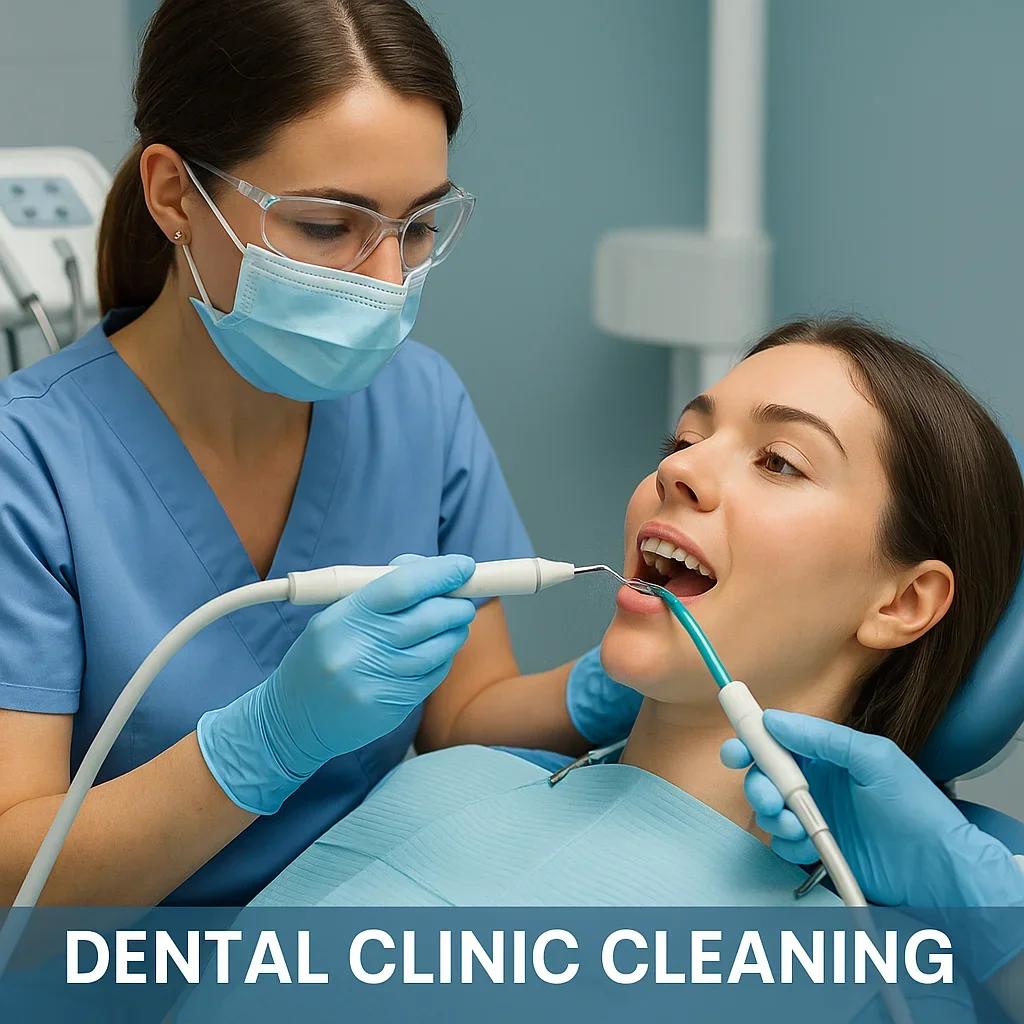
FAQs About Dental Clinic Cleaning and Aftercare Tips
Whether you’re visiting the dentist for the first time or maintaining your regular schedule, it’s natural to have questions about dental clinic cleaning. Patients often wonder how often they should book appointments, what to expect during and after the procedure, and how to care for their teeth afterward. This FAQ section answers the most common questions in detail and provides expert aftercare tips to help you make the most of each cleaning session. Understanding these answers will empower you to maintain long-term oral health and confidence in your smile. 🦷
1. How Often Should You Schedule a Dental Clinic Cleaning?
Most dental professionals recommend a dental clinic cleaning every six months. This frequency ensures plaque and tartar don’t have time to accumulate and cause gum irritation or decay. However, some people may need more frequent visits, such as every three to four months, depending on their oral health, smoking habits, or medical conditions like diabetes. Consistent cleanings help maintain healthy gums, prevent tooth loss, and reduce the risk of systemic diseases linked to oral inflammation.
Personalized Cleaning Frequency
Your dentist may suggest an individualized schedule based on your oral health assessment. For instance, patients with gum disease or orthodontic braces benefit from shorter intervals between cleanings. Clinics such as Redent Klinik Contact Page provide customized treatment plans to ensure every dental clinic cleaning meets the specific needs of your teeth and gums.
2. Is Dental Clinic Cleaning Painful?
No, dental clinic cleaning is not typically painful. Most patients feel only minor pressure or mild sensitivity, especially if significant tartar is removed. Modern ultrasonic tools and polishing methods ensure comfort throughout the procedure. If your gums are inflamed, you may experience temporary tenderness, which subsides within a day or two. For highly sensitive patients, dentists can use numbing gels or desensitizing toothpaste before cleaning to make the process completely comfortable.
Comfort-Enhancing Techniques
Advanced clinics use gentle, low-frequency ultrasonic scalers and air polishing devices to minimize discomfort. The goal is to make your dental clinic cleaning a stress-free experience, not something to fear. The sensation you feel is often more like a deep cleansing massage for your teeth than anything painful.
3. What Happens During a Professional Cleaning?
A dental clinic cleaning generally includes several steps: an oral examination, scaling, polishing, and fluoride application. First, the dentist checks for cavities or gum issues. Then, plaque and tartar are removed using manual or ultrasonic instruments. Next, the teeth are polished with a mild abrasive paste to remove surface stains and smooth the enamel. Finally, fluoride is applied to strengthen the teeth against decay. The process takes 30–60 minutes on average, depending on how much buildup is present.
Role of Each Step
Scaling targets hardened deposits near the gum line, while polishing enhances the tooth’s appearance and texture. The fluoride treatment acts as a shield, protecting enamel from acid attacks between cleanings. Together, these steps make dental clinic cleaning one of the most effective preventive procedures in dentistry.
4. Why Are My Teeth Sensitive After Cleaning?
Sensitivity after dental clinic cleaning is usually temporary. It occurs when tartar removal exposes areas of enamel or roots that were previously covered. This reaction is normal and often resolves within a few days. You can ease discomfort with toothpaste designed for sensitive teeth and by avoiding extremely hot or cold foods for 24 hours.
When to Seek Professional Advice
If sensitivity persists beyond a week or worsens, it’s best to consult your dentist. Persistent discomfort may signal underlying enamel erosion or gum recession that requires professional attention. Clinics following American Dental Association standards can provide targeted treatments such as fluoride varnishes or desensitizing gels to resolve long-term sensitivity after your dental clinic cleaning.
5. How Does Dental Cleaning Improve Overall Health?
Regular dental clinic cleaning supports not only oral hygiene but also your overall well-being. Removing bacteria from the mouth prevents them from entering the bloodstream, which can otherwise increase the risk of heart disease, respiratory infections, and diabetes complications. Additionally, reducing oral inflammation helps regulate immune response and supports healthier skin, digestion, and energy levels. The connection between oral and systemic health makes dental cleaning one of the most important preventive health measures you can take. 🌿
Oral-Systemic Health Connection
Research consistently shows that people who maintain good oral hygiene through dental clinic cleaning experience fewer chronic health problems. Keeping your mouth free of harmful bacteria benefits your entire body, from cardiovascular to cognitive function.
6. Can Dental Cleaning Whiten My Teeth?
While dental clinic cleaning removes surface stains and plaque, it is not the same as professional whitening. However, many patients notice their teeth appear brighter and smoother after cleaning because the process eliminates yellowish buildup. For deeper whitening, your dentist may recommend additional treatments such as in-office bleaching or take-home whitening trays. These can be safely combined with your cleaning routine for maximum results.
Maintaining Whiteness After Cleaning
To keep your teeth bright after a dental clinic cleaning, avoid stain-causing foods like coffee, tea, and tobacco. Brushing after consuming pigmented foods and using whitening toothpaste a few times a week can help preserve your sparkle.
7. What Should I Avoid After a Cleaning?
After your dental clinic cleaning, it’s best to avoid eating or drinking for at least 30 minutes if fluoride was applied. For the first 24 hours, limit dark beverages, acidic foods, and anything overly hot or cold. Smoking and alcohol can also irritate freshly cleaned gums, so take a short break to allow your mouth to recover fully. These small precautions ensure your gums heal quickly and your enamel remains strong.
Post-Cleaning Nutrition Tips
Eat soft, nutrient-rich foods such as yogurt, eggs, and steamed vegetables. Drinking plenty of water helps wash away bacteria and maintain a neutral pH balance. Proper hydration after dental clinic cleaning keeps your mouth fresh and encourages gum healing.
8. How Long Do the Results Last?
The effects of a professional dental clinic cleaning can last for several months, depending on your oral hygiene habits. Regular brushing, flossing, and a balanced diet help extend the benefits. Most patients who maintain good home care notice consistently smooth teeth and pink, healthy gums up to their next six-month appointment.
Extending the Benefits
To maintain your results, schedule routine visits and follow your dentist’s aftercare recommendations. Using antibacterial mouthwash, limiting sugar intake, and staying hydrated all contribute to long-lasting freshness and cleanliness between cleanings.
9. When Should You Contact Your Dentist After a Cleaning?
If you experience excessive bleeding, prolonged sensitivity, or swelling after your dental clinic cleaning, contact your dentist immediately. These symptoms are uncommon but can indicate a deeper issue, such as periodontal disease or infection. Early intervention ensures quick recovery and prevents complications. For expert assistance or to book your next appointment, visit the Redent Klinik Contact Page.
Monitoring Your Oral Health
Regular self-checks between visits can help detect changes early. If you notice bad breath, gum discoloration, or visible plaque buildup, it may be time for another dental clinic cleaning ahead of schedule. Preventive attention keeps your mouth healthy and avoids costly procedures later.
10. Final Aftercare and Lifestyle Tips
To get the most from your dental clinic cleaning, think of it as a reset button for your oral health. Continue with good daily habits like brushing twice with fluoride toothpaste, flossing gently, and using an antibacterial rinse. Stay consistent with dental visits and inform your dentist of any changes in your oral or general health. Avoid habits like grinding, biting ice, or using teeth as tools, which can undo your dentist’s hard work. By treating your mouth with care, you extend the protective benefits of your professional cleanings and preserve your beautiful smile for a lifetime. ✨
In summary, dental clinic cleaning is more than a routine procedure — it’s a preventive investment in your health. Following the aftercare steps above ensures lasting results, reduced sensitivity, and ongoing protection against disease. With the right habits and a reliable dental partner, every cleaning brings you closer to optimal oral wellness and confidence in your smile.