
A dental clinic pediatric environment is much more than a smaller version of an adult dental office. It is a carefully designed healthcare space dedicated entirely to children’s oral health, emotional comfort, and long-term well-being. Parents searching for a dental clinic pediatric solution are usually looking for safety, expertise, trust, and a positive first experience that will shape their child’s attitude toward dental care for life. This guide explains exactly what a dental clinic pediatric approach means, why it is essential, and how it supports children from infancy through adolescence.
A dental clinic pediatric setting focuses on the unique dental needs of infants, toddlers, children, and teenagers. Children’s teeth, jaws, and oral habits change rapidly as they grow. Unlike adult dentistry, pediatric dental care addresses developmental stages, teething patterns, early bite alignment, cavity prevention, and behavioral guidance. A properly structured dental clinic pediatric model ensures that every stage of growth is monitored with precision and care.
One of the defining characteristics of a dental clinic pediatric environment is prevention. Pediatric dental professionals prioritize early detection of potential issues such as tooth decay, enamel weakness, misaligned bites, and harmful oral habits like thumb sucking or prolonged pacifier use. By identifying these problems early, a dental clinic pediatric team can prevent complex treatments later in life. This proactive approach not only protects oral health but also reduces anxiety, treatment time, and long-term costs.
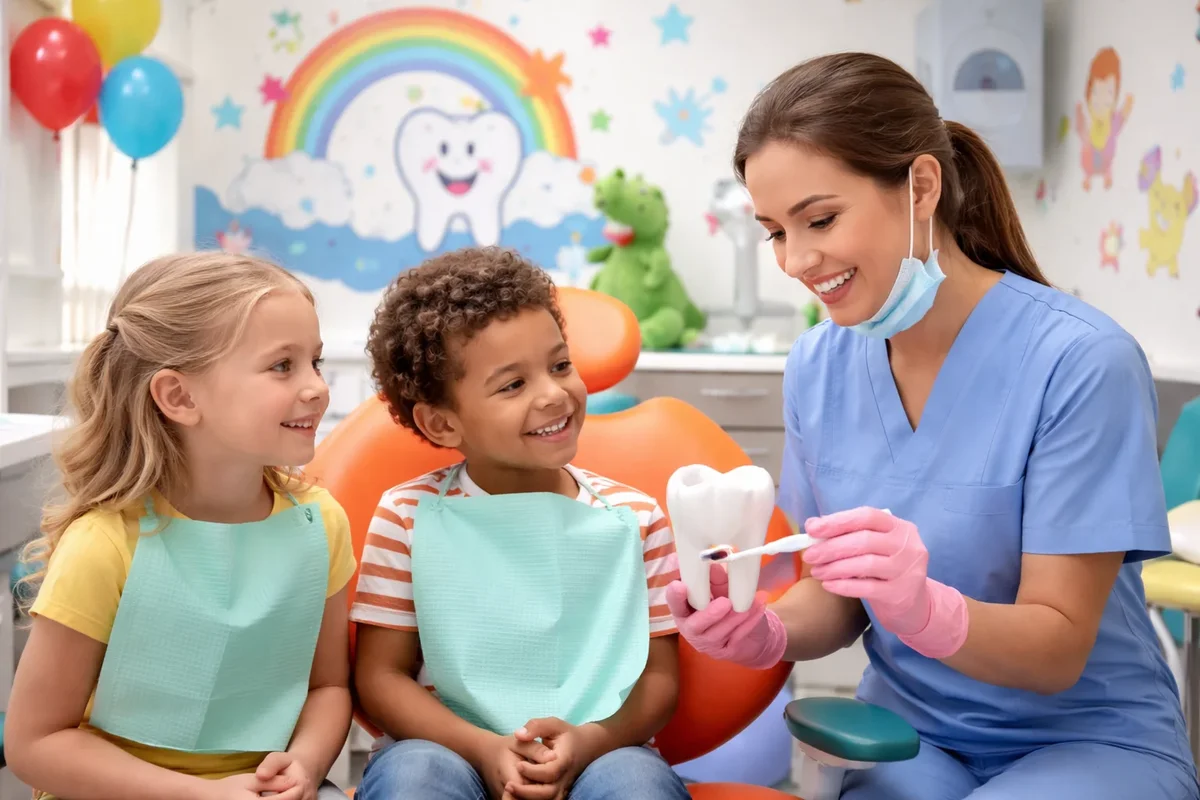
Another crucial element of a dental clinic pediatric philosophy is emotional safety. Children often associate medical visits with fear or discomfort. Pediatric dental clinics are intentionally designed to counter this fear using child-friendly language, colorful interiors, playful tools, and calm communication. Dentists and staff trained in pediatric behavior management techniques know how to explain procedures in a way children understand and trust. This supportive atmosphere helps children feel confident, relaxed, and even excited about visiting the dental clinic pediatric facility 😊.
Parents also benefit significantly from choosing a specialized dental clinic pediatric service. These clinics educate families on proper brushing techniques, age-appropriate toothpaste use, nutrition guidance, and cavity prevention strategies tailored to children. Parents receive clear explanations about their child’s oral development, empowering them to support daily dental care at home. Over time, this partnership between parents and the dental clinic pediatric team builds strong habits that last well into adulthood.
From a clinical standpoint, a dental clinic pediatric setup is equipped with tools specifically designed for small mouths and sensitive teeth. Pediatric dental instruments, lower radiation digital X-rays, and minimally invasive techniques are standard. This specialization ensures treatments are safer, more precise, and more comfortable for children. The result is higher treatment success rates and fewer negative dental experiences.
The importance of a dental clinic pediatric approach is also recognized by leading authorities such as the
American Dental Association, which emphasizes early dental visits and preventive pediatric care as essential to lifelong oral health. Many experts recommend a child’s first dental visit by their first birthday or when the first tooth appears. A trusted dental clinic pediatric provider follows these evidence-based guidelines closely.
Choosing the right dental clinic pediatric provider also plays a role in detecting broader health issues. Oral health is closely linked to overall health, and pediatric dentists are trained to notice signs of nutritional deficiencies, developmental disorders, or systemic conditions that may appear in the mouth first. This makes the dental clinic pediatric visit an important checkpoint in a child’s overall healthcare routine.
For parents seeking professional guidance or planning their child’s first appointment, reaching out directly to a trusted clinic is a practical next step. You can easily connect with specialists through the
Redent Klinik Contact Page to get personalized information and support tailored to your child’s needs.
In summary, a dental clinic pediatric model is not just about treating teeth—it is about nurturing confidence, preventing disease, and building a foundation for lifelong oral health. By combining clinical expertise, child-focused communication, and preventive care, a dental clinic pediatric environment ensures that children grow up with healthy smiles and positive dental experiences 😁. For any parent serious about their child’s health, choosing a dedicated dental clinic pediatric provider is one of the most important decisions they can make.
When to Visit a Pediatric Dental Clinic for the First Time
Knowing the right time to visit a dental clinic pediatric facility is one of the most common questions parents ask. Many families still believe that dental care should start only when all baby teeth appear or when a problem arises. However, modern pediatric dentistry strongly emphasizes early visits as a foundation for lifelong oral health. A timely first appointment at a dental clinic pediatric setting can prevent future complications, reduce dental anxiety, and establish healthy habits from the very beginning.
The Ideal Age for the First Pediatric Dental Visit
According to widely accepted pediatric dental guidelines, a child should visit a dental clinic pediatric provider by their first birthday or within six months after the first tooth erupts. This early visit is not about complex treatments; rather, it focuses on education, prevention, and familiarization. Introducing a child to a dental clinic pediatric environment early helps normalize dental care and makes future visits smoother and stress-free 😊.
At this stage, the pediatric dentist evaluates early tooth development, jaw growth, and gum health. Parents receive guidance on cleaning infant teeth, breastfeeding or bottle-feeding habits, and teething concerns. A dental clinic pediatric professional also checks for early signs of tooth decay, which can occur even in very young children due to prolonged exposure to milk or sugary liquids.
Why Early Visits to a Dental Clinic Pediatric Matter
Early visits to a dental clinic pediatric provider are essential because tooth decay is one of the most common chronic conditions in children. Many cavities develop silently without causing pain in the early stages. By scheduling early checkups, parents give pediatric dentists the opportunity to identify risks before they turn into serious problems.
Another important benefit of early dental clinic pediatric visits is behavioral conditioning. Children who start dental visits early tend to feel more comfortable in the dental chair as they grow older. The sounds, smells, and tools of a dental clinic pediatric environment become familiar rather than frightening. This reduces fear and resistance during future treatments and encourages children to take ownership of their oral health.
First Visit Expectations at a Pediatric Dental Clinic
A first appointment at a dental clinic pediatric facility is typically short, gentle, and educational. The dentist may examine the child’s mouth while the parent holds them, creating a sense of security. The focus is on visual inspection, gentle cleaning if appropriate, and discussion rather than invasive procedures.
Parents are encouraged to ask questions during this visit. Topics often include brushing techniques, fluoride use, pacifier habits, thumb sucking, and diet choices. A dental clinic pediatric professional provides personalized recommendations based on the child’s age, oral development, and risk factors. This guidance is invaluable for preventing early childhood cavities and promoting strong enamel development.
Signs That Indicate an Earlier Dental Clinic Pediatric Visit Is Needed
While routine guidelines suggest a first visit by age one, certain signs may require an even earlier appointment at a dental clinic pediatric provider. These include visible white or brown spots on teeth, prolonged bottle use at bedtime, difficulty chewing, swollen gums, or a family history of severe dental problems.
Children with special healthcare needs or premature birth histories may also benefit from earlier monitoring. A specialized dental clinic pediatric team is trained to manage these situations with sensitivity and expertise, ensuring that every child receives appropriate care regardless of their circumstances.
How Parents Can Prepare Their Child for the First Visit
Preparing a child for their first dental clinic pediatric visit plays a major role in shaping their experience. Parents should use positive language when talking about the dentist, avoiding words that imply pain or fear. Reading children’s books about dental visits or role-playing a dental checkup at home can make the experience feel familiar and fun 😄.
It is also recommended to schedule the appointment at a time when the child is well-rested and not hungry. A calm, relaxed child is more receptive to new experiences. Pediatric dental teams understand that every child is different, and a well-prepared visit allows the dental clinic pediatric staff to focus on building trust and comfort.
Ultimately, deciding when to visit a dental clinic pediatric provider should be viewed as an investment in a child’s overall health. Early visits establish a preventive care routine, reduce the risk of future dental problems, and create positive associations with oral healthcare. Parents who prioritize early dental clinic pediatric appointments give their children a strong advantage toward a lifetime of healthy, confident smiles 😁.
How a Pediatric Dental Clinic Creates a Child-Friendly Experience
A dental clinic pediatric environment is carefully designed to meet not only the clinical needs of children but also their emotional and psychological well-being. Unlike adult-focused practices, a dental clinic pediatric setting understands that children perceive the world differently. Fear of unfamiliar environments, loud sounds, and strange tools can easily overwhelm a young patient. That is why every detail in a dental clinic pediatric space is intentionally crafted to make children feel safe, welcome, and relaxed.
The Importance of Environment in a Dental Clinic Pediatric Setting
The physical environment plays a major role in shaping a child’s perception of dental care. A dental clinic pediatric office often features bright colors, playful decorations, themed rooms, and child-sized furniture. These visual elements immediately signal to children that the space is meant for them. Instead of feeling like they are entering a medical facility, children experience the dental clinic pediatric environment as friendly and approachable 😊.
Many pediatric clinics also incorporate entertainment options such as cartoons, toys, or interactive screens in waiting areas. These distractions reduce anxiety and help children associate dental visits with positive emotions. A well-designed dental clinic pediatric environment turns waiting time into a calming transition rather than a source of stress.
Specialized Communication Techniques Used in Pediatric Dentistry
Communication is a cornerstone of a successful dental clinic pediatric experience. Pediatric dental professionals are trained to use age-appropriate language that avoids fear-inducing terms. For example, instead of saying “needle” or “drill,” they may use playful descriptions that sound non-threatening. This communication style builds trust and helps children feel in control during their visit.
A dental clinic pediatric team also practices the “tell-show-do” method. First, the dentist explains what will happen in simple terms. Then, they show the tool or demonstrate the procedure on a toy or finger. Finally, they perform the procedure gently. This step-by-step approach reduces fear and encourages cooperation, making treatments smoother and more effective.
Building Trust Between the Child and the Dental Team
Trust does not happen instantly, especially with young children. A dental clinic pediatric team invests time in building relationships with their patients. Dentists and assistants often introduce themselves at eye level, speak calmly, and allow children to ask questions. This respectful approach helps children feel heard and valued.
Consistency also matters. Seeing familiar faces at each appointment strengthens the bond between the child and the dental clinic pediatric staff. Over time, children begin to recognize the clinic as a safe space rather than a place to fear. This trust is essential for long-term oral health compliance and positive dental habits.
Behavior Management Strategies in a Dental Clinic Pediatric
Every child responds differently to dental care, and a dental clinic pediatric setting is prepared for this diversity. Pediatric dentists are trained in behavior management techniques that encourage cooperation without force. Positive reinforcement, such as praise or small rewards, motivates children to participate willingly.
For children who experience higher levels of anxiety, a dental clinic pediatric provider may use relaxation techniques such as guided breathing or calming music. In some cases, advanced behavior guidance methods may be recommended, always prioritizing the child’s comfort and safety. These strategies ensure that even anxious children can receive the care they need without trauma.
Parental Involvement in the Pediatric Dental Experience
Parents play a vital role in the success of a dental clinic pediatric visit. Many clinics encourage parents to stay with their child during early appointments, offering reassurance through familiar presence. Pediatric dentists also guide parents on how to model calm behavior, as children often mirror their parents’ emotions.
Clear communication with parents is another strength of a dental clinic pediatric approach. Dentists explain procedures, preventive strategies, and follow-up care in detail, ensuring parents feel confident and informed. This collaboration reinforces trust and helps maintain consistency between in-clinic care and at-home routines.
Ultimately, a child-friendly dental clinic pediatric experience is not accidental—it is the result of thoughtful design, specialized training, and compassionate care. By combining welcoming environments, effective communication, and supportive behavior management, a dental clinic pediatric provider transforms dental visits into positive milestones rather than stressful events 😁. This approach lays the groundwork for children to grow into adults who value and prioritize their oral health.
Preventive Care Services in a Pediatric Dental Clinic
Preventive care is the foundation of every dental clinic pediatric philosophy. Rather than waiting for problems to appear, a dental clinic pediatric approach focuses on protecting children’s teeth before issues develop. This proactive strategy not only preserves oral health but also helps children avoid pain, fear, and complex treatments later in life. Parents who understand preventive services can make informed decisions that support their child’s long-term well-being.
Why Prevention Is the Core of Pediatric Dental Care
Children’s teeth are more vulnerable to decay than adult teeth due to thinner enamel and developing oral hygiene habits. A dental clinic pediatric team recognizes that early prevention is far more effective than treatment after damage occurs. Preventive care helps control cavity-causing bacteria, strengthens enamel, and guides proper oral development during critical growth stages.
Another reason prevention is essential in a dental clinic pediatric setting is habit formation. Children who learn good oral hygiene early are more likely to maintain healthy routines as adults. Regular preventive visits normalize dental care, reduce anxiety, and teach children that the dentist is a partner in health rather than someone to see only when something hurts 😊.
Routine Checkups and Oral Examinations
Routine checkups are a cornerstone of preventive services in a dental clinic pediatric environment. These visits typically include a thorough examination of teeth, gums, bite alignment, and jaw development. Pediatric dentists monitor how baby teeth are erupting, whether adult teeth are coming in correctly, and if there are any early signs of decay or developmental concerns.
During these checkups, a dental clinic pediatric professional may also use low-radiation digital X-rays when necessary. These images help detect hidden cavities, monitor bone growth, and assess tooth positioning. Early detection allows the dental clinic pediatric team to intervene before minor issues become major problems.
Professional Teeth Cleaning for Children
Professional cleaning is another vital preventive service offered by a dental clinic pediatric provider. Even with good brushing habits, plaque can accumulate in hard-to-reach areas. Pediatric dental cleanings gently remove plaque and tartar while teaching children the importance of oral hygiene.
These cleanings also give dentists an opportunity to reinforce proper brushing and flossing techniques. A dental clinic pediatric team often demonstrates these techniques in a fun, engaging way that children can easily understand and replicate at home.
Fluoride Treatments and Enamel Protection
Fluoride is one of the most effective tools used in a dental clinic pediatric setting to prevent cavities. Fluoride treatments strengthen tooth enamel, making it more resistant to acid attacks from bacteria and sugars. Pediatric dentists carefully assess each child’s fluoride needs based on age, diet, and cavity risk.
A dental clinic pediatric professional applies fluoride in safe, child-appropriate amounts, ensuring maximum benefit without overexposure. This simple, painless treatment can significantly reduce the likelihood of tooth decay, especially in children who are prone to cavities.
Dental Sealants for Long-Term Protection
Dental sealants are another highly effective preventive service commonly provided in a dental clinic pediatric practice. Sealants are thin protective coatings applied to the chewing surfaces of molars, where cavities are most likely to form. These surfaces have deep grooves that can trap food and bacteria, making them difficult to clean with a toothbrush alone.
By applying sealants, a dental clinic pediatric provider creates a smooth surface that is easier to clean and far less susceptible to decay. Sealants can protect teeth for several years and are especially beneficial for children who are still mastering proper brushing techniques.
Nutrition Counseling and Habit Guidance
Preventive care in a dental clinic pediatric environment goes beyond the dental chair. Pediatric dentists educate parents and children about nutrition and its impact on oral health. Sugary snacks, frequent juice consumption, and prolonged bottle use can all increase cavity risk.
A dental clinic pediatric team provides practical guidance on healthy food choices, appropriate snack timing, and water intake. They also address habits such as thumb sucking, pacifier use, and teeth grinding, offering strategies to minimize their impact on oral development.
In conclusion, preventive care services offered by a dental clinic pediatric provider are essential for maintaining healthy smiles from childhood through adolescence. Through routine exams, professional cleanings, fluoride treatments, sealants, and education, a dental clinic pediatric approach empowers families to protect their children’s oral health proactively 😁. This commitment to prevention not only reduces future dental problems but also builds confidence, comfort, and lifelong healthy habits.
Common Treatments Offered by a Pediatric Dental Clinic
A dental clinic pediatric setting provides a wide range of treatments specifically designed for children’s developing teeth and oral structures. These treatments are not simply scaled-down versions of adult procedures. Instead, they are carefully adapted to match a child’s physical growth, emotional needs, and long-term oral health goals. Parents who understand the common treatments offered by a dental clinic pediatric provider are better equipped to support their child’s dental journey with confidence and clarity.
Cavity Treatment and Tooth-Colored Fillings
Tooth decay remains one of the most common reasons children visit a dental clinic pediatric provider. Due to thinner enamel and developing brushing habits, children are more susceptible to cavities. Pediatric dentists focus on early detection and minimally invasive treatment to preserve as much natural tooth structure as possible.
Most modern dental clinic pediatric practices use tooth-colored composite fillings. These materials blend naturally with the child’s teeth and are free from metals. The procedure is performed gently, using child-friendly techniques that minimize discomfort and anxiety. Treating cavities early in a dental clinic pediatric environment prevents infection, pain, and premature tooth loss.
Pulp Therapy and Baby Tooth Preservation
When decay reaches the inner pulp of a tooth, a dental clinic pediatric provider may recommend pulp therapy. Baby teeth play a critical role in guiding permanent teeth into proper position. Losing them too early can cause alignment problems and bite issues.
Pulp therapy allows the dental clinic pediatric dentist to remove infected tissue while preserving the remaining healthy tooth. This treatment relieves pain, stops infection, and maintains proper spacing for future adult teeth. The procedure is carefully explained to both child and parent to ensure comfort and understanding.
Stainless Steel Crowns for Strong Protection
In cases of extensive decay or weakened tooth structure, a dental clinic pediatric professional may place a stainless steel crown. These crowns fully cover the tooth, restoring strength and function. They are commonly used on molars that endure heavy chewing forces.
Stainless steel crowns are durable, cost-effective, and highly successful in pediatric dentistry. A dental clinic pediatric approach ensures that the crown fits comfortably and does not interfere with normal chewing or speech development.
Early Orthodontic Assessments and Space Maintainers
Orthodontic monitoring is an essential service offered by a dental clinic pediatric provider. As children grow, pediatric dentists assess jaw development, tooth alignment, and bite patterns. Early identification of crowding or spacing issues allows for timely intervention.
When a baby tooth is lost prematurely, a dental clinic pediatric dentist may recommend a space maintainer. This small appliance keeps the space open for the permanent tooth, preventing future orthodontic complications. Space maintainers are customized, comfortable, and play a crucial role in long-term oral alignment.
Managing Dental Emergencies in Children
Dental injuries can happen suddenly during play, sports, or accidents. A dental clinic pediatric provider is trained to handle emergencies such as chipped teeth, knocked-out teeth, or oral trauma. Immediate care can significantly improve outcomes and reduce long-term damage.
Parents are encouraged to contact their dental clinic pediatric office promptly when an injury occurs. Pediatric dental teams are skilled in calming distressed children while delivering efficient, effective treatment.
Treatment of Oral Habits and Functional Issues
Thumb sucking, prolonged pacifier use, and teeth grinding are common childhood habits that can affect oral development. A dental clinic pediatric professional evaluates these behaviors and provides gentle intervention strategies tailored to the child’s age and emotional readiness.
Through guidance, appliances when necessary, and parental education, a dental clinic pediatric approach helps children transition away from harmful habits without stress or punishment.
In summary, the treatments offered by a dental clinic pediatric provider are designed to protect, restore, and guide a child’s oral health during critical growth years. From cavity care and pulp therapy to crowns, orthodontic monitoring, and emergency treatment, a dental clinic pediatric setting ensures that children receive specialized, compassionate, and developmentally appropriate care. These targeted treatments not only solve immediate problems but also lay the groundwork for strong, healthy adult smiles 😁.
The Role of Pediatric Dentists in Long-Term Oral Health
The success of a dental clinic pediatric approach depends largely on the expertise and philosophy of pediatric dentists. These professionals are not only responsible for treating dental problems but also for guiding children and families toward lifelong oral health. A dental clinic pediatric dentist plays a preventive, educational, and developmental role that extends far beyond routine checkups. Understanding this role helps parents appreciate why specialized pediatric care is so important during a child’s growing years.
Specialized Training of Pediatric Dentists
Pediatric dentists receive advanced training beyond general dentistry, focusing exclusively on infants, children, and adolescents. This includes in-depth education on child psychology, growth and development, behavior management, and pediatric-specific dental conditions. In a dental clinic pediatric setting, this specialized training allows dentists to tailor care precisely to each child’s age and developmental stage.
Because children’s mouths change rapidly, a dental clinic pediatric dentist must constantly assess how teeth, jaws, and facial structures are developing. This expertise ensures that potential issues such as misalignment, delayed eruption, or abnormal bite patterns are identified early. Early intervention guided by a dental clinic pediatric professional can often prevent the need for more invasive treatments later in life.
Guiding Oral Health From Infancy to Adolescence
One of the most important roles of a dental clinic pediatric dentist is continuity of care. From a child’s first tooth through their teenage years, pediatric dentists monitor changes and adjust care plans accordingly. This long-term relationship allows the dental clinic pediatric team to build trust, understand the child’s habits, and track progress over time.
During early childhood, the focus is on cavity prevention, oral hygiene education, and healthy habits. As children grow older, a dental clinic pediatric dentist shifts attention toward orthodontic evaluation, injury prevention, and managing lifestyle factors such as diet and sports activities. This evolving approach ensures that oral care remains relevant and effective at every stage.
Early Detection and Risk Assessment
Risk assessment is a critical component of long-term care in a dental clinic pediatric environment. Pediatric dentists evaluate factors such as family history, enamel strength, diet, oral hygiene habits, and fluoride exposure. By understanding a child’s unique risk profile, the dental clinic pediatric team can create a personalized preventive strategy.
Children identified as high-risk for cavities or developmental issues may require more frequent visits or targeted preventive treatments. This individualized care model is one of the strengths of a dental clinic pediatric practice and significantly improves long-term outcomes.
Education and Habit Formation for Lifelong Benefits
Education is a central responsibility of pediatric dentists working in a dental clinic pediatric setting. Dentists teach children how to brush and floss correctly using simple language and demonstrations. They also educate parents on how to supervise oral care effectively at home.
Beyond brushing, a dental clinic pediatric dentist addresses broader lifestyle habits such as nutrition, sugar intake, and oral hygiene routines. These conversations help families understand how daily choices affect oral health. When reinforced consistently, these lessons form habits that often last into adulthood 😊.
Supporting Emotional and Psychological Development
A positive emotional relationship with dental care is just as important as physical treatment. Pediatric dentists are trained to recognize fear, anxiety, and behavioral challenges. In a dental clinic pediatric setting, they use gentle communication and reassurance to help children feel secure.
Children who grow up with supportive pediatric dental experiences are far less likely to develop dental anxiety later in life. This emotional foundation encourages regular dental visits and proactive care as adults, which is a key goal of every dental clinic pediatric philosophy.
Collaboration With Parents and Other Healthcare Providers
Pediatric dentists do not work in isolation. A dental clinic pediatric professional often collaborates with parents, orthodontists, pediatricians, and other healthcare providers when necessary. This multidisciplinary approach ensures that oral health aligns with overall health and development.
By maintaining open communication and long-term planning, a dental clinic pediatric dentist becomes a trusted partner in a child’s healthcare journey. This role extends beyond treating teeth—it supports healthy growth, confidence, and quality of life.
In conclusion, the role of pediatric dentists within a dental clinic pediatric setting is foundational to long-term oral health. Through specialized training, early detection, education, emotional support, and continuous care, pediatric dentists help children develop strong, healthy smiles that last a lifetime 😁. Choosing a dedicated dental clinic pediatric provider ensures that children receive expert guidance during the most critical years of oral development.
How Parents Can Support Care at a Pediatric Dental Clinic
The success of a dental clinic pediatric approach does not rely solely on the dentist and clinical team. Parents play an equally critical role in ensuring that children receive consistent, effective, and positive dental care. A strong partnership between families and a dental clinic pediatric provider helps reinforce healthy habits, reduces dental anxiety, and maximizes long-term oral health outcomes. Understanding how parents can actively support pediatric dental care empowers families to become an essential part of their child’s dental journey.
Establishing Daily Oral Hygiene Routines at Home
One of the most important ways parents can support a dental clinic pediatric care plan is by maintaining consistent oral hygiene routines at home. Brushing twice a day with age-appropriate toothpaste and flossing once daily are fundamental habits that should begin as soon as the first tooth erupts.
A dental clinic pediatric team often provides personalized instructions based on the child’s age, motor skills, and risk level. Parents should closely supervise brushing until children demonstrate proper technique, usually around the age of seven or eight. Reinforcing these routines at home ensures that the preventive efforts of the dental clinic pediatric provider are effective and long-lasting 😊.
Using Positive Language About Dental Visits
Children often form their attitudes toward dental care based on how parents talk about it. Using calm, encouraging language when discussing appointments helps children feel secure. Parents should avoid sharing negative personal dental experiences or using words that suggest pain or fear.
A dental clinic pediatric visit should be framed as a normal and healthy activity, similar to visiting a doctor for a routine checkup. When parents model a positive attitude, children are more likely to approach the dental clinic pediatric environment with curiosity rather than anxiety.
Preparing Children Emotionally Before Appointments
Preparation plays a major role in shaping a child’s experience at a dental clinic pediatric facility. Parents can explain what will happen in simple, age-appropriate terms without overwhelming details. Reading children’s books about dental visits or watching educational videos can also help normalize the experience.
Scheduling appointments at times when children are well-rested and fed further supports cooperation. A calm child is more receptive to guidance from the dental clinic pediatric team and more likely to have a positive visit.
Supporting Nutrition Choices That Protect Teeth
Diet has a direct impact on oral health, and parents have significant influence over their child’s eating habits. A dental clinic pediatric provider often educates families about limiting sugary snacks, avoiding frequent sipping of juice, and encouraging water consumption.
Parents can support dental clinic pediatric recommendations by offering balanced meals, choosing tooth-friendly snacks, and establishing structured snack times. Reducing constant exposure to sugars allows saliva to naturally protect teeth between meals and lowers cavity risk.
Managing Oral Habits at Home
Certain habits such as thumb sucking, prolonged pacifier use, or teeth grinding can affect oral development. A dental clinic pediatric professional evaluates these habits and offers guidance tailored to the child’s age and emotional readiness.
Parents play a key role in gently reinforcing these recommendations at home. Positive encouragement, consistency, and patience are far more effective than punishment. When parents and the dental clinic pediatric team work together, habit modification becomes less stressful for the child.
Maintaining Regular Dental Clinic Pediatric Visits
Consistency is essential in pediatric dental care. Parents should prioritize regular checkups as recommended by their dental clinic pediatric provider, typically every six months. These visits allow dentists to monitor growth, reinforce preventive care, and address concerns early.
Skipping appointments or waiting until problems arise undermines the preventive benefits of a dental clinic pediatric approach. Regular visits help children become familiar with the dental environment and build trusting relationships with the care team.
Open Communication With the Pediatric Dental Team
Effective communication strengthens the partnership between parents and a dental clinic pediatric provider. Parents should feel comfortable asking questions, sharing concerns, and discussing changes in their child’s health or behavior.
Informing the dental clinic pediatric team about medical conditions, medications, or developmental challenges helps ensure safe and personalized care. This transparency allows pediatric dentists to adjust treatment plans and behavior management strategies as needed.
In conclusion, parental involvement is a cornerstone of successful care in a dental clinic pediatric setting. By supporting daily hygiene routines, promoting positive attitudes, reinforcing healthy nutrition, managing habits, and maintaining regular visits, parents significantly enhance the effectiveness of professional dental care. When families and dental clinic pediatric teams work together, children benefit from consistent guidance, emotional security, and a strong foundation for lifelong oral health 😁.
Costs, Insurance, and Value of a Pediatric Dental Clinic
Understanding the costs and overall value of a dental clinic pediatric service is an important concern for many parents. While financial considerations matter, pediatric dental care should be viewed as a long-term investment rather than a short-term expense. A dental clinic pediatric approach emphasizes prevention, early intervention, and education—factors that significantly reduce the likelihood of costly treatments later in life. When parents understand how pricing, insurance, and value intersect, they can make confident and informed decisions for their child’s oral health.
What Influences the Cost of Pediatric Dental Care
The cost of services at a dental clinic pediatric provider can vary depending on several factors. These include the child’s age, oral health condition, risk level for cavities, and the type of treatments required. Preventive services such as routine exams, cleanings, fluoride treatments, and sealants are generally more affordable than restorative or emergency procedures.
Geographic location and clinic expertise also play a role. A well-equipped dental clinic pediatric practice with advanced technology and highly trained specialists may have slightly higher fees, but these often reflect higher quality care, better comfort, and more precise diagnostics. Over time, these advantages translate into fewer complications and lower cumulative costs.
Common Pediatric Dental Costs Explained
Most dental clinic pediatric visits fall into preventive or basic treatment categories. Preventive checkups typically include an exam, professional cleaning, and oral health assessment. These visits are designed to detect problems early, when treatment is simpler and less expensive.
When treatment is needed, costs depend on complexity. For example, treating a small cavity is far less costly than addressing advanced decay that requires pulp therapy or crowns. A dental clinic pediatric approach prioritizes early detection precisely to avoid these higher-cost interventions.
Why Preventive Care Saves Money Long-Term
Preventive care is one of the strongest value propositions of a dental clinic pediatric model. Regular visits help avoid dental emergencies, extensive restorations, and orthodontic complications caused by early tooth loss. Children who receive consistent preventive care generally require fewer invasive procedures over time.
From a financial perspective, investing in preventive visits at a dental clinic pediatric provider often results in significant long-term savings. It also reduces indirect costs such as missed school days, parental work absences, and emergency visits.
Insurance Coverage for Pediatric Dental Services
Many health insurance plans include pediatric dental coverage, either as part of a comprehensive policy or as a separate dental plan. A dental clinic pediatric office typically works with families to verify benefits, explain coverage limits, and provide cost estimates before treatment.
Preventive services are often covered at a higher percentage than restorative treatments, reflecting their importance in maintaining oral health. Understanding insurance benefits allows parents to maximize coverage while ensuring their child receives recommended care at a dental clinic pediatric facility.
Understanding What Insurance May Not Cover
While insurance helps reduce costs, it may not cover all services fully. Some advanced treatments, cosmetic procedures, or specialized appliances may have limitations. A transparent dental clinic pediatric provider clearly explains out-of-pocket expenses in advance so families can plan accordingly.
It is also important to note that delaying care due to coverage concerns can lead to more expensive problems later. A dental clinic pediatric team can often suggest phased treatment plans or preventive alternatives when appropriate.
The True Value of a Dental Clinic Pediatric Approach
The true value of a dental clinic pediatric service goes beyond pricing. Pediatric dental care supports proper growth, emotional comfort, and long-term health. Children who receive consistent pediatric dental care are more likely to maintain healthy teeth into adulthood and less likely to develop dental anxiety.
A dental clinic pediatric provider also offers education, guidance, and personalized care that general dental practices may not provide. This specialization ensures that children’s unique needs are met at every developmental stage.
In conclusion, while costs and insurance are important considerations, the overall value of a dental clinic pediatric service lies in prevention, expertise, and long-term benefits. By prioritizing early care and working with a trusted dental clinic pediatric provider, parents protect not only their child’s smile but also their future health and confidence 😁. Viewed holistically, pediatric dental care is one of the most worthwhile investments a family can make.
Choosing the Right Pediatric Dental Clinic for Your Child
Selecting the right dental clinic pediatric provider is one of the most important decisions parents make for their child’s long-term oral health. Not all dental clinics are the same, and pediatric dentistry requires a specialized approach that combines clinical expertise, child psychology, and family-centered care. A well-chosen dental clinic pediatric environment can shape how a child views dental care for life, influencing habits, confidence, and overall health.
Qualifications and Specialization Matter
The first factor parents should evaluate when choosing a dental clinic pediatric provider is professional specialization. Pediatric dentists undergo additional years of training beyond general dentistry, focusing exclusively on treating children from infancy through adolescence. This training includes child behavior management, growth and development, and pediatric-specific dental conditions.
A dental clinic pediatric setting led by trained pediatric dentists ensures that your child receives care aligned with their developmental stage. This expertise allows for early detection of growth issues, age-appropriate treatment planning, and safer, more effective care compared to non-specialized practices.
Clinic Environment and Child Comfort
The atmosphere of a dental clinic pediatric office plays a critical role in a child’s experience. Parents should look for clinics designed specifically for children, with welcoming colors, friendly staff, and a calm, playful environment. These elements help reduce anxiety and make dental visits feel less intimidating.
Observing how staff interact with children is equally important. A quality dental clinic pediatric team communicates patiently, explains procedures gently, and respects the child’s emotional boundaries. This supportive environment builds trust and encourages cooperation 😊.
Behavior Management and Communication Style
Every child is unique, and a strong dental clinic pediatric provider adapts their communication style accordingly. Parents should choose a clinic that emphasizes positive reinforcement, clear explanations, and empathy. The ability of the dental team to handle fear, anxiety, or special needs is a key indicator of quality pediatric care.
Clinics that involve children in simple decision-making and explain procedures using child-friendly language help foster a sense of control and confidence. This approach is central to a successful dental clinic pediatric philosophy.
Range of Services and Preventive Focus
A comprehensive dental clinic pediatric provider should offer a full range of services, including preventive care, restorative treatments, emergency care, and early orthodontic assessments. Preventive services such as cleanings, fluoride treatments, and sealants should be a major focus.
Parents should ask how the dental clinic pediatric team approaches prevention and education. Clinics that prioritize early intervention and family education typically deliver better long-term outcomes and fewer invasive treatments.
Accessibility and Ongoing Support
Practical considerations also matter when choosing a dental clinic pediatric provider. Convenient appointment scheduling, clear communication, and availability during emergencies all contribute to a positive experience. A responsive clinic that supports families outside of routine visits adds significant value.
Transparency is another key factor. A trustworthy dental clinic pediatric practice clearly explains treatment plans, costs, and follow-up care. Parents should feel comfortable asking questions and confident that recommendations are made in the child’s best interest.
Building a Long-Term Partnership
Choosing a dental clinic pediatric provider is not a one-time decision—it is the beginning of a long-term partnership. Pediatric dental care works best when the same team follows a child’s development over many years. This continuity allows dentists to track growth patterns, reinforce habits, and adjust care as needs evolve.
Children who grow up with a consistent dental clinic pediatric team are more likely to attend regular visits, maintain healthy habits, and avoid dental anxiety as adults. This long-term relationship supports not only oral health but also emotional well-being.
In conclusion, choosing the right dental clinic pediatric provider requires thoughtful evaluation of expertise, environment, services, and communication. By selecting a clinic that prioritizes specialized care, prevention, and child comfort, parents give their children a powerful foundation for lifelong oral health. A trusted dental clinic pediatric partnership ensures that dental visits become a positive, routine part of growing up—leading to confident smiles and healthy futures 😁.
Frequently Asked Questions About Pediatric Dental Clinics
Parents often have many questions when choosing and visiting a dental clinic pediatric provider. These questions usually reflect concerns about safety, timing, treatment necessity, and how pediatric dental care differs from general dentistry. Addressing these common questions helps parents feel more confident and ensures children receive timely, appropriate care. A dental clinic pediatric approach values informed families and open communication as key components of successful long-term oral health.
Is a Pediatric Dental Clinic Really Necessary?
One of the most common questions parents ask is whether a specialized dental clinic pediatric provider is truly necessary or if a general dentist is sufficient. While general dentists are trained to treat patients of all ages, pediatric dentists receive additional education focused exclusively on children’s oral health, behavior, and development.
A dental clinic pediatric setting is uniquely equipped to manage children’s emotional needs, growth patterns, and preventive care requirements. This specialization often results in more accurate diagnoses, gentler treatment, and better cooperation from young patients 😊.
How Often Should Children Visit a Dental Clinic Pediatric?
In most cases, children should visit a dental clinic pediatric provider every six months for routine checkups and cleanings. However, the recommended frequency may vary depending on a child’s cavity risk, oral hygiene habits, and medical history.
Children with higher cavity risk or developmental concerns may need more frequent visits. A dental clinic pediatric dentist evaluates each child individually and creates a personalized recall schedule that supports optimal oral health.
What Happens If a Baby Tooth Has a Cavity?
Some parents believe cavities in baby teeth are not serious because those teeth will eventually fall out. This is a common misconception. Baby teeth play a vital role in chewing, speech development, and guiding permanent teeth into proper position.
A dental clinic pediatric provider treats cavities in baby teeth to prevent pain, infection, and early tooth loss. Addressing decay early helps avoid complications that could affect adult teeth and jaw development.
Are Pediatric Dental X-Rays Safe?
Safety is a top priority in a dental clinic pediatric environment. Pediatric dental X-rays use very low radiation levels and are only taken when necessary. Modern digital imaging further reduces exposure while providing clear diagnostic information.
A dental clinic pediatric dentist carefully weighs the benefits and risks before recommending X-rays. These images are essential for detecting hidden cavities, monitoring growth, and planning safe, effective treatment.
How Does a Pediatric Dental Clinic Handle Anxiety?
Dental anxiety is common among children, especially during early visits. A dental clinic pediatric team is trained in behavior management techniques designed to reduce fear and build trust. These may include positive reinforcement, gentle communication, and gradual exposure to procedures.
For children with higher anxiety levels, pediatric dentists may use additional comfort measures while always prioritizing safety and emotional well-being. This supportive approach helps children develop confidence rather than fear.
What Should Parents Bring to the First Appointment?
For a first visit to a dental clinic pediatric provider, parents should bring relevant medical history, insurance information, and a list of any concerns or questions. Comfort items such as a favorite toy can also help younger children feel more secure.
Parents should also be prepared to discuss feeding habits, brushing routines, and any observed oral behaviors. This information helps the dental clinic pediatric team provide personalized guidance and care.
How Does Pediatric Dental Care Support Overall Health?
Oral health is closely connected to overall health, especially in growing children. A dental clinic pediatric provider monitors not only teeth but also gum health, jaw development, and signs of systemic conditions that may appear in the mouth.
By maintaining regular visits and open communication, parents ensure that potential issues are addressed early. A dental clinic pediatric approach supports healthy development, proper nutrition, and overall well-being.
In summary, understanding common questions about a dental clinic pediatric provider helps parents make informed, confident decisions. Pediatric dental care is about more than treating teeth—it is about prevention, education, emotional support, and long-term health. When families partner with a trusted dental clinic pediatric team, children benefit from consistent care, positive experiences, and a strong foundation for lifelong oral health 😁.