
A dental clinic system is the technological and organizational backbone of a modern dental practice. It combines software, hardware, workflows, and administrative protocols into one structured ecosystem that allows dentists and their teams to deliver safe, efficient, and patient-centered care. In today’s competitive healthcare environment, a well-structured dental clinic system is no longer optional—it is essential for sustainable growth, regulatory compliance, and long-term patient satisfaction.
At its core, a dental clinic system integrates clinical operations with administrative management. This includes appointment scheduling, digital patient records, treatment planning, billing, inventory control, imaging systems, and reporting tools. Instead of relying on paper files or disconnected programs, the dental clinic system centralizes every process in one synchronized platform. This reduces human error, prevents lost data, and improves communication among staff members. 😊
From the patient’s perspective, the dental clinic system directly influences their overall experience. Faster check-ins, automated reminders, transparent treatment plans, and accurate billing all contribute to trust and comfort. Patients increasingly expect digital convenience similar to other industries. When a clinic operates with an advanced dental clinic system, it can provide online booking, secure digital forms, and instant access to records, making dental visits smoother and less stressful.
Clinically, a dental clinic system enhances diagnostic accuracy and treatment coordination. Digital radiographs, intraoral scanners, and charting modules are integrated into one unified dental practice management system. This integration allows dentists to access real-time information during procedures. Treatment history, allergies, medical conditions, and previous radiographs are available instantly, helping clinicians make informed decisions quickly and safely.
Another critical advantage of a dental clinic system is operational efficiency. Automated workflows reduce repetitive administrative tasks. For example, appointment confirmations can be sent automatically via SMS or email, reducing no-shows. Financial modules generate invoices, track payments, and produce performance reports without manual calculations. By minimizing administrative workload, the dental clinic system allows dental professionals to focus more on patient care rather than paperwork.
Data security is also a major component of a reliable dental clinic system. Healthcare information is highly sensitive, and strict privacy regulations apply in most countries. A modern dental clinic system includes encrypted databases, access control levels, backup protocols, and secure cloud storage. These features protect patient information while ensuring authorized staff can access necessary data efficiently. Protecting patient trust is just as important as delivering quality treatment.
Financial performance and transparency are closely tied to the strength of a dental clinic system. Accurate billing, insurance processing, and treatment cost tracking ensure smooth revenue flow. In many countries, dental procedure costs vary depending on complexity and materials used. For example, according to market averages in the United States, a single dental crown may range from $800 to $2,500, while dental implants can range from $3,000 to $5,000 per tooth. A comprehensive dental clinic system automatically organizes such treatment pricing structures, helping clinics maintain clarity and reduce billing disputes.
Compliance with professional standards is another area where the dental clinic system plays a vital role. Guidelines published by the American Dental Association emphasize accurate documentation, infection control tracking, and ethical record management. A well-configured dental clinic system helps clinics align with these standards by maintaining structured digital documentation and procedural logs.
For international patients or individuals seeking advanced dental care, communication and transparency are crucial. Clinics that use a streamlined dental clinic system can easily share digital treatment plans, imaging files, and consultation summaries. If you wish to learn more about treatment planning or schedule a consultation, you can visit the Redent Klinik Contact Page for further assistance.
In summary, a dental clinic system is far more than scheduling software. It is a complete infrastructure that connects clinical excellence with administrative precision. By integrating patient management, digital records, billing, compliance, and workflow automation, the dental clinic system creates a seamless operational environment. Whether a clinic is small and privately owned or part of a larger dental network, implementing the right dental clinic system ensures efficiency, patient satisfaction, financial stability, and long-term professional success. 🚀
What Is a Dental Clinic System and Why It Matters
A dental clinic system is a comprehensive digital and operational framework that manages every clinical and administrative function within a dental practice. It is designed to centralize patient information, automate workflows, streamline communication, and ensure regulatory compliance. In modern dentistry, the dental clinic system functions as the core infrastructure that connects dentists, hygienists, administrative staff, and patients into one coordinated ecosystem.
Understanding the dental clinic system begins with recognizing that dentistry today is not limited to clinical treatment alone. It involves appointment coordination, digital imaging, insurance processing, financial tracking, data protection, reporting, and patient engagement. Without a structured dental clinic system, these processes become fragmented, inefficient, and prone to error. A unified system ensures smooth collaboration between departments while maintaining accuracy and transparency. 😊
The Definition and Scope of a Dental Clinic System
A dental clinic system typically combines practice management software, electronic health records (EHR), imaging integration, billing modules, and communication tools. Instead of operating multiple disconnected applications, a dental clinic system integrates all components into one synchronized platform. This integration reduces duplication of work and eliminates inconsistencies in patient records.
The scope of a dental clinic system extends beyond simple scheduling software. It includes treatment planning modules, digital charting, automated reminders, inventory management, analytics dashboards, and compliance monitoring tools. A modern dental clinic system often operates in the cloud, allowing secure remote access and real-time data synchronization across multiple devices and locations.
Clinical Importance of a Dental Clinic System
From a clinical standpoint, a dental clinic system improves diagnostic precision and treatment coordination. When patient history, radiographs, periodontal charts, and medical alerts are stored within a centralized dental clinic system, dentists can make faster and more informed decisions. This minimizes the risk of overlooking critical information such as allergies, systemic health conditions, or previous treatments.
Additionally, a dental clinic system enhances interdisciplinary collaboration. For example, when orthodontic, prosthodontic, and surgical treatments are planned, all specialists can access the same digital records. This shared access ensures consistency and improves patient safety. In larger practices or dental chains, the dental clinic system becomes even more crucial for maintaining uniform standards across multiple branches.
Integration with Digital Imaging and Diagnostics
Modern dentistry relies heavily on digital imaging technologies such as panoramic radiographs, CBCT scans, and intraoral cameras. A robust dental clinic system integrates directly with imaging equipment, automatically attaching images to patient profiles. This eliminates manual uploads and reduces documentation errors.
Integration also allows dentists to present visual evidence to patients during consultations. When a dental clinic system displays before-and-after images or treatment simulations, patients gain a clearer understanding of their oral health condition. This transparency strengthens trust and increases treatment acceptance rates.
Administrative and Financial Significance
Beyond clinical benefits, the dental clinic system is vital for administrative efficiency. Automated scheduling tools reduce appointment conflicts and minimize no-shows through reminder notifications. Financial modules calculate treatment costs, manage insurance claims, and generate detailed revenue reports.
In the United States, for example, common dental procedures may vary in cost depending on complexity and location. A routine cleaning may range between $75 and $200, while a dental implant can range from $3,000 to $5,000 per tooth. A dental clinic system organizes these pricing structures and ensures billing accuracy, preventing misunderstandings with patients.
Moreover, compliance with professional standards is easier when using a structured system. Organizations such as the American Dental Association emphasize accurate record-keeping and ethical documentation practices. A well-configured dental clinic system supports these requirements through secure storage, audit logs, and controlled user access.
Why It Matters for Patient Experience
Patient expectations have evolved significantly. Today’s patients value convenience, digital communication, and transparency. A dental clinic system enables online booking, digital consent forms, electronic prescriptions, and automated follow-up messages. These features reduce waiting times and improve overall satisfaction. 😊
For international or traveling patients, the dental clinic system allows easy sharing of treatment plans and radiographs. Clinics that prioritize digital communication demonstrate professionalism and efficiency. If patients wish to request detailed information or schedule a consultation, they can conveniently use resources like the Redent Klinik Contact Page.
Long-Term Strategic Value
Implementing a dental clinic system is not merely a technical upgrade—it is a strategic investment. Over time, data collected within the dental clinic system provides valuable insights into patient demographics, treatment trends, revenue patterns, and operational bottlenecks. Practice owners can analyze performance metrics and make informed decisions about staffing, marketing, and service expansion.
In competitive markets, clinics that rely on outdated manual systems struggle to maintain efficiency and patient satisfaction. A modern dental clinic system supports scalability, enabling practices to expand services, open new branches, or adopt emerging technologies without operational disruption.
In conclusion, a dental clinic system is the central nervous system of a dental practice. It connects clinical care, administrative management, financial operations, compliance standards, and patient engagement into one cohesive structure. Without a reliable dental clinic system, modern dental practices would face inefficiency, data fragmentation, and reduced patient trust. With the right system in place, however, clinics can deliver high-quality care, maintain regulatory compliance, optimize revenue, and build long-term patient relationships with confidence. 🚀
Core Components of an Effective Dental Clinic System
An effective dental clinic system is built on a combination of interconnected components that work together to support both clinical excellence and administrative efficiency. Without clearly defined modules and seamless integration, even the most advanced dental clinic system may fail to deliver its full potential. Understanding the core components helps dental professionals choose, configure, and optimize their dental clinic system for long-term success.
At a foundational level, a dental clinic system consists of patient management tools, clinical documentation modules, financial and billing features, reporting dashboards, communication systems, and data security protocols. Each component plays a critical role in ensuring that the dental clinic system operates smoothly and supports daily operations without interruption. 😊
Patient Management Module
The patient management module is the heart of any dental clinic system. It stores and organizes patient demographics, contact details, medical histories, consent forms, and appointment records. When a patient visits the clinic, the dental clinic system allows staff to instantly retrieve their profile, reducing waiting time and minimizing administrative errors.
Modern dental clinic system platforms also allow patients to complete digital intake forms before arriving. This feature not only improves efficiency but also enhances accuracy by reducing manual data entry. Additionally, automated reminders and follow-up notifications help reduce no-shows, ensuring optimal schedule utilization.
Electronic Health Records (EHR)
Electronic health records are a crucial component of the dental clinic system. The EHR section stores treatment history, periodontal charts, radiographs, prescriptions, and clinical notes. Because all information is centralized within the dental clinic system, dentists can quickly review previous treatments and monitor long-term oral health trends.
This digital documentation supports evidence-based decision-making and improves patient safety. Accurate record-keeping is also essential for regulatory compliance, and a reliable dental clinic system ensures that records are securely stored and easily accessible when needed.
Clinical Workflow and Treatment Planning Tools
Another essential part of a dental clinic system is the clinical workflow module. This component enables dentists to create detailed treatment plans, assign procedures, and monitor progress. Through visual charting and procedure coding, the dental clinic system helps clinicians track each stage of care efficiently.
For complex treatments such as dental implants, orthodontics, or full-mouth rehabilitation, the dental clinic system allows coordinated planning between specialists. Integrated imaging tools connect radiographs and intraoral scans directly to patient records, improving diagnostic precision.
Imaging and Diagnostic Integration
Advanced dental clinic system platforms integrate seamlessly with digital imaging equipment. X-rays, panoramic scans, and CBCT images are automatically linked to patient files. This eliminates manual uploads and reduces the risk of data misplacement. Visual tools within the dental clinic system also help dentists educate patients about their oral condition, increasing case acceptance rates.
Financial and Billing Management
Financial control is a major pillar of an effective dental clinic system. Billing modules calculate procedure costs, generate invoices, manage insurance claims, and track payments. Transparent billing improves trust between clinics and patients.
For example, in the United States, average costs for certain procedures may range as follows:
- Professional teeth cleaning: $75 – $200
- Dental crown: $800 – $2,500
- Dental implant (single tooth): $3,000 – $5,000
A comprehensive dental clinic system organizes pricing structures and insurance codes, reducing claim rejections and financial disputes. Automated reporting tools also allow practice owners to monitor revenue trends and profitability.
Communication and Patient Engagement Tools
Effective communication is another critical component of a dental clinic system. Built-in messaging features enable email, SMS, and sometimes mobile app notifications. Appointment confirmations, post-treatment care instructions, and recall reminders can all be automated through the dental clinic system.
For patients seeking consultations or follow-up appointments, clinics can direct them to the Redent Klinik Contact Page to ensure streamlined communication. A well-integrated dental clinic system ensures that all communication history is stored within the patient profile for future reference.
Data Security and Compliance Infrastructure
Security is a non-negotiable aspect of any dental clinic system. Patient data is sensitive and must be protected with encryption, user access controls, and secure backup systems. Cloud-based dental clinic system platforms often provide automatic backups and disaster recovery options to prevent data loss.
Compliance with professional standards is equally important. The American Dental Association emphasizes accurate documentation and ethical record management. A properly configured dental clinic system supports compliance through audit logs, permission settings, and standardized documentation templates.
Analytics and Performance Reporting
One of the most strategic components of a dental clinic system is its analytics dashboard. Reporting tools provide insights into appointment trends, treatment acceptance rates, revenue growth, and operational efficiency. By analyzing data generated within the dental clinic system, practice owners can make informed business decisions.
For example, if the dental clinic system shows a high cancellation rate for certain appointment times, adjustments can be made to improve scheduling efficiency. If revenue reports indicate growth in cosmetic procedures, marketing strategies can be aligned accordingly.
Scalability and Integration Capabilities
Finally, an effective dental clinic system must be scalable. As a clinic grows, adds specialists, or opens additional branches, the dental clinic system should adapt without requiring a complete replacement. Integration with third-party tools such as accounting software or laboratory management platforms ensures operational flexibility.
In conclusion, the core components of a dental clinic system work together to create a unified operational environment. From patient management and clinical documentation to billing, communication, security, and analytics, each module contributes to overall efficiency and quality of care. A well-designed dental clinic system is not just a software package—it is a comprehensive infrastructure that empowers dental professionals to deliver safe, organized, and patient-focused treatment while maintaining financial stability and regulatory compliance. 🚀
How a Dental Clinic System Improves Patient Experience
In modern dentistry, patient satisfaction is just as important as clinical success. A well-implemented dental clinic system plays a direct role in shaping how patients perceive and experience a dental practice. From the first appointment booking to post-treatment follow-ups, the dental clinic system influences every touchpoint of the patient journey. When processes are streamlined, communication is clear, and waiting times are reduced, patients feel valued, safe, and confident. 😊
Today’s patients expect convenience, transparency, and digital accessibility. A modern dental clinic system provides these features through automation, centralized data management, and integrated communication tools. By eliminating inefficiencies and improving coordination, the dental clinic system transforms the overall patient experience from stressful to seamless.
Faster and More Convenient Appointment Scheduling
One of the most visible benefits of a dental clinic system is simplified scheduling. Traditional manual booking methods often lead to double appointments, long phone queues, and confusion. In contrast, a digital dental clinic system allows online booking, automated confirmations, and real-time calendar updates.
Patients can choose available time slots without waiting for a receptionist to respond. Automated SMS and email reminders generated by the dental clinic system significantly reduce no-show rates. This not only improves operational efficiency but also ensures that patients receive timely care.
Reduced Waiting Times
Long waiting times are a common source of frustration in healthcare settings. A properly configured dental clinic system manages patient flow efficiently by allocating appointment durations based on procedure type. For example, a routine cleaning may require 30–45 minutes, while a complex implant procedure may need 90 minutes or more.
Because the dental clinic system organizes appointments strategically, clinics can avoid overcrowded waiting rooms. Patients appreciate punctuality, and consistent time management strengthens trust in the practice.
Personalized and Transparent Communication
Clear communication is essential for building patient confidence. A dental clinic system centralizes patient records, treatment history, and diagnostic images, enabling dentists to explain procedures with visual support. When patients see digital X-rays or intraoral images directly within the dental clinic system, they better understand their oral health condition.
Additionally, automated follow-up messages ensure that patients receive post-treatment care instructions. For example, after a dental implant procedure—typically costing between $3,000 and $5,000 per tooth in the United States—patients may require specific hygiene guidelines. The dental clinic system can send detailed care instructions automatically, reinforcing professional advice.
If patients wish to request additional information or clarify treatment plans, they can easily contact the clinic through resources like the Redent Klinik Contact Page. A well-integrated dental clinic system ensures that communication records are stored securely within the patient profile.
Improved Treatment Planning and Patient Education
Patient understanding directly impacts treatment acceptance. A dental clinic system enhances education by displaying digital simulations, before-and-after comparisons, and structured treatment plans. When patients clearly see the stages of a procedure, they are more likely to proceed with recommended care.
Visual Case Presentations
Modern dental clinic system platforms integrate imaging software that allows dentists to annotate radiographs and show real-time explanations. For example, periodontal bone loss or cavity progression can be highlighted visually. This transparency reduces uncertainty and increases patient trust.
Moreover, a dental clinic system allows clinics to provide printed or digital treatment summaries, ensuring that patients leave with a clear understanding of costs, timelines, and procedures.
Enhanced Financial Transparency
Financial clarity is a major factor in patient satisfaction. A dental clinic system generates accurate cost estimates and itemized invoices. For example, a dental crown may range between $800 and $2,500 depending on material and location. The dental clinic system calculates these fees precisely and documents them within the treatment plan.
Insurance claims are also processed more efficiently when managed through a centralized dental clinic system. Automated coding reduces errors, speeds up reimbursement, and prevents billing misunderstandings. Patients appreciate clear breakdowns of costs and payment options, which ultimately improves trust.
Secure and Confidential Data Management
Patients are increasingly aware of data privacy concerns. A reliable dental clinic system incorporates encryption, access controls, and secure backups to protect sensitive health information. Compliance with professional standards—such as those promoted by the American Dental Association—ensures ethical record management and confidentiality.
When patients know their personal information is handled securely within the dental clinic system, they feel more comfortable sharing medical histories and treatment concerns.
Consistent Follow-Up and Long-Term Care
Preventive dentistry relies on consistent recall visits. A dental clinic system automates reminders for periodic cleanings, check-ups, and radiographs. These recall systems encourage patients to maintain regular visits, improving oral health outcomes.
For example, if a patient undergoes periodontal therapy, the dental clinic system can schedule follow-up evaluations at three- or six-month intervals. Automated reminders reinforce the importance of ongoing care and reduce the likelihood of missed appointments.
Overall Impact on Patient Loyalty
Ultimately, the dental clinic system contributes to long-term patient loyalty. Efficient scheduling, transparent communication, secure data management, and organized financial processes create a professional and reassuring environment. Patients who experience smooth, stress-free visits are more likely to return and recommend the clinic to others. 😊
In conclusion, a dental clinic system significantly enhances the patient experience by streamlining appointments, improving communication, ensuring financial transparency, and safeguarding personal data. It transforms dental visits into organized, patient-centered interactions. By leveraging the full capabilities of a modern dental clinic system, practices can build stronger relationships, increase treatment acceptance, and deliver consistent, high-quality care that meets the expectations of today’s digitally oriented patients. 🚀
Digital Records and Data Security in a Dental Clinic System
In today’s digital healthcare environment, secure and well-organized data management is essential for every dental practice. A modern dental clinic system plays a central role in handling digital records, protecting patient information, and ensuring compliance with professional and legal standards. Without a reliable dental clinic system, patient data can become fragmented, vulnerable, or inaccessible, which may compromise both clinical accuracy and patient trust.
Digital records are more than just electronic versions of paper files. Within a dental clinic system, they form a dynamic database that stores medical history, diagnostic images, treatment notes, prescriptions, billing records, and communication logs. By centralizing all information, the dental clinic system ensures that clinicians and administrative staff can access accurate, real-time data whenever necessary. 😊
The Importance of Electronic Health Records (EHR)
The electronic health record component of a dental clinic system is fundamental to modern dentistry. Every patient interaction—from initial consultation to long-term follow-up—is documented within the system. This includes periodontal charts, restorative procedures, radiographs, intraoral photographs, and laboratory reports.
Because the dental clinic system organizes these records chronologically, dentists can track changes in oral health over time. For example, progression of periodontal disease or the success of a root canal treatment can be monitored easily. This structured documentation improves clinical decision-making and reduces the risk of oversight.
Centralized Data Access
One of the most significant advantages of a dental clinic system is centralized access. Instead of searching through physical folders, staff members can retrieve complete patient files instantly. Whether the clinic operates from a single location or multiple branches, the dental clinic system synchronizes data across devices securely.
This accessibility improves workflow efficiency while maintaining data consistency. When all departments use the same dental clinic system, communication gaps are minimized, and duplicate data entry is avoided.
Data Encryption and Cybersecurity Measures
Healthcare data is highly sensitive, and cyber threats are increasing worldwide. A professional dental clinic system includes strong encryption protocols to protect patient information. Data encryption ensures that even if unauthorized access occurs, the information remains unreadable without proper authentication.
In addition, a dental clinic system often incorporates firewalls, secure login authentication, multi-factor verification, and automatic logout features. These measures significantly reduce the risk of data breaches. Clinics that invest in a secure dental clinic system demonstrate their commitment to protecting patient privacy.
Cloud-Based Security and Backups
Many modern dental clinic system platforms operate on secure cloud servers. Cloud-based storage provides automatic data backups, protecting clinics from information loss due to hardware failure, natural disasters, or technical errors. With routine encrypted backups, the dental clinic system ensures business continuity even during unexpected disruptions.
Automatic backups also eliminate the need for manual data-saving procedures, reducing human error and improving reliability.
Compliance with Healthcare Regulations
Maintaining compliance with professional standards is a legal and ethical responsibility. Organizations such as the American Dental Association emphasize accurate record-keeping and secure documentation. A well-designed dental clinic system supports compliance by maintaining structured records, audit logs, and controlled user access levels.
User permissions within the dental clinic system can be customized so that staff members only access information relevant to their roles. For example, administrative personnel may view billing data but not detailed clinical notes. This layered access control strengthens confidentiality.
Audit Trails and Activity Monitoring
A high-quality dental clinic system records every action taken within the database. These audit trails document who accessed a file, what changes were made, and when the modifications occurred. Audit tracking is crucial for maintaining accountability and resolving disputes.
If a billing discrepancy or documentation error arises, the dental clinic system allows administrators to review activity logs. This transparency improves internal oversight and ensures ethical data management practices.
Secure Financial and Insurance Data Management
Financial data is another critical component stored within a dental clinic system. Treatment costs, payment records, insurance claims, and invoices are all documented digitally. For instance, procedures such as dental crowns (typically ranging between $800 and $2,500 in the United States) or implants (around $3,000 to $5,000 per tooth) are recorded with detailed billing codes.
Because financial transactions are processed through the dental clinic system, encryption and secure payment gateways are essential. Protecting both medical and financial information strengthens patient confidence and minimizes legal risks.
Secure Communication and Patient Portals
Many advanced dental clinic system platforms include secure patient portals. These portals allow patients to access treatment summaries, appointment details, and billing statements through encrypted connections. Instead of sending sensitive information via unsecured email, the dental clinic system provides a protected communication channel.
If patients need further clarification or wish to schedule a consultation, they can safely reach out through official resources such as the Redent Klinik Contact Page. Integrating secure communication within the dental clinic system ensures that all interactions remain documented and confidential.
Building Patient Trust Through Data Protection
Trust is the foundation of healthcare relationships. When patients know that their personal and medical data is managed securely within a professional dental clinic system, they feel more comfortable sharing accurate health information. This transparency enhances clinical outcomes and long-term loyalty. 😊
In conclusion, digital records and data security are indispensable elements of a modern dental clinic system. From encrypted storage and cloud backups to regulatory compliance and secure patient communication, every aspect of the dental clinic system contributes to safeguarding sensitive information. By investing in a secure and well-structured dental clinic system, dental practices protect their patients, strengthen operational reliability, and uphold the highest professional standards in modern dentistry. 🚀
Appointment Scheduling and Workflow Automation
Efficient time management is one of the most critical success factors in any dental practice. A modern dental clinic system transforms appointment scheduling and daily workflow into a streamlined, automated process. Without a structured dental clinic system, clinics often struggle with double bookings, missed appointments, long waiting times, and administrative overload. By integrating intelligent scheduling tools and automation features, the dental clinic system ensures smoother operations, better resource allocation, and improved patient satisfaction. 😊
In today’s fast-paced healthcare environment, patients expect convenience and punctuality. A comprehensive dental clinic system helps meet these expectations by synchronizing calendars, automating reminders, and optimizing chair time utilization. This level of coordination not only improves patient experience but also enhances overall productivity.
Smart Appointment Scheduling
The scheduling module within a dental clinic system is designed to organize appointments based on procedure type, duration, and provider availability. For example, a routine dental cleaning may require 30–45 minutes, while a dental implant procedure may take 90 minutes or longer. The dental clinic system automatically assigns appropriate time slots to prevent overlaps and minimize idle periods.
Color-coded calendars and real-time updates allow staff members to monitor availability instantly. If a cancellation occurs, the dental clinic system can automatically suggest available slots to patients on a waiting list, maximizing chair occupancy and reducing revenue loss.
Online Booking Integration
Many modern dental clinic system platforms include online booking functionality. Patients can schedule appointments directly through the clinic’s website without calling during office hours. This convenience significantly increases accessibility and patient satisfaction.
Once an appointment is booked, the dental clinic system sends automated confirmation messages via email or SMS. These notifications reduce no-shows and keep patients informed. Automated reminders are especially valuable for follow-up visits or preventive care appointments.
Workflow Automation in Clinical Operations
Beyond scheduling, a dental clinic system automates internal workflows to improve efficiency. When a patient checks in, the dental clinic system updates their status automatically. Clinical staff are notified when the patient is ready, reducing unnecessary delays.
Procedure coding, treatment plan updates, and billing entries can be generated automatically within the dental clinic system. This reduces manual paperwork and decreases the likelihood of administrative errors. Automation allows dental professionals to dedicate more time to patient care instead of repetitive documentation tasks.
Task Assignment and Role Coordination
An advanced dental clinic system allows administrators to assign tasks to specific team members. For example, after a consultation, the dental clinic system can automatically notify the financial coordinator to prepare a cost estimate. Similarly, hygienists can be alerted when patients are due for periodic maintenance appointments.
This task coordination ensures accountability and prevents important follow-ups from being overlooked. By centralizing responsibilities within the dental clinic system, clinics achieve greater operational clarity.
Reducing No-Shows and Cancellations
No-shows directly impact revenue and disrupt workflow. A dental clinic system addresses this issue through automated reminders and follow-up notifications. Patients typically receive reminders 24–48 hours before their appointment, reducing forgetfulness.
Some dental clinic system platforms also allow easy rescheduling through secure links. Instead of canceling entirely, patients can select a new available time slot. This flexibility helps maintain continuity of care and protects clinic productivity.
Financial Efficiency Through Automation
Workflow automation within a dental clinic system also improves financial processes. When treatments are completed, billing codes are generated automatically. For example, procedures such as dental crowns (ranging between $800 and $2,500 in the United States) or dental implants (approximately $3,000 to $5,000 per tooth) are documented accurately within the dental clinic system.
Automated insurance claim submissions reduce processing time and minimize claim rejection rates. By integrating financial workflows into the dental clinic system, clinics maintain consistent cash flow and reduce administrative workload.
Compliance and Professional Standards
Maintaining compliance with healthcare guidelines requires accurate documentation of appointments and procedures. The American Dental Association highlights the importance of structured record-keeping. A properly configured dental clinic system maintains detailed appointment logs, timestamps, and procedural documentation, ensuring transparency and accountability.
Audit trails within the dental clinic system record modifications and updates, supporting ethical and professional standards.
Improved Communication and Patient Follow-Up
Effective communication is a direct outcome of workflow automation. A dental clinic system automatically schedules recall reminders for preventive visits, ensuring patients maintain regular check-ups. For example, after periodontal treatment, the dental clinic system may schedule follow-up evaluations at three- or six-month intervals.
If patients need assistance or want to adjust their appointments, they can easily connect through the Redent Klinik Contact Page. Integration between communication tools and the dental clinic system ensures that all correspondence is securely documented.
Long-Term Operational Benefits
Over time, a well-structured dental clinic system generates valuable operational data. Analytics dashboards reveal peak appointment hours, average treatment durations, and cancellation trends. Practice owners can analyze this data to optimize staffing levels and improve scheduling strategies.
In competitive markets, efficiency directly impacts profitability. By leveraging workflow automation within a dental clinic system, practices reduce administrative stress, improve patient satisfaction, and maximize productivity. 😊
In conclusion, appointment scheduling and workflow automation are essential pillars of a modern dental clinic system. From intelligent booking tools and automated reminders to financial integration and compliance tracking, the dental clinic system ensures that every aspect of daily operations runs smoothly. By adopting a robust dental clinic system, dental practices can enhance efficiency, reduce errors, improve patient engagement, and maintain consistent operational excellence in an increasingly digital healthcare landscape. 🚀
Financial Management and Billing Integration
Strong financial organization is essential for the long-term sustainability of any dental practice. A well-structured dental clinic system integrates financial management and billing processes into a centralized platform, ensuring accuracy, transparency, and efficiency. Without a reliable dental clinic system, clinics may struggle with billing errors, delayed insurance claims, inconsistent revenue tracking, and administrative confusion. By combining clinical documentation with financial modules, the dental clinic system creates a seamless connection between treatment delivery and revenue generation. 💼😊
Modern dentistry involves complex procedures, variable pricing structures, and insurance coordination. A comprehensive dental clinic system ensures that every completed procedure is accurately documented, coded, and invoiced. This integration not only improves internal financial control but also strengthens patient trust through clear and detailed billing statements.
Integrated Treatment Coding and Automated Invoicing
One of the core advantages of a dental clinic system is its ability to automatically generate billing codes when procedures are recorded. When a dentist completes a restoration, extraction, crown placement, or implant surgery, the dental clinic system links the treatment entry directly to the billing module.
For example, in the United States, average procedure costs may include:
- Routine dental cleaning: $75 – $200
- Dental crown: $800 – $2,500
- Root canal treatment: $700 – $1,500
- Single dental implant: $3,000 – $5,000
The dental clinic system organizes these price ranges within predefined service categories. This ensures that invoices are consistent, accurate, and aligned with clinic pricing policies. Automated invoicing reduces human error and speeds up checkout processes.
Real-Time Cost Transparency
Patients increasingly expect detailed cost breakdowns before beginning treatment. A dental clinic system generates clear treatment estimates that include procedure descriptions, material costs, laboratory fees, and applicable taxes. By providing itemized documentation through the dental clinic system, clinics foster transparency and reduce misunderstandings.
Clear financial communication improves treatment acceptance rates. When patients fully understand their investment, they feel more confident moving forward with recommended care.
Insurance Claims Processing
Insurance coordination can be complex and time-consuming. A robust dental clinic system simplifies this process by automatically attaching diagnostic records, treatment codes, and digital radiographs to insurance claims. The dental clinic system submits claims electronically, reducing paperwork and processing delays.
By automating insurance workflows, the dental clinic system minimizes claim rejection rates caused by coding errors or incomplete documentation. Faster reimbursements improve cash flow and financial stability.
Tracking Outstanding Payments
The dental clinic system also tracks unpaid balances and outstanding invoices. Automated reminders can be sent to patients regarding pending payments, reducing administrative follow-up time. Financial dashboards within the dental clinic system display real-time reports on revenue, expenses, and profitability.
These insights allow practice owners to monitor financial performance accurately and adjust pricing or marketing strategies when necessary.
Revenue Reporting and Performance Analytics
One of the most strategic benefits of a dental clinic system is its advanced reporting capability. Monthly and annual revenue summaries, procedure frequency analysis, and insurance reimbursement reports are generated automatically. The dental clinic system converts raw financial data into actionable insights.
For example, if reports show a high demand for cosmetic treatments such as veneers or whitening, the clinic may decide to invest in marketing these services. If certain procedures generate lower profitability, pricing adjustments can be evaluated within the dental clinic system framework.
Secure Financial Data Management
Financial information is highly sensitive and must be protected. A professional dental clinic system includes encrypted payment processing, secure credit card integration, and controlled access to financial records. Only authorized staff members can view or modify billing information.
Compliance with professional standards—such as those encouraged by the American Dental Association—requires accurate documentation and ethical billing practices. A properly configured dental clinic system ensures that every transaction is logged and traceable.
Improved Patient Communication and Payment Flexibility
Clear communication about payment options improves patient satisfaction. A dental clinic system allows clinics to offer installment plans, digital payment gateways, and online billing portals. Patients can review invoices and complete payments securely from their devices.
For patients seeking clarification or personalized consultation regarding treatment costs, clinics may direct them to the Redent Klinik Contact Page. Integration between communication tools and the dental clinic system ensures that all financial discussions are documented securely.
Long-Term Financial Stability
Ultimately, financial management within a dental clinic system goes beyond invoicing. It supports long-term strategic planning. Accurate revenue tracking enables clinics to evaluate staffing needs, equipment investments, and expansion opportunities. By analyzing data generated within the dental clinic system, practice owners can identify growth trends and operational strengths.
In competitive healthcare markets, financial precision directly influences sustainability. Clinics that rely on manual billing or disconnected accounting software often encounter delays and inconsistencies. In contrast, a centralized dental clinic system ensures seamless coordination between clinical services and financial outcomes.
In conclusion, financial management and billing integration are indispensable components of a modern dental clinic system. Through automated coding, transparent invoicing, insurance claim processing, secure payment management, and detailed analytics, the dental clinic system strengthens both operational efficiency and patient trust. By leveraging a comprehensive dental clinic system, dental practices can maintain financial clarity, enhance revenue stability, and deliver professional, transparent service that aligns with the highest standards of modern dentistry. 🚀
Compliance with Healthcare Standards and ADA Guidelines
Regulatory compliance is a fundamental responsibility for every dental practice. A modern dental clinic system plays a crucial role in ensuring that clinical documentation, infection control records, billing transparency, and patient data protection align with professional healthcare standards. Without a structured dental clinic system, maintaining compliance can become complicated, inconsistent, and legally risky. By integrating documentation tools, audit trails, and secure data protocols, the dental clinic system supports ethical and regulatory obligations while enhancing operational reliability. ⚖️😊
Healthcare regulations are designed to protect patients and ensure high-quality care. In dentistry, compliance involves accurate record-keeping, sterilization tracking, informed consent documentation, financial transparency, and secure management of patient data. A well-configured dental clinic system centralizes these responsibilities, reducing the likelihood of errors and non-compliance.
Accurate Clinical Documentation Standards
Clinical documentation is one of the most critical aspects of regulatory compliance. A dental clinic system ensures that every diagnosis, treatment plan, procedure, and prescription is recorded systematically. Digital records stored within the dental clinic system create a complete timeline of patient care.
Professional organizations such as the American Dental Association emphasize the importance of detailed documentation for legal and ethical accountability. A reliable dental clinic system supports this requirement by providing standardized templates for treatment notes, periodontal charts, and diagnostic reports.
Structured Treatment Records
Within a dental clinic system, treatment entries are linked directly to patient profiles. This structured approach ensures that clinical notes are clear, time-stamped, and accessible. If a dispute arises regarding treatment details or billing, the dental clinic system provides traceable documentation.
Comprehensive records also support continuity of care. When patients return for follow-up visits, the dental clinic system allows clinicians to review prior treatments instantly, improving safety and consistency.
Infection Control and Sterilization Tracking
Infection prevention is a key regulatory requirement in dentistry. A dental clinic system can be configured to document sterilization cycles, equipment maintenance logs, and infection control protocols. By recording these procedures digitally, the dental clinic system provides verifiable proof of compliance.
Automated reminders within the dental clinic system can alert staff when sterilization checks or equipment servicing is due. This proactive approach minimizes risk and supports adherence to healthcare guidelines.
Data Privacy and Confidentiality Regulations
Patient confidentiality is protected by strict privacy laws in many countries. A secure dental clinic system incorporates encryption, role-based access control, and secure cloud storage to protect sensitive health information. Only authorized personnel can access specific sections of the dental clinic system.
Audit trails record all modifications made within the dental clinic system. These logs ensure transparency and accountability. If unauthorized access is suspected, administrators can quickly review activity history.
Secure Backup and Disaster Recovery
Data loss can jeopardize compliance and patient trust. Modern dental clinic system platforms include automated encrypted backups. In case of technical failure or cyber threats, patient data can be restored without disruption. This resilience strengthens both legal compliance and operational continuity.
Financial Transparency and Ethical Billing
Compliance extends beyond clinical care to financial integrity. A dental clinic system supports ethical billing practices by generating accurate invoices and maintaining detailed payment records. For example, treatments such as dental crowns ($800–$2,500) or implants ($3,000–$5,000 per tooth) are clearly itemized within the dental clinic system.
Transparent billing reduces disputes and ensures alignment with professional ethical standards. Automated documentation of financial transactions strengthens accountability and protects both the clinic and the patient.
Informed Consent and Legal Documentation
Obtaining informed consent is a critical legal requirement. A dental clinic system allows clinics to store digital consent forms directly within patient profiles. Patients can review and sign forms electronically, and the dental clinic system records timestamps for verification.
This digital approach reduces paperwork while ensuring that consent documentation remains accessible and legally valid. The dental clinic system simplifies compliance by keeping all legal records centralized.
Internal Audits and Quality Assurance
Regular internal audits help maintain compliance standards. Reporting tools within the dental clinic system generate summaries of documentation accuracy, treatment patterns, and billing consistency. These reports assist clinic managers in identifying potential compliance gaps.
By analyzing performance metrics stored in the dental clinic system, administrators can implement corrective measures proactively. This structured oversight strengthens professional credibility and minimizes legal exposure.
Patient Communication and Ethical Responsibility
Ethical care requires transparent communication. A dental clinic system ensures that treatment plans, financial estimates, and follow-up instructions are documented clearly. Patients who require clarification or wish to discuss compliance-related concerns can reach out via the Redent Klinik Contact Page.
Centralizing communication within the dental clinic system ensures that all correspondence remains recorded and secure, supporting accountability.
Long-Term Professional Integrity
Compliance is not a one-time process but an ongoing commitment. A modern dental clinic system continuously updates documentation standards and security protocols to reflect evolving healthcare regulations. Clinics that invest in a comprehensive dental clinic system demonstrate dedication to professional integrity and patient safety.
In conclusion, compliance with healthcare standards and ADA guidelines is a critical function of a modern dental clinic system. Through structured documentation, secure data management, infection control tracking, ethical billing, and audit capabilities, the dental clinic system ensures that practices operate within legal and professional boundaries. By integrating compliance into daily operations, the dental clinic system protects patients, strengthens trust, and supports sustainable, ethical dental care in an increasingly regulated healthcare environment. 🚀
Choosing the Right Dental Clinic System for Your Practice
Selecting the ideal dental clinic system is one of the most strategic decisions a dental practice can make. The right dental clinic system does more than manage appointments or store patient data—it becomes the operational backbone that supports clinical excellence, financial stability, regulatory compliance, and patient satisfaction. Because every practice has unique needs, choosing a dental clinic system requires careful evaluation of functionality, scalability, security, and long-term value. 🦷✨
A poorly chosen dental clinic system may lead to workflow inefficiencies, staff frustration, integration problems, and financial losses. On the other hand, a well-matched dental clinic system enhances productivity, simplifies communication, and supports sustainable growth. Therefore, practice owners must assess both current requirements and future expansion plans before making a decision.
Assessing Practice Size and Operational Needs
The first step in selecting a dental clinic system is evaluating the size and structure of the practice. A single-dentist clinic may require basic scheduling, digital charting, and billing features. In contrast, a multi-location dental group will need a more advanced dental clinic system capable of synchronizing patient records across branches.
Understanding patient volume, number of chairs, staff roles, and specialty services is essential. For example, a clinic offering implantology, orthodontics, and cosmetic dentistry will require imaging integration and advanced treatment planning tools within the dental clinic system. Matching software capability with operational complexity ensures smoother implementation.
Specialty-Specific Requirements
Certain specialties demand additional functionality. Orthodontic practices may require detailed progress tracking and imaging comparison tools. Implant-focused clinics benefit from 3D imaging integration and surgical planning modules. A flexible dental clinic system should support these specialized workflows without requiring external software.
Evaluating Integration Capabilities
A modern dental clinic system must integrate seamlessly with digital imaging devices, laboratory communication tools, accounting software, and insurance processing platforms. Disconnected systems can cause duplication of data and administrative errors.
When evaluating a dental clinic system, practices should confirm compatibility with existing hardware such as digital X-ray sensors, CBCT machines, and intraoral scanners. Integration ensures that radiographs and diagnostic files automatically attach to patient profiles within the dental clinic system.
Cloud-Based vs. On-Premise Solutions
Many clinics now prefer cloud-based dental clinic system platforms because they offer remote access, automatic updates, and secure backups. Cloud systems reduce the need for physical servers and IT maintenance. However, some practices may prefer on-premise systems for direct control over data storage.
Regardless of the model, security features such as encryption, multi-factor authentication, and automated backups must be included in the dental clinic system to protect sensitive patient information.
User Experience and Staff Training
An advanced dental clinic system should be intuitive and user-friendly. Complex interfaces can slow down workflow and increase training time. During selection, it is important to request demonstrations and trial periods to evaluate ease of use.
Staff members—including receptionists, dental assistants, hygienists, and financial coordinators—should feel comfortable navigating the dental clinic system. Efficient training reduces resistance to change and accelerates adoption. 😊
Financial Considerations and Cost Transparency
Cost is an important factor when choosing a dental clinic system. Pricing structures may include monthly subscription fees, licensing costs, setup charges, and optional module upgrades. Practices should calculate total long-term investment rather than focusing solely on initial expenses.
In addition to software cost, clinics should consider how the dental clinic system supports revenue generation. For example, accurate billing for procedures such as crowns ($800–$2,500) or implants ($3,000–$5,000 per tooth) improves financial tracking and reduces claim rejections. A well-implemented dental clinic system often pays for itself by minimizing errors and optimizing workflow efficiency.
Compliance and Security Standards
Ensuring compliance with professional guidelines is essential. The American Dental Association emphasizes structured documentation and ethical data management. The chosen dental clinic system must support audit logs, permission settings, and secure storage to maintain compliance.
Additionally, secure communication features within the dental clinic system protect patient confidentiality. Encryption and controlled access prevent unauthorized data exposure.
Vendor Support and Ongoing Updates
A reliable dental clinic system provider should offer continuous technical support, regular software updates, and responsive customer service. Technology evolves rapidly, and the dental clinic system must adapt to new regulatory standards, cybersecurity threats, and technological advancements.
Before committing, practices should evaluate vendor reputation, customer reviews, and service response times. Strong vendor support ensures long-term reliability and system optimization.
Scalability and Future Growth
Dental practices often expand services, hire additional specialists, or open new locations. The selected dental clinic system should be scalable to accommodate growth without requiring a complete system replacement.
Scalable architecture ensures that additional users, modules, or branches can be added seamlessly. This flexibility protects the initial investment in the dental clinic system and supports sustainable expansion strategies.
Patient Communication and Engagement Features
Modern patients expect digital convenience. The dental clinic system should include online booking, automated reminders, secure patient portals, and digital consent forms. These features improve satisfaction and strengthen long-term relationships.
Patients who wish to inquire about services or schedule consultations can use resources such as the Redent Klinik Contact Page. Integration between communication tools and the dental clinic system ensures secure documentation of all interactions.
Making an Informed Final Decision
Ultimately, choosing the right dental clinic system requires balancing functionality, cost, security, usability, and scalability. A well-selected dental clinic system enhances operational efficiency, ensures compliance, improves financial transparency, and elevates patient experience.
In conclusion, investing in the right dental clinic system is a strategic step toward long-term success. By carefully assessing clinical needs, integration capabilities, financial considerations, compliance requirements, and vendor reliability, dental practices can implement a dental clinic system that supports sustainable growth and delivers exceptional patient care in an increasingly digital healthcare environment. 🚀
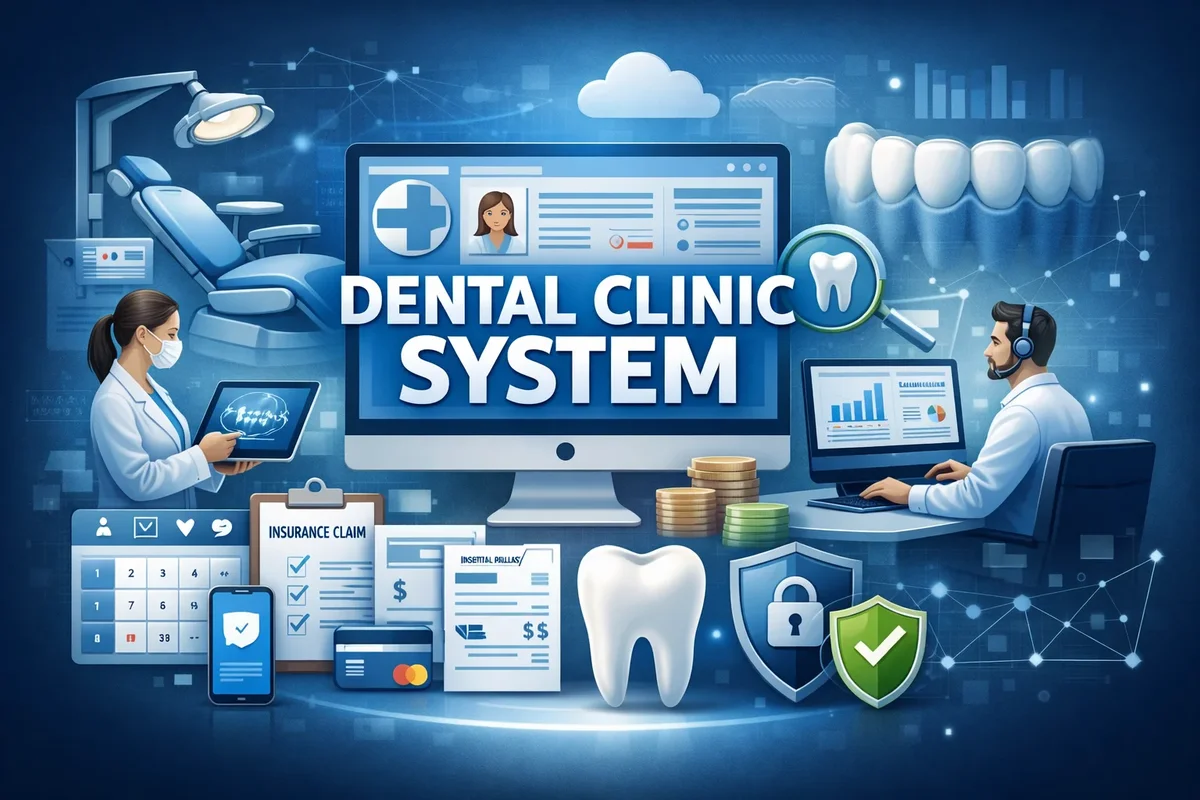
Future Trends in Dental Clinic System Technology
The evolution of digital healthcare continues to reshape modern dentistry, and the dental clinic system is at the center of this transformation. As technology advances, the dental clinic system is becoming more intelligent, automated, and patient-focused. Clinics that adopt forward-thinking innovations within their dental clinic system will gain a competitive advantage, improve efficiency, and deliver a higher standard of care. Understanding future trends helps practice owners prepare strategically for long-term success. 🚀
The next generation of dental clinic system technology focuses on artificial intelligence, cloud expansion, predictive analytics, enhanced cybersecurity, and patient-centered digital tools. These innovations are designed not only to simplify workflow but also to improve diagnostic accuracy and patient engagement.
Artificial Intelligence and Predictive Analytics
Artificial intelligence (AI) is rapidly becoming integrated into the dental clinic system. AI-powered tools can analyze radiographs, detect early signs of decay, evaluate bone density, and suggest treatment planning options. When integrated into a dental clinic system, these technologies assist clinicians by providing data-driven insights without replacing professional judgment.
Predictive analytics within the dental clinic system can identify patterns in patient behavior, appointment attendance, and treatment acceptance rates. For example, the dental clinic system may analyze historical data to predict which patients are likely to miss appointments or delay recommended procedures. This allows clinics to implement proactive communication strategies.
AI-Assisted Treatment Planning
Advanced dental clinic system platforms are beginning to incorporate AI-driven simulations for cosmetic dentistry, orthodontics, and implant planning. These tools generate visual previews that enhance patient understanding and improve case acceptance. By integrating AI modules into the dental clinic system, clinics combine human expertise with intelligent software support.
Cloud Expansion and Remote Accessibility
Cloud-based solutions continue to dominate the future of the dental clinic system. Cloud platforms provide real-time data synchronization across multiple devices and locations. Dentists can securely access patient records, treatment plans, and financial reports from remote locations without compromising data security.
As telehealth services expand, the dental clinic system will increasingly integrate virtual consultation features. Video consultations, digital document sharing, and remote follow-ups will become standard capabilities within advanced dental clinic system platforms.
Enhanced Cybersecurity and Data Protection
With increased digitalization comes greater responsibility for protecting sensitive information. Future dental clinic system technologies will include stronger encryption standards, biometric authentication, and AI-based threat detection systems.
Compliance with professional guidelines—such as those emphasized by the American Dental Association—requires secure data handling and ethical record management. The evolving dental clinic system will continue to strengthen privacy safeguards while maintaining operational accessibility.
Blockchain for Secure Records
Emerging technologies such as blockchain may eventually integrate into the dental clinic system. Blockchain-based record storage could provide tamper-proof documentation, ensuring that patient data remains unaltered and fully traceable. Although still developing, this technology represents a promising advancement in secure healthcare management.
Automation of Administrative Workflows
Future dental clinic system platforms will offer even greater automation. Intelligent scheduling tools will automatically optimize appointment slots based on procedure duration, provider availability, and patient preferences. Automated billing systems will process insurance claims with minimal manual intervention.
For example, procedures such as crowns ($800–$2,500) or implants ($3,000–$5,000 per tooth) can be coded and billed automatically within the dental clinic system. Integration with digital payment gateways ensures faster financial processing and improved transparency.
Patient-Centered Digital Experiences
The future dental clinic system will prioritize patient empowerment. Secure portals will allow patients to access treatment plans, financial statements, and educational resources from their smartphones. Digital consent forms, online scheduling, and automated reminders will further simplify patient interactions.
Additionally, integration with wearable health devices may allow the dental clinic system to monitor relevant health indicators that impact oral health. These innovations strengthen preventive care and long-term treatment planning.
Patients seeking more information about digital consultation options or advanced treatment planning can connect through the Redent Klinik Contact Page. A fully integrated dental clinic system ensures that such inquiries are securely documented and efficiently managed.
Integration with Advanced Dental Technologies
The dental clinic system of the future will integrate seamlessly with 3D printers, CAD/CAM systems, and digital impression scanners. Real-time synchronization between diagnostic devices and the dental clinic system reduces turnaround time for restorations and improves clinical precision.
For example, same-day crown fabrication becomes more efficient when digital impressions are automatically uploaded into the dental clinic system. This integration minimizes errors and accelerates treatment delivery.
Sustainability and Paperless Operations
Environmental sustainability is gaining importance in healthcare. The dental clinic system supports paperless operations by replacing printed charts, consent forms, and invoices with digital alternatives. Reducing paper usage not only lowers operational costs but also aligns with environmentally responsible practices.
Long-Term Strategic Impact
Ultimately, the future of the dental clinic system is driven by integration, intelligence, and patient-centric innovation. Practices that embrace these advancements will benefit from improved efficiency, enhanced diagnostic support, and stronger patient relationships.
In conclusion, future trends in dental clinic system technology point toward smarter automation, AI-driven diagnostics, cloud expansion, enhanced cybersecurity, and seamless integration with advanced dental equipment. By investing in an evolving dental clinic system, dental practices position themselves at the forefront of modern healthcare. The dental clinic system will continue to shape how dentistry is delivered—making care more efficient, secure, and personalized for both providers and patients in the years ahead. 🌟