
In today’s digital-first world, dental clinic website design is no longer just about having an online presence—it is about building immediate trust, communicating professionalism, and converting visitors into real patients 😊. When someone searches for a dental clinic, your website often becomes their very first interaction with your brand. Within seconds, users subconsciously decide whether they feel safe, confident, and comfortable choosing your clinic. This is why investing in strategic, patient-focused dental clinic website design is essential for long-term success.
Patients visiting a dental website are usually driven by specific needs: finding a trustworthy dentist, understanding available treatments, evaluating credibility, and making contact quickly. A well-planned dental clinic website design addresses all these expectations seamlessly. Clear navigation, reassuring visuals, professional language, and fast-loading pages work together to reduce anxiety—something particularly important in dentistry, where fear and hesitation are common.
Trust is the cornerstone of healthcare marketing. Unlike other industries, dental services involve personal health decisions, and users are highly sensitive to credibility signals. Effective dental clinic website design builds trust through elements such as real clinic photos, transparent information, dentist credentials, patient testimonials, and clear contact details. When users see an organized layout, consistent branding, and authoritative references like the
American Dental Association, they subconsciously associate your clinic with professionalism and safety.
Another critical role of dental clinic website design is guiding users toward action without pressure. Calls-to-action such as “Book an Appointment” or “Contact Our Clinic” should feel natural, not aggressive. When buttons are placed logically and supported by informative content, users are far more likely to convert. For example, a well-placed link to the
Redent Klinik Contact Page can significantly increase appointment requests when integrated smoothly into the user journey.
From a branding perspective, dental clinic website design communicates your clinic’s identity before a single conversation takes place. Color psychology, typography, spacing, and imagery all influence perception. Soft colors and clean layouts often convey calmness and hygiene, while cluttered or outdated designs can raise doubts—even if the clinic itself is excellent. Your website should visually reflect the same level of care and precision patients expect in the dental chair 🦷.
Search intent also plays a vital role. Users searching for dental services expect fast answers: services offered, location, opening hours, and how to get in touch. A patient-centric dental clinic website design organizes this information logically, ensuring visitors never feel lost or frustrated. This not only improves user satisfaction but also signals quality to search engines, supporting higher rankings in Google.
Modern dental clinic website design must also support educational content. Blog articles, FAQs, and treatment explanations position your clinic as an authority while helping patients make informed decisions. When users understand procedures clearly, their confidence increases, and trust deepens. This educational layer transforms your website from a simple brochure into a valuable health resource.
Finally, it’s important to understand that dental clinic website design is not a one-time project—it is an evolving digital asset. As patient expectations, technology, and SEO standards change, your website should adapt accordingly. Clinics that regularly optimize their design, content, and performance consistently outperform competitors who rely on outdated layouts.
In summary, dental clinic website design directly influences patient trust, online visibility, and conversion rates. A strategic, user-friendly, and professionally executed website is no longer optional—it is a core component of modern dental practice growth. By focusing on clarity, credibility, and patient experience, your website becomes one of your most powerful tools for attracting and retaining patients 🌐.
Why Dental Clinic Website Design Matters for Patient Trust
Trust is the foundation of every successful healthcare relationship, and dental clinic website design plays a decisive role in establishing that trust before a patient ever steps into your clinic. In dentistry, where anxiety and hesitation are common, patients rely heavily on online cues to decide whether a clinic feels safe, professional, and reliable. A poorly designed website can instantly raise doubts, while a well-structured dental clinic website design reassures visitors that they are in capable hands 😊.
First Impressions and Psychological Impact
Studies consistently show that users form an opinion about a website within seconds. For dental practices, this first impression can determine whether a visitor stays or leaves. Effective dental clinic website design uses clean layouts, calming colors, and balanced spacing to reduce visual stress. This psychological comfort is crucial in dentistry, where fear of treatment often influences decision-making.
When visitors land on a dental website, they subconsciously ask questions: “Is this clinic modern?”, “Are the dentists qualified?”, “Can I trust them with my health?” A professional dental clinic website design answers these questions visually before any text is read. Consistent branding, high-quality images, and intuitive navigation immediately communicate credibility.
Transparency Builds Confidence
One of the most powerful trust signals in dental clinic website design is transparency. Patients want to know who you are, what you offer, and how to reach you. Clearly displayed dentist profiles, clinic photos, treatment explanations, and contact information remove uncertainty. When users can easily find real faces and real information, trust grows naturally.
Authoritative references also strengthen credibility. Linking to respected organizations such as the
American Dental Association shows that your clinic aligns with recognized professional standards. This type of association reinforces trust and positions your practice as ethical and knowledgeable.
Clear Contact Paths Reduce Anxiety
Uncertainty creates stress, especially for patients seeking dental care. A strong dental clinic website design eliminates friction by making contact options obvious and accessible. Whether it’s a phone number, contact form, or appointment request button, users should never have to search for the next step.
Strategically placed internal links, such as directing visitors to the
Redent Klinik Contact Page, help convert trust into action. When users feel confident and can easily reach out, they are far more likely to schedule an appointment.
Professional Design Signals Clinical Quality
Patients often associate the quality of a website with the quality of care. A modern, fast, and well-organized dental clinic website design suggests that the clinic values precision, hygiene, and patient experience. Conversely, outdated visuals or broken layouts can imply neglect—even if the actual dental care is excellent.
Typography, color harmony, and visual hierarchy are subtle yet powerful trust builders. Simple fonts improve readability, while soft blues and whites evoke cleanliness and calmness. These design choices reinforce the perception that the clinic is professional, organized, and patient-focused 🦷.
Consistency Across Content and Design
Consistency is another critical trust factor in dental clinic website design. When design elements, tone of voice, and messaging align across all pages, users feel a sense of stability. Inconsistent layouts or conflicting messages can cause confusion and reduce confidence.
From service descriptions to blog content, every page should reflect the same standards. This consistency reassures patients that the clinic is reliable and detail-oriented—qualities they expect from healthcare providers.
User Experience as a Trust Signal
User experience (UX) directly impacts trust. If a website is slow, confusing, or difficult to navigate, users may assume the clinic operates the same way. A patient-friendly dental clinic website design ensures fast loading times, logical menus, and mobile responsiveness, creating a smooth experience for all visitors.
When patients can quickly find information, understand treatments, and take action without frustration, their confidence in the clinic increases. This seamless experience signals professionalism and respect for the patient’s time.
In conclusion, dental clinic website design is far more than aesthetics—it is a trust-building tool that directly influences patient decisions. By focusing on clarity, transparency, consistency, and user experience, dental clinics can create websites that reassure visitors, reduce anxiety, and encourage meaningful engagement. In a competitive digital landscape, trust-driven dental clinic website design is not optional—it is essential for sustainable growth 🌐.
Core Elements of a High-Converting Dental Clinic Website Design
A successful dental clinic website design is not judged by how beautiful it looks alone, but by how effectively it converts visitors into real patients. Conversion in this context means guiding users toward meaningful actions such as booking appointments, calling the clinic, or submitting contact forms. To achieve this, a high-performing dental clinic website design must combine strategy, psychology, usability, and trust-building elements into a seamless digital experience 😊.
Clear Value Proposition Above the Fold
The first visible section of your website—often called “above the fold”—is one of the most critical components of dental clinic website design. Within seconds, visitors should understand who you are, what you offer, and why they should choose your clinic. A concise headline, supportive subtext, and a clear call-to-action work together to communicate value instantly.
High-converting dental websites avoid vague messaging. Instead of generic statements, effective dental clinic website design highlights specific benefits such as advanced technology, experienced dentists, patient comfort, or international standards of care. When visitors immediately recognize relevance, they are far more likely to continue exploring the site.
Strategic Call-to-Action Placement
Calls-to-action (CTAs) are the driving force behind conversions. A strong dental clinic website design places CTAs naturally throughout the user journey without overwhelming visitors. Buttons like “Book an Appointment,” “Contact Our Clinic,” or “Get a Consultation” should be visually distinct and easy to understand.
Rather than repeating aggressive prompts, effective dental clinic website design uses contextual CTAs. For example, after explaining a treatment, offering a simple next step builds momentum and trust. Linking directly to the
Redent Klinik Contact Page at the right moment can significantly increase conversion rates.
Designing CTAs for Emotional Comfort
Dental anxiety is real, and CTAs should respect that reality. Soft language, calming colors, and reassuring microcopy help reduce hesitation. A patient-centered dental clinic website design focuses on encouragement rather than pressure, making visitors feel supported rather than rushed 🦷.
Trust Signals That Influence Decisions
Trust signals are essential elements of high-converting dental clinic website design. These include dentist credentials, certifications, patient testimonials, before-and-after visuals, and real clinic imagery. When visitors see proof of professionalism and authenticity, uncertainty decreases.
External credibility also matters. Referencing authoritative institutions such as the
American Dental Association reinforces professional legitimacy. This association signals adherence to recognized standards, which directly influences patient confidence and decision-making.
Service Pages Built for Clarity and Conversion
Every service page plays a direct role in conversion. A well-structured dental clinic website design ensures that each treatment page answers common patient questions: What is the procedure? Who is it for? What are the benefits? What should the patient do next?
Clear headings, short paragraphs, and visual hierarchy improve readability and keep users engaged. When visitors feel informed rather than confused, they are more likely to take action. This clarity-driven approach is a hallmark of effective dental clinic website design.
Reducing Cognitive Load
Cognitive load refers to the mental effort required to process information. High-converting dental clinic website design minimizes this effort by simplifying navigation, avoiding clutter, and presenting information logically. Fewer distractions mean clearer decisions.
For example, limiting menu items, using icons for quick recognition, and maintaining consistent layouts help users focus on what matters most—getting in touch with your clinic.
Fast Performance and Technical Reliability
Speed is a silent conversion killer. Even the most visually appealing dental clinic website design will fail if pages load slowly or behave inconsistently. Modern users expect instant access, especially on mobile devices.
Optimized images, clean code, and reliable hosting ensure that your website performs smoothly. From a user’s perspective, a fast and stable website reflects professionalism and respect for their time—both critical factors in conversion-focused dental clinic website design.
Mobile Optimization as a Conversion Driver
Most patients search for dental services on their smartphones. A responsive dental clinic website design adapts seamlessly to all screen sizes, ensuring buttons are clickable, text is readable, and forms are easy to complete on mobile devices 📱.
Mobile-friendly design is no longer optional. It directly affects user satisfaction, search rankings, and conversion rates. Clinics that prioritize mobile usability consistently outperform those that do not.
In conclusion, a high-converting dental clinic website design is built on clarity, trust, usability, and performance. By combining strong value messaging, strategic CTAs, trust signals, and seamless user experience, dental clinics can transform their websites into powerful patient acquisition tools. When every element works together with purpose, your website becomes more than a digital brochure—it becomes a growth engine 🌐.
User Experience Principles in Dental Clinic Website Design
User experience (UX) is one of the most influential factors in successful dental clinic website design. While aesthetics attract attention, UX determines whether visitors stay, explore, and ultimately take action. In healthcare, especially dentistry, users often arrive with anxiety, urgency, or uncertainty. A patient-centered dental clinic website design anticipates these emotions and removes obstacles, creating a smooth, reassuring digital journey 😊.
Intuitive Navigation for Stress-Free Browsing
Navigation is the backbone of effective dental clinic website design. If users cannot quickly find what they are looking for, trust erodes and bounce rates increase. Clear menus, logical page structures, and descriptive labels help patients move effortlessly through the site.
An intuitive navigation system prioritizes the most important information: services, about the clinic, contact details, and appointment options. When these elements are immediately accessible, users feel in control—an essential psychological factor in healthcare-related decisions.
Limiting Choices to Improve Decision-Making
Too many options can overwhelm users. High-quality dental clinic website design limits menu items and avoids unnecessary complexity. By reducing cognitive overload, visitors can focus on their primary goal: choosing a dentist they trust 🦷.
Readable Content and Visual Hierarchy
Content presentation is a critical UX component of dental clinic website design. Patients often skim rather than read word-for-word, especially on mobile devices. Clear headings, short paragraphs, bullet points, and whitespace make information easier to digest.
Visual hierarchy guides the eye toward the most important elements first. Strategic use of font sizes, contrast, and spacing ensures that key messages—such as benefits, services, and calls-to-action—stand out without overwhelming the user.
Consistency Across Pages
Consistency is a silent yet powerful UX principle in dental clinic website design. When layouts, colors, fonts, and interaction patterns remain consistent, users feel comfortable and confident navigating the site. Inconsistency, on the other hand, creates confusion and doubt.
Every page should feel like part of the same system. This includes consistent button styles, similar content structures, and unified branding. Consistency reinforces professionalism and reliability, two qualities patients seek in a dental clinic.
Mobile-First Thinking in UX Design
Modern dental clinic website design must prioritize mobile usability. A significant portion of users search for dental services on their phones, often in urgent situations. Buttons must be large enough to tap, text must be readable without zooming, and forms must be easy to complete 📱.
Mobile-first UX design ensures that essential actions—such as calling the clinic or booking an appointment—are accessible with minimal effort. This responsiveness directly impacts conversion rates and patient satisfaction.
Touch-Friendly Interactions
Touch-based interaction requires thoughtful design. Effective dental clinic website design avoids small buttons, crowded links, or complex gestures. Simple, touch-friendly elements reduce frustration and create a smoother experience on mobile devices.
Speed and Feedback in User Interactions
UX is not only about layout—it’s also about responsiveness. A fast-loading dental clinic website design keeps users engaged, while delays cause impatience and abandonment. Speed is especially critical for first-time visitors forming initial impressions.
Providing feedback for user actions also improves UX. For example, confirming form submissions or highlighting selected buttons reassures users that their actions were successful. This clarity builds confidence and reduces uncertainty.
Accessibility as a Core UX Principle
Inclusive dental clinic website design ensures that all users, including those with disabilities, can access and understand content. Readable fonts, sufficient color contrast, and clear structure improve usability for everyone—not just users with accessibility needs.
Accessible design also supports older patients, who may have vision or motor limitations. By considering accessibility from the beginning, dental clinics demonstrate care and responsibility, reinforcing trust and professionalism.
Guiding Users Toward Action Naturally
Great UX subtly guides users without force. A well-executed dental clinic website design leads visitors toward meaningful actions through logical flow and contextual prompts. After learning about services or the clinic, users should naturally encounter options to get in touch.
Strategically integrating internal links, such as directing users to the
Redent Klinik Contact Page, ensures that the transition from information to action feels seamless rather than abrupt.
In summary, user experience is the invisible engine behind effective dental clinic website design. By focusing on intuitive navigation, readability, consistency, mobile usability, speed, and accessibility, dental clinics can create websites that feel effortless to use. When patients feel comfortable and understood, trust increases—and trust is what ultimately turns visitors into loyal patients 🌐.
Mobile-First Dental Clinic Website Design for Modern Patients
In today’s always-connected world, mobile usability is no longer a secondary consideration—it is a core requirement of effective dental clinic website design. Most patients now search for dental services on their smartphones, often while on the move or in moments of urgency. A mobile-first dental clinic website design ensures that these users receive a smooth, intuitive, and reassuring experience from the very first tap 😊.
Why Mobile-First Design Is Essential in Dentistry
Mobile-first design means planning and designing the website primarily for mobile devices, then scaling up for tablets and desktops. This approach is especially important in dental clinic website design because patients frequently look for clinics based on immediate needs such as pain, emergencies, or quick consultations.
If a website is difficult to use on a smartphone—slow loading, unreadable text, or tiny buttons—users will leave instantly and choose a competitor. A mobile-optimized dental clinic website design removes these barriers, ensuring accessibility anytime and anywhere.
Responsive Layouts That Adapt Seamlessly
A responsive layout is a foundational element of mobile-first dental clinic website design. It allows content, images, and navigation elements to automatically adjust to different screen sizes without breaking the layout. This adaptability ensures that the website feels natural on every device.
Text should resize for readability, images should scale proportionally, and menus should transform into mobile-friendly formats. When users don’t need to zoom or scroll excessively, their experience becomes effortless—and trust increases 🦷.
Thumb-Friendly Navigation and Buttons
Mobile users interact primarily with their thumbs, not a mouse. Effective dental clinic website design accounts for this by placing key buttons within easy reach and ensuring they are large enough to tap accurately.
Primary actions such as calling the clinic, booking an appointment, or opening the contact page should be instantly accessible. This ergonomic approach reduces frustration and increases conversion rates on mobile devices.
Speed Optimization for Mobile Users
Mobile users are less patient with slow-loading pages. Even a one-second delay can significantly reduce engagement. High-performing dental clinic website design prioritizes speed through optimized images, lightweight code, and efficient hosting.
Fast load times not only improve user satisfaction but also support better search engine rankings. Google places strong emphasis on mobile performance, making speed a critical SEO factor for dental clinic website design.
Simplified Content for Smaller Screens
Mobile screens demand clarity and focus. A mobile-first dental clinic website design simplifies content presentation without sacrificing information quality. Long paragraphs are broken into shorter sections, headings guide the reader, and unnecessary clutter is removed.
This streamlined approach helps users quickly understand services, benefits, and next steps. When information is easy to consume, patients feel more confident and less overwhelmed.
Prioritizing Essential Information
On mobile devices, not all content carries equal importance. Effective dental clinic website design prioritizes essential details such as location, contact options, services, and availability. Secondary information can still be accessed but should not distract from primary goals.
This prioritization ensures that users can take action quickly—especially valuable for patients seeking immediate dental assistance.
Mobile Forms and Appointment Requests
Forms are a common friction point on mobile devices. A user-friendly dental clinic website design keeps forms short, simple, and easy to complete on small screens. Fewer fields, clear labels, and auto-fill support dramatically improve completion rates.
Appointment request forms should feel effortless rather than burdensome. When patients can reach out without frustration, conversions naturally increase 📱.
Click-to-Call and Instant Actions
One of the biggest advantages of mobile dental clinic website design is the ability to enable instant actions. Click-to-call buttons allow users to contact the clinic with a single tap—ideal for emergencies or quick questions.
Integrating direct links to key actions, such as the
Redent Klinik Contact Page, ensures that mobile users never feel stuck or uncertain about what to do next.
Building Trust on Mobile Devices
Trust-building elements must remain visible and effective on mobile screens. Reviews, credentials, and professional affiliations—such as references to the
American Dental Association—should be integrated seamlessly without overwhelming the layout.
A polished, mobile-first dental clinic website design reassures users that the clinic is modern, attentive, and patient-focused, regardless of device.
In conclusion, mobile-first thinking is no longer optional in dental clinic website design. By focusing on responsiveness, speed, clarity, and ease of action, dental clinics can meet modern patient expectations and significantly improve engagement and conversions. A well-executed mobile experience turns brief visits into meaningful connections—and ultimately, into loyal patients 🌐.
SEO Foundations for Dental Clinic Website Design Success
Search engine visibility is one of the most powerful growth drivers for modern clinics, and dental clinic website design plays a central role in how well a website performs in Google search results. SEO is not something that can be added afterward—it must be built directly into the structure, content, and technical foundation of your site. When SEO principles are integrated correctly, dental clinic website design attracts qualified visitors who are actively looking for dental services, not just casual browsers 😊.
Search Intent Alignment in Dental Website Structure
Every successful dental clinic website design begins with understanding search intent. Patients searching online are usually looking for one of three things: information, reassurance, or immediate contact. Your website architecture must reflect these needs clearly.
Service pages should target treatment-related searches, informational pages should answer common patient questions, and contact pages should be easy to reach from anywhere on the site. When dental clinic website design aligns structure with intent, users stay longer and Google interprets this behavior as a quality signal.
Keyword Optimization Without Overuse
Strategic keyword placement is a cornerstone of SEO-focused dental clinic website design. The target keyword must appear naturally in headings, body text, URLs, and meta elements without feeling forced. Overuse can harm readability and rankings, while underuse weakens relevance.
High-quality dental clinic website design balances keyword usage with natural language, ensuring content remains patient-friendly while still signaling relevance to search engines. Supporting phrases such as “dental website development” or “dentist website layout” can be used sparingly to strengthen semantic context without diluting focus.
Optimized Headings and Content Hierarchy
Search engines rely heavily on headings to understand page structure. A strong dental clinic website design uses a single, clear H1 per page, followed by logically ordered H2, H3, and H4 tags. This hierarchy helps both users and search engines navigate content efficiently 🦷.
Well-structured headings also improve featured snippet potential, increasing visibility for informational queries related to dental services.
Technical SEO as a Design Responsibility
Technical performance is inseparable from dental clinic website design. Page speed, mobile responsiveness, secure connections (HTTPS), and clean code directly influence rankings. A slow or unstable site sends negative signals to search engines and frustrates users.
Optimized images, efficient CSS and JavaScript, and reliable hosting are essential components of SEO-friendly dental clinic website design. These elements ensure fast load times and smooth interactions across all devices.
Core Web Vitals and User Signals
Google’s Core Web Vitals measure real-world user experience, including loading performance, interactivity, and visual stability. A modern dental clinic website design must meet these standards to remain competitive in search results.
Stable layouts, fast content rendering, and responsive interactions improve user satisfaction while reinforcing SEO performance.
Content Depth and Authority Building
Search engines favor websites that demonstrate expertise and authority. A well-executed dental clinic website design supports long-form, educational content that answers patient questions thoroughly and accurately.
Blog articles, treatment guides, and FAQs not only help users but also signal topical authority. Referencing trusted organizations such as the
American Dental Association further strengthens credibility and trustworthiness.
Internal Linking for SEO and Usability
Internal links guide users and distribute ranking power across the site. Strategic internal linking is a key SEO element of dental clinic website design. Relevant links help search engines understand page relationships while encouraging deeper user engagement.
For example, directing users naturally to the
Redent Klinik Contact Page after informative sections improves usability and conversion potential at the same time.
Local SEO Integration
Most dental clinics serve specific geographic areas, making local SEO essential. Effective dental clinic website design integrates location-based signals such as clinic address, service areas, and structured data.
Consistent name, address, and contact details across the site help search engines associate your clinic with local searches. This integration increases visibility for patients searching nearby.
Clean URLs and Metadata
SEO-friendly URLs and metadata are often overlooked in dental clinic website design. Clean, descriptive URLs improve click-through rates and make pages easier to understand for both users and search engines.
Meta titles and descriptions should be written clearly, include relevant keywords naturally, and encourage clicks without exaggeration.
In conclusion, SEO success begins at the design level. A strategically planned dental clinic website design integrates search intent, technical performance, content depth, and internal linking into one cohesive system. When SEO is built into the foundation rather than added later, dental clinics gain sustainable visibility, higher-quality traffic, and long-term growth in competitive search results 🌐.
Content Strategy That Strengthens Dental Clinic Website Design
Content is the voice of your website, and in dental clinic website design, it plays a decisive role in educating patients, building trust, and driving conversions. While visuals attract attention, content answers questions, reduces anxiety, and guides users toward action. A strategic content approach ensures that dental clinic website design is not only visually appealing but also informative, persuasive, and aligned with patient needs 😊.
Understanding Patient-Centered Content
Effective dental clinic website design begins with understanding what patients want to know. Most visitors are not experts in dentistry—they are looking for clear explanations, reassurance, and honest guidance. Content should be written in simple, natural language that avoids unnecessary jargon while still maintaining professional credibility.
Patient-centered content focuses on common concerns such as pain, safety, outcomes, and aftercare. When dental clinic website design addresses these concerns openly, it reduces fear and builds confidence before the first appointment.
Educational Content as a Trust Builder
Educational content is one of the most powerful tools in dental clinic website design. Blog articles, treatment guides, and FAQ sections help patients understand procedures and make informed decisions. This positions your clinic as a reliable authority rather than just a service provider 🦷.
Search engines also reward in-depth educational content. When your website consistently answers relevant questions thoroughly, Google recognizes it as a valuable resource. Referencing respected institutions like the
American Dental Association further strengthens authority and credibility.
Balancing Depth and Readability
While depth is important, readability must never be sacrificed. A strong dental clinic website design presents complex information in a structured, easy-to-read format. Short paragraphs, clear headings, and logical flow keep users engaged without overwhelming them.
This balance ensures that both search engines and real patients find the content valuable.
Service Pages That Convert
Service pages are the backbone of content-driven dental clinic website design. Each service page should clearly explain what the treatment involves, who it is suitable for, and what benefits patients can expect. Vague descriptions reduce trust, while detailed explanations increase confidence.
A strong service page ends with a clear next step. After educating the visitor, the content should gently guide them toward contacting the clinic. Strategic internal links—such as pointing users to the
Redent Klinik Contact Page—turn information into action.
Consistency in Tone and Messaging
Consistency is essential in content-focused dental clinic website design. The tone of voice should remain reassuring, professional, and empathetic across all pages. Sudden shifts in tone or messaging can confuse users and weaken trust.
Whether explaining a complex procedure or introducing the dental team, consistent messaging reinforces the clinic’s identity and values. This reliability makes patients feel comfortable and understood.
SEO-Driven Content Structure
Search-friendly structure is a core component of effective dental clinic website design. Content should be organized using clear heading hierarchies (H2, H3, H4) that help search engines understand topic relevance and relationships.
Keyword usage should feel natural and purposeful. The target keyword must appear in strategic locations without disrupting readability. Supporting terms such as “dentist website development” or “dental practice web design” can be used sparingly to enhance semantic relevance.
Internal Linking as Part of Content Strategy
Internal linking strengthens both usability and SEO in dental clinic website design. Linking related pages helps users explore the site more deeply while signaling content relationships to search engines.
When internal links are placed contextually within valuable content, they feel helpful rather than intrusive.
Visual Content Supporting Written Content
Visual elements should complement, not replace, written content in dental clinic website design. Images, icons, and infographics help break up text and reinforce key messages. However, visuals should always support clarity rather than distract from it.
Optimized visuals also improve engagement and reduce bounce rates, indirectly supporting SEO performance.
Updating Content to Maintain Relevance
Content strategy is not static. A forward-thinking dental clinic website design includes regular updates to keep information accurate and relevant. Updating blog posts, refreshing service descriptions, and adding new educational content signals activity and reliability to both users and search engines 🌐.
In conclusion, content is the strategic backbone of effective dental clinic website design. By focusing on patient-centered education, consistency, SEO structure, and actionable messaging, dental clinics can create websites that inform, reassure, and convert. When content and design work together seamlessly, the website becomes a powerful communication tool that supports both patient care and sustainable growth.
Visual Branding and Layout in Dental Clinic Website Design
Visual branding is one of the most immediately impactful aspects of dental clinic website design. Before a visitor reads a single word, they interpret colors, images, spacing, and overall layout. These visual cues shape perception, influence emotions, and directly affect whether a patient feels comfortable trusting a clinic. In dentistry—where calmness, cleanliness, and professionalism are essential—visual branding must be intentional and patient-focused 😊.
The Role of Visual Identity in Patient Perception
A strong visual identity ensures that dental clinic website design communicates reliability and professionalism at first glance. Consistent use of brand colors, fonts, and imagery creates recognition and familiarity, which are crucial for trust. When a website looks cohesive and polished, patients assume the same level of care exists within the clinic itself.
Dental websites typically benefit from light, neutral color palettes—such as whites, soft blues, and gentle greens—that evoke hygiene and calmness. Poor color choices or visual clutter, on the other hand, can increase anxiety and reduce credibility 🦷.
Layout Structure That Guides the Eye
Layout is the structural framework of effective dental clinic website design. A well-organized layout guides users naturally from one section to another, ensuring that important information is seen in the right order. This visual flow helps patients understand services, benefits, and next steps without confusion.
Modern dental websites often use grid-based layouts with clear sections and generous spacing. This approach improves readability, reduces visual fatigue, and makes content easier to scan—especially for users who are quickly searching for answers.
Using White Space Strategically
White space, or negative space, is a powerful yet often underestimated element in dental clinic website design. It gives content room to breathe and prevents the page from feeling overwhelming. Strategic white space enhances focus and makes key elements such as headlines and calls-to-action stand out.
Rather than filling every area with text or images, successful designs use white space to create balance and visual harmony.
Typography That Supports Clarity and Trust
Typography directly affects readability and perception. In dental clinic website design, fonts should be clean, modern, and easy to read across all devices. Overly decorative fonts may look stylish but often reduce clarity and professionalism.
Consistent font usage across headings, body text, and buttons reinforces brand identity and improves user experience. Proper line spacing and font size also play a critical role in accessibility and comfort.
Imagery That Feels Authentic and Reassuring
Images are emotional triggers in dental clinic website design. Authentic photos of the clinic, dental team, and real patient interactions create a sense of transparency and trust. Stock images that feel generic or staged can weaken credibility.
High-quality visuals should reflect real environments, clean facilities, and friendly professionals. These elements help patients visualize their experience and reduce uncertainty about visiting the clinic 📸.
Optimizing Images for Performance and SEO
While visuals are important, performance must not be compromised. A well-executed dental clinic website design optimizes images for fast loading without sacrificing quality. Proper sizing, compression, and descriptive alt text improve both user experience and search engine visibility.
Optimized visuals support accessibility and ensure that the website performs well on all devices, especially mobile.
Consistency Across All Visual Elements
Consistency is a hallmark of professional dental clinic website design. Buttons, icons, color accents, and layout patterns should behave the same way across every page. This predictability helps users feel comfortable and confident navigating the site.
When visual elements change unexpectedly, users may feel disoriented or unsure. Consistent branding eliminates this friction and reinforces trust.
Visual Hierarchy and Conversion Focus
Visual hierarchy ensures that the most important elements receive the most attention. In dental clinic website design, this often means highlighting service benefits, trust signals, and calls-to-action through size, color, and placement.
Buttons and links should stand out without appearing aggressive. Subtle contrast and strategic positioning guide users toward actions such as contacting the clinic or booking an appointment.
For example, visually emphasizing pathways that lead to the
Redent Klinik Contact Page helps transform visual engagement into real patient inquiries.
Branding That Aligns With Authority and Standards
Visual branding should also reflect adherence to professional standards. Referencing respected organizations like the
American Dental Association within a clean and professional visual environment strengthens authority and trust.
When branding, layout, and credibility signals align, users perceive the clinic as reliable and established.
In conclusion, visual branding and layout are not decorative extras—they are strategic pillars of effective dental clinic website design. By combining cohesive branding, structured layouts, readable typography, and authentic imagery, dental clinics can create websites that feel calm, professional, and trustworthy. When visuals support clarity and confidence, patients are far more likely to engage, trust, and take the next step 🌐.
Technical Performance and Speed Optimization for Dental Clinic Website Design
Technical performance is the invisible backbone of effective dental clinic website design. While users may not consciously notice fast load times or stable layouts, they immediately feel the negative impact when a website is slow, unresponsive, or visually unstable. In dentistry—where trust, urgency, and professionalism matter—technical excellence directly influences patient decisions and search engine rankings 😊.
Why Website Speed Matters for Dental Clinics
Speed is one of the most critical performance factors in dental clinic website design. Modern users expect pages to load almost instantly, especially on mobile devices. If a dental website takes more than a few seconds to load, visitors are likely to leave and search for another clinic.
From a patient’s perspective, a slow website can subconsciously signal inefficiency or lack of professionalism. From a search engine perspective, slow speed is a negative ranking factor. This makes speed optimization a non-negotiable element of successful dental clinic website design.
Core Web Vitals and User Experience
Google evaluates real user experience through metrics known as Core Web Vitals. These metrics measure loading speed, interactivity, and visual stability. A modern dental clinic website design must meet these standards to remain competitive in search results.
Fast content rendering, smooth interactions, and stable page layouts reduce frustration and improve engagement. When users experience a technically polished website, they are more likely to trust the clinic behind it 🦷.
Visual Stability and Layout Shifts
Unexpected layout shifts—where elements move while a page is loading—can be especially frustrating. High-quality dental clinic website design prevents this by defining image dimensions, reserving space for dynamic elements, and loading content predictably.
Stable layouts not only improve usability but also signal attention to detail and professionalism.
Image Optimization Without Quality Loss
Images are essential for visual appeal, but they are also one of the biggest causes of slow websites. Effective dental clinic website design uses optimized image formats, proper compression, and responsive sizing to balance quality and performance.
Images should load quickly without appearing blurry or pixelated. This ensures that visual branding remains strong while maintaining fast load times across all devices.
Clean Code and Efficient Scripts
Behind every fast website is clean, efficient code. A performance-focused dental clinic website design avoids unnecessary scripts, bloated plugins, and redundant code. Each extra element adds load time and increases the risk of technical issues.
Minimized CSS and JavaScript files, combined with asynchronous loading where appropriate, ensure that essential content appears quickly and interactions feel responsive.
Avoiding Plugin Overload
Many dental websites rely heavily on plugins, especially when built on content management systems. However, excessive or poorly coded plugins can slow down even the best dental clinic website design.
A streamlined approach—using only essential, well-maintained plugins—reduces conflicts, improves stability, and enhances overall performance.
Reliable Hosting and Server Performance
Hosting quality directly affects speed and uptime. A robust dental clinic website design must be supported by reliable hosting that offers fast server response times, security, and scalability.
Patients expect access to information at all times. Frequent downtime or slow server responses can damage credibility and reduce conversions.
Mobile Performance as a Priority
Mobile performance deserves special attention in dental clinic website design. Mobile networks can be slower and less stable than desktop connections, making optimization even more important.
Lightweight pages, compressed assets, and efficient caching ensure that mobile users enjoy a smooth experience regardless of connection quality 📱.
Security and Performance Go Hand in Hand
Secure websites are not only safer but often perform better. HTTPS is a standard requirement in modern dental clinic website design. Secure connections protect patient data and improve trust, while also being a confirmed ranking factor for Google.
A secure website reassures users that their information is handled responsibly, which is especially important in healthcare contexts.
Monitoring and Continuous Optimization
Performance optimization is not a one-time task. A sustainable dental clinic website design includes regular monitoring, testing, and refinement. Tools that measure speed, user behavior, and technical health help identify issues before they affect patients.
Ongoing optimization ensures that the website remains fast, stable, and competitive as content grows and technology evolves 🌐.
Performance Supporting SEO and Conversions
Technical performance influences both visibility and conversion. Search engines reward fast, stable websites, while users reward them with longer visits and higher engagement. In dental clinic website design, performance acts as a multiplier—enhancing the effectiveness of content, visuals, and user experience.
When technical foundations are strong, every other aspect of the website performs better.
In conclusion, technical performance and speed optimization are essential pillars of effective dental clinic website design. By prioritizing fast load times, clean code, mobile efficiency, and ongoing monitoring, dental clinics can create websites that feel reliable, professional, and trustworthy. A technically optimized website does not just look good—it works flawlessly, supporting patient confidence, SEO success, and long-term digital growth.
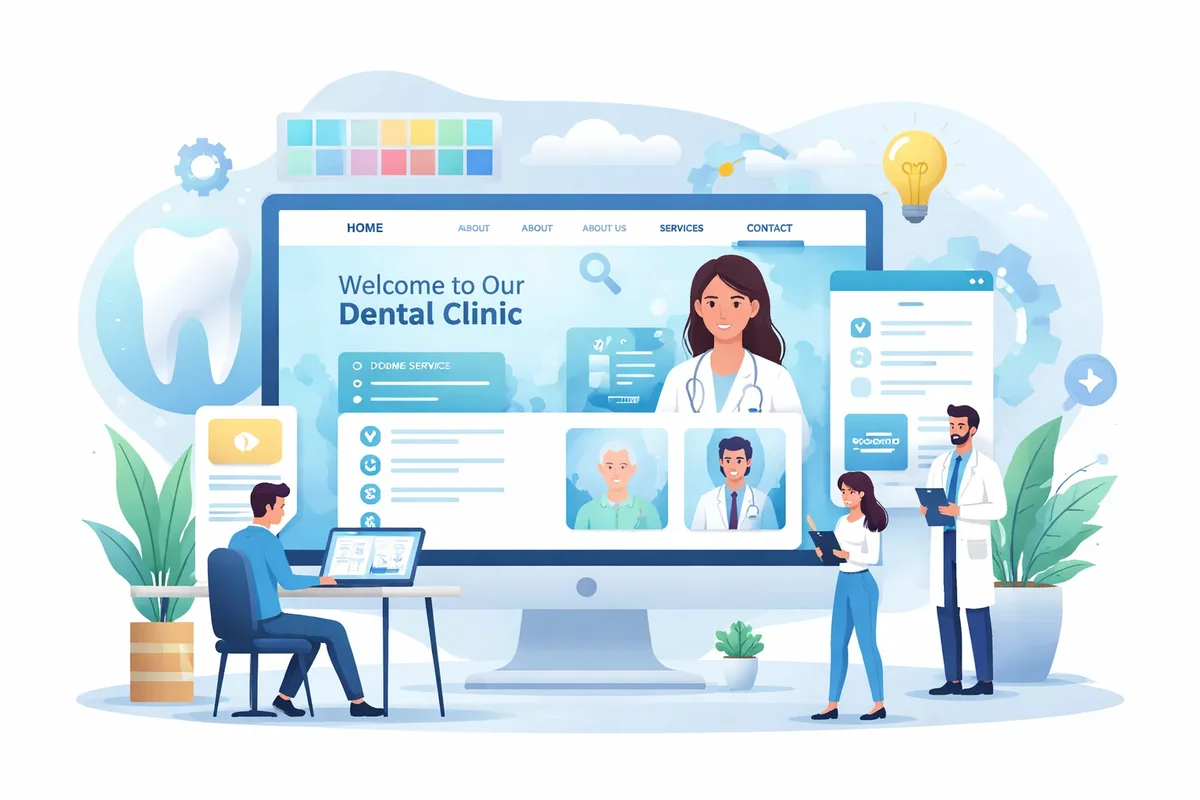
Compliance, Security, and Accessibility in Dental Clinic Website Design
Compliance, security, and accessibility are often underestimated, yet they are critical pillars of professional dental clinic website design. A dental website does not simply represent a business—it represents a healthcare provider responsible for patient trust, data protection, and ethical standards. When these elements are handled correctly, dental clinic website design becomes not only safer and more inclusive but also more credible in the eyes of both users and search engines 😊.
Why Compliance Matters in Dental Websites
Healthcare websites are subject to stricter expectations than many other industries. A compliant dental clinic website design ensures that patients are informed about how their data is handled, how the clinic operates, and what standards it follows. Transparency is essential in building long-term trust.
Clear privacy policies, terms of use, and cookie disclosures are not just legal formalities—they are trust signals. When patients see that a clinic openly explains its responsibilities, they feel safer engaging with the website and sharing personal information.
Privacy Policies and Patient Confidence
A visible and clearly written privacy policy is a cornerstone of compliant dental clinic website design. It explains how patient data is collected, stored, and protected. Even if patients never read every word, knowing that the information exists reassures them.
Placing privacy-related links in consistent locations, such as the footer, ensures accessibility without disrupting the user experience.
Website Security as a Trust Signal
Security is non-negotiable in dental clinic website design. Patients often submit sensitive information through contact forms or appointment requests. A secure website protects this data and signals professionalism.
HTTPS encryption is the minimum requirement. Modern browsers clearly warn users when a site is not secure, which can instantly damage credibility. A secure dental clinic website design prevents these warnings and reassures visitors that their information is safe 🔒.
Protecting Forms and User Interactions
Forms are common entry points for security vulnerabilities. A responsible dental clinic website design protects forms against spam, abuse, and unauthorized access. Validation, secure data handling, and reliable hosting all play a role.
When patients submit a form, they should feel confident that their message reaches the clinic safely. This confidence directly impacts conversion rates and patient satisfaction.
Accessibility as an Ethical and Practical Requirement
Accessibility ensures that everyone—including people with disabilities—can use your website effectively. Inclusive dental clinic website design considers users with visual, auditory, motor, or cognitive limitations.
Accessible websites are easier for all users, not just those with disabilities. Clear structure, readable fonts, and intuitive navigation improve overall usability and reflect a patient-centered mindset 🦷.
Readable Content and Visual Accessibility
Text readability is a fundamental accessibility principle in dental clinic website design. Adequate font sizes, sufficient color contrast, and logical spacing ensure that content is easy to read for users of all ages.
These adjustments are especially important for older patients, who often make up a significant portion of dental clinic audiences.
Keyboard Navigation and Screen Reader Support
Some users navigate websites using keyboards or screen readers instead of a mouse. An accessible dental clinic website design supports these technologies by using proper HTML structure and descriptive labels.
Clear headings, meaningful link text, and logical content order help assistive technologies interpret the page correctly, improving usability for everyone.
Accessibility and SEO Work Together
Accessibility improvements often enhance SEO performance. Search engines favor websites that are well-structured, easy to navigate, and clearly labeled. This makes accessibility-friendly dental clinic website design a strategic advantage rather than a limitation.
Descriptive alt text for images, for example, helps visually impaired users while also improving image search visibility.
Building Authority Through Ethical Standards
Compliance and accessibility also reinforce professional authority. Aligning with respected organizations such as the
American Dental Association demonstrates a commitment to ethical and professional standards.
When combined with transparent policies and secure infrastructure, these signals strengthen the clinic’s reputation both online and offline.
Clear Communication and Patient Guidance
A compliant dental clinic website design communicates clearly without overwhelming users. Policies should be written in plain language, avoiding unnecessary complexity. This clarity ensures that patients understand their rights and responsibilities without confusion.
Clear guidance also extends to helping users take the next step confidently. Directing patients smoothly to contact options—such as the
Redent Klinik Contact Page—ensures that trust built through compliance and security turns into real engagement.
Ongoing Maintenance and Responsibility
Compliance, security, and accessibility are not one-time tasks. A sustainable dental clinic website design includes regular reviews and updates to ensure ongoing alignment with best practices and evolving standards 🌐.
As technology, regulations, and user expectations change, responsible clinics adapt their websites accordingly, maintaining trust and reliability over time.
In conclusion, compliance, security, and accessibility are essential components of professional dental clinic website design. By protecting user data, supporting inclusive access, and maintaining transparent standards, dental clinics create websites that patients can trust without hesitation. When ethical responsibility meets thoughtful design, the result is a digital presence that truly reflects the care and professionalism of the clinic itself.