
Welcome to our in-depth guide to the dental clinical world — where science, technology, and compassionate care combine to create beautiful, healthy smiles 😁. Whether you’re considering your first dental visit in years or exploring advanced cosmetic options, understanding what a modern dental clinical truly offers can help you make informed, confident choices about your oral health. In today’s fast-paced world, oral hygiene is not just about aesthetics — it’s about long-term wellness, comfort, and prevention.
A dental clinical is far more than a simple dentist’s office. It’s an integrated medical environment where professionals diagnose, treat, and prevent oral diseases using evidence-based practices and advanced equipment. This setting includes dental surgeons, hygienists, orthodontists, and even maxillofacial specialists who work collaboratively to deliver comprehensive care. The main goal is to ensure each patient’s teeth, gums, and jaw function perfectly while also maintaining an attractive smile.
In the past, people often associated dental visits with pain and anxiety. However, today’s dental clinical experience has evolved dramatically thanks to cutting-edge innovations such as digital imaging, laser treatments, and minimally invasive techniques. These modern tools have transformed the patient journey — making visits faster, safer, and nearly painless. In fact, sedation dentistry and computer-guided procedures have allowed individuals with even severe dental fear to undergo complex treatments comfortably.
Every dental clinical has its own specialties. Some focus on preventive care and cleanings, while others excel in implantology, orthodontics, or aesthetic restorations. Preventive services such as professional cleaning, fluoride application, and sealant use can help avoid major problems later. On the other hand, restorative and cosmetic procedures like dental implants, veneers, and crowns help patients regain both confidence and function. It’s this blend of art and science that makes modern dental care an exciting and essential field for overall health.
Patients often wonder what sets a high-quality dental clinical apart. The difference lies not only in technology but also in communication and personalized care. A truly professional clinic will always begin with a detailed consultation, during which your medical history, lifestyle habits, and oral goals are assessed. Using digital X-rays and 3D imaging, your dentist can create a personalized treatment plan tailored specifically for your needs. Such an approach helps prevent over-treatment and ensures transparency — key factors in building trust between patient and practitioner.
Another crucial element of the dental clinical experience is hygiene and sterilization. Reputable clinics follow strict protocols set by international health organizations such as the American Dental Association. Sterilized instruments, single-use equipment, and air purification systems are essential to protect patients and staff from infection. Post-pandemic, these practices have become even more advanced, with many clinics investing in HEPA filtration systems and UV sterilization technology to ensure a safe environment for all.
Communication plays a vital role in any dental clinical. Gone are the days of one-size-fits-all treatments. Modern professionals take time to explain each step of a procedure, discuss costs transparently, and offer options for both functional and aesthetic outcomes. They also guide patients toward proper at-home care routines, recommending suitable toothpaste, flossing techniques, and diet adjustments that can significantly reduce plaque buildup and gum disease risk.
Financial accessibility is another core component of modern dental care. Today, a dental clinical often provides flexible payment plans, financing options, and even insurance support to make treatments affordable. Transparent pricing ensures that patients understand what they’re paying for and why. For those seeking world-class yet cost-effective options, clinics in countries like Turkey have become increasingly popular. Many international patients choose destinations like Redent Klinik Contact Page for premium dental services at reasonable prices.
Beyond technology and affordability, patient comfort remains at the heart of the dental clinical experience. Clinics now integrate calming interior designs, ergonomic dental chairs, and even entertainment systems to help ease anxiety. Aromatherapy, music, and gentle lighting create a relaxing environment that reduces stress before and during treatments. This holistic approach ensures that every patient leaves not only with a healthier smile but also with a sense of satisfaction and emotional well-being 🌿.
Ultimately, a dental clinical represents the intersection of health, aesthetics, and innovation. Whether you’re pursuing preventive care, restoring lost teeth, or transforming your smile with advanced cosmetic procedures, choosing the right clinic can make a world of difference. Remember, good oral health is directly linked to heart health, digestion, and even cognitive function. So investing in professional dental care is one of the best long-term health decisions you can make.
As dentistry continues to evolve, the concept of a dental clinical will only grow more sophisticated — merging artificial intelligence, digital diagnostics, and patient-centered approaches into one seamless experience. The next time you schedule your appointment, think beyond the drill and chair; think of a place where technology meets compassion, ensuring that your smile remains bright, confident, and healthy for years to come ✨.
Understanding the Role of a Dental Clinical in Modern Dentistry
The evolution of the dental clinical has completely transformed the landscape of oral health care. In the past, dental services were often limited to basic checkups or emergency treatments. However, the modern dental clinical now represents a multidisciplinary hub where prevention, diagnosis, treatment, and education converge. It’s not just about fixing teeth — it’s about understanding the relationship between oral health and total body wellness.
What Defines a Modern Dental Clinical?
A dental clinical today is a technologically advanced healthcare environment where multiple dental specialists collaborate to deliver patient-centered care. These clinics are equipped with high-definition digital imaging systems, laser technology, and AI-driven diagnostic tools that enable precise assessments. From the moment you walk in, every process — from registration to consultation — is designed to ensure safety, comfort, and efficiency.
Modern dental clinical setups are designed around preventive dentistry. Instead of treating issues after they occur, the focus is now on early detection and prevention. For instance, digital X-rays and intraoral cameras allow dentists to spot potential cavities or gum issues before they cause pain. This proactive approach helps reduce the cost and complexity of treatments while preserving natural tooth structure as much as possible.
The Multi-Disciplinary Structure of Dental Clinical Teams
Another defining aspect of a dental clinical is its integrated team structure. Unlike small private practices with one dentist handling all cases, clinical environments often bring together professionals with distinct specialties:
- Prosthodontists – Experts in crowns, bridges, and dentures that restore smile function and aesthetics.
- Periodontists – Specialists focusing on gum disease prevention and treatment.
- Endodontists – Professionals who perform root canal therapy to save infected teeth.
- Orthodontists – Experts in correcting bite misalignments and crooked teeth.
- Oral Surgeons – Skilled in performing complex surgical procedures such as implants or jaw corrections.
This collaborative approach ensures that every patient receives comprehensive care under one roof. It eliminates the need to visit multiple clinics and provides seamless communication between specialists, improving treatment accuracy and speed.
The Integration of Technology in Dental Clinical Practice
Technology plays a critical role in the modern dental clinical. Cutting-edge tools enhance diagnosis, streamline treatment planning, and elevate patient outcomes. For instance, 3D cone-beam computed tomography (CBCT) scanners create detailed images of the jawbone and roots, helping dentists plan surgeries or implants with extreme precision. Similarly, CAD/CAM systems allow for same-day restorations, meaning you can get a custom-made crown within hours instead of weeks.
Laser dentistry is another revolutionary advancement seen in many dental clinical facilities. Lasers are used for soft tissue surgeries, gum contouring, cavity removal, and even teeth whitening — offering pain-free, minimally invasive solutions. This technology not only improves patient comfort but also shortens healing time significantly.
The Rise of Digital Dentistry
Digital workflows have redefined how dental clinical operations function. Electronic health records (EHRs) replace traditional paper files, ensuring better data management and easy access to patient history. Moreover, AI-powered software assists in detecting early-stage oral diseases such as caries and oral cancer, enabling timely intervention. These systems also help dentists monitor progress and predict treatment outcomes more accurately, fostering patient trust and satisfaction.
Educational and Preventive Role of Dental Clinical Centers
One of the most valuable functions of a dental clinical is education — both for patients and aspiring professionals. Many clinics collaborate with universities and dental schools, serving as training grounds for future dentists. Patients benefit from this environment too, as these clinics are often staffed by experts who emphasize preventive care and hygiene education. They teach individuals how to brush effectively, floss properly, and adopt nutrition habits that support oral wellness.
For the general public, this educational outreach extends beyond the clinic. Many institutions organize free dental camps, school visits, and awareness campaigns promoting the importance of routine checkups. The emphasis is on changing the mindset from “treating when it hurts” to “preventing before it starts.”
The Connection Between Oral and General Health
The significance of a dental clinical goes far beyond teeth. Oral health has a direct connection with systemic health. Numerous studies show that gum disease is linked to conditions such as diabetes, cardiovascular disease, and even Alzheimer’s. Dentists in modern clinics use this understanding to guide patients toward healthier lifestyles. By addressing gum inflammation and bacterial infections early, they help reduce inflammation markers that can impact other organs.
Furthermore, stress, hormonal changes, and poor nutrition can all affect oral health. Through comprehensive consultations, dental professionals can identify these issues early and collaborate with physicians or nutritionists to manage underlying causes. This holistic model of care ensures that patients receive complete wellness, not just cosmetic or functional fixes.
Ethics, Safety, and Patient-Centered Care
Reputable dental clinical facilities prioritize ethics and patient rights. Informed consent, transparency in pricing, and clear communication are fundamental principles. Modern clinics often display their certifications, sterilization procedures, and affiliations with international organizations such as the American Dental Association. These details reassure patients that they are receiving treatment in a safe, hygienic, and professional environment.
In addition, advanced sterilization and disinfection systems — including autoclaves, HEPA filtration, and UV sterilizers — ensure infection control. This attention to safety became even more crucial after the COVID-19 pandemic, prompting clinics to adopt stricter hygiene measures and enhanced ventilation systems.
How to Access a Trusted Dental Clinical
Choosing a reliable clinic can seem overwhelming, but global dental tourism has made it easier for patients to find accredited institutions. For instance, Redent Klinik Contact Page in Turkey stands out for its experienced specialists, international patient services, and affordable pricing structures. It’s a great example of how a dental clinical can combine expertise, hospitality, and advanced technology for world-class outcomes.
When selecting a clinic, always verify qualifications, ask about the technologies used, and read patient testimonials. High-quality clinics will never pressure you into treatments; instead, they’ll provide multiple options and transparent information. Remember, the right dental clinical should make you feel comfortable, informed, and confident in every step of your care journey.
Conclusion: The Evolving Role of Dental Clinicals in Health
Ultimately, a dental clinical is more than a treatment center — it’s a gateway to overall wellness, confidence, and education. As technology continues to evolve, these institutions will become even more integral to preventive healthcare systems worldwide. Through collaboration, innovation, and patient-focused ethics, modern dental clinics are reshaping the way people perceive oral health — not as a luxury, but as a lifelong investment in well-being.
Essential Dental Clinical Procedures and Their Benefits
The range of services offered by a modern dental clinical is extensive, encompassing everything from preventive care to advanced surgical procedures. Understanding these treatments and their benefits helps patients make informed decisions about their oral health and ensures they get the best value for their investment. A well-equipped dental clinical not only restores your smile but also protects your overall health by preventing diseases linked to poor oral hygiene.
Preventive Dental Clinical Procedures
Prevention is the foundation of any successful dental clinical practice. These procedures are designed to stop problems before they start and maintain long-term oral wellness. Professional cleanings (also called prophylaxis) are among the most common preventive treatments. They remove tartar and plaque buildup that regular brushing cannot eliminate, significantly reducing the risk of cavities and gum disease.
Fluoride treatments and sealants are also essential preventive services. Fluoride strengthens enamel, making teeth more resistant to decay, while sealants provide a protective barrier over the chewing surfaces of molars. During each visit, the dentist at a dental clinical typically performs a comprehensive oral examination, checking for signs of gum inflammation, early cavities, or lesions that might indicate oral cancer. This proactive approach ensures early intervention, which is always easier and more affordable than late-stage treatment.
Restorative Procedures: Rebuilding Strength and Function
Restorative dentistry aims to bring back the natural function and integrity of damaged or missing teeth. One of the most common procedures performed at a dental clinical is the dental filling, used to repair cavities caused by decay. Advanced clinics now offer tooth-colored composite resins that blend seamlessly with the natural tooth shade, offering both strength and aesthetics.
For more extensive damage, dental crowns and bridges play a crucial role. A crown covers and protects a weakened tooth, while a bridge replaces one or more missing teeth by anchoring onto neighboring teeth. Modern dental clinical facilities utilize CAD/CAM technology to design and fabricate these restorations with extreme accuracy, often within a single appointment.
Dental Implants: The Gold Standard of Tooth Replacement
Among restorative treatments, dental implants are often considered the most advanced option. A dental clinical offering implantology services can restore both the root and visible part of a missing tooth. Titanium implants fuse naturally with the jawbone in a process called osseointegration, providing unmatched stability and longevity. Compared to removable dentures, implants prevent bone loss, improve chewing efficiency, and enhance self-confidence. Many clinics, such as Redent Klinik Contact Page, specialize in full-mouth rehabilitation using advanced implant systems, making them a preferred destination for international patients.
Cosmetic Dental Clinical Treatments
Beyond functional health, a growing number of patients seek cosmetic improvements to enhance their smiles. Cosmetic dentistry focuses on the appearance of teeth, gums, and overall facial aesthetics. Common procedures include teeth whitening, veneers, composite bonding, and gum reshaping. A professional dental clinical uses advanced tools like laser whitening systems that can brighten your smile by several shades in just one session.
Porcelain veneers are thin shells placed on the front surface of teeth to correct discoloration, chips, or gaps. The process involves minimal enamel removal and can transform your smile almost instantly. Similarly, composite bonding involves using tooth-colored resin to repair imperfections quickly and affordably. These treatments not only boost confidence but also improve oral hygiene habits, as patients tend to maintain their new smiles with greater care.
Orthodontics and Alignment Correction
Modern dental clinical practices also specialize in orthodontics — the correction of misaligned teeth and jaws. Gone are the days when metal braces were the only option. Clear aligner systems, such as Invisalign, now provide discreet and comfortable solutions for patients of all ages. Proper alignment not only enhances aesthetics but also improves bite function and reduces the risk of temporomandibular joint (TMJ) disorders.
Periodontal Treatments: Protecting the Foundation of Oral Health
The gums form the foundation of your oral health, and treating them properly is essential. A dental clinical employs periodontists who specialize in gum care and disease management. Gingivitis and periodontitis are common conditions that, if left untreated, can lead to tooth loss. Deep cleaning procedures such as scaling and root planing remove plaque and tartar from below the gumline, allowing tissues to heal naturally. In more advanced cases, laser-assisted gum therapy is used for faster recovery and less discomfort.
Healthy gums support strong teeth and reduce systemic inflammation, benefiting the entire body. Patients who undergo regular periodontal maintenance in a dental clinical often report improved breath, reduced bleeding during brushing, and better overall comfort when eating and speaking.
Endodontic (Root Canal) Therapy
Root canal treatment is one of the most misunderstood yet vital procedures in a dental clinical. Contrary to popular belief, it’s not painful — it relieves pain. When a tooth’s pulp (nerve) becomes infected due to decay or trauma, a root canal removes the infected tissue, disinfects the canal, and seals it to prevent reinfection. Modern clinics use rotary instruments, digital apex locators, and 3D imaging to ensure accuracy and comfort during the procedure. Post-treatment, the tooth is usually restored with a crown to regain full strength and function.
Oral Surgery and Advanced Procedures
Complex surgical procedures are also part of comprehensive dental clinical care. These may include wisdom tooth extractions, bone grafts, sinus lifts, and corrective jaw surgeries. Thanks to sedation dentistry, patients can undergo even major procedures with minimal anxiety. Many clinics utilize piezosurgery — an ultrasonic surgical technique that allows for precise cutting of bone without damaging surrounding tissues, leading to faster healing and reduced postoperative discomfort.
Pediatric and Geriatric Dental Clinical Care
Age-specific care is another vital component of a well-rounded dental clinical. Pediatric dentistry focuses on early intervention, cavity prevention, and proper alignment development in children. Fluoride varnishes, sealants, and educational programs are used to instill good oral habits from a young age. On the other hand, geriatric dentistry addresses tooth wear, dry mouth, and denture care in elderly patients. Clinics adopt gentle techniques and ergonomic equipment to ensure comfort for patients of all ages.
Comprehensive Benefits of Dental Clinical Treatments
Receiving care from a trusted dental clinical offers benefits that go beyond oral health. Restoring missing or damaged teeth improves speech, chewing ability, and facial symmetry. Preventive care reduces the risk of systemic diseases linked to oral bacteria, such as heart disease and diabetes. Furthermore, cosmetic enhancements boost self-esteem and social confidence, contributing to better mental well-being.
Moreover, patients benefit from continuity of care — regular visits allow professionals to track progress, update records, and tailor ongoing treatments. Reputable clinics also maintain strict sterilization protocols aligned with global standards such as those established by the American Dental Association. This ensures that every procedure, whether minor or complex, is performed in a clean, safe, and controlled environment.
In conclusion, the procedures offered by a dental clinical form the backbone of modern dentistry, combining prevention, restoration, aesthetics, and education into one cohesive care system. By understanding these services and their benefits, patients can actively participate in their treatment planning — achieving not just a healthier mouth, but a brighter, more confident life ahead ✨.
How to Choose the Right Dental Clinical for Your Needs
Finding the right dental clinical is one of the most important decisions you can make for your oral and overall health. A well-chosen clinic not only restores your smile but also ensures long-term comfort, safety, and satisfaction. However, with so many options available — especially in dental tourism destinations like Turkey — making an informed choice requires understanding what truly defines a reliable and high-quality dental clinical. In this comprehensive guide, we’ll walk through the essential factors you should consider before committing to a dental provider.
Assessing Qualifications and Experience
The foundation of a trustworthy dental clinical lies in its professional qualifications. Before booking an appointment, check the credentials of the dentists and specialists who will handle your care. Ideally, your dentist should hold certifications from reputable organizations and possess experience in the specific treatment you require, whether it’s implants, orthodontics, or cosmetic restoration.
Reputable clinics proudly display their certifications, continuing education achievements, and affiliations with international bodies such as the American Dental Association or the European Federation of Periodontology. The more transparent a dental clinical is about its team’s expertise, the more confident you can be about the quality of care you’ll receive.
Specialization and Multidisciplinary Teams
A top-tier dental clinical doesn’t rely on a single dentist handling every case. Instead, it employs a multidisciplinary team — orthodontists for alignment, periodontists for gum care, prosthodontists for restorations, and oral surgeons for complex procedures. This collaborative environment ensures that each aspect of your treatment is managed by an expert, improving both precision and outcomes. When evaluating a clinic, ask about the specific qualifications of each specialist and the range of services they provide.
Evaluating Technology and Infrastructure
In today’s dental world, technology is not a luxury — it’s a necessity. The best dental clinical facilities integrate advanced tools that enhance accuracy, speed, and comfort. For example, clinics equipped with 3D cone-beam computed tomography (CBCT) can capture detailed images of bone and tissue, which are crucial for planning implants or root canal treatments. Similarly, computer-aided design and manufacturing (CAD/CAM) systems allow same-day crowns and restorations with perfect precision.
When visiting or researching a dental clinical, look for modern equipment like digital X-rays, intraoral cameras, and laser dentistry tools. These not only improve diagnostic accuracy but also reduce radiation exposure and treatment discomfort. Clinics that invest in cutting-edge technology demonstrate a commitment to both patient care and continuous improvement.
Patient Reviews and Testimonials
Nothing speaks louder about a dental clinical than the experiences of its patients. Reviews and testimonials — especially those that include before-and-after photos — offer invaluable insight into service quality and results. When evaluating online feedback, pay attention to recurring themes such as professionalism, cleanliness, communication, and follow-up care.
Independent platforms like Google Reviews or Trustpilot often provide more authentic feedback than a clinic’s website. Additionally, word-of-mouth recommendations from friends, family, or colleagues remain one of the most reliable ways to find trustworthy professionals. Many patients who visit international clinics, such as Redent Klinik Contact Page in Turkey, share their experiences on social media — a great resource for real-world feedback.
Transparency in Pricing and Treatment Planning
A professional dental clinical should always provide transparent pricing before starting any procedure. During the initial consultation, the dentist should explain the treatment options, expected results, and associated costs. Hidden fees or vague quotations are red flags that suggest poor ethics or disorganization. Instead, look for clinics that offer detailed, itemized cost breakdowns and financing options when necessary.
Comparing Domestic and International Costs
Dental tourism has grown rapidly because clinics in countries like Turkey, Hungary, and Thailand offer high-quality care at significantly lower costs. For example, a single dental implant might cost $3,000–$4,000 in the U.S., while the same procedure at an accredited dental clinical in Turkey can range from $700 to $1,200 — often including travel and accommodation packages. This makes international clinics a popular choice for full-mouth restorations or complex procedures.
However, affordability should never compromise safety or quality. Always ensure that your chosen clinic uses internationally approved materials and sterilization protocols. The best value is achieved when high standards meet reasonable pricing.
Hygiene and Safety Protocols
Cleanliness is non-negotiable when choosing a dental clinical. Infection control, sterilization, and air filtration systems protect patients and staff from cross-contamination. A top clinic will use autoclave sterilization, disposable instruments for single-use procedures, and sealed packaging. In the post-pandemic era, many clinics also employ HEPA filters and UV disinfection to maintain optimal air quality.
Don’t hesitate to ask how often equipment is sanitized or whether the clinic adheres to local and international health regulations. A transparent clinic will gladly explain its protocols or even provide a quick tour of its sterilization area. These small details reflect the clinic’s commitment to professionalism and patient welfare.
Communication and Patient Support
Another factor that defines a great dental clinical is effective communication. From the moment you book an appointment, the staff should be polite, responsive, and informative. Multilingual support is particularly important for international patients. Clinics that cater to global visitors often employ English-speaking coordinators who guide patients through the entire process — from consultation to aftercare.
Furthermore, a professional clinic should offer post-treatment follow-ups, either through email, phone, or video calls. Continuous communication ensures long-term satisfaction and allows early detection of potential issues after treatment. This level of attention separates excellent clinics from average ones.
Customer Experience and Environment
The environment of a dental clinical significantly impacts patient comfort. Look for clinics that invest in calming designs — clean interiors, ergonomic dental chairs, ambient music, and even aromatherapy. A relaxing environment helps reduce dental anxiety, especially for patients undergoing lengthy procedures. Comfort isn’t a luxury; it’s part of the healing experience.
Accessibility and Location
Finally, location and accessibility play a practical role in choosing a dental clinical. For routine checkups, proximity to home or workplace is important. However, for major procedures or dental tourism, consider clinics close to airports, hotels, or tourist-friendly areas. For example, clinics located in Istanbul’s central districts or coastal regions in Antalya often offer easy transportation and additional leisure opportunities for international patients.
Conclusion: Making the Right Decision
Choosing the right dental clinical means balancing expertise, technology, ethics, and comfort. Avoid making decisions based solely on price — instead, prioritize transparency, hygiene, and communication. Check reviews, verify certifications, and don’t hesitate to ask questions. The right clinic will always prioritize your safety and satisfaction over profit. Whether you’re looking for preventive care or complex restorative procedures, selecting a reputable dental provider ensures not just a beautiful smile but a healthier, happier life ahead.
By following these guidelines, you can confidently choose a dental clinical that meets your needs, exceeds your expectations, and delivers results that last a lifetime 🦷✨.
Top Technologies Revolutionizing the Dental Clinical Field
The rapid advancement of technology has transformed the dental clinical landscape into a sophisticated, patient-centered domain. Gone are the days when dental visits were associated with discomfort and anxiety. Today, cutting-edge tools and digital innovations have revolutionized diagnosis, treatment, and recovery. Modern clinics combine precision, efficiency, and comfort — setting a new standard for oral healthcare. Understanding these technologies helps patients appreciate the quality and value of contemporary dental clinical care.
Digital Imaging and 3D Diagnostics
One of the greatest breakthroughs in the dental clinical world is digital imaging. Traditional X-rays have been replaced by high-resolution digital systems that offer clearer, faster, and safer results. These images can be instantly shared, enlarged, and analyzed, allowing dentists to detect cavities, bone loss, and infections more accurately. Moreover, digital radiography reduces radiation exposure by up to 80%, making it much safer for patients.
Another significant innovation is 3D cone-beam computed tomography (CBCT). This technology produces detailed three-dimensional scans of the teeth, jawbone, and sinuses, helping dental specialists plan procedures such as implants, orthodontic treatments, and surgeries with precision. CBCT imaging has become an essential part of modern dental clinical diagnostics, as it enables customized treatment planning that ensures safer and more predictable results.
Intraoral Cameras for Real-Time Visualization
Intraoral cameras are small, pen-shaped devices that capture detailed images of the inside of the mouth. They allow patients to see what their dentist sees on a screen — creating a more transparent and educational experience. This technology has improved trust and understanding between dentists and patients. Within a dental clinical setting, intraoral cameras are invaluable for detecting early signs of decay, fractures, or gum disease that may not be visible during a standard examination.
CAD/CAM Systems: Same-Day Restorations
Computer-Aided Design and Computer-Aided Manufacturing (CAD/CAM) systems have reshaped the restorative process within the dental clinical industry. Traditionally, creating a crown or veneer required multiple appointments and messy impressions. With CAD/CAM, digital impressions are captured using a scanner, and the restoration is milled from a ceramic block within hours. This means patients can receive high-quality crowns, bridges, or inlays in a single visit — reducing discomfort, saving time, and ensuring perfect accuracy.
Beyond speed, CAD/CAM restorations also deliver superior aesthetics and strength compared to conventional lab-fabricated ones. The digital workflow ensures every restoration fits precisely, minimizing the risk of post-procedure sensitivity and enhancing long-term durability.
Laser Dentistry: Precision and Comfort Combined
Laser technology has redefined the way many procedures are performed in a dental clinical. Lasers can be used for soft-tissue surgeries, cavity removal, teeth whitening, and even gum contouring. The biggest advantage lies in their precision — they target only diseased tissue, leaving surrounding areas untouched. This means less bleeding, faster healing, and minimal pain during and after the procedure.
For example, laser-assisted gum treatments are often performed without anesthesia, making them ideal for patients with dental anxiety. Similarly, laser whitening systems deliver brilliant results within an hour while minimizing tooth sensitivity. These innovations have made modern dental clinical environments more efficient, comfortable, and patient-friendly than ever before.
Types of Dental Lasers Used in Clinics
- Diode Lasers: Ideal for gum treatments and soft-tissue surgeries.
- Er:YAG and Er,Cr:YSGG Lasers: Used for hard tissue (tooth) procedures, cavity removal, and bone contouring.
- CO₂ Lasers: Often utilized for frenectomy and biopsy procedures, offering excellent precision.
Each laser type brings a unique advantage, and advanced dental clinical practices often use multiple systems to handle diverse cases effectively.
AI and Machine Learning in Dental Diagnosis
Artificial Intelligence (AI) is one of the most exciting innovations in the dental clinical field. AI-powered diagnostic systems can analyze digital X-rays and 3D scans with incredible accuracy, detecting even the slightest abnormalities that may escape the human eye. These tools assist dentists in identifying early-stage caries, periodontal disease, and even oral cancer indicators.
Furthermore, machine learning algorithms can predict treatment outcomes based on a patient’s medical history, habits, and previous data. This predictive approach helps create more effective and personalized treatment plans, reducing the likelihood of complications. The integration of AI ensures consistency, efficiency, and evidence-based care — all essential in a modern dental clinical practice.
3D Printing in Dentistry
3D printing is another transformative technology that has become integral to the dental clinical ecosystem. It enables the rapid creation of customized dental appliances, surgical guides, and models. For instance, 3D-printed crowns, dentures, and aligners fit more precisely than their traditionally fabricated counterparts, reducing patient discomfort and enhancing overall satisfaction.
In surgical cases, 3D-printed guides ensure accurate implant placement, minimizing human error. Orthodontic applications also benefit from this technology, as clear aligners can be designed digitally and printed with perfect precision. This not only improves results but also significantly reduces production time and cost.
Teledentistry and Remote Consultations
The digital transformation of healthcare has introduced teledentistry, allowing patients to connect with their dental clinical professionals remotely. Through secure video calls and digital records, dentists can evaluate symptoms, offer advice, and even create preliminary treatment plans before an in-person visit. This service is especially valuable for patients in rural areas or those unable to travel frequently.
Teledentistry also plays a key role in post-treatment care, enabling follow-up consultations to ensure proper healing and hygiene maintenance. This innovation not only increases accessibility but also strengthens patient-doctor relationships through convenience and continuity of care.
Integration with Patient Management Systems
Many modern dental clinical practices use cloud-based management software that integrates teledentistry with patient data, appointment scheduling, and billing. This system ensures seamless communication and record-keeping, making each visit more efficient. Patients benefit from reminders, progress tracking, and access to their records — empowering them to take an active role in their oral health journey.
Augmented Reality (AR) and Virtual Reality (VR) Applications
AR and VR technologies are reshaping how patients experience treatments and how professionals are trained. In advanced dental clinical institutions, AR is used for real-time visualization of procedures, helping dentists improve precision. Meanwhile, VR is employed for training dental students and calming anxious patients. For instance, patients can wear VR headsets to immerse themselves in calming virtual environments during lengthy procedures — significantly reducing anxiety and discomfort.
Digital Smile Design (DSD): The Future of Aesthetic Dentistry
Digital Smile Design (DSD) is a revolutionary tool that combines photography, 3D scanning, and digital software to create personalized smile simulations. Before starting a cosmetic procedure, patients can see exactly how their new smile will look. This technology allows dentists in a dental clinical to tailor veneers, crowns, and implants for perfect symmetry and proportion, ensuring optimal aesthetic results.
Conclusion: The Technological Era of Dental Clinical Excellence
The integration of technology into every aspect of dental clinical care has made dentistry more accurate, comfortable, and accessible than ever before. From AI-driven diagnostics and 3D printing to laser surgery and virtual reality, innovation continues to push boundaries. Patients today can expect faster recovery, less discomfort, and superior aesthetic outcomes — all supported by data-driven precision. As we look to the future, the synergy between human expertise and technology will define the next generation of dentistry, ensuring healthier, happier smiles around the world 🌍✨.
The Importance of Regular Checkups at a Dental Clinical 🦷
Maintaining a healthy smile is not only about brushing and flossing — it’s also about consistent professional care at a dental clinical. Regular dental checkups are essential for early detection, prevention, and long-term oral health management. While many people postpone visits until pain appears, the truth is that routine appointments can prevent major complications, save money, and protect overall well-being. This section explains why regular visits to a dental clinical are crucial, what happens during a typical appointment, and how preventive care contributes to a healthier, more confident smile.
Why Routine Visits Matter
A routine visit to a dental clinical is more than a quick cleaning. It’s a comprehensive evaluation of your teeth, gums, jaw, and oral tissues. These checkups allow dental professionals to identify early signs of decay, gum disease, or even oral cancer before they become severe. By catching issues early, treatment becomes easier, faster, and more affordable. According to global oral health guidelines, adults should visit their dental clinical at least twice a year — though individuals with gum disease, diabetes, or orthodontic appliances may require more frequent visits.
Preventive care is also linked to better systemic health. Research has shown that chronic gum inflammation is associated with conditions like cardiovascular disease, stroke, and diabetes. Thus, maintaining regular visits at a dental clinical isn’t just about protecting your teeth; it’s about safeguarding your entire body.
What Happens During a Routine Dental Checkup
A standard checkup at a dental clinical involves several stages designed to ensure thorough evaluation and cleaning. The process typically includes:
- Medical and Dental History Review: Your dentist updates your records to understand recent changes in health, medications, or habits such as smoking and diet.
- Oral Examination: Using mirrors and probes, the dentist inspects teeth, gums, and soft tissues for signs of decay, gum disease, and irregularities.
- Digital X-Rays: High-resolution digital imaging allows for the detection of hidden cavities, bone loss, or infections not visible during a visual exam.
- Professional Cleaning: A dental hygienist removes plaque, tartar, and stains through scaling and polishing — leaving your teeth smooth and clean.
- Fluoride Treatment: This strengthens enamel and helps prevent future decay, particularly for patients prone to cavities.
These steps ensure that the dental clinical can detect any issues before they progress. Early intervention means less invasive treatments, lower costs, and better long-term results.
Oral Cancer Screening and Gum Health Evaluation
Modern dental clinical facilities integrate oral cancer screenings as part of routine checkups. Using advanced tools like intraoral cameras and fluorescence technology, dentists can identify potentially malignant lesions at early stages. Additionally, gum evaluation plays a crucial role — measuring pocket depth, checking for bleeding, and assessing bone density. Early detection of gum disease can prevent tooth loss and reduce systemic inflammation that may affect heart and metabolic health.
The Preventive Power of Regular Cleanings
Even with daily brushing and flossing, plaque and tartar buildup are inevitable. Over time, these deposits harbor harmful bacteria that cause cavities and gum inflammation. Professional cleaning at a dental clinical removes buildup in areas that home care can’t reach — especially along the gumline and between teeth. This not only prevents decay but also gives your teeth a natural shine and smoother surface, making it harder for bacteria to reattach.
Frequent cleanings also prevent halitosis (bad breath), which is often caused by bacterial accumulation. For individuals with braces, implants, or dentures, specialized cleaning tools and techniques at a dental clinical help maintain proper hygiene and prolong the lifespan of dental restorations.
Preventing Major Dental Problems
Skipping regular checkups often leads to preventable dental problems that later require complex and costly treatments. For instance, a small cavity that could have been treated with a simple filling may progress to require root canal therapy or extraction. Similarly, untreated gum disease can cause bone loss, shifting teeth, and even facial structure changes. Regular visits to a dental clinical ensure these issues are caught in their infancy — minimizing discomfort and financial burden.
Customized Preventive Plans
Modern dental clinical systems emphasize personalized care. Based on your oral health, diet, and medical conditions, your dentist may recommend customized preventive plans. This might include more frequent cleanings, dietary counseling, or special fluoride applications. For children, preventive strategies like sealants and fluoride varnish can offer strong protection against early tooth decay. Adults benefit from gum maintenance programs and routine oral cancer screenings to ensure long-term safety.
The Psychological Benefits of Regular Visits
Beyond physical health, consistent visits to a dental clinical have psychological advantages. Maintaining good oral hygiene boosts self-esteem, social confidence, and mental well-being. People who regularly care for their teeth tend to smile more freely, speak more confidently, and experience lower anxiety about their appearance. Furthermore, establishing trust with a familiar dental team helps reduce dental anxiety — turning the experience from a fearful obligation into a positive wellness routine.
The Role of Modern Technology in Routine Checkups
Technology has greatly improved preventive dentistry. Advanced dental clinical centers now use digital scanners for painless impressions, laser tools for plaque removal, and AI-powered software to track disease progression. These innovations allow dentists to spot subtle changes between visits, leading to faster interventions. Even teledentistry options are available for follow-ups or preliminary evaluations, saving patients time while maintaining continuity of care.
How Regular Dental Visits Support Long-Term Savings
Preventive care might seem like an extra cost at first glance, but in reality, it saves significant money in the long run. Treating advanced dental problems such as root canals, implants, or surgeries can be several times more expensive than regular cleanings and checkups. A proactive approach at a dental clinical reduces the need for emergency visits, extensive restorations, or expensive cosmetic corrections later on. Prevention is not just healthier — it’s smarter financially.
Case Study: The Cost of Neglect
For example, a patient who skips checkups for five years may develop severe gum disease leading to tooth loss. Replacing missing teeth with implants can cost $1,000–$3,000 per tooth in the U.S., while consistent preventive visits may only cost $100–$200 per session. Clearly, staying consistent with your dental clinical visits offers a significant financial advantage over time.
Conclusion: A Lifetime Investment in Oral Health
Regular visits to a dental clinical are an investment in both oral and systemic well-being. They help detect early issues, maintain hygiene, and ensure that small problems never escalate into serious conditions. Beyond physical health, consistent dental care enhances confidence, improves speech and eating comfort, and contributes to a more positive self-image. For the best results, combine daily oral care at home with professional checkups every six months — or more frequently, as advised by your dentist.
When you prioritize preventive care through your local or trusted dental clinical, you’re not just preserving your smile — you’re protecting your overall quality of life. Your next appointment could be the one that prevents a major issue, so schedule it today and take the first step toward lifelong oral wellness ✨.
Common Myths About Dental Clinical Treatments Debunked
Despite the modern advances in dentistry, myths and misconceptions about the dental clinical experience still discourage many people from seeking timely care. These misunderstandings often stem from outdated information or fear-based beliefs passed down through generations. In reality, dental treatments today are safer, faster, and more comfortable than ever before. This section will debunk the most common myths about modern dental clinical care and highlight the truth behind them — helping patients make informed, confident choices about their oral health.
Myth 1: Visiting a Dental Clinical Is Painful
One of the most widespread misconceptions is that visiting a dental clinical will inevitably cause pain. This belief is rooted in memories of older dental methods that lacked modern anesthesia and technology. Today’s clinics, however, prioritize comfort above all else. Advanced anesthetics, sedation options, and computer-assisted injections have made even complex procedures virtually painless. For anxious patients, sedation dentistry offers several levels of relaxation — from mild inhaled sedation (nitrous oxide) to full IV sedation for longer treatments.
Additionally, cutting-edge technologies like lasers and ultrasonic tools minimize the need for drilling and manual scraping. These innovations reduce trauma to tissues, shorten recovery time, and eliminate the discomfort often associated with traditional dentistry. In essence, modern dental clinical care is not just pain-free — it’s designed to enhance patient comfort at every stage.
Reality Check:
Most discomfort experienced during dental treatment today comes from anxiety rather than physical pain. Clinics with patient-centered design, soft music, and even aromatherapy help reduce stress levels, making the visit a calm and positive experience.
Myth 2: Dental Clinical Visits Are Only Necessary When Something Hurts
Another damaging misconception is that you only need to visit a dental clinical when you have tooth pain or visible damage. In reality, dental diseases often develop silently. Cavities, gum infections, and bone loss can progress without symptoms for months or even years. By the time pain appears, the issue may already require extensive and costly treatment.
Regular checkups and cleanings help prevent such issues altogether. Routine visits allow early detection of decay, gum inflammation, and other conditions, enabling minimally invasive interventions. This proactive approach saves time, money, and discomfort — proving that prevention at a dental clinical is far more effective than emergency treatment.
Reality Check:
Skipping preventive visits can lead to more serious problems, including tooth loss and systemic infections. Prevention truly is the best medicine — especially when it comes to dental health.
Myth 3: Teeth Whitening Damages Enamel
Teeth whitening is one of the most popular cosmetic treatments in any dental clinical. Yet, many people fear that whitening products erode enamel or make teeth permanently sensitive. This is untrue when the procedure is performed by professionals. Dentists use regulated, safe concentrations of whitening agents like hydrogen peroxide and ensure that gums and soft tissues are fully protected.
Professional whitening systems are designed to penetrate enamel pores and dissolve surface stains caused by coffee, tea, or smoking — without altering the tooth’s structure. Over-the-counter kits, on the other hand, may cause temporary irritation if misused. This is why it’s always safer and more effective to have whitening done in a supervised dental clinical setting.
Reality Check:
Professional whitening treatments strengthen enamel over time by removing bacterial plaque and polishing the tooth surface. Post-treatment care, including fluoride applications, helps maintain brightness while keeping enamel strong.
Myth 4: Root Canal Treatments Are Dangerous
Perhaps no procedure is surrounded by more fear than the root canal. Many believe it’s painful or risky — a myth that persists despite overwhelming evidence to the contrary. In reality, root canal therapy performed at a dental clinical is a routine, safe, and effective way to save an infected tooth. Modern anesthetics, rotary instruments, and digital imaging make the process quick and comfortable.
During a root canal, the infected pulp is removed, the inner canals are disinfected, and the tooth is sealed to prevent reinfection. This allows patients to retain their natural teeth for many years. Far from being dangerous, root canal therapy prevents the spread of infection and relieves severe pain almost instantly.
Reality Check:
Root canals are no more uncomfortable than getting a dental filling. Avoiding the treatment, however, can lead to abscesses, bone loss, and systemic infections — outcomes that are far riskier than the procedure itself.
Myth 5: Dental Implants Are Only for Older Adults
Some patients mistakenly believe that dental implants are suitable only for elderly individuals. The truth is that anyone with missing teeth and good oral health can benefit from implant treatment at a dental clinical. Implants restore natural chewing ability, preserve bone density, and maintain facial structure — benefits that apply equally to young adults, middle-aged patients, and seniors alike.
Implants are made of biocompatible materials like titanium or zirconia, which fuse naturally with the jawbone in a process known as osseointegration. This creates a stable foundation that can last for decades with proper care. Modern 3D imaging and guided surgery ensure perfect placement, minimizing risks and maximizing long-term success rates.
Reality Check:
Dental implants are one of the safest and most successful treatments in dentistry, with success rates exceeding 95%. Age is far less important than bone density, gum health, and lifestyle factors — all of which can be evaluated during a consultation at a professional dental clinical.
Myth 6: Professional Cleanings Weaken Teeth
Some individuals avoid professional cleanings because they fear the process might “thin” enamel or loosen teeth. This is a complete myth. Scaling and polishing performed at a dental clinical are safe, essential procedures that remove hardened plaque (tartar) and bacterial buildup. These deposits cannot be removed by regular brushing and, if left untreated, can lead to gum recession, bad breath, and tooth mobility.
Far from weakening the teeth, professional cleanings strengthen them by maintaining healthy gums and reducing the bacterial load that causes decay. The smooth enamel surface left after polishing makes it harder for new plaque to accumulate, promoting long-term oral health.
Reality Check:
After a professional cleaning, some temporary sensitivity may occur — but this is simply due to newly exposed tooth surfaces adjusting to temperature. It usually resolves within days, leaving your mouth fresher and healthier than before.
Myth 7: Dental Clinical Treatments Are Too Expensive
Another misconception is that professional care at a dental clinical is unaffordable. While advanced treatments can have costs, preventive visits and routine cleanings are highly cost-effective in the long run. Ignoring early problems can lead to more expensive interventions like root canals or implants later. Many clinics, including Redent Klinik Contact Page, offer flexible payment plans, insurance partnerships, and financing options to make quality dental care accessible to everyone.
Reality Check:
Preventive dentistry is an investment, not an expense. The cost of routine visits is minimal compared to restorative procedures that become necessary when problems are ignored.
Conclusion: Embracing the Truth About Dental Care
Modern dental clinical practices combine science, technology, and patient-centered care to deliver pain-free, safe, and affordable treatments. Most of the fears people associate with dentistry are outdated and no longer reflect today’s reality. By understanding the truth behind these myths, patients can overcome anxiety, take proactive steps toward oral health, and enjoy the benefits of advanced dentistry with confidence.
Regular visits to a trusted dental clinical not only preserve your teeth but also enhance your overall well-being. Remember — modern dentistry is not something to fear, but something to embrace for a brighter, healthier smile 🦷✨.
Cost of Dental Clinical Services: What You Need to Know 💰
Understanding the cost structure of treatments at a dental clinical is an essential part of planning your oral health journey. Many patients hesitate to seek care because they assume dental services are expensive — yet, in reality, modern clinics offer flexible pricing, transparent estimates, and diverse treatment options for every budget. Whether you’re seeking preventive care, cosmetic enhancements, or restorative procedures, knowing what affects the cost and how to manage it can help you make confident and informed choices.
Factors That Influence the Cost of Dental Clinical Services
The pricing of treatments in a dental clinical can vary widely depending on multiple factors. Understanding these elements helps you plan effectively and avoid surprises.
- Type of Procedure: Preventive cleanings cost far less than restorative or cosmetic procedures. For instance, fillings, crowns, and implants require specialized materials and technology.
- Complexity of Treatment: Some cases involve more steps, longer chair time, or additional diagnostic imaging, which affects total cost.
- Materials Used: Premium materials like porcelain or zirconia increase quality and aesthetics but also add to the price.
- Technology Involved: Clinics that use digital scanners, lasers, and 3D imaging offer more precision and comfort — and may charge slightly more for the enhanced experience.
- Geographical Location: Costs in major cities or high-demand regions are usually higher than in smaller towns. Internationally, countries like Turkey offer high-quality care at lower prices compared to the U.S. or U.K.
- Expertise of the Dentist: Specialists with advanced credentials or international experience often charge more for their services — reflecting their expertise and success rates.
By understanding these variables, patients can compare clinics wisely and choose a dental clinical that provides the best combination of quality, affordability, and trust.
Average Price Range for Common Dental Clinical Treatments
To give a clearer perspective, here’s an overview of average prices for standard procedures at a dental clinical (approximate international range):
| Treatment Type | Average Cost (USD) | Notes |
|---|---|---|
| Dental Cleaning & Checkup | $75 – $200 | Includes professional cleaning, exam, and X-rays. |
| Tooth Filling (Composite) | $100 – $300 | Depends on the number of surfaces and material used. |
| Tooth Extraction | $80 – $250 | Simple extractions cost less than surgical ones. |
| Root Canal Treatment | $300 – $800 | Varies by tooth type (front vs. molar) and complexity. |
| Dental Crown (Porcelain or Zirconia) | $600 – $1,200 | Custom-made crowns designed for function and aesthetics. |
| Dental Implant (per tooth) | $1,000 – $3,000 | Includes implant, abutment, and crown — depending on region. |
| Teeth Whitening | $150 – $400 | Professional whitening done in-office for faster results. |
| Orthodontic Treatments (Braces or Aligners) | $2,500 – $6,000 | Traditional braces cost less than clear aligner systems. |
It’s worth noting that these prices are general estimates. A professional consultation at your chosen dental clinical will provide an accurate, personalized quotation based on your needs.
Why Costs Differ by Country
The cost of dental care can vary dramatically from one country to another. In the United States or the United Kingdom, dental procedures tend to be expensive due to high operational costs and insurance regulations. In contrast, clinics in Turkey, Hungary, and Mexico offer the same (and sometimes superior) quality for 50–70% less. This is why many patients travel abroad for dental tourism.
For example, Turkey has become a top global destination for dental treatments, thanks to highly trained specialists, modern infrastructure, and competitive pricing. Leading clinics like Redent Klinik Contact Page provide state-of-the-art services that meet European standards while offering considerable savings.
Insurance and Financing Options
Many patients avoid scheduling appointments because they assume dental care is financially out of reach. However, modern dental clinical facilities are making treatment more accessible through various payment and insurance options. Here’s how:
- Dental Insurance: Many clinics work directly with insurance providers, helping patients claim reimbursements or receive discounted rates for specific procedures.
- In-House Membership Plans: Some clinics offer yearly membership programs that include free checkups, discounts on cleanings, and reduced prices on treatments.
- Installment Payments: Flexible monthly payment plans allow patients to spread costs over time without financial stress.
- Health Tourism Packages: International clinics often bundle accommodation, transport, and treatment into one affordable package — making the overall cost highly economical.
Transparent pricing and financial flexibility are hallmarks of a trustworthy dental clinical. Always ask for a written estimate and review all available options before proceeding with treatment.
Hidden Costs to Watch Out For
While reputable clinics maintain transparency, some lesser-known facilities may include hidden charges. Be aware of additional fees for:
- Consultations or diagnostic imaging (X-rays, CT scans)
- Medication and anesthesia during surgical procedures
- Temporary crowns or restorations
- Aftercare or follow-up visits
A professional dental clinical will clarify all these costs upfront and provide a comprehensive breakdown before treatment begins. Transparency builds trust and ensures a smoother experience for the patient.
How to Save Money Without Compromising Quality
It’s possible to reduce dental expenses without sacrificing care quality. Here’s how you can make your dental clinical visits more cost-effective:
- Schedule preventive checkups every six months to avoid expensive procedures later.
- Ask your dentist about alternative treatment materials that balance quality and budget.
- Choose a clinic offering discounts for combined or family treatments.
- Consider dental tourism in countries like Turkey, where costs are lower and standards are high.
Ultimately, prevention remains the most affordable form of care. Routine maintenance at a trusted dental clinical helps avoid costly and complex treatments in the future.
Long-Term Value: Why Quality Care Is Worth the Investment
High-quality dental treatment is not an expense — it’s an investment in your overall health, confidence, and quality of life. Cheap, poorly executed work often leads to complications requiring expensive corrections later. Choosing a professional dental clinical that uses top-grade materials and follows international hygiene standards ensures durability and peace of mind.
When selecting a clinic, focus on experience, reputation, and patient satisfaction rather than the lowest price. Long-lasting restorations, proper alignment, and pain-free results provide returns that far exceed the initial cost. Furthermore, many clinics provide warranties on their treatments, assuring you of continued support and accountability.
Conclusion: Finding the Right Balance Between Quality and Cost
While dental care costs can vary, informed patients can make smart financial decisions without compromising quality. The key is to choose a dental clinical that offers transparency, advanced technology, and patient-centered service. Compare options, ask questions, and always prioritize expertise and hygiene over mere affordability.
By planning ahead and maintaining regular visits, you’ll not only protect your teeth but also save significantly over time. Remember — a healthy smile is priceless, but it doesn’t have to be unaffordable. Investing wisely in a professional dental clinical ensures that your oral health, confidence, and well-being remain strong for years to come 💎.
Choosing the Right Dental Clinical for Your Oral Health
Selecting the right dental clinical is one of the most important decisions you can make for your long-term oral health. The quality of your dental care affects not only your smile but also your confidence, comfort, and overall well-being. With countless clinics available worldwide, especially in dental tourism hubs such as Turkey, Hungary, and Thailand, choosing wisely requires research, understanding, and awareness. This guide will help you evaluate the most important factors when selecting a dental clinical that meets both your medical and personal needs.
Why Choosing the Right Dental Clinical Matters
Not all dental clinics are created equal. A trustworthy dental clinical ensures that procedures are carried out safely, efficiently, and with patient comfort as a top priority. Choosing the right clinic helps you:
- Receive accurate diagnoses using modern diagnostic tools.
- Experience pain-free, effective, and lasting treatments.
- Save money by avoiding unnecessary or repeated procedures.
- Benefit from consistent follow-up care and long-term oral health support.
- Gain confidence in both your smile and your healthcare team.
A reputable dental clinical acts as a long-term partner in maintaining your oral health — not just a place for emergency treatment. From preventive care to complex restorations, the right clinic ensures continuity and quality across every stage of care.
Key Factors to Consider When Selecting a Dental Clinical
1. Dentist Credentials and Experience
The expertise of the dentist is the foundation of any successful treatment. Before choosing a dental clinical, research the qualifications, certifications, and specialties of its dentists. Look for professionals with postgraduate training or international experience. Membership in organizations such as the American Dental Association or the European Federation of Periodontology indicates a commitment to high professional standards and continuing education.
Experience also matters — especially in specialized procedures like implants, orthodontics, and cosmetic dentistry. A skilled dentist can prevent complications, ensure better results, and provide tailored treatment plans that suit your specific needs.
2. Technology and Equipment
A modern dental clinical should invest in advanced technology that enhances precision, safety, and comfort. Look for features such as:
- Digital X-rays and 3D CBCT imaging for accurate diagnostics.
- CAD/CAM systems for same-day crowns and restorations.
- Intraoral cameras for detailed visual examinations.
- Laser tools for pain-free surgeries and cleanings.
- Computer-guided implant placement for maximum accuracy.
These innovations not only improve results but also minimize discomfort and reduce treatment times. Always ask the clinic which technologies they use and how these contribute to your treatment outcome.
3. Hygiene and Sterilization Standards
Cleanliness is non-negotiable in any dental clinical. Proper sterilization protocols protect patients from infections and cross-contamination. Reputable clinics follow strict international standards, using autoclave systems, disposable instruments where necessary, and regularly inspected sanitation facilities. Look for clinics displaying ISO or Ministry of Health certifications that verify their compliance with hygiene protocols.
4. Range of Services
The best dental clinical facilities offer a comprehensive range of treatments — from basic cleaning to advanced restorative and cosmetic dentistry. A full-service clinic saves you time and ensures continuity of care under one roof. Common categories include:
- Preventive Care: Checkups, fluoride treatments, and sealants.
- Restorative Dentistry: Fillings, crowns, bridges, and implants.
- Cosmetic Dentistry: Whitening, veneers, and smile design.
- Orthodontics: Traditional braces, clear aligners, and retainers.
- Oral Surgery: Wisdom tooth extraction and bone grafting.
- Periodontal Treatments: Deep cleanings and gum disease management.
A multidisciplinary dental clinical ensures that specialists from different fields collaborate for optimal outcomes.
Patient Experience and Communication
Patient-centered care is what separates an average clinic from an exceptional one. Communication, empathy, and transparency are key indicators of a professional dental clinical. The clinic staff should explain treatment options clearly, discuss potential risks, and provide honest recommendations without unnecessary upselling.
Additionally, language support plays a significant role, especially for international patients. Clinics catering to dental tourists often have multilingual staff who can explain procedures and aftercare in your preferred language, ensuring a comfortable and informed experience.
Testimonials and Reviews
Before making a decision, review patient testimonials, online ratings, and before-and-after photos. Consistent positive feedback and high satisfaction rates indicate a reliable dental clinical. Conversely, red flags like hidden fees, poor communication, or unclear diagnoses should prompt caution.
Reputable clinics are transparent about their work and often showcase detailed case studies. You can also request references or contact past patients who have undergone similar treatments for firsthand insights.
Cost Transparency and Value
While price shouldn’t be the sole deciding factor, it’s important to choose a dental clinical that offers clear and transparent pricing. A written treatment plan should outline every procedure, its cost, and expected timeline. Avoid clinics that offer extremely low prices without proper explanation — this may indicate substandard materials or lack of certification.
Value is about balancing quality and affordability. Clinics like Redent Klinik Contact Page are known for combining European-level technology with competitive pricing, making them excellent choices for both local and international patients.
Accessibility and Convenience
Location and accessibility also play a key role. The ideal dental clinical should be easily reachable, with flexible appointment schedules that accommodate your lifestyle. For international patients, clinics located near airports, hotels, or public transport hubs provide added convenience. Many top-tier clinics also offer airport transfers and accommodation support as part of their dental tourism packages.
Emergency Care Availability
Dental emergencies can happen at any time — from severe toothaches to broken restorations. Make sure the clinic offers emergency appointments or after-hours assistance. A truly patient-focused dental clinical will prioritize urgent care and ensure continuous support during recovery.
Ethical and Environmental Responsibility
Modern patients increasingly value sustainability and ethical care. A responsible dental clinical reduces its environmental footprint through eco-friendly sterilization systems, waste management, and energy-efficient technology. Ethically, such clinics also ensure transparency in material sourcing and avoid over-treatment — focusing on medical necessity and patient benefit above profit.
How to Evaluate During the First Visit
Your first appointment is the best time to evaluate whether a dental clinical meets your expectations. Pay attention to:
- Cleanliness of waiting and treatment areas.
- Friendliness and professionalism of the staff.
- How clearly the dentist explains procedures and alternatives.
- Use of modern diagnostic tools and visual aids.
- Time taken to answer your questions thoroughly.
If you feel rushed or uncomfortable, it might not be the right fit. Trust your instincts — a professional dental clinical should make you feel respected, informed, and at ease from the very beginning.
Conclusion: Your Partner in Lifelong Oral Wellness
Choosing the right dental clinical is more than selecting a place for treatment — it’s about building a relationship with professionals who genuinely care for your health. The ideal clinic combines expertise, technology, and empathy to deliver personalized, comfortable, and lasting results. When these elements come together, you gain more than a beautiful smile — you gain confidence, security, and lifelong dental wellness.
Invest the time to research, compare, and consult before making your choice. With the right dental clinical, every visit becomes a step toward a healthier, happier, and brighter future 🦷✨.
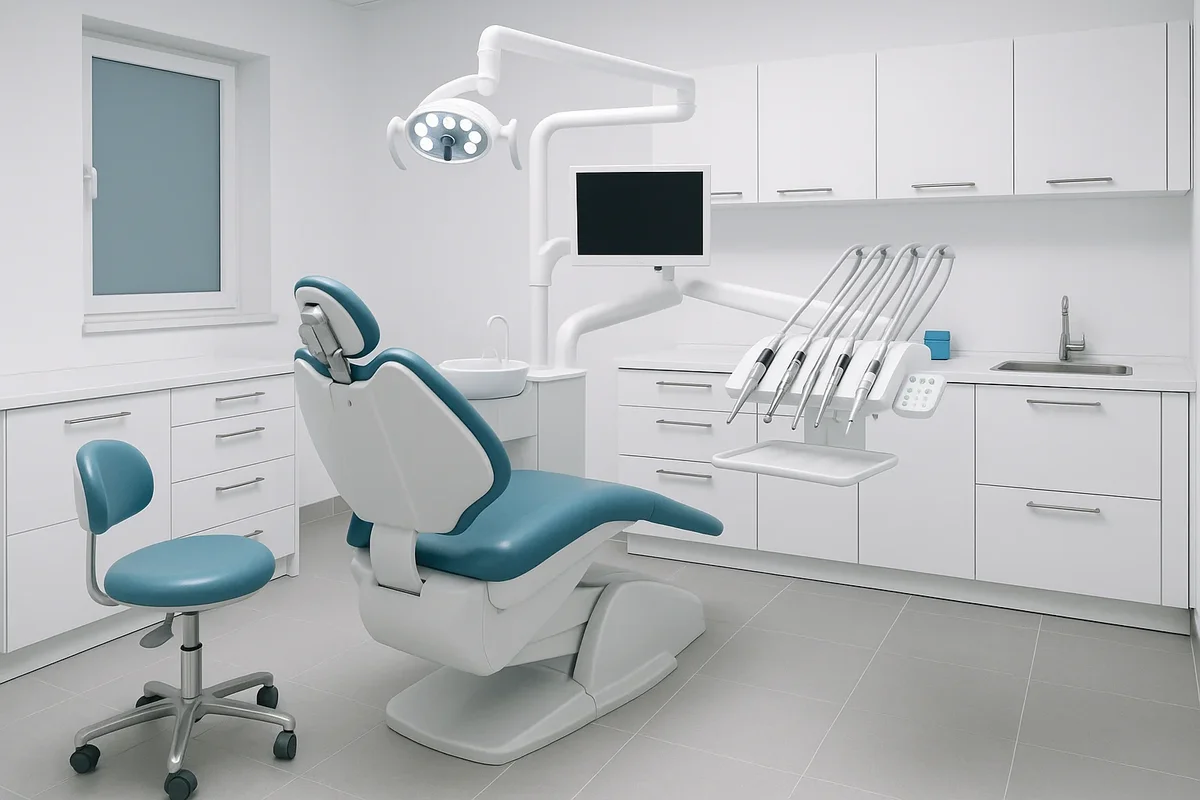
The Future of Dental Clinical Innovations and Global Trends 🌍
The dental clinical field is undergoing a remarkable transformation, driven by cutting-edge technology, scientific breakthroughs, and a growing emphasis on patient-centered care. As we move into the next decade, dentistry is evolving beyond traditional treatment into a fully integrated digital, biological, and personalized healthcare discipline. From artificial intelligence (AI) diagnostics to regenerative medicine and eco-friendly practices, the future of dental care promises to be more precise, accessible, and sustainable than ever before. This comprehensive overview explores the innovations and global trends shaping the future of the dental clinical landscape.
Digital Dentistry: The New Standard of Care
Digitalization is at the core of the modern dental clinical revolution. Tools like 3D imaging, intraoral scanners, and computer-aided design and manufacturing (CAD/CAM) have already redefined diagnostics and restorative procedures. In the near future, these technologies will become standard in almost every clinic worldwide.
AI-Powered Diagnosis and Treatment Planning
Artificial intelligence is revolutionizing how dentists detect and treat oral diseases. AI algorithms can analyze X-rays, CBCT scans, and intraoral photos to detect early signs of decay, gum disease, and even oral cancer with unprecedented accuracy. These systems help dentists at a dental clinical make faster, more reliable diagnoses and customize treatment plans for each patient’s unique anatomy and history.
Machine learning also enables predictive modeling — estimating a patient’s risk for cavities, orthodontic relapse, or implant failure. With AI integration, the future dental clinical environment will not only react to problems but proactively prevent them.
Virtual Treatment Simulations
Another exciting advancement is virtual smile design and simulation. Patients can now preview their post-treatment results digitally before any procedure begins. Using augmented reality (AR), the dentist can project a virtual image of the new smile on the patient’s face, creating full transparency and satisfaction. This technology also assists dental clinical professionals in aligning aesthetic outcomes with functional precision.
Regenerative Dentistry: Healing Through Biology
The next frontier of dental clinical innovation lies in regenerative medicine — where biology meets technology. Scientists are exploring stem cell therapy, tissue engineering, and biomaterials to regenerate natural tooth structures instead of replacing them.
Stem Cell-Based Tooth Regeneration
Researchers have successfully grown dentin and enamel-like tissues using dental pulp stem cells. In the coming years, this could allow damaged teeth to naturally regrow, eliminating the need for synthetic fillings or crowns. Imagine a world where, instead of receiving an implant, your dental clinical team could regenerate your missing tooth from your own stem cells — this concept is rapidly becoming a scientific reality.
Bioprinting and Tissue Engineering
3D bioprinting technology will soon allow the fabrication of customized grafts, bone scaffolds, and gum tissues. Such advancements will dramatically improve the success rate of implant surgeries and periodontal regeneration. These biologically compatible materials reduce rejection risks and accelerate healing, offering new hope for patients with severe oral tissue loss.
Eco-Friendly and Sustainable Dental Practices
Environmental consciousness is becoming an essential part of modern healthcare. The future dental clinical model will prioritize sustainability without compromising quality. This involves eco-friendly sterilization systems, biodegradable materials, and digital recordkeeping that reduces paper waste. Clinics worldwide are adopting “green dentistry” principles to minimize their environmental footprint.
For instance, digital impressions eliminate the need for disposable molds, while energy-efficient LED lighting and water-saving dental units contribute to long-term ecological responsibility. This transformation positions the dental clinical industry as a leader in healthcare sustainability.
Teledentistry and Remote Monitoring
As digital communication technologies advance, remote dental consultations are becoming a norm. Teledentistry enables patients to connect with professionals through secure video calls, send images, and receive advice or prescriptions without visiting the clinic physically. This is especially beneficial for patients in rural areas or those seeking second opinions from specialists abroad.
AI-Powered Remote Diagnostics
Future dental clinical systems will combine teledentistry with AI-based diagnostic apps. Patients will be able to scan their teeth using smartphone cameras, and the software will analyze the image for early signs of decay or misalignment. Dentists can then provide recommendations or schedule in-person care only when necessary. This approach increases efficiency while expanding access to quality oral healthcare globally.
Nanotechnology and Smart Dental Materials
Nanotechnology is another game-changer that will redefine how materials behave inside the mouth. Nanoparticles are being developed to create antibacterial coatings, self-healing fillings, and ultra-strong enamel replacements. These smart materials will make dental restorations more durable, hygienic, and biocompatible.
For example, nano-hydroxyapatite — a substance that mimics natural enamel — is being used to repair microscopic cracks and enhance tooth strength. In the near future, a dental clinical could use such materials to rebuild enamel and reverse early decay non-invasively.
Smart Sensors and Bio-Monitoring
Imagine your dental implants equipped with smart sensors that track bone integration, bacterial activity, or bite pressure — sending real-time updates to your dentist’s dashboard. This concept, known as “smart dentistry,” is already under development. These devices will make the dental clinical of the future highly proactive, detecting problems before they become visible symptoms.
Global Trends: Dental Tourism and Accessibility
As technology and quality standards become more uniform worldwide, patients are traveling across borders to access affordable yet high-quality dental treatments. Countries like Turkey, Mexico, and Thailand are leading in dental tourism, offering advanced care at a fraction of Western prices. Clinics such as Redent Klinik Contact Page have gained international recognition for combining world-class technology, multilingual support, and patient-friendly pricing.
This trend encourages global competition, driving improvements in service quality, transparency, and innovation across the dental clinical industry.
Education and the Next Generation of Dentists
The dental clinical education landscape is also evolving rapidly. Dental schools are incorporating virtual reality (VR) simulations and 3D models into training, allowing students to practice complex procedures without risk. Moreover, AI-driven assessment systems provide real-time feedback on precision and technique, ensuring better skill development. As future dentists graduate with stronger digital and biological foundations, patients can expect even more advanced, personalized care.
The Human Touch in an AI-Driven Future
While automation and robotics are becoming integral to dental care, human empathy remains irreplaceable. The best dental clinical environments will balance technology with compassion — maintaining the human connection that builds trust and comfort. Advanced systems can assist with diagnosis and precision, but only a skilled dentist can understand the emotional and psychological aspects of patient care.
Conclusion: The Smart, Regenerative, and Patient-Centered Future of Dentistry
The future of the dental clinical world is defined by innovation, sustainability, and personalization. From AI-assisted diagnostics to regenerative tooth growth and smart implants, the next generation of dentistry promises painless procedures, shorter recovery times, and exceptional aesthetics. As these advancements converge, patients will experience unprecedented levels of comfort, accessibility, and long-term oral health success.
In essence, the dental clinical of tomorrow will not only treat diseases — it will predict, prevent, and even reverse them. This marks the dawn of a new era where science, technology, and humanity unite to create healthier smiles and brighter futures 🦷✨.