
Dental composite has become one of the most popular restorative materials in modern dentistry. Patients today want natural-looking results, durability, and safe treatments, which is why dental composite has gained widespread acceptance. In 2025, the demand for this material continues to rise, as both patients and dentists prefer it over traditional amalgam fillings. This comprehensive guide will explain what dental composite is, how it works, its benefits, and what you should know if you are considering this treatment option.
What Is Dental Composite and How Does It Work?
Dental composite is a tooth-colored resin material used to restore decayed, chipped, or broken teeth. It is made from a combination of fine glass particles, plastic resin, and other strengthening agents. Unlike metal fillings, dental composite blends seamlessly with the natural shade of your teeth, making it virtually invisible. 🌟
The process begins with the dentist preparing the tooth surface by removing decay or roughening the enamel. Then, a special bonding agent is applied, which allows the dental composite to adhere securely to the tooth structure. Layer by layer, the resin is applied and shaped to match the tooth’s natural contours. Each layer is hardened with a curing light, ensuring strength and stability. Finally, the dentist polishes the restoration to create a smooth, natural-looking finish.
One of the main reasons dental composite is so popular is its versatility. It can be used for small cavities, reshaping teeth, closing gaps, or even cosmetic smile enhancements. This makes it not only a restorative option but also a valuable tool in aesthetic dentistry.
Advantages of Dental Composite
The biggest advantage of dental composite is aesthetics. Because it can be color-matched to natural teeth, it provides a beautiful and natural result. Patients who are concerned about their smile prefer dental composite over metal fillings, which can be dark and noticeable.
Another benefit is tooth preservation. Unlike amalgam, which often requires more tooth removal, dental composite requires minimal preparation. This means more of your natural tooth structure remains intact, which improves long-term dental health. 🦷
Additionally, dental composite bonds directly to the tooth. This bonding effect helps strengthen the overall tooth structure, reducing the risk of fractures. The material is also mercury-free, making it a safer and more environmentally friendly choice compared to amalgam.
When Is Dental Composite Recommended?
Dentists recommend dental composite for several situations:
- Small to medium-sized cavities
- Chipped or cracked teeth
- Replacing old metal fillings
- Improving the shape or color of teeth
- Closing gaps between teeth
For patients who prioritize appearance and want a natural-looking solution, dental composite is usually the first choice. However, it is essential to consult with your dentist to determine if this material is the best option for your case.
Important Considerations
While dental composite has many benefits, it also has some limitations. It may not be as durable as metal for very large restorations or teeth exposed to heavy chewing forces. For example, molars that endure constant grinding might require additional reinforcement or alternative materials such as ceramic. Still, for most general uses, dental composite offers excellent performance and aesthetics.
In 2025, dentists continue to innovate with improved formulas, making dental composite stronger, more durable, and longer-lasting than ever before. Patients who maintain good oral hygiene and regular dental check-ups can expect their restorations to last many years.
If you are considering this treatment, you can always consult Redent Klinik Contact Page for expert advice. For professional guidelines, the American Dental Association provides valuable resources on restorative dentistry and dental composite standards.
With its proven track record and continual technological advancements, dental composite is expected to remain the leading choice for both patients and dentists in 2025. ✨
Different Types of Dental Composite Materials Explained
In modern dentistry, there is no one-size-fits-all solution. The development of various types of dental composite materials allows dentists to choose the right option for each specific case. The choice depends on factors such as the location of the tooth, the size of the restoration, aesthetic demands, and the patient’s budget. In 2025, dental professionals are benefiting from advanced materials that provide both strength and beauty.
Microfilled Composites
Microfilled composites were designed to provide superior aesthetics. They contain extremely small filler particles that give restorations a smooth, glossy finish. Because of this, they are commonly used for front teeth where appearance is most important. The polishability of microfilled composites ensures that the restoration blends perfectly with the surrounding enamel. However, their mechanical strength is lower than other types, so they are not ideal for molars or areas exposed to heavy biting forces.
Nanofilled Composites
Nanofilled composites represent a newer generation of dental composite. These materials use nanotechnology, incorporating ultra-small filler particles for both strength and aesthetics. The result is a highly durable material that also maintains an excellent shine. Patients often prefer nanofilled composites because they resist staining better than older options and look more natural. Dentists appreciate their versatility, as they can be used for both anterior (front) and posterior (back) restorations.
Hybrid Composites
Hybrid composites combine larger filler particles with smaller ones, striking a balance between durability and polishability. This makes them suitable for both cosmetic and functional restorations. They are often used for premolars and molars where strength is required but aesthetics are also a concern. Over time, hybrids have evolved into microhybrids and nanohybrids, offering better wear resistance and longevity compared to earlier versions.
Bulk-Fill Composites
Bulk-fill composites have gained popularity in recent years because they make dental procedures faster. Traditional composites require placement in thin layers, each hardened with a curing light. Bulk-fill composites, on the other hand, allow dentists to fill larger cavities in fewer steps. This reduces chair time for patients and makes treatments more efficient. While not always as esthetically refined as nanofilled composites, bulk-fill options provide excellent strength and are particularly useful for posterior teeth restorations.
Flowable Composites
Flowable composites are more liquid in consistency compared to traditional composites. This allows them to flow easily into small crevices, making them perfect for repairing minor defects, sealing pits and fissures, or lining cavities before a stronger composite is placed on top. Although they are not typically used for large restorations due to lower wear resistance, their adaptability and ease of use make them a valuable addition to a dentist’s toolkit.
Choosing the Right Dental Composite
The choice of dental composite depends on multiple factors:
- Tooth location: Front teeth often require more esthetic composites, while back teeth need stronger materials.
- Cavity size: Larger cavities may benefit from hybrid or bulk-fill composites.
- Patient preference: Some patients prioritize appearance, while others want maximum durability.
- Budget considerations: Advanced nanofilled composites may cost more but provide long-lasting results.
For example, a chipped front tooth may be best restored with a microfilled or nanofilled composite for natural beauty, while a molar cavity might need a bulk-fill or hybrid composite for durability. Dentists carefully evaluate each case to select the most appropriate option.
Latest Innovations in 2025
In 2025, researchers continue to improve the properties of dental composite materials. Innovations include enhanced stain resistance, stronger bonds to enamel and dentin, and faster curing times. Some composites now incorporate bioactive properties, meaning they can help prevent future cavities by releasing fluoride or calcium ions. These cutting-edge materials are revolutionizing restorative dentistry and giving patients more reasons to choose composites over traditional options.
Patients who want to learn more about which option might suit them best can always reach out through the Redent Klinik Contact Page. For professional updates and official guidelines, the American Dental Association is an excellent resource to stay informed on dental composite research and recommendations.
With so many types available, dental composite continues to adapt to the needs of both patients and dentists, ensuring high-quality, functional, and natural-looking results. 🦷
Dental Composite vs Amalgam: Which Is Better in 2025?
The debate between dental composite and amalgam fillings has been ongoing for decades. In 2025, with modern advances in materials, this discussion is even more relevant. Patients often want to know which option is stronger, safer, longer-lasting, and better for their smile. Let’s break down the differences between these two restorative materials to help you make an informed decision.
Aesthetics and Appearance
One of the most obvious differences between amalgam and dental composite is appearance. Amalgam, also known as “silver fillings,” has a metallic color that stands out, especially when placed on visible teeth. By contrast, dental composite is tooth-colored and can be perfectly matched to the surrounding enamel. This makes it nearly invisible when you smile, talk, or laugh. For patients who prioritize natural-looking results, dental composite is clearly the winner. ✨
Durability and Strength
Amalgam has historically been praised for its strength and ability to withstand heavy chewing forces, particularly in molars. Some amalgam fillings can last 15–20 years or more. On the other hand, early generations of dental composite were less durable, especially under heavy pressure. However, in 2025, composites have become much stronger thanks to nanotechnology and improved bonding systems. Today’s nanohybrid and bulk-fill composites can rival amalgam in terms of longevity, lasting 10–15 years with proper care. For most patients, dental composite now provides a balance of both durability and beauty.
Tooth Preservation
Another major advantage of dental composite is tooth preservation. Amalgam requires more extensive drilling to hold the material in place, often removing healthy tooth structure unnecessarily. Dental composite, however, bonds directly to the enamel and dentin. This means dentists only remove the decayed portion of the tooth, keeping as much of the natural tooth intact as possible. Preserving natural tooth structure is always beneficial for long-term oral health. 🦷
Safety and Health Considerations
Amalgam contains mercury, which has been a concern for many patients. While numerous studies show that dental amalgam is safe, the presence of mercury continues to make some people uneasy. Dental composite, on the other hand, is mercury-free, biocompatible, and considered safer for patients who prefer to avoid metals in their mouths. This also makes composite a more environmentally friendly choice compared to amalgam.
Cost Comparison
When it comes to cost, amalgam fillings are generally less expensive. In the U.S., an amalgam filling might cost around $100–$200, while a dental composite filling usually costs between $150–$300 per tooth in 2025. Prices vary depending on the tooth’s location, the complexity of the restoration, and the clinic. While composites may be slightly more expensive, patients often find the aesthetic and health benefits worth the investment. In some cases, insurance may cover part of the cost, especially if the filling is needed for medical reasons rather than cosmetic improvement.
Longevity and Maintenance
With proper oral hygiene, both materials can last many years. Amalgam is still considered slightly more resistant to wear in large cavities. However, dental composite offers easier repair. If a composite filling chips or wears down, it can often be repaired directly without removing the entire filling. This makes it more convenient and cost-effective for patients in the long run.
Patient Preferences in 2025
Modern patients increasingly choose dental composite because they want natural-looking results. With advancements in technology, many dentists now recommend composite as the standard choice, reserving amalgam for very specific situations. In fact, some countries are phasing out amalgam entirely due to environmental concerns related to mercury disposal.
Expert Recommendations
If you are unsure which material is right for you, consult your dentist. At clinics such as Redent Klinik, professionals will evaluate your case and explain whether dental composite or amalgam is the better option. For scientific guidelines and evidence-based recommendations, the American Dental Association remains one of the most trusted authorities.
In conclusion, while amalgam fillings still have their place in dentistry, dental composite has become the preferred option in 2025. With its excellent aesthetics, tooth-conserving properties, and ever-improving durability, it represents the future of restorative dentistry. 🌍
Step-by-Step Dental Composite Filling Procedure
Many patients are curious about what actually happens during a dental composite filling appointment. Knowing the process can help reduce anxiety and prepare you for treatment. In 2025, dentists use advanced tools and techniques to make the procedure quick, comfortable, and highly effective. Let’s walk through the typical steps of a dental composite filling procedure from start to finish. 🦷
Step 1: Examination and Diagnosis
The process begins with a thorough dental examination. The dentist checks for cavities, cracks, or old fillings that need replacement. Digital X-rays or intraoral cameras may be used to detect problems that aren’t visible to the naked eye. Once the issue is identified, your dentist will discuss whether a dental composite filling is the best option for your tooth.
Step 2: Local Anesthesia
To ensure comfort, the dentist usually applies a local anesthetic to numb the area around the affected tooth. This makes the procedure virtually painless. Modern anesthetics work quickly and wear off in a few hours, allowing patients to return to daily activities soon after treatment. In minor cases, anesthesia may not even be necessary, especially for small fillings using dental composite.
Step 3: Tooth Preparation
Once the area is numb, the dentist removes decayed tooth material using a dental drill or laser. Unlike amalgam fillings, which require more removal of healthy tooth structure, dental composite fillings only require minimal preparation. This preserves the natural tooth and keeps it strong for the long term. The dentist also shapes the cavity to allow for proper bonding of the material.
Step 4: Etching and Bonding
After preparation, the tooth surface is etched with a mild acidic gel. This creates a slightly rough texture on the enamel, improving the bond between the tooth and the filling. A bonding agent (adhesive) is then applied and cured with a special blue light. This ensures that the dental composite will adhere firmly to the tooth structure.
Step 5: Applying the Dental Composite
The dentist applies the dental composite resin in thin layers. Each layer is carefully placed and shaped to match the natural contours of your tooth. After each application, a curing light is used to harden the material. This layering process not only builds strength but also ensures that the restoration looks as natural as possible. Patients often remark that the final result is indistinguishable from their original tooth.
Step 6: Shaping and Polishing
Once the filling is fully hardened, the dentist trims and shapes it to ensure proper bite alignment. A polishing tool is then used to smooth the surface and give it a natural shine. This step is important because it prevents staining and makes the dental composite look like real enamel. A well-polished filling blends seamlessly with the rest of your teeth, making it invisible when you smile. 😁
Step 7: Final Checks and Adjustments
Before finishing the procedure, the dentist checks your bite to make sure the filling feels comfortable. If necessary, small adjustments are made. The goal is to restore full function while maintaining the tooth’s natural look. Patients typically feel little to no discomfort after treatment, and most can eat and drink normally within a few hours.
Post-Treatment Care
After a dental composite filling, it is important to practice good oral hygiene. Brushing twice a day, flossing daily, and visiting the dentist regularly will help your filling last longer. Dentists usually recommend avoiding hard foods or biting on ice to prevent chipping. With proper care, a composite filling can last many years—sometimes more than a decade.
Why Patients Prefer This Procedure
Compared to traditional metal fillings, the dental composite filling procedure is less invasive, more aesthetically pleasing, and quicker. The entire process usually takes less than an hour, depending on the size of the cavity. Patients leave the dental chair with restored function, a beautiful smile, and the confidence that they have chosen a safe and effective treatment.
If you want to learn more about restorative treatments or schedule a consultation, you can visit the Redent Klinik Contact Page. For professional information, the American Dental Association offers detailed resources on dental composite procedures and safety standards.
Thanks to modern techniques and materials, the dental composite filling procedure in 2025 is efficient, safe, and designed to protect your natural teeth while giving you a perfect smile. 🌟
Durability and Lifespan of Dental Composite Restorations
When considering a dental composite filling, one of the most common questions patients ask is: “How long will it last?” Durability and longevity are crucial factors when investing in dental care. In 2025, thanks to advanced technology and improved materials, dental composite restorations can provide excellent long-term performance. However, their lifespan depends on factors such as tooth location, bite pressure, oral hygiene habits, and the skill of the dentist.
Average Lifespan of Dental Composite
On average, a dental composite filling lasts between 7 and 12 years. With proper care, some restorations can last even longer, reaching 15 years or more. The durability of the restoration depends on the size of the cavity, the chewing forces applied to the tooth, and whether the patient maintains healthy oral hygiene habits. Small fillings in front teeth tend to last longer than large fillings in molars, which are exposed to heavier biting forces.
Factors That Affect Durability
Several factors can influence how long a dental composite filling lasts:
- Oral hygiene – Regular brushing, flossing, and dental check-ups help prevent decay around the filling.
- Bite force – Patients who grind or clench their teeth (bruxism) may put extra pressure on composite fillings, reducing their lifespan.
- Location of the filling – Fillings in molars face greater stress and may wear out faster than those in front teeth.
- Diet – Frequent consumption of sugary foods, acidic drinks, or hard snacks can weaken the restoration over time.
- Quality of placement – A well-placed dental composite by an experienced dentist will last longer and perform better.
Comparison With Other Materials
Compared to amalgam, which can last 12–20 years, dental composite has a slightly shorter average lifespan. However, composite restorations provide superior aesthetics and require less tooth removal, making them a more conservative option. In 2025, improvements in nanohybrid and bulk-fill composites have narrowed the gap significantly, and many patients now choose composite as their primary restorative material.
Signs That a Dental Composite Filling Needs Replacement
Like any dental material, composite fillings may eventually need repair or replacement. Common signs include:
- Tooth sensitivity to hot, cold, or sweet foods
- Visible cracks, chips, or discoloration in the filling
- Pain when biting or chewing
- Decay forming around the edges of the filling
If you notice any of these symptoms, it’s important to schedule a dental appointment. Early intervention can prevent more serious issues and preserve your tooth structure.
How to Extend the Lifespan of Dental Composite
To make your dental composite filling last as long as possible, follow these care tips:
- Brush your teeth twice a day with fluoride toothpaste.
- Floss daily to prevent plaque buildup around the filling.
- Avoid biting on hard foods like ice, nuts, or pens.
- Limit sugary snacks and acidic beverages that can erode enamel.
- Wear a night guard if you grind your teeth during sleep.
- Visit your dentist every 6 months for professional cleanings and check-ups.
Latest Advances in Durability (2025)
Modern dental composite materials in 2025 have improved dramatically compared to earlier versions. Innovations include enhanced wear resistance, stain-resistant formulas, and bioactive composites that release fluoride to help protect teeth from future decay. These developments not only make fillings last longer but also promote overall dental health.
Patient Experiences With Longevity
Most patients who take care of their oral hygiene report that their dental composite fillings remain in excellent condition for a decade or more. Many appreciate that composites not only restore function but also maintain a beautiful, natural-looking smile over the years. The ability to repair rather than fully replace a damaged composite also adds to its long-term value.
For patients seeking professional advice on restoration durability, the Redent Klinik Contact Page offers expert consultations. Additionally, the American Dental Association provides reliable information on the longevity and safety of dental composite restorations.
In conclusion, while no dental material lasts forever, dental composite offers an excellent balance of durability, aesthetics, and tooth preservation. With proper care and regular dental visits, patients in 2025 can enjoy strong, natural-looking restorations that last many years. 🌟
Dental Composite Cost in 2025: Prices and Insurance Coverage
One of the most important questions patients ask before choosing a dental composite restoration is, “How much will it cost?” In 2025, prices vary depending on the country, the complexity of the procedure, and whether dental insurance covers part of the treatment. While dental composite fillings tend to cost more than traditional amalgam fillings, many patients are willing to pay extra for their natural appearance, safety, and long-term benefits.
Average Price Ranges
The cost of a dental composite filling depends on several factors such as the size of the cavity, the tooth’s location, and the dentist’s expertise. Here are the average ranges in 2025:
🦷 Front tooth (small cavity): $150 – $250
🦷 Molar tooth (larger cavity): $200 – $350
🦷 Multiple surface composite filling: $250 – $450
🦷 Cosmetic bonding with dental composite: $300 – $600
These prices represent typical costs in the U.S. In European countries, the price for a dental composite filling is often between €80 and €250, while in Turkey and other medical tourism destinations, patients may find costs ranging from $60 to $150 per tooth, depending on clinic reputation and materials used. 🌍
Factors Influencing the Cost
Several key elements affect how much you pay for a dental composite restoration:
- Tooth position – Fillings in molars require more material and time than front teeth.
- Size of the cavity – Larger restorations take longer to complete and may involve multiple surfaces.
- Clinic location – Dental care costs are generally higher in large cities compared to smaller towns.
- Dentist’s expertise – Highly experienced cosmetic dentists may charge premium fees for their services.
- Technology used – Advanced nanohybrid composites or bioactive materials may cost more than standard composites.
Insurance Coverage
In 2025, many insurance providers cover dental composite fillings if they are used to treat cavities caused by decay. However, if the filling is placed purely for cosmetic reasons (such as reshaping or closing gaps), insurance may not cover it. Typical insurance plans cover 50% to 80% of the cost for medically necessary fillings. Patients should always check with their insurance provider before scheduling treatment to avoid surprises.
Is Dental Composite Worth the Investment?
Although slightly more expensive than amalgam, dental composite offers multiple benefits that justify the cost. These include:
- Natural-looking results that blend with tooth color
- Mercury-free and safer for long-term health
- Less removal of healthy tooth structure
- Repairability if small chips occur
For many patients, the confidence of having a beautiful, natural smile outweighs the higher upfront cost. Moreover, because dental composite can be repaired without complete replacement, long-term expenses may be lower compared to traditional materials.
Cost-Saving Options
Patients looking for more affordable dental composite treatments can explore dental schools, where supervised students provide care at lower rates. Additionally, dental tourism in countries like Turkey, Mexico, or Thailand offers world-class treatments at a fraction of the cost found in the U.S. or Western Europe. Patients should always research clinic reputation and check reviews before traveling abroad for dental care.
Professional Guidance
If you are unsure about pricing or insurance coverage, it is best to consult your local clinic. You can reach out directly through the Redent Klinik Contact Page for accurate cost estimates and personalized treatment plans. For official recommendations on dental materials and treatment safety, refer to the American Dental Association.
Ultimately, while costs vary, dental composite fillings remain one of the best investments in restorative dentistry. They provide long-lasting results, protect your natural teeth, and ensure a healthy, confident smile well into the future. 😁
Common Problems and Solutions With Dental Composite Fillings
While dental composite fillings are highly popular in 2025 due to their natural appearance and safety, like any dental material, they can occasionally present challenges. Understanding the most common issues and their solutions helps patients maintain healthy, long-lasting restorations. Most problems are preventable with proper care, and when they do occur, dentists have effective solutions to restore function and aesthetics.
Sensitivity After Treatment
One of the most common complaints after a dental composite filling is temporary sensitivity to hot, cold, or sweet foods. This usually happens because the tooth nerve needs time to adjust after cavity removal and bonding. Sensitivity typically subsides within a few weeks. Dentists may recommend desensitizing toothpaste or fluoride treatments to accelerate recovery. If sensitivity persists, it may indicate a bite adjustment is needed.
Discoloration Over Time
Although modern composites are stain-resistant, over time a dental composite filling may pick up discoloration from coffee, tea, red wine, or tobacco use. Unlike porcelain crowns, composites are more porous and can absorb pigments. The solution is professional polishing during regular dental cleanings, which can restore the filling’s shine. In cases of severe staining, the dentist may suggest replacing the filling with a fresh layer of composite.
Chipping or Fracture
Another possible issue is chipping, especially if patients frequently bite hard foods like ice, nuts, or hard candy. Since dental composite is not as strong as enamel, it can occasionally chip under pressure. Fortunately, repairing a chipped composite is usually simple. The dentist can roughen the surface, apply bonding agent, and add new composite material without removing the entire filling. This repairability is one of the key advantages of dental composite compared to amalgam.
Wear and Tear
Over the years, a dental composite restoration may show signs of wear, especially in back teeth that endure constant chewing. Patients who grind their teeth at night (bruxism) put additional stress on fillings. To prevent premature wear, dentists often recommend night guards. These custom-made devices protect both natural teeth and composite fillings from damage during sleep. Regular dental check-ups ensure that any wear is detected early and addressed promptly.
Bond Failure
Although rare, bonding between the tooth and dental composite can sometimes weaken or fail. This might occur if the filling is exposed to excessive moisture during placement or if new decay develops underneath. The solution is to replace the compromised filling. Modern adhesives in 2025 have greatly reduced this problem, making bond failures less common than in previous decades.
Gap Formation or Leakage
If a filling is not properly sealed, tiny gaps may form between the tooth and the dental composite. This can allow bacteria to enter, leading to secondary decay. Dentists prevent this by carefully layering and curing the composite material during placement. If leakage occurs, the filling must be replaced to prevent further tooth damage.
How Patients Can Prevent Problems
Most problems with dental composite fillings can be avoided by following these tips:
- Maintain daily brushing and flossing to prevent plaque buildup.
- Limit staining foods and drinks like coffee, red wine, and tea.
- Avoid using teeth as tools to open packages or bite fingernails.
- Wear a protective mouthguard if you grind your teeth at night.
- Schedule routine dental visits every 6 months for cleaning and polishing.
Professional Solutions
When problems arise, dentists have multiple solutions tailored to the situation. Small chips or stains can often be repaired in one appointment. More extensive issues, such as cracks or secondary decay, may require replacing the entire filling. Fortunately, replacement with dental composite is straightforward and minimally invasive compared to older restoration methods.
Patients with concerns about existing fillings can always contact their dentist for evaluation. For expert consultations, you may use the Redent Klinik Contact Page. For professional standards and recommendations regarding the performance of dental composite, the American Dental Association provides trusted resources.
In summary, while dental composite fillings may occasionally present minor problems, they remain a highly effective and versatile option for restoring teeth. With proper care, most issues can be prevented or quickly corrected, allowing patients to enjoy beautiful and functional smiles for many years. 😁
Aesthetic Benefits of Dental Composite for a Natural Smile
One of the main reasons patients choose dental composite restorations in 2025 is their superior aesthetic results. Unlike traditional amalgam fillings, which appear silver or dark gray, composites are tooth-colored and can be blended seamlessly with natural enamel. This gives patients a confident, radiant smile without anyone noticing they have dental work. 🌟
Natural Tooth Color Matching
The biggest aesthetic advantage of dental composite is its ability to match the exact shade of a patient’s natural teeth. Dentists use a shade guide to select the closest color, ensuring that the restoration blends perfectly. Whether it’s a small cavity on a front tooth or a larger filling on a molar, composites can be made virtually invisible, preserving the harmony of the smile.
Ideal for Cosmetic Improvements
Beyond cavity repair, dental composite is widely used for cosmetic enhancements. Procedures such as bonding, reshaping teeth, closing small gaps, and lengthening worn teeth are commonly performed with composites. This versatility allows patients to improve the appearance of their smile without expensive treatments like veneers or crowns. For many, composite bonding is an affordable and minimally invasive way to achieve a beautiful smile makeover.
Seamless Repairs
If a tooth chips or cracks, dental composite offers a quick and effective repair solution. The resin can be sculpted directly onto the tooth to restore its natural shape. Once polished, it is indistinguishable from the surrounding enamel. Patients appreciate that these repairs can often be completed in just one visit, with instant cosmetic results.
Preserving Tooth Transparency
Modern composites have been engineered to mimic the natural translucency of tooth enamel. This ensures that light passes through the restoration in a way that looks natural. Earlier generations of filling materials often appeared opaque or artificial, but today’s dental composite restorations create a realistic shine that enhances the overall smile.
Stain Resistance Improvements
While composites were once prone to discoloration, 2025 formulations are far more stain-resistant. Nanohybrid composites maintain their brightness and resist pigments from coffee, tea, and red wine. This means patients can enjoy their favorite foods and drinks without worrying that their dental composite fillings will darken over time. Regular polishing during dental check-ups also helps keep them looking new.
Non-Invasive Cosmetic Option
Compared to porcelain veneers or crowns, which require significant removal of natural enamel, dental composite is much more conservative. The procedure often requires little to no tooth reduction, making it a preferred choice for patients who want to enhance their smiles without committing to irreversible treatments. This minimally invasive approach protects long-term dental health while still delivering stunning results. 😁
Boosting Confidence
A bright, natural-looking smile has a powerful impact on self-esteem. Patients with old amalgam fillings often feel self-conscious when laughing or talking. By replacing these with dental composite restorations, they gain renewed confidence. Cosmetic bonding with composite can also help patients achieve straighter, whiter-looking teeth without orthodontics or whitening treatments.
Cost-Effective Cosmetic Dentistry
While porcelain veneers and ceramic restorations are excellent for certain cases, they can be costly. Dental composite offers a more budget-friendly alternative for patients seeking aesthetic improvement. The results are immediate, beautiful, and long-lasting when properly cared for. This makes composites an ideal entry point for patients who want a cosmetic transformation without breaking the bank.
Professional Insights
For patients seeking cosmetic improvements, dentists often recommend a consultation to discuss whether dental composite is the right choice. At clinics like Redent Klinik, experts evaluate the patient’s needs and create tailored treatment plans. For general professional guidelines, the American Dental Association provides evidence-based resources about the cosmetic and functional use of composites.
In conclusion, the aesthetic benefits of dental composite go beyond simple cavity repair. They provide natural color matching, cosmetic versatility, and confidence-boosting results—all while preserving natural tooth structure. For patients seeking both beauty and health in their dental treatments, composites remain one of the best choices in 2025. ✨
Dental Composite Care Tips: How to Maintain Long-Term Results
After investing in a dental composite restoration, proper care is essential to ensure that it lasts as long as possible. Although modern composites in 2025 are stronger and more resistant to wear than ever before, they still require daily maintenance and healthy lifestyle choices. With the right habits, your dental composite fillings or cosmetic bonding can remain beautiful and functional for more than a decade. 🦷
Daily Oral Hygiene Routine
The foundation of long-lasting dental composite restorations is a consistent oral hygiene routine. Patients should brush their teeth at least twice a day with fluoride toothpaste and floss daily to remove plaque around the restoration. Electric toothbrushes can be especially effective at keeping composite surfaces smooth and free from buildup. Using an alcohol-free mouthwash also helps reduce bacteria that could compromise the edges of the filling.
Be Mindful of Food and Drinks
Although modern composites are stain-resistant, certain foods and drinks can still leave marks over time. Coffee, tea, red wine, and dark sauces are the most common culprits. Patients with dental composite fillings should rinse with water after consuming staining foods and limit frequent snacking on sugary items. Chewing sugar-free gum after meals can also help neutralize acids and protect both natural enamel and composite restorations.
Avoid Biting Hard Objects
To protect your dental composite fillings from cracks or chips, avoid chewing on hard objects such as ice, pens, or fingernails. Patients who habitually bite down on non-food items put unnecessary pressure on their restorations, which can shorten their lifespan. Cutting foods like apples or nuts into smaller pieces instead of biting directly also helps prevent fractures.
Protect Against Teeth Grinding
Patients who grind or clench their teeth (a condition known as bruxism) risk damaging both natural teeth and dental composite restorations. Dentists often recommend wearing a custom-made night guard to protect against grinding during sleep. This not only extends the life of composites but also reduces jaw pain and prevents enamel wear.
Schedule Regular Dental Check-Ups
Visiting your dentist every six months is one of the most effective ways to maintain dental composite fillings. During these appointments, your dentist can check for early signs of wear, polish the restorations to remove minor stains, and make adjustments if needed. Professional cleanings also help keep your entire mouth healthy, ensuring that fillings remain intact for years.
Address Sensitivity Early
Some patients may experience mild sensitivity around dental composite restorations, especially shortly after placement. If sensitivity persists or worsens, it is important to consult your dentist. Early treatment can prevent small problems from becoming larger issues, such as cracks or secondary decay.
Adopt a Tooth-Friendly Diet
A healthy diet plays a major role in protecting dental composite fillings. Limit sugary foods, carbonated drinks, and acidic fruits that can erode tooth enamel and affect the composite bond. Instead, choose foods rich in calcium, phosphorus, and vitamins that strengthen teeth and gums. Drinking plenty of water throughout the day also helps wash away food particles and maintain oral pH balance.
Know When to Replace or Repair
Even with the best care, dental composite fillings may eventually need repair or replacement. Common signs include discoloration, rough edges, sensitivity, or visible cracks. The good news is that composites are easy to repair. Unlike metal fillings, they can be touched up or partially replaced without removing the entire restoration, saving time and cost for the patient.
Professional Support
For patients who want to maximize the longevity of their restorations, consulting a professional dentist is essential. Clinics such as Redent Klinik provide expert advice and customized care plans for maintaining dental composite restorations. The American Dental Association also offers educational resources on preventive care and restorative dentistry.
In summary, the longevity of dental composite fillings depends largely on the patient’s daily habits and professional care. With proper oral hygiene, dietary choices, and regular check-ups, patients can enjoy strong, stain-free, and natural-looking restorations for many years. 😁
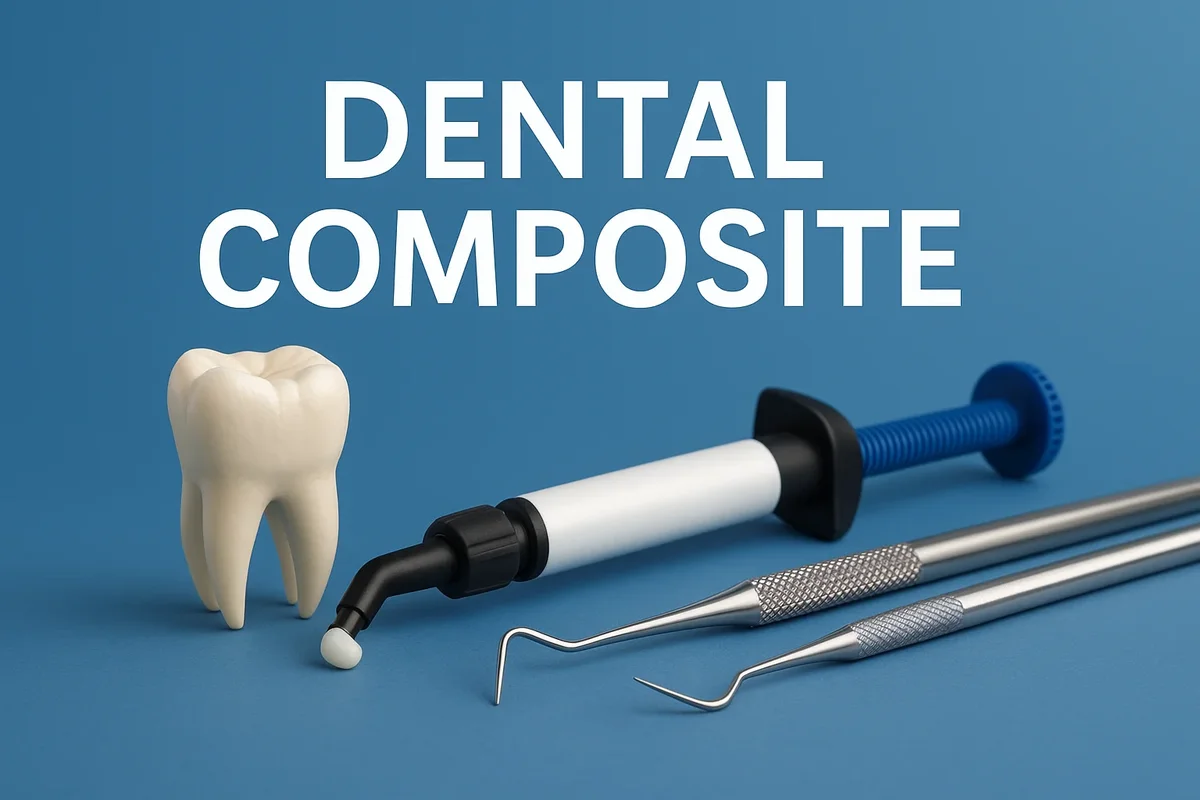
Latest Advances in Dental Composite Technology in 2025
The year 2025 has brought remarkable innovations in dental composite technology. What was once considered a simple tooth-colored filling material has now evolved into a highly sophisticated restorative solution. Dentists and researchers continue to refine composites for greater durability, aesthetics, and even biological benefits. These advancements make dental composite not just a cosmetic choice, but also a smart long-term investment in oral health.
Nanohybrid Composites
One of the most important developments is the widespread use of nanohybrid dental composite. These materials incorporate nano-sized filler particles, which improve polishability and strength at the same time. They are more resistant to staining, provide better translucency, and maintain a natural tooth-like shine. Nanohybrids are now the go-to option for both front and back teeth, giving patients restorations that last longer while looking completely natural.
Bioactive Dental Composites
Another breakthrough is the introduction of bioactive dental composite. Unlike traditional materials, bioactive composites actively interact with the surrounding tooth structure. They can release fluoride, calcium, and phosphate ions, helping to remineralize enamel and prevent secondary decay. This added layer of protection reduces the risk of cavities forming around the restoration and supports long-term tooth health. 🌱
Improved Bonding Systems
In 2025, advancements in bonding technology have made dental composite restorations even more reliable. Modern adhesives create stronger bonds with both enamel and dentin, reducing the risk of leakage and sensitivity. Some bonding agents are now universal, meaning they can be used with multiple application techniques, simplifying the process for dentists while improving long-term outcomes for patients.
Faster Curing Times
New light-curing systems have reduced the time required to harden dental composite fillings. With high-intensity LED curing lights, dentists can complete restorations more efficiently, minimizing patient chair time. This is especially beneficial for children and anxious patients who prefer shorter treatment sessions. Faster curing also improves the layering process, making restorations more durable.
3D Printing and CAD/CAM Integration
A growing trend in 2025 is the integration of dental composite materials with digital dentistry. Using CAD/CAM systems and 3D printing, dentists can now create custom restorations, inlays, and onlays from advanced composite blocks. This technology allows for more precise fits, fewer adjustments, and same-day restorations. Patients benefit from convenience, accuracy, and enhanced aesthetics.
Enhanced Wear Resistance
One of the historical challenges of dental composite was its tendency to wear faster than amalgam. However, current formulations are much stronger and can withstand years of chewing and grinding forces. These modern composites maintain their shape and function longer, making them suitable even for molars exposed to heavy bite pressure.
Minimally Invasive Applications
With the latest technology, dentists can now use dental composite in more conservative treatments. Thanks to stronger bonding and improved handling properties, dentists can repair small chips, cracks, and cavities without removing much natural tooth structure. This minimally invasive approach preserves the strength of the natural tooth while still achieving excellent cosmetic outcomes.
Smart Composites of the Future
Researchers are currently developing “smart” dental composite materials that can detect changes in pH levels and release protective agents when the environment becomes acidic. These innovations could dramatically reduce the risk of secondary cavities in the future, making restorations more protective and self-maintaining. 🔬
Patient Benefits in 2025
All these advancements translate into significant benefits for patients. Restorations are now more natural-looking, longer-lasting, and supportive of overall oral health. Patients no longer have to choose between beauty and function—modern dental composite provides both. With the added convenience of faster procedures and easier repairs, it has become the leading choice in restorative dentistry.
For personalized advice on which modern composite material best suits your needs, consult with experts through the Redent Klinik Contact Page. For professional research and clinical guidelines, the American Dental Association offers detailed information on the latest dental composite technologies.
In conclusion, the future of restorative dentistry is here. With nanohybrids, bioactive materials, digital integration, and ongoing research, dental composite in 2025 is stronger, smarter, and more reliable than ever before—ensuring patients can enjoy healthy, natural-looking smiles for years to come. 😁