
Dental endodontics is one of the most essential branches of modern oral healthcare, focusing on diagnosing, managing, and treating problems related to the tooth pulp and surrounding tissues. 🦷 This discipline plays a crucial role in saving teeth that would otherwise need to be extracted, thereby supporting long-term oral health, jaw stability, and overall wellness. In recent years, the demand for dental endodontics has grown significantly as patients seek more effective, comfortable, and minimally invasive treatments. In this comprehensive guide, we’ll explore how this field works, why it matters, and what patients can expect during endodontic treatment.
To fully appreciate the power of dental endodontics, it’s important to understand the purpose of the dental pulp. Located at the center of each tooth, the pulp contains nerves, connective tissue, and blood vessels that play a vital role during tooth development. However, once a tooth matures, it can survive without this internal structure because it is supported by surrounding tissues. When the pulp becomes infected or inflamed—often due to decay, cracks, trauma, or repeated dental procedures—patients may experience severe discomfort, sensitivity, swelling, or prolonged pain. This is where dental endodontics steps in to preserve the natural tooth while eliminating infection.
One of the most well-known treatments within dental endodontics is root canal therapy. Although many people associate this procedure with discomfort, the reality is quite different. Thanks to advanced technologies such as rotary endodontic systems, 3D imaging, ultrasonic irrigation, and digital dental microscopes, modern root canal treatments are faster, more precise, and far more comfortable than they were decades ago. In fact, according to reputable organizations like the American Dental Association, endodontic care remains one of the safest and most effective ways to treat internal tooth infections while preserving natural dental structure.
A detailed understanding of dental endodontics allows patients to make informed decisions about their oral health. Many individuals are surprised to learn that untreated pulp infections can spread to surrounding tissues, potentially leading to abscesses, bone loss, or systemic complications. By receiving timely and appropriate endodontic care, patients can avoid more invasive dental procedures, protect nearby teeth, and maintain optimal function for chewing and speaking. Additionally, the aesthetic benefits of preserving natural teeth help support confidence and long-term dental stability.
Another important aspect of dental endodontics is its diagnostic precision. Endodontists—dentists who specialize in this field—receive advanced training in identifying conditions that may be difficult to detect through standard exams. Their expertise allows them to determine whether a patient requires root canal therapy, pulp capping, retreatment, or surgical endodontics. These targeted treatment options help ensure that each patient receives the most appropriate care for their unique condition.
Modern dental endodontics also emphasizes patient comfort at every stage of treatment. With enhanced anesthesia techniques, ergonomic tools, and improved materials, today’s procedures are predictable, efficient, and virtually painless. Many patients report that root canal therapy feels similar to getting a routine filling. After treatment, endodontists provide personalized guidance to support healing, protect restored teeth, and prevent reinfection. These steps ensure long-term results and help patients maintain optimal oral function.
As part of a complete oral health routine, understanding the role of dental endodontics empowers patients to recognize early signs of trouble. Symptoms such as lingering sensitivity, spontaneous pain, darkened tooth color, or swelling around the gums can indicate pulp-related issues that require immediate evaluation. Addressing these concerns early can greatly improve treatment outcomes and reduce the need for more complex procedures.
For individuals seeking reliable dental care or wishing to schedule an endodontic consultation, contacting a trusted clinic is essential. You may visit the Redent Klinik Contact Page to inquire about treatment options, ask questions, or book an appointment with experienced professionals.
In summary, dental endodontics is a critical component of contemporary dentistry, offering sophisticated solutions to preserve natural teeth and prevent serious oral health complications. Through advanced diagnostic tools, precise treatment methods, and patient-centered care, this field continues to deliver outstanding results for individuals of all ages. By understanding the core principles and benefits of dental endodontics, patients can confidently seek care that promotes lasting comfort, wellness, and a healthy smile. 😊
What Is Dental Endodontics? Core Concepts Explained
Dental endodontics is a specialized branch of dentistry focused on the diagnosis, prevention, and treatment of diseases related to the tooth’s internal structure—specifically the dental pulp and surrounding periapical tissues. 🦷 This field plays a crucial role in saving natural teeth that might otherwise require extraction due to infection, inflammation, or severe decay. By understanding what dental endodontics truly involves, patients can make informed decisions about their oral health and recognize when professional intervention is necessary.
Understanding the Anatomy Behind Dental Endodontics
To appreciate the purpose of dental endodontics, it is essential to understand the structure of a tooth. Each tooth consists of three primary layers: enamel, dentin, and pulp. The pulp is the innermost layer containing nerves, connective tissue, and blood vessels. During childhood and early tooth development, the pulp is responsible for supplying nutrients and aiding in root formation. However, once growth is complete, the tooth no longer depends on the pulp for nutrition because surrounding tissues keep it functional and healthy.
When the pulp becomes infected or inflamed, typically due to deep decay, cracks, trauma, or repeated dental procedures, patients may experience discomfort and increasing sensitivity. If not treated promptly, the infection can spread to surrounding bone and tissues, leading to abscesses, swelling, and more severe systemic health concerns. Dental endodontics provides the tools and techniques necessary to treat these inner-tooth problems without removing the natural tooth structure.
Why Dental Endodontics Is Essential for Tooth Preservation
The main goal of dental endodontics is to preserve natural teeth whenever possible. Natural teeth are superior to artificial replacements in terms of bite force, alignment, and long-term oral stability. When an infected tooth is saved through endodontic treatment rather than extracted, the patient retains the ability to chew comfortably, maintain proper jaw function, and prevent issues like shifting teeth or misalignment.
Root canal therapy—the most recognized procedure within dental endodontics—removes the infected pulp, disinfects the inner canals, and seals the tooth to prevent reinfection. Thanks to modern dental technologies such as cone-beam CT imaging, digital microscopes, and ultrasonic cleaning systems, root canal procedures today are efficient, precise, and significantly more comfortable than ever before.
Common Conditions Treated Through Dental Endodontics
Patients may require endodontic intervention for a variety of reasons. Some of the most common conditions include:
- Pulpitis: Inflammation of the dental pulp caused by decay or trauma.
- Dental abscess: A collection of pus resulting from bacterial infection inside the tooth.
- Cracked tooth syndrome: A fracture that exposes or irritates the pulp.
- Necrotic pulp: Dead tissue inside the tooth resulting from advanced infection or injury.
Early diagnosis is essential because untreated conditions can quickly escalate. For persistent tooth pain, sudden swelling, sensitivity to temperature, or discomfort when biting, consulting an endodontist is critical.
Diagnostic Tools in Modern Dental Endodontics
Modern dental endodontics relies heavily on advanced diagnostic technology to identify issues that may not be visible during a routine dental exam. Some of the key tools used include:
Cone-Beam Computed Tomography (CBCT)
CBCT provides 3D imaging that allows endodontists to visualize the internal tooth anatomy and surrounding bone with exceptional clarity. This is especially helpful when diagnosing hidden fractures or detecting extra canals that traditional X-rays may not reveal.
Dental Operating Microscopes
These microscopes give specialists a magnified view of the tooth interior, enabling them to locate complex canal systems and perform delicate procedures more accurately.
Pulp Vitality Tests
Cold, heat, and electric tests help determine whether the pulp is inflamed, infected, or non-vital. Accurate diagnosis guides the decision on whether endodontic therapy is necessary.
Benefits of Early Treatment Through Dental Endodontics
Seeking timely care through dental endodontics can prevent more extensive complications. Early intervention:
- Prevents painful abscess formation
- Stops the spread of infection to bone or nearby teeth
- Preserves natural tooth structure
- Reduces the need for costly dental restorations later
Another significant benefit is maintaining natural aesthetics. Saving the original tooth ensures that the smile remains uniform and natural-looking, a major advantage over artificial replacements.
How Dental Endodontics Supports Overall Oral Health
Oral health is closely linked to overall health, and treating infections through dental endodontics helps prevent bacteria from entering the bloodstream. Left untreated, oral infections may contribute to systemic conditions including heart disease, diabetes complications, and inflammation-related disorders. Therefore, prompt endodontic care not only resolves dental pain but also supports long-term wellness.
If you suspect a pulp-related issue or want to schedule a professional evaluation, you can reach out through the Redent Klinik Contact Page and receive personalized guidance from experienced specialists.
Understanding what dental endodontics truly involves empowers patients to take proactive control of their oral health. With precise diagnostic tools, advanced techniques, and minimally invasive approaches, modern endodontic therapy offers outstanding outcomes for maintaining natural teeth and long-term comfort. 😄
How Root Canal Therapy Works Step-by-Step
Root canal therapy is one of the most important procedures within the field of dental endodontics, designed to save a tooth that has become infected, inflamed, or severely damaged. 🦷 Many patients fear this treatment because of outdated beliefs, but in reality, root canal therapy today is highly advanced, comfortable, and efficient. Understanding each step of the procedure helps reduce anxiety and ensures that patients know exactly what to expect throughout the process. Root canal therapy involves careful cleaning, disinfecting, reshaping, and sealing of the inner tooth canals to eliminate infection and restore full function. With modern tools and improved anesthetic techniques, this procedure has become one of the most reliable solutions in dental endodontics for preserving natural teeth.
Why Root Canal Therapy Is Needed
The purpose of root canal therapy is to treat infections that occur deep within the tooth. Because the pulp chamber houses nerves and blood vessels, any infection can quickly worsen and spread if not treated promptly. Cracks, deep decay, trauma, or repeated dental work may expose the pulp to harmful bacteria. When this occurs, patients may experience symptoms such as persistent pain, swelling, sensitivity, or even discoloration. Without the intervention offered through dental endodontics, the tooth may eventually require extraction. Root canal therapy prevents the need for removal by eliminating infection and reinforcing the tooth’s internal structure.
Step-by-Step Breakdown of Root Canal Therapy
The root canal process is structured, detailed, and methodical. Each step is designed to ensure complete removal of bacteria and long-term preservation of the natural tooth. Below is a comprehensive explanation of each stage:
Step 1: Clinical Examination and Diagnostic Imaging
Before treatment begins, the dentist or endodontist performs a thorough examination to assess the tooth’s condition. Advanced imaging tools such as digital X-rays or CBCT scans are used to visualize the infection, measure root canal length, and locate additional or hidden canals. This diagnostic phase is essential in dental endodontics because canal systems can be highly complex, and early identification of anatomical variations greatly improves treatment success.
Step 2: Local Anesthesia and Treatment Preparation
Modern anesthesia techniques allow root canal therapy to be virtually painless. Once the area is numb, a rubber dam is placed around the tooth to isolate it from saliva, maintain dryness, and prevent bacterial contamination. This creates a clean working environment and supports the precision required in endodontic procedures.
Step 3: Access Opening to the Pulp Chamber
Using specialized dental instruments, the endodontist creates a small opening at the top of the tooth to access the infected pulp chamber. Once opened, bacteria, inflamed tissue, and debris can be removed. Through the principles of dental endodontics, maintaining accuracy during this phase ensures that only the affected tissues are removed without compromising the tooth’s external structure.
Step 4: Cleaning and Shaping the Canals
Rotary files, ultrasonic instruments, and antimicrobial solutions are used to clean the canals thoroughly. This step removes all infected tissue and eliminates bacterial presence. Additionally, shaping the canals ensures that the disinfecting agents penetrate deeply. Because canal systems vary from tooth to tooth, this part of the procedure requires precision, knowledge of dental anatomy, and advanced technology to ensure reliability.
Step 5: Disinfection and Irrigation
A key component of dental endodontics is proper irrigation. The canals are flushed with antibacterial solutions to eliminate even microscopic traces of infection. This step helps prevent reinfection, ensures long-term success, and prepares the canals for filling. Sodium hypochlorite, EDTA, and chlorhexidine are commonly used solutions that work together to cleanse the canals thoroughly.
Step 6: Filling the Root Canals
After the canals are cleaned and dried, they are filled with a biocompatible material known as gutta-percha. This material seals the tooth internally, preventing bacteria from re-entering. The sealing process is essential for the success of every root canal treatment performed within the scope of dental endodontics. A dental adhesive is used to secure the filling material and maintain tooth integrity.
Step 7: Restoring the Treated Tooth
Once the root canal therapy is completed, the tooth must be restored with a filling or crown. Because the tooth may become more fragile after treatment, crowns are often recommended for molars and premolars, which handle significant chewing pressure. This final restoration strengthens the tooth structure, restores full function, and prevents future fractures.
How Long Root Canal Therapy Takes
A typical root canal procedure lasts between 45 and 90 minutes depending on the tooth’s complexity, number of canals, and severity of infection. In cases that require extensive cleaning, retreatment, or the management of unusually shaped canals, additional appointments may be necessary. Dental endodontics emphasizes precision over speed, ensuring treatments are performed thoroughly for long-term success.
Comfort and Pain Management During and After Treatment
Although root canals once carried a painful reputation, modern practices in dental endodontics have transformed the experience. Today, most patients report that the procedure feels no different from getting a routine filling. After treatment, mild soreness or tenderness may occur, but over-the-counter pain relievers are usually sufficient. Severe or persistent pain should be evaluated promptly, as it may indicate reinfection or complications that require further assessment.
When to Seek Professional Help
If you are experiencing symptoms such as prolonged sensitivity, throbbing pain, swollen gums, or a darkened tooth, these could be signs that the pulp is infected. Professional evaluation is essential. You can contact experienced clinicians via the Redent Klinik Contact Page to learn more about whether root canal therapy is needed.
Overall, root canal therapy remains one of the most important and effective treatments in dental endodontics, offering a reliable way to preserve natural teeth and prevent serious oral health complications. With modern technology, detailed imaging, and highly skilled specialists, the procedure is safe, predictable, and essential for maintaining long-term dental wellness. 😊
Common Symptoms That Indicate You Need Endodontic Care
Recognizing the symptoms that signal the need for endodontic treatment is essential for protecting your long-term oral health. Within the field of dental endodontics, early diagnosis can prevent severe complications, tooth loss, and the spread of infection to surrounding tissues. 🦷 Many patients delay seeking care simply because they are unsure whether their symptoms indicate a serious problem. This section explains the most common signs of internal tooth damage, how they develop, and why timely intervention is crucial for preserving natural teeth.
Understanding Why Symptoms Develop
Inside every tooth lies the dental pulp—a soft tissue composed of nerves, blood vessels, and connective fibers. When this pulp becomes inflamed or infected, the discomfort can range from mild sensitivity to severe, persistent pain. Causes typically include deep decay, cracks, trauma, or repeated dental procedures. As infection worsens, bacteria proliferate within the root canal system, triggering pressure, swelling, and inflammation. Because the pulp is enclosed within hard tissue, it has limited space to expand, resulting in considerable pain. Dental endodontics focuses on eliminating this infection and saving the surrounding tooth structure.
Key Symptoms That Should Never Be Ignored
Below are the most frequently reported problems that may indicate the need for professional endodontic evaluation. Paying attention to these warning signs can help prevent potentially severe consequences.
1. Persistent or Spontaneous Tooth Pain
One of the hallmark symptoms signaling the need for endodontic care is ongoing tooth pain. This type of discomfort may occur spontaneously without any obvious trigger. It often indicates that the pulp is inflamed or infected. Pain may radiate to the jaw, ear, or other teeth, making the source difficult to identify. In dental endodontics, spontaneous pain is considered a strong indicator of pulp involvement and often warrants root canal therapy.
2. Prolonged Sensitivity to Hot or Cold
Most people experience mild sensitivity occasionally; however, sensitivity that lingers long after eating or drinking warm or cold foods is a red flag. Lingering sensitivity suggests that the pulp is irritated or inflamed. This could stem from deep decay, hidden cracks, or worn enamel. When the nerve becomes increasingly reactive, specialists in dental endodontics assess whether the pulp is salvageable or if treatment is required.
3. Swelling or Tenderness in the Gums
Swollen or tender gums around a specific tooth typically indicate infection. The swelling may be localized or spread across the gum line. In more advanced cases, a dental abscess may form, causing severe pain, pus drainage, or a small boil-like bump known as a “fistula.” Abscesses represent bacterial infection that has spread beyond the pulp and into the surrounding tissues. Immediate treatment through dental endodontics is essential to prevent bone damage or systemic complications.
4. Tooth Discoloration
A tooth that suddenly turns gray, brown, or dark yellow may be signaling pulp necrosis (pulp death). When the nerve dies, internal tissues break down and stain the tooth from within. This type of discoloration is typically unrelated to external staining from foods or drinks. Endodontists often diagnose such discoloration as a sign of internal pathology and recommend treatment to prevent infection from spreading further.
5. Pain When Chewing or Biting
Sharp or dull pain triggered by biting pressure may indicate inflammation in the periodontal ligament or a cracked tooth exposing the pulp. Even hairline fractures can allow bacteria to enter the tooth. In the field of dental endodontics, this symptom is considered a strong predictor of internal structural damage.
6. A Bad Taste or Odor in the Mouth
Persistent foul taste or odor—especially if accompanied by swelling—may indicate pus drainage from an abscess. This is often a sign that bacteria have progressed deeply into the tooth’s internal structure. Professional intervention is required to clean and disinfect the root canals.
Less Obvious Signs That Still Require Attention
Not all symptoms are severe or dramatic. Some are subtle indicators of internal problems that, if ignored, may grow into painful emergencies. These include:
- Sensitivity to touch or even lightly tapping the tooth
- Mild gum swelling that comes and goes
- A tooth that feels “high” when biting
- A sensation of pressure deep inside the jaw
Even minor symptoms should prompt evaluation, as early detection greatly improves treatment outcomes within dental endodontics.
How Endodontists Diagnose Symptoms
Endodontists use detailed diagnostic tools to identify the source of symptoms:
- Thermal tests: Evaluate pulp responsiveness
- Electric pulp testing: Assesses nerve vitality
- CBCT scans: Reveal hidden fractures and complex canals
- Digital X-rays: Detect decay and infection spread
These tools allow specialists to determine whether the pulp can heal naturally or whether intervention is needed. The precision of dental endodontics ensures patients receive targeted, accurate treatment rather than guesswork.
What Happens If Symptoms Are Ignored?
If early symptoms are overlooked, infections can spread to the jawbone, sinuses, or bloodstream. Risks of untreated pulp infections include:
- Severe abscess formation
- Bone loss around the tooth
- Systemic infection affecting overall health
- Complete tooth loss requiring surgical extraction
Prompt action is always the safest and most cost-effective approach. In advanced dental endodontics, timely treatment significantly reduces the risk of complications.
If you notice any of the symptoms described here, you can schedule an evaluation through the Redent Klinik Contact Page and receive professional guidance based on your condition.
Understanding these signs and seeking timely care ensures the highest chance of saving your natural tooth, maintaining oral health, and preventing future complications. With modern diagnostic tools and innovative techniques, dental endodontics offers reliable, comfortable, and effective solutions for patients experiencing internal tooth problems. 😊
Advanced Endodontic Technologies Used in Modern Dentistry
Modern dentistry has undergone remarkable advancements, and nowhere is this more evident than in the evolving field of dental endodontics. Today’s endodontic treatments are more efficient, more accurate, and far more comfortable for patients thanks to innovative tools, digital systems, and high-precision diagnostic devices. These technologies reduce treatment times, increase success rates, and ensure that infected teeth can be preserved with minimal discomfort. In this detailed section, we explore the most important technologies influencing the future of dental endodontics and why they matter for successful clinical outcomes.
The Role of Technology in Transforming Dental Endodontics
Advanced technology has shifted the entire approach to tooth preservation. In the past, root canal procedures were performed with limited visibility and manual instrumentation, which often resulted in incomplete cleaning or missed canals. Today, innovations allow specialists to visualize the tooth’s internal structure in three dimensions, navigate complex canals, and disinfect areas that were once nearly impossible to reach. These improvements greatly enhance the predictability and longevity of treatments within dental endodontics.
Key Technological Innovations Improving Endodontic Treatment
Below are the most impactful technologies shaping the way endodontists diagnose, treat, and restore infected or damaged teeth.
1. Cone-Beam Computed Tomography (CBCT)
CBCT has revolutionized diagnostic accuracy in dental endodontics. Traditional X-rays provide two-dimensional images, which can hide anatomical variations or obscure small fractures. CBCT, on the other hand, generates high-resolution 3D images of the teeth, roots, sinuses, and surrounding bone structures. This allows endodontists to:
- Identify extra or hidden canals
- Locate cracks not visible on standard radiographs
- Assess root curvature and complexity
- Diagnose lesions and infections with unmatched precision
Because of its accuracy, CBCT greatly reduces treatment risks and increases the likelihood of successful outcomes.
2. Dental Operating Microscopes
Microscopes are considered one of the most essential instruments in modern dental endodontics. They magnify the field of vision up to 20 times, enabling specialists to see intricate details within the tooth. This high level of visibility allows them to locate calcified canals, remove obstructions, detect microfractures, and ensure that all infected tissue is thoroughly removed. Microscopes significantly improve precision during every step of root canal treatment.
3. Ultrasonic Irrigation Systems
Effective cleaning and disinfection of root canals are vital for treatment success. Ultrasonic irrigation uses vibrating tips that activate cleaning solutions deep inside the canal system. This technology helps remove debris, biofilm, and bacteria far more thoroughly than traditional syringe irrigation. Within dental endodontics, ultrasonic systems are essential for achieving complete disinfection—especially in complex or curved canals.
4. Rotary Nickel-Titanium (NiTi) Instruments
Rotary files made from nickel-titanium alloys are flexible, durable, and capable of navigating curved or narrow root canals with ease. They operate using motorized systems that provide consistent, controlled cleaning and shaping. These instruments reduce the risk of canal transportation (unwanted reshaping), minimize breakage, and allow faster and more predictable treatment outcomes.
5. Warm Vertical Compaction Devices
Once the canals are cleaned, they must be sealed to prevent reinfection. Warm vertical compaction devices heat gutta-percha, a biocompatible filling material, making it flow into microscopic spaces and accessory canals. This results in a more complete seal and ensures long-term stability of the treated tooth. In dental endodontics, achieving a perfect seal is one of the most crucial components of treatment success.
6. Apex Locators
Apex locators determine the exact length of a root canal using electrical resistance measurements. This technology ensures that canals are neither under-prepared nor over-instrumented, preventing complications while improving treatment accuracy. Apex locators are now standard equipment in dental endodontics due to their reliability and precision.
Technologies Enhancing Patient Comfort
Beyond improving clinical outcomes, modern technologies also significantly enhance patient comfort during and after treatment. Examples include:
- Advanced local anesthesia systems: Delivering precise, predictable numbing with minimal discomfort.
- Digital impression scanners: Replacing physical molds for a more comfortable experience.
- Ergonomic dental chairs: Reducing strain and anxiety during longer procedures.
These innovations help create a smooth, stress-free treatment journey and encourage patients to seek timely endodontic care.
Emerging Technologies in Dental Endodontics
Researchers continually seek ways to further improve root canal success rates. Some promising technologies currently in development or early use include:
Laser-Assisted Endodontics
Dental lasers can disinfect root canals more effectively by penetrating bacterial biofilm and vaporizing microbial colonies. They may complement or replace traditional irrigation methods in the near future.
Regenerative Endodontic Therapy
This approach aims to regenerate the pulp using stem-cell-based scaffolds, growth factors, or biological materials. It represents a significant breakthrough in dental endodontics, potentially restoring vitality to teeth once considered non-viable.
AI-Powered Diagnostic Tools
Artificial intelligence is increasingly being used to analyze CBCT scans and identify abnormalities with exceptional speed and accuracy. This improves diagnostic consistency and enhances treatment planning efficiency.
Why Technological Advancements Matter
Patients benefit immensely from the advanced tools used in modern endodontic practice. These technologies:
- Reduce treatment duration
- Minimize pain and post-operative discomfort
- Improve cleaning accuracy and infection removal
- Enhance the longevity of treated teeth
- Increase overall treatment success rates
Through continuous innovation, dental endodontics is now capable of achieving outcomes that would have been impossible decades ago.
If you would like to learn more about how these technologies benefit real-world treatments, or if you’re considering scheduling an endodontic appointment, you can reach out via the Redent Klinik Contact Page for expert support.
Advanced technology continues to elevate the quality of care within dental endodontics, ensuring that patients receive safe, modern, and highly effective treatment solutions. With innovations improving every year, the future of root canal therapy and tooth preservation looks brighter than ever. 😄
Benefits of Dental Endodontics for Tooth Preservation
Tooth preservation is one of the most important principles in modern dentistry, and dental endodontics plays a central role in achieving this goal. Thanks to advanced techniques, enhanced diagnostic tools, and minimally invasive approaches, patients today can maintain their natural teeth for decades—even after severe decay or infection. Saving natural teeth is always superior to extraction, not only for functional reasons but also for aesthetics, bite stability, and long-term oral health. In this section, we explore in detail how dental endodontics protects natural teeth, prevents complications, restores oral function, and supports overall well-being. 🦷
Why Preserving Natural Teeth Matters
While dental implants, bridges, and dentures are valuable treatment options, nothing truly compares to a natural tooth. Natural teeth maintain sensory feedback, proper chewing efficiency, and structural harmony within the jaw. When a tooth is lost, even with a high-quality replacement, the biomechanics of the bite change. Neighboring teeth may shift, bone resorption occurs in the missing tooth’s area, and long-term jaw alignment issues may develop. This is why dental endodontics places preservation at the core of its mission—keeping the natural root intact preserves the surrounding bone, maintains bite strength, and supports lifelong oral stability.
Key Benefits of Dental Endodontics for Long-Term Oral Health
Below are the major advantages patients experience when undergoing endodontic treatment instead of extraction.
1. Prevention of Tooth Loss
The primary benefit of dental endodontics is saving a tooth that would otherwise need to be removed. Root canal therapy eliminates infection and protects the remaining tooth structure. By cleaning, disinfecting, and sealing the canals, endodontists restore functionality while preserving the natural root. This prevents the need for tooth extraction—a procedure that often leads to costly and lengthy restorative treatments.
2. Maintaining Natural Chewing Function
Chewing efficiency decreases significantly when a tooth is lost, especially if it is a molar. Natural teeth transmit precise pressure signals through the periodontal ligament, allowing controlled bite force. Artificial replacements cannot fully replicate this sensory function. The preservation offered by dental endodontics ensures patients can continue eating comfortably and safely without compromising their diet or jaw function.
3. Protection Against Bone Resorption
When a tooth is extracted, the jawbone in that area begins to shrink due to a lack of stimulation. This process, known as bone resorption, can lead to changes in facial structure, such as a sunken appearance around the mouth or weakened jaw support. By saving the natural root, dental endodontics helps maintain normal bone density and prevents premature aging signs.
4. Improved Oral Aesthetics
A preserved natural tooth maintains the original shape, color, and alignment of the smile. Replacing a missing tooth may require extensive cosmetic restoration, which may not perfectly match the surrounding dentition. Endodontic treatment keeps the natural tooth in place, ensuring a seamless appearance and reducing the need for future cosmetic corrections.
5. Enhanced Comfort and Natural Sensation
Because the natural tooth remains intact, the sensation of biting and chewing feels more authentic than with synthetic alternatives. Many patients prefer the familiarity and comfort of their original tooth over a prosthetic. The internal cleaning and sealing process performed through dental endodontics eliminates infection, reduces inflammation, and restores comfort without removing the tooth.
Financial Benefits of Dental Endodontic Treatment
Saving a natural tooth often proves far more cost-effective than extraction followed by implant placement or bridgework. While root canal therapy and a dental crown involve a reasonable investment, they are usually less expensive than multi-step restorative procedures. Additionally, preserving a tooth reduces the risk of future complications such as shifting teeth, bite misalignment, or bone grafting—all of which require further financial commitments.
Estimated Cost Comparison (Based on Online Research)
Root Canal Therapy + Crown: Typically lower total cost
Tooth Extraction + Implant: Often significantly higher overall investment
Bone Grafting (if needed): Adds additional cost
These insights further illustrate the long-term advantages of dental endodontics from both a health and financial perspective.
How Dental Endodontics Enhances Overall Oral Stability
Stability within the mouth depends on the natural balance between teeth, gums, and bone. Removing a tooth disrupts this balance. Gaps may cause:
- Shifting of neighboring teeth
- Increased risk of gum disease
- Bite irregularities
- Jaw muscle strain
By preserving the tooth through root canal therapy, dental endodontics maintains this natural equilibrium and prevents many long-term complications.
Improved Success Rates With Modern Endodontic Techniques
Modern technology has significantly increased the success rate of root canal therapy. With tools such as CBCT imaging, ultrasonic irrigation, and digital microscopes, specialists can detect hidden canals, thoroughly disinfect the tooth, and prevent reinfection. Research shows that teeth preserved through endodontic treatment can last decades or even a lifetime with proper care.
Factors That Support Long-Term Success
- Accurate diagnosis with CBCT scans
- Proper sealing of canals using biocompatible materials
- Full-coverage crown restoration when needed
- Good oral hygiene and routine dental checkups
Holistic Health Benefits of Endodontic Preservation
Oral health is closely linked to systemic health. Infection from a diseased pulp can spread through the bloodstream, potentially affecting the heart, immune system, and overall wellness. By eliminating infection at its source, dental endodontics protects the entire body from harmful bacterial spread. This makes root canal therapy an essential part not just of dental care, but of whole-body health.
If you want to learn more about tooth preservation or schedule an appointment with experts, you can visit the
Redent Klinik Contact Page.
In summary, the long-term benefits of dental endodontics extend far beyond pain relief. This branch of dentistry offers powerful solutions for preserving natural teeth, protecting jaw integrity, enhancing oral stability, and improving overall health. With modern techniques and advanced tools, patients can enjoy strong, functional teeth for many years to come—and keep their natural smiles intact. 😊
Myths and Misconceptions About Root Canal Treatments
Root canal therapy is one of the most misunderstood procedures in the entire field of dental endodontics. For decades, false information, outdated stories, and exaggerated fears have caused many patients to postpone or avoid essential treatment. Unfortunately, these misconceptions often lead to unnecessary pain, worsening infections, and even tooth loss. In reality, modern endodontic care is safe, highly effective, and far more comfortable than most people imagine. This detailed section breaks down the most common myths surrounding root canals and clarifies the truth behind each one—empowering patients to make informed choices about their oral health. 🦷
Why Root Canal Myths Continue to Spread
Root canal treatments once had a reputation for discomfort because earlier techniques lacked the precision and tools available today. Many myths date back to a time when anesthesia, instruments, and imaging methods were less advanced. As a result, older generations may still remember outdated experiences and unknowingly pass them on. Modern dental endodontics, however, has transformed the procedure entirely—making it no more uncomfortable than a routine dental filling.
Common Myths and the Truth Behind Them
Let’s explore the most widespread misconceptions and replace them with accurate, science-based information.
Myth 1: “Root Canals Are Painful”
This is the most persistent myth associated with endodontic treatments. In truth, patients often feel relief—not pain—after receiving a root canal. Modern anesthesia, ergonomic tools, and digital imaging allow specialists to perform the procedure with remarkable precision. Most patients report that root canal therapy is just as comfortable as getting a standard filling. The real pain stems from the infection inside the tooth, not the treatment itself. By removing the inflamed pulp, dental endodontics eliminates the source of discomfort.
Myth 2: “Extraction Is Better Than a Root Canal”
Many patients mistakenly believe that removing the tooth is faster or more effective than saving it. While extraction may seem straightforward, the long-term consequences can be serious. Missing teeth lead to bone loss, shifting of neighboring teeth, difficulty chewing, and costly replacement procedures such as implants or bridges. Root canal therapy preserves the natural tooth, maintains jaw stability, and helps prevent future oral complications. Saving natural teeth is always the preferred option in modern dentistry.
Myth 3: “Root Canals Cause Illness”
This myth originates from outdated scientific studies conducted nearly a century ago—long before modern sterilization techniques and infection-control protocols existed. Today’s research and clinical evidence clearly show that root canal therapy is safe, effective, and not linked to systemic diseases. Organizations such as the American Dental Association confirm the safety of endodontic care and emphasize that untreated dental infections—not root canals—are what pose serious risks to systemic health.
Myth 4: “Root Canal Treatment Takes Several Appointments”
Thanks to advancements in dental endodontics, many root canal procedures can now be completed in a single appointment, depending on the complexity of the tooth. With CBCT imaging, rotary instruments, and ultrasonic cleaning systems, endodontists complete treatments efficiently and with improved accuracy. Complex cases may require more time, but even those are far more streamlined than in the past.
Myth 5: “Root-Canal-Treated Teeth Don’t Last Long”
This misconception is entirely false. When performed correctly and combined with a proper restoration (usually a dental crown), root canal–treated teeth can last decades or even a lifetime. Success depends on proper sealing, good oral hygiene, and routine professional checkups. Research consistently shows high success rates for teeth treated with modern endodontic techniques.
Understanding the Truth Behind Each Myth
It’s important for patients to understand why these myths persist. Much of the confusion comes from outdated information or dramatic anecdotes. In modern dental endodontics, procedures are minimally invasive, supported by advanced technologies, and backed by substantial scientific research.
Key Reasons Why Myths Persist
- Old generational stories passed down without updates
- Confusion with older dental technologies
- Misinformation circulating online
- Fear of dental procedures in general
- Lack of understanding of how root canals actually work
The Psychological Factors Behind Root Canal Fear
Dental anxiety is common, but it often stems from misconceptions rather than real experiences. Many patients fear what they imagine the treatment will feel like rather than what the treatment actually involves. Knowing that modern anesthesia and high-tech tools minimize discomfort can significantly reduce anxiety. The more patients understand the science and safety behind dental endodontics, the more confident they become in choosing the right treatment.
How Modern Technology Helps Overcome These Misconceptions
Advanced imaging, microscopes, rotary instruments, and digital tools ensure that today’s root canal procedures are:
- Accurate
- Efficient
- Comfortable
- Safe
- Predictable
These technologies help specialists detect hidden anatomy, thoroughly disinfect canals, and restore teeth in ways that were impossible decades ago. Patients who undergo treatment today often express surprise at how easy and comfortable the experience is.
When to Seek Professional Evaluation
If you’re experiencing tooth pain, sensitivity, swelling, or discoloration, it’s essential to get a professional assessment rather than rely on myths. Early diagnosis leads to better outcomes and reduced treatment needs. You can contact specialists directly through the
Redent Klinik Contact Page for thorough evaluation and guidance.
Dispelling myths about root canal treatment is essential for making informed decisions about oral health. With the support of modern techniques and improved patient-centered approaches, dental endodontics continues to provide safe, effective solutions that preserve natural teeth and restore comfort. Understanding the truth behind common misconceptions helps patients move forward confidently, knowing their oral health is in excellent hands. 😊
How to Prepare for Your First Endodontic Appointment
Preparing for your first endodontic appointment can make a significant difference in your overall experience and treatment outcome. Whether you’ve been referred to an endodontist due to persistent tooth pain, sensitivity, or an infection, understanding the preparation process helps reduce anxiety and ensures smoother communication with your specialist. In modern dental endodontics, preparation is not only about physical readiness but also about mental clarity, accurate medical history, and understanding how the treatment works. This section provides a comprehensive guide on how to prepare effectively, what documents and information to bring, what questions to ask, and how to feel confident before your appointment. 🦷
Understanding the Purpose of the Appointment
Before your visit, it’s important to know why you’ve been referred to an endodontist. Endodontists specialize in treating the tooth’s inner structure, including the pulp and root canals. They perform procedures such as root canal therapy, retreatments, and endodontic surgeries. The purpose of your appointment may be diagnostic, therapeutic, or both. Understanding that dental endodontics focuses on saving natural teeth can help you approach the appointment with a positive mindset.
Step-by-Step Guide to Preparing for Your Visit
Below is a detailed breakdown of the steps you should take before attending your first endodontic appointment.
1. Gather Your Dental and Medical Records
One of the first steps in preparing for endodontic care is collecting relevant medical and dental records. These may include:
- Recent dental X-rays
- A list of your current medications
- Medical conditions such as diabetes, hypertension, or allergies
- Previous dental treatments involving the affected tooth
Sharing this information helps the endodontist understand your full health profile. Because dental endodontics involves delicate internal procedures, the specialist must be aware of any health considerations that may affect anesthesia or healing.
2. Understand Your Symptoms Clearly
Before your appointment, take time to observe and document your symptoms. This includes:
- When the pain began
- What triggers discomfort (heat, cold, biting pressure)
- Whether the pain radiates to other areas
- Any swelling, gum tenderness, or tooth discoloration
Providing accurate symptom information helps the endodontist diagnose the issue more efficiently. Many conditions in dental endodontics require careful evaluation of symptoms to differentiate between pulpitis, abscesses, cracks, or nerve necrosis.
3. Ask Your General Dentist About Specific Concerns
Many patients are referred by their general dentist. Before your appointment, it’s useful to ask questions such as:
- Why do you think endodontic treatment is necessary?
- Which tooth is affected?
- Are there any immediate risks if treatment is delayed?
This prepares you for your discussion with the endodontist and helps you understand how the field of dental endodontics plays a role in resolving your dental issues.
4. Arrange Transportation if Needed
While many endodontic treatments do not require sedation, some patients may feel anxious or experience temporary numbness after the procedure. If you expect sedation or feel nervous about the appointment, arranging transportation is recommended.
5. Eat a Light Meal Before the Appointment
Unless instructed otherwise, eating a light meal before your visit is beneficial. Once anesthesia is applied during treatment, your mouth may feel numb for several hours, making eating uncomfortable. Proper nourishment beforehand ensures you’re comfortable throughout the day.
6. Take Prescribed Medications as Directed
If your dentist or endodontist has prescribed antibiotics, pain relievers, or anti-inflammatory medications before your visit, make sure to follow instructions precisely. These medications may reduce swelling or infection, improving the accuracy of diagnostic procedures in dental endodontics.
Questions to Ask During the Appointment
Asking the right questions helps you feel confident and fully informed about your upcoming treatment. Below are some essential questions:
- What is the exact diagnosis?
- Is root canal therapy necessary?
- How long will the procedure take?
- What type of anesthesia will be used?
- Are there alternative treatments to consider?
- What are the risks and benefits of each option?
Understanding these details ensures you know what to expect and reinforces the importance of dental endodontics in preserving your natural tooth.
Managing Stress and Anxiety Before Your Appointment
Dental anxiety is common, especially when patients are unfamiliar with endodontic procedures. Fortunately, many techniques can help reduce stress:
- Practice deep breathing exercises before the appointment
- Listen to calming music while waiting
- Discuss any fears openly with the endodontist
- Ask about the use of sedation options if anxiety is severe
Remember that specialists in dental endodontics are trained to ensure patient comfort and can guide you through every step of the process.
What to Expect During the Consultation
Your first appointment typically involves a combination of diagnostic tests and visual examinations. The endodontist may perform:
- Digital X-rays or CBCT scans
- Pulp vitality tests
- Tooth percussion assessments
- Periodontal pocket evaluation
These tools allow specialists to pinpoint the exact cause of your symptoms. Because dental endodontics deals with microscopic structures inside the tooth, precise diagnostics are critical.
Scheduling and Post-Appointment Planning
After the evaluation, your specialist will advise whether treatment can be performed the same day or scheduled for a later date. Based on the diagnosis, they will also provide instructions on:
- Pain management
- Temporary care for the affected tooth
- Medication guidelines
- What to avoid until treatment is completed
For further questions or assistance, you can visit the
Redent Klinik Contact Page.
Proper preparation not only ensures a smoother first visit but also helps maximize the effectiveness of treatment within dental endodontics. By following the steps in this guide, you can approach your appointment confidently, knowing you have taken the right measures to support your oral health. 😊
Post-Treatment Care Tips for Long-Lasting Oral Health
After receiving endodontic treatment, proper care is essential to ensure long-term success and to protect your restored tooth. Modern dental endodontics focuses not only on treating infections but also on helping patients maintain their natural teeth for as long as possible. Once a root canal is completed, the tooth becomes stable and functional again—but only if the correct aftercare steps are followed. In this comprehensive guide, you’ll learn detailed, practical post-treatment care strategies to support healing, prevent reinfection, and strengthen your overall oral health. 🦷
Understanding What Happens After Endodontic Treatment
Following a root canal, the internal infection or inflammation of the pulp is removed, and the tooth is sealed with biocompatible materials. Although the inside of the tooth no longer contains living tissue, the outer structure remains fully functional. Because dental endodontics aims to preserve the natural tooth, proper aftercare helps ensure that the treated tooth remains strong and stable for many years. Some mild soreness or tenderness is normal after treatment, but this typically resolves within a few days.
Immediate Aftercare Tips
The first 24–72 hours are crucial for healing. During this period, carefully following instructions from your endodontist will greatly improve your comfort and recovery. Below are essential steps recommended by specialists in dental endodontics.
1. Avoid Chewing on the Treated Side
Until the final restoration (usually a dental crown) is placed, your treated tooth is more vulnerable to pressure. Chewing on the opposite side helps prevent fractures and reduces discomfort. Internal healing also progresses more smoothly when stress on the tooth is minimized.
2. Manage Mild Pain and Sensitivity
Some sensitivity, especially to biting pressure, is common after the procedure. Over-the-counter pain relievers such as ibuprofen or acetaminophen usually provide effective relief. Taking medication as directed helps control mild inflammation around the tooth’s ligament. Experts in dental endodontics strongly advise avoiding aspirin immediately after treatment because it can increase bleeding.
3. Follow Medication Instructions Carefully
If antibiotics or antiflamatories were prescribed, take them exactly as directed. These medications reduce the risk of reinfection and play an important role in supporting successful healing. Never stop medications prematurely unless recommended by your specialist.
4. Maintain Good Oral Hygiene
Continuing your daily oral care routine is essential. Brush gently around the treated area and floss carefully to prevent plaque buildup. Keeping the mouth clean minimizes bacteria, which is especially important after receiving treatment within the field of dental endodontics.
What to Expect in the Days Following Treatment
Most patients notice steady improvement within a few days. You may experience:
- Minor tenderness around the tooth
- Slight swelling around the gums
- Sensitivity to pressure or touch
These symptoms typically fade on their own. If pain worsens or swelling becomes severe, contact your endodontist promptly.
Signs of Normal Healing
- Decreasing discomfort with each passing day
- No fever or spreading swelling
- Improved bite comfort
Signs That Need Professional Attention
- Persistent or increasing pain after 4–5 days
- Visible swelling or redness
- Difficulty biting or chewing
- Bad taste or leakage around the treated tooth
These signs do not necessarily mean treatment failure, but further evaluation may be needed.
The Importance of Getting a Dental Crown
In most cases, a root-canal-treated tooth requires a crown to protect it from fracture. Back teeth are especially vulnerable because they are used for grinding and chewing. Specialists in dental endodontics emphasize that delaying the crown significantly increases the risk of tooth breakage. Once the crown is placed, the tooth becomes strong and stable again.
Why a Crown Is Essential
- Strengthens the tooth
- Prevents cracks or fractures
- Restores shape and function
- Improves long-term success rates
If your dentist recommends a full-coverage restoration, schedule it as soon as possible.
Long-Term Care for Endodontically Treated Teeth
Once healing is complete and the crown is placed, long-term success depends on proper dental habits. Endodontically treated teeth can last a lifetime with consistent care and professional monitoring.
1. Regular Dental Checkups
Routine dental visits every six months allow your dentist to monitor the treated tooth and assess surrounding tissues. X-rays may be taken periodically to ensure the bone near the root continues to heal properly. Professionals in dental endodontics emphasize that early detection of changes prevents major complications.
2. Maintain Excellent Oral Hygiene
Daily brushing, flossing, and the use of antimicrobial mouthwash reduce plaque buildup. Maintaining clean oral conditions prevents reinfection and supports gum health around the treated tooth.
3. Avoid Hard or Sticky Foods
Chewing ice, hard candies, or sticky caramels can damage crowns and place excess pressure on restored teeth. Choosing softer and tooth-friendly foods helps maintain long-term treatment success.
4. Wear a Night Guard if You Grind Your Teeth
Bruxism (teeth grinding) places intense pressure on teeth, including those treated with root canal therapy. Wearing a custom night guard prevents fractures and reduces stress on the jaw muscles.
Maintaining Whole-Mouth Health After Endodontic Treatment
Endodontically treated teeth are part of your overall oral ecosystem. Healthy gums, strong enamel, balanced bite forces, and regular professional cleaning all contribute to the tooth’s long-term function. Because dental endodontics focuses on saving the natural tooth, maintaining your full oral environment helps ensure that the tooth remains integrated and stable.
When to Contact Your Endodontist
If you notice symptoms such as new pain, sensitivity, or gum tenderness around the treated tooth—even months later—schedule an appointment promptly. Early evaluation helps prevent complications and ensures your treatment remains successful.
For guidance, follow-up appointments, or expert evaluation, you may reach out through the
Redent Klinik Contact Page.
With proper care and vigilance, the benefits of dental endodontics can last a lifetime. By understanding your role in the healing process and following the steps outlined in this guide, you can enjoy strong, healthy, and comfortable teeth for many years—while protecting the natural smile you value. 😊
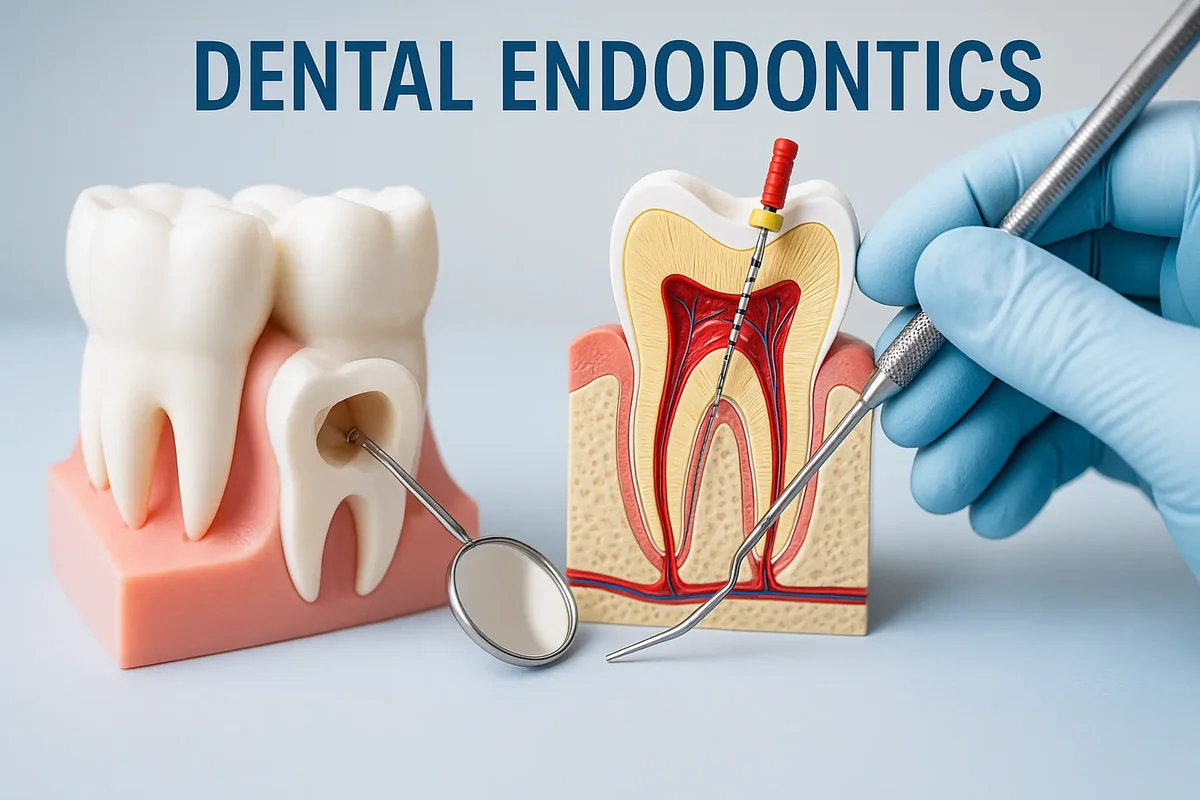
Choosing the Right Endodontist for Your Dental Needs
Selecting the right specialist is one of the most important decisions a patient can make when seeking high-quality treatment in the field of dental endodontics. An endodontist is not just a dentist who performs root canal therapy—they are highly trained professionals who focus specifically on diagnosing tooth pain, treating infections within the pulp, performing microsurgeries, and saving natural teeth using advanced methods. Because the success and longevity of your treatment largely depend on the skills and experience of your endodontist, it is essential to understand what criteria to look for. This comprehensive guide explains how to identify a qualified specialist, which certifications matter, what questions to ask during consultations, and how modern technologies influence treatment outcomes. 🦷
Why Choosing the Right Endodontist Matters
Endodontic treatment requires precision, expertise, and a deep understanding of internal tooth structures. While general dentists can perform root canals, endodontists have extensive additional training and access to advanced tools. The quality of your care affects not only immediate comfort but also the tooth’s long-term health. Specialists in dental endodontics are trained to handle complex cases, identify hidden anatomy, manage retreatments, and treat severe infections efficiently.
Key Qualities to Look for in an Endodontist
When choosing an endodontist, you should consider several essential characteristics. These qualities influence the accuracy of diagnosis, treatment comfort, predictability of results, and long-term tooth preservation.
1. Advanced Training and Education
An endodontist typically completes two to three additional years of specialized training after dental school. This residency focuses exclusively on pulp biology, root canal anatomy, pain management, and surgical techniques. When selecting a specialist, look for those who have completed accredited endodontic programs and continue to stay updated on the latest clinical techniques. In dental endodontics, ongoing education is vital because new technologies evolve rapidly.
2. Use of Modern Technology
Advanced equipment greatly enhances the accuracy and efficiency of endodontic treatment. The following technologies are indicators of a high-quality clinic:
- CBCT 3D Imaging for detecting hidden canals and assessing anatomy
- Operating Microscopes for precision during canal cleaning and sealing
- Ultrasonic Instruments for thorough disinfection
- Rotary Endodontic Systems for faster and more predictable results
- Bioceramic Sealers for long-lasting canal filling
Specialists who incorporate these tools into their practice demonstrate a commitment to delivering high-level care. Much of modern dental endodontics depends on using digital and microscopic technologies to improve outcomes.
3. Experience With Complex Cases
An experienced endodontist has treated thousands of cases and can identify subtle complications that may not be obvious to general dentists. These include:
- Calcified canals
- Deep-rooted infections
- Cracked or fractured teeth
- Retreatment of previously failed root canals
- Unusual canal anatomy
In dental endodontics, experience directly correlates with fewer complications and higher success rates.
4. Strong Communication Skills
A great endodontist not only treats teeth but also reduces patient anxiety. They explain the procedure clearly, provide detailed instructions, and are available for follow-up questions. Trust and transparency play a major role in ensuring patients feel safe and confident during treatment.
5. Positive Patient Reviews and Reputation
Online reviews, testimonials, and referrals from general dentists are helpful indicators of patient satisfaction. Look for consistent comments about:
- Pain-free procedures
- Professionalism
- Comfortable environment
- Advanced technology
- Successful outcomes
Reputation matters greatly in a specialized field such as dental endodontics.
Questions to Ask Before Choosing Your Endodontist
Being proactive during consultations helps you make informed decisions. Consider asking:
- How many root canal treatments do you perform weekly?
- Do you use microscopes and CBCT imaging?
- What is your retreatment success rate?
- How long does recovery typically take?
- Will I need a dental crown afterward?
These questions help you assess not only the specialist’s expertise but also how well they integrate modern dental endodontics practices into patient care.
How Technology Affects Treatment Success
Modern equipment significantly enhances diagnostic accuracy and procedural success. For example, CBCT imaging allows specialists to visualize microscopic structures within the tooth. Operating microscopes enable precise navigation of narrow canals. Ultrasonic devices help remove infected tissue thoroughly. Together, these technologies make dental endodontics far more predictable and comfortable.
Examples of Technology-Driven Advantages
- Earlier detection of hidden canals
- More effective cleaning and disinfection
- Reduced risk of reinfection
- Faster healing times
Red Flags to Watch Out For
While most specialists provide excellent care, certain warning signs may indicate that a clinic is not the right fit:
- Outdated equipment or lack of modern imaging
- Limited experience with complex cases
- Rushed consultations with little explanation
- No clear follow-up plan after treatment
- Inconsistent reviews or complaints about pain
Since dental endodontics involves delicate internal structures, choosing a specialist carefully helps prevent complications.
When to Seek a Second Opinion
If you feel unsure about the recommended diagnosis or suggested treatment plan, don’t hesitate to consult another endodontist. A second opinion is especially helpful when:
- You are told extraction is your only option
- Symptoms do not match the diagnosis
- You have had previous unsuccessful treatments
- The procedure seems unusually complicated without a clear explanation
Experts in dental endodontics often handle cases others consider hopeless, thanks to their specialized tools and surgical skills.
Where to Begin Your Search
Start by asking your general dentist for a referral, searching online for certified endodontists, or browsing authoritative organizations such as the
American Dental Association. For personalized assistance or to schedule a consultation, you can also visit the
Redent Klinik Contact Page.
Choosing the right specialist in dental endodontics ensures that your treatment is comfortable, precise, and long-lasting. With the guidance provided in this section, you can confidently evaluate your options and select a highly qualified endodontist who prioritizes your oral health and natural tooth preservation. 😊