
Dental gum issues are one of the most common yet often overlooked oral health problems affecting millions of people worldwide. While many individuals focus primarily on their teeth, the health of your gums plays an equally critical role in maintaining a strong, functional, and attractive smile. Dental gum issues can range from mild inflammation to severe infections that may eventually lead to tooth loss if left untreated. Understanding these problems in detail is essential for preventing long-term damage and ensuring overall oral health. 🦷
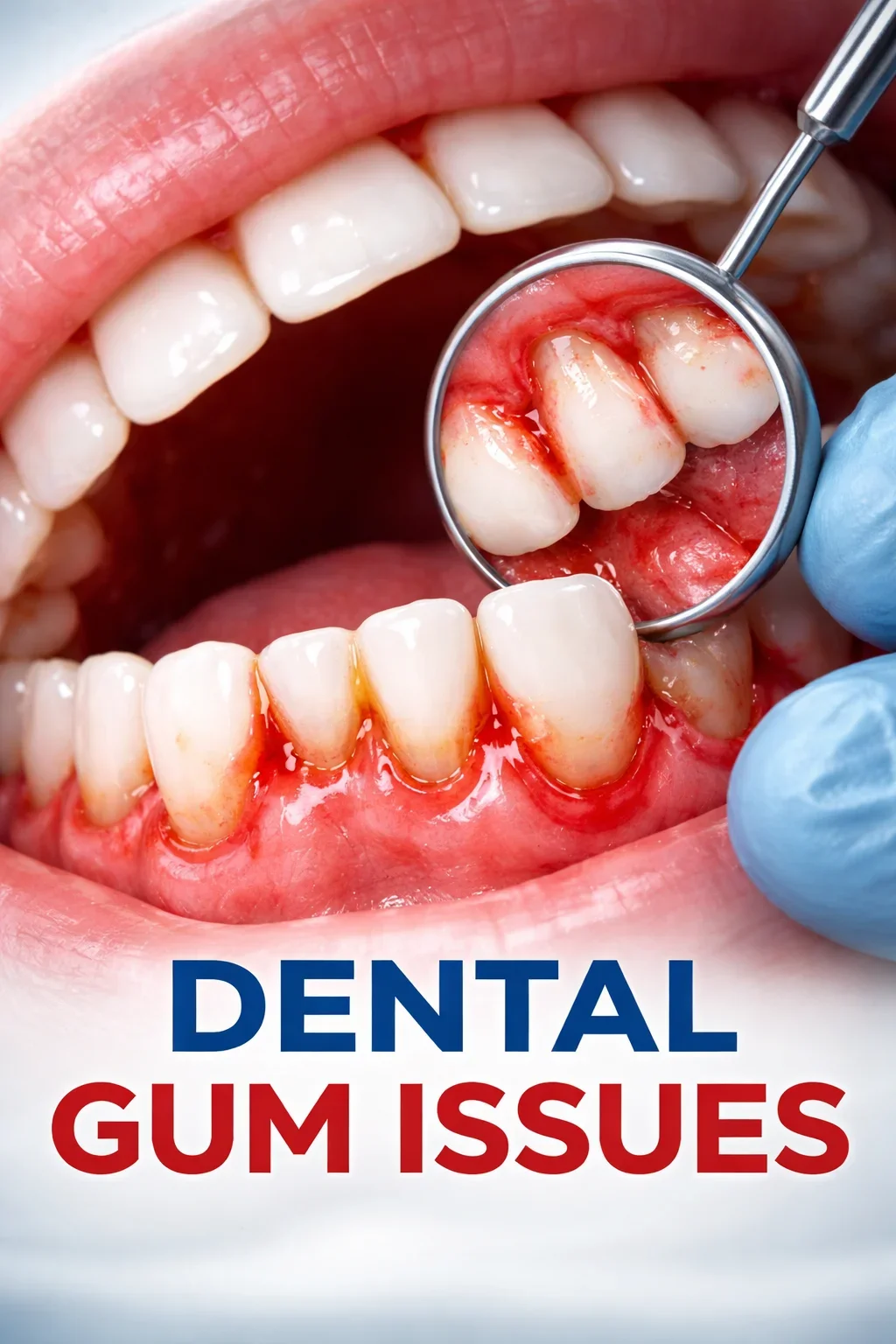
At their core, dental gum issues involve the soft tissue surrounding and supporting your teeth. Healthy gums are typically firm, pale pink, and fit snugly around the teeth. However, when dental gum issues begin to develop, these tissues may become red, swollen, tender, or prone to bleeding. These changes often occur gradually, making it easy for individuals to ignore early warning signs. Unfortunately, delaying action can allow dental gum issues to progress into more serious conditions that require extensive treatment.
One of the most important things to understand about dental gum issues is that they are usually caused by plaque buildup. Plaque is a sticky film of bacteria that forms on the teeth and gums. When it is not removed through regular brushing and flossing, it hardens into tartar, which can only be removed by a dental professional. This buildup irritates the gum tissue and leads to inflammation, which is the starting point of many dental gum issues.
Another key factor contributing to dental gum issues is poor oral hygiene habits. Inconsistent brushing, neglecting flossing, or using improper techniques can significantly increase the risk of developing gum problems. Additionally, lifestyle factors such as smoking, stress, and poor nutrition can weaken the body’s ability to fight infections, making dental gum issues more likely to occur and progress more rapidly.
Hormonal changes can also play a significant role in dental gum issues. For example, pregnancy, puberty, and menopause can make gums more sensitive and prone to inflammation. During these periods, individuals may notice increased bleeding or swelling, even with regular oral care. Recognizing these changes early can help prevent the worsening of dental gum issues.
It is also important to note that dental gum issues are not just limited to the mouth. Research has shown a strong connection between gum health and overall health. Conditions such as heart disease, diabetes, and respiratory infections have been linked to untreated dental gum issues. This means that maintaining healthy gums is not only essential for your smile but also for your overall well-being. 🌿
Common symptoms of dental gum issues include persistent bad breath, gum recession, loose teeth, and discomfort while chewing. In the early stages, these symptoms may be mild, but they should never be ignored. Early detection and treatment are crucial in preventing more severe complications. If you notice any of these signs, it is advisable to seek professional dental care as soon as possible.
Fortunately, most dental gum issues are preventable with proper care and regular dental visits. Brushing your teeth at least twice a day with fluoride toothpaste, flossing daily, and using an antibacterial mouthwash can significantly reduce the risk of gum problems. Regular dental check-ups allow professionals to detect and address dental gum issues before they become severe.
For those already experiencing dental gum issues, there are effective treatment options available. These may include professional cleaning procedures such as scaling and root planing, medications to control infection, or in more advanced cases, surgical interventions. The choice of treatment depends on the severity of the condition and the individual’s overall oral health.
If you are concerned about dental gum issues or are experiencing any symptoms, it is essential to consult with a qualified dental professional. You can easily reach out through the Redent Klinik Contact Page to get expert advice and personalized treatment options tailored to your needs.
Additionally, for reliable and up-to-date information on oral health, you can visit the American Dental Association, which provides valuable resources on preventing and managing dental gum issues effectively.
In conclusion, dental gum issues should never be underestimated. They are a clear indicator of your oral health status and can have far-reaching effects if ignored. By understanding the causes, recognizing the symptoms, and taking proactive steps, you can protect your gums and maintain a healthy, confident smile for years to come. 😊
What Are Dental Gum Issues and Why They Matter
Dental gum issues are a broad category of oral health problems that affect the tissues surrounding and supporting your teeth. These conditions can range from mild inflammation to severe infections that compromise not only your oral health but also your overall well-being. Understanding what dental gum issues are and why they matter is essential for anyone who wants to maintain a healthy smile and avoid long-term complications. 🦷
At a basic level, dental gum issues begin when harmful bacteria accumulate along the gum line. This accumulation forms plaque, a sticky film that can irritate the gums if not removed regularly. Over time, untreated plaque hardens into tartar, which intensifies irritation and leads to more advanced dental gum issues. While many people think these problems are minor, they can quickly escalate if neglected.
Definition and Scope of Dental Gum Issues
Dental gum issues refer to any condition that negatively affects the gum tissues, including inflammation, infection, recession, and structural damage. The most common types include gingivitis and periodontitis, both of which fall under the umbrella of periodontal disease. These dental gum issues can develop gradually, often without noticeable pain in the early stages, which makes them particularly dangerous.
Gingivitis is the earliest stage of dental gum issues and is characterized by redness, swelling, and bleeding gums. At this stage, the condition is still reversible with proper oral care. However, if left untreated, gingivitis can progress into periodontitis, a more severe form of dental gum issues that damages the bone supporting the teeth. This progression highlights why early awareness is so important.
Key Characteristics of Healthy vs Unhealthy Gums
Understanding the difference between healthy gums and those affected by dental gum issues can help you identify problems early. Healthy gums are firm, pink, and do not bleed during brushing or flossing. In contrast, gums affected by dental gum issues may appear red, swollen, and may bleed easily. They may also recede, exposing more of the tooth and creating sensitivity.
Another sign of dental gum issues is persistent bad breath, which is often caused by bacteria trapped beneath the gum line. Loose teeth or changes in bite alignment may also indicate advanced dental gum issues that require immediate professional attention.
Why Dental Gum Issues Should Never Be Ignored
Many people underestimate the seriousness of dental gum issues, assuming they are temporary or insignificant. However, these conditions can have far-reaching consequences if left untreated. Dental gum issues are one of the leading causes of tooth loss in adults, and they can significantly impact quality of life.
Beyond oral health, dental gum issues are closely linked to systemic health conditions. Research shows that bacteria from infected gums can enter the bloodstream and contribute to diseases such as heart disease, diabetes, and respiratory infections. This means that ignoring dental gum issues is not just a dental concern—it’s a whole-body health risk. 🌿
The Impact on Daily Life
Dental gum issues can affect everyday activities such as eating, speaking, and even smiling. Pain or discomfort caused by inflamed gums can make chewing difficult, while visible symptoms like redness or swelling may affect self-confidence. In severe cases, dental gum issues can lead to tooth loss, which may require costly restorative treatments such as implants or dentures.
Additionally, the psychological impact of dental gum issues should not be overlooked. Many individuals feel embarrassed about bad breath or the appearance of their gums, leading to social anxiety and reduced quality of life. Addressing dental gum issues early can help prevent these emotional and physical challenges.
Who Is at Risk of Dental Gum Issues?
While anyone can develop dental gum issues, certain factors increase the risk significantly. Poor oral hygiene is the most common cause, but other factors such as smoking, hormonal changes, genetic predisposition, and underlying health conditions can also contribute. Individuals with diabetes, for example, are more prone to dental gum issues due to reduced immune response.
Age is another important factor. As people get older, the likelihood of experiencing dental gum issues increases, especially if preventive care has been inconsistent. However, it’s important to note that dental gum issues are not inevitable with age—they can be prevented with proper care and awareness.
Preventability and Early Intervention
The good news is that most dental gum issues are preventable. Regular brushing, flossing, and professional dental cleanings can significantly reduce the risk. Early intervention is key, as treating dental gum issues in their initial stages is much easier and more effective than addressing advanced conditions.
If you notice any signs of dental gum issues, such as bleeding gums or persistent bad breath, it’s crucial to take action immediately. Consulting a dental professional ensures accurate diagnosis and appropriate treatment, helping you avoid more serious complications down the line.
In summary, dental gum issues are not just minor inconveniences—they are serious conditions that can impact both oral and overall health. By understanding what dental gum issues are and recognizing their importance, you can take proactive steps to protect your gums and maintain a healthy, confident smile. 😊
Common Causes of Dental Gum Issues You Should Know
Dental gum issues do not appear overnight—they develop over time due to a combination of biological, behavioral, and environmental factors. Understanding the root causes of dental gum issues is crucial for prevention and early intervention. Many people assume that brushing alone is enough to protect their gums, but the reality is more complex. Identifying what leads to dental gum issues can help you make smarter decisions about your oral health and lifestyle. 🦷
Plaque and Tartar Buildup: The Primary Cause
The most common cause of dental gum issues is the accumulation of plaque, a sticky film of bacteria that forms on the teeth and along the gum line. When plaque is not removed effectively through daily brushing and flossing, it hardens into tartar. This hardened substance cannot be removed with regular brushing and requires professional cleaning.
Tartar creates a rough surface where bacteria thrive, leading to irritation and inflammation of the gums. Over time, this irritation causes the gums to swell, bleed, and pull away from the teeth—classic signs of dental gum issues. Without proper intervention, this process can escalate into more severe periodontal conditions.
Why Plaque Is So Dangerous
Plaque contains harmful bacteria that release toxins, which attack the gum tissue. These toxins trigger the body’s inflammatory response, resulting in redness, swelling, and discomfort. This is the beginning stage of dental gum issues known as gingivitis. If left untreated, the condition can progress to periodontitis, causing irreversible damage.
Poor Oral Hygiene Habits
One of the most preventable causes of dental gum issues is inadequate oral hygiene. Skipping brushing sessions, neglecting flossing, or using improper techniques can allow bacteria to accumulate and damage the gums. Even individuals who brush regularly may still experience dental gum issues if they do not clean between their teeth effectively.
Using the wrong toothbrush or not replacing it regularly can also contribute to dental gum issues. A worn-out toothbrush is less effective at removing plaque, increasing the risk of gum inflammation. Additionally, failing to use antibacterial mouthwash can leave harmful bacteria unchecked.
Daily Mistakes That Lead to Problems
Common mistakes include brushing too hard, which can damage gum tissue, or not brushing long enough to remove plaque effectively. Many people also ignore flossing, which is essential for preventing dental gum issues in areas that a toothbrush cannot reach. These small habits, when repeated over time, significantly increase the risk of developing dental gum issues.
Smoking and Tobacco Use
Smoking is a major risk factor for dental gum issues. Tobacco products weaken the immune system, making it harder for the body to fight off infections in the gums. Smokers are more likely to develop severe dental gum issues, and their symptoms are often less noticeable, which delays diagnosis and treatment.
Nicotine also reduces blood flow to the gums, limiting the delivery of essential nutrients and oxygen. This slows down the healing process and makes dental gum issues more difficult to treat. As a result, smokers often experience more advanced forms of gum disease compared to non-smokers.
Hidden Risks of Smoking
One of the most concerning aspects of smoking-related dental gum issues is that bleeding—a common warning sign—may be reduced or absent. This can create a false sense of security, allowing the condition to worsen without obvious symptoms.
Hormonal Changes and Medical Conditions
Hormonal fluctuations can significantly impact gum health and contribute to dental gum issues. Women may experience increased gum sensitivity during pregnancy, puberty, or menopause. These hormonal changes can make the gums more reactive to plaque, increasing the likelihood of inflammation.
Certain medical conditions also play a role in the development of dental gum issues. Diabetes, for example, reduces the body’s ability to fight infections, making gum disease more severe and harder to control. Other conditions, such as immune disorders, can further increase the risk.
Medications and Their Effects
Some medications can contribute to dental gum issues by reducing saliva production. Saliva plays a crucial role in neutralizing bacteria and protecting the gums. A dry mouth creates an environment where bacteria can thrive, increasing the risk of dental gum issues.
Poor Nutrition and Lifestyle Choices
Your diet has a direct impact on your oral health. A lack of essential nutrients, particularly vitamin C, can weaken gum tissue and make it more susceptible to infection. Diets high in sugar and processed foods promote bacterial growth, which contributes to dental gum issues.
Stress is another often-overlooked factor. Chronic stress weakens the immune system, reducing the body’s ability to combat infections. This makes it easier for dental gum issues to develop and progress more rapidly.
The Role of a Balanced Diet
Eating a balanced diet rich in fruits, vegetables, and whole grains helps strengthen the immune system and supports healthy gums. Proper hydration is equally important, as it helps maintain saliva flow and reduces the risk of dental gum issues.
In conclusion, dental gum issues are caused by a combination of factors, many of which are preventable. From plaque buildup and poor hygiene to lifestyle choices and medical conditions, understanding these causes empowers you to take control of your oral health. By addressing these risk factors early, you can significantly reduce the likelihood of developing serious dental gum issues and maintain a healthy, confident smile for years to come. 😊
Early Signs and Symptoms of Dental Gum Issues
Recognizing the early signs of dental gum issues is one of the most important steps in protecting your oral health. Many people ignore subtle symptoms because they assume they are temporary or harmless. However, dental gum issues often begin quietly and progress gradually, making early detection critical. When identified at an early stage, dental gum issues are much easier to treat and can often be reversed without invasive procedures. 🦷
Dental gum issues typically start with mild inflammation, but the symptoms can vary depending on the individual and the severity of the condition. Understanding these early warning signs allows you to take immediate action and prevent further damage. The key is to pay attention to even the smallest changes in your gums and oral environment.
Bleeding Gums: The First Warning Sign
One of the earliest and most common indicators of dental gum issues is bleeding gums. If you notice blood while brushing or flossing, it is a clear sign that your gums are inflamed. Healthy gums should not bleed under normal conditions. Bleeding occurs because plaque buildup irritates the gum tissue, causing inflammation and sensitivity.
Many people dismiss this symptom, assuming they are brushing too hard. While aggressive brushing can contribute to irritation, consistent bleeding is more likely linked to underlying dental gum issues. Ignoring this sign can allow the condition to progress to more serious stages.
When Bleeding Becomes Serious
If bleeding persists for more than a few days, it should not be ignored. Chronic bleeding is often associated with gingivitis, the earliest stage of dental gum issues. At this stage, the condition is still reversible with proper oral hygiene and professional care. Delaying treatment, however, can lead to more severe complications.
Redness and Swelling in the Gums
Healthy gums are typically pale pink and firm. When dental gum issues begin to develop, the gums may become red, swollen, and tender. This inflammation is the body’s response to bacterial infection along the gum line. Swollen gums may feel soft or puffy and can cause discomfort while eating or brushing.
Redness and swelling are often accompanied by a sensation of warmth or irritation in the affected area. These symptoms indicate that dental gum issues are actively developing and require immediate attention.
Visual Changes You Should Watch For
Pay close attention to changes in the color and shape of your gums. If they appear darker, shiny, or unusually enlarged, it may be a sign of dental gum issues. Early detection through visual inspection can help you address problems before they worsen.
Persistent Bad Breath (Halitosis)
Another early symptom of dental gum issues is persistent bad breath, also known as halitosis. This condition is often caused by bacteria accumulating in the mouth, particularly beneath the gum line. These bacteria release toxins that produce unpleasant odors.
Unlike temporary bad breath caused by food, halitosis related to dental gum issues does not go away with brushing or mouthwash alone. It tends to persist and may worsen over time if the underlying cause is not addressed.
Why Bad Breath Should Not Be Ignored
Persistent bad breath is more than just a social concern—it is a warning sign of bacterial activity associated with dental gum issues. Addressing the root cause is essential for eliminating the problem and restoring oral health.
Gum Sensitivity and Discomfort
As dental gum issues develop, you may begin to experience increased sensitivity in your gums. This can manifest as discomfort when brushing, flossing, or consuming hot and cold foods. The sensitivity is often due to inflammation and the gradual exposure of sensitive areas of the teeth.
In some cases, the discomfort may be mild and intermittent, making it easy to overlook. However, even slight sensitivity can indicate the early stages of dental gum issues and should not be ignored.
Understanding the Source of Pain
The pain associated with dental gum issues is usually caused by inflamed tissues and bacterial toxins. As the condition progresses, the discomfort may become more pronounced, affecting daily activities such as eating and speaking.
Gum Recession and Changes in Tooth Appearance
One of the more noticeable signs of dental gum issues is gum recession. This occurs when the gum tissue begins to pull away from the teeth, exposing more of the tooth surface or even the root. Receding gums can make teeth appear longer and may lead to increased sensitivity.
Gum recession is often a sign that dental gum issues have progressed beyond the initial stage. It can create pockets between the teeth and gums where bacteria can accumulate, further worsening the condition.
Why Gum Recession Is a Serious Concern
Once gum tissue is lost, it does not regenerate naturally. This makes gum recession one of the more serious consequences of dental gum issues. Early intervention is essential to prevent permanent damage and maintain the structural integrity of your teeth.
Loose Teeth and Changes in Bite
In advanced cases of dental gum issues, you may notice that your teeth feel loose or that your bite has changed. This occurs when the supporting structures of the teeth, including bone and connective tissue, are damaged by infection.
Loose teeth are a clear indication that dental gum issues have reached a critical stage. Immediate professional treatment is required to prevent tooth loss and restore oral health.
When to Seek Immediate Help
If you experience loose teeth, severe pain, or significant changes in your bite, it is crucial to consult a dental professional without delay. These symptoms indicate advanced dental gum issues that require specialized care.
In conclusion, the early signs and symptoms of dental gum issues should never be ignored. From bleeding gums and redness to bad breath and sensitivity, these warning signs provide valuable insight into your oral health. By recognizing these symptoms early and taking prompt action, you can prevent the progression of dental gum issues and maintain a healthy, confident smile for years to come. 😊
How Poor Oral Hygiene Leads to Dental Gum Issues
Poor oral hygiene is one of the leading causes of dental gum issues, and understanding how it contributes to these conditions is essential for prevention. Many people underestimate how daily habits impact their gum health. Even small mistakes in oral care routines can gradually lead to serious dental gum issues that affect both the appearance and function of your smile. 🦷
Dental gum issues begin when harmful bacteria are allowed to accumulate in the mouth. Without proper cleaning, these bacteria form plaque—a sticky, colorless film that adheres to teeth and gums. If not removed regularly, plaque hardens into tartar, which is much more difficult to eliminate and requires professional intervention. This process is the foundation of most dental gum issues.
The Role of Plaque in Dental Gum Issues
Plaque is the primary trigger for dental gum issues. It contains bacteria that produce toxins, which irritate the gum tissue. This irritation leads to inflammation, redness, and swelling—early signs of dental gum issues. When plaque is consistently left untreated, it continues to build up along the gum line, creating an environment where bacteria can thrive.
As plaque accumulates, it begins to penetrate deeper into the gum tissue. This causes the gums to pull away from the teeth, forming pockets where bacteria can multiply even more rapidly. These pockets are a hallmark of progressing dental gum issues and can lead to more severe infections if not addressed.
Why Plaque Removal Is Critical
Daily removal of plaque is essential for preventing dental gum issues. Brushing twice a day and flossing once daily disrupts the bacterial colonies before they can cause significant damage. Without this routine, plaque quickly hardens into tartar, making dental gum issues much harder to control.
Incorrect Brushing Techniques
Many individuals believe they are maintaining good oral hygiene simply by brushing regularly. However, incorrect brushing techniques can actually contribute to dental gum issues. Brushing too aggressively can damage the delicate gum tissue, causing irritation and recession.
On the other hand, brushing too gently or for too short a time may fail to remove plaque effectively. This allows bacteria to remain on the teeth and gums, increasing the risk of dental gum issues. Using the wrong type of toothbrush, such as one with hard bristles, can also harm the gums and worsen existing problems.
Best Practices for Effective Brushing
To prevent dental gum issues, it is recommended to use a soft-bristled toothbrush and brush for at least two minutes. Gentle, circular motions are more effective than harsh scrubbing. Paying attention to the gum line is particularly important, as this is where plaque tends to accumulate and cause dental gum issues.
Neglecting Flossing and Interdental Cleaning
One of the most common mistakes leading to dental gum issues is skipping flossing. While brushing cleans the surfaces of the teeth, it cannot reach the spaces between them. These areas are prime locations for plaque buildup and bacterial growth.
When flossing is neglected, food particles and bacteria remain trapped between the teeth, contributing to the development of dental gum issues. Over time, this can lead to inflammation and infection that spreads to the surrounding gum tissue.
Importance of Cleaning Between Teeth
Flossing or using interdental brushes helps remove debris and plaque from hard-to-reach areas. This step is crucial in preventing dental gum issues, as it targets the spaces where problems often begin. Incorporating this habit into your daily routine significantly reduces the risk of gum disease.
Irregular Dental Visits
Another major factor contributing to dental gum issues is the lack of regular dental check-ups. Professional cleanings are essential for removing tartar that cannot be eliminated through brushing and flossing alone. Skipping these visits allows dental gum issues to develop unnoticed and progress over time.
Dentists can also identify early signs of dental gum issues that may not be visible to the untrained eye. Regular examinations ensure that any problems are addressed before they become severe.
The Value of Preventive Care
Scheduling dental visits every six months is a key component of maintaining healthy gums. Preventive care not only helps avoid dental gum issues but also reduces the need for more complex and costly treatments in the future.
Impact of Poor Oral Hygiene on Overall Health
Dental gum issues caused by poor oral hygiene do not remain confined to the mouth. The bacteria associated with gum infections can enter the bloodstream and affect other parts of the body. This connection highlights the importance of maintaining proper oral care to prevent dental gum issues and protect overall health. 🌿
Studies have linked dental gum issues to conditions such as heart disease, diabetes, and respiratory infections. This means that neglecting oral hygiene can have far-reaching consequences beyond dental health.
Breaking the Cycle of Neglect
Improving oral hygiene habits can reverse early-stage dental gum issues and prevent further complications. Simple changes, such as brushing more effectively, flossing daily, and visiting the dentist regularly, can make a significant difference.
In conclusion, poor oral hygiene is a major contributor to dental gum issues, but it is also one of the most preventable causes. By understanding how daily habits impact your gums and making conscious efforts to improve your routine, you can protect yourself from dental gum issues and maintain a healthy, confident smile for years to come. 😊
Advanced Dental Gum Issues: Gingivitis vs Periodontitis
As dental gum issues progress, they can develop into more serious conditions that significantly impact oral health and overall well-being. The two most common advanced stages of dental gum issues are gingivitis and periodontitis. While both fall under the category of periodontal disease, they differ in severity, symptoms, and long-term consequences. Understanding the distinction between these conditions is essential for early intervention and effective treatment. 🦷
Many people are unaware that dental gum issues often begin with gingivitis and can silently progress into periodontitis if left untreated. This progression highlights the importance of recognizing early warning signs and taking immediate action to prevent irreversible damage.
What Is Gingivitis?
Gingivitis is the earliest stage of dental gum issues and is characterized by inflammation of the gum tissue. It is primarily caused by plaque buildup along the gum line, which irritates the gums and triggers an inflammatory response. Common symptoms include redness, swelling, bleeding during brushing or flossing, and mild discomfort.
One of the key features of gingivitis is that it is reversible. With proper oral hygiene and professional dental care, the inflammation can be reduced, and the gums can return to a healthy state. However, ignoring gingivitis allows dental gum issues to progress into more severe conditions.
Why Gingivitis Should Not Be Ignored
Although gingivitis may seem minor, it is a clear warning sign of underlying dental gum issues. If left untreated, the bacteria responsible for gingivitis can penetrate deeper into the gum tissue, leading to more serious infections. Early treatment is essential to prevent the escalation of dental gum issues.
What Is Periodontitis?
Periodontitis is an advanced stage of dental gum issues that occurs when gingivitis is not properly treated. At this stage, the infection extends beyond the gum tissue and begins to damage the bone and connective structures that support the teeth. This can result in gum recession, deep pockets between the teeth and gums, and eventual tooth loss.
Unlike gingivitis, periodontitis is not fully reversible. While treatment can control the infection and prevent further damage, the structural loss caused by advanced dental gum issues cannot be completely restored without specialized procedures.
Key Symptoms of Periodontitis
Symptoms of periodontitis include persistent bad breath, loose teeth, receding gums, and changes in bite alignment. Patients may also experience pain while chewing and increased tooth sensitivity. These symptoms indicate that dental gum issues have reached a critical stage and require immediate professional attention.
Differences Between Gingivitis and Periodontitis
Understanding the differences between gingivitis and periodontitis is crucial for managing dental gum issues effectively. Gingivitis affects only the gum tissue and is reversible, while periodontitis involves deeper structures and leads to permanent damage.
Another important distinction is the presence of periodontal pockets in periodontitis. These pockets form when the gums pull away from the teeth, creating spaces where bacteria accumulate. This environment accelerates the progression of dental gum issues and complicates treatment.
Progression Timeline
The transition from gingivitis to periodontitis does not happen overnight. It typically occurs over months or even years, depending on factors such as oral hygiene, lifestyle, and overall health. Regular dental check-ups can help detect dental gum issues early and prevent this progression.
Risk Factors for Advanced Dental Gum Issues
Several factors increase the likelihood of developing advanced dental gum issues. Smoking is one of the most significant risk factors, as it weakens the immune system and reduces blood flow to the gums. This makes it harder for the body to fight infections and heal damaged tissue.
Other risk factors include poor oral hygiene, diabetes, hormonal changes, and genetic predisposition. Individuals with compromised immune systems are also more susceptible to severe dental gum issues.
How Lifestyle Choices Influence Severity
Diet, stress levels, and overall health play a major role in the progression of dental gum issues. A diet high in sugar promotes bacterial growth, while chronic stress can weaken the immune response. Making healthier lifestyle choices can significantly reduce the risk of advanced dental gum issues.
Treatment Options for Gingivitis and Periodontitis
Treatment for dental gum issues depends on the stage of the condition. Gingivitis can usually be treated with improved oral hygiene practices and professional cleaning. This includes removing plaque and tartar buildup to reduce inflammation.
Periodontitis, on the other hand, requires more intensive treatment. Procedures such as scaling and root planing are commonly used to clean deep pockets and remove bacteria. In severe cases, surgical interventions may be necessary to restore gum and bone structure.
Estimated Treatment Costs
The cost of treating dental gum issues varies depending on the severity. Below is an approximate cost range based on common procedures:
- Professional dental cleaning: $75 – $200
- Scaling and root planing: $300 – $1,000 per quadrant
- Gum surgery: $1,000 – $3,000 per area
- Dental implants (if tooth loss occurs): $1,500 – $4,000 per tooth
Investing in early treatment is far more cost-effective than addressing advanced dental gum issues. Preventive care can save both money and discomfort in the long run.
Preventing Progression of Dental Gum Issues
The best way to avoid advanced dental gum issues is through consistent oral hygiene and regular dental visits. Brushing twice daily, flossing, and using antibacterial mouthwash can significantly reduce the risk. Early detection and treatment are key to preventing the progression from gingivitis to periodontitis.
In conclusion, understanding the differences between gingivitis and periodontitis is essential for managing dental gum issues effectively. While gingivitis is reversible, periodontitis can cause permanent damage if not treated promptly. By recognizing the signs and seeking professional care, you can protect your gums and maintain a healthy, confident smile for years to come. 😊
Effective Treatments for Dental Gum Issues Explained
When dental gum issues develop, timely and appropriate treatment is essential to restore gum health and prevent further complications. Many patients delay treatment because they underestimate the seriousness of dental gum issues, but early intervention can make a significant difference in both outcomes and costs. The good news is that modern dentistry offers a wide range of effective treatments tailored to different stages of dental gum issues. 🦷
Treatment for dental gum issues depends on the severity of the condition, the patient’s overall health, and how early the problem is detected. From simple non-invasive procedures to advanced surgical techniques, there are solutions available for every stage of dental gum issues. Understanding these options empowers patients to make informed decisions about their oral health.
Non-Surgical Treatments for Early Dental Gum Issues
In the early stages of dental gum issues, such as gingivitis, non-surgical treatments are usually sufficient. The primary goal at this stage is to eliminate plaque and tartar buildup, which are the root causes of dental gum issues. Professional dental cleaning is often the first step in this process.
During a professional cleaning, a dental hygienist removes plaque and tartar from the tooth surfaces and along the gum line. This helps reduce inflammation and allows the gums to heal. Patients are also advised to improve their oral hygiene routine at home to prevent the recurrence of dental gum issues.
Scaling and Root Planing
For more advanced cases of dental gum issues, scaling and root planing may be required. This deep-cleaning procedure involves removing plaque and tartar from below the gum line and smoothing the root surfaces of the teeth. This helps the gums reattach to the teeth and reduces the depth of periodontal pockets.
Scaling and root planing is highly effective in controlling dental gum issues and preventing further progression. It is usually performed under local anesthesia and may require multiple visits depending on the severity of the condition.
Medications Used in Treating Dental Gum Issues
In some cases, medications are used alongside mechanical treatments to manage dental gum issues. These medications help control bacterial infection and reduce inflammation. They can be applied directly to the gums or prescribed in oral form.
Common medications for dental gum issues include antibiotic gels, antimicrobial mouth rinses, and oral antibiotics. These treatments are particularly useful for patients with persistent infections or those who do not respond well to standard cleaning procedures.
Antibacterial Mouthwash and Gels
Antibacterial mouthwashes containing chlorhexidine are often recommended to reduce bacteria in the mouth. Similarly, antibiotic gels can be applied directly to infected areas to target dental gum issues at their source. These treatments enhance the effectiveness of professional procedures and promote faster healing.
Surgical Treatments for Advanced Dental Gum Issues
When dental gum issues reach an advanced stage, surgical intervention may be necessary. These procedures are designed to repair damage, reduce infection, and restore the structure of the gums and supporting bone.
One common surgical procedure is flap surgery, where the gums are lifted back to allow for deep cleaning of the roots. After cleaning, the gums are repositioned to fit snugly around the teeth. This reduces pocket depth and makes it easier to maintain oral hygiene.
Bone and Tissue Grafting
In severe cases of dental gum issues, bone and tissue grafting may be required. These procedures involve adding new material to regenerate lost bone and gum tissue. This not only improves the appearance of the gums but also strengthens the foundation of the teeth.
Advanced regenerative techniques have significantly improved the success rates of these procedures, offering hope for patients with extensive dental gum issues.
Laser Therapy for Dental Gum Issues
Laser therapy is a modern and minimally invasive option for treating dental gum issues. This technique uses focused light energy to remove infected tissue and kill bacteria. It is less painful than traditional surgery and often results in faster recovery times.
Laser treatment is particularly beneficial for patients who are anxious about dental procedures or those seeking a more comfortable alternative. It is increasingly being used as part of comprehensive care for dental gum issues.
Benefits of Laser Treatment
Laser therapy offers several advantages, including reduced bleeding, minimal discomfort, and quicker healing. It also allows for precise targeting of infected areas, making it an effective option for managing dental gum issues.
Cost Overview of Dental Gum Treatments
The cost of treating dental gum issues varies depending on the type and severity of the condition. Below is a general estimate of common treatment costs:
- Professional cleaning: $75 – $200
- Scaling and root planing: $300 – $1,000 per quadrant
- Laser therapy: $500 – $2,000 per session
- Flap surgery: $1,000 – $3,000 per area
- Bone grafting: $600 – $3,000 per site
While these costs may seem high, investing in early treatment of dental gum issues can prevent more expensive procedures in the future. Preventive care is always more cost-effective than treating advanced conditions.
Importance of Personalized Treatment Plans
Every case of dental gum issues is unique, which is why personalized treatment plans are essential. Dentists evaluate the severity of the condition, the patient’s medical history, and lifestyle factors before recommending a course of action. This ensures that the treatment is both effective and sustainable.
Patients are also educated on how to maintain their results after treatment. This includes proper brushing techniques, regular flossing, and routine dental visits to monitor gum health.
Long-Term Maintenance After Treatment
Successfully treating dental gum issues is only the first step. Maintaining healthy gums requires ongoing care and commitment. Regular check-ups and cleanings are essential to prevent recurrence and ensure long-term success.
In conclusion, there are numerous effective treatments available for dental gum issues, ranging from simple cleanings to advanced surgical procedures. The key to successful treatment is early detection and prompt action. By understanding your options and working closely with a dental professional, you can overcome dental gum issues and enjoy a healthy, confident smile for years to come. 😊
Home Remedies and Daily Habits to Prevent Dental Gum Issues
Preventing dental gum issues does not always require complex treatments or expensive procedures. In fact, the foundation of healthy gums lies in simple daily habits and natural home care routines. While professional dental care is essential, consistent at-home practices play a critical role in reducing the risk of dental gum issues and maintaining long-term oral health. 🦷
Many individuals overlook the power of daily routines, but small, consistent efforts can significantly reduce the likelihood of developing dental gum issues. By combining proper hygiene techniques with natural remedies, you can strengthen your gums and create an environment that discourages bacterial growth.
Daily Oral Hygiene Habits That Matter
The most effective way to prevent dental gum issues is by maintaining a strong oral hygiene routine. Brushing your teeth at least twice a day is essential for removing plaque and bacteria that contribute to dental gum issues. However, the technique used is just as important as frequency.
Using a soft-bristled toothbrush and fluoride toothpaste helps clean the teeth without damaging the gums. Gentle, circular motions are recommended to effectively remove plaque along the gum line, where dental gum issues often begin. Brushing should last at least two minutes to ensure thorough cleaning.
The Importance of Flossing Daily
Flossing is a critical step that many people skip, yet it is essential for preventing dental gum issues. It removes food particles and plaque from between the teeth, areas that a toothbrush cannot reach. Without flossing, these hidden spaces become breeding grounds for bacteria, increasing the risk of dental gum issues.
Incorporating flossing into your daily routine can significantly reduce inflammation and help maintain healthy gums over time.
Natural Home Remedies for Dental Gum Issues
In addition to proper hygiene, several natural remedies can help prevent and manage dental gum issues. While these remedies should not replace professional care, they can complement your routine and provide additional protection.
Saltwater rinses are one of the simplest and most effective remedies for dental gum issues. Salt has natural antibacterial properties that help reduce inflammation and kill harmful bacteria. Rinsing your mouth with warm saltwater can soothe irritated gums and promote healing.
Herbal and Natural Solutions
Herbal remedies such as aloe vera, tea tree oil, and clove oil are known for their antibacterial and anti-inflammatory properties. Applying aloe vera gel to the gums can help reduce swelling, while diluted tea tree oil can combat bacteria associated with dental gum issues.
Clove oil, often used for tooth pain, also has antiseptic properties that can help manage dental gum issues when applied carefully. However, these remedies should be used in moderation and with proper guidance.
Healthy Diet for Strong Gums
Your diet plays a significant role in preventing dental gum issues. Consuming nutrient-rich foods helps strengthen the immune system and supports gum health. Vitamins such as vitamin C are particularly important, as they help maintain the integrity of gum tissue and reduce the risk of inflammation.
Foods rich in antioxidants, such as fruits and vegetables, help fight bacteria and reduce the likelihood of dental gum issues. Crunchy foods like apples and carrots can also help clean the teeth naturally by stimulating saliva production.
Foods to Avoid
Sugary and processed foods should be limited, as they promote bacterial growth and increase the risk of dental gum issues. Sticky snacks, in particular, can cling to the teeth and provide a constant source of fuel for harmful bacteria.
Reducing sugar intake and choosing healthier alternatives can make a significant difference in preventing dental gum issues.
Hydration and Saliva Production
Staying hydrated is another important factor in preventing dental gum issues. Water helps wash away food particles and bacteria, keeping the mouth clean. It also supports saliva production, which plays a crucial role in neutralizing acids and protecting the gums.
A dry mouth creates an ideal environment for bacteria to thrive, increasing the risk of dental gum issues. Drinking enough water throughout the day helps maintain a balanced oral environment.
Simple Hydration Tips
Carrying a water bottle and sipping regularly can help maintain hydration. Avoiding excessive caffeine and alcohol, which can contribute to dry mouth, is also beneficial in preventing dental gum issues.
Lifestyle Changes to Reduce Risk
Certain lifestyle choices can significantly impact the likelihood of developing dental gum issues. Smoking, for example, is a major risk factor that weakens the immune system and reduces blood flow to the gums. Quitting smoking can greatly improve gum health and reduce the severity of dental gum issues.
Managing stress is equally important. Chronic stress can weaken the body’s ability to fight infections, making it easier for dental gum issues to develop. Incorporating relaxation techniques such as meditation or exercise can support overall health and reduce risk.
Consistency Is Key
The effectiveness of these habits depends on consistency. Practicing good oral hygiene, maintaining a balanced diet, and adopting healthy lifestyle choices daily can significantly reduce the risk of dental gum issues.
In conclusion, preventing dental gum issues starts with simple yet powerful daily habits. From proper brushing and flossing to natural remedies and a healthy diet, these practices create a strong foundation for gum health. By staying consistent and proactive, you can protect yourself from dental gum issues and enjoy a healthy, confident smile for years to come. 😊
Professional Dental Care for Severe Dental Gum Issues
When dental gum issues reach an advanced stage, home care alone is no longer sufficient. At this point, professional dental care becomes essential to stop the progression of infection, preserve the teeth, and restore gum health. Severe dental gum issues require specialized treatments that go beyond routine cleaning, often involving a combination of advanced techniques tailored to the patient’s condition. Understanding these professional options is crucial for anyone experiencing persistent or worsening dental gum issues. 🦷
Dental professionals play a vital role in diagnosing the severity of dental gum issues and recommending the most effective treatment plan. Through clinical examinations, X-rays, and periodontal assessments, dentists can identify the depth of infection and determine whether non-surgical or surgical interventions are necessary.
Comprehensive Periodontal Evaluation
The first step in treating severe dental gum issues is a comprehensive periodontal evaluation. During this process, the dentist measures the depth of the pockets between the teeth and gums using a periodontal probe. Healthy gums typically have shallow pockets, while deeper pockets indicate more advanced dental gum issues.
X-rays may also be taken to assess bone loss, which is a common consequence of untreated dental gum issues. This detailed evaluation allows the dentist to create a personalized treatment plan that addresses the specific needs of the patient.
Why Early Professional Diagnosis Matters
Even in severe cases, early professional diagnosis can significantly improve outcomes. Identifying dental gum issues before they cause irreversible damage allows for more conservative treatment options and better long-term results.
Deep Cleaning Procedures
One of the most common professional treatments for dental gum issues is deep cleaning, also known as scaling and root planing. This procedure targets bacteria and tartar beneath the gum line, where standard cleaning cannot reach.
Scaling removes plaque and tartar from the tooth surfaces and periodontal pockets, while root planing smooths the root surfaces to prevent bacteria from reattaching. This process helps reduce inflammation and encourages the gums to heal and reattach to the teeth.
What to Expect During Deep Cleaning
Deep cleaning is usually performed under local anesthesia to ensure patient comfort. Depending on the severity of the dental gum issues, the procedure may be completed in multiple sessions. Mild discomfort may occur afterward, but this is temporary and manageable.
Periodontal Surgery for Advanced Cases
When dental gum issues have caused significant damage, surgical intervention may be necessary. Periodontal surgery aims to eliminate infection, reduce pocket depth, and restore the structure of the gums and supporting bone.
Flap surgery is one of the most commonly performed procedures for severe dental gum issues. In this procedure, the gums are lifted back to allow for thorough cleaning of the roots. After cleaning, the gums are repositioned to fit more tightly around the teeth.
Regenerative Procedures
In cases where bone loss has occurred due to dental gum issues, regenerative procedures may be used to rebuild lost tissue. Bone grafts and guided tissue regeneration techniques help stimulate the growth of new bone and gum tissue, improving both function and appearance.
Laser Therapy as a Modern Solution
Laser therapy is an increasingly popular option for treating dental gum issues. This minimally invasive technique uses laser energy to remove infected tissue and kill bacteria. It offers several advantages, including reduced bleeding, less discomfort, and faster recovery times.
Laser treatment is particularly beneficial for patients who are anxious about traditional surgical procedures. It provides an effective alternative for managing dental gum issues with minimal disruption to daily life.
Advantages of Laser Treatment
Laser therapy allows for precise targeting of infected areas, preserving healthy tissue while eliminating bacteria. This makes it an excellent option for treating dental gum issues with greater accuracy and comfort.
Maintenance and Follow-Up Care
Treating dental gum issues does not end with the initial procedure. Ongoing maintenance is essential to prevent recurrence and ensure long-term success. Patients are typically scheduled for regular follow-up visits, during which the dentist monitors healing and removes any new plaque or tartar buildup.
Specialized cleaning techniques may be used during these visits to maintain gum health and prevent the return of dental gum issues. Patients are also educated on proper oral hygiene practices to support their recovery.
Importance of Consistency
Consistency in follow-up care is key to managing dental gum issues effectively. Skipping appointments or neglecting oral hygiene can lead to relapse, undoing the progress achieved through professional treatment.
Cost of Professional Treatments
The cost of treating severe dental gum issues varies depending on the type and extent of the procedures required. Below is an approximate cost breakdown for common treatments:
- Periodontal evaluation: $50 – $200
- Scaling and root planing: $300 – $1,000 per quadrant
- Flap surgery: $1,000 – $3,000 per area
- Bone grafting: $600 – $3,000 per site
- Laser therapy: $500 – $2,000 per session
While these costs may seem significant, addressing dental gum issues early can prevent more expensive and complex treatments in the future. Investing in professional care is essential for preserving oral health and avoiding tooth loss.
When to Seek Professional Help
If you experience symptoms such as persistent bleeding, severe gum pain, loose teeth, or noticeable gum recession, it is crucial to seek professional help immediately. These signs indicate advanced dental gum issues that require specialized care.
Delaying treatment can lead to irreversible damage, including bone loss and tooth loss. Consulting a dental professional ensures that dental gum issues are managed effectively and that appropriate treatment is provided.
Taking the First Step
Reaching out to a qualified dental clinic is the first step toward overcoming dental gum issues. Professional care not only treats existing problems but also provides guidance on maintaining long-term gum health.
In conclusion, professional dental care is essential for managing severe dental gum issues. From deep cleaning and surgical procedures to advanced laser therapy, modern dentistry offers effective solutions for even the most complex cases. By seeking timely treatment and maintaining regular follow-up care, you can overcome dental gum issues and enjoy a healthy, confident smile for years to come. 😊
Long-Term Prevention Strategies for Dental Gum Issues
Preventing dental gum issues is not a one-time effort—it requires a consistent, long-term commitment to oral health. While treatments can successfully manage existing conditions, the real goal is to ensure that dental gum issues do not return. Long-term prevention strategies focus on maintaining a healthy oral environment, strengthening the gums, and minimizing risk factors that contribute to dental gum issues. 🦷
Many people assume that once their gums feel better, they can relax their routine. However, dental gum issues can easily recur if preventive measures are not maintained. By adopting a proactive approach, you can significantly reduce the chances of future complications and protect your smile for years to come.
Building a Consistent Oral Hygiene Routine
The foundation of preventing dental gum issues lies in maintaining a consistent and effective oral hygiene routine. Brushing your teeth twice daily and flossing at least once a day are essential practices. However, consistency is key—skipping even a few days can allow bacteria to build up and trigger dental gum issues.
Using fluoride toothpaste and a soft-bristled toothbrush helps remove plaque without damaging the gums. It is also important to replace your toothbrush every three to four months, as worn bristles are less effective and can contribute to dental gum issues.
Advanced Oral Care Tools
In addition to brushing and flossing, incorporating tools such as electric toothbrushes and water flossers can enhance your routine. These devices are particularly effective at removing plaque from hard-to-reach areas, reducing the risk of dental gum issues over time.
Regular Dental Check-Ups and Cleanings
Professional dental care is a critical component of long-term prevention. Visiting your dentist every six months allows for early detection and management of dental gum issues. Even if your gums appear healthy, regular check-ups ensure that any hidden problems are identified before they become serious.
Professional cleanings remove tartar buildup that cannot be eliminated through home care alone. This step is essential in preventing dental gum issues from developing or recurring.
Customized Preventive Plans
Dentists often create personalized preventive plans based on individual risk factors. These plans may include more frequent cleanings or specific treatments to address early signs of dental gum issues. Following these recommendations can greatly improve long-term outcomes.
Healthy Lifestyle Choices
Your lifestyle has a significant impact on your oral health. Avoiding tobacco products is one of the most important steps in preventing dental gum issues. Smoking weakens the immune system and reduces blood flow to the gums, making it harder for the body to fight infections.
Managing stress is another important factor. Chronic stress can weaken the immune response, increasing susceptibility to dental gum issues. Incorporating stress-reducing activities such as exercise, meditation, or hobbies can support overall health and gum stability.
The Role of Sleep and Hydration
Getting enough sleep and staying hydrated are often overlooked but essential aspects of preventing dental gum issues. Proper hydration supports saliva production, which helps neutralize bacteria and protect the gums. Adequate sleep allows the body to repair and maintain healthy tissues.
Balanced Nutrition for Gum Health
A well-balanced diet plays a crucial role in preventing dental gum issues. Nutrients such as vitamin C, calcium, and antioxidants help strengthen gum tissue and reduce inflammation. Including fresh fruits, vegetables, dairy products, and whole grains in your diet can significantly improve gum health.
Avoiding excessive sugar is equally important. Sugary foods and drinks promote bacterial growth, increasing the risk of dental gum issues. Choosing healthier alternatives can help maintain a balanced oral environment.
Supplements and Their Benefits
In some cases, dietary supplements may be recommended to support gum health. Vitamin C supplements, for example, can help strengthen the immune system and reduce the risk of dental gum issues. However, supplements should always be used under professional guidance.
Monitoring and Early Intervention
Regular self-monitoring is an essential part of preventing dental gum issues. Paying attention to changes in your gums, such as bleeding, swelling, or sensitivity, allows you to take action before the condition worsens. Early intervention can prevent minor problems from developing into serious dental gum issues.
If you notice any unusual symptoms, it is important to consult a dental professional promptly. Early treatment is often simpler, less invasive, and more cost-effective.
Creating Awareness and Habits
Developing awareness of your oral health and building strong habits ensures that preventive measures become part of your daily routine. Over time, these habits significantly reduce the likelihood of dental gum issues.
Long-Term Cost Benefits of Prevention
Investing in preventive care not only protects your health but also saves money in the long run. Treating advanced dental gum issues can be costly, involving procedures such as surgery or implants. In contrast, maintaining good oral hygiene and attending regular check-ups are relatively inexpensive.
Below is a comparison of preventive vs treatment costs:
- Routine dental check-up: $50 – $150
- Professional cleaning: $75 – $200
- Advanced gum treatment: $1,000 – $3,000+
- Dental implants (if needed): $1,500 – $4,000 per tooth
By focusing on prevention, you can avoid the financial burden associated with severe dental gum issues.
Commitment to Lifelong Oral Health
Preventing dental gum issues is a lifelong commitment that requires dedication and consistency. By combining proper hygiene, regular dental care, healthy lifestyle choices, and early intervention, you can maintain strong and healthy gums.
In conclusion, long-term prevention strategies are the most effective way to avoid dental gum issues and ensure lasting oral health. Taking proactive steps today will protect your gums, enhance your smile, and improve your overall quality of life for years to come. 😊