
A dental hygienist clean is one of the most important preventive treatments in modern dentistry. While many people brush and floss daily, these habits alone cannot remove all plaque, bacteria, and tartar that accumulate on teeth over time. A professional dental hygienist clean is specifically designed to eliminate these stubborn deposits and protect your oral health before small problems become serious dental diseases.
When patients visit a dental clinic, one of the first procedures recommended by professionals is a routine dental hygienist clean. This treatment is performed by trained dental hygienists who specialize in preventive care and oral hygiene maintenance. Their role is to ensure that the surfaces of your teeth, the spaces between them, and the gum line remain free from harmful buildup.
During a typical dental hygienist clean, a hygienist removes plaque and hardened tartar (also called calculus) that cannot be eliminated by brushing alone. Over time, plaque bacteria produce acids that weaken enamel and irritate the gums. Without a professional dental hygienist clean, this buildup can lead to cavities, gum inflammation, and even tooth loss.
One major benefit of a dental hygienist clean is the early detection of oral health problems. Dental hygienists carefully examine your teeth and gums during the cleaning process. If they notice warning signs such as bleeding gums, plaque buildup, or enamel damage, they can alert the dentist immediately. Early diagnosis allows treatment to begin before the issue becomes painful or expensive.
Another advantage of a dental hygienist clean is improved gum health. Gum disease often starts silently with mild symptoms like redness or slight bleeding when brushing. A professional dental hygienist clean removes bacteria along the gumline and helps prevent gingivitis from progressing into more serious periodontal disease. Healthy gums are essential for maintaining strong teeth and preventing bone loss around the jaw.
A dental hygienist clean also plays an important role in maintaining fresh breath. Bad breath, also known as halitosis, is frequently caused by bacteria and food debris trapped between teeth. Even the most careful brushing routine may miss these areas. A professional dental hygienist clean removes the bacteria responsible for odor and leaves the mouth feeling fresh and healthy.
Many patients also notice cosmetic improvements after a dental hygienist clean. Surface stains caused by coffee, tea, wine, and smoking can dull the natural brightness of teeth. During a professional dental hygienist clean, polishing techniques help remove these stains and restore the natural shine of enamel. Although this procedure is not the same as whitening treatment, it often leaves teeth looking noticeably brighter.
Research from trusted organizations like the American Dental Association emphasizes the importance of preventive care such as a regular dental hygienist clean. Preventive dentistry focuses on stopping dental disease before it starts, which ultimately saves patients time, discomfort, and treatment costs.
Many dental clinics recommend scheduling a dental hygienist clean every six months. However, some patients may need more frequent visits depending on their oral health condition. People with braces, dental implants, or a history of gum disease may benefit from more regular dental hygienist clean appointments to maintain optimal oral hygiene.
If you are unsure whether it is time for your next dental hygienist clean, contacting a professional dental clinic can help you determine the best schedule for your needs. At Redent Klinik, patients can easily request an appointment through the Redent Klinik Contact Page, where dental professionals can evaluate your oral health and recommend the right preventive care plan.
It is important to understand that a dental hygienist clean is not only about keeping teeth looking good. It is a critical medical step in protecting overall health. Studies have shown that poor oral hygiene can contribute to systemic conditions such as cardiovascular disease and diabetes complications. By maintaining a routine dental hygienist clean, patients reduce harmful bacteria in the mouth that could affect other parts of the body.
Another often overlooked benefit of a dental hygienist clean is patient education. During the appointment, dental hygienists provide personalized advice on brushing techniques, flossing methods, and lifestyle habits that support oral health. This guidance ensures that patients can maintain the results of their dental hygienist clean long after leaving the dental clinic.
Ultimately, a dental hygienist clean is one of the simplest yet most powerful steps you can take to maintain a healthy smile. By combining professional care with daily oral hygiene habits, patients can prevent many common dental issues and enjoy strong, bright teeth for years to come. In the following sections, we will explore how a dental hygienist clean protects your teeth and gums and why it remains a cornerstone of preventive dentistry.
What Is a Dental Hygienist Clean and Why It Matters
A dental hygienist clean is a professional dental procedure focused on removing plaque, tartar, and bacteria that accumulate on teeth over time. Even people who brush twice a day and floss regularly can still develop buildup in areas that are difficult to reach. This is why a professional dental hygienist clean is considered a cornerstone of preventive dentistry. It ensures that oral health is maintained at a level that daily home care alone cannot achieve.
During a routine dental visit, a trained hygienist performs the dental hygienist clean using specialized instruments designed to remove hardened deposits and polish the tooth surfaces. The goal of a dental hygienist clean is not only cosmetic but also medical. Removing harmful bacteria prevents gum disease, tooth decay, and other oral health complications that could otherwise require more complex treatments.
Many people underestimate the importance of a dental hygienist clean. However, dental professionals worldwide emphasize that preventive care can significantly reduce the risk of serious oral health problems. According to guidance from the American Dental Association, professional cleanings are a vital component of maintaining healthy teeth and gums.
The Core Purpose of a Dental Hygienist Clean
The primary purpose of a dental hygienist clean is to remove plaque and tartar that accumulate on teeth and around the gumline. Plaque is a sticky film of bacteria that forms continuously in the mouth. If plaque is not removed effectively through brushing and flossing, it hardens into tartar. Once tartar forms, it cannot be removed with a toothbrush and requires professional intervention through a dental hygienist clean.
During a dental hygienist clean, the hygienist carefully cleans each tooth surface and focuses on areas where bacteria tend to collect, such as between teeth and beneath the gumline. This process significantly reduces bacterial levels in the mouth and helps maintain a balanced oral environment.
Another key aspect of a dental hygienist clean is preventing the early stages of gum disease. Gingivitis, the first stage of periodontal disease, often begins with plaque buildup along the gums. Regular dental hygienist clean appointments remove this buildup and allow the gums to heal before the condition progresses.
Why a Dental Hygienist Clean Is Essential for Oral Health
A dental hygienist clean plays an essential role in protecting both teeth and gums from long-term damage. Without professional cleaning, plaque and tartar accumulate over time, increasing the risk of cavities and periodontal disease. A routine dental hygienist clean disrupts this harmful process and supports the natural defense systems of the mouth.
Another reason why a dental hygienist clean is so important is that it helps maintain the integrity of tooth enamel. When bacteria remain on the teeth for extended periods, they produce acids that weaken enamel and lead to decay. By undergoing a regular dental hygienist clean, patients remove these acid-producing bacteria before they can damage the teeth.
Patients also benefit from improved breath after a dental hygienist clean. Many cases of chronic bad breath are linked to bacteria trapped between teeth or beneath the gumline. A thorough dental hygienist clean eliminates these bacterial colonies and leaves the mouth feeling fresh.
Connection Between Professional Cleaning and Overall Health
A dental hygienist clean is not only beneficial for oral health but also for overall wellness. Scientific studies suggest that oral bacteria can contribute to systemic conditions if left untreated. Chronic gum infections, for example, have been linked to heart disease, diabetes complications, and inflammation in other parts of the body.
By maintaining a regular dental hygienist clean schedule, patients significantly reduce the number of harmful bacteria in the mouth. This reduces the likelihood that bacteria will enter the bloodstream and affect other organs. Preventive care through a dental hygienist clean therefore supports both oral and systemic health.
Who Performs a Dental Hygienist Clean
A dental hygienist clean is performed by licensed dental hygienists who receive specialized training in preventive dental care. Their role includes removing plaque and tartar, polishing teeth, and educating patients about proper oral hygiene practices. A hygienist performing a dental hygienist clean works closely with the dentist to ensure the patient’s oral health is carefully monitored.
Dental hygienists are highly skilled in identifying early warning signs of oral health issues during a dental hygienist clean. If they detect unusual changes such as gum recession, excessive plaque buildup, or early cavities, they inform the dentist so that treatment can begin immediately.
How Regular Dental Hygienist Clean Visits Save Money
Many people view a dental hygienist clean as an optional appointment, but it is actually one of the most cost-effective dental services available. Preventive care helps avoid expensive procedures such as root canals, gum surgery, or dental implants. A simple dental hygienist clean every six months can significantly reduce the likelihood of needing these advanced treatments.
Patients who consistently attend their dental hygienist clean appointments often maintain healthier teeth and gums throughout their lives. Preventive maintenance costs far less than restorative dental treatments.
If you want to schedule your next dental hygienist clean, you can easily reach dental professionals through the Redent Klinik Contact Page. A dental team can evaluate your oral health and recommend the ideal cleaning schedule for you.
Ultimately, a dental hygienist clean is a fundamental part of preventive dentistry. By removing harmful buildup, protecting gum health, and identifying potential problems early, this procedure plays a critical role in maintaining a healthy smile. Understanding what a dental hygienist clean involves helps patients appreciate its value and prioritize regular dental care.
How a Dental Hygienist Clean Protects Your Teeth and Gums
A professional dental hygienist clean plays a critical role in protecting both teeth and gums from disease, decay, and long-term damage. While daily brushing and flossing are essential for oral hygiene, they cannot fully eliminate all plaque and bacteria that accumulate in hard-to-reach areas of the mouth. Over time, these deposits harden into tartar, creating an environment where harmful bacteria thrive. A routine dental hygienist clean removes these deposits before they cause serious dental problems.
Many people think of a dental hygienist clean simply as a cosmetic treatment that makes teeth look brighter. In reality, the primary goal of a dental hygienist clean is preventive care. By removing plaque and tartar regularly, dental hygienists help stop oral health issues before they develop into more severe conditions such as cavities, gum disease, or tooth loss.
Dental professionals around the world emphasize the importance of preventive treatments like a dental hygienist clean. According to recommendations from the American Dental Association, professional cleanings are a vital step in maintaining long-term oral health. Patients who receive regular dental hygienist clean treatments often experience fewer dental complications and maintain healthier smiles throughout their lives.
Preventing Plaque and Tartar Buildup
The first and most obvious benefit of a dental hygienist clean is the removal of plaque and tartar. Plaque is a sticky film of bacteria that forms on teeth after eating or drinking. If plaque is not removed effectively through brushing and flossing, it hardens into tartar within a few days.
Tartar is much more difficult to remove than plaque. Once it forms, it attaches firmly to the tooth surface and requires specialized dental instruments to remove it. During a professional dental hygienist clean, hygienists use scaling tools to gently remove tartar deposits from the tooth surface and below the gumline.
By eliminating these deposits, a dental hygienist clean prevents bacteria from multiplying and damaging the teeth. Without regular cleaning, tartar buildup can lead to cavities, gum irritation, and chronic inflammation. This is why dentists strongly recommend scheduling a dental hygienist clean at regular intervals.
Protecting Gum Health and Preventing Gum Disease
Healthy gums are essential for maintaining strong teeth. Unfortunately, plaque bacteria tend to accumulate around the gumline, where they can cause inflammation and infection. A professional dental hygienist clean helps protect the gums by removing these bacteria before they lead to gum disease.
The early stage of gum disease is called gingivitis. Symptoms include redness, swelling, and bleeding during brushing. If gingivitis is not treated, it can progress into periodontitis, a more serious condition that damages the bone supporting the teeth. A routine dental hygienist clean removes bacteria from the gumline and significantly reduces the risk of this progression.
Regular visits for a dental hygienist clean also allow dental professionals to monitor gum health closely. If early signs of gum disease are detected during a dental hygienist clean, treatment can begin immediately, preventing further damage.
Supporting the Natural Defense System of the Mouth
The mouth has its own natural defense mechanisms, including saliva and beneficial bacteria that help control harmful microbes. However, when plaque and tartar accumulate, these natural defenses become overwhelmed. A dental hygienist clean restores balance by removing excessive bacteria and allowing the mouth’s protective systems to function properly.
After a dental hygienist clean, many patients notice that their gums feel healthier and less sensitive. This is because the removal of bacterial buildup reduces inflammation and allows the tissues to heal naturally.
Reducing the Risk of Cavities
Cavities develop when bacteria produce acids that weaken the tooth enamel. Plaque bacteria feed on sugars from food and beverages, creating acids that gradually erode the tooth surface. A professional dental hygienist clean removes these bacteria and reduces the likelihood of acid damage.
When plaque is removed regularly through a dental hygienist clean, the enamel remains stronger and more resistant to decay. This preventive approach helps patients avoid fillings, root canals, and other restorative procedures.
Dental hygienists also examine the teeth carefully during a dental hygienist clean. If early signs of enamel damage are detected, dentists can intervene quickly to prevent cavities from forming.
Improving Breath and Overall Comfort
Another benefit of a dental hygienist clean is improved breath freshness. Bad breath is often caused by bacteria trapped between teeth and beneath the gumline. Even with good oral hygiene habits, these bacteria can remain hidden in areas that are difficult to clean.
During a dental hygienist clean, hygienists remove odor-causing bacteria and polish the teeth to create smoother surfaces that resist plaque buildup. As a result, patients often experience fresher breath and a cleaner feeling in the mouth after their dental hygienist clean.
Early Detection of Oral Health Problems
Every dental hygienist clean appointment also provides an opportunity for early diagnosis of dental issues. Hygienists closely examine the teeth, gums, and oral tissues during the cleaning process. This allows them to identify warning signs such as enamel wear, gum recession, or suspicious lesions.
Detecting problems early during a dental hygienist clean can make treatment much simpler and less expensive. Small cavities, for example, can often be treated quickly if discovered early, whereas untreated decay may require more complex procedures.
If you are unsure whether it is time for your next dental hygienist clean, you can easily contact a dental professional through the Redent Klinik Contact Page. A qualified dental team can assess your oral health and recommend the ideal schedule for your preventive care.
Ultimately, a routine dental hygienist clean is one of the most effective ways to protect both teeth and gums. By removing plaque, preventing gum disease, reducing cavity risk, and supporting overall oral health, this simple preventive procedure plays a vital role in maintaining a strong and healthy smile for years to come.
Step-by-Step Process of a Professional Dental Hygienist Clean
A professional dental hygienist clean is a structured and carefully performed procedure designed to remove harmful buildup, protect gum health, and maintain the overall condition of your teeth. Many patients are curious about what actually happens during a dental hygienist clean appointment. Understanding the process helps patients feel more comfortable and highlights why a regular dental hygienist clean is one of the most effective preventive treatments in dentistry.
A typical dental hygienist clean appointment usually lasts between 30 and 60 minutes depending on the patient’s oral health condition. During this time, the dental hygienist follows several important steps to ensure that the dental hygienist clean is thorough, safe, and effective. Each stage of the process is designed to remove plaque, polish teeth, and evaluate oral health.
Initial Oral Examination Before the Dental Hygienist Clean
The first step in a dental hygienist clean is a brief examination of the mouth. Before beginning the cleaning process, the hygienist carefully inspects the teeth, gums, and soft tissues. This evaluation helps determine the amount of plaque and tartar buildup present and allows the hygienist to plan the most effective dental hygienist clean procedure.
During this stage, the hygienist may use a small dental mirror to examine difficult areas around the teeth and gums. Signs of inflammation, bleeding, or gum recession may be noted. If any unusual symptoms are observed during the examination before the dental hygienist clean, the dentist may be consulted to ensure appropriate treatment.
This initial step is essential because it ensures that the dental hygienist clean is tailored to the patient’s oral health needs rather than following a one-size-fits-all approach.
Removing Plaque and Tartar Through Scaling
The most important stage of a dental hygienist clean is scaling. Scaling involves removing plaque and hardened tartar from the surfaces of the teeth and around the gumline. Dental hygienists use specialized instruments to perform this step safely and precisely.
During the scaling portion of a dental hygienist clean, hygienists use tools such as manual scalers and ultrasonic devices. These instruments gently break apart tartar deposits and lift them away from the teeth. Areas between the teeth and beneath the gumline are carefully cleaned to ensure that no bacteria remain hidden.
Scaling during a dental hygienist clean is particularly important because tartar cannot be removed with a toothbrush. If tartar remains on the teeth, it creates a rough surface where bacteria can accumulate and cause gum disease. Removing these deposits during a dental hygienist clean significantly improves oral hygiene.
Ultrasonic Cleaning Technology
Many dental clinics now use ultrasonic scalers during a dental hygienist clean. These devices produce high-frequency vibrations that loosen tartar and plaque. At the same time, a stream of water washes away debris and cools the tooth surface.
The use of ultrasonic tools makes the dental hygienist clean process faster and more comfortable for many patients. It also allows hygienists to reach deeper areas where manual instruments may be less effective.
Professional Tooth Polishing
After scaling is completed, the next step in a dental hygienist clean is polishing the teeth. Polishing helps remove surface stains caused by foods, beverages, and smoking. While this step improves the appearance of teeth, it also has an important protective function.
During polishing in a dental hygienist clean, the hygienist uses a rotating rubber cup along with a mildly abrasive polishing paste. This paste gently smooths the enamel surface, making it more difficult for plaque to stick to the teeth in the future.
Many patients enjoy the polishing stage of a dental hygienist clean because it leaves the teeth feeling smooth and refreshed. It also contributes to the brighter look that people often notice after a professional cleaning.
Professional Flossing and Final Rinse
Another step in a complete dental hygienist clean is professional flossing. Even patients who floss regularly at home benefit from this step because dental hygienists use specialized techniques to clean areas that may have been missed.
During flossing as part of a dental hygienist clean, the hygienist carefully removes any remaining plaque or polishing paste from between the teeth. This ensures that the entire mouth is clean before the appointment is completed.
Following flossing, patients are usually asked to rinse their mouth to remove any remaining debris from the dental hygienist clean. Some clinics use antibacterial rinses that help eliminate bacteria and promote gum health.
Fluoride Treatment for Added Protection
Many dental clinics conclude a dental hygienist clean with a fluoride treatment. Fluoride strengthens tooth enamel and helps protect against cavities. This step is particularly beneficial for patients who are at higher risk for tooth decay.
During the fluoride stage of a dental hygienist clean, a fluoride gel or foam is applied to the teeth using a small tray or brush. The fluoride is typically left on the teeth for several minutes to maximize its protective effect.
By strengthening enamel after a dental hygienist clean, fluoride treatment helps reduce sensitivity and makes teeth more resistant to acid attacks from bacteria.
Post-Cleaning Advice and Preventive Guidance
The final stage of a dental hygienist clean often involves patient education. Dental hygienists provide personalized advice on brushing techniques, flossing habits, and dietary choices that support oral health.
This guidance helps patients maintain the benefits of their dental hygienist clean for as long as possible. Hygienists may also recommend specific products such as electric toothbrushes, interdental brushes, or antibacterial mouth rinses.
If you are ready to schedule your next dental hygienist clean, you can easily reach dental professionals through the Redent Klinik Contact Page. Dental teams can assess your oral health and recommend the best cleaning schedule for your needs.
Overall, the step-by-step process of a dental hygienist clean is designed to ensure that every part of the mouth is thoroughly cleaned and evaluated. From the initial examination to scaling, polishing, and preventive care, each stage of a dental hygienist clean contributes to healthier teeth, stronger gums, and long-lasting oral wellness.
How Often You Should Schedule a Dental Hygienist Clean
One of the most common questions patients ask dental professionals is how frequently they should schedule a dental hygienist clean. While general recommendations exist, the ideal timing for a dental hygienist clean varies depending on an individual’s oral health condition, lifestyle habits, and risk factors for dental disease. Understanding the recommended schedule helps patients maintain healthy teeth and gums while preventing costly dental problems in the future.
Most dental professionals suggest scheduling a dental hygienist clean every six months. This interval is widely considered effective for preventing plaque accumulation, controlling tartar buildup, and maintaining gum health. Regular appointments for a dental hygienist clean ensure that harmful bacteria are removed before they can cause cavities or periodontal disease.
However, not every patient requires the exact same schedule. Some individuals may benefit from more frequent visits for a dental hygienist clean, especially if they have specific dental conditions or risk factors. A dentist or hygienist can evaluate your oral health and recommend a personalized cleaning schedule.
The Standard Six-Month Dental Hygienist Clean Recommendation
For most people with healthy teeth and gums, visiting the dentist twice a year for a dental hygienist clean is sufficient to maintain oral health. This six-month interval allows hygienists to remove plaque and tartar before significant buildup occurs.
During each dental hygienist clean, the hygienist thoroughly removes deposits that cannot be eliminated through brushing and flossing alone. Even with excellent oral hygiene habits, plaque forms continuously in the mouth. Over time, this plaque hardens into tartar, which requires professional removal through a dental hygienist clean.
By maintaining this regular schedule, patients significantly reduce their risk of gum inflammation and tooth decay. A consistent dental hygienist clean routine also allows dental professionals to monitor oral health closely and detect problems early.
When More Frequent Dental Hygienist Clean Visits Are Necessary
Although twice-yearly visits work well for many patients, some individuals require a dental hygienist clean every three to four months. This recommendation often applies to patients with higher risk factors for dental disease.
People with a history of gum disease, for example, may need more frequent dental hygienist clean appointments to prevent the recurrence of periodontal infections. Bacteria responsible for gum disease can multiply quickly, making regular cleaning essential for maintaining healthy gums.
Similarly, patients with braces or orthodontic appliances may benefit from additional dental hygienist clean sessions. Brackets and wires create areas where plaque can easily accumulate. A professional dental hygienist clean helps ensure that these difficult areas remain free from harmful bacteria.
Medical Conditions That Affect Dental Hygienist Clean Frequency
Certain medical conditions can increase the importance of regular preventive dental care. Patients with diabetes, for example, often have a higher risk of gum disease. As a result, dentists may recommend scheduling a dental hygienist clean more frequently to control bacterial buildup and maintain gum health.
Pregnancy is another situation where more frequent dental hygienist clean appointments may be advised. Hormonal changes during pregnancy can increase gum sensitivity and inflammation. Regular professional cleaning helps manage these changes and supports overall oral health.
Lifestyle Factors That Influence Dental Hygienist Clean Timing
Lifestyle habits can also determine how often a patient should schedule a dental hygienist clean. Smoking, for example, significantly increases the risk of gum disease and tooth staining. Smokers may require more frequent dental hygienist clean visits to control plaque buildup and maintain gum health.
Diet also plays an important role. Individuals who frequently consume sugary or acidic foods may develop plaque more rapidly, making a routine dental hygienist clean even more essential. By removing plaque regularly through a professional dental hygienist clean, patients can reduce the risk of cavities and enamel erosion.
Benefits of Maintaining a Regular Dental Hygienist Clean Schedule
Keeping a consistent schedule for a dental hygienist clean offers numerous benefits beyond simply maintaining clean teeth. One major advantage is early detection of oral health problems. During each dental hygienist clean, hygienists carefully examine the teeth and gums, allowing dentists to identify issues such as cavities or gum disease at an early stage.
Another benefit of regular dental hygienist clean appointments is improved breath freshness. Bacteria trapped between teeth or beneath the gumline often cause bad breath. Professional cleaning removes these bacteria and helps maintain long-lasting oral freshness.
Regular preventive care also helps reduce the likelihood of expensive dental procedures. By scheduling a dental hygienist clean consistently, patients often avoid complex treatments such as root canals, gum surgery, or dental implants.
Professional Guidance for Your Dental Hygienist Clean Schedule
Ultimately, the best schedule for a dental hygienist clean depends on each patient’s individual oral health needs. Dental professionals evaluate several factors when recommending cleaning intervals, including gum health, plaque accumulation, and overall dental history.
If you are unsure how often you should schedule a dental hygienist clean, a consultation with a dental professional can provide clarity. You can easily request an appointment through the Redent Klinik Contact Page, where dental experts can assess your oral health and recommend the most effective preventive care plan.
Maintaining a consistent schedule for a dental hygienist clean is one of the simplest yet most powerful ways to protect your smile. By following professional recommendations and prioritizing preventive care, patients can keep their teeth strong, their gums healthy, and their overall oral health in excellent condition for years to come.
Dental Hygienist Clean vs Regular Brushing: Key Differences
Many people assume that brushing and flossing daily can completely protect their teeth from plaque, tartar, and gum disease. While good home care habits are essential, they cannot replace a professional dental hygienist clean. Understanding the difference between everyday oral hygiene and a professional dental hygienist clean helps patients appreciate why routine dental visits remain crucial for long-term oral health.
A dental hygienist clean involves specialized tools, professional training, and a thorough approach that removes buildup beyond the reach of a toothbrush. Even individuals who maintain excellent brushing habits will still benefit from a regular dental hygienist clean. This professional procedure ensures that hidden plaque and hardened tartar are removed safely and effectively.
Organizations such as the American Dental Association consistently emphasize the importance of combining daily oral hygiene with professional care. A routine dental hygienist clean complements brushing and flossing by targeting areas that are difficult to clean at home.
What Regular Brushing and Flossing Can Achieve
Brushing and flossing are the foundation of good oral hygiene. Brushing removes food particles and plaque from the visible surfaces of teeth, while flossing helps clean the spaces between teeth. These daily habits are essential for maintaining oral health between appointments for a dental hygienist clean.
When performed correctly, brushing twice a day helps prevent plaque from accumulating on the enamel. However, brushing alone cannot fully eliminate all bacteria, especially along the gumline and in tight spaces between teeth. Over time, plaque that is not removed completely will harden into tartar, which can only be removed through a professional dental hygienist clean.
Flossing helps remove debris between teeth, but even consistent flossing cannot eliminate hardened tartar. Once tartar forms, it creates rough surfaces where bacteria easily accumulate. This is why dentists strongly recommend a regular dental hygienist clean to maintain optimal oral hygiene.
What a Dental Hygienist Clean Does That Brushing Cannot
The biggest difference between home care and a dental hygienist clean is the removal of tartar. Tartar, also known as calculus, forms when plaque remains on teeth for extended periods and mineralizes. Once this occurs, brushing and flossing are no longer effective at removing it.
During a dental hygienist clean, hygienists use professional scaling instruments to carefully remove tartar from tooth surfaces and below the gumline. This process eliminates bacteria that could otherwise lead to cavities or gum disease.
Another advantage of a dental hygienist clean is the ability to clean difficult areas of the mouth. Teeth located at the back of the mouth, as well as areas around dental restorations, can be difficult to reach with a toothbrush. A professional dental hygienist clean ensures that these areas are thoroughly cleaned.
Professional Tools Used in a Dental Hygienist Clean
Dental hygienists use specialized tools designed to remove plaque and tartar safely. Ultrasonic scalers, for example, use vibrations to loosen hardened deposits during a dental hygienist clean. These tools are far more effective than any household dental instrument.
Polishing equipment is also used during a dental hygienist clean to smooth the surfaces of teeth. Smooth enamel surfaces make it more difficult for plaque to attach, helping maintain cleaner teeth for longer periods.
Early Detection of Dental Problems
Another major advantage of a dental hygienist clean is early diagnosis of dental issues. While brushing at home helps maintain cleanliness, it does not allow patients to detect underlying oral health problems easily.
During a dental hygienist clean, hygienists examine the teeth and gums carefully for signs of cavities, gum inflammation, enamel erosion, or oral lesions. Early detection during a dental hygienist clean allows dentists to address issues before they become more serious.
For example, a small cavity discovered during a dental hygienist clean can be treated quickly with a simple filling. Without this preventive appointment, the cavity might progress and eventually require more complex treatment such as a root canal.
Improving Gum Health Beyond Daily Care
Gum health is another area where a dental hygienist clean offers benefits beyond brushing. Plaque and tartar that accumulate along the gumline can cause irritation and inflammation. If left untreated, this buildup may lead to gingivitis and eventually periodontal disease.
During a professional dental hygienist clean, hygienists remove bacteria from around the gumline and beneath the gums. This reduces inflammation and allows the gums to heal. Regular dental hygienist clean visits are one of the most effective ways to prevent gum disease.
Why Both Brushing and Dental Hygienist Clean Are Necessary
Rather than choosing between brushing and a dental hygienist clean, the most effective oral health strategy combines both. Brushing and flossing provide daily maintenance, while a professional dental hygienist clean removes buildup that home care cannot address.
Patients who rely only on brushing may eventually develop tartar buildup, which increases the risk of cavities and gum disease. On the other hand, patients who receive regular dental hygienist clean treatments but neglect home care may experience plaque accumulation between visits.
By combining proper brushing habits with routine dental hygienist clean appointments, patients create a comprehensive oral hygiene routine that protects their teeth and gums.
Professional Guidance for Maintaining a Healthy Smile
Dental hygienists often provide personalized advice during a dental hygienist clean. They may recommend improved brushing techniques, better flossing methods, or additional oral hygiene tools such as interdental brushes.
This guidance helps patients maintain the benefits of their dental hygienist clean between appointments. A combination of professional cleaning and daily care creates the best conditions for long-term oral health.
If you would like to schedule your next dental hygienist clean, you can contact dental professionals through the Redent Klinik Contact Page. A qualified dental team can evaluate your oral hygiene routine and recommend the most effective preventive care plan.
Ultimately, brushing and flossing are essential daily habits, but they cannot replace the effectiveness of a professional dental hygienist clean. By understanding the differences between home care and professional cleaning, patients can make informed decisions that support healthier teeth, stronger gums, and a brighter smile.
Common Tools Used During a Dental Hygienist Clean
A professional dental hygienist clean is performed using specialized dental instruments that are designed to safely remove plaque, tartar, and bacteria from the teeth and gumline. Many patients are surprised to learn that a dental hygienist clean involves several different tools, each serving a specific purpose in the cleaning process. These instruments allow dental hygienists to clean areas of the mouth that are impossible to reach with a toothbrush or floss.
The tools used during a dental hygienist clean are carefully designed to protect the tooth surface while effectively removing harmful buildup. Dental hygienists receive extensive training to ensure that every dental hygienist clean is performed with precision and safety. Understanding these instruments helps patients feel more comfortable during their appointment and appreciate the technology involved in maintaining oral health.
According to dental health guidelines from the American Dental Association, professional cleaning instruments are essential for preventing plaque accumulation and maintaining gum health. These tools make a dental hygienist clean far more effective than home care alone.
Dental Mirror: The First Tool in a Dental Hygienist Clean
One of the most basic yet important instruments used in a dental hygienist clean is the dental mirror. This small mirror allows the hygienist to see areas of the mouth that would otherwise be difficult to observe. During a dental hygienist clean, the mirror helps the hygienist examine the surfaces of the teeth, check the gumline, and identify plaque or tartar buildup.
The mirror also reflects light into darker areas of the mouth, making it easier for the hygienist to perform a thorough dental hygienist clean. Because visibility is essential when removing tartar or cleaning tight spaces between teeth, the dental mirror plays a critical role in the procedure.
Manual Scalers for Tartar Removal
Manual scalers are among the most important tools used during a dental hygienist clean. These instruments have small, curved tips designed to scrape away hardened tartar from the surfaces of teeth. Tartar forms when plaque is not removed effectively through brushing and flossing, and once it hardens, it can only be removed during a professional dental hygienist clean.
During scaling, the hygienist carefully uses these instruments to break apart tartar deposits while protecting the enamel. This step is essential because tartar creates a rough surface where bacteria can easily accumulate. Removing it through a dental hygienist clean helps restore a smooth tooth surface and reduces the risk of gum disease.
Scaling is often the longest part of a dental hygienist clean, especially for patients who have significant tartar buildup. However, it is also one of the most important steps for maintaining healthy gums.
Curettes for Cleaning Below the Gumline
Another specialized instrument used during a dental hygienist clean is the curette. Curettes are similar to scalers but are specifically designed to clean beneath the gumline. These tools allow hygienists to remove bacteria and tartar that accumulate below the gums.
Cleaning below the gumline during a dental hygienist clean is essential for preventing periodontal disease. If bacteria remain trapped beneath the gums, they can cause inflammation and eventually damage the bone that supports the teeth.
Ultrasonic Scalers: Advanced Technology in Dental Hygienist Clean
Many modern dental clinics use ultrasonic scalers during a dental hygienist clean. These devices use high-frequency vibrations to break apart tartar and plaque from the teeth. At the same time, a gentle stream of water washes away debris and cools the tooth surface.
Ultrasonic technology makes a dental hygienist clean more efficient and comfortable for many patients. Because the vibrations loosen tartar quickly, the hygienist can remove deposits more easily than with manual tools alone.
Another advantage of ultrasonic scalers in a dental hygienist clean is their ability to reach deep areas around the gumline. This allows hygienists to remove bacteria from locations that might otherwise be difficult to access.
Polishing Tools for a Smooth Finish
After plaque and tartar have been removed, the next step in a dental hygienist clean is polishing the teeth. A polishing tool typically consists of a rotating rubber cup attached to a dental handpiece. The hygienist applies a mildly abrasive polishing paste to the cup and gently smooths the surfaces of the teeth.
Polishing during a dental hygienist clean removes surface stains caused by coffee, tea, wine, or tobacco. More importantly, it smooths the enamel surface so that plaque has a harder time attaching to the teeth in the future.
Many patients notice that their teeth feel extremely smooth after the polishing stage of a dental hygienist clean. This sensation is a sign that plaque and stains have been successfully removed.
Professional Flossing Tools
Flossing is another step included in a thorough dental hygienist clean. Although patients may floss at home, professional flossing during a dental hygienist clean ensures that debris and polishing paste are completely removed from between the teeth.
Dental hygienists use special techniques during a dental hygienist clean to clean tight contact points between teeth. This step also helps identify areas where patients may need to improve their flossing habits.
Fluoride Application Tools
Many clinics conclude a dental hygienist clean with fluoride treatment. Fluoride strengthens enamel and helps protect teeth against decay. Hygienists typically apply fluoride using small trays, brushes, or foam applicators.
The fluoride stage of a dental hygienist clean provides additional protection by reinforcing the tooth structure and making it more resistant to acid attacks from bacteria.
Why Professional Tools Make Dental Hygienist Clean Effective
The combination of these specialized tools is what makes a dental hygienist clean far more effective than home care alone. Each instrument serves a unique purpose, from removing tartar to polishing enamel and protecting teeth with fluoride.
Because these tools are designed specifically for dental care, they allow hygienists to perform a dental hygienist clean safely while minimizing discomfort for the patient. The result is cleaner teeth, healthier gums, and a significantly lower risk of dental disease.
If you are ready to schedule your next dental hygienist clean, you can contact dental professionals through the Redent Klinik Contact Page. A dental team can evaluate your oral health and ensure that your next cleaning is thorough and effective.
Ultimately, the advanced instruments used during a dental hygienist clean are key to maintaining optimal oral hygiene. With the help of these specialized tools and trained dental professionals, patients can keep their smiles healthy, bright, and protected from future dental problems.
Dental Hygienist Clean Costs and What Influences the Price
The cost of a dental hygienist clean is one of the most common concerns patients have before scheduling a dental appointment. While the exact price of a dental hygienist clean varies depending on several factors, understanding the typical cost range and what influences pricing can help patients make informed decisions about their oral health care.
A dental hygienist clean is generally considered a preventive dental treatment, which means it is far more affordable than restorative procedures such as fillings, crowns, or dental implants. Regular visits for a dental hygienist clean can actually reduce overall dental expenses by preventing serious oral health problems that require complex treatments.
According to dental professionals and organizations like the American Dental Association, preventive treatments such as a routine dental hygienist clean play a critical role in maintaining long-term oral health while minimizing future dental costs.
Average Cost of a Dental Hygienist Clean
The average price of a dental hygienist clean can vary widely depending on the country, clinic location, and the patient’s oral health condition. In many dental clinics, a standard dental hygienist clean is relatively affordable compared to other dental procedures.
• Basic dental hygienist clean: $75 – $200
• Dental hygienist clean with exam and X-rays: $150 – $350
• Deep dental hygienist clean (scaling and root planing): $300 – $800+
• Dental hygienist clean with fluoride treatment: $120 – $250
These estimates reflect typical prices in many dental clinics. However, the exact cost of a dental hygienist clean may differ depending on the level of cleaning required and the dental services included in the appointment.
Factors That Affect Dental Hygienist Clean Pricing
Several factors influence the cost of a dental hygienist clean. Understanding these variables helps explain why some patients may pay more or less for their appointment.
1. Level of Cleaning Required
The complexity of the cleaning is one of the biggest factors affecting the cost of a dental hygienist clean. Patients who regularly schedule their appointments typically require a routine cleaning, which is the least expensive type of dental hygienist clean.
However, individuals with significant tartar buildup or gum disease may need a deeper cleaning procedure. A deep dental hygienist clean, often called scaling and root planing, requires more time and specialized techniques, which increases the overall cost.
2. Geographic Location of the Dental Clinic
The location of a dental clinic can significantly influence the price of a dental hygienist clean. Clinics located in large cities or high-cost regions often charge higher prices than those in smaller towns.
For example, a dental hygienist clean in major metropolitan areas may cost considerably more than the same procedure in smaller communities. This difference is usually related to operating costs, rent, and staff salaries.
3. Additional Dental Services
Sometimes a dental hygienist clean is combined with other preventive treatments such as dental examinations, X-rays, or fluoride applications. These additional services can increase the total cost of a dental hygienist clean appointment.
For example, if a patient receives digital X-rays during a dental hygienist clean, the overall price may increase slightly. However, these additional diagnostic tools help dentists detect problems early, which can ultimately reduce future dental costs.
Insurance Coverage for Dental Hygienist Clean
Many dental insurance plans cover preventive treatments such as a routine dental hygienist clean. In fact, some insurance providers fully cover two dental hygienist clean appointments per year as part of standard preventive care benefits.
This means that patients with dental insurance may pay little or nothing for a routine dental hygienist clean. Coverage typically includes the cleaning procedure itself and sometimes also covers the dental examination that accompanies the visit.
Patients should always check their insurance policy details to understand how their plan covers a dental hygienist clean and whether any additional services are included.
Why a Dental Hygienist Clean Is a Cost-Effective Investment
Although some patients may hesitate to schedule a dental hygienist clean due to cost concerns, preventive care is actually one of the most cost-effective dental services available. Regular cleanings help prevent cavities, gum disease, and other conditions that can lead to expensive treatments.
For example, the cost of a filling, crown, or dental implant is significantly higher than a routine dental hygienist clean. By removing plaque and tartar before they cause damage, a dental hygienist clean helps patients avoid these more complex procedures.
Maintaining a consistent schedule for a dental hygienist clean also allows dental professionals to detect problems early. Early treatment is almost always less expensive and less invasive than addressing advanced dental disease.
How to Schedule Your Next Dental Hygienist Clean
If it has been several months since your last dental hygienist clean, it may be time to schedule an appointment. Preventive dental visits are one of the easiest ways to protect your oral health and avoid future dental problems.
You can easily request a consultation through the Redent Klinik Contact Page. Dental professionals can evaluate your oral health, recommend the appropriate type of dental hygienist clean, and provide a personalized treatment plan.
Ultimately, the cost of a dental hygienist clean should be viewed as an investment in long-term oral health. By maintaining regular professional cleanings, patients can protect their teeth, prevent gum disease, and reduce the risk of expensive dental treatments in the future.
Who Needs a Dental Hygienist Clean the Most
A dental hygienist clean is beneficial for nearly everyone, but certain individuals benefit even more from regular professional cleaning. While daily brushing and flossing are essential habits, they cannot replace the effectiveness of a professional dental hygienist clean. Some people naturally accumulate plaque faster or have higher risk factors for dental disease, making routine appointments for a dental hygienist clean even more important.
Understanding who benefits most from a dental hygienist clean helps patients recognize the value of preventive dental care. Dentists and hygienists often recommend personalized cleaning schedules based on individual risk factors, oral hygiene habits, and medical history. In many cases, patients who require the most attention are those with conditions that increase plaque buildup or gum inflammation.
Preventive care recommendations from organizations such as the American Dental Association emphasize the importance of regular professional cleaning. A routine dental hygienist clean can significantly reduce the risk of oral health complications when performed consistently.
People with Frequent Plaque and Tartar Buildup
Some individuals naturally develop plaque and tartar more quickly than others. Even with careful brushing and flossing, these patients may notice that deposits accumulate along the gumline or between teeth. For these individuals, a regular dental hygienist clean is essential to prevent plaque from turning into hardened tartar.
When tartar forms, it cannot be removed with normal brushing tools. A professional dental hygienist clean removes these deposits using specialized instruments that safely clean the teeth without damaging the enamel.
Patients who consistently experience heavy buildup benefit greatly from a dental hygienist clean because it restores a smooth tooth surface where bacteria are less likely to attach.
Patients with Gum Disease or Gum Sensitivity
Individuals who have experienced gum disease in the past are among the people who benefit most from a dental hygienist clean. Gum disease begins when plaque bacteria accumulate along the gumline and cause inflammation.
Early-stage gum disease, known as gingivitis, often improves with regular professional cleaning. A routine dental hygienist clean removes bacteria from the gumline and allows the gums to heal naturally.
Patients with more advanced periodontal conditions may require a deeper dental hygienist clean, sometimes referred to as scaling and root planing. This procedure cleans below the gumline and removes bacteria that contribute to gum infection.
Why Gum Health Requires Professional Cleaning
Healthy gums play a crucial role in supporting the teeth. When bacteria remain beneath the gums, they can damage the tissue and bone that hold teeth in place. A dental hygienist clean helps prevent this damage by removing bacterial buildup before it spreads deeper into the gums.
For patients with gum sensitivity or bleeding during brushing, scheduling a dental hygienist clean can significantly improve comfort and oral health.
People with Orthodontic Appliances
Patients wearing braces or other orthodontic appliances often struggle to keep their teeth completely clean. Brackets, wires, and aligners create additional surfaces where plaque can accumulate.
A professional dental hygienist clean is especially helpful for orthodontic patients because hygienists can remove plaque around brackets and wires that may be difficult to reach with a toothbrush.
Without regular dental hygienist clean appointments, plaque buildup around orthodontic appliances can lead to enamel staining or cavities. Maintaining consistent professional cleaning helps orthodontic patients keep their teeth healthy during treatment.
Smokers and Tobacco Users
Smoking and tobacco use significantly increase the risk of oral health problems. Tobacco products promote plaque buildup, cause tooth staining, and reduce the body’s ability to fight gum infections.
For smokers, a regular dental hygienist clean is essential to remove stains and bacteria that accumulate on the teeth. Professional cleaning helps reduce the impact of tobacco on oral health and allows hygienists to monitor the gums for early signs of disease.
Patients who use tobacco products are often advised to schedule a dental hygienist clean more frequently to maintain healthy teeth and gums.
People with Chronic Health Conditions
Certain medical conditions can affect oral health, making a routine dental hygienist clean particularly important. Patients with diabetes, for example, are more susceptible to gum infections because high blood sugar levels can weaken the body’s immune response.
A regular dental hygienist clean helps control bacterial levels in the mouth and reduces the risk of infection. Maintaining oral health is especially important for individuals with chronic medical conditions because oral infections can sometimes affect overall health.
Pregnant individuals may also benefit from regular dental hygienist clean appointments. Hormonal changes during pregnancy can make the gums more sensitive and prone to inflammation.
Children and Teenagers
Young patients benefit greatly from preventive dental care, including a routine dental hygienist clean. Children often develop plaque quickly because they are still learning effective brushing techniques.
A professional dental hygienist clean helps remove plaque and teaches young patients the importance of good oral hygiene habits. Hygienists also provide guidance on brushing techniques, flossing, and dietary choices that support healthy teeth.
Regular appointments for a dental hygienist clean help children maintain strong enamel and reduce the risk of cavities as their permanent teeth develop.
Anyone Who Wants to Maintain a Healthy Smile
Even individuals with excellent oral hygiene habits benefit from a regular dental hygienist clean. Professional cleaning removes plaque that naturally forms in the mouth and keeps teeth looking bright and healthy.
Routine visits for a dental hygienist clean also allow dental professionals to detect potential problems early. Small cavities, gum irritation, or enamel wear can often be treated quickly if discovered during a preventive appointment.
If you are unsure whether it is time for your next dental hygienist clean, scheduling a consultation is a simple step toward protecting your oral health. Patients can request an appointment through the Redent Klinik Contact Page, where dental professionals can evaluate your needs and recommend the ideal cleaning schedule.
Ultimately, a dental hygienist clean is beneficial for nearly everyone, but individuals with higher risk factors for plaque buildup or gum disease benefit the most. By maintaining regular professional cleaning appointments, patients can protect their teeth, maintain healthy gums, and enjoy a confident smile for many years.
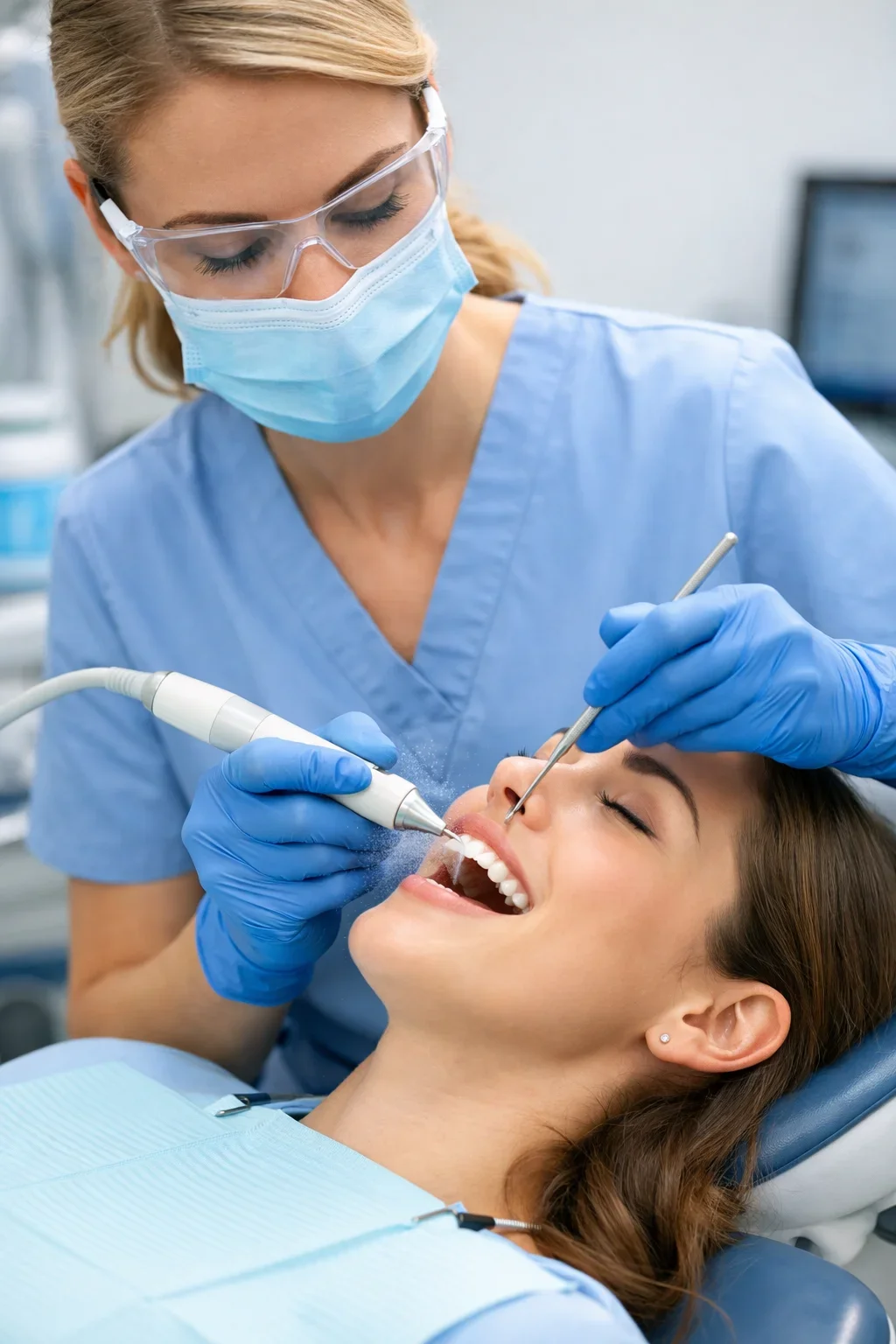
Tips to Maintain Results After a Dental Hygienist Clean
After completing a professional dental hygienist clean, many patients notice that their teeth feel smoother, their gums feel healthier, and their breath is fresher. However, maintaining the benefits of a dental hygienist clean requires consistent oral hygiene habits and smart daily routines. A professional dental hygienist clean removes plaque and tartar buildup, but plaque begins forming again within hours after eating and drinking. This means patients must actively protect the results of their dental hygienist clean between dental visits.
Fortunately, with the right habits and preventive strategies, it is possible to maintain the effects of a dental hygienist clean for months. Dental professionals often provide specific recommendations during appointments to help patients protect their oral health and prolong the benefits of their dental hygienist clean.
Guidelines from trusted organizations such as the American Dental Association emphasize that daily care combined with regular professional cleaning is the most effective way to maintain long-term oral health.
Brush Your Teeth Properly Every Day
The most important step in maintaining the results of a dental hygienist clean is proper brushing. Brushing removes plaque before it has the chance to harden into tartar. Patients should brush at least twice a day using a soft-bristled toothbrush and fluoride toothpaste.
Brushing after a dental hygienist clean should be gentle but thorough. The toothbrush should be angled toward the gumline to remove bacteria where plaque tends to accumulate. By following this technique daily, patients help preserve the smooth tooth surfaces created during a dental hygienist clean.
Electric toothbrushes can also help maintain the results of a dental hygienist clean. These devices often remove plaque more effectively than manual brushes and make it easier to reach difficult areas of the mouth.
Floss Daily to Prevent Plaque Buildup
Flossing plays a critical role in preserving the results of a dental hygienist clean. While brushing cleans the visible surfaces of teeth, flossing removes plaque from the tight spaces between teeth where bacteria often accumulate.
After a dental hygienist clean, flossing helps prevent food particles from becoming trapped between teeth. This reduces the likelihood that plaque will form in these areas.
Patients who struggle with traditional floss may benefit from alternatives such as floss picks or water flossers. These tools can make it easier to maintain oral hygiene after a dental hygienist clean.
Interdental Brushes for Hard-to-Reach Areas
In addition to flossing, interdental brushes can help maintain the benefits of a dental hygienist clean. These small brushes are designed to clean between teeth and around dental restorations such as bridges or implants.
Using interdental brushes regularly after a dental hygienist clean helps prevent plaque from accumulating in areas where a standard toothbrush may not reach.
Maintain a Tooth-Friendly Diet
Diet plays an important role in preserving the results of a dental hygienist clean. Foods that are high in sugar or acidity can encourage plaque buildup and weaken tooth enamel.
After a dental hygienist clean, patients should aim to consume foods that support oral health, such as fresh vegetables, dairy products, and foods rich in calcium. Drinking plenty of water throughout the day also helps wash away food particles and bacteria.
Limiting sugary snacks and acidic beverages can significantly extend the benefits of a dental hygienist clean. When sugar is consumed frequently, plaque bacteria produce acids that can damage enamel and contribute to tooth decay.
Use Antibacterial Mouthwash
Another effective strategy for maintaining the results of a dental hygienist clean is using an antibacterial mouthwash. Mouth rinses help reduce bacterial levels in the mouth and provide additional protection against plaque formation.
Using mouthwash after brushing and flossing can enhance the results of a dental hygienist clean by targeting bacteria that may remain in difficult-to-clean areas.
However, mouthwash should be used as a supplement rather than a replacement for brushing and flossing. These daily habits remain essential for preserving the benefits of a dental hygienist clean.
Avoid Habits That Stain Teeth
Many patients notice that their teeth appear brighter immediately after a dental hygienist clean. However, certain habits can cause new stains to develop quickly.
Common staining substances include coffee, tea, red wine, and tobacco. Reducing consumption of these products helps maintain the polished appearance created during a dental hygienist clean.
If staining beverages are consumed, rinsing the mouth with water afterward can help minimize discoloration and protect the results of a dental hygienist clean.
Schedule Regular Dental Hygienist Clean Appointments
Even with excellent oral hygiene habits, plaque gradually accumulates over time. This is why scheduling routine dental hygienist clean appointments remains essential.
Most dental professionals recommend visiting the dentist every six months for a dental hygienist clean. These appointments allow hygienists to remove tartar, monitor oral health, and reinforce preventive care strategies.
Regular appointments ensure that the results of each dental hygienist clean are maintained and that potential dental problems are detected early.
Seek Professional Advice for Personalized Care
Every patient’s oral health needs are different, which means personalized guidance is important after a dental hygienist clean. Dental hygienists often provide tailored advice based on the patient’s dental history, lifestyle habits, and risk factors.
If you would like to schedule your next dental hygienist clean, you can easily reach dental professionals through the Redent Klinik Contact Page. A dental team can evaluate your oral hygiene routine and recommend strategies to help maintain the results of your cleaning.
Ultimately, maintaining the benefits of a dental hygienist clean requires a combination of daily care and regular professional visits. By brushing effectively, flossing consistently, eating a balanced diet, and attending routine dental appointments, patients can enjoy healthier teeth and gums long after their dental hygienist clean appointment is complete.