
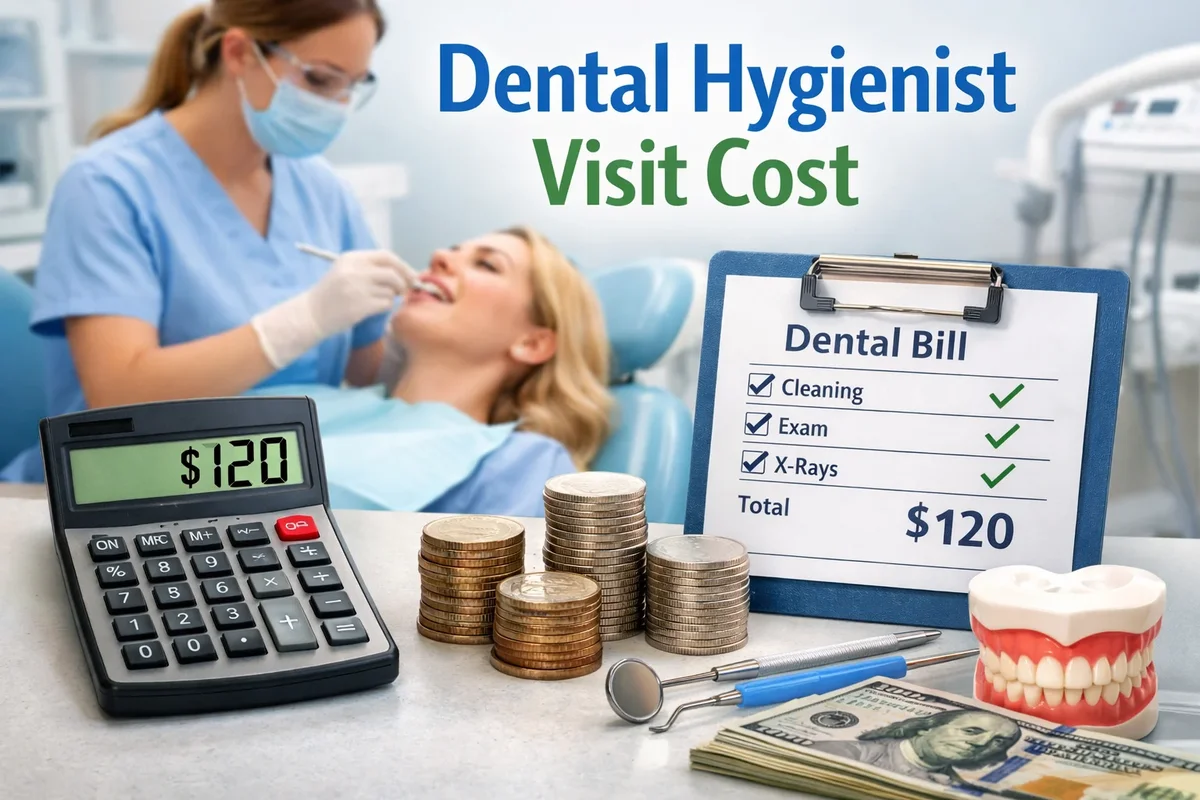
Understanding the dental hygienist visit cost is an important part of planning your oral healthcare. Many patients delay professional cleanings because they are unsure about the price or what the appointment actually includes. However, learning about the dental hygienist visit cost can help you make informed decisions and avoid much more expensive dental problems later. Preventive dental care is widely recognized as one of the most cost-effective ways to maintain a healthy smile. In fact, professional dental organizations such as the American Dental Association consistently emphasize the importance of regular dental cleanings to prevent gum disease, tooth decay, and other oral health complications.
A dental hygienist is a licensed oral health professional who focuses on preventive care. During a typical visit, the hygienist performs a professional cleaning, removes plaque and tartar, evaluates gum health, and may provide personalized guidance on brushing and flossing techniques. While the exact dental hygienist visit cost varies depending on location, clinic type, and the complexity of treatment, most patients find that the benefits far outweigh the expense. Regular cleanings can prevent cavities, detect early gum disease, and keep your teeth looking brighter and healthier.
One of the biggest factors affecting the dental hygienist visit cost is geographic location. Dental services in large cities or developed countries may be more expensive than in smaller towns or countries with lower healthcare costs. However, the structure of the appointment is usually similar worldwide. Most dental hygienist visits include plaque and tartar removal, tooth polishing, gum evaluation, and oral hygiene education. Some clinics also perform basic oral cancer screenings or provide fluoride treatments depending on the patient’s needs.
Another reason the dental hygienist visit cost may vary is the level of care required. For example, a routine cleaning for a patient with healthy gums will typically cost less than a deep cleaning needed to treat early gum disease. Patients with significant tartar buildup or gum inflammation may require more time and specialized procedures. These treatments naturally increase the overall dental hygienist visit cost, but they are essential for restoring oral health and preventing more severe conditions such as periodontitis.
Insurance coverage also plays a major role in determining the final dental hygienist visit cost. Many dental insurance plans fully cover preventive services like cleanings and examinations when performed every six months. In these cases, the dental hygienist visit cost for the patient may be minimal or even zero. Without insurance, however, patients typically pay the full price for preventive dental care. Even then, the dental hygienist visit cost is generally considered affordable compared to restorative treatments like fillings, crowns, or implants.
Patients often wonder whether professional cleaning is truly necessary if they brush and floss regularly at home. While good oral hygiene is essential, it cannot fully replace professional dental care. Over time, plaque hardens into tartar, which cannot be removed by brushing alone. A professional cleaning performed by a hygienist eliminates this buildup and reduces the risk of cavities and gum disease. Because of this preventive benefit, the dental hygienist visit cost is often viewed as an investment in long-term oral health.
Another important aspect to consider is the value provided during the appointment. The dental hygienist visit cost does not only cover cleaning procedures; it also includes professional assessment and education. Hygienists are trained to identify early warning signs of oral health problems such as gingivitis, enamel erosion, and plaque accumulation. Detecting these issues early allows patients to address them before they develop into more complex and expensive dental treatments.
Modern dental clinics also use advanced tools and technologies to improve preventive care. Ultrasonic scalers, digital diagnostics, and specialized polishing systems make cleanings more comfortable and efficient. These technologies may slightly influence the dental hygienist visit cost, but they also improve the quality of treatment and patient experience. Many clinics also provide tailored oral hygiene advice, helping patients maintain healthier habits between visits.
If you are unsure about the dental hygienist visit cost or want to schedule an appointment, it is always helpful to contact a trusted dental clinic for guidance. Professional teams can explain the procedure, estimate the expected dental hygienist visit cost, and help you determine the best preventive care schedule. If you would like to learn more or schedule a consultation, you can reach out through the Redent Klinik Contact Page. A dental professional can evaluate your oral health and recommend the most appropriate preventive care plan.
Ultimately, the dental hygienist visit cost should be viewed as an essential investment rather than an optional expense. Routine dental cleanings help maintain strong teeth, healthy gums, and a confident smile. By understanding the dental hygienist visit cost and the value of preventive care, patients can make smarter decisions about their oral health. Regular visits not only keep your mouth healthy but also reduce the likelihood of costly dental procedures in the future. With the right preventive routine and professional support, maintaining a healthy smile becomes easier, more affordable, and far less stressful.
Average Dental Hygienist Visit Cost Around the World
The dental hygienist visit cost can vary significantly depending on where you live, the type of clinic you visit, and the level of care required. While the procedure itself is relatively standardized worldwide, the pricing structures differ due to economic factors, healthcare systems, insurance coverage, and clinic operating costs. Understanding the global range of dental hygienist visit cost helps patients make informed decisions about preventive care and understand why prices differ between regions.
Professional dental cleaning performed by a hygienist is one of the most common preventive dental procedures. It involves removing plaque, tartar, and stains that cannot be eliminated through regular brushing and flossing. Although the dental hygienist visit cost may seem like an expense, it is widely considered one of the most effective ways to prevent expensive dental treatments later.
Typical Dental Hygienist Visit Cost in Different Countries
Across the world, the dental hygienist visit cost varies widely depending on local economic conditions and healthcare systems. Countries with strong public healthcare systems may offer subsidized preventive dental services, while private dental systems tend to charge market-based prices. Below is a general comparison of the dental hygienist visit cost in different regions.
Estimated Dental Hygienist Visit Cost by Region
- United States: $75 – $200 per cleaning
- United Kingdom: $70 – $120 equivalent (often partially covered by NHS)
- Canada: $90 – $180
- Germany: $80 – $150
- Australia: $100 – $180
- Turkey: $40 – $100
- Mexico: $30 – $80
- Thailand: $35 – $70
These figures illustrate how the dental hygienist visit cost depends heavily on regional economic factors. In countries with higher living costs, dental clinics face greater operational expenses, including equipment, staff salaries, and facility maintenance. As a result, the dental hygienist visit cost is typically higher in places like the United States, Canada, and Australia.
In contrast, countries known for dental tourism often offer significantly lower prices while maintaining high-quality care. For example, many international patients travel abroad for affordable preventive dental services because the dental hygienist visit cost may be substantially lower while still meeting international standards of hygiene and treatment quality.
Why Dental Hygienist Visit Cost Varies Globally
Several factors explain why the dental hygienist visit cost differs from country to country. These factors influence the pricing structure of dental services and determine the overall cost patients pay for preventive care.
1. Healthcare System Structure
In countries with public healthcare systems, preventive dental treatments may be subsidized or partially covered by government programs. This significantly reduces the dental hygienist visit cost for patients. For example, some European healthcare systems provide partial reimbursement for dental cleanings, especially for children or individuals at higher risk of gum disease.
2. Cost of Living and Clinic Expenses
The cost of operating a dental clinic plays a major role in determining the dental hygienist visit cost. Clinics in cities with higher rent, wages, and equipment costs must charge higher fees to remain sustainable. Advanced sterilization systems, digital diagnostic equipment, and modern dental chairs also contribute to operational expenses.
3. Level of Dental Technology
Some clinics use advanced ultrasonic scaling technology and air-polishing systems that improve patient comfort and cleaning efficiency. While these technologies enhance treatment quality, they may slightly increase the dental hygienist visit cost because of equipment investment and maintenance requirements.
4. Training and Professional Qualifications
Dental hygienists undergo specialized training and certification programs. In countries where hygienists receive extensive clinical education, professional licensing requirements may increase service costs. However, this training ensures that patients receive safe and effective preventive care.
Dental Hygienist Visit Cost vs Long-Term Dental Expenses
While some patients hesitate because of the dental hygienist visit cost, skipping preventive appointments often leads to much higher dental bills later. Regular cleanings prevent plaque buildup and gum disease, both of which can result in serious dental problems if untreated.
For example, untreated gum disease can eventually lead to tooth loss and require complex treatments such as periodontal therapy, dental implants, or bone grafting. These procedures are far more expensive than a routine cleaning. In comparison, maintaining regular appointments helps keep the dental hygienist visit cost predictable and manageable.
Additionally, hygienists often detect early signs of oral health problems during routine visits. Early detection allows dentists to treat small cavities or gum inflammation before they become major dental concerns. This preventive approach significantly reduces overall dental care expenses and improves long-term oral health outcomes.
The Real Value Behind the Dental Hygienist Visit Cost
When evaluating the dental hygienist visit cost, it is important to consider the full value of preventive dental care. The appointment typically includes professional plaque removal, tartar scaling, tooth polishing, gum evaluation, and oral hygiene education. These services work together to maintain healthy teeth and gums.
In addition to cleaning teeth, hygienists play an important role in educating patients about proper brushing techniques, flossing methods, and dietary habits that affect oral health. These recommendations help patients maintain better dental hygiene between visits and reduce the need for complex treatments.
Ultimately, the dental hygienist visit cost represents a proactive investment in oral health. By scheduling regular preventive cleanings, patients reduce the likelihood of painful dental problems, preserve their natural teeth longer, and maintain a confident smile. Even though the dental hygienist visit cost varies worldwide, the importance of professional preventive dental care remains universally recognized.
What Is Included in a Typical Dental Hygienist Visit
Many patients wonder what exactly they are paying for when they schedule a professional dental cleaning. Understanding what is included in a typical appointment helps clarify the real value behind the dental hygienist visit cost. A dental hygienist visit is not simply a quick cleaning. It is a comprehensive preventive dental service designed to protect oral health, detect early dental problems, and educate patients about proper hygiene habits.
When evaluating the dental hygienist visit cost, it is important to remember that the appointment includes multiple professional procedures carried out by a trained oral health specialist. These procedures aim to remove harmful plaque buildup, assess gum health, and prevent dental disease before it develops into more serious and expensive conditions. Preventive dentistry is widely recommended by dental professionals because it helps patients avoid major dental treatments later.
A standard dental hygiene appointment usually lasts between 30 and 60 minutes depending on the patient’s oral health status. During this time, the hygienist performs several important steps that together justify the dental hygienist visit cost and contribute to long-term oral health.
Initial Oral Health Assessment
The first stage of the appointment typically involves a detailed oral examination. Before beginning the cleaning process, the hygienist evaluates the condition of the teeth, gums, and surrounding tissues. This assessment allows the hygienist to identify any early signs of oral health problems that may require attention.
This initial evaluation plays a significant role in determining the overall dental hygienist visit cost, especially if additional preventive procedures are required. Hygienists often check for issues such as gum inflammation, plaque accumulation, enamel wear, and early signs of cavities. Early detection allows dentists to intervene quickly before minor problems become serious dental conditions.
Checking Gum Health
One of the most important aspects of this examination is measuring gum health. Hygienists use a small instrument called a periodontal probe to measure the space between the gums and teeth. These measurements help determine whether the patient has healthy gums or early signs of periodontal disease. Gum disease can progress silently, so identifying it during a routine appointment helps prevent long-term complications.
Plaque and Tartar Removal
After the initial examination, the hygienist begins removing plaque and tartar from the teeth. Plaque is a sticky bacterial film that constantly forms on the teeth, and when it is not removed regularly, it hardens into tartar. Unlike plaque, tartar cannot be removed with a toothbrush and requires professional dental instruments.
This step is often considered the primary reason patients schedule appointments and contributes directly to the dental hygienist visit cost. Hygienists use specialized scaling tools or ultrasonic devices to remove hardened deposits from the surfaces of the teeth and below the gum line. Removing tartar is essential for preventing gum disease and maintaining healthy teeth.
During this stage, patients may hear gentle scraping sounds or feel slight vibrations from ultrasonic instruments. These sensations are normal and indicate that the hygienist is effectively removing harmful deposits from the teeth.
Professional Tooth Polishing
Once plaque and tartar are removed, the hygienist performs professional tooth polishing. This step helps smooth the tooth surfaces and remove minor stains caused by foods, beverages, or tobacco. Tooth polishing also reduces the likelihood of plaque accumulating quickly after the cleaning.
The polishing process uses a rotating dental tool and a mildly abrasive polishing paste. Although this step may seem cosmetic, it plays an important role in preventive dentistry and contributes to the overall dental hygienist visit cost by improving oral cleanliness and comfort.
Surface Stain Removal
Many patients notice visible improvements in their smile after polishing because the process removes surface stains from substances like coffee, tea, and wine. While polishing does not whiten teeth in the same way as bleaching treatments, it can make teeth appear brighter and cleaner.
Fluoride Treatment (Optional)
Some dental hygiene appointments include a fluoride treatment at the end of the cleaning session. Fluoride helps strengthen tooth enamel and protects against cavities. Although this step is sometimes optional, it is often recommended for patients with a higher risk of tooth decay.
Fluoride treatments may slightly affect the total dental hygienist visit cost, but they provide significant preventive benefits. The fluoride solution is usually applied as a gel, foam, or varnish and remains on the teeth for a short period to allow the enamel to absorb the protective minerals.
Personalized Oral Hygiene Advice
Another valuable component of the appointment is patient education. Hygienists provide personalized advice on brushing techniques, flossing habits, and diet choices that affect oral health. These recommendations are tailored to each patient’s needs and help maintain good dental hygiene between appointments.
The educational aspect of the visit is often overlooked when considering the dental hygienist visit cost, but it plays a crucial role in preventing dental disease. Patients who follow proper hygiene techniques are far less likely to develop cavities or gum disease.
Demonstrating Proper Brushing and Flossing
Many hygienists demonstrate proper brushing and flossing techniques during the appointment. Small improvements in daily oral hygiene habits can significantly improve dental health over time. Patients often leave the appointment with a better understanding of how to care for their teeth effectively.
Why These Services Justify the Dental Hygienist Visit Cost
When all these steps are combined, it becomes clear why the dental hygienist visit cost represents excellent value for preventive healthcare. A single appointment includes a professional examination, plaque removal, tartar scaling, polishing, optional fluoride treatment, and personalized oral hygiene guidance.
Preventive dental care helps patients maintain healthy teeth and gums while avoiding more serious dental problems in the future. Skipping professional cleanings can lead to plaque buildup, gum disease, and cavities that require more complex treatments. In comparison, regular appointments keep the dental hygienist visit cost manageable and predictable.
Ultimately, a dental hygiene visit provides much more than a simple cleaning. It offers a comprehensive preventive care experience that protects oral health, improves smile appearance, and supports long-term dental wellness. Understanding what is included in the appointment helps patients appreciate the real value behind the dental hygienist visit cost and encourages consistent preventive care.
Factors That Influence Dental Hygienist Visit Cost
The dental hygienist visit cost is not fixed worldwide, and even within the same city the price may vary between dental clinics. Many patients assume that professional dental cleanings always cost the same, but several important factors determine the final dental hygienist visit cost. These factors include the patient’s oral health condition, the complexity of the cleaning required, the clinic’s technology, and even the experience of the dental hygienist performing the treatment.
Understanding these factors helps patients better evaluate the dental hygienist visit cost and recognize why preventive dental care can differ in price. While a routine cleaning for someone with healthy gums may be relatively affordable, more advanced hygiene procedures may require additional time and specialized tools, increasing the dental hygienist visit cost accordingly.
Below are the most common elements that influence the dental hygienist visit cost in modern dental clinics. By learning about these factors, patients can better understand what they are paying for and why regular preventive visits are still one of the most cost-effective ways to maintain long-term oral health.
Patient’s Oral Health Condition
One of the biggest influences on the dental hygienist visit cost is the current state of a patient’s oral health. Patients with healthy teeth and gums usually require only a standard prophylaxis cleaning. This type of appointment is typically shorter and involves basic plaque and tartar removal along with polishing.
However, if a patient has significant plaque buildup, gum inflammation, or early signs of periodontal disease, the hygienist may need to perform a more intensive cleaning procedure. This type of treatment may take longer and involve deeper scaling below the gum line. As a result, the dental hygienist visit cost may increase because additional clinical work and time are required.
Routine Cleaning vs Deep Cleaning
A routine cleaning focuses on removing plaque and tartar above the gum line. In contrast, deep cleaning procedures such as scaling and root planing target bacteria beneath the gum tissue. These treatments are more complex and therefore influence the dental hygienist visit cost more significantly.
Patients who maintain regular hygiene visits often avoid the need for deep cleaning procedures, keeping their dental hygienist visit cost lower in the long run.
Geographic Location of the Dental Clinic
Another key factor affecting the dental hygienist visit cost is geographic location. Dental clinics located in major metropolitan areas often charge more than those in smaller towns or regions with lower living costs. Higher rent, staff salaries, and operational expenses in urban areas naturally increase the price of dental services.
For example, the dental hygienist visit cost in large cities such as New York, London, or Sydney may be significantly higher than in smaller regional communities. However, the procedures performed during the appointment are generally the same regardless of location.
In addition, some countries have healthcare systems that partially subsidize preventive dental care. This can reduce the dental hygienist visit cost for patients who qualify for public healthcare coverage.
Experience and Qualifications of the Dental Hygienist
Professional experience also plays a role in determining the dental hygienist visit cost. Hygienists with extensive clinical experience or specialized training may work in higher-end dental practices that charge slightly higher fees for preventive services.
Although this may increase the dental hygienist visit cost, experienced hygienists often provide highly efficient and comfortable treatment. Their expertise can also improve the accuracy of oral health assessments and early disease detection.
Specialized Preventive Care Training
Some hygienists receive advanced training in periodontal therapy or advanced preventive care techniques. These professionals may offer specialized services that require additional skills and knowledge. When these services are included in a hygiene appointment, the dental hygienist visit cost may reflect the added clinical expertise involved.
Dental Technology and Equipment
Modern dental clinics frequently invest in advanced equipment to improve patient comfort and treatment effectiveness. These technologies may influence the dental hygienist visit cost but also improve the overall quality of preventive dental care.
Examples of commonly used dental hygiene technologies include:
- Ultrasonic scaling devices
- Air polishing systems
- Digital oral health assessment tools
- Advanced sterilization equipment
These technologies allow hygienists to remove plaque more efficiently and comfortably than traditional methods. While they may slightly increase the dental hygienist visit cost, they also enhance patient experience and treatment outcomes.
Additional Preventive Treatments
Some hygiene visits include optional preventive treatments that may affect the dental hygienist visit cost. These services are designed to strengthen teeth and reduce the risk of cavities.
Fluoride Treatments
Fluoride helps protect tooth enamel and prevent decay. When applied during a hygiene appointment, fluoride treatments can provide additional protection against cavities. This optional service may slightly increase the dental hygienist visit cost but can offer long-term benefits for patients prone to tooth decay.
Dental Sealants
Although more common for children, sealants may also be recommended for adults with deep grooves in their teeth. Sealants act as protective barriers that prevent bacteria from accumulating in hard-to-clean areas. Including sealants during a preventive visit may affect the overall dental hygienist visit cost depending on the number of teeth treated.
Frequency of Dental Visits
The frequency of preventive dental appointments can also influence the dental hygienist visit cost. Patients who schedule cleanings every six months usually require shorter and less complex appointments. As a result, their dental hygienist visit cost tends to remain consistent and predictable.
On the other hand, patients who delay dental cleanings for several years often develop significant plaque and tartar buildup. Removing this buildup requires more time and effort, which may increase the dental hygienist visit cost during the appointment.
Insurance Coverage and Payment Options
Insurance plans frequently cover preventive dental services such as professional cleanings. When insurance is applied, the patient’s out-of-pocket dental hygienist visit cost may be significantly reduced or even eliminated.
Without insurance coverage, patients typically pay the full dental hygienist visit cost themselves. However, many dental clinics offer payment plans or preventive care packages that make professional cleanings more affordable for patients.
Why Understanding Dental Hygienist Visit Cost Matters
Understanding the factors that influence the dental hygienist visit cost allows patients to make better decisions about their oral health. Preventive dental care is one of the most effective ways to avoid serious dental conditions such as gum disease and tooth loss.
Although the dental hygienist visit cost may vary depending on individual circumstances, the long-term value of professional dental cleanings remains clear. Regular visits help maintain healthy teeth, reduce the risk of dental disease, and minimize the need for expensive dental procedures in the future.
By recognizing what affects the dental hygienist visit cost, patients can better appreciate the importance of preventive dental care and feel more confident about scheduling regular hygiene appointments. Investing in preventive dentistry today helps protect both oral health and overall well-being for years to come.
Dental Hygienist Visit Cost With and Without Insurance
For many patients, one of the most important questions is whether insurance will reduce the dental hygienist visit cost. Preventive dental care is widely encouraged by healthcare professionals because it helps prevent serious oral health problems. As a result, many dental insurance plans include coverage for routine cleanings and hygiene appointments. However, the actual dental hygienist visit cost that a patient pays depends on several factors, including the type of insurance plan, coverage limits, and the dental clinic chosen.
Understanding how insurance affects the dental hygienist visit cost can help patients make better financial decisions about their oral health. While some patients pay very little for preventive visits due to insurance coverage, others without insurance may pay the full dental hygienist visit cost out of pocket. In both cases, preventive dental care remains one of the most cost-effective healthcare investments.
Dental Hygienist Visit Cost With Insurance
Many dental insurance policies focus heavily on preventive services. These services usually include routine examinations, X-rays, and professional cleanings performed by dental hygienists. Because prevention reduces the likelihood of expensive dental treatments later, insurance companies often encourage patients to schedule regular hygiene visits.
When preventive care is covered, the dental hygienist visit cost for the patient may be significantly reduced. In many cases, insurance providers cover between 80% and 100% of the cost of routine dental cleanings if they are performed every six months. This means that the patient’s portion of the dental hygienist visit cost may be minimal or even zero.
Typical Insurance Coverage for Preventive Dental Care
Although insurance policies vary, many plans follow a similar structure for preventive dental treatments. Below is a general overview of how insurance may affect the dental hygienist visit cost:
- Preventive services: Often covered at 80–100%
- Routine cleanings: Usually covered twice per year
- Examinations and X-rays: Often included in preventive coverage
- Fluoride treatments: Commonly covered for children
Because of this structure, patients with insurance frequently experience a very low dental hygienist visit cost when they attend regular preventive appointments. Insurance companies benefit because preventive care reduces the risk of costly procedures such as root canals, periodontal surgery, or dental implants.
Dental Hygienist Visit Cost Without Insurance
Patients without dental insurance usually pay the full dental hygienist visit cost themselves. The price of a professional dental cleaning varies depending on location, clinic type, and the level of care required. In many countries, the dental hygienist visit cost typically ranges between $75 and $200 for a standard cleaning.
Although paying out of pocket may seem expensive, the dental hygienist visit cost is relatively small compared to restorative dental treatments. For example, treating a cavity, performing a root canal, or replacing missing teeth can cost hundreds or even thousands of dollars. Regular hygiene appointments help prevent these problems from developing.
Typical Out-of-Pocket Cleaning Costs
Patients without insurance can expect a dental hygienist visit cost similar to the following estimates:
- Basic professional cleaning: $75 – $150
- Cleaning with examination: $100 – $200
- Deep cleaning (per quadrant): $150 – $350
These prices are general estimates and may vary depending on the dental clinic and region. However, they demonstrate that the dental hygienist visit cost remains one of the most affordable forms of professional healthcare.
Why Insurance Encourages Preventive Dental Visits
Insurance companies emphasize preventive care because it helps reduce overall healthcare expenses. When patients maintain regular hygiene appointments, dentists can identify small issues before they develop into serious dental conditions. This early detection keeps the dental hygienist visit cost low and prevents more expensive treatments.
For example, a small cavity detected during a routine hygiene visit can be treated with a simple filling. Without preventive visits, that same cavity may grow larger and require more extensive procedures such as root canal therapy or dental crowns. These treatments are far more expensive than the original dental hygienist visit cost.
Dental Membership Plans for Patients Without Insurance
Some dental clinics offer membership or preventive care programs for patients who do not have insurance. These programs provide discounts on routine services, including cleanings and examinations. In many cases, membership plans significantly reduce the dental hygienist visit cost while encouraging patients to maintain regular preventive care.
Benefits of Dental Membership Programs
Dental membership programs are becoming increasingly popular because they help make preventive dental care more accessible. These plans often include several advantages that lower the dental hygienist visit cost for patients without insurance.
- Two professional cleanings per year
- Routine dental examinations
- Discounts on additional dental procedures
- Lower dental hygienist visit cost for preventive services
By joining these programs, patients can spread the dental hygienist visit cost across manageable monthly payments while maintaining consistent oral health care.
Comparing the True Value of Preventive Care
Whether a patient has insurance or not, the dental hygienist visit cost should be viewed as an investment in long-term oral health. Professional cleanings remove plaque and tartar that cannot be eliminated through brushing alone. They also allow dental professionals to identify early signs of gum disease, cavities, and other oral health concerns.
Regular hygiene appointments help maintain healthy teeth, prevent dental disease, and protect overall wellbeing. Even without insurance coverage, the dental hygienist visit cost remains far lower than the expense of complex dental treatments.
Ultimately, understanding how insurance affects the dental hygienist visit cost empowers patients to make better decisions about preventive dental care. Whether covered by insurance or paid out of pocket, routine dental hygiene visits remain one of the most valuable and cost-effective ways to maintain a healthy smile.
Dental Hygienist Visit Cost by Country and Region
The dental hygienist visit cost can vary widely depending on the country and even the region within a country where the treatment takes place. Dental care systems, economic conditions, insurance coverage, and healthcare regulations all influence how much patients pay for preventive dental services. While the procedure itself is similar worldwide, the dental hygienist visit cost often reflects the broader healthcare structure and cost of living in each location.
Understanding regional differences in the dental hygienist visit cost can help patients make informed decisions about their dental care. Some individuals even consider traveling abroad for dental treatments because preventive dental services may be more affordable in certain countries. This trend, commonly known as dental tourism, has grown in popularity as patients seek high-quality dental care at lower prices.
Dental Hygienist Visit Cost in North America
In North America, particularly in the United States and Canada, the dental hygienist visit cost is typically higher compared to many other parts of the world. This is largely due to the private healthcare system, high operational costs for dental clinics, and advanced dental technologies used in modern practices.
In the United States, the average dental hygienist visit cost usually ranges between $100 and $200 for a routine cleaning appointment. If additional procedures such as fluoride treatment or deep cleaning are required, the total dental hygienist visit cost may increase significantly.
United States Pricing Structure
Dental clinics in the United States often itemize preventive services, meaning the dental hygienist visit cost may include several individual charges. These may include:
- Professional dental cleaning
- Dental examination
- Digital X-rays
- Fluoride treatment
When combined, these services determine the final dental hygienist visit cost for the appointment.
Dental Hygienist Visit Cost in Europe
In Europe, the dental hygienist visit cost often depends on whether dental care is provided through public healthcare systems or private clinics. Many European countries offer partial coverage for preventive dental services through national healthcare programs.
For example, countries such as Germany, France, and the Netherlands may provide partial reimbursement for routine dental cleanings. In these cases, the patient’s dental hygienist visit cost may be significantly reduced compared to private dental systems.
Average European Prices
Although prices vary by country, typical estimates for the dental hygienist visit cost in Europe include:
- Germany: $80 – $150
- France: $70 – $120
- United Kingdom: $70 – $130
- Netherlands: $90 – $140
These estimates reflect routine preventive cleaning appointments performed by trained dental hygienists. If additional procedures are required, the dental hygienist visit cost may increase depending on treatment complexity.
Dental Hygienist Visit Cost in Asia
In many Asian countries, the dental hygienist visit cost is generally lower than in Western nations. Lower operating expenses, competitive dental markets, and strong dental tourism industries contribute to more affordable preventive dental services.
Countries such as Thailand, South Korea, and Malaysia are well known for offering high-quality dental care at lower prices. This makes them attractive destinations for international patients seeking affordable dental treatments.
Examples of Asian Dental Cleaning Costs
Typical dental hygienist visit cost estimates in Asia include:
- Thailand: $35 – $70
- Malaysia: $30 – $60
- South Korea: $40 – $90
- India: $20 – $50
Despite the lower dental hygienist visit cost in these countries, many clinics use modern dental technology and internationally trained dental professionals.
Dental Hygienist Visit Cost in Popular Dental Tourism Destinations
Dental tourism has become increasingly popular for patients looking to reduce the dental hygienist visit cost while still receiving high-quality care. Countries known for dental tourism often combine modern clinics with competitive pricing structures.
Mexico, Turkey, and Hungary are among the most well-known destinations for affordable dental care. Many dental clinics in these countries are equipped with advanced technology and experienced dental professionals who treat both local and international patients.
Estimated Costs in Dental Tourism Countries
- Mexico: $30 – $80
- Turkey: $40 – $100
- Hungary: $50 – $120
For travelers seeking preventive dental care, the dental hygienist visit cost in these countries can be significantly lower than in Western healthcare systems.
Why Dental Hygienist Visit Cost Varies Between Regions
Several factors contribute to the variation in the dental hygienist visit cost across different regions. These factors reflect economic conditions and healthcare policies that shape dental service pricing worldwide.
Cost of Living
Countries with higher living expenses generally have higher dental service fees. Dental clinics must cover rent, equipment, staff salaries, and regulatory compliance costs, which all affect the dental hygienist visit cost.
Healthcare System Structure
Public healthcare systems that subsidize preventive dental services often reduce the dental hygienist visit cost for patients. In contrast, private healthcare systems may result in higher out-of-pocket costs for dental hygiene appointments.
Training and Licensing Requirements
Dental hygienists undergo specialized training and licensing processes in many countries. Regions with extensive educational requirements for dental professionals may have higher dental hygienist visit cost due to increased professional training standards.
Understanding Global Dental Hygienist Visit Cost Trends
Although the dental hygienist visit cost varies across the world, the importance of preventive dental care remains universal. Regular professional cleanings help remove plaque buildup, protect gum health, and reduce the risk of cavities.
Regardless of location, preventive dental care remains one of the most effective ways to maintain long-term oral health. Patients who attend routine hygiene appointments often experience fewer dental problems and avoid more complex treatments.
By understanding how the dental hygienist visit cost differs by country and region, patients can better appreciate the value of preventive dental care and make informed decisions about maintaining their oral health.
How Often You Should Schedule a Dental Hygienist Visit
Understanding how often you should schedule a professional cleaning is essential for maintaining healthy teeth and gums. Many patients wonder whether visiting the dental hygienist twice per year is truly necessary or if appointments can be spaced further apart. The answer depends on several factors, including oral health condition, lifestyle habits, and individual risk for dental disease. Regardless of the schedule, patients often consider the dental hygienist visit cost when planning preventive care. Fortunately, routine hygiene visits are widely considered one of the most affordable and effective investments in oral health.
Regular dental hygiene appointments allow professionals to remove plaque and tartar buildup that cannot be eliminated with daily brushing and flossing alone. When plaque remains on teeth for extended periods, it hardens into tartar, which contributes to gum disease and tooth decay. By scheduling routine cleanings, patients can keep the dental hygienist visit cost manageable while preventing more complex and expensive dental treatments in the future.
The Standard Recommendation: Two Visits Per Year
Most dental professionals recommend scheduling a professional cleaning every six months. This guideline is widely accepted in preventive dentistry and helps maintain consistent oral health monitoring. Following this schedule allows hygienists to detect early signs of dental problems and address them before they become serious.
For patients with healthy teeth and gums, two hygiene visits annually are usually sufficient. Under this schedule, the dental hygienist visit cost remains predictable and manageable throughout the year. Preventive visits are generally less expensive than restorative dental procedures, making regular cleanings a financially wise decision for long-term dental health.
Why Six Months Is the Ideal Interval
Dental plaque begins forming on the teeth almost immediately after brushing. Over time, plaque accumulates and can eventually harden into tartar deposits. Within six months, many individuals develop enough buildup that professional cleaning becomes necessary. By scheduling visits every six months, patients prevent excessive plaque accumulation and keep the dental hygienist visit cost stable.
In addition, regular appointments provide dentists with opportunities to monitor changes in oral health. Early detection of gum disease, enamel erosion, or cavities helps prevent major dental complications that would significantly increase treatment costs.
Patients Who May Need More Frequent Visits
Although twice-yearly visits are standard, some individuals benefit from more frequent dental hygiene appointments. Certain oral health conditions increase the risk of plaque buildup, gum disease, and tooth decay. For these patients, scheduling additional cleanings may help maintain better oral health.
In such cases, the dental hygienist visit cost may increase slightly due to the additional appointments. However, the preventive benefits often outweigh the financial impact because early treatment reduces the likelihood of serious dental problems.
Patients at Higher Risk for Gum Disease
Individuals with a history of periodontal disease may require professional cleanings every three or four months. These frequent visits help remove bacteria that accumulate below the gum line and prevent gum disease from worsening. Although this schedule increases the dental hygienist visit cost annually, it helps preserve natural teeth and avoid surgical periodontal treatments.
Patients With Orthodontic Appliances
People wearing braces or other orthodontic appliances may also benefit from more frequent cleanings. Brackets and wires create additional surfaces where plaque can accumulate, making it harder to maintain proper oral hygiene. Regular hygiene visits help control plaque buildup and reduce the risk of cavities during orthodontic treatment.
Patients Who May Require Less Frequent Visits
In some cases, patients with excellent oral hygiene habits and very low risk of dental disease may be able to extend the interval between hygiene visits. However, this decision should always be made in consultation with a dental professional.
Even when patients maintain excellent brushing and flossing habits, plaque and tartar can still develop in hard-to-reach areas. Therefore, skipping regular appointments may eventually increase the dental hygienist visit cost if more intensive cleaning procedures become necessary later.
Lifestyle Factors That Influence Cleaning Frequency
Certain lifestyle habits can significantly affect how often professional dental cleanings are needed. These factors influence the buildup of plaque and bacteria in the mouth and may determine whether more frequent hygiene visits are recommended.
Smoking and Tobacco Use
Tobacco products increase plaque accumulation and raise the risk of gum disease. Smokers often require more frequent dental hygiene appointments to maintain healthy gums and reduce bacterial buildup. Regular visits also help manage staining caused by tobacco use.
Diet and Sugar Consumption
Dietary habits also play an important role in oral health. Frequent consumption of sugary or acidic foods can contribute to plaque formation and enamel erosion. Patients with high sugar intake may benefit from additional preventive cleanings to minimize cavity risk.
How Regular Visits Reduce Long-Term Dental Costs
One of the most compelling reasons to maintain a consistent cleaning schedule is financial. Preventive dental care helps patients avoid expensive restorative procedures. When plaque and tartar are removed regularly, the risk of cavities, gum disease, and tooth loss decreases significantly.
For example, the dental hygienist visit cost for routine cleanings is generally much lower than the cost of advanced dental treatments such as crowns, root canals, or implants. By investing in preventive care, patients reduce their likelihood of needing complex procedures that require extensive time and financial resources.
Creating a Personalized Dental Hygiene Schedule
Every patient’s oral health needs are unique. Dentists and hygienists evaluate several factors when recommending a cleaning schedule, including gum health, plaque buildup, medical history, and lifestyle habits. Based on this assessment, they determine how often professional hygiene visits should occur.
A personalized preventive care plan helps ensure that the dental hygienist visit cost remains manageable while maximizing the benefits of professional dental care. Patients who follow their recommended schedule typically experience fewer dental problems and maintain healthier smiles over time.
Ultimately, the frequency of dental hygiene visits should be determined through collaboration between the patient and dental professionals. By attending regular appointments and maintaining good oral hygiene habits at home, patients can keep their teeth strong, their gums healthy, and their dental hygienist visit cost predictable and affordable.
Ways to Reduce Your Dental Hygienist Visit Cost
Many patients want to maintain excellent oral health while also managing their dental expenses. Although preventive dental care is generally affordable compared to restorative procedures, it is still helpful to understand how to reduce the dental hygienist visit cost without compromising the quality of care. Fortunately, there are several practical strategies that patients can follow to keep the dental hygienist visit cost manageable while still benefiting from professional preventive dentistry.
Professional dental cleanings are one of the most effective methods for preventing gum disease, cavities, and plaque buildup. When patients attend regular appointments, they often keep their dental hygienist visit cost predictable and avoid expensive dental treatments in the future. However, with the right planning and oral hygiene habits, it is possible to reduce the overall dental hygienist visit cost even further.
Maintain Consistent Daily Oral Hygiene
One of the most effective ways to keep the dental hygienist visit cost low is by maintaining proper oral hygiene at home. Brushing twice a day and flossing daily significantly reduces plaque accumulation on the teeth and gums. When patients maintain strong hygiene habits, hygienists typically spend less time removing tartar during appointments.
If plaque is controlled through consistent oral care, the dental hygienist visit cost may remain at the standard rate for routine cleanings rather than increasing due to more intensive procedures. In contrast, patients who neglect oral hygiene often develop significant plaque buildup that requires longer cleaning appointments and additional treatments.
Use Proper Brushing Techniques
Using the correct brushing technique plays a major role in reducing plaque buildup. Dentists usually recommend brushing with a soft-bristled toothbrush and fluoride toothpaste for at least two minutes twice per day. Electric toothbrushes can also improve cleaning efficiency and reduce plaque accumulation between dental visits.
Flossing and Interdental Cleaning
Flossing removes plaque from areas between teeth where toothbrushes cannot reach. Patients who floss regularly often maintain healthier gums and experience fewer dental problems. This preventive habit helps keep the dental hygienist visit cost stable because hygienists spend less time removing hardened plaque deposits.
Schedule Preventive Appointments Regularly
Another important strategy for controlling the dental hygienist visit cost is attending dental hygiene appointments on a regular schedule. Many dentists recommend cleanings every six months because this interval prevents excessive plaque buildup.
When patients delay dental visits for several years, plaque hardens into tartar and accumulates below the gum line. Removing this buildup may require deep cleaning procedures that increase the dental hygienist visit cost significantly. In comparison, consistent preventive appointments help maintain healthy teeth and gums while keeping cleaning procedures simple and affordable.
Preventing the Need for Deep Cleaning
Deep cleaning procedures such as scaling and root planing are more complex than routine cleanings. These treatments address gum disease and bacterial buildup beneath the gums. Although they are essential for treating periodontal disease, they often increase the dental hygienist visit cost due to the additional time and expertise required.
Regular preventive visits greatly reduce the likelihood that these procedures will be necessary.
Use Dental Insurance When Available
Dental insurance plans frequently cover preventive dental care. Many policies include coverage for professional cleanings, dental examinations, and diagnostic X-rays. When insurance benefits are applied, the dental hygienist visit cost for the patient may be significantly reduced.
Patients with insurance often pay little or nothing for routine preventive appointments if they stay within the recommended schedule. Insurance providers encourage preventive care because it reduces the need for expensive restorative treatments later.
Understanding Insurance Benefits
Insurance plans typically categorize dental treatments into three groups: preventive, basic, and major procedures. Preventive services such as professional cleanings are usually covered at the highest percentage. By using these benefits regularly, patients can minimize their dental hygienist visit cost while maintaining strong oral health.
Consider Dental Membership Plans
Patients without insurance may still find ways to lower the dental hygienist visit cost through dental membership programs offered by many clinics. These programs operate similarly to subscription services, allowing patients to pay an annual or monthly fee in exchange for discounted dental services.
Membership programs often include two routine cleanings per year, dental examinations, and reduced fees for additional treatments. By participating in these programs, patients can significantly reduce the dental hygienist visit cost compared to paying full price for each appointment.
Benefits of Preventive Dental Plans
- Lower dental hygienist visit cost for routine cleanings
- Discounted dental examinations and diagnostic services
- Predictable annual dental care expenses
- Encouragement of regular preventive care
These programs help patients maintain consistent dental care while keeping preventive services affordable.
Choose a Clinic Focused on Preventive Care
Dental clinics that emphasize preventive dentistry often provide competitive pricing for hygiene services. Choosing a clinic that prioritizes preventive care may help reduce the dental hygienist visit cost while ensuring patients receive high-quality professional treatment.
Some clinics offer preventive care packages or discounted cleaning appointments for new patients. These promotions can reduce the dental hygienist visit cost while introducing patients to ongoing preventive dental care.
Look for Transparent Pricing
Reputable dental clinics typically provide clear information about pricing before treatment begins. Patients should feel comfortable asking about the dental hygienist visit cost, what services are included, and whether any additional procedures might affect the final price.
Long-Term Benefits of Managing Dental Hygienist Visit Cost
Managing the dental hygienist visit cost effectively does not mean avoiding professional dental care. Instead, it involves maintaining good oral hygiene habits, scheduling regular appointments, and using available financial resources such as insurance or membership plans.
Preventive dental care protects both oral health and financial wellbeing. Patients who invest in routine hygiene visits are far less likely to require expensive restorative treatments. By taking proactive steps to reduce plaque buildup and maintain healthy gums, individuals can keep their dental hygienist visit cost manageable while enjoying the benefits of a healthy, confident smile.
Why Preventive Dental Care Saves Money Long-Term
Many people focus only on the immediate dental hygienist visit cost when deciding whether to schedule a cleaning appointment. However, preventive dentistry is one of the most financially responsible decisions a person can make for their health. Regular hygiene visits help prevent serious oral health problems before they require expensive treatments. When patients understand the long-term financial benefits, the dental hygienist visit cost becomes easier to justify and even appreciate as a smart investment in overall wellbeing.
Preventive dental care includes professional cleanings, routine examinations, early detection of dental issues, and personalized guidance on oral hygiene. Each of these components contributes to maintaining strong teeth and healthy gums. By addressing small problems early, patients avoid the high expenses associated with advanced dental procedures. In comparison, the dental hygienist visit cost is relatively small when viewed alongside the potential costs of untreated dental disease.
Preventing Expensive Dental Treatments
One of the most significant advantages of regular hygiene visits is the ability to prevent serious dental problems before they develop. Plaque and tartar accumulation are the primary causes of cavities and gum disease. When these substances remain on teeth for long periods, bacteria begin damaging enamel and gum tissue.
Professional cleanings remove these harmful deposits, significantly reducing the risk of dental disease. Although patients pay the dental hygienist visit cost for each preventive appointment, the expense is minor compared to the price of restorative dental procedures.
Comparing Preventive vs Restorative Costs
To better understand the value of preventive dentistry, it is helpful to compare typical dental costs. The dental hygienist visit cost is usually far lower than restorative treatments that become necessary when dental disease progresses.
- Dental hygienist visit cost: $75 – $200
- Dental filling: $150 – $400
- Dental crown: $800 – $2,000
- Root canal treatment: $700 – $1,500
- Dental implant: $3,000 – $5,000+
These comparisons clearly illustrate how preventive dental care saves money over time. Investing in routine hygiene visits allows patients to avoid much larger expenses in the future.
Early Detection of Oral Health Problems
Another important advantage of preventive dental visits is early detection. During a hygiene appointment, the dental hygienist carefully evaluates the teeth, gums, and oral tissues for signs of potential problems. Identifying these issues early can dramatically reduce treatment complexity and cost.
For example, a small cavity discovered during a routine cleaning can usually be treated with a simple filling. If the cavity goes unnoticed for years, it may eventually require root canal therapy or even tooth extraction. The difference in cost between these treatments is substantial compared to the relatively small dental hygienist visit cost.
Monitoring Gum Health
Gum disease often develops slowly and without noticeable symptoms in its early stages. Hygienists monitor gum health during routine appointments by measuring the depth of gum pockets and checking for inflammation or bleeding. Early treatment of gum disease helps prevent severe periodontal damage that could otherwise lead to tooth loss and expensive surgical procedures.
Protecting Natural Teeth for Life
Preserving natural teeth is another major financial benefit of preventive dental care. Replacing missing teeth is significantly more expensive than maintaining healthy natural teeth through regular hygiene visits. The dental hygienist visit cost helps protect the long-term integrity of natural teeth by preventing decay and gum disease.
When patients neglect preventive care, they may eventually require complex restorative treatments such as bridges, dentures, or implants. These treatments involve multiple appointments, advanced dental procedures, and significant financial investment. In contrast, routine cleanings maintain oral health and extend the lifespan of natural teeth.
Improving Overall Health and Reducing Medical Costs
Preventive dental care benefits more than just oral health. Research has shown strong connections between oral health and overall systemic health. Conditions such as heart disease, diabetes, and respiratory infections have been linked to untreated gum disease.
By maintaining regular hygiene visits and controlling bacterial buildup in the mouth, patients may reduce their risk of certain systemic health complications. Although the dental hygienist visit cost may seem like a small routine expense, it can contribute to improved overall health and potentially lower long-term healthcare costs.
The Oral-Systemic Health Connection
Oral bacteria from untreated gum disease can enter the bloodstream and contribute to inflammation in other parts of the body. Maintaining good oral hygiene and scheduling regular preventive cleanings helps reduce bacterial levels and support overall health.
Encouraging Better Oral Hygiene Habits
Another valuable benefit of preventive dental visits is patient education. During hygiene appointments, patients receive personalized advice on brushing techniques, flossing habits, and dietary choices that influence oral health. These recommendations help individuals maintain healthier routines between appointments.
Patients who follow professional guidance often experience fewer dental problems and maintain lower dental treatment costs over time. As a result, the dental hygienist visit cost becomes an investment not only in professional care but also in improving daily oral hygiene habits.
Motivation Through Professional Support
Regular visits also provide motivation for maintaining consistent oral hygiene practices. When patients know they will be seeing a dental professional every six months, they are more likely to brush, floss, and care for their teeth properly. This consistency further reduces the likelihood of dental disease.
Long-Term Financial Benefits of Preventive Dentistry
When viewed from a long-term perspective, preventive dentistry offers clear financial advantages. Paying the dental hygienist visit cost twice per year is far more affordable than undergoing major restorative dental treatments caused by neglected oral health.
Preventive dental care protects natural teeth, reduces the risk of disease, and helps patients maintain healthy smiles for decades. The financial savings accumulate over time as patients avoid costly dental procedures and maintain better oral health overall.
Ultimately, the dental hygienist visit cost represents one of the most valuable investments in healthcare. By prioritizing preventive dental care, patients protect their oral health, preserve their natural teeth, and reduce the likelihood of expensive dental treatments in the future.