
When it comes to restoring smiles and improving oral health, dental implant companies play a vital role in the global healthcare market. In 2025, the demand for dental implants has reached an all-time high, driven by increasing awareness of oral health, advanced technologies, and patient expectations for long-lasting, natural-looking solutions. This comprehensive guide dives deep into the landscape of dental implant manufacturers, exploring their significance, industry impact, and what patients and dental professionals should know when choosing the right partner.
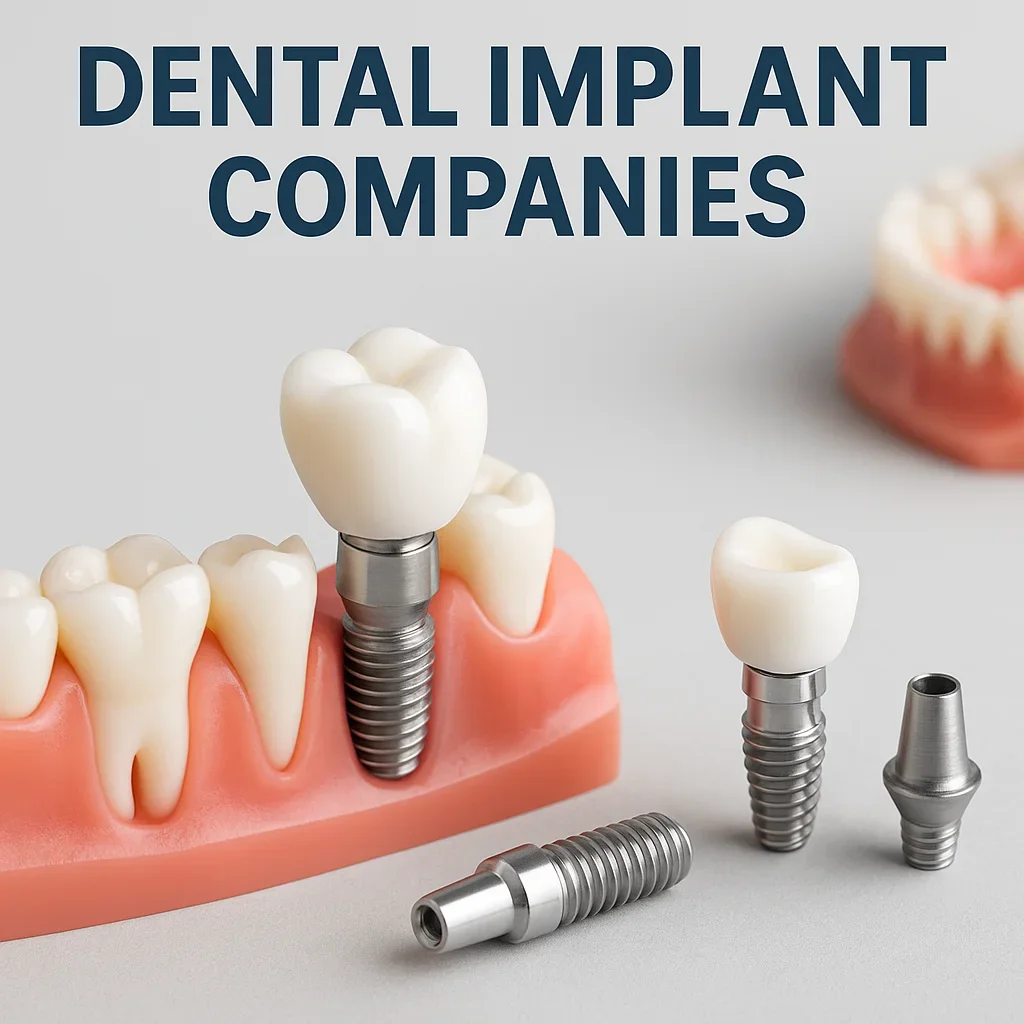
💡 What are dental implant companies? These are specialized medical device manufacturers that design, produce, and distribute implant systems used to replace missing teeth. The companies typically provide not just the implant fixture itself (the titanium or zirconia screw placed into the jawbone) but also abutments, prosthetic components, surgical kits, and digital planning software. Their influence extends far beyond production—they set global standards for innovation, safety, and clinical success.
The Growing Importance of Dental Implants
To understand why dental implant companies are so significant today, we need to consider the scale of tooth loss worldwide. According to the American Dental Association, millions of adults in the United States alone suffer from missing teeth due to decay, periodontal disease, or injury. Implants are widely regarded as the “gold standard” replacement because they restore function and aesthetics better than bridges or dentures. As life expectancy increases globally, more people seek durable solutions, creating a booming market for implant providers.
Market Value and Industry Size
The global dental implant market is projected to surpass $6 billion in 2025, with annual growth fueled by both cosmetic demand and functional needs. Established dental implant companies dominate North America and Europe, but emerging manufacturers in Asia-Pacific are expanding rapidly. Countries like South Korea, Japan, and Turkey are recognized hubs of innovation and affordability. This means patients and clinics have more choices than ever before—yet selecting the right provider remains critical.
What Sets Top Dental Implant Companies Apart?
Not all dental implant companies are equal. The leaders in the field consistently invest in:
- 🔬 Research and Development: Developing surface treatments that accelerate osseointegration (bone bonding).
- 📊 Clinical Trials: Publishing peer-reviewed data to demonstrate safety and long-term success rates.
- 💻 Digital Dentistry: Offering CAD/CAM solutions, guided surgery tools, and AI-powered planning.
- 🌍 Global Reach: Distributing implants worldwide while complying with strict FDA and CE regulations.
- 🛡️ Patient Safety: Using biocompatible materials like titanium grade 4 and zirconia to minimize rejection risks.
Why Keyword Relevance Matters
If you’re searching for dental implant companies online, you are likely a patient seeking treatment options, a dentist researching suppliers, or an investor analyzing industry growth. Each perspective requires transparent, updated, and trustworthy information. Patients want to know about success rates and costs, dentists care about ease of use and support, while investors focus on market potential. This guide addresses all three, ensuring a well-rounded understanding of the dental implant industry in 2025.
Patient Perspective: Why the Company Matters
Choosing a dental implant isn’t just about the surgeon’s skill—it’s also about the quality of the implant system itself. Implants from reputable companies often come with lifetime warranties, extensive research backing, and better prosthetic options. On the other hand, low-cost alternatives from unverified manufacturers may compromise long-term success. Patients should always ask their dentist which implant brand they use and why. For example, clinics like Redent Klinik Contact Page emphasize using globally recognized implant systems for reliability and safety.
Technological Innovations in 2025
Modern dental implant companies are no longer just about producing screws and abutments—they are driving digital transformation in dentistry. With AI-powered surgical planning, 3D-printed customized abutments, and advanced biomaterials that promote faster healing, the industry is evolving rapidly. These breakthroughs improve patient comfort, reduce chair time, and increase long-term success rates. In fact, guided implant surgery has become a standard in many clinics worldwide, largely thanks to manufacturers that integrate technology with prosthetics.
Affordability and Accessibility
One of the biggest challenges in implant dentistry is cost. While implants in the U.S. may range from $3,000–$6,000 per tooth, other regions offer more affordable options without compromising quality. Turkey, for instance, has positioned itself as a global leader in cost-effective dental care, offering implants at prices 50–70% lower than in Western Europe or North America. This affordability, paired with world-class clinics, has made dental tourism a thriving sector in 2025. Patients benefit from competitive pricing while still receiving implants from internationally recognized brands.
Looking Ahead
As 2025 progresses, dental implant companies will continue to push boundaries in regenerative medicine, AI-driven diagnostics, and biocompatible materials. Their role in shaping the future of oral health cannot be overstated. Patients, clinicians, and investors should stay informed about which manufacturers are leading the way, as this knowledge directly impacts treatment quality, safety, and accessibility. By understanding the strengths of these companies, individuals can make confident decisions about their oral health and professional practices.
✅ In summary, dental implant companies in 2025 represent a dynamic industry that blends science, technology, and patient care. They are not just suppliers of medical devices—they are partners in building healthier, more confident smiles worldwide.
Best Global Dental Implant Companies in 2025
The global dental implant market in 2025 is more competitive and innovative than ever before. With billions of dollars invested in research, manufacturing, and patient education, dental implant companies are racing to deliver superior solutions that meet both clinical and patient needs. From pioneering surface technologies to advanced digital workflows, these international leaders set the standard for quality, safety, and accessibility worldwide. This section explores the best-performing companies and their influence on modern dentistry.
Top Criteria for Evaluating Dental Implant Leaders
To identify the best dental implant companies, experts and clinicians use several criteria. These include clinical success rates, global availability, innovation pipelines, regulatory compliance, and professional support systems. Below are the benchmarks that define the best in class:
- 📊 Success Rate: Implants from leading manufacturers consistently achieve success rates above 95% after 10 years.
- 🌍 Global Reach: The ability to serve patients in multiple continents with consistent quality and distribution.
- 🔬 Innovation: Investment in biomaterials, surface treatments, and digital dentistry workflows.
- 🛡️ Safety Standards: Compliance with FDA, CE, and ISO standards.
- 🎓 Professional Training: Offering surgeons and prosthodontists continuing education and hands-on courses.
Leading Dental Implant Companies in North America
North America remains the headquarters for several major dental implant companies, thanks to advanced research facilities and strict regulatory frameworks. Among the top brands:
Nobel Biocare
Nobel Biocare, founded in Sweden but now part of the Danaher Corporation, is one of the pioneers of modern dental implants. In 2025, they continue to lead with their NobelActive and NobelParallel systems, known for high primary stability and success in challenging bone conditions. Their digital solutions integrate with guided surgery platforms, making them a preferred choice for technologically advanced clinics.
Straumann Group
Straumann, headquartered in Switzerland but dominant in North America as well, is consistently rated as one of the most trusted dental implant companies. Their Roxolid® implant material, which combines titanium and zirconium, has revolutionized strength and healing. Straumann also invests heavily in digital dentistry, including clear aligners and CAD/CAM prosthetics, ensuring comprehensive solutions for dental practices.
Top European Dental Implant Innovators
Europe is home to some of the most innovative dental implant manufacturers, many of which are recognized globally for research and affordability.
Zimmer Biomet
Zimmer Biomet, an American-European multinational, provides implants with a strong emphasis on biomechanical design and osseointegration. Their Trabecular Metal™ implants are designed to mimic natural bone, promoting superior healing outcomes. Their training programs also position them as leaders in clinician support.
Dentsply Sirona
Dentsply Sirona, based in Germany and the United States, is one of the largest dental product companies in the world. Their Astra Tech Implant System EV remains a benchmark in implantology, particularly praised for its long-term clinical documentation and versatile prosthetic options. With their focus on digital workflows and CAD/CAM, they are shaping the next generation of implant dentistry.
Rising Asian Dental Implant Companies
Asia-Pacific has rapidly become a hub for affordable yet high-quality implants, particularly from South Korea and Japan. These dental implant companies are known for balancing innovation with cost-effectiveness, making them key players in both domestic and international markets.
Osstem Implant
Osstem, headquartered in South Korea, is now one of the top three implant manufacturers in the world. They are renowned for offering reliable implant systems at competitive prices, contributing to the rise of dental tourism. Their extensive product catalog supports general practitioners and specialists alike, making them a preferred choice for clinics serving large patient volumes.
Neobiotech
Another South Korean success story, Neobiotech emphasizes guided surgery systems and minimally invasive techniques. Their user-friendly designs help dentists reduce chair time, which is particularly appealing in busy clinics. Their implants are exported worldwide, demonstrating strong global penetration.
Comparative Insights: Premium vs. Affordable Brands
While premium brands like Straumann, Nobel Biocare, and Dentsply Sirona dominate the high-end market, affordable dental implant companies such as Osstem and Neobiotech are bridging the gap for patients seeking quality care at lower costs. In 2025, this dual-market trend reflects the balance between innovation-driven premium implants and accessibility-focused affordable solutions.
Impact on Patients and Clinics
The choice of implant brand significantly affects both clinical outcomes and patient satisfaction. Patients receiving implants from leading companies benefit from improved bone integration, fewer complications, and longer-lasting results. Clinics, on the other hand, gain from streamlined workflows, digital support, and continuing education programs offered by manufacturers.
2025 Outlook for Global Dental Implant Companies
The best dental implant companies in 2025 will continue pushing forward in areas such as 3D printing, regenerative medicine, and AI-based diagnostics. Their collaborations with universities and research institutions ensure ongoing innovation. As patients become more educated and demand transparency, companies will also emphasize publishing clinical data and offering warranties.
✅ In conclusion, the best global dental implant companies of 2025 combine innovation, safety, accessibility, and clinical success. Whether a patient seeking treatment or a dentist choosing suppliers, understanding these market leaders helps ensure informed and confident decisions.
Leading U.S. Dental Implant Manufacturers
The United States is home to some of the most recognized and respected dental implant companies in the world. Known for cutting-edge research, strong regulatory oversight, and high clinical standards, American manufacturers are trusted by dentists and oral surgeons across the globe. In 2025, the U.S. dental implant market is valued at over $1.3 billion, driven by demand for advanced technologies, increasing patient awareness, and the country’s strong emphasis on dental aesthetics. This section provides a deep dive into the most influential U.S.-based companies and their impact on implantology.
Why the U.S. Leads in Dental Implant Innovation
The U.S. dominates the implant industry due to a unique combination of factors: world-class research institutions, high investment in medical device technology, and strict regulatory standards set by the FDA. Patients benefit from robust clinical documentation, while dental professionals gain access to training, continuing education, and reliable after-sales support. These elements have allowed U.S. dental implant companies to maintain their global leadership position for decades.
Major U.S. Dental Implant Companies in 2025
Several corporations stand out as leaders in the American implant sector. These companies are known not only for their implant systems but also for their holistic approach, offering digital dentistry solutions, prosthetic components, and training programs.
Dentsply Sirona
Although headquartered in both the U.S. and Germany, Dentsply Sirona remains one of the top U.S. dental implant companies. Their Astra Tech Implant System EV is widely respected for its conical seal design and excellent bone preservation. In 2025, Dentsply continues to integrate implants with advanced digital workflows, allowing clinics to seamlessly move from scanning to final restoration. Their broad product portfolio makes them an essential partner for both small practices and large dental networks.
Zimmer Biomet Dental
Zimmer Biomet, based in Indiana, is a medical device giant with a strong foothold in dental implantology. Their implant lines, including the Trabecular Metal™ system, mimic natural bone structure for improved osseointegration. Their research-driven approach ensures high long-term success rates, making them a trusted name in U.S. implantology. Additionally, Zimmer Biomet invests heavily in surgeon education, offering specialized training programs that help dentists optimize outcomes for patients.
BioHorizons
Headquartered in Alabama, BioHorizons has grown rapidly to become one of the most innovative U.S. dental implant companies. Their Laser-Lok® surface technology promotes superior soft tissue attachment, reducing bone loss around implants. Known for their aesthetic-driven solutions, BioHorizons is a favorite among prosthodontists who prioritize gum health and natural-looking results. They also emphasize affordability, helping clinics provide quality care to a broader patient base.
Implant Direct (Part of Envista Holdings)
Implant Direct, founded in California and now part of Envista Holdings, focuses on making implants more accessible through competitive pricing without compromising quality. Their streamlined distribution model allows dentists to order directly, lowering costs for patients. With FDA-approved implant systems, they are considered one of the most cost-effective U.S. options, making them an attractive choice for practices catering to diverse patient demographics.
Technological Advancements in the U.S. Market
American dental implant companies are at the forefront of digital dentistry. Many integrate CAD/CAM technology, 3D-printed abutments, and guided surgery tools into their systems. By 2025, AI-driven diagnostics and treatment planning have become standard in many U.S. practices, largely thanks to innovations supported by these companies. This digital integration ensures faster treatment, greater precision, and improved patient satisfaction.
Pricing and Accessibility
The cost of dental implants in the United States remains higher than in most regions, averaging between $3,000 and $6,000 per implant. While this can be a financial challenge for many patients, U.S. dental implant companies justify their prices with high-quality materials, superior clinical documentation, and lifetime warranties. Additionally, insurance providers are beginning to recognize the long-term health benefits of implants, slowly expanding coverage for eligible patients.
Average U.S. Dental Implant Costs (2025):
- Single Tooth Implant: $3,000 – $6,000
- All-on-4 Implant Procedure: $20,000 – $40,000 per arch
- Zirconia Implant Alternatives: $4,000 – $7,000 per implant
Challenges Facing U.S. Dental Implant Companies
Despite their global reputation, U.S. dental implant companies face challenges such as rising production costs, global competition from Asia, and patient demand for more affordable solutions. To remain competitive, many are expanding into emerging markets and focusing on cost-effective lines without sacrificing quality. Additionally, with increasing dental tourism, patients are comparing U.S. implant prices with those in countries like Turkey, Mexico, and Thailand.
Future Outlook for U.S. Dental Implant Manufacturers
In 2025 and beyond, American manufacturers are expected to lead advancements in regenerative dentistry, nanotechnology for faster healing, and fully customized 3D-printed implants. With growing patient demand and a focus on aesthetics, these companies will continue driving the future of implantology. Their ongoing collaborations with universities and global research institutions guarantee innovation remains a top priority.
✅ In conclusion, the leading U.S. dental implant companies represent a blend of innovation, quality, and clinical success. Patients and dentists worldwide trust these manufacturers for their strong research background, high safety standards, and long-term reliability. While costs remain a concern, the U.S. continues to set the benchmark for excellence in implant dentistry.
Top European Dental Implant Brands to Know
Europe has long been considered the cradle of modern implantology, with many pioneering discoveries and innovations emerging from this region. Today, several of the world’s most influential dental implant companies are headquartered in Europe, shaping clinical practices across the globe. In 2025, European manufacturers continue to dominate the market with their high standards of research, precision engineering, and strict regulatory compliance. For patients and clinicians alike, knowing the leading European dental implant brands provides clarity when choosing trusted solutions.
Why Europe Excels in Dental Implant Manufacturing
European dental implant companies benefit from strong healthcare infrastructure, strict CE regulations, and a long history of dental education. Countries like Switzerland, Germany, Sweden, and Italy have invested heavily in dental research, making them leaders in implant design and development. European innovation has influenced every aspect of implantology, from surface technology to prosthetic flexibility. Moreover, many of these brands are recognized for their international training centers, ensuring that dentists worldwide adopt their systems correctly and consistently.
Swiss Excellence in Implantology
Switzerland stands at the forefront of implant dentistry, with globally respected companies that blend innovation and precision manufacturing.
Straumann Group
Straumann is arguably the most famous name in implant dentistry worldwide. Their products are used in over 100 countries, and in 2025, they remain a benchmark for quality and reliability. Straumann’s Roxolid® material, a titanium-zirconium alloy, offers superior strength with smaller implant diameters, making it ideal for patients with reduced bone density. The company also integrates digital workflows, clear aligners, and biomaterials, offering holistic solutions for dental professionals. As one of the leading European dental implant companies, Straumann represents a gold standard in modern implantology.
Anthogyr (Part of Straumann Group)
Based in France, Anthogyr provides cost-effective implant solutions while maintaining the Straumann Group’s high quality. Their Axiom® Multi Level implant system is widely used in Europe for its versatility in both aesthetic and functional cases. With training centers across Europe and Asia, Anthogyr plays a vital role in making implants more accessible globally.
German Precision and Engineering
Germany has a reputation for medical device engineering, and this extends strongly into the field of implantology. German dental implant companies are particularly noted for their clinical documentation and prosthetic compatibility.
Dentsply Sirona
Although co-headquartered in the U.S., Dentsply Sirona’s German roots are evident in its commitment to engineering excellence. The Astra Tech Implant System EV is considered one of the most clinically documented implant systems in the world, with studies demonstrating superior bone preservation. In 2025, Dentsply Sirona continues to innovate in CAD/CAM integration and digital workflows, offering seamless treatment planning for dentists and improved outcomes for patients.
Bego Implant Systems
Based in Bremen, Bego is known for its affordable and reliable implant lines. Their Semados® implants are particularly popular among clinics seeking cost-effective options without compromising quality. Bego also invests heavily in additive manufacturing, producing 3D-printed prosthetics that integrate seamlessly with their implant systems.
Scandinavian Contributions
Scandinavian countries like Sweden and Norway are historically significant in implantology. In fact, the modern dental implant was pioneered by Swedish professor Per-Ingvar Brånemark in the 1960s. This legacy continues through companies that emphasize research-driven solutions.
Nobel Biocare
Nobel Biocare, originally founded in Sweden, remains one of the most respected dental implant companies globally. Now headquartered in Switzerland, the company is part of the Envista Holdings group. Their NobelActive® system is particularly renowned for providing high primary stability, even in challenging cases. In 2025, Nobel Biocare continues to lead in digital implantology, offering guided surgery systems and innovative prosthetic solutions that enhance precision and reduce treatment times.
Italian Style and Innovation
Italy is home to several boutique implant manufacturers known for combining aesthetic excellence with functional reliability. Italian dental implant companies often emphasize prosthetic flexibility and cosmetic outcomes, making them popular among prosthodontists and aesthetic dentists.
Geass
Geass, based in Turin, Italy, is known for its Synthegra® laser-treated implant surfaces that enhance osseointegration. The company focuses on innovation while offering competitive pricing, appealing to both European and international markets. With a growing reputation, Geass represents the Italian contribution to high-quality implantology.
BTI Biotechnology Institute
Although headquartered in Spain, BTI is widely recognized across Europe for its biological approach to implantology. They emphasize regenerative medicine, stem cell research, and biocompatibility. Their UnicCa® implant surface technology enhances healing and reduces bacterial adhesion, making them a top choice for clinicians prioritizing long-term oral health.
Comparing European Dental Implant Companies
European brands vary in their positioning: Straumann and Nobel Biocare dominate the premium market, Dentsply Sirona and Bego balance affordability with quality, and companies like Geass and BTI appeal to clinics seeking innovation and aesthetic-driven results. This variety ensures that patients across different economic levels can access reliable treatment options.
Impact on Global Dental Tourism
Europe’s reputation for excellence has also influenced dental tourism. Countries like Hungary, Spain, and Turkey attract thousands of international patients seeking affordable yet high-quality implants. Many of these clinics rely on European dental implant companies, further boosting the continent’s influence on global oral healthcare. With lower prices compared to the U.S. but equal or higher quality, European implant brands are pivotal in making treatments accessible to a broader population.
Future Outlook for European Brands
In 2025 and beyond, European dental implant companies are expected to lead in biocompatible materials, nanotechnology-driven surfaces, and AI-assisted surgical planning. Their collaboration with universities and research institutions ensures continuous innovation. Patients can expect more minimally invasive solutions, shorter healing times, and implants with even greater longevity.
✅ In summary, Europe remains a powerhouse in implantology, with leading dental implant companies like Straumann, Nobel Biocare, Dentsply Sirona, Bego, Geass, and BTI setting benchmarks in safety, innovation, and accessibility. Their global influence ensures that patients everywhere benefit from European expertise, whether in local clinics or through dental tourism.
Affordable Dental Implant Companies for Patients
One of the biggest challenges in modern dentistry is the cost of treatment. While dental implants are considered the gold standard for replacing missing teeth, many patients hesitate because of financial barriers. Fortunately, several dental implant companies have focused on affordability without compromising quality, helping more people access life-changing oral care. In 2025, cost-effective implant manufacturers from regions like South Korea, India, Turkey, and even parts of Europe are making implants widely available for patients of different income levels.
Why Affordability Matters in Implant Dentistry
Tooth loss is a widespread issue, and yet millions of patients avoid treatment because implants are perceived as too expensive. Affordable dental implant companies bridge the gap between high-end brands and patient needs by offering reliable, FDA- or CE-approved implant systems at a fraction of the cost. Lower implant prices not only benefit patients but also allow clinics to increase treatment volumes, expand their patient base, and reduce dependency on traditional dentures and bridges.
Regions Driving Affordable Dental Implant Solutions
Several countries have become well-known for producing competitively priced implants while maintaining international standards. These regions contribute significantly to dental tourism and accessible care.
South Korean Manufacturers
South Korea is one of the most influential hubs for affordable implants. Companies like Osstem Implant and Neobiotech are recognized globally for offering high-quality implants at competitive prices. Osstem, in particular, has become one of the largest dental implant companies worldwide, exporting to over 70 countries. Their focus on streamlined production and large-scale distribution helps reduce costs without lowering standards. For patients, this translates into dependable implants with strong clinical success rates at a more affordable price point.
Turkish Dental Implant Brands
Turkey is another leader in affordable implantology, partly due to its booming dental tourism industry. Local companies such as NucleOSS and Implance provide cost-effective implant solutions used in both domestic and international clinics. These systems are CE-certified and often come with long-term warranties. Paired with Turkey’s lower healthcare costs, these brands allow patients to undergo full implant treatments at 50–70% lower costs than in the U.S. or Western Europe.
Indian and Chinese Manufacturers
Emerging markets like India and China are steadily gaining recognition in implantology. While some brands are still working to establish stronger clinical documentation, many are FDA- and CE-cleared, ensuring safety and effectiveness. Indian companies like Equinox and Dentium India offer implants that cost a fraction of Western systems, making them ideal for budget-conscious patients. Clinics in Asia, Africa, and even Latin America are increasingly adopting these solutions to provide affordable care.
Price Comparisons: Premium vs. Affordable Implants
The pricing difference between premium and affordable implants can be dramatic, often influencing patient decisions. Below is an average cost comparison for 2025:
Average Global Dental Implant Costs (2025):
- U.S. & Western Europe (Premium Brands): $3,000 – $6,000 per implant
- South Korea & Turkey (Affordable Brands): $800 – $1,500 per implant
- India & China (Emerging Affordable Brands): $600 – $1,200 per implant
This price difference highlights why dental tourism is thriving in countries like Turkey, Hungary, and Mexico, where patients can access implants from trusted dental implant companies at significantly reduced costs.
How Affordable Dental Implant Companies Maintain Quality
Affordability does not mean compromising safety or reliability. Many companies keep costs low by:
- 🌍 Manufacturing in countries with lower production expenses.
- 📦 Streamlining distribution models (direct-to-clinic supply chains).
- 🔬 Offering simplified implant lines rather than overly complex systems.
- 🏥 Partnering with dental tourism hubs to expand patient access.
By adopting these strategies, affordable dental implant companies provide accessible solutions while still ensuring compliance with CE and FDA regulations.
Impact on Patients and Clinics
For patients, affordable implants mean access to permanent tooth replacement instead of relying on removable dentures. For clinics, offering implants from these companies allows them to expand treatment options for patients who might otherwise decline care due to cost. In fact, many practices offer both premium and affordable brands, giving patients the freedom to choose based on their needs and budgets.
Balancing Cost and Long-Term Outcomes
While affordable implants are appealing, patients should understand that not all lower-cost systems have the same depth of long-term clinical studies as premium brands. That said, companies like Osstem and NucleOSS have published significant data supporting high success rates. When combined with the expertise of skilled dentists, these implants can perform on par with premium alternatives. Therefore, patients should focus on both the dentist’s experience and the reliability of the implant brand used.
Future of Affordable Dental Implant Companies
Looking ahead, affordable dental implant companies are expected to expand further into digital workflows and guided surgery systems, once considered exclusive to premium brands. By 2030, it is anticipated that the gap between premium and affordable implants will shrink even more, giving patients across the globe access to state-of-the-art implantology at fair prices.
✅ In conclusion, affordable dental implant companies are revolutionizing access to oral healthcare. By blending cost-effectiveness with quality assurance, these manufacturers ensure that implants are no longer a luxury but a realistic treatment option for millions worldwide. For patients considering treatment abroad or at home, understanding these affordable brands can be the key to restoring smiles without financial strain.
Innovative Technologies Shaping Dental Implant Companies
In 2025, the dental implant industry is being transformed by groundbreaking technologies that are reshaping treatment protocols, patient outcomes, and clinical workflows. Dental implant companies no longer focus solely on manufacturing titanium screws—they are becoming technology-driven innovators, integrating artificial intelligence, digital dentistry, and regenerative medicine into their solutions. These advancements not only enhance the efficiency of dental practices but also provide patients with faster, safer, and more predictable treatments.
The Role of Digital Dentistry
Digital dentistry is perhaps the most significant force driving change. By incorporating CAD/CAM systems, intraoral scanners, and digital workflows, dental implant companies are enabling dentists to provide same-day restorations and precise surgical planning. The integration of computer-aided design allows clinicians to visualize the final outcome before surgery even begins, ensuring a higher degree of accuracy and patient confidence.
3D Printing for Custom Abutments
3D printing technology is revolutionizing how prosthetic components are manufactured. Instead of relying on stock abutments, companies now produce customized pieces tailored to the patient’s anatomy. This not only enhances aesthetics but also improves function and reduces complications. In 2025, many implant manufacturers offer in-house 3D printing options, allowing clinics to create same-day crowns and bridges directly connected to implants.
Guided Surgery Tools
Guided implant surgery has become increasingly popular due to its precision. Dental implant companies now provide software that integrates patient scans with virtual treatment planning, allowing dentists to perform flapless, minimally invasive surgeries. These guided systems reduce surgical time, enhance accuracy, and lower patient discomfort. Some companies have even introduced augmented reality (AR) overlays that guide clinicians in real-time during procedures.
Artificial Intelligence in Implant Dentistry
AI is changing the way both patients and dentists interact with implant treatment. Through machine learning, implant systems can predict osseointegration success rates, analyze patient bone density, and suggest optimal implant dimensions. Some AI-powered platforms also simulate healing times and generate predictive maintenance schedules for implant-supported prosthetics. By 2025, dental implant companies leveraging AI are helping dentists achieve success rates higher than ever before.
AI-Driven Treatment Planning
AI-powered platforms evaluate CT scans and digital impressions to recommend implant placement with millimeter-level precision. This reduces the margin for human error and creates standardized treatment protocols. Many leading companies now integrate AI into their planning software, offering personalized solutions for each patient.
Advanced Surface Technologies
Implant surface design plays a critical role in osseointegration, the process by which bone bonds to the implant. In 2025, the latest surface modifications allow faster healing and stronger bone integration. Dental implant companies are introducing nanotechnology-driven coatings and laser-modified surfaces that improve bioactivity.
Nanostructured Surfaces
Nanotechnology enables implants to mimic natural bone structure, promoting cellular activity and reducing healing times. This approach is particularly valuable for patients with compromised bone quality. Companies like Straumann and Nobel Biocare have invested heavily in nanostructured surfaces, creating implants that integrate more rapidly and predictably.
Antibacterial Coatings
Peri-implantitis, an infection around dental implants, remains a major concern. To combat this, many dental implant companies are developing antibacterial coatings that reduce bacterial adhesion and improve implant longevity. These coatings are often infused with silver ions, titanium oxide, or bioactive ceramics that support tissue healing while minimizing infection risks.
Regenerative Medicine and Biomaterials
Beyond implants themselves, regenerative medicine is becoming an integral part of implant dentistry. Dental implant companies are now offering biomaterials such as bone graft substitutes, platelet-rich fibrin (PRF) kits, and growth factor technologies to enhance treatment outcomes. These biomaterials help rebuild bone in patients with insufficient volume, making implant placement possible even in challenging cases.
Stem Cell Research
Some European and U.S.-based companies are exploring stem cell-based bone regeneration, a frontier that could redefine implantology. Although still in experimental stages, these techniques may one day eliminate the need for synthetic grafts altogether, allowing patients to regenerate their own bone before receiving implants.
Smart Implants and IoT Integration
In 2025, the concept of “smart implants” is gaining traction. These devices are embedded with micro-sensors that track osseointegration, detect early signs of infection, and transmit data to both the patient and dentist. Dental implant companies experimenting with IoT integration are creating systems that can communicate with mobile apps, providing real-time updates on implant health. This proactive monitoring could dramatically reduce implant failure rates.
Impact on Patients and Clinics
For patients, these innovations mean less invasive surgeries, quicker recovery times, and longer-lasting results. For clinics, advanced technologies create greater efficiency, enabling more treatments per day with higher success rates. Dental professionals who adopt the latest solutions from leading dental implant companies can position themselves as modern, patient-focused practices offering cutting-edge care.
Future Outlook of Technological Innovation
The future of implantology is heading toward fully digital ecosystems where every stage—from diagnostics to prosthetic design—is interconnected. By 2030, experts predict that most implants will be placed using AI-driven surgical guides, with prosthetics 3D-printed in-house and supported by regenerative biomaterials. Dental implant companies that invest in these technologies today are expected to remain at the forefront of the industry for decades to come.
✅ In conclusion, innovative technologies are transforming the dental implant landscape. From AI and digital dentistry to smart implants and regenerative medicine, the advancements being driven by dental implant companies in 2025 are making treatments more precise, accessible, and effective than ever before. Patients worldwide are the ultimate beneficiaries of this technological revolution, enjoying healthier, more confident smiles with reduced risks and enhanced longevity.
Comparing Dental Implant Companies by Success Rates
When evaluating implant systems, one of the most important factors is clinical performance. Patients and dentists alike want solutions that stand the test of time, and success rates are the clearest indicator of an implant’s reliability. In 2025, most leading dental implant companies report long-term success rates exceeding 95%, but there are notable variations based on surface technology, surgical protocols, and regional brand differences. This section provides a detailed comparison of how top manufacturers perform in real-world practice and why success rates matter.
Why Success Rates Are Critical
Dental implants are designed to be permanent solutions, and their long-term integration with bone is vital for both function and aesthetics. A company’s documented success rate directly influences dentist confidence and patient trust. Higher success rates also reduce the risk of costly retreatments, complications, or prosthetic failures. For this reason, dental implant companies invest heavily in clinical studies and documentation to validate their products.
Global Benchmarks for Success Rates
According to peer-reviewed studies, the global benchmark for implant survival is around 95–98% after 10 years. However, success rates can vary depending on the manufacturer, implant design, and patient factors. For example, implants with advanced surface modifications often demonstrate quicker healing and higher survival rates compared to older models.
Straumann Group
Straumann consistently reports some of the highest success rates in the industry. Their Roxolid® material and SLActive® surface technology have demonstrated survival rates above 98% over a 10-year period. Straumann’s extensive clinical documentation makes them one of the most trusted dental implant companies worldwide, especially for complex cases involving reduced bone density.
Nobel Biocare
Nobel Biocare has a long history of publishing clinical data. Their NobelActive® system, designed for immediate placement and high primary stability, shows success rates above 96% in both single-tooth and full-arch cases. Nobel Biocare is particularly strong in guided surgery protocols, which further improves predictability and long-term results.
Dentsply Sirona
Dentsply Sirona’s Astra Tech Implant System EV is supported by decades of research. Studies confirm 95–97% success rates over 10 years, with strong emphasis on bone preservation and soft tissue integration. This makes Astra Tech a preferred choice for dentists prioritizing long-term stability and aesthetics.
Affordable Brands and Their Performance
While premium brands dominate clinical literature, affordable dental implant companies like Osstem Implant and Neobiotech also report competitive outcomes. Recent multicenter studies have shown Osstem implants achieving 95–96% survival rates at 7–10 years, narrowing the gap with premium European and American brands. This data reassures patients that affordability does not necessarily compromise long-term success.
Osstem Implant
As one of the largest global manufacturers, Osstem’s implants are widely used in Asia and Europe. Independent studies show survival rates of around 95–97%, depending on case complexity. Their implants are especially favored in dental tourism hubs, where affordability meets reliable performance.
Neobiotech
Neobiotech focuses on user-friendly systems and guided surgery. Their implants achieve success rates of approximately 95%, making them a solid option for clinics looking for affordable yet dependable systems. While they lack the decades of clinical data that premium brands offer, their growing documentation base demonstrates consistent reliability.
Factors Influencing Success Rates
Success rates are not determined by implant design alone. Several factors influence outcomes, including:
- 🦴 Bone Quality: Patients with denser bone generally experience higher survival rates.
- 🧬 Implant Surface Technology: Roughened or nanostructured surfaces improve osseointegration.
- 🩺 Surgical Technique: Proper training and guided protocols significantly reduce risk of failure.
- 👩⚕️ Aftercare: Patient compliance with oral hygiene and follow-up care is essential.
Comparative Data Table (2025)
Below is a simplified comparison of reported success rates among leading dental implant companies:
Company Implant System 10-Year Success Rate Straumann Roxolid® / SLActive® 98% Nobel Biocare NobelActive® 96–97% Dentsply Sirona Astra Tech EV 95–97% Zimmer Biomet Trabecular Metal™ 95–96% Osstem Implant TS System 95–96% Neobiotech IS-II Active 95%
What Patients Should Consider
Patients often assume that higher-priced implants automatically deliver better outcomes. While premium dental implant companies do provide extensive clinical documentation and warranties, many affordable systems also deliver excellent success rates when placed by skilled dentists. Therefore, the dentist’s expertise, surgical planning, and post-operative care are just as crucial as the choice of implant brand.
Future Trends in Success Rate Improvement
Looking ahead, success rates are expected to improve further through innovations such as nanocoatings, AI-driven surgical guides, and smart implants that monitor osseointegration in real time. By 2030, experts predict that implant survival rates may approach 99% across leading manufacturers. Dental implant companies are investing heavily in research to make this goal a reality, ensuring patients benefit from increasingly predictable and permanent results.
✅ In summary, comparing dental implant companies by success rates provides valuable insights into treatment predictability. Premium brands like Straumann and Nobel Biocare set the highest benchmarks, but affordable providers such as Osstem and Neobiotech are proving that reliability can also be achieved at lower costs. Patients and clinicians should consider both clinical data and practitioner expertise when making implant decisions.
How to Choose Reliable Dental Implant Suppliers
With so many dental implant companies operating in the global market, selecting a trustworthy supplier can be overwhelming for both patients and dental professionals. The right choice ensures long-term success, patient safety, and seamless treatment experiences. By 2025, implantology has become a highly competitive field, making it more important than ever to know how to differentiate reliable brands from less reputable ones. This section provides a comprehensive guide to evaluating dental implant suppliers based on quality, documentation, support, and global reputation.
Key Criteria for Evaluating Implant Suppliers
Reliable dental implant companies share common traits that set them apart. Whether you are a dentist choosing a partner for your clinic or a patient asking about the implants being used, these criteria are essential to consider:
- 📚 Clinical Documentation: A strong track record of published studies demonstrating long-term success rates.
- 🛡️ Regulatory Approvals: Compliance with FDA, CE, and ISO standards for medical devices.
- 🔬 Research and Development: Continuous investment in innovation, surface technology, and digital workflows.
- 🌍 Global Reach: Distribution networks and recognition in multiple countries.
- 🎓 Professional Support: Training programs, surgical guidance, and educational resources for clinicians.
- 🏥 Warranty Policies: Many reliable companies offer lifetime warranties on implants.
Understanding the Importance of Certification
Certification and regulatory compliance are non-negotiable factors. Reliable dental implant companies hold certifications from leading health authorities:
FDA (United States)
The U.S. Food and Drug Administration requires strict safety and clinical testing before approving dental implants. Any supplier offering implants in the U.S. must meet these rigorous standards.
CE Mark (European Union)
Implants sold in Europe require CE marking, indicating compliance with EU safety and health requirements. CE certification is a hallmark of high-quality implant systems recognized worldwide.
ISO Standards
The International Organization for Standardization (ISO) provides additional certifications ensuring consistent manufacturing quality, particularly ISO 13485 for medical devices.
Premium vs. Affordable Suppliers
Choosing between premium and affordable dental implant companies often depends on budget and case requirements. Premium suppliers like Straumann, Nobel Biocare, and Dentsply Sirona offer decades of research, high success rates, and global training centers. Affordable suppliers such as Osstem and Neobiotech provide competitive alternatives with growing clinical documentation. Both categories have their place in the industry, but the choice should align with patient needs, clinician expertise, and long-term expectations.
Premium Suppliers
These companies typically offer extensive warranties, full integration with digital dentistry, and comprehensive prosthetic portfolios. They are ideal for complex cases, patients requiring immediate loading, or clinics emphasizing long-term predictability.
Affordable Suppliers
Affordable dental implant companies cater to clinics that want to balance cost-effectiveness with safety. While they may lack the same volume of published data, many are FDA- and CE-approved, ensuring they meet global safety standards. They are often chosen in regions with high demand for cost-sensitive dental care and medical tourism.
How Dentists Can Evaluate Suppliers
Dentists should look beyond marketing materials when choosing a supplier. Here are steps for proper evaluation:
- 🔎 Review Clinical Data: Examine peer-reviewed studies for survival rates and long-term outcomes.
- 🛠️ Test the System: Use trial kits or sample implants to assess ease of use and prosthetic flexibility.
- 🤝 Evaluate Support: Consider the company’s training opportunities and clinical support services.
- 💡 Check Innovation: Ensure the supplier is up-to-date with technologies such as guided surgery and digital integration.
- 🌍 Assess Distribution: Reliable suppliers have robust logistics to avoid treatment delays.
How Patients Can Verify Implant Suppliers
Patients should not hesitate to ask their dentist about the brand of implants being used. A reliable clinic will always disclose this information transparently. Patients can then:
- 🔹 Research the brand’s website for certifications and clinical studies.
- 🔹 Look for warranties and long-term guarantees provided by the supplier.
- 🔹 Check whether the company has a global presence or is recommended by associations like the American Dental Association.
- 🔹 Seek online reviews and testimonials from patients treated with the same implant brand.
Red Flags to Avoid
Not all dental implant companies are reliable. Warning signs include lack of published research, absence of recognized certifications, limited warranty policies, or unusually low prices without clinical backing. Using implants from such companies may increase the risk of failure, infections, or costly retreatments.
Future Trends in Supplier Reliability
By 2030, supplier reliability will increasingly depend on integration with digital platforms, AI-driven planning tools, and regenerative biomaterials. Companies that can combine affordability with transparency and innovation will dominate the global market. This means both patients and dentists will have more reliable options that blend cutting-edge science with cost-effectiveness.
✅ In conclusion, choosing reliable dental implant suppliers requires careful consideration of certifications, clinical success rates, warranties, and professional support. The best dental implant companies in 2025 offer a combination of proven research, global recognition, and innovative technologies. Patients and dentists who take the time to evaluate suppliers wisely ensure not only successful implant placement but also long-term oral health and peace of mind.
Dental Implant Companies and Patient Safety Standards
In 2025, patient safety is at the heart of modern dentistry, and dental implant companies play a crucial role in ensuring it. Dental implants are medical devices placed directly into the jawbone, making them subject to strict regulations and safety protocols. Reputable manufacturers invest heavily in research, compliance, and monitoring systems to guarantee that their products meet the highest global standards. This section explores how leading implant companies maintain patient safety, the regulations they must follow, and the innovations being developed to further protect patients worldwide.
The Importance of Patient Safety in Implantology
Implant dentistry is not without risks—complications such as infection, implant failure, or peri-implantitis can occur. However, when implants are manufactured and used correctly, success rates exceed 95%. Reliable dental implant companies reduce risks by providing biocompatible materials, long-term testing, and clinician training programs that emphasize safe protocols. For patients, this means peace of mind and predictable long-term results.
Regulatory Frameworks Governing Implant Safety
Strict oversight ensures that implants used in dental practices worldwide meet medical-grade requirements. The most recognized frameworks include:
FDA Approval (United States)
Any implant marketed in the U.S. must be approved by the Food and Drug Administration (FDA). FDA clearance requires extensive clinical data proving that the implant is safe, effective, and biocompatible. This makes FDA-approved implants highly trusted by both clinicians and patients.
CE Marking (European Union)
Implants sold in Europe require CE certification, confirming compliance with EU health and safety standards. Many of the top dental implant companies hold CE approval, ensuring their products are distributed across multiple continents with recognized safety assurance.
ISO Standards
The International Organization for Standardization (ISO) sets manufacturing guidelines for medical devices. ISO 13485 certification confirms that a company follows quality management systems specific to medical device safety, from raw material sourcing to final sterilization.
Biocompatible Materials and Surface Treatments
The foundation of implant safety lies in the materials used. Most reliable dental implant companies use titanium grade 4, titanium alloys, or zirconia due to their proven biocompatibility. These materials integrate seamlessly with bone and minimize rejection risks. Additionally, modern surface treatments accelerate healing and reduce the risk of infection.
Titanium Implants
Titanium remains the gold standard for implants due to its strength and compatibility with bone. Companies like Straumann and Nobel Biocare have refined titanium implants with nanostructured surfaces that promote faster osseointegration.
Zirconia Implants
Zirconia, a ceramic alternative, is gaining popularity for patients with metal sensitivities or those seeking aesthetic, metal-free restorations. Leading dental implant companies now offer FDA-approved zirconia systems with excellent safety profiles.
Preventing Peri-Implantitis and Infection
One of the major safety concerns in implant dentistry is peri-implantitis, a bacterial infection that can lead to implant failure. To address this, many companies are innovating with antibacterial coatings and surface modifications that reduce bacterial adhesion.
Antibacterial Coatings
Some implants now feature silver ion or titanium oxide coatings that actively resist bacterial colonization. These coatings are designed to protect patients during the critical healing phase and lower the long-term risk of infection.
Laser-Treated Surfaces
Laser-modified implant surfaces provide a micro-topography that encourages bone bonding while limiting bacterial accumulation. Companies like BTI Biotechnology Institute have pioneered such surfaces to enhance patient safety.
Training and Education for Clinicians
Even the safest implant system can fail if placed incorrectly. That’s why leading dental implant companies provide training programs, workshops, and digital resources for dentists. These programs emphasize correct surgical protocols, sterilization standards, and complication management. By educating clinicians, companies indirectly protect patients from unnecessary risks.
Warranty Policies as a Safety Guarantee
Many manufacturers offer lifetime warranties on their implants. This is not only a marketing strategy but also a reflection of confidence in their safety standards. Warranties reassure patients that, in the rare event of implant failure, they will receive replacements at no additional cost.
Future of Patient Safety in Implantology
The future of safety in dental implantology lies in smart implants, regenerative medicine, and AI-powered monitoring. Smart implants with embedded sensors will soon allow dentists to track osseointegration and detect infection risks in real time. Dental implant companies are already investing in regenerative biomaterials that accelerate bone healing and minimize complications. AI integration will further standardize surgical protocols, ensuring that patient safety remains the top priority across practices worldwide.
✅ In summary, patient safety is at the core of every leading implant system. From regulatory compliance and biocompatible materials to antibacterial surfaces and clinician education, dental implant companies in 2025 are committed to protecting patients at every stage of treatment. This ongoing dedication ensures that implants remain one of the safest and most effective solutions for restoring smiles and oral health.
Future Trends in Dental Implant Companies for 2025
The dental implant industry continues to evolve rapidly, and in 2025, several emerging trends are reshaping the way dental implant companies design, manufacture, and distribute their products. With the convergence of advanced technologies, patient-centered care, and global market shifts, implant providers are entering a new era of innovation. Understanding these future trends helps both dentists and patients anticipate what lies ahead in implantology and how upcoming developments will improve outcomes, accessibility, and overall treatment experiences.
Digital Transformation and AI Integration
One of the strongest trends influencing dental implant companies in 2025 is digital transformation. Clinics increasingly rely on CAD/CAM systems, 3D imaging, and AI-driven platforms for diagnostics and treatment planning. This trend is shaping implant manufacturers to integrate artificial intelligence into their workflows.
AI-Guided Surgical Planning
Artificial intelligence is now being used to evaluate CBCT scans, bone density, and occlusal forces to recommend precise implant placement. By 2030, it is expected that AI-based planning tools will be fully standardized, allowing dentists worldwide to minimize surgical errors and improve patient outcomes.
Automation in Manufacturing
Automation is also transforming implant production. Robotic manufacturing lines ensure consistency, reduce human error, and enhance quality control. Leading dental implant companies are using smart factories to streamline production while maintaining strict safety standards.
Growth of Smart Implants and IoT
The concept of smart implants is no longer futuristic—it is already being developed. These devices are embedded with micro-sensors that monitor osseointegration, detect early signs of infection, and transmit real-time data to clinicians. By connecting implants to mobile apps through IoT (Internet of Things) integration, patients and dentists gain unprecedented oversight of implant health.
Real-Time Monitoring
Smart implants will notify clinicians about healing progress or complications before they become critical. This proactive approach could revolutionize aftercare, lowering failure rates and ensuring faster intervention when necessary.
Patient-Centered Technology
Patients increasingly expect transparency in their treatment. With smart implants, they can access updates about their healing directly on smartphones, giving them more control and peace of mind.
Regenerative Medicine and Biomaterials
The development of regenerative biomaterials is a major future trend. Dental implant companies are heavily investing in bone graft substitutes, stem cell therapies, and bioactive coatings to enhance osseointegration and accelerate recovery times. These innovations aim to make implants viable even for patients with limited bone density or systemic health challenges.
Stem Cell-Based Therapies
Although still in early stages, stem cell research may soon allow patients to regenerate bone tissue naturally before implant placement. This would reduce reliance on synthetic grafts and expand implant eligibility for more patients.
Bioactive Coatings
Next-generation implants are being developed with bioactive surfaces that release growth factors, encouraging faster bone bonding. By 2030, such technologies could become standard among leading dental implant companies.
Expansion of Dental Tourism
Another important trend is the growth of dental tourism, especially in countries like Turkey, Hungary, Mexico, and Thailand. Affordable implant brands are helping international patients access treatment at a fraction of the cost found in the U.S. or Western Europe. This trend has encouraged implant manufacturers to form partnerships with dental tourism hubs, ensuring clinics abroad use approved, high-quality implant systems.
Sustainability and Eco-Friendly Practices
Environmental responsibility is becoming a core concern. Forward-thinking dental implant companies are adopting sustainable practices such as recyclable packaging, energy-efficient manufacturing, and ethical sourcing of raw materials. Clinics and patients are increasingly seeking eco-conscious brands that align with broader sustainability goals.
Green Manufacturing
Some European implant companies now operate carbon-neutral factories, reducing their environmental impact while maintaining strict quality standards.
Ethical Sourcing
Suppliers are under growing pressure to ensure that titanium and zirconia used in implants come from sustainable, conflict-free sources. Transparency in sourcing will be a defining factor for brand trust in the future.
Increased Accessibility Through Affordable Brands
As global demand rises, affordable implant systems are expected to become more mainstream. By 2025, companies like Osstem and NucleOSS are competing with premium brands not only in price but also in clinical performance. These dental implant companies are narrowing the gap between affordability and quality, ensuring millions of patients gain access to permanent tooth replacement solutions.
Future Outlook
By the end of the decade, dental implants will be more advanced, personalized, and widely available. AI-assisted planning, regenerative biomaterials, and smart implant monitoring will set new benchmarks for safety and success. Patients will benefit from shorter healing times, improved aesthetics, and transparent treatment monitoring. Meanwhile, dental implant companies that embrace innovation, sustainability, and affordability will dominate the market, shaping the future of global oral health.
✅ In conclusion, the future of dental implant companies in 2025 and beyond is defined by technology, accessibility, and patient-centered care. With advancements in AI, IoT, regenerative medicine, and sustainable practices, these companies are not only improving clinical outcomes but also redefining what patients can expect from implant dentistry. The next decade promises a revolution in implantology that will benefit patients, dentists, and global healthcare systems alike.