
When people search for dental implant cost 1 tooth, they’re usually looking for a clear and honest explanation of what to expect — both financially and medically. Losing a tooth can affect not only your smile but also your confidence, chewing ability, and long-term oral health. In this comprehensive 2025 guide, you’ll learn everything you need to know about the price of a single dental implant, how the procedure works, and what factors can influence its final cost. Whether you’re comparing local clinics or exploring affordable dental tourism options, understanding the full scope of implant pricing will help you make a confident and informed decision. 💡
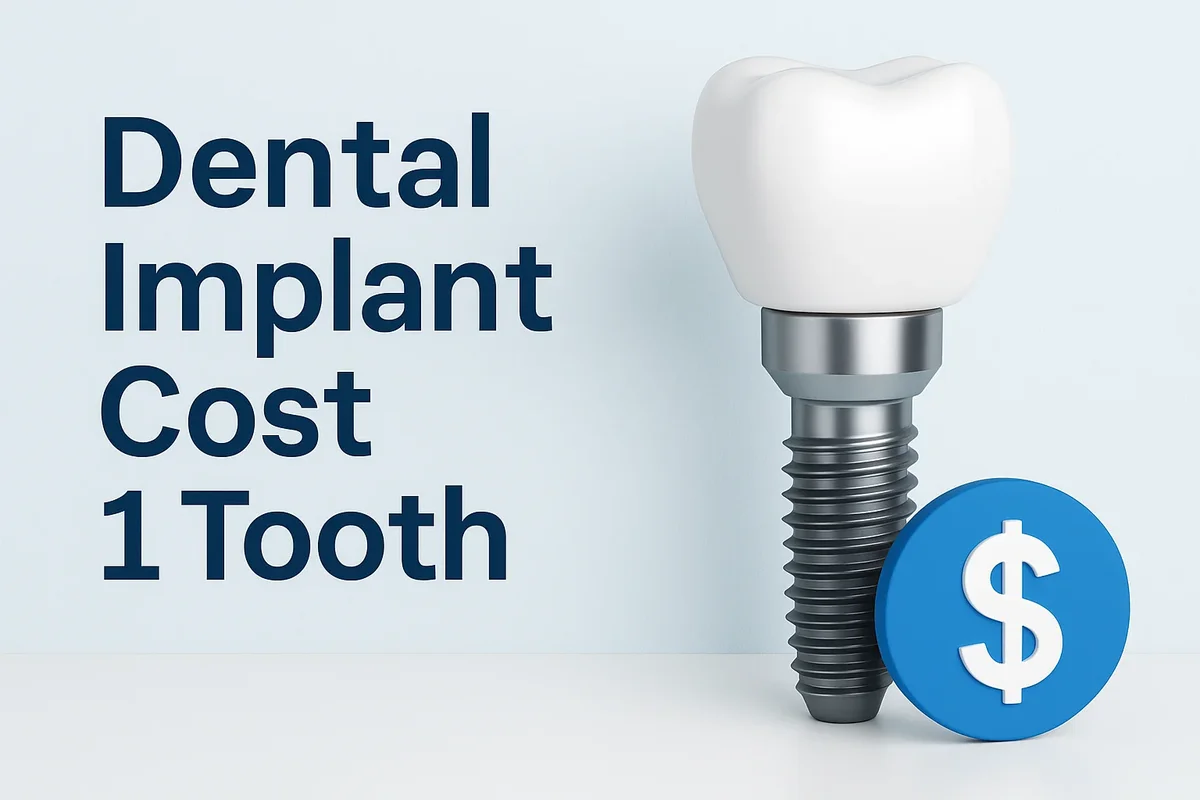
A dental implant is essentially a titanium post surgically placed into your jawbone to act as an artificial tooth root. On top of that implant, a custom abutment and crown are attached, creating a natural-looking, durable replacement for your missing tooth. While it’s easy to see the visible crown, much of the cost actually lies beneath the surface — in the precision surgery, materials used, and aftercare required. Patients often wonder why the dental implant cost for 1 tooth can vary from clinic to clinic. The answer involves a combination of surgical complexity, location, material choice, and the dentist’s expertise.
On average, the total dental implant cost for one tooth in countries like the United States ranges from $3,000 to $6,000 USD. This estimate typically includes the implant fixture, abutment, and crown. However, this price can fluctuate depending on whether additional procedures like bone grafting or sinus lifting are necessary. For example, if your jawbone has thinned due to tooth loss over time, your dentist might recommend a graft to ensure proper implant stability — adding to the overall cost. In contrast, countries such as Turkey or Hungary often offer the same treatment for 50–70% less, while maintaining international standards of quality and hygiene.
It’s essential to understand that dental implant cost 1 tooth reflects not just a cosmetic investment but a long-term health decision. Dental implants can last a lifetime when properly maintained, unlike bridges or dentures, which may need replacement every few years. This longevity makes them a cost-effective choice over time. Think of an implant as a permanent solution that prevents bone loss, maintains facial structure, and provides the natural function of a real tooth. Patients frequently describe the outcome as life-changing, improving not only aesthetics but also comfort and confidence. 🌟
Clinics worldwide now use advanced digital imaging and computer-guided surgery to improve accuracy and reduce recovery time. These innovations contribute to higher success rates, with dental implants achieving over 95% success globally. However, each technological improvement can slightly increase the implant cost for one tooth because it requires specialized tools, skilled professionals, and high-grade biomaterials. When choosing a dental clinic, it’s important to look beyond the price tag and evaluate credentials, reviews, and technology standards. A low initial price that compromises on quality may lead to higher costs later due to complications or re-treatments.
Another important aspect is geographic variation. For instance, the dental implant cost 1 tooth in Turkey averages between $500 and $1,000 per implant, which includes consultation, surgery, abutment, and zirconium crown. The affordability comes from lower operational costs and government-supported medical tourism, not reduced quality. In contrast, a clinic in the U.K. may charge £2,000–£3,000 for the same procedure. When evaluating your options, you should also consider travel expenses, accommodation, and post-procedure visits — especially if you’re planning dental treatment abroad.
To gain a deeper understanding of the procedure and its standards, it’s helpful to refer to trusted professional sources like the American Dental Association. Their resources explain how implant treatments are regulated and what safety guidelines patients should expect. For personalized information about your treatment options and a cost estimate tailored to your case, you can reach out directly to our Redent Klinik Contact Page and get a consultation from certified specialists.
Let’s break down what you’re really paying for when considering the dental implant cost 1 tooth. The fee usually includes diagnostic imaging (like panoramic X-rays or 3D scans), the titanium or zirconium implant post, the surgical placement, the abutment that connects the post to the crown, and finally the custom-made crown itself. Aftercare, temporary crowns, anesthesia, and follow-up appointments may also be billed separately. High-quality implants from renowned brands such as Straumann or Nobel Biocare can raise the total price but offer exceptional durability and biocompatibility.
Finally, the psychological and lifestyle benefits should not be overlooked. A single dental implant can restore your ability to chew properly, enhance speech clarity, and eliminate the discomfort of removable dentures. Many patients report that this one-time investment improves their confidence and overall quality of life — outcomes that are truly priceless. In short, understanding the full picture of dental implant cost 1 tooth helps you see beyond the number on the invoice and recognize it as a permanent step toward oral health and self-assurance. 🦷✨
In the following sections, we will explore in detail the factors that affect the price of a single dental implant, global cost comparisons, insurance aspects, and expert advice to help you plan your treatment in 2025. Continue reading to discover how you can achieve a healthy, confident smile at the best value possible.
What Affects the Dental Implant Cost for One Tooth?
When trying to understand the true dental implant cost 1 tooth, it’s essential to look at all the variables that contribute to the total price. A single dental implant is a highly customized procedure — no two cases are exactly alike. The overall cost depends on a range of factors, from your oral health to the type of materials used and the clinic’s geographical location. Knowing these details helps patients make informed decisions and avoid unexpected expenses. 🦷
1. The Type and Quality of the Implant Material
The material of the implant plays a major role in determining the dental implant cost 1 tooth. Titanium implants are the most common because of their proven durability and biocompatibility — they bond naturally with the jawbone, ensuring long-term stability. However, newer alternatives such as zirconia implants are growing in popularity for patients who prefer a metal-free solution. Zirconia offers excellent aesthetics and resistance to plaque buildup, but it can raise the cost by 15–25%. High-quality implant brands such as Straumann, Nobel Biocare, and Dentsply Sirona are usually more expensive but come with extensive research-backed success rates and lifetime warranties. Investing in premium materials means investing in safety, reliability, and longevity. 💎
2. Surgeon’s Expertise and Clinic Standards
The experience of your oral surgeon is another crucial factor in determining the dental implant cost 1 tooth. Highly skilled professionals who specialize in implantology tend to charge more because of their advanced qualifications and success rates. A complex surgical case — especially one involving bone grafting, sinus lifting, or nerve repositioning — demands precision, training, and the use of advanced tools. Clinics equipped with modern digital dentistry technologies such as 3D-guided implant placement or CBCT imaging also add to the price. These innovations increase accuracy, minimize pain, and reduce healing time, which improves overall patient outcomes.
3. Preliminary Procedures Before Implant Placement
Before inserting the implant, your dentist must ensure that the jawbone has enough density to support it. If bone loss is present due to prolonged tooth absence or gum disease, a bone graft might be required. This adds an additional cost of $300–$1,000, depending on the complexity and materials used. Similarly, sinus lift procedures — often needed for upper molar implants — can increase the dental implant cost 1 tooth by another $500–$2,000. These preparatory procedures are essential for the long-term success of the implant and cannot be skipped if bone structure is insufficient.
Example Cost Breakdown (Approximate)
- Implant fixture (titanium): $1,200 – $2,000
- Abutment: $300 – $500
- Crown (porcelain or zirconia): $800 – $1,200
- Bone graft (if needed): $300 – $1,000
- Sinus lift (if needed): $500 – $2,000
- Total estimated range: $3,000 – $6,500 per single implant
These figures show how add-ons and preparatory steps directly influence the total investment. The more comprehensive your treatment, the higher the initial cost — but this also ensures a more durable, natural, and comfortable result.
4. Geographic Location and Economic Differences
Geographic location has one of the largest impacts on the dental implant cost 1 tooth. For example, patients in the United States often pay between $3,000 and $6,000, while those in Western Europe pay roughly €2,000–€4,000. In contrast, patients traveling to countries like Turkey, Hungary, or Thailand can expect to pay between $700 and $1,200 for the same treatment. The difference comes from lower operational costs, favorable exchange rates, and medical tourism incentives — not reduced quality. In fact, many of these clinics are certified by international accreditation bodies and offer English-speaking specialists and state-of-the-art facilities.
For example, Redent Klinik Contact Page offers affordable yet high-quality implant services that meet European hygiene and safety standards. Choosing the right destination can save thousands while maintaining professional care and comfort. 🌍
5. Diagnostic Imaging and Digital Planning
Modern implantology depends heavily on diagnostic technology. Advanced imaging methods such as CBCT (Cone Beam Computed Tomography) scans and digital impressions improve precision during surgery. However, these technologies come at a cost — often adding $150–$400 to the total bill. These scans ensure the implant is positioned accurately and safely, avoiding nerves and sinuses. In the long run, this upfront investment reduces the likelihood of complications or implant failure, making it a wise choice despite the added cost.
6. Crown Type and Aesthetic Requirements
The crown — the visible part of the implant — contributes significantly to the dental implant cost 1 tooth. Porcelain-fused-to-metal crowns are durable and cost-effective, but all-ceramic or zirconia crowns provide a more natural appearance and resist staining. Patients who prioritize aesthetics, especially for front teeth, often choose zirconia or E-max crowns. While these materials may add $300–$500 to the total, they deliver superior transparency and match the surrounding natural teeth perfectly. The choice of crown is therefore not only a cosmetic decision but also a reflection of long-term comfort and satisfaction.
7. Aftercare, Maintenance, and Warranty
Aftercare plays an ongoing role in determining the total investment. Many clinics include post-operative checkups, professional cleanings, and maintenance in their treatment packages. Others charge separately for these services. Implants generally require minimal maintenance, but ensuring their longevity through regular dental visits is key. Most reputable clinics provide warranties ranging from 5 years to lifetime coverage, which adds peace of mind but may slightly increase upfront costs.
8. Hidden or Additional Costs to Be Aware Of
Patients should also watch for extra fees such as anesthesia, consultations, temporary crowns, or X-rays. These are often not included in the advertised price. A transparent clinic will provide a detailed breakdown before treatment. Reviewing all costs helps avoid surprises and allows accurate comparison between providers. It’s also advisable to confirm whether follow-up appointments and potential repairs are part of the total cost estimate.
9. Importance of Choosing a Qualified Clinic
The best way to ensure value for your money is by selecting a certified and experienced clinic. Poorly placed implants can lead to failure, infection, or additional surgeries — all of which dramatically increase expenses. Reputable clinics often follow strict international safety protocols and maintain close collaboration with dental associations such as the American Dental Association. This guarantees that the dental implant cost 1 tooth you pay results in a stable, aesthetic, and long-lasting restoration rather than future complications.
In conclusion, many variables determine the total dental implant cost 1 tooth: the material, surgeon’s skill, additional treatments, and country of operation all play critical roles. By understanding these factors, you can better plan your budget and select the best treatment without compromising quality or safety. The next section will explore average costs in 2025 — comparing global regions and highlighting the most cost-effective destinations for dental implants. 🌍✨
Average Dental Implant Cost for a Single Tooth in 2025
When patients search for the dental implant cost 1 tooth in 2025, they want an up-to-date and realistic understanding of how much they should expect to pay in different regions. The cost of a single dental implant continues to vary worldwide due to technological advancements, labor costs, and economic conditions. However, in 2025, clinics are offering increasingly transparent pricing models, allowing patients to make smarter, data-driven decisions about their oral health investments. This section will break down the average costs globally and by component, providing a clear picture of what a one-tooth implant truly costs and why prices differ from one country to another. 💰
1. Global Average Cost of a Single Tooth Implant
Across the globe, the average dental implant cost 1 tooth in 2025 ranges between $800 and $6,000 depending on the location and quality of service. In high-income countries like the United States, Canada, and the United Kingdom, the typical range is $3,000–$6,000. This includes the titanium post, abutment, and crown. In contrast, dental tourism destinations such as Turkey, Hungary, and Mexico offer the same treatment at significantly lower prices, averaging between $700 and $1,500 for a complete implant package. The cost difference primarily stems from local labor rates, currency advantages, and government support for medical tourism initiatives rather than quality differences.
Estimated 2025 Price Ranges by Country
| Country | Average Cost (USD) | Implant System Used |
|---|---|---|
| United States 🇺🇸 | $3,500 – $6,000 | Straumann, Nobel Biocare |
| United Kingdom 🇬🇧 | $3,000 – $5,000 | Zimmer Biomet, BioHorizons |
| Germany 🇩🇪 | $2,500 – $4,000 | Camlog, Ankylos |
| Turkey 🇹🇷 | $700 – $1,200 | Implance, Straumann |
| Mexico 🇲🇽 | $1,000 – $1,800 | BioHorizons, Nobel Active |
| Thailand 🇹🇭 | $1,200 – $2,000 | Alpha-Bio, Zimmer |
These values demonstrate how regional economies, import taxes, and healthcare systems significantly influence the dental implant cost 1 tooth. Yet despite cost differences, the outcome — a permanent, natural-looking replacement — remains the same when performed by qualified professionals using certified systems. 🌎
2. Cost Breakdown by Procedure Component
Understanding how each component contributes to the total dental implant cost 1 tooth helps patients evaluate quotes more effectively. A complete implant treatment involves three major parts: the implant fixture, the abutment, and the crown. Each stage requires specialized materials and precision work, contributing to the overall cost.
- Implant Fixture (Root Component): Usually made of titanium or zirconium, this part is surgically inserted into the jawbone. Average cost: $1,000–$2,500.
- Abutment (Connector): The link between the implant and the crown, typically costing $300–$500. Customized abutments for improved fit can be more expensive.
- Crown (Visible Tooth): The final restoration, often porcelain or zirconia. The average cost is $800–$1,500 depending on aesthetics and durability.
In addition to these, diagnostic scans, anesthesia, and aftercare appointments can add $200–$600 to the final total. Some clinics offer all-inclusive implant packages that simplify pricing and eliminate hidden fees — a growing trend among dental tourism clinics, including Redent Klinik Contact Page, which provides full transparency on costs and materials used. ✅
3. Factors Driving 2025 Price Adjustments
The global dental implant cost 1 tooth in 2025 is also influenced by several key market trends. Inflation, currency shifts, and material shortages affect the production costs of titanium and zirconia implants. Additionally, advancements in digital dentistry — such as AI-assisted design and computer-guided surgery — are raising both precision and prices slightly. However, these innovations ensure greater implant longevity and patient comfort, which makes them a valuable investment.
Technology-Driven Changes
Digital 3D imaging, CAD/CAM design, and robotic-assisted placement systems are now becoming standard in top clinics. Although these technologies can increase costs by 10–15%, they drastically reduce surgical risks, shorten recovery time, and enhance aesthetic results. For example, using computer-guided surgery ensures that the implant aligns perfectly with your bone structure, preventing long-term complications and ensuring a more natural smile.
4. Comparing 2025 Implant Costs with Other Tooth Replacement Options
When evaluating the dental implant cost 1 tooth, it’s worth comparing it to other restorative options like bridges and dentures. While a traditional dental bridge may cost between $1,000 and $2,500, it typically lasts only 5–10 years and requires the grinding of adjacent teeth. A single dental implant, by contrast, can last for decades without affecting neighboring teeth. Though the upfront cost is higher, the lifetime value is substantially greater. Patients often view implants as a one-time investment rather than a recurring expense.
5. Example Cost Scenario for a 2025 Patient
Consider a 45-year-old patient seeking a single implant in 2025. Their jawbone is healthy, and no grafting is required. Here’s how their total might look:
- Consultation and imaging: $250
- Implant fixture and surgery: $1,500
- Abutment: $400
- Crown (zirconia): $1,000
- Follow-up and cleaning: $200
Total estimated cost: $3,150
For the same treatment in Turkey or Hungary, the total might fall to $1,000–$1,200. This makes dental tourism an attractive alternative for patients seeking top-tier results at more affordable rates. However, patients should always verify clinic credentials, material origins, and aftercare guarantees. Reputable clinics collaborate with trusted bodies such as the American Dental Association to ensure safety and compliance with international standards. 🌐
6. The Long-Term Value Perspective
Ultimately, the dental implant cost 1 tooth represents not just a medical procedure but a long-term investment in health and quality of life. Implants prevent bone loss, stabilize neighboring teeth, and restore full chewing function — benefits that bridges or removable dentures cannot match. The longevity of a well-placed implant (often 20+ years) makes the cost per year significantly lower than alternatives. In financial terms, a single implant can be one of the most cost-effective dental treatments available when analyzed over its lifetime.
As we move deeper into 2025, trends point toward continued affordability in competitive markets like Turkey, along with increased adoption of advanced technologies that improve comfort and outcomes. Understanding these cost dynamics ensures that patients can confidently plan for a healthier, lasting smile without unpleasant surprises. In the next section, we’ll explore each component — implant, abutment, and crown — in more detail to understand their role and contribution to the overall cost structure of a single-tooth dental implant. 🦷✨
Understanding the Components: Implant, Abutment, and Crown
To truly understand the dental implant cost 1 tooth, you must look beyond the surface and examine each component that makes up the full treatment. Every dental implant is made of three main parts — the implant fixture, the abutment, and the crown — each serving a distinct and essential purpose. These components work together to replace a natural tooth’s root, connection, and visible surface. Understanding their function, material options, and price contribution will help you better evaluate your total dental implant investment in 2025. 🦷
1. The Implant Fixture (The Root Replacement)
The implant fixture is the foundation of the treatment and one of the main cost factors in determining the dental implant cost 1 tooth. It’s a small, screw-like structure typically made of titanium or zirconia that is surgically inserted into the jawbone. Over a few months, the fixture fuses with the bone through a process known as osseointegration — creating a stable and long-lasting base for the artificial tooth.
Titanium implants remain the gold standard in modern dentistry due to their exceptional strength, light weight, and proven biocompatibility. They have been used successfully for decades and offer over a 95% success rate. However, some patients with metal sensitivities prefer zirconia implants, which are ceramic-based, metal-free, and naturally white, offering a more aesthetic appearance. Zirconia implants, while visually superior, are more expensive and may add 15–20% to the total cost.
Average Cost Contribution
- Titanium Implant Fixture: $900 – $1,800
- Zirconia Implant Fixture: $1,200 – $2,500
Because the implant fixture requires surgical precision, the procedure also includes costs for anesthesia, sterile environments, and experienced implantologists. This stage alone can make up 40–50% of the dental implant cost 1 tooth. Additionally, patients with bone loss may need bone grafting before the fixture placement, increasing the overall expense. Despite this, the fixture is the most critical component — it replaces the lost tooth root and preserves jawbone structure, preventing future bone deterioration. 💪
2. The Abutment (The Connector)
The abutment acts as a bridge between the implant fixture and the crown. It’s a small but vital piece that ensures the stability and correct alignment of your new tooth. After the implant fixture has fully integrated with the bone (usually after 3–6 months), the abutment is attached to the implant post. It holds the crown firmly in place, allowing you to chew, smile, and speak naturally.
Abutments come in two main types: prefabricated and custom-made. Prefabricated abutments are cheaper and mass-produced to fit standard implants, typically costing $250–$400. Custom abutments, on the other hand, are designed specifically for your mouth using digital scans, offering a perfect fit and enhanced aesthetics — especially for front teeth. These may cost $400–$800 but significantly improve the final look and comfort.
Material Options and Aesthetic Considerations
- Titanium Abutments: Durable and cost-effective, ideal for molars or hidden teeth.
- Zirconia Abutments: White and translucent, perfect for visible front teeth where aesthetics matter.
Choosing a zirconia abutment may increase the dental implant cost 1 tooth but offers a seamless, natural appearance with no metal shadowing through the gumline. This component’s precision engineering and aesthetic customization often justify the additional expense. 🧩
3. The Crown (The Visible Tooth)
The dental crown is the visible portion of your implant — the part that restores your smile and chewing ability. It is custom-designed to match your natural teeth in shape, color, and texture. Depending on the material used, the crown can influence both appearance and durability, which in turn affects the total dental implant cost 1 tooth.
Types of Dental Crowns and Their Cost
- Porcelain-Fused-to-Metal (PFM) Crown: Strong and affordable but may show a gray line at the gum over time. Average cost: $700–$1,000.
- All-Ceramic or Zirconia Crown: Highly aesthetic, metal-free, and stain-resistant. Average cost: $900–$1,500.
- E-Max (Lithium Disilicate) Crown: Known for exceptional translucency and strength, suitable for front teeth. Average cost: $1,200–$1,800.
Each crown is handcrafted or milled using advanced CAD/CAM technology, ensuring precision and natural results. Since it’s the part that everyone sees, patients often prefer zirconia or E-Max for visible areas, despite the slightly higher price tag. The crown typically makes up 20–30% of the dental implant cost 1 tooth.
4. How the Components Work Together
The harmony between the fixture, abutment, and crown determines the implant’s success. The implant fixture integrates with the jawbone, the abutment connects the internal structure, and the crown completes the appearance and functionality. Skipping or compromising on the quality of any one component can reduce the implant’s life span and cause functional or aesthetic problems later. Therefore, choosing high-quality parts from reputable brands is essential for long-term success. 🧠
5. Cost Breakdown Example for One Tooth in 2025
Below is a realistic estimate for the full treatment of a single implant in 2025, assuming no bone grafting or additional procedures are required:
- Implant Fixture: $1,200
- Abutment: $400
- Zirconia Crown: $1,000
- Surgical Fees & Imaging: $350
- Total Estimated Cost: $2,950
For comparison, in countries with lower medical costs like Turkey, the same components might total between $800 and $1,200 for a complete single-tooth implant. Clinics such as Redent Klinik Contact Page provide all-inclusive packages that cover consultation, surgery, abutment, and crown — ensuring transparent pricing and international-grade materials. 🌍
6. The Impact of Material Choice on Longevity and Cost
Material selection affects not only the immediate price but also the long-term durability of the implant. Titanium and zirconia both perform well under normal chewing forces, but zirconia offers a slight advantage in gum health and aesthetics. Choosing quality components can extend your implant’s lifespan beyond 20 years. Although this may raise the dental implant cost 1 tooth initially, it minimizes future replacement expenses, making it more economical in the long run.
7. Importance of Precision and Professionalism
Every component must be handled with extreme precision. The implant’s depth, angulation, and integration determine how well the abutment and crown align. Skilled surgeons use digital guides and 3D scans to ensure perfection. While these technologies add to the cost, they prevent implant failure and ensure comfortable, natural-looking results. Many clinics collaborate with global dental authorities such as the American Dental Association to maintain safety and procedural standards.
In conclusion, understanding the three core components — implant fixture, abutment, and crown — gives clarity to the true dental implant cost 1 tooth. Each part contributes uniquely to function, aesthetics, and durability. Investing in high-quality materials and professional expertise ensures that your single dental implant not only looks perfect but also performs flawlessly for decades. 🌟
Cost Comparison: Dental Implant vs. Bridge vs. Denture
When considering tooth replacement options, many patients compare the dental implant cost 1 tooth with traditional methods like bridges and dentures. While the initial investment for a dental implant might seem higher, its durability, functionality, and long-term health benefits make it the most cost-effective choice over time. In this section, we’ll examine how each treatment differs in structure, price, longevity, comfort, and maintenance — giving you a complete understanding of why dental implants are the gold standard in modern restorative dentistry. 🦷
1. Overview: How These Tooth Replacement Options Differ
To fairly compare the dental implant cost 1 tooth with alternatives, it’s important to understand how each option works:
- Dental Implant: A titanium or zirconia post replaces the natural tooth root and supports a custom-made crown. It functions and feels like a real tooth.
- Dental Bridge: A prosthetic tooth anchored by grinding and capping the adjacent healthy teeth. It replaces the missing tooth without surgery.
- Removable Denture (Partial): A removable appliance with artificial teeth attached to a plastic base that clips onto surrounding teeth or rests on the gums.
Each method serves the same purpose — replacing a missing tooth — but their long-term results and total costs vary significantly. Let’s explore these differences in detail. 💡
2. Cost Comparison: Implant vs. Bridge vs. Denture
Average Price Range (2025 Estimates)
| Treatment Type | Average Cost (USD) | Longevity | Maintenance Level |
|---|---|---|---|
| Single Dental Implant | $2,500 – $5,000 | 20+ years (often lifetime) | Low – Regular checkups only |
| Dental Bridge | $1,000 – $2,500 | 7–10 years | Moderate – may require replacement |
| Partial Denture | $500 – $1,500 | 5–8 years | High – daily removal and cleaning |
At first glance, bridges and dentures seem cheaper, but when you consider their shorter lifespan and maintenance needs, implants become the smarter long-term solution. The higher initial dental implant cost 1 tooth pays off over time through durability and natural function.
3. Functional and Aesthetic Differences
Dental implants mimic the function of real teeth by integrating with your jawbone. This prevents bone resorption (shrinkage), maintains facial structure, and provides a stable bite. Bridges and dentures, on the other hand, only replace the visible part of the tooth without addressing the underlying bone, which can lead to long-term jawbone deterioration.
From an aesthetic standpoint, implants provide the most natural look. The custom-made crown is designed to match the color, shape, and texture of your natural teeth perfectly. Bridges may appear slightly less natural over time, especially as gums recede, revealing the edges of the prosthetic. Dentures, though improved with modern materials, can sometimes slip or affect speech, particularly lower dentures.
Patient Comfort and Adaptation
- Implants: Fixed and permanent; feel and function like real teeth.
- Bridges: Stationary but may strain adjacent teeth.
- Dentures: Removable and may cause discomfort or sore spots.
In short, while implants require a surgical procedure, their superior comfort and natural feel justify the investment. They become part of your body rather than an external appliance. 🌟
4. Long-Term Value: Why Implants Are Cost-Effective
To understand why the dental implant cost 1 tooth is justified, consider the cumulative cost over decades. Bridges often require replacement every 7–10 years, and dentures may need multiple relines or replacements due to gum and bone changes. These repeated expenses can exceed the cost of one implant that lasts a lifetime. Moreover, implants protect surrounding teeth from wear and decay since they do not require grinding adjacent enamel, unlike bridges.
When analyzed over 20 years, the cost efficiency becomes clear:
- Implant: ~$3,500 initial cost → lasts 20+ years = $175 per year.
- Bridge: ~$2,000 cost every 8 years = $5,000 over 20 years.
- Denture: ~$1,000 every 6 years = $3,000+ over 20 years.
This comparison shows that implants not only restore function better but also reduce replacement and maintenance costs over time. Financially and clinically, they are the most sustainable option. ✅
5. Oral Health and Bone Preservation
Unlike bridges and dentures, implants stimulate the jawbone, preventing bone resorption — a major factor in facial aging and tooth loss progression. A bridge only rests on the gum line, leaving the bone beneath unsupported. Over time, this leads to bone shrinkage and gum collapse, which can alter facial structure and require future corrective treatments. Investing in the dental implant cost 1 tooth also means investing in long-term bone health and stability. 🦴
Scientific Insight
According to studies referenced by the American Dental Association, patients with single-tooth implants show significantly less bone loss compared to those with bridges or dentures. The implant’s titanium root acts as a bone anchor, mimicking natural tooth roots and preserving jaw volume. This advantage cannot be replicated with removable or bridge-based restorations.
6. Maintenance and Hygiene Differences
Another important comparison point is maintenance. Dental implants require standard oral hygiene — brushing, flossing, and professional cleaning every six months. Bridges demand extra care around the supporting teeth, while dentures require daily removal, soaking, and adhesive maintenance. The simplicity of maintaining an implant makes it a convenient, low-effort solution for busy individuals who value both hygiene and comfort.
7. Cost Variations Across Countries
The dental implant cost 1 tooth differs globally, but the same pattern holds: implants cost more upfront but save money long-term. In the United States, an implant can cost $3,500–$5,000; a bridge around $2,000; and a denture roughly $1,000. In Turkey or Mexico, however, an implant may cost just $800–$1,200, making it only slightly more expensive than a bridge yet offering vastly superior results. Clinics like Redent Klinik Contact Page provide comprehensive packages that include consultation, 3D imaging, surgery, and aftercare — ensuring patients get maximum value for their investment.
8. Aesthetic and Psychological Impact
Beyond financial comparisons, implants deliver emotional benefits that dentures and bridges cannot match. Patients report enhanced self-confidence, comfort when eating, and greater satisfaction with their smile. These psychological and lifestyle improvements are part of the true value behind the dental implant cost 1 tooth. Having a stable, natural-looking implant can restore not just your bite, but your sense of self. 😁
9. Final Verdict: The Smart Choice for the Future
While bridges and dentures still have valid use cases — particularly for those unable to undergo surgery — the implant remains the superior long-term solution in 2025. Despite a higher upfront cost, the overall benefits in health, comfort, and appearance make it the most logical choice. When evaluating all factors — bone health, function, aesthetics, and lifetime cost — the dental implant cost 1 tooth emerges as an investment that pays for itself many times over. 💎
In the next section, we’ll discuss how insurance and financing options can help make dental implants more accessible, ensuring that patients of all backgrounds can benefit from this modern, life-changing dental solution.
Does Insurance Cover the Dental Implant Cost for 1 Tooth?
One of the most common questions patients ask is whether insurance can help reduce the dental implant cost 1 tooth. Dental implants are a significant investment in both oral health and quality of life, so understanding how insurance coverage, reimbursement options, and alternative financing work is essential. Unfortunately, traditional dental insurance policies often classify implants as elective or cosmetic procedures — but recent changes in 2025 are gradually expanding coverage. In this section, we’ll explore how insurance companies treat implant procedures, which parts of the treatment may be covered, and practical ways to make your single-tooth implant more affordable. 🧾
1. The Current State of Dental Insurance in 2025
As of 2025, more insurance providers are beginning to recognize that implants are not merely cosmetic but medically necessary for restoring full dental function. Despite this progress, many plans still provide only partial coverage for the total dental implant cost 1 tooth. Insurance often reimburses the procedure’s preparatory or restorative stages, such as bone grafting, tooth extraction, or the final crown, rather than the implant fixture itself. However, comprehensive or premium dental plans may include implant coverage up to a certain percentage or annual limit.
Typical dental insurance policies cover between 10% and 50% of implant-related costs, depending on the policy’s type and provider network. The coverage amount also depends on the plan’s yearly maximum — often capped at $1,000 to $2,000, which may not fully offset the full price of a single dental implant. Understanding this structure helps patients plan their treatment strategically. 🏦
2. Parts of a Dental Implant Procedure That May Be Covered
Although full coverage is rare, certain components of the dental implant cost 1 tooth are frequently eligible for insurance reimbursement. These may include diagnostic procedures, supporting treatments, and the final restoration.
Commonly Covered Components:
- Consultation and Imaging: X-rays, CT scans, and oral exams are often covered under preventive or diagnostic care benefits.
- Tooth Extraction: If the damaged tooth must be removed before the implant, this is typically covered under basic dental services.
- Bone Grafting: When bone loss is caused by periodontal disease or trauma, insurance may classify grafting as medically necessary.
- Abutment and Crown: Some policies classify these as restorative care, which may be covered partially (often 30–50%).
However, the titanium or zirconia implant fixture — the core part of the surgery — is often excluded from coverage unless the loss was due to an accident or congenital condition. Patients should always confirm details with their insurance provider before treatment begins.
3. Medical vs. Dental Insurance: Important Distinctions
In certain cases, medical insurance may contribute to the dental implant cost 1 tooth when the tooth loss is related to medical conditions rather than general oral care. For example, if the missing tooth results from an accident, injury, or surgical treatment for diseases like oral cancer, medical insurance may cover part of the expenses. However, these cases are evaluated on an individual basis and require pre-authorization and supporting medical documentation.
Medical insurance may also apply if an implant is necessary to support other medical treatments such as jaw reconstruction or facial rehabilitation following trauma. Collaboration between your dentist, oral surgeon, and insurance company can help determine if partial reimbursement is possible. 🏥
4. How to Verify Your Coverage
Before undergoing the implant procedure, patients should request a detailed predetermination of benefits from their insurance provider. This document outlines what portion of the dental implant cost 1 tooth is eligible for coverage. Here’s how to proceed effectively:
Steps to Check Your Coverage:
- Contact your insurance provider and request written confirmation of coverage details.
- Ask specifically whether implants, abutments, or crowns are covered individually.
- Provide your dentist’s treatment plan and X-rays for a cost estimate review.
- Inquire about annual maximum limits and waiting periods.
- Clarify whether the plan covers out-of-network providers or only in-network clinics.
By securing a written estimate in advance, you can avoid unexpected out-of-pocket costs and understand how much of the dental implant cost 1 tooth you will need to finance yourself.
5. Flexible Spending and Health Savings Accounts (FSA/HSA)
For patients whose insurance doesn’t fully cover implants, Flexible Spending Accounts (FSAs) and Health Savings Accounts (HSAs) offer excellent alternatives. These accounts allow you to use pre-tax income to pay for qualified medical and dental expenses, including implants. Using an FSA or HSA can save up to 25–35% on total costs depending on your tax bracket. This method effectively lowers your financial burden while keeping your treatment within reach.
6. Financing Options and Payment Plans
Even if your insurance only covers part of the dental implant cost 1 tooth, most reputable dental clinics offer payment flexibility. Clinics like Redent Klinik Contact Page provide financing plans, monthly installments, and in-house credit options to make treatment affordable. Many third-party financial companies, such as CareCredit and LendingClub, also partner with dental providers to offer interest-free or low-interest plans ranging from 6 to 24 months.
Patients can also explore country-specific dental tourism programs, where comprehensive packages include consultation, surgery, accommodation, and transfers — all at a fraction of the Western price. In Turkey, for instance, the total implant package can be under $1,000, making it competitive even without insurance reimbursement. 🌍
7. Employer and Supplemental Plans
Some employers offer supplemental dental plans that specifically cover major restorative work such as implants. These plans are becoming more common in 2025 as employers recognize the impact of oral health on productivity and well-being. If you’re employed full-time, check with your HR department to see if your company offers dental implant coverage through expanded group benefits. These supplemental plans can reduce your total out-of-pocket expenses for the dental implant cost 1 tooth by up to 60%.
8. Negotiating and Maximizing Your Insurance Benefits
Patients often underestimate how much they can save simply by communicating with their dental clinic and insurance provider. Requesting a written breakdown, scheduling treatment across multiple fiscal years, or splitting stages (implant placement vs. crown installation) can help you maximize annual benefit caps. Experienced clinics can help structure your treatment plan to align with insurance renewal periods, ensuring you get the most reimbursement possible. 🧠
9. Professional Guidance and Trusted Sources
To navigate insurance complexities confidently, patients can consult dental associations or professional organizations. The American Dental Association offers guidance on insurance policies, claim procedures, and patient rights. Consulting with such resources ensures that your decisions regarding the dental implant cost 1 tooth are informed and compliant with international standards.
In summary, while full insurance coverage for dental implants remains limited, modern plans and financial tools make it more accessible than ever before. By combining partial insurance benefits, tax-advantaged accounts, and flexible payment plans, patients can manage costs effectively without compromising on quality. In the next section, we’ll explore practical strategies for saving money on single-tooth implants without sacrificing long-term results or patient safety. 💎
How to Save Money on a Single Tooth Dental Implant
Even though the dental implant cost 1 tooth can seem expensive at first glance, there are numerous legitimate ways to make the procedure more affordable without sacrificing quality or safety. With smart planning, strategic clinic selection, and the use of available financing options, patients can significantly reduce the total expense while still receiving world-class care. This guide explains proven methods to lower costs, including dental tourism, insurance optimization, package deals, and alternative payment structures. Let’s explore these in depth so you can confidently plan your implant treatment in 2025 without financial stress. 💰
1. Consider Dental Tourism for Quality and Affordability
One of the most effective ways to save money on the dental implant cost 1 tooth is to explore dental tourism destinations. Countries such as Turkey, Hungary, Mexico, and Thailand have become global leaders in dental implantology, offering treatments that match or even exceed Western standards at a fraction of the price. For example, while the average single-tooth implant in the U.S. costs between $3,500 and $6,000, the same procedure in Turkey can range from $700 to $1,200 — including the implant, abutment, and crown.
The affordability is not due to reduced quality but lower operational and labor costs. Clinics like Redent Klinik Contact Page specialize in international patients, providing all-inclusive packages that include airport transfers, accommodation, and aftercare. This makes it possible to save up to 70% compared to prices in the United States or the United Kingdom, all while receiving care from experienced implantologists using FDA-approved materials. 🌍
Advantages of Dental Tourism
- Lower overall treatment costs (up to 70% savings)
- High-quality European materials and certified dentists
- Combination of treatment and travel experience
- Fast, all-in-one procedures within a single trip
2. Compare Implant Brands and Material Options
Not all implant systems cost the same, and choosing the right brand can influence the total dental implant cost 1 tooth. Premium brands like Nobel Biocare or Straumann are renowned for precision engineering, high biocompatibility, and lifetime warranties. However, mid-tier brands such as Alpha-Bio, Bego, or Dentium offer excellent results at a more affordable price. If you’re not prone to allergies and don’t need specialized implants for bone deficiency, mid-range systems can provide equal stability at a lower cost.
Ask your dentist about the implant brand’s origin, warranty terms, and success rates. Avoid unbranded or generic systems, as they might compromise quality and require expensive future replacements. Choosing the right material — titanium vs. zirconia — also affects the cost. Titanium implants are more common and less costly, while zirconia is ideal for patients prioritizing metal-free aesthetics but typically costs 15–20% more.
3. Look for All-Inclusive Implant Packages
Many dental clinics, especially those catering to international patients, offer all-inclusive packages that simplify billing and prevent hidden charges. These packages often include consultation, X-rays or 3D imaging, surgery, abutment, crown, and post-procedure care in one price. Opting for a transparent package ensures you pay for the complete treatment rather than individual stages. It’s one of the smartest strategies for reducing the dental implant cost 1 tooth while maintaining peace of mind.
Typical Components of All-Inclusive Packages
- Initial examination and 3D imaging
- Implant placement surgery
- Abutment and zirconia or porcelain crown
- Follow-up consultation and cleaning
- Travel or accommodation assistance (for foreign patients)
Before booking, confirm that the clinic uses globally recognized implant brands and follows international sterilization standards. Reputable institutions often display certifications and partnerships with organizations such as the American Dental Association.
4. Use Tax-Advantaged Accounts (FSA/HSA)
For patients in countries like the U.S., Flexible Spending Accounts (FSA) and Health Savings Accounts (HSA) can be valuable tools to reduce out-of-pocket expenses. Since contributions to these accounts are tax-free, using them for implants effectively saves 20–35% of the dental implant cost 1 tooth. Check with your employer or healthcare provider to confirm eligibility and annual contribution limits. Planning your implant within your FSA/HSA cycle can maximize your tax benefits while minimizing financial burden.
5. Schedule the Treatment Strategically
If your insurance covers part of the implant or related procedures, consider splitting the treatment across two calendar years. For example, completing the extraction and bone graft in December and the implant placement in January can allow you to use two annual benefit cycles. This simple strategy can reduce the effective dental implant cost 1 tooth by 20–40% when timed correctly. Additionally, many clinics offer seasonal discounts or promotions during off-peak months like January or November, so it’s wise to inquire about timing advantages. 📅
6. Explore Financing and Payment Plans
Many top-rated dental clinics recognize that implant treatments are major investments and therefore provide flexible payment solutions. You can choose between in-house monthly installments or third-party financing programs such as CareCredit, Dental Financing Club, or LendingTree. Most financing options allow patients to spread payments over 6–24 months, often with little or no interest. This makes it easier to manage the dental implant cost 1 tooth without postponing necessary treatment.
Key Benefits of Financing Options
- Immediate access to treatment without full upfront payment
- Zero- or low-interest options available
- Improves cash flow while preserving savings
- Can combine with insurance or FSA/HSA benefits
7. Choose Clinics with Warranty and Free Aftercare
Some clinics offer warranties on their implants and crowns that cover up to 5, 10, or even lifetime repairs. These warranties can save thousands of dollars in the long term if any issue arises. Clinics that include free follow-ups and cleanings within the first year add even more value to the initial dental implant cost 1 tooth. When comparing providers, look for those offering maintenance plans and extended service guarantees.
8. Enroll in Dental Discount Programs
If you don’t have insurance, dental discount plans can be a great alternative. These are membership-based systems that offer 10–60% discounts on dental services, including implants. Members pay an annual fee (usually $100–$200) and receive instant access to lower rates at participating clinics. Although not insurance, these programs can significantly reduce the total dental implant cost 1 tooth while keeping care accessible and affordable.
9. Combine Necessary Procedures in One Visit
Some patients save money by combining multiple dental treatments in a single trip or appointment. If you need more than one implant or additional procedures like sinus lifting or bone grafting, scheduling them together can lower anesthesia, clinic, and laboratory fees. Many clinics also provide discounts for multi-implant cases or full-mouth restoration packages. Bundling procedures optimizes both cost and recovery time. 🦷
In conclusion, the dental implant cost 1 tooth can be significantly reduced through smart financial planning, location choice, and leveraging insurance or discount options. From exploring affordable countries like Turkey to using FSAs, choosing cost-efficient materials, or timing your treatment strategically — every step counts. By following these strategies, you can achieve a high-quality, long-lasting smile without straining your budget. In the next section, we’ll examine why dental implant costs vary across countries and what factors influence pricing differences globally. 🌐✨
Factors That Make Dental Implant Prices Vary by Country
The dental implant cost 1 tooth varies dramatically from one country to another — sometimes by as much as 70%. While many assume that cheaper means lower quality, the truth is far more nuanced. A range of economic, clinical, and logistical factors shape dental implant prices globally. Understanding these differences helps patients make informed decisions about where and how to receive treatment, especially if they are considering dental tourism or cross-border care. 🌍
1. Economic Factors and Cost of Living
The most significant reason for variations in the dental implant cost 1 tooth is the local economy. In countries like the United States, Canada, or the UK, labor costs, taxes, and malpractice insurance premiums are considerably higher. These factors directly influence the clinic’s operational expenses, which are then passed on to patients. By contrast, in countries like Turkey, Hungary, Mexico, and Thailand, lower costs of living and government incentives for medical tourism allow clinics to offer implants at much lower prices without compromising on quality.
Example of Price Range by Country (2025 Estimates)
| Country | Average Cost per Single Implant (USD) | Includes Crown? |
|---|---|---|
| United States | $3,500 – $6,000 | Yes |
| United Kingdom | $3,000 – $5,500 | Yes |
| Germany | $2,800 – $4,500 | Yes |
| Turkey | $700 – $1,200 | Yes |
| Mexico | $900 – $1,500 | Yes |
| Thailand | $1,000 – $1,800 | Yes |
As illustrated, the same implant treatment can cost six times less in certain countries. These savings are due to economic conditions rather than inferior care. Many international clinics even use the same implant brands and technologies as Western countries, often importing materials from Germany or Switzerland. 🌟
2. Differences in Labor and Operational Costs
Dental clinics in developed countries must pay higher salaries, licensing fees, and insurance costs for their staff. The dental implant cost 1 tooth in such regions reflects these overheads. In contrast, dental professionals in countries like Turkey and India operate with lower overhead costs while maintaining international accreditation. For example, a Turkish oral surgeon with global certification may charge $1,000 for an implant that would cost $4,000 in the U.S., despite having similar training and using identical materials.
Additional Operational Factors
- Clinic rent and property expenses
- Medical equipment import tariffs
- Professional licensing and malpractice insurance
- Staff training and continuing education costs
All of these variables are substantially lower in medical tourism destinations, directly impacting the total dental implant cost 1 tooth.
3. Material Sourcing and Technology Availability
The choice of implant material — titanium or zirconia — and the use of digital technologies like 3D CT scans or guided surgery systems also affect pricing. Western clinics tend to use top-tier systems such as Nobel Biocare or Straumann, which are imported with high customs and distribution fees. Meanwhile, clinics in countries like Turkey, South Korea, and India often have local partnerships with manufacturers, significantly reducing costs while maintaining CE and FDA certifications. This technological access allows clinics to lower the dental implant cost 1 tooth without sacrificing precision or safety. 🦾
4. Government Policies and Healthcare Regulations
National healthcare regulations also influence implant pricing. In some European countries, parts of dental implant treatments are subsidized under public health systems. In contrast, in the U.S. and Canada, implants are considered elective and are rarely covered by insurance. Conversely, countries like Turkey promote dental tourism with tax exemptions and reduced licensing costs for international patients, lowering clinic expenses and thus the total treatment price. These structural differences have a huge impact on the dental implant cost 1 tooth across borders.
Supportive Government Programs
- Medical tourism incentives in Turkey and Hungary
- Reduced taxes for certified dental facilities
- Streamlined licensing for international patients
- Collaborations with health ministries to attract foreign visitors
Such initiatives explain why patients traveling to places like Redent Klinik Contact Page often receive luxury-level care at affordable rates.
5. Exchange Rates and Currency Strength
Exchange rate fluctuations can play a significant role in determining the perceived dental implant cost 1 tooth. When a patient pays in stronger currencies such as the USD, EUR, or GBP in countries where the local currency is weaker, the conversion rate drastically reduces costs. For example, a patient from Germany visiting Turkey can benefit from the favorable EUR/TRY exchange rate, lowering the effective cost by up to 40% compared to local European pricing. This currency advantage continues to attract medical tourists to cost-effective destinations each year. 💱
6. Quality Standards and Accreditation
Another key reason for cost variation lies in accreditation standards. Clinics accredited by organizations like the Joint Commission International (JCI) or affiliated with the American Dental Association often have slightly higher prices due to mandatory compliance, advanced sterilization, and technology upgrades. However, these certifications ensure safety and long-term implant success. Patients should always confirm that their chosen clinic follows recognized protocols, especially when seeking lower-cost options abroad. Reputable facilities may still offer affordable dental implant cost 1 tooth while adhering to top-tier medical standards.
7. Experience and Reputation of the Surgeon
The experience level of the implantologist directly influences the total price. An internationally trained dentist or oral surgeon with 15+ years of experience will naturally charge more than a newly licensed practitioner. However, higher fees often correlate with better accuracy, faster healing times, and fewer post-operative complications. Patients should seek a balance between affordability and expertise to ensure the best long-term results for their dental implant cost 1 tooth.
Expert Tip:
Always check patient reviews, before-and-after galleries, and certifications before selecting your dentist. A slightly higher upfront payment to a skilled surgeon can prevent costly revisions later.
8. Dental Tourism Infrastructure and Aftercare Services
Countries with well-developed medical tourism sectors, such as Turkey and Thailand, offer exceptional aftercare infrastructure — including free airport transfers, local translators, and recovery accommodations. This reduces hidden expenses like hotel stays or transportation, making the total dental implant cost 1 tooth even more economical. Some clinics even provide lifetime follow-up guarantees, ensuring that patients receive long-term maintenance support.
9. Cost Transparency and Hidden Fees
In some Western clinics, patients may encounter separate billing for diagnostics, anesthesia, and surgical tools. In contrast, international clinics often use transparent, package-based pricing models that include all necessary components. This approach not only simplifies the process but also enhances trust and predictability. For instance, Redent Klinik’s comprehensive implant packages include 3D scanning, abutment, and crown at a fixed price — making the dental implant cost 1 tooth fully transparent and hassle-free.
10. Final Analysis: Why Country Choice Matters
Choosing the right country for your dental implant can result in thousands of dollars in savings while maintaining the same level of quality. The ideal destination balances affordability, accreditation, patient comfort, and accessibility. Turkey remains one of the most popular choices due to its internationally certified dentists, modern technology, and unbeatable value. Understanding the reasons behind the price gap allows you to confidently compare clinics and select the one that aligns best with your budget and expectations. ✈️
In summary, variations in the dental implant cost 1 tooth depend on factors such as labor costs, technology access, material sourcing, and government policy. By researching and selecting accredited international clinics, patients can achieve premium outcomes without the premium price tag. In the next section, we’ll discuss why Turkey, in particular, has emerged as a global leader in affordable and high-quality dental implant treatments. 🇹🇷
Why Turkey Offers Affordable Dental Implant Solutions
In recent years, Turkey has become one of the top global destinations for dental tourism, particularly for patients seeking high-quality yet affordable dental implants. The dental implant cost 1 tooth in Turkey is significantly lower than in Western Europe or North America — often by 60–80% — while maintaining world-class standards in quality, materials, and technology. This section explores the reasons behind Turkey’s affordability, from its economic advantages and advanced dental infrastructure to its expert clinicians and patient-focused services. 🇹🇷
1. Lower Operational Costs and Economic Advantages
The main reason Turkey can offer lower prices lies in its favorable economic structure. The cost of living, property rental, and labor expenses are considerably lower than in countries like the United States or the United Kingdom. As a result, dental clinics in Turkey can provide the same services, materials, and technology at a fraction of the price. For example, while a single implant in the U.S. might cost $4,000–$5,000, the same procedure in Turkey ranges between $700 and $1,200 — including the crown and abutment.
This substantial price difference doesn’t reflect lower standards but rather the country’s economic efficiency. Lower costs for utilities, laboratory services, and clinical operations directly reduce the dental implant cost 1 tooth, making Turkey a highly attractive destination for patients from Europe, the Middle East, and North America.
2. Government Support and Medical Tourism Incentives
Turkey’s government actively promotes medical and dental tourism, recognizing its potential to boost the national economy. Through policies that reduce taxes, support international accreditation, and simplify visa procedures, the Turkish Ministry of Health has created an environment that encourages excellence and affordability in dental care. Clinics that serve foreign patients benefit from financial incentives, allowing them to offer lower treatment prices while maintaining world-class facilities.
Examples of Government-Backed Initiatives
- Tax reductions for healthcare facilities catering to international patients
- Accreditation programs promoting international quality standards
- Partnerships between clinics and medical tourism agencies
- Fast-track visa and travel programs for patients from Europe and the Middle East
These incentives significantly reduce the overall dental implant cost 1 tooth for foreign visitors while ensuring that the medical infrastructure meets global expectations.
3. Highly Qualified and Experienced Dentists
Another reason for Turkey’s growing dental reputation is the expertise of its dental surgeons. Most Turkish implantologists receive their education and postgraduate training in internationally recognized universities, including those in Germany, Switzerland, and the UK. They often participate in ongoing certification programs to stay updated with the latest implant technologies, bone grafting methods, and digital imaging systems. This means patients receive care equal to or better than that available in higher-cost countries — but for a fraction of the price.
Moreover, clinics such as Redent Klinik Contact Page employ multilingual staff, ensuring a comfortable and clear communication process for international patients. This eliminates misunderstandings during treatment planning and follow-up care, creating a smooth, worry-free experience from consultation to recovery. 🦷
4. Use of Premium, Internationally Certified Materials
Contrary to popular belief, Turkish clinics do not compromise on quality to reduce prices. Most reputable facilities use implants from world-leading manufacturers like Straumann (Switzerland), Nobel Biocare (Sweden), or Bego (Germany). These implants come with lifetime warranties and full traceability. The materials are CE and FDA certified, meaning they meet the same safety and biocompatibility standards as those used in Western countries. The lower dental implant cost 1 tooth in Turkey is therefore purely economic — not a reflection of lower material quality.
Commonly Used Implant Brands in Turkey
- Nobel Biocare
- Straumann
- Bego
- Alpha-Bio
- Osstem
- ImplantSwiss
These systems offer proven long-term success rates above 95%, ensuring that affordability does not come at the expense of durability or function.
5. Advanced Technology and Modern Infrastructure
Turkey’s dental clinics are equipped with cutting-edge technology, including 3D cone beam computed tomography (CBCT), CAD/CAM systems, and guided implant placement software. These tools allow for precise diagnosis and minimally invasive surgeries, reducing pain and recovery time. The integration of digital workflow systems — from imaging to crown design — ensures a seamless and efficient treatment experience for each patient. Clinics often match or even exceed Western facilities in equipment sophistication while still keeping the dental implant cost 1 tooth lower. ⚙️
6. Dental Tourism Packages and All-Inclusive Care
Turkey has mastered the art of combining healthcare with hospitality. Many clinics offer all-inclusive dental tourism packages that cover every step of the journey, from airport pickup and hotel accommodation to aftercare check-ups. This makes the entire process cost-efficient and stress-free. Patients not only save on treatment but also enjoy a relaxing vacation experience in Istanbul, Antalya, or Izmir.
Typical Components of Dental Tourism Packages
- Consultation, X-rays, and 3D imaging
- Implant surgery, abutment, and crown
- Hotel stay (3–7 nights)
- Airport transfers and local transportation
- Post-surgery care and follow-up
These comprehensive packages often cost less than a single implant procedure in the U.S., allowing patients to combine treatment and leisure seamlessly. The transparent pricing model helps maintain trust while clearly outlining the total dental implant cost 1 tooth.
7. Favorable Exchange Rates for Foreign Patients
The Turkish Lira’s favorable exchange rate provides a major financial advantage to patients paying in U.S. dollars, euros, or pounds. Currency conversion often reduces the effective dental implant cost 1 tooth by up to 50%, depending on the exchange rate at the time of treatment. This advantage, combined with competitive local pricing, allows patients to receive world-class dental care at an exceptionally low total cost.
8. Strict Hygiene Standards and Accreditation
Reputable Turkish clinics adhere to international hygiene standards set by organizations like the American Dental Association and ISO. They use sterilization systems that meet or exceed EU requirements. Accreditation by JCI (Joint Commission International) further validates a clinic’s adherence to safety and quality benchmarks. This ensures that patients receive reliable, sterile, and ethical care, regardless of the reduced pricing.
9. Positive Patient Experiences and Global Recognition
Thousands of international patients visit Turkey annually for dental implants, and the overwhelming majority report satisfaction with both the results and the overall experience. Reviews often highlight the friendliness of the staff, the modern facilities, and the affordability compared to Western countries. Turkey’s reputation continues to grow, as patients share their success stories online, reinforcing trust and confidence among new visitors. 🌟
10. Final Thoughts: Premium Care at a Fair Price
Ultimately, the reason Turkey can offer affordable yet premium implant solutions lies in the combination of economic efficiency, government support, world-class training, and modern infrastructure. The dental implant cost 1 tooth in Turkey offers patients a perfect balance between price and quality. From advanced surgical precision to personalized hospitality, every detail reflects professionalism and value. For those seeking to restore their smile without financial strain, Turkey remains the top destination for 2025 and beyond.
In the next section, we’ll explore expert tips and pre-treatment advice to help you prepare for your one-tooth dental implant, ensuring a smooth and successful experience from consultation to final crown placement. 🦷✨
Expert Tips Before Getting a One-Tooth Dental Implant
Before undergoing your procedure, understanding every stage of the process can help you make smarter, safer, and more cost-effective decisions. While the dental implant cost 1 tooth is an essential consideration, success ultimately depends on preparation, clinic selection, and post-operative care. This section provides expert-backed guidance from implantologists and dental tourism professionals to ensure that you get the best possible results — both medically and financially. 🦷
1. Begin with a Comprehensive Consultation
Your journey starts with a detailed consultation and diagnostic imaging session. The dentist will assess jawbone density, gum health, and bite alignment. A cone-beam CT scan or panoramic X-ray helps determine whether your bone structure can support the implant. Investing in proper diagnostics may slightly add to the initial dental implant cost 1 tooth, but it ensures precision and long-term success. Never skip this step — it’s the foundation for a well-planned, predictable implant result.
What a Full Consultation Should Include:
- Review of medical and dental history
- 3D imaging or CT scan
- Evaluation of bone density and gum condition
- Discussion of implant type, materials, and treatment stages
- Transparent explanation of total costs and potential add-ons
Many reputable clinics, such as Redent Klinik Contact Page, offer free or discounted consultations to help patients plan accurately before committing to the procedure. This transparency helps you understand every factor influencing your dental implant cost 1 tooth.
2. Verify the Dentist’s Credentials and Experience
Choosing a qualified implantologist is crucial. The experience and training of your dentist can significantly affect success rates and even the overall price. An expert who has completed advanced implantology certifications or training in Europe or North America may charge more initially, but this often prevents costly revisions or complications later on. Ask about your dentist’s academic background, international accreditations, and number of implants successfully placed. A skilled specialist ensures that your dental implant cost 1 tooth translates into a durable, natural-looking result.
Questions to Ask Before Committing:
- How many dental implants have you placed to date?
- What is your success rate with single-tooth implants?
- Do you use digital or guided surgery techniques?
- Can I see before-and-after photos from past patients?
- What warranty do you offer on the implant and crown?
3. Understand All Cost Components Upfront
One of the most common mistakes patients make is misunderstanding what’s included in the quoted price. The total dental implant cost 1 tooth typically includes the implant fixture, abutment, and crown — but not always. Some clinics list only the surgical portion, excluding the restoration or imaging. Always request a written treatment plan with an itemized breakdown to avoid hidden fees. Transparent clinics often bundle the entire procedure into a single, inclusive price to simplify planning and budgeting. 💰
4. Prepare Physically and Medically
Implant surgery is a minor but precise operation. Your oral and overall health play a huge role in its success. Smokers, diabetic patients, and individuals with gum disease may face slower healing or reduced implant stability. Before surgery, it’s wise to stop smoking, manage chronic conditions, and maintain good oral hygiene. These habits protect your investment and ensure that your dental implant cost 1 tooth delivers long-term value.
Pre-Surgery Preparation Checklist:
- Maintain excellent oral hygiene (flossing, brushing, rinsing)
- Avoid alcohol and smoking for at least one week before surgery
- Discuss all medications and supplements with your dentist
- Eat soft, nutritious foods and stay hydrated
- Arrange transportation if sedation will be used
5. Don’t Compromise on Implant Materials
To save money, some clinics may offer cheaper, unbranded implant systems. While tempting, these options carry risks such as poor fit, corrosion, or lack of long-term data. Always choose implants from certified brands like Straumann, Nobel Biocare, or Osstem. Premium materials might slightly raise your dental implant cost 1 tooth, but they guarantee higher biocompatibility and lifetime performance. Investing in quality materials ensures your implant integrates naturally with your jawbone and lasts for decades. 🔬
6. Ask About the Healing Timeline
Every patient heals differently, depending on bone density, implant placement, and general health. Typically, it takes three to six months for full osseointegration (bone fusion). During this time, your dentist may fit a temporary crown before placing the permanent one. Understanding the timeline helps you plan follow-up visits and travel if you’re an international patient. Clinics in Turkey and Europe often provide clear schedules, ensuring you get maximum value for your dental implant cost 1 tooth with no unnecessary delays.
7. Confirm the Warranty and Aftercare Policy
Reliable clinics offer warranties on both the implant and the crown — often up to 10 years or even lifetime coverage. Before beginning treatment, confirm what the warranty covers: materials, surgical procedure, or potential complications. Some warranties are voided if patients neglect oral hygiene or skip follow-up appointments, so be sure to ask about maintenance requirements. Free aftercare or annual checkups can also extend the value of your dental implant cost 1 tooth by ensuring early detection of any potential issues.
8. Evaluate the Clinic’s Technology and Hygiene Standards
Top-tier dental facilities use modern technologies like 3D guided surgery, digital scanning, and CAD/CAM crown fabrication. These innovations improve accuracy, comfort, and healing speed. Always choose clinics that meet international hygiene standards (ISO, ADA, or JCI accreditation). Clinics recognized by the American Dental Association follow sterilization and patient safety protocols equal to those in Western countries. This ensures your procedure is safe, sterile, and precise while maintaining a reasonable dental implant cost 1 tooth.
Technology Checklist:
- Digital X-rays and CBCT imaging
- Computer-guided surgery planning
- CAD/CAM technology for crowns
- Laser-assisted soft tissue management
- Autoclave sterilization systems
9. Prepare Financially and Explore Payment Options
Even if your insurance covers only a portion of the procedure, you can manage costs efficiently. Many clinics offer installment plans, in-house financing, or partner with credit programs that allow 0% interest payments over several months. Using tools like HSAs or FSAs (for U.S. patients) can further lower your out-of-pocket expenses. Discuss all payment options in advance to avoid stress later. A well-organized payment plan makes the dental implant cost 1 tooth easier to manage and budget for over time. 💳
10. Mental Preparation and Realistic Expectations
Dental implants have a success rate exceeding 95%, but patience and realistic expectations are key. Healing takes time, and results depend on bone integration, oral hygiene, and your commitment to follow-up visits. Avoid rushing the process — a properly planned and executed implant provides a natural feel and appearance for life. The dental implant cost 1 tooth is not just a financial investment but also a long-term commitment to maintaining oral health and self-confidence. 💎
In conclusion, careful preparation, informed decision-making, and choosing the right clinic can transform your implant experience. Every factor — from material selection to aftercare — influences not just your immediate results but also the lifetime value of your investment. In the final section, we’ll address the most frequently asked questions about single-tooth implants, helping you make your decision with clarity and confidence. 🦷✨