
When people search for dental implant cost for one tooth, they are usually looking for the most accurate, up-to-date, and practical information to guide their decision. In 2025, dental implants remain the gold standard for replacing missing teeth, offering unmatched durability, natural appearance, and functionality. However, the investment required is a common concern for patients worldwide. Understanding the breakdown of expenses, what influences the final price, and how costs compare internationally is essential for making an informed choice. 🦷
On average, the dental implant cost for one tooth can range from $1,500 to $6,000 in most countries, but this figure varies based on several factors, including the region, the dentist’s expertise, materials used, and additional procedures required (such as bone grafting or sinus lifts). For example, in the United States, the cost is usually on the higher end of the spectrum, while countries like Turkey or Mexico offer more affordable options without compromising quality. Patients often weigh not only the financial aspect but also the quality of care, warranty policies, and the reputation of the clinic.
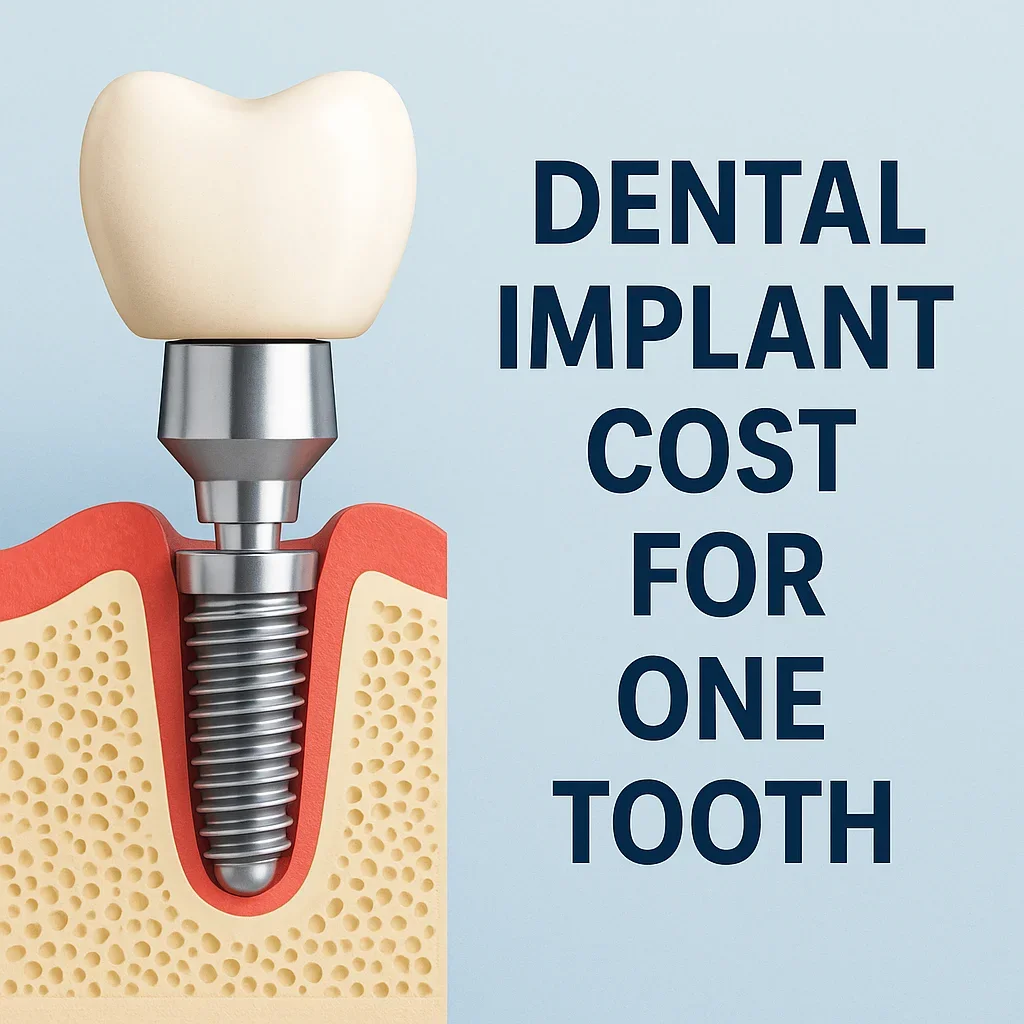
It is important to understand what is typically included in the quoted dental implant cost for one tooth. The basic package generally consists of three parts:
- The implant fixture – the titanium or zirconia post surgically placed into the jawbone.
- The abutment – a connector that links the implant fixture to the crown.
- The crown – the visible artificial tooth made of porcelain, zirconia, or ceramic.
Depending on the patient’s oral health, additional expenses may be added. These include:
- Diagnostic scans (X-rays or 3D CBCT scans): usually $100–$500.
- Bone grafting: $200–$2,000 if bone volume is insufficient.
- Tooth extraction: $100–$400 per tooth.
- Sinus lift procedures: $1,000–$3,000 in complex upper-jaw cases.
As a result, the total dental implant cost for one tooth may increase significantly if additional treatments are required. Patients often overlook these hidden costs when comparing clinics. That’s why requesting a detailed cost estimate before starting treatment is highly recommended.
Global averages in 2025 demonstrate notable differences:
| Country | Average Cost (One Tooth) |
|---|---|
| USA | $3,500 – $6,000 |
| UK | £2,500 – £4,500 |
| Turkey | $800 – $1,800 |
| Mexico | $1,000 – $2,500 |
| Germany | €2,500 – €4,000 |
These numbers highlight why dental tourism has grown in popularity. Countries like Turkey and Mexico attract thousands of patients each year with affordable yet high-quality dental care. Clinics in these regions often use internationally approved implant brands and employ highly experienced surgeons, but their overall operating costs are lower, allowing them to offer competitive prices.
From the patient’s perspective, the investment is not only about restoring a missing tooth but also about gaining long-term health benefits. A single implant prevents jawbone loss, maintains natural facial structure, and ensures proper chewing efficiency. In contrast, alternatives like dental bridges may seem cheaper initially but often require replacement after 10–15 years and involve grinding down adjacent healthy teeth. Therefore, many experts argue that while the dental implant cost for one tooth is higher upfront, it provides better long-term value and fewer complications.
Insurance and financing play another key role in affordability. In the United States and many European countries, dental implants are often considered elective procedures, meaning insurance coverage is limited. Some policies may cover a portion of the treatment, particularly if tooth loss is due to an accident or medical condition. Patients without coverage may opt for flexible financing plans, allowing them to pay in monthly installments. Clinics also offer package deals, especially for those traveling abroad for treatment.
Before committing to treatment, experts recommend verifying the credentials of the dental clinic and the implant brand being used. Reliable clinics provide transparent breakdowns of the dental implant cost for one tooth, offer warranties on both the implant and the crown, and ensure strict sterilization protocols. Patients can also seek guidance from authoritative organizations such as the American Dental Association for standards and best practices.
For those considering treatment abroad, it is wise to contact clinics directly, ask for detailed quotes, and clarify what is included in the advertised price. For example, you may explore options and contact a trusted provider through the Redent Klinik Contact Page to get a personalized plan based on your unique dental needs.
In conclusion, while the dental implant cost for one tooth may initially seem overwhelming, it is essential to view it as a long-term investment in oral health and quality of life. With proper planning, awareness of hidden costs, and selection of the right clinic, patients in 2025 can achieve a healthy, natural-looking smile at a price that aligns with their budget. 🌟
Average Dental Implant Prices Worldwide 🌍
The question of how much a single dental implant costs is one of the most frequently searched topics in oral health care. Patients often compare international prices because the dental implant cost for one tooth can vary dramatically depending on the country, the clinic, and the complexity of the procedure. In 2025, global averages show clear differences between developed nations like the United States or the United Kingdom and medical tourism hubs such as Turkey, Mexico, or Thailand. Understanding these averages helps patients plan their budgets, evaluate travel options, and make the best decision for both health and finances. 🌐
Why Costs Vary Across Countries
The dental implant cost for one tooth is not universal because healthcare systems, labor costs, implant material prices, and living expenses differ worldwide. In high-income countries like the USA, dental clinics face higher overhead costs such as staff salaries, malpractice insurance, and advanced technology maintenance. In contrast, clinics in countries with lower living costs can charge significantly less while still maintaining international standards. This is one of the reasons dental tourism is booming, as patients seek the same high-quality implants at a fraction of the price abroad.
Global Cost Overview in 2025
Below is a comprehensive overview of average dental implant cost for one tooth across various countries in 2025. This comparison illustrates how patients can save thousands of dollars by choosing treatment outside their home country:
| Country | Average Cost (One Tooth) | Notes |
|---|---|---|
| United States | $3,500 – $6,000 | High costs due to advanced technology and high operating expenses. |
| United Kingdom | £2,500 – £4,500 | Similar to the US, though slightly lower in private practices. |
| Germany | €2,500 – €4,000 | High-quality implants with strong warranty options. |
| Turkey | $800 – $1,800 | Popular for dental tourism; competitive pricing with top-quality care. |
| Mexico | $1,000 – $2,500 | Common destination for North American patients seeking affordability. |
| Thailand | $1,200 – $2,800 | Renowned for medical tourism and modern dental facilities. |
| India | $600 – $1,500 | One of the most affordable destinations with experienced dentists. |
As the table demonstrates, patients can expect to pay significantly less for a single implant in countries such as Turkey or India compared to the US or UK. For example, a procedure costing $5,000 in the United States may be completed for under $1,500 in Turkey, including the implant, abutment, and crown. These savings have made international clinics highly attractive, especially when combined with travel opportunities and comprehensive aftercare packages.
Cost Breakdown by Region
North America
In the United States and Canada, the dental implant cost for one tooth remains among the highest worldwide. Patients pay more not only because of technology but also due to the structure of the healthcare system, limited insurance coverage, and high practitioner wages. Although financing options are available, the steep price tag often pushes patients to explore international alternatives.
Europe
Western Europe, including the UK, Germany, and France, offers high standards of dental care but at premium costs. Patients benefit from experienced surgeons and stringent regulations but should expect to invest significantly. In contrast, Eastern European countries such as Hungary or Poland provide more affordable treatment while still maintaining EU-certified implant standards.
Asia and the Middle East
Countries like Turkey, India, and Thailand have become leaders in affordable dental implant treatments. These nations offer internationally recognized implant brands, English-speaking staff, and modern clinics. Turkey, in particular, has gained a global reputation for providing high-quality implants at an accessible price, with costs averaging between $800 and $1,800 in 2025. Many clinics also include airport transfers, accommodation, and follow-up visits in their packages, making the overall treatment experience more convenient and affordable.
Latin America
Mexico, Costa Rica, and Colombia are top destinations for North American patients who want affordable dental implants without traveling too far. The average dental implant cost for one tooth in these countries is 50–70% lower than in the US. Many clinics are located in border cities, making travel easy and accessible for patients seeking same-day consultations and treatments.
Hidden Considerations in Global Price Comparisons
While the price may be the main motivator, patients should not base their decision solely on cost. Travel expenses, accommodation, and potential follow-up visits should be considered when evaluating the total investment. Moreover, patients should ensure the chosen clinic uses authentic implant brands with CE or FDA approval. Reputable clinics provide warranties on both the implant and crown, reducing long-term risks and ensuring better outcomes.
It’s also important to verify aftercare availability. Dental implants require check-ups to confirm successful osseointegration (fusion of the implant with the jawbone). Patients traveling abroad should clarify how complications or follow-ups will be handled once they return home. Clinics with global networks or partnerships may offer better continuity of care.
Ultimately, the dental implant cost for one tooth in 2025 is shaped not only by geography but also by clinic policies, the quality of materials, and post-treatment support. Patients willing to travel can save thousands of dollars, but it is essential to balance affordability with quality and long-term reliability. Consulting authoritative resources such as the American Dental Association can also provide guidance on implant standards and international best practices.
In conclusion, while global averages provide a useful starting point, every patient should obtain a personalized treatment plan. By contacting a trusted provider directly—for example, reaching out via the Redent Klinik Contact Page—patients can receive tailored quotes and advice, ensuring they receive both quality care and a fair price for their investment. 🌟
Factors That Influence the Cost of One Tooth Implant
When researching the dental implant cost for one tooth, patients often notice wide price variations between clinics and countries. These differences are not random; instead, they result from multiple clinical, material, and geographical factors. In 2025, understanding these influences is crucial for anyone considering implant treatment, as it helps avoid unexpected costs and ensures a more realistic financial plan. Let’s explore the key elements that shape the final bill.
1. Choice of Implant Material
The type of implant used has a major impact on the dental implant cost for one tooth. Titanium implants remain the industry standard due to their proven biocompatibility and durability. However, zirconia implants—favored for their aesthetic advantages and hypoallergenic properties—are often priced higher. A titanium implant fixture might cost around $800, whereas zirconia options can increase the overall cost by 20–30%.
Implant Brand and Certification
Premium brands like Straumann, Nobel Biocare, and Astra Tech provide warranties and extensive clinical research, which add to the cost. While generic or lesser-known brands are cheaper, they may not have the same long-term reliability or global recognition. Patients should always verify whether their clinic uses CE- or FDA-approved implants for guaranteed safety and performance.
2. Dentist’s Expertise and Reputation
The skill and experience of the dental surgeon significantly influence the dental implant cost for one tooth. Renowned implantologists or oral surgeons with advanced training often charge more for their services, but they also offer higher success rates and fewer complications. Choosing a highly qualified specialist may feel more expensive upfront, but it often saves patients from costly corrective procedures in the future.
Geographical Location of the Clinic
Dentists in metropolitan areas, where clinic rents and staff salaries are higher, typically charge more than those in smaller towns. For example, an implant in New York City could cost double the price of the same procedure in a rural clinic or in a country with lower operating expenses, such as Turkey or India. Thus, location is one of the most defining factors in price.
3. Diagnostic and Preparatory Procedures
Before placing an implant, a dentist must perform thorough diagnostic imaging and assessments. Cone Beam CT scans, panoramic X-rays, and oral examinations add to the dental implant cost for one tooth. Furthermore, preparatory treatments can substantially raise the overall investment.
Bone Grafting and Sinus Lifts
If a patient lacks sufficient bone density, bone grafting is often necessary to secure the implant. Depending on the complexity, grafting may add $200–$2,000 to the cost. In the upper jaw, a sinus lift might be required, which typically ranges between $1,000 and $3,000. These additional procedures can sometimes exceed the cost of the implant itself.
Tooth Extraction
For patients who still have a damaged tooth in place, extraction is the first step. Simple extractions might cost as little as $100, while surgical extractions can rise to $400 or more. Although this seems like a small percentage of the total treatment, it contributes to the overall dental implant cost for one tooth.
4. Type of Crown and Abutment
The visible crown and connecting abutment also influence costs. Crowns made from porcelain-fused-to-metal (PFM) are usually cheaper, while full zirconia or ceramic crowns—offering superior aesthetics and strength—can cost significantly more. Similarly, custom abutments, designed with digital precision for a perfect fit, are more expensive than prefabricated ones.
5. Anesthesia and Sedation Options
Most dental implants are placed under local anesthesia, which is included in the standard price. However, patients who request conscious sedation or general anesthesia will face higher costs due to the involvement of anesthesiologists and additional medical equipment. Sedation fees can range from $300 to $1,000, further increasing the final dental implant cost for one tooth.
6. Post-Operative Care and Follow-Ups
After surgery, proper aftercare ensures the implant heals correctly and integrates with the jawbone. Post-surgery medications, antibacterial mouth rinses, and multiple follow-up visits may be included in the package or billed separately. Clinics that provide extended warranties and complimentary follow-ups often charge more initially but reduce the long-term financial burden of unexpected complications.
7. Insurance Coverage and Financing
In most countries, dental insurance only partially covers implant procedures, if at all. Some plans may cover the crown but not the implant fixture. Patients without coverage must rely on financing plans, which spread the cost over several months or years. While financing makes treatment more accessible, it can also add interest fees, indirectly increasing the true dental implant cost for one tooth.
8. Clinic Reputation and Additional Services
High-end clinics offering luxury amenities, such as private recovery suites, multilingual staff, and concierge services, often charge premium prices. International patients may also benefit from travel packages that include accommodation and airport transfers. While these extras raise the cost, they enhance convenience and peace of mind.
In summary, the dental implant cost for one tooth in 2025 is influenced by a wide range of variables: the implant material, dentist’s expertise, preparatory procedures, and even the clinic’s geographical location. Patients should request detailed treatment plans, compare multiple quotes, and ensure transparency regarding all potential expenses. By balancing affordability with quality, patients can secure long-lasting results and a healthy smile. For reliable and personalized guidance, contacting a trusted clinic directly—such as through the Redent Klinik Contact Page—can help clarify the complete investment required. Authoritative organizations like the American Dental Association also provide valuable insights into international implant standards and safety practices.
Dental Implant vs. Bridge: Cost and Long-Term Value
When patients compare tooth replacement options, the debate between dental implants and dental bridges often takes center stage. While the dental implant cost for one tooth is generally higher upfront, the long-term value frequently outweighs that of traditional bridges. In 2025, understanding the financial and health implications of both options is essential for making the right choice. This section explores the differences in cost, longevity, oral health impact, and overall investment value.
Initial Cost Comparison
A traditional dental bridge is typically less expensive at first. The average cost of a bridge in 2025 ranges from $1,500 to $3,500, depending on the material and complexity. In contrast, the dental implant cost for one tooth averages between $1,500 and $6,000, depending on the country, implant brand, and dentist’s expertise. For many patients, the lower entry price of a bridge seems attractive, especially when insurance coverage is limited.
Why Implants Cost More Initially
Implants involve surgical placement, premium materials such as titanium or zirconia, and sometimes additional procedures like bone grafting. These steps drive up the cost but also provide a permanent solution. Bridges, on the other hand, rely on adjacent teeth for support, which simplifies the procedure and lowers the price.
Long-Term Durability and Value
While bridges may seem affordable initially, they generally last only 10–15 years before requiring replacement. By contrast, dental implants can last a lifetime with proper care. This means that although the dental implant cost for one tooth is higher upfront, the need for fewer replacements makes it more cost-effective in the long run. Patients should consider not just the first payment, but the overall lifetime investment.
Maintenance Costs
Bridges can require more maintenance over time, including potential adjustments and replacement of crowns. Implants, once integrated into the jawbone, function like natural teeth and require only routine dental hygiene. This significantly reduces additional costs after placement.
Impact on Oral Health
One of the biggest differences between implants and bridges lies in their effect on oral health. A bridge requires grinding down adjacent healthy teeth to anchor the prosthetic. This compromises natural enamel and may increase the risk of decay or future dental problems. In contrast, an implant is independent and preserves surrounding teeth, making it a healthier long-term solution.
Bone Preservation
The dental implant cost for one tooth includes not just a replacement tooth but also the preservation of jawbone health. Implants stimulate the jawbone just like natural roots, preventing bone resorption and maintaining facial structure. Bridges do not provide this stimulation, which may lead to bone loss over time and changes in facial appearance.
Aesthetic and Functional Considerations
In terms of aesthetics, implants typically offer a more natural look. Modern zirconia or porcelain crowns are color-matched to existing teeth, blending seamlessly with the smile. Functionally, implants also provide superior biting and chewing strength compared to bridges, which may feel less stable over time.
Patient Comfort
Patients often report that implants feel like natural teeth, both in function and comfort. Bridges can sometimes feel bulky, especially if the supporting teeth weaken. The comfort factor is an important part of long-term satisfaction and justifies why many patients prefer to invest in implants despite the higher cost.
Insurance and Coverage Differences
Insurance coverage is another factor in the decision-making process. Some dental insurance plans cover bridges more readily than implants because bridges have been around longer and are considered a conventional treatment. However, as implants become more mainstream, more insurers are beginning to cover at least part of the dental implant cost for one tooth. Patients should always confirm coverage details before committing.
Global Trends in 2025
Around the world, the preference is shifting toward implants as the gold standard. In the United States and Europe, implants are increasingly recommended over bridges for their longevity and oral health benefits. In countries like Turkey and Mexico, where treatment costs are significantly lower, more patients are choosing implants even when finances are limited. This reflects the global recognition that the higher upfront price brings greater long-term value.
Making the Best Decision
Ultimately, the choice between a bridge and an implant depends on budget, oral health status, and long-term goals. For patients who want a quick and lower-cost solution, a bridge might be acceptable. But for those seeking durability, bone preservation, and a natural feel, the higher dental implant cost for one tooth is a worthwhile investment.
If you are considering these options, consulting with a qualified dentist is essential. Trusted providers can evaluate your oral health and recommend the best treatment plan. For detailed advice and personalized cost estimates, you can reach out directly via the Redent Klinik Contact Page. Additionally, authoritative resources like the American Dental Association provide educational material to help patients understand the pros and cons of both implants and bridges.
In conclusion, while the initial dental implant cost for one tooth is higher than that of a bridge, the long-term benefits make implants the superior choice for most patients. Considering durability, oral health preservation, aesthetics, and comfort, implants deliver greater overall value in 2025 and beyond. 🌟
Insurance and Financing Options for Single Tooth Implants
One of the biggest concerns patients have in 2025 is how to afford the dental implant cost for one tooth. While implants are the gold standard for tooth replacement, the initial price can feel overwhelming without proper financial planning. Fortunately, there are multiple ways to manage the cost through dental insurance, third-party financing, in-house clinic payment plans, and even health savings accounts (HSAs) or flexible spending accounts (FSAs). By understanding these options in detail, patients can transform what seems like an impossible expense into a manageable and realistic investment.
Dental Insurance Coverage for Implants
Traditionally, dental insurance plans excluded implants, categorizing them as “elective” procedures. However, in 2025, more insurance companies are recognizing implants as a standard treatment and are beginning to provide partial coverage. This shift reflects the clinical evidence showing that implants are not only cosmetic but also vital for oral function and long-term health.
What Insurance Typically Covers
Most plans still do not cover the full dental implant cost for one tooth, but they may cover certain components such as:
- Tooth extraction before implant placement.
- Diagnostic imaging like X-rays or CBCT scans.
- The crown (prosthetic tooth) but not always the implant fixture or abutment.
- Bone grafting or sinus lift if deemed medically necessary.
On average, insurance can cover anywhere from 10% to 50% of the total cost, depending on the provider and the policy. This means patients may still be responsible for a large portion of the dental implant cost for one tooth, but coverage helps ease the burden significantly.
Medical Insurance in Special Cases
In some situations, medical insurance—not just dental insurance—may cover implants. This usually applies if the tooth loss results from trauma, an accident, or a medical condition such as oral cancer. Patients should always check with both their dental and medical insurance providers to explore every possible avenue of coverage.
Financing Options for Patients
When insurance does not cover enough, financing becomes a key solution. Clinics and third-party providers now offer flexible options to help patients spread the dental implant cost for one tooth over time.
Third-Party Financing Programs
Companies like CareCredit, LendingClub, and other medical financing institutions allow patients to pay in installments. Many offer promotional periods with 0% interest for six to 24 months. These options make implants accessible to those who cannot afford a lump-sum payment.
In-House Clinic Payment Plans
Many dental clinics provide their own installment systems. Patients may pay monthly without interest or with minimal fees. For international clinics in countries such as Turkey or Mexico, in-house payment plans are particularly common, giving patients more flexibility while keeping total costs affordable.
Using HSAs and FSAs
Patients in the United States with Health Savings Accounts (HSAs) or Flexible Spending Accounts (FSAs) can use pre-tax dollars to pay for implants. This provides substantial savings, as it reduces taxable income. Since the dental implant cost for one tooth qualifies as an eligible medical expense, these accounts are a highly recommended way to manage costs.
Cost Transparency and Quotes
Before committing to treatment, patients should request a detailed written estimate from the clinic. This should clearly separate the implant fixture, abutment, crown, diagnostics, and additional procedures. By knowing exactly what is included, patients can better evaluate how much of the cost can be financed, what insurance will cover, and how much they must pay out of pocket.
Global Financing Differences
The availability of insurance and financing options also depends on where the treatment is performed. In countries like the United States, financing programs are well established but the overall dental implant cost for one tooth is higher. In dental tourism destinations like Turkey, Mexico, or India, clinics may offer package deals that include the implant, crown, abutment, and even accommodation at a fraction of the U.S. price, making financing less necessary. Still, some international clinics offer flexible payment schedules to attract global patients.
Why Financial Planning Matters
Without proper planning, patients risk delaying treatment, which can lead to more complex and expensive procedures later. For example, waiting too long after tooth loss may result in bone resorption, requiring bone grafting and increasing the total dental implant cost for one tooth. By exploring insurance, financing, and savings account options early, patients can start treatment sooner and avoid higher future expenses.
In summary, although the dental implant cost for one tooth in 2025 can feel daunting, patients have more tools than ever before to manage the financial side of care. Insurance may cover part of the treatment, while financing programs and HSAs/FSAs can ease out-of-pocket expenses. For the most accurate information, contacting a reliable provider directly is essential. Patients can begin this process through the Redent Klinik Contact Page, where personalized quotes and financing guidance are available. Additionally, organizations like the American Dental Association provide educational resources that help patients understand insurance coverage and payment strategies.
Ultimately, with the right financial plan, the higher dental implant cost for one tooth becomes a manageable investment in oral health, confidence, and quality of life. 🌟
Step-by-Step Procedure and Related Expenses 🦷
Understanding the complete process of dental implant placement is essential for patients who want to know exactly where their money goes. The dental implant cost for one tooth is not just the price of a titanium post and a crown—it is the sum of several carefully planned steps, each with its own associated expenses. In 2025, clinics worldwide follow a structured approach to ensure safe, predictable, and long-lasting results. Below is a comprehensive breakdown of the procedure and the costs typically attached to each stage.
1. Initial Consultation and Examination
The first step involves a detailed evaluation of the patient’s oral health. Dentists examine the gums, teeth, and jawbone to determine whether the patient is a good candidate for an implant. This consultation often includes:
- General oral examination ($50 – $150)
- Medical history review and treatment planning
- Discussion of possible alternatives such as bridges or dentures
While this may seem minor compared to the overall dental implant cost for one tooth, the consultation is a vital step that shapes the entire treatment plan.
2. Diagnostic Imaging and 3D Planning
Advanced imaging is necessary to visualize the jawbone and surrounding structures. The most common diagnostic tools include panoramic X-rays and cone beam computed tomography (CBCT) scans.
- X-rays: $50 – $200
- CBCT scans: $150 – $500
These scans help dentists assess bone density and identify potential risks, ensuring the implant is placed in the safest and most effective position. This diagnostic stage is usually a separate cost within the total dental implant cost for one tooth.
3. Tooth Extraction (If Required)
If the natural tooth is still in place but damaged, it must be extracted before the implant can be placed. Extraction costs vary depending on complexity:
- Simple extraction: $100 – $200
- Surgical extraction: $250 – $400
This is an additional but common expense that can influence the total dental implant cost for one tooth.
4. Bone Grafting and Sinus Lift (If Necessary)
Some patients lack adequate bone density to support an implant. In such cases, bone grafting or a sinus lift may be recommended:
- Bone graft: $200 – $2,000
- Sinus lift: $1,000 – $3,000
These procedures add to the overall dental implant cost for one tooth, but they significantly improve the chances of long-term implant success by ensuring proper stability and integration.
5. Implant Fixture Placement
This is the surgical step where the titanium or zirconia post is inserted into the jawbone. It is the foundation of the entire procedure. Costs generally range between $1,000 and $3,000 for this stage alone, depending on the country, implant brand, and dentist’s expertise. This component represents the core of the dental implant cost for one tooth.
Healing and Osseointegration
After placement, the implant requires several months to fuse with the bone in a process known as osseointegration. While no direct costs are usually charged during this healing period, follow-up visits and temporary prosthetics (if needed) may add $200 – $600 to the bill.
6. Abutment Placement
Once healing is complete, a small connector called an abutment is attached to the implant. This serves as the link between the implant fixture and the final crown. Abutment placement typically costs between $300 and $800. Patients should note that some clinics include the abutment in the overall price, while others bill it separately.
7. Crown Fabrication and Placement
The final stage is attaching the crown, the visible artificial tooth that restores full function and aesthetics. Costs depend on material:
- Porcelain-fused-to-metal crown: $500 – $1,500
- Zirconia or all-ceramic crown: $1,000 – $2,500
Since the crown is the most visible part, many patients opt for premium materials that blend seamlessly with natural teeth. This step completes the dental implant cost for one tooth.
8. Post-Operative Care and Follow-Ups
Follow-up appointments are crucial for monitoring healing and ensuring implant success. These visits may include professional cleanings, adjustments, or replacement of temporary crowns. Typical aftercare expenses range from $100 to $300, depending on the clinic. In some cases, these visits are bundled into the initial cost package.
Total Estimated Costs by Stage
| Stage | Estimated Cost |
|---|---|
| Consultation & Exam | $50 – $150 |
| Imaging & Scans | $150 – $500 |
| Extraction (if needed) | $100 – $400 |
| Bone Grafting / Sinus Lift (if needed) | $200 – $3,000 |
| Implant Placement | $1,000 – $3,000 |
| Abutment Placement | $300 – $800 |
| Crown Placement | $500 – $2,500 |
| Aftercare & Follow-ups | $100 – $300 |
As shown above, the dental implant cost for one tooth is the sum of multiple steps rather than a single fee. Depending on additional needs like bone grafting or premium crown materials, the total can range significantly—from $1,500 in some countries to more than $6,000 in others.
In conclusion, patients should always request a full breakdown of the procedure when consulting with a clinic. This ensures transparency and helps avoid unexpected expenses. For those seeking clear, detailed quotes tailored to their case, contacting a trusted provider through the Redent Klinik Contact Page is highly recommended. Additionally, organizations like the American Dental Association provide reliable resources for patients researching implant treatment. 🌟
Cost Comparison by Country: USA, UK, Turkey, and More
One of the most important aspects for patients evaluating the dental implant cost for one tooth is how prices vary around the globe. In 2025, the differences remain significant, with high-income countries charging premium rates while emerging dental tourism destinations offer more affordable yet high-quality alternatives. Understanding these variations helps patients decide whether to undergo treatment locally or abroad. Below is a detailed comparison of implant costs across major countries and regions.
United States 🇺🇸
In the United States, the dental implant cost for one tooth is among the highest worldwide. Patients typically pay between $3,500 and $6,000, with the national average around $4,500. The high costs are driven by factors such as advanced technology, specialized training, malpractice insurance, and overall healthcare expenses. While insurance may cover part of the treatment, most patients still face a large out-of-pocket bill.
Advantages in the U.S.
- Access to some of the most advanced dental technology in the world.
- Extensive warranties and high accountability through regulatory standards.
- Availability of experienced oral surgeons and prosthodontists.
Drawbacks
- Highest global costs for implants.
- Insurance often covers crowns but not the implant fixture.
- Financing is widely available but adds interest costs.
United Kingdom 🇬🇧
In the UK, patients can expect to pay between £2,500 and £4,500 for a single implant. National Health Service (NHS) coverage for implants is extremely limited, available only in exceptional medical cases, such as oral trauma or congenital conditions. Most patients must rely on private clinics, where prices reflect the high cost of living and advanced materials used.
Advantages in the UK
- Strict regulations ensure implant quality and safety.
- Clinics often use premium implant brands with long-term warranties.
- Proximity for European patients compared to traveling abroad.
Drawbacks
- Costs are significantly higher than in Eastern Europe or Turkey.
- Insurance coverage remains minimal.
Germany 🇩🇪
Germany is known for its precision engineering and high-quality dental care. The dental implant cost for one tooth here ranges from €2,500 to €4,000. While prices are high, patients benefit from exceptional quality, top-tier implant brands, and strict EU standards. German clinics are also popular among patients from neighboring European countries.
Turkey 🇹🇷
Turkey has rapidly become one of the top destinations for dental tourism in 2025. The average dental implant cost for one tooth is between $800 and $1,800, which is up to 70% lower than in the United States or the UK. Despite the lower cost, Turkish clinics often use globally recognized implant systems such as Straumann and Nobel Biocare, ensuring excellent long-term results.
Why Turkey is Affordable
- Lower operating costs and living expenses compared to Western Europe and the U.S.
- Government support for medical tourism.
- All-inclusive packages often covering transfers, accommodation, and aftercare.
Advantages of Turkey
- Internationally trained dentists with vast experience in implants.
- High-quality materials and modern technology.
- Significant savings, even when travel expenses are included.
Mexico 🇲🇽
For North American patients, Mexico is a leading option due to proximity and affordability. The dental implant cost for one tooth averages between $1,000 and $2,500. Clinics in border cities such as Tijuana, Juarez, and Cancun attract thousands of patients from the U.S. every year. Many facilities are internationally accredited and offer English-speaking staff.
India 🇮🇳
India offers some of the most affordable implants worldwide, with costs between $600 and $1,500. Many Indian dentists are internationally trained, and clinics in metropolitan cities like Delhi, Mumbai, and Bangalore boast advanced facilities. While travel is longer for Western patients, the cost savings can be substantial.
Thailand 🇹🇭
Thailand is another popular dental tourism hub, with implant costs ranging from $1,200 to $2,800. Patients often combine treatment with vacation, making the journey more appealing. The country is known for modern dental hospitals and internationally accredited clinics.
Hidden Costs Across Countries
When comparing the dental implant cost for one tooth internationally, patients should remember to consider additional expenses:
- Travel costs (flights, accommodation, meals).
- Time off work for recovery.
- Follow-up visits, especially if complications arise.
- Differences in warranties or aftercare support between local and international clinics.
Making the Right Decision
Ultimately, the choice depends on balancing budget, convenience, and long-term peace of mind. Patients who prefer minimal travel may accept higher costs in the U.S. or UK, while those willing to travel often save thousands of dollars in Turkey, Mexico, or India. Regardless of location, transparency and trust are key—patients should always request a detailed written quote outlining every step of the treatment plan.
For patients seeking more personalized comparisons and treatment guidance, contacting a trusted provider such as via the Redent Klinik Contact Page is recommended. Authoritative resources like the American Dental Association also provide valuable educational material to help patients evaluate their choices safely and effectively.
In conclusion, the dental implant cost for one tooth in 2025 varies dramatically across countries, from $600 in India to over $6,000 in the United States. With careful planning, patients can choose the destination that best fits their health needs, financial situation, and long-term goals. 🌍
Hidden Costs You Should Know Before Getting an Implant
When evaluating the dental implant cost for one tooth, many patients only consider the price of the implant, abutment, and crown. However, the total investment often goes beyond these visible costs. Hidden expenses—such as diagnostics, preparatory procedures, travel, and aftercare—can significantly influence the final bill. In 2025, transparency in treatment planning is more important than ever, ensuring patients avoid financial surprises and understand the true scope of their investment.
Pre-Treatment Diagnostics and Consultations
Before the implant procedure begins, patients must undergo consultations and diagnostic tests. These are often billed separately, even when clinics advertise a “package price.” Common hidden costs include:
- Initial consultation: $50 – $150
- X-rays and CBCT scans: $150 – $500
- Detailed treatment planning sessions: $100 – $200
Though relatively small compared to the overall dental implant cost for one tooth, these fees can add up quickly, especially when multiple visits are required.
Preparatory Procedures
Not all patients are ready for immediate implant placement. Additional procedures may be necessary to ensure success, and these can significantly raise the cost.
Bone Grafting
Bone grafting is common for patients with insufficient jawbone density. Costs range from $200 to $2,000, depending on the material and extent of grafting. Without this step, the implant may fail to integrate, making it a crucial but often unexpected expense.
Sinus Lift
For upper jaw implants, a sinus lift may be required to create enough bone height. This procedure typically adds $1,000 to $3,000 to the total dental implant cost for one tooth. Many patients are unaware of this possibility until their diagnostics reveal the need.
Tooth Extraction
If the natural tooth is still present and needs removal, extraction adds another $100 to $400. While this may seem minor, it is part of the hidden costs that increase the total price of treatment.
Temporary Restorations
During the healing phase, patients may require a temporary crown, denture, or bridge to fill the gap. These temporary restorations can cost between $200 and $600, depending on complexity. Not all clinics include these in their initial quotes, leaving patients to cover the additional cost unexpectedly.
Anesthesia and Sedation
Most implant procedures are performed under local anesthesia, typically included in the base price. However, patients who prefer conscious sedation or general anesthesia face added costs:
- Conscious sedation: $300 – $600
- General anesthesia: $800 – $1,500
These comfort options enhance the patient experience but can significantly increase the final dental implant cost for one tooth.
Aftercare and Follow-Ups
Post-operative care is essential for implant success. Follow-up visits, check-ups, and adjustments may be billed separately if not included in the package. Typical aftercare costs range from $100 to $300 per visit. Additionally, medications such as antibiotics or pain relievers can add $50 to $150.
Travel and Accommodation for Dental Tourism
Patients seeking more affordable treatment abroad—such as in Turkey, Mexico, or India—must also account for travel-related expenses. Flights, hotel stays, meals, and local transportation can add $1,000 or more to the overall dental implant cost for one tooth. While the procedure itself may be cheaper, ignoring travel expenses can lead to miscalculations.
Maintenance and Replacement Costs
Implants are designed to last decades, but crowns may need replacement after 10–15 years. The cost of a replacement crown ranges from $800 to $2,500, depending on material. Patients should also budget for professional cleanings and routine dental check-ups, which protect the longevity of their implant investment.
Complications and Corrective Procedures
In rare cases, complications such as implant failure, infection, or bone loss may occur. Corrective procedures can cost thousands of dollars, and not all clinics include warranties to cover these events. Choosing a reputable provider with transparent warranty policies is crucial to avoid unforeseen expenses later.
Hidden Costs in Different Countries
In high-cost countries like the U.S. or UK, hidden expenses are usually itemized and billed separately, making them easier to identify but more expensive overall. In dental tourism hubs like Turkey or Mexico, clinics often bundle many of these costs into package deals. However, patients must still confirm what exactly is included to avoid surprises. For example, some packages include airport transfers and accommodation, while others do not.
How to Avoid Hidden Costs
Patients can protect themselves by requesting a detailed written treatment plan before committing to surgery. This plan should clearly state what is included in the quoted price and list potential additional costs. Comparing multiple clinics and asking the right questions ensures transparency. Contacting a trusted provider through the Redent Klinik Contact Page can help patients receive honest, upfront estimates tailored to their needs.
For authoritative guidelines on best practices and patient rights, organizations like the American Dental Association provide valuable resources. Being well-informed empowers patients to make financial and medical decisions confidently.
In conclusion, the dental implant cost for one tooth goes far beyond the implant, abutment, and crown. Hidden costs—ranging from diagnostics to aftercare—can significantly affect the total price. By anticipating these expenses and demanding transparency, patients can avoid unpleasant surprises and ensure a smoother, stress-free journey toward a healthier smile. 🌟
Benefits of Investing in a Single Tooth Dental Implant
When patients consider the dental implant cost for one tooth, it is easy to focus only on the financial side. However, implants provide significant long-term benefits that go far beyond cost. From preserving oral health and improving appearance to enhancing quality of life, the advantages of a single tooth implant make it one of the most valuable dental investments in 2025. Let’s explore why this treatment is considered the gold standard.
Preservation of Jawbone Health
One of the greatest benefits of an implant is its ability to prevent bone loss. When a natural tooth is missing, the jawbone in that area begins to shrink due to lack of stimulation. This can lead to facial sagging and premature aging. A dental implant, however, acts like a natural tooth root, stimulating the jawbone and maintaining bone density. While the dental implant cost for one tooth may feel high at first, the prevention of future bone deterioration is priceless.
Comparison with Bridges and Dentures
Bridges and dentures do not fuse with the jawbone, which means bone loss continues over time. This weakens the foundation of surrounding teeth and may lead to additional treatments later. Implants, in contrast, strengthen and preserve the jaw, offering a healthier long-term outcome.
Longevity and Durability
Unlike bridges or dentures, which typically need replacement every 7–15 years, implants can last a lifetime with proper care. This makes them a cost-effective option in the long run. While the upfront dental implant cost for one tooth is higher, patients save money over decades by avoiding repeated replacements.
Warranty and Success Rates
Modern implants come with warranties and success rates exceeding 95%. When placed by a qualified dentist and maintained properly, they provide unparalleled durability compared to alternative treatments.
Improved Oral Function
Implants restore chewing and biting strength close to that of natural teeth. Patients can eat confidently without worrying about slipping dentures or fragile bridges. Whether it’s enjoying a crunchy apple or a juicy steak, the implant ensures a strong bite. This functional reliability justifies the dental implant cost for one tooth as a true investment in lifestyle and nutrition.
Enhanced Aesthetics and Confidence
A dental implant is designed to look, feel, and function like a natural tooth. With modern crown materials like zirconia and porcelain, the restoration blends seamlessly into the smile. Patients regain confidence in their appearance, which positively impacts social interactions, self-esteem, and even career opportunities.
Psychological and Social Benefits
Missing teeth can affect more than just oral health; they can also harm self-image and confidence. Investing in an implant helps patients feel comfortable speaking, smiling, and laughing without hesitation. These psychological benefits alone can make the dental implant cost for one tooth worthwhile.
Protection of Surrounding Teeth
Unlike bridges, which require grinding down adjacent healthy teeth for support, implants are independent restorations. This means surrounding teeth remain intact and healthier in the long term. Preserving natural enamel helps reduce the risk of cavities, root canals, and further tooth loss.
Better Oral Hygiene
Caring for an implant is similar to caring for natural teeth—regular brushing, flossing, and dental check-ups. Bridges and dentures often require special cleaning tools or adhesives, making hygiene more complicated. The simplicity of implant maintenance supports long-term oral health and makes the treatment more convenient for patients.
Cost Savings in the Long Term
Although the dental implant cost for one tooth is higher initially, patients often save money in the long run. Bridges and dentures require multiple replacements, adjustments, and potential additional treatments for surrounding teeth. Implants, however, minimize these future expenses, making them more economical over a lifetime.
Quality of Life Improvements
The benefits of implants extend beyond oral health. Patients report better speech clarity, improved diet, greater confidence, and overall improved quality of life. These factors may not be reflected directly in the bill but are invaluable outcomes of the investment.
Global Recognition of Implants as the Gold Standard
In 2025, implants are globally recognized as the best solution for tooth replacement. Organizations such as the American Dental Association highlight implants as the superior choice for single tooth replacement due to their longevity, function, and aesthetics. Patients worldwide are increasingly choosing implants over bridges or dentures despite the higher cost, reflecting the true long-term value.
For those ready to invest in their oral health, reaching out to a trusted provider ensures personalized advice and transparent cost breakdowns. Patients can begin their journey by contacting a reliable clinic through the Redent Klinik Contact Page for tailored treatment options and clear guidance.
In conclusion, while the dental implant cost for one tooth may initially seem like a financial burden, the extensive health, aesthetic, and psychological benefits make it a wise and lasting investment. From jawbone preservation and functional reliability to enhanced confidence and long-term savings, implants deliver value that far exceeds their price. 🌟
How to Choose the Right Clinic and Dentist for Your Implant
Deciding on a clinic and dentist is one of the most important steps in managing the dental implant cost for one tooth. While price is often the first consideration, the expertise of the dentist, quality of materials, and clinic reputation are equally critical. Choosing the wrong provider can result in complications, higher costs in the long run, or even implant failure. In 2025, patients have more options than ever, both locally and internationally, making it essential to know exactly what to look for when selecting a clinic and specialist.
Evaluating the Dentist’s Qualifications
The experience and training of the dentist or oral surgeon are key factors in successful implant placement. Patients should research whether the dentist has specialized training in implantology, periodontology, or oral surgery.
Questions to Ask Your Dentist
- How many implant procedures have you performed?
- What is your success rate with implants?
- Do you have specialized training or certifications in implant dentistry?
- Which implant systems do you use, and why?
A highly skilled dentist may charge more, but the higher upfront dental implant cost for one tooth is justified by a reduced risk of complications and long-term reliability.
Clinic Reputation and Reviews
A clinic’s reputation is just as important as the dentist’s qualifications. Patients should look for reviews, testimonials, and before-and-after photos to gauge the quality of care provided. Internationally accredited clinics or those with ISO certification often follow strict standards of hygiene and patient safety.
Checking Accreditation
Ensure that the clinic adheres to international standards and uses approved implant brands with FDA or CE certification. This guarantees that the components used in your implant are safe and backed by research.
Technology and Facilities
Modern technology enhances the accuracy and safety of implant procedures. Clinics that invest in advanced diagnostic tools, such as 3D CBCT scans and digital impressions, can provide more precise treatment plans and better outcomes.
Advantages of Advanced Technology
- More accurate implant placement with digital surgical guides.
- Reduced healing times and fewer complications.
- Better customization of abutments and crowns for a natural look.
While high-tech clinics may charge more, this investment improves success rates and adds long-term value to the overall dental implant cost for one tooth.
Transparency in Pricing
Reputable clinics provide a detailed cost breakdown, listing every stage of the procedure. Patients should avoid providers that give only a lump-sum estimate without clarifying what is included. A transparent quote should cover:
- The implant fixture
- The abutment
- The crown
- Diagnostic scans
- Preparatory procedures (if needed)
- Follow-up visits
This transparency allows patients to see the true dental implant cost for one tooth and prevents unexpected charges later.
Warranty and Aftercare Policies
A quality implant should come with a warranty from both the clinic and the implant manufacturer. Patients should confirm how long the warranty lasts and what it covers. Equally important is the aftercare policy—regular follow-ups are necessary to ensure the implant heals properly.
Why Aftercare Matters
Without proper aftercare, even the best implant can fail. A good clinic provides clear instructions, follow-up visits, and accessible support in case of complications. When evaluating providers abroad, patients should ask about remote support options once they return home.
Considering Dental Tourism
In 2025, many patients travel abroad to reduce costs. Countries like Turkey, Mexico, and Thailand offer high-quality care at a fraction of the U.S. or UK prices. However, not all clinics abroad maintain the same standards. Patients should verify accreditations, reviews, and treatment packages carefully. While the dental implant cost for one tooth may be lower, travel, accommodation, and follow-up logistics must also be considered.
Red Flags to Watch Out For
- Unusually low prices that seem too good to be true.
- Clinics unwilling to provide detailed written quotes.
- Lack of transparency about implant brands used.
- No clear warranty or aftercare policy.
Choosing a cheaper clinic with poor practices may ultimately result in higher costs for corrective procedures later.
Making an Informed Choice
Selecting the right clinic is about balancing affordability with quality and safety. Patients should consult multiple providers, compare treatment plans, and verify every detail before committing. For those seeking trusted care, reaching out via the Redent Klinik Contact Page provides access to expert guidance and transparent cost estimates. Additionally, resources from the American Dental Association help patients evaluate international standards and best practices.
In conclusion, while the dental implant cost for one tooth is a critical factor, it should never be the only consideration. By prioritizing dentist qualifications, clinic reputation, advanced technology, transparent pricing, and strong aftercare policies, patients can secure safe, reliable, and long-lasting results. Investing in the right clinic and specialist ensures that every dollar spent contributes to a healthy, confident smile. 🌟