
If you are considering replacing a missing tooth, one of the first questions that usually comes to mind is the dental implant estimate. Understanding the expected cost of treatment helps patients plan their budget, compare treatment options, and make confident decisions about their oral health. While dental implants are widely considered the gold standard for tooth replacement, the total price can vary depending on several clinical and personal factors.
A dental implant estimate is essentially a professional cost projection provided by a dentist or implant specialist before treatment begins. This estimate outlines the anticipated expenses related to implant placement, restorative procedures, diagnostic imaging, and additional treatments if required. Because each patient’s oral condition is unique, a dental implant estimate can differ significantly from person to person. The goal of this estimate is to give patients transparency and clarity about the overall financial commitment involved in restoring their smile.
Dental implants are designed to replace missing teeth permanently. They consist of three main components: the titanium implant post inserted into the jawbone, the abutment that connects the implant to the restoration, and the dental crown that looks and functions like a natural tooth. When dentists provide a dental implant estimate, they evaluate the cost of each of these components along with the surgical and restorative procedures required to complete the treatment successfully.
One of the reasons many patients research a dental implant estimate online is to understand the potential range of costs before scheduling a consultation. However, it is important to remember that online estimates are only rough averages. A precise dental implant estimate can only be provided after a dentist evaluates your oral health, reviews imaging scans, and determines the complexity of the case. Every patient has different anatomical conditions, and these differences influence the final treatment plan.
During your first consultation, a dentist typically performs a comprehensive oral examination to prepare a personalized dental implant estimate. This assessment may include digital X-rays, 3D cone beam CT scans, and a detailed evaluation of your gums and jawbone. These diagnostic tools help determine whether additional procedures such as bone grafting, sinus lifting, or gum treatment may be necessary before placing the implant.
Another important reason patients request a dental implant estimate is financial planning. Dental implant treatment is an investment in long-term oral health. While the initial dental implant estimate may seem higher compared to temporary tooth replacement options, implants often last decades with proper care. This durability makes them a cost-effective solution over time because they reduce the need for repeated repairs or replacements.
A typical dental implant estimate includes multiple treatment stages. The process generally begins with diagnostic imaging and treatment planning. Next comes the surgical placement of the implant into the jawbone. After the implant integrates with the bone through a process called osseointegration, an abutment and dental crown are attached to complete the restoration. Each of these phases contributes to the total dental implant estimate, which is why the cost breakdown often appears detailed and comprehensive.
Patients are often surprised to learn that their dental implant estimate can also include supportive treatments designed to improve long-term success. For example, if the jawbone lacks sufficient density to support an implant, a bone graft procedure may be recommended. While this increases the dental implant estimate, it significantly improves the stability and longevity of the implant. Dentists prioritize long-term outcomes rather than short-term savings.
Transparency is one of the most important aspects of a reliable dental implant estimate. Reputable dental clinics clearly explain each part of the treatment plan and provide patients with a detailed written estimate before beginning the procedure. This helps patients understand exactly what they are paying for and prevents unexpected costs during treatment.
Patients who are interested in obtaining a professional dental implant estimate should schedule a consultation with an experienced dental implant specialist. If you would like to discuss your options or receive a personalized treatment plan, you can visit the Redent Klinik Contact Page to connect with a dental team that can guide you through the entire process.
In addition, educational resources provided by professional organizations such as the American Dental Association can help patients understand the benefits, risks, and treatment steps involved in dental implant therapy. These resources offer trusted information that supports patients in making informed decisions about their oral health.
Ultimately, a well-prepared dental implant estimate serves as the foundation for successful treatment planning. It allows patients to understand the full scope of their dental care, prepare financially, and move forward with confidence. By working closely with a qualified dentist and reviewing a comprehensive dental implant estimate, patients can ensure that their tooth replacement journey is both predictable and successful.
Dental implants not only restore the appearance of your smile but also protect the health of your jawbone and surrounding teeth. For this reason, obtaining an accurate dental implant estimate is the first essential step toward achieving a strong, natural-looking, and long-lasting dental restoration. With the right planning and professional guidance, a dental implant estimate becomes more than just a price quote—it becomes a roadmap to restoring your oral health and confidence.
What Is a Dental Implant Estimate and Why It Matters
When patients start researching tooth replacement options, one of the first things they want to understand is the dental implant estimate. A dental implant estimate is a professional projection of the total cost involved in replacing a missing tooth with a dental implant. This estimate usually includes diagnostic procedures, surgical placement of the implant, restoration components, and any additional treatments that may be necessary for long-term success.
Understanding your dental implant estimate before treatment begins is extremely important. It helps patients prepare financially, compare treatment plans between clinics, and make informed decisions about their oral health. Because dental implants involve several stages of care, the dental implant estimate provides transparency about what the patient will pay and what procedures are included in the overall treatment plan.
Many patients initially search online for a general dental implant estimate, but it is important to remember that every case is different. Factors such as bone density, gum health, number of missing teeth, and the type of implant restoration required can significantly influence the final dental implant estimate. This is why dentists emphasize the importance of a clinical consultation before giving a precise cost projection.
Definition of a Dental Implant Estimate
A dental implant estimate is a detailed cost breakdown prepared by a dentist or implant specialist after evaluating the patient’s oral health. It outlines the expected expenses associated with implant treatment, including examinations, surgical procedures, prosthetic components, and follow-up care.
In most modern dental clinics, the dental implant estimate is created after a comprehensive diagnostic assessment. This usually includes digital X-rays, 3D imaging scans, and a physical examination of the teeth, gums, and jawbone. These steps allow dentists to design a customized treatment plan and produce an accurate dental implant estimate tailored to the patient’s needs.
Without a professional evaluation, any dental implant estimate found online should be considered only an approximation. Actual treatment costs may be higher or lower depending on the complexity of the case.
Why a Dental Implant Estimate Is Important for Patients
Receiving a clear and transparent dental implant estimate offers several benefits for patients. First, it provides financial clarity. Dental implant procedures can involve multiple stages of treatment, and understanding the cost in advance helps patients avoid unexpected expenses during the process.
Second, a dental implant estimate helps patients compare treatment options. Some clinics may offer different implant systems, materials, or treatment methods. By reviewing the dental implant estimate carefully, patients can evaluate what services are included and determine which clinic offers the best combination of quality and value.
Another advantage of reviewing a dental implant estimate is that it encourages patients to ask informed questions. Patients who understand the details of their estimate are more likely to discuss treatment timelines, alternative options, and payment plans with their dentist.
Financial Planning and Budget Transparency
A well-prepared dental implant estimate allows patients to plan their finances effectively. Many dental clinics now offer flexible payment options or financing plans that help make implant treatment more accessible. When patients know the expected cost in advance, they can choose the most suitable financial arrangement for their situation.
In some cases, dental insurance may partially cover certain elements of implant treatment. A detailed dental implant estimate helps patients identify which components might be eligible for reimbursement and which costs must be paid out of pocket.
Improved Treatment Confidence
Another key reason the dental implant estimate matters is patient confidence. Dental implant procedures involve surgical placement of a titanium post into the jawbone, followed by restorative work that recreates the appearance and function of a natural tooth. Knowing the full scope of treatment through a dental implant estimate reassures patients that the procedure is well planned and professionally managed.
Clinics that provide transparent dental implant estimates often demonstrate a strong commitment to patient communication and ethical practice. Patients feel more comfortable moving forward with treatment when they clearly understand the expected procedures and associated costs.
What Is Typically Included in a Dental Implant Estimate
A comprehensive dental implant estimate generally includes several components that reflect the entire treatment process. While details may vary between clinics, the estimate typically covers diagnostic examinations, implant surgery, restorative materials, and post-treatment follow-ups.
Below is a simplified example of what a dental implant estimate might include:
Diagnostic Examination and Imaging .......... $100 – $400
Implant Placement Surgery .................... $1,000 – $3,000
Abutment and Connector ....................... $300 – $600
Dental Crown (Porcelain or Zirconia) ........ $800 – $2,000
Possible Bone Grafting (if required) ........ $300 – $2,500
These figures are approximate and may vary depending on geographic location, dentist expertise, and the implant system used. However, they illustrate why the dental implant estimate can differ significantly from one patient to another.
The Role of Professional Consultation
While online research can give a rough idea of pricing, the only way to receive a precise dental implant estimate is through a professional dental consultation. During this visit, dentists assess the patient’s oral health, discuss expectations, and determine the most appropriate treatment plan.
For example, patients who have experienced bone loss may require additional procedures before implant placement. These procedures can increase the dental implant estimate but are essential for ensuring the long-term stability of the implant.
Patients who want to explore personalized treatment options can schedule a consultation through the Redent Klinik Contact Page. A professional dental team can evaluate your oral condition and provide a customized dental implant estimate based on your specific needs.
For further reliable information about dental implant procedures and oral health standards, patients can also review educational materials provided by the American Dental Association. These resources offer evidence-based guidance that helps patients understand the clinical aspects of implant treatment.
Ultimately, a clear and accurate dental implant estimate is one of the most important steps in planning successful dental implant treatment. It provides financial transparency, supports informed decision-making, and ensures that patients fully understand the procedures required to restore their smile and oral function.
Average Dental Implant Estimate in Different Countries
When patients begin researching tooth replacement solutions, one of the most common questions is how much a dental implant estimate may vary around the world. Dental implant treatment costs differ significantly depending on the country, the clinic’s expertise, the materials used, and the complexity of the patient’s case. Understanding international pricing differences can help patients make informed decisions and plan their dental treatment more effectively.
A dental implant estimate typically reflects multiple cost components such as the implant fixture, surgical placement, prosthetic crown, imaging procedures, and follow-up appointments. Because healthcare systems, labor costs, and dental regulations differ across countries, the average dental implant estimate can range widely from one location to another.
In many cases, patients consider traveling abroad for implant treatment when the dental implant estimate in their home country is significantly higher. This trend, often referred to as dental tourism, has grown rapidly in recent years. However, while comparing the dental implant estimate across countries can reveal cost advantages, patients should also evaluate clinic reputation, dentist experience, technology, and safety standards.
Average Dental Implant Estimate in the United States
In the United States, the average dental implant estimate tends to be among the highest globally. This is primarily due to higher operational costs, advanced dental technology, strict regulatory requirements, and the expertise of implant specialists.
A typical dental implant estimate in the United States may range between:
Single Implant Placement:        $3,000 – $6,000
Implant + Abutment + Crown:      $4,000 – $7,500
Full Mouth Implants (All-on-4):  $20,000 – $50,000
These numbers represent general averages. The final dental implant estimate may increase if additional treatments such as bone grafting, sinus lift surgery, or periodontal treatment are required before implant placement. Although the cost may be higher, many patients prefer treatment within the United States due to convenience, insurance compatibility, and follow-up care accessibility.
Average Dental Implant Estimate in Europe
Across Europe, the dental implant estimate varies significantly between Western and Eastern European countries. Western European nations such as Germany, Switzerland, and the United Kingdom generally have higher treatment costs due to advanced healthcare systems and higher living expenses.
Typical dental implant estimate ranges in Europe may look like this:
Germany:              $2,500 – $5,000 per implant
United Kingdom:       $3,000 – $6,000 per implant
France:               $2,500 – $4,500 per implant
Eastern Europe:       $1,200 – $3,000 per implant
While the dental implant estimate may be slightly lower than in the United States, patients in Europe still benefit from high-quality dental care, modern implant systems, and strict medical regulations. Many clinics also use internationally recognized implant brands to ensure long-term success.
Average Dental Implant Estimate in Turkey
Turkey has become one of the most popular destinations for dental implant treatment due to its competitive dental implant estimate and internationally accredited dental clinics. Patients from Europe, North America, and the Middle East often travel to Turkey because they can receive high-quality treatment at a significantly lower cost.
The average dental implant estimate in Turkey typically falls within the following range:
Single Dental Implant:        $600 – $1,200
Implant + Abutment + Crown:   $1,000 – $2,000
Full Mouth Implants:          $6,000 – $15,000
Despite the lower dental implant estimate, many Turkish dental clinics use advanced digital technology, internationally recognized implant brands, and experienced implantologists. Patients also benefit from comprehensive treatment packages that may include accommodation, airport transfers, and consultation services.
If you are considering receiving a professional consultation and personalized dental implant estimate, you can contact a dental specialist through the Redent Klinik Contact Page. Experienced dental teams can evaluate your oral condition and provide a customized treatment plan.
Average Dental Implant Estimate in Asia
In many Asian countries, the dental implant estimate can also be relatively affordable compared to Western countries. Nations such as Thailand, India, and South Korea are known for their modern dental clinics and competitive pricing.
Average dental implant estimate ranges in Asia include:
Thailand:         $1,200 – $2,500 per implant
India:            $800 – $2,000 per implant
South Korea:      $1,500 – $3,000 per implant
These countries often attract international patients seeking cost-effective dental treatment without compromising quality. However, patients should carefully review the clinic’s credentials and ensure that internationally approved implant systems are used.
Factors That Influence Global Dental Implant Estimate Differences
Several key factors explain why the dental implant estimate varies so much across countries. The cost of living, dentist specialization, dental laboratory fees, and healthcare regulations all influence the final pricing. In countries where medical education and healthcare infrastructure are highly regulated, the dental implant estimate may naturally be higher.
Another factor influencing the dental implant estimate is the implant brand used. Premium implant systems manufactured by internationally recognized companies often cost more but provide excellent long-term reliability. Clinics using advanced surgical technology and digital treatment planning may also have a higher dental implant estimate due to the equipment and expertise involved.
Quality vs Cost When Comparing Dental Implant Estimate
While it may be tempting to choose treatment based solely on the lowest dental implant estimate, patients should also evaluate quality indicators such as dentist credentials, clinic accreditation, patient reviews, and sterilization standards. A slightly higher dental implant estimate at a reputable clinic may result in better long-term outcomes and fewer complications.
Organizations such as the American Dental Association recommend that patients prioritize professional qualifications and treatment safety when considering dental implant therapy. A trustworthy dental implant estimate should reflect both the quality of care and the complexity of the procedure.
Ultimately, comparing the dental implant estimate across countries can help patients understand global pricing trends and identify cost-effective treatment options. However, the most important factor remains the experience of the dental professional and the quality of the implant procedure itself. By carefully evaluating both cost and clinical expertise, patients can ensure they receive safe, reliable, and long-lasting dental implant treatment.
Key Factors That Affect Your Dental Implant Estimate
When patients receive a dental implant estimate, they often notice that the cost can vary significantly from one person to another. This variation occurs because dental implant treatment is highly personalized. Every patient has unique oral health conditions, bone structure, and treatment goals. As a result, the final dental implant estimate is influenced by several medical, technical, and logistical factors.
Understanding these variables can help patients interpret their dental implant estimate more accurately and avoid confusion when comparing treatment plans between clinics. Rather than focusing only on the total price, patients should examine what elements are included in the dental implant estimate and how each factor contributes to the final cost.
A transparent dental implant estimate reflects the complexity of the procedure, the quality of materials used, and the expertise of the dental team. Clinics that provide detailed explanations for their dental implant estimate demonstrate professionalism and commitment to patient education.
Number of Implants Needed
One of the most obvious factors influencing a dental implant estimate is the number of implants required. A patient replacing a single missing tooth will naturally receive a lower dental implant estimate than someone who needs multiple implants or full-mouth restoration.
For example, a single dental implant estimate usually includes the surgical placement of one implant post, an abutment, and a dental crown. However, patients missing several teeth may require multiple implants or implant-supported bridges. In cases where patients have lost most or all of their teeth, advanced treatment solutions such as All-on-4 or All-on-6 implants may be recommended.
These full-arch restorations can significantly increase the dental implant estimate because they involve multiple implants, surgical procedures, and custom prosthetic designs. However, they also provide a highly stable and long-lasting solution for patients with extensive tooth loss.
Bone Density and Bone Grafting Requirements
Another major factor affecting a dental implant estimate is the condition of the patient’s jawbone. Dental implants must be anchored securely into the jawbone in order to function like natural tooth roots. If the bone lacks sufficient density or volume, additional procedures may be required before implant placement.
Bone grafting is one of the most common preparatory treatments included in a dental implant estimate. During this procedure, dentists add bone material to strengthen the jaw and create a stable foundation for the implant. Although bone grafting can increase the dental implant estimate, it significantly improves the success rate of the implant.
Patients who have experienced bone loss due to long-term tooth absence, gum disease, or trauma may require this additional step. Advanced diagnostic imaging such as 3D scans helps dentists determine whether bone grafting should be included in the dental implant estimate.
Sinus Lift Procedures
For implants placed in the upper jaw, a sinus lift may sometimes be required. This procedure raises the sinus membrane and adds bone material to the upper jaw area. When included in the treatment plan, it can increase the overall dental implant estimate but is necessary to ensure implant stability and safety.
Type and Quality of Implant System
The brand and quality of the implant system used can also influence the dental implant estimate. Premium implant manufacturers invest heavily in research, testing, and advanced manufacturing techniques. As a result, their implant systems tend to cost more but offer exceptional durability and long-term success rates.
Some clinics may offer more economical implant systems that reduce the dental implant estimate. However, patients should ensure that these implants meet international quality standards. Choosing a well-established implant brand often leads to better long-term results and fewer complications.
Patients should always ask their dentist which implant brand is included in their dental implant estimate. This information provides valuable insight into the quality of materials used in the procedure.
Experience and Specialization of the Dentist
The expertise of the dental professional performing the procedure is another important factor that affects the dental implant estimate. Highly experienced implantologists who specialize in oral surgery or prosthodontics may charge higher fees due to their advanced training and proven clinical results.
While a higher dental implant estimate may initially appear more expensive, the experience of the dentist can greatly influence the success of the treatment. Skilled specialists are more likely to achieve precise implant placement, minimize complications, and ensure optimal aesthetic outcomes.
Patients researching implant treatment are encouraged to review the dentist’s qualifications, certifications, and case experience when evaluating a dental implant estimate.
Diagnostic Technology and Treatment Planning
Modern dental clinics rely on advanced technology to produce accurate treatment plans and reliable dental implant estimate calculations. Digital imaging tools such as cone-beam computed tomography (CBCT) scans allow dentists to evaluate bone structure, nerve positioning, and implant placement angles with exceptional precision.
Although these technologies may slightly increase the dental implant estimate, they greatly improve treatment safety and accuracy. Precise planning reduces the risk of complications and ensures that implants are placed in the optimal position for long-term stability.
Patients should view advanced imaging and digital planning as an investment in treatment success rather than an unnecessary expense.
Customized Implant Crowns
The final restoration placed on the implant also affects the dental implant estimate. Crowns made from high-quality materials such as zirconia or porcelain offer superior durability and natural appearance. Custom laboratory fabrication ensures that the crown blends seamlessly with the patient’s surrounding teeth.
Although premium crowns can increase the dental implant estimate, they significantly improve the aesthetic and functional results of the implant restoration.
Geographic Location of the Clinic
The location of the dental clinic also plays a role in determining the dental implant estimate. Clinics in large metropolitan areas often have higher operational costs, including rent, equipment, and staffing expenses. These factors can increase the dental implant estimate compared to clinics located in smaller cities or regions with lower living costs.
This geographic variation is one reason many patients explore treatment options in different countries. Dental tourism allows patients to receive high-quality implant treatment at a more affordable dental implant estimate while still benefiting from experienced professionals and modern dental facilities.
Patients interested in receiving a personalized dental implant estimate can consult experienced professionals through the Redent Klinik Contact Page. A professional evaluation will provide a detailed breakdown of the treatment plan and associated costs.
For additional information about dental implant standards and patient care recommendations, patients may also consult the American Dental Association, which provides trusted guidance on oral health treatments.
Ultimately, many different elements influence the final dental implant estimate. By understanding these factors—such as implant quantity, bone condition, materials used, and dentist expertise—patients can interpret their dental implant estimate more confidently and make informed decisions about their dental care.
How Dentists Calculate a Dental Implant Estimate
When patients request a dental implant estimate, dentists do far more than simply provide a random price. A reliable dental implant estimate is calculated through a detailed clinical evaluation, diagnostic imaging, and a personalized treatment plan tailored to the patient’s oral health condition. Because implant treatment involves multiple stages and components, dentists carefully analyze every factor before presenting an accurate dental implant estimate.
The process of calculating a dental implant estimate begins with understanding the patient’s dental history, current oral health status, and long-term treatment goals. Each patient’s situation is unique, so the dental implant estimate must reflect the complexity of the procedure, the materials required, and the professional expertise involved. By following a structured evaluation process, dentists ensure that the dental implant estimate is transparent, realistic, and medically appropriate.
Initial Consultation and Oral Examination
The first step in preparing a dental implant estimate is a comprehensive dental consultation. During this appointment, the dentist examines the patient’s mouth, gums, remaining teeth, and jawbone structure. This evaluation helps determine whether dental implants are the most suitable tooth replacement option.
During the consultation, dentists typically assess several important factors that directly affect the dental implant estimate. These include the number of missing teeth, the condition of surrounding teeth, gum health, and signs of bone loss. If gum disease or infections are present, treatment may be required before implant surgery can proceed. These preliminary treatments can influence the final dental implant estimate.
Patients are also encouraged to discuss their expectations and concerns during this stage. A clear understanding of the patient’s goals helps dentists design a personalized treatment plan and generate a more accurate dental implant estimate.
Diagnostic Imaging and Digital Scanning
Advanced imaging technology plays a crucial role in calculating a precise dental implant estimate. Dentists rely on digital X-rays and 3D cone-beam computed tomography (CBCT) scans to analyze the patient’s jawbone structure in detail. These images allow dentists to measure bone density, evaluate nerve locations, and determine the optimal implant placement position.
This diagnostic step ensures that the dental implant estimate reflects the actual clinical requirements of the procedure. For example, if imaging reveals insufficient bone volume in the implant area, additional procedures such as bone grafting may be necessary. Including these procedures in the treatment plan helps dentists provide a realistic dental implant estimate that covers all potential stages of treatment.
Although advanced imaging technology can slightly increase the dental implant estimate, it significantly improves surgical precision and treatment safety.
3D Treatment Planning Software
Many modern clinics use specialized digital planning software to simulate implant placement before surgery. This technology allows dentists to design the implant position virtually and evaluate potential risks in advance. Incorporating digital planning into the dental implant estimate helps ensure that the procedure is carefully planned and highly predictable.
This level of planning also improves the communication between dentists, dental laboratories, and patients, ensuring that everyone understands the details included in the dental implant estimate.
Determining the Implant System and Materials
Another important step in preparing a dental implant estimate involves selecting the implant system and restorative materials that will be used during treatment. Dental implants are manufactured by various companies, and different systems offer unique features related to durability, surface design, and compatibility with prosthetic components.
Premium implant brands that undergo extensive research and clinical testing may increase the dental implant estimate slightly, but they often provide exceptional long-term reliability. Dentists usually recommend implant systems that have demonstrated strong clinical success rates over many years.
The material used for the final dental crown also affects the dental implant estimate. High-quality materials such as zirconia or porcelain are commonly used because they provide excellent strength and natural aesthetics.
Calculating Surgical and Laboratory Costs
Once the treatment plan is finalized, dentists calculate the surgical and laboratory costs associated with the procedure to produce a detailed dental implant estimate. Implant treatment involves collaboration between the dental clinic and a dental laboratory that fabricates the custom crown or prosthetic restoration.
The surgical portion of the dental implant estimate includes anesthesia, implant placement, surgical instruments, and sterilization procedures. Meanwhile, the laboratory portion covers the fabrication of the abutment and crown, which must be precisely designed to match the patient’s bite and tooth color.
Below is an example of how dentists may structure a dental implant estimate:
Consultation and Diagnostic Imaging .......... $100 – $400
Dental Implant Placement ..................... $1,000 – $3,000
Abutment Component ........................... $300 – $600
Custom Dental Crown .......................... $800 – $2,000
Possible Bone Grafting ....................... $300 – $2,500
This breakdown helps patients understand what elements contribute to the final dental implant estimate and ensures full transparency in treatment planning.
Reviewing the Final Dental Implant Estimate With the Patient
After all diagnostic information has been collected and the treatment plan has been developed, the dentist presents the final dental implant estimate to the patient. During this discussion, each step of the procedure is explained in detail, and patients have the opportunity to ask questions about the treatment process.
Transparent communication is essential when reviewing a dental implant estimate. Patients should clearly understand what services are included, the expected treatment timeline, and any optional procedures that could influence the overall cost. This discussion ensures that the dental implant estimate is both realistic and fully understood before treatment begins.
Patients interested in receiving a professional consultation and a personalized dental implant estimate can schedule an appointment through the Redent Klinik Contact Page. A qualified dental team will evaluate the patient’s oral health and prepare a detailed treatment plan tailored to their needs.
For additional guidance on dental implant procedures and oral health care standards, patients can also explore educational resources provided by the American Dental Association. These resources offer evidence-based information about implant dentistry and patient safety.
Ultimately, the process of calculating a dental implant estimate involves careful analysis, advanced technology, and professional expertise. By combining diagnostic evaluation with personalized treatment planning, dentists can provide patients with a reliable dental implant estimate that reflects both the complexity of the procedure and the goal of achieving long-lasting oral health.
Dental Implant Estimate Breakdown: Surgery, Crown, and Extras
When patients receive a dental implant estimate, they often wonder what exactly is included in the total cost. Dental implant treatment is not a single procedure but rather a multi-stage process involving several clinical and laboratory steps. Each stage contributes to the final dental implant estimate, which is why the cost breakdown may appear detailed. Understanding these components helps patients see the value behind the treatment and avoid misunderstandings regarding pricing.
A transparent dental implant estimate typically includes the surgical placement of the implant, the restorative components that replace the visible tooth, and any additional procedures required to ensure long-term success. By analyzing these elements separately, patients can better understand how their dental implant estimate is calculated and why certain treatments may increase or decrease the final price.
Implant Surgery Costs
The surgical placement of the implant is one of the primary components included in a dental implant estimate. During this procedure, the dentist or oral surgeon inserts a titanium implant post into the patient’s jawbone. This implant acts as an artificial tooth root and provides a strong foundation for the final restoration.
The surgical portion of a dental implant estimate usually covers the use of sterile surgical instruments, local anesthesia, implant placement techniques, and post-operative monitoring. The experience of the dentist performing the procedure can also influence this part of the dental implant estimate. Specialists with extensive training in implant dentistry may charge slightly higher surgical fees due to their expertise and precision.
In addition, surgical planning tools such as digital guides and 3D imaging technology may also be included in the dental implant estimate. These technologies allow dentists to position the implant accurately while avoiding important anatomical structures such as nerves and sinuses.
Osseointegration and Healing Period
After implant surgery, a healing process called osseointegration begins. During this stage, the implant gradually fuses with the surrounding jawbone. Although this phase does not involve active treatment appointments, it is a critical part of the dental implant estimate because it ensures that the implant becomes stable enough to support the final crown.
The osseointegration period typically lasts between three and six months depending on the patient’s bone quality and healing capacity. Dentists carefully monitor this stage to ensure the long-term success of the implant.
Abutment and Connector Components
Another essential element included in a dental implant estimate is the abutment. The abutment is a small connector that attaches to the implant post after the healing phase. Its role is to connect the implant to the visible crown restoration.
Abutments are custom-designed to fit the patient’s implant system and bite alignment. Because they must be precisely manufactured, the fabrication and placement of the abutment contribute to the dental implant estimate. High-quality abutments made from durable materials such as titanium or zirconia provide excellent strength and longevity.
While the abutment may appear to be a small component, it plays a vital role in ensuring the stability and aesthetics of the final restoration. As a result, dentists carefully select the appropriate abutment type when preparing a dental implant estimate.
Dental Crown Restoration
The dental crown is the visible portion of the implant restoration and represents a significant part of the dental implant estimate. Once the implant has successfully integrated with the jawbone, a custom crown is attached to the abutment to complete the tooth replacement.
Dental crowns are designed to match the color, shape, and size of the patient’s natural teeth. Modern dental laboratories use advanced digital scanning and fabrication technologies to create crowns that look highly realistic and function comfortably during chewing and speaking.
The type of material used for the crown can affect the dental implant estimate. Porcelain and zirconia crowns are among the most popular choices because they offer excellent durability and natural aesthetics. Although premium crown materials may increase the dental implant estimate slightly, they often provide superior long-term results.
Custom Laboratory Fabrication
Dental crowns must be carefully fabricated in specialized dental laboratories. Technicians design each crown using precise measurements obtained from digital scans or impressions. This customization ensures that the crown fits properly and integrates seamlessly with the patient’s bite.
The laboratory work involved in crown fabrication contributes to the dental implant estimate because it requires skilled technicians, high-quality materials, and advanced production equipment.
Additional Procedures That May Affect the Estimate
In some cases, additional treatments may be required before the implant can be placed. These procedures can influence the dental implant estimate because they prepare the mouth for successful implant placement. Although these treatments increase the initial dental implant estimate, they often improve the stability and longevity of the implant.
Common preparatory procedures include bone grafting, sinus lifts, and gum disease treatment. For example, if a patient has insufficient bone volume in the implant area, a bone graft may be necessary to strengthen the jawbone before surgery. Including this procedure in the dental implant estimate ensures that the implant has a strong foundation.
Similarly, patients with periodontal disease may require gum therapy before implant placement. Healthy gum tissue is essential for maintaining the long-term stability of dental implants, which is why dentists sometimes incorporate periodontal treatment into the dental implant estimate.
Example Dental Implant Estimate Breakdown
To help patients understand the typical structure of a dental implant estimate, the following example shows a simplified cost breakdown:
Initial Consultation and Imaging ........... $100 – $400
Implant Placement Surgery ................... $1,000 – $3,000
Abutment Connector .......................... $300 – $600
Custom Dental Crown ......................... $800 – $2,000
Possible Bone Graft (if required) .......... $300 – $2,500
These figures are approximate and may vary depending on the clinic location, the implant system used, and the complexity of the case. However, they illustrate why a dental implant estimate often includes multiple cost components rather than a single price.
Transparency in Dental Implant Estimates
A trustworthy clinic always provides a clear and detailed dental implant estimate before treatment begins. Patients should feel comfortable reviewing the estimate with their dentist and asking questions about each component. Transparency ensures that patients fully understand the procedures involved and the value of the treatment they are receiving.
Patients interested in receiving a personalized dental implant estimate can contact experienced professionals through the Redent Klinik Contact Page. A dental specialist can evaluate your oral health and provide a customized treatment plan based on your needs.
For further information about dental implant treatment standards and patient care recommendations, individuals can consult educational resources from the American Dental Association. These materials provide reliable guidance about modern implant dentistry.
Ultimately, understanding the detailed structure of a dental implant estimate allows patients to see how each stage of treatment contributes to restoring their smile. By recognizing the value of surgical precision, high-quality materials, and personalized treatment planning, patients can approach implant treatment with confidence and clarity.
Dental Implant Estimate vs. Traditional Tooth Replacement Costs
When patients begin exploring tooth replacement solutions, they often compare the dental implant estimate with the cost of traditional options such as dentures or dental bridges. At first glance, a dental implant estimate may appear higher than these alternatives. However, a deeper comparison reveals that implants often provide better long-term value, durability, and oral health benefits.
A dental implant estimate reflects a permanent tooth replacement solution that integrates directly with the jawbone. In contrast, traditional treatments like removable dentures or dental bridges rely on surrounding teeth or soft tissue for support. While the initial dental implant estimate may be higher, many dentists consider implants the most stable and predictable long-term solution for missing teeth.
Understanding the differences between a dental implant estimate and the costs associated with other tooth replacement methods helps patients make informed decisions about their treatment. Evaluating both short-term expenses and long-term maintenance costs is essential when comparing these options.
Dental Implant Estimate Compared to Dental Bridges
Dental bridges are a common alternative to implants for replacing one or more missing teeth. In a typical bridge procedure, the dentist prepares the adjacent natural teeth by reshaping them to support a prosthetic tooth between them. Because this treatment does not require surgery, the initial cost is usually lower than a dental implant estimate.
A dental bridge typically costs between:
Traditional Dental Bridge:      $2,000 – $5,000
Implant-Supported Bridge:      $5,000 – $15,000
At first glance, the cost of a bridge may appear more affordable than a dental implant estimate. However, bridges have certain limitations. They rely on neighboring teeth for support, which means healthy teeth must be altered. Over time, these supporting teeth may weaken or require additional dental work.
In contrast, a dental implant estimate reflects a solution that replaces the missing tooth root independently. The implant does not rely on surrounding teeth, helping preserve the natural structure of the mouth. Because implants can last several decades with proper care, the long-term value of the dental implant estimate often exceeds that of a dental bridge.
Longevity Differences
One key factor that distinguishes a dental implant estimate from bridge costs is longevity. Dental bridges typically last between 7 and 15 years before they may require replacement. Each replacement increases the overall cost of treatment over time.
Dental implants, on the other hand, can last 20 years or more when properly maintained. This durability means the dental implant estimate may actually represent a more economical choice over the patient’s lifetime.
Dental Implant Estimate Compared to Dentures
Another traditional tooth replacement option is removable dentures. Dentures are often recommended for patients who have lost multiple teeth or an entire arch of teeth. Because dentures do not involve surgical placement of implants, the initial cost is generally lower than a dental implant estimate.
Typical denture cost ranges include:
Partial Dentures:          $500 – $2,500
Complete Dentures:         $1,500 – $4,000
Implant-Supported Dentures: $5,000 – $20,000
Although dentures have a lower upfront cost, they often require ongoing maintenance and replacement. Over time, changes in the jawbone can cause dentures to become loose or uncomfortable. Patients may need adjustments, relining procedures, or complete denture replacements every few years.
A dental implant estimate represents a more stable solution because implants anchor directly into the jawbone. This integration prevents the bone loss that commonly occurs with traditional dentures. By maintaining bone structure, implants help preserve facial shape and oral function.
Comfort and Functionality
Comfort is another major difference between dentures and the solution represented by a dental implant estimate. Traditional dentures may shift while eating or speaking, which can cause discomfort or embarrassment for some patients.
Dental implants function much like natural teeth, allowing patients to chew, speak, and smile confidently. Because implants are fixed in place, they provide a level of stability that dentures cannot always achieve.
Long-Term Cost Comparison
When evaluating treatment options, patients should consider the long-term financial implications rather than focusing solely on the initial price. Although the dental implant estimate may appear higher at the beginning, repeated denture adjustments or bridge replacements can eventually exceed the cost of implant treatment.
For example, a patient who replaces dentures every 5–10 years may accumulate significant costs over several decades. Meanwhile, the one-time dental implant estimate may provide a permanent solution that requires minimal maintenance.
In addition to financial considerations, dental implants also provide important health benefits. They help preserve jawbone density, maintain proper bite alignment, and prevent neighboring teeth from shifting. These benefits are not always available with traditional tooth replacement options.
Health and Structural Advantages
Another reason many dentists recommend implants despite a higher dental implant estimate is their ability to support long-term oral health. When a tooth is lost, the surrounding jawbone begins to deteriorate because it no longer receives stimulation from the tooth root.
Dental implants mimic natural tooth roots and stimulate the jawbone during chewing. This stimulation helps maintain bone density and prevents facial changes associated with tooth loss. Because of these biological advantages, the dental implant estimate often represents an investment in both dental health and facial aesthetics.
Improved Oral Hygiene
Dental implants also simplify daily oral hygiene routines. Unlike bridges, which may require special cleaning tools to reach underneath the prosthetic tooth, implants can typically be brushed and flossed just like natural teeth. This convenience contributes to better long-term oral health.
Making the Right Treatment Choice
Choosing between treatment options requires careful consideration of several factors, including cost, durability, comfort, and oral health impact. While the dental implant estimate may initially appear higher than traditional treatments, many patients ultimately choose implants because of their reliability and longevity.
Patients who want a professional consultation and personalized treatment plan can contact dental specialists through the Redent Klinik Contact Page. A qualified dental team can evaluate your oral health and provide a detailed dental implant estimate tailored to your needs.
For additional guidance about modern tooth replacement solutions and oral health recommendations, patients can also review educational materials from the American Dental Association. These trusted resources help patients understand the advantages and limitations of different dental treatments.
Ultimately, comparing the dental implant estimate with traditional tooth replacement costs reveals that implants often provide the best long-term value. By combining durability, natural function, and improved oral health outcomes, dental implants continue to be one of the most reliable solutions for restoring missing teeth.
How to Get an Accurate Dental Implant Estimate From a Clinic
Obtaining an accurate dental implant estimate is one of the most important steps before starting dental implant treatment. Many patients initially search online to find a rough dental implant estimate, but the most reliable cost projection always comes directly from a professional dental consultation. Because every patient’s oral health condition is different, dentists must perform several evaluations before they can provide a precise dental implant estimate.
An accurate dental implant estimate helps patients understand the total scope of treatment, plan their finances, and avoid unexpected costs during the procedure. Clinics that prioritize transparency and clear communication typically provide a detailed dental implant estimate after a comprehensive diagnostic assessment. By following a few essential steps, patients can ensure they receive a realistic and reliable dental implant estimate tailored to their individual needs.
Schedule a Comprehensive Dental Consultation
The first step in obtaining a reliable dental implant estimate is scheduling a professional consultation with an experienced dentist or implant specialist. During this appointment, the dentist will review your dental history, examine your oral health, and discuss your treatment goals. This consultation allows the dentist to gather the information needed to prepare an accurate dental implant estimate.
During the consultation, the dentist typically evaluates several factors that influence the dental implant estimate. These include the number of missing teeth, the health of surrounding teeth, gum condition, and jawbone structure. If the patient has experienced bone loss or gum disease, additional procedures may be necessary before implant placement, which will affect the dental implant estimate.
Patients should take advantage of the consultation to ask questions about the treatment process, implant materials, and expected results. A transparent discussion ensures that the dental implant estimate reflects the patient’s specific clinical needs rather than a general approximation.
Diagnostic Imaging and Oral Health Assessment
Accurate diagnostic imaging is essential when preparing a dental implant estimate. Dentists rely on advanced imaging technologies such as digital X-rays and cone-beam computed tomography (CBCT) scans to analyze the patient’s jawbone and surrounding structures. These scans allow dentists to determine the ideal implant placement location and identify potential complications.
The imaging process plays a critical role in ensuring that the dental implant estimate includes all necessary procedures. For example, if the scan reveals insufficient bone density in the implant area, the dentist may recommend bone grafting. Including this procedure in the dental implant estimate ensures that patients receive a realistic cost projection.
Although imaging procedures may slightly increase the dental implant estimate, they improve treatment planning accuracy and reduce the risk of complications during surgery.
Digital Treatment Planning
Modern dental clinics often use digital planning software to design implant placement before surgery begins. This technology enables dentists to simulate the implant procedure and determine the best placement angle and depth. Incorporating digital planning into the dental implant estimate ensures that the treatment plan is precise and predictable.
Digital planning tools also allow dentists to collaborate with dental laboratories that fabricate the final crown. This collaboration ensures that the restoration fits perfectly and matches the patient’s natural teeth.
Review the Detailed Treatment Plan
After completing the diagnostic evaluation, the dentist prepares a personalized treatment plan along with a comprehensive dental implant estimate. This estimate typically includes the cost of diagnostic procedures, implant surgery, prosthetic components, and follow-up appointments.
Patients should carefully review the dental implant estimate to ensure they understand what is included. A detailed estimate helps patients compare treatment options between clinics and evaluate the value of each component. Reputable clinics explain each element of the dental implant estimate and provide written documentation to ensure full transparency.
A typical dental implant estimate may include the following components:
Consultation and Imaging ............ $100 – $400
Implant Placement Surgery ........... $1,000 – $3,000
Abutment Component .................. $300 – $600
Custom Dental Crown ................. $800 – $2,000
Additional Procedures (if needed) ... $300 – $2,500
Although the numbers above represent general ranges, they illustrate how dentists structure a dental implant estimate to reflect the entire treatment process.
Ask Questions About the Dental Implant Estimate
Patients should never hesitate to ask questions about their dental implant estimate. A trustworthy dental clinic will always be willing to explain the treatment plan and clarify any uncertainties. Asking detailed questions ensures that patients fully understand the procedures involved and the reasons behind the dental implant estimate.
Some useful questions patients may ask include:
- What procedures are included in the dental implant estimate?
- Does the dental implant estimate cover follow-up appointments?
- Which implant brand will be used during treatment?
- Are there potential additional costs that may arise during treatment?
These questions help patients gain confidence in their treatment plan and ensure that the dental implant estimate accurately reflects their dental care needs.
Compare Multiple Estimates
It is often beneficial to consult more than one dental clinic before making a final decision. Comparing multiple dental implant estimates allows patients to evaluate pricing differences, treatment approaches, and clinic reputation. However, patients should remember that the lowest dental implant estimate is not always the best choice.
When comparing estimates, patients should also consider the dentist’s experience, the quality of implant materials, and the technology used during treatment. A slightly higher dental implant estimate may provide better long-term results and fewer complications.
Choose a Trusted Dental Clinic
Selecting a reputable dental clinic is essential when seeking a reliable dental implant estimate. Clinics with experienced implant specialists, advanced diagnostic technology, and strong patient reviews are more likely to provide accurate estimates and high-quality treatment outcomes.
Patients interested in receiving a professional evaluation and a personalized dental implant estimate can contact experienced specialists through the Redent Klinik Contact Page. A qualified dental team will carefully assess your oral health and create a customized treatment plan designed to restore your smile.
For additional guidance about dental implant procedures and patient care recommendations, individuals may consult educational resources from the American Dental Association. These resources provide reliable information about dental treatments and oral health standards.
Ultimately, obtaining an accurate dental implant estimate requires professional evaluation, diagnostic imaging, and clear communication between the patient and the dental team. By following these steps, patients can ensure that their dental implant estimate reflects the true cost of treatment and supports a successful, long-lasting dental restoration.
Ways to Reduce Your Dental Implant Estimate Without Compromising Quality
Many patients researching implant treatment want to know how they can lower their dental implant estimate without sacrificing safety or quality. Dental implants are considered a long-term investment in oral health, but that does not mean patients cannot explore strategies to manage the cost effectively. Understanding how clinics structure a dental implant estimate can help patients identify opportunities to reduce expenses while still receiving high-quality treatment.
A well-planned dental implant estimate includes surgical procedures, implant materials, laboratory fabrication, and follow-up care. However, there are several practical ways patients can optimize their treatment plan and potentially reduce the overall dental implant estimate. These methods involve choosing the right clinic, maintaining good oral health before treatment, and evaluating treatment options carefully.
It is important to remember that lowering a dental implant estimate should never come at the expense of safety, implant quality, or professional expertise. Choosing a reliable clinic with experienced dentists is essential to ensure successful and long-lasting implant results.
Choose a Clinic With Transparent Pricing
One of the most effective ways to manage a dental implant estimate is selecting a clinic that provides transparent and detailed pricing. Clinics that clearly explain their treatment plans often provide a comprehensive dental implant estimate that includes all necessary procedures.
Transparent pricing helps patients understand exactly what services are included in the dental implant estimate. This prevents unexpected costs and allows patients to compare treatment plans between clinics. In some cases, clinics may offer bundled treatment packages that combine several procedures into one simplified dental implant estimate.
Patients should review the estimate carefully and ensure it includes diagnostic imaging, implant surgery, abutment placement, and the final crown restoration.
Maintain Good Oral Health Before Treatment
Another effective strategy for reducing a dental implant estimate is maintaining strong oral health before beginning treatment. Healthy gums and sufficient jawbone density reduce the likelihood of additional procedures that can increase treatment costs.
For example, patients with untreated gum disease may require periodontal therapy before implant placement. Similarly, patients who have experienced bone loss may require bone grafting procedures. These additional treatments can increase the dental implant estimate significantly.
By practicing proper oral hygiene and scheduling regular dental checkups, patients can improve their oral health condition and potentially reduce the need for preparatory procedures included in the dental implant estimate.
Prevent Bone Loss With Early Treatment
Timing also plays a role in controlling the dental implant estimate. When a missing tooth is replaced quickly with an implant, the surrounding jawbone remains more stable. Delaying treatment for many years can lead to bone deterioration, which may require bone grafting and increase the dental implant estimate.
Patients who seek implant treatment early often receive a simpler treatment plan and a lower overall dental implant estimate.
Compare Implant Systems and Materials
Different implant systems and restorative materials can affect the dental implant estimate. Premium implant brands may offer exceptional durability and long-term performance, but they may also increase the initial treatment cost.
Patients can discuss different implant systems with their dentist to determine whether alternative implant brands may offer similar quality at a slightly lower dental implant estimate. However, it is essential that any implant system used meets international safety and quality standards.
The material used for the crown restoration can also influence the dental implant estimate. Zirconia and porcelain crowns provide excellent aesthetics and strength, but other materials may be available depending on the patient’s clinical situation.
Consider Dental Tourism
For some patients, traveling to another country for treatment can significantly reduce the dental implant estimate. Dental tourism has become increasingly popular because certain countries offer high-quality dental care at more affordable prices.
Countries with lower operational costs often provide dental implant procedures at a reduced dental implant estimate while still using advanced technology and internationally recognized implant brands. Patients considering this option should research clinics carefully, verify dentist qualifications, and review patient testimonials.
Travel-related expenses should also be considered when comparing dental implant estimate options internationally.
Look for Comprehensive Treatment Packages
Some dental clinics offer treatment packages designed specifically for international patients. These packages may include consultation, implant surgery, crown restoration, accommodation, and transportation services. Bundled packages can simplify the dental implant estimate and sometimes reduce the total cost.
Patients should review these packages carefully to ensure that all clinical procedures are included in the dental implant estimate.
Explore Payment Plans and Financing Options
Another helpful strategy for managing a dental implant estimate is exploring financing options offered by dental clinics. Many clinics provide installment plans or medical financing programs that allow patients to spread the cost of treatment over several months or years.
These payment plans do not necessarily reduce the dental implant estimate itself, but they make treatment more financially manageable. Some clinics may also offer promotional discounts or seasonal treatment programs that temporarily reduce the dental implant estimate.
Patients should always review financing terms carefully and ensure that payment plans fit comfortably within their budget.
Consult Experienced Specialists
Choosing an experienced implant specialist is essential when evaluating a dental implant estimate. Skilled dentists are more likely to develop efficient treatment plans that minimize complications and avoid unnecessary procedures. This expertise can ultimately reduce the overall dental implant estimate by preventing additional corrective treatments in the future.
Patients interested in receiving a professional consultation and a personalized dental implant estimate can connect with dental specialists through the Redent Klinik Contact Page. A qualified dental team can assess your oral health condition and recommend the most suitable treatment plan.
For additional guidance about dental implant procedures and oral health recommendations, patients can review educational materials provided by the American Dental Association. These resources offer reliable information that helps patients understand modern implant dentistry.
Ultimately, reducing a dental implant estimate requires a balance between cost management and treatment quality. By choosing reputable clinics, maintaining good oral health, and exploring treatment options carefully, patients can receive high-quality implant care while keeping their dental implant estimate within a comfortable budget.
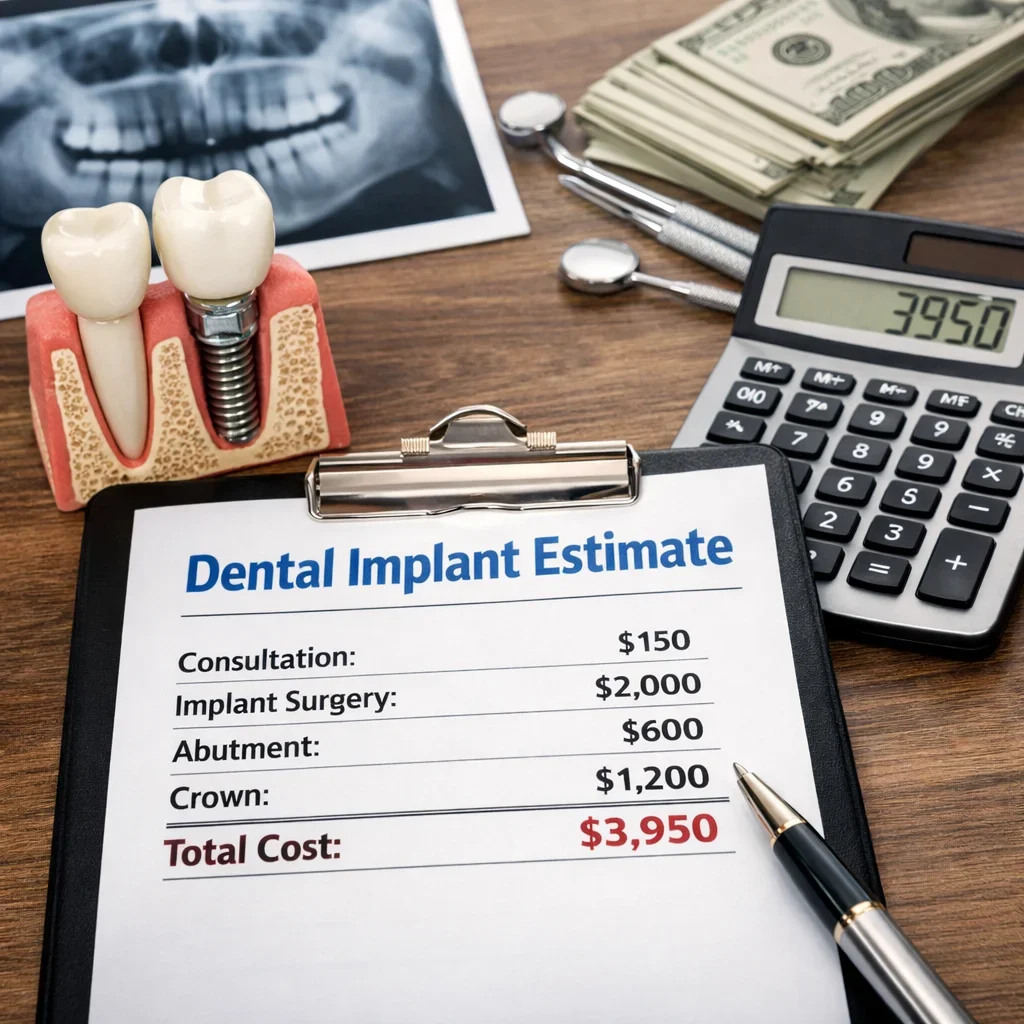
Questions to Ask Before Accepting a Dental Implant Estimate
Before agreeing to any treatment plan, patients should carefully review their dental implant estimate and ask the right questions. Dental implants are a long-term investment in oral health, and understanding every detail of the dental implant estimate helps ensure that patients receive safe, high-quality care. While many clinics provide a clear dental implant estimate, asking detailed questions allows patients to confirm exactly what services are included and whether the treatment plan is suitable for their needs.
A dental implant estimate typically covers multiple steps, including diagnostic imaging, surgical implant placement, restorative components, and follow-up appointments. However, the structure of a dental implant estimate may vary between clinics. Asking important questions during your consultation helps you understand the scope of treatment and prevents unexpected expenses later in the process.
Is the Dental Implant Estimate Fully Comprehensive?
One of the first questions patients should ask is whether the dental implant estimate includes every stage of treatment. Some estimates only include the implant placement procedure, while others include the abutment, crown, imaging, and follow-up visits. A comprehensive dental implant estimate should clearly outline each component involved in restoring the missing tooth.
Patients should request a detailed breakdown of the dental implant estimate to ensure they understand how the total cost is calculated. This breakdown typically includes consultation fees, imaging costs, surgical procedures, restorative components, and any additional treatments required for successful implant placement.
A clear and transparent dental implant estimate helps patients avoid unexpected charges and makes it easier to compare treatment options between clinics.
Example Breakdown of a Dental Implant Estimate
Consultation and Examination .............. $100 – $300
Diagnostic Imaging (X-rays / CBCT) ........ $100 – $400
Implant Surgery ........................... $1,000 – $3,000
Abutment Placement ........................ $300 – $600
Custom Dental Crown ....................... $800 – $2,000
Possible Additional Procedures ............ $300 – $2,500
This type of structured dental implant estimate allows patients to see exactly what procedures are included in the treatment plan.
Which Implant System Will Be Used?
Another important question patients should ask about their dental implant estimate is which implant system will be used. Dental implants are manufactured by different companies, and some brands have decades of clinical research supporting their success rates.
High-quality implant systems may slightly increase the dental implant estimate, but they often provide superior durability and long-term reliability. Patients should ask whether the clinic uses internationally recognized implant brands and whether the components included in the dental implant estimate are compatible with global dental standards.
Knowing the implant system used also helps patients understand the long-term maintenance and replacement options available if the restoration ever needs adjustment in the future.
Does the Dental Implant Estimate Include Additional Procedures?
Some patients require additional procedures before dental implants can be placed. These procedures may include bone grafting, sinus lifts, or periodontal treatment. Patients should ask whether these potential procedures are already included in the dental implant estimate or if they may be added later.
Understanding these possibilities helps patients prepare for the total cost of treatment. For example, if diagnostic scans reveal insufficient bone density, a bone graft may be required before implant placement. Including this procedure in the dental implant estimate ensures that patients have a realistic understanding of their treatment expenses.
A well-prepared dental implant estimate should clearly indicate whether additional procedures might become necessary during treatment.
What Happens If Additional Treatment Is Needed?
Patients should also ask how the dental clinic handles unexpected findings during treatment. For example, if a hidden infection or structural issue is discovered during surgery, the dental implant estimate may need to be adjusted. Knowing how the clinic communicates and manages such situations helps patients feel more confident about their treatment plan.
What Is the Expected Treatment Timeline?
Another critical question to ask about the dental implant estimate concerns the timeline of the procedure. Dental implant treatment usually occurs in stages, including consultation, surgery, healing, and final restoration placement. The complete process may take several months depending on the patient’s healing rate and whether additional procedures are required.
Patients should ask their dentist how long each stage will take and whether follow-up visits are included in the dental implant estimate. Understanding the timeline allows patients to plan their schedule and anticipate recovery periods between appointments.
A reliable dental implant estimate should clearly outline the treatment timeline so patients know what to expect during each phase of care.
What Aftercare and Follow-Up Are Included?
Long-term success is an important factor when evaluating a dental implant estimate. Patients should ask whether post-surgical care and follow-up visits are included in the estimate. Proper aftercare ensures that the implant integrates successfully with the jawbone and remains stable over time.
Follow-up appointments allow dentists to monitor healing, adjust the implant restoration if necessary, and ensure the surrounding gums remain healthy. Some clinics include these visits as part of the dental implant estimate, while others may charge separately.
Clarifying these details helps patients understand the full scope of care included in their dental implant estimate.
Are There Maintenance Recommendations?
Dentists often provide patients with maintenance guidelines to help preserve the implant restoration. These instructions may include regular dental checkups, professional cleanings, and daily oral hygiene practices. Maintaining good oral health ensures that the investment represented by the dental implant estimate continues to deliver benefits for many years.
Where Can Patients Get a Reliable Dental Implant Estimate?
Patients who want a trustworthy and personalized dental implant estimate should consult experienced dental professionals who specialize in implant dentistry. A comprehensive evaluation ensures that the treatment plan is tailored to the patient’s oral health needs and long-term goals.
Individuals interested in receiving a detailed dental implant estimate can schedule a consultation through the Redent Klinik Contact Page. Dental specialists can evaluate your oral condition and provide a customized treatment plan designed to restore both function and aesthetics.
For additional information about dental implants, oral health standards, and patient care recommendations, individuals may explore educational resources from the American Dental Association. These resources provide trusted guidance for patients considering implant treatment.
Ultimately, asking the right questions before accepting a dental implant estimate helps patients make confident and informed decisions. By understanding the procedures included, the materials used, and the long-term care requirements, patients can ensure that their dental implant estimate represents a reliable roadmap to restoring their smile and oral health.