
🦷 Dental implant health insurance is becoming an increasingly important topic as more people seek long-term solutions for missing teeth and oral health restoration. While dental implants offer unmatched durability and aesthetics compared to dentures or bridges, the cost can often be a major concern. That’s why understanding how dental implant health insurance works — what it covers, what it excludes, and how to maximize benefits — is essential for anyone planning this procedure. This comprehensive guide explains every aspect of dental implant coverage, ensuring you’re prepared both financially and medically before making a decision.
In essence, dental implant health insurance refers to a specific type of dental or health policy that helps cover the expenses associated with implant surgery, abutments, crowns, and related procedures. However, not all insurance plans include implant coverage, and even those that do often have strict limitations or waiting periods. Some policies only cover the diagnostic phase or part of the surgical procedure, leaving patients to pay a portion out-of-pocket. Understanding these nuances helps you avoid surprises and plan your treatment effectively. 💡
Implants are considered a restorative and cosmetic procedure, which is why many traditional health insurance plans exclude them. Nonetheless, certain dental insurance providers and premium plans are expanding coverage options in 2025 due to rising demand and improved awareness of oral health’s link to overall well-being. According to the American Dental Association, missing teeth can lead to bone loss, speech difficulties, and even digestion issues — all of which make implant procedures a medical necessity for many individuals.
Let’s explore how this works: when you purchase a dental insurance plan, you typically have several coverage tiers. Basic services (like cleanings and fillings) receive higher reimbursement, while major restorative services (such as crowns, bridges, and implants) are often covered at lower percentages or after a waiting period. For example, your policy might pay 50% of the implant crown but not the surgical implant post. Additionally, annual coverage caps—usually between $1,500 and $3,000—can affect your out-of-pocket expenses. This means even if your insurance “covers” implants, you may still be responsible for a substantial portion of the total cost. 🏥
Understanding pre-authorization is also vital. Many insurance providers require your dentist to submit treatment plans and X-rays before approving implant-related coverage. This step ensures the treatment is medically necessary and not purely cosmetic. Without pre-approval, you might face claim denials. To prevent that, always confirm coverage details with your insurance provider before starting the procedure. At Redent Klinik Contact Page, patients are guided through every step of the insurance and documentation process to ensure maximum benefit utilization and minimal financial stress.
In 2025, insurance companies are adapting to patients’ growing awareness of long-term oral health benefits. As implants can last 20 years or more, insurers now recognize their value compared to frequent denture replacements. A few premium health plans integrate dental implant health insurance as part of their comprehensive wellness programs. These may even cover bone grafting, 3D imaging, or sedation dentistry — treatments previously excluded from standard dental insurance.
However, one key point to remember is that health insurance and dental insurance are separate entities in most countries. Your regular health policy may only cover dental implants if tooth loss results from an accident, trauma, or a medically diagnosed condition such as oral cancer. Otherwise, dental implants are treated as elective restorative procedures. For this reason, it’s crucial to verify whether your coverage is classified under health or dental insurance. If you’re unsure, contact your insurance provider’s customer support for written documentation outlining implant-related benefits. 📋
Patients often ask whether it’s worth investing in a dedicated implant insurance plan. The answer depends on your oral health status and financial goals. If you’re planning multiple implants, full-arch restorations, or bone grafting, then yes—dedicated dental implant health insurance may save you thousands in the long run. Some insurers even offer loyalty-based reimbursement increases, meaning your coverage improves the longer you stay insured. On the other hand, if you only need one implant and already have a general dental policy, it might be more cost-effective to pay partially out-of-pocket or use third-party financing options.
To summarize, dental implant health insurance bridges the gap between expensive restorative care and accessible treatment. It helps patients preserve oral function, aesthetics, and confidence without overwhelming financial strain. Whether through a standalone dental plan or an enhanced health package, understanding your policy’s terms — including deductibles, co-pays, waiting periods, and exclusions — ensures you make the smartest decision for your smile. 😁
As dental technology advances and awareness grows, 2025 could be the turning point for millions of patients seeking better insurance inclusion for implants. By educating yourself and choosing a provider with transparent implant coverage, you can confidently restore your smile and maintain lifelong oral health.
What Is Dental Implant Health Insurance and How Does It Work?
Many people are surprised to learn that not all health or dental plans automatically cover the cost of implants. 🦷 Understanding dental implant health insurance is crucial before starting any treatment, especially since this type of procedure combines both medical and cosmetic benefits. In simple terms, dental implant health insurance refers to a specialized form of coverage that helps pay for implant surgery, abutments, crowns, and sometimes even related procedures like bone grafting or sinus lifts. Its purpose is to reduce the overall expense of restoring missing teeth while ensuring that the treatment meets medical necessity standards.
How Dental Implant Insurance Differs from Regular Health Coverage
Most people assume their standard health insurance will pay for all oral procedures. Unfortunately, that’s rarely the case. Traditional medical insurance typically focuses on treatments for illnesses, injuries, or conditions that affect general health. Dental implants, on the other hand, fall under a specialized category of restorative dentistry. This is where dental implant health insurance comes in — it bridges the gap between basic dental benefits and major surgical restorations. While a standard dental policy might pay for fillings or extractions, implant coverage often requires an upgraded or add-on plan. Some premium insurers even provide hybrid plans that merge health and dental benefits, offering partial reimbursements for implant-related costs.
Typical Coverage Structure of Dental Implant Health Insurance
Every dental implant health insurance policy has a unique structure, but most follow a similar pattern. Insurers divide services into three categories: preventive, basic, and major. Preventive services (like cleanings or exams) are often covered at 80–100%, while major services such as implants are usually covered at 40–60% after a waiting period. There is also a yearly maximum limit — typically between $1,500 and $3,000 — which can significantly affect how much you’ll actually save. 🏦
For example, if your dental implant procedure costs $4,000 and your policy covers 50% up to a maximum of $2,000, you’ll pay the remaining $2,000 out-of-pocket. While that might seem like a lot, it’s still a substantial reduction compared to paying the full amount without insurance. Some advanced insurance plans now include rollover benefits, allowing you to carry unused benefits from the previous year to the next, maximizing savings over time.
Pre-authorization and Claim Process
Before receiving approval, your dental provider usually needs to submit a treatment plan and X-rays to your insurance company. This process, called pre-authorization, helps confirm medical necessity and verifies whether the implant is needed due to disease, trauma, or tooth loss. If approved, you’ll receive a benefit statement outlining the exact coverage amounts and co-payment expectations. Failing to complete this step can lead to claim rejections, so always ensure your clinic submits accurate documentation in advance. At Redent Klinik Contact Page, patient coordinators help streamline this process to minimize claim issues and ensure maximum benefit use.
Conditions Under Which Health Insurance May Cover Dental Implants
In specific medical circumstances, general health insurance might cover implants partially or fully. For instance, if tooth loss occurs due to an accident, jaw injury, or illness (like oral cancer), implants can be classified as medically necessary. In such cases, dental implant health insurance integrates with your main health policy to provide cross-coverage benefits. However, cosmetic replacements, such as those done purely for appearance, usually aren’t covered. Knowing how your insurer classifies dental implants helps you anticipate out-of-pocket costs more accurately. 🩺
Waiting Periods and Policy Exclusions
One of the most overlooked details in dental implant health insurance policies is the waiting period. Many insurers require you to maintain the plan for six to twelve months before becoming eligible for major restorative services. Furthermore, some plans exclude pre-existing conditions or teeth lost before policy activation. These restrictions emphasize why it’s important to read your insurance contract thoroughly before scheduling an implant consultation. The American Dental Association recommends verifying exclusions and waiting periods in writing to avoid unexpected denials or billing surprises later.
Network Restrictions and Provider Choice
Another key factor influencing how dental implant health insurance works is whether your dentist is in-network. Insurers often partner with preferred providers who agree to discounted fee structures. Choosing an in-network dentist ensures you pay less overall because the negotiated rates are lower than standard private clinic fees. On the other hand, if your preferred clinic is out-of-network, you might need to pay upfront and submit claims manually for partial reimbursement. Patients who value flexibility and premium care often select PPO (Preferred Provider Organization) plans over HMO (Health Maintenance Organization) ones, since PPOs typically offer broader provider access. 🌐
Co-payments, Deductibles, and Annual Limits
Every insurance policy has its financial boundaries. Co-payments represent your share of each visit’s cost, while deductibles are the amount you must pay before your insurance starts contributing. For example, if your deductible is $500 and your implant procedure costs $3,500, your insurer will start paying only after you’ve paid the first $500. Similarly, annual maximums cap how much the insurer will reimburse in a single year. If your dental implant exceeds that limit, you’ll need to cover the remainder personally. Understanding these financial aspects ensures you can plan accordingly and avoid budget shocks mid-treatment.
Why Understanding Dental Implant Health Insurance Matters
Choosing the right dental implant health insurance isn’t just about saving money — it’s also about ensuring long-term oral health. Implants restore natural chewing ability, preserve jawbone structure, and prevent the shifting of adjacent teeth. Without proper coverage, many patients postpone treatment, which can lead to more expensive complications later. Comprehensive implant coverage enables early intervention, which not only protects your smile but also improves overall health outcomes. 🦷💬
How Dental Implant Health Insurance Benefits Long-Term Oral Health
In 2025, more insurers are realizing the preventive benefits of dental implants. By offering partial reimbursement, they encourage patients to choose durable, permanent solutions instead of temporary dentures. Over time, this approach lowers the risk of bone resorption, gum disease, and facial collapse associated with missing teeth. As a result, insurance companies that offer dedicated implant coverage see improved patient satisfaction and fewer long-term oral health claims. The integration of modern 3D imaging and digital record systems also allows for better claim verification and reduced processing delays. 📈
In summary, dental implant health insurance serves as a financial bridge between high-cost oral surgery and patient affordability. It ensures that essential restorative treatments remain within reach for those who prioritize both function and aesthetics. By understanding how coverage tiers, exclusions, and pre-authorization processes work, patients can make informed decisions and avoid hidden expenses. Whether you’re planning one implant or a full-mouth restoration, mastering the details of your insurance policy can save you significant money, time, and stress while safeguarding your smile for life. 😁
Why Most Health Insurance Plans Don’t Fully Cover Dental Implants
When it comes to dental implant health insurance, one of the most common questions patients ask is: “Why doesn’t my health insurance fully cover implants?” The short answer is that implants sit at the crossroads of medicine and cosmetics — a gray area for most insurers. Health insurance policies were originally designed to cover treatments that are medically necessary to maintain or restore bodily function. Because dental implants are often categorized as elective or cosmetic, insurers tend to exclude them from standard coverage. 🦷
The Historical Separation Between Medical and Dental Coverage
The primary reason most health insurance plans exclude implants is rooted in history. When dental and medical insurance systems were established decades ago, they were separated into two distinct entities. Medical insurance covered diseases, injuries, and surgeries related to vital organs, while dental insurance was considered supplemental — designed mainly for preventive care like cleanings and fillings. As a result, even though dental implants are medically beneficial, they’ve traditionally been labeled as cosmetic or non-essential by insurers. This classification continues to affect modern dental implant health insurance claims today. 🏥
How This Impacts Coverage in Modern Plans
Even in 2025, many insurance companies stick to this old framework. A typical health insurance policy may cover jaw surgery if it’s due to trauma or cancer but will exclude the cost of implant restoration afterward. Dental insurance, on the other hand, may only cover a portion of the crown or abutment, not the implant screw itself. This fragmented approach often leaves patients caught between medical and dental coverage, forcing them to pay thousands out of pocket. Understanding this separation helps patients set realistic expectations before starting their implant journey.
Cosmetic vs. Medical Classification of Implants
Insurers use strict definitions when deciding whether to approve a claim. If an implant procedure restores a missing tooth that was lost due to decay, aging, or gum disease, it’s typically classified as cosmetic. Conversely, if the tooth was lost in an accident, due to a congenital defect, or as part of a reconstructive treatment, then the procedure may qualify as medically necessary. The classification directly determines whether dental implant health insurance coverage applies. This is why documentation and pre-authorization from your dentist play a critical role in getting partial approval.
Insurance Definitions of “Medical Necessity”
Every insurer has its own definition of what constitutes medical necessity. Generally, if the implant restores basic oral function — such as chewing or speaking — it could be considered necessary. However, if it’s performed primarily to enhance aesthetics, insurers deny coverage. Patients who experience bone loss, facial deformation, or speech impairment due to missing teeth are more likely to receive partial reimbursement under a comprehensive dental implant health insurance plan.
High Cost and Risk Factor for Insurers
Dental implants are among the most expensive dental treatments available today, with costs ranging from $3,000 to $6,000 per implant in the U.S. Because implants involve multiple procedures — including surgery, abutment placement, and crown fitting — the total expense can exceed $20,000 for full-mouth restorations. From an insurer’s perspective, covering such high-cost procedures poses a financial risk. This is why many insurance companies either limit coverage amounts or introduce waiting periods and annual caps. 🩺
In 2025, the situation is slowly improving. Some forward-thinking insurance companies now offer add-on implant packages as part of their premium plans. These add-ons expand dental implant health insurance to include 30–60% reimbursement rates, depending on the policyholder’s history and loyalty period. The inclusion of digital pre-authorization and AI-based claim review systems also makes approvals faster and more accurate.
Annual Maximums and Benefit Caps
Most dental policies have an annual maximum benefit cap, usually between $1,500 and $3,000. Considering that a single implant may cost more than that, the insurer’s contribution often covers only a fraction of the total bill. Health insurance plans rarely include implants in their benefit caps, unless related to trauma or surgical reconstruction. This financial ceiling is another reason why patients seek specialized dental implant health insurance or supplemental coverage plans designed specifically for oral surgery.
Why High Annual Caps Are Still Rare
Raising coverage limits would require insurers to increase premiums significantly. Since not all members require implants, companies prefer to keep premiums lower to attract a wider customer base. This economic logic explains why even comprehensive dental insurance policies still fall short of covering implants fully. Instead, some insurers introduce dental savings plans or in-network discounts as partial compensation — a cost-effective middle ground for both sides.
Exclusions for Pre-existing Conditions
Many policies exclude implant procedures if tooth loss occurred before the policy was active. This is one of the most common frustrations among policyholders. For instance, if you lost a tooth two years before enrolling in your insurance plan, that tooth would likely be excluded from implant coverage. Such exclusions are standard clauses across most dental implant health insurance providers. Patients can avoid this pitfall by reading their contracts thoroughly and confirming coverage for pre-existing conditions in writing. 📜
The Role of Employer and Private Plans
Employer-sponsored insurance plans tend to offer broader benefits compared to individual plans, but they still rarely cover implants completely. Companies negotiate group rates that may include partial implant benefits to attract employees. Private insurance plans, meanwhile, give policyholders more flexibility to customize their coverage, often allowing them to add implant benefits for an additional premium. Understanding the distinction between these two types can help patients select the plan best aligned with their dental restoration goals.
How to Overcome Coverage Limitations
Even if your current policy doesn’t fully cover implants, there are ways to minimize costs. Some clinics, like Redent Klinik Contact Page, assist patients in navigating the insurance maze and identifying flexible financing or installment options. Others partner with insurers to develop bundled packages that merge preventive and restorative coverage. Additionally, you can combine insurance benefits with medical savings accounts (MSAs) or flexible spending accounts (FSAs) to offset out-of-pocket costs. 💰
Looking Toward the Future of Dental Implant Insurance
As dental technology advances and oral health awareness grows, the demand for broader coverage will continue to rise. Industry experts predict that future dental implant health insurance plans will integrate with health insurance, recognizing implants as essential medical care rather than elective procedures. By highlighting the connection between oral and systemic health, advocates and dental associations push insurers to reconsider outdated exclusions. The shift toward preventive healthcare may soon redefine how insurance companies assess the necessity and long-term benefits of dental implants — making comprehensive coverage the new norm by the end of the decade. 🌍
In conclusion, most health insurance plans don’t fully cover implants because of their high cost, historical classification as cosmetic procedures, and strict policy limitations. However, the growing acknowledgment of dental implants as essential to both oral and overall health is gradually changing this narrative. By understanding why current systems fall short, patients can make informed choices and seek dedicated dental implant health insurance to achieve lasting, affordable smiles. 😁
Top 5 Dental Insurance Companies That Cover Implants in 2025
Choosing the right insurance provider can make a major difference in how much you pay for dental implants. 🦷 With dental implant health insurance becoming a growing need, many insurers are updating their plans to include partial or even full coverage for implant procedures. In 2025, several companies stand out for offering transparent policies, broad coverage networks, and flexible financing options. This section explores the top five dental insurance companies that cover implants, helping you choose a provider that aligns with your oral health goals and budget.
1. Delta Dental — Comprehensive Implant Coverage for All Tiers
Delta Dental remains one of the most trusted names in the industry, offering flexible plans that include implant coverage even in their mid-level tiers. Their PPO Premium plan, for example, covers up to 50% of implant costs after a short waiting period of 6–12 months. Delta’s network includes over 150,000 dentists nationwide, giving patients the flexibility to choose in-network specialists who perform advanced procedures such as bone grafting and implant placement.
One of Delta’s standout features is its transparent pre-authorization process. Patients receive a written estimate of coverage before treatment begins, which helps prevent unexpected bills. This makes Delta Dental a top choice for anyone seeking reliable dental implant health insurance that offers a balance of affordability and accessibility. In addition, Delta often includes discounts for related services like X-rays, CT scans, and abutment placements — essential parts of implant procedures.
Why Delta Dental Leads the Market
Delta’s strength lies in its consistency and trust. Its coverage is available in nearly every U.S. state and it maintains one of the highest claim approval rates in the industry. For 2025, Delta Dental has expanded its implant benefits to include multi-stage procedures, which was a limitation in previous years. This improvement reflects the company’s commitment to addressing the increasing demand for inclusive dental implant health insurance.
2. Cigna Dental — Ideal for High-Cost Restorative Procedures
Cigna Dental is another leading insurer recognized for its customer-focused implant coverage. Cigna’s Dental 1500 and Dental 3000 plans cover 40–60% of the total implant cost after meeting deductibles. Unlike many competitors, Cigna imposes fewer exclusions on pre-existing tooth loss, making it a popular choice for older adults and those seeking comprehensive implant restorations. 🏥
In addition, Cigna provides global coverage through its international health network — an important advantage for patients seeking dental tourism options, including destinations like Turkey or Thailand. This global accessibility aligns well with patients exploring cost-effective implant procedures abroad while keeping their dental implant health insurance benefits active.
What Sets Cigna Apart
Cigna’s policies emphasize preventive care, reducing the risk of future tooth loss. Members also benefit from discounts on implant maintenance services like cleanings and checkups. The insurer’s 24/7 virtual dental consultations make it easy for patients to get advice about implant care, claims, and eligibility before undergoing any surgical procedure.
3. Aetna Dental — Best for Employer and Group Coverage
Aetna Dental is widely known for offering group dental plans that integrate seamlessly with employer-sponsored health packages. Its PPO and DMO plans include partial reimbursement for implant surgeries, abutments, and crowns. In 2025, Aetna introduced a new feature: “Implant Loyalty Benefits,” which increases coverage percentage the longer a member stays enrolled. After three years, policyholders may receive up to 70% coverage for major restorative procedures — a remarkable step toward more equitable dental implant health insurance access. 🌟
Network and Claim Efficiency
Aetna’s claim process is highly digitalized, meaning pre-authorization and reimbursements are often completed in under 10 days. The company also collaborates with leading dental clinics worldwide to facilitate cross-border treatment under specific plans. This approach makes Aetna an excellent option for frequent travelers and expatriates who want continuity in their dental care and insurance coverage.
4. Guardian Direct — Affordable Plans for Individual Policyholders
Guardian Direct focuses on affordability and transparency for individuals who don’t receive dental coverage from their employers. Their Dental Advantage Silver and Gold plans provide 50% reimbursement for implants after a 12-month waiting period. Guardian also allows policyholders to combine benefits with Health Savings Accounts (HSAs), helping manage out-of-pocket costs more efficiently. 💳
One of Guardian’s strengths is its straightforward claim process. Members can upload invoices and treatment documentation directly through the company’s mobile app. Additionally, Guardian collaborates with the American Dental Association to maintain high clinical standards for approved providers — giving patients peace of mind that their implant procedures are performed by certified professionals.
Why Guardian Direct Is a Smart Choice
For 2025, Guardian expanded its implant coverage to include post-operative care, maintenance visits, and implant-supported denture attachments. These benefits make the company’s plans ideal for people looking for a dependable yet cost-effective dental implant health insurance option without needing corporate coverage.
5. MetLife Dental — Best for Full-Mouth and Complex Restorations
MetLife Dental has earned its reputation by catering to patients who require extensive restorative dental work. Their High Option PPO plan covers implants at up to 60%, with additional reimbursements for diagnostic imaging, sinus lifts, and bone grafts. In 2025, MetLife introduced a new flexible implant rider that allows patients to customize their coverage limits based on treatment complexity and cost expectations. 🦷💼
MetLife also stands out for its nationwide network of implant specialists and its integration with major health insurance systems. This means patients can combine benefits from both medical and dental coverage in specific trauma-related cases. For anyone seeking premium-tier dental implant health insurance, MetLife’s adaptable plans and extensive support structure make it one of the top choices.
Additional Perks and Support
Beyond coverage, MetLife offers extensive post-surgery follow-up benefits, including free checkups during the first year after implant placement. The company’s mobile portal also provides real-time cost calculators to estimate co-pays, deductibles, and remaining coverage balance before treatment begins. This transparency reduces confusion and helps patients plan financially for their dental restoration journey.
Comparative Summary of Top Providers
Here’s a quick summary of the five leading dental implant health insurance providers in 2025:
- Delta Dental: Widest network and reliable 50% coverage after waiting period.
- Cigna Dental: Best for international coverage and minimal exclusions.
- Aetna Dental: Ideal for employer groups and loyalty-based benefit increases.
- Guardian Direct: Great for individuals seeking affordable coverage.
- MetLife Dental: Premium choice for full-mouth or complex implant restorations.
Each of these insurers offers unique advantages, but all share a common goal — making implants more accessible and affordable for patients worldwide. Whether you prioritize network size, premium cost, or comprehensive coverage, selecting the right provider ensures your dental implant health insurance works for you, not against you. 🌍
Before making a final decision, it’s wise to request personalized quotes and pre-authorization from at least two providers. You can also consult reputable clinics such as Redent Klinik Contact Page for assistance in comparing coverage details, understanding benefit caps, and identifying the best insurance for your treatment plan. By doing so, you’ll take an informed step toward achieving a healthy, confident smile backed by solid insurance support. 😁
How to Check If Your Current Health Insurance Covers Dental Implants
Before starting your implant journey, one of the smartest steps you can take is to verify whether your existing policy includes dental implant health insurance benefits. Many people assume their health or dental plan will automatically pay for implant surgery — only to discover late in the process that implants are excluded or partially covered. By checking early, you can prevent unpleasant financial surprises, plan your treatment timeline better, and explore supplementary coverage options if needed. 🦷
Step 1: Review Your Policy Documents Carefully
Every insurance policy outlines coverage limits, exclusions, and waiting periods in its documentation, often called the Summary of Benefits and Coverage (SBC). Start by locating this document through your insurer’s website or member portal. Once inside, look for sections labeled “Major Restorative Services” or “Implant Procedures.” If dental implant health insurance is explicitly mentioned, note the percentage of coverage and any annual caps.
Be aware that insurers may use indirect wording. Terms like “osseointegrated implants,” “surgical tooth replacement,” or “prosthodontic restorations” often refer to dental implants without naming them directly. If your policy uses such language, contact your provider’s customer support for clarification in writing. Getting written proof of coverage helps protect you from claim denials later. 📝
Key Terms to Look For
- Implant placement: The surgical insertion of the implant post into the jawbone.
- Abutment: The connector piece between the implant and crown.
- Implant-supported crown: The visible tooth restoration.
- Major restorative services: A category that often includes implants but may require higher-tier plans.
Step 2: Call Your Insurance Provider for Direct Confirmation
Once you’ve reviewed your plan, contact your insurance company directly. Most insurers have a specialized dental or health benefits department that can explain implant coverage in detail. When speaking with the representative, ask the following questions:
- Is dental implant health insurance included in my current plan?
- What percentage of the total implant cost does the policy cover?
- Are there any waiting periods, pre-authorization steps, or exclusions for pre-existing tooth loss?
- Does coverage include bone grafts, X-rays, or 3D imaging?
- What is the annual maximum benefit for dental procedures?
Request that the representative email or mail you a written confirmation of your coverage details. Documentation is critical because verbal explanations can be misinterpreted, and written evidence helps if disputes arise later. At Redent Klinik Contact Page, patient coordinators often assist clients in contacting insurers and obtaining written verification to prevent any misunderstanding before treatment begins.
Step 3: Check If Your Dentist Is In-Network
Insurance coverage amounts often depend on whether your dentist is in-network or out-of-network. Most dental implant health insurance plans use Preferred Provider Organization (PPO) networks, where participating dentists agree to provide services at discounted rates. If your dentist is out-of-network, you may need to pay upfront and file a claim later, which typically results in higher costs. To find in-network providers, log in to your insurer’s website or call the member services hotline. Selecting an in-network dentist can reduce implant expenses by 20–40%, depending on your plan. 🌐
Why In-Network Status Matters
In-network providers have pre-negotiated rates with insurance companies, meaning you’ll pay less for the same procedure. Furthermore, they’re familiar with the insurer’s claim process and codes, reducing the risk of paperwork errors or claim denials. For patients using dental implant health insurance, these savings can add up to thousands over the course of a multi-implant restoration.
Step 4: Understand the Role of Pre-Authorization
Before your implant surgery can be covered, most insurance companies require a process known as pre-authorization. This involves your dentist submitting detailed records — such as X-rays, CT scans, and a written treatment plan — to verify the medical necessity of the implant. Insurers then review this documentation and determine whether they’ll cover part or all of the procedure.
Failure to complete pre-authorization is one of the most common reasons for denied claims. Always confirm that your dental office has submitted all necessary paperwork and that your insurer has provided written approval. This ensures your dental implant health insurance benefits are applied correctly, and you’re not surprised by unexpected costs after treatment. 🩺
Step 5: Evaluate Your Deductibles, Co-Pays, and Annual Maximums
Understanding your plan’s financial structure is as important as knowing what’s covered. Your deductible is the amount you pay before insurance begins to contribute, while co-pays are fixed amounts due at each visit. Annual maximums cap the total amount your insurer will pay in a year, which can significantly impact major restorative work like implants.
For example, if your annual maximum is $2,000 and your implant procedure costs $4,000, your insurer might cover half — leaving you responsible for the remaining $2,000. In this case, combining insurance benefits with financing or a Health Savings Account (HSA) can be an effective way to manage the expense. Many patients also purchase supplemental dental implant health insurance plans to boost coverage beyond their standard maximums.
Step 6: Look for Implant-Specific Riders or Add-Ons
Some insurance companies offer implant-specific riders that can be added to existing dental or health policies. These riders increase coverage for implants, bone grafting, and other surgical restorations. Although they come at an additional premium, the cost is often justified if you’re planning multiple implants or full-mouth reconstruction. These add-ons make dental implant health insurance more flexible and customizable for individual needs.
Examples of Implant Riders
- Major restorative rider: Adds 50–60% coverage for implant crowns and abutments.
- Surgical enhancement rider: Includes sinus lifts and bone grafting coverage.
- Extended benefit rider: Raises annual caps and removes certain waiting periods.
Step 7: Consult With Your Dentist or Treatment Coordinator
Your dentist is often the best resource for understanding insurance limitations. Reputable clinics frequently work with multiple insurance providers and know how to navigate claim procedures effectively. At Redent Klinik Contact Page, coordinators analyze patient policies, calculate estimated reimbursements, and submit pre-authorization documents on your behalf — ensuring you receive the highest possible benefit from your dental implant health insurance.
Step 8: Verify Secondary or Supplemental Insurance Options
If your current plan offers limited implant coverage, consider purchasing a secondary or supplemental dental policy. These policies are specifically designed to fill the gap between what your main insurance pays and the total treatment cost. Many patients find that adding a secondary plan reduces their overall expenses significantly, especially for multi-implant or full-mouth restoration cases.
Step 9: Check for Medical-Dental Coordination of Benefits
Some medical conditions — such as jaw trauma, bone loss due to cancer, or congenital deformities — allow coordination between medical and dental insurance. In such cases, both plans can share the cost of implants, dramatically reducing your financial responsibility. Always ask your insurer whether your situation qualifies for coordination of benefits. This strategy maximizes your dental implant health insurance while minimizing personal expenses. 🏥
In conclusion, verifying your implant coverage is a vital step toward a stress-free treatment journey. By reviewing documents, confirming details with your provider, understanding network restrictions, and exploring supplemental options, you can make the most of your dental implant health insurance. Proper preparation ensures that your financial and medical expectations align — paving the way for a smooth, affordable, and confident smile restoration in 2025 and beyond. 😁
Step-by-Step Process to Claim Dental Implant Health Insurance
Successfully claiming your dental implant health insurance coverage requires careful preparation and understanding of your policy’s process. Implant procedures are often classified under “major restorative services,” which means that missing a single documentation step could lead to a denial or delay in reimbursement. 🦷 To avoid this, patients should follow a structured approach that ensures all requirements — from pre-authorization to final billing — are properly handled. Below is a complete step-by-step breakdown of how to file and maximize your dental implant insurance claim efficiently and confidently.
Step 1: Confirm Your Eligibility and Coverage Details
Before you begin treatment, verify that your insurance policy includes implant benefits. Review your Summary of Benefits or contact your insurance company’s dental division to ask whether dental implant health insurance applies to your plan. Ask specific questions like:
- What percentage of implant costs does my plan cover?
- Is there a waiting period before I can use implant coverage?
- Are bone grafts, X-rays, or CT scans included?
- Do I need pre-authorization for coverage approval?
Having these details in writing gives you clear expectations and helps prevent disputes. Most providers, such as Delta Dental and Cigna, now allow policyholders to download a “dental treatment estimator” through their online portal, offering real-time cost projections. 📑
Tip:
Keep a digital or printed copy of your insurance policy and correspondence emails. This documentation will be essential if you need to appeal a denied claim later. Remember, a well-prepared claim begins long before the actual surgery date.
Step 2: Get a Detailed Treatment Plan and Cost Estimate
Your dentist must prepare a written treatment plan that includes all necessary procedures — implant placement, abutment, and crown. This plan should outline each step, its cost, and the CDT (Current Dental Terminology) codes for each service. Insurers use these codes to evaluate the medical necessity and determine coverage eligibility. 💬
Make sure your dental provider is familiar with your insurer’s claim submission process. Some dental implant health insurance plans require electronic submission, while others accept mailed paper forms. Discuss these details in advance to prevent delays. Clinics like Redent Klinik Contact Page often assist patients in preparing itemized treatment plans tailored for insurance submission.
Example of Common CDT Codes:
- D6010 – Surgical placement of implant body.
- D6057 – Custom abutment fabrication.
- D6065 – Implant-supported porcelain crown.
Step 3: Submit a Pre-Authorization Request
Pre-authorization (also called pre-determination) is a crucial step in the dental implant health insurance claim process. It involves sending your treatment plan, X-rays, and supporting documents to your insurer before starting treatment. The insurance company reviews your case to decide whether the procedure qualifies for coverage.
After processing, you’ll receive a “Pre-Treatment Estimate” letter indicating how much the insurer will pay and what your financial responsibility will be. This estimate isn’t a guarantee of payment but serves as an essential guideline. Ensure that both you and your dentist retain a copy for future reference. 🏥
Important:
If your implant is medically necessary due to trauma, bone loss, or oral disease, ask your provider to include supporting diagnostic notes and X-rays. This documentation can strengthen your case for higher reimbursement rates.
Step 4: Begin Treatment After Approval
Once pre-authorization is approved, you can proceed with treatment. Most dental implant health insurance plans cover implants at 40–60% of the cost after deductibles. Some plans have annual or lifetime maximums, so scheduling multi-implant treatments across policy years can help maximize coverage. For example, completing half your implants in December and the rest in January may allow you to use two annual benefit cycles instead of one. 💡
Step 5: Collect and Review All Invoices
After the implant surgery, your dental office will issue detailed invoices. Verify that all services are itemized correctly with CDT codes matching your treatment plan. If the codes differ, contact your dentist immediately — incorrect coding is one of the most frequent causes of delayed or denied claims. 🧾
Submit your invoices along with the claim form and pre-authorization reference number. Many insurers allow electronic uploads through member portals, making the process faster and more secure. Always confirm receipt of your claim submission with your insurer to ensure it’s being processed.
Step 6: Track the Claim Processing Timeline
Insurance companies usually take 10–30 business days to review implant claims. During this period, they may request additional information such as surgical photos or diagnostic scans. Respond promptly to any inquiries to avoid delays. Some insurers provide online tracking tools where you can monitor the status of your dental implant health insurance claim in real time. 🕓
Pro Tip:
Mark important dates on your calendar: when the claim was submitted, when additional documents were sent, and the estimated response window. Organized record-keeping ensures smooth follow-up and faster resolution.
Step 7: Review the Explanation of Benefits (EOB)
Once the insurer processes your claim, you’ll receive an Explanation of Benefits (EOB). This document details the total treatment cost, how much the insurance covered, and what amount you owe. Carefully compare your EOB to your dentist’s invoice to confirm accuracy. If discrepancies appear — for example, missing implant components or reduced reimbursement — contact both your insurer and dental provider immediately.
In some cases, insurers may deny part of the claim due to missing data or misclassification. Don’t panic — denied claims can often be appealed successfully if you provide proper supporting evidence. At American Dental Association’s guidelines recommend submitting an appeal within 30 days of receiving a denial notice to ensure timely reconsideration.
Step 8: File an Appeal if Necessary
If your claim is denied or only partially approved, request a formal review. Prepare an appeal letter that includes your policy details, dentist’s notes, diagnostic images, and any supporting statements proving the medical necessity of your implant. Many dental implant health insurance appeals are overturned when proper medical documentation is provided. Having your dentist or oral surgeon write a supporting statement emphasizing the functional importance of the implant (chewing, speech, jawbone preservation) significantly increases approval chances.
Step 9: Reimbursement and Post-Treatment Documentation
Once your claim is approved, your insurer will either reimburse you directly or pay the dental office, depending on your plan type. Keep all receipts, payment records, and correspondence for tax and future claim purposes. If your plan includes maintenance coverage (such as annual implant cleanings or X-rays), schedule these visits to ensure your implant warranty and insurance benefits remain valid.
Final Recommendation
Always review your insurance updates annually, as coverage terms may change. Upgrading your plan or adding supplemental dental implant health insurance can improve future reimbursement rates and minimize unexpected expenses.
In conclusion, successfully claiming your implant insurance requires proactive planning, precise documentation, and consistent follow-up. By following this step-by-step process — from verifying coverage to reviewing EOBs — you can maximize your financial return and minimize stress. With the right preparation and support from your dental provider, your dental implant health insurance can turn what seems like an expensive procedure into an affordable, long-term investment in your oral health. 😁
Hidden Costs and Exclusions You Should Know Before Getting Implants
While dental implant health insurance can significantly reduce treatment expenses, many patients are surprised by hidden costs and exclusions that appear after the procedure begins. These financial gaps often arise from policy limitations, technical definitions, and non-covered services that are essential to successful implant restoration. Understanding these overlooked expenses in advance helps patients plan their budget more effectively and avoid unexpected financial stress. Let’s explore the most common hidden costs and exclusions that affect implant procedures in detail. 🦷💸
Understanding the Fine Print of Your Insurance Policy
Most dental implant health insurance policies categorize implant surgery as a “major restorative” procedure. However, insurers often define what parts of the treatment they’ll cover very narrowly. For example, the surgical placement of the titanium post might be covered, but the abutment and crown may not. Similarly, anesthesia, imaging, or bone grafting procedures might be excluded entirely.
Insurance companies rely on procedural codes called CDT codes to determine coverage eligibility. If your dentist uses a code that isn’t recognized by your policy, the insurer may deny the claim. This is why it’s essential to verify every detail of your treatment plan and confirm with your provider that the correct codes will be used before submission. 📋
Common Hidden Exclusions in Implant Coverage
- Diagnostic imaging fees: Advanced 3D scans or cone-beam CT scans are often necessary for precise implant placement but are not always reimbursed.
- Bone grafts and sinus lifts: If your jawbone lacks density, these preparatory surgeries are vital but frequently excluded from basic dental implant health insurance plans.
- Temporary restorations: Insurance may refuse to cover provisional crowns or bridges placed during healing.
- Anesthesia and sedation: Local anesthesia is typically included, but IV sedation or general anesthesia may require out-of-pocket payment.
- Post-treatment maintenance: Cleaning, screw tightening, or follow-up imaging might be excluded despite being critical for implant longevity.
The Role of Annual and Lifetime Maximums
Many dental policies have strict annual maximums—usually between $1,500 and $3,000—and lifetime caps for major restorations. Given that a single implant can cost $3,000–$6,000, your insurer’s contribution may only cover a fraction of the expense. Some dental implant health insurance policies also impose lifetime limits on the number of implants they’ll cover (e.g., two per lifetime), which can complicate full-mouth restoration cases.
To avoid reaching your maximum too quickly, consider spacing out treatments over multiple coverage years or supplementing with a dental savings plan. This approach allows you to maximize insurance benefits and minimize out-of-pocket costs over time. 🏥
Example Calculation:
Let’s say your implant procedure costs $5,000, and your insurance covers 50% up to a $2,000 annual maximum. You’d receive $2,000 in benefits but pay $3,000 personally. If you plan multiple implants, scheduling them strategically across calendar years can help use the annual limit twice — effectively doubling your benefit potential.
Pre-Existing Conditions and Waiting Periods
Most dental implant health insurance policies include waiting periods, typically between 6–12 months before major procedures become eligible. Additionally, pre-existing conditions such as missing teeth before your policy start date may not be covered at all. Insurers refer to this as a “missing tooth clause,” which states that if a tooth was already lost before enrollment, the policy won’t pay for its replacement.
This rule catches many patients off guard, especially those switching from one insurance provider to another. Always verify with your insurer whether the “missing tooth clause” applies to your plan. If it does, consider purchasing supplemental implant insurance or financing options to bridge the gap. 💡
Coverage Gaps for Specialist Fees and Lab Work
Implant treatment involves multiple professionals — including oral surgeons, periodontists, prosthodontists, and dental technicians. While your insurance might cover your primary dentist’s work, it may not extend to specialist or laboratory fees. For instance, custom abutments or zirconia crowns fabricated in specialized labs are often billed separately and excluded from reimbursement.
Discuss these potential costs with your dentist before beginning treatment. At Redent Klinik Contact Page, patients receive a transparent, itemized estimate that includes both clinical and laboratory costs, helping them understand exactly what’s covered and what isn’t under their dental implant health insurance policy.
Tip:
Ask whether your dental clinic offers in-house lab services. This can significantly reduce costs since in-house fabrication eliminates third-party lab markups, keeping overall expenses lower while maintaining quality.
Geographical Pricing Differences
The cost of dental implants varies by region, and some insurers set reimbursement rates based on average local prices. If your dentist’s fees exceed this “usual and customary rate,” you’ll be responsible for the difference. For example, treatment in metropolitan areas tends to be more expensive than in smaller towns. Unfortunately, dental implant health insurance typically reimburses based on the lower of the two amounts, not your dentist’s actual fee. 📊
To avoid this issue, request your insurer’s regional reimbursement chart and compare it with your dentist’s estimate. Doing so helps you predict any “balance billing” that may occur if the provider charges above the insurance standard rate.
Non-Covered Materials and Upgrades
Insurance companies often cover only the most basic implant materials. If you choose premium components — such as zirconia implants, titanium alloy upgrades, or all-ceramic crowns — you may be required to pay the difference. Additionally, certain aesthetic enhancements like gum contouring or pink porcelain for improved appearance are classified as cosmetic and excluded from dental implant health insurance benefits.
Managing Optional Upgrades
Discuss with your dentist whether these upgrades are necessary for long-term health or purely aesthetic. Sometimes, investing in higher-quality materials prevents complications, making the extra expense worthwhile even without insurance support. A reliable clinic will help you balance cost and durability while maintaining transparency about what’s covered. 🦷✨
Hidden Costs of Aftercare and Maintenance
After the implant procedure, regular follow-ups are critical for long-term success. However, aftercare costs such as professional cleaning, screw tightening, or X-rays are often billed separately. Most insurers view these visits as preventive services, which means they might not count toward implant coverage. Maintaining your implants properly is essential, and neglecting routine care can lead to complications not covered by dental implant health insurance.
Some advanced insurance plans are beginning to include annual maintenance allowances for implants, recognizing their medical value. If your plan doesn’t offer this yet, consider allocating part of your dental budget toward yearly implant care to extend the life of your investment. 🩺
Conclusion: Prepare Financially and Avoid Surprises
Hidden costs and exclusions can transform a planned budget into a financial burden if you aren’t well-prepared. By carefully reading your policy, asking the right questions, and confirming every step of the process, you can prevent surprises and fully leverage your dental implant health insurance. Always request itemized treatment estimates, verify pre-authorization requirements, and maintain open communication with both your insurer and dental provider. For expert assistance, clinics like Redent Klinik Contact Page can help you decode complex insurance language and plan accordingly. With the right preparation, your implant journey can be both affordable and stress-free, ensuring your smile remains strong, healthy, and beautiful for years to come. 😁
Comparing Dental Implant Health Insurance vs. Dental Discount Plans
When deciding how to finance your dental implant treatment, two popular options often emerge: dental implant health insurance and dental discount plans. Although they sound similar, these programs function very differently. Understanding the distinction between the two can save you thousands of dollars and prevent disappointment later in the treatment process. This section provides a comprehensive comparison, explaining how each option works, what benefits they offer, and which one suits your long-term oral health goals best. 🦷💰
What Is Dental Implant Health Insurance?
Dental implant health insurance is a structured policy that reimburses a portion of implant-related costs, such as the surgical placement, abutment, and crown. It functions similarly to standard health or dental insurance — you pay a monthly premium, meet a deductible, and then receive partial reimbursement after filing a claim. Coverage typically ranges from 40% to 60%, depending on your plan and provider. Policies often have annual maximums (around $1,500–$3,000) and may require waiting periods before implant coverage becomes active.
This type of insurance is ideal for patients seeking long-term protection and predictable financial assistance for major restorative dental care. While it may not cover every step of the process, dental implant health insurance ensures that essential portions of treatment — especially the surgical implant — are partially funded, significantly reducing out-of-pocket expenses.
What Are Dental Discount Plans?
Dental discount plans (sometimes called dental savings plans) are membership-based programs rather than insurance policies. You pay an annual or monthly fee and gain access to a network of dentists who agree to provide services at reduced rates. There’s no deductible, no claim process, and no waiting period. You simply show your discount card during the visit and receive the negotiated rate directly from the participating provider. 🏥
Discounts can range from 10% to 60% depending on the procedure. For example, if an implant normally costs $4,000, a participating provider may offer it for $2,800 under a discount plan. However, since there’s no reimbursement or coverage sharing, you must pay the entire amount at the time of service — just at a lower cost.
Key Characteristics of Dental Discount Plans
- No claim forms or reimbursements — discounts are immediate.
- No annual maximums or deductibles.
- No pre-authorization or eligibility restrictions.
- Available to all ages and pre-existing conditions.
- Discount percentages vary by dentist and location.
Comparing Costs: Insurance vs. Discount Plans
When it comes to costs, dental implant health insurance and discount plans serve different purposes. Insurance provides partial reimbursement but requires ongoing premiums, while discount plans lower the upfront cost but don’t involve claim payouts. Let’s break down the differences with an example. 💡
Example Cost Scenario:
Suppose your implant costs $4,000:
- With dental implant health insurance: You pay monthly premiums (say $40/month = $480/year) and a deductible of $200. The plan covers 50% of the procedure up to a $2,000 annual cap. You’d pay about $2,200 total ($480 + $200 deductible + $1,520 uncovered amount).
- With a dental discount plan: You pay an annual fee of $120, and your dentist offers a 30% discount, lowering the cost to $2,800. You pay this amount in full at the time of treatment — saving $1,200 upfront but without long-term coverage or protection for future work.
For patients needing a single implant, a discount plan may offer immediate savings. However, for those requiring multiple implants or ongoing restorative work, dental implant health insurance can be more cost-effective in the long run since it provides structured, recurring benefits year after year.
Coverage Scope and Limitations
Insurance plans generally cover implant surgery, abutments, and crowns, provided the procedure meets “medical necessity” criteria. Discount plans, on the other hand, offer price reductions across most implant-related services regardless of the reason for treatment. However, coverage reliability and savings depend heavily on network size and location.
One significant limitation of dental implant health insurance is the waiting period. Most policies require you to remain enrolled for six to twelve months before coverage for major restorative services begins. Discount plans, by contrast, are effective immediately — a major advantage for those seeking urgent treatment.
Flexibility and Provider Choice
Flexibility is another critical factor. Dental insurance plans usually have in-network providers who accept negotiated rates. Choosing an out-of-network provider can lead to reduced benefits or denied claims. Discount plans tend to have larger, more flexible networks — or even allow patients to see any participating dentist without pre-approval. 🌐
However, the quality of care and experience may vary between providers in discount networks. Before committing, always verify your dentist’s credentials and experience with implants. Clinics such as Redent Klinik Contact Page partner with both insurance and discount plan networks, ensuring that patients receive consistent care regardless of their payment method.
Tip for Choosing a Provider
Ask whether the clinic offers transparent cost breakdowns and whether discounts apply to all aspects of implant treatment — not just the surgical portion. Comprehensive clarity prevents surprises and helps you evaluate the true value of each option.
Long-Term Benefits and Financial Planning
Dental implant health insurance is designed for sustainability. It protects patients who anticipate future dental needs, such as multiple implants or other restorative work. In contrast, discount plans prioritize immediate affordability, making them suitable for individuals who want one-time treatment without recurring monthly costs.
Another difference lies in tax advantages. Premiums for dental insurance can sometimes be deducted as part of healthcare expenses, while discount plan fees typically cannot. Furthermore, insured patients can coordinate benefits through dual coverage (for example, between dental and health insurance) — a feature unavailable in discount programs.
Which Option Is Right for You?
Choosing between dental implant health insurance and a discount plan depends on your oral health goals, financial flexibility, and treatment timeline:
- Choose Dental Insurance if you expect multiple procedures, value long-term protection, and prefer structured reimbursement.
- Choose a Discount Plan if you want immediate affordability, have no pre-existing coverage, or need one or two implants quickly.
Hybrid Approach: Combining Both
Some patients combine both options to maximize savings. They use discount plans for immediate procedures while maintaining implant health insurance for future restorations or replacements. This hybrid strategy provides both short-term affordability and long-term coverage stability — an increasingly popular trend in 2025. 🩺
Conclusion: Make an Informed Financial Decision
Ultimately, both options serve valuable but distinct purposes. Dental implant health insurance provides structured financial protection and peace of mind, whereas dental discount plans offer fast, upfront savings without long-term commitments. The best approach depends on your individual situation — your oral health condition, budget, and how soon you plan to begin treatment. Consulting an experienced dental provider or insurance advisor can help you determine which plan aligns best with your goals. For personalized guidance and transparent cost assessments, reach out to Redent Klinik Contact Page today. With proper planning and informed choices, restoring your smile can be both affordable and worry-free. 😁
Tips to Maximize Your Dental Implant Health Insurance Benefits
Getting the most out of your dental implant health insurance requires more than just having a policy in place — it involves strategy, timing, and awareness. Many patients lose hundreds or even thousands of dollars in potential benefits simply because they fail to plan their treatments properly or misunderstand how insurance cycles work. In this detailed guide, we’ll explore professional tips and proven tactics that help you maximize every possible dollar of your coverage, avoid denials, and achieve the best long-term results for your smile. 🦷💎
1. Schedule Major Treatments Strategically Around Benefit Cycles
Most dental implant health insurance plans operate on a calendar year basis, resetting their annual maximums every January 1st. This timing provides an opportunity to split costly treatments into two benefit periods. For instance, you can have the surgical implant placed in December and the abutment and crown procedure completed in January, effectively doubling your eligible benefit within two months.
This method works especially well when annual caps are low (e.g., $1,500–$2,000). Spreading your procedures allows you to use your benefits more efficiently without exceeding policy limits. Talk to your dentist’s treatment coordinator early to design a schedule that aligns with your insurance year-end. 🗓️
Pro Tip:
If your plan has a fiscal year (not calendar-based), confirm your renewal month. Planning treatments just before and after your renewal date can yield similar savings.
2. Always Obtain Pre-Authorization Before Surgery
Pre-authorization (or pre-determination) is one of the most critical steps in ensuring your implant claim is approved. Insurers often require supporting evidence like panoramic X-rays, periodontal charts, or surgical notes to confirm medical necessity. By submitting these documents in advance, you give the insurer no reason to delay or reject your reimbursement.
Most dental implant health insurance providers respond to pre-authorization requests within 10–20 business days. Once approved, you’ll receive a written estimate outlining what percentage of each procedure is covered. This helps you budget effectively and prevents unexpected bills later. 🧾
Important Reminder:
Even after approval, keep all documentation — including your pre-authorization letter and diagnostic scans — as insurers may request them again during the final claim process.
3. Use In-Network Providers Whenever Possible
Insurance networks are designed to offer negotiated rates between providers and insurers. Choosing an in-network dentist ensures your procedures are billed at the lowest contracted rate. For dental implant health insurance, this could mean savings of 20–40% compared to out-of-network providers.
In addition, in-network dentists understand the insurer’s claim submission process, increasing the likelihood of faster reimbursements. Before booking your appointment, confirm the dentist’s participation directly with your insurer or search through their provider portal. Clinics like Redent Klinik Contact Page often assist patients in identifying network-compatible providers to simplify their experience. 🏥
4. Coordinate Benefits Between Multiple Plans
If you have dual coverage — for example, one plan through your employer and another through your spouse — you can coordinate both policies to minimize costs. The “primary” plan pays first, and the “secondary” plan covers part of the remaining balance. Proper coordination can significantly reduce your out-of-pocket expense and maximize the overall coverage from your dental implant health insurance.
Be sure to notify both insurers about your dual coverage. Provide them with each plan’s details so payments are processed in the correct order. Some patients also pair dental insurance with medical coverage if the implant is medically necessary, such as after jaw trauma or disease-related bone loss. 🩺
Example:
If your primary plan covers 50% of the implant cost and your secondary plan covers another 30%, your total out-of-pocket expense may drop to only 20%. Coordination of benefits can make expensive procedures far more affordable.
5. Use Health Savings Accounts (HSA) or Flexible Spending Accounts (FSA)
Even the best dental implant health insurance won’t cover 100% of the costs, but you can use pre-tax dollars through an HSA or FSA to pay the difference. These accounts let you set aside funds specifically for healthcare expenses, reducing your taxable income and saving you money during tax season.
Implant procedures — including consultations, X-rays, and bone grafting — are considered eligible medical expenses under most HSAs and FSAs. Combining these tax-advantaged accounts with your insurance coverage creates a powerful financial strategy for managing dental implant costs. 💰
Tip:
Always confirm your FSA’s “use it or lose it” deadline to ensure funds don’t expire at year-end. HSAs, however, allow balance rollovers indefinitely.
6. Track and Review Your Explanation of Benefits (EOB)
Each time your insurance processes a claim, they issue an Explanation of Benefits (EOB) that outlines what was billed, how much was covered, and what portion remains your responsibility. Many patients ignore these documents — a costly mistake. By carefully reviewing your EOBs, you can identify billing errors, missed codes, or underpaid claims.
If something looks incorrect, contact both your insurer and your dentist’s billing office for clarification. Mistakes in procedure coding are among the top reasons for claim underpayment in dental implant health insurance claims. A quick review could recover hundreds of dollars that would otherwise go unnoticed. 🧐
7. Time Additional Procedures for Maximum Value
Implant treatments often require multiple stages — extraction, bone grafting, and implant placement. Scheduling these steps within or around your policy’s renewal period allows you to apply new benefit caps strategically. For example, if your plan covers 50% of implant surgery, having a bone graft late in the year and the implant placed early the next year enables you to claim maximum reimbursement twice. ⏰
Discuss these scheduling opportunities with your dentist to align the clinical timeline with your benefit structure. A small adjustment in appointment timing can result in significant financial savings.
8. Keep Detailed Records of All Communications
Insurance disputes can arise months after treatment, especially when policies change or claim systems update. Maintain organized records of every phone call, letter, and email between you, your insurer, and your dental office. Keep copies of pre-authorization letters, EOBs, and invoices in both digital and paper form. 🗃️
This documentation becomes invaluable if you ever need to appeal a denied claim or request reimbursement. Many successful appeals are supported by clear, timestamped evidence that the patient fulfilled all insurance requirements under their dental implant health insurance policy.
9. Stay Informed About Policy Updates
Insurance providers often update their coverage terms annually, introducing new benefits or modifying existing ones. Always review your renewal documents carefully to check for new implant-related coverage or changed exclusions. Some insurers now include implant maintenance visits or cover more advanced materials like zirconia — a welcome upgrade for policyholders. 🔍
Contact your insurer’s customer support or browse their online policy summary at least once a year. This ensures you’re not missing out on enhanced benefits available under your dental implant health insurance plan.
10. Partner With a Knowledgeable Dental Team
Finally, work with an experienced dental team that understands how to navigate insurance systems efficiently. A knowledgeable clinic will not only provide top-quality care but also help you handle pre-authorizations, claims, and appeals correctly. At Redent Klinik Contact Page, patient coordinators specialize in maximizing insurance utilization, ensuring you receive the highest possible reimbursement for your implant treatments. 🤝
Conclusion: Make Every Dollar Count
Maximizing your dental implant health insurance isn’t about luck — it’s about strategy, organization, and communication. By planning your treatments around benefit cycles, using in-network providers, coordinating multiple coverages, and tracking every document, you can turn a complex insurance system into a powerful financial ally. Combine these tips with the guidance of your dental team, and you’ll not only save money but also enjoy a smoother, stress-free implant experience. 🦷💼
For personalized assistance in navigating your coverage or scheduling treatments that align with your policy terms, contact Redent Klinik Contact Page today. With expert help, you can unlock the full potential of your dental implant health insurance and invest confidently in a lasting, healthy smile. 😁
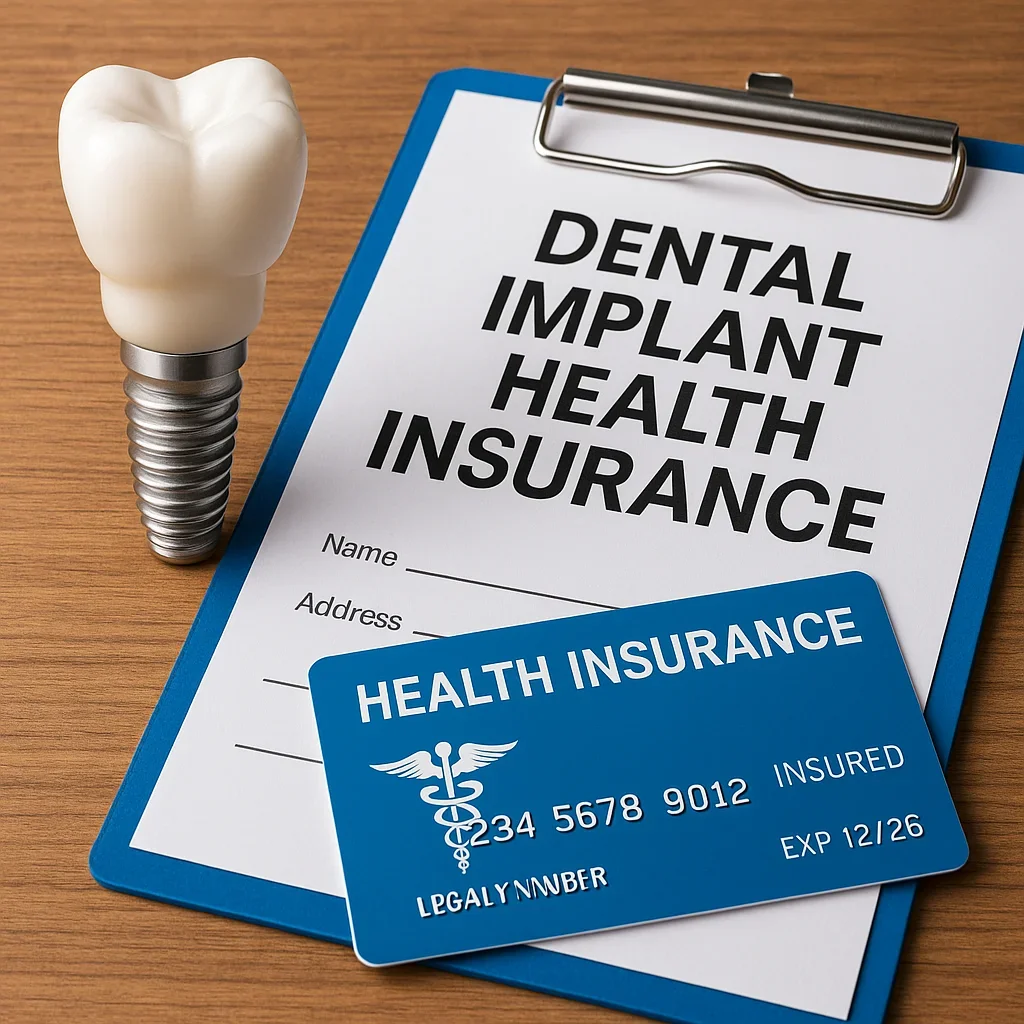
Future of Dental Implant Health Insurance: Trends and Innovations
The world of dental implant health insurance is rapidly evolving. With new technologies, changing patient expectations, and increasing recognition of oral health as a vital part of overall wellness, insurance providers are modernizing their coverage models to better serve patients. From AI-driven claim systems to preventive coverage expansion, the future holds exciting developments that will make implant procedures more accessible and affordable. In this section, we’ll explore the top trends, innovations, and global shifts shaping the next generation of dental implant insurance. 🦷🚀
1. Integration of Dental and General Health Insurance
Historically, dental and medical insurances operated separately, creating confusion for patients who needed coverage for procedures overlapping both areas. However, a growing number of insurers now integrate dental benefits within broader healthcare plans. This means that conditions such as bone loss, infection, or trauma that require implants can be covered under medical necessity clauses.
This holistic model treats oral health as part of overall wellness, ensuring more comprehensive financial protection. By 2030, analysts expect that more than 40% of dental implant health insurance policies will include hybrid medical-dental coordination — allowing seamless claim processing and reducing patient paperwork. 🏥
Example:
If you lose a tooth due to an accident or osteoporosis, your medical plan could cover the surgical component while your dental insurance covers the restoration, dramatically lowering total out-of-pocket costs. This cross-coverage system is already being implemented by providers like Aetna, Blue Cross, and UnitedHealthcare in select markets.
2. Artificial Intelligence and Automated Claim Systems
Automation is transforming the insurance sector, and dental implant health insurance is no exception. Artificial Intelligence (AI) and machine learning algorithms are now used to process pre-authorization requests, verify eligibility, and detect claim discrepancies in real time. This reduces processing time from weeks to days — sometimes even minutes. ⏱️
AI-driven platforms also improve accuracy by analyzing millions of claim records to identify patterns of valid and invalid submissions. This minimizes human error, ensures fair reimbursements, and provides faster feedback to both patients and clinics. The American Dental Association has endorsed AI-powered systems as a means to improve efficiency, lower administrative costs, and increase patient satisfaction in the insurance process.
How It Helps Patients
- Faster pre-authorization approvals for implant surgeries.
- Instant claim tracking via mobile apps.
- Reduced chances of wrongful denials due to human error.
- More transparent cost breakdowns and treatment estimates.
3. Personalized Coverage Plans Using Predictive Analytics
The next frontier in dental implant health insurance lies in personalization. Insurers are beginning to use predictive analytics to assess individual oral health risks, genetic predispositions, and lifestyle factors. This enables the creation of customized coverage plans that reflect each patient’s unique needs. For example, someone with a history of periodontal disease might qualify for enhanced implant coverage or preventive maintenance packages.
These “smart policies” will eventually reduce premiums for low-risk patients while rewarding preventive care. In other words, maintaining excellent oral hygiene and attending regular checkups could directly lower your insurance costs. 🧠💡
Potential Benefits:
- Dynamic premiums that adjust based on oral health status.
- Preventive care incentives (e.g., free cleanings, implant maintenance coverage).
- Higher reimbursement rates for patients who follow oral hygiene programs.
4. Expansion of Preventive and Maintenance Coverage
Traditionally, most dental implant health insurance policies focus solely on covering the surgery and prosthetic components. However, modern plans are starting to include preventive maintenance benefits — such as professional implant cleaning, occlusion adjustments, and early intervention for peri-implantitis. These services are essential to preserving the long-term success of implants and reducing costly replacements.
This shift from “reactive” to “preventive” insurance models mirrors what we’ve already seen in medical care. It recognizes that prevention is not only healthier but also more cost-effective for both patients and insurers. 🌿
Industry Example:
Some forward-thinking European insurers now offer “implant lifetime maintenance” programs that provide partial coverage for cleanings and repairs as long as the patient attends regular dental checkups. This trend is expected to expand globally within the next five years.
5. Blockchain for Transparent Claim Management
Blockchain technology is emerging as a powerful tool to make dental implant health insurance more transparent and tamper-proof. Every claim transaction can be recorded securely on a decentralized ledger, ensuring that both clinics and patients can verify data accuracy instantly.
This technology eliminates duplicate claims, accelerates reimbursements, and enhances trust between all parties. Blockchain also allows direct patient-to-provider payment verification, cutting down the need for third-party intermediaries and reducing administrative costs. 🔗
Blockchain Advantages:
- Increased transparency and fraud prevention.
- Faster claim settlement with smart contracts.
- Immutable storage of patient treatment history.
6. Tele-Dentistry and Virtual Consultations in Coverage
As telemedicine gains global traction, dental insurers are incorporating virtual consultations into their plans. This allows patients to discuss treatment plans, get second opinions, or perform implant follow-ups remotely. For dental implant health insurance holders, this means better access to expert opinions without additional cost or travel.
Tele-dentistry also benefits insurers by lowering diagnostic expenses and improving compliance with pre-authorization procedures. Many global providers now reimburse video consultations at the same rate as in-person visits — a major step toward convenience and accessibility. 📱
Patient Advantages:
- Immediate access to dental specialists for implant assessments.
- Reduced travel costs and appointment wait times.
- Faster decision-making for insurance approvals.
7. Global Coverage and Cross-Border Treatment Options
The globalization of healthcare is making international dental travel more common. Insurance companies are responding by introducing cross-border implant coverage for patients who choose to receive treatment abroad. This is especially beneficial for individuals seeking affordable, high-quality care in destinations like Turkey, Hungary, or Mexico — where dental tourism is thriving. 🌍
Some dental implant health insurance providers now collaborate directly with accredited international clinics, ensuring that patients receive consistent care and fair reimbursements. These global policies often include post-treatment checkups, warranty extensions, and translation support for documentation.
Note:
If you’re considering dental tourism, confirm that your insurer recognizes the clinic and the country’s licensing standards. Clinics like Redent Klinik Contact Page already partner with international insurers to simplify claim processes for global patients.
8. Eco-Friendly and Sustainable Dental Care Incentives
Another emerging trend in dental implant health insurance is the inclusion of sustainability incentives. Insurers are beginning to reward clinics that follow environmentally responsible practices, such as reducing plastic waste, using digital X-rays instead of film, or sourcing eco-friendly implant materials. 🌱
Patients may also receive small premium discounts or loyalty points for selecting green-certified clinics. This approach aligns with the growing demand for sustainable healthcare and reflects a broader societal shift toward environmental awareness.
9. The Rise of Subscription-Based Implant Coverage
Subscription models are replacing traditional insurance structures in many industries — and dentistry is next. Some companies now offer monthly or annual membership programs that act as simplified versions of dental implant health insurance. These subscriptions provide predictable costs, direct access to participating clinics, and built-in preventive care benefits without complex claim systems.
Unlike conventional insurance, these memberships often include unlimited consultations, X-rays, and even partial implant coverage within one fixed monthly fee. While not a perfect substitute for comprehensive insurance, subscription plans appeal to younger patients seeking transparency and flexibility. 💳
10. Conclusion: A Smarter, More Accessible Future
The future of dental implant health insurance promises to be more inclusive, technology-driven, and patient-centered. From AI-powered claim systems to preventive maintenance coverage and global access, these innovations are redefining how patients manage the cost and quality of implant treatments. The convergence of technology and oral healthcare will make implants not only more affordable but also more sustainable and convenient for everyone. ✨
To stay ahead of these trends and ensure you’re making the most informed decisions, consult your dental provider or reach out to trusted experts at Redent Klinik Contact Page. The coming years will bring new opportunities to combine modern care, financial flexibility, and long-term oral wellness — transforming the way the world views and uses dental implant health insurance. 😁