
Getting the smile you deserve shouldn’t feel like an impossible dream 😊. Many people delay dental implants because they fear the expense, yet with the right dental implant help with cost, achieving a confident, healthy smile can be more affordable than ever. In this comprehensive guide, we’ll explore how to make dental implants accessible, break down what influences their price, and reveal practical strategies to minimize costs while maintaining top quality.
Dental implants have revolutionized modern dentistry. Unlike removable dentures or bridges, implants offer a permanent and natural-looking solution for missing teeth. They restore not only appearance but also full functionality—allowing you to chew, speak, and smile with total confidence. However, the initial investment can be a concern for many patients. That’s where understanding how to find dental implant help with cost becomes essential.
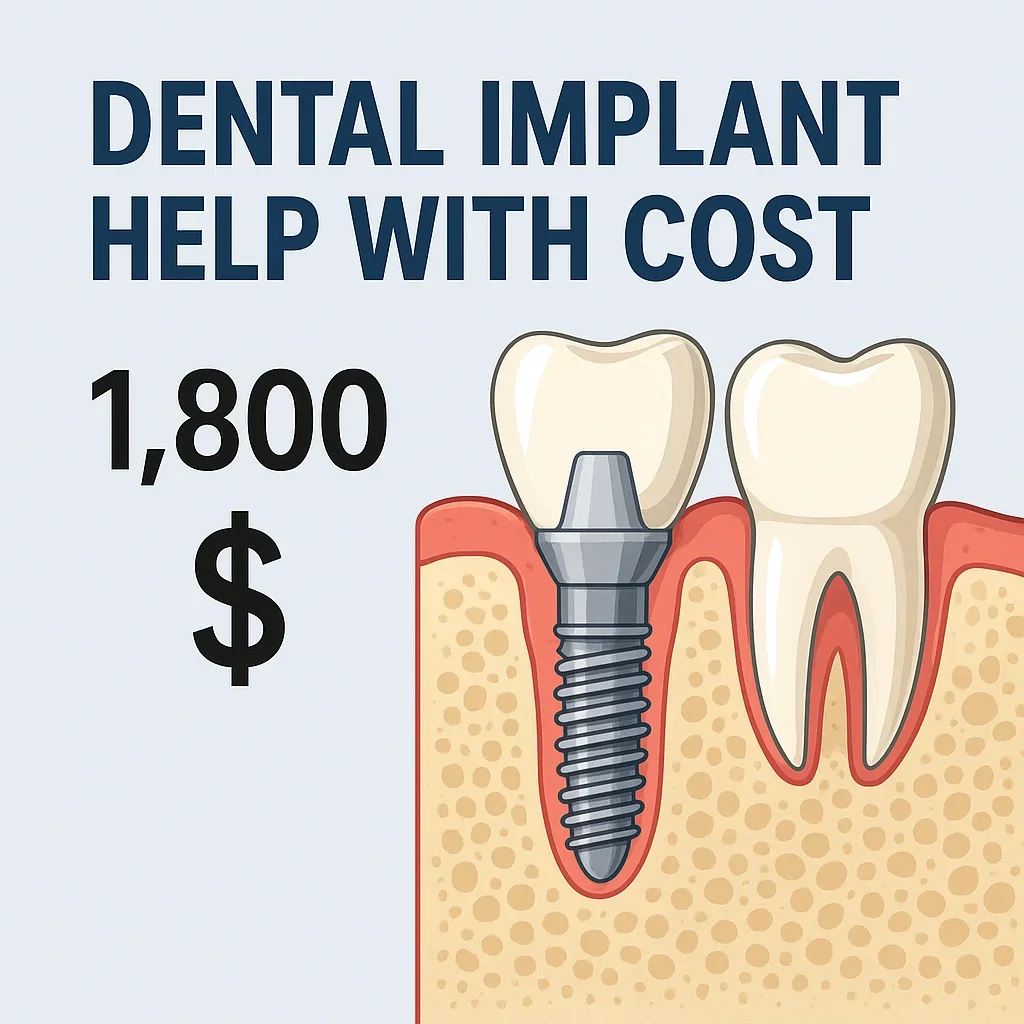
On average, a single dental implant in the U.S. can cost anywhere from $3,000 to $5,000, depending on factors like bone density, material quality, and clinic location. This price often includes the implant post, abutment, and crown. While the numbers may sound high, it’s crucial to look beyond the upfront cost and consider the long-term value. Implants can last 20 years or more—often a lifetime—making them one of the best dental investments for overall health and aesthetics. According to the American Dental Association, dental implants have a success rate of over 95%, proving their reliability and value.
Let’s talk about what makes implants so beneficial 💡. First, they preserve bone health by stimulating the jawbone, which prevents bone loss that typically follows tooth extraction. This structural stability not only supports your face shape but also keeps adjacent teeth from shifting. Secondly, implants offer unmatched comfort. They feel and function like natural teeth, with no slipping or irritation common in removable dentures. Thirdly, they promote better oral hygiene—since implants don’t rely on neighboring teeth for support, your natural teeth remain intact and strong.
Still, even with these long-term advantages, affordability remains a major concern for most patients. That’s why clinics worldwide, including Redent Klinik Contact Page, offer tailored payment plans, free consultations, and cost assessments. When seeking dental implant help with cost, patients often discover that flexible financing, insurance coverage, or even government aid programs can significantly reduce the burden.
For instance, dental discount plans and in-house membership programs can cut costs by 20–40%. Some nonprofit organizations also provide partial funding for low-income patients who need dental implants to improve health and employability. Furthermore, countries known for high-quality yet affordable dental care—such as Turkey, Hungary, and Mexico—have become leading destinations for dental tourism. Patients can receive premium implants and save up to 70% compared to U.S. prices, including travel expenses ✈️.
Another crucial factor in managing costs is understanding the different types of implants and materials. Titanium implants are the most common and durable, but zirconia implants—though slightly more expensive—offer a metal-free, aesthetic option for sensitive patients. By consulting with a reputable dentist, you can determine which type suits your medical needs and financial situation best. Additionally, mini dental implants or all-on-four procedures can be more budget-friendly for those who need multiple teeth replaced.
When searching online for dental implant help with cost, focus on transparent clinics that provide detailed breakdowns of every component—from diagnostics and surgical fees to crown fabrication. Beware of “too good to be true” prices, as low-cost providers sometimes cut corners on sterilization, materials, or follow-up care. The key is to balance affordability with trust, ensuring your investment truly lasts.
To summarize, dental implant help with cost is not just about finding the cheapest option—it’s about finding a sustainable path toward oral health, confidence, and functionality. Whether through financing programs, insurance assistance, or global dental care opportunities, affordable solutions do exist. The journey begins by gathering accurate information, comparing providers, and consulting specialists who care about both your smile and your budget 🦷.
By the end of this guide, you’ll have a clear understanding of how to manage expenses effectively without compromising quality. Dental implants are more than a cosmetic procedure—they’re an investment in self-esteem, nutrition, and long-term health. With the right dental implant help with cost, your dream smile is closer and more achievable than ever before.
Why Dental Implants Are Worth the Investment
For anyone exploring dental implant help with cost, understanding the true value of implants is essential. While dental implants can seem like a large upfront expense, they offer exceptional long-term benefits for oral health, appearance, and confidence. When compared with bridges or dentures, implants often stand out as the most cost-effective solution over time. They aren’t simply about aesthetics — they’re about restoring full mouth functionality, preventing future oral issues, and improving quality of life 💎.
Durability and Long-Term Value
Unlike other tooth replacement options, dental implants are designed to last decades, sometimes even a lifetime. The implant post — typically made from titanium or zirconia — fuses directly with the jawbone in a process called osseointegration. This biological bonding gives the implant the same strength and stability as a natural tooth root. As a result, patients can chew comfortably, speak clearly, and smile confidently for many years without worrying about replacements or adjustments.
In contrast, dentures and bridges usually need replacing every 5–10 years, which means recurring costs. When you add up those replacements, the total expenditure can exceed the one-time price of an implant. This is why patients who seek dental implant help with cost are often advised to consider implants as a long-term investment rather than a short-term expense.
Health Benefits That Save Money Over Time
Beyond their durability, implants play a crucial role in maintaining oral and general health. After tooth loss, the jawbone begins to deteriorate due to lack of stimulation. This bone loss can lead to changes in facial structure, sagging cheeks, and misaligned bites. Dental implants prevent this by acting as artificial roots that stimulate bone tissue — keeping your facial structure intact and healthy 💪.
By preserving bone density, implants also help maintain the integrity of surrounding teeth. Traditional bridges require grinding down healthy neighboring teeth for support, which can weaken them over time. Implants eliminate that risk entirely. Therefore, those who invest in implants often spend far less on future dental repairs or orthodontic adjustments.
Comfort and Functionality That Improve Daily Life
People often underestimate how much tooth loss affects everyday comfort and confidence. Dentures can slip, click, or irritate gums, causing embarrassment during conversations or meals. In contrast, implants feel completely natural. They don’t shift or need adhesives, allowing patients to eat, laugh, and talk freely. This improvement in comfort directly enhances mental and social well-being, which is a priceless benefit in itself 😊.
Better Nutrition, Better Health
Chewing efficiency is another overlooked advantage. With implants, you can enjoy crunchy fruits, vegetables, nuts, and proteins — foods often avoided with dentures. This leads to better nutrition, which contributes to improved digestion, stronger immunity, and even cardiovascular health. Over time, healthier eating habits can reduce medical costs, another indirect form of dental implant help with cost.
Aesthetic and Psychological Value
Dental implants don’t just restore function — they restore confidence. The ability to smile without hesitation can dramatically improve mental health and professional opportunities. Patients often report feeling younger and more self-assured after their implant procedure. In today’s world, confidence and appearance can influence social and career success, which adds yet another layer to the investment value of implants.
Cost vs. Quality: The Importance of Choosing Wisely
One of the most important lessons when seeking dental implant help with cost is that cheaper is not always better. Low-cost providers may use inferior materials or skip crucial diagnostic imaging like 3D scans, leading to complications or implant failure. These issues can double your expenses in the long run. Always verify that your clinic uses certified materials and experienced implantologists. Trusted centers such as Redent Klinik Contact Page provide transparent cost estimates, advanced imaging, and customized treatment plans that ensure both affordability and safety.
Global Perspective: Dental Tourism and Cost Efficiency
Countries like Turkey, Hungary, and Thailand have become leaders in offering affordable, high-quality implants. For example, getting dental implants abroad can cost between $800–$1,500 per tooth including accommodation and consultation — a fraction of the U.S. average. However, it’s vital to research clinics thoroughly and check for international accreditations and patient reviews. Many global clinics work under strict standards guided by organizations such as the American Dental Association, ensuring consistent quality worldwide.
Return on Investment: Health and Confidence Pay Off
Think of implants not just as a purchase but as a transformation. They restore your ability to chew properly, protect bone structure, and preserve your smile’s natural beauty. The cumulative benefits—reduced dental maintenance, improved health, and greater self-esteem—make implants one of the smartest medical investments available today. Even if the upfront cost seems high, the lifetime of value you receive makes it worthwhile.
In conclusion, understanding why dental implants are worth the investment is key to making informed financial decisions. Through reliable dental implant help with cost, patients can access various programs, financing plans, and global options to make treatment affordable. With the right guidance, a beautiful, lasting smile doesn’t have to remain out of reach—it can become an achievable, life-changing reality 🌟.
Understanding the True Cost of Dental Implants
Before you can fully benefit from dental implant help with cost, it’s essential to understand what actually contributes to the price of a dental implant. Many patients assume the cost is limited to the implant post and crown, but in reality, several components and professional services influence the total expense. By breaking down these factors, you can make more informed decisions and better plan your treatment budget 🦷.
Main Components That Determine the Total Cost
Each dental implant procedure is tailored to individual needs. The total cost depends on various clinical and non-clinical factors that ensure long-term success. Let’s explore the core elements that shape your final bill:
1. Diagnostic Imaging and Consultation
Before placing implants, dentists use advanced imaging technologies such as panoramic X-rays or 3D cone-beam CT scans. These help evaluate bone density, nerve location, and gum health. The imaging process ensures precision and safety but can add $200–$500 to the total cost. However, skipping this step increases the risk of implant failure—something no patient should risk for a lower price.
2. Surgical Materials and Implant Components
The implant itself consists of three parts: the titanium or zirconia post, the abutment (connector), and the crown (visible tooth). Each component has its own price, often based on brand reputation and quality. Premium materials offer higher biocompatibility and durability. Therefore, patients seeking dental implant help with cost should ask clinics for a detailed list of materials and warranties provided for each part.
3. Dentist Expertise and Facility Standards
The experience level of the implantologist greatly affects pricing. Highly skilled dentists with specialized training may charge more, but their success rates are typically higher. Accredited facilities that follow sterilization and international safety standards also tend to be slightly more expensive. Yet, this investment ensures that your implant remains secure and infection-free long-term 💪.
4. Geographic Location and Clinic Overheads
Location is a surprisingly large cost factor. A dental implant procedure in a metropolitan city like New York or London can be double the price of the same treatment in smaller towns or abroad. This difference is due to clinic overheads, local labor costs, and market competition. That’s why many patients explore medical tourism options to find dental implant help with cost that fits their budget without compromising quality.
Hidden or Additional Costs You Should Know
While most clinics advertise a base price, there are sometimes hidden expenses that can increase the overall bill. Being aware of these ensures transparency when planning your dental implant journey:
- Bone grafting or sinus lift: If your jawbone lacks volume or density, additional surgery may be needed to support the implant. This can cost anywhere from $400 to $2,000.
- Temporary crowns or dentures: Some clinics provide temporary restorations while the implant heals. This may add a few hundred dollars to your total.
- Follow-up visits and maintenance: Post-surgery checkups and cleanings, though relatively affordable, are often not included in the initial quote.
For accurate budgeting, always request an itemized quote that includes all these elements. Reliable clinics such as Redent Klinik Contact Page provide clear, upfront pricing to help patients manage expectations and avoid surprises later on.
Insurance and Financing Breakdown
Dental insurance coverage for implants varies greatly by region and provider. Some plans may cover only part of the procedure (like the crown or diagnostics), while others exclude implants entirely, categorizing them as “cosmetic.” However, new financing options are making implants increasingly accessible. Many clinics now offer monthly payment plans or zero-interest loans for qualified patients.
Third-Party Financing Options
Services such as CareCredit, Sunbit, or in-house dental membership programs can significantly ease the burden. These systems allow patients to pay over 6–24 months with minimal or no interest. This is one of the most practical ways to obtain dental implant help with cost for individuals without comprehensive insurance coverage.
Global Comparison: How Prices Differ by Country
For a clearer picture, here’s an approximate comparison of dental implant prices by region (as of 2025):
| Country | Average Cost per Implant | Notes |
|---|---|---|
| USA | $3,000 – $5,000 | Highest due to labor and overhead costs |
| United Kingdom | £2,000 – £3,000 | Moderate cost, excellent safety standards |
| Turkey | $800 – $1,500 | Popular destination for affordable implants |
| Hungary | €900 – €1,800 | Strong reputation for dental tourism |
This comparison shows that even though costs vary, patients everywhere can find appropriate dental implant help with cost by researching and comparing options globally 🌍. Traveling abroad for treatment, combined with high-quality care and a vacation experience, often turns out more affordable than domestic procedures.
Evaluating Long-Term Value vs. Short-Term Savings
It’s important not to equate “cheap” with “good value.” Choosing a clinic that offers extremely low prices but poor materials or limited warranties can lead to implant failure and higher corrective costs later. Always look for clinics certified by reputable organizations like the American Dental Association or equivalent regulatory bodies in your country.
When you analyze both financial and health perspectives, the conclusion is clear: dental implants are a life-long investment that delivers comfort, beauty, and health stability. Through strategic planning, insurance options, and expert consultation, finding the right dental implant help with cost ensures that this valuable treatment becomes an achievable reality for anyone seeking a better smile ✨.
How to Find Dental Implant Help with Cost in Your Area
Locating dental implant help with cost near you can make all the difference between delaying treatment and achieving a confident, functional smile right now. Many patients assume affordable dental care is only possible abroad, yet there are countless local options designed to make implants financially manageable. From university clinics to nonprofit programs and financing partnerships, it’s absolutely possible to find professional, cost-effective implant solutions close to home 🦷.
Start with Local Dental Schools and Teaching Hospitals
One of the most underrated ways to get dental implant help with cost is through dental schools or teaching hospitals. These institutions often perform procedures at a fraction of the regular cost because the treatments are carried out by dental students under the supervision of licensed, experienced dentists. While the process may take a bit longer due to the educational environment, the savings can be significant — sometimes up to 60% off regular private clinic prices.
Universities such as UCLA, NYU College of Dentistry, and King’s College London Dental Institute are examples of reputable schools offering such programs. The quality remains high because every procedure is monitored by senior specialists. Patients benefit not only from affordability but also from exposure to the latest implant technologies and methods developed through ongoing research.
How to Apply
To apply, contact local dental universities directly or check their websites for patient programs. Some may require an evaluation appointment first to confirm eligibility. Waiting lists can be long, so applying early increases your chances of acceptance. This is one of the most trustworthy routes for dental implant help with cost if you’re seeking treatment locally without compromising safety or expertise.
Community Health Centers and Charitable Programs
In many countries, community dental clinics and charitable organizations provide reduced-cost or free dental implant options to low-income or elderly patients. These centers are typically funded by government health initiatives or nonprofit organizations, aiming to make essential dental care accessible to everyone.
- Federally Qualified Health Centers (FQHCs): In the U.S., these centers operate on a sliding-scale payment system. The cost of implants is based on income level and household size.
- Dental Lifeline Network: A nonprofit providing free comprehensive dental treatment, including implants, for seniors and people with disabilities.
- Mission of Mercy Clinics: Offer temporary pop-up dental clinics across states that include implant consultations or referrals for low-income individuals.
These organizations are perfect starting points for individuals looking for dental implant help with cost through socially responsible initiatives that prioritize oral health over profit 💖.
Insurance and Employer Assistance Programs
Even if your standard dental insurance doesn’t fully cover implants, many policies now provide partial benefits or reimbursements for specific implant components, such as crowns or abutments. Some employers also partner with dental providers to offer group discounts or employee dental wellness programs. Checking with your HR department or insurance representative can uncover hidden opportunities for coverage you didn’t realize existed.
Flexible Spending Accounts (FSAs) and Health Savings Accounts (HSAs)
For employed individuals, FSAs and HSAs are valuable financial tools that can help with dental expenses. They allow you to use pre-tax income for qualified medical treatments — including dental implants. Using these accounts can reduce your taxable income while making your implant investment more affordable. When used strategically, this counts as a practical form of dental implant help with cost.
Finding Affordable Private Clinics Nearby
Many private dental clinics now recognize that high costs discourage patients from seeking care, so they’ve begun offering competitive payment plans or in-house financing. Searching “affordable dental implants near me” or visiting clinic directories online can help you compare local options quickly. Look for clinics that clearly publish their implant costs online — this transparency is a good sign of credibility.
When comparing, ensure that the quote includes the full procedure: consultation, surgery, abutment, and crown. If possible, ask for a written breakdown. Clinics like Redent Klinik Contact Page provide transparent estimates and international patient support, making it easier for patients to plan their treatment without financial stress.
Government Health Subsidies and Dental Aid Programs
Depending on where you live, some local or national government programs provide direct subsidies or low-interest loans for restorative dental treatments. For instance, in the U.K., the National Health Service (NHS) sometimes offers partial funding for implant procedures in cases where tooth loss affects essential function. Similarly, Medicaid programs in certain U.S. states are gradually expanding to cover medically necessary implants, especially for trauma or congenital conditions.
To locate these programs, visit your local health department’s website or inquire at public hospitals. In some countries, public health campaigns periodically announce limited-time funding or free implant drives — staying informed can help you take advantage of such opportunities 🔍.
Explore Dental Tourism Without Leaving Quality Behind
Even if you prefer staying local, it’s worth exploring the benefits of global options. Nearby destinations such as Mexico (for Americans), Poland (for Europeans), or Turkey (for Middle Eastern patients) are internationally recognized for offering top-quality implants at a fraction of local costs. These clinics often collaborate with international accreditation bodies like the American Dental Association to maintain high safety and ethical standards. Many even provide travel assistance and accommodation packages for foreign patients seeking dental implant help with cost overseas.
Practical Tips to Secure the Best Local Deals
- Request multiple quotes from different clinics before committing.
- Check patient reviews and before-and-after photos online.
- Ask about seasonal promotions or “implant event days,” which can offer discounts of up to 20%.
- Use dental comparison websites that list verified providers and average pricing in your area.
Ultimately, finding the right dental implant help with cost in your area is about research, persistence, and choosing a clinic that balances affordability with quality. Whether you explore local dental schools, community health centers, or trusted clinics like Redent Klinik, the key is to act early, compare all available options, and never compromise on your oral health or safety. Affordable dental implants are not just possible — they’re closer than you think 🌟.
Dental Insurance and Financing Options Explained
One of the most common concerns among patients looking for dental implant help with cost is whether insurance will cover part or all of the treatment. Since implants are considered both functional and aesthetic procedures, coverage varies greatly depending on your provider, plan type, and country. The good news is that an increasing number of insurers are recognizing the medical necessity of implants and now offer partial reimbursement. Additionally, flexible financing solutions, health savings plans, and in-house clinic programs make it easier than ever to manage implant costs without financial strain 💰.
Understanding How Dental Insurance Works for Implants
Dental insurance policies differ widely, but most operate with annual maximum benefits — usually between $1,000 and $2,000 per year. Unfortunately, this often doesn’t cover the full cost of a dental implant procedure, which can reach $3,000 to $5,000 per tooth. Still, even partial coverage can help significantly when combined with financing plans and other forms of dental implant help with cost.
Some insurance plans categorize implants as “cosmetic” procedures, which limits reimbursement. However, many modern policies now acknowledge that implants are essential for oral function and overall health, especially if missing teeth affect chewing, speech, or jaw alignment. If your plan offers “major restorative coverage,” there’s a strong chance it will include implants either partially or fully.
Tips for Maximizing Your Insurance Benefits
- Ask your insurer for a detailed “pre-treatment estimate” before scheduling your procedure.
- Find out if your plan covers related components like abutments or crowns, even if it excludes the implant post itself.
- Submit all diagnostic and medical necessity documents — including X-rays and dentist letters — to increase approval chances.
- Inquire about annual rollover benefits; some insurers allow unused funds from previous years to apply toward major dental work.
Providers like Delta Dental, Cigna, and MetLife now have implant-inclusive plans. It’s worth contacting them directly to request their latest implant coverage policies. Understanding the specifics helps you make strategic use of your plan when seeking dental implant help with cost.
Flexible Financing: The Key to Making Implants Affordable
Even with partial insurance, patients often need financing to cover remaining expenses. Fortunately, modern dental financing has become more patient-friendly, offering a wide variety of payment structures that fit different financial situations. Many clinics also work with third-party financial institutions to make high-quality treatment accessible to all patients.
1. In-House Payment Plans
Many dental clinics now provide direct, interest-free payment plans. Patients can divide the total implant cost into equal monthly payments spread over 6–18 months. This approach simplifies budgeting and often comes with minimal administrative fees. Clinics such as Redent Klinik Contact Page specialize in personalized implant plans that include both affordability and transparency.
2. Third-Party Financing Companies
Well-known financing services like CareCredit, LendingClub Patient Solutions, and Sunbit offer medical-specific loans for dental treatments. These companies often approve applications quickly and allow flexible repayment periods of up to 60 months. With promotional zero-interest offers or low annual percentage rates (APR), these options serve as an effective way to access dental implant help with cost while keeping monthly payments manageable.
3. Health Credit Cards and Dental Memberships
Some patients prefer specialized health credit cards, which can be used exclusively for medical and dental expenses. Others enroll in dental membership programs offered by clinics, where an annual fee provides discounted rates (often 20–40%) on all procedures, including implants. These programs are ideal for those who lack traditional insurance coverage.
Government and Employer Assistance Programs
In some regions, government agencies or employers collaborate with private dental providers to make implant treatments more affordable. For example, the U.S. Department of Veterans Affairs covers dental implants for eligible veterans whose oral health affects their overall well-being. Likewise, public employees and teachers in certain states can access discounted implant rates through collective health agreements.
Tax-Advantaged Accounts (HSA and FSA)
Health Savings Accounts (HSAs) and Flexible Spending Accounts (FSAs) are powerful tools for anyone planning major dental work. These accounts allow you to set aside pre-tax dollars specifically for healthcare expenses — including implants. By reducing taxable income, you effectively save 20–30% on treatment costs. Using these funds strategically counts as one of the most reliable forms of dental implant help with cost for working individuals.
Charitable Financing and Nonprofit Support
Some nonprofit foundations collaborate with dentists to offer partial grants or interest-free loans for those in financial need. Programs like Smiles Change Lives or Dental Lifeline Network help qualified individuals restore their oral health through community support and volunteer professionals. Applicants typically need to provide proof of income and medical necessity. This approach ensures that everyone, regardless of income level, can access quality dental care and benefit from financial assistance opportunities.
Dental Tourism Financing Packages
International clinics often combine financing with discounted treatment packages. Countries like Turkey, Thailand, and Hungary offer world-class dental implant services at 50–70% lower costs than the U.S. Many clinics also partner with travel agencies or banks to facilitate low-interest payment plans for foreign patients. These packages typically include transportation, hotel accommodations, and consultation fees — all under a single payment plan. For patients looking for comprehensive dental implant help with cost, this global approach can be a game-changer 🌍.
How to Choose the Best Financing Option
When deciding between multiple financing paths, consider these factors:
- Interest rates: Compare zero-interest promotions and APRs carefully before committing.
- Repayment flexibility: Choose a term length that fits your monthly budget comfortably.
- Hidden fees: Always review contracts for penalties or administrative charges.
- Provider transparency: Work with clinics that clearly explain payment breakdowns and guarantees.
Combining Insurance and Financing for Maximum Savings
The smartest strategy often involves blending partial insurance coverage with a flexible financing plan. For example, insurance might pay for the crown portion of the implant, while financing covers the implant post and surgical costs. By combining both resources, patients can manage payments more easily and avoid financial strain. Partnering with transparent, reputable clinics ensures the process runs smoothly from consultation to completion.
Ultimately, understanding dental insurance and financing options is the cornerstone of effective dental implant help with cost. From employer programs and tax-free savings accounts to charitable grants and international packages, numerous pathways exist to make dental implants both attainable and stress-free. By researching these options carefully and planning ahead, anyone can achieve a confident, lasting smile without overwhelming financial pressure 🌟.
Government and Nonprofit Programs That Offer Assistance
When exploring ways to make dental care more affordable, one of the most overlooked but effective paths is through government and nonprofit initiatives that provide dental implant help with cost. These programs are designed to assist low-income individuals, seniors, veterans, and people with disabilities in accessing essential dental treatments, including implants. Although the level of support varies by country and region, there are numerous options available that can dramatically reduce expenses while ensuring quality care 🏥.
Understanding Public Dental Assistance Programs
Government-funded dental programs aim to make oral healthcare accessible to everyone, especially those who cannot afford private treatment. These programs are not uniform worldwide, but most share the same goal: improving public oral health and preventing long-term complications caused by untreated tooth loss. Dental implants, while considered advanced procedures, are increasingly recognized as medically necessary for nutrition, speech, and psychological well-being.
United States: Medicaid and State Assistance
In the U.S., dental benefits under Medicaid vary significantly by state. Traditionally, Medicaid has focused on basic dental care such as cleanings, extractions, and fillings. However, several states have begun expanding their programs to include partial or full coverage for restorative treatments like dental implants in medically justified cases. For instance, states such as New York, California, and Massachusetts provide implant coverage for patients who have lost teeth due to accidents, congenital conditions, or disease-related complications.
To apply, patients should contact their state’s Medicaid office or visit the American Dental Association website for updated program listings and eligibility requirements. Providing detailed medical documentation and proof of necessity can greatly increase approval chances. In most cases, Medicaid offers a limited number of procedures per year, so planning ahead is essential.
United Kingdom: NHS Dental Care
In the U.K., the National Health Service (NHS) covers dental implants in cases where they are deemed clinically essential — for example, when tooth loss interferes with eating or speech, or in patients with facial trauma. Routine cosmetic implants are generally not covered, but partial subsidies may apply to medically necessary procedures. Patients can consult NHS dental clinics or their general practitioner to determine eligibility. This approach provides direct, structured dental implant help with cost for British residents who qualify under strict clinical criteria.
Canada and Australia: Regional Subsidies and Veterans’ Programs
In Canada, most provinces exclude dental implants from public coverage, but special programs exist for veterans and low-income seniors. The “Veterans Affairs Canada” plan, for example, reimburses dental implant procedures that improve chewing function or relieve chronic oral pain. Similarly, in Australia, public dental hospitals and state-run clinics offer low-cost or subsidized implant services through waiting lists. These options provide targeted assistance, especially for individuals on disability or aged-care benefits.
Nonprofit and Charitable Organizations Providing Implant Assistance
Beyond government programs, several nonprofit organizations and foundations are dedicated to improving oral health equity. These groups often work with volunteer dentists and implant specialists to deliver free or low-cost treatments to underserved communities. Applying for these programs may require demonstrating financial need or medical justification, but the outcomes can be life-changing 🌟.
Dental Lifeline Network (USA)
This nationwide nonprofit connects patients with volunteer dentists offering free or reduced-cost services, including implants, to those who are elderly, disabled, or medically fragile. Applications are reviewed based on income, health condition, and geographic availability. Since its founding, the Dental Lifeline Network has provided over $500 million in donated care, making it a cornerstone of dental implant help with cost in the United States.
Smile Changes Lives and Missions of Mercy
These organizations run temporary dental clinics that operate in different states throughout the year. While not all focus exclusively on implants, they often provide preliminary diagnostics, cleaning, and referrals to partner clinics offering implant solutions. Missions of Mercy events, for example, treat thousands of people annually, offering restorative dental procedures at no charge. They rely on volunteer networks, sponsorships, and public donations to keep the services accessible.
International Nonprofits
Globally, organizations like “Operation Smile” and “Dentists Without Borders” extend oral healthcare access to developing countries. These programs may include dental implant training for local professionals and subsidized procedures for residents. Patients seeking international dental implant help with cost can check if these organizations operate in their region or offer partnerships with local clinics.
Faith-Based and Community Dental Programs
Many religious organizations and community health initiatives also provide direct support for dental needs. Churches, mosques, and community outreach groups frequently host free dental care events where eligible individuals can receive implant consultations, referrals, or discounts. For example, the “Catholic Charities Dental Program” in several U.S. states collaborates with licensed dental providers to offer reduced-cost implants to low-income families. Such initiatives are crucial in filling the accessibility gap left by traditional healthcare systems ❤️.
Scholarship and Grant-Based Implant Support
Another valuable option for dental implant help with cost comes in the form of dental grants or scholarships. Certain implant manufacturers and private dental organizations provide financial aid to patients in exchange for consent to share case studies or before-and-after photos for research and marketing purposes. These programs are safe, transparent, and often cover between 30–70% of total treatment costs.
Patients can explore grant opportunities through resources like the “Dental Grants of America” website or similar foundations in Europe and Asia. To apply, individuals typically complete an online application, submit dental records, and undergo a short evaluation. Once approved, a certified partner clinic provides treatment at a significantly reduced rate.
How to Maximize These Opportunities
- Research multiple programs: Combining local government assistance with nonprofit aid increases your chances of approval.
- Gather all medical and income documentation: Accurate, complete paperwork speeds up eligibility verification.
- Stay updated: Many programs open periodically, so following official websites and mailing lists ensures you don’t miss deadlines.
- Consult professionals: Dentists affiliated with charitable networks can guide you toward the right assistance path.
Final Thoughts on Assistance Programs
Government and nonprofit programs demonstrate that affordable dental care is achievable with the right information and persistence. Whether through Medicaid, NHS, or global nonprofits, these initiatives provide genuine dental implant help with cost to those who need it most. By exploring all available options — from veterans’ benefits to international charities — patients can secure lasting oral health solutions without facing overwhelming expenses. A confident, functional smile is not a privilege; it’s a right that everyone deserves 🌍.
Budget-Friendly Dental Tourism: Save Money Without Sacrificing Quality
One of the fastest-growing ways to access dental implant help with cost is through dental tourism — a global healthcare trend where patients travel abroad for affordable, high-quality dental treatments. In many cases, people can save 50–70% on implant costs compared to their home country while receiving world-class care from accredited clinics. This approach combines affordability, advanced technology, and the opportunity to explore a new country, making it both a financial and personal investment 🌍.
Why Dental Tourism Is So Popular
The appeal of dental tourism lies in its perfect balance of cost savings and professional quality. In countries such as Turkey, Hungary, Thailand, and Mexico, clinics operate under international healthcare standards but have much lower overhead costs. These savings are passed directly to patients, offering the same or better outcomes at a fraction of the price. This makes it a highly practical form of dental implant help with cost for patients from countries like the U.S., U.K., or Canada, where private dental care can be prohibitively expensive.
For example, while a single dental implant in the United States may cost between $3,000 and $5,000, the same procedure in Turkey can cost as little as $800 to $1,500 — often including consultation, digital imaging, anesthesia, and even airport transfers. And these aren’t “budget” clinics; many are luxury facilities that cater specifically to international patients with cutting-edge equipment and English-speaking staff.
Top Destinations for Affordable Dental Implants
1. Turkey 🇹🇷
Turkey has become one of the world’s top destinations for dental tourism. Cities like Istanbul, Antalya, and Izmir host internationally accredited dental centers offering competitive packages. Clinics often include hotel stays, local transportation, and post-surgery care as part of their pricing. Reputable facilities such as Redent Klinik Contact Page specialize in helping patients worldwide access dental implant help with cost while maintaining the highest medical standards.
2. Hungary 🇭🇺
Known as the “Dental Capital of Europe,” Hungary’s clinics have decades of experience treating international patients. Budapest, in particular, offers highly trained implantologists and strict European Union quality regulations. The average implant cost ranges between €900 and €1,600, often including panoramic X-rays and laboratory fees. Many clinics also work with foreign insurance companies to make reimbursements easier.
3. Mexico 🇲🇽
For North American patients, Mexico is the most convenient and affordable choice. Cities such as Los Algodones (“Molar City”) and Cancun have hundreds of dental clinics catering to U.S. and Canadian visitors. The prices for complete implant packages average $1,000–$1,800 per tooth, including abutment and crown. Mexican clinics benefit from lower operational costs but use the same implant brands found in the United States — such as Straumann and Nobel Biocare — ensuring consistent quality.
4. Thailand 🇹🇭
Thailand’s medical tourism industry is globally respected, and its dental sector is no exception. Bangkok and Phuket house clinics that meet ISO and JCI accreditation standards, providing both luxurious patient experiences and affordable pricing. Implants here typically cost around $1,200–$2,000 each, including advanced procedures like sinus lifts or bone grafts. The country’s tourism infrastructure makes recovery pleasant and convenient, attracting thousands of dental travelers each year 🏖️.
Factors to Consider Before Choosing a Dental Tourism Clinic
Although dental tourism offers enormous savings, careful planning is crucial to ensure safety and success. Here are essential factors to evaluate before traveling for treatment:
- Clinic accreditation: Look for certifications from bodies like ISO, JCI, or the American Dental Association.
- Implant brand: Verify the materials used and ensure they come with international warranties.
- Aftercare: Choose clinics offering follow-up consultations or remote monitoring to handle post-surgery adjustments.
- Language and communication: Ensure staff speak your language or provide translation assistance for clarity and comfort.
- Travel insurance: Invest in a policy that covers medical tourism and any potential complications.
Pro Tip: Combine Dental Work with a Mini Vacation
Many patients turn dental tourism into an enjoyable experience by scheduling their treatment alongside short holidays. For instance, Turkey and Thailand offer recovery-friendly environments with warm weather, gentle diets, and scenic attractions. This approach transforms dental care from a stressful obligation into a rejuvenating journey — truly redefining the concept of dental implant help with cost 🌞.
How to Identify Legitimate and High-Quality Clinics Abroad
Start your search by exploring verified medical tourism directories, embassy recommendations, or dental associations that maintain partnerships with international clinics. Always request a written treatment plan, itemized cost breakdown, and proof of dentist credentials before making deposits. It’s also wise to check online patient reviews and before-and-after photos. A transparent clinic will be happy to provide this information upfront, demonstrating both professionalism and trustworthiness.
Common Red Flags to Avoid
- Unusually low prices without clear explanation of material quality.
- No physical address, phone number, or verifiable registration details.
- Refusal to provide a written contract or guarantee policy.
- Pressure tactics to book immediately or send large deposits.
Remember, affordable doesn’t mean cheap. The goal is to receive safe, effective care that lasts a lifetime — not to cut corners that lead to additional expenses later. Reliable clinics will always prioritize patient safety over aggressive marketing tactics.
Post-Treatment Care and Follow-Up Considerations
After completing dental implant surgery abroad, patients should schedule local checkups with their home dentist to monitor healing. Many international clinics provide follow-up schedules or partner with local dentists for post-care. Make sure your treatment includes a detailed warranty document that specifies follow-up procedures, coverage terms, and replacement policies.
Insurance and Reimbursement for Overseas Treatments
Some international dental clinics partner with insurance companies to streamline reimbursement for foreign patients. Check with your provider beforehand to determine if out-of-country treatment is covered. Keeping detailed receipts, X-rays, and medical reports will simplify the claim process later on. Patients using financing or savings accounts should also confirm how payments align with international healthcare billing systems.
Final Thoughts: A Smarter Way to Save on Implants
Dental tourism continues to evolve as a reliable and efficient solution for people seeking dental implant help with cost without compromising safety or quality. With proper research, you can benefit from lower prices, cutting-edge technology, and culturally enriching experiences all at once. Whether you choose Turkey, Hungary, Mexico, or Thailand, the key is selecting certified professionals who prioritize patient well-being above all else. By taking this informed approach, you can enjoy both a beautiful smile and the satisfaction of knowing you made a financially sound decision ✈️💎.
Tips to Lower Your Dental Implant Costs Without Risk
When it comes to getting dental implant help with cost, saving money doesn’t have to mean sacrificing quality. With proper research, smart decision-making, and negotiation, you can significantly reduce your dental implant expenses while maintaining the highest standards of care. This section will cover actionable, evidence-based strategies that every patient can use to make implants affordable — without compromising safety, materials, or long-term results 💡.
1. Compare Multiple Clinics and Get Transparent Quotes
The first and most crucial step in lowering implant costs is to compare several clinics. Prices can vary drastically depending on the dentist’s experience, clinic overhead, and regional economics. Always request an itemized estimate that clearly separates the costs for diagnostics, surgery, abutments, crowns, and aftercare. This prevents hidden fees and allows you to identify where you can save.
Many reputable clinics like Redent Klinik Contact Page provide detailed quotes upfront, allowing patients to plan accordingly. Comparing offers side-by-side also helps you spot unrealistic deals. Remember, extremely low prices are often a red flag that corners may be cut on implant materials or sterilization standards — both of which can lead to costly complications later.
Pro Tip:
Ask for written estimates from at least three different providers. Once you have these in hand, some clinics may even match or beat competitor prices — a simple negotiation that can yield significant savings. This process is a key component of smart dental implant help with cost planning.
2. Choose High-Quality Materials with Long-Term Value
While it may be tempting to choose cheaper materials, investing in top-grade titanium or zirconia implants saves money over time. Inferior materials can fail prematurely, leading to additional surgeries and higher costs. Always verify that the implant brand is internationally recognized — such as Nobel Biocare, Straumann, or MIS — and that it comes with a product warranty.
Ask your dentist to explain the material differences in terms of biocompatibility, strength, and longevity. The right implant system ensures stability and durability, making it one of the smartest cost-saving decisions you can make in the long term. This is especially true for patients seeking dental implant help with cost while maintaining health and function for decades to come.
3. Explore Discount Programs and Seasonal Offers
Many dental clinics periodically run promotional campaigns offering 10–30% discounts on major treatments, including implants. These may coincide with holidays, clinic anniversaries, or partnerships with insurance providers. Signing up for clinic newsletters or following dental tourism agencies on social media can help you catch these offers early.
Similarly, dental schools and training hospitals often hold “implant days,” where supervised residents perform procedures at reduced rates. These programs offer professional care under expert oversight — making them an ideal form of dental implant help with cost for patients on a tight budget.
Pro Tip:
If you’re flexible with your treatment schedule, consider booking during off-peak months when clinics have fewer patients. Some practices lower prices during slower seasons to attract more bookings, helping you secure significant savings.
4. Ask About Bundle Packages or Full-Mouth Discounts
Patients needing multiple implants can save considerably by opting for full-arch or multi-tooth treatment packages. Many clinics offer “All-on-4” or “All-on-6” systems that replace several teeth using just a few implant posts. This method reduces surgical sessions and material costs while still delivering excellent stability and aesthetics.
Bundle pricing may also include extras such as 3D imaging, temporary dentures, or maintenance checkups. Always confirm what’s included in your package to avoid unexpected add-ons. Clinics that offer complete solutions at one transparent price are typically more trustworthy and patient-focused.
5. Utilize Financing and Membership Plans
Even with cost-saving techniques, dental implants can still be a major investment. That’s where flexible payment systems come into play. In-house financing or third-party credit programs like CareCredit allow you to pay in manageable monthly installments — sometimes with zero interest for 12–24 months. This spreads out your expense while keeping your budget intact.
Another practical method of dental implant help with cost is enrolling in a dental membership plan. For a small annual fee, members receive discounted rates on implants and other treatments. Over time, these savings can be substantial, especially if you require ongoing dental maintenance.
6. Combine Dental Work with Tourism Smartly
As discussed in the previous section, dental tourism can drastically reduce implant costs. However, it’s important to combine your trip strategically. Choose clinics that include airport transfers, hotels, and post-operative care in one package. This avoids unexpected travel expenses. Countries like Turkey, Hungary, and Mexico are known for comprehensive implant tourism packages that help patients achieve world-class results without breaking the bank.
Still, always verify clinic credentials through trusted associations like the American Dental Association or the International Congress of Oral Implantologists. That way, you ensure both affordability and professional integrity — the essence of responsible dental implant help with cost.
7. Prevent Complications to Avoid Future Expenses
Post-surgical problems can dramatically increase overall costs. Following your dentist’s aftercare instructions — such as maintaining oral hygiene, avoiding smoking, and attending follow-ups — reduces the risk of infection or implant failure. Prevention is the best long-term cost-saving measure because redoing implant surgery can be twice as expensive as doing it correctly the first time.
Pro Tip:
Schedule at least two follow-up appointments after the procedure. Early detection of minor issues can prevent costly corrective procedures later. This proactive approach reinforces the true goal of dental implant help with cost: saving money while ensuring lasting results.
8. Leverage Dental Insurance and HSAs
Even partial insurance coverage can significantly ease implant expenses. If your dental insurance includes restorative benefits, confirm whether implants or related services (like crowns and abutments) are covered. Additionally, Health Savings Accounts (HSAs) and Flexible Spending Accounts (FSAs) allow you to pay using pre-tax dollars, effectively reducing the real cost of treatment by 20–30%.
Some employers even offer dental allowances or reimbursement programs as part of wellness benefits. Reviewing your employment benefits can reveal hidden financial support opportunities you might have overlooked.
9. Join Online Dental Support Communities
Online forums and social media groups dedicated to dental health often share tips, reviews, and first-hand experiences about affordable clinics. These communities help you identify trustworthy clinics and avoid scams. They also provide emotional support and motivation during your implant journey — a bonus for anyone managing a complex procedure like this one 🦷.
Final Thoughts: Save Smart, Smile Smarter
Reducing the cost of dental implants is entirely achievable with strategic planning, research, and responsible decision-making. The secret isn’t to chase the lowest price — it’s to find maximum value for every dollar spent. From comparing clinics to using financing plans and exploring global treatment options, these methods of dental implant help with cost empower you to make your dream smile a reality without financial stress. Remember: affordable dental care doesn’t come from cutting corners — it comes from informed, confident, and well-researched choices 🌟.
Comparing Dental Implants with Other Tooth Replacement Options
When people begin searching for dental implant help with cost, they often wonder whether implants are truly worth it compared to other tooth replacement options. Dentures, bridges, and removable partials all promise similar aesthetic outcomes, but there are critical differences in comfort, longevity, oral health benefits, and long-term costs. Understanding these distinctions is essential for anyone making a financially and medically sound decision 🦷.
1. The True Value of Dental Implants
Dental implants are widely regarded as the gold standard for tooth replacement. Unlike removable dentures or fixed bridges, implants replace both the root and the crown of a missing tooth. This structure prevents jawbone loss, maintains facial shape, and delivers stability almost identical to natural teeth. Although implants may seem more expensive upfront, they typically last 20 years or more, making them one of the most cost-effective long-term solutions available.
In contrast, dentures and bridges often require replacement every 5–10 years. Over time, these repeat procedures can actually exceed the cost of implants. For patients seeking dental implant help with cost, considering total lifetime expenses rather than just initial treatment fees is the smartest approach.
Key Advantages of Dental Implants
- Permanent and non-removable — feels like natural teeth
- Prevents bone resorption (jawbone loss)
- Allows full chewing efficiency — no dietary restrictions
- Improves confidence, speech, and smile aesthetics
- Requires minimal maintenance when cared for properly
2. Dental Bridges: A Common But Short-Term Solution
Dental bridges have been a traditional go-to for missing teeth. They work by attaching artificial teeth to neighboring natural teeth that have been reshaped to hold crowns. While they provide fast results and cost less initially, bridges have several hidden disadvantages. For example, they can weaken the supporting teeth, increasing the risk of decay and sensitivity over time.
Bridges typically last 7–10 years and may cost between $1,500 and $3,000 per unit. However, when factoring in replacements, additional restorations, and maintenance, the lifetime cost becomes comparable to — or even higher than — that of implants. For patients evaluating dental implant help with cost, bridges may appear cheaper initially but often lose their advantage long term.
When a Bridge Might Be Suitable
Bridges are best for patients who:
- Cannot undergo implant surgery due to medical conditions
- Have healthy adjacent teeth to support the structure
- Need a quicker, non-surgical replacement solution
3. Removable Dentures: The Lowest-Cost Option
Removable dentures are often the first solution people consider when they need dental implant help with cost. They are the most affordable method of replacing multiple missing teeth — full dentures may range from $800 to $2,000 per arch, depending on materials and customization.
However, affordability comes with trade-offs. Dentures can cause gum irritation, limit the ability to chew certain foods, and require frequent adjustments as the jawbone naturally shrinks over time. In fact, one of the most common complaints among denture users is slippage during talking or eating, which can affect confidence and social comfort.
Advantages and Limitations of Dentures
- Pros: Lowest upfront cost, non-surgical, fast production timeline.
- Cons: Poor fit over time, requires adhesives, may affect taste and speech, does not prevent bone loss.
For many, dentures serve as a temporary solution rather than a long-term fix. Many patients eventually switch to implant-supported dentures — a hybrid that merges affordability with improved functionality.
4. Implant-Supported Bridges and Dentures: A Cost-Effective Compromise
For patients exploring dental implant help with cost but hesitant about full implants, implant-supported bridges or dentures provide an excellent middle ground. These systems use a few implants to anchor multiple teeth or entire arches. This approach dramatically reduces the number of implants needed, lowering overall costs while maintaining superior stability and chewing performance.
For instance, an “All-on-4” implant system uses just four posts to replace an entire upper or lower set of teeth, offering both comfort and affordability. Depending on the clinic and location, full-arch restorations can range between $10,000 and $20,000 per jaw — significantly cheaper than individual implants for each tooth.
Benefits of Hybrid Implant Systems
- Restores complete function with minimal surgery
- Improved stability and bone health
- Lower cost than full-mouth implants
- Long-lasting and aesthetically appealing
5. Longevity and Maintenance: A Hidden Cost Factor
When comparing dental restoration methods, long-term maintenance plays a key role. Implants require only routine dental checkups and good oral hygiene, while dentures often need relining, adhesives, and replacements. Bridges, meanwhile, demand floss threaders and special cleaning routines to prevent decay around the supporting teeth.
In the long run, implants usually provide the best return on investment. They eliminate recurring expenses and significantly improve the quality of life. That’s why many people seeking dental implant help with cost choose to budget for implants over a longer period or apply for financing rather than settle for short-term solutions.
6. The Health Benefits That Influence Total Cost
Implants do more than replace missing teeth — they actively preserve oral and systemic health. By stimulating the jawbone, they prevent bone atrophy and facial collapse. This eliminates the need for future reconstructive surgeries, which can be both costly and invasive. In contrast, dentures and bridges accelerate bone loss because they do not stimulate the jawbone like implants do.
Moreover, implants improve digestion by restoring full chewing efficiency. Patients report eating healthier diets, improving overall wellness — a hidden economic benefit that translates to fewer medical expenses over time 💪.
Connection to Long-Term Wellness
The better your oral health, the less you’ll spend on related treatments like gum therapy, bone grafting, and corrective surgery. In that sense, implants are not just a dental investment but a health investment — one that supports both your smile and your finances.
7. Making the Right Decision for Your Needs
The right tooth replacement option depends on your budget, oral health, and long-term goals. If you’re seeking the most natural, durable, and low-maintenance solution, implants are typically superior. However, if you need immediate results on a limited budget, bridges or partial dentures may serve as a temporary step before transitioning to implants.
Ultimately, patients who receive professional dental implant help with cost from trusted clinics and explore flexible financing options tend to achieve the best outcomes — both financially and medically. Consulting with a specialist ensures you receive tailored guidance rather than a one-size-fits-all approach.
Final Thoughts: Investing in Long-Term Comfort and Confidence
When evaluating the various tooth replacement methods, dental implants consistently emerge as the most valuable option in the long term. While initial costs may seem high, their durability, function, and health benefits far outweigh the alternatives. By combining smart financing, government aid, or dental tourism, patients can access genuine dental implant help with cost without compromising on quality. The result? A confident smile that lasts for decades — and peace of mind knowing your investment was worth every penny 😁.
Long-Term Benefits That Outweigh the Initial Expense
Many patients initially seek dental implant help with cost because implants can appear expensive at first glance. However, when analyzed over time, dental implants deliver exceptional value far beyond their upfront cost. They are not merely a cosmetic enhancement — they are a lifelong investment in oral health, function, confidence, and overall quality of life. This section explains in detail why dental implants pay for themselves over time and why they are often the most financially wise decision for patients looking to restore their smiles 💎.
1. Durability and Longevity: The True Financial Advantage
Unlike dentures or bridges that may require replacement every few years, dental implants can last for decades — often a lifetime — with proper care. The titanium or zirconia used in implant posts integrates with the jawbone, forming a permanent and stable foundation that eliminates the need for repeated dental work. Over a 20-year period, patients who invest in implants typically spend less than those who choose temporary solutions, making implants the smarter financial choice.
For example, while a bridge may cost $2,500 but need replacement every 7 years, a single implant costing $3,500 could last 25 years or more. Over time, this translates to major savings. This principle underscores why focusing on the dental implant help with cost in the long term — not just the initial figure — is essential for informed decision-making.
Pro Tip:
Ask your dentist about implant systems with lifetime warranties on materials. High-quality brands such as Straumann, Nobel Biocare, or MIS Implants back their products with global service guarantees, offering additional peace of mind and financial protection.
2. Prevention of Future Oral Health Problems
Dental implants don’t just replace missing teeth — they also protect the surrounding teeth and bone structure from deterioration. When a tooth is lost, the jawbone beneath it begins to resorb (shrink) due to lack of stimulation. This bone loss can lead to misaligned bites, facial collapse, and the need for costly future procedures like bone grafts or dentures.
Implants act as artificial roots, continuously stimulating the jawbone just like natural teeth. This prevents bone resorption and maintains facial structure. Over time, this protective effect can save thousands in corrective surgeries, gum treatments, and prosthetic replacements. That’s why the true dental implant help with cost extends beyond immediate savings — it safeguards your long-term oral health as well.
Comparative Cost Over Time
- Dental Implants: High upfront cost, but minimal maintenance and rare replacement needs.
- Bridges: Lower initial cost, but periodic replacement and risk of decay in adjacent teeth.
- Dentures: Lowest initial cost, but ongoing adjustments, relining, and replacements increase lifetime expenses.
3. Improved Functionality and Nutrition
Dental implants restore full bite strength, allowing patients to eat a diverse range of healthy foods that may not be possible with dentures or bridges. Crunchy fruits, vegetables, nuts, and meats — all vital for proper nutrition — become easy to enjoy again. Better nutrition promotes systemic health, which indirectly reduces long-term healthcare costs. In this way, dental implant help with cost is not limited to dental savings but extends to overall well-being and vitality.
People who wear dentures often limit their diets due to discomfort or poor chewing ability, leading to nutrient deficiencies. Over time, these deficiencies can cause health issues such as digestive problems, bone loss, and fatigue. Implants eliminate these risks by restoring natural chewing function and promoting balanced nutrition 🥦.
4. Enhanced Speech, Confidence, and Quality of Life
Beyond function, dental implants offer a profound psychological benefit. They feel, look, and function like natural teeth, allowing patients to speak, smile, and laugh freely without fear of slippage or discomfort. This level of comfort and confidence is priceless — improving professional presence, social relationships, and self-esteem.
From an economic standpoint, improved self-confidence can even translate into better career performance and opportunities. People who are happy with their smiles are statistically more likely to engage socially and professionally, leading to indirect financial and emotional benefits. That’s why many professionals consider dental implant help with cost a life upgrade rather than an expense.
Emotional Return on Investment
- Boosted self-esteem and social comfort
- Improved pronunciation and verbal clarity
- No anxiety over loose dentures or visible gaps
- Enhanced romantic and professional confidence
5. Low Maintenance and Reduced Ongoing Costs
Implants require only the same care as natural teeth — daily brushing, flossing, and regular dental checkups. There’s no need for adhesives, soaking solutions, or frequent replacements. This simplicity means that over time, implant maintenance costs are drastically lower than those associated with dentures or bridges.
Moreover, because implants prevent bone loss and gum disease, they minimize the likelihood of future treatments. When viewed as a holistic system, implants represent a self-sustaining oral health solution that naturally lowers long-term spending on restorative and corrective dentistry.
6. The Psychological and Health Synergy
Studies show a direct correlation between oral health and mental well-being. People with missing or unstable teeth often experience self-consciousness, depression, or social isolation. Implants eliminate these issues by providing permanent stability and aesthetics. This psychological relief contributes to reduced stress and improved mental health, which can have measurable positive effects on the immune system, heart health, and overall longevity ❤️.
In this sense, dental implant help with cost isn’t just about saving money; it’s about restoring a complete, confident, and fulfilling life — something no temporary solution can fully achieve.
7. Environmental and Sustainability Benefits
High-quality implants are made from biocompatible materials that last decades, reducing waste compared to dentures and bridges, which often require frequent replacement and disposal. This sustainability aligns with the growing movement toward environmentally responsible healthcare. By choosing implants, patients not only protect their oral health but also reduce the environmental footprint associated with dental waste.
Eco-Friendly Dental Practices
Clinics that focus on long-lasting, high-quality implant solutions help minimize resource use and material waste. Over time, this contributes to a cleaner environment — another subtle yet meaningful form of dental implant help with cost when measured at a societal level 🌱.
8. The Connection Between Implants and General Health
Poor oral health is linked to numerous systemic conditions, including cardiovascular disease, diabetes, and respiratory infections. Since implants reduce gum inflammation and bacterial buildup, they indirectly contribute to better overall health. Fewer medical interventions mean lower long-term healthcare costs — yet another overlooked advantage of choosing implants over less stable alternatives.
As research continues to link oral health with systemic wellness, the case for implants becomes even stronger. Patients who maintain complete, functional smiles often experience improved digestion, better nutrient absorption, and lower inflammation throughout the body.
Final Thoughts: The Investment That Keeps Giving
When evaluating long-term outcomes, dental implants consistently outperform all other replacement options. They protect oral health, maintain facial structure, restore function, and elevate quality of life — all while providing unmatched durability. The concept of dental implant help with cost goes far beyond affordability; it’s about making an intelligent, lasting investment in your physical and emotional health.
Rather than viewing implants as a high upfront expense, think of them as an enduring asset — one that offers dividends in confidence, health, and comfort for decades. With expert guidance from reputable clinics and support programs, anyone can access these long-term benefits and enjoy a lifetime of smiles with strength, stability, and self-assurance 😁.