
Many patients searching for information about a dental implant on NHS want to know whether they can receive implant treatment through the National Health Service, how much it costs, and who qualifies. Understanding the rules surrounding a dental implant on NHS is important because NHS funding for dental implants is very different from private implant treatment. While dental implants are widely available through private dental clinics, obtaining a dental implant on NHS is generally restricted to specific medical situations rather than routine tooth replacement.
A dental implant on NHS is not typically provided for cosmetic reasons or simply because a patient prefers implants over other tooth replacement options. The NHS generally considers dental implants a specialized treatment and reserves funding for patients who have significant clinical needs. This means that most people who lose a tooth due to decay, gum disease, or injury may be offered alternative NHS treatments such as dentures or bridges instead of a dental implant on NHS.
To determine eligibility for a dental implant on NHS, dentists and specialist teams assess several factors. Patients who have suffered severe facial trauma, oral cancer treatment, congenital conditions affecting tooth development, or complex medical circumstances may be considered for a dental implant on NHS. In these situations, implants may be viewed as a necessary part of restoring oral function rather than an elective procedure.
The assessment process for a dental implant on NHS often involves referrals to hospital-based specialists or multidisciplinary dental teams. These professionals evaluate bone quality, overall oral health, medical history, and the expected benefits of implant treatment. Because NHS resources are limited, approval for a dental implant on NHS usually requires clear evidence that alternative treatments are unlikely to provide a satisfactory outcome.
One of the most common questions patients ask concerns costs. If a patient qualifies for a dental implant on NHS, the treatment may be covered under NHS dental charges applicable to the patient’s category of care. However, exact costs vary depending on local NHS policies and treatment pathways. Patients who do not meet NHS eligibility criteria generally need to seek implant treatment privately, where costs can range from several hundred to several thousand pounds per implant.
The treatment process for a dental implant on NHS is similar to private implant treatment in terms of clinical procedures. Initially, patients undergo examinations, X-rays, and sometimes CT scans. These diagnostic steps help determine whether sufficient bone is available to support the implant. If approved for a dental implant on NHS, the patient may proceed to surgical placement of the titanium implant into the jawbone.
Following placement, a healing period known as osseointegration occurs. During this stage, the implant gradually bonds with the surrounding bone. Successful integration is essential for long-term stability. After healing, an abutment and final crown, bridge, or denture attachment may be fitted. The entire dental implant on NHS process can take several months depending on individual circumstances and healing rates.
Waiting times for a dental implant on NHS can be considerably longer than private treatment. Since implant services are often limited to specialist centers, patients may face referral delays, assessment appointments, and treatment waiting lists. These waiting periods vary significantly between regions. Therefore, individuals seeking a dental implant on NHS should discuss local waiting times with their dentist or specialist referral center.
Certain health conditions can influence suitability for a dental implant on NHS. Smoking, uncontrolled diabetes, severe gum disease, and inadequate bone volume may reduce the likelihood of successful implant treatment. Patients being considered for a dental implant on NHS are usually encouraged to improve oral hygiene and address any underlying health concerns before treatment proceeds.
For patients who are not eligible for a dental implant on NHS, alternative solutions remain available. Conventional bridges can replace missing teeth without surgery, while removable dentures provide a cost-effective option for multiple missing teeth. Although these treatments may not offer all the advantages associated with a dental implant on NHS, they can still restore appearance, speech, and chewing function effectively.
A major advantage of a dental implant on NHS when approved is its ability to preserve jawbone structure and provide a stable, long-lasting tooth replacement. Unlike removable dentures, implants are fixed in place and often feel more natural. Patients who successfully receive a dental implant on NHS frequently report improved comfort, confidence, and oral function compared with traditional replacement methods.
Patients interested in a dental implant on NHS should begin by scheduling a consultation with their regular dentist. The dentist can assess oral health, discuss treatment options, and determine whether referral criteria may be met. Because NHS guidelines differ across regions and clinical circumstances, professional assessment remains the most reliable way to establish eligibility for a dental implant on NHS.
In summary, a dental implant on NHS is generally available only for patients with significant clinical needs rather than routine tooth replacement requests. Eligibility depends on strict criteria, specialist assessment, and local NHS funding policies. While many individuals ultimately choose private implant treatment, understanding how a dental implant on NHS works can help patients make informed decisions about their oral health, treatment options, expected costs, and long-term dental care goals.
Who Qualifies for a Dental Implant on NHS and How Eligibility Is Determined
One of the most important topics for patients researching a dental implant on NHS is understanding who actually qualifies for treatment. Many people assume that any missing tooth can automatically be replaced with a dental implant on NHS, but the reality is more complex. The NHS follows strict clinical guidelines to determine whether a patient can receive a dental implant on NHS, and approval is generally reserved for cases where implants are considered medically necessary rather than simply desirable.
Why NHS Dental Implant Funding Is Limited
The NHS operates with finite healthcare resources and must prioritize treatments based on clinical need. Because implant treatment is significantly more expensive than conventional options such as bridges and dentures, a dental implant on NHS is usually provided only when alternative treatments are unlikely to deliver acceptable functional outcomes. In most routine tooth-loss cases, patients may be offered a bridge or denture before a dental implant on NHS is considered.
This approach does not mean implants are viewed as ineffective. In fact, a dental implant on NHS can provide excellent long-term results. However, the NHS must carefully allocate funding to ensure patients with the greatest medical need receive access to specialist treatments.
Medical Conditions That May Support Eligibility
Several medical and dental circumstances may increase the likelihood of qualifying for a dental implant on NHS. Patients who have experienced major facial trauma, severe accidents, oral cancer treatment, congenital dental abnormalities, or significant jaw defects may be considered for implant treatment through NHS services.
For example, individuals who have undergone surgery for oral cancer may have lost teeth and supporting structures necessary for normal chewing and speech. In such situations, a dental implant on NHS may form part of a broader rehabilitation plan designed to restore oral function and quality of life.
Patients Treated for Oral Cancer
Cancer treatment involving the mouth or jaw can result in substantial tissue loss. A dental implant on NHS may be recommended to help rebuild oral function, improve nutrition, and support speech. These cases are often managed by multidisciplinary hospital teams that include restorative dentists, oral surgeons, and oncology specialists.
Congenital Dental Conditions
Certain patients are born with developmental conditions that affect tooth formation. Missing teeth caused by congenital disorders may justify a dental implant on NHS when conventional treatment methods cannot adequately address functional needs. Each case is evaluated individually, taking into account age, bone development, and long-term treatment objectives.
Severe Facial Trauma
Accidents resulting in tooth and jaw damage can sometimes make a dental implant on NHS clinically appropriate. When trauma significantly affects appearance, speech, or chewing ability, specialist teams may consider implants as part of the reconstruction process.
The Assessment Process for a Dental Implant on NHS
Obtaining a dental implant on NHS generally begins with a consultation at a local dental practice. If the dentist believes a patient may meet eligibility criteria, a referral is often made to a specialist service or hospital department. The referral process can involve detailed clinical examinations, radiographs, digital imaging, and comprehensive treatment planning.
During the evaluation, specialists consider multiple factors before approving a dental implant on NHS. These factors may include:
- The reason for tooth loss.
- The patient’s overall health.
- Bone volume and bone quality.
- Oral hygiene standards.
- Smoking status.
- Long-term prognosis.
- Whether alternative treatments are viable.
The decision to provide a dental implant on NHS is therefore based on much more than simply having a missing tooth. Clinical necessity remains the primary determining factor.
Factors That Can Reduce Eligibility
Even when a patient initially appears suitable for a dental implant on NHS, certain factors may reduce the likelihood of approval or treatment success. Smoking is a significant concern because it increases the risk of implant complications and delayed healing. Patients who smoke may be advised to stop before receiving a dental implant on NHS.
Poor oral hygiene can also affect eligibility. Since implants require long-term maintenance and careful cleaning, healthcare providers need confidence that a patient can protect the investment made through NHS-funded treatment. Active gum disease, untreated decay, or persistent oral infections may delay approval for a dental implant on NHS until these issues are addressed.
Age Considerations and Bone Development
Age can influence eligibility for a dental implant on NHS, particularly in younger patients. Dental implants are generally not placed until jaw growth is complete because continued bone development can affect implant positioning. For adolescents with congenital tooth absence, specialists may postpone a dental implant on NHS until skeletal maturity has been reached.
Older adults are not automatically excluded from receiving a dental implant on NHS. In fact, many older patients successfully receive implant treatment. The key considerations are overall health, bone quality, and the ability to maintain good oral hygiene following treatment.
Why Professional Assessment Is Essential
Because NHS eligibility criteria vary according to clinical circumstances and regional commissioning policies, no online article can definitively determine whether someone qualifies for a dental implant on NHS. A professional evaluation remains the only reliable method of establishing eligibility. Dentists and specialist teams can assess the specific medical, dental, and functional factors that influence approval decisions.
Ultimately, a dental implant on NHS is intended for patients with significant clinical needs rather than routine cosmetic tooth replacement. Understanding the eligibility process helps patients set realistic expectations, explore alternative treatment options when necessary, and make informed decisions regarding their oral health. While many people may require private implant treatment, those who meet the necessary criteria can benefit from the stability, function, and long-term advantages that a dental implant on NHS may provide.
Dental Implant on NHS Costs, Waiting Times, and Alternative Treatment Options
When researching a dental implant on NHS, one of the most common concerns is the financial aspect of treatment. Many patients are surprised to learn that access to a dental implant on NHS is not determined solely by clinical suitability. Funding availability, regional NHS policies, waiting lists, and specialist service capacity can all influence whether a patient ultimately receives a dental implant on NHS. Understanding these factors can help patients set realistic expectations and make informed decisions regarding tooth replacement options.
How Much Does a Dental Implant on NHS Cost?
The cost of a dental implant on NHS differs significantly from private implant treatment. When a patient qualifies for NHS-funded care, treatment may fall under NHS dental charging regulations rather than private market pricing. This means a dental implant on NHS can potentially be obtained at a substantially lower cost than treatment performed privately.
However, it is important to understand that most patients who seek a dental implant on NHS do not automatically qualify for funding. In many routine cases involving a single missing tooth, NHS providers may recommend less expensive alternatives such as bridges or removable dentures. Because of this, patients often discover that private treatment is the only realistic route for obtaining implant therapy.
Private implant costs vary depending on location, complexity, materials, and specialist expertise. While a dental implant on NHS may involve limited patient charges when approved, private treatment frequently costs several thousand pounds for a single implant-supported crown. Additional procedures such as bone grafting or sinus augmentation can increase costs further.
Why Waiting Lists Exist for a Dental Implant on NHS
Demand for a dental implant on NHS frequently exceeds the availability of specialist services. Unlike routine dental procedures, implant treatment often requires advanced surgical skills, specialized equipment, and multidisciplinary planning. Consequently, only certain hospitals and specialist centers provide a dental implant on NHS for eligible patients.
Because the number of funded cases is limited, waiting lists can become lengthy. Patients seeking a dental implant on NHS may experience several stages of waiting, including referral processing, specialist assessment, treatment approval, diagnostic imaging, surgical scheduling, and final restoration appointments.
Regional Differences in Waiting Times
Waiting times for a dental implant on NHS can vary considerably across different regions. Some specialist centers may process referrals relatively quickly, while others face significant demand and resource constraints. Patients should be aware that obtaining a dental implant on NHS may require patience, particularly when specialist hospital services are involved.
Local commissioning policies can also influence access. In some areas, stricter eligibility criteria may reduce the number of approved cases, while other regions may maintain broader access pathways for patients with complex clinical needs.
The Impact of Specialist Referrals
A referral does not guarantee approval for a dental implant on NHS. Instead, referral initiates a comprehensive assessment process. Specialists evaluate whether the patient’s circumstances meet established funding criteria and whether alternative treatments could provide acceptable outcomes.
This careful evaluation helps ensure that a dental implant on NHS is allocated to patients who are most likely to benefit from treatment while making responsible use of NHS resources.
Alternative Treatments When a Dental Implant on NHS Is Not Available
Many patients eventually learn that they do not qualify for a dental implant on NHS. Fortunately, several effective alternatives exist. Although these options may not provide every benefit associated with implants, they can successfully restore appearance, chewing efficiency, and speech.
Dental Bridges
Dental bridges remain one of the most commonly recommended alternatives when a dental implant on NHS is unavailable. A bridge uses adjacent teeth as supports for an artificial replacement tooth. Modern bridges can provide excellent aesthetics and functional performance while avoiding surgical procedures.
For many patients, a bridge offers a predictable and cost-effective solution when NHS implant funding is not approved. Dentists frequently recommend bridges when surrounding teeth already require restorations or crowns.
Removable Dentures
Removable dentures represent another practical option for individuals who cannot obtain a dental implant on NHS. Partial dentures replace one or more missing teeth, while complete dentures restore an entire arch. Advances in dental materials have significantly improved comfort, appearance, and durability compared with older denture designs.
Although dentures may not provide the same level of stability as a dental implant on NHS, they remain an effective and affordable solution for many patients.
Implant-Supported Dentures Through Private Care
Some patients choose private treatment after learning they are not eligible for a dental implant on NHS. Implant-supported dentures can provide increased retention and comfort while reducing movement during eating and speaking. These systems often require fewer implants than replacing every missing tooth individually, making treatment more accessible financially.
Comparing Long-Term Value
A dental implant on NHS is often considered the gold standard for replacing missing teeth because it preserves jawbone structure and functions similarly to a natural tooth root. Unlike removable appliances, implants stimulate the surrounding bone and help reduce bone loss over time.
However, alternative treatments should not be viewed as inferior in every situation. Many bridges and dentures function successfully for years when properly maintained. The most appropriate solution depends on oral health, medical history, budget, and individual treatment goals.
Making an Informed Decision
Patients interested in a dental implant on NHS should discuss all available options with their dentist before making a decision. A thorough consultation can clarify eligibility, expected waiting times, likely costs, and realistic treatment outcomes. Understanding both the benefits and limitations of a dental implant on NHS allows patients to weigh NHS-funded care against private alternatives.
Ultimately, while a dental implant on NHS can provide exceptional long-term results for eligible patients, treatment availability is limited and governed by strict clinical criteria. Exploring bridges, dentures, and private implant options ensures that patients can still achieve functional and aesthetic tooth replacement even when NHS-funded implant treatment is not available.
The Complete Treatment Process for a Dental Implant on NHS: From Referral to Final Restoration
For patients who qualify, receiving a dental implant on NHS involves a structured treatment pathway that can extend over several months. Many people assume that a dental implant on NHS is placed during a single appointment, but implant dentistry is actually a multi-stage process that requires careful planning, assessment, surgery, healing, and long-term maintenance. Understanding each stage helps patients prepare for treatment and develop realistic expectations regarding timelines and outcomes.
The Initial Dental Assessment
The journey toward obtaining a dental implant on NHS usually begins with a routine dental examination. During this appointment, the dentist evaluates oral health, identifies the cause of tooth loss, and determines whether implant treatment may be clinically appropriate. Since access to a dental implant on NHS is generally restricted to patients with significant medical or functional needs, the dentist must first assess whether referral criteria may be met.
This stage often includes a review of medical history, current medications, smoking habits, and previous dental treatments. Conditions such as uncontrolled diabetes, severe periodontal disease, or ongoing oral infections may need to be addressed before consideration for a dental implant on NHS can proceed.
Clinical Examination and Oral Health Evaluation
A thorough clinical examination is essential because long-term success of a dental implant on NHS depends heavily on the health of surrounding tissues. Dentists assess gum condition, remaining teeth, bite relationships, and overall oral hygiene standards. Patients may receive recommendations to improve oral care before progressing to the next stage.
Referral to Specialist Services
If a general dentist believes that a patient may qualify for a dental implant on NHS, a referral is usually sent to a specialist restorative dental service or hospital-based implant department. Referral documentation often includes clinical notes, radiographs, photographs, and a detailed explanation of why implant treatment may be justified.
At this stage, receiving a referral does not automatically guarantee approval for a dental implant on NHS. Instead, the referral initiates a specialist evaluation process designed to determine whether funding criteria and clinical guidelines are satisfied.
Specialist Consultation
During the specialist appointment, additional examinations are performed to assess suitability for a dental implant on NHS. The specialist may discuss alternative treatment options, explain potential risks, and evaluate whether implant therapy offers advantages that justify NHS funding.
Diagnostic Imaging and Treatment Planning
Accurate planning is a crucial component of every dental implant on NHS case. Specialists often require detailed imaging to evaluate jawbone quality and quantity before surgery. Traditional dental radiographs may be supplemented by cone beam computed tomography (CBCT) scans, which provide three-dimensional views of the jaw structures.
These images help clinicians determine the precise position for a dental implant on NHS, identify important anatomical structures, and assess whether additional procedures may be necessary. Careful planning significantly improves treatment predictability and long-term success rates.
Assessing Bone Availability
One of the most important factors influencing a dental implant on NHS is the availability of sufficient bone. If bone volume is inadequate due to previous tooth loss, trauma, or disease, additional grafting procedures may occasionally be required before implant placement can occur.
Surgical Placement of the Implant
Once planning is complete and approval has been granted, the surgical phase of the dental implant on NHS process begins. During this procedure, a titanium implant fixture is carefully inserted into the jawbone. The surgery is usually performed under local anesthesia, although sedation options may sometimes be available depending on clinical circumstances.
The implant acts as an artificial tooth root and provides the foundation for future restorations. After placement, the surrounding bone gradually bonds with the implant surface through a biological process known as osseointegration.
Immediate Recovery Period
Following surgery, patients receiving a dental implant on NHS may experience temporary swelling, mild discomfort, and bruising. These symptoms generally resolve within a few days. Dentists provide detailed post-operative instructions to promote healing and minimize complications.
Healing and Osseointegration
The healing phase is one of the most important stages of a dental implant on NHS. During osseointegration, the jawbone gradually fuses with the implant surface, creating a stable and durable foundation. Depending on individual circumstances, healing may take several months.
Patients are usually monitored through follow-up appointments to ensure that the dental implant on NHS is integrating properly and that no signs of infection or implant failure are present.
Factors Affecting Healing Success
Several variables influence the outcome of a dental implant on NHS. Smoking, poor oral hygiene, uncontrolled systemic diseases, and inadequate bone quality can all affect healing. Patients are encouraged to follow professional guidance carefully throughout the recovery process.
Placement of the Final Restoration
Once successful integration has been confirmed, the restorative phase of the dental implant on NHS begins. An abutment is attached to the implant, creating a connection between the implant fixture and the final prosthetic restoration. Depending on the treatment plan, this restoration may be a crown, bridge, or implant-supported denture.
The completed dental implant on NHS is designed to restore both function and appearance. Modern implant restorations are carefully matched to surrounding teeth, providing a natural-looking result while supporting effective chewing and speech.
Long-Term Maintenance and Follow-Up Care
The success of a dental implant on NHS does not end once the final restoration is fitted. Long-term maintenance plays a critical role in preserving implant health. Patients must continue attending regular dental examinations, maintain excellent oral hygiene, and follow professional cleaning recommendations.
Routine monitoring allows clinicians to identify any developing issues before they become significant problems. With proper care, a dental implant on NHS can remain functional for many years and provide substantial improvements in comfort, confidence, and oral function.
Overall, the process of receiving a dental implant on NHS involves multiple carefully coordinated stages, from referral and assessment through surgery, healing, restoration, and ongoing maintenance. While treatment requires patience and commitment, eligible patients often benefit from a highly predictable and durable solution for replacing missing teeth.
Benefits, Risks, Success Rates, and Long-Term Outcomes of a Dental Implant on NHS
For patients who successfully qualify for a dental implant on NHS, one of the most important considerations is understanding the long-term benefits and potential risks associated with treatment. A dental implant on NHS is often regarded as one of the most advanced methods of replacing missing teeth because it restores both function and aesthetics while helping preserve jawbone structure. However, like any dental procedure, a dental implant on NHS also involves potential complications and requires ongoing maintenance to achieve optimal results.
Why a Dental Implant on NHS Is Considered a Premium Tooth Replacement Option
Many dental professionals consider a dental implant on NHS the closest replacement to a natural tooth. Unlike traditional dentures or bridges, implants replace the tooth root as well as the visible crown. This unique characteristic allows a dental implant on NHS to provide excellent stability, support, and durability.
Because the implant becomes integrated with the jawbone, it functions in a manner that closely resembles a natural tooth root. This creates a strong foundation for chewing, speaking, and maintaining facial structure over time.
Improved Chewing Efficiency
One significant advantage of a dental implant on NHS is improved chewing performance. Removable dentures can sometimes shift during eating, causing discomfort and limiting food choices. In contrast, a properly integrated dental implant on NHS provides stable support that allows patients to eat a wider variety of foods with confidence.
Enhanced Speech and Comfort
Patients who receive a dental implant on NHS often report improved speech compared with removable appliances. Since implants are securely anchored within the jawbone, there is no risk of movement during conversation. Many individuals also find that a dental implant on NHS feels more natural than traditional replacement options.
Jawbone Preservation Benefits
One of the most important long-term benefits of a dental implant on NHS is its ability to help preserve jawbone volume. Following tooth loss, the surrounding bone gradually begins to shrink because it no longer receives stimulation from a tooth root. Over time, this bone loss can affect facial appearance and compromise future treatment options.
A dental implant on NHS transfers chewing forces directly into the jawbone, helping maintain bone density and reduce the rate of resorption. This feature distinguishes implants from conventional dentures, which do not provide the same biological stimulation.
Supporting Facial Structure
By preserving bone volume, a dental implant on NHS may contribute to maintaining facial contours. Significant bone loss can sometimes result in a sunken facial appearance, particularly when multiple teeth are missing. Implant-supported restorations help reduce this risk by supporting underlying structures.
Success Rates of a Dental Implant on NHS
Clinical research consistently demonstrates high success rates for modern implant dentistry. A well-planned and properly maintained dental implant on NHS can remain functional for many years and, in some cases, for decades. Success rates commonly exceed 90% when suitable candidates receive treatment and follow professional maintenance recommendations.
The success of a dental implant on NHS depends on several factors, including overall health, bone quality, surgical technique, oral hygiene, and lifestyle habits. Patients who maintain excellent oral care routines generally experience better long-term outcomes.
Factors That Improve Implant Longevity
- Consistent oral hygiene practices.
- Regular dental examinations.
- Professional hygiene appointments.
- Good control of medical conditions.
- Avoidance of tobacco products.
- Prompt management of dental issues.
When these factors are present, a dental implant on NHS often provides exceptional durability and reliability.
Potential Risks and Complications
Although a dental implant on NHS is generally considered safe and predictable, complications can occasionally occur. Understanding these risks allows patients to make informed decisions and participate actively in maintaining implant health.
Early Surgical Complications
Immediately following placement of a dental implant on NHS, patients may experience temporary swelling, bruising, bleeding, or discomfort. These effects are usually mild and resolve naturally during the healing process. More serious complications, such as infection or impaired healing, are relatively uncommon when proper clinical protocols are followed.
Failure of Osseointegration
In rare situations, a dental implant on NHS may fail to integrate with the surrounding bone. This condition, known as failed osseointegration, prevents the implant from becoming stable enough to support a restoration. Smoking, uncontrolled diabetes, and poor bone quality can increase this risk.
Peri-Implant Disease
Another important consideration for patients receiving a dental implant on NHS is peri-implant disease. This condition involves inflammation and infection around the implant tissues. Without appropriate treatment, progressive bone loss may occur and potentially threaten implant stability.
Fortunately, regular maintenance and effective oral hygiene significantly reduce the likelihood of developing peri-implant disease.
Long-Term Maintenance Requirements
The success of a dental implant on NHS does not depend solely on the surgical procedure. Long-term maintenance plays an equally important role. Patients must commit to daily cleaning routines, attend scheduled dental reviews, and follow professional recommendations regarding implant care.
Unlike natural teeth, implants cannot develop conventional tooth decay. However, the surrounding tissues remain vulnerable to inflammation and infection if plaque accumulates. Therefore, maintaining a dental implant on NHS requires ongoing attention and good oral hygiene habits.
Professional Monitoring
Regular follow-up appointments allow clinicians to assess the health of a dental implant on NHS, evaluate surrounding tissues, and identify any developing problems at an early stage. Preventive care is often the key to maximizing implant longevity.
Patient Satisfaction and Quality of Life
Numerous studies indicate high patient satisfaction following treatment with a dental implant on NHS. Many individuals report improved self-confidence, greater comfort during eating, enhanced speech, and better overall quality of life. Because implants closely replicate the function of natural teeth, patients often describe them as a transformative solution for tooth loss.
Ultimately, a dental implant on NHS offers substantial functional and aesthetic benefits for eligible patients. While treatment involves certain risks and requires long-term commitment, its high success rates, durability, and ability to preserve oral structures make it one of the most effective tooth replacement options available within modern dentistry.
Common Questions About Dental Implant on NHS: Eligibility, Appeals, and Practical Advice for Patients
Patients researching a dental implant on NHS often have many questions about eligibility, application procedures, waiting lists, treatment outcomes, and what to do if their request is declined. Because access to a dental implant on NHS is governed by specific clinical guidelines rather than patient preference alone, confusion frequently arises regarding who qualifies and what alternatives may be available. This section answers many of the most common concerns surrounding a dental implant on NHS while providing practical guidance for individuals exploring their treatment options.
Can Anyone Request a Dental Implant on NHS?
Technically, any patient can discuss the possibility of a dental implant on NHS with their dentist. However, requesting treatment does not automatically mean approval will be granted. The NHS generally reserves a dental implant on NHS for cases involving significant functional impairment, congenital abnormalities, cancer rehabilitation, major trauma, or other complex medical circumstances.
Most patients who have lost a tooth due to common causes such as decay, gum disease, or routine extraction may not meet the criteria for a dental implant on NHS. In these situations, dentists often recommend bridges or dentures as more appropriate NHS-funded solutions.
Why Preference Alone Is Not Usually Enough
Many people prefer implants because they feel more natural and provide superior stability. However, personal preference alone rarely justifies a dental implant on NHS. Funding decisions are based primarily on clinical necessity and whether alternative treatments can adequately restore function.
What Happens If My Request for a Dental Implant on NHS Is Refused?
Being declined for a dental implant on NHS can be disappointing, particularly for patients who have researched the benefits of implant treatment extensively. However, refusal does not necessarily mean treatment is impossible. It simply means that NHS funding criteria have not been met according to the assessment process.
When a request for a dental implant on NHS is declined, patients should ask their dentist or specialist for a detailed explanation. Understanding the reasons behind the decision can help identify whether alternative treatment approaches may be appropriate.
Requesting Additional Clarification
Patients are entitled to understand why a dental implant on NHS has not been approved. In some situations, additional information or specialist opinions may clarify the clinical reasoning behind the decision and assist with future treatment planning.
Can a Decision About a Dental Implant on NHS Be Reviewed?
In certain circumstances, decisions regarding a dental implant on NHS may be reviewed if new clinical information becomes available. For example, if a patient’s condition changes significantly or additional evidence demonstrates a stronger medical need, further consideration may be possible.
The exact review process varies depending on local NHS policies and commissioning arrangements. Patients interested in pursuing further assessment should discuss their options with the clinician managing their case.
Importance of Clinical Documentation
Comprehensive records play an important role in any discussion involving a dental implant on NHS. Diagnostic imaging, specialist reports, treatment histories, and documentation of functional limitations may all contribute to future evaluations.
How Long Does a Dental Implant on NHS Last?
One of the most frequently asked questions about a dental implant on NHS concerns longevity. Modern implants have excellent long-term success rates when placed appropriately and maintained properly. Many patients enjoy decades of function from a dental implant on NHS, although outcomes vary according to individual circumstances.
Longevity depends on several factors, including oral hygiene, medical health, smoking habits, bite forces, and attendance at regular dental examinations. Proper maintenance significantly increases the likelihood of long-term success.
Maintenance Is Essential
A dental implant on NHS requires ongoing care just like natural teeth. Professional cleanings, home oral hygiene routines, and regular monitoring appointments help preserve surrounding tissues and reduce the risk of complications.
Can Smokers Receive a Dental Implant on NHS?
Smoking does not automatically prevent someone from receiving a dental implant on NHS, but it can complicate the assessment process. Tobacco use is associated with slower healing, increased infection risk, and higher rates of implant failure.
Because of these concerns, specialists evaluating a dental implant on NHS may strongly encourage smoking cessation before treatment begins. In some cases, patients who successfully stop smoking may improve their suitability for implant therapy.
Benefits of Quitting Before Treatment
Reducing or eliminating tobacco exposure can improve healing outcomes and enhance the long-term prognosis of a dental implant on NHS. This is one reason smoking cessation advice is commonly provided during the assessment process.
Is a Dental Implant on NHS Better Than a Bridge or Denture?
A dental implant on NHS offers several advantages compared with traditional restorations. It does not rely on adjacent teeth for support, helps preserve jawbone structure, and often feels more natural. However, this does not mean implants are always the best solution for every patient.
Bridges and dentures remain effective treatments that can restore appearance and function successfully. The most appropriate option depends on oral health, bone availability, budget considerations, and personal treatment goals.
Individual Treatment Planning Matters
The best replacement option is determined through careful evaluation rather than general assumptions. While a dental implant on NHS may provide exceptional results for one patient, another individual may achieve equally satisfactory outcomes with alternative treatments.
Practical Steps for Patients Considering a Dental Implant on NHS
Anyone interested in a dental implant on NHS should begin by maintaining excellent oral hygiene and scheduling a comprehensive dental examination. Patients should be prepared to discuss their medical history, treatment expectations, and any concerns regarding missing teeth.
Gathering accurate information, attending recommended appointments, and following professional advice can help streamline the evaluation process. Even when a dental implant on NHS is not ultimately approved, understanding the available alternatives enables patients to make confident and informed treatment decisions.
Ultimately, a dental implant on NHS remains an important treatment option for carefully selected patients with significant clinical needs. By understanding eligibility requirements, review processes, maintenance obligations, and alternative solutions, patients can approach implant-related decisions with realistic expectations and a clear understanding of the available pathways to restoring oral health.
Comparing Dental Implant on NHS with Private Implant Treatment: Costs, Access, and Patient Experience
When exploring tooth replacement options, many patients compare a dental implant on NHS with private implant treatment. Both approaches aim to restore missing teeth, improve oral function, and enhance appearance, but significant differences exist regarding eligibility, treatment timelines, costs, provider choice, and overall patient experience. Understanding these differences can help patients determine which route best aligns with their clinical needs, expectations, and financial circumstances.
Understanding the Main Difference Between NHS and Private Implant Care
The most important distinction is that a dental implant on NHS is generally provided only when specific clinical criteria are met. NHS-funded implant treatment focuses on medical necessity rather than personal preference. By contrast, private implant treatment is available to a much broader range of patients, provided they are clinically suitable candidates and willing to cover the associated costs.
This means that while many individuals may desire a dental implant on NHS, only a limited number will qualify under NHS funding guidelines. Patients who do not meet those criteria often choose private treatment to gain access to implant therapy.
Clinical Need Versus Patient Choice
A dental implant on NHS is usually considered when significant functional problems, trauma, congenital conditions, or complex medical factors are present. Private implant treatment, however, may be selected simply because the patient prefers implants over bridges or dentures.
Access to Treatment and Waiting Times
Access is one of the most noticeable differences between a dental implant on NHS and private implant care. Because NHS implant services are typically concentrated within specialist centers and hospital departments, patients may encounter lengthy waiting periods before receiving treatment.
The process of obtaining a dental implant on NHS often includes referral assessments, funding reviews, specialist consultations, diagnostic imaging, and scheduling constraints. Depending on regional demand, treatment can take many months from the initial referral to completion.
Faster Access Through Private Clinics
Private treatment generally offers quicker access to consultations, diagnostic imaging, surgery, and restoration appointments. Patients who do not qualify for a dental implant on NHS frequently choose private care because it allows treatment to begin much sooner.
Reduced waiting times can be particularly attractive for individuals who want to restore appearance or chewing ability without extended delays.
Cost Differences Between the Two Options
Cost is another major factor influencing decisions regarding a dental implant on NHS. For eligible patients, NHS-funded treatment may significantly reduce personal expenses. Depending on the specific treatment pathway and NHS charging structure, a dental implant on NHS can be far more affordable than private implant care.
Private implant treatment typically involves separate fees for consultations, imaging, implant placement, abutments, crowns, and any additional surgical procedures. Consequently, total treatment costs can be substantial.
Additional Procedures and Their Impact
Whether treatment is delivered privately or through a dental implant on NHS, some patients may require bone grafting, sinus augmentation, or other preparatory procedures. These additional treatments can affect both complexity and overall treatment duration.
Choice of Dentist and Treatment Environment
Patients receiving a dental implant on NHS are generally treated within designated NHS services or specialist hospital departments. While these providers often possess extensive expertise, patient choice regarding practitioner selection may be limited.
Private implant treatment usually offers greater flexibility. Patients can research clinicians, compare treatment philosophies, review credentials, and select a provider based on personal preferences. This level of choice is often appealing to individuals seeking customized care.
Technology and Treatment Planning
Modern planning technologies may be available in both settings. A dental implant on NHS often benefits from evidence-based treatment protocols and specialist expertise. Private practices may additionally offer advanced digital workflows, guided surgery systems, and enhanced patient amenities depending on the clinic.
Treatment Outcomes and Success Rates
Many patients assume that private treatment automatically produces superior results, but this is not necessarily true. A properly planned and maintained dental implant on NHS can achieve excellent long-term outcomes comparable to those seen in private practice.
Success depends more on clinical planning, surgical execution, patient suitability, and ongoing maintenance than on whether treatment is funded publicly or privately. Both a dental implant on NHS and a privately funded implant can provide stable, functional, and aesthetically pleasing results when performed appropriately.
Importance of Patient Compliance
Regardless of the treatment pathway, patient cooperation remains essential. Maintaining oral hygiene, attending review appointments, and following professional guidance contribute significantly to the long-term success of a dental implant on NHS as well as private implant restorations.
Long-Term Maintenance Responsibilities
A common misconception is that implants require little maintenance after placement. In reality, every dental implant on NHS requires ongoing care. Patients must clean around the implant carefully, attend regular examinations, and monitor gum health to prevent complications such as peri-implant disease.
These responsibilities apply equally to private implant patients. The long-term success of any implant restoration depends on consistent professional monitoring and diligent home care.
Regular Professional Reviews
Routine assessments allow clinicians to evaluate the health of a dental implant on NHS, identify potential issues early, and provide preventive care that helps maximize longevity.
Which Option Is Right for You?
Choosing between a dental implant on NHS and private treatment depends on multiple factors, including eligibility, urgency, budget, treatment goals, and personal preferences. Patients who qualify for a dental implant on NHS may benefit from reduced treatment costs and specialist care within the NHS system. Those who do not meet eligibility requirements often find that private treatment offers faster access and greater flexibility.
Ultimately, both pathways can provide highly successful outcomes when treatment is carefully planned and appropriately maintained. Understanding the differences between private implant care and a dental implant on NHS enables patients to make informed decisions that support their oral health, functional needs, and long-term quality of life.
Frequently Asked Questions About Dental Implant on NHS: Everything Patients Need to Know Before Applying
As interest in a dental implant on NHS continues to grow, patients frequently ask detailed questions about eligibility, treatment expectations, waiting periods, maintenance requirements, and long-term outcomes. While previous sections have covered the core aspects of obtaining a dental implant on NHS, many practical concerns remain. This comprehensive FAQ section addresses the most common questions patients ask when considering a dental implant on NHS and provides clear, detailed explanations to support informed decision-making.
Can I Get a Dental Implant on NHS for a Single Missing Tooth?
Many patients assume that losing a single tooth automatically qualifies them for a dental implant on NHS. In reality, NHS funding is generally based on clinical necessity rather than the number of teeth missing. Most patients with a single missing tooth are often offered alternative treatments such as bridges or removable prostheses before a dental implant on NHS is considered.
However, exceptions may exist when significant trauma, congenital conditions, or complex medical circumstances are involved. Every case involving a dental implant on NHS is assessed individually according to established clinical guidelines.
Individual Assessment Is Essential
The need for a dental implant on NHS cannot be determined solely by counting missing teeth. Functional limitations, oral health status, and medical history all influence eligibility decisions.
How Long Does It Take to Receive a Dental Implant on NHS?
The timeline for obtaining a dental implant on NHS varies significantly depending on referral pathways, regional demand, specialist availability, and treatment complexity. Some patients may progress relatively quickly through the assessment process, while others encounter extended waiting periods.
A typical dental implant on NHS pathway may include referral appointments, specialist consultations, diagnostic imaging, treatment planning, surgery, healing, and final restoration placement. Because each stage requires careful evaluation, the complete process can take several months or longer.
Healing Time Must Be Included
Even after surgical placement of a dental implant on NHS, several months of healing are usually required before the final restoration can be attached. This healing phase plays a critical role in long-term success.
Is a Dental Implant on NHS Painful?
One common concern regarding a dental implant on NHS is discomfort during treatment. Implant placement is typically performed under local anesthesia, which helps ensure that patients remain comfortable during the procedure. Most individuals report that receiving a dental implant on NHS is less uncomfortable than they initially expected.
Following surgery, temporary soreness, swelling, and mild bruising may occur. These symptoms generally improve within a few days and can often be managed with standard post-operative care recommendations.
Modern Techniques Improve Comfort
Advances in surgical planning and implant technology have contributed to making the dental implant on NHS process more predictable and comfortable than in previous decades.
Can a Dental Implant on NHS Fail?
Although success rates are high, no treatment can guarantee perfect outcomes. A dental implant on NHS may occasionally fail due to inadequate bone integration, infection, smoking-related complications, poor oral hygiene, or certain medical conditions.
Fortunately, the majority of patients receiving a dental implant on NHS experience successful integration and long-term functionality. Proper maintenance and adherence to professional guidance significantly reduce the likelihood of complications.
Early Detection Helps Prevent Problems
Regular follow-up appointments allow clinicians to monitor a dental implant on NHS and identify potential concerns before they develop into serious complications.
Can Older Adults Receive a Dental Implant on NHS?
Age alone does not automatically prevent access to a dental implant on NHS. Many older adults successfully undergo implant treatment and enjoy excellent outcomes. Specialists evaluating a dental implant on NHS focus primarily on overall health, bone quality, oral hygiene, and treatment suitability rather than chronological age.
As long as an individual can safely undergo treatment and maintain implant health, age itself is rarely the determining factor.
General Health Matters More Than Age
When considering a dental implant on NHS, clinicians often place greater emphasis on medical stability and oral health than on the patient’s age.
What Maintenance Does a Dental Implant on NHS Require?
Long-term success depends heavily on maintenance. A dental implant on NHS requires regular cleaning, routine examinations, and ongoing monitoring of surrounding tissues. While implants cannot develop traditional tooth decay, they remain vulnerable to inflammatory conditions affecting the gums and supporting bone.
Patients receiving a dental implant on NHS should use appropriate cleaning techniques, attend professional hygiene appointments, and follow all maintenance recommendations provided by their dental team.
Daily Home Care Is Critical
Consistent oral hygiene plays a major role in protecting a dental implant on NHS. Daily plaque removal helps reduce the risk of peri-implant disease and other complications.
Can I Choose My Dentist for a Dental Implant on NHS?
Patients receiving a dental implant on NHS are generally treated within designated NHS services, specialist clinics, or hospital departments. As a result, there may be less flexibility regarding practitioner selection compared with private treatment pathways.
Nevertheless, professionals involved in delivering a dental implant on NHS typically possess extensive training and experience in complex restorative and implant dentistry. Treatment planning follows established clinical standards designed to achieve safe and predictable outcomes.
Specialist Expertise Remains a Priority
Whether treatment occurs in a hospital environment or specialist clinic, a dental implant on NHS is generally managed by experienced clinicians with advanced training in implant-related procedures.
What Is the Most Important Advice for Patients Considering a Dental Implant on NHS?
Perhaps the most important advice is to approach the process with realistic expectations. A dental implant on NHS is not automatically available to every patient with missing teeth, and approval often depends on strict clinical criteria. Understanding eligibility requirements, maintaining excellent oral hygiene, attending assessments, and exploring alternative options can help patients navigate the process effectively.
Ultimately, a dental implant on NHS can provide outstanding functional and aesthetic benefits for eligible patients. By understanding the most common questions, concerns, and treatment considerations, individuals can approach consultations with greater confidence and make informed decisions about their long-term oral health.
Conclusion: Is a Dental Implant on NHS the Right Solution for Your Tooth Replacement Needs?
Choosing the most appropriate method for replacing missing teeth is an important decision that can affect oral health, confidence, comfort, and overall quality of life for many years. Throughout this guide, we have explored the eligibility criteria, treatment process, costs, benefits, limitations, and practical considerations associated with a dental implant on NHS. Understanding these factors is essential because access to a dental implant on NHS differs significantly from private implant treatment and is governed by specific clinical guidelines rather than personal preference alone.
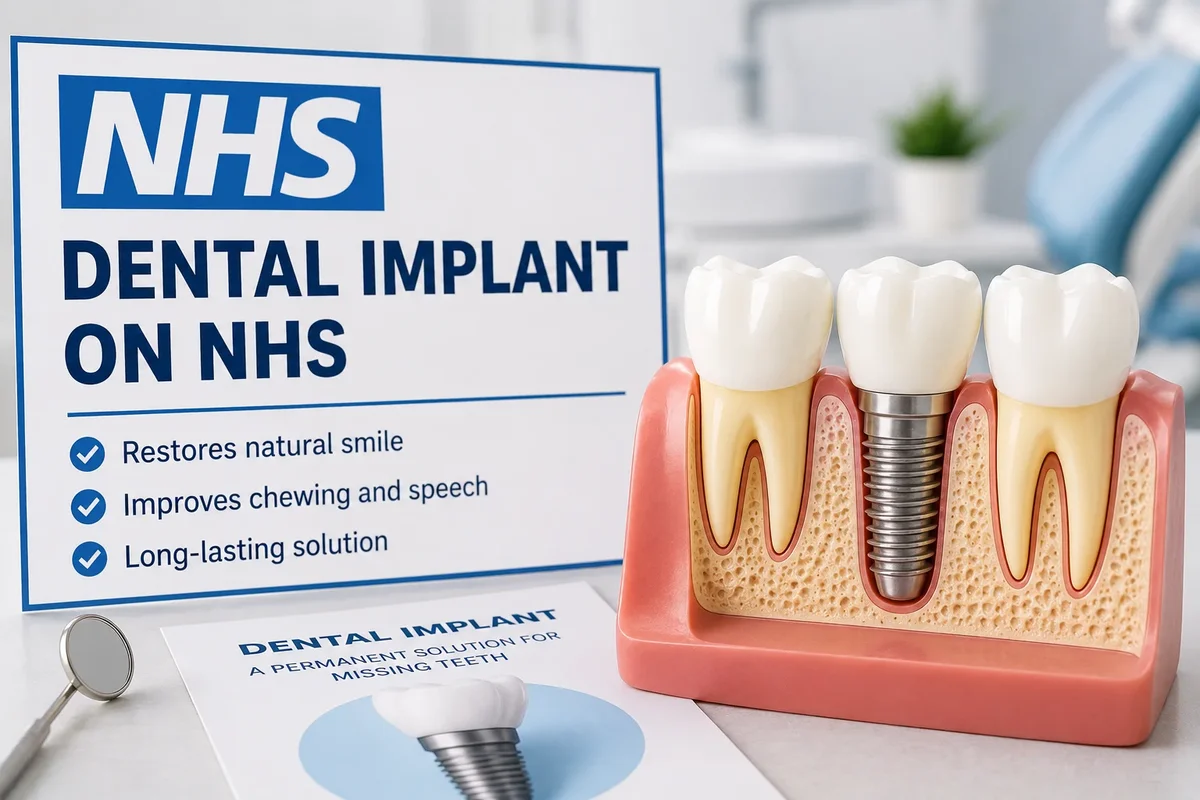
For many patients, a dental implant on NHS represents an attractive option because implants are widely recognized as one of the most effective methods of replacing missing teeth. By replacing both the visible crown and the underlying root structure, a dental implant on NHS can restore chewing function, improve speech, support facial appearance, and help preserve jawbone health. These advantages make implants a highly desirable solution for individuals experiencing tooth loss.
Understanding the Realistic Availability of a Dental Implant on NHS
One of the most important points to remember is that a dental implant on NHS is generally reserved for patients with significant clinical needs. While many individuals may prefer implants over dentures or bridges, NHS funding decisions are typically based on medical necessity, functional impairment, trauma, congenital abnormalities, cancer rehabilitation, or other complex circumstances.
As a result, not every patient with a missing tooth will qualify for a dental implant on NHS. Understanding this reality helps prevent unrealistic expectations and allows patients to approach consultations with a clearer understanding of the assessment process.
Why Eligibility Criteria Exist
The NHS must carefully allocate healthcare resources across a wide range of treatments and services. Because implant therapy can be costly and resource-intensive, a dental implant on NHS is usually prioritized for cases where alternative treatments may not adequately restore oral function or quality of life.
The Importance of Professional Assessment
No article, website, or online resource can definitively determine whether someone qualifies for a dental implant on NHS. Eligibility decisions require comprehensive evaluation by qualified dental professionals who can assess oral health, medical history, bone quality, functional needs, and overall treatment suitability.
Patients interested in a dental implant on NHS should begin by arranging a consultation with their dentist. This appointment provides an opportunity to discuss concerns, explore treatment options, and determine whether referral to specialist services may be appropriate.
Preparing for Your Consultation
Individuals considering a dental implant on NHS can improve the quality of their assessment by maintaining good oral hygiene, attending regular dental examinations, and ensuring any existing dental problems are addressed before referral.
Balancing Benefits and Responsibilities
A dental implant on NHS offers numerous benefits, including improved stability, enhanced aesthetics, preservation of jawbone structure, and long-term durability. However, these advantages come with responsibilities. Implant success depends heavily on ongoing maintenance, excellent oral hygiene, and routine professional monitoring.
Patients who receive a dental implant on NHS must understand that long-term care is essential. While implants cannot develop conventional cavities, the surrounding tissues remain susceptible to inflammation and infection if plaque control is inadequate.
Commitment to Long-Term Care
Regular dental visits, professional cleaning appointments, and careful daily oral hygiene help maximize the lifespan of a dental implant on NHS. Patients who actively participate in their oral health care often achieve the best long-term outcomes.
Considering Alternative Solutions
Even if a patient does not qualify for a dental implant on NHS, effective treatment options remain available. Modern bridges and dentures can provide excellent function, comfort, and aesthetics when properly designed and maintained. In some situations, these alternatives may offer highly satisfactory results without the need for implant surgery.
Private implant treatment may also be considered by individuals who do not meet NHS funding criteria but still wish to pursue implant therapy. Discussing all available options with a qualified dentist ensures that treatment decisions are based on individual circumstances rather than assumptions.
There Is No Universal Solution
The best tooth replacement method varies from one patient to another. While a dental implant on NHS may be ideal for some individuals, others may achieve equally successful outcomes through bridges, dentures, or private implant care.
Key Takeaways for Patients Researching a Dental Implant on NHS
- A dental implant on NHS is generally provided only when specific clinical criteria are met.
- Eligibility depends on medical necessity, functional requirements, and specialist assessment.
- Waiting times for a dental implant on NHS can vary depending on regional services and demand.
- Long-term success requires excellent oral hygiene and regular professional care.
- Alternative treatments such as bridges and dentures may provide effective solutions when a dental implant on NHS is unavailable.
- Professional consultation remains the most reliable way to determine suitability and treatment options.
Final Thoughts
A dental implant on NHS can provide life-changing benefits for eligible patients by restoring function, appearance, and confidence while supporting long-term oral health. However, successful treatment begins with realistic expectations, accurate information, and professional guidance. By understanding how a dental implant on NHS is assessed, funded, placed, and maintained, patients can make informed decisions about their dental future and select the treatment pathway that best supports their needs and goals.
Whether you ultimately receive a dental implant on NHS, pursue private implant treatment, or choose an alternative restorative solution, the most important step is seeking professional advice and developing a personalized treatment plan designed to protect your oral health for years to come.