
When it comes to restoring your smile and improving oral health, dental implant plans play a crucial role in achieving long-lasting, predictable results. Whether you are missing a single tooth or require a full-mouth restoration, understanding how dental implant plans work can help you make informed decisions and avoid costly mistakes. 😊
Dental implant plans are carefully structured treatment strategies designed by dental professionals to replace missing teeth using titanium implants, abutments, and prosthetic crowns or bridges. These plans are not one-size-fits-all; instead, they are tailored to each patient’s unique needs, oral condition, bone structure, and long-term goals.
One of the most important reasons why dental implant plans matter is that they ensure precision and predictability. Without a well-designed plan, complications such as implant failure, improper alignment, or aesthetic issues can occur. A detailed approach allows dentists to assess bone density, gum health, and bite alignment before starting the procedure.
Why Proper Planning Is Essential
Successful outcomes depend heavily on planning. High-quality dental implant plans include advanced imaging techniques such as 3D CBCT scans, digital impressions, and smile design software. These tools help dentists visualize the jawbone and determine the ideal implant placement.
Proper planning also minimizes risks. For example, a dentist can identify potential issues like insufficient bone volume or sinus proximity in advance. This allows for additional procedures, such as bone grafting or sinus lifting, to be incorporated into the dental implant plans before surgery begins.
What Is Included in Dental Implant Plans?
A comprehensive set of dental implant plans typically includes the following stages:
- Initial consultation and oral examination
- Digital imaging and diagnostics
- Treatment planning and timeline creation
- Surgical placement of implants
- Healing and osseointegration period
- Placement of crowns, bridges, or dentures
- Follow-up care and maintenance
Each step within dental implant plans is designed to ensure that the implant integrates properly with the jawbone, a process known as osseointegration. This is what gives dental implants their strength and durability, making them a long-term solution compared to traditional dentures or bridges.
Who Needs Dental Implant Plans?
Dental implant plans are suitable for a wide range of patients. If you have lost one or more teeth due to decay, trauma, or periodontal disease, you may be an ideal candidate. Additionally, people who struggle with unstable dentures often benefit greatly from customized dental implant plans.
However, not everyone is immediately eligible. Factors such as smoking, uncontrolled diabetes, or severe bone loss can affect candidacy. That’s why thorough evaluation is always included in dental implant plans to determine the best approach for each individual.
Advantages of Following Structured Dental Implant Plans
Choosing structured dental implant plans offers numerous benefits:
- Higher success rates and reduced complications
- Improved aesthetics and natural-looking results
- Better functionality for chewing and speaking
- Long-term durability and cost-effectiveness
- Personalized treatment tailored to your needs
These advantages highlight why skipping or rushing the planning phase can lead to unsatisfactory outcomes. Well-developed dental implant plans ensure that every detail is considered, from implant positioning to final crown design.
Modern Technology in Dental Implant Plans
Today’s dental implant plans benefit from cutting-edge technology. Digital workflows allow dentists to simulate the final result before the procedure even begins. Guided implant surgery, for instance, uses computer-generated templates to place implants with extreme precision.
This technological advancement not only improves accuracy but also reduces recovery time and discomfort. Patients can often return to their daily routines faster when modern dental implant plans are used.
How Dental Implant Plans Improve Patient Confidence
One of the most overlooked aspects of dental implant plans is the psychological benefit. Knowing that your treatment is carefully planned and customized provides peace of mind. Patients feel more confident entering the procedure, which leads to a better overall experience.
Additionally, seeing a digital preview of the expected outcome helps patients visualize their new smile. This emotional reassurance is a key component of successful dental implant plans.
Expert Guidance and Trusted Resources
When considering dental implant plans, it is important to rely on trusted sources and experienced professionals. Organizations like the American Dental Association provide valuable guidelines and standards for safe and effective implant treatments.
If you are ready to explore your options, consulting a specialized clinic is the best first step. You can reach out directly through the Redent Klinik Contact Page to receive personalized advice and start your journey with professionally designed dental implant plans.
In conclusion, dental implant plans are the foundation of successful implant treatment. They combine medical expertise, advanced technology, and personalized care to deliver long-lasting results. By understanding their importance, you can take a confident step toward restoring your smile and improving your quality of life. 😁
What Are Dental Implant Plans and Why Do They Matter?
Dental implant plans are structured, personalized treatment strategies designed to restore missing teeth using modern implant technology. These plans are not simply about placing an implant into the jawbone—they represent a comprehensive roadmap that guides every stage of the treatment process, from initial consultation to final restoration. Understanding the importance of dental implant plans is essential for anyone considering implants as a long-term solution for tooth loss. 😊
At their core, dental implant plans aim to ensure that each patient receives the most effective, safe, and aesthetically pleasing outcome possible. Because every patient has unique oral conditions, bone density, and health factors, these plans must be carefully customized. Without proper planning, even the most advanced implant procedures can fail or lead to complications.
Understanding the Purpose of Dental Implant Plans
The primary purpose of dental implant plans is to create a clear, step-by-step approach tailored to the individual. This involves evaluating not only the missing teeth but also the surrounding structures such as gums, bone, and bite alignment. By doing so, dentists can design a treatment that maximizes both function and aesthetics.
Another critical role of dental implant plans is to anticipate potential challenges. For example, if a patient has insufficient bone volume, the plan may include bone grafting procedures before implant placement. This proactive approach reduces risks and increases the likelihood of long-term success.
Key Elements Included in Dental Implant Plans
Comprehensive dental implant plans typically include several important components:
- Detailed oral examination and medical history review
- Advanced imaging such as 3D scans and X-rays
- Assessment of bone density and gum health
- Selection of appropriate implant type and size
- Customized timeline for each treatment phase
- Post-treatment care and maintenance strategy
Each of these elements ensures that dental implant plans are not just theoretical but practical and actionable. This level of detail is what differentiates successful treatments from unsuccessful ones.
Why Dental Implant Plans Are Essential for Success
One of the main reasons dental implant plans are so important is that they significantly improve success rates. Dental implants rely on a biological process called osseointegration, where the implant fuses with the jawbone. Proper planning ensures that the implant is placed in the optimal position, allowing this process to occur effectively.
In addition, dental implant plans help avoid complications such as nerve damage, sinus issues, or improper bite alignment. By mapping out the procedure in advance, dentists can identify and address potential risks before they become serious problems.
Impact on Aesthetics and Functionality
A well-designed set of dental implant plans does more than restore missing teeth—it enhances your overall facial appearance. Proper placement ensures that the final restoration looks natural and blends seamlessly with your existing teeth.
Functionality is equally important. Dental implant plans ensure that your bite is properly aligned, allowing you to chew, speak, and smile with confidence. This is particularly important for patients requiring multiple implants or full-mouth restorations.
Personalization in Dental Implant Plans
No two patients are the same, which is why personalization is a key feature of dental implant plans. Factors such as age, lifestyle, oral hygiene habits, and medical conditions all influence the design of the plan.
For example, a younger patient with strong bone density may require a straightforward implant procedure, while an older patient with bone loss may need additional preparatory treatments. Customized dental implant plans ensure that each patient receives the most suitable approach for their specific situation.
Role of Technology in Personalization
Modern technology plays a significant role in enhancing dental implant plans. Digital tools allow dentists to create precise simulations of the final outcome, helping patients visualize their new smile before treatment begins.
Guided implant surgery is another innovation that improves accuracy. Using computer-generated templates, dentists can place implants with exceptional precision, reducing the margin of error and improving overall results.
Long-Term Benefits of Dental Implant Plans
Investing in well-structured dental implant plans provides long-term benefits that go beyond immediate results. These plans are designed to ensure durability, meaning your implants can last for decades with proper care.
Additionally, dental implant plans contribute to better oral health by preventing bone loss and maintaining the natural structure of your face. Unlike traditional dentures, implants stimulate the jawbone, preserving its strength and density over time.
Trusted Guidance and Professional Support
When considering dental implant plans, it is essential to seek guidance from experienced professionals. Trusted organizations such as the American Dental Association provide valuable information and standards to ensure safe and effective treatments.
If you are ready to begin your journey, consulting a specialized clinic can make all the difference. You can easily get in touch through the Redent Klinik Contact Page to receive expert advice and start creating your personalized dental implant plans.
In summary, dental implant plans are the foundation of successful implant treatment. They combine detailed analysis, advanced technology, and personalized care to deliver reliable and aesthetically pleasing results. By understanding their importance, you can approach your treatment with confidence and achieve a healthier, more beautiful smile. 😁
Types of Dental Implant Plans: Which One Fits Your Needs?
Choosing the right dental implant plans is one of the most important decisions you will make when restoring your smile. Not all dental implant plans are the same, and each type is designed to address specific needs, levels of tooth loss, and patient expectations. Understanding the different options available will help you select the most suitable dental implant plans for long-term success and comfort. 😊
Modern dentistry offers a wide range of dental implant plans, from single tooth replacements to full-mouth restorations. Each option comes with its own advantages, treatment timeline, and level of complexity. By exploring these variations, patients can better align their treatment goals with the most effective dental implant plans available.
Single Tooth Dental Implant Plans
One of the most common types of dental implant plans is the single tooth implant. This option is ideal for patients who have lost only one tooth due to injury, decay, or extraction. A single implant is placed into the jawbone, followed by a custom crown that mimics the appearance of a natural tooth.
Benefits of Single Implant Plans
- Preserves surrounding healthy teeth
- Provides a natural look and feel
- Maintains bone structure and prevents bone loss
- Offers long-term durability
These dental implant plans are often straightforward and require less time compared to more complex treatments. However, proper planning is still essential to ensure optimal placement and aesthetics.
Multiple Teeth Dental Implant Plans
For patients missing several teeth, dental implant plans can include implant-supported bridges. Instead of placing an implant for every missing tooth, dentists strategically place implants to support a bridge that replaces multiple teeth.
Why Choose Implant-Supported Bridges?
This type of dental implant plans is both cost-effective and efficient. It reduces the number of implants required while still providing strong support and functionality. Patients benefit from improved chewing ability and a natural-looking smile.
Additionally, these dental implant plans help distribute biting forces evenly, reducing stress on the jawbone and surrounding teeth.
Full Mouth Dental Implant Plans
For patients who have lost most or all of their teeth, full mouth dental implant plans offer a complete solution. These plans typically involve techniques such as All-on-4 or All-on-6 implants, where a full arch of teeth is supported by a limited number of implants.
All-on-4 vs. All-on-6
- All-on-4: Uses four implants per arch, ideal for patients with limited bone density
- All-on-6: Uses six implants for added stability and strength
These advanced dental implant plans are designed to restore both function and aesthetics quickly. In many cases, patients can receive temporary teeth on the same day as the implant surgery, significantly improving quality of life.
Immediate Load Dental Implant Plans
Immediate load dental implant plans, often referred to as “same-day implants,” allow patients to receive a temporary restoration immediately after implant placement. This option is ideal for those who want to avoid long waiting periods.
Who Is a Good Candidate?
Not all patients qualify for immediate load dental implant plans. Candidates must have sufficient bone density and good oral health to support the implant immediately. When appropriate, this approach can reduce treatment time and provide instant aesthetic benefits.
Mini Dental Implant Plans
Mini implants are smaller in diameter compared to traditional implants and are often used in specific dental implant plans where space is limited or bone density is insufficient.
Advantages of Mini Implants
- Less invasive procedure
- Shorter healing time
- Lower initial cost
While mini implants can be a practical solution, they may not be suitable for all cases. Comprehensive dental implant plans will determine whether this option is appropriate based on individual needs.
Customized Dental Implant Plans for Unique Cases
Some patients require highly specialized dental implant plans due to complex conditions such as severe bone loss, gum disease, or previous implant failures. In these cases, additional procedures like bone grafting, sinus lifts, or soft tissue management may be included.
Customized dental implant plans ensure that every aspect of the patient’s oral health is addressed, leading to more predictable and successful outcomes.
How to Choose the Right Dental Implant Plans
Selecting the right dental implant plans involves careful consultation with a qualified dental professional. Factors such as your oral health, budget, treatment timeline, and aesthetic goals all play a role in determining the best option.
Trusted resources like the American Dental Association can provide valuable information to help you understand your options. Additionally, consulting with a specialized clinic can give you personalized recommendations tailored to your needs.
If you are considering treatment, you can explore your options through the Redent Klinik Contact Page and receive expert guidance on selecting the most suitable dental implant plans.
In conclusion, there is no universal solution when it comes to dental implant plans. Each type offers unique benefits and is designed to address specific dental conditions. By understanding the different options available, you can make an informed decision and choose the dental implant plans that best align with your goals, ensuring a healthy, functional, and confident smile for years to come. 😁
Step-by-Step Process Included in Dental Implant Plans
Understanding the step-by-step structure of dental implant plans is essential for anyone considering this advanced dental treatment. These plans are carefully organized to ensure safety, predictability, and long-term success. Each stage within dental implant plans plays a critical role, from the initial consultation to the final restoration. When patients fully understand this process, they feel more confident and prepared for their treatment journey. 😊
Dental implant plans are not rushed procedures. Instead, they are broken down into multiple phases, each designed to support proper healing, integration, and functionality. Let’s explore each stage in detail to understand how professional dental implant plans are structured.
Initial Consultation and Assessment
The first step in all dental implant plans is a comprehensive consultation. During this phase, the dentist evaluates your oral health, reviews your medical history, and discusses your expectations. This step is crucial for determining whether you are a suitable candidate for implants.
What Happens During the Consultation?
- Full oral examination and gum health check
- Review of medical conditions and medications
- Discussion of treatment goals and expectations
- Preliminary evaluation of bone structure
This stage of dental implant plans sets the foundation for everything that follows. Without a detailed assessment, it would be impossible to create a safe and effective treatment plan.
Digital Imaging and Treatment Planning
Once the initial evaluation is complete, dental implant plans move into the diagnostic phase. Advanced imaging technologies such as 3D CBCT scans and digital impressions are used to analyze the jawbone and surrounding structures.
Why Imaging Is Critical
Imaging allows dentists to determine the exact placement of implants, avoiding critical areas like nerves and sinuses. It also helps assess bone density and identify whether additional procedures, such as bone grafting, are needed.
Modern dental implant plans often include digital simulations that show patients a preview of their final smile. This not only improves accuracy but also enhances patient confidence.
Preparatory Procedures (If Needed)
Not all patients are immediately ready for implant placement. Some dental implant plans include preparatory treatments to create a stable foundation for implants.
Common Preparatory Treatments
- Bone grafting to increase bone volume
- Sinus lifting for upper jaw implants
- Gum disease treatment
These steps are essential for ensuring that dental implant plans lead to long-term success. Skipping this phase can increase the risk of implant failure.
Implant Placement Surgery
The surgical phase is one of the most critical parts of dental implant plans. During this procedure, titanium implants are placed into the jawbone, acting as artificial tooth roots.
What to Expect During Surgery
The procedure is typically performed under local anesthesia, ensuring patient comfort. In some cases, sedation options are available for those who experience anxiety. The dentist carefully places each implant according to the predetermined plan, ensuring optimal positioning.
Thanks to modern techniques, many dental implant plans involve minimally invasive procedures, reducing discomfort and recovery time.
Healing and Osseointegration Phase
After implant placement, dental implant plans include a healing period known as osseointegration. During this phase, the implant fuses with the jawbone, creating a strong and stable foundation.
How Long Does Healing Take?
The healing process typically takes between 3 to 6 months, depending on the patient’s overall health and bone quality. This stage is crucial because it determines the long-term stability of the implant.
Proper care during this phase is essential. Following your dentist’s instructions ensures that dental implant plans progress smoothly without complications.
Abutment Placement and Restoration
Once healing is complete, the next step in dental implant plans is placing the abutment. This component connects the implant to the final restoration, such as a crown, bridge, or denture.
Final Restoration Options
- Single crowns for individual tooth replacement
- Bridges for multiple missing teeth
- Full dentures for complete arch restoration
The final restoration is custom-designed to match your natural teeth in color, shape, and size. This ensures that dental implant plans deliver both functional and aesthetic results.
Follow-Up Care and Maintenance
The final stage of dental implant plans focuses on long-term maintenance. Regular dental visits and proper oral hygiene are essential for preserving the health of your implants.
Maintenance Tips
- Brush and floss daily to prevent plaque buildup
- Attend regular dental check-ups
- Avoid smoking, which can affect healing
By following these guidelines, patients can ensure that their dental implant plans provide lasting benefits for many years.
Professional Support and Reliable Resources
Throughout every stage of dental implant plans, professional guidance is essential. Trusted organizations like the American Dental Association offer valuable information on best practices and safety standards.
If you are ready to begin your treatment journey, you can consult experienced specialists through the Redent Klinik Contact Page. Expert guidance ensures that your dental implant plans are tailored to your specific needs and goals.
In conclusion, dental implant plans follow a structured, step-by-step process designed to maximize success and patient satisfaction. From consultation to final restoration, each phase is carefully planned and executed. By understanding this process, you can approach your treatment with confidence and achieve a strong, natural-looking smile that lasts a lifetime. 😁
Cost Breakdown of Dental Implant Plans Around the World
One of the most common questions patients ask before starting treatment is about the cost of dental implant plans. Understanding the financial aspect is essential because dental implant plans are a long-term investment in both oral health and overall quality of life. While prices can vary significantly depending on location, clinic expertise, and treatment complexity, having a clear breakdown helps patients make informed decisions. 😊
Dental implant plans are not a single fixed-price treatment. Instead, they include multiple stages such as consultation, imaging, surgery, and final restoration. Each of these components contributes to the overall cost, making it important to evaluate dental implant plans holistically rather than focusing on a single price point.
What Determines the Cost of Dental Implant Plans?
The total cost of dental implant plans depends on several key factors. Understanding these variables helps explain why prices differ from one patient to another.
Main Cost Factors
- Number of implants required
- Type of implant system used
- Need for additional procedures (bone graft, sinus lift)
- Clinic location and expertise level
- Type of final restoration (crown, bridge, full arch)
For example, a single tooth replacement will cost significantly less than full-mouth dental implant plans. Similarly, advanced cases requiring preparatory procedures will increase the total cost.
Average Cost of Dental Implant Plans by Region
The price of dental implant plans varies widely around the world. Below is a general comparison of average costs for a single implant, including crown restoration:
Estimated Price Ranges
- United States: $3,000 – $6,000 per implant
- United Kingdom: $2,500 – $5,000 per implant
- Germany: $2,000 – $4,500 per implant
- Turkey: $600 – $1,500 per implant
- Thailand: $1,000 – $2,500 per implant
As shown above, dental implant plans in countries like Turkey are significantly more affordable while still maintaining high-quality standards. This is one reason why dental tourism has become increasingly popular.
Full Mouth Dental Implant Plans Cost
For patients requiring complete restoration, dental implant plans for full-mouth treatments such as All-on-4 or All-on-6 can vary significantly.
Full Mouth Cost Estimates
- United States: $20,000 – $50,000 per arch
- Europe: $15,000 – $30,000 per arch
- Turkey: $5,000 – $12,000 per arch
These dental implant plans often include consultation, surgery, temporary teeth, and final prosthetics. However, it is always important to confirm exactly what is included in the treatment package.
Hidden Costs in Dental Implant Plans
While many clinics advertise attractive prices, some dental implant plans may include hidden costs. Being aware of these can prevent unexpected expenses.
Common Additional Costs
- 3D imaging and diagnostics
- Bone grafting procedures
- Temporary restorations
- Follow-up visits and maintenance
Transparent dental implant plans clearly outline all costs upfront, allowing patients to budget effectively and avoid surprises.
Are Cheaper Dental Implant Plans Worth It?
It can be tempting to choose the lowest-priced dental implant plans, but cost should not be the only deciding factor. Quality, experience, and materials are equally important.
Low-cost dental implant plans may use inferior materials or lack proper planning, which can lead to complications and additional expenses in the future. On the other hand, well-structured dental implant plans focus on long-term success rather than short-term savings.
Value vs. Cost in Dental Implant Plans
When evaluating dental implant plans, it is important to consider value rather than just price. High-quality dental implant plans offer:
- Long-lasting results (often 15–25 years or more)
- Improved oral health and bone preservation
- Enhanced aesthetics and confidence
- Reduced need for future dental work
In this sense, dental implant plans can be more cost-effective over time compared to traditional solutions like dentures or bridges.
Financing Options for Dental Implant Plans
Many clinics offer flexible payment options to make dental implant plans more accessible. These may include:
- Monthly installment plans
- Medical financing programs
- Insurance contributions (depending on policy)
Discussing these options with your provider can help you find a solution that fits your budget without compromising on quality.
Trusted Resources and Expert Consultation
Before committing to any dental implant plans, it is essential to gather reliable information and consult experienced professionals. Trusted organizations like the American Dental Association provide guidelines to help patients make informed decisions.
If you are considering treatment, you can get personalized pricing and consultation through the Redent Klinik Contact Page. Professional guidance ensures that your dental implant plans are transparent, affordable, and tailored to your needs.
In conclusion, the cost of dental implant plans varies based on multiple factors, including location, complexity, and materials used. By understanding these elements and focusing on long-term value, you can choose dental implant plans that provide both affordability and lasting results. A well-informed decision today can lead to a healthier, more confident smile for years to come. 😁
How to Choose the Best Dental Implant Plans for You
Choosing the right dental implant plans is one of the most important decisions you will make when restoring your smile. With so many options available, selecting the most suitable dental implant plans requires careful evaluation of your oral health, lifestyle, and long-term expectations. A well-informed decision ensures not only a successful outcome but also lasting comfort and confidence. 😊
Dental implant plans are highly personalized, meaning there is no universal solution that works for everyone. The key is to understand your specific needs and match them with the most appropriate treatment strategy. This section will guide you through the essential factors to consider when choosing dental implant plans that align with your goals.
Assess Your Oral Health Condition
The first step in selecting the best dental implant plans is evaluating your current oral health. Factors such as gum condition, bone density, and the number of missing teeth all influence which plan is most suitable.
Key Health Factors to Consider
- Bone volume and density in the jaw
- Presence of gum disease or infections
- Number and location of missing teeth
- Overall dental hygiene habits
High-quality dental implant plans always begin with a thorough examination. If any issues are detected, they will be addressed before implant placement to ensure long-term success.
Understand Different Treatment Options
To choose the right dental implant plans, you must understand the available treatment options. These can range from single implants to full-mouth restorations, depending on your needs.
Common Treatment Types
- Single tooth implants
- Implant-supported bridges
- All-on-4 or All-on-6 full arch solutions
- Mini implants for specific cases
Each type of dental implant plans has its own advantages and limitations. Consulting with a specialist helps determine which option best suits your condition and expectations.
Consider Your Budget and Long-Term Value
Financial considerations are an important part of choosing dental implant plans. However, it is essential to focus on value rather than just the initial cost.
Balancing Cost and Quality
Lower-cost dental implant plans may seem attractive, but they can compromise on materials, technology, or expertise. On the other hand, high-quality dental implant plans provide durability, reducing the need for future repairs or replacements.
Investing in reliable dental implant plans ensures better outcomes and long-term savings. It is always advisable to request a detailed breakdown of costs to understand what is included.
Evaluate the Experience of the Dental Clinic
The success of dental implant plans depends heavily on the expertise of the dental team. Choosing a clinic with experienced professionals and advanced technology significantly increases the chances of a successful outcome.
What to Look for in a Clinic
- Years of experience in implant dentistry
- Use of modern technology such as 3D imaging
- Positive patient reviews and testimonials
- Transparent communication and treatment planning
Reliable dental implant plans are always supported by a skilled team that prioritizes patient safety and satisfaction.
Check the Materials and Technology Used
The quality of materials used in dental implant plans directly affects the durability and appearance of the final result. High-grade titanium implants and advanced prosthetic materials ensure long-lasting performance.
Importance of Modern Technology
Modern dental implant plans incorporate digital workflows, guided surgery, and computer-aided design. These technologies improve accuracy, reduce treatment time, and enhance overall patient experience.
Choosing dental implant plans that utilize advanced technology ensures better precision and fewer complications.
Personalization in Dental Implant Plans
Every patient is unique, which is why personalization is a key factor in selecting dental implant plans. A customized approach ensures that your treatment aligns with your specific needs and goals.
Why Customization Matters
Personalized dental implant plans take into account your facial structure, bite alignment, and aesthetic preferences. This results in a more natural-looking smile and improved functionality.
Generic solutions may not deliver the same level of satisfaction, making customized dental implant plans the preferred choice for most patients.
Importance of Communication and Transparency
Clear communication is essential when choosing dental implant plans. Your dentist should explain every step of the process, including potential risks, benefits, and expected outcomes.
Questions to Ask Your Dentist
- What is included in the dental implant plans?
- How long will the treatment take?
- What are the potential risks and complications?
- What kind of aftercare is required?
Transparent dental implant plans build trust and help patients feel confident about their decision.
Seek Trusted Guidance and Professional Advice
Before finalizing your decision, it is important to consult reliable sources and experienced professionals. Organizations like the American Dental Association provide valuable information about safe and effective treatments.
You can also receive personalized recommendations by contacting specialists through the Redent Klinik Contact Page. Expert consultation ensures that your dental implant plans are tailored to your unique needs.
In conclusion, choosing the best dental implant plans requires careful consideration of multiple factors, including oral health, budget, clinic expertise, and available technology. By taking the time to evaluate your options and seek professional guidance, you can select dental implant plans that deliver long-lasting, natural-looking results and improve your overall quality of life. 😁
Benefits of Customized Dental Implant Plans for Patients
One of the biggest advantages of modern dentistry is the ability to create fully personalized dental implant plans tailored to each patient’s unique needs. Unlike traditional one-size-fits-all solutions, customized dental implant plans focus on delivering optimal results based on individual oral health, bone structure, and aesthetic goals. This personalized approach not only improves treatment outcomes but also enhances patient satisfaction and long-term success. 😊
Dental implant plans that are customized take into account every detail—from the condition of your jawbone to your lifestyle habits—ensuring a treatment process that is both effective and comfortable. This level of personalization is what makes dental implants one of the most reliable and advanced solutions for tooth replacement today.
Improved Treatment Accuracy and Success Rates
Customized dental implant plans significantly increase the accuracy of implant placement. By using advanced imaging technologies and digital planning tools, dentists can determine the ideal position for each implant.
Why Accuracy Matters
- Ensures proper alignment with surrounding teeth
- Reduces risk of complications such as nerve damage
- Enhances osseointegration (bone fusion)
- Improves long-term stability of the implant
When dental implant plans are tailored to the patient, the likelihood of success increases dramatically. This precision is a key factor in achieving durable and reliable results.
Enhanced Aesthetic Results
A major benefit of personalized dental implant plans is the ability to achieve highly natural-looking results. Each implant and restoration is designed to match the color, shape, and size of your existing teeth.
Natural Smile Design
Customized dental implant plans consider facial symmetry, lip line, and smile dynamics. This ensures that the final result blends seamlessly with your natural appearance, giving you a confident and attractive smile.
Patients often report a significant boost in self-esteem after completing dental implant plans, as their new teeth look and feel just like natural ones.
Better Functional Performance
Functionality is just as important as aesthetics. Well-designed dental implant plans ensure that your bite is properly aligned, allowing you to chew and speak comfortably.
Functional Advantages
- Improved chewing efficiency
- Clearer speech and pronunciation
- Stable and secure fit compared to dentures
Customized dental implant plans restore full oral function, enabling patients to enjoy their favorite foods without discomfort or worry.
Reduced Risk of Complications
One of the most important benefits of tailored dental implant plans is the reduction of potential risks. By carefully analyzing each patient’s condition, dentists can identify and address issues before they become problems.
Preventive Approach
For example, if bone density is insufficient, dental implant plans may include bone grafting procedures before implant placement. This proactive approach minimizes complications and ensures a smoother treatment process.
Additionally, customized dental implant plans help avoid improper placement, which can lead to discomfort or implant failure.
Faster Recovery and Greater Comfort
Personalized dental implant plans often result in shorter recovery times and greater overall comfort. By using minimally invasive techniques and precise surgical methods, dentists can reduce trauma to surrounding tissues.
Comfort-Focused Treatment
- Less swelling and discomfort after surgery
- Faster healing periods
- Reduced need for additional procedures
These advantages make dental implant plans more appealing to patients who are concerned about pain or downtime.
Long-Term Durability and Cost Efficiency
Although customized dental implant plans may require a higher initial investment, they offer excellent long-term value. Properly planned and executed implants can last for decades with minimal maintenance.
Why Long-Term Planning Matters
High-quality dental implant plans reduce the likelihood of future complications, saving patients from additional treatments and expenses. This makes them a cost-effective solution over time compared to temporary alternatives.
Investing in well-designed dental implant plans ensures that you receive durable, reliable results that stand the test of time.
Personalized Patient Experience
Another significant advantage of customized dental implant plans is the improved patient experience. From the initial consultation to the final result, every step is tailored to your preferences and comfort.
Patient-Centered Care
Personalized dental implant plans involve clear communication, detailed explanations, and ongoing support. This helps patients feel more confident and relaxed throughout the treatment process.
Knowing that your treatment is specifically designed for you creates a sense of trust and reassurance.
Access to Expert Guidance and Reliable Resources
When considering dental implant plans, it is essential to rely on trusted professionals and authoritative resources. Organizations like the American Dental Association provide valuable guidelines for safe and effective treatments.
You can also receive personalized advice and consultation through the Redent Klinik Contact Page. Expert guidance ensures that your dental implant plans are designed to meet your specific needs and expectations.
In conclusion, customized dental implant plans offer numerous benefits, including improved accuracy, enhanced aesthetics, better functionality, and reduced risks. By choosing personalized dental implant plans, patients can achieve long-lasting results and enjoy a healthier, more confident smile. 😁
Common Mistakes to Avoid When Selecting Dental Implant Plans
Choosing the right dental implant plans is a critical step toward achieving a healthy, functional, and aesthetically pleasing smile. However, many patients make avoidable mistakes during the decision-making process, which can lead to complications, additional costs, or unsatisfactory results. Understanding these common pitfalls can help you select the most effective dental implant plans and ensure long-term success. 😊
Dental implant plans are complex and require careful evaluation, professional expertise, and personalized attention. Rushing into a decision or focusing on the wrong factors can compromise the outcome. Below, we explore the most common mistakes patients make and how to avoid them.
Choosing Dental Implant Plans Based on Price Alone
One of the biggest mistakes patients make is selecting dental implant plans solely based on cost. While affordability is important, the cheapest option is not always the best.
Why Price Should Not Be the Only Factor
- Lower-cost plans may use inferior materials
- Limited diagnostics and planning may increase risks
- Inexperienced practitioners may compromise results
High-quality dental implant plans focus on long-term value rather than short-term savings. It is essential to consider the quality of care, materials, and expertise involved.
Ignoring the Importance of Proper Diagnosis
Another common mistake is overlooking the diagnostic phase of dental implant plans. Some patients may skip thorough evaluations to save time or money, which can lead to serious complications.
Risks of Inadequate Diagnosis
Without proper imaging and assessment, dental implant plans may fail to identify issues such as insufficient bone density or underlying infections. This can result in implant failure or the need for corrective procedures.
Comprehensive dental implant plans always include detailed diagnostics to ensure safe and effective treatment.
Not Choosing an Experienced Specialist
The expertise of the dental professional plays a significant role in the success of dental implant plans. Choosing an inexperienced provider can increase the risk of complications.
What to Look for in a Specialist
- Extensive experience in implant dentistry
- Use of modern technology and techniques
- Positive patient reviews and case studies
Reliable dental implant plans are always supported by skilled professionals who prioritize precision and patient safety.
Overlooking Personalized Treatment Needs
Every patient is unique, yet some individuals choose generic dental implant plans that do not address their specific needs. This can lead to poor outcomes and dissatisfaction.
Importance of Customization
Customized dental implant plans take into account factors such as bone structure, gum health, and aesthetic preferences. Ignoring these details can result in implants that do not fit properly or look natural.
Personalized dental implant plans ensure that each patient receives the most suitable treatment for their condition.
Neglecting Long-Term Maintenance Requirements
Some patients focus only on the initial stages of dental implant plans and overlook the importance of long-term care. Proper maintenance is essential for the longevity of implants.
Common Maintenance Mistakes
- Poor oral hygiene habits
- Skipping regular dental check-ups
- Ignoring early signs of complications
Effective dental implant plans always include a maintenance strategy to ensure lasting results.
Rushing the Treatment Process
Patience is key when it comes to dental implant plans. Some patients try to speed up the process, which can compromise healing and stability.
Why Timing Matters
The healing phase, known as osseointegration, is crucial for implant success. Rushing this stage can lead to implant failure or reduced durability.
Well-structured dental implant plans allow sufficient time for each phase, ensuring optimal outcomes.
Failing to Ask the Right Questions
Many patients do not ask enough questions before committing to dental implant plans. This can lead to misunderstandings and unexpected outcomes.
Essential Questions to Ask
- What is included in the dental implant plans?
- What are the potential risks and complications?
- How long will the treatment take?
- What type of aftercare is required?
Transparent dental implant plans involve clear communication between the patient and the dental team.
Ignoring Trusted Resources and Professional Guidance
Relying on unreliable information is another mistake when selecting dental implant plans. Patients should seek guidance from trusted sources and experienced professionals.
Where to Find Reliable Information
Organizations like the American Dental Association provide accurate and up-to-date information about dental procedures.
Additionally, consulting experts through the Redent Klinik Contact Page ensures that your dental implant plans are based on professional advice and tailored to your needs.
Underestimating the Importance of Follow-Up Care
Follow-up care is a critical component of dental implant plans, yet it is often underestimated. Regular check-ups help detect and address issues early, ensuring the longevity of your implants.
Benefits of Regular Follow-Ups
- Early detection of potential problems
- Professional cleaning and maintenance
- Monitoring of implant stability
Comprehensive dental implant plans always include a follow-up schedule to maintain optimal oral health.
In conclusion, avoiding common mistakes when selecting dental implant plans is essential for achieving successful and lasting results. By focusing on quality, personalization, professional expertise, and proper care, you can ensure that your dental implant plans deliver the best possible outcome. Making informed decisions today will lead to a healthier, more confident smile in the future. 😁
Recovery and Aftercare Included in Dental Implant Plans
Recovery and aftercare are essential components of successful dental implant plans. While the surgical procedure itself is important, what happens after the implant placement plays an equally critical role in ensuring long-term success. Proper healing, maintenance, and follow-up care are all integrated into professional dental implant plans to maximize durability and patient comfort. 😊
Dental implant plans are designed not only to restore missing teeth but also to guide patients through a structured recovery process. Understanding what to expect during healing and how to care for your implants will help you achieve the best possible outcome.
Immediate Post-Surgery Recovery Phase
The first stage of recovery in dental implant plans begins immediately after the implant surgery. During this period, the body starts the natural healing process.
What to Expect After Surgery
- Mild swelling and discomfort around the implant site
- Minor bleeding within the first 24 hours
- Sensitivity when chewing or touching the area
These symptoms are normal and typically subside within a few days. Most dental implant plans include detailed post-operative instructions to help manage these effects effectively.
Healing and Osseointegration Process
A crucial phase in dental implant plans is osseointegration, where the implant fuses with the jawbone. This process creates a strong foundation for the final restoration.
Duration of Healing
The healing period usually lasts between 3 to 6 months, depending on factors such as bone quality, overall health, and adherence to aftercare instructions. During this time, following your dentist’s recommendations is essential for the success of dental implant plans.
Patients who carefully follow their dental implant plans during this phase experience better stability and long-term results.
Dietary Guidelines During Recovery
Nutrition plays an important role in recovery. Most dental implant plans include specific dietary recommendations to support healing and prevent complications.
Recommended Foods
- Soft foods like yogurt, mashed potatoes, and soups
- Smoothies and nutrient-rich drinks
- Well-cooked vegetables and soft proteins
Hard, crunchy, or sticky foods should be avoided during the early stages of dental implant plans, as they can interfere with healing and cause discomfort.
Oral Hygiene and Maintenance
Maintaining excellent oral hygiene is a key part of dental implant plans. Proper cleaning helps prevent infections and ensures the longevity of your implants.
Essential Hygiene Practices
- Brush gently with a soft-bristled toothbrush
- Use antibacterial mouthwash as recommended
- Floss carefully around the implant area
Following these practices as part of your dental implant plans will help maintain healthy gums and prevent complications such as peri-implantitis.
Managing Pain and Discomfort
Discomfort after implant surgery is usually mild and manageable. Dental implant plans often include pain management strategies to ensure patient comfort.
Pain Management Tips
- Use prescribed or over-the-counter pain relievers
- Apply cold compresses to reduce swelling
- Rest and avoid strenuous activities
Most patients find that discomfort decreases significantly within a few days, allowing them to return to normal routines as guided by their dental implant plans.
Follow-Up Appointments and Monitoring
Regular follow-up visits are an integral part of dental implant plans. These appointments allow dentists to monitor healing progress and address any concerns.
What Happens During Follow-Ups?
- Evaluation of implant stability
- Assessment of gum health
- Adjustment of temporary restorations if needed
Consistent follow-ups ensure that dental implant plans remain on track and that any potential issues are addressed early.
Long-Term Aftercare for Dental Implants
After the initial healing phase, dental implant plans transition into long-term maintenance. Proper care ensures that your implants remain functional and aesthetically pleasing for years.
Long-Term Care Tips
- Maintain daily oral hygiene routines
- Visit your dentist regularly for check-ups
- Avoid smoking, which can affect implant health
Patients who follow their dental implant plans consistently can expect their implants to last for decades.
Recognizing Warning Signs
Being aware of potential warning signs is important for maintaining successful dental implant plans. Early detection of issues can prevent more serious complications.
Signs to Watch For
- Pain or swelling that persists beyond the expected recovery period
- Loose implants or discomfort when chewing
- Bleeding or signs of infection around the implant
If any of these symptoms occur, it is important to contact your dentist immediately to ensure your dental implant plans remain effective.
Trusted Guidance and Professional Support
Following professional advice is essential for successful recovery. Reliable organizations such as the American Dental Association provide valuable guidelines on post-treatment care.
You can also receive personalized aftercare support through the Redent Klinik Contact Page. Expert guidance ensures that your dental implant plans are followed correctly and deliver the best possible results.
In conclusion, recovery and aftercare are vital components of dental implant plans. By following proper guidelines, maintaining good oral hygiene, and attending regular check-ups, patients can ensure long-lasting success. Well-executed dental implant plans not only restore your smile but also provide lasting comfort, functionality, and confidence. 😁
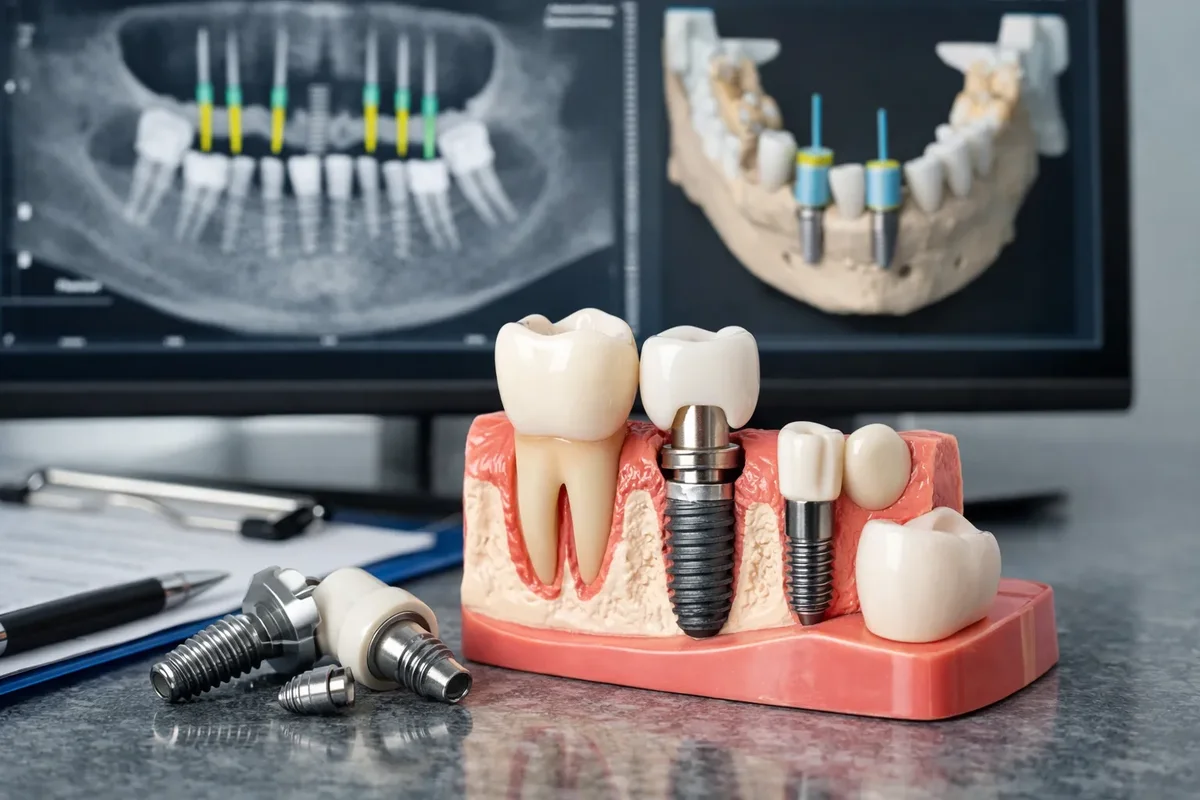
Are Dental Implant Plans Worth It? Long-Term Value Explained
One of the most important questions patients ask before starting treatment is whether dental implant plans are truly worth the investment. While the initial cost and time commitment may seem significant, the long-term benefits of well-designed dental implant plans often far outweigh these concerns. Understanding the full value of dental implant plans helps patients make confident and informed decisions about their oral health. 😊
Dental implant plans are not just about replacing missing teeth—they are about restoring function, improving aesthetics, and enhancing overall quality of life. When evaluated over the long term, these plans offer advantages that go far beyond temporary solutions like dentures or bridges.
Long-Term Durability of Dental Implant Plans
One of the strongest arguments in favor of dental implant plans is their durability. Unlike traditional dental restorations, implants are designed to last for decades with proper care.
Why Dental Implants Last Longer
- Made from high-quality, biocompatible materials like titanium
- Fused with the jawbone through osseointegration
- Resistant to decay compared to natural teeth
Well-executed dental implant plans can provide a lifetime solution, making them a more sustainable option compared to alternatives that may require frequent replacement.
Cost Efficiency Over Time
Although dental implant plans may have a higher upfront cost, they are often more cost-effective in the long run. Traditional solutions such as dentures or bridges may require repairs, adjustments, or replacements over time.
Comparing Long-Term Costs
When you factor in maintenance, replacement, and potential complications, dental implant plans often prove to be a smarter financial choice. Patients who invest in quality dental implant plans typically spend less on dental care over the years.
This long-term cost efficiency is one of the main reasons why dental implant plans are considered a valuable investment.
Improved Oral Health and Bone Preservation
Another major benefit of dental implant plans is their ability to preserve oral health. Unlike dentures, implants stimulate the jawbone, preventing bone loss and maintaining facial structure.
Health Benefits of Implants
- Prevents bone resorption
- Maintains natural facial contours
- Supports surrounding teeth and gums
These health advantages make dental implant plans a superior option for patients who want to protect their long-term oral health.
Enhanced Quality of Life
Dental implant plans significantly improve daily life by restoring full functionality and confidence. Patients can eat, speak, and smile without the discomfort or insecurity associated with removable dentures.
Lifestyle Improvements
- No slipping or movement while speaking
- Ability to eat a wide variety of foods
- Improved self-confidence and social interactions
These lifestyle benefits highlight why dental implant plans are often considered life-changing for many patients.
Aesthetic Advantages of Dental Implant Plans
Modern dental implant plans are designed to deliver highly natural-looking results. The final restorations are customized to match the color, shape, and size of your natural teeth.
Natural Appearance
With advanced technology and materials, dental implant plans create smiles that are virtually indistinguishable from natural teeth. This aesthetic improvement plays a significant role in boosting patient confidence.
Patients who choose dental implant plans often report feeling more comfortable in both personal and professional settings.
Reliability Compared to Alternative Treatments
When compared to other tooth replacement options, dental implant plans offer unmatched reliability. Dentures and bridges may shift, wear out, or require frequent adjustments.
Why Implants Are More Reliable
- Fixed securely in the jawbone
- Do not rely on adjacent teeth for support
- Provide consistent performance over time
This reliability makes dental implant plans a preferred choice for patients seeking a permanent solution.
Emotional and Psychological Benefits
The impact of dental implant plans goes beyond physical health. Restoring your smile can have a profound effect on your emotional well-being.
Confidence and Self-Esteem
Patients often experience increased confidence and improved self-esteem after completing dental implant plans. Being able to smile freely without embarrassment can positively influence social interactions and overall happiness.
This emotional benefit is an important factor when evaluating the true value of dental implant plans.
Professional Guidance and Trusted Resources
To fully understand the value of dental implant plans, it is important to consult reliable sources and experienced professionals. Organizations like the American Dental Association provide trusted information on dental treatments and standards.
You can also receive personalized advice and explore your options through the Redent Klinik Contact Page. Expert consultation ensures that your dental implant plans are tailored to your specific needs and expectations.
In conclusion, dental implant plans are absolutely worth it for patients seeking a long-term, reliable, and aesthetically pleasing solution to tooth loss. From durability and cost efficiency to improved health and confidence, the benefits are substantial. By investing in well-designed dental implant plans, you are investing in your future—ensuring a healthier smile and a better quality of life for years to come. 😁