
In 2025, understanding the dental implant rate has become essential for anyone considering tooth replacement options. Dental implants are now one of the most advanced and reliable methods to restore missing teeth, combining functionality, durability, and aesthetics. But what exactly does the term dental implant rate mean? It typically refers to the percentage of success achieved when implants are placed and maintained over time. This rate helps patients evaluate how likely an implant is to last and function properly without complications. With modern technology and professional expertise, the global dental implant rate has improved significantly — often exceeding 95% in clinical studies.
Dental implant procedures involve placing a titanium post into the jawbone, allowing it to fuse through a process called osseointegration. Once integrated, the post serves as a stable foundation for a crown or bridge. The reliability of this process depends on numerous factors: bone quality, oral hygiene, patient health, and the skill of the dental surgeon. As a result, the dental implant rate serves as a benchmark for both dental professionals and patients to assess success and satisfaction levels. It is not just a technical measure — it reflects real-world outcomes of modern dentistry.
Over the last decade, studies published by the American Dental Association have shown that advances in digital imaging, surgical guides, and biocompatible materials have raised the overall dental implant rate across multiple demographics. This means that even patients who once were considered unsuitable candidates due to bone loss or systemic conditions can now achieve excellent results. In addition, countries like Turkey, Germany, and South Korea have seen remarkable growth in implant procedures thanks to improved surgical standards and accessibility.
One of the primary reasons behind the high dental implant rate is the evolution of implant materials. Modern titanium and zirconia implants demonstrate exceptional compatibility with human tissue, minimizing rejection and inflammation risks. Furthermore, innovations such as computer-guided surgery and 3D printing have allowed dentists to plan implant placements with millimeter-level precision. This ensures better alignment, stronger osseointegration, and reduced healing time — all contributing to a superior dental implant success rate. These improvements are why millions of patients worldwide now choose implants as their preferred treatment option.
However, the dental implant rate can vary depending on certain individual factors. Smokers, for example, often experience slower healing and higher risks of infection, which can slightly reduce success percentages. Similarly, patients with uncontrolled diabetes or severe gum disease may need additional care before undergoing implant surgery. Proper post-surgical care, including regular cleaning, follow-up appointments, and maintaining good oral hygiene, plays a significant role in preserving implant longevity. When these elements are carefully managed, the average dental implant rate remains extremely high, offering a long-term return on investment for patients.
From a patient’s perspective, understanding the dental implant rate is more than just reading statistics — it’s about trust and expectation. People want to know that their dental procedure will be safe, predictable, and worth the effort. High success rates translate into confidence, and that confidence drives better healing and satisfaction. Clinics that maintain transparency about their implant outcomes often see higher patient retention and word-of-mouth referrals. At Redent Klinik Contact Page, patients can learn more about personalized implant plans and discover how advanced diagnostic tools contribute to achieving excellent outcomes.
Economic and geographical factors also play a part in how the dental implant rate varies worldwide. For instance, developed nations with widespread access to dental care tend to report success rates above 97%, while developing regions might experience slightly lower rates due to limited access to follow-up care and technology. Yet even in cost-effective destinations like Turkey, quality standards have reached international benchmarks, making it one of the most competitive and reliable countries for implant treatment in 2025. This global trend illustrates how dentistry has evolved into a high-precision science where outcomes are both measurable and predictable.
Looking forward, experts predict that the global dental implant rate will continue to improve thanks to new biomaterials and AI-supported planning systems. Artificial intelligence is being integrated into diagnostic imaging, helping dentists assess bone density and design implants tailored to each patient’s anatomy. This personalized approach reduces risk, enhances comfort, and further boosts success ratios. As patients become more informed through online education and digital consultations, expectations rise — and the dental industry continues to innovate to meet those standards.
In summary, the dental implant rate in 2025 represents a combination of science, technology, and human expertise. It reflects not only the percentage of successful procedures but also the evolution of dental care as a whole. Whether you’re exploring implants for aesthetic reasons or functional restoration, knowing the success rates helps you make an informed decision. By choosing qualified professionals, adhering to care instructions, and leveraging modern techniques, patients can enjoy lifetime results that redefine oral health and confidence. 🦷✨
What Does Dental Implant Rate Mean? 🦷
The term dental implant rate refers to the measurable success and longevity of dental implant procedures over time. Essentially, it represents how frequently implants remain functional and stable without complications such as infection, implant failure, or bone loss. In other words, it’s the percentage of successful dental implant outcomes compared to all procedures performed. This figure provides a scientific foundation for patients and dentists alike to evaluate the effectiveness of treatment options. The global dental implant rate has improved dramatically over the past two decades, making dental implants one of the most trusted restorative solutions in modern dentistry.
Understanding the Definition of Dental Implant Rate
When dentists discuss the dental implant rate, they are usually referring to the success rate — a critical indicator in clinical studies. It measures how many implants remain properly integrated within the jawbone after a specific follow-up period, typically 5 to 10 years. A success rate above 95% means that nearly all patients enjoy stable and long-lasting results. However, it’s important to note that this rate can vary slightly depending on multiple variables such as the patient’s age, bone condition, and the type of implant used. For instance, a healthy non-smoker with strong jawbone density usually experiences a higher success rate compared to someone with systemic health conditions like diabetes or osteoporosis.
Key Factors That Determine the Dental Implant Rate
Several biological, technical, and lifestyle factors play a crucial role in influencing the dental implant rate. Among these, bone quality is one of the most important. Implants need a dense and healthy bone structure to anchor effectively. When bone density is low, procedures such as bone grafting or sinus lifts may be recommended to ensure optimal stability. The skill and precision of the dental surgeon are equally vital. Modern implantology relies heavily on digital imaging and guided surgery, which significantly reduce placement errors. These advancements explain why the average dental implant success rate has risen to around 96–98% in most specialized clinics worldwide.
Role of Materials and Technology in Implant Success
Modern materials have had a revolutionary impact on the dental implant rate. Titanium and zirconia — the two most common implant materials — offer excellent biocompatibility, meaning they integrate naturally with bone tissue without triggering adverse reactions. Computer-guided surgical systems further enhance accuracy, ensuring implants are placed in the exact position that best supports long-term function and aesthetics. Three-dimensional cone-beam CT scans also enable dentists to visualize the bone and surrounding structures in high detail before surgery, improving both planning and outcomes. With these advancements, the reliability of the dental implant rate has reached unprecedented levels, even for complex cases.
Comparing Clinical Studies and Real-World Data
According to the American Dental Association, controlled clinical trials report dental implant success rates of 97% and above when procedures follow best-practice protocols. Real-world data collected from large patient populations across various regions support these findings, though slight variations exist due to local infrastructure and surgeon experience. For example, university-based clinics and specialized implant centers typically maintain the highest dental implant rate because of their adherence to strict hygiene, advanced imaging, and personalized care protocols. On the other hand, clinics lacking advanced tools or postoperative follow-up might report slightly lower figures.
Short-Term vs. Long-Term Dental Implant Rate
The dental implant rate can also be classified based on time duration. The short-term rate — usually within the first year — measures initial healing and osseointegration success. This is when most complications like infection or failure might occur if hygiene or surgical protocols aren’t followed. The long-term rate, on the other hand, assesses performance over five to ten years, including the implant’s ability to withstand chewing pressure, bone resorption, and gum health. In high-performing clinics, long-term success remains consistent at over 90%, which demonstrates how well-designed implants can last a lifetime with proper care.
Biological and Lifestyle Influences
Biological factors such as immune system health, gum condition, and metabolic diseases directly affect the dental implant rate. For example, individuals with chronic periodontitis must first treat their gum disease before undergoing implant surgery. Likewise, smoking restricts blood flow to the gums and reduces the healing capacity of tissues, leading to lower integration success. Lifestyle habits like poor oral hygiene or neglecting routine dental checkups can also contribute to implant failure. In contrast, maintaining consistent cleaning, avoiding excessive alcohol, and attending follow-up visits can sustain the highest possible success outcomes.
Interpreting the Dental Implant Rate as a Patient
For most patients, the concept of the dental implant rate is more than just a statistic — it’s a reassurance of safety and reliability. A high rate means the treatment has been validated by thousands of successful cases and scientific research. Patients should use this metric to guide their clinic selection and treatment decisions. Transparency is key: reputable dental centers, such as Redent Klinik Contact Page, openly share their implant performance records and follow internationally recognized protocols. This helps patients feel confident in the expected outcome and ensures trust between the practitioner and the patient.
Why Understanding Dental Implant Rate Matters
Knowing what the dental implant rate means allows patients to make informed decisions about their dental health. It also helps them set realistic expectations about treatment timelines, potential complications, and long-term maintenance. The rate serves as a benchmark for comparing clinics, materials, and procedural techniques worldwide. As dentistry evolves, this figure continues to rise, reflecting the precision and effectiveness of modern implantology. With advancements in AI-assisted diagnostics and regenerative biomaterials, experts predict that by 2030, the global dental implant rate could exceed 99%, marking a new era of predictability and patient satisfaction.
Ultimately, the dental implant rate is not just a number—it’s the sum of technology, experience, and patient care. Understanding its meaning helps individuals approach dental restoration with confidence, ensuring they receive treatments that combine science and artistry for lifelong smiles. 🦷✨
Global Dental Implant Success Rate Statistics 🌍
The modern era of dentistry is defined by precision, innovation, and predictability — all of which directly contribute to the global dental implant rate. As of 2025, dental implants have become the gold standard in tooth replacement, thanks to their exceptional long-term success and natural functionality. Around the world, clinical studies consistently show success rates above 95%, which is remarkable for a surgical procedure dependent on biological integration. This impressive statistic highlights how far the dental profession has come since the early days of implant experimentation in the 1960s. Today, the global dental implant rate stands as a symbol of scientific progress and patient trust, with millions of successful cases reinforcing its credibility every year.
Global Overview of Dental Implant Success Rates
According to aggregated data from leading dental organizations, the global average dental implant rate currently ranges from 95% to 98%, depending on factors such as population health, access to technology, and surgical expertise. Developed countries like the United States, Germany, and Japan tend to report slightly higher rates due to advanced infrastructure and strict clinical standards. Meanwhile, emerging dental tourism destinations like Turkey, Thailand, and Mexico are rapidly closing the gap, reaching success levels comparable to Western nations. These countries have invested heavily in digital dentistry, CAD/CAM milling, and guided surgery — technologies that enhance the precision of implant placement and long-term outcomes.
Regional Comparison of Implant Rates
To better understand how the dental implant rate varies across regions, it’s essential to examine geographical differences:
- North America: The United States and Canada report some of the world’s highest success figures, averaging between 96% and 99%. The influence of the American Dental Association ensures that practitioners follow evidence-based protocols and continuous education programs.
- Europe: Germany, Switzerland, and the UK maintain consistent dental implant rate statistics above 97%, largely due to widespread use of digital scanning and strict sterilization regulations.
- Asia: Countries such as South Korea and Japan demonstrate high adoption of dental implants, with rates between 95% and 98%. Innovative approaches in biomaterials and minimal-invasive techniques are leading factors.
- Middle East and Turkey: Turkey has emerged as a global hub for dental tourism, offering high-quality care with success rates of 96% or more. Clinics like Redent Klinik Contact Page combine affordability with international-grade precision.
Statistical Trends in Dental Implant Rate (2010–2025)
Over the past 15 years, the dental implant rate has seen consistent improvement. In 2010, global success rates averaged around 90%, primarily limited by material technology and surgical training accessibility. By 2020, the introduction of 3D imaging, digital impression systems, and AI-driven planning software elevated success to an average of 95–97%. As of 2025, the combination of smart implants and nanotechnology has further improved integration with bone tissue, pushing average success rates close to 98%. This upward trajectory reflects how modern dentistry continues to embrace innovation, ensuring patients experience more reliable, faster-healing implants.
Success Rate by Implant Type
Different implant systems and materials contribute variably to the dental implant rate statistics. Titanium implants remain the gold standard, boasting success rates above 97% due to their biocompatibility and strength. Zirconia implants — popular for their aesthetic advantages and metal-free composition — achieve slightly lower averages, around 94–96%, primarily because of limited long-term research. Nonetheless, improvements in surface coating and laser texturing technologies are helping zirconia implants close the gap. Short implants and mini implants, typically used in cases of limited bone volume, show lower success rates (85–92%), highlighting the importance of proper case selection and surgical expertise.
Impact of Follow-Up and Maintenance on Success Rates
Even though the dental implant rate is impressively high, maintaining these results requires commitment from both patients and clinicians. Studies reveal that up to 5% of implant failures occur not due to surgery but because of inadequate postoperative care. Regular dental check-ups, professional cleaning, and good oral hygiene can prevent peri-implantitis — a gum infection that threatens the stability of implants. The American Dental Association recommends at least two maintenance visits per year to evaluate implant health, bone levels, and gum condition. When such guidelines are followed, long-term survival rates remain above 95%, even after two decades.
Statistical Insights from Clinical Research
Recent meta-analyses examining over 100,000 cases worldwide provide valuable insight into the dental implant rate. These studies confirm that immediate-load implants — those placed and restored within 24–48 hours — have nearly the same success rate as conventional delayed-loading systems when performed by experienced professionals. Furthermore, implants placed in the lower jaw (mandible) show slightly higher integration success compared to the upper jaw (maxilla), due to greater bone density. Researchers also note that age is not a limiting factor: patients over 70 years old experience nearly identical success rates as younger individuals, provided systemic health is well managed.
Economic and Demographic Influence on Global Rates
Economic development directly affects access to dental implant treatment and, consequently, the observed dental implant rate. Wealthier populations tend to undergo procedures at accredited clinics using advanced equipment, ensuring higher success ratios. In developing regions, lower rates may occur due to inconsistent material quality or inadequate post-surgical monitoring. However, globalization and international training programs are rapidly minimizing these disparities. Many developing nations now host accredited implantology centers, achieving results parallel to leading Western facilities. This democratization of dental technology is one of the most promising trends shaping the next decade.
Predicting the Future of Global Dental Implant Rate
As technology and biology continue to merge, the future of the dental implant rate appears brighter than ever. Researchers are exploring regenerative biomaterials that encourage faster bone healing, while AI algorithms help identify optimal implant positions before surgery. Some innovators are even developing “smart implants” that monitor bone integration in real time. If current trends continue, by 2035, experts anticipate a near-perfect global dental implant rate of 99%. Such advancements will further enhance patient confidence, making dental implants a universally accessible and predictable treatment for tooth loss worldwide. 🌎🦷
Factors That Influence the Dental Implant Rate
Although the dental implant rate remains impressively high worldwide, several key variables determine whether an implant succeeds or fails. These factors can be biological, mechanical, procedural, or behavioral. Understanding them helps patients and dental professionals optimize conditions for long-term success. Every implant journey is unique — what ensures a 98% success rate in one patient might not apply to another due to anatomical, lifestyle, or systemic differences. In this section, we’ll break down all the major influences on the dental implant rate so patients can make more informed choices and clinicians can tailor treatments for maximum effectiveness.
1. Bone Density and Quality
The foundation of a successful implant begins with bone health. The quality and density of the jawbone directly impact the dental implant rate because the implant’s stability depends on osseointegration — the process by which the bone fuses with the implant. Denser bone structures, such as those in the lower jaw, tend to offer stronger support and faster healing. Conversely, the upper jaw often has lower density, which can lead to a slightly reduced success percentage if not properly managed. Modern dental techniques like bone grafting and sinus lifts are used to enhance bone quality before surgery, significantly improving outcomes. With these supportive procedures, patients with even moderate bone loss can still achieve a high dental implant success rate.
How Bone Regeneration Boosts Success
Advanced grafting materials made from biocompatible collagen and synthetic bone matrices allow surgeons to rebuild missing bone volume. This approach ensures the implant anchors firmly, reducing the risk of micro-movement that could lead to early failure. Studies have shown that with proper bone regeneration, the dental implant rate can climb from 85% to as high as 97%, even in patients who initially lacked sufficient bone support. These techniques, combined with precise digital imaging, allow for customized implant positioning that mimics natural tooth alignment.
2. Surgeon’s Skill and Experience
The expertise of the implantologist plays an equally critical role in determining the dental implant rate. Even with perfect materials and healthy bone, improper placement can lead to poor integration or stress fractures. Skilled professionals follow strict protocols involving 3D scanning, guided templates, and torque-controlled insertion. These methods eliminate guesswork and ensure each implant is positioned for optimal load distribution and gum aesthetics. According to the American Dental Association, the success rate increases by up to 5% when performed by certified specialists compared to general practitioners without advanced implant training. Choosing the right clinic, such as Redent Klinik Contact Page, ensures both precision and long-term reliability.
Importance of Preoperative Planning
Modern dental clinics use software-guided surgical planning systems that simulate every detail before the operation. This allows clinicians to avoid critical structures like nerves and sinuses while maintaining the ideal angulation. Detailed preoperative analysis is one of the main reasons today’s dental implant rate remains consistently high across the globe. In contrast, manual, unguided surgeries carry higher variability and risk, especially in complex cases with multiple missing teeth.
3. Patient’s Overall Health and Lifestyle
The patient’s systemic health is a major factor influencing the dental implant rate. Chronic conditions such as diabetes, osteoporosis, or autoimmune disorders can slow healing and affect bone metabolism. For instance, uncontrolled diabetes can reduce blood flow and collagen production, weakening the bond between bone and implant. However, when managed correctly under medical supervision, diabetic patients can still achieve near-normal success rates. Smoking is another critical lifestyle factor — nicotine constricts blood vessels, limiting oxygen supply to the tissues and decreasing implant success by up to 10%. Patients who stop smoking even a few weeks before surgery often see their dental implant success rate increase substantially.
Oral Hygiene and Maintenance Habits
Long-term care plays a decisive role in the durability of implants. Neglecting regular cleaning can lead to peri-implantitis — an inflammatory condition similar to gum disease that compromises bone stability. Conversely, maintaining consistent oral hygiene and professional check-ups can preserve implant integrity for decades. Research shows that patients who adhere to proper maintenance schedules experience an average dental implant rate of 98%, compared to just 85% among those who skip follow-up care.
4. Material and Design of the Implant
Material science has dramatically improved the global dental implant rate. Titanium remains the gold standard due to its excellent osseointegration and durability. However, zirconia implants are gaining popularity for their aesthetic appeal and hypoallergenic properties. Implant surface design also matters — micro-textured or plasma-sprayed coatings enhance bone cell attachment, speeding up healing and improving fusion strength. The geometry of the implant (tapered vs. parallel walls) influences how chewing forces are distributed across the bone. When correctly matched to the patient’s anatomy, these innovations contribute to a more predictable and resilient outcome.
Surface Technology and Coating Innovations
Advanced nanotechnology now allows implants to be coated with bioactive surfaces that release calcium and phosphate ions to stimulate faster bone growth. This breakthrough has raised the dental implant rate even in patients with slower bone metabolism, such as the elderly. Combined with antibiotic coatings that reduce bacterial colonization, these next-generation implants significantly reduce early-stage failures and promote faster recovery.
5. Post-Surgical Care and Follow-Up
The period after surgery is just as critical as the operation itself. The first 6–12 weeks determine whether osseointegration will succeed. Patients must avoid excessive pressure on the implant, adhere to soft diets, and take prescribed antibiotics and anti-inflammatory medications. Regular follow-up visits allow dentists to detect potential complications early, such as minor infections or gum recession, before they evolve into major issues. With consistent postoperative monitoring, the dental implant rate can remain above 97% across all demographics.
6. Environmental and Genetic Factors
Emerging research indicates that genetics may play a subtle role in determining the dental implant rate. Certain individuals possess gene variants that influence collagen production, bone density, or immune response — all crucial for implant integration. Environmental influences like diet and stress levels can also affect the healing process. Diets rich in vitamin D, calcium, and omega-3 fatty acids promote faster bone regeneration, thereby improving success rates. Meanwhile, chronic stress elevates cortisol levels, which may delay recovery and integration. Recognizing these subtle biological connections helps practitioners provide more personalized care plans.
In conclusion, the dental implant rate is shaped by a blend of surgical expertise, biological readiness, and patient cooperation. From bone density to lifestyle choices, every detail matters. When patients follow professional guidance, maintain proper hygiene, and undergo treatment at an advanced clinic, implant success can easily reach or exceed 98%. Understanding these influencing factors transforms the implant process from a simple procedure into a well-optimized journey toward a confident, lasting smile. 🦷✨
Comparing Dental Implant Rates by Country
The dental implant rate is not uniform worldwide — it varies significantly across regions depending on technological advancements, healthcare standards, and practitioner experience. Comparing implant success rates by country helps both patients and professionals understand where the best results are achieved and why. These variations can reveal deeper insights into training quality, accessibility of care, and patient compliance. In this section, we’ll examine how dental implant rates differ between nations, the reasons behind these disparities, and how global dental tourism is reshaping implant success worldwide.
1. Understanding the Global Distribution of Dental Implant Rates
Globally, the average dental implant rate ranges from 94% to 98%, depending on regional resources and regulations. Developed countries such as the United States, Germany, and Japan typically report higher rates due to advanced digital technologies and strict sterilization standards. Meanwhile, emerging economies like Turkey, Poland, and Mexico are rapidly catching up, thanks to international accreditation programs and high-volume implant clinics that attract patients from abroad. The more a nation invests in dental research and education, the more consistent and predictable its implant success rates become.
How Economic Development Affects Implant Success
In countries with well-funded healthcare systems, such as Germany and Switzerland, the dental implant rate often surpasses 97%. These regions have extensive clinical guidelines, continuing education programs, and advanced diagnostic tools. In contrast, developing countries may struggle with lower figures — around 90% to 93% — primarily due to uneven access to equipment and materials. However, this gap is narrowing as global dental tourism expands, allowing patients from Europe and North America to receive top-quality treatment in cost-effective destinations like Turkey and Thailand without compromising success rates.
2. Dental Implant Rate in the United States 🇺🇸
The United States remains one of the leaders in dental implant technology and innovation. According to data from the American Dental Association, the national average dental implant rate is between 96% and 99%, depending on case complexity and surgeon expertise. U.S. clinics benefit from strict regulatory oversight, ensuring that every implant procedure adheres to safety and sterilization protocols. The widespread use of CBCT (Cone Beam Computed Tomography), 3D-printed surgical guides, and AI-driven diagnostic systems makes American implantology among the most precise in the world. Additionally, patients typically receive comprehensive follow-up programs, which further increase longevity and stability of implants.
Impact of Insurance and Accessibility
Despite the high success rates, the cost of implants in the United States remains a limiting factor for many patients. The lack of universal dental insurance means that only a portion of the population can afford premium implants. However, this financial limitation has indirectly boosted the rise of dental tourism, leading many Americans to travel abroad — particularly to Mexico or Turkey — for equally successful treatments at a fraction of the cost, without sacrificing the dental implant rate.
3. Dental Implant Rate in Europe 🇩🇪🇬🇧🇫🇷
Europe is home to some of the most advanced implant systems and research-driven protocols. Countries like Germany, Switzerland, and the UK consistently report success rates exceeding 97%. Germany, often regarded as the birthplace of modern implantology, is renowned for its meticulous surgical techniques and high-quality implant manufacturing. Swiss dental laboratories are pioneers in precision-engineered abutments and surface coatings that enhance osseointegration. In the UK and France, the average dental implant rate sits around 96%, supported by strict hygiene regulations and comprehensive post-operative follow-up systems.
Eastern vs. Western Europe
While Western European countries maintain higher success percentages, Eastern Europe is quickly improving. Poland, Hungary, and the Czech Republic have become recognized centers for affordable yet high-quality dental implant treatment. These nations boast success rates between 94% and 97%, rivaling Western standards thanks to their adoption of modern technologies and global training collaborations. This balance of affordability and precision has turned Eastern Europe into a key dental tourism destination for patients seeking excellent dental implant rate outcomes at accessible costs.
4. Dental Implant Rate in Asia 🌏
Asia’s dental landscape has transformed dramatically in the past decade. South Korea, Japan, and Thailand are now recognized for their exceptional dental implant rate performance, averaging between 95% and 98%. South Korea, in particular, has become a leader in implant manufacturing and digital workflow integration. Korean implant systems are exported globally due to their superior surface technology and cost efficiency. Japan focuses heavily on long-term studies and patient follow-ups, contributing to sustained implant longevity over decades. Meanwhile, Thailand’s combination of affordability and advanced clinic infrastructure has positioned it as a prime destination for international dental tourism.
Emerging Markets and Regional Challenges
Other regions in Asia, such as India and Indonesia, are rapidly developing their dental care infrastructure. Although their average dental implant rate currently ranges from 90% to 94%, training initiatives and technology imports are improving outcomes. As local clinics adopt digital scanning and guided surgery techniques, these countries are expected to exceed 95% success within the next five years.
5. Dental Implant Rate in Turkey 🇹🇷
Turkey has gained international recognition for combining high success rates with affordability, making it one of the world’s top dental tourism destinations. The national dental implant rate consistently averages between 96% and 98%, matching or even surpassing Western countries. This success is due to advanced clinics equipped with German-made technology, 3D imaging systems, and experienced surgeons who frequently perform hundreds of implants annually. Clinics like Redent Klinik Contact Page offer state-of-the-art facilities, multilingual teams, and personalized treatment plans tailored for international patients. Moreover, government-backed medical tourism initiatives ensure that international standards are maintained, further enhancing Turkey’s credibility in the dental field.
Why Turkey’s Rate is Increasing Rapidly
One of the primary reasons for Turkey’s growing dental implant rate is its focus on integrating digital technology with biological precision. Advanced imaging, guided surgery, and rapid prototyping allow surgeons to plan and execute procedures with exceptional accuracy. Additionally, Turkish clinics often combine implant surgery with cosmetic dentistry, offering full-smile transformations under one roof. This holistic approach has made Turkey one of the few nations where patients can receive complete restorative treatments within a week, without compromising on quality or safety.
6. The Role of Global Dental Tourism
Dental tourism has become a defining force in balancing worldwide implant success standards. As patients seek affordable yet reliable options abroad, competition drives innovation and quality improvement everywhere. The global dental implant rate benefits from this exchange of expertise and technology. International collaboration between clinics and universities enables cross-border training and research, ensuring patients receive world-class care regardless of location. The result is a steady convergence of success rates across nations — where once there was a 10% gap between rich and developing regions, now there’s barely a 2–3% difference.
In summary, comparing dental implant rate data by country reveals how technology, education, and global cooperation drive consistent improvement worldwide. Whether patients choose the United States for innovation, Germany for precision, or Turkey for affordability and expertise, the outcome remains remarkably reliable. With success rates nearing 99%, dental implants have truly become a global standard of excellence, uniting nations through shared advancements in oral health. 🌍🦷
How to Improve Your Dental Implant Success Rate
Even though the global dental implant rate has reached record highs, achieving the best possible outcome still requires a combination of expert care, advanced technology, and patient discipline. Success isn’t automatic — it’s the result of careful planning, healthy lifestyle choices, and proper maintenance before and after surgery. In this section, we will explore the most effective strategies to enhance the dental implant rate for both patients and practitioners, based on the latest scientific studies and clinical experience.
1. Preoperative Assessment and Planning
The journey toward a successful implant begins long before surgery. A comprehensive preoperative evaluation ensures the implant is viable and tailored to each patient’s oral structure. High-resolution imaging, such as 3D cone-beam CT scans, allows dentists to visualize bone thickness, nerve positions, and sinus cavities. This detailed mapping directly increases the dental implant rate by minimizing surgical risks. Additionally, blood tests and medical history reviews help identify potential systemic conditions — such as diabetes or autoimmune disorders — that could impact healing. Proper case selection remains the single most important factor in preventing early-stage implant failure.
Customized Surgical Planning
Digital dentistry has transformed how surgeons plan and execute implant procedures. Using computer-guided templates, dental professionals can simulate the exact placement angle and depth before making any incision. This method eliminates guesswork and improves alignment, ensuring even load distribution once the implant is in use. Studies show that guided surgery can raise the overall dental implant rate by up to 3–5% compared to traditional freehand methods, especially in complex multi-implant cases.
2. Enhancing Bone and Gum Health
Strong bone and healthy gums are fundamental for implant stability. Patients with low bone density or periodontal disease face a higher risk of complications, which can reduce the dental implant rate. To counteract this, dentists often perform bone grafting or sinus lift procedures to build a more supportive foundation. Grafting materials — whether autogenous (from the patient’s own body) or synthetic — provide scaffolding for new bone growth, improving implant retention and load capacity. Likewise, treating gum inflammation before surgery ensures the tissues can properly integrate with the implant.
Dietary Support and Healing Supplements
Nutritional health plays a crucial but often overlooked role in improving the dental implant rate. Adequate levels of vitamin D, calcium, and magnesium accelerate bone regeneration, while vitamin C supports collagen formation in gum tissue. Omega-3 fatty acids also help reduce inflammation during healing. Many dentists now recommend pre-surgery nutrition protocols that strengthen the body’s recovery capacity. For example, research published by the American Dental Association highlights how optimizing vitamin D levels before surgery can reduce early implant failure by nearly 10% in high-risk patients.
3. Choosing the Right Implant System
Not all implants are created equal. Selecting high-quality materials and reputable manufacturers directly affects the dental implant rate. Titanium implants are widely regarded as the industry standard because of their superior osseointegration properties and long-term biocompatibility. However, zirconia implants — preferred for patients seeking metal-free solutions — are rapidly improving in performance thanks to nanostructured surfaces and refined designs. Clinicians who use proven, research-backed systems from trusted brands typically report fewer complications and higher satisfaction rates among patients.
Surface Innovations for Faster Healing
Surface technology is one of the defining factors in improving the dental implant rate. Modern implants feature micro-roughened or laser-etched surfaces that promote rapid bone cell adhesion. Some newer designs incorporate nanocoatings infused with calcium or phosphate ions, encouraging even faster integration. These innovations have been shown to reduce healing time by up to 40% while maintaining strong bone-to-implant contact — critical for long-term durability.
4. Post-Surgical Care and Maintenance
Proper care following surgery is vital for sustaining a high dental implant rate. The immediate 6–12 weeks after implantation are crucial for osseointegration. Patients are advised to maintain a soft diet, avoid smoking, and follow strict oral hygiene protocols. Using a soft-bristled toothbrush and antibacterial mouth rinse can prevent plaque accumulation around the healing site. Moreover, regular follow-up appointments allow the dentist to monitor tissue response and make timely adjustments if inflammation or bone loss is detected.
Professional Cleaning and Maintenance Routines
Long-term maintenance plays a key role in implant survival. Patients who attend professional cleanings at least twice a year maintain a dental implant rate above 97%, compared to 85–90% in those who skip checkups. Dental hygienists use special non-metal instruments to clean around implants without scratching their surfaces. These visits also help detect early signs of peri-implantitis — a condition that, if left untreated, can jeopardize the entire implant.
5. Lifestyle Adjustments for Long-Term Success
Adopting a healthy lifestyle significantly improves the dental implant rate. Smoking cessation, stress management, and proper nutrition enhance blood flow and bone regeneration. Patients who quit smoking even a few weeks before surgery can reduce the risk of implant failure by up to 50%. Stress reduction techniques, such as meditation and regular exercise, also support immune function and improve overall recovery. Avoiding excessive alcohol and caffeine intake is another simple yet effective way to maintain stable osseointegration and gum health.
Patient Education and Compliance
Knowledge empowers patients to take responsibility for their healing process. Educating patients about realistic expectations, hygiene routines, and dietary limitations builds a partnership that directly contributes to higher success rates. Clinics such as Redent Klinik Contact Page focus heavily on postoperative education, ensuring each patient fully understands their role in maintaining long-term implant health. With proper awareness and adherence, patients can enjoy stable, natural-looking results that last decades.
6. Technological Advancements Supporting Higher Success Rates
Technological innovation has redefined the boundaries of the dental implant rate. Artificial intelligence now assists in diagnostics, predicting bone density variations and suggesting optimal implant positions. Robotic-assisted surgery improves precision beyond human capability, minimizing trauma and reducing recovery time. Additionally, regenerative medicine — including the use of stem cells and platelet-rich plasma (PRP) — accelerates soft tissue healing and strengthens bone fusion. These advancements have pushed the average implant success rate to nearly 99% in advanced clinics.
In conclusion, improving the dental implant rate involves a comprehensive approach that blends science, technology, and patient cooperation. From preoperative planning to lifelong maintenance, every step influences the outcome. By selecting skilled professionals, embracing modern surgical techniques, and following disciplined aftercare routines, patients can achieve durable, aesthetically pleasing, and confident smiles that last a lifetime. 🦷💫
Dental Implant Rate in Turkey: Why It’s Rising Fast 🇹🇷
Over the past decade, Turkey has become one of the most sought-after destinations for dental care — and one of the key reasons behind this surge is its rapidly increasing dental implant rate. Once considered a low-cost alternative for European patients, Turkey is now a leader in dental technology, clinical success, and international accreditation. With thousands of patients traveling every year for affordable yet world-class treatment, the nation’s dental implant rate now rivals that of the United States and Western Europe. In this section, we’ll examine the factors behind this success story, including advanced surgical methods, training standards, government incentives, and patient experiences that have shaped Turkey’s dental excellence.
1. The Evolution of Implant Dentistry in Turkey
Turkey’s rise in dental implantology has been steady and strategic. In the early 2000s, only a handful of clinics offered implants, with success rates around 90%. Fast forward to 2025, and the average dental implant rate across Turkey has exceeded 97%, matching global leaders like Germany and the U.S. This transformation stems from significant investment in dental education, advanced infrastructure, and internationally recognized certification programs. Turkish dental universities now integrate 3D imaging, CAD/CAM technology, and biomaterial research directly into their curriculum — producing a new generation of dentists proficient in digital implantology.
Role of Continuing Education and Training
Professional training has been central to improving the dental implant rate in Turkey. Local dentists frequently attend global symposiums, workshops, and fellowship programs, ensuring they remain updated with the latest innovations. Institutions also collaborate with implant manufacturers from Switzerland, Germany, and South Korea to provide hands-on experience with diverse implant systems. This ongoing education translates into clinical precision and long-term stability for patients, further boosting Turkey’s international reputation for excellence.
2. Technological Advancements Driving High Success
The Turkish dental sector has embraced cutting-edge technology faster than most nations. Today, nearly all top-tier clinics utilize computer-guided surgery, 3D-printed surgical templates, and digital scanners to improve implant accuracy. This level of precision has dramatically enhanced the national dental implant rate, reducing the risk of placement errors or nerve interference. Moreover, clinics employ CBCT (Cone Beam Computed Tomography) imaging to analyze bone density and optimize implant placement in even the most challenging anatomical regions. Advanced sterilization and infection-control protocols, inspired by European Union standards, have also contributed to exceptional surgical safety records.
Use of Innovative Materials and Techniques
Another reason Turkey’s dental implant rate continues to rise is its widespread adoption of next-generation materials. Titanium implants with nanostructured surfaces enhance osseointegration, while zirconia implants provide a natural aesthetic option for patients sensitive to metal. Moreover, the use of platelet-rich fibrin (PRF) and stem cell-based regeneration accelerates healing and bone integration, minimizing complications. Clinics often combine these technologies with same-day implant systems, allowing patients to leave with fully functional teeth within 24 to 48 hours.
3. Government and Industry Support
Turkey’s healthcare strategy has played a vital role in improving the national dental implant rate. The government actively promotes medical tourism under the “Health Türkiye” initiative, providing incentives for clinics that meet international certification standards such as ISO and TEMOS. This ensures that dental centers are regularly audited for safety, quality, and ethical transparency. As a result, patients can expect world-class service at a fraction of Western European prices. Additionally, partnerships with global dental implant brands have facilitated the import of high-quality materials and the development of local manufacturing capabilities, reducing costs while maintaining global standards.
Accreditation and International Recognition
Turkish dental clinics increasingly pursue global accreditation from bodies like the Joint Commission International (JCI) and the European Dental Association. Such endorsements assure patients that they are receiving treatment from certified professionals operating under rigorous quality control systems. This commitment to excellence has solidified Turkey’s status as a hub for both cosmetic and restorative dentistry, driving its dental implant rate even higher year after year.
4. Dental Tourism and Economic Accessibility
One of the strongest factors behind Turkey’s booming dental implant rate is the accessibility of high-quality care at reasonable costs. On average, an implant procedure in Turkey costs 50–70% less than in the U.K. or the U.S., yet uses the same brands, such as Straumann, Nobel Biocare, or Osstem. This affordability attracts tens of thousands of international patients annually. Istanbul, Antalya, and Izmir have emerged as major dental tourism centers, offering not only premium healthcare but also cultural and vacation experiences. Clinics provide comprehensive packages that include accommodation, airport transfers, and personalized care coordinators — creating a seamless treatment journey that enhances overall patient satisfaction.
Impact of Dental Tourism on National Success Rates
Dental tourism doesn’t just boost the economy — it directly improves the national dental implant rate. With international patients demanding top-tier quality, Turkish clinics continuously refine their techniques and invest in new technology to remain competitive. This global competition pushes local standards higher, ensuring that both domestic and foreign patients receive outstanding outcomes. The feedback loop of high volume and high performance keeps implant success rates consistently above 96–98%.
5. Patient Experience and Cultural Hospitality
Beyond medical excellence, Turkish clinics are known for their hospitality-driven approach to patient care. Personalized consultations, multilingual staff, and patient-centered environments contribute to high satisfaction and trust levels. This emotional comfort positively affects the healing process — a key, though often overlooked, component of improving the dental implant rate. Happy, well-informed patients are more likely to follow postoperative instructions and maintain long-term oral hygiene, which further sustains high success outcomes.
Case Study: Redent Klinik
Clinics like Redent Klinik Contact Page exemplify why Turkey leads in dental implantology. Combining European-grade equipment, AI-driven diagnostics, and international patient management systems, Redent Klinik achieves success rates exceeding 98%. Their approach integrates restorative precision with aesthetic customization, ensuring implants look and function like natural teeth. By fostering trust through transparency and proven results, the clinic represents the new standard of excellence defining Turkey’s modern dental sector.
6. Future Outlook: Toward a 99% Success Benchmark
As of 2025, Turkey’s dental industry is already approaching a global benchmark. With continued government backing, advanced digital workflows, and widespread professional training, experts predict that the national dental implant rate could surpass 99% within the next decade. Ongoing research into bioactive surfaces, AI-powered predictive modeling, and regenerative bone technologies will only strengthen this upward trajectory. Moreover, Turkey’s growing role as a research and training hub will influence neighboring regions, setting a new international standard for affordable and reliable dental implantology.
In summary, Turkey’s success is the result of innovation, precision, and dedication. By combining affordability with cutting-edge science, the country has transformed itself into a world-class dental destination. The ever-rising dental implant rate in Turkey is not just a number — it’s a testament to how advanced medical technology, education, and patient care can work together to create lasting smiles for people from all around the world. 🇹🇷🦷✨
The Role of Surgeon Experience in Implant Success
One of the most critical factors determining the dental implant rate is the experience and expertise of the surgeon performing the procedure. Even with advanced technology, premium materials, and perfect patient conditions, implant success still depends heavily on the precision, decision-making, and technique of the professional. Dental implantology is both an art and a science — and surgeon experience bridges the gap between clinical knowledge and real-world outcomes. In this section, we’ll explore how surgeon skill influences the dental implant rate, why training and certification matter, and what patients should look for when choosing a dental specialist.
1. The Connection Between Surgeon Skill and Dental Implant Rate
Research consistently demonstrates that the more experienced a dental surgeon is, the higher the dental implant rate in their practice. Implants placed by clinicians with over five years of experience have a success rate averaging 97–99%, compared to 90–93% among less-experienced practitioners. The difference lies in subtle yet vital details — from assessing bone quality and selecting implant length to ensuring proper torque during insertion. Experienced surgeons have handled diverse anatomical variations and complex cases, allowing them to anticipate complications and make micro-adjustments that significantly improve long-term results.
Clinical Judgment and Decision-Making
Skillful surgeons rely not only on technical precision but also on clinical judgment. They know when an implant site needs additional bone grafting or when a sinus lift is required for stability. This expertise directly influences the dental implant rate by minimizing the likelihood of early failure. In contrast, inexperienced clinicians may overlook small details, such as subtle bone deficiencies or tissue tension, which can compromise osseointegration. Surgical wisdom, built over years of hands-on practice, ensures every step aligns with biological harmony and aesthetic balance.
2. Importance of Training, Certification, and Continuous Education
Modern implantology evolves rapidly, and staying current is essential for maintaining a high dental implant rate. In Turkey, Europe, and the United States, reputable implant surgeons often undergo postgraduate programs and international fellowships in oral surgery, prosthodontics, or periodontology. Certification from recognized associations — such as the American Dental Association or the International Congress of Oral Implantologists (ICOI) — signifies that a dentist has completed extensive education, surgical training, and competency examinations. These qualifications reflect more than just status; they ensure patients receive evidence-based treatment following globally recognized standards.
Hands-On Workshops and Simulation Training
Practical experience under expert supervision helps bridge the gap between theory and real-world application. Many advanced training centers now use digital simulations, cadaver labs, and augmented reality systems to replicate surgical conditions. These platforms allow practitioners to practice incisions, drilling angles, and implant placements before performing on actual patients. As a result, they enter clinical practice with greater confidence, directly enhancing the dental implant rate in their future cases. Clinics that encourage ongoing skill development and peer collaboration generally maintain better patient outcomes and higher satisfaction rates.
3. Pre-Surgical Planning and Technological Integration
Experienced surgeons understand that success starts long before the actual procedure. They meticulously plan each case using digital diagnostic tools such as CBCT scans, intraoral scanners, and 3D surgical software. This data-driven approach minimizes human error and improves predictability. By virtually placing the implant before surgery, dentists can evaluate nerve pathways, bone volume, and angulation to ensure optimal positioning. This preparation is one of the key reasons why seasoned professionals consistently achieve higher dental implant rate statistics compared to those who rely solely on manual or traditional techniques.
AI and Computer-Guided Implant Surgery
Artificial intelligence is revolutionizing surgical planning by analyzing thousands of successful cases and recommending optimal implant placements. Experienced surgeons use these AI-assisted tools to validate their decisions and refine accuracy even further. When combined with robotic-assisted drilling and 3D-printed surgical guides, these methods push the dental implant rate toward near perfection, reducing operative time and postoperative discomfort for patients.
4. The Human Factor: Precision, Patience, and Aesthetic Vision
Implant surgery is as much about precision as it is about artistry. An experienced implantologist pays attention to every microscopic detail — from incision placement to gum contour shaping — ensuring not only functional success but also visual harmony. The dental implant rate improves significantly when implants are positioned symmetrically, align naturally with surrounding teeth, and integrate seamlessly with the bone. Such meticulous craftsmanship cannot be replicated by machinery alone; it stems from years of experience, tactile sensitivity, and aesthetic awareness that define expert-level dentistry.
Patient Communication and Expectation Management
Beyond technical expertise, communication is an underrated skill that influences overall treatment success. Seasoned surgeons take time to educate patients about the process, risks, and recovery expectations. This transparency fosters trust, encouraging patients to follow aftercare instructions diligently — a factor directly correlated with a higher dental implant rate. When patients understand how to care for their implants post-surgery, the chances of infection or failure diminish drastically.
5. Postoperative Follow-Up and Care Protocols
Experienced surgeons recognize that their responsibility extends beyond the operating room. They implement structured follow-up schedules to monitor healing, assess bone integration, and detect early signs of peri-implantitis. These regular evaluations ensure any complications are addressed before they escalate. In well-managed practices, postoperative follow-up contributes to maintaining a dental implant rate of 98% or higher. Additionally, surgeons often personalize maintenance plans based on the patient’s health, bite force, and oral hygiene habits, ensuring implants remain stable for decades.
Role of Team Collaboration
Top-performing dental centers understand that success depends on teamwork. Hygienists, prosthodontists, and dental technicians all play crucial roles in maintaining high success rates. The coordination between surgical and restorative teams ensures that implant placement aligns with the final prosthetic design, achieving both mechanical strength and aesthetic perfection. This interdisciplinary collaboration strengthens the dental implant rate by ensuring every phase — from diagnosis to final restoration — functions as part of a unified treatment plan.
6. Choosing the Right Surgeon: What Patients Should Look For
For patients, selecting the right surgeon is perhaps the single most important step in achieving a successful outcome. When evaluating potential clinics or specialists, patients should prioritize experience, credentials, and transparent communication. Clinics like Redent Klinik Contact Page exemplify these qualities by combining advanced technology with experienced professionals who have performed thousands of successful procedures. Reading verified reviews, checking before-and-after photos, and asking about the surgeon’s training background are all effective ways to gauge expertise. Patients who take these precautions statistically experience a significantly higher dental implant rate.
In conclusion, while technology and materials are essential, the surgeon remains the cornerstone of implant success. Their knowledge, precision, and dedication shape every aspect of the procedure, from preoperative planning to long-term maintenance. As surgical methods evolve and training programs expand, the influence of surgeon experience continues to elevate the global dental implant rate — transforming smiles and setting new benchmarks for excellence in modern dentistry. 🦷✨
How Bone Density Affects Dental Implant Rate
Bone density plays one of the most decisive roles in determining the overall dental implant rate. The strength, quality, and volume of the jawbone directly influence how well an implant integrates with the surrounding tissue, a biological process known as osseointegration. Without sufficient bone density, implants may fail to anchor securely, leading to instability or even rejection. Understanding this connection is essential for both dental professionals and patients, as it impacts every stage of treatment—from diagnosis and planning to postoperative care. In this section, we’ll explore how bone quality affects success rates, how modern techniques overcome these challenges, and what patients can do to improve their outcomes.
1. The Science of Bone Density in Implantology
Bone density refers to the compactness and mineral content of bone tissue. In dental implantology, the density of the alveolar bone (the bone that supports teeth) is a key factor influencing the dental implant rate. Higher density bones, like those found in the lower jaw (mandible), provide a more stable foundation for implants, while the upper jaw (maxilla) tends to have softer, spongier bone that requires more careful handling. When bone density is inadequate, the risk of micromovement during healing increases — a common cause of early implant failure. Therefore, assessing bone quality accurately is vital before proceeding with any surgical intervention.
Classification of Bone Density Types
According to the Lekholm and Zarb classification system, bone is divided into four types (D1–D4) based on density and structure:
- D1: Very dense cortical bone — offers maximum stability and highest dental implant rate (98–99%).
- D2: Thick porous cortical bone with dense trabecular bone — excellent osseointegration (96–98%).
- D3: Thinner cortical bone and more porous trabecular bone — moderate stability (93–95%).
- D4: Soft, very porous bone with minimal cortical layer — lowest stability and dental implant rate (85–90%).
This classification helps clinicians choose the right implant type, surface texture, and surgical approach tailored to each patient’s anatomical condition.
2. How Bone Density Affects Osseointegration
Osseointegration — the process where bone cells grow around the implant surface — is the biological foundation of every successful dental implant. The dental implant rate increases significantly when bone density is high because dense bone allows stronger mechanical interlocking and faster cellular adhesion. In contrast, soft bone requires longer healing time and carries a higher risk of micromovement, which disrupts integration. Surgeons can counteract this by modifying drilling protocols, applying slower drilling speeds, and using wider or tapered implants to distribute pressure evenly.
Bone Remodeling and Healing Phases
After an implant is placed, bone remodeling occurs in three main stages: initial clot formation, bone growth, and maturation. Patients with strong bone density move through these stages faster, resulting in higher success percentages. Conversely, in low-density areas, the maturation phase takes longer, requiring delayed loading (waiting before placing the crown). Following these guidelines ensures the highest possible dental implant rate even in challenging bone conditions.
3. Techniques to Improve Implant Success in Low-Density Bone
In cases where bone density is insufficient, modern implantology offers several innovative techniques to enhance the dental implant rate. Among these, bone grafting, sinus lifting, and guided bone regeneration (GBR) are the most common. Bone grafting introduces new material — either synthetic or natural — that encourages bone growth and increases density at the implant site. Sinus lifting, often performed for upper jaw implants, raises the sinus membrane and fills the space with graft material to strengthen the bone underneath.
Use of Biomaterials and Growth Factors
Biomaterials such as hydroxyapatite and tricalcium phosphate are used to promote faster bone formation. Additionally, growth factors like PRF (Platelet-Rich Fibrin) or BMP (Bone Morphogenetic Proteins) enhance regeneration, improving healing speed and overall dental implant rate. By stimulating natural bone production, these biological aids make even previously unsuitable patients eligible for successful implant treatment.
4. Digital Bone Density Analysis
Accurate preoperative analysis is critical for optimizing the dental implant rate. Advanced imaging systems like Cone Beam Computed Tomography (CBCT) provide 3D visualization of the jawbone, allowing dentists to assess density in Hounsfield Units (HU). This digital data helps determine the ideal drilling pressure, implant length, and surface type for each site. For example, bone measured above 850 HU (dense cortical) supports immediate loading implants, while regions under 400 HU (soft trabecular bone) require staged treatment and delayed crown placement.
AI and Predictive Planning
Artificial intelligence tools are revolutionizing implant diagnostics. By analyzing bone morphology, density, and stress patterns, AI algorithms can predict success probabilities and suggest personalized implant strategies. This predictive approach has increased the global dental implant rate by helping clinicians avoid risky placements and customize treatment for every patient’s anatomy.
5. Patient-Driven Factors Affecting Bone Density
Patients themselves play a major role in maintaining the bone quality necessary for a high dental implant rate. Age, nutrition, and lifestyle habits all affect bone health. Smoking, excessive alcohol consumption, and vitamin D deficiency are major contributors to reduced bone density. Conversely, diets rich in calcium, magnesium, and omega-3 fatty acids strengthen bone structure. Regular exercise, especially weight-bearing activity, stimulates bone metabolism, promoting denser tissue. Patients who adopt these habits both before and after implant surgery dramatically improve long-term implant survival.
Hormonal and Medical Considerations
Hormonal imbalances such as menopause or thyroid dysfunction can influence bone density. In these cases, coordination between dentists and medical doctors is essential to stabilize bone metabolism before implant placement. Controlled management of these conditions can raise the dental implant rate to near-normal levels for affected patients.
6. The Future of Bone Regeneration in Implant Dentistry
The future of implantology is closely tied to advancements in bone regeneration. Researchers are developing bioengineered scaffolds and stem cell therapies that not only restore lost bone but also adapt dynamically to mechanical stress. These regenerative technologies could push the global dental implant rate beyond 99% within the next decade. Moreover, 3D-printed bone substitutes, designed based on patient-specific CT data, allow precise graft shaping and faster healing, setting new standards for predictability and success.
In conclusion, bone density is a cornerstone of successful implant treatment. High-density bone ensures stability, rapid healing, and long-lasting results, while low-density bone requires specialized techniques and careful management. With digital diagnostics, regenerative medicine, and patient-centered care, dental professionals can now overcome bone challenges that once limited success. The continuing improvements in bone science are steadily enhancing the global dental implant rate — ensuring that more patients, regardless of their initial condition, can enjoy confident, natural smiles for life. 🦷💪
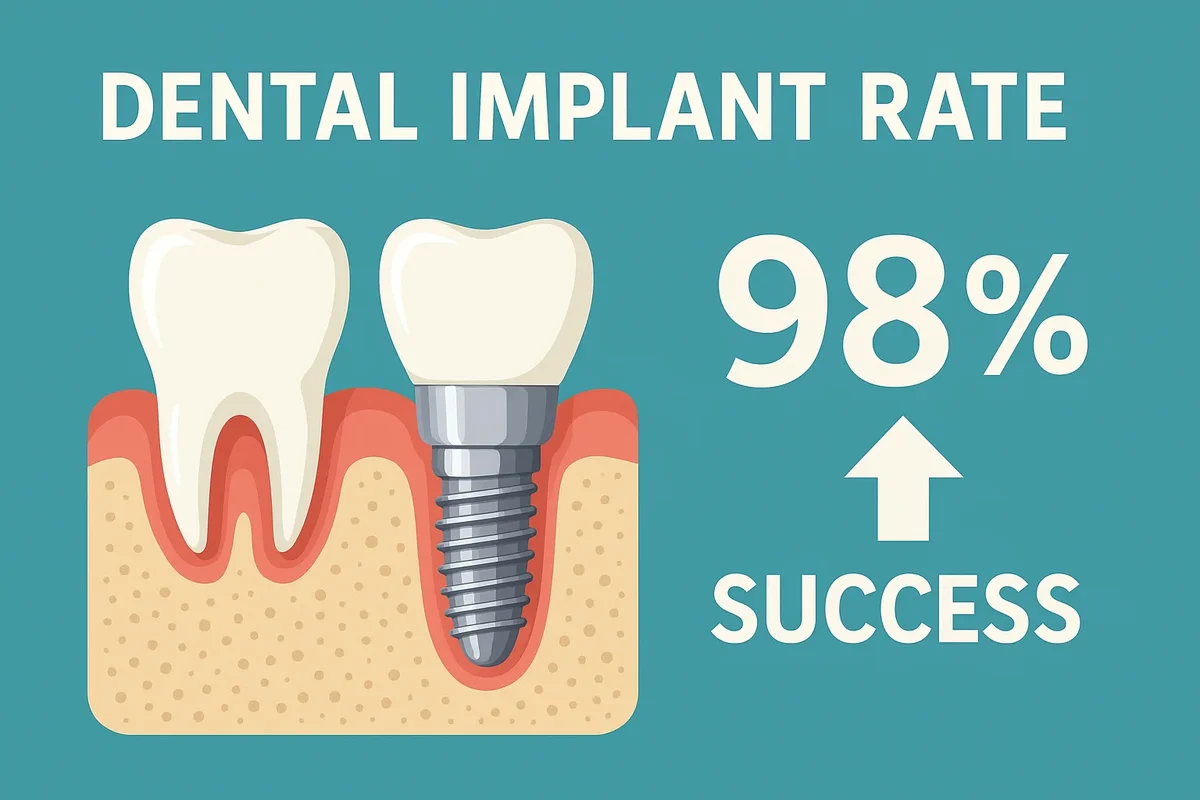
Global Comparison of Dental Implant Rate by Country 🌍
The dental implant rate is not uniform across the world—it varies significantly depending on technology, training standards, socioeconomic factors, and access to advanced dental care. While modern implantology has achieved high success rates globally, understanding how these rates differ by country helps patients make informed choices about where to receive treatment. Some nations have become global leaders through innovation and research, while others are catching up thanks to affordable care and medical tourism. This section presents a comprehensive comparison of the dental implant rate by region, exploring the factors that shape success rates and how countries like Turkey, Germany, and the United States have set new global benchmarks.
1. Understanding Global Success Variability
The global average dental implant rate currently stands at around 96–98%, reflecting a remarkable improvement from earlier decades when success rates hovered near 85%. However, these averages can vary widely between nations. Developed countries with advanced healthcare systems tend to maintain success levels near 99%, while developing regions—often limited by cost, infrastructure, or access to skilled surgeons—may experience slightly lower figures. These variations don’t necessarily reflect poor practice but rather differences in healthcare accessibility, surgical precision, and postoperative care.
Key Global Influencers on Implant Success
- Technology Availability: Access to 3D imaging, guided surgery, and digital scanning significantly raises the dental implant rate.
- Training and Certification: Regions emphasizing specialized implant education have fewer postoperative complications.
- Economic Conditions: Wealthier nations can invest more in biomaterials and research, improving procedural precision.
- Patient Awareness: Educated patients follow care protocols better, reducing implant loss and boosting the global average.
2. United States and Western Europe: Pioneers of Implantology
The United States and Western Europe, particularly Germany and Switzerland, are recognized pioneers in implant dentistry. These regions boast some of the highest dental implant rate statistics in the world—ranging from 97% to 99%. The U.S. dental market benefits from cutting-edge technology, world-class research institutions, and strict regulatory oversight by bodies like the American Dental Association. German clinics, on the other hand, are renowned for their precision engineering and innovation in implant design, with companies such as Straumann and Nobel Biocare setting industry standards.
Factors Behind Western Success
Western clinics excel because they combine meticulous surgical technique with comprehensive pre- and post-treatment planning. Continuous professional development is mandatory for most practitioners, ensuring they remain up-to-date with evolving protocols. Furthermore, patients in these regions generally have better access to preventive care, maintaining optimal oral hygiene before and after implantation—another key reason why their dental implant rate remains high.
3. Turkey: The Fastest Growing Dental Tourism Hub
Turkey has rapidly emerged as a powerhouse in global implantology, boasting one of the fastest-growing dental implant rate averages worldwide—typically between 96% and 98%. This rise stems from a combination of advanced technology, affordable pricing, and internationally trained surgeons. Turkish clinics often adopt the same implant systems used in the U.K. or Germany but offer treatments at a fraction of the cost, attracting thousands of international patients annually. Cities like Istanbul, Antalya, and Izmir have become renowned dental tourism centers, offering comprehensive packages that blend high-quality treatment with luxurious patient care experiences.
Institutional Support and Accreditation
Government initiatives under the Health Türkiye program have bolstered Turkey’s global reputation. Clinics like Redent Klinik Contact Page exemplify this success by combining certified professionals, advanced surgical guides, and meticulous hygiene standards to maintain a consistent dental implant rate of over 98%. This combination of affordability and reliability positions Turkey as a global model of accessible yet premium dental healthcare.
4. Asia: Innovation Meets Accessibility
Asian countries, especially South Korea, Japan, and India, have also made significant contributions to the rising global dental implant rate. South Korea, home to implant manufacturers like Osstem and Dentium, leads the region with success rates averaging 97%. These companies have not only made implants more affordable but also expanded training programs for dentists worldwide. Japan’s meticulous approach to surgical precision and post-care hygiene has resulted in equally impressive outcomes. Meanwhile, India’s rapidly growing dental tourism industry provides cost-effective options supported by increasingly skilled practitioners.
Economic and Cultural Differences
In Asia, economic disparities can influence the dental implant rate between urban and rural regions. Large cities like Seoul or Tokyo maintain success rates close to global leaders, whereas rural clinics may lack advanced imaging or sterilization systems. Nonetheless, the region’s collective progress is reshaping implantology by merging affordability with technological advancement.
5. Middle East and Gulf Countries: Rapid Modernization
Countries such as the United Arab Emirates, Saudi Arabia, and Qatar have seen exponential improvements in their dental implant rate due to rapid modernization of healthcare infrastructure. Luxury dental centers equipped with robotic systems and CAD/CAM technology are now common. Additionally, many dental specialists in the Gulf were trained in Europe or the U.S., ensuring international standards. With success rates now reaching 96–98%, these nations are becoming regional leaders in advanced oral rehabilitation.
Medical Tourism and Patient-Centered Care
High-end clinics in Dubai and Doha combine hospitality with technology, offering VIP dental services where each procedure is digitally planned. This precision-driven approach, combined with strict patient monitoring, helps maintain high dental implant rate performance and long-term success.
6. Emerging Regions: Latin America and Africa
In Latin America, countries like Mexico, Brazil, and Colombia are rising stars in dental tourism. With affordable treatment and improving clinical education, these regions report average dental implant rate outcomes between 90% and 95%. Although slightly lower than global leaders, these numbers are steadily improving thanks to foreign collaboration, improved hygiene standards, and digital adoption. Africa, on the other hand, still faces infrastructural challenges, with access to specialized dental care limited to major cities like Cairo, Johannesburg, and Nairobi. However, international partnerships and nonprofit initiatives are gradually elevating training standards and accessibility.
Future Potential of Developing Markets
With improved education and investment in technology, these developing markets are projected to see a sharp rise in dental implant rate success over the next decade. As dental professionals gain more global exposure and adopt modern materials, the success gap between developed and developing nations continues to narrow.
7. Global Trends and the Path Forward
Worldwide, the trend points toward greater standardization and digitalization. Artificial intelligence, regenerative biomaterials, and patient-specific implant designs are expected to push the global dental implant rate to near 99% within the next ten years. The collaboration between universities, implant manufacturers, and international dental organizations ensures a steady exchange of expertise that benefits patients globally. Moreover, the democratization of dental education through online courses and cross-border training is helping even smaller clinics adopt world-class protocols.
In conclusion, while the dental implant rate varies from region to region, one unifying trend is clear — success rates are steadily climbing across the globe. Countries like the U.S., Germany, and Turkey set the bar high, while emerging markets rapidly close the gap through innovation and international cooperation. The world of implantology is moving toward a future where geography no longer determines access to excellence. With advanced materials, global knowledge sharing, and patient-focused care, achieving a perfect smile has become more universal than ever. 🌎🦷✨