
When it comes to achieving a lasting, natural-looking smile, few procedures rival the effectiveness of dental implants. 🌟 In this comprehensive guide on dental implant recommendations, you’ll learn how dental implants restore oral health, boost confidence, and provide a lifetime of value. Whether you’ve lost one tooth or several, making informed choices about your treatment can make all the difference between a good result and a life-changing transformation.
Dental implants are titanium-based replacements that act as artificial roots for missing teeth. They integrate with your jawbone through a process called osseointegration, offering unmatched stability and durability. But beyond the science lies the most critical question: how do you find the best dental implant recommendations suited to your personal needs? 🦷 This article dives deep into the key factors you must know before committing to dental implant surgery.
Why People Trust Dental Implant Recommendations
According to global dental research, implants have a success rate of over 95%, making them one of the most reliable options for tooth replacement. Patients who follow dental implant recommendations from licensed professionals often report higher satisfaction, faster healing, and more natural aesthetic outcomes. This reliability comes from years of clinical testing and technological innovation in implant design and biocompatible materials.
However, finding the right implant isn’t just about technology—it’s about personalized care. Every mouth is different, and factors such as bone density, gum health, and overall oral hygiene play crucial roles. That’s why professional consultation is essential before undergoing treatment. If you’re considering implants, reaching out to a trusted dental clinic like Redent Klinik Contact Page ensures that your individual needs are properly evaluated by experts who specialize in implantology.
How Dental Implant Recommendations Are Formulated
Qualified dentists don’t rely on guesswork when giving dental implant recommendations. They use diagnostic tools such as 3D imaging, bone scans, and digital impressions to plan every aspect of your treatment. These diagnostics help determine the correct implant size, placement angle, and the type of prosthetic that best suits your bite alignment. 🔬
Furthermore, experts consider your medical history and lifestyle factors like smoking habits, nutrition, and oral hygiene. A person who maintains good gum health and follows a proper cleaning routine will likely experience better implant longevity. Meanwhile, patients with chronic conditions such as diabetes or osteoporosis may require additional pre-treatment care.
Benefits of Following Professional Dental Implant Recommendations
By adhering to the right dental implant recommendations, you ensure a treatment outcome that looks, feels, and functions like natural teeth. Some of the top benefits include:
- Permanent Stability: Implants fuse with bone, preventing slippage or discomfort.
- Bone Preservation: They stop bone loss and gum recession, which often follow tooth loss.
- Enhanced Speech & Chewing: No clicking sounds or dietary restrictions as seen with dentures.
- Improved Facial Structure: Dental implants support your jaw and maintain facial harmony.
These long-term advantages explain why more than 3 million Americans have already received implants—a number growing by 500,000 annually, according to the American Dental Association.
Common Myths About Dental Implant Recommendations
Despite their success, myths often discourage patients from pursuing implants. One popular misconception is that implants are painful or excessively expensive. In reality, most modern implant procedures involve minimal discomfort and are performed under local anesthesia. As for costs, prices vary based on location, material type, and dentist expertise. For example, a single implant may range from $1,200 to $3,000 in Turkey, while in the U.S., the same procedure can exceed $4,500 due to overhead costs and insurance structures. 💰
Another myth is that implants require too much maintenance. The truth? Implants demand no more care than your natural teeth—regular brushing, flossing, and semi-annual dental visits suffice. Following your dentist’s dental implant recommendations ensures your new teeth remain spotless and functional for decades.
Long-Term Success and Final Thoughts
Success in dental implant treatment depends heavily on selecting the right materials and following clinical advice. Titanium and zirconia remain the most trusted implant materials, both offering excellent biocompatibility. But even the best materials won’t help if the patient neglects follow-up appointments or fails to maintain oral hygiene. 🪥
Ultimately, reliable dental implant recommendations act as a roadmap for a successful, confident, and healthy smile. They bridge the gap between patient expectations and medical reality—ensuring that every step of the journey, from consultation to post-op care, is rooted in science, experience, and empathy. If you’re ready to transform your smile, schedule a professional consultation today and discover how the right implant plan can give you the comfort, beauty, and strength you deserve.
Understanding Dental Implants: What You Need to Know
Before diving into expert dental implant recommendations, it’s essential to understand what dental implants are and why they have become the gold standard in modern dentistry. 🦷 In simple terms, a dental implant is an artificial tooth root made of titanium or zirconia that replaces a missing natural root. Once implanted into the jawbone, it fuses with the bone through a biological process called osseointegration. This forms a stable foundation for crowns, bridges, or dentures—giving patients the look and function of real teeth.
Understanding the science and process behind dental implants helps patients make confident and informed decisions. The more you know about the structure, materials, and techniques involved, the easier it becomes to follow the best dental implant recommendations for long-term success and oral health improvement.
What Makes Dental Implants Different from Other Tooth Replacements?
Traditional dentures or bridges often rest on top of the gums or rely on adjacent teeth for support. This can lead to discomfort, bone loss, or difficulty chewing over time. In contrast, implants mimic natural tooth roots, preserving jawbone density and ensuring your smile looks youthful and healthy. 😁
One of the biggest advantages of following expert dental implant recommendations is the longevity of the results. When properly maintained, implants can last over 25 years—or even a lifetime—making them a far more durable investment than removable options. Moreover, implants provide enhanced stability, allowing you to speak, chew, and laugh with confidence without worrying about slipping prosthetics.
Key Components of a Dental Implant System
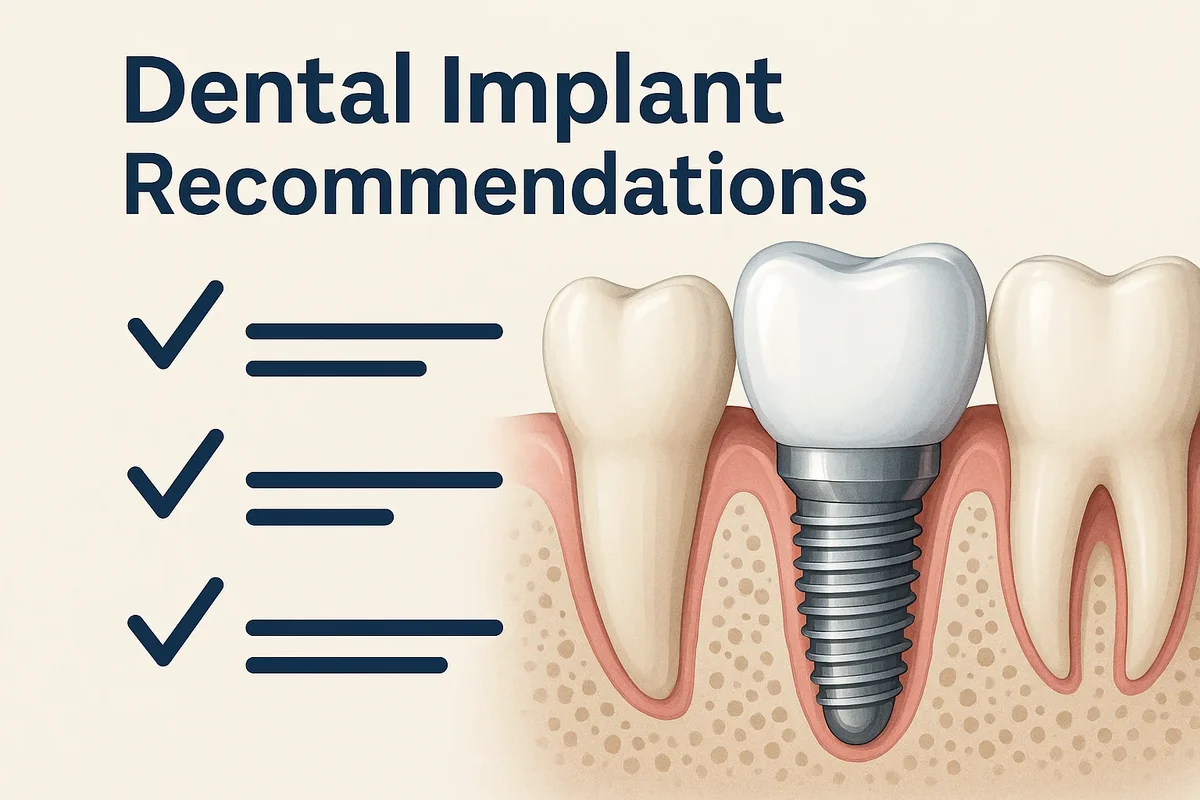
A standard implant system consists of three parts:
- Implant Fixture: The titanium screw that is inserted into the jawbone.
- Abutment: A connector that links the implant to the visible crown.
- Dental Crown: The tooth-like restoration placed on top for a natural appearance.
Each component plays a crucial role in stability and function. When your dentist provides dental implant recommendations, they consider these elements to ensure that the size, angle, and material are optimized for your bone density and bite pattern.
Types of Dental Implants
There are several types of implants available, each suitable for different oral conditions. Choosing the right type depends on bone health, gum condition, and aesthetic goals. Below are the main types:
Endosteal Implants
These are the most common type of dental implants. Inserted directly into the jawbone, they serve as anchors for artificial teeth. Endosteal implants are typically made of titanium and resemble small screws. They are recommended for patients with sufficient bone volume and density.
Subperiosteal Implants
Unlike endosteal implants, subperiosteal implants sit on top of the jawbone but underneath the gum tissue. They are ideal for individuals who lack adequate bone height but want to avoid bone grafting. Although less common today, they can still be part of specialized dental implant recommendations for certain cases.
Zygomatic Implants
For patients with severe bone loss in the upper jaw, zygomatic implants anchor into the cheekbone (zygoma) rather than the jawbone. This advanced method eliminates the need for bone grafts and is often recommended for full-mouth restoration procedures.
The Science Behind Osseointegration
The success of dental implants depends on osseointegration, a biological process where the implant fuses with surrounding bone tissue. This integration creates a stable base for the prosthetic tooth and prevents movement. Following your dentist’s dental implant recommendations—such as proper hygiene and avoiding smoking—ensures that osseointegration occurs effectively and reduces the risk of implant failure.
Interestingly, the material used—most often titanium—is biocompatible, meaning it is well-accepted by the body and does not trigger immune rejection. Some modern clinics, like Redent Klinik Contact Page, use advanced imaging and computer-guided surgery to place implants with millimeter-level precision. This enhances healing and ensures optimal integration with bone tissue.
Factors Influencing Dental Implant Success
Several factors affect the success of dental implants:
- Bone Quality: Healthy bone structure supports faster integration.
- Oral Hygiene: Proper brushing and flossing prevent infection.
- Lifestyle Choices: Avoiding smoking and maintaining a balanced diet accelerates recovery.
- Professional Expertise: Choosing a qualified implantologist ensures precise placement and long-term results.
According to the American Dental Association, implant success rates are highest when patients strictly follow post-surgical care and routine maintenance guidelines. Ignoring these dental implant recommendations can lead to inflammation or implant loosening over time.
Why Patient Education Matters
Knowledge is power when it comes to oral health. Understanding every step of your treatment plan—before, during, and after surgery—gives you confidence and sets realistic expectations. Dentists provide dental implant recommendations not just to sell a procedure, but to ensure safety, precision, and satisfaction for every patient. 📚
When patients are well-informed about recovery timelines, dietary precautions, and hygiene requirements, they’re far more likely to experience smooth healing and lasting success. For example, most patients can return to work within 48–72 hours after placement, but the full healing and fusion process may take 3–6 months, depending on bone health and adherence to aftercare protocols.
Final Thoughts: Knowledge Before Action
Understanding the basics of dental implants prepares you for the next step—evaluating whether you’re a good candidate. By learning how implants work, their materials, and their biological foundation, you can make decisions aligned with expert dental implant recommendations. As the foundation for the next stages of your dental journey, this knowledge ensures you’re ready to choose the right procedure, follow professional guidance, and achieve a smile that’s both functional and beautiful. 🌟
Who Should Consider Getting Dental Implants?
When evaluating dental implant recommendations, one of the most important questions patients ask is, “Am I a good candidate for dental implants?” 🦷 The truth is that dental implants are suitable for a wide range of individuals, but they’re not a one-size-fits-all solution. Understanding who qualifies for implants—and who may need preparatory procedures—is essential for achieving long-lasting, healthy, and natural-looking results. This detailed section will explore every factor, from age and bone quality to overall health and lifestyle habits, that determines whether someone is the right candidate for dental implants.
Ideal Candidates for Dental Implants
Ideal candidates for dental implants are typically adults who have lost one or more teeth due to decay, injury, or gum disease. These individuals should have fully developed jawbones and healthy gums to ensure that the implant can integrate successfully. When dental professionals provide dental implant recommendations, they assess multiple biological and lifestyle factors before approving a patient for surgery.
1. Adults with Missing Teeth
Adults who have lost teeth and want a permanent, natural-looking replacement are perfect candidates for implants. Unlike removable dentures, implants function just like real teeth—allowing for normal eating, speaking, and smiling. Whether the tooth loss is from trauma, periodontal disease, or congenital absence, implants offer a durable and aesthetic solution that prevents bone loss and restores self-confidence.
2. Patients with Sufficient Bone Density
Bone density is one of the main factors in determining eligibility. A strong jawbone provides the necessary foundation for implants to fuse properly through osseointegration. If the bone is too thin or weak, your dentist might suggest bone grafting before implant placement. Following professional dental implant recommendations for bone restoration ensures the implant’s long-term success and stability.
3. Individuals with Healthy Gums
Healthy gums are crucial for supporting implants. Patients suffering from untreated gum disease (periodontitis) risk implant failure due to infection and inflammation. Dentists typically recommend a thorough cleaning and gum treatment before proceeding with the implant procedure. Consistently maintaining gum health after surgery, as per your dentist’s dental implant recommendations, also prolongs implant life.
Age Considerations in Dental Implant Recommendations
While dental implants are primarily recommended for adults, age itself is not a strict limitation. In fact, many seniors enjoy excellent results from implants as long as they have adequate bone density and good overall health. The key factor is not chronological age, but physiological readiness.
Young Adults (18–30 Years)
For young adults, the jawbone must be fully developed before considering implants. If implants are placed too early, bone growth could cause misalignment or displacement. Dentists often wait until bone growth stabilizes before giving dental implant recommendations for younger patients.
Middle-Aged Adults (30–60 Years)
This age group forms the majority of implant patients. Tooth loss from accidents, decay, or gum disease becomes more common during these years. Individuals who maintain good health, don’t smoke excessively, and follow oral hygiene routines are prime candidates. By adhering to proper dental implant recommendations, patients can expect excellent results and longevity from their implants.
Seniors (60+ Years)
Many seniors mistakenly believe they are too old for implants, but this is not the case. As long as there’s sufficient bone and the patient is medically stable, implants can be placed safely—even in the elderly. In fact, dental implants can dramatically improve quality of life for seniors by restoring chewing ability, speech clarity, and self-confidence.
Medical Conditions That May Affect Candidacy
Although implants are suitable for most people, certain health conditions require careful consideration or additional preparation. When issuing dental implant recommendations, dentists evaluate the patient’s full medical history to minimize complications.
- Diabetes: Well-controlled diabetes doesn’t usually prevent implant success, but uncontrolled cases can delay healing. Proper monitoring and medical collaboration are essential.
- Osteoporosis: This condition can reduce bone density, making grafting necessary before implant placement.
- Heart Disease: Patients should consult both their dentist and cardiologist to ensure they can safely undergo anesthesia or sedation.
- Smoking: Nicotine reduces blood flow to gums, slowing recovery. Quitting before and after surgery, as advised in dental implant recommendations, improves implant success rates dramatically.
Lifestyle and Oral Hygiene Factors
Good oral hygiene and a commitment to follow-up care are essential for implant longevity. Brushing twice daily, flossing, and regular dental check-ups form the foundation of any dental implant recommendations. Lifestyle habits such as heavy alcohol consumption or bruxism (teeth grinding) can negatively impact healing and should be addressed beforehand.
For those who maintain healthy habits and visit their dentist regularly, implants can last 25 years or more. Many dental experts, including those at Redent Klinik Contact Page, provide tailored aftercare plans to ensure the implant remains stable and aesthetically pleasing.
Psychological and Emotional Readiness
Beyond physical health, mental preparedness plays an underrated yet important role in dental implant success. Patients must have realistic expectations, understanding that full recovery and integration may take several months. Following expert dental implant recommendations regarding post-surgery diet, activity level, and follow-up visits builds confidence and helps patients remain motivated throughout the process. 🌟
When Dental Implants May Not Be Recommended
There are rare situations where implants may not be immediately advisable. For example, individuals with severe uncontrolled medical conditions, heavy smokers, or those undergoing radiation therapy in the jaw area might need alternative treatments or preparatory procedures first. In these cases, temporary dentures or bridges may serve as interim solutions until the patient becomes eligible for implants. 🩺
Final Thoughts: Deciding If You’re a Candidate
Determining if you qualify for dental implants involves a detailed assessment of oral and systemic health, bone quality, and personal habits. Working closely with an experienced implant specialist ensures that your dental implant recommendations are tailored to your unique needs and health profile. By taking a holistic approach—combining dental expertise, patient education, and lifestyle adjustments—you’ll be well on your way to achieving a confident, lasting smile supported by science and precision.
To learn more or to book a personalized evaluation, reach out to reputable professionals or visit trusted organizations such as the American Dental Association for evidence-based insights on implant suitability and patient care. With the right preparation and expert guidance, your journey toward a beautiful, permanent smile begins here. 😁
The Step-by-Step Process of Dental Implant Placement
When it comes to dental implant recommendations, understanding the full treatment process is key to reducing anxiety and setting realistic expectations. 🦷 Patients who know what to expect during each stage of implant placement tend to experience smoother recoveries and higher satisfaction rates. This detailed breakdown will guide you through every phase — from initial consultation to the final restoration — ensuring you feel confident and well-prepared for your dental journey.
Step 1: The Initial Consultation and Diagnosis
The first step in receiving implants begins with a comprehensive dental consultation. During this visit, your dentist evaluates your oral and medical health to determine whether you’re a suitable candidate. A thorough assessment includes:
- 3D imaging and X-rays to assess bone density and jaw structure.
- Digital impressions for custom treatment planning.
- Medical history review to identify any conditions that may affect healing.
Based on this evaluation, your dentist provides personalized dental implant recommendations — including the type of implant, the placement technique, and any additional treatments (like bone grafting) that may be needed for optimal results. Clinics such as Redent Klinik Contact Page specialize in digital planning systems, which reduce surgical risks and enhance accuracy.
Step 2: Pre-Surgical Preparations
Once your treatment plan is finalized, the next stage involves preparing your mouth for surgery. Depending on your individual case, this may include:
- Tooth extraction if damaged teeth remain in the implant site.
- Bone grafting to strengthen areas where bone loss has occurred.
- Gum treatment to eliminate infections and create a healthy foundation.
Following your dentist’s dental implant recommendations during this stage is critical. Smoking cessation, proper diet, and medication adjustments (if you take blood thinners) are often advised before surgery. Preparing your body ensures faster healing and minimizes complications.
Step 3: The Implant Placement Surgery
On the day of surgery, the dental implant — a titanium or zirconia screw — is surgically inserted into your jawbone. 🛠️ This is typically performed under local anesthesia or mild sedation, making it a painless and controlled procedure. Here’s what happens during the operation:
1. Incision and Bone Access
The dentist makes a small incision in the gum to expose the bone. Using precise guides from 3D imaging, a pilot hole is drilled to ensure the implant is placed at the ideal angle and depth.
2. Implant Insertion
The titanium fixture is gently screwed into the prepared bone site. Once in place, a cover screw or healing cap is attached to protect the area during recovery.
3. Suturing and Recovery
The gum tissue is then stitched over the implant. Healing typically takes 3–6 months, during which osseointegration occurs — the implant fuses with the bone, creating a stable foundation for the artificial tooth.
Following your dental implant recommendations during recovery — such as eating soft foods, maintaining oral hygiene, and avoiding smoking — is vital for proper integration. Most patients report minimal discomfort, often managed easily with over-the-counter medication.
Step 4: The Healing and Osseointegration Period
This stage is arguably the most important in the entire process. ⏳ Osseointegration is the natural bonding of bone to the implant surface, transforming it into a permanent part of your jaw. Proper healing ensures long-term stability and prevents implant failure.
During this phase, your dentist will schedule periodic checkups to monitor progress. They might adjust your cleaning routine or recommend antimicrobial mouth rinses. Adhering to your provider’s dental implant recommendations at this point determines the long-term success of your implant.
Step 5: Abutment Placement
After successful osseointegration, the healing cap is removed, and a small metal connector called an abutment is attached. The abutment links the implant to the visible crown. This minor procedure is quick and typically performed under local anesthesia. The gum tissue heals around the abutment in 1–2 weeks, forming a natural contour that supports your future crown.
Step 6: Crown Fabrication and Final Restoration
The final stage involves placing the visible part of your new tooth — the dental crown. Using digital impressions, your dentist designs a crown that matches your surrounding teeth in shape, size, and color. You can choose between porcelain-fused-to-metal, all-ceramic, or zirconia crowns depending on your aesthetic goals and budget. 💎
Once the permanent crown is cemented or screwed into place, your smile is restored both functionally and cosmetically. The end result feels indistinguishable from natural teeth and, with proper care, can last a lifetime.
Step 7: Post-Procedure Care and Maintenance
After placement, proper maintenance is essential. Dentists emphasize ongoing oral hygiene as part of their dental implant recommendations to prevent peri-implantitis (infection around the implant). Here are some core maintenance habits:
- Brush twice daily with a soft-bristled toothbrush and fluoride toothpaste.
- Floss around implants or use interdental brushes to remove plaque.
- Schedule professional cleanings every 6 months.
- Avoid biting hard foods like ice or hard candy to prevent crown damage.
Adhering to these post-care tips ensures your implant remains strong, stable, and aesthetically perfect for decades. Many reputable clinics, including American Dental Association-affiliated practices, provide patient education programs to ensure proper long-term maintenance.
What to Expect During the Entire Process
The full dental implant journey typically spans 3 to 9 months depending on healing time and whether bone grafting is required. Although this may seem long, the result is a permanent, natural-looking tooth that restores both confidence and function. Patients who consistently follow dental implant recommendations report better outcomes, fewer complications, and improved chewing efficiency compared to those who neglect post-operative instructions.
Final Thoughts: A Guided Path to Your New Smile
Understanding each stage of the implant process empowers you to make informed decisions about your oral health. Every step — from consultation to restoration — builds toward one goal: creating a functional and beautiful smile that lasts a lifetime. By following your dentist’s dental implant recommendations closely, you ensure the procedure’s success and enjoy the lifelong comfort of a natural-feeling, secure smile. 🌟
Expert Dental Implant Recommendations for 2025
The world of implant dentistry continues to evolve rapidly, and following the latest dental implant recommendations in 2025 can make a significant difference in treatment outcomes, patient comfort, and long-term success. Advances in materials, digital imaging, and minimally invasive surgery have transformed how professionals approach implant placement and care. In this comprehensive guide, we’ll explore the most up-to-date expert insights, modern technologies, and evidence-based practices shaping the future of dental implants this year. 🦷
1. Emphasis on Digital Dentistry and Precision Planning
One of the biggest shifts in dental implant recommendations for 2025 is the growing reliance on digital dentistry. Dentists are increasingly using 3D CBCT (Cone Beam Computed Tomography) scans to visualize bone density, nerve locations, and sinus positions before surgery. These scans allow for virtual planning of implant placement, ensuring millimeter-level accuracy. 🖥️
In addition, AI-assisted software can now predict optimal implant angles and bone load distribution, reducing complications. Guided surgery kits based on digital scans have become the standard of care in many clinics, minimizing invasive procedures and shortening recovery time. Clinics such as Redent Klinik Contact Page employ these tools to create custom, patient-specific implant plans that enhance precision and aesthetics.
Digital Workflow Advantages
- Enhanced implant positioning and symmetry for a natural look.
- Reduced surgery time and postoperative discomfort.
- Improved success rates due to accurate pre-surgical mapping.
Following expert dental implant recommendations that integrate digital planning ensures not only safer procedures but also faster healing and long-term stability.
2. Biocompatible and Smart Implant Materials
Material innovation has been another driving force in modern implantology. In 2025, titanium remains the most widely used implant material due to its excellent osseointegration capabilities. However, zirconia implants are becoming increasingly popular among patients seeking metal-free, aesthetic alternatives.
Latest Material Trends
- Nanostructured Surfaces: Implants with nano-textured coatings promote faster bone integration and improved cell adhesion.
- Plasma-Sprayed Titanium: Provides better mechanical stability and biointegration for complex cases.
- Zirconia (Ceramic) Implants: Highly aesthetic and corrosion-resistant, ideal for patients with metal sensitivities.
Experts now recommend using implants with antibacterial coatings that reduce peri-implantitis risks. These innovations have become a cornerstone of dental implant recommendations for achieving longevity and biocompatibility.
3. Minimally Invasive Surgical Techniques
Modern implantology emphasizes patient comfort through less invasive surgical protocols. Instead of traditional flap surgeries, many dentists now adopt “flapless” approaches where implants are inserted without large incisions. This reduces bleeding, swelling, and recovery time while maintaining excellent results. 👨⚕️
Laser-assisted surgery has also gained popularity. Lasers allow for cleaner incisions and improved soft-tissue healing. These advancements align with 2025’s expert dental implant recommendations that prioritize reduced trauma and faster patient recovery.
Key Benefits of Minimally Invasive Surgery
- Shorter healing times and less postoperative pain.
- Reduced infection risks due to smaller incisions.
- More predictable outcomes with digital surgical guidance.
4. Immediate Loading and Same-Day Implants
Gone are the days when patients had to wait months before receiving their final crowns. With new technologies and stronger implant designs, immediate loading has become one of the top dental implant recommendations in 2025. Patients can now walk out of the clinic with a full smile on the same day the implant is placed. 🌟
This approach, known as “Teeth in a Day,” offers instant results while maintaining high success rates. However, it’s crucial that bone density and implant stability meet specific clinical requirements. Experienced clinicians use torque measurements and CBCT data to confirm readiness for immediate loading.
5. Personalized Treatment Plans and AI-Driven Analysis
AI technology has become an integral part of modern dentistry. Artificial intelligence systems can now analyze patient data — such as bone scans, bite forces, and medical history — to provide optimized dental implant recommendations. These personalized plans reduce guesswork, helping dentists choose the ideal implant type, length, and position for every unique case.
AI in Implantology
- Predictive modeling of implant success rates.
- Machine-learning algorithms that enhance diagnostic accuracy.
- Automated case documentation for streamlined treatment planning.
Through AI-powered diagnostics, dentists can identify potential risk factors before surgery, improving safety and predictability across all patient categories.
6. Integration of Regenerative Dentistry
Another key trend influencing dental implant recommendations for 2025 is the integration of regenerative dentistry techniques. Stem-cell therapies and growth factors are now being used to stimulate bone and tissue regeneration. Platelet-rich plasma (PRP) and platelet-rich fibrin (PRF) treatments accelerate healing by using the patient’s own blood components.
This biological approach not only enhances bone graft outcomes but also promotes healthier gum attachment and long-term implant success. The combination of biological enhancement and digital precision represents the cutting edge of implant dentistry in 2025.
7. Focus on Sustainability and Eco-Friendly Practices
Environmental consciousness has also reached the dental field. Modern practices are incorporating eco-friendly sterilization systems, recyclable packaging, and reduced plastic use. Even implant manufacturers are turning to sustainable production methods. These environmentally responsible choices align with ethical dentistry and form part of the updated dental implant recommendations by professional organizations such as the American Dental Association.
8. Enhanced Patient Education and Remote Monitoring
With the rise of telemedicine and smart devices, patient education and monitoring have become integral to implant success. Many clinics now provide post-operative apps that remind patients to follow cleaning routines and report discomfort. Dentists can monitor healing progress remotely, adjusting dental implant recommendations in real time.
This not only improves compliance but also prevents early-stage complications, making the overall treatment experience more interactive and patient-centered.
9. Final Expert Insights for 2025
In 2025, the key to successful implant treatment lies in customization, technology integration, and ongoing care. Patients should seek clinics that combine digital planning, advanced materials, and personalized treatment protocols. The experts agree: consistent follow-up care and hygiene are equally important as the surgery itself. 🪥
Ultimately, by following modern dental implant recommendations, patients gain access to more predictable, comfortable, and aesthetically superior outcomes. Whether you’re replacing a single tooth or restoring a full arch, the innovations of 2025 have made dental implants more accessible and successful than ever before — paving the way to a confident, healthy, and enduring smile. 😁
Comparing Dental Implants to Bridges and Dentures
When evaluating your tooth replacement options, understanding the differences between dental implants, bridges, and dentures is crucial for making an informed decision. 🦷 Expert dental implant recommendations consistently highlight implants as the most advanced, long-term, and natural-looking solution for tooth loss. However, each method has unique benefits and limitations depending on your oral health, lifestyle, and financial considerations. In this section, we’ll compare these three popular restorative treatments in detail to help you determine which is right for you.
1. Overview of Tooth Replacement Options
Before diving into the specifics, it’s important to understand what each solution offers:
- Dental Implants: Artificial tooth roots made of titanium or zirconia, surgically anchored into the jawbone to support crowns or bridges.
- Dental Bridges: Prosthetic devices that replace missing teeth by anchoring onto adjacent natural teeth.
- Dentures: Removable appliances that rest on the gums to replace multiple or all missing teeth.
While all three restore the appearance and functionality of your smile, only implants address the underlying bone loss issue associated with missing teeth. This distinction forms the foundation of most modern dental implant recommendations from professional dentists and organizations like the American Dental Association.
2. Structural and Functional Differences
The biggest difference between implants and traditional restorations lies in their structure and how they interact with your mouth’s anatomy.
Dental Implants: The Gold Standard
Implants function as artificial tooth roots, permanently fusing with your jawbone through a process called osseointegration. This provides stability comparable to natural teeth, preventing bone loss and preserving facial structure. They do not rely on neighboring teeth for support — a major advantage highlighted in nearly all dental implant recommendations.
Dental Bridges: Limited Stability
Bridges rely on adjacent teeth (called abutments) to hold the artificial tooth (pontic) in place. While effective for filling gaps, this approach requires grinding down healthy teeth, which can weaken them over time. Additionally, bridges do not prevent bone loss beneath the missing tooth.
Dentures: Affordable but Temporary
Dentures rest directly on the gums and are removable. Although they restore appearance and basic chewing function, they can slip or cause discomfort, especially in the lower jaw. Long-term use often leads to bone shrinkage, altering facial structure. 😬
3. Durability and Longevity
When it comes to lifespan, implants far surpass both bridges and dentures. With proper care, dental implants can last 25 years or longer — often a lifetime. In comparison, bridges typically last 10–15 years, and dentures usually need replacement every 5–8 years.
Because implants integrate directly with the bone, they become a permanent part of your mouth. According to modern dental implant recommendations, this makes them the most cost-effective option over time, even if the initial investment is higher.
4. Maintenance and Hygiene Requirements
Another area where implants stand out is maintenance. They require the same care as natural teeth: brushing twice daily, flossing, and regular dental visits. Bridges, however, need special floss threaders to clean underneath the pontic, while dentures require removal for nightly cleaning and soaking.
Patients who follow dental implant recommendations for maintenance — including professional cleanings every six months — experience fewer infections and longer-lasting results. 🪥
5. Aesthetic and Comfort Comparison
From an aesthetic standpoint, implants look and feel the most natural. They blend seamlessly with your existing teeth, maintaining your facial symmetry and bite alignment. Bridges offer decent aesthetics but may show metal margins over time. Dentures, on the other hand, can feel bulky and may affect speech or taste perception.
Realistic Appearance
Implants are custom-designed to match your natural teeth’s shape and color, making them virtually indistinguishable. This is why most aesthetic dentistry experts include implant-based solutions in their top dental implant recommendations for full-mouth restorations or smile makeovers.
6. Bone Health and Facial Structure
One of the most important differences between implants and other options is how they affect jawbone health. When a tooth is lost, the bone beneath it begins to deteriorate due to lack of stimulation. Only implants mimic the natural root structure and continue stimulating bone tissue, preserving facial volume and preventing premature aging.
Bridges and dentures, unfortunately, cannot replicate this biological effect. Over time, bone resorption leads to a sunken facial appearance — something dental implants help avoid completely. This is why many surgeons prioritize implants in their dental implant recommendations for long-term oral health preservation.
7. Cost Comparison and Value Over Time
At first glance, implants may appear more expensive than bridges or dentures. However, when considering longevity, reduced maintenance, and improved quality of life, they often prove to be more economical in the long run.
Average Global Cost Insights
- Single Dental Implant: $1,200 – $3,000 (Turkey), $4,000 – $6,000 (USA)
- Dental Bridge: $800 – $2,500 per tooth
- Complete Denture Set: $1,000 – $3,000
Following professional dental implant recommendations can help patients avoid repetitive costs associated with replacement or repair of traditional restorations.
8. Patient Comfort and Adaptation
Implants offer superior comfort compared to other prosthetics. Since they’re securely anchored into the bone, there’s no slipping or gum irritation. Patients often report that implants feel like natural teeth from day one. Bridges may cause sensitivity in adjacent teeth, and dentures can create sore spots if not properly fitted.
9. Final Verdict: Which Option Is Best?
In summary, while bridges and dentures remain viable solutions for certain cases, dental implants clearly stand out in terms of stability, appearance, and long-term health benefits. For patients seeking a permanent, functional, and aesthetically pleasing tooth replacement, experts overwhelmingly favor implants as the superior option. 🌟
By following trusted dental implant recommendations from certified professionals or clinics such as Redent Klinik Contact Page, patients can achieve remarkable results that improve both confidence and quality of life. The conclusion is clear: dental implants are the gold standard for restoring smiles that last a lifetime.
Cost Guide: Dental Implant Recommendations and Price Insights
Understanding the financial aspects of dental implants is essential for anyone considering this life-changing procedure. 💰 While the initial investment might seem higher than alternatives, the long-term benefits in durability, comfort, and aesthetics make implants the best value for your money. This detailed cost guide explores all the essential factors that influence pricing, global price ranges, and why expert dental implant recommendations often highlight implants as a cost-effective, lifelong solution for missing teeth.
1. Factors That Influence Dental Implant Costs
The price of dental implants can vary significantly depending on multiple factors — from geographic location to the materials used and the complexity of the treatment. Below are the key elements affecting the total cost:
- Number of Implants: Single-tooth implants cost less overall than full-arch restorations.
- Implant Material: Titanium is standard, but zirconia implants are typically more expensive due to their aesthetic qualities.
- Bone Condition: Patients requiring bone grafts or sinus lifts will incur additional costs.
- Dentist Expertise: Highly skilled implantologists often charge higher fees but provide superior precision and success rates.
- Technology Used: Clinics employing 3D imaging, guided surgery, or laser procedures may have higher base costs due to advanced equipment.
By carefully reviewing these elements, patients can better interpret dental implant recommendations and budget accurately for the procedure.
2. Global Price Range Comparison
Prices for dental implants vary widely depending on the country and the clinic’s standards. Below is a global overview of average implant costs as of 2025:
| Country | Single Implant (USD) | Full Arch (USD) |
|---|---|---|
| Turkey | $1,000 – $3,000 | $5,000 – $12,000 |
| United States | $4,000 – $6,500 | $18,000 – $40,000 |
| United Kingdom | £2,000 – £3,500 | £10,000 – £25,000 |
| Germany | €2,500 – €4,000 | €12,000 – €30,000 |
| France | €2,000 – €3,200 | €10,000 – €25,000 |
As these figures show, dental tourism destinations such as Turkey offer highly competitive pricing with world-class results. Many international dental implant recommendations encourage patients to consider overseas clinics for affordable yet high-quality treatment options.
3. Cost Breakdown: What You’re Paying For
It’s important to know exactly what’s included in the quoted price. A standard dental implant procedure typically involves several components:
- Consultation and Imaging: Diagnostic scans (CBCT, X-rays) and treatment planning.
- Implant Surgery: Placement of the titanium or zirconia fixture in the jawbone.
- Abutment: The connector between the implant and the dental crown.
- Final Crown or Bridge: The visible part of your tooth replacement.
- Follow-Up Visits: Post-operative care and final adjustments.
When comparing clinic quotes, ensure all these elements are included. Transparent pricing is a sign of professionalism and aligns with best practices outlined in expert dental implant recommendations.
4. Hidden Costs to Be Aware Of
Some clinics advertise low initial prices but exclude additional services. Always ask whether your estimate includes:
- Bone graft or sinus lift (if required).
- Temporary prosthetics during healing.
- Local anesthesia or sedation costs.
- Laboratory fees for custom crowns.
- Post-surgery medications or follow-up visits.
By clarifying these aspects upfront, you can avoid surprises and stick to your budget while adhering to professional dental implant recommendations.
5. Financing and Insurance Coverage
Dental implants are often classified as elective procedures, meaning insurance coverage can be limited. However, many insurers now recognize their functional and medical value, offering partial reimbursements. Always check with your provider to understand coverage limits. 🧾
For out-of-pocket expenses, clinics commonly offer financing options such as installment plans or low-interest medical loans. Following dental implant recommendations from trusted professionals will help you balance affordability with quality and safety.
6. Cost vs. Longevity: The Value Perspective
While implants may appear expensive initially, their durability makes them the most cost-effective long-term solution. Bridges or dentures require regular replacements every few years, while implants — if maintained well — can last decades. This durability offsets the initial investment, offering unmatched value over time.
Example Calculation
Consider this: a dental bridge costing $2,500 needs replacement every 10 years. Over 30 years, that’s $7,500. A single implant priced at $2,800, on the other hand, can last a lifetime with minimal maintenance costs. Following reliable dental implant recommendations ensures you benefit from both immediate functionality and lifelong savings.
7. Why Prices Differ Between Clinics
Even within the same city, implant costs can differ greatly. Key reasons include:
- The dentist’s experience and specialization level.
- Quality of implant brands (e.g., Straumann, Nobel Biocare, MIS).
- Clinic overhead and technology used.
- Warranty and aftercare services.
Clinics adhering to international standards and using top-quality materials often have higher prices but deliver superior long-term outcomes. Choosing a clinic that follows strict dental implant recommendations from accredited bodies guarantees patient safety and success.
8. Tips for Saving Money Without Sacrificing Quality
Patients can significantly reduce costs without compromising results by following these expert tips:
- Opt for dental tourism in reputable countries like Turkey or Hungary.
- Choose clinics that offer package deals, including accommodation and transportation.
- Ask about lifetime implant warranties or free follow-up visits.
- Use high-quality titanium implants instead of luxury aesthetic options if budget is limited.
These strategies align with global dental implant recommendations aimed at helping patients find affordable and ethical dental care options.
9. Final Thoughts: Balancing Cost, Quality, and Longevity
Ultimately, the best investment in your oral health is one that balances cost, durability, and expert care. Implants are not just a cosmetic upgrade — they restore natural function, prevent bone loss, and enhance overall well-being. 🌟
Following professional dental implant recommendations ensures your treatment plan is both financially wise and medically sound. For accurate quotes and expert guidance, consider consulting reputable clinics such as Redent Klinik Contact Page. Their transparent pricing, cutting-edge technology, and experienced specialists guarantee an excellent return on investment for your smile — one that pays off for a lifetime.
How to Choose the Best Dentist for Dental Implants
Selecting the right dental professional is just as important as choosing the implant itself. 🦷 Even the best materials and technologies cannot compensate for poor execution. That’s why expert dental implant recommendations always emphasize the importance of dentist selection. The skill, experience, and approach of your implantologist directly influence your treatment’s success rate, recovery time, and long-term satisfaction. This comprehensive section will guide you through every factor to consider when choosing the ideal specialist for your dental implant journey.
1. Check the Dentist’s Qualifications and Certifications
The first step in following reliable dental implant recommendations is verifying credentials. Implant dentistry is a highly specialized field that requires advanced surgical and restorative skills. Your chosen dentist should hold recognized certifications in implantology from reputable institutions such as the International Congress of Oral Implantologists (ICOI) or the American Academy of Implant Dentistry (AAID).
Furthermore, postgraduate education and continuing professional development are critical. A dentist who regularly attends workshops and advanced courses demonstrates commitment to staying updated with the latest implant techniques, digital workflows, and material innovations. Patients can confirm this by reviewing the clinic’s website or directly asking for proof of certification during consultation.
Key Credentials to Look For:
- Master of Science (MSc) in Implant Dentistry or Oral Surgery.
- Membership in international implant organizations (ICOI, AAID, EAO).
- Regular training in CBCT imaging, 3D planning, and guided surgery.
2. Evaluate Experience and Case History
Experience is the cornerstone of success in implantology. According to modern dental implant recommendations, a dentist should have placed at least several hundred implants to be considered proficient. Ask to see before-and-after photos of previous patients and inquire about their long-term success rates (ideally 95% or higher). Experienced implantologists are better equipped to handle complex cases such as bone grafts, sinus lifts, or full-arch restorations.
Questions to Ask During Consultation:
- How many implant surgeries have you performed?
- What types or brands of implants do you use?
- Do you have case studies or testimonials from patients?
Many reputable clinics, such as Redent Klinik Contact Page, provide photographic portfolios and patient feedback that demonstrate their consistency and high standards of care.
3. Review Technology and Equipment Used
Advanced technology significantly enhances precision and safety. Clinics that follow up-to-date dental implant recommendations typically utilize:
- 3D Cone Beam CT (CBCT): Allows for accurate bone analysis and nerve mapping.
- Digital Impressions: Provide exact measurements for customized crowns.
- Computer-Guided Surgery: Ensures accurate implant placement, minimizing errors.
- Intraoral Scanners: Eliminate messy molds and improve comfort.
These technologies reduce surgery time, improve aesthetics, and enhance recovery. Always choose a clinic that invests in modern diagnostic and surgical tools — it’s one of the strongest indicators of quality and professionalism.
4. Assess Communication and Consultation Style
A good implant dentist should not only be skilled but also communicative and patient-centered. The best dental implant recommendations highlight the importance of thorough consultation and transparency. During your first visit, observe whether the dentist:
- Takes time to explain every stage of the procedure clearly.
- Provides realistic timelines and outcomes.
- Answers all questions patiently and without rushing.
- Performs a full oral evaluation before recommending treatment.
Effective communication builds trust and ensures that patients fully understand the process, expected recovery, and long-term maintenance requirements. 🗣️
5. Check Implant Brands and Materials
Not all implants are created equal. The quality of the brand used plays a major role in longevity and integration success. According to leading dental implant recommendations, the top brands include Straumann, Nobel Biocare, Astra Tech, and MIS. These systems undergo rigorous testing and offer decades of clinical research supporting their reliability.
When consulting your dentist, ask about the implant brand, surface treatment, and warranty coverage. Reputable clinics use genuine components and provide full traceability — from manufacturing details to post-surgery documentation. This transparency is a mark of trust and professionalism.
6. Review Patient Testimonials and Online Reputation
In the digital era, reviews speak volumes about a dentist’s credibility. Explore testimonials on platforms like Google, Trustpilot, or independent health directories. Look for patterns in feedback — consistency in positive results, comfort during procedures, and long-term satisfaction are key indicators of reliability.
Clinics that receive repeated praise for professionalism, hygiene, and follow-up care typically align with the highest dental implant recommendations. Conversely, recurring complaints about pain, poor communication, or failed implants are red flags.
7. Examine Aftercare and Maintenance Services
Post-operative care is an often-overlooked but vital part of implant success. Implants require continuous monitoring to ensure integration and prevent infection. Reputable clinics provide structured follow-up appointments at 1, 3, 6, and 12 months after surgery. They also offer detailed maintenance guidance, including cleaning techniques and dietary precautions.
Following your dentist’s dental implant recommendations for aftercare is critical. A good clinic won’t simply perform the surgery and send you home; it will support your healing process every step of the way.
Standard Aftercare Practices Include:
- Routine check-ups with X-rays to verify bone integration.
- Professional cleanings every 6 months.
- Education on proper flossing and interdental cleaning tools.
- Dietary guidelines to prevent implant overload or irritation.
8. Compare Costs and Payment Flexibility
While cost shouldn’t be the sole deciding factor, it’s still an important consideration. Clinics following ethical dental implant recommendations are transparent about pricing and do not promote hidden fees. Look for detailed written quotes that include consultation, surgery, crown fabrication, and aftercare. Additionally, many clinics offer payment plans to make implants more affordable.
Beware of extremely low prices — they may indicate poor-quality materials or inexperienced practitioners. Always balance affordability with safety and experience.
9. Professional Affiliations and Clinic Standards
The best implant clinics are often members of professional dental associations such as the American Dental Association or European Association for Osseointegration (EAO). These memberships require strict adherence to ethical and clinical standards. Clinics operating under such frameworks are more likely to follow modern sterilization, documentation, and patient safety protocols.
10. Final Thoughts: Finding the Right Expert for Your Smile
Choosing the right dentist is the most decisive step in your implant journey. By verifying qualifications, experience, technology, and patient satisfaction, you’re ensuring both safety and success. 🌟
Following expert dental implant recommendations gives you the confidence to invest wisely in your oral health. Whether you’re restoring a single tooth or a full smile, select a dentist who values precision, communication, and ongoing care. The right professional doesn’t just replace teeth — they rebuild confidence, functionality, and the joy of smiling freely again.
Aftercare Tips: Maintaining Your Dental Implants for Life
Even the most precise surgery and premium materials can fail without proper aftercare. Long-term success depends heavily on how well you maintain your implants after the procedure. 🪥 Expert dental implant recommendations consistently stress that diligent oral hygiene, regular check-ups, and lifestyle habits determine whether your implants last a lifetime or fail prematurely. This section will provide an in-depth, practical guide to implant maintenance, ensuring your restored smile remains strong, functional, and beautiful for decades.
1. Understanding the Importance of Implant Aftercare
Once your dental implants have integrated with the jawbone, they function like natural teeth—but they still require maintenance. Unlike natural teeth, implants cannot develop cavities, but the surrounding gum tissue can become inflamed or infected, leading to a condition known as peri-implantitis. According to professional dental implant recommendations, this condition is the most common reason for implant failure, making hygiene and follow-up care crucial.
Proper aftercare ensures that your implant remains clean, your gums stay healthy, and the bone surrounding the implant remains stable. In fact, studies show that patients who strictly follow dental implant recommendations for cleaning and monitoring enjoy a success rate exceeding 95% even 10–15 years after placement.
2. Daily Oral Hygiene Practices
Your daily routine is the foundation of implant health. It’s not just about brushing—it’s about consistency and precision. 🧴 Follow these essential hygiene steps:
- Brush Twice Daily: Use a soft-bristled or electric toothbrush to clean around the implants. Pay special attention to the gum line where plaque often accumulates.
- Floss or Use Interdental Brushes: Clean between the implants and natural teeth daily. Specialized floss or interdental brushes help reach narrow gaps.
- Use Antimicrobial Mouthwash: Rinse with an alcohol-free, antibacterial solution to reduce bacteria and inflammation risk.
- Avoid Abrasive Toothpaste: Choose non-abrasive formulas to prevent micro-scratches on implant surfaces.
Following these dental implant recommendations for hygiene not only preserves the aesthetic appearance of your implants but also safeguards the surrounding gum tissue from infection.
3. Professional Dental Check-Ups and Cleanings
Even with flawless home care, professional maintenance is non-negotiable. Dentists recommend follow-up visits at least twice a year—or more frequently if you have risk factors like diabetes or smoking habits. During these visits, your dentist will:
- Inspect implants for signs of inflammation or bone loss.
- Perform digital X-rays to monitor bone integration.
- Conduct deep cleaning to remove hardened plaque (calculus) around implants.
- Adjust your personalized dental implant recommendations if any issues are detected.
Professional maintenance ensures early detection of complications and keeps your implants functioning like natural teeth for life.
4. Nutritional and Lifestyle Considerations
Your diet and lifestyle have a profound impact on your oral health. To maintain long-term success, adopt habits that promote bone health and gum stability. 🥦
Healthy Diet Guidelines:
- Eat calcium-rich foods (yogurt, cheese, leafy greens) to strengthen bone structure.
- Consume vitamin D and K2 for better calcium absorption.
- Avoid excessive sugar and acidic foods that can inflame the gums.
Habits to Avoid:
- Smoking: Nicotine reduces blood flow, slows healing, and increases peri-implantitis risk.
- Excessive Alcohol: Can delay recovery and weaken bone density.
- Bruxism (Teeth Grinding): Causes mechanical stress and may loosen implants over time.
These simple adjustments align perfectly with expert dental implant recommendations to ensure implants remain stable and strong for decades.
5. Managing Common Post-Surgery Concerns
In the first few weeks after implant placement, mild discomfort, swelling, or bruising is normal. However, following proper recovery protocols minimizes complications. Professional dental implant recommendations for post-surgery care include:
- Applying a cold compress for 10–15 minutes to reduce swelling.
- Taking prescribed antibiotics or pain relievers as directed.
- Eating soft foods like soups, mashed potatoes, and smoothies for the first few days.
- Avoiding physical strain or heavy exercise for at least 48 hours.
If symptoms persist beyond the expected healing window, contact your dentist immediately to prevent infection or bone issues.
6. Preventing Peri-Implantitis
Peri-implantitis is a gum infection that can damage bone tissue supporting your implant. Preventing it is simpler than treating it. Follow these dental implant recommendations to minimize your risk:
- Never skip brushing or flossing—especially before bedtime.
- Quit smoking completely.
- Visit your dentist every 6 months for professional cleaning.
- Use a water flosser to remove deep-seated food particles.
Early symptoms like bleeding gums, bad breath, or swelling should never be ignored. Timely intervention can save your implant and prevent costly re-treatment.
7. Long-Term Care and Implant Longevity
Once healing is complete, your goal shifts from recovery to preservation. Implants can last 25+ years with minimal maintenance if you follow routine dental implant recommendations. Dentists may suggest periodic tightening or replacing abutments or crowns every 10–15 years to maintain aesthetics and function.
Routine Maintenance Schedule:
- Every 6 months: Dental cleaning and exam.
- Every 12 months: Radiographic bone-level assessment.
- Every 2–3 years: Replacement of worn-out prosthetic components (if necessary).
Consistency is key. Patients who maintain this schedule rarely experience complications or implant failure.
8. Using Modern Tools for Home Implant Care
In addition to traditional toothbrushes and floss, new tools can improve implant hygiene. Experts in dental implant recommendations endorse the following innovations:
- Water Flossers: Use pulsating water streams to remove debris between implants.
- Sonic Toothbrushes: Provide superior plaque removal without damaging implant surfaces.
- Interdental Brushes: Ideal for cleaning under bridges or around multi-unit implants.
These tools help replicate the cleaning efficiency of professional care at home, reducing the risk of infection and plaque accumulation.
9. Regular Follow-Ups and Professional Partnerships
Maintaining communication with your dentist ensures continuous monitoring and guidance. Clinics that offer long-term follow-up care demonstrate a commitment to your ongoing oral health. You can always reach out to trusted clinics like Redent Klinik Contact Page for routine maintenance or check-ups. Their care teams follow internationally approved dental implant recommendations for prevention, early detection, and long-term management.
10. Final Thoughts: Protecting Your Smile Investment
Your dental implants are more than just a cosmetic upgrade—they are an investment in your health, confidence, and quality of life. 🌟 The key to maximizing that investment is commitment to consistent care. By following professional dental implant recommendations on hygiene, diet, and routine monitoring, you can ensure your implants last a lifetime without complications. Treat your implants like natural teeth, partner with a qualified dentist, and maintain discipline in your daily care — your smile will thank you for decades to come. 😁
Common Mistakes to Avoid After Dental Implant Surgery
Even the most advanced dental implant procedure can fail if proper post-operative care isn’t followed. 😬 While modern implant technology offers remarkable success rates, patients must still take responsibility for their healing process. Expert dental implant recommendations highlight that the majority of implant failures result not from surgical error, but from preventable mistakes made during the recovery phase. This section outlines the most common pitfalls patients should avoid and provides practical advice to ensure your implants last a lifetime.
1. Ignoring Post-Surgery Instructions
Immediately after surgery, your dentist will provide personalized recovery instructions. These may include dietary restrictions, hygiene protocols, and medication guidelines. Ignoring them can jeopardize healing. According to professional dental implant recommendations, patients who fail to follow instructions during the first two weeks are at higher risk of infection, delayed bone fusion (osseointegration), and even implant rejection.
For example, skipping antibiotics or continuing to smoke against advice can lead to bacterial contamination of the implant site. Always read your dentist’s aftercare manual and clarify anything you don’t understand before leaving the clinic. Consistency during this critical period determines whether your implant integrates successfully or fails prematurely.
2. Poor Oral Hygiene After Surgery
Some patients mistakenly believe that they should avoid cleaning their mouth after surgery to prevent irritation. In reality, controlled and gentle cleaning is essential. The top dental implant recommendations emphasize that oral hygiene should continue the day after surgery, but with care:
- Use a soft-bristled toothbrush to gently clean surrounding teeth.
- Rinse with a mild, non-alcoholic mouthwash or saltwater solution after meals.
- Avoid vigorous swishing or spitting during the first 48 hours to prevent bleeding.
Failing to maintain oral hygiene allows bacteria to thrive near the surgical site, potentially leading to inflammation and peri-implantitis. Regular cleaning helps ensure a sterile environment for healing and long-term stability.
3. Smoking During Recovery
Smoking is one of the most detrimental habits following implant surgery. 🚭 Nicotine reduces blood flow, which slows healing and impairs osseointegration. Studies consistently show that smokers have a 2–3 times higher failure rate than non-smokers. Leading dental implant recommendations advise quitting smoking at least two weeks before surgery and refraining entirely for 3–6 months afterward.
Even one cigarette can constrict capillaries around the gums, starving tissues of oxygen and nutrients. For lifelong implant success, consider this the perfect opportunity to quit permanently — your smile and body will both benefit.
4. Eating Hard or Sticky Foods Too Soon
Chewing tough foods like nuts, steak, or sticky candies during the initial healing phase can apply excessive pressure to the implant site. According to trusted dental implant recommendations, patients should follow a soft-food diet for the first 10–14 days. Ideal choices include soups, smoothies, mashed vegetables, and protein shakes.
Recommended Soft Foods:
- Mashed potatoes or sweet potatoes
- Scrambled eggs or yogurt
- Pureed soups and broths
- Oatmeal or smoothies with soft fruits
Gradually reintroduce solid foods as advised by your dentist. Remember, patience during the healing process ensures strength and longevity later.
5. Skipping Follow-Up Appointments
After surgery, follow-up visits are critical for monitoring implant stability and gum healing. Many patients feel fine after the initial discomfort subsides and skip appointments, which can lead to unnoticed complications. Professional dental implant recommendations suggest visiting your dentist after 1 week, 1 month, 3 months, and then every 6 months thereafter.
These visits allow your dentist to detect early signs of infection or bone resorption before they escalate. Skipping even one check-up could mean missing the opportunity to prevent long-term damage.
6. Applying Excessive Pressure to the Implant
During the osseointegration phase (3–6 months after surgery), the implant must remain stable while fusing with the bone. Any forceful pressure—such as grinding teeth, chewing hard items, or using the implant to bite non-food objects (like pens)—can disturb this process. Experts in dental implant recommendations emphasize the importance of avoiding such behaviors until the implant is fully integrated.
Preventive Actions:
- Wear a nightguard if you suffer from bruxism (teeth grinding).
- Avoid biting into hard fruits like apples; slice them instead.
- Do not use your teeth to open bottles or packaging.
Gentle care now prevents costly and painful revisions later. 🦷
7. Neglecting Gum Health
Your gums are the foundation of implant stability. Gum inflammation can quickly lead to bone loss, threatening the implant’s integrity. Following your dentist’s dental implant recommendations for gum health — including regular flossing, using an antibacterial rinse, and maintaining professional cleanings — is vital. Healthy gums act as a seal, protecting the underlying bone from bacteria and preventing infection.
Redness, swelling, or bleeding around the implant are early warning signs of gum disease. Never ignore them — early intervention can reverse damage and preserve your smile.
8. Ignoring Early Warning Signs
Small issues, if ignored, can become major problems. The best dental implant recommendations encourage patients to act quickly if they notice any of the following symptoms:
- Persistent bleeding or swelling beyond 72 hours.
- Pain that worsens over time instead of improving.
- Looseness or movement in the implant.
- Unpleasant odor or taste near the implant site.
Contact your dentist immediately if you experience any of these warning signs. Timely action can save your implant and prevent the need for revision surgery.
9. Overlooking Long-Term Maintenance
Once your implants have fully healed, it’s easy to forget that they still require maintenance. Many patients believe that implants are “set and forget,” but this misconception leads to long-term failures. Consistent cleaning, professional scaling, and biannual X-rays are part of ongoing dental implant recommendations for preserving bone health and preventing peri-implant diseases.
Remember — just because your implant feels natural doesn’t mean you can neglect it. Treat it like a valuable investment that requires care to last a lifetime. 💎
10. Choosing Inexperienced or Unqualified Providers
Finally, one of the most serious mistakes occurs even before surgery: choosing an unqualified dentist. Implants require surgical expertise, accurate planning, and an understanding of bone biology. Always verify your provider’s certifications and experience before committing. Clinics that follow internationally recognized standards — like American Dental Association guidelines — ensure precision and patient safety.
For patients seeking reliable care and follow-up, trusted institutions like Redent Klinik Contact Page provide comprehensive, science-backed dental implant recommendations that ensure predictable results and lifetime support.
11. Final Thoughts: Prevention Is the Key to Success
Avoiding these mistakes is not difficult, but it requires discipline, patience, and commitment to good habits. 🌟 By following professional dental implant recommendations — keeping your gums clean, attending check-ups, and respecting healing timelines — you dramatically increase your chances of success. Remember: dental implants aren’t just a cosmetic solution, they’re a medical investment in your health, confidence, and daily comfort. Treat them with care, and they’ll reward you with a beautiful, functional smile for life. 😁