
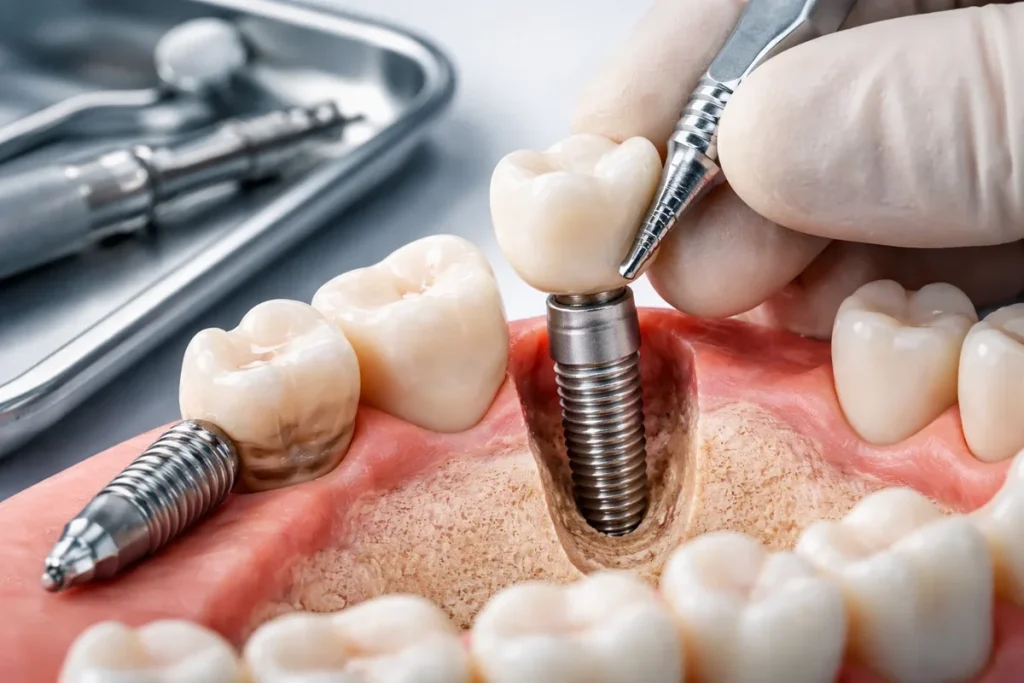
Dental implants are widely considered the gold standard for replacing missing teeth. They are durable, natural-looking, and designed to last for many years. However, like any medical or dental treatment, they are not completely immune to complications. In some cases, a dental implant may fail or develop problems over time, making dental implant replacement necessary. Understanding when and why dental implant replacement becomes necessary helps patients make informed decisions about their oral health and long-term treatment planning.
Dental implant replacement refers to the process of removing a failed or problematic implant and placing a new one in the same area after proper healing and preparation. While implant success rates are generally high—often above 90–95%—certain factors can lead to failure. When that happens, dental implant replacement offers a second chance to restore both function and aesthetics.
There are two main phases when implant failure may occur: early failure and late failure. Early failure typically happens within the first few months after placement. This is often related to poor osseointegration, which is the process where the implant fuses with the jawbone. If the implant does not properly integrate with the bone, it may become loose, painful, or infected. In such situations, dental implant replacement may be recommended after the site has healed and any infection is resolved.
Late failure, on the other hand, can occur years after the original procedure. It is frequently associated with peri-implantitis, a condition similar to gum disease that causes inflammation and bone loss around the implant. Trauma, excessive bite forces, or underlying health conditions like uncontrolled diabetes can also contribute. When these issues compromise the stability of the implant, dental implant replacement becomes the safest and most effective solution to restore oral function.
Many patients worry that needing dental implant replacement means something went seriously wrong. In reality, complications can occur even when the initial procedure was performed correctly. Factors such as smoking, poor oral hygiene, systemic diseases, or inadequate bone density can influence long-term outcomes. The key is early detection and professional evaluation.
During the assessment phase, your dentist will use clinical examination and imaging techniques such as digital X-rays or 3D CBCT scans to determine the condition of the implant and surrounding bone. If the implant is mobile, infected, or associated with significant bone loss, dental implant replacement may be the most predictable option. In some cases, conservative treatments like deep cleaning or antibiotics may be attempted first, but if the implant cannot be saved, replacement is necessary.
The goal of dental implant replacement is not only to remove the failed implant but also to restore full chewing ability, speech clarity, and smile aesthetics. A properly planned replacement procedure can achieve outcomes comparable to the original implant placement. Modern dental technology, improved implant surfaces, and advanced surgical techniques have significantly enhanced the success of revision implant surgery.
Another important aspect of dental implant replacement is patient education. Patients should understand the root cause of the initial failure to prevent recurrence. For example, if bone loss contributed to implant instability, a bone graft may be recommended before placing a new implant. If poor oral hygiene played a role, a more structured maintenance program will be essential after the new implant is placed.
It is also reassuring to know that dental implant replacement does not necessarily mean starting from scratch. In some cases, if bone levels are adequate and infection is controlled, the replacement implant can be placed immediately after removal. In other situations, a healing period of several months may be required before inserting the new implant.
According to guidelines from the American Dental Association, dental implants remain one of the safest and most effective tooth replacement options available today. When complications arise, timely intervention and professional care ensure that dental implant replacement remains a reliable and successful solution.
If you suspect problems such as persistent pain, swelling, bleeding, or implant mobility, seeking prompt professional evaluation is essential. Early diagnosis increases the likelihood of successful dental implant replacement and helps protect surrounding teeth and bone structures. For personalized consultation and treatment planning, you can always visit the Redent Klinik Contact Page to connect with experienced dental professionals.
In summary, dental implant replacement is a corrective procedure designed to address implant failure or complications while restoring optimal oral health. With proper diagnosis, careful surgical planning, and patient cooperation, replacement implants can provide long-lasting stability and natural aesthetics. Understanding the reasons behind implant failure and the steps involved in dental implant replacement empowers patients to take proactive control of their dental health and maintain a confident smile for years to come. 😊
What Is Dental Implant Replacement?
Dental implant replacement is a corrective dental procedure performed when an existing implant fails, becomes unstable, or no longer functions properly. While dental implants are designed to be long-lasting and highly successful, certain biological or mechanical factors can lead to complications over time. In such cases, dental implant replacement offers patients a reliable way to restore both oral health and confidence.
At its core, dental implant replacement involves the safe removal of the compromised implant, careful evaluation of the surrounding bone and gum tissue, and placement of a new implant once the site is healthy and stable. This process may occur immediately in some cases or after a healing period, depending on the clinical situation. The primary goal is to ensure long-term stability, optimal aesthetics, and full chewing function.
Understanding Why an Implant May Need Replacement
Even though dental implants have a success rate exceeding 90–95%, failures can still occur. When an implant does not properly integrate with the jawbone or becomes affected by infection, dental implant replacement may be required. The most common causes include:
- Peri-implantitis (infection around the implant)
- Insufficient bone support
- Excessive bite pressure
- Smoking or uncontrolled systemic conditions
- Trauma or injury to the implant area
If left untreated, these issues can lead to bone loss and discomfort, making dental implant replacement the safest and most predictable solution.
How Dental Implant Replacement Differs from Initial Implant Placement
Although the procedure may seem similar to the original implant surgery, dental implant replacement requires additional considerations. The dentist must first remove the failed implant carefully to preserve as much healthy bone as possible. Unlike a first-time implant placement, replacement procedures often involve managing complications such as infection or bone deficiency.
Removal of the Failed Implant
The first stage of dental implant replacement is atraumatic removal of the compromised implant. Modern techniques allow dentists to remove implants with minimal damage to surrounding bone. Preserving bone structure is critical to improving the success of the new implant.
Assessment of Bone and Soft Tissue
After removal, the dentist evaluates the bone quality and gum condition. In many cases, bone grafting may be required before proceeding with
Common Reasons Why Dental Implants Fail
Although dental implants are considered one of the most predictable and long-lasting tooth replacement solutions, failures can still occur in certain situations. Understanding the common reasons behind implant complications is essential for both prevention and timely intervention. When an implant fails, dental implant replacement often becomes the recommended solution to restore oral function and aesthetics. By identifying the underlying cause, dentists can improve the success of a future dental implant replacement and reduce the risk of repeated complications.
Implant failure generally falls into two categories: early failure and late failure. Early failure happens within the first few months after placement, usually due to unsuccessful osseointegration. Late failure can occur years later and is often linked to infection, bone loss, or mechanical stress. In both cases, recognizing the cause is the first step before planning dental implant replacement.
Peri-Implantitis and Infection
One of the leading causes of implant failure is peri-implantitis, a bacterial infection affecting the tissues surrounding the implant. This condition is similar to advanced gum disease and leads to inflammation, bleeding, and progressive bone loss. If not treated promptly, the implant may become loose, making dental implant replacement necessary.
How Infection Develops
Poor oral hygiene, smoking, and irregular dental checkups significantly increase the risk of infection. Plaque and bacteria accumulate around the implant, gradually damaging the supporting bone. Once bone loss becomes severe, saving the implant may no longer be possible, and dental implant replacement is often the safest option.
Impact on Long-Term Stability
When infection destroys the bone supporting the implant, stability is compromised. In such cases, removing the failed implant and planning a carefully structured dental implant replacement after controlling the infection ensures a healthier outcome.
Failure of Osseointegration
Osseointegration is the biological process where the implant fuses with the jawbone. If this fusion does not occur properly, the implant may feel loose or painful. Early failure of osseointegration is one of the main reasons for dental implant replacement.
Risk Factors for Poor Integration
Several factors may prevent successful integration, including:
- Insufficient bone density
- Uncontrolled diabetes
- Smoking
- Excessive movement of the implant during healing
- Inadequate surgical technique
When integration fails, the implant cannot support chewing forces. After removal and healing, a well-planned dental implant replacement with improved surgical precision significantly increases the likelihood of success.
Insufficient Bone Support
Bone quality and volume play a crucial role in implant stability. If the jawbone is too thin or too soft, it may not provide adequate support. In some cases, bone loss occurs gradually after implant placement due to inflammation or mechanical overload. When bone support becomes inadequate, dental implant replacement may require additional procedures such as bone grafting.
Bone Grafting Before Replacement
If bone deficiency is identified, grafting procedures can rebuild the lost structure. After the graft heals, dental implant replacement can be performed under more favorable conditions, improving long-term stability and durability.
Excessive Bite Forces and Mechanical Complications
Mechanical overload is another common cause of implant failure. Patients who grind their teeth (bruxism) or have poorly aligned bites may place excessive pressure on the implant. Over time, this stress can damage the implant components or surrounding bone, eventually requiring dental implant replacement.
Prosthetic Design Issues
Improper crown design or misalignment can also contribute to mechanical failure. Ensuring correct bite alignment during dental implant replacement is critical to preventing recurrence.
Systemic Health Conditions
General health plays a major role in implant success. Conditions such as uncontrolled diabetes, autoimmune disorders, and osteoporosis can impair healing. Patients undergoing chemotherapy or radiation therapy may also experience higher failure rates. In such cases, careful medical evaluation is necessary before planning dental implant replacement.
According to guidance from the American Dental Association, maintaining overall health and proper oral hygiene significantly improves implant longevity. If health-related complications contributed to failure, these issues must be stabilized before proceeding with dental implant replacement.
Trauma or Physical Injury
Accidents, sports injuries, or sudden impacts can physically damage an implant. Even a well-integrated implant may fail after severe trauma. When structural damage occurs, dental implant replacement becomes necessary to restore full function.
How Understanding the Cause Improves Replacement Success
Identifying the exact reason for implant failure is essential before performing dental implant replacement. Whether the issue was infection, bone loss, mechanical overload, or systemic health factors, correcting the root cause significantly improves outcomes. A thorough evaluation ensures that the new implant has optimal conditions for long-term success.
If you are experiencing symptoms such as persistent pain, swelling, implant mobility, or difficulty chewing, seeking professional evaluation is critical. Early intervention increases the success rate of dental implant replacement and protects surrounding teeth and bone. For a personalized consultation, you can visit the Redent Klinik Contact Page to connect with experienced dental professionals.
In summary, implant failure may result from infection, poor integration, bone loss, excessive bite forces, systemic conditions, or trauma. While these complications can be concerning, modern techniques make dental implant replacement a predictable and effective solution. By addressing the underlying cause and carefully planning the procedure, patients can achieve renewed stability, comfort, and confidence in their smile. 😊
Signs You May Need a Dental Implant Replacement
Dental implants are designed to feel and function like natural teeth, so when something feels unusual, it should never be ignored. Recognizing early warning signs is essential because timely intervention can prevent further complications. In many cases, early detection allows dentists to manage minor issues before they progress. However, when problems become severe or irreversible, dental implant replacement may be necessary to restore stability and protect surrounding oral structures.
Patients often assume that discomfort around an implant is normal, especially years after placement. While mild temporary sensitivity can occasionally occur, persistent or worsening symptoms should always be evaluated. Understanding the signs that may indicate the need for dental implant replacement empowers patients to seek professional care before significant bone loss or infection develops.
Persistent Pain or Discomfort
One of the most noticeable warning signs is ongoing pain around the implant site. Unlike natural teeth, implants do not contain nerves, so pain typically originates from the surrounding gum tissue or bone. If discomfort persists for more than a few days or gradually increases, it may signal inflammation, infection, or implant instability. In advanced cases, dental implant replacement may be the only effective solution to eliminate pain and restore function.
When Pain Indicates a Serious Problem
Sharp pain while chewing, throbbing sensations, or sensitivity when applying pressure could indicate failed osseointegration or peri-implantitis. If left untreated, these conditions can lead to progressive bone loss, ultimately requiring dental implant replacement to reestablish a healthy foundation.
Implant Mobility or Looseness
A properly integrated implant should feel completely stable, just like a natural tooth root. If you notice any movement, even slight shifting, this is a critical red flag. Implant mobility usually means the surrounding bone has been compromised. In such situations, conservative treatments are rarely effective, and dental implant replacement becomes necessary to restore structural integrity.
Difference Between Crown Looseness and Implant Looseness
Sometimes only the crown attached to the implant is loose, which is a minor issue that can be fixed by tightening or replacing the prosthetic component. However, if the implant fixture itself moves within the bone, this often requires complete removal followed by dental implant replacement after appropriate healing.
Swelling, Bleeding, or Gum Inflammation
Healthy gum tissue around an implant should appear firm and pink. Redness, swelling, or bleeding when brushing may indicate infection. Peri-implant mucositis, the early stage of peri-implantitis, can often be reversed with professional cleaning. However, if inflammation progresses and bone loss occurs, dental implant replacement may be unavoidable.
Signs of Advanced Infection
Advanced infection may present with pus discharge, bad breath, or gum recession exposing implant threads. These symptoms suggest significant tissue damage. In such cases, removing the affected implant and planning dental implant replacement after controlling the infection provides the best long-term outcome.
Bone Loss Detected on X-Rays
In some instances, patients may not experience obvious symptoms. Routine dental checkups play a crucial role in detecting hidden issues. Digital X-rays or 3D imaging can reveal gradual bone loss around the implant. If bone deterioration becomes extensive, dental implant replacement combined with bone grafting may be required to rebuild support.
Regular monitoring is strongly recommended by the American Dental Association, as early diagnosis significantly reduces complications. When bone loss is identified early, preventive measures may avoid the need for dental implant replacement, but advanced cases often require surgical intervention.
Changes in Bite or Chewing Function
If your implant feels uncomfortable while chewing or your bite alignment seems altered, it may indicate mechanical overload or structural damage. Excessive pressure from teeth grinding or misaligned crowns can gradually weaken the implant’s support. If structural integrity is compromised, dental implant replacement may be recommended to prevent further damage to the jawbone.
Visible Damage or Fracture
Although rare, implant components can fracture due to trauma or extreme bite forces. A cracked abutment or damaged implant body cannot function properly. In these cases, repairing the implant is often impossible, and dental implant replacement becomes the most predictable corrective option.
Systemic Health Changes
Newly diagnosed medical conditions such as uncontrolled diabetes or autoimmune disorders can affect implant stability. If healing capacity becomes compromised, implants may loosen or develop infection. Addressing underlying health issues is essential before considering dental implant replacement to ensure long-term success.
Why Early Intervention Matters
Delaying professional evaluation when symptoms appear can worsen bone loss and increase treatment complexity. Early assessment allows your dentist to determine whether conservative treatment is possible or if dental implant replacement is the safest solution. Acting promptly improves the likelihood of a successful outcome and reduces the need for extensive additional procedures.
If you are experiencing any of these symptoms—pain, mobility, swelling, or changes in function—it is important to seek expert guidance. A comprehensive evaluation can determine whether your implant can be preserved or if dental implant replacement is necessary. For personalized consultation and treatment planning, you may visit the Redent Klinik Contact Page to connect with experienced dental professionals.
In summary, warning signs such as persistent discomfort, looseness, infection, bone loss, or functional changes should never be ignored. Recognizing these indicators early increases the chances of effective treatment. When damage is irreversible, modern techniques make dental implant replacement a reliable and successful solution to restore comfort, stability, and a confident smile. 😊
The Step-by-Step Dental Implant Replacement Procedure
When an implant fails or becomes unstable, many patients feel anxious about what comes next. Understanding the full process can significantly reduce uncertainty and build confidence. The dental implant replacement procedure is carefully planned and executed in stages to ensure safety, comfort, and long-term success. Although it shares similarities with initial implant placement, dental implant replacement requires additional attention to bone health, infection control, and underlying causes of failure.
The overall objective of dental implant replacement is not only to remove the compromised implant but also to restore full chewing function, aesthetics, and structural integrity of the jawbone. Each phase is customized based on the patient’s oral condition, general health, and the reason the original implant failed.
Comprehensive Clinical Evaluation
The first step in dental implant replacement is a detailed diagnostic assessment. Your dentist will perform a clinical examination and use digital X-rays or 3D CBCT imaging to evaluate bone density, gum condition, and the stability of the existing implant. Identifying the root cause of failure—whether infection, bone loss, or mechanical overload—is critical before proceeding with dental implant replacement.
Medical History Review
Systemic health conditions such as diabetes, osteoporosis, or immune disorders can affect healing. Reviewing medical history ensures that any contributing factors are addressed prior to dental implant replacement, improving the likelihood of long-term success.
Removal of the Failed Implant
Once the treatment plan is finalized, the next phase of dental implant replacement involves carefully removing the compromised implant. Modern techniques allow dentists to extract implants with minimal trauma to surrounding bone. Preserving as much healthy bone as possible is essential because it directly influences the stability of the new implant.
The removal procedure is typically performed under local anesthesia, and most patients report minimal discomfort. If infection is present, the area is thoroughly cleaned and disinfected before moving forward with the next steps of dental implant replacement.
Site Preparation and Bone Regeneration
After implant removal, the condition of the jawbone determines the next phase. If sufficient bone remains, immediate dental implant replacement may be possible. However, in many cases, bone grafting is required to rebuild lost tissue and create a stable foundation.
Bone Grafting Procedure
Bone grafting involves placing natural or synthetic grafting material into the deficient area. Over several months, the graft integrates with existing bone, strengthening the site for future dental implant replacement. Healing time varies but generally ranges from three to six months.
Healing Period Before Replacement
If significant infection or bone loss was present, your dentist may recommend a healing period before placing a new implant. This waiting phase allows tissues to recover fully, reducing complications during dental implant replacement.
Placement of the New Implant
Once the site is healthy and stable, the new implant is inserted into the jawbone. Advanced surgical planning software helps ensure precise positioning for optimal bite alignment and aesthetics. This stage of dental implant replacement mirrors the original implant placement but benefits from improved planning and lessons learned from the previous failure.
After insertion, the implant undergoes osseointegration—the biological fusion between the implant surface and the bone. This phase typically takes three to four months. During this time, a temporary restoration may be placed to maintain appearance and function while the dental implant replacement heals.
Abutment and Final Crown Placement
Once osseointegration is complete, the abutment (connector piece) is attached to the implant. This supports the final crown, which is custom-designed to match surrounding teeth in shape, size, and color. The final stage of dental implant replacement restores full chewing ability and natural aesthetics.
Post-Procedure Care and Monitoring
After dental implant replacement, proper aftercare is essential. Patients are advised to maintain excellent oral hygiene, avoid smoking, and attend regular follow-up appointments. Professional cleanings and periodic imaging help ensure the new implant remains stable.
According to recommendations from the American Dental Association, routine dental visits significantly increase implant longevity. Ongoing monitoring after dental implant replacement allows early detection of potential issues before they escalate.
What Patients Can Expect in Terms of Comfort
Most patients are pleasantly surprised by how manageable the process is. Discomfort is typically mild and controlled with prescribed or over-the-counter medications. Swelling may occur for a few days, but modern surgical techniques make dental implant replacement far less invasive than many expect.
Why a Structured Approach Improves Success
The success of dental implant replacement depends heavily on careful planning and addressing the original cause of failure. By correcting contributing factors—such as infection, bone deficiency, or bite misalignment—the replacement implant can achieve long-term stability comparable to a first-time successful implant.
If you are considering treatment or have concerns about a failing implant, a personalized consultation is the best first step. You can schedule an evaluation through the Redent Klinik Contact Page to receive expert guidance tailored to your needs.
In summary, the dental implant replacement procedure follows a structured, step-by-step approach: comprehensive evaluation, safe implant removal, site preparation, new implant placement, and long-term monitoring. With modern techniques and proper aftercare, dental implant replacement offers patients a highly predictable way to restore oral health, comfort, and confidence in their smile. 😊
How Much Does Dental Implant Replacement Cost?
One of the most common concerns patients have is the financial aspect of treatment. The cost of dental implant replacement can vary significantly depending on several clinical and geographic factors. Because this procedure often involves additional steps such as implant removal, bone grafting, or infection management, it may differ from the price of an initial implant placement. Understanding what influences the total expense helps patients plan confidently and make informed decisions about their oral health.
It is important to remember that dental implant replacement is not simply about placing a new implant. It involves careful diagnosis, removal of the failed implant, site preparation, and long-term follow-up care. Each of these stages contributes to the overall cost of dental implant replacement, but they also play a critical role in ensuring long-term success.
Average Cost of Dental Implant Replacement
In the United States, the cost of dental implant replacement typically ranges between:
Estimated Price Range (USA):
- Implant removal: $300 – $800
- Bone grafting (if needed): $600 – $2,500
- New implant placement: $1,500 – $3,000
- Abutment and crown: $1,000 – $2,500
Total Estimated Cost: $3,400 – $8,800 (depending on complexity)
These figures are general estimates and may vary depending on the clinic, the experience of the dental surgeon, and the complexity of the case. If advanced bone reconstruction or sinus lifting is required, the total dental implant replacement cost may increase.
Factors That Influence the Cost
Several variables determine how much dental implant replacement will cost. Understanding these elements helps explain why prices may differ from patient to patient.
Extent of Bone Loss
If the failed implant caused significant bone deterioration, regenerative procedures may be required before placing a new implant. Bone grafting materials, surgical time, and healing periods all contribute to the overall dental implant replacement expense.
Infection Management
When peri-implantitis or severe infection is present, additional cleaning, antibiotics, or staged healing procedures may be necessary. Proper infection control is essential before performing dental implant replacement, as it directly impacts long-term success.
Type of Implant System Used
Premium implant brands with advanced surface technology may cost more but often provide improved integration and durability. During dental implant replacement, dentists may recommend upgrading to a higher-quality system if the previous implant failed due to mechanical or structural issues.
Geographic Location
Treatment costs vary by country and region. For example, dental implant replacement in the United States or Western Europe is generally more expensive compared to countries known for dental tourism. Patients seeking high-quality yet cost-effective solutions often explore treatment abroad.
Cost Comparison: USA vs. International Clinics
In some countries, the total cost of dental implant replacement may be significantly lower while maintaining high clinical standards. For example:
Estimated Price Range (Turkey):
- Implant removal: $150 – $400
- Bone grafting: $300 – $900
- New implant placement: $600 – $1,200
- Abutment and crown: $400 – $900
Total Estimated Cost: $1,450 – $3,400
These reduced costs often reflect lower operational expenses rather than lower quality. Many international clinics adhere to strict global standards and follow guidelines provided by organizations such as the American Dental Association. Still, patients should always verify credentials and experience before proceeding with dental implant replacement.
Is Dental Implant Replacement Covered by Insurance?
Insurance coverage varies widely. Some dental insurance plans may partially cover the crown portion of dental implant replacement, while surgical procedures may not be fully included. In certain cases, if implant failure is due to trauma, medical insurance might provide partial coverage. Patients are encouraged to consult their insurance provider for clarification.
Why Investing in Quality Matters
While cost is important, quality and expertise should never be compromised. Choosing an experienced implant specialist significantly increases the success rate of dental implant replacement. Advanced diagnostic tools, sterile surgical environments, and high-grade implant materials contribute to predictable outcomes.
Additionally, addressing the root cause of implant failure during dental implant replacement prevents repeated complications, saving both time and money in the long term.
Flexible Payment Options
Many clinics offer financing plans, installment options, or customized treatment packages. This flexibility makes dental implant replacement more accessible for patients who may not be able to pay the full amount upfront.
If you would like a personalized cost estimate tailored to your specific condition, you can request a consultation through the Redent Klinik Contact Page. A detailed examination and imaging assessment will allow the dental team to provide a transparent treatment plan for your dental implant replacement.
In summary, the cost of dental implant replacement depends on clinical complexity, geographic location, implant type, and additional procedures required. Although it may represent a financial investment, restoring oral health, chewing function, and smile confidence makes dental implant replacement a valuable and long-term solution. With proper planning and expert care, patients can achieve durable, natural-looking results that last for many years. 😊
Bone Grafting and Additional Procedures Before Replacement
When an implant fails, the surrounding bone and soft tissue are often affected. In many cases, successful dental implant replacement depends on rebuilding a stable and healthy foundation before placing a new implant. Bone loss, infection, or tissue damage can compromise the long-term success of the replacement if not properly addressed. For this reason, preparatory procedures such as bone grafting, sinus lifting, or soft tissue augmentation may be necessary prior to dental implant replacement.
The goal of these additional treatments is to create optimal biological conditions for implant integration. Without adequate bone density and volume, even the most advanced implant system may fail. Therefore, careful evaluation and site preparation significantly improve the predictability of dental implant replacement.
Why Bone Loss Occurs After Implant Failure
Bone loss is one of the most common consequences of implant complications. When infection such as peri-implantitis develops, bacteria gradually destroy the supporting bone around the implant. Over time, this weakens stability and may necessitate dental implant replacement. Additionally, if an implant fails to integrate properly, the bone may resorb due to lack of functional stimulation.
Trauma, excessive bite forces, or untreated gum disease can also accelerate bone deterioration. Before proceeding with dental implant replacement, your dentist must assess whether the remaining bone is sufficient to support a new implant securely.
Bone Grafting Before Dental Implant Replacement
Bone grafting is one of the most frequently performed preparatory procedures before dental implant replacement. This technique rebuilds areas of lost or weakened bone, creating a strong and stable base for the new implant.
Types of Bone Graft Materials
Several types of graft materials may be used depending on the extent of bone deficiency:
- Autografts: Bone taken from the patient’s own body.
- Allografts: Donor bone from a certified tissue bank.
- Xenografts: Bone derived from animal sources.
- Synthetic materials: Biocompatible substitutes that stimulate bone growth.
Each option has specific advantages, and the choice depends on clinical factors. Proper graft integration is essential for successful dental implant replacement.
Healing Time After Bone Grafting
After graft placement, a healing period of approximately three to six months is typically required. During this time, the graft material integrates with natural bone, strengthening the area for future dental implant replacement. Although waiting may feel inconvenient, this step dramatically improves long-term implant stability.
Sinus Lift Procedure (For Upper Jaw Cases)
When replacing implants in the upper back jaw, insufficient bone height is common due to proximity to the sinus cavity. In such cases, a sinus lift may be required before dental implant replacement. This procedure gently elevates the sinus membrane and places bone graft material beneath it, increasing bone volume.
Sinus augmentation creates the necessary support for secure implant placement. Without this procedure, dental implant replacement in the upper posterior region may not achieve long-term success.
Soft Tissue (Gum) Grafting
Healthy gum tissue is just as important as strong bone. If gum recession occurred around the failed implant, soft tissue grafting may be recommended prior to dental implant replacement. This improves both aesthetics and protection against bacterial invasion.
Benefits of Soft Tissue Augmentation
- Improved gum thickness and resilience
- Enhanced aesthetic appearance
- Reduced risk of peri-implantitis recurrence
- Better long-term stability for dental implant replacement
Infection Control Before Replacement
If infection contributed to implant failure, complete elimination of bacteria is critical before performing dental implant replacement. This may involve deep cleaning, antimicrobial therapy, or minor surgical debridement. Ensuring a sterile and healthy environment significantly increases the success rate of dental implant replacement.
According to the American Dental Association, proper management of oral infections and maintenance of periodontal health are essential for implant longevity. Addressing infection before dental implant replacement protects both the new implant and surrounding teeth.
Immediate vs. Delayed Dental Implant Replacement
In certain cases, if infection is minimal and bone quality is adequate, immediate dental implant replacement may be possible on the same day as implant removal. However, when bone loss or inflammation is significant, delayed replacement after healing and graft integration offers a safer approach.
Your dentist will evaluate imaging results and clinical findings to determine the most appropriate timeline for dental implant replacement.
Why Proper Preparation Ensures Long-Term Success
Skipping preparatory procedures may compromise the stability of the new implant. Thorough site preparation ensures that dental implant replacement is performed under optimal conditions. By rebuilding bone, enhancing soft tissue health, and eliminating infection, the risk of repeated failure is significantly reduced.
If you are considering treatment and would like a personalized assessment, you can request a consultation through the Redent Klinik Contact Page. A detailed examination will determine whether bone grafting or additional procedures are necessary before your dental implant replacement.
In summary, bone grafting and related preparatory treatments play a crucial role in ensuring the success of dental implant replacement. Rebuilding lost bone, strengthening gum tissue, and eliminating infection create a stable biological foundation for the new implant. With proper planning and expert care, dental implant replacement can restore full function, natural aesthetics, and long-term confidence in your smile. 😊
Recovery Timeline After Dental Implant Replacement
Understanding the healing process is essential for anyone considering dental implant replacement. While many patients focus on the surgical aspect, recovery plays an equally important role in long-term success. The timeline for healing after dental implant replacement depends on several factors, including bone quality, whether grafting was required, overall health, and adherence to post-operative instructions. With proper care and realistic expectations, most patients experience a smooth and predictable recovery.
Unlike simple dental procedures, dental implant replacement involves biological integration between the implant and the jawbone. This natural healing process, known as osseointegration, requires time and stability. Below is a detailed breakdown of what patients can expect during each phase of recovery.
Immediate Post-Surgery Period (First 48–72 Hours)
The first few days after dental implant replacement are primarily focused on controlling swelling, discomfort, and protecting the surgical site. Mild to moderate swelling is normal and typically peaks within 48 hours. Patients may also experience minor bruising or tenderness around the treated area.
Managing Discomfort
Most patients report manageable discomfort that can be controlled with prescribed or over-the-counter pain medication. Applying cold compresses during the first 24 hours helps reduce swelling after dental implant replacement. Maintaining a soft-food diet during this period prevents unnecessary pressure on the healing site.
Oral Hygiene in the First Days
Gentle rinsing with an antimicrobial mouthwash may be recommended, but brushing directly over the surgical area should be avoided initially. Proper hygiene reduces infection risk and supports successful dental implant replacement healing.
Early Healing Phase (Week 1–2)
Within the first two weeks, gum tissues begin to heal significantly. Sutures, if placed, are often removed after 7–10 days. Most swelling and discomfort subside during this phase. Patients usually return to normal daily activities shortly after dental implant replacement, provided they avoid heavy chewing on the treated side.
This stage is crucial for soft tissue healing. Any unusual pain, bleeding, or signs of infection should be reported immediately, as early intervention improves the outcome of dental implant replacement.
Bone Integration Phase (3–6 Months)
The most important stage of recovery after dental implant replacement is osseointegration. During this period, the implant fuses with the surrounding jawbone, creating a stable and durable foundation. This biological process typically takes between three and six months, depending on bone quality and whether grafting was performed.
If Bone Grafting Was Required
If bone grafting was performed prior to dental implant replacement, healing may take slightly longer. The graft material must integrate fully before the implant achieves optimal stability. Patience during this phase greatly increases long-term success.
Temporary Restorations
In some cases, a temporary crown may be placed to maintain appearance and function during healing. However, minimizing pressure on the implant is essential to ensure proper integration after dental implant replacement.
Final Restoration Phase
Once osseointegration is confirmed through clinical examination and imaging, the final crown is placed. This marks the completion of the dental implant replacement process. At this stage, patients regain full chewing function and aesthetic balance.
The final restoration is custom-designed to blend naturally with surrounding teeth. After dental implant replacement, most patients report restored confidence and improved quality of life.
Long-Term Maintenance and Monitoring
Healing does not end when the crown is placed. Long-term success after dental implant replacement depends heavily on ongoing maintenance. Regular dental checkups allow early detection of inflammation or bone changes.
According to recommendations from the American Dental Association, routine professional cleanings and consistent oral hygiene significantly improve implant longevity. Patients who follow maintenance protocols greatly reduce the likelihood of needing another dental implant replacement in the future.
Lifestyle Factors That Influence Recovery
Smoking
Smoking delays healing and increases the risk of implant complications. Quitting smoking before and after dental implant replacement significantly improves outcomes.
Systemic Health
Conditions such as uncontrolled diabetes can slow healing. Proper medical management enhances recovery after dental implant replacement.
Diet and Nutrition
A balanced diet rich in vitamins and minerals supports bone regeneration and immune function. Good nutrition accelerates recovery and strengthens the results of dental implant replacement.
When to Contact Your Dentist
While recovery is typically smooth, certain symptoms require immediate evaluation. Persistent swelling, severe pain, implant mobility, or pus discharge may indicate complications. Early professional intervention protects the success of dental implant replacement.
If you have questions about your healing process or would like a personalized recovery plan, you can schedule a consultation through the Redent Klinik Contact Page. Professional monitoring ensures your dental implant replacement progresses safely and predictably.
In summary, recovery after dental implant replacement follows a structured timeline: immediate healing in the first days, soft tissue recovery within weeks, bone integration over several months, and long-term maintenance thereafter. With proper care, lifestyle adjustments, and regular follow-ups, dental implant replacement offers a durable and highly successful solution for restoring oral health and smile confidence. 😊
Success Rates and Long-Term Outlook
When patients are advised to undergo dental implant replacement, one of the first questions they ask is: “Will the new implant last?” This concern is completely understandable. After experiencing a failed implant, reassurance about long-term success becomes a top priority. Fortunately, modern dentistry offers highly predictable outcomes. With proper diagnosis, careful planning, and correction of the initial cause of failure, dental implant replacement can achieve success rates comparable to first-time implant procedures.
Research shows that dental implants in general have success rates above 90–95%. When it comes to dental implant replacement, outcomes largely depend on addressing the reason the original implant failed. If infection, bone loss, or mechanical overload is properly managed before the new implant is placed, long-term stability is highly achievable.
What Determines the Success of Dental Implant Replacement?
The success of dental implant replacement is influenced by multiple clinical and patient-related factors. Understanding these elements helps set realistic expectations and encourages proactive care.
Quality and Quantity of Bone
A strong jawbone foundation is essential. If bone grafting is performed before dental implant replacement, proper healing significantly improves stability. Modern regenerative techniques allow dentists to rebuild bone structure effectively, increasing the predictability of replacement implants.
Control of Infection
If peri-implantitis caused the initial failure, eliminating bacteria and restoring gum health are critical steps before dental implant replacement. Thorough cleaning, antimicrobial treatment, and patient compliance reduce the risk of recurrence.
Implant Positioning and Bite Alignment
Precise surgical placement and balanced bite alignment play a key role in long-term outcomes. Excessive bite forces or misalignment can compromise the implant over time. During dental implant replacement, digital planning tools are often used to ensure optimal positioning.
Short-Term vs. Long-Term Success
Short-term success refers to proper healing and osseointegration during the first three to six months after dental implant replacement. Long-term success, however, depends on maintenance over many years. Regular follow-ups, professional cleanings, and strong oral hygiene habits are essential.
According to guidance from the American Dental Association, maintaining periodontal health significantly enhances implant longevity. These principles apply equally to dental implant replacement, reinforcing the importance of routine dental visits.
How Long Can a Replacement Implant Last?
With proper care, a successfully placed replacement implant can last 10–20 years or even longer. Many patients enjoy decades of stable function after dental implant replacement, particularly when risk factors such as smoking and uncontrolled systemic conditions are managed.
Impact of Lifestyle Choices
- Smoking: Increases risk of implant complications.
- Poor oral hygiene: Encourages bacterial growth and inflammation.
- Teeth grinding (bruxism): Places excessive pressure on the implant.
Addressing these factors significantly improves the long-term outlook of dental implant replacement.
Comparing First-Time Implants and Replacement Implants
Patients often worry that dental implant replacement may be less successful than the original implant. In reality, success rates are very similar when the underlying issue has been corrected. Advances in implant surface technology, guided surgery, and regenerative procedures have made dental implant replacement highly reliable.
Additionally, lessons learned from the previous implant provide valuable information. Dentists can modify implant type, size, or placement technique during dental implant replacement to reduce future risk.
Psychological and Functional Benefits
Beyond clinical success, the long-term outlook of dental implant replacement includes restored confidence and improved quality of life. Patients often report:
- Improved chewing efficiency
- Clearer speech
- Enhanced facial support
- Greater self-esteem
These benefits highlight why dental implant replacement is considered a valuable and worthwhile investment in oral health.
Monitoring and Preventive Care
Long-term success requires ongoing monitoring. Dentists typically recommend checkups every six months to evaluate gum health and bone levels. Early detection of inflammation prevents complications that could threaten the outcome of dental implant replacement.
If you would like personalized guidance about your prognosis or long-term expectations, you can schedule a consultation through the Redent Klinik Contact Page. A comprehensive evaluation will provide clarity on the expected durability of your dental implant replacement.
Realistic Expectations and Patient Responsibility
While clinical expertise plays a major role, patient commitment is equally important. Daily brushing, flossing around implants, and avoiding harmful habits significantly influence how long dental implant replacement results will last. Successful outcomes are a partnership between the dentist and the patient.
In conclusion, dental implant replacement offers a highly predictable and durable solution when implant failure occurs. By addressing the root cause of the initial problem, optimizing bone and gum health, and maintaining regular professional care, patients can expect excellent long-term outcomes. With modern techniques and responsible maintenance, dental implant replacement can restore both oral function and confidence for many years to come. 😊
How to Prevent Future Implant Failure
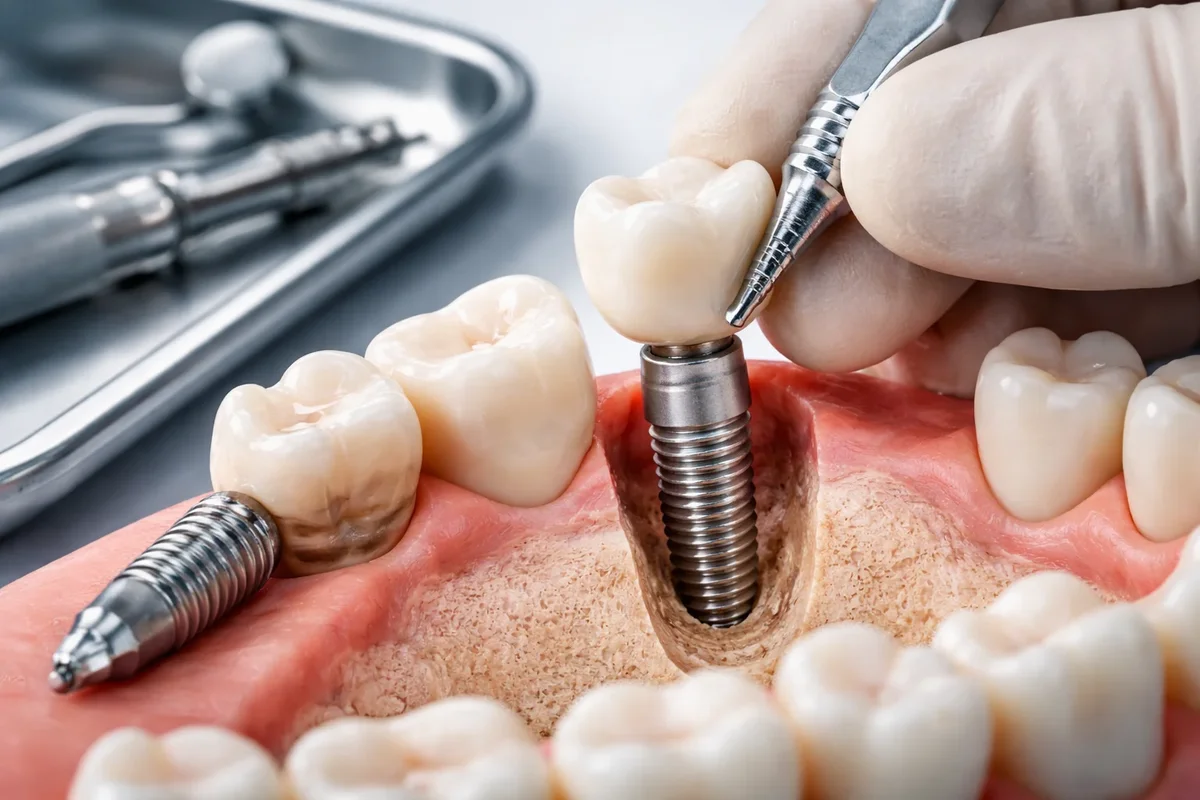
After going through dental implant replacement, the most important goal for both the patient and the dentist is ensuring that the new implant remains healthy and stable for many years. While modern techniques make dental implant replacement highly predictable, long-term success depends heavily on prevention. Understanding how to protect your new implant significantly reduces the risk of complications and helps you avoid the need for another dental implant replacement in the future.
Preventing implant failure is not complicated, but it requires consistency, awareness, and professional monitoring. The replacement implant functions much like a natural tooth root, meaning it requires proper hygiene, balanced bite forces, and healthy surrounding tissues. By following structured preventive strategies, patients can dramatically increase the longevity of their dental implant replacement.
Maintain Excellent Oral Hygiene
Poor oral hygiene is one of the leading causes of peri-implantitis, a bacterial infection that can threaten the stability of implants. After dental implant replacement, maintaining meticulous oral care becomes even more important.
Daily Brushing and Flossing
Brush at least twice daily using a soft-bristled toothbrush and non-abrasive toothpaste. Flossing around the implant or using specialized implant floss helps remove plaque from hard-to-reach areas. Consistent plaque control protects the integrity of your dental implant replacement and prevents inflammation.
Use of Antimicrobial Mouthwash
Your dentist may recommend an antimicrobial rinse to reduce bacterial buildup. This simple step adds an extra layer of protection for your dental implant replacement, particularly during the first months after surgery.
Schedule Regular Dental Checkups
Professional monitoring is critical. Even if your dental implant replacement feels perfectly fine, subtle bone changes or early inflammation may not be noticeable without imaging. Routine examinations every six months allow early detection of potential problems.
According to recommendations from the American Dental Association, consistent professional cleanings significantly reduce the risk of gum disease and implant complications. These guidelines strongly apply to maintaining the long-term health of your dental implant replacement.
Avoid Smoking and Tobacco Products
Smoking is one of the most significant risk factors for implant failure. Nicotine restricts blood flow, impairs healing, and increases the likelihood of infection. Patients who stop smoking after dental implant replacement experience notably higher success rates compared to those who continue.
Why Smoking Impacts Implant Stability
Reduced oxygen supply slows bone regeneration and weakens immune response. Protecting your dental implant replacement means eliminating habits that compromise healing and tissue health.
Manage Systemic Health Conditions
Conditions such as uncontrolled diabetes, autoimmune disorders, or osteoporosis can affect implant stability. Maintaining good systemic health supports the long-term success of dental implant replacement. Regular medical checkups and adherence to prescribed treatments reduce complications.
Protect Against Excessive Bite Forces
Excessive pressure on implants can lead to mechanical overload. Teeth grinding (bruxism) is a common issue that places abnormal stress on implant structures.
Use a Night Guard if Necessary
If you grind your teeth at night, your dentist may recommend a custom night guard. This protective appliance reduces stress on your dental implant replacement, minimizing the risk of mechanical damage or bone loss.
Ensure Proper Bite Alignment
After dental implant replacement, bite adjustments may be required to distribute chewing forces evenly. Balanced occlusion protects both the implant and surrounding teeth.
Adopt a Healthy Diet
A balanced diet rich in calcium, vitamin D, and protein supports bone health. Proper nutrition strengthens the jawbone and contributes to the stability of your dental implant replacement. Avoiding excessive sugary foods also reduces bacterial growth around the implant site.
Recognize Early Warning Signs
Prevention also means staying alert to symptoms. Mild bleeding, swelling, discomfort, or changes in bite should never be ignored. Early intervention may prevent complications that could otherwise threaten your dental implant replacement.
If you notice any unusual symptoms, scheduling a professional evaluation promptly is essential. You can request an appointment through the Redent Klinik Contact Page to receive expert assessment and protect your dental implant replacement.
Long-Term Commitment to Oral Health
The longevity of dental implant replacement depends on a partnership between patient and dentist. While modern surgical techniques and high-quality materials provide a strong foundation, daily habits ultimately determine durability. Patients who actively maintain oral hygiene and attend follow-up appointments significantly reduce the likelihood of repeated failure.
In conclusion, preventing future implant complications requires consistent hygiene, professional monitoring, healthy lifestyle choices, and early response to warning signs. By following these preventive strategies, you can ensure that your dental implant replacement remains stable, functional, and aesthetically pleasing for many years. With proper care and responsibility, dental implant replacement offers a long-term solution that restores both confidence and oral health. 😊
Disclosure: this page may contain affiliate links. We may earn a commission if you use them, at no extra cost to you.