
The dental implant second stage is one of the most critical steps in the overall dental implant treatment process. While many patients focus heavily on the first surgery—where the implant is placed into the jawbone—the dental implant second stage is equally important because it prepares the implant for its final restoration. In simple terms, this stage bridges the gap between the hidden implant and the visible tooth that restores your smile. 😊
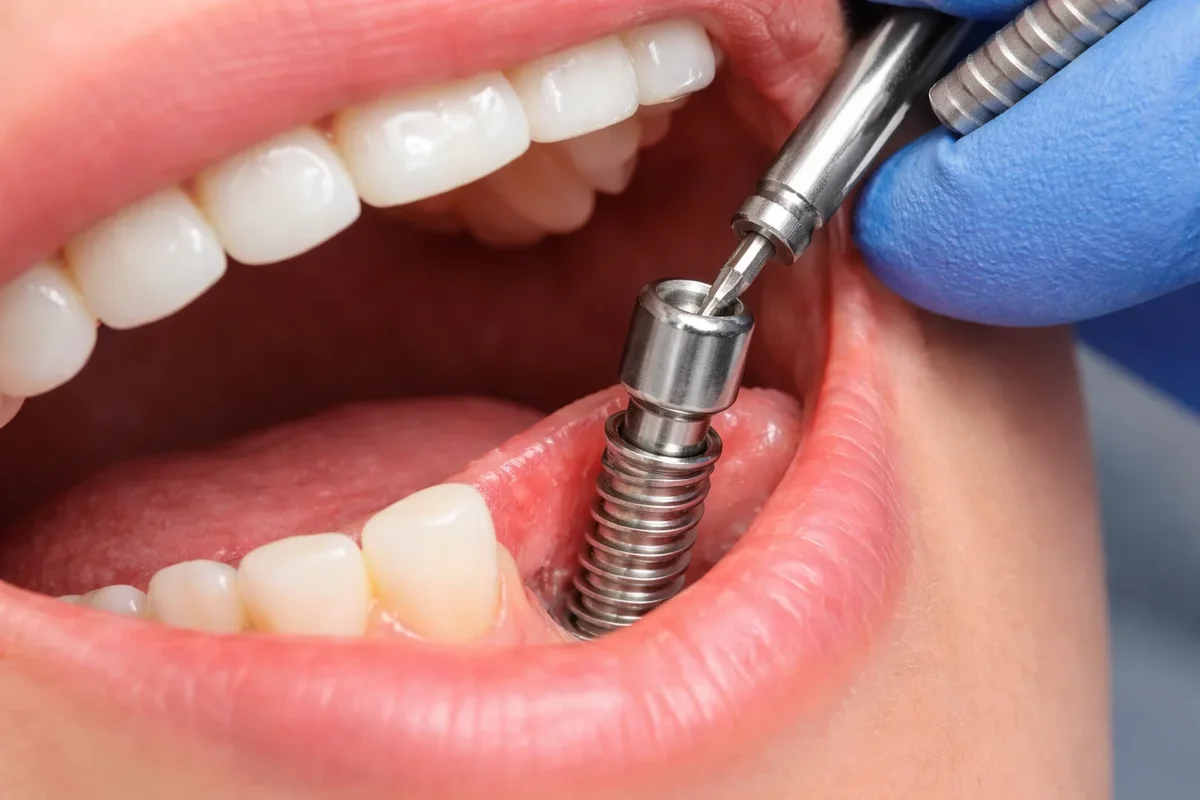
During the dental implant second stage, your dentist or oral surgeon reopens the gum tissue to access the implant that has already fused with the jawbone. This fusion process, known as osseointegration, typically takes several weeks to a few months. Once healing is complete, the implant is stable enough to support additional components. The dental implant second stage involves placing a healing abutment or connector that allows the gum tissue to form properly around the implant.
Understanding the importance of the dental implant second stage helps patients feel more confident and prepared for the journey ahead. This stage is not just a technical step—it directly affects the aesthetics, comfort, and long-term success of your dental implant. Without a properly executed dental implant second stage, even a well-placed implant may not deliver the desired results.
Why the Dental Implant Second Stage Is Essential
The dental implant second stage plays a vital role in shaping the gum tissue and ensuring that the final crown looks natural. At this point, the implant is already integrated with the bone, but it is still hidden beneath the gum. The dental implant second stage exposes the implant and prepares it for the prosthetic tooth.
One of the main reasons the dental implant second stage is so important is that it allows the dentist to create a natural gum contour. This is especially crucial for front teeth, where aesthetics matter the most. A properly performed dental implant second stage ensures that the final crown blends seamlessly with your surrounding teeth.
Connection Between Implant and Final Crown
Another key function of the dental implant second stage is to establish the connection between the implant and the crown. During this stage, a healing abutment or temporary connector is placed. This small but essential component shapes the gum and prepares the site for the final restoration. Without the dental implant second stage, it would be impossible to securely attach the crown.
The dental implant second stage also allows your dentist to assess the success of osseointegration. If the implant has not properly fused with the bone, adjustments may be needed before moving forward. This makes the dental implant second stage a crucial checkpoint in your treatment plan.
Patient Experience During Dental Implant Second Stage
For many patients, the dental implant second stage is less invasive and more comfortable than the initial surgery. The procedure is typically performed under local anesthesia, and it usually takes less time than the first stage. Most patients report minimal discomfort during the dental implant second stage, making it a relatively easy part of the process. 👍
After the dental implant second stage, you may experience mild swelling or sensitivity for a few days. However, these symptoms are generally manageable with basic aftercare and over-the-counter medications. Your dentist will provide specific instructions to ensure a smooth recovery after the dental implant second stage.
Long-Term Benefits of a Proper Dental Implant Second Stage
A successful dental implant second stage sets the foundation for a durable and natural-looking dental restoration. When this stage is performed correctly, it enhances both the functionality and appearance of your implant. The dental implant second stage ensures that your new tooth feels comfortable and functions just like a natural tooth.
Moreover, the dental implant second stage contributes to the long-term stability of the implant. Proper gum healing around the abutment reduces the risk of infection and improves overall oral health. This makes the dental implant second stage a key factor in achieving lasting results.
When to Contact Your Dentist
If you notice unusual pain, excessive swelling, or signs of infection after the dental implant second stage, it is important to contact your dentist immediately. You can easily reach out through the Redent Klinik Contact Page for professional assistance and guidance.
For additional information about dental procedures and best practices, you can also visit the American Dental Association, which provides reliable and up-to-date dental health resources.
In conclusion, the dental implant second stage is a pivotal step that transforms a hidden implant into a functional and aesthetic solution. By understanding the purpose and importance of the dental implant second stage, patients can approach their treatment with confidence and clarity. This stage ensures that your investment in dental implants delivers the best possible outcome—both in terms of health and appearance. 😁
Timeline of the Dental Implant Second Stage Healing Process
The timeline of the dental implant second stage healing process is a crucial aspect that patients often want to understand before undergoing treatment. Knowing what to expect at each step helps reduce anxiety and ensures proper preparation. The dental implant second stage typically occurs after the implant has fully integrated with the jawbone, a process known as osseointegration. This stage marks the transition from surgical healing to restorative dentistry, where your new tooth begins to take shape. 😊
In most cases, the dental implant second stage takes place between 6 to 12 weeks after the initial implant placement, although this can vary depending on individual healing capacity, bone density, and overall oral health. Once your dentist confirms that the implant is stable, the dental implant second stage procedure is scheduled to expose the implant and place a healing abutment.
Immediate Phase After Dental Implant Second Stage
Right after the dental implant second stage, patients typically experience mild discomfort, swelling, or slight bleeding. These are normal responses as the gum tissue adjusts to the newly placed healing abutment. The dental implant second stage is generally less invasive than the first surgery, so recovery tends to be faster and easier. 👍
During the first 24 to 72 hours following the dental implant second stage, it is important to follow your dentist’s aftercare instructions carefully. This may include avoiding hard foods, maintaining gentle oral hygiene, and using prescribed mouth rinses. Proper care during this early period ensures that the dental implant second stage healing process starts on the right track.
Key Symptoms in the First Few Days
After the dental implant second stage, patients may notice:
- Minor swelling around the implant site
- Slight tenderness or sensitivity
- Occasional mild bleeding
These symptoms usually subside within a few days, and they are a normal part of the dental implant second stage recovery journey.
Gum Healing and Tissue Shaping Phase
One of the most important aspects of the dental implant second stage is the healing and shaping of the gum tissue. The healing abutment placed during this stage plays a vital role in guiding the gum into a natural contour. Over the next 1 to 2 weeks, the gum tissue gradually adapts around the abutment, creating a stable and aesthetically pleasing foundation for the final crown.
The dental implant second stage is essential for achieving a natural look, especially for visible teeth. During this phase, your dentist may monitor how well the gum is healing and whether the dental implant second stage is progressing as expected. Any irregularities can be addressed early, ensuring optimal results.
Importance of Soft Tissue Management
Soft tissue healing during the dental implant second stage directly impacts the final appearance of the implant. Well-shaped gum tissue enhances both function and aesthetics. This is why the dental implant second stage is carefully planned and executed by dental professionals.
Transition to Final Restoration
After the gum tissue has fully healed—usually within 2 to 3 weeks—the next step following the dental implant second stage is the placement of the permanent abutment and crown. At this point, impressions may be taken to create a custom-made crown that matches your natural teeth.
The dental implant second stage ensures that the implant is properly prepared for this final step. Without a successful dental implant second stage, the crown may not fit correctly or function as intended. This highlights the importance of following your dentist’s recommendations throughout the process.
Factors That Influence Healing Time
Several factors can affect how quickly you recover from the dental implant second stage. These include:
- Overall health and immune system strength
- Smoking habits, which can delay healing
- Oral hygiene practices
- Bone quality and implant stability
Maintaining good oral hygiene and attending follow-up appointments are essential for ensuring a smooth dental implant second stage healing process. If you have any concerns during recovery, you can easily reach out via the Redent Klinik Contact Page for expert support.
When to Seek Professional Advice
While the dental implant second stage typically heals without complications, you should contact your dentist if you experience severe pain, persistent swelling, or signs of infection. Early intervention can prevent more serious issues and protect the success of your dental implant second stage.
For further reliable information about dental implant procedures and healing expectations, the American Dental Association provides trusted resources and guidelines.
In summary, the timeline of the dental implant second stage healing process involves several well-defined phases, each contributing to the overall success of the treatment. From initial recovery to gum shaping and final restoration, every step of the dental implant second stage is designed to ensure long-lasting, natural-looking results. Understanding this timeline empowers patients to actively participate in their care and achieve the best possible outcome. 😁
Step-by-Step Procedure of Dental Implant Second Stage Surgery
The dental implant second stage surgery is a carefully planned and precise procedure that plays a crucial role in completing the implant process. While the first stage focuses on placing the implant into the jawbone, the dental implant second stage is all about exposing that implant and preparing it for the final restoration. Understanding each step of the dental implant second stage helps patients feel more confident and informed before undergoing the procedure. 😊
This stage is generally less invasive than the initial surgery, but it still requires professional expertise and proper care. The dental implant second stage ensures that the implant becomes functional and ready to support a crown, bridge, or denture. Let’s walk through the entire process step by step so you know exactly what happens during the dental implant second stage.
Initial Assessment Before the Procedure
Before starting the dental implant second stage, your dentist will perform a detailed examination to ensure that the implant has successfully integrated with the jawbone. This evaluation may include X-rays or digital scans to confirm stability. The success of the dental implant second stage depends heavily on proper osseointegration.
If everything looks good, your dentist will schedule the dental implant second stage procedure. This pre-check is essential because performing the dental implant second stage too early can compromise the outcome. Proper timing ensures that the implant is strong enough to support the next steps.
Preparation and Anesthesia
On the day of the dental implant second stage, local anesthesia is administered to ensure a comfortable experience. Most patients report that the dental implant second stage is much easier than the initial implant placement. You will remain awake, but the area will be completely numb, minimizing any discomfort.
Reopening the Gum Tissue
The first active step in the dental implant second stage is reopening the gum tissue. During the initial surgery, the implant was covered by the gum to allow proper healing. Now, in the dental implant second stage, your dentist makes a small incision to expose the implant beneath the gum line.
This step is quick and precise. The dental implant second stage does not involve deep drilling or bone work, which is why recovery is typically faster. The goal here is simply to access the implant so the next component can be attached.
Minimally Invasive Techniques
In some cases, dentists use a punch technique instead of a full incision during the dental implant second stage. This method reduces trauma to the gum and speeds up healing. Modern approaches to the dental implant second stage focus on minimizing discomfort while maximizing results.
Placement of the Healing Abutment
Once the implant is exposed, the next critical step in the dental implant second stage is placing the healing abutment. This small component acts as a connector between the implant and the future crown. The healing abutment is screwed into the implant and remains visible above the gum line.
The dental implant second stage relies heavily on this component because it helps shape the gum tissue as it heals. Proper placement of the healing abutment ensures that the final restoration will look natural and fit comfortably. Without this step, the dental implant second stage would not achieve optimal aesthetic results.
Role of the Healing Abutment
The healing abutment used during the dental implant second stage serves multiple purposes:
- Guides gum tissue healing
- Creates a natural emergence profile
- Prepares the site for the final crown
This makes the dental implant second stage a crucial step in ensuring both functionality and appearance.
Gum Closure and Healing
After placing the healing abutment, the gum tissue is adjusted around it. In most cases, no stitches are required during the dental implant second stage, especially when minimally invasive techniques are used. The gum begins to heal naturally around the abutment within a few days.
The dental implant second stage marks the beginning of soft tissue healing, which typically takes 1 to 2 weeks. During this period, the gum forms a tight seal around the abutment, protecting the implant from bacteria and ensuring long-term success.
Post-Procedure Care Instructions
After the dental implant second stage, your dentist will provide specific aftercare instructions. These may include:
- Avoiding hard or sticky foods for a few days
- Maintaining gentle oral hygiene around the site
- Using antimicrobial mouthwash if prescribed
Following these guidelines is essential for a smooth dental implant second stage recovery.
Final Check and Preparation for Crown
Once healing is complete, your dentist will evaluate the success of the dental implant second stage. If the gum tissue has healed properly and the implant remains stable, the next step is taking impressions for the final crown.
The dental implant second stage ensures that the implant is fully prepared for this final phase. At this point, your dentist may replace the healing abutment with a permanent abutment before attaching the custom crown.
If you have any concerns or questions during your treatment, you can always reach out via the Redent Klinik Contact Page for professional support.
Additionally, for trusted information on dental procedures, you can visit the American Dental Association, which offers reliable guidelines and patient education resources.
In conclusion, the dental implant second stage surgery is a structured and essential procedure that transforms a hidden implant into a functional foundation for your new tooth. Each step of the dental implant second stage is carefully designed to ensure long-term success, comfort, and natural aesthetics. By understanding this process, patients can approach their treatment with confidence and achieve the best possible results. 😁
Healing Abutment Placement in the Dental Implant Second Stage
The placement of a healing abutment is one of the most critical components of the dental implant second stage. This step directly influences both the functional and aesthetic success of the entire implant treatment. While many patients may assume the implant itself is the most important element, the dental implant second stage and specifically the healing abutment placement play a vital role in shaping the gum tissue and preparing the site for the final crown. 😊
During the dental implant second stage, once the implant is exposed, the healing abutment is carefully attached to the implant fixture. This small connector extends slightly above the gum line and serves as a guide for how the surrounding soft tissue heals. Without proper healing abutment placement in the dental implant second stage, the final restoration may not look natural or fit comfortably.
What Is a Healing Abutment and Why Is It Important?
A healing abutment, also known as a healing cap or gingival former, is a temporary component placed during the dental implant second stage. Its primary purpose is to shape the gum tissue around the implant site. The dental implant second stage would be incomplete without this essential step, as it ensures the gum heals in a way that supports both aesthetics and hygiene.
The dental implant second stage relies on the healing abutment to create what is called an “emergence profile.” This refers to how the final crown appears to emerge naturally from the gum. A well-executed dental implant second stage with proper abutment placement results in a seamless and natural-looking smile.
Key Functions of the Healing Abutment
- Shapes the gum tissue for a natural appearance
- Protects the implant from bacteria and debris
- Prepares the site for the final prosthetic tooth
These functions highlight why the dental implant second stage is so important in achieving long-term success.
Step-by-Step Healing Abutment Placement
The process of placing the healing abutment during the dental implant second stage is straightforward but requires precision. After reopening the gum tissue, the dentist locates the implant and removes any cover screw that was placed during the initial surgery. Then, the healing abutment is gently screwed into the implant.
The dental implant second stage ensures that the healing abutment is positioned correctly to guide the gum tissue. The dentist selects the appropriate size and shape of the abutment based on the location of the implant and the desired final result. This customization is what makes the dental implant second stage so crucial for aesthetic outcomes.
Choosing the Right Abutment Size
The size and shape of the healing abutment used in the dental implant second stage can vary depending on the patient’s anatomy and the location of the implant. For example, front teeth may require more precise shaping for aesthetic reasons, while back teeth focus more on function. The dental implant second stage allows for these adjustments to ensure optimal results.
Healing Process After Abutment Placement
Once the healing abutment is in place, the gum tissue begins to heal and adapt around it. This phase of the dental implant second stage typically takes 1 to 2 weeks. During this time, the gum forms a collar around the abutment, creating a stable and natural-looking base for the final crown.
The dental implant second stage healing process is generally smooth, with minimal discomfort. Patients may experience slight sensitivity or swelling, but these symptoms usually resolve quickly. Proper oral hygiene during this phase is essential to ensure the success of the dental implant second stage.
Tips for Optimal Healing
- Brush gently around the abutment area
- Avoid hard or sticky foods temporarily
- Follow all post-operative instructions from your dentist
These simple steps can significantly improve the outcome of the dental implant second stage.
Impact on Final Aesthetic Results
The way the gum heals around the healing abutment during the dental implant second stage has a direct impact on the final appearance of the dental implant. A properly shaped gum line ensures that the crown looks natural and blends seamlessly with the surrounding teeth.
The dental implant second stage is especially important for implants placed in visible areas of the mouth. In these cases, even small imperfections in gum shaping can affect the overall look. This is why dentists pay close attention to every detail during the dental implant second stage.
Long-Term Benefits
A well-executed dental implant second stage with proper healing abutment placement offers several long-term benefits:
- Improved aesthetics and natural appearance
- Better oral hygiene due to proper gum contour
- Enhanced comfort and stability of the final crown
These advantages demonstrate how critical the dental implant second stage is for overall treatment success.
When to Contact Your Dentist
Although the dental implant second stage is generally straightforward, patients should be aware of potential warning signs. If you experience severe pain, excessive swelling, or signs of infection after healing abutment placement, it is important to seek professional help immediately.
You can easily get in touch with your dental provider through the Redent Klinik Contact Page for expert assistance and guidance.
For additional trusted information on dental implant procedures, you can also visit the American Dental Association, which provides comprehensive resources for patients.
In conclusion, healing abutment placement during the dental implant second stage is a foundational step that determines both the functionality and aesthetics of your dental implant. By ensuring proper gum shaping and protection of the implant, the dental implant second stage sets the stage for a successful and long-lasting restoration. Understanding this process allows patients to appreciate the importance of each step and achieve the best possible outcome. 😁
Pain, Recovery, and Aftercare in Dental Implant Second Stage
The dental implant second stage is generally considered a minor procedure compared to the initial implant surgery, but patients still have many questions about pain, recovery, and proper aftercare. Understanding what to expect during and after the dental implant second stage helps reduce anxiety and ensures a smoother healing experience. 😊
Most patients report that the dental implant second stage is relatively comfortable, with minimal discomfort during and after the procedure. Since the implant has already fused with the jawbone, this stage mainly involves soft tissue manipulation rather than bone work. As a result, the recovery from the dental implant second stage is typically faster and easier.
Is the Dental Implant Second Stage Painful?
One of the most common concerns about the dental implant second stage is whether it will be painful. The good news is that the procedure is performed under local anesthesia, which ensures that you do not feel pain during the surgery. You may feel slight pressure or movement, but the dental implant second stage itself is not painful.
After the anesthesia wears off, some mild discomfort or sensitivity may occur. However, the pain associated with the dental implant second stage is usually much less intense than the first stage of implant placement. Most patients describe it as manageable and short-lived.
Typical Pain Levels After the Procedure
- Mild soreness around the gum area
- Slight swelling or tenderness
- Occasional sensitivity when chewing
These symptoms are normal after the dental implant second stage and usually resolve within a few days.
Recovery Timeline After Dental Implant Second Stage
The recovery period following the dental implant second stage is relatively short. Most patients can return to their normal daily activities within 24 to 48 hours. However, complete soft tissue healing may take 1 to 2 weeks. During this time, the gum tissue adapts around the healing abutment placed in the dental implant second stage.
The dental implant second stage marks the beginning of the final phase of your treatment, so proper healing is essential. Following your dentist’s instructions carefully will help ensure that the dental implant second stage leads to successful results.
Healing Milestones
- First 24 hours: Minor swelling and sensitivity
- 2–3 days: Symptoms begin to subside
- 1 week: Gum tissue starts stabilizing
- 2 weeks: Most healing is complete
These milestones highlight how quickly the dental implant second stage recovery typically progresses.
Essential Aftercare Tips
Proper aftercare is crucial for ensuring the success of the dental implant second stage. Even though the procedure is minor, neglecting aftercare can lead to complications such as infection or delayed healing. Taking the right steps after the dental implant second stage will help protect your investment and promote long-term success.
Oral Hygiene Practices
Maintaining good oral hygiene is one of the most important aspects of recovery after the dental implant second stage. However, care must be taken to avoid disturbing the healing site. Use a soft-bristled toothbrush and clean gently around the area. Your dentist may also recommend a special mouthwash to keep the site clean during the dental implant second stage healing phase.
Dietary Recommendations
After the dental implant second stage, it is best to stick to soft foods for a few days. Avoid hard, crunchy, or sticky foods that could irritate the surgical site. Foods like yogurt, soup, mashed potatoes, and smoothies are ideal during the early recovery period of the dental implant second stage. 👍
Avoiding Risk Factors
Certain habits can negatively impact the healing process after the dental implant second stage. Smoking, for example, can significantly delay healing and increase the risk of complications. It is strongly recommended to avoid smoking and alcohol during the recovery period of the dental implant second stage.
Managing Discomfort Effectively
Although discomfort after the dental implant second stage is usually minimal, there are several ways to manage it effectively. Over-the-counter pain relievers, as recommended by your dentist, can help reduce any soreness. Applying a cold compress to the outside of the cheek can also minimize swelling after the dental implant second stage.
The key to a comfortable recovery is following your dentist’s instructions and listening to your body. If something feels unusual after the dental implant second stage, it is always better to seek professional advice.
When to Contact Your Dentist
While the dental implant second stage is generally safe and straightforward, complications can occasionally occur. You should contact your dentist if you experience severe pain, prolonged swelling, or signs of infection such as pus or fever.
If you need assistance or have concerns about your recovery, you can easily reach out through the Redent Klinik Contact Page for professional support.
For additional trusted guidance on dental care and recovery, you can also visit the American Dental Association, which provides reliable and up-to-date information.
Long-Term Care After Dental Implant Second Stage
The dental implant second stage is not just about short-term recovery—it also sets the foundation for long-term success. Once healing is complete, maintaining excellent oral hygiene and attending regular dental check-ups are essential. The dental implant second stage ensures that your implant is ready for the final crown, but ongoing care will determine its longevity.
In conclusion, the dental implant second stage is a manageable and relatively comfortable phase of the implant process. With proper care, attention, and professional guidance, patients can recover quickly and move forward confidently toward completing their smile restoration. Understanding pain, recovery, and aftercare in the dental implant second stage empowers you to achieve the best possible outcome. 😁
Common Risks and Complications During Dental Implant Second Stage
The dental implant second stage is generally considered a safe and predictable procedure, but like any dental or surgical intervention, it carries some risks and potential complications. Understanding these possibilities helps patients take the right precautions and recognize early warning signs. While complications during the dental implant second stage are relatively rare, being informed can significantly improve outcomes and reduce anxiety. 😊
It is important to remember that most patients go through the dental implant second stage without any serious issues. However, certain factors such as oral hygiene, general health, and lifestyle habits can influence the success of the dental implant second stage. Let’s explore the most common risks and how they can be prevented or managed effectively.
Infection Around the Implant Site
One of the most common complications associated with the dental implant second stage is infection. Since this stage involves reopening the gum tissue, there is a small risk of bacteria entering the area. Infection can delay healing and, in severe cases, affect the stability of the implant placed during the dental implant second stage.
Signs of infection after the dental implant second stage may include redness, swelling, persistent pain, or discharge. Maintaining proper oral hygiene and following your dentist’s aftercare instructions can significantly reduce the risk of infection during the dental implant second stage.
How to Prevent Infection
- Brush gently but consistently around the implant area
- Use prescribed antibacterial mouthwash
- Avoid touching the site with unclean hands
These simple steps can help ensure a smooth dental implant second stage recovery.
Gum Tissue Complications
The dental implant second stage plays a major role in shaping the gum tissue, but sometimes complications can occur during this process. Improper healing or excessive tissue growth can affect the final appearance of the implant. Since the dental implant second stage is responsible for creating a natural gum contour, any irregularities at this stage may require corrective procedures.
In some cases, the gum may not adapt properly around the healing abutment placed during the dental implant second stage. This can lead to discomfort or aesthetic concerns. Regular follow-ups allow your dentist to monitor healing and make adjustments if needed.
Managing Soft Tissue Issues
If gum complications arise during the dental implant second stage, your dentist may reshape the tissue or replace the healing abutment. Early intervention is key to maintaining the success of the dental implant second stage.
Implant Exposure Problems
During the dental implant second stage, the implant is intentionally exposed to attach the healing abutment. However, improper exposure or positioning can sometimes lead to complications. If the implant is not aligned correctly, it may affect the placement of the final crown.
The dental implant second stage requires precision to ensure that the implant is accessible and properly oriented. Any issues at this stage can impact both function and aesthetics, making it crucial to have the dental implant second stage performed by an experienced professional.
Importance of Proper Alignment
Correct alignment during the dental implant second stage ensures that the crown fits perfectly and functions like a natural tooth. Misalignment may require additional adjustments or procedures.
Delayed Healing After Dental Implant Second Stage
Another potential complication of the dental implant second stage is delayed healing. While most patients heal quickly, certain factors can slow down the process. Smoking, poor oral hygiene, and underlying health conditions such as diabetes can affect how well the tissue heals after the dental implant second stage.
Delayed healing may prolong discomfort and increase the risk of infection. This is why following all aftercare instructions is essential for a successful dental implant second stage.
Factors That Affect Healing
- Smoking or tobacco use
- Poor oral hygiene habits
- Chronic medical conditions
- Stress or weakened immune system
Addressing these factors can improve the outcome of the dental implant second stage.
Rare Implant Failure
Although rare, implant failure can occur after the dental implant second stage. This usually happens if the implant did not fully integrate with the bone during the first stage. The dental implant second stage often reveals whether the implant is stable enough to proceed with restoration.
If the implant becomes loose or fails during the dental implant second stage, additional treatment may be required. Fortunately, this is uncommon when proper planning and care are followed.
Signs of Implant Failure
- Persistent pain or discomfort
- Mobility of the implant
- Inflammation that does not improve
Recognizing these signs early can help protect the success of the dental implant second stage.
When to Seek Professional Help
It is essential to stay alert for any unusual symptoms after the dental implant second stage. If you experience severe pain, prolonged swelling, or signs of infection, you should contact your dentist immediately. Early intervention can prevent complications from worsening.
You can easily get professional support through the Redent Klinik Contact Page, where experts can guide you through any concerns related to your dental implant second stage.
For additional reliable information about dental procedures and safety guidelines, you can visit the American Dental Association, which provides trusted resources for patients.
How to Minimize Risks
The best way to avoid complications during the dental implant second stage is to follow your dentist’s recommendations and maintain excellent oral hygiene. Attending follow-up appointments ensures that any potential issues are detected early. The dental implant second stage is a critical checkpoint, and proper care can make all the difference.
In conclusion, while the dental implant second stage is generally safe, being aware of possible risks allows patients to take proactive steps toward a successful outcome. By understanding and managing these potential complications, you can ensure that your dental implant second stage leads to a strong, healthy, and long-lasting dental restoration. 😁
Cost Factors of Dental Implant Second Stage Explained
The cost of the dental implant second stage is an important consideration for patients planning their implant journey. While many people focus on the total cost of dental implants, understanding the specific expenses related to the dental implant second stage helps you make more informed decisions. This stage involves exposing the implant, placing the healing abutment, and preparing the site for the final restoration. Each of these steps contributes to the overall cost of the dental implant second stage. 💰
The dental implant second stage is typically less expensive than the first stage because it is less invasive. However, several factors can influence the final price. These include the complexity of the case, the materials used, and the expertise of the dental professional performing the dental implant second stage.
Main Factors Affecting Dental Implant Second Stage Cost
The cost of the dental implant second stage is not fixed and can vary depending on multiple factors. Understanding these variables allows patients to plan their budget effectively and avoid unexpected expenses during the dental implant second stage.
1. Complexity of the Procedure
In straightforward cases, the dental implant second stage is simple and quick, resulting in lower costs. However, if additional procedures such as soft tissue correction or minor surgical adjustments are needed, the cost of the dental implant second stage may increase.
2. Type of Healing Abutment
The type and quality of the healing abutment used during the dental implant second stage can also affect the price. High-quality or customized abutments designed for better aesthetics may cost more but provide superior results.
3. Dentist’s Experience and Clinic Location
The expertise of the dentist performing the dental implant second stage plays a significant role in pricing. Clinics located in major cities or specialized dental centers may charge higher fees for the dental implant second stage due to advanced technology and experienced professionals.
Average Price Range of Dental Implant Second Stage
While costs can vary widely depending on location and clinic, the dental implant second stage typically falls within a certain price range. Below is an approximate global cost overview:
Estimated Cost Breakdown
- United States: $300 – $1,000 per implant
- Europe: €200 – €800 per implant
- Turkey: $150 – $500 per implant
These estimates provide a general idea of what to expect, but the actual cost of the dental implant second stage may differ based on individual circumstances. It is always best to consult directly with your dental provider for an accurate quote.
Is the Dental Implant Second Stage Included in Total Cost?
In many cases, clinics offer package pricing that includes all stages of the implant process, including the dental implant second stage. However, some clinics may charge separately for this stage. It is important to clarify whether the dental implant second stage is included in your treatment plan to avoid surprises.
Transparent communication with your dentist ensures that you understand exactly what is covered. If you are unsure, you can always contact your provider through the Redent Klinik Contact Page for detailed information about your treatment costs.
Questions to Ask Your Dentist
- Is the dental implant second stage included in the total price?
- Are there additional fees for healing abutments?
- What happens if complications arise during the dental implant second stage?
Asking these questions helps you better understand the financial aspects of the dental implant second stage.
Additional Costs to Consider
Although the dental implant second stage itself may seem straightforward, there can be additional costs depending on your situation. These may include diagnostic imaging, follow-up visits, or adjustments required during the healing process.
The dental implant second stage may also involve temporary restorations or special care products that contribute to the overall expense. Being aware of these potential extras ensures that you are fully prepared.
Hidden Costs to Watch For
- Follow-up consultation fees
- Medications or special mouth rinses
- Additional procedures if healing is delayed
Understanding these possibilities allows you to better manage your budget for the dental implant second stage.
Value vs Cost: Is It Worth It?
When evaluating the cost of the dental implant second stage, it is important to consider the value it provides. This stage ensures that the implant is properly prepared for the final crown, contributing to both functionality and aesthetics. A well-executed dental implant second stage can significantly improve the longevity and success of your implant.
Choosing a qualified and experienced dentist for the dental implant second stage may cost more upfront but can prevent costly complications in the future. Investing in quality care during the dental implant second stage is essential for achieving long-term results.
Trusted Resources for Cost Information
For additional guidance on dental treatment costs and best practices, you can visit the American Dental Association, which provides reliable information for patients worldwide.
Final Thoughts on Dental Implant Second Stage Costs
In conclusion, the cost of the dental implant second stage depends on several factors, including procedure complexity, materials used, and the expertise of your dentist. While it may represent only a portion of the total implant cost, the dental implant second stage is a critical investment in the success of your treatment.
By understanding the cost factors and planning accordingly, you can approach your dental implant second stage with confidence. This stage is not just an expense—it is a vital step toward restoring your smile and improving your oral health. 😁
Dental Implant Second Stage vs First Stage: Key Differences
Understanding the difference between the first and dental implant second stage is essential for anyone considering dental implant treatment. Many patients assume the entire process is a single procedure, but in reality, it is divided into two main surgical phases. Each stage serves a unique purpose, and the dental implant second stage plays a crucial role in completing the transformation from a hidden implant to a fully functional tooth. 😊
The first stage focuses on placing the implant into the jawbone, while the dental implant second stage is responsible for exposing the implant and preparing it for the final restoration. These two stages work together to ensure the long-term success of the treatment. By understanding how the dental implant second stage differs from the first stage, patients can better appreciate the importance of each step.
Purpose of Each Stage
The primary purpose of the first stage is to insert the implant into the bone and allow it to fuse through osseointegration. In contrast, the dental implant second stage focuses on soft tissue management and the connection of components needed for the final crown.
The dental implant second stage ensures that the implant is accessible and ready for restoration. Without this stage, it would not be possible to attach the abutment and crown securely. This highlights how the dental implant second stage completes the functional aspect of the treatment.
Key Objective Comparison
- First Stage: Implant placement and bone integration
- Dental Implant Second Stage: Implant exposure and gum shaping
This clear distinction shows how the dental implant second stage builds upon the success of the initial surgery.
Procedure Differences
The surgical approach differs significantly between the two stages. The first stage involves drilling into the jawbone and placing the implant, making it more invasive. On the other hand, the dental implant second stage is less invasive, as it mainly involves reopening the gum and attaching a healing abutment.
Because the dental implant second stage does not involve bone manipulation, it is generally quicker and more comfortable for patients. This makes the dental implant second stage an easier experience compared to the initial surgery.
Invasiveness and Complexity
- First Stage: More complex, involves bone surgery
- Dental Implant Second Stage: Simpler, focuses on soft tissue
This difference explains why recovery from the dental implant second stage is usually faster.
Healing Time Comparison
Healing time is another major difference between the two stages. After the first stage, patients must wait several weeks or months for osseointegration. In contrast, recovery from the dental implant second stage is much shorter, typically lasting 1 to 2 weeks.
The dental implant second stage primarily involves soft tissue healing, which occurs faster than bone healing. This shorter recovery period allows patients to move quickly toward the final restoration after the dental implant second stage.
Healing Timeline Overview
- First Stage: 2–6 months for bone integration
- Dental Implant Second Stage: 1–2 weeks for gum healing
This timeline demonstrates how the dental implant second stage accelerates the overall treatment process.
Pain and Patient Experience
Patients often worry about discomfort, but the experience differs between stages. The first stage may involve more post-operative pain due to the invasive nature of the procedure. In contrast, the dental implant second stage is typically associated with minimal discomfort.
Most patients describe the dental implant second stage as a quick and manageable procedure. Mild soreness or sensitivity may occur, but it is usually short-lived. This makes the dental implant second stage a more comfortable part of the implant journey. 👍
Comfort Level Comparison
- First Stage: Moderate discomfort
- Dental Implant Second Stage: Mild discomfort
This difference is one of the reasons patients feel more relaxed about the dental implant second stage.
Role in Final Restoration
The first stage lays the foundation, but the dental implant second stage is what makes the implant functional and visible. During this stage, the healing abutment is placed, allowing the gum tissue to form properly. This prepares the implant for the final crown.
The dental implant second stage directly influences how the final restoration looks and feels. Proper execution ensures that the crown fits perfectly and blends naturally with surrounding teeth.
Connection to Final Crown
The dental implant second stage creates the pathway for attaching the permanent crown. Without it, the implant would remain hidden and non-functional.
Cost Differences Between Stages
Another important distinction is cost. The first stage is generally more expensive due to its complexity and surgical requirements. The dental implant second stage, being less invasive, typically costs less.
However, the dental implant second stage is still a vital investment, as it ensures the success of the entire treatment. Skipping or compromising this stage can lead to additional costs in the future.
Cost Comparison
- First Stage: Higher cost due to surgery
- Dental Implant Second Stage: Lower cost but essential
This comparison highlights the value of the dental implant second stage in completing the treatment.
When to Contact Your Dentist
If you have questions about either stage or experience unusual symptoms, it is important to consult your dentist. You can easily reach out through the Redent Klinik Contact Page for professional advice regarding your dental implant second stage.
For additional educational resources, the American Dental Association provides reliable information about dental implant procedures and patient care.
Conclusion: Why Both Stages Matter
In conclusion, both stages of dental implant treatment are essential, but they serve different purposes. The first stage provides the structural foundation, while the dental implant second stage ensures functionality and aesthetics. Together, they create a complete and successful implant solution.
Understanding the differences between these stages allows patients to approach their treatment with confidence. The dental implant second stage is not just a follow-up—it is a critical step that brings your new smile to life. 😁
How to Ensure Success After Dental Implant Second Stage
The dental implant second stage is a crucial milestone in your implant journey, but achieving long-term success depends heavily on what happens after this stage. While the procedure itself prepares the implant for the final crown, your habits, care routine, and follow-up decisions play a major role in determining the outcome. Understanding how to protect and maintain your results after the dental implant second stage ensures that your investment lasts for many years. 😊
The dental implant second stage marks the transition from surgical healing to functional restoration. At this point, the implant is exposed, and the healing abutment is guiding the gum tissue. This is a sensitive phase where proper care is essential. Neglecting aftercare during the dental implant second stage can compromise both the appearance and stability of your implant.
Maintain Excellent Oral Hygiene
One of the most important factors for success after the dental implant second stage is maintaining excellent oral hygiene. The area around the healing abutment must be kept clean to prevent infection and ensure proper healing. Since the dental implant second stage exposes the implant to the oral environment, bacteria control becomes even more critical.
Brushing twice a day with a soft-bristled toothbrush and using a non-alcoholic mouthwash can help keep the area clean. During the dental implant second stage, your dentist may recommend special cleaning tools such as interdental brushes to clean around the abutment effectively.
Best Hygiene Practices
- Brush gently around the implant site
- Use antimicrobial mouthwash if prescribed
- Clean between teeth with floss or interdental brushes
These habits are essential for protecting your results after the dental implant second stage.
Follow Your Dentist’s Instructions Carefully
Your dentist will provide specific guidelines after the dental implant second stage, and following these instructions is key to a successful outcome. These recommendations are tailored to your individual case and are designed to support healing and prevent complications.
Ignoring aftercare instructions can lead to issues such as infection, delayed healing, or even implant failure. The dental implant second stage is a critical checkpoint, and proper compliance ensures that everything progresses smoothly toward the final restoration.
Common Instructions to Follow
- Avoid hard or sticky foods for a few days
- Do not disturb the healing abutment
- Take prescribed medications as directed
Adhering to these instructions will significantly improve the success of your dental implant second stage.
Attend Follow-Up Appointments
Regular dental visits are essential after the dental implant second stage. Your dentist needs to monitor how well the gum tissue is healing and ensure that the implant remains stable. These follow-up appointments allow early detection of any potential issues related to the dental implant second stage.
During these visits, adjustments may be made to the healing abutment or surrounding tissue. This ensures that the dental implant second stage leads to optimal aesthetic and functional results.
Why Follow-Ups Matter
Skipping appointments after the dental implant second stage can increase the risk of complications. Regular monitoring ensures that your treatment stays on track and that the implant is ready for the final crown.
Adopt a Healthy Lifestyle
Your overall health plays a significant role in the success of the dental implant second stage. Habits such as smoking or excessive alcohol consumption can negatively affect healing and increase the risk of complications. Maintaining a healthy lifestyle supports faster recovery and better outcomes after the dental implant second stage.
A balanced diet rich in vitamins and minerals also promotes tissue healing. Proper nutrition is especially important during the dental implant second stage, as the gum tissue is actively recovering and adapting around the abutment.
Lifestyle Tips for Better Results
- Avoid smoking during the healing period
- Limit alcohol consumption
- Eat nutrient-rich foods to support recovery
These lifestyle choices can greatly enhance the success of your dental implant second stage.
Protect the Implant Area
After the dental implant second stage, it is important to avoid placing unnecessary pressure on the implant site. Chewing hard foods or using the implant area prematurely can disrupt healing. The dental implant second stage requires a short period of protection to allow the gum tissue to stabilize properly.
If the implant is located in an area that experiences frequent biting pressure, your dentist may recommend temporary adjustments to your bite. This helps protect the implant during the dental implant second stage healing phase.
What to Avoid
- Chewing on hard objects
- Grinding or clenching teeth
- Using the implant site before full healing
Avoiding these habits ensures that the dental implant second stage progresses without complications.
Recognize Warning Signs Early
Even with proper care, it is important to stay alert for any unusual symptoms after the dental implant second stage. Early detection of problems can prevent more serious complications and protect your implant.
Signs to watch for after the dental implant second stage include persistent pain, swelling, or unusual discharge. If you notice any of these symptoms, you should contact your dentist immediately.
When to Seek Help
If you experience concerning symptoms, you can reach out through the Redent Klinik Contact Page for professional assistance regarding your dental implant second stage.
For additional reliable information about dental implant care, you can also visit the American Dental Association, which offers trusted patient resources.
Long-Term Maintenance After Dental Implant Second Stage
The success of the dental implant second stage extends beyond the immediate healing period. Once the final crown is placed, maintaining good oral hygiene and attending regular dental check-ups are essential for long-term success. The dental implant second stage sets the foundation, but ongoing care ensures durability.
Dental implants can last for many years when properly maintained. The effort you invest after the dental implant second stage directly impacts the longevity of your implant and overall oral health.
In conclusion, ensuring success after the dental implant second stage requires a combination of proper hygiene, professional care, and healthy lifestyle choices. By following these guidelines, patients can achieve a stable, functional, and natural-looking result that lasts for years. The dental implant second stage is not just a procedure—it is the gateway to a confident and healthy smile. 😁
Final Restoration After Dental Implant Second Stage: What to Expect
The dental implant second stage is a major turning point in your treatment, but the journey is not fully complete until the final restoration is placed. After the dental implant second stage, your implant is ready to receive the permanent crown, bridge, or denture that will restore both function and aesthetics. This final phase is where all the previous steps come together to give you a natural-looking and fully functional tooth. 😊
The success of the final restoration depends heavily on how well the dental implant second stage was performed. Proper gum shaping, stable implant integration, and precise abutment placement all contribute to the outcome. Understanding what happens after the dental implant second stage helps patients feel confident and prepared for the final step.
Transition from Healing Abutment to Final Abutment
After the healing period following the dental implant second stage, the healing abutment is typically removed and replaced with a permanent abutment. This component acts as the foundation for the final crown. The dental implant second stage ensures that the gum tissue has formed properly around the abutment site, allowing for a secure and natural fit.
This transition is usually quick and painless. Since the dental implant second stage has already prepared the site, the dentist can easily attach the final abutment without additional surgery. This step is crucial for achieving both stability and aesthetics.
Why the Final Abutment Matters
- Provides a secure base for the crown
- Ensures proper alignment and bite
- Enhances the natural appearance of the restoration
The groundwork laid during the dental implant second stage makes this transition smooth and predictable.
Taking Impressions for the Final Crown
Once the permanent abutment is in place, your dentist will take impressions of your teeth. These impressions are used to create a custom crown that matches the shape, size, and color of your natural teeth. The accuracy of this step is directly influenced by the success of the dental implant second stage.
The dental implant second stage ensures that the gum contour is ideal, allowing the dental laboratory to design a crown that blends seamlessly with your smile. This attention to detail is what makes modern dental implants look so natural.
Types of Crown Materials
Patients can choose from different crown materials, depending on their needs and preferences:
- Porcelain for a natural look
- Zirconia for strength and durability
- Metal-ceramic for a balance of function and cost
The choice of material complements the results achieved during the dental implant second stage.
Placement of the Final Crown
Once the crown is ready, it is attached to the abutment. This is the final step after the dental implant second stage, and it transforms the implant into a fully functional tooth. The dentist carefully checks the fit, bite, and appearance before securing the crown in place.
The dental implant second stage plays a key role in ensuring that the crown fits perfectly. A well-executed dental implant second stage results in a restoration that feels comfortable and looks indistinguishable from natural teeth.
What to Expect During Crown Placement
- Minimal discomfort during the procedure
- Immediate improvement in function and appearance
- Quick adjustment period for your bite
This step marks the completion of your treatment after the dental implant second stage.
Adapting to Your New Tooth
After the final restoration is placed, it may take a few days to fully adjust to your new tooth. The dental implant second stage ensures that the implant is stable, but your muscles and bite may need time to adapt. Most patients quickly become comfortable with their new restoration.
The dental implant second stage helps create a natural feel, so the adjustment period is usually short. You can gradually return to normal eating and speaking habits once you feel comfortable.
Tips for a Smooth Adjustment
- Start with softer foods initially
- Avoid excessive pressure on the new crown
- Follow your dentist’s recommendations
These tips help maximize the benefits of the dental implant second stage and final restoration.
Long-Term Care for Your Restoration
The completion of the dental implant second stage and crown placement does not mean your responsibility ends. Long-term maintenance is essential for preserving the health and function of your implant. The dental implant second stage provides the foundation, but ongoing care ensures longevity.
Regular brushing, flossing, and dental check-ups are key to maintaining your implant. The dental implant second stage sets the stage for success, but your daily habits determine how long the results last.
Maintenance Guidelines
- Brush twice daily with proper technique
- Use floss or interdental brushes
- Visit your dentist regularly for check-ups
These practices help protect the investment made during the dental implant second stage.
When to Contact Your Dentist
If you experience discomfort, looseness, or unusual symptoms after the final restoration, it is important to contact your dentist promptly. Even though the dental implant second stage ensures stability, occasional issues may arise.
You can easily seek professional support through the Redent Klinik Contact Page for any concerns related to your treatment.
For additional trusted information about dental restorations and implant care, you can visit the American Dental Association.
Conclusion: Completing the Journey
In conclusion, the final restoration is the rewarding outcome of the dental implant second stage and the entire implant process. This step restores your smile, improves functionality, and enhances your confidence. The dental implant second stage ensures that everything is perfectly prepared for this moment.
By understanding what to expect after the dental implant second stage, patients can approach their treatment with confidence and excitement. With proper care and professional guidance, your dental implant can provide long-lasting results and a beautiful, natural smile. 😁