
In recent years, the demand for dental implants abroad has skyrocketed as people seek high-quality dental care at affordable prices. The global trend toward medical tourism, especially for dental treatments, continues to grow due to advancements in technology, international accreditation of clinics, and the increasing transparency of online patient reviews. Patients from countries like the UK, USA, Canada, and Australia are now flying overseas to get their smiles restored — saving thousands of dollars while enjoying world-class care. 😁
But what exactly makes dental implants abroad such a popular choice? It’s not just about saving money. It’s about accessing the same or even better quality of dental care that you would find in your home country — sometimes with added luxury and a more personalized touch. In many cases, patients combine their treatment with a short vacation, turning what could be a stressful dental procedure into a relaxing getaway. 🌴
What Are Dental Implants and Why Do People Travel for Them?
Dental implants are titanium posts surgically inserted into the jawbone to replace missing teeth. Over time, they integrate with the bone, creating a strong foundation for crowns or bridges. This procedure restores both functionality and aesthetics, giving patients a natural-looking smile. The main reason people choose dental implants abroad is the remarkable price difference — sometimes up to 70% lower than in Western countries. For example, while a single implant might cost around $3,000–$4,500 in the U.S., it could be as low as $700–$1,000 in Turkey or Hungary, with the same medical-grade materials and professional expertise.
Additionally, international clinics often operate with state-of-the-art equipment and English-speaking staff, ensuring clear communication and high comfort levels for international patients. Many clinics are even accredited by global health organizations and follow strict sterilization protocols, ensuring safety and reliability. 🌐
The Economic and Quality Advantages
When considering dental implants abroad, cost-effectiveness is just one part of the equation. Countries like Turkey, Hungary, Thailand, and Mexico have positioned themselves as leaders in dental tourism by offering competitive pricing without compromising quality. They often use top-tier implant brands such as Straumann, Nobel Biocare, and Zimmer, which are identical to those used in leading Western clinics. These savings are largely due to lower operational costs, favorable exchange rates, and government support for health tourism — not lower standards of care.
Moreover, international dental centers often provide all-inclusive packages covering consultations, X-rays, anesthesia, surgery, temporary crowns, and post-operative care. This transparent approach builds trust with patients and simplifies budgeting. Some clinics even include airport transfers and hotel accommodations as part of their service, offering a seamless experience from arrival to departure. 🛫
Emotional and Psychological Benefits
Many patients describe their journey to get dental implants abroad as life-changing. Beyond the physical transformation, gaining a beautiful, confident smile often improves self-esteem, social interactions, and overall quality of life. The emotional relief of being able to smile freely again — without worrying about gaps or dentures — can be priceless. In addition, the supportive and compassionate approach of many international dentists helps patients overcome dental anxiety, turning fear into excitement about the results. 🌟
For some, traveling abroad for dental care also symbolizes empowerment — taking control of their health decisions and refusing to be limited by local costs or waiting times. With social media communities sharing success stories daily, more patients feel encouraged to explore global options confidently. Platforms like YouTube and Trustpilot host countless testimonials proving that high-quality dental care can indeed be found overseas.
Connecting with Reputable Clinics
When choosing where to get dental implants abroad, research is key. Patients should verify clinic credentials, check before-and-after photos, and read verified reviews. Reliable clinics often provide direct communication with dentists before booking. If you’re considering your own journey, you can start by reaching out to trusted centers such as Redent Klinik Contact Page — a reputable dental tourism provider known for professional English-speaking staff and modern facilities. 🦷
It’s also essential to consult authoritative dental organizations to verify standards and certifications. For example, the American Dental Association offers useful resources and guidance on what to expect from international dental care. These references can help ensure your experience is both safe and satisfying.
Final Thoughts
Choosing dental implants abroad offers an incredible balance between affordability, quality, and accessibility. Patients no longer have to compromise between price and professionalism. By carefully selecting the right destination and clinic, you can restore your smile with confidence — and perhaps enjoy a beautiful vacation while doing so. As global healthcare continues to evolve, dental tourism is not just a trend; it’s a smart, modern approach to achieving excellent oral health worldwide. 🌎
So, whether you’re considering Turkey, Hungary, or another top dental destination, remember that the key to success lies in preparation, research, and communication. With the right guidance and professional care, your journey to dental implants abroad could be the best decision you’ll make for your smile and your wallet. 💎
1. Why More People Choose Dental Implants Abroad
Every year, thousands of patients travel overseas to restore their smiles with dental implants abroad. This growing trend isn’t just about saving money — it’s about quality, accessibility, and convenience. As global healthcare standards rise and communication barriers disappear, patients now have more confidence than ever to receive treatment outside their home countries. 🌍
Choosing dental implants abroad is a decision that combines both practicality and ambition. Patients are no longer restricted by high local costs or long waiting lists. Instead, they are taking advantage of advanced technology and internationally certified dentists offering the same (or better) care as in the U.S., U.K., or Western Europe — but at a fraction of the price. From modern clinics in Turkey to renowned dental hubs in Hungary and Thailand, the reasons behind this choice are both economic and emotional.
Global Rise of Dental Tourism 🌐
Over the past decade, dental tourism has evolved into a multi-billion-dollar industry. According to the Medical Tourism Association, millions of people travel annually for dental treatments, and dental implants abroad are among the top procedures. The rise of budget airlines and digital platforms makes international travel easier, while online reviews, virtual consultations, and transparent pricing boost patient trust. This accessibility has reshaped how people view healthcare — turning it into a personalized, global experience.
Patients are drawn to destinations like Turkey, Mexico, and Poland, where clinics not only offer affordable treatment but also cater to international standards. Many of these clinics use advanced 3D imaging, digital scanning, and CAD/CAM technology, ensuring precision and safety at every stage. The promise of quality combined with hospitality and cultural exploration makes the entire journey appealing for both health and leisure. ✈️
Economic Motivation: Saving Without Sacrifice 💰
The cost of dental implants in Western countries can be staggering. For example, a single implant in the U.S. might cost $3,000–$5,000, while in Turkey or Hungary, the same implant with top-quality materials can be under $1,000. This enormous difference explains why many patients find dental implants abroad so attractive. Importantly, these savings are not the result of cutting corners — they stem from lower operational costs, favorable exchange rates, and government-supported healthcare infrastructure in medical tourism destinations.
Even after accounting for travel expenses, accommodation, and potential follow-ups, the overall cost remains significantly lower. Clinics abroad often offer all-inclusive packages that cover consultations, implants, crowns, temporary teeth, and even hotel stays. This transparent pricing helps patients plan their treatment without unexpected financial stress, which is one of the biggest concerns in traditional dental systems.
Quality and Accreditation Standards 🏥
One of the main reasons more people choose dental implants abroad is the exceptional quality of care available. Many international clinics are accredited by reputable organizations such as the Joint Commission International (JCI) or ISO-certified bodies. Dentists abroad often receive training in Western universities and participate in international conferences to stay updated with modern techniques.
Furthermore, clinics abroad frequently invest in cutting-edge technology — digital radiography, guided implant surgery, and intraoral scanners — ensuring procedures are minimally invasive and highly precise. The materials used, including titanium and zirconia implants, are sourced from the same brands recognized worldwide, such as Nobel Biocare, Straumann, and Dentsply Sirona.
Patient-Centered Care and Comfort
Patients often report that clinics offering dental implants abroad provide a more personalized experience compared to domestic healthcare systems. From airport pick-ups to personal translators, many clinics go the extra mile to ensure comfort and confidence. Some even assign a dedicated treatment coordinator who assists patients throughout the entire process — from the initial online consultation to the final post-op check-up. This level of attention builds trust and contributes to the overall satisfaction rate.
Moreover, these clinics tend to have shorter waiting times. While patients in Western countries might wait weeks for an appointment, international clinics can often schedule treatment within days. For those traveling with tight schedules, this efficiency is a major advantage.
Psychological and Lifestyle Benefits 🌞
Getting dental implants abroad can be a transformative experience. Patients frequently combine their dental trip with tourism, exploring beautiful destinations like Istanbul, Budapest, or Phuket between appointments. This helps reduce treatment-related stress and creates positive emotional associations with the entire process. The mental relief of finally addressing dental issues while enjoying a mini-vacation contributes to better recovery and higher overall satisfaction.
Additionally, the opportunity to meet people from around the world, experience new cultures, and enjoy local hospitality makes the journey even more memorable. Instead of feeling anxious in a sterile hospital environment, patients often feel like valued guests. This holistic approach — blending healthcare with wellness and travel — redefines what modern dental care can be.
Access to Trusted Global Networks
Finding a trustworthy clinic is easier than ever. Online platforms and international partnerships make it simple to compare clinics, read authentic reviews, and even contact previous patients. Many dental networks provide directories of verified professionals, ensuring that only qualified experts handle complex procedures like dental implants abroad.
Patients can also verify credentials through global authorities like the American Dental Association, which provides valuable information on global dental standards. Clinics such as Redent Klinik Contact Page in Turkey are known for combining modern technology with compassionate care, offering a trusted option for international patients seeking professional and affordable dental implant solutions.
Conclusion: A Global Movement Towards Better Smiles 😁
The decision to get dental implants abroad is no longer considered unconventional — it’s smart, safe, and strategic. With high standards of care, transparent pricing, and patient-centered service, more individuals are realizing that geography should not limit their access to quality dental treatment. As global healthcare becomes more connected, this movement toward cross-border dentistry is set to grow even stronger in the coming years.
Ultimately, choosing to travel for dental care is about more than just restoring your teeth; it’s about regaining confidence, control, and comfort. Whether you’re looking to save money, improve your smile, or simply enjoy a world-class experience, dental implants abroad may be the key to unlocking your healthiest and happiest smile yet. 🌟
2. Top Countries for Dental Implants Abroad in 2025
The demand for dental implants abroad is stronger than ever, and the global landscape for dental tourism continues to evolve rapidly in 2025. As patients become more informed and technology spreads worldwide, several countries have emerged as top destinations for quality, affordability, and patient satisfaction. Whether you’re from the U.S., U.K., or Canada, there are now multiple safe and professional destinations where you can restore your smile while enjoying a pleasant travel experience. 🌍
Each of these countries has built a strong reputation for providing high-quality dental implants abroad with internationally certified dentists, state-of-the-art technology, and transparent pricing systems. Let’s explore the leading destinations where patients are finding the perfect balance between cost, comfort, and clinical excellence.
Turkey: The Global Leader in Affordable Quality 🇹🇷
Turkey has quickly become the world’s top destination for dental implants abroad. With its combination of advanced facilities, internationally trained dentists, and competitive pricing, it attracts patients from Europe, North America, and the Middle East. Clinics in Istanbul, Antalya, and Izmir are renowned for offering implant packages that include consultations, X-rays, implants, abutments, and crowns for a fraction of Western prices — typically between $600 and $1,000 per implant.
What sets Turkey apart is the patient experience. Many clinics offer all-inclusive dental vacation packages with airport transfers, five-star hotel stays, and translator services. Facilities like Redent Klinik Contact Page are known for English-speaking staff, modern digital dentistry, and personalized aftercare, making the treatment process seamless. Additionally, Turkey’s clinics use globally trusted implant brands such as Straumann and Nobel Biocare, ensuring both durability and aesthetic precision. 🦷
Why Turkey Tops the Chart
- Highly experienced implantologists with global certifications
- Modern clinics equipped with 3D imaging and CAD/CAM systems
- Affordable yet transparent pricing structures
- Attractive tourist destinations for relaxation and recovery
- Minimal waiting times for appointments
Hungary: Europe’s Dental Capital 🇭🇺
Hungary has long been known as the “Dental Capital of Europe.” Patients from the U.K., Germany, and Scandinavia frequently travel to cities like Budapest and Sopron for dental implants abroad. The country’s dental education system is world-class, and its clinics maintain European Union health standards. Prices range from $800 to $1,200 per implant, making it an attractive option for those seeking affordable treatment close to home.
Hungarian clinics are celebrated for their precision and attention to detail. The majority of dentists speak fluent English and often have additional qualifications from universities in the U.S. or Switzerland. Many facilities feature in-house dental laboratories, allowing same-day crowns and faster turnaround times — a major advantage for international patients with limited travel schedules.
Why Choose Hungary for Dental Implants
- European Union safety and sterilization compliance
- Highly skilled dentists with advanced degrees
- Quick treatment timelines (3–5 days)
- Central European location with easy access from most countries
- Competitive pricing with premium implant brands
Mexico: The North American Favorite 🇲🇽
For patients in the United States and Canada, Mexico offers one of the most convenient options for dental implants abroad. Cities such as Los Algodones (known as “Molar City”), Cancun, and Tijuana are hotspots for affordable, high-quality dental treatments. Prices can range from $700 to $1,200 per implant — often less than half of what patients would pay at home.
Clinics in Mexico cater specifically to international patients, offering English-speaking staff, modern facilities, and transparent treatment plans. The proximity to the U.S. border allows for quick access and easy follow-ups. Many clinics also partner with U.S.-based dental networks for continuity of care.
Highlights of Dental Tourism in Mexico
- Close proximity to U.S. and Canada
- High patient volume and international experience
- Accredited clinics with global safety standards
- Affordable costs without compromising quality
- Beautiful vacation spots such as Cancun and Cabo San Lucas
Thailand: The Asian Dental Tourism Pioneer 🇹🇭
Thailand has been a leader in medical and dental tourism for decades. Bangkok, Phuket, and Chiang Mai host internationally accredited clinics that offer dental implants abroad using advanced digital and guided surgery techniques. Patients enjoy excellent hospitality and post-treatment care, with implant prices ranging from $900 to $1,500 per tooth.
Thailand’s dental tourism ecosystem is well-organized, often combining treatment with luxury hotel experiences. Clinics collaborate with renowned implant manufacturers and follow strict international protocols, ensuring long-term success and safety. Additionally, Thailand’s well-developed tourism industry makes it a relaxing and exotic place to recover. 🌴
Advantages of Dental Care in Thailand
- World-renowned hospitality and medical tourism infrastructure
- State-of-the-art dental facilities
- Internationally certified dentists
- High-quality yet affordable implant solutions
- Ideal combination of treatment and vacation
Poland and Spain: Hidden European Gems 🇵🇱🇪🇸
For European patients, Poland and Spain have become rising stars in the dental implants abroad industry. Poland’s clinics, especially in Warsaw, Krakow, and Gdansk, offer exceptional value, with implant prices starting at $700. The country’s dental professionals are known for their technical skill and patient-focused service. Similarly, Spain attracts international patients for its blend of advanced clinics and Mediterranean comfort — making recovery as enjoyable as the treatment itself.
Both countries follow strict EU healthcare regulations, ensuring safe and hygienic procedures. They are particularly appealing for those seeking short travel distances within Europe and post-treatment leisure opportunities.
How to Choose the Right Country for You 🌎
When deciding where to get dental implants abroad, consider key factors such as travel time, language barriers, clinic accreditation, and overall package value. For instance, if you value proximity and convenience, Mexico or Hungary might be ideal. If you prefer combining dental care with a luxury vacation, Turkey or Thailand could be perfect options.
Patients should always verify credentials through professional organizations like the American Dental Association and schedule virtual consultations before traveling. Reading testimonials, watching video reviews, and asking detailed questions about implant brands and procedures are all part of a smart decision-making process.
Final Thoughts: A Global Smile Revolution 😁
The global rise of dental implants abroad is redefining how people view dental care. With top destinations offering world-class treatment at reasonable prices, there’s no need to postpone restoring your smile. Whether you’re drawn by Turkey’s value, Hungary’s precision, Mexico’s accessibility, or Thailand’s hospitality, the opportunities are endless.
In 2025, these destinations continue to lead the way toward accessible, safe, and beautiful smiles for patients worldwide — proving that quality dental care knows no borders. 🌟
3. How to Find the Best Dental Clinic Overseas
Finding the right clinic for dental implants abroad is one of the most critical steps in ensuring a successful and stress-free treatment experience. With the rapid growth of dental tourism, hundreds of clinics across the world now advertise affordable implant procedures, but not all offer the same level of safety, professionalism, or post-treatment care. Choosing wisely can make the difference between a perfect smile and costly complications. 🦷
In 2025, as patients have more choices than ever, it’s essential to approach the selection process systematically — focusing on factors like credentials, communication, technology, patient reviews, and aftercare policies. The right clinic doesn’t just provide implants; it offers transparency, trust, and long-term commitment to your dental health.
Researching Credentials and Accreditations 🏥
The first step in finding a reliable provider for dental implants abroad is to verify the clinic’s credentials. A trustworthy clinic should be accredited by recognized organizations such as the Joint Commission International (JCI), ISO, or national dental associations. These accreditations indicate compliance with international standards of hygiene, safety, and quality care. Patients should also check whether dentists are registered with recognized bodies like the American Dental Association or equivalent institutions in their own country.
In addition, confirm whether the dental team has international training or experience in implantology. Many reputable clinics proudly display their dentists’ educational backgrounds and certifications. Look for professionals who have undergone implant training in the U.S., U.K., Germany, or Switzerland. These credentials serve as reassurance that the team adheres to modern surgical techniques and sterilization protocols.
Questions to Ask About Qualifications
- Are the dentists certified implant specialists or general practitioners?
- Do they have experience treating international patients?
- Is the clinic licensed and regularly inspected by health authorities?
- Which implant brands and materials are used?
- Are they compliant with European Union or FDA standards?
Analyzing Patient Reviews and Testimonials 🌐
Before committing to a clinic, take the time to read verified reviews from real patients who have received dental implants abroad. Websites such as Google Reviews, Trustpilot, and WhatClinic provide authentic feedback that reveals how clinics handle communication, surgery, and follow-up care. Video testimonials are particularly helpful because they show real results and emotional responses from satisfied patients.
When reviewing feedback, focus on comments about pain management, professionalism, cleanliness, and post-surgery support. Avoid clinics with vague or repetitive testimonials that sound automated. Authentic reviews typically include patient photos, names, and detailed treatment experiences. If you see a clinic with consistent 5-star reviews mentioning attentive care, smooth procedures, and affordable pricing, it’s usually a good indicator of reliability.
Pro Tip for Evaluating Reviews
Check how clinics respond to negative feedback. A professional, polite, and solution-oriented response shows accountability and a genuine commitment to patient satisfaction. Transparency in communication is a strong signal that the clinic values long-term trust rather than quick sales. 🌟
Comparing Technology and Facilities ⚙️
One of the main advantages of choosing dental implants abroad is access to cutting-edge technology at a lower cost. The best clinics invest in modern diagnostic and surgical tools such as 3D CBCT scanners, CAD/CAM milling machines, and guided implant placement software. These technologies ensure precise results and minimize healing time.
Ask potential clinics to share photos or virtual tours of their facilities. A clean, well-organized clinic with modern equipment and sterilization systems reflects professionalism and attention to detail. Many advanced dental centers abroad are equipped with in-house dental laboratories, allowing same-day crown fabrication and customized solutions for patients traveling on tight schedules.
Key Technologies to Look For
- Digital Smile Design (DSD) software for treatment planning
- 3D Cone Beam CT scans for accurate bone assessment
- Guided surgery systems for precise implant placement
- Laser-assisted procedures for faster healing
- Intraoral scanners replacing messy traditional molds
Communication and Language Support 🗣️
When undergoing dental implants abroad, communication is vital. Language barriers can lead to misunderstandings about procedures, costs, and recovery expectations. Top clinics employ multilingual staff or provide translators to ensure smooth interaction. English is the standard language in most international dental centers, especially in Turkey, Hungary, Mexico, and Thailand.
Before booking, schedule an online consultation to test communication quality. A professional clinic will answer questions clearly, provide digital X-ray analysis, and outline a detailed treatment plan. Avoid clinics that seem evasive about costs or timeline estimates — transparency should be non-negotiable in dental care.
Assessing Pricing and Transparency 💰
Cost is one of the biggest motivators behind dental implants abroad, but it’s essential to understand what’s included in the quoted price. A trustworthy clinic will provide an itemized breakdown covering implant placement, abutment, crown, anesthesia, and any additional fees. Be cautious of deals that seem too good to be true — they often exclude critical steps like temporary crowns or follow-up visits.
Most reputable clinics offer fixed-price packages that include accommodation, airport transfers, and even sightseeing options. This approach makes it easier for patients to budget their dental trip without hidden surprises. For example, a clinic may offer a complete single-tooth implant package in Turkey for $900, including hotel stay and transportation. This is a transparent, all-in-one model that inspires confidence. ✈️
Post-Treatment Support and Warranties 🩺
The relationship with your dentist shouldn’t end when the procedure does. When choosing where to get dental implants abroad, always check the clinic’s warranty and aftercare policy. Reputable clinics typically offer 5–10 years of warranty for implants and 1–2 years for crowns. They also provide written documentation of the implant brand and serial number for future reference.
Ask if the clinic provides free follow-up consultations or remote check-ins via video calls. Many advanced clinics offer digital post-op monitoring to ensure healing is progressing as expected. This additional support gives patients peace of mind, especially those living thousands of miles away. 🩹
Consulting Reputable Sources and Directories 📚
To ensure credibility, always cross-check clinic information through reputable online directories and official dental organizations. You can start with the American Dental Association for general guidance, then look at regional medical tourism boards or embassy-approved healthcare lists. Verified clinics often appear on these directories due to consistent safety and quality performance.
Final Thoughts: Making the Smart Choice 🧭
Finding the perfect clinic for dental implants abroad takes time, but it’s worth the effort. Look beyond marketing slogans — focus on trust, transparency, and proven results. Reliable clinics combine modern facilities with compassionate care, offering both medical excellence and a welcoming environment. 🌟
Whether you choose a clinic in Turkey, Hungary, or Thailand, make sure it aligns with your health goals, budget, and expectations. Remember, your smile is a lifelong investment — and selecting the right dental clinic abroad ensures it’s one you’ll never regret. 😁
4. Comparing Dental Implant Costs Abroad vs. at Home
One of the primary motivations driving people to seek dental implants abroad is the significant difference in cost compared to their home country. While dental care in countries like the United States, Canada, the U.K., and Australia remains prohibitively expensive, nations such as Turkey, Hungary, and Mexico offer world-class treatments for a fraction of the price — without compromising quality. Understanding how and why these costs differ is essential for anyone planning to make a well-informed decision about their dental treatment. 💰
In this section, we’ll examine how prices vary across regions, what factors influence overall treatment costs, and how to make smart financial decisions when planning your implant journey abroad. You’ll see that with careful research, dental implants abroad can help you achieve the same results you’d expect at home — at up to 70% lower prices.
Average Price Comparison by Country 🌍
On average, a single dental implant in the United States costs between $3,000 and $5,000, including the post, abutment, and crown. In contrast, patients seeking dental implants abroad often pay between $700 and $1,200 for the same complete treatment using top-tier materials and international implant brands. Let’s break down the cost comparison by region:
| Country | Average Cost per Implant (USD) | Quality Level |
|---|---|---|
| United States | $3,000 – $5,000 | High |
| United Kingdom | $2,800 – $4,500 | High |
| Canada | $3,200 – $4,800 | High |
| Australia | $3,000 – $4,200 | High |
| Turkey | $700 – $1,000 | High |
| Hungary | $800 – $1,200 | High |
| Mexico | $750 – $1,200 | High |
| Thailand | $900 – $1,500 | High |
This pricing difference means that even after including travel, accommodation, and incidental expenses, patients can still save thousands. For example, a full-mouth reconstruction that might cost $40,000 in the U.S. could be completed for as little as $8,000–$12,000 in Turkey or Hungary — all with the same materials and techniques. ✈️
Why Dental Implants Are Cheaper Abroad
It’s natural to wonder why dental implants abroad cost so much less. The answer lies in several economic and structural factors — not a compromise in quality:
- Lower labor and operational costs: Clinics in developing economies benefit from lower wages and facility expenses, reducing the final treatment price.
- Currency exchange advantages: Favorable exchange rates make treatments in countries like Turkey and Mexico far more affordable for patients from the U.S. or Europe.
- Government support: Some countries actively promote medical and dental tourism by subsidizing healthcare facilities and offering tax incentives.
- High patient volume: Clinics specializing in international patients operate at scale, spreading fixed costs over a larger number of procedures, which helps reduce individual costs.
- Efficient supply chains: Many clinics purchase implant materials directly from manufacturers, avoiding middleman markups common in Western countries.
Understanding Cost Components of Dental Implants Abroad 🦷
When evaluating prices, it’s vital to understand what’s included in the quote. A complete dental implant procedure consists of several steps, each contributing to the total cost:
1. Consultation and Diagnostic Imaging
This includes X-rays, CT scans, and 3D imaging. Abroad, this might cost $50–$100, while in the U.S. it can exceed $300.
2. Surgical Implant Placement
The titanium post — which serves as the artificial tooth root — is surgically placed into the jawbone. This step typically represents 40–50% of the total treatment cost.
3. Abutment and Crown Fabrication
After osseointegration, an abutment is attached, and a crown (usually porcelain or zirconia) is custom-made to match your smile. Abroad, both components may cost $300–$400 combined, compared to $1,000+ at home.
4. Aftercare and Follow-Up
High-quality clinics abroad include follow-up appointments and cleaning sessions within the package. In Western countries, these often come as extra charges.
All-Inclusive Packages vs. Hidden Fees
Most reputable international clinics offer all-inclusive packages for dental implants abroad, covering nearly everything from airport pickup to hotel stays. However, patients should read the fine print carefully. Some clinics advertise low base prices but exclude vital components like anesthesia or abutments. Always request a written quote that specifies every step and associated cost.
Clinics like Redent Klinik Contact Page in Turkey are known for providing transparent, comprehensive pricing models. Patients receive a full treatment plan upfront, including the type of implant, brand, and exact materials used. This clarity helps build trust and avoid unpleasant surprises upon arrival.
Comparing Implant Brands and Their Price Impact
Implant brands play a significant role in the total cost of dental implants abroad. Premium brands like Straumann or Nobel Biocare come with higher price tags but offer exceptional long-term success rates. Mid-range options like Osstem or Alpha Bio provide reliable performance at lower costs. A transparent clinic will explain the pros and cons of each system and allow you to choose based on your needs and budget.
Typical Brand-Based Price Range
- Straumann Implants: $1,200–$1,800 abroad / $4,000+ in U.S.
- Nobel Biocare: $1,000–$1,500 abroad / $3,800+ in U.S.
- Osstem or Alpha Bio: $700–$1,000 abroad / $2,500+ in U.S.
When properly placed and maintained, even mid-range implants can last decades, making them an excellent value for patients traveling internationally.
Evaluating Cost vs. Value
While price is an important factor, the value of dental implants abroad goes beyond affordability. Many patients report that the personalized attention, modern facilities, and overall experience abroad surpass what they receive at home. Clinics abroad often dedicate more time to each patient, ensuring comfort and satisfaction.
Moreover, lower costs allow patients to invest in comprehensive treatments — such as full-mouth restorations — that would otherwise be unaffordable in their home country. This combination of quality and savings is what makes dental tourism so appealing. 🌟
Final Thoughts: Investing Wisely in Your Smile 😁
Choosing to get dental implants abroad can be a life-changing financial decision. By carefully evaluating countries, clinics, and implant brands, you can save substantial amounts without sacrificing safety or aesthetics. Always prioritize quality, transparency, and aftercare over the lowest price. The goal isn’t just to find the cheapest option — it’s to find the best balance between cost and care.
In 2025, dental tourism remains one of the smartest and most practical ways to access premium dental care worldwide. With trusted clinics, global certifications, and transparent pricing, achieving your perfect smile abroad has never been easier — or more affordable. 🌍
5. Step-by-Step Process of Getting Dental Implants Abroad
For anyone considering dental implants abroad, understanding the step-by-step process is essential for peace of mind and successful results. The journey typically involves more than just a single dental visit — it’s a carefully planned experience that includes online consultations, travel arrangements, diagnostic imaging, surgery, healing time, and follow-up care. By knowing what to expect at each stage, you can prepare physically, emotionally, and financially for your dental implant trip. 🌍
Below, we break down the full treatment timeline for dental implants abroad, from your first online conversation with the clinic to the moment you smile confidently again. Each stage plays an important role in ensuring your implants are placed accurately, heal properly, and deliver long-term functionality and aesthetics.
Initial Online Consultation and Assessment 💻
The first step in your dental implants abroad journey begins before you even pack your bags. Most international dental clinics offer free online consultations through email, video calls, or WhatsApp. During this stage, you’ll provide details about your dental history, X-rays, and any existing health conditions. The dentist reviews your information to determine if you’re a suitable candidate for implants.
Modern clinics often use 3D imaging and panoramic X-rays to analyze jawbone density and structure. You’ll receive a personalized treatment plan, including an estimated cost, number of implants required, materials, and expected duration of stay. Transparency at this stage is key — avoid clinics that give vague or “too good to be true” quotes without reviewing your case. Reputable centers like Redent Klinik Contact Page provide detailed plans and encourage patient questions before travel.
What You Should Prepare Before Traveling
- Recent panoramic X-rays or CT scans (within the last 6 months)
- A summary of your medical and dental history
- A list of medications and allergies
- Questions about implant brands, timelines, and anesthesia options
This stage allows you to make an informed choice and ensure that the clinic you’ve selected has the right technology and expertise for your case.
Travel Planning and Arrival ✈️
Once you’ve confirmed your treatment plan, it’s time to arrange your travel. Many clinics specializing in dental implants abroad offer full assistance with travel logistics — including airport transfers, accommodation booking, and local transportation. They understand that traveling for medical treatment can be stressful, so they make every effort to provide comfort and convenience upon arrival.
Upon landing, you’ll usually be greeted by a representative who takes you directly to your hotel or clinic for your first appointment. This hospitality-driven approach is one of the reasons dental tourism is so popular. In countries like Turkey, Hungary, and Thailand, the overall experience feels more like a vacation than a medical trip. 🌴
In-Person Examination and 3D Imaging 🦷
After arrival, you’ll undergo a detailed clinical evaluation. Even if you submitted scans earlier, the dental team will take new X-rays or CBCT scans to verify bone quality and structure. This ensures that the treatment plan created during your online consultation matches your current condition.
At this stage, your dentist will discuss implant type, number of implants required, and any potential bone grafting or sinus lift procedures needed. High-quality clinics use guided surgery software and 3D-printed surgical templates to ensure precision. Patients who have already lost bone density might need an additional grafting step before implants can be placed successfully.
Typical Duration of the First Visit
- Day 1: Consultation, X-rays, and treatment confirmation
- Day 2–3: Surgical placement of implants
- Day 4–5: Recovery and fitting of temporary crowns (optional)
The surgical stage itself usually takes only one to two hours per implant and is performed under local anesthesia or sedation, depending on patient comfort and procedure complexity.
Implant Placement Surgery ⚙️
The actual placement of dental implants abroad involves inserting titanium posts into the jawbone, where they act as artificial roots. This procedure is performed by experienced oral surgeons or implantologists using sterile, high-tech environments. Some clinics even offer same-day implant systems that allow temporary crowns to be fitted immediately after placement, eliminating the need for multiple visits.
During the procedure, precision is critical. Using digital-guided surgery, the dentist ensures the implants are positioned at the optimal depth and angle for long-term success. Patients typically report minimal discomfort, thanks to advanced anesthetic techniques and gentle post-operative care.
Post-Surgery Recovery
After surgery, mild swelling or soreness is normal. Most patients return to normal activities within a few days. Your clinic will prescribe antibiotics, painkillers, and provide detailed care instructions. Ice packs and soft foods are recommended during the initial recovery period. High-quality clinics abroad maintain constant contact to monitor progress, ensuring a smooth healing process. 🌟
Healing and Osseointegration 🩹
One of the most important phases of dental implants abroad is osseointegration — the process where the implant fuses with the jawbone. This typically takes 3–6 months, depending on bone density, health status, and implant type. During this time, the bone grows around the titanium post, securing it firmly in place. Patients can return home between visits, as most clinics provide detailed remote guidance during the healing phase.
Once osseointegration is complete, you’ll return for the final stage of the treatment — abutment placement and crown fitting.
Final Restoration: Crown Placement 👑
After successful healing, your dentist attaches an abutment to each implant and takes digital impressions to craft your permanent crowns. The crowns are designed to perfectly match your natural teeth in color, size, and shape, restoring your smile’s natural beauty. Clinics abroad typically use zirconia or porcelain for superior aesthetics and durability.
This phase marks the completion of your dental implants abroad journey. Your bite function, confidence, and overall dental health are restored, often in less time and at lower cost than comparable procedures in your home country.
Duration of the Final Visit
- Day 1: Fitting and testing of abutments
- Day 2–3: Crown fabrication in an in-house lab
- Day 4: Permanent crown placement and final bite adjustment
Post-Treatment Care and Warranty
Once your treatment is complete, the clinic will provide post-op care instructions and warranty details. Most reputable centers offer 5–10 years of warranty for the implants and 1–2 years for crowns. Follow-up appointments can often be conducted remotely via video calls. Some clinics even collaborate with local dentists in your home country for convenient aftercare.
It’s also advised to maintain good oral hygiene — brushing twice daily, flossing, and attending annual dental check-ups. With proper care, dental implants abroad can last a lifetime.
Final Thoughts: A Journey to a Renewed Smile 😁
Getting dental implants abroad is a well-structured process guided by precision, professionalism, and patient comfort. From the first online consultation to the final crown fitting, every stage is carefully managed to ensure safety and satisfaction. When done correctly, the outcome is a perfect, lasting smile that reflects both high-quality care and smart decision-making. 🌟
By choosing accredited clinics, following post-op advice, and staying consistent with hygiene, your dental implant journey abroad can be one of the most rewarding experiences of your life — giving you back your confidence, comfort, and the smile you deserve.
6. What to Expect Before, During, and After the Treatment
When you decide to get dental implants abroad, it’s essential to understand what to expect at every stage of the process. Proper preparation and realistic expectations help ensure that your treatment goes smoothly and that you achieve the beautiful, long-lasting smile you’re aiming for. From your pre-travel preparation to post-operative care, every detail matters in the journey toward successful dental restoration. 🌍
This guide walks you through each phase — before, during, and after treatment — so you’ll know exactly what to anticipate. By understanding these stages, you’ll feel more confident about your decision to travel for dental implants and can prepare mentally and physically for the best outcome possible.
Before the Treatment: Planning and Preparation 🧳
The pre-treatment phase is crucial when considering dental implants abroad. This is when you research clinics, send your dental scans, and plan your trip. A reputable clinic will request a panoramic X-ray or 3D CBCT scan to assess your jawbone and overall oral health. You’ll receive a personalized treatment plan outlining procedures, timelines, costs, and materials used.
Key Steps Before Traveling
- 1. Consultation: Schedule a virtual consultation to discuss your expectations, medical history, and any concerns. This helps your dentist determine if you’re a suitable candidate for implants.
- 2. Financial Planning: Compare quotes from various clinics and confirm what’s included in the package — such as anesthesia, crowns, or follow-ups.
- 3. Medical Preparation: If you have conditions like diabetes, hypertension, or osteoporosis, consult your doctor to ensure you’re fit for surgery. Bring all relevant medical records.
- 4. Travel Arrangements: Book flights, accommodation, and transportation. Many clinics offering dental implants abroad provide airport transfers and hotel partnerships to simplify logistics.
- 5. Hygiene Maintenance: Have your teeth professionally cleaned before traveling to reduce bacterial risk during surgery.
Preparation also includes understanding your expected stay duration. For single implants, you might only need a few days abroad. However, for full-mouth restorations or bone grafting, your treatment may be split into two visits, a few months apart, allowing proper healing.
During the Treatment: The Surgical Experience ⚙️
Upon arrival at your chosen clinic, the dental team will perform a full oral examination and confirm the details of your treatment plan. The actual surgery to place dental implants abroad is generally straightforward and minimally invasive when performed by experienced specialists using advanced digital equipment.
Step-by-Step Overview of the Surgical Stage
- 1. Local Anesthesia or Sedation: You’ll be made comfortable with anesthesia before surgery begins. Clinics abroad commonly use modern sedation options for anxiety-free procedures.
- 2. Implant Placement: The dentist creates a small opening in the gum and places a titanium or zirconia implant into the jawbone. The process is guided by 3D imaging for precision.
- 3. Temporary Crown (Optional): Some clinics offer same-day implants where a temporary crown is attached immediately, allowing you to maintain aesthetics during healing.
- 4. Post-Surgery Instructions: Once the surgery is complete, the team provides aftercare guidance, medications, and check-up appointments before you travel home.
Modern clinics that specialize in dental implants abroad use technologies like computer-guided implant placement and intraoral scanning to enhance safety and minimize discomfort. The average duration for implant placement is about one hour per tooth, with recovery starting almost immediately afterward. Most patients experience little to no pain, thanks to advanced anesthesia and gentle surgical methods. 🌟
Common Feelings During Surgery
Although the procedure is largely painless, patients may feel mild vibrations or pressure while the implant is placed. The key is to relax and trust your dental team. Listening to calming music or using breathing techniques can also help. The professional staff will continuously check your comfort level throughout the procedure. 😌
After the Treatment: Healing and Recovery 🩹
Once your dental implants abroad are placed, the next stage is recovery. This period is crucial for ensuring proper osseointegration — the process where the implant fuses with the jawbone. Healing time varies but typically takes between three and six months, depending on individual health and bone quality.
What Happens Right After Surgery
- 1. Initial Healing (First 48 Hours): Mild swelling, tenderness, or bruising are common but usually subside within a few days. Applying cold compresses and following your dentist’s post-op care routine will minimize discomfort.
- 2. Medication and Diet: Take prescribed antibiotics and pain relievers as directed. Stick to a soft-food diet — soups, mashed vegetables, smoothies, and yogurt — for the first week.
- 3. Oral Hygiene: Gently rinse your mouth with a non-alcoholic antiseptic mouthwash. Avoid brushing the implant area for 48 hours to allow the gum to heal properly.
Most patients resume normal daily activities within 2–3 days, though strenuous exercise should be avoided during the first week. The clinic will likely request remote updates or follow-up photos to track healing progress. Clinics such as Redent Klinik Contact Page often offer virtual check-ins and multilingual support during your recovery, making international follow-ups easier than ever.
Long-Term Healing and Crown Placement 👑
After the bone has integrated with the implant, you’ll return to the clinic for your final crown placement. The dentist attaches a connector called an abutment to the implant and places a custom-made crown on top. This stage is painless and typically requires only a short visit. The crowns are color-matched to your natural teeth, ensuring an aesthetic and functional result. 🦷
Timeline of the Entire Treatment
- Phase 1 (Trip 1): Consultation, implant surgery, and temporary restoration – 3 to 5 days abroad.
- Healing Period: 3 to 6 months at home for osseointegration.
- Phase 2 (Trip 2): Abutment and crown fitting – 3 to 4 days abroad.
By following the recommended schedule and aftercare, most patients enjoy 95–98% implant success rates. Modern implant systems are built to last decades, provided that proper hygiene and regular dental check-ups are maintained.
Aftercare Tips for Long-Term Success 🌿
Maintaining your dental implants abroad is straightforward but essential. Brushing twice daily, flossing, and avoiding hard foods like nuts or ice will prolong the life of your implants. Schedule annual cleanings with your local dentist or return to your implant clinic if feasible.
Additional Professional Advice
- Use a soft-bristle toothbrush and low-abrasion toothpaste.
- Floss daily with specialized implant floss or a water flosser.
- Avoid smoking or excessive alcohol consumption during healing.
- Visit your dentist for regular check-ups and X-rays.
- Inform your dentist immediately if you experience discomfort, movement, or gum swelling around the implant area.
Final Thoughts: A Smooth Journey to a Confident Smile 😁
Knowing what to expect before, during, and after your procedure helps you approach dental implants abroad with confidence and clarity. The process is safe, highly organized, and designed for international patients seeking exceptional quality care at affordable prices. With modern techniques, professional aftercare, and a clear understanding of the treatment journey, achieving your dream smile abroad is not just possible — it’s within reach. 🌟
Always choose certified clinics, follow post-op instructions diligently, and stay in contact with your dental team throughout recovery. Your smile deserves world-class care, and when managed properly, dental implants abroad can provide life-changing results that last for decades. 🌏
7. Risks and Safety Tips for Dental Tourism
While dental implants abroad offer incredible cost savings and access to high-quality care, it’s essential to acknowledge that, like any medical procedure, there are potential risks involved. Understanding these risks — and knowing how to minimize them — is key to ensuring a safe and successful treatment experience. With the right preparation, reputable clinics, and proper aftercare, the risks can be managed effectively, allowing you to enjoy the many benefits of international dental treatment. 🌍
In this section, we’ll cover the main risks associated with getting dental implants abroad, along with proven safety tips that can help you make the best possible choices. From pre-treatment planning to post-surgery recovery, every step counts in safeguarding your health and investment.
Common Risks of Getting Dental Implants Abroad ⚠️
Most patients who travel overseas for dental care experience positive outcomes. However, there are still certain risks that can arise if one chooses an unverified clinic or neglects proper aftercare. Let’s explore the most common challenges and how to mitigate them.
1. Communication and Language Barriers
Although many clinics abroad have English-speaking staff, misunderstandings can still occur if medical explanations aren’t communicated clearly. Miscommunication about treatment plans, medications, or post-op instructions can lead to unnecessary complications.
Safety Tip: Always choose clinics that offer multilingual support or certified translators. Schedule an online consultation beforehand to evaluate how well you can communicate with the dentist. Clinics like Redent Klinik Contact Page provide fluent English communication, ensuring clarity throughout the treatment process.
2. Quality and Sterilization Standards
Not every country maintains the same sterilization protocols or regulatory oversight as Western nations. Poor hygiene practices can increase the risk of infections or implant failure.
Safety Tip: Verify that your chosen clinic is accredited by reputable organizations such as the Joint Commission International (JCI) or ISO. Ask for documentation regarding sterilization methods, implant brands, and equipment used. Reputable clinics proudly display certifications that guarantee international standards of safety.
3. Inconsistent Materials and Implant Brands
One of the risks with dental implants abroad is the use of unknown or unverified implant systems. Cheaper, generic implants may not provide the same durability or compatibility as established global brands.
Safety Tip: Request detailed information about the implant system before agreeing to treatment. Trusted clinics use top brands like Straumann, Nobel Biocare, or Zimmer. Ask for the serial number and warranty documentation of your implant — this ensures traceability and future compatibility with other dental professionals worldwide.
4. Complications and Follow-Up Challenges
Even with perfect surgery, there’s always a small chance of post-operative complications such as infection, implant loosening, or gum inflammation. The main challenge when getting dental implants abroad is the distance — follow-up appointments aren’t as easily accessible once you return home.
Safety Tip: Choose clinics that offer remote follow-ups or partner with local dentists in your home country for aftercare. High-quality international clinics often provide digital check-ins via video calls and offer written warranties for long-term support. 🌟
Pre-Treatment Safety Measures 🩺
Preventing complications begins before your trip even starts. Research and preparation are the foundation of a safe and successful dental experience abroad. Patients who take the time to verify credentials and prepare medical documentation drastically reduce their risk of encountering problems.
Pre-Treatment Checklist
- Gather recent X-rays, CT scans, and medical records to share with the clinic.
- Disclose all medications and allergies during your online consultation.
- Ask about the clinic’s infection control protocols, including sterilization and anesthesia safety.
- Review online testimonials and photos from verified patients.
- Confirm that the clinic provides written consent forms and treatment warranties.
Additionally, check your travel insurance policy. Some insurers now offer coverage specifically for medical tourism, which can help cover costs in case of unforeseen issues. For peace of mind, consider purchasing specialized dental travel insurance that includes post-op emergency protection. 🛫
Post-Operative Risks and How to Manage Them 🩹
Even after a successful implant surgery, post-operative care determines long-term success. Common post-op issues include swelling, temporary bleeding, or gum tenderness. However, more serious complications can arise if aftercare instructions are ignored.
Managing the Healing Phase
- Follow all hygiene instructions from your dentist, including rinsing and medication schedules.
- Avoid smoking and alcohol for at least two weeks after surgery.
- Stick to soft foods during the first week to avoid pressure on healing implants.
- Contact your dentist immediately if you experience persistent pain, fever, or excessive swelling.
Well-managed clinics specializing in dental implants abroad often remain in contact during recovery, asking for photos and updates to track progress. This continuous communication helps address concerns before they escalate into major problems.
Choosing Safe Destinations for Dental Implants Abroad 🌐
Some countries have built strong reputations for safety and quality in dental tourism. Turkey, Hungary, Thailand, and Mexico are known for their internationally accredited clinics, transparent pricing, and English-speaking staff. These destinations consistently rank high in global patient satisfaction surveys.
Always ensure the country’s medical tourism industry is regulated and that your chosen clinic operates under government health supervision. Reputable facilities also maintain partnerships with global organizations like the American Dental Association, ensuring compliance with international best practices.
Emergency Preparedness and Warranty Coverage ⚖️
While unlikely, complications can sometimes require additional treatment. This is why choosing clinics that provide written warranties is crucial. Most professional clinics offering dental implants abroad provide 5- to 10-year warranties that cover implant failure or replacement at little or no cost.
Also, make sure you know what to do in case of an emergency. Have the clinic’s emergency contact number saved, and ask for recommendations of local hospitals or dentists in your home country who can assist if needed. This preparedness ensures that even if complications arise, they can be handled efficiently and safely. 🦷
Psychological and Practical Preparation 🌿
Undergoing dental implants abroad can be emotionally overwhelming for some patients, especially those with dental anxiety or fear of surgery. Preparing mentally helps you stay calm and confident. Watch videos of successful procedures, talk to previous patients, and visualize the end result — your restored smile.
On a practical level, pack essential items for your trip, including a neck pillow, soft diet snacks, prescribed medications, and a copy of your treatment plan. Avoid overexertion and give yourself at least one extra day to relax before flying back home. ✈️
Final Thoughts: Safety is the Foundation of a Successful Smile 😁
Although there are risks associated with getting dental implants abroad, the vast majority of patients experience excellent outcomes when they take proper precautions. Selecting an accredited clinic, communicating clearly, and following aftercare instructions dramatically minimize potential problems. Today’s global dental tourism industry is built around safety, transparency, and trust — offering patients an opportunity to receive premium care at affordable prices. 🌟
Remember: your health always comes first. With the right planning, diligence, and reputable professionals by your side, your journey toward a healthier, more confident smile abroad will be both safe and rewarding. 🌏
8. How to Choose the Best Country and Clinic for Dental Implants Abroad
Choosing where to get dental implants abroad can be both exciting and overwhelming. With so many destinations offering affordable, high-quality care, it’s crucial to know how to evaluate which country and clinic will provide the safest, most professional, and most long-lasting results. Your decision will affect not only your smile but also your overall experience — from comfort to cost and post-operative success. 🌍
In this section, we’ll explore how to select the ideal country and dental clinic for your needs. You’ll learn the key factors to evaluate, the best destinations for dental tourism, and how to ensure you’re choosing a certified, trustworthy provider who prioritizes patient safety and satisfaction.
Key Factors in Choosing the Right Country 🌐
The success of your dental implants abroad journey depends largely on where you choose to go. Each country has its own advantages in terms of cost, quality, accessibility, and overall patient experience. When making a decision, consider the following core factors.
1. Quality Standards and Certifications
The first and most important step is verifying the clinic’s adherence to international dental standards. Look for certifications from organizations like the American Dental Association, ISO (International Organization for Standardization), or JCI (Joint Commission International). Clinics that hold these certifications must follow strict hygiene, sterilization, and procedural guidelines — ensuring safe and predictable results for all patients.
Also, check whether the dentists themselves hold memberships in professional associations such as the European Association for Osseointegration (EAO) or the International Congress of Oral Implantologists (ICOI). This shows they are continually updating their knowledge and techniques in dental implantology.
2. Cost and Transparency
While saving money is a key motivation for seeking dental implants abroad, price should never be the only factor. Evaluate how transparent each clinic is about its pricing. Reputable clinics provide full breakdowns of costs — covering consultation, implant placement, abutment, crown, and aftercare — without hidden fees. Request a written estimate before booking your trip and confirm that it includes everything you’ll need for the complete procedure.
Many patients find that countries like Turkey, Hungary, and Thailand offer top-tier services for up to 70% less than their home countries while maintaining the same quality standards. This balance of affordability and excellence makes them prime destinations for dental tourism. 💰
3. Accessibility and Travel Convenience
When selecting a country for your treatment, consider flight availability, travel time, and visa requirements. Popular destinations for dental implants abroad often have well-developed medical tourism infrastructures, offering airport pickups, hotel partnerships, and multilingual staff to simplify the process. Choose a location with direct flights and efficient transportation networks to make your experience smoother and less stressful. ✈️
Top Countries for Dental Implants Abroad 🦷
Below are some of the most popular destinations for dental tourism, each known for its unique strengths and outstanding reputation in implant dentistry.
1. Turkey 🇹🇷
Turkey is a global leader in dental tourism, thanks to its combination of affordability, quality, and hospitality. Clinics like Redent Klinik Contact Page provide world-class treatments using leading implant brands such as Straumann and Nobel Biocare. The country’s well-regulated healthcare system and English-speaking dentists make it a safe, convenient option for patients from Europe, the UK, and the Middle East.
Average cost per implant (including abutment and crown): $700–$1,000
2. Hungary 🇭🇺
Known as the “dental capital of Europe,” Hungary has long been a favorite destination for high-quality, affordable care. Hungarian dentists are recognized for their technical precision and advanced implant technologies. Budapest, in particular, is home to numerous internationally accredited clinics with decades of experience treating foreign patients.
Average cost per implant (including abutment and crown): $800–$1,200
3. Mexico 🇲🇽
For North American patients, Mexico offers the advantage of proximity and excellent care. Cities like Tijuana, Cancun, and Los Algodones specialize in dental tourism, with clinics catering specifically to international clients. Many facilities even offer U.S.-trained dentists, making the experience seamless and reassuring.
Average cost per implant (including abutment and crown): $750–$1,100
4. Thailand 🇹🇭
Thailand combines state-of-the-art technology with the charm of a tropical getaway. The country’s dental clinics are famous for luxury facilities, high hygiene standards, and comprehensive packages that include vacation stays. Bangkok and Phuket are the top destinations for patients seeking dental implants abroad.
Average cost per implant (including abutment and crown): $900–$1,400
How to Choose the Right Clinic 🏥
Once you’ve chosen a country, the next step is selecting the right clinic. This decision can make or break your dental implant experience. To find the best one, consider the following steps:
1. Verify the Dentist’s Credentials
Ask for proof of the dentist’s qualifications, training, and experience with implantology. Experienced professionals will gladly share their educational background, number of successful implant cases, and continuing education certificates. Look for dentists with at least 5–10 years of experience in implant placement.
2. Read Verified Reviews and Patient Testimonials
Patient feedback provides valuable insight into the clinic’s reliability and patient care quality. Focus on independent platforms such as Google Reviews or Trustpilot rather than testimonials posted only on the clinic’s website. Authentic reviews that include before-and-after photos can reveal much about real patient experiences. 🌟
3. Evaluate Communication and Support
A trustworthy clinic offering dental implants abroad will communicate clearly before, during, and after your treatment. They should be easy to reach via email or video call and provide transparent answers about procedures, risks, and recovery. Clinics that rush communication or avoid questions are red flags.
4. Assess Technology and Facility Standards
Modern clinics abroad use advanced imaging tools like CBCT scanners, CAD/CAM technology, and 3D-guided surgery systems. Ask the clinic for a virtual tour or photos of their facilities. Clean, organized, and well-equipped clinics demonstrate professionalism and a commitment to patient safety.
Important Red Flags to Avoid 🚫
While researching dental implants abroad, stay alert for warning signs that may indicate an untrustworthy clinic:
- Prices that seem unrealistically low without itemized cost explanations
- No written treatment plan or contract
- Lack of sterilization certifications or unclear implant brand details
- Pressure to pay large deposits upfront
- Poor communication or lack of verifiable reviews
If you encounter any of these red flags, continue your search — it’s better to spend a little more time researching than to risk your dental health.
Final Thoughts: Making an Informed Choice 🌟
Choosing the best destination and clinic for dental implants abroad requires careful evaluation, but the rewards are substantial — top-tier dental care, beautiful results, and significant savings. Focus on certified clinics, transparent communication, and documented quality standards to ensure a positive experience.
With trusted professionals, state-of-the-art technology, and comprehensive aftercare, getting dental implants abroad can be a life-changing decision that combines exceptional value with world-class results. Take your time, do your research, and choose a clinic that treats you like a valued patient, not just a customer. Your perfect smile — and peace of mind — are worth it. 😁
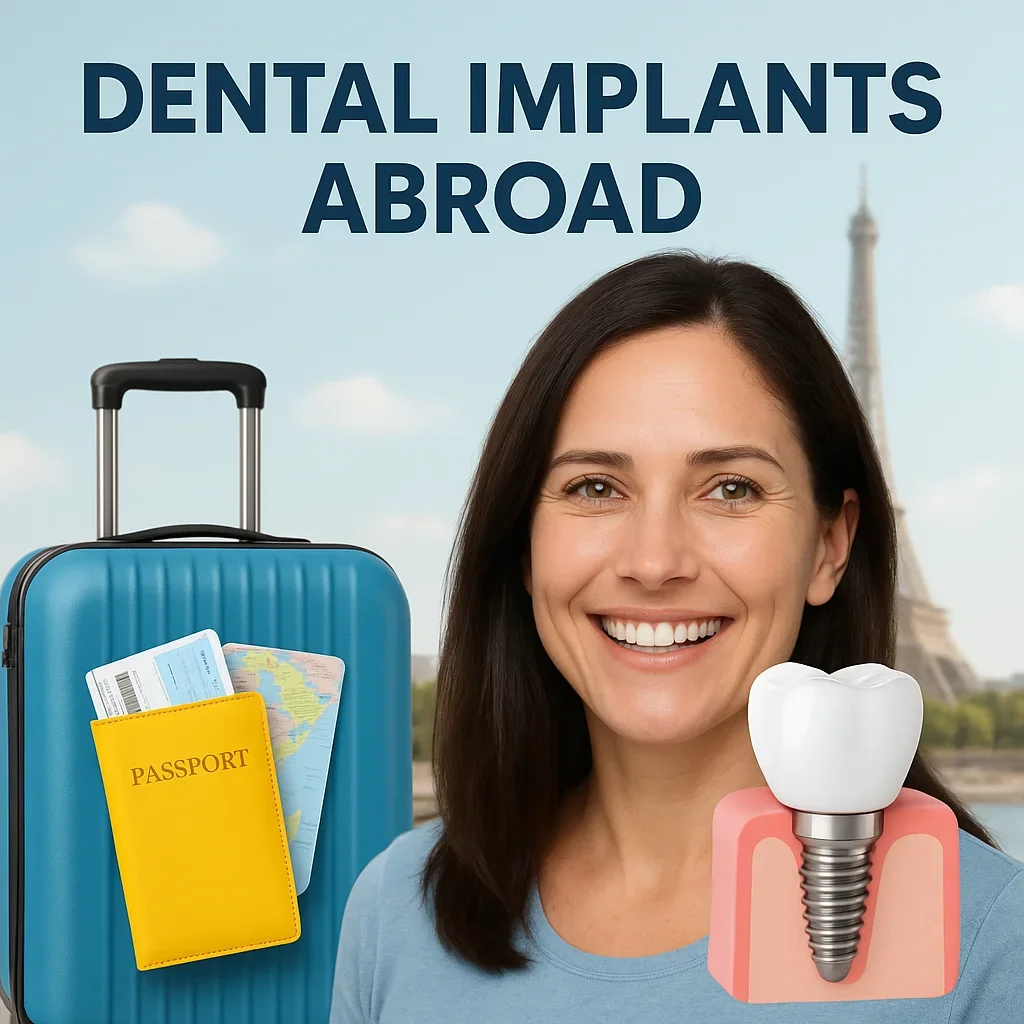
9. Long-Term Results and Maintenance After Getting Dental Implants Abroad
Investing in dental implants abroad is one of the most rewarding choices you can make for your health, appearance, and confidence. However, the journey doesn’t end when your crowns are placed — long-term maintenance is crucial to ensure your implants remain functional, healthy, and aesthetically perfect for decades. Proper care, regular checkups, and healthy lifestyle choices are what separate a temporary fix from a lifelong transformation. 🌟
In this section, we’ll explore what long-term results you can expect from dental implants abroad, how to maintain your new smile, and how lifestyle habits, follow-ups, and hygiene practices impact the durability of your implants.
Understanding the Longevity of Dental Implants 🦷
One of the most attractive aspects of dental implants abroad is their potential to last a lifetime. Modern implants — usually made of titanium or zirconia — are designed to integrate seamlessly with your jawbone through a process called osseointegration. This biological fusion allows the implant to act like a natural tooth root, providing stability and preventing bone loss.
With proper maintenance, the success rate of dental implants can exceed 95% even 10–15 years after surgery. In fact, many patients who received their implants abroad report excellent long-term results comparable to — or even better than — those achieved in their home countries.
Average Lifespan of Dental Implants
- Implant screw: 20–25 years or longer with good bone health
- Abutment: 10–15 years before possible replacement
- Crown: 10–15 years depending on wear and materials used
While implants themselves are designed to last indefinitely, the crowns may need replacement after a decade or more due to natural wear, biting pressure, or changes in gum tissue. The key to maximizing this lifespan lies in consistent hygiene and professional care.
Daily Care and Oral Hygiene Routine 🪥
Maintaining your new smile doesn’t require complicated tools or products — just consistency and attention to detail. Patients who receive dental implants abroad should treat their implants just like natural teeth but with slightly more caution around the gum line.
Essential Oral Hygiene Practices
- Brush twice daily using a soft-bristle toothbrush and low-abrasion toothpaste. Electric toothbrushes are ideal for removing plaque around implants without damaging the gum line.
- Floss daily with implant-specific floss or interdental brushes to clean hard-to-reach areas between implants.
- Use an antiseptic mouthwash to prevent bacterial buildup and protect gum health.
- Schedule professional cleanings at least twice a year — even after returning home from treatment abroad.
Remember, inflammation or gum irritation around an implant can quickly escalate into peri-implantitis — an infection that compromises the implant’s stability. Preventive care is the best investment you can make to maintain your results for decades. 🌿
Follow-Up Appointments and Professional Checkups 🩺
After receiving dental implants abroad, your clinic will usually recommend a structured follow-up plan. The first checkup typically occurs 6–12 months after surgery, with yearly visits thereafter. If you can’t return to the clinic where your procedure was performed, share your full implant records and images with a trusted local dentist.
Recommended Follow-Up Timeline
- 1 Month After Surgery: Initial healing evaluation and gum inspection
- 3–6 Months: Check for osseointegration and stability before crown placement
- 12 Months: Full bite analysis and oral hygiene evaluation
- Yearly: Routine maintenance, X-rays, and scaling to ensure continued bone health
Top-rated clinics offering dental implants abroad — such as Redent Klinik Contact Page — often stay in touch with patients through digital consultations, making international aftercare more convenient and personalized than ever.
Potential Long-Term Issues and How to Prevent Them ⚠️
Although rare, some long-term issues may develop if maintenance is neglected. Knowing how to spot early warning signs can help prevent costly or irreversible complications.
Common Implant-Related Issues
- Peri-implant mucositis: Gum inflammation caused by plaque buildup, reversible with proper cleaning.
- Peri-implantitis: Advanced infection leading to bone loss if untreated — often preventable with professional cleaning.
- Crown wear or fracture: Caused by biting hard objects or teeth grinding.
- Gum recession: Occurs due to excessive brushing or bone resorption.
Preventive Tip: Avoid biting hard foods (like nuts or ice), manage stress to reduce teeth grinding, and use a night guard if necessary. Regular checkups are essential to identify minor issues before they progress. 🌿
Nutrition and Lifestyle for Implant Longevity 🥗
What you eat and how you live have a direct effect on the success of your dental implants abroad. A balanced diet promotes bone health, while poor habits can reduce implant lifespan. Smoking, for instance, restricts blood flow and doubles the risk of implant failure.
Healthy Habits to Maintain Implants
- Eat calcium-rich foods such as yogurt, almonds, and leafy greens to support bone density.
- Stay hydrated to prevent dry mouth, which can increase bacterial growth.
- Limit alcohol and caffeine as they can dehydrate tissue and affect healing.
- Quit smoking — it’s the leading cause of long-term implant complications.
- Exercise regularly to enhance overall circulation and bone strength.
Combining proper nutrition with daily oral hygiene can dramatically improve implant stability and overall gum health, helping your investment last for decades. 🦷
Warranty, Maintenance Packages, and Professional Support 🔧
Many clinics offering dental implants abroad include warranties for both the implants and crowns. These warranties typically cover 5 to 10 years, provided you maintain proper oral hygiene and attend follow-up appointments. Always ask for written documentation outlining what’s included in the warranty and whether future maintenance is available through partner clinics in your home country.
For example, international dental networks often collaborate across borders, allowing patients to access warranty-covered repairs or checkups without returning to the original clinic — a convenient feature that ensures continuity of care even after you return home. 🌍
Expected Long-Term Results and Patient Satisfaction 😁
When properly cared for, dental implants abroad not only restore your smile but also maintain your facial structure, confidence, and overall quality of life. Long-term success is typically measured by the absence of pain, stable gum levels, and consistent chewing efficiency. Patients frequently report that their implants feel just like natural teeth — allowing them to eat, speak, and smile freely.
Beyond aesthetics, implants also prevent the bone loss and facial sagging that occur with missing teeth. This means that getting implants abroad is not just a cosmetic investment but a functional and long-term health decision. 🌟
Final Thoughts: Keeping Your Smile for Life 🌏
The results of dental implants abroad can truly last a lifetime — but only with dedication to maintenance and awareness of long-term care. By practicing proper hygiene, maintaining regular dental checkups, and following a healthy lifestyle, your implants can continue to look and function perfectly for decades.
Think of your implants as a lifelong partnership between you and your dental team — whether abroad or at home. With consistent attention, the confidence and freedom you gain from your restored smile will stay with you forever. 🦷✨