
When people search for dental implants and cost, they’re usually looking for a clear explanation of what dental implants are, how they work, and whether they’re worth the investment. In this comprehensive guide, we’ll explore everything you need to know about dental implants—from structure and procedure to long-term benefits and pricing. By the end, you’ll have a solid understanding of what dental implants are and why they have become one of the most reliable solutions for replacing missing teeth in 2025. 🦷
What Exactly Are Dental Implants?
A dental implant is a small titanium or zirconia post surgically inserted into your jawbone to replace the root of a missing tooth. Once placed, the implant acts as a foundation for an artificial tooth, bridge, or denture. This creates a stable, natural-looking, and long-lasting solution. The process involves several stages, including consultation, surgery, healing, and placement of the final crown. Each stage is crucial to ensure both function and aesthetics are perfectly restored.
Unlike dentures or traditional bridges, dental implants fuse directly with the bone—a process called osseointegration. This fusion makes them feel and function like real teeth. The result is improved comfort, stronger bite force, and a more confident smile. For many patients, dental implants are life-changing because they restore not just oral health, but also self-esteem and quality of life.
Why Are Dental Implants So Popular in 2025?
Modern advancements in dental technology have made implants more affordable, accessible, and predictable. With digital imaging, 3D-guided surgery, and minimally invasive techniques, success rates for dental implants now exceed 97%. These improvements mean patients experience less discomfort and faster recovery times. 💡
Moreover, awareness of dental implants and cost has increased globally. Many patients now understand that implants aren’t just cosmetic—they also prevent bone loss, maintain facial structure, and protect adjacent teeth from shifting. Compared to bridges that may require grinding down healthy teeth, implants preserve your natural oral anatomy.
Components of a Dental Implant
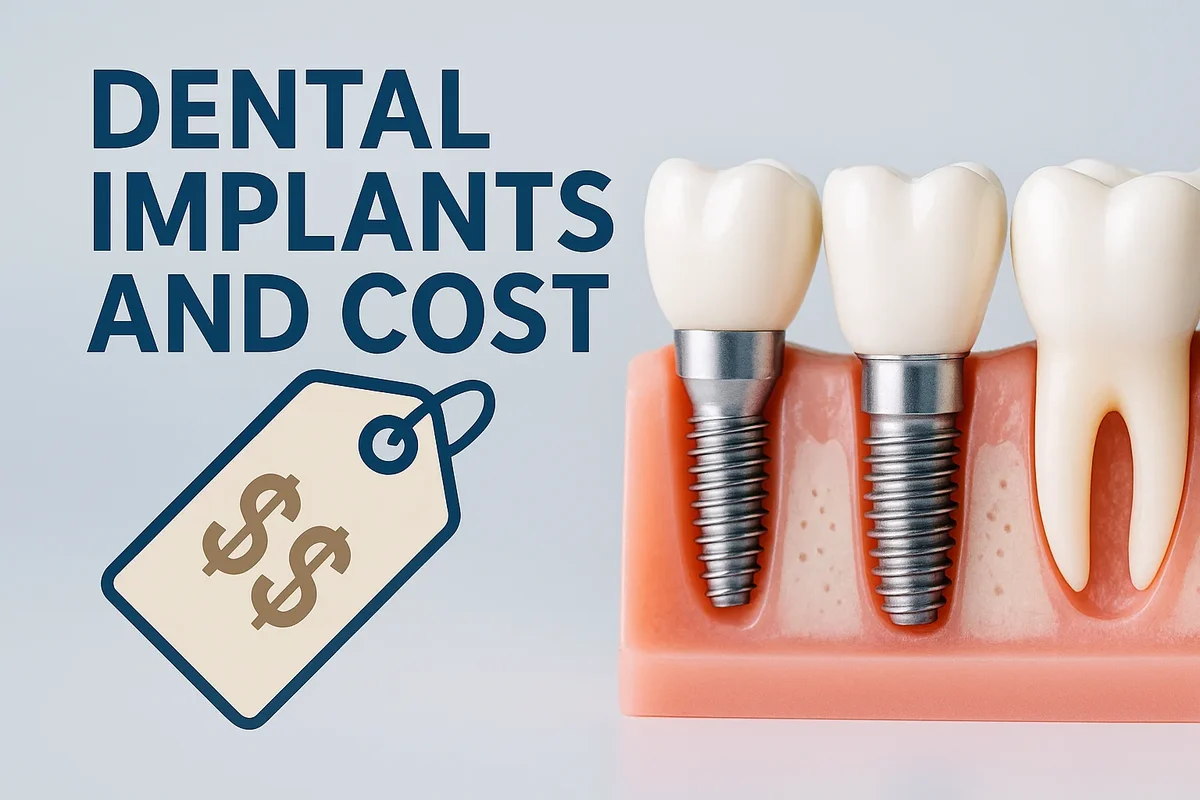
Each dental implant has three main components:
- Implant Fixture (Root): A screw-like post placed in the jawbone. Usually made of titanium, known for its biocompatibility.
- Abutment: A connector between the implant and the crown. It ensures the artificial tooth stays securely attached.
- Crown: The visible, custom-made tooth replacement that matches the color and shape of your natural teeth.
This design makes dental implants extremely durable and long-lasting—often lasting 20 years or more with proper care. Patients who maintain good oral hygiene and attend regular check-ups typically enjoy a lifetime of benefits.
How Do Dental Implants Work?
The procedure begins with a thorough oral evaluation and imaging to assess bone density. If the bone is sufficient, the implant fixture is placed surgically. Over the next few months, the implant fuses with the bone in a natural biological process. Once healed, the abutment and crown are attached, completing the restoration.
Because implants mimic natural tooth roots, they stimulate the jawbone and prevent the bone loss that usually follows tooth extraction. This makes them the gold standard for tooth replacement compared to bridges or removable dentures.
Benefits of Dental Implants
Here’s why dental implants are considered a long-term investment rather than a short-term expense:
- ✅ Natural Look and Feel: Implants blend seamlessly with your existing teeth.
- 💪 Durability: With proper care, implants can last a lifetime.
- 🗣️ Improved Speech: Unlike dentures, implants don’t slip, ensuring clear pronunciation.
- 🍎 Better Eating Ability: You can enjoy crunchy and chewy foods again.
- 😁 Enhanced Confidence: No more worrying about dentures falling out.
Although dental implants and cost may seem high initially, their longevity and reliability make them far more cost-effective over time. You avoid repeated expenses for replacements, adhesives, and repairs common with dentures.
Why Dental Implant Cost Varies
Several factors influence implant pricing, including material quality, number of implants needed, and whether bone grafting or sinus lifts are required. Geographic location and the dentist’s expertise also play major roles. A single implant in 2025 may range from $900 to $3,500 in different parts of the world. However, international destinations such as Turkey offer affordable, high-quality dental implants—often 60% cheaper than in Western countries, while maintaining top-tier medical standards.
If you’re considering treatment abroad, contact our expert team at Redent Klinik Contact Page to get a personalized cost estimate and treatment plan.
Professional Associations and Guidelines
All dental implant procedures must follow strict international safety protocols, as recommended by the American Dental Association. These standards ensure that each implant is placed under sterile conditions, using certified materials and evidence-based surgical techniques.
Final Thoughts
In conclusion, understanding dental implants and cost is essential before making a decision. While implants may require a higher upfront investment, they offer unmatched functionality, aesthetics, and long-term value. With proper planning, professional guidance, and reliable dental care, you can enjoy a beautiful, natural-looking smile for decades. 🌟
Next, we’ll dive deeper into the different types of dental implants and how to choose the right one for your needs.
Types of Dental Implants: Choosing the Right One for You
When exploring dental implants and cost, understanding the various types of implants available is crucial. Each type serves a different purpose depending on bone density, oral health, and budget. In this section, we’ll take a deep dive into the main types of dental implants, their benefits, and how to choose the right one for your unique dental condition. 🌿
1. Endosteal Implants (Most Common Type)
Endosteal implants are the most frequently used and trusted type of dental implant. They are typically made of titanium and shaped like small screws. These implants are placed directly into the jawbone and serve as artificial roots for replacement teeth.
Once the implant is securely fused to the bone, an abutment and crown are attached, completing the structure. The stability and strength of this method make it ideal for patients with good bone density. Endosteal implants are known for their long-term durability and natural appearance, which justifies their place as the gold standard in restorative dentistry.
Advantages of Endosteal Implants
- High success rate (over 98%)
- Feels and functions like natural teeth
- Prevents bone loss and maintains jaw structure
- Long-lasting investment with minimal maintenance
However, since this type requires adequate bone mass, patients with bone deficiencies may need a bone graft before placement. While this increases the overall dental implants and cost, it ensures lasting stability and function.
2. Subperiosteal Implants (For Low Bone Density)
Subperiosteal implants are designed for patients who lack sufficient jawbone mass and want to avoid bone grafting. Instead of being placed into the bone, these implants rest on top of the jawbone but under the gum tissue. A metal framework supports the implant posts, which protrude through the gums to hold the prosthetic teeth in place.
They’re often chosen for patients with bone loss due to periodontal disease or aging. While they have a slightly lower success rate than endosteal implants, modern materials have improved their performance significantly. For those evaluating dental implants and cost, subperiosteal implants can be a cost-effective solution when bone grafting is not desired.
When to Consider Subperiosteal Implants
- Insufficient bone height or density
- Patients unable to undergo bone graft surgery
- Multiple missing teeth in the upper or lower jaw
These implants require precision and expertise. It’s essential to choose an experienced dental surgeon who specializes in this method. Always confirm that the materials used comply with international standards, such as those approved by the American Dental Association.
3. Zygomatic Implants (Advanced Bone-Loss Solution)
Zygomatic implants are the most complex and least common type. Instead of being anchored in the jawbone, they’re placed in the cheekbone (zygoma). This area has dense bone, making it an excellent alternative for patients who have experienced significant bone loss in the upper jaw.
These implants eliminate the need for bone grafts or sinus lifts, which can save time and money. However, the procedure requires advanced surgical expertise and is generally more expensive. Still, for many patients, the benefits outweigh the higher dental implants and cost.
Key Benefits of Zygomatic Implants
- No need for bone grafting procedures
- Immediate restoration of function and aesthetics
- High success rates in full-mouth reconstructions
- Durable, long-term solution for severe bone loss
Patients considering this type of implant should always consult a specialist clinic with proven experience in zygomatic procedures. You can reach out to the Redent Klinik Contact Page for personalized consultation and expert guidance.
4. Mini Dental Implants (Budget-Friendly Alternative)
Mini dental implants are smaller in diameter—usually less than 3mm—compared to traditional implants. They are ideal for stabilizing dentures or replacing smaller teeth in narrow spaces. The main advantage of mini implants is that they can often be placed in a single appointment with minimal recovery time.
From a financial perspective, mini implants significantly reduce dental implants and cost because they require less material, shorter procedures, and fewer visits. However, their lifespan may be shorter than standard implants, making them better suited for temporary or moderate-use applications.
Advantages of Mini Implants
- Affordable compared to traditional implants
- Minimally invasive procedure
- Quick healing and same-day restoration
- Great for patients with thinner jawbones
5. All-on-4 and All-on-6 Dental Implants
The All-on-4 and All-on-6 systems have transformed full-mouth restoration. In these treatments, four or six implants are strategically placed to support an entire arch of teeth. This technique provides remarkable stability, even for patients with limited bone volume, and is often completed in just one day.
While the upfront dental implants and cost for All-on-4/All-on-6 systems can be higher, they are far more economical than replacing each tooth individually. The long-term benefit lies in their durability, comfort, and natural appearance—restoring full dental function and aesthetics without extensive grafting.
Cost Comparison (Estimated 2025 Pricing)
Average Global Costs for Different Implant Types (USD):
- Single Endosteal Implant: $1,000 – $3,000
- Subperiosteal Implant: $2,000 – $4,000
- Zygomatic Implant: $4,000 – $7,500
- Mini Implant: $500 – $1,500
- All-on-4 / All-on-6 Full Arch: $8,000 – $18,000
Which Type Is Right for You?
Choosing the right implant depends on multiple factors—bone quality, oral health, budget, and aesthetic goals. A comprehensive dental evaluation, including 3D imaging, helps your dentist determine the most suitable type. Clinics specializing in implantology often provide detailed treatment plans that break down both the clinical procedure and dental implants and cost involved.
When comparing prices and techniques, prioritize quality and expertise over the cheapest offer. A poorly executed implant may cost far more in future corrections. Opt for internationally accredited clinics that follow strict hygiene and surgical protocols for best results.
Conclusion
Understanding the various types of dental implants gives you control over your dental health decisions. Whether you choose endosteal, subperiosteal, or advanced options like zygomatic or All-on-4 systems, knowing the differences helps balance expectations about dental implants and cost. Each type has unique benefits, and with expert guidance, you can achieve a healthy, beautiful smile that lasts for years to come. 😁
Step-by-Step Process of Getting Dental Implants
Understanding the complete journey of getting dental implants can help you make informed decisions about your oral health and budget. When people research dental implants and cost, they often focus on prices alone. However, the procedure itself involves multiple steps, each contributing to the overall investment and long-term success of the treatment. Below, we’ll go through each phase in detail—from the first consultation to final restoration—so you’ll know exactly what to expect. 🦷
1. Initial Consultation and Dental Assessment
The journey begins with a comprehensive consultation where your dentist examines your oral health, bone density, and medical history. X-rays or 3D cone-beam CT scans are used to evaluate whether your jawbone can support implants. During this stage, your dentist will also discuss your treatment options, expected outcomes, and projected costs.
The consultation is not only about assessing your suitability for implants but also about designing a personalized plan. Factors such as missing teeth, gum condition, and bite alignment influence both the dental implants and cost. A well-structured consultation ensures that no detail is overlooked, setting the foundation for a successful treatment.
What to Expect During the Consultation
- Comprehensive oral and radiographic examination
- Discussion about your health background (e.g., diabetes, smoking, medications)
- Personalized treatment plan with estimated timeline and costs
- Explanation of available implant types and materials
If bone density is low, the dentist may recommend additional procedures such as bone grafting or sinus lifting. These can slightly increase the overall dental implants and cost but ensure the long-term success of the implant.
2. Pre-Surgical Preparation
Before the surgery, your dentist might recommend pre-treatment procedures to prepare your mouth for implantation. This could include removing damaged teeth, performing deep cleaning, or treating any gum infections. These preparatory steps are essential because healthy gums and adequate bone structure are critical for implant stability.
Some clinics use advanced technologies such as digital implant planning to map out the implant position with precision. This ensures minimal invasiveness and a quicker recovery period. The better the preparation, the higher the success rate—and the better your long-term return on the investment you make in dental implants and cost.
3. Implant Surgery: The Main Procedure
The surgical stage involves placing the titanium or zirconia implant into your jawbone. This is done under local anesthesia or, in some cases, sedation for patient comfort. Using 3D guidance, the dentist drills a small pilot hole and positions the implant with precision. The surgery typically lasts one to two hours, depending on the number of implants being placed.
After surgery, the gum tissue is stitched and left to heal. This healing period allows the implant to bond naturally with the bone through osseointegration—a process that usually takes three to six months. While this might seem like a long wait, it’s vital for ensuring the implant becomes a strong, permanent foundation for your new tooth.
Post-Surgery Care Tips
- Follow prescribed antibiotics and painkillers strictly
- Avoid smoking and hard foods for at least a week
- Rinse with saline or antiseptic mouthwash as advised
- Attend all follow-up appointments to monitor healing progress
Neglecting post-surgery care can lead to complications and additional expenses, which is why understanding each phase of dental implants and cost helps prevent unpleasant surprises.
4. Healing and Osseointegration Phase
This is the most critical stage where the implant fuses with your bone tissue. The success of your implant depends on how well this biological process occurs. During this period, patients might wear temporary restorations to maintain appearance and function. Although it may take several months, proper osseointegration ensures your implant lasts decades.
Patients are advised to maintain excellent oral hygiene during this phase. Any infection or neglect can compromise the bone-implant bond, leading to failure and additional treatment expenses. It’s important to view this stage as part of your overall dental implants and cost—not just in money, but in time and care investment.
Factors That Affect Healing Time
- Bone quality and density
- General health and immune response
- Whether bone grafting or sinus lifting was performed
- Oral hygiene and follow-up consistency
5. Abutment Placement
Once the implant is fully integrated, the next step involves attaching an abutment—a connector piece that links the implant root to the crown. This minor surgical procedure typically takes 20–30 minutes. The gums are reopened to expose the implant, and the abutment is secured in place.
Some clinics include the abutment in the initial price quote, while others charge separately. Clarifying this detail early helps you better estimate dental implants and cost for the entire procedure.
6. Crown Fabrication and Placement
After the abutment is fitted, impressions of your mouth are taken to design the final crown. The crown is custom-made to match the shape, color, and contour of your natural teeth. It can be made from porcelain, zirconia, or composite resin. Once ready, it is either cemented or screwed onto the abutment.
This step completes the restoration process, leaving you with a fully functional and aesthetically pleasing tooth replacement. The crown not only restores your smile but also enables you to chew and speak comfortably. 🎉
Average Cost Breakdown (Approximate Global Ranges 2025)
- Consultation and X-rays: $100 – $300
- Implant Surgery: $900 – $3,000 per implant
- Abutment and Crown: $500 – $1,500
- Bone Grafting (if required): $400 – $1,200
- Total Treatment Range: $2,000 – $6,000 per tooth
Prices vary depending on clinic location and materials used. For a precise treatment plan and quotation, it’s recommended to reach out via the Redent Klinik Contact Page.
7. Aftercare and Maintenance
Proper aftercare ensures that your implant lasts a lifetime. Regular dental checkups, professional cleanings, and consistent oral hygiene are mandatory. Avoid biting hard objects, use a soft-bristled toothbrush, and consider wearing a mouthguard if you grind your teeth at night.
Many patients underestimate the importance of follow-up care in relation to dental implants and cost. Neglecting maintenance can lead to implant failure, requiring replacement and doubling your original expense. By maintaining your implants, you preserve not only your smile but also the value of your investment.
8. Final Review and Long-Term Results
Once the final crown is placed and your bite is adjusted, your dentist will conduct a thorough review to ensure optimal comfort and aesthetics. Patients often experience an immediate boost in confidence, speech clarity, and chewing ability. The results are long-lasting, and with proper care, dental implants can last a lifetime—far outlasting traditional bridges or dentures.
Conclusion
The step-by-step process of getting dental implants involves precision, patience, and professional expertise. Each stage—from consultation to crown placement—plays a vital role in determining both success and overall dental implants and cost. Although the process may take several months, the outcome offers unmatched durability, comfort, and a natural-looking smile that can truly transform your life. 🌟
In the next section, we’ll explore the key factors that affect dental implant pricing and what makes costs vary so widely across different clinics and countries.
Factors That Affect Dental Implants and Cost
When researching dental implants and cost, you’ll quickly notice that prices vary significantly between clinics, cities, and even countries. This variation isn’t random—it reflects a complex mix of clinical, material, and individual factors that influence the total treatment cost. Understanding these factors helps patients plan their budget realistically and choose the best value without compromising on quality. In this section, we’ll explore the major cost determinants and explain how each one affects your final bill. 💡
1. Number of Implants Needed
The total number of implants plays a major role in determining the overall cost. A single-tooth implant involves one fixture, one abutment, and one crown, while full-mouth restorations can require four, six, or even more implants per jaw.
For instance, the All-on-4 system uses four strategically placed implants to support an entire arch of teeth, which can significantly reduce cost compared to individual replacements. However, a patient needing multiple single implants may face a higher total expense.
Example Pricing (Approximate Averages 2025)
- Single Implant: $1,500 – $3,000
- Three Implants: $4,000 – $8,000
- Full-Mouth All-on-4: $8,000 – $18,000
Therefore, when calculating dental implants and cost, consider whether you need single-tooth, partial-arch, or full-mouth restoration—each has different material and labor requirements.
2. Type of Implant Material
The choice of material has a direct impact on both durability and cost. Titanium implants remain the industry standard due to their biocompatibility and longevity. However, zirconia implants have gained popularity for their metal-free, aesthetic properties and hypoallergenic qualities.
While titanium implants generally cost less, zirconia offers superior aesthetics—especially important for front teeth. Patients who value appearance and prefer a holistic option may be willing to pay slightly more for this premium alternative. The type of material used contributes to the overall dental implants and cost but also affects the implant’s lifespan and performance.
Material Cost Comparison
- Titanium Implant: $900 – $2,500 per tooth
- Zirconia Implant: $1,200 – $3,000 per tooth
3. Complexity of the Procedure
Not all implant surgeries are the same. The complexity of your case greatly affects time, resources, and cost. Patients who require bone grafting, sinus lifts, or gum treatment before implant placement will incur additional expenses. These procedures are necessary to ensure the implant fuses properly and lasts long-term.
Bone grafts, for instance, can range from $400 to $1,200 depending on the amount of bone needed and the technique used. Similarly, a sinus lift—a procedure that raises the sinus floor to make room for implants—adds another $1,000 to $3,000 to the total treatment plan.
Common Pre-Implant Procedures Affecting Cost
- Bone grafting (for insufficient bone volume)
- Sinus lift (for upper jaw implants)
- Tooth extraction or infection treatment
- Temporary dentures or crowns during healing
These steps ensure the success of your implant, making them essential parts of the total dental implants and cost equation, not optional extras.
4. Dentist’s Experience and Specialization
The skill and reputation of the dentist performing the surgery are also major cost determinants. Implantology is a complex field requiring precision, years of training, and advanced equipment. Highly experienced implantologists typically charge higher fees—but their expertise minimizes complications, ensures aesthetic results, and provides long-term security.
Choosing a cheaper, less experienced provider might reduce short-term costs but increase the risk of implant failure, which can double expenses in the future. Therefore, when evaluating dental implants and cost, prioritize quality over price.
5. Geographic Location and Clinic Standards
Where you receive your treatment can make a big difference in cost. For example, dental implants in the United States or Western Europe are significantly more expensive than in countries like Turkey, Mexico, or Thailand, where labor and operational costs are lower but medical standards remain high.
In Turkey, for example, patients can save up to 60% on total treatment without compromising on quality or materials. Many clinics, such as Redent Klinik, use the same FDA-approved implants found in the U.S. but offer more affordable packages due to favorable exchange rates and lower overhead costs.
Average Cost by Country (Per Single Implant, 2025 Estimates)
- USA: $3,000 – $6,000
- UK: £2,000 – £4,000
- Germany: €1,800 – €3,500
- Turkey: $800 – $1,500
- Mexico: $700 – $1,400
As you can see, global location plays a key role in determining dental implants and cost. Many patients choose dental tourism as a smart way to reduce expenses while enjoying quality care abroad.
6. Type of Restoration (Crown, Bridge, or Denture)
The restoration placed on top of the implant also affects cost. A single crown is more affordable than a multi-tooth bridge or full arch prosthesis. Crowns are typically made of porcelain, zirconia, or hybrid resin materials, each with its own price range and durability level.
For instance, zirconia crowns are known for their strength and lifelike appearance, but they cost more than standard porcelain. The restoration type adds another layer to the dental implants and cost equation, as premium aesthetics require premium materials and fabrication processes.
Typical Restoration Costs
- Porcelain Crown: $500 – $1,200
- Zirconia Crown: $800 – $1,500
- Full-Arch Bridge: $3,000 – $8,000
7. Laboratory and Technology Used
Modern dental clinics use advanced 3D scanning, computer-guided surgery, and digital milling to design implants with precision. These technologies increase accuracy and patient comfort but also add to the cost. However, the higher upfront price often leads to better results and fewer follow-up complications—saving money in the long term.
Similarly, laboratories that produce high-end prosthetics with CAD/CAM systems or zirconia milling machines may charge more, but the results are far superior in terms of aesthetics and fit. When analyzing dental implants and cost, always ask whether the clinic uses in-house or outsourced laboratories, as this can significantly affect your final bill.
8. Additional Fees and Maintenance Costs
Beyond the surgical phase, there are ongoing maintenance expenses, including follow-up appointments, x-rays, professional cleanings, and occasional crown replacements after 10–15 years. While these are relatively minor compared to the initial investment, they’re important for budgeting realistically.
Some clinics offer all-inclusive packages that cover post-operative care, while others charge separately. Always confirm these details in advance to avoid hidden surprises related to dental implants and cost.
9. Insurance and Financing Options
Dental insurance coverage for implants varies widely. Some policies cover part of the procedure, such as the crown or bone graft, while others may exclude implants entirely. Patients should check their insurance terms or explore flexible payment plans offered by clinics.
Financing options can make high-quality dental care more accessible without requiring full payment upfront. This makes it easier to manage the overall dental implants and cost without compromising on quality or safety.
Conclusion
As you can see, many factors influence dental implants and cost—from materials and surgeon expertise to country and technology used. While it may be tempting to focus solely on price, remember that dental implants are a lifelong investment in your health and confidence. Choosing a reputable, experienced clinic ensures your implant is placed correctly, minimizing the risk of complications and maximizing long-term value. 🌟
In the next section, we’ll explore average dental implant prices in 2025 across different countries and help you understand global cost trends for a more informed decision.
Average Dental Implant Prices in 2025: A Global Comparison
When patients begin researching dental implants and cost, one of the most common questions they ask is, “How much do dental implants really cost in 2025?” The answer depends on where you live, the clinic’s expertise, materials used, and local economic factors. Understanding average dental implant prices worldwide can help you plan your budget more efficiently and even explore dental tourism opportunities. 🌍
Below, we’ll break down global averages, compare regions, and discuss why the same implant might cost $1,000 in one country and $5,000 in another. We’ll also explain how to evaluate value—not just price—so you can make an informed decision when considering dental implants and cost.
1. Global Average Cost Overview
As of 2025, the global average price for a single dental implant—including surgery, abutment, and crown—ranges between $2,000 and $4,000. However, this figure fluctuates widely depending on the country and the complexity of the procedure. Full-mouth restorations using All-on-4 or All-on-6 techniques can range from $8,000 to $20,000 per arch.
When estimating dental implants and cost, it’s essential to understand that the figure usually includes several components: diagnostic imaging, implant fixture, abutment, crown, anesthesia, and follow-up visits. Some clinics offer “all-inclusive” packages, while others bill each item separately.
Typical Components of Dental Implant Pricing
- Initial Consultation and X-rays
- Implant Surgery and Materials
- Abutment and Crown Fabrication
- Post-Surgical Follow-Up Appointments
When comparing international options, always verify that the price quote covers all of these stages. Otherwise, a seemingly cheaper offer might end up costing more in hidden fees.
2. Regional Cost Comparison by Country
The cost of dental implants varies significantly by geography due to differences in labor rates, clinical standards, and currency exchange. Below is an overview of average 2025 implant costs by region, based on reliable dental market data and clinic reports.
Average Dental Implant Prices (2025 Estimates)
- United States: $3,500 – $6,000 per tooth
- United Kingdom: £2,000 – £4,000 per tooth
- Germany: €1,800 – €3,500 per tooth
- France: €1,600 – €3,000 per tooth
- Australia: AU$3,000 – AU$6,000 per tooth
- Turkey: $800 – $1,500 per tooth
- Mexico: $700 – $1,400 per tooth
- Thailand: $900 – $1,600 per tooth
As these figures show, regions like Turkey, Mexico, and Thailand have become global dental tourism hubs due to their balance of affordability and quality. Patients can save up to 70% on dental implants and cost by choosing qualified international clinics without compromising on materials or care standards.
3. Why Prices Differ Across Countries
There are several reasons why dental implant costs differ globally. Let’s explore the main factors that influence these price disparities.
a. Labor and Operational Costs
Countries with lower labor costs can offer the same procedures at much lower prices. Dentists in Europe and the U.S. face higher clinic rent, staff salaries, and insurance expenses, which directly affect dental implants and cost. Meanwhile, clinics in Turkey or Mexico benefit from lower overheads and favorable currency rates, allowing them to maintain international standards at reduced prices.
b. Government Regulations and Import Fees
Medical equipment, implant components, and materials are subject to different import taxes and regulatory fees in each country. For example, European Union standards often involve higher compliance costs, while clinics in Asia can access the same materials more economically due to different trade policies.
c. Exchange Rate and Market Demand
Fluctuations in currency exchange rates can also impact dental implants and cost. A strong local currency often results in higher treatment fees, while a favorable exchange rate makes certain destinations more attractive for foreign patients seeking affordable treatment abroad.
4. Cost Comparison: Local vs. Abroad
Let’s take a closer look at how much a full-mouth implant treatment can cost in different settings in 2025. The table below summarizes approximate price ranges for the same procedure performed locally and internationally.
Full-Mouth Restoration (All-on-4 / All-on-6 Systems)
- United States: $20,000 – $30,000 per arch
- United Kingdom: £15,000 – £20,000 per arch
- Germany: €12,000 – €18,000 per arch
- Turkey: $6,000 – $9,000 per arch
- Mexico: $5,500 – $8,500 per arch
Clearly, dental tourism destinations offer the same treatment for a fraction of the price. However, before choosing to travel abroad, it’s vital to research the clinic’s credentials, materials used, and follow-up care availability. Trusted international centers like Redent Klinik in Turkey provide transparent pricing and internationally accredited care, ensuring safety and quality at every step.
5. The Role of Technology in Price Differences
Technological advancement is another major factor influencing dental implants and cost. Clinics that use 3D-printed surgical guides, digital smile design, and computer-aided milling often charge more. Yet, these innovations improve implant precision and patient comfort—reducing complications and ensuring long-term success.
For example, guided implant surgery allows for accurate placement, minimizing tissue trauma and healing time. The upfront cost may be slightly higher, but patients benefit from fewer follow-up visits and lower risk of implant failure. In essence, modern technology raises initial expenses but reduces lifetime maintenance costs, offering greater value overall.
6. Hidden Costs and Aftercare Expenses
When budgeting for implants, remember that dental implants and cost extend beyond the surgery. Post-treatment appointments, cleaning, potential crown replacements, and warranty coverage are part of the total investment. Some clinics offer maintenance packages covering follow-up visits and checkups, while others charge per session.
Patients should also account for travel and accommodation costs if undergoing treatment abroad. Though these expenses can slightly increase the total amount, the overall savings compared to Western pricing remain substantial.
7. Dental Tourism: The 2025 Trend
In 2025, dental tourism is stronger than ever. Patients from the U.S., UK, and Europe increasingly travel to Turkey, Hungary, or Mexico for cost-effective, high-quality care. These destinations combine world-class dental expertise, modern clinics, and affordable rates, making them ideal for those seeking the best balance of dental implants and cost.
In Turkey, for example, many clinics offer all-inclusive packages covering airport transfers, hotel stays, and post-operative care. This integrated approach provides peace of mind and makes the process smooth for international patients. 🌐
8. Final Comparison: Cost vs. Value
Ultimately, choosing where to get dental implants shouldn’t be about finding the lowest price—it should be about finding the highest value. A well-done implant performed by an experienced surgeon using high-quality materials can last a lifetime. Cheap, poorly executed implants, on the other hand, can lead to infection, failure, and even higher corrective costs.
Therefore, when comparing dental implants and cost globally, always weigh long-term quality against short-term savings. Look for transparency, credentials, warranty terms, and real patient reviews before making your decision.
Conclusion
Global prices for dental implants vary widely, but one fact remains constant: dental implants are a long-term investment in health, confidence, and quality of life. Whether you choose treatment locally or abroad, understanding what influences dental implants and cost allows you to make the best financial and medical decision. With proper planning and trusted care providers, achieving a healthy, lasting smile is now more accessible than ever. 😁
Next, we’ll examine hidden costs and additional treatments that patients should consider before committing to implant surgery, helping you prepare for a truly transparent treatment journey.
Hidden Costs and Additional Treatments You Should Know
When researching dental implants and cost, it’s easy to focus on the visible expenses—like the implant fixture, abutment, and crown. However, many patients overlook the hidden or secondary costs that can arise during treatment. These additional expenses often depend on your oral health, bone quality, and post-surgery requirements. Understanding these hidden factors is crucial to planning your budget accurately and avoiding unpleasant financial surprises. 💰
In this section, we’ll uncover the most common hidden costs associated with dental implants, explore related procedures that might increase your total investment, and show how to manage these effectively for a smooth, transparent treatment journey.
1. Diagnostic and Planning Costs
Before placing any implant, your dentist must perform detailed diagnostics to ensure your jawbone and gums are healthy. This phase involves X-rays, 3D cone-beam CT scans, and sometimes digital smile design simulations. Each of these adds to the overall dental implants and cost.
High-quality imaging is essential for accurate implant positioning, minimizing surgical risks and ensuring long-term success. Some clinics include these in their package, while others charge separately.
Typical Diagnostic Fees (2025 Averages)
- Standard X-ray: $50 – $150
- 3D Cone-Beam CT Scan: $150 – $300
- Digital Smile Design / Simulation: $200 – $400
These diagnostic procedures may seem minor compared to the total treatment price, but they are critical for implant precision and success.
2. Tooth Extractions Before Implant Placement
If you have decayed, damaged, or failed teeth that need removal before implants, extractions will add to the overall expense. Simple extractions typically cost between $100 and $300, while surgical extractions can range from $300 to $600 per tooth.
Some patients require multiple extractions before implant placement, especially when undergoing full-mouth restoration. Including this in your initial treatment estimate ensures a more realistic understanding of dental implants and cost.
3. Bone Grafting and Sinus Lift Procedures
One of the most significant hidden costs is bone grafting or a sinus lift. These procedures are necessary if your jawbone lacks the density or volume needed to support implants securely. Bone grafting involves adding natural or synthetic bone material to strengthen the area, while a sinus lift raises the sinus membrane in the upper jaw to create more space for implants.
Typical Prices for Bone Enhancement Procedures
- Minor Bone Graft: $400 – $800
- Major Bone Graft: $1,000 – $2,500
- Sinus Lift: $1,200 – $3,000
While these procedures increase the total dental implants and cost, they are essential for ensuring implant longevity and stability. Without proper bone support, even the most expensive implant can fail over time.
4. Temporary Restorations During Healing
After implant placement, patients often require temporary restorations to maintain appearance and function during the healing period. These can be temporary crowns, bridges, or dentures. Although they are not permanent, they help you smile and eat comfortably while waiting for osseointegration to complete.
Temporary restorations typically add $200 to $800 to your total treatment cost. Some clinics include them as part of the implant package, while others treat them as optional upgrades. Always confirm whether these are covered in your initial estimate of dental implants and cost.
5. Anesthesia and Sedation Options
Most dental implant procedures are performed under local anesthesia, which is included in the base price. However, patients who prefer sedation dentistry or general anesthesia for comfort will incur extra costs. Sedation options such as nitrous oxide, oral sedatives, or IV sedation can add anywhere from $250 to $1,000 per session.
Patients with dental anxiety often find sedation worthwhile because it makes the procedure smoother and stress-free. Still, it’s essential to include these optional comforts in your budget planning for a full picture of dental implants and cost.
6. Custom Abutments and Premium Crowns
While standard abutments and crowns are often included in the quoted price, some patients require customized designs for better aesthetics or complex bite alignment. Custom abutments are digitally crafted to fit your unique anatomy and can cost an additional $300 – $600 per tooth.
Similarly, premium crowns made from zirconia or porcelain-fused-to-metal (PFM) materials can increase the cost by $400 – $800 per restoration. These premium upgrades enhance the natural look of your smile and improve long-term durability.
7. Post-Operative Medications and Follow-Up Appointments
After surgery, your dentist will prescribe antibiotics, painkillers, and antiseptic mouth rinses to ensure smooth recovery. While these are not major expenses, they typically add $50 – $150 to the total bill. In addition, most clinics require one or two follow-up appointments to monitor healing progress, which may cost $80 – $200 per visit if not included in a package deal.
Overlooking these small yet necessary follow-up expenses can lead to underestimating the true dental implants and cost.
8. Maintenance and Replacement Over Time
Although implants can last a lifetime, crowns and abutments may need replacement after 10–15 years due to wear or cosmetic changes. Replacement crowns generally cost between $700 and $1,200 each. Professional cleanings and annual checkups are also essential to maintain the implant’s health and prevent complications like peri-implantitis.
Estimated Long-Term Maintenance Costs (Per Year)
- Professional Cleaning: $150 – $250
- Annual Checkup and X-ray: $100 – $200
- Crown Replacement (every 10–15 years): $800 – $1,200
Factoring in maintenance helps you understand the full lifetime value of your implants—not just the upfront price. This holistic approach ensures that you view dental implants and cost as a sustainable, long-term investment.
9. Travel and Accommodation (for Dental Tourism)
If you’re considering dental treatment abroad, travel expenses such as flights, accommodation, and meals must be included in your budget. While the savings on treatment often outweigh travel costs, it’s still important to calculate them.
For example, a patient traveling from the UK to Turkey for implants may spend $300 on flights and $500–$700 for a week of accommodation. Even after including these, the total price still remains 50–60% lower than in the UK or Western Europe, offering great value for dental implants and cost.
10. Warranties and Aftercare Packages
Some clinics provide warranties covering implant failure or material defects for up to 5–10 years. Others offer lifetime guarantees for the implant fixture itself. While these warranties can slightly increase the initial treatment cost, they provide invaluable peace of mind and protection against unforeseen complications.
Reputable clinics such as Redent Klinik often include extended warranty options as part of their service, ensuring patients receive long-term care without hidden costs. Always read the terms carefully to understand what’s covered under warranty before finalizing your treatment plan.
Conclusion
When calculating dental implants and cost, transparency is key. Beyond the base price of the implant, there are numerous related expenses—diagnostics, extractions, bone grafting, anesthesia, temporary restorations, and long-term maintenance. By accounting for these hidden costs upfront, you can avoid financial surprises and ensure a smooth, stress-free treatment journey.
Choosing a trustworthy, patient-focused clinic that provides detailed cost breakdowns ensures your investment leads to lasting results and peace of mind. In the next section, we’ll explore how to save money on dental implants without compromising on quality, helping you make the most of your dental care budget. 🦷✨
How to Save Money on Dental Implants Without Compromising Quality
While the benefits of dental implants are undeniable, many patients hesitate due to perceived high costs. The truth is that understanding how to manage dental implants and cost intelligently can help you achieve top-quality results without overspending. With smart planning, choosing the right clinic, and understanding what truly affects pricing, it’s possible to enjoy a beautiful, long-lasting smile affordably—without sacrificing quality or safety. 💎
In this comprehensive section, we’ll explore practical strategies to reduce expenses while maintaining treatment excellence. From comparing treatment plans to leveraging dental tourism and financing options, these proven methods can make implants financially accessible to almost anyone.
1. Compare Multiple Treatment Plans
One of the most effective ways to manage dental implants and cost is by seeking multiple treatment quotes. Prices can vary dramatically even within the same city or country. Request detailed cost breakdowns from at least three reputable clinics before deciding.
Make sure each quote includes all essential components—consultation, surgery, abutment, crown, aftercare, and any additional treatments (like bone grafting or extractions). Avoid clinics that only list the implant placement price, as hidden fees might surface later.
Key Tip:
Always ask for a written, itemized estimate. Transparent clinics will clearly outline each step of your treatment plan, helping you evaluate value rather than just cost.
2. Explore Dental Tourism Destinations
Dental tourism has become one of the most reliable ways to lower dental implants and cost without compromising quality. Countries such as Turkey, Hungary, Mexico, and Thailand offer world-class dental care at 50–70% lower prices than the US or UK. These clinics use the same FDA-approved materials and advanced technology as Western facilities but operate with lower overhead costs.
For example, a single implant in the US may cost $4,000, while in Turkey, it can range between $800 and $1,500—including the abutment and crown. Even with travel and accommodation expenses, patients often save thousands of dollars.
If you’re considering dental tourism, choose accredited clinics with English-speaking staff, international certifications, and positive patient reviews. Clinics like Redent Klinik in Turkey specialize in treating international patients and provide comprehensive packages that include airport transfers, hotel stays, and post-treatment care—all while maintaining top-tier quality.
3. Opt for All-Inclusive Packages
Some clinics offer all-inclusive dental implant packages that bundle consultation, surgery, anesthesia, and temporary restorations under one price. This approach eliminates unexpected expenses and makes dental implants and cost easier to manage.
These packages are particularly popular among international patients because they simplify logistics and budgeting. Many also include follow-up visits or extended warranties. When comparing packages, ensure they specify the implant brand, crown material, and warranty period to guarantee value for money.
4. Consider Mini Implants or Alternative Techniques
For patients with budget constraints, mini dental implants or short implants can offer an effective and affordable solution. Mini implants use smaller screws that require less invasive surgery, reducing healing time and material costs. They’re ideal for stabilizing dentures or replacing small teeth.
Though not suitable for all cases, they can significantly lower dental implants and cost—sometimes by up to 40%. A professional evaluation can determine whether these alternatives are appropriate for your situation.
Average Mini Implant Cost (2025)
- Per Implant: $500 – $1,200
- Full Arch Stabilization: $3,000 – $6,000
5. Take Advantage of Seasonal Discounts or Promotions
Many dental clinics, especially international ones, offer special discounts during certain times of the year. Promotions might include free consultations, reduced crown upgrades, or discounted full-arch treatments. Keeping an eye on these offers can help you save a considerable amount without compromising care quality.
However, be cautious of deals that appear “too good to be true.” Always verify the clinic’s credentials and ensure that cost reductions don’t come at the expense of implant quality or sterility standards. Remember, dental implants and cost should balance affordability with safety.
6. Use Dental Insurance or Flexible Financing Plans
While many insurance plans don’t fully cover implants, some may reimburse part of the crown or abutment costs. Additionally, modern clinics now offer flexible payment plans that spread your expenses over several months, easing the financial burden.
Some third-party financing options allow patients to pay as little as 0% interest for 6–12 months. This makes high-quality dental care accessible without the need for large upfront payments. When discussing dental implants and cost with your provider, always ask about installment options or healthcare credit programs.
7. Choose Value-Based Care Over Cheap Deals
While saving money is important, focusing solely on price can lead to long-term problems. Cheap, poorly executed implants may cause complications like infection, implant failure, or bone loss—all of which are expensive to fix later.
Instead, choose a clinic that prioritizes value—balancing affordability with clinical excellence. A reputable provider uses certified implant systems, sterile surgical techniques, and experienced surgeons. Investing slightly more upfront ensures your implants last decades, making your overall dental implants and cost far more cost-effective in the long run.
How to Identify High-Value Clinics
- Check credentials and certifications (ISO, ADA, or EU-accredited)
- Read authentic patient testimonials and before/after photos
- Confirm material brands (e.g., Straumann, Nobel Biocare, MIS)
- Ask about warranty coverage and aftercare policies
8. Combine Treatments for Better Pricing
If you need multiple implants or a full-mouth restoration, combining treatments within one plan can reduce per-unit costs. Many clinics offer bulk discounts when treating multiple teeth simultaneously. This approach minimizes surgical sessions, anesthesia fees, and total treatment time, all of which help lower dental implants and cost.
For example, instead of replacing six missing teeth individually, an All-on-4 or All-on-6 system may restore the full arch at a lower total cost while offering equally strong and aesthetic results.
9. Maintain Excellent Oral Hygiene to Protect Your Investment
One of the simplest and most effective ways to save money in the long term is through proper aftercare. Regular cleaning, dental checkups, and avoiding harmful habits (like smoking or chewing ice) help ensure your implants last for decades.
Neglecting aftercare can lead to complications like peri-implantitis, which may require costly corrective procedures. Protecting your implants means preserving the value of your initial investment in dental implants and cost.
10. Seek Clinics Offering Transparent Pricing
Transparency is a hallmark of trustworthy dental care. The best clinics clearly disclose every charge upfront and explain optional vs. mandatory procedures. Transparent pricing not only prevents surprises but also allows patients to compare costs accurately.
Choosing a clinic like Redent Klinik, known for clear communication and international-quality service, ensures you receive honest guidance on both treatment and expenses—so you know exactly what you’re paying for.
Conclusion
Saving money on dental implants and cost doesn’t mean cutting corners—it means making informed, strategic choices. By comparing plans, considering reputable international clinics, using flexible payment options, and maintaining proper care, patients can enjoy premium-quality implants at reasonable prices. Remember, your smile is a lifelong asset, and with careful planning, achieving it doesn’t have to break the bank. 🌟
In the next section, we’ll examine whether dental implants are covered by insurance or health plans and how you can maximize financial assistance for your treatment.
Are Dental Implants Covered by Insurance or Health Plans?
One of the most frequent questions patients ask when researching dental implants and cost is whether insurance or national health plans cover the treatment. Unfortunately, the answer isn’t always straightforward. Coverage for dental implants varies greatly by country, provider, and insurance type. While implants are often considered a restorative necessity, many insurers still classify them as cosmetic procedures, limiting reimbursement options. Understanding what your plan covers—and how to maximize available benefits—is essential to reducing your out-of-pocket expenses. 🏥
In this section, we’ll explore how dental implant insurance coverage works, compare international policies, and explain how you can combine private insurance, public health programs, and flexible financing to manage the total dental implants and cost.
1. Why Most Insurance Plans Don’t Fully Cover Dental Implants
Despite the functional importance of implants, many dental insurance policies still categorize them as elective or cosmetic treatments. Historically, insurers covered only cheaper alternatives like bridges or dentures. However, this trend is changing—especially as implants are now recognized as the gold standard for tooth replacement.
Even when coverage is available, it usually applies to part of the treatment—such as the crown or abutment—rather than the full implant system. Therefore, while insurance may help, it rarely eliminates the total dental implants and cost.
Common Coverage Limitations:
- Implant surgery may not be covered, only the prosthetic crown.
- Annual benefit caps typically limit reimbursements to $1,000–$2,000 per year.
- Waiting periods of 6–12 months may apply for major dental procedures.
- Some policies exclude pre-existing tooth loss or implant-related work altogether.
These restrictions highlight why patients must review policy documents carefully before committing to treatment.
2. How Dental Insurance Works in the United States
In the U.S., traditional dental insurance policies focus on preventive care like cleanings and fillings. When it comes to implants, coverage depends on whether your plan categorizes the procedure as “major restorative.” Many PPO plans now reimburse 30%–50% of implant-related expenses, while HMOs may offer less flexibility.
Example (2025 Averages):
- Implant surgery: $2,000 – $3,000 (partial reimbursement up to 50%)
- Abutment and crown: $1,000 – $1,500 (partial reimbursement up to 50%)
- Annual maximum coverage: $1,500 (average cap per year)
Even with these limitations, filing a claim can still reduce your total expenses substantially. Always confirm whether your plan covers bone grafting or sinus lifts, as these add to the overall dental implants and cost.
3. Dental Implant Coverage in the UK and Europe
In the United Kingdom, the National Health Service (NHS) rarely covers dental implants, as they’re classified as non-essential cosmetic procedures. Patients typically must pay privately unless they qualify for implants due to severe medical conditions, trauma, or congenital abnormalities.
Across Europe, public healthcare coverage varies. In Germany and France, partial reimbursement is available if implants are deemed medically necessary for chewing or speech restoration. Supplemental private dental insurance can also help offset dental implants and cost through co-pay models.
Average European Reimbursement Example (2025)
- France: 15% – 30% reimbursement (via mutuelle or complementary insurance)
- Germany: 20% – 40% reimbursement if medical necessity is proven
- Spain & Italy: Primarily private payments; minimal public coverage
European patients should combine national health benefits with private add-on insurance to maximize cost efficiency.
4. Dental Implants and Insurance in Canada and Australia
In Canada, most provincial healthcare plans (OHIP, MSP, etc.) do not cover dental implants, as they fall under dental—not medical—services. However, private dental insurance can partially cover implant restorations. Plans from Sun Life, Manulife, or Canada Life often reimburse 30%–60% of implant components.
In Australia, Medicare does not typically cover implants, but private health insurers such as Bupa and Medibank provide partial refunds for major dental work. Coverage often depends on your “Extras” policy level and may include portions of surgery and prosthetics, reducing your dental implants and cost significantly.
5. Using Health Savings Accounts (HSA) and Flexible Spending Accounts (FSA)
Another excellent way to manage dental implants and cost is by using pre-tax savings accounts. In the U.S., HSAs and FSAs allow you to allocate pre-tax income toward eligible medical expenses, including dental implants in most cases. This can save up to 30% depending on your tax bracket.
Example of HSA/FSA Savings:
- If you spend $4,000 on implants, using an HSA could save $1,000–$1,200 in taxes.
- Funds can be used for implant surgery, anesthesia, and related aftercare.
Before using these accounts, confirm with your plan administrator that implants qualify under your policy’s eligible expense list.
6. How to Maximize Insurance Benefits
Even with limited implant coverage, strategic planning can help you make the most of your insurance benefits. Here are practical steps to optimize reimbursements:
- Ask for pre-authorization: Submit your treatment plan for review before surgery. This ensures clarity on what your insurer will pay.
- Split treatment across calendar years: If your plan has an annual cap, schedule implant placement one year and crown restoration the next to double your coverage.
- Leverage medical insurance: If tooth loss resulted from an accident or trauma, your medical plan might cover part of the surgery cost.
- Keep detailed documentation: Always request detailed receipts, X-rays, and reports for claim submission.
7. Dental Tourism and Insurance Collaboration
Some international patients worry that their insurance won’t apply abroad. However, several insurers now reimburse partial costs for treatments received overseas, provided the clinic meets international accreditation standards. If you’re planning treatment in another country, confirm whether your provider accepts foreign invoices and certified translations.
Accredited clinics such as Redent Klinik offer documentation and invoices that comply with global insurance requirements, making reimbursement smoother for patients seeking affordable international dental implants and cost solutions.
8. Financing Plans as an Alternative to Insurance
For patients without insurance coverage, dental financing is an excellent alternative. Many clinics partner with financial institutions to offer zero-interest or low-interest payment plans. These programs spread the total cost over several months or years, easing the burden of paying for dental implants and cost upfront.
Common Financing Options Include:
- Clinic-managed installment plans (no credit checks, 0% interest for 6–12 months)
- Third-party dental credit programs (e.g., CareCredit, LendingClub)
- Medical personal loans through banks or credit unions
By combining insurance benefits with these financing options, patients can make implant treatment affordable without compromising care quality or timing.
9. Public Assistance and Charitable Programs
In some countries, public health systems and nonprofit foundations assist patients with low income or severe medical needs. Charities, university dental programs, and veteran organizations sometimes offer reduced-cost or free implant treatments. These opportunities can dramatically lower dental implants and cost for qualified candidates, though eligibility criteria are often strict.
Conclusion
While full insurance coverage for implants is still rare, combining private plans, public benefits, HSAs, and flexible financing can make treatment much more affordable. By understanding your policy’s fine print, planning ahead, and choosing accredited clinics that provide transparent billing, you can significantly reduce your out-of-pocket dental implants and cost.
In the next section, we’ll explore the long-term value of dental implants—why they’re worth every penny in terms of comfort, health, and confidence. 🌟
Long-Term Value: Why Dental Implants Are Worth the Cost
When people first explore dental implants and cost, they often focus on the upfront price tag. While it’s true that implants represent a significant investment, their long-term benefits far outweigh their initial expense. Unlike dentures or bridges, implants offer a lifetime solution that restores natural function, preserves bone structure, and enhances confidence. Viewed through this lens, implants are not just a cosmetic choice—they are a lasting investment in health, comfort, and overall quality of life. 🦷✨
In this section, we’ll explore why dental implants and cost should be evaluated through long-term value, comparing them with other dental options, highlighting their durability, and showing how they pay for themselves over time.
1. Durability and Longevity
The primary reason dental implants are worth their cost is longevity. With proper care, implants can last a lifetime. The titanium or zirconia post that integrates with your jawbone becomes a permanent part of your body—unlike bridges or dentures that typically require replacement every 5–10 years.
When you calculate dental implants and cost across decades, implants prove more economical in the long run. Although the upfront price might seem higher, they eliminate the need for repeated replacements, relining, or repairs that other dental prosthetics demand.
Average Lifespan Comparison
- Dental Implants: 25 years to lifetime
- Bridges: 7–10 years
- Dentures: 5–8 years
Considering this lifespan, implants offer the best return on investment, minimizing long-term dental expenses while maintaining superior comfort and appearance.
2. Bone Health and Structural Support
One hidden yet crucial value of implants lies in how they protect your jawbone. After tooth loss, the bone in the empty socket begins to resorb, leading to facial collapse, wrinkles, and weakened bite strength. Dental implants act as artificial roots, stimulating bone tissue and preventing this deterioration.
Over time, this biological advantage saves patients from costly future procedures such as bone grafts or facial reconstruction. Thus, dental implants and cost not only address current tooth loss but also prevent future complications and additional expenses.
Key Long-Term Benefit:
By maintaining bone integrity, implants help preserve facial structure and oral health, which no removable prosthetic can achieve. This structural preservation makes the investment both functional and aesthetic.
3. Reduced Maintenance and Daily Convenience
Unlike dentures that require adhesives, soaking, and daily removal, implants function just like natural teeth. They can be brushed and flossed normally, without special maintenance products. This simplicity not only saves time but also reduces the ongoing costs of denture cleaners, adhesives, and periodic adjustments.
When evaluating dental implants and cost over a lifetime, patients find they spend less on daily maintenance and enjoy superior comfort. The convenience of eating, speaking, and smiling freely cannot be measured purely in money—it’s a priceless improvement to quality of life. 😁
4. Aesthetic and Psychological Benefits
Beyond functionality, implants deliver unmatched aesthetic results. They mimic natural tooth color, shape, and alignment, restoring your self-confidence. Many patients report feeling younger, more comfortable in social situations, and more confident in their appearance.
Studies show that dental implant patients experience improved psychological well-being, reduced anxiety, and higher self-esteem compared to denture wearers. Therefore, part of the value of dental implants and cost lies in the emotional and mental health benefits they provide.
Example:
A patient who previously avoided social gatherings due to loose dentures finds renewed confidence after implant restoration. That transformation doesn’t just change their smile—it changes their lifestyle, relationships, and overall happiness.
5. Cost-Effectiveness Over Time
Although the average implant procedure costs between $2,000 and $4,000 per tooth, bridges and dentures often cost less initially. However, those cheaper alternatives require frequent replacements and maintenance, which cumulatively exceed the price of implants over 15–20 years.
Cost Comparison Over 20 Years (Approximate):
- Implant (one-time cost): $3,000 – $4,000 → Lifetime solution
- Bridge replacement every 8 years: $1,500 × 3 = $4,500+
- Dentures (reline/replacement every 5 years): $1,200 × 4 = $4,800+
When factoring in maintenance, comfort, and aesthetics, implants clearly offer superior long-term value. Over time, they not only pay for themselves but also reduce dental stress and recurring clinic visits.
6. Improved Oral Function and Nutrition
Implants restore up to 95% of natural chewing ability, compared to 60% with bridges and only 20–25% with dentures. This means patients can eat a wider range of foods—like apples, nuts, and steak—without discomfort. Maintaining a balanced diet contributes to better overall health and vitality, making dental implants and cost an investment in nutrition and longevity.
Furthermore, since implants integrate with the bone, they eliminate slipping and clicking issues common with dentures. This stability boosts both oral comfort and digestive health through proper chewing and nutrient absorption.
7. Minimal Risk of Replacement or Complications
With advances in dental technology, implant success rates now exceed 97%. Once healed, implants rarely fail—especially when placed by experienced professionals and maintained with good hygiene. Compared to the recurring adjustments required for dentures or bridges, implants demand fewer follow-ups and replacements.
This low failure rate contributes significantly to their long-term affordability. When choosing a trusted clinic like Redent Klinik, patients benefit from high-quality materials and precise surgical techniques, ensuring their investment in dental implants and cost remains secure for decades.
8. Environmental and Ethical Considerations
Another overlooked benefit of dental implants is sustainability. Because implants last much longer and require fewer replacements, they generate less clinical waste and fewer material resources over time. Denture materials—often made from plastics and acrylic—require frequent remakes, adding to environmental waste. Implants, being biocompatible and permanent, contribute to a more eco-friendly dental practice model.
Thus, choosing implants aligns with both long-term savings and responsible healthcare practices.
9. Lifetime Warranty and Aftercare Programs
Many modern dental clinics provide lifetime warranties on implant fixtures and extended guarantees on crowns. Such assurances demonstrate the confidence professionals have in their work and further enhance the long-term value of the treatment.
Some clinics, like American Dental Association–affiliated centers, follow strict quality control and sterilization standards, ensuring implants maintain optimal performance for years. Warranties also reduce financial anxiety, making the dental implants and cost equation even more favorable for patients seeking peace of mind.
10. Emotional ROI: Confidence That Lasts a Lifetime
While numbers and clinical data matter, the true return on investment comes from how implants make you feel. A full, natural smile can restore not just teeth—but confidence, happiness, and vitality. Unlike temporary solutions, implants help you live life fully, smile freely, and enjoy every meal without worry.
When viewed holistically, dental implants and cost are not an expense but a lifelong investment in well-being. Every bite of food, every laugh, and every photograph becomes proof that you made a decision that continues to reward you daily.
Conclusion
Evaluating dental implants and cost based solely on initial expenses misses the bigger picture. Their durability, health benefits, maintenance savings, and emotional rewards make them the most valuable dental restoration choice available. Over a lifetime, implants preserve not just your oral health but also your confidence and quality of life—proving they are worth every cent. 🌟
In the final section, we’ll explore how to choose the best clinic for affordable, high-quality dental implants, ensuring your investment delivers both beauty and long-term satisfaction.
Choosing the Best Clinic for Affordable Dental Implants
Finding the right dental clinic is one of the most crucial steps in your implant journey. With the growing popularity of dental tourism and the rise of modern clinics worldwide, patients now have countless options—but not all clinics offer the same level of quality, safety, and value. Choosing wisely can make all the difference in achieving a successful, lasting outcome while keeping dental implants and cost within budget. 🦷🌍
In this section, we’ll explore how to evaluate clinics, what questions to ask your dentist, and the factors that determine both the quality and affordability of your treatment. The goal is to help you identify a trustworthy clinic that balances cost, expertise, and comfort perfectly.
1. Qualifications and Experience of the Dental Team
The first factor to consider when comparing clinics is the experience and certification of the dental professionals. Implant dentistry is a specialized field that requires precision, surgical skill, and deep knowledge of anatomy and aesthetics. The more experienced your implantologist, the higher the likelihood of long-term success—and the more justified the dental implants and cost will be.
Key Credentials to Look For:
- Postgraduate certification in Implantology or Oral Surgery
- Membership in reputable organizations like the American Dental Association or ITI (International Team for Implantology)
- Documented clinical experience (e.g., 5+ years or 500+ successful implant cases)
- Continuous professional training in new implant technologies
Before committing to a clinic, ask your dentist about their qualifications and request to see before-and-after photos of previous patients. A reputable professional will be transparent and proud to show their work.
2. Technology and Equipment
Modern implant dentistry depends heavily on technology. Clinics equipped with advanced diagnostic and surgical tools can deliver safer, more accurate, and faster treatments. This technology may slightly increase the initial price but ultimately enhances the long-term value of dental implants and cost.
Essential Technologies to Check For:
- 3D Cone-Beam CT Scanning (for precise bone mapping)
- Computer-Guided Surgery (for accurate implant placement)
- Digital Smile Design (for aesthetic previewing)
- CAD/CAM milling systems for custom abutments and crowns
When a clinic uses advanced tools, it reduces surgical risk, minimizes healing time, and ensures aesthetic precision. These benefits justify the investment and improve patient satisfaction in the long run.
3. Transparency in Pricing
Cost transparency is a hallmark of a trustworthy clinic. Avoid clinics that refuse to provide detailed cost breakdowns or hide fees behind vague package deals. A good provider will clearly list each step of your treatment plan—including the consultation, implant placement, abutment, crown, and any additional procedures.
What a Transparent Estimate Should Include:
- Initial consultation and diagnostic imaging costs
- Surgical fees and implant brand details
- Abutment and crown material specifications
- Aftercare, medications, and warranty terms
Understanding all of these components prevents unexpected expenses and helps you plan your budget effectively for dental implants and cost. Clinics that provide honest and open communication about pricing often reflect higher ethical standards and patient care quality.
4. Implant Brands and Materials Used
The choice of implant system has a significant impact on treatment success and longevity. Premium brands like Straumann, Nobel Biocare, and MIS offer superior biocompatibility, precise fit, and extensive clinical testing. While lesser-known brands may reduce initial costs, they could compromise long-term results.
Ask the clinic which brands they use and why. Genuine, FDA-approved implants are essential for ensuring both safety and long-term functionality. Investing in trusted materials ensures that dental implants and cost yield reliable, lasting results.
5. Hygiene and Sterilization Standards
Dental implant surgery involves direct bone and tissue contact, making sterility non-negotiable. The best clinics follow international sterilization protocols, use disposable instruments when possible, and maintain a fully sanitized surgical environment.
To evaluate a clinic’s hygiene practices, observe their cleanliness, ask about sterilization equipment (like autoclaves), and ensure they adhere to WHO or ADA infection control standards. Poor hygiene not only risks infection but can jeopardize the entire implant success, making it vital to factor this into your evaluation of dental implants and cost.
6. Patient Reviews and Testimonials
Authentic patient reviews offer invaluable insight into a clinic’s real-world performance. Look for feedback on professionalism, comfort, and results. Check both the clinic’s website and independent review platforms like Google, Trustpilot, or RealSelf for unbiased opinions.
Pay special attention to long-term testimonials—those from patients who received implants a year or more ago. Their experiences are more telling about durability, aesthetics, and satisfaction regarding dental implants and cost.
7. Aftercare and Warranty Policies
High-quality clinics always include structured aftercare and warranty coverage. Aftercare involves regular check-ups, cleaning guidance, and free adjustments if needed. A strong warranty demonstrates the clinic’s confidence in their work.
Standard Warranty Practices (2025):
- Implant Fixture: Lifetime warranty against failure
- Abutment & Crown: 5–10 years coverage
- Follow-up care: 6–12 months free check-ups
When comparing dental implants and cost between clinics, ensure warranty details are clear and written in your treatment agreement. Clinics like Redent Klinik are known for transparent aftercare programs, providing peace of mind and exceptional value for international patients.
8. Comfort, Communication, and Patient Experience
Undergoing implant treatment can feel intimidating, especially abroad. Therefore, choosing a clinic with excellent communication, compassionate staff, and multilingual support makes a world of difference. The best clinics provide thorough pre-surgery counseling, clear instructions, and stress-free environments.
Always trust your instincts—if you feel comfortable and respected, you’re likely in the right place. Exceptional clinics prioritize patient well-being just as much as clinical excellence, reflecting true value beyond the technical dental implants and cost.
9. Comparing Local vs. International Clinics
Patients often wonder whether to have implants done locally or abroad. Local treatment offers convenience and proximity, but international clinics can deliver the same (or higher) quality for significantly less. Countries like Turkey, Hungary, and Thailand have become world leaders in dental tourism, providing affordable yet high-standard care.
Example Comparison (2025 Averages):
- United States: $3,500 – $6,000 per tooth
- United Kingdom: £2,000 – £4,000 per tooth
- Turkey: $800 – $1,500 per tooth (same materials, international certification)
For many patients, combining affordability with high-end quality abroad makes the decision clear. Clinics that cater to international clients often include transportation, accommodation, and concierge-level service—making dental implants and cost management simple and stress-free.
10. Red Flags: How to Avoid Low-Quality Clinics
Unfortunately, the rising popularity of dental implants has led to the emergence of unqualified providers. To protect yourself, watch for these warning signs:
- No verifiable credentials or patient reviews
- Prices significantly below market average (too good to be true)
- Lack of transparency in procedures or material sourcing
- Absence of written treatment plans or warranties
If a clinic pushes aggressive sales tactics or avoids answering questions about infection control, it’s best to look elsewhere. Remember, the cheapest option can become the most expensive mistake when it comes to health. True savings come from safe, lasting results—not shortcuts that compromise the integrity of your dental implants and cost.
Conclusion
Choosing the best clinic for dental implants and cost involves more than just comparing prices—it’s about assessing expertise, transparency, technology, and trust. A reputable clinic offers detailed treatment planning, premium materials, and patient-centered care, ensuring your investment delivers a lifetime of comfort and confidence. 🌟
Whether you select a local or international provider, prioritize quality, communication, and integrity. Clinics like Redent Klinik exemplify this balance—offering affordable, world-class dental implant solutions tailored to each patient’s needs. With careful research and the right partnership, achieving your dream smile is both safe and financially wise. 😁