
Dental implants and crowns are among the most trusted and long-lasting solutions in modern dentistry for restoring missing or severely damaged teeth 🦷. If you are researching permanent tooth replacement options, you are likely looking for a treatment that is durable, natural-looking, and supportive of long-term oral health. This guide is designed to fully answer those needs by explaining how dental implants and crowns work, who they are for, and why they are considered the gold standard in restorative dentistry.
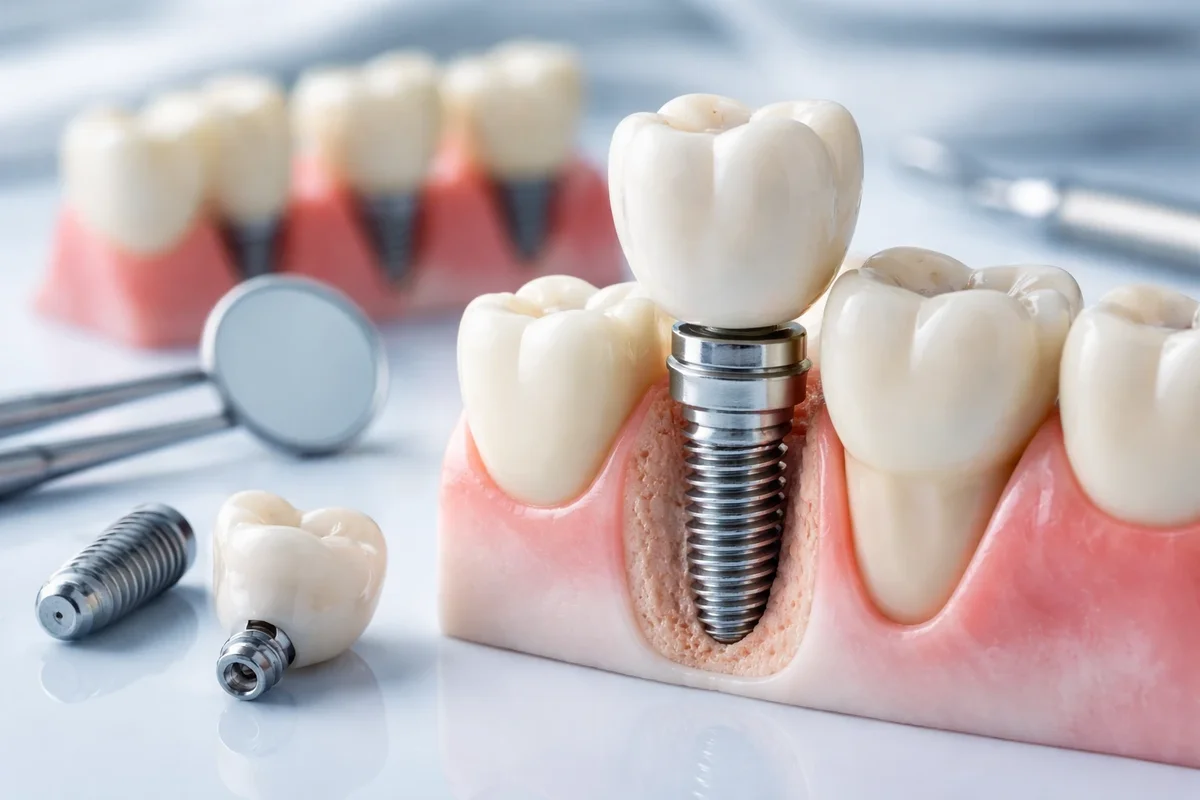
At their core, dental implants and crowns work together as a two-part system. The implant functions as an artificial tooth root, typically made from biocompatible titanium, while the crown is the visible tooth-shaped restoration placed on top. This combination allows dental implants and crowns to closely replicate the structure, strength, and appearance of natural teeth. Unlike removable dentures or temporary solutions, this treatment is fixed in place and designed to last for many years with proper care.
One of the biggest reasons patients choose dental implants and crowns is their ability to prevent bone loss in the jaw. When a tooth is missing, the jawbone no longer receives stimulation from chewing, which can lead to gradual bone resorption. Dental implants and crowns help maintain bone density by mimicking the natural function of a tooth root. This is a crucial advantage that alternatives like traditional bridges or removable dentures simply cannot offer.
From an aesthetic perspective, dental implants and crowns are highly customizable 😊. The crown can be shaped, sized, and colored to blend seamlessly with your surrounding teeth. Whether you are replacing a single tooth or restoring multiple teeth, dental implants and crowns provide a natural smile that boosts both confidence and oral function. Many patients report that once healing is complete, their implant-supported crowns feel just like real teeth.
Functionality is another key benefit. Because dental implants and crowns are anchored directly into the jawbone, they provide exceptional stability. This allows you to eat, speak, and smile without worrying about movement or discomfort. Hard or chewy foods that are difficult with dentures can usually be enjoyed again. In daily life, dental implants and crowns often become unnoticeable, which is exactly what most patients want from a restorative solution.
Dental implants and crowns are also widely recognized for their safety and predictability. Decades of clinical research and real-world use have shown success rates exceeding 95% in healthy patients. Organizations such as the American Dental Association recognize implant dentistry as a reliable and evidence-based treatment when performed by qualified professionals. This makes dental implants and crowns a highly dependable option for patients seeking peace of mind.
Another important consideration is longevity. While traditional dental crowns placed on natural teeth may need replacement after 10–15 years, crowns supported by implants often last longer due to the stability of the implant itself. With good oral hygiene, regular dental check-ups, and healthy lifestyle habits, dental implants and crowns can last 20 years or more, and in many cases, a lifetime.
Patients often ask whether dental implants and crowns are suitable for everyone. In general, adults with good overall health, healthy gums, and sufficient jawbone are excellent candidates. Even patients who have experienced bone loss may still qualify through additional procedures such as bone grafting. A personalized evaluation is always essential, and you can begin that process through the Redent Klinik Contact Page, where professional guidance is available.
Cost is another factor that naturally comes up. While dental implants and crowns typically have a higher upfront cost compared to other options, they often prove more cost-effective over time. In many countries, a single implant with a crown may range between $1,500 and $4,000 depending on materials, location, and clinical complexity. When considering durability, comfort, and oral health benefits, many patients find that dental implants and crowns offer strong long-term value 💡.
In summary, dental implants and crowns provide a comprehensive solution for tooth replacement that supports oral health, appearance, and daily function. By replacing both the root and the visible tooth, this treatment offers unmatched stability and natural results. If you are looking for a proven, long-term approach to restoring your smile, dental implants and crowns remain one of the most advanced and patient-satisfying options available in modern dentistry.
Dental Implants and Crowns vs Other Tooth Replacement Options
When patients are missing one or more teeth, they are often presented with several treatment options. Understanding how dental implants and crowns compare to alternatives is essential for making an informed, confident decision 🦷. While bridges, removable dentures, and partial dentures are still used today, dental implants and crowns are widely considered the most advanced and long-term solution for tooth replacement.
The key difference lies in how each option interacts with the jawbone, surrounding teeth, and overall oral health. Dental implants and crowns are designed to replace both the tooth root and the visible crown, closely mimicking natural anatomy. Other options typically replace only the visible portion of the tooth, which can lead to compromises over time.
Dental Implants and Crowns vs Dental Bridges
A traditional dental bridge relies on adjacent healthy teeth for support. To place a bridge, the neighboring teeth must be filed down so crowns can be placed on them. While this can restore appearance and basic function, it permanently alters healthy tooth structure. In contrast, dental implants and crowns stand independently and do not rely on neighboring teeth, preserving natural enamel and overall dental integrity.
Another major difference is longevity. Bridges generally last 7–12 years before requiring repair or replacement. Dental implants and crowns, however, can last decades when properly maintained. Because dental implants and crowns integrate directly with the jawbone, they provide superior stability and reduce the risk of shifting or loosening over time.
Impact on Jawbone Health
One critical limitation of dental bridges is that they do not stimulate the jawbone beneath the missing tooth. This can lead to gradual bone loss and changes in facial structure. Dental implants and crowns prevent this problem by acting as artificial tooth roots, maintaining bone density and supporting facial aesthetics long-term.
Dental Implants and Crowns vs Removable Dentures
Removable dentures are often chosen due to lower upfront costs, but they come with significant trade-offs. Dentures rest on the gums and may shift during speaking or eating, causing discomfort and embarrassment 😬. Dental implants and crowns are fixed in place, offering unmatched stability and confidence in daily life.
Comfort is another major differentiator. Dentures can create sore spots, require adhesives, and may feel bulky. Dental implants and crowns feel far more natural because they are anchored securely within the jaw. Many patients report forgetting they even have implants once healing is complete.
Chewing Efficiency and Nutrition
Studies show that chewing efficiency with dentures can be reduced by up to 70% compared to natural teeth. Dental implants and crowns restore bite strength far more effectively, allowing patients to enjoy a wider variety of foods. This improved function supports better digestion and overall nutrition, which is especially important for long-term health.
Dental Implants and Crowns vs Partial Dentures
Partial dentures are often used when multiple teeth are missing, but they rely on metal clasps attached to remaining teeth. These clasps can be visible, uncomfortable, and may place stress on supporting teeth. Dental implants and crowns eliminate the need for clasps and offer a more aesthetic and balanced solution.
Additionally, partial dentures may accelerate wear on the remaining natural teeth. Dental implants and crowns distribute biting forces evenly across the jaw, reducing strain on surrounding teeth and helping maintain a healthier bite alignment.
Long-Term Cost Comparison
While dental implants and crowns typically involve a higher initial investment, they often prove more economical over time 💡. Dentures and bridges frequently require adjustments, replacements, and additional dental work due to bone loss or wear. Dental implants and crowns, on the other hand, are designed as a long-term solution with minimal maintenance beyond routine dental care.
Many patients also value the psychological and lifestyle benefits. The confidence that comes from knowing your teeth will not slip, click, or shift cannot be overstated. Dental implants and crowns allow patients to speak, laugh, and smile freely without self-consciousness.
Professional Recommendations
Leading dental organizations, including the American Dental Association, recognize implant-supported restorations as a reliable and evidence-based treatment option. Dentists often recommend dental implants and crowns for patients seeking the most natural, stable, and health-focused solution available today.
In conclusion, while bridges and dentures may still serve a role in certain situations, dental implants and crowns consistently outperform other tooth replacement options in terms of stability, longevity, comfort, and oral health preservation. For patients looking for a solution that closely replicates natural teeth and supports long-term well-being, dental implants and crowns remain the superior choice.
Who Is an Ideal Candidate for Dental Implants and Crowns?
Choosing dental implants and crowns is a significant step toward restoring oral health, function, and confidence 😊. However, not every patient automatically qualifies without proper evaluation. Understanding who is an ideal candidate for dental implants and crowns helps set realistic expectations and ensures long-term success. Fortunately, modern dentistry has expanded eligibility, making dental implants and crowns accessible to a wider range of patients than ever before.
In general, adults who are missing one or more teeth and are in stable overall health are strong candidates for dental implants and crowns. Because this treatment involves a surgical procedure and a healing phase, the body’s ability to heal properly plays a critical role. That said, many medical conditions once considered limiting can now be managed successfully with careful planning.
Oral Health Requirements for Dental Implants and Crowns
Healthy gums are essential for successful dental implants and crowns. Patients must be free from active gum disease, as infections such as periodontitis can compromise implant stability. If gum disease is present, it must be treated and controlled before dental implants and crowns are placed. This step significantly increases long-term success rates.
Another important factor is jawbone quality. Dental implants and crowns rely on sufficient bone density to anchor the implant securely. When a tooth has been missing for a long time, bone loss may occur. Fortunately, procedures like bone grafting or sinus lifting can rebuild the bone, allowing patients who were once considered unsuitable to still receive dental implants and crowns.
Bite Alignment and Tooth Spacing
Proper bite alignment is also evaluated before treatment. Uneven bite forces can place excessive stress on dental implants and crowns, increasing the risk of complications. Dentists carefully assess spacing, opposing teeth, and jaw alignment to ensure the implant-supported crown functions harmoniously within the mouth.
General Health Considerations
Overall health plays a meaningful role in determining candidacy for dental implants and crowns. Conditions such as uncontrolled diabetes, severe immune disorders, or recent cancer treatments may affect healing. However, having a medical condition does not automatically disqualify a patient. When well-managed, many systemic conditions still allow for safe and successful dental implants and crowns.
Lifestyle habits are also reviewed during the evaluation process. Smoking, for example, is known to reduce blood flow to the gums and bone, increasing the risk of implant failure 🚭. Patients who smoke may still receive dental implants and crowns, but quitting or reducing smoking greatly improves outcomes.
Age and Dental Implants and Crowns
Age alone is not a limiting factor for dental implants and crowns. Older adults often benefit greatly from this treatment, as it restores chewing ability and improves quality of life. As long as bone growth is complete, typically after adolescence, dental implants and crowns can be placed successfully.
For younger patients, dentists ensure that jaw development is complete before proceeding. This prevents future alignment issues and ensures that dental implants and crowns integrate correctly with the surrounding bone.
Psychological Readiness and Expectations
An often-overlooked aspect of candidacy is patient commitment. Dental implants and crowns require patience, proper oral hygiene, and regular dental visits. Patients who are motivated to care for their oral health and follow professional recommendations experience the best long-term results.
Understanding the treatment timeline is equally important. Dental implants and crowns are not an instant solution; they involve multiple stages, including healing time. Patients who appreciate the long-term benefits and are willing to invest time in the process tend to be the most satisfied.
When Dental Implants and Crowns May Not Be Ideal
In some cases, dental implants and crowns may be postponed or avoided. Severe bone loss that cannot be corrected, untreated systemic diseases, or inability to maintain oral hygiene may make alternative treatments more appropriate. A thorough consultation ensures that dental implants and crowns are chosen only when they truly serve the patient’s best interest.
Professional organizations such as the American Dental Association emphasize the importance of individualized treatment planning. No two patients are the same, and candidacy for dental implants and crowns should always be determined through comprehensive clinical evaluation.
In summary, ideal candidates for dental implants and crowns typically have healthy gums, adequate bone structure, stable overall health, and a commitment to oral care. Thanks to modern techniques, even patients with previous limitations can often become eligible. With proper planning and professional guidance, dental implants and crowns offer a predictable, life-enhancing solution for a wide range of individuals seeking permanent tooth replacement.
The Step-by-Step Procedure of Dental Implants and Crowns
Understanding the step-by-step procedure of dental implants and crowns helps patients feel confident, prepared, and informed before starting treatment 🦷. While the process involves multiple stages, each step is carefully planned to ensure safety, comfort, and long-term success. Dental implants and crowns are not a one-day procedure, but their predictable outcomes make the journey worthwhile for patients seeking a permanent tooth replacement solution.
The overall process of dental implants and crowns typically takes several months from start to finish. This timeline allows the implant to integrate with the jawbone properly, creating a strong and stable foundation for the final crown. Below is a detailed breakdown of each stage involved.
Initial Consultation and Treatment Planning
The first step in dental implants and crowns is a comprehensive consultation. During this visit, the dentist evaluates oral health, gum condition, bone density, and overall medical history. Digital X-rays or 3D imaging are commonly used to assess the jawbone and determine precise implant placement.
This planning stage is critical. A customized treatment plan ensures that dental implants and crowns fit correctly, align with the bite, and meet both functional and aesthetic goals. Patients also discuss expectations, timelines, and any preparatory procedures that may be required.
Pre-Treatment Procedures
Some patients may need additional treatments before dental implants and crowns can be placed. These may include tooth extractions, treatment of gum disease, or bone grafting if bone volume is insufficient. Although these steps may extend the timeline, they significantly improve the success rate of dental implants and crowns.
Implant Placement Surgery
The next phase involves surgically placing the implant into the jawbone. This procedure is typically performed under local anesthesia, ensuring comfort throughout the process. The implant, usually made of titanium, is carefully inserted into the bone where it will act as an artificial tooth root.
Following placement, the gum tissue is closed over or around the implant. While the idea of surgery may sound intimidating, most patients report minimal discomfort, often comparable to a simple tooth extraction. Dental implants and crowns benefit from this precise surgical approach, which promotes optimal healing and stability.
Osseointegration and Healing Period
Osseointegration is one of the most important stages of dental implants and crowns. During this period, which typically lasts three to six months, the implant fuses with the surrounding jawbone. This biological integration is what gives dental implants and crowns their exceptional strength and durability.
Patients can usually resume normal daily activities shortly after surgery, following post-operative care instructions. Maintaining good oral hygiene and attending follow-up appointments are essential to ensure proper healing during this phase.
Temporary Restorations
In some cases, a temporary crown or bridge may be placed while the implant heals. This allows patients to maintain appearance and basic function without placing stress on the implant. Temporary restorations are carefully designed to protect the implant during the healing process.
Abutment Placement
Once osseointegration is complete, the next step in dental implants and crowns is placing the abutment. The abutment is a small connector that attaches to the implant and supports the crown. This minor procedure may involve reopening the gum tissue to expose the implant.
After the abutment is placed, the gums are allowed to heal for a short period. This step ensures that the soft tissue forms naturally around the abutment, creating a healthy and aesthetic foundation for the final crown.
Final Crown Placement
The final stage of dental implants and crowns is the placement of the permanent crown. Custom-made to match the shape, size, and color of your natural teeth, the crown is securely attached to the abutment. At this point, the restoration looks, feels, and functions like a natural tooth 😊.
The dentist carefully checks bite alignment and comfort before finalizing the crown placement. Once completed, patients can enjoy restored chewing ability, improved appearance, and renewed confidence.
Long-Term Care and Maintenance
Dental implants and crowns require routine care similar to natural teeth. Daily brushing, flossing, and regular dental check-ups are essential. When properly maintained, dental implants and crowns can last for decades, making them one of the most reliable solutions in restorative dentistry.
Professional organizations such as the American Dental Association highlight the importance of ongoing dental care to maximize implant longevity.
In conclusion, the step-by-step procedure of dental implants and crowns is a carefully structured process designed for long-term success. From planning and surgery to healing and final restoration, each phase plays a vital role. Patients who understand the process and follow professional guidance often find that dental implants and crowns deliver life-changing improvements in comfort, function, and oral health.
Healing Time and Recovery After Dental Implants and Crowns
The healing time and recovery process after dental implants and crowns is a common concern for patients considering this advanced treatment 🦷. While the overall timeline may seem longer than other tooth replacement options, each phase of healing plays a critical role in ensuring the long-term success, stability, and comfort of dental implants and crowns. Understanding what to expect helps patients prepare both physically and mentally for a smooth recovery.
Recovery from dental implants and crowns is not a single event but a gradual process that unfolds in stages. These stages allow the implant to integrate with the jawbone, the surrounding gums to heal properly, and the final crown to function like a natural tooth. Most patients are pleasantly surprised by how manageable the recovery period is when guided by proper care instructions.
Immediate Recovery After Implant Surgery
The first stage of healing begins immediately after the implant placement surgery. Mild swelling, tenderness, and minor bleeding are normal within the first 24 to 72 hours. These symptoms are a natural response to surgery and typically subside quickly. Pain is usually minimal and can be controlled with prescribed or over-the-counter pain medication.
During this early phase, patients are advised to rest, avoid strenuous activity, and follow a soft-food diet. Ice packs and proper oral hygiene help reduce swelling and promote faster healing. Dental implants and crowns benefit greatly from this early care, as it protects the implant site during its most sensitive stage.
Diet and Activity Guidelines
Soft foods such as yogurt, soups, mashed vegetables, and smoothies are recommended initially 🥣. Hard, crunchy, or hot foods should be avoided to prevent irritation. Patients should also avoid smoking and alcohol, as both can interfere with healing and reduce the success rate of dental implants and crowns.
Osseointegration: The Critical Healing Phase
Osseointegration is the most important healing stage for dental implants and crowns. This process involves the implant fusing directly with the jawbone, creating a strong and stable foundation. Osseointegration typically takes between three and six months, depending on bone quality, overall health, and lifestyle factors.
During this time, patients usually feel little to no discomfort. The implant remains beneath the gum tissue, quietly bonding with the bone. This biological connection is what sets dental implants and crowns apart from other tooth replacement options, giving them exceptional strength and longevity.
What Patients Feel During Osseointegration
Most patients report that once the initial soreness resolves, they are largely unaware of the implant during the osseointegration phase. Regular dental check-ups ensure that healing is progressing as expected. Dental implants and crowns rely on patience during this stage, as rushing the process can compromise outcomes.
Gum Healing and Abutment Placement Recovery
After osseointegration, a small procedure is performed to place the abutment, which connects the implant to the crown. This step involves minimal discomfort and a much shorter recovery time compared to implant surgery. Gum tissue typically heals within one to two weeks.
During this phase, proper oral hygiene is essential to prevent infection and ensure healthy gum contouring around the abutment. Dental implants and crowns achieve their natural appearance largely due to well-healed and well-shaped gum tissue.
Recovery After Crown Placement
The final stage of dental implants and crowns involves attaching the permanent crown. This step does not require healing in the traditional sense, as it is non-surgical. Patients may experience mild sensitivity as the bite adjusts, but this usually resolves within days.
Once the crown is in place, patients can gradually return to normal eating habits. Dental implants and crowns restore full chewing strength, allowing patients to enjoy a wide variety of foods without fear of movement or discomfort 😊.
Long-Term Healing and Adaptation
Even after the crown is placed, the body continues to adapt subtly. The jawbone and surrounding tissues adjust to the restored bite forces. Regular dental visits help monitor this adaptation and ensure that dental implants and crowns remain stable and healthy.
Factors That Influence Healing Time
Several factors affect how quickly patients heal after dental implants and crowns. These include bone density, gum health, age, medical conditions, and lifestyle habits such as smoking. Patients who maintain excellent oral hygiene and follow professional guidance consistently experience smoother recoveries.
Trusted organizations like the American Dental Association emphasize the importance of post-operative care and regular monitoring to maximize implant success.
In summary, healing time and recovery after dental implants and crowns is a structured and predictable process. While it requires patience, each stage contributes to a result that looks natural, feels comfortable, and lasts for decades. With proper care and realistic expectations, patients find that dental implants and crowns offer one of the most rewarding outcomes in modern dentistry.
Benefits of Choosing Dental Implants and Crowns for Long-Term Oral Health
Choosing dental implants and crowns is not only about restoring a missing tooth—it is about protecting long-term oral health, function, and overall well-being 🦷. Among all restorative options available today, dental implants and crowns stand out because they address both the visible and structural consequences of tooth loss. Patients who prioritize durability, comfort, and health preservation often find that dental implants and crowns deliver benefits that extend far beyond aesthetics.
Tooth loss affects more than just appearance. It can disrupt chewing efficiency, speech clarity, jawbone integrity, and even facial structure over time. Dental implants and crowns are uniquely designed to counteract these issues by replacing the entire tooth system, from root to crown, creating a solution that closely mirrors natural teeth.
Preservation of Jawbone and Facial Structure
One of the most important health benefits of dental implants and crowns is jawbone preservation. When a tooth is lost, the jawbone in that area begins to shrink due to lack of stimulation. This bone loss can lead to changes in facial shape, premature aging, and weakened support for neighboring teeth.
Dental implants and crowns prevent this process by functioning like natural tooth roots. The implant transfers chewing forces directly into the jawbone, maintaining bone density and strength. Over time, this helps preserve facial contours and prevents the sunken appearance often associated with long-term tooth loss.
Prevention of Tooth Shifting
When a gap is left untreated, surrounding teeth may drift into the empty space, causing misalignment and bite problems. Dental implants and crowns fill the gap securely, stabilizing the dental arch and maintaining proper tooth positioning. This protective effect reduces the risk of future orthodontic or restorative issues.
Improved Chewing Function and Digestive Health
Efficient chewing is essential for proper digestion and nutrient absorption. Missing teeth or unstable restorations can limit food choices and lead to digestive discomfort. Dental implants and crowns restore near-natural bite strength, allowing patients to eat a balanced diet that includes fruits, vegetables, meats, and whole grains 🥗.
Unlike dentures, which may shift or reduce bite force, dental implants and crowns remain firmly anchored. This stability supports confident chewing and eliminates the need to avoid certain foods. Over time, improved chewing efficiency contributes positively to overall digestive and systemic health.
Enhanced Speech and Daily Comfort
Speech clarity can be affected by missing teeth or loose dental appliances. Sounds may be distorted, and patients may feel self-conscious while speaking. Dental implants and crowns restore proper tongue placement and oral structure, helping patients speak clearly and confidently.
Daily comfort is another major advantage. Because dental implants and crowns are fixed restorations, they do not rub against the gums or require adhesives. Patients often describe them as feeling like natural teeth, with no awareness of movement or foreign materials in the mouth.
Psychological and Emotional Benefits
Confidence plays a vital role in quality of life 😊. Patients who choose dental implants and crowns frequently report improved self-esteem, reduced anxiety in social situations, and greater comfort when smiling, laughing, or speaking. These psychological benefits are a powerful yet often underestimated aspect of long-term oral health.
Longevity and Reduced Need for Future Dental Work
Dental implants and crowns are designed for longevity. While other restorations may need replacement due to wear, decay, or bone loss, implants are highly resistant to these issues. With proper care, dental implants and crowns can last decades, often longer than alternative treatments.
This durability reduces the need for repeated dental procedures, saving time, stress, and long-term costs. Because dental implants and crowns do not rely on neighboring teeth for support, they also protect healthy teeth from unnecessary modification or overload.
Support for Overall Oral Hygiene
Maintaining oral hygiene with dental implants and crowns is straightforward. They are cleaned just like natural teeth with brushing, flossing, and regular dental visits. There are no clasps, removable parts, or hidden surfaces that trap food excessively.
Professional organizations such as the American Dental Association emphasize that good oral hygiene and routine check-ups are key to preserving implant health. When cared for properly, dental implants and crowns support a cleaner, healthier oral environment.
Long-Term Health Investment
Rather than being viewed as a cosmetic upgrade, dental implants and crowns should be seen as a long-term health investment. They protect bone, preserve alignment, enhance nutrition, and reduce the likelihood of future complications. These combined benefits make dental implants and crowns one of the most comprehensive restorative solutions available.
In conclusion, the benefits of choosing dental implants and crowns extend well beyond restoring a missing tooth. From preserving jawbone and facial structure to improving comfort, function, and confidence, dental implants and crowns actively support long-term oral and overall health. For patients seeking a solution that truly enhances quality of life, dental implants and crowns remain a clear and proven choice.
Dental Implants and Crowns: Materials, Types, and Durability
Understanding the materials, types, and durability of dental implants and crowns is essential for patients who want a long-lasting, natural-looking restoration 🦷. The success of dental implants and crowns depends heavily on the quality of materials used and how well they are matched to a patient’s oral health needs. Modern dentistry offers several advanced options, each designed to balance strength, aesthetics, and biocompatibility.
Dental implants and crowns are engineered to function as a unified system. The implant replaces the tooth root, while the crown restores the visible portion of the tooth. Selecting the right materials for both components ensures that dental implants and crowns can withstand daily chewing forces while maintaining a lifelike appearance over many years.
Materials Used in Dental Implants
The most common material used for dental implants and crowns—specifically the implant portion—is titanium. Titanium is highly biocompatible, meaning it integrates safely with the human body. Its ability to fuse with bone through a process called osseointegration makes it the gold standard for dental implants and crowns.
Titanium implants are lightweight yet extremely strong. They resist corrosion and rarely cause allergic reactions, making them suitable for the vast majority of patients. For individuals seeking a metal-free option, zirconia implants are also available, offering an alternative material choice.
Zirconia Implants
Zirconia is a ceramic material that is white in color, making it appealing for patients with thin gum tissue or metal sensitivities. While zirconia implants offer excellent aesthetics, titanium remains more widely used due to its long clinical history and flexibility in complex cases. Both options, when paired with appropriate crowns, contribute to the durability of dental implants and crowns.
Types of Dental Crowns Used with Implants
The crown is the visible part of dental implants and crowns, and its material plays a major role in appearance and wear resistance. Several crown materials are commonly used, each with distinct advantages.
Porcelain-fused-to-metal (PFM) crowns combine strength with reasonable aesthetics. However, all-ceramic and zirconia crowns have become increasingly popular due to their superior natural appearance and durability. These materials allow dental implants and crowns to closely resemble natural teeth in color and translucency 😊.
Zirconia Crowns
Zirconia crowns are known for exceptional strength and resistance to chipping. They are ideal for patients who grind their teeth or require restorations in high-bite-force areas. When used with dental implants and crowns, zirconia provides long-term reliability without compromising aesthetics.
All-Ceramic and Porcelain Crowns
All-ceramic crowns offer excellent aesthetics and are often used in front teeth restorations. They blend seamlessly with surrounding teeth, making them a top choice for patients prioritizing appearance. While slightly less strong than zirconia, modern ceramics still provide impressive durability for dental implants and crowns.
Types of Dental Implants and Crowns by Design
Dental implants and crowns can also be categorized by their design and placement approach. Single-tooth implants are used to replace one missing tooth, while implant-supported bridges restore multiple teeth using fewer implants. Full-arch restorations use dental implants and crowns to support an entire set of teeth.
Each design is tailored to distribute biting forces efficiently and maintain long-term stability. The versatility of dental implants and crowns allows dentists to customize treatment based on the number of missing teeth, bone availability, and patient preferences.
Durability and Lifespan of Dental Implants and Crowns
One of the most appealing aspects of dental implants and crowns is their durability. The implant itself is designed to last a lifetime in many cases, provided proper oral hygiene and regular dental visits are maintained. Crowns may eventually require replacement due to wear, but this often occurs after 15–20 years or more.
Factors that influence durability include material choice, bite forces, oral hygiene habits, and lifestyle factors such as smoking. Patients who care for their dental implants and crowns as they would natural teeth typically enjoy decades of reliable performance.
Scientific and Professional Support
Clinical studies and professional organizations, including the American Dental Association, consistently support the long-term success of dental implants and crowns when high-quality materials and proper techniques are used. This evidence-based confidence is one reason implants are so widely recommended.
Choosing the Right Materials for Long-Term Success
Selecting the best materials for dental implants and crowns is a collaborative decision between patient and dentist. Aesthetic goals, bite strength, gum health, and budget all play a role. Advances in dental technology now allow for highly personalized solutions that maximize both beauty and durability.
In conclusion, the materials and types used in dental implants and crowns directly influence their strength, appearance, and lifespan. From titanium and zirconia implants to ceramic and zirconia crowns, modern options provide reliable, long-lasting results. When properly planned and maintained, dental implants and crowns offer one of the most durable and natural-feeling solutions in restorative dentistry.
Potential Risks and Complications of Dental Implants and Crowns
Although dental implants and crowns are widely regarded as one of the safest and most successful tooth replacement options, it is important for patients to understand that, like any medical procedure, they are not completely risk-free 🦷. Being informed about potential risks and complications helps patients make confident decisions, recognize early warning signs, and actively contribute to the long-term success of their dental implants and crowns.
The good news is that complications are relatively rare, especially when dental implants and crowns are planned and placed by experienced professionals. Most risks can be minimized—or avoided entirely—through proper patient selection, careful surgical technique, and diligent aftercare.
Short-Term Surgical Risks
The earliest potential risks of dental implants and crowns are associated with the surgical placement of the implant. These short-term issues typically occur within the first few days or weeks and are usually mild and temporary.
Common short-term symptoms include swelling, bruising, mild pain, and slight bleeding around the implant site. These reactions are part of the body’s natural healing response and usually resolve with proper care. In rare cases, infection may develop if bacteria enter the surgical site.
Infection and Inflammation
Infection around the implant, known as peri-implant infection, can interfere with healing if not addressed promptly. Maintaining excellent oral hygiene, following post-operative instructions, and attending follow-up appointments significantly reduce this risk. Dental implants and crowns placed under sterile conditions and monitored carefully have very high success rates.
Osseointegration Failure
One of the more serious but uncommon complications of dental implants and crowns is failure of osseointegration. This occurs when the implant does not properly fuse with the jawbone. Without successful integration, the implant may become loose and require removal.
Factors that can contribute to osseointegration failure include smoking, uncontrolled diabetes, poor bone quality, and excessive pressure on the implant during healing. This is why patients are often advised to avoid chewing hard foods and to follow all recovery guidelines carefully.
Can Failed Implants Be Replaced?
In many cases, yes 😊. If an implant fails, it can often be removed, the area allowed to heal, and a new implant placed at a later time. Bone grafting or additional healing time may be required, but failure does not automatically mean dental implants and crowns are no longer an option.
Nerve and Sinus Complications
Because dental implants and crowns are placed within the jawbone, careful planning is essential to avoid nearby anatomical structures. In the lower jaw, improper placement may irritate or damage nerves, leading to numbness or tingling in the lips, chin, or tongue. In the upper jaw, implants placed too close to the sinus cavity may cause sinus discomfort or infection.
Advanced imaging techniques, such as 3D scans, are routinely used to prevent these complications. When dental implants and crowns are planned using modern diagnostic tools, the risk of nerve or sinus issues is extremely low.
Complications Related to the Crown
While the implant itself is designed to be permanent, the crown attached to it may experience issues over time. These can include chipping, cracking, or loosening, particularly if excessive biting forces are present.
Bruxism (teeth grinding) is a common contributing factor. Patients who grind their teeth may be advised to wear a night guard to protect their dental implants and crowns. Regular dental check-ups allow minor crown issues to be corrected before they become larger problems.
Aesthetic Concerns
In some cases, gum recession around the implant may expose part of the implant or affect the appearance of the crown. This is more likely in patients with thin gum tissue. Proper implant positioning and good oral hygiene help maintain natural-looking results for dental implants and crowns.
Long-Term Risks: Peri-Implantitis
Peri-implantitis is a long-term inflammatory condition affecting the gums and bone surrounding an implant. It is similar to gum disease and is often caused by plaque buildup and inadequate oral hygiene. Left untreated, peri-implantitis can lead to bone loss and implant failure.
The risk of peri-implantitis highlights the importance of daily brushing, flossing, and professional cleanings. Dental implants and crowns require the same level of care as natural teeth—sometimes even more attention in hard-to-reach areas.
Professional Monitoring and Prevention
Organizations such as the American Dental Association emphasize regular dental visits as a key factor in preventing implant complications. Early detection of inflammation or bite issues allows for timely intervention and long-term implant preservation.
Balancing Risks and Benefits
While it is important to acknowledge potential risks, it is equally important to understand that dental implants and crowns have one of the highest success rates in modern dentistry. For most patients, the benefits—stability, longevity, bone preservation, and comfort—far outweigh the risks.
In conclusion, potential risks and complications of dental implants and crowns are generally rare and manageable when treatment is properly planned and maintained. By choosing experienced professionals, following aftercare instructions, and committing to good oral hygiene, patients can enjoy the long-term advantages of dental implants and crowns with confidence and peace of mind.
Cost Expectations for Dental Implants and Crowns Around the World
Cost is one of the most important factors patients consider when deciding on dental implants and crowns 🦷. Because this treatment is a long-term investment in oral health, understanding global price differences, what influences costs, and what is included in the treatment fee helps patients make informed and confident decisions. While dental implants and crowns may seem expensive at first glance, their durability and health benefits often make them the most cost-effective solution over time.
The cost of dental implants and crowns varies widely depending on country, clinic standards, materials used, and treatment complexity. Unlike simpler dental procedures, dental implants and crowns involve advanced technology, surgical expertise, and multiple treatment stages, all of which contribute to pricing differences.
Average Costs of Dental Implants and Crowns by Region
In high-income countries such as the United States, Canada, and Western Europe, the average cost for a single dental implant and crown typically ranges between $3,000 and $5,500. This price often includes consultation, implant placement, abutment, crown, and follow-up visits.
In contrast, many patients choose dental tourism destinations where the cost of dental implants and crowns is significantly lower without compromising quality. Countries such as Turkey, Hungary, Poland, and Mexico offer advanced implant treatments at a fraction of the price found in the US or UK.
Estimated Price Ranges (Per Tooth)
- United States & Canada: $3,000 – $5,500
- United Kingdom & Western Europe: $2,800 – $4,800
- Turkey: $700 – $1,500
- Eastern Europe: $900 – $1,800
- Mexico: $1,000 – $2,000
These estimates may vary depending on implant brand, crown material, and whether additional procedures such as bone grafting are required.
What Influences the Cost of Dental Implants and Crowns?
Several key factors determine the final cost of dental implants and crowns. One of the most important is the material used. Premium implant brands, zirconia crowns, and advanced ceramic materials typically increase cost but also improve longevity and aesthetics.
Another factor is the complexity of the case. Patients requiring extractions, sinus lifts, or bone grafting will incur additional costs. While these procedures add to the initial expense, they are often necessary to ensure the long-term success of dental implants and crowns.
Technology and Expertise
Clinics that use 3D imaging, digital planning, and guided implant surgery may charge more due to higher operating costs. However, these technologies significantly reduce risks and improve precision. Experienced implant specialists also influence pricing, as expertise plays a major role in successful outcomes 😊.
Are Dental Implants and Crowns Covered by Insurance?
Insurance coverage for dental implants and crowns varies greatly by country and provider. In many cases, implants are considered elective or advanced procedures and may not be fully covered. Some insurance plans may partially cover the crown portion but not the implant itself.
Patients are encouraged to review their insurance benefits carefully and discuss financing options with their dental provider. Many clinics offer flexible payment plans to make dental implants and crowns more accessible.
Long-Term Value vs Upfront Cost
Although dental implants and crowns require a higher upfront investment, their long-term value is often superior to alternative treatments. Bridges and dentures may need frequent replacement, adjustments, or repairs, which can add up over time.
Dental implants and crowns are designed to last decades. When considering reduced maintenance costs, improved comfort, and preserved oral health, many patients find that dental implants and crowns offer better financial value in the long run 💡.
Health and Lifestyle Savings
Beyond direct dental costs, dental implants and crowns contribute to better nutrition, clearer speech, and higher confidence. These quality-of-life improvements can have indirect financial benefits by reducing future dental complications and improving overall well-being.
Choosing the Right Clinic for Cost Transparency
Patients considering treatment abroad or locally should prioritize clinics that offer transparent pricing and clear treatment plans. A reputable clinic will explain what is included in the quoted cost and identify any potential additional expenses in advance.
For patients exploring high-quality yet affordable options, professional consultation is essential. You can request personalized pricing and treatment details through the Redent Klinik Contact Page, where treatment plans are tailored to individual needs.
Trusted dental organizations such as the American Dental Association encourage patients to focus on quality, safety, and long-term outcomes rather than cost alone when choosing implant treatment.
In conclusion, cost expectations for dental implants and crowns vary significantly around the world, but understanding what influences pricing allows patients to make smarter decisions. While the initial investment may be higher than other options, dental implants and crowns consistently deliver exceptional durability, comfort, and long-term value—making them one of the most worthwhile investments in modern dental care.
Long-Term Care, Maintenance, and Success Tips for Dental Implants and Crowns
Long-term success with dental implants and crowns depends not only on expert placement but also on proper daily care, professional maintenance, and healthy habits 🦷. While dental implants and crowns are designed to be durable and low-maintenance, they are not completely maintenance-free. Understanding how to care for them correctly ensures optimal function, aesthetics, and longevity for many years—often decades.
One of the biggest advantages of dental implants and crowns is that they are cared for much like natural teeth. However, because implants interact differently with bone and gum tissue, a few additional precautions and best practices help maximize their lifespan and prevent complications.
Daily Oral Hygiene for Dental Implants and Crowns
Consistent daily oral hygiene is the foundation of implant success. Dental implants and crowns should be brushed at least twice a day using a soft-bristled toothbrush and a non-abrasive toothpaste. This removes plaque and bacteria that can accumulate around the gum line.
Flossing is equally important. Specialized implant floss, interdental brushes, or water flossers can help clean hard-to-reach areas around dental implants and crowns. These tools are especially effective at preventing plaque buildup where the implant meets the gum tissue.
Why Plaque Control Matters
Plaque buildup around dental implants and crowns can lead to peri-implant inflammation, which may progress if ignored. Unlike natural teeth, implants lack a periodontal ligament, making early plaque control even more critical. Proper daily care significantly reduces the risk of long-term complications.
Professional Dental Check-Ups and Cleanings
Routine dental visits are essential for maintaining dental implants and crowns. Most dentists recommend professional check-ups every six months, although some patients may benefit from more frequent visits depending on their oral health status.
During these appointments, the dentist evaluates gum health, implant stability, bite alignment, and crown condition. Professional cleanings remove hardened plaque that cannot be eliminated through home care alone. These visits allow early detection of potential issues before they become serious.
Monitoring Bite Forces
Bite alignment can change subtly over time. Uneven bite forces may place excessive stress on dental implants and crowns. Dentists monitor occlusion during routine visits and make adjustments if needed to protect both the implant and crown from unnecessary wear.
Protecting Dental Implants and Crowns from Damage
Although dental implants and crowns are strong, they are not indestructible. Patients should avoid habits such as chewing ice, opening packages with teeth, or biting hard objects like pens. These actions can damage the crown or place stress on the implant.
Patients who grind or clench their teeth (bruxism) are at higher risk of crown wear or fracture. In these cases, a custom night guard is often recommended to protect dental implants and crowns while sleeping 😬.
Lifestyle Factors That Influence Longevity
Lifestyle choices play a significant role in the long-term success of dental implants and crowns. Smoking is one of the most impactful negative factors, as it reduces blood flow to the gums and increases the risk of peri-implant disease. Patients who quit smoking experience significantly higher implant success rates.
A balanced diet also supports oral health. Adequate intake of vitamins and minerals helps maintain strong bone and healthy gum tissue. Dental implants and crowns perform best in an environment supported by good overall health.
Managing Medical Conditions
Chronic conditions such as diabetes should be well controlled to support implant health. Stable blood sugar levels improve healing and reduce infection risk. Patients should always inform their dentist of any changes in medical status that could affect dental implants and crowns.
Expected Lifespan and Maintenance Outlook
With proper care, the implant portion of dental implants and crowns can last a lifetime. The crown may need replacement after 15–20 years due to normal wear, but this is a straightforward procedure compared to initial implant placement.
Organizations such as the American Dental Association emphasize that long-term success depends on a partnership between patient and dental professional. When patients commit to ongoing care, dental implants and crowns consistently outperform other restorative options.
When to Contact Your Dentist
Patients should contact their dentist if they notice bleeding, swelling, persistent discomfort, or changes in how the crown feels when biting. Early evaluation often prevents minor concerns from developing into serious problems.
For personalized guidance, follow-up care, or implant evaluations, patients can reach out through the Redent Klinik Contact Page to ensure their dental implants and crowns remain healthy and functional.
In conclusion, long-term care and maintenance are key to protecting your investment in dental implants and crowns. With excellent oral hygiene, regular professional monitoring, and healthy lifestyle choices, dental implants and crowns can provide reliable function, comfort, and confidence for many years. When properly cared for, they remain one of the most successful and rewarding solutions in modern restorative dentistry.