
Benefits of Dental Implants and Dentures for Oral Health
When it comes to restoring your smile and improving oral function, dental implants and dentures offer significant benefits that go far beyond aesthetics. In 2025, these treatments are more advanced, reliable, and natural-looking than ever before. Whether you are missing one tooth or an entire arch, they provide solutions that help you chew, speak, and smile with confidence. 🦷
One of the primary advantages of dental implants and dentures is their ability to restore oral functionality. Missing teeth can make it difficult to enjoy a wide variety of foods. With implants, patients can bite into apples, chew steak, or enjoy crunchy vegetables without discomfort. Dentures, especially when combined with implants for extra stability, ensure that chewing and digestion are not compromised. This means patients can maintain a balanced, nutritious diet, which positively impacts overall health.
Another important benefit is the preservation of jawbone structure. When teeth are lost, the jawbone begins to deteriorate due to lack of stimulation. Dental implants, in particular, act like natural tooth roots, stimulating the bone and preventing bone loss. This feature sets them apart from traditional dentures, which can sometimes accelerate bone shrinkage if not properly fitted. By combining dental implants and dentures, patients gain the stability of implants with the affordability of dentures, while reducing the risk of long-term bone resorption.
Aesthetics also play a major role. A complete smile boosts self-esteem and encourages positive social interactions. In 2025, modern materials ensure that dental implants and dentures look incredibly lifelike. They are custom-colored and shaped to match your natural teeth, ensuring a seamless appearance. Patients report that friends and family often cannot tell the difference between their natural teeth and restorations. This leads to greater confidence in professional, personal, and social settings. 😁
Speech improvement is another overlooked but crucial benefit. Missing teeth often create gaps that affect pronunciation. Dentures restore the alignment of the tongue and teeth, making it easier to pronounce words clearly. Implants, on the other hand, provide the stability needed for perfect speech without the risk of dentures slipping out of place. Together, dental implants and dentures can help patients regain natural speech patterns, which has a significant psychological impact.
Beyond functionality, oral health is greatly enhanced when missing teeth are replaced. Gaps in the mouth can cause shifting of the remaining teeth, leading to bite misalignment, gum problems, and even TMJ disorders. By choosing dental implants and dentures, patients protect their remaining teeth from shifting, maintain proper bite structure, and reduce strain on the jaw joints. This preventive aspect saves money and discomfort in the long run.
The psychological benefits of a restored smile should not be underestimated. Studies have shown that people with complete, attractive smiles tend to feel more self-confident, perform better in job interviews, and have stronger social relationships. With dental implants and dentures, patients can overcome the embarrassment of missing teeth, improving both mental health and quality of life.
Modern dentistry also ensures better comfort. Older generations often complained about loose dentures, sore gums, and difficulty adjusting to prosthetics. In contrast, 2025 innovations make dental implants and dentures more comfortable than ever. Precision digital scanning allows for perfect customization, minimizing irritation and maximizing comfort. Patients can enjoy long-term wear without frequent adjustments.
It’s also worth noting that these solutions are highly adaptable. Some patients choose full-arch implant-supported dentures, while others prefer partial dentures combined with implants for specific areas. This flexibility ensures that treatment can be tailored to both budget and lifestyle needs. No matter the choice, dental implants and dentures offer stability, aesthetics, and confidence.
Finally, the overall improvement in oral hygiene should be mentioned. Patients with restored teeth are more motivated to brush, floss, and attend regular checkups. This leads to healthier gums and prevention of future dental issues. By replacing missing teeth with dental implants and dentures, patients take the first step toward long-term oral health.
In summary, the benefits of dental implants and dentures include restored chewing and speaking ability, jawbone preservation, improved aesthetics, better oral health, and enhanced confidence. For patients seeking a reliable, modern, and life-changing solution in 2025, these treatments are among the best options available. To learn more about treatment plans or book a consultation, you can reach us via the Redent Klinik Contact Page. Additionally, you can explore trusted resources such as the American Dental Association for further reading on dental care standards.
Benefits of Dental Implants and Dentures for Oral Health
When it comes to restoring your smile and improving oral function, dental implants and dentures offer significant benefits that go far beyond aesthetics. In 2025, these treatments are more advanced, reliable, and natural-looking than ever before. Whether you are missing one tooth or an entire arch, they provide solutions that help you chew, speak, and smile with confidence. 🦷
One of the primary advantages of dental implants and dentures is their ability to restore oral functionality. Missing teeth can make it difficult to enjoy a wide variety of foods. With implants, patients can bite into apples, chew steak, or enjoy crunchy vegetables without discomfort. Dentures, especially when combined with implants for extra stability, ensure that chewing and digestion are not compromised. This means patients can maintain a balanced, nutritious diet, which positively impacts overall health.
Another important benefit is the preservation of jawbone structure. When teeth are lost, the jawbone begins to deteriorate due to lack of stimulation. Dental implants, in particular, act like natural tooth roots, stimulating the bone and preventing bone loss. This feature sets them apart from traditional dentures, which can sometimes accelerate bone shrinkage if not properly fitted. By combining dental implants and dentures, patients gain the stability of implants with the affordability of dentures, while reducing the risk of long-term bone resorption.
Aesthetics also play a major role. A complete smile boosts self-esteem and encourages positive social interactions. In 2025, modern materials ensure that dental implants and dentures look incredibly lifelike. They are custom-colored and shaped to match your natural teeth, ensuring a seamless appearance. Patients report that friends and family often cannot tell the difference between their natural teeth and restorations. This leads to greater confidence in professional, personal, and social settings. 😁
Speech improvement is another overlooked but crucial benefit. Missing teeth often create gaps that affect pronunciation. Dentures restore the alignment of the tongue and teeth, making it easier to pronounce words clearly. Implants, on the other hand, provide the stability needed for perfect speech without the risk of dentures slipping out of place. Together, dental implants and dentures can help patients regain natural speech patterns, which has a significant psychological impact.
Beyond functionality, oral health is greatly enhanced when missing teeth are replaced. Gaps in the mouth can cause shifting of the remaining teeth, leading to bite misalignment, gum problems, and even TMJ disorders. By choosing dental implants and dentures, patients protect their remaining teeth from shifting, maintain proper bite structure, and reduce strain on the jaw joints. This preventive aspect saves money and discomfort in the long run.
The psychological benefits of a restored smile should not be underestimated. Studies have shown that people with complete, attractive smiles tend to feel more self-confident, perform better in job interviews, and have stronger social relationships. With dental implants and dentures, patients can overcome the embarrassment of missing teeth, improving both mental health and quality of life.
Modern dentistry also ensures better comfort. Older generations often complained about loose dentures, sore gums, and difficulty adjusting to prosthetics. In contrast, 2025 innovations make dental implants and dentures more comfortable than ever. Precision digital scanning allows for perfect customization, minimizing irritation and maximizing comfort. Patients can enjoy long-term wear without frequent adjustments.
It’s also worth noting that these solutions are highly adaptable. Some patients choose full-arch implant-supported dentures, while others prefer partial dentures combined with implants for specific areas. This flexibility ensures that treatment can be tailored to both budget and lifestyle needs. No matter the choice, dental implants and dentures offer stability, aesthetics, and confidence.
Finally, the overall improvement in oral hygiene should be mentioned. Patients with restored teeth are more motivated to brush, floss, and attend regular checkups. This leads to healthier gums and prevention of future dental issues. By replacing missing teeth with dental implants and dentures, patients take the first step toward long-term oral health.
In summary, the benefits of dental implants and dentures include restored chewing and speaking ability, jawbone preservation, improved aesthetics, better oral health, and enhanced confidence. For patients seeking a reliable, modern, and life-changing solution in 2025, these treatments are among the best options available. To learn more about treatment plans or book a consultation, you can reach us via the Redent Klinik Contact Page. Additionally, you can explore trusted resources such as the American Dental Association for further reading on dental care standards.
Step-by-Step Procedure for Getting Dental Implants
Understanding the process of receiving dental implants and dentures is essential for anyone considering treatment. In 2025, advancements in technology and dental techniques have streamlined the procedure, making it safer, faster, and more comfortable for patients. Below is a detailed step-by-step guide that explains what to expect during your journey toward a restored smile. 🦷✨
Step 1: Initial Consultation and Examination
The first step begins with a comprehensive consultation. During this appointment, your dentist evaluates your oral health, reviews your medical history, and discusses your goals. Advanced 3D imaging and digital scans are often used to examine the condition of your jawbone and teeth. This stage helps determine whether you are a suitable candidate for dental implants and dentures. If bone density is insufficient, bone grafting may be recommended before proceeding.
Step 2: Customized Treatment Planning
Once candidacy is confirmed, your dentist creates a personalized treatment plan. This plan outlines whether you will receive a single implant, multiple implants, or implant-supported dentures. The treatment plan also includes a timeline, cost estimate, and necessary pre-surgical procedures. Thanks to digital dentistry, patients in 2025 can see a virtual preview of their new smile before treatment even begins. This visualization helps patients feel confident about choosing dental implants and dentures.
Step 3: Pre-Surgical Preparation
Before surgery, preparatory procedures may be required. These include tooth extractions, gum treatments, or bone grafts to ensure a stable foundation for implants. In some cases, sinus lifts are performed to create adequate space for implants in the upper jaw. Patients are given detailed pre-surgery instructions, which typically include dietary adjustments and medication guidelines. These steps ensure that the mouth is ready for the placement of dental implants and dentures.
Step 4: Implant Placement Surgery
During the surgical procedure, titanium posts are placed into the jawbone. These act as artificial roots that will anchor the replacement teeth. Local anesthesia or sedation is used to ensure comfort throughout the surgery. Small incisions are made in the gum tissue, and the implants are carefully positioned. In modern clinics, computer-guided surgery allows for extremely precise placement, reducing healing time and increasing success rates for dental implants and dentures.
Step 5: Healing and Osseointegration
After placement, the jawbone begins a process called osseointegration. This natural healing phase allows the bone to fuse with the titanium implant, creating a strong and permanent foundation. This step can take several weeks to a few months depending on individual healing capacity. During this time, patients may be fitted with temporary dentures to maintain function and aesthetics while waiting for the final restoration. Proper healing is crucial to ensure long-term success of dental implants and dentures.
Step 6: Abutment Placement
Once osseointegration is complete, a small connector piece known as an abutment is attached to the implant. The abutment serves as the link between the titanium post and the final crown or denture. This minor procedure is usually done under local anesthesia and requires minimal recovery. Patients often experience little to no discomfort at this stage, making it an easy step in the process of receiving dental implants and dentures.
Step 7: Designing and Fitting the Final Prosthesis
The final stage involves designing and fitting the prosthetic teeth. These may be single crowns, bridges, or full-arch dentures supported by implants. Advanced materials such as zirconia and porcelain are used to create natural-looking and durable restorations. The dentist ensures that the new teeth blend seamlessly with the patient’s natural smile in both color and shape. The fitting process may require several adjustments to achieve perfect bite alignment, ensuring optimal comfort and functionality of dental implants and dentures.
Step 8: Final Placement and Adjustment
After the prosthetics are finalized, they are permanently attached to the abutments. The dentist performs bite checks, comfort assessments, and cosmetic evaluations to ensure everything is correct. At this stage, patients can finally experience the full benefits of their restored teeth, including the ability to chew, speak, and smile confidently. 🎉 From this point forward, regular follow-ups are scheduled to monitor the success of dental implants and dentures.
Step 9: Post-Treatment Care and Maintenance
Following placement, patients receive detailed instructions on maintaining oral hygiene. This includes brushing, flossing, and attending regular checkups. Special cleaning devices such as water flossers may be recommended for those with implant-supported dentures. Lifestyle adjustments, such as avoiding smoking and limiting hard foods, also contribute to the long-term success of dental implants and dentures. Patients who follow their care instructions enjoy decades of healthy smiles.
In conclusion, the step-by-step procedure for receiving dental implants and dentures involves careful planning, surgical precision, healing, and long-term maintenance. Thanks to modern innovations, patients today experience more predictable outcomes and higher satisfaction than ever before. For expert guidance and personalized treatment, you can always reach out via the Redent Klinik Contact Page. You may also consult professional standards at the American Dental Association to better understand how these treatments meet the highest levels of dental care.
Comparing Dental Implants vs. Dentures: Which Is Better?
One of the most common questions patients ask is whether dental implants and dentures are the right choice for their oral health needs. While both options restore missing teeth and improve daily function, each treatment has its own strengths, costs, and long-term implications. Understanding the differences between them can help patients make an informed decision in 2025. 🦷
Functionality and Comfort
In terms of functionality, dental implants provide the most natural feel. They are anchored directly into the jawbone, allowing patients to chew, bite, and speak just as they would with natural teeth. Dentures, on the other hand, rest on the gums and may shift if not secured properly. Modern implant-supported dentures bridge this gap, combining the affordability of dentures with the stability of implants. This means dental implants and dentures can complement each other, depending on the patient’s preference and budget.
Aesthetic Appearance
Both implants and dentures offer significant cosmetic improvements. In 2025, dentures are designed with highly realistic acrylic and porcelain materials that replicate the look of natural teeth. However, dental implants take aesthetics a step further by preserving the jawbone, which prevents the sunken facial appearance often associated with tooth loss. For many patients, combining dental implants and dentures creates a balance between cost-effectiveness and natural-looking results.
Durability and Longevity
Dental implants are designed to last decades, often for life, with proper care. Titanium posts integrate with the jawbone, creating a permanent solution. Dentures, however, typically last 5–10 years and may require adjustments as the jawbone changes shape over time. For those seeking a long-term solution, implants are more durable, but dentures remain a viable choice for patients prioritizing affordability. Choosing between dental implants and dentures often comes down to long-term value versus short-term savings.
Oral Health Benefits
A key difference lies in oral health preservation. Dental implants prevent bone loss by stimulating the jawbone, while traditional dentures do not provide this benefit. Over time, dentures alone may contribute to bone shrinkage, affecting facial structure and requiring relines. Patients who combine dental implants and dentures (such as in implant-supported dentures) enjoy the best of both worlds: bone preservation and affordability.
Cost Considerations in 2025
Cost remains a deciding factor for many patients. According to current estimates in 2025:
- Single dental implant: $1,500 – $3,000 per tooth
- Full-mouth implants (All-on-4 or All-on-6): $15,000 – $30,000
- Traditional dentures: $600 – $2,500 per arch
- Implant-supported dentures: $7,000 – $15,000 per arch
While implants require a higher upfront investment, they are often more cost-effective over time because they do not need frequent replacements. Dentures remain more budget-friendly at first, but long-term maintenance costs can add up. Therefore, many patients choose a hybrid solution, combining dental implants and dentures for maximum value.
Maintenance and Daily Care
Daily care also differs between the two options. Implants are maintained much like natural teeth: regular brushing, flossing, and dental checkups. Dentures require removal for cleaning, soaking, and proper hygiene. Some patients prefer the convenience of implants, while others appreciate the flexibility of removable dentures. Implant-supported dentures strike a balance, offering stability with easier cleaning compared to full traditional dentures. Whichever choice is made, maintaining dental implants and dentures is key to ensuring long-term success.
Adaptation Period
Patients often find implants easier to adapt to because they function like natural teeth. Dentures may take weeks to months to get used to, and sore spots can develop during the adjustment period. However, with advances in 2025 denture design, adaptation is faster and more comfortable than in the past. Patients who select dental implants and dentures as a combined solution usually experience a smoother transition overall.
Who Should Choose Which Option?
Choosing between implants and dentures depends on several factors, including age, bone health, lifestyle, and financial considerations. Younger patients or those seeking permanent solutions often prefer implants. Older adults, or those with weaker jawbones, may find dentures more practical. For many, the middle ground—implant-supported dentures—delivers both stability and affordability. Dentists often recommend dental implants and dentures together to maximize comfort, function, and value.
Patient Satisfaction
Surveys in 2025 reveal that patients with dental implants report the highest satisfaction due to natural function and aesthetics. Denture wearers still experience improved quality of life, especially compared to living with missing teeth. Those who opt for implant-supported dentures often highlight the combination of comfort and affordability. Ultimately, patient satisfaction with dental implants and dentures depends on aligning treatment with personal needs and expectations.
In conclusion, the debate between dental implants and dentures is not about one being strictly better than the other, but about choosing the right option for your lifestyle, health, and budget. By working closely with a trusted clinic, such as Redent Klinik Contact Page, patients can find the solution that fits them best. For further professional insights, the American Dental Association provides reliable resources on both treatments.
Cost of Dental Implants and Dentures in 2025
One of the most important considerations for patients is the cost of dental implants and dentures. In 2025, prices vary depending on the type of procedure, materials used, and the complexity of each case. Understanding the breakdown of costs helps patients plan ahead and decide which treatment option best fits their budget while still achieving long-term oral health benefits. 🦷💰
Average Price Range for Dental Implants
Dental implants are considered a premium treatment due to their durability and natural feel. The average cost for a single implant in 2025 ranges between $1,500 and $3,000 per tooth. This includes the titanium post, abutment, and crown. If additional procedures such as bone grafting or sinus lifts are needed, the cost may increase by $300 to $2,000 per procedure. Patients who require multiple implants may explore options like “All-on-4” or “All-on-6,” where four or six implants support a full arch of teeth. These treatments generally range from $15,000 to $30,000 per arch. While costly, they are a permanent investment in oral health and aesthetics, making dental implants and dentures a valuable long-term solution.
Cost of Traditional Dentures
For patients looking for a more affordable option, dentures remain a popular choice. In 2025, the cost of traditional dentures ranges between $600 and $2,500 per arch, depending on the material and customization level. Premium dentures, which provide a more natural look and better comfort, can cost closer to the higher end of this spectrum. While dentures are less expensive upfront compared to implants, they may require adjustments, relining, or replacement every 5 to 10 years. This makes them less cost-effective over a lifetime compared to dental implants and dentures combined solutions.
Implant-Supported Dentures
A popular middle-ground option in 2025 is implant-supported dentures. This treatment involves placing two to four implants into the jawbone, which then support a removable or fixed denture. The average cost for implant-supported dentures ranges from $7,000 to $15,000 per arch. This solution provides greater stability than traditional dentures while remaining more affordable than full-mouth implants. Patients who choose implant-supported dental implants and dentures enjoy a balance of comfort, functionality, and cost-effectiveness.
Additional Expenses to Consider
When calculating the cost of dental implants and dentures, it is essential to consider potential additional expenses:
- Consultations and Imaging: Digital scans, X-rays, and 3D imaging can add $200–$500.
- Preparatory Procedures: Extractions may cost $75–$300 per tooth, while bone grafts can add $300–$1,000.
- Follow-Up Visits: Routine adjustments, check-ups, and relines for dentures add to long-term costs.
- Medication and Sedation: Sedation during implant surgery may range from $250–$800.
Factoring these expenses ensures patients have a realistic understanding of the total investment in dental implants and dentures.
Insurance and Payment Plans
Many dental insurance policies cover a portion of dentures but may not fully cover implants, as implants are often classified as elective procedures. However, in 2025, more insurance companies are starting to offer partial coverage for implants due to their long-term health benefits. Patients can also take advantage of flexible payment plans offered by clinics, making dental implants and dentures more financially accessible. Monthly financing options allow patients to spread the cost over time, easing the burden of upfront expenses.
Long-Term Cost Comparison
While dentures may seem cheaper initially, dental implants often prove to be more cost-effective in the long run. Since implants can last decades with proper care, they usually require fewer replacements and adjustments compared to dentures. Dentures, on the other hand, may need relines every few years due to changes in jawbone structure. Therefore, patients who invest in dental implants and dentures often save money over their lifetime while enjoying superior comfort and function.
Regional Cost Differences
It is also worth noting that the cost of dental implants and dentures can vary greatly by region. Urban clinics in large cities may charge higher prices due to overhead costs, while clinics in smaller towns or international destinations such as Turkey, Mexico, or Thailand may offer significantly lower prices. Many patients consider dental tourism to reduce expenses while still receiving high-quality care. For example, in Turkey, full-mouth implant treatments may be 50–70% cheaper compared to the United States, making it an attractive option for international patients.
Value of Investing in Quality Care
Although the price of dental implants and dentures may appear high, the value they bring to oral health, self-confidence, and daily life cannot be overstated. Patients should always weigh the benefits of long-term functionality, bone preservation, and aesthetics when making their decision. Choosing a reputable clinic ensures higher success rates and fewer complications, making the investment worthwhile. 😊
In summary, the cost of dental implants and dentures in 2025 depends on the treatment type, number of implants, materials used, and geographical location. While dentures are more affordable initially, implants provide greater long-term value. For personalized treatment plans and payment options, patients are encouraged to reach out to the Redent Klinik Contact Page. Additionally, the American Dental Association offers helpful resources on understanding dental care costs and standards.
Longevity and Maintenance of Dental Implants and Dentures
One of the most important considerations for patients in 2025 is how long dental implants and dentures last and what type of maintenance they require. Both options provide life-changing benefits, but their durability and care requirements differ significantly. Understanding how to properly maintain these restorations ensures patients enjoy a healthy, confident smile for years to come. 🦷✨
Lifespan of Dental Implants
Dental implants are designed to be a permanent solution. With proper care, they can last 20 years or more, and in many cases, a lifetime. The titanium posts fuse with the jawbone through osseointegration, creating a stable and durable foundation. This makes them far more resilient than traditional dentures. However, the prosthetic crown or bridge attached to the implant may need replacement every 10–15 years due to normal wear. Still, implants remain one of the most reliable components of dental implants and dentures solutions.
Lifespan of Dentures
Traditional dentures typically last between 5–10 years. Over time, natural bone resorption can change the shape of the jaw, causing dentures to fit less securely. This often requires relining, adjustments, or complete replacement. Even with perfect care, dentures do not match the long-term durability of implants. For this reason, many patients choose implant-supported dentures, combining the affordability of dentures with the longevity of implants. This hybrid approach allows dental implants and dentures to deliver both stability and cost-effectiveness.
Daily Care for Dental Implants
Maintaining dental implants is very similar to caring for natural teeth. Patients should brush twice daily with a soft-bristled toothbrush, floss carefully, and use antibacterial mouthwash. Water flossers are particularly effective in cleaning around implants. Regular dental checkups every six months ensure early detection of any potential issues such as peri-implantitis. Consistent hygiene habits dramatically extend the lifespan of dental implants and dentures when implants are part of the treatment plan.
Daily Care for Dentures
Dentures require a different type of care. They should be removed nightly, soaked in a cleansing solution, and gently brushed to remove food debris and plaque. Patients must also clean their gums, tongue, and palate to prevent bacterial buildup. Improper care may lead to infections or bad breath. Patients using both dental implants and dentures must follow a dual-care routine—maintaining the implants like natural teeth while also caring for the dentures separately.
Factors That Influence Longevity
Several factors impact how long dental implants and dentures last:
- Oral Hygiene: Poor hygiene increases the risk of gum disease and implant failure.
- Dietary Choices: Avoiding excessively hard or sticky foods helps prevent damage.
- Lifestyle Habits: Smoking and heavy alcohol consumption shorten implant and denture lifespan.
- Medical Conditions: Conditions like diabetes or osteoporosis may influence healing and durability.
- Regular Checkups: Professional adjustments and cleaning prevent long-term complications.
Advantages of Implant-Supported Dentures
Implant-supported dentures combine the best features of both treatments. Because implants anchor the dentures securely, bone loss is minimized, and the dentures maintain their fit for much longer. Patients often experience less need for relining or replacement. This hybrid option is especially beneficial for long-term oral health and reduces the maintenance burden of traditional dentures. Many patients in 2025 choose this option to enjoy the full benefits of dental implants and dentures.
Signs of Wear and When to Replace
Even with excellent care, there are signs that indicate it may be time to replace or adjust your dental restorations. For dentures, common indicators include discomfort, slipping, changes in bite, or visible wear. For implants, gum inflammation, loosening crowns, or difficulty chewing may suggest an issue. Regular dental visits are key to identifying problems early. By addressing them promptly, patients ensure their dental implants and dentures last as long as possible.
Professional Maintenance and Follow-Ups
Dentists play a critical role in maintaining dental implants and dentures. Professional cleanings remove plaque buildup in hard-to-reach areas, while checkups ensure that implants remain stable and dentures fit properly. In some cases, bite adjustments may be necessary to prevent uneven wear. Patients who stay committed to professional care enjoy significantly longer-lasting results than those who neglect follow-up visits.
Long-Term Value of Proper Care
Investing in proper maintenance pays off in the long run. Patients who diligently care for their dental implants and dentures save money by avoiding frequent replacements, repairs, and complications. More importantly, they enjoy a healthier mouth, better functionality, and improved confidence. Consistency is the key—daily hygiene and professional care are the foundations of long-lasting results. 🌟
In conclusion, the longevity of dental implants and dentures depends on daily care, lifestyle, and professional follow-up. While implants often last a lifetime and dentures typically require replacement every decade, both solutions can serve patients well with proper maintenance. For guidance on keeping your restorations in top condition, contact us at the Redent Klinik Contact Page. You can also explore further resources from the American Dental Association to learn best practices for long-term oral health.
Common Risks and Complications to Consider
While dental implants and dentures are safe and effective treatments in 2025, like any medical or dental procedure, they come with certain risks and potential complications. Understanding these risks helps patients prepare realistically, manage expectations, and take the right preventive steps. Thankfully, with modern advancements and careful planning, most complications can be minimized or avoided entirely. 🦷⚠️
Surgical Risks of Dental Implants
Dental implants involve a surgical procedure, and as with any surgery, there are inherent risks. These include infection at the implant site, nerve damage causing temporary or permanent numbness, and sinus issues when implants are placed in the upper jaw. While rare, these risks must be considered before undergoing treatment. Choosing an experienced dental team significantly reduces the likelihood of such complications when receiving dental implants and dentures.
Risk of Implant Failure
Although dental implants have a success rate of over 95% in 2025, there is still a small chance of failure. Implant failure can result from poor osseointegration, where the implant does not properly fuse with the jawbone. This may occur due to insufficient bone density, uncontrolled diabetes, or smoking. Patients must follow all post-surgical guidelines carefully to ensure long-term success with dental implants and dentures.
Complications with Traditional Dentures
Dentures, while non-surgical, also present their own challenges. Ill-fitting dentures can cause sore spots, gum irritation, or difficulty speaking and chewing. Over time, natural bone resorption can lead to dentures becoming loose, requiring frequent relining or replacement. These issues, while not life-threatening, can cause significant discomfort. Patients considering dental implants and dentures together often choose implant-supported dentures to minimize these complications.
Bone Loss and Gum Recession
One of the major risks associated with tooth loss is bone deterioration. Traditional dentures do not stimulate the jawbone, leading to bone shrinkage over time. This can alter facial structure and make it harder to fit future dentures properly. Dental implants help prevent this issue by mimicking natural tooth roots, but in some cases, gum recession may occur around the implant if oral hygiene is neglected. Patients with dental implants and dentures must pay close attention to daily cleaning routines to protect bone and gum health.
Infections and Inflammation
Peri-implantitis, an infection around dental implants, is one of the most concerning complications. It occurs when bacteria accumulate around the implant, leading to inflammation, bone loss, and potential implant failure. Similarly, denture wearers may experience fungal infections like oral thrush if dentures are not cleaned regularly. Proper hygiene, routine dental visits, and early intervention greatly reduce the risk of infection in patients using dental implants and dentures.
Allergic Reactions and Material Sensitivities
Although rare, some patients may be allergic to certain materials used in implants or dentures. Titanium implants are biocompatible for most individuals, but hypersensitivity reactions have been documented in isolated cases. Dentures made with acrylic resins may also cause irritation in sensitive patients. Dentists typically conduct allergy testing if concerns arise, ensuring that dental implants and dentures are safe for long-term use.
Speech and Eating Difficulties
When first adjusting to dentures, patients may experience speech difficulties or challenges when chewing certain foods. This adaptation period usually improves within weeks, but some may continue to struggle with slipping or clicking dentures. Implant-supported dentures solve much of this problem by providing stability, reducing speech issues, and allowing patients to enjoy a wider range of foods. This is why many dentists recommend hybrid dental implants and dentures treatments for enhanced comfort.
Financial and Emotional Stress
Another risk often overlooked is the financial and emotional burden of ongoing adjustments. While implants require a higher upfront investment, their long-term stability minimizes future costs. Dentures, although cheaper at first, may create stress due to frequent replacements and discomfort. Patients should weigh not only physical risks but also the psychological impact of choosing between dental implants and dentures. Feeling confident in one’s smile plays a major role in overall quality of life. 😊
Preventing and Managing Complications
The good news is that most risks associated with dental implants and dentures are preventable. Patients can reduce complications by following these guidelines:
- Maintain excellent oral hygiene with brushing, flossing, and antiseptic rinses.
- Avoid smoking and excessive alcohol consumption, which compromise healing.
- Attend regular checkups for professional monitoring and adjustments.
- Follow all post-surgery instructions carefully after implant placement.
- Clean dentures daily and remove them at night to allow gum tissues to rest.
By staying proactive, patients can enjoy the benefits of dental implants and dentures with minimal complications.
In conclusion, while there are risks such as infection, implant failure, gum irritation, and bone loss, modern dentistry in 2025 provides highly effective solutions to manage and reduce these issues. Choosing an experienced clinic is crucial for minimizing risks and maximizing results. For expert care and guidance, visit the Redent Klinik Contact Page. For authoritative standards and resources, refer to the American Dental Association.
Diet and Lifestyle Tips After Dental Implants and Dentures
After receiving dental implants and dentures, adopting the right diet and lifestyle is crucial for long-term success. Proper nutrition supports healing, while healthy daily habits ensure durability and comfort. Patients who commit to mindful food choices, oral hygiene, and overall wellness experience better results, greater comfort, and longer-lasting restorations. 🍎🥦
Immediate Post-Surgery Diet
For patients who undergo implant placement, the first few days after surgery are critical. Dentists usually recommend a soft-food diet to avoid pressure on the surgical sites. Foods like yogurt, smoothies, mashed potatoes, scrambled eggs, and soups are ideal. Chewing should be done carefully to avoid irritation or implant movement. Patients with new dentures should also start with soft foods until they adapt to chewing with their new prosthetics. Following these guidelines ensures smoother recovery with dental implants and dentures.
Foods to Avoid
To protect your restorations, certain foods should be avoided, especially in the first months. Hard foods like nuts, ice, or crusty bread can place undue stress on implants and damage dentures. Sticky foods such as caramel and chewing gum may loosen dentures or get stuck around implant posts, increasing infection risks. Acidic or overly spicy foods can irritate healing tissues. By avoiding these foods, patients safeguard the long-term success of dental implants and dentures.
Nutritious Foods That Support Healing
A balanced diet rich in vitamins and minerals is essential for recovery and ongoing oral health. Key nutrients include:
- Calcium: Found in milk, cheese, and leafy greens, it strengthens bone around implants.
- Vitamin D: Helps the body absorb calcium and promotes bone healing.
- Protein: Lean meats, fish, eggs, and legumes aid in tissue repair and immune strength.
- Vitamin C: Found in citrus fruits and peppers, it supports gum health.
Incorporating these foods daily boosts the success rate of dental implants and dentures and contributes to overall wellness.
Hydration and Oral Health
Drinking enough water is especially important. Staying hydrated reduces dry mouth, which can otherwise increase the risk of bacterial buildup around implants and dentures. Water also helps wash away food particles, minimizing plaque formation. Patients should limit sugary drinks and alcohol, which can weaken oral tissues and jeopardize the lifespan of dental implants and dentures.
Lifestyle Habits to Avoid
Certain lifestyle choices can negatively impact the durability of dental restorations. Smoking is one of the biggest risk factors, as it reduces blood flow, delays healing, and increases the chance of implant failure. Excessive alcohol use can also impair healing and compromise gum health. Patients are strongly encouraged to quit smoking and reduce alcohol consumption to maximize the success of their dental implants and dentures.
Exercise and Physical Activity
Light exercise, such as walking, is recommended after surgery to promote circulation and recovery. However, strenuous activities like weightlifting or high-impact sports should be avoided for the first few weeks following implant placement to prevent bleeding or implant displacement. Once healed, patients can resume normal activities. Active lifestyles, when paired with proper care of dental implants and dentures, contribute to better overall health and confidence.
Oral Hygiene Practices
Maintaining excellent oral hygiene is critical. Patients should brush twice daily with a non-abrasive toothpaste, floss gently, and consider water flossers for implant care. Dentures should be removed nightly, cleaned with a special denture brush, and soaked in an antibacterial solution. For those with implant-supported dentures, both implants and dentures require daily care. Commitment to proper cleaning ensures the longevity of dental implants and dentures.
Adapting to Eating With Dentures
For patients transitioning to dentures, learning how to chew properly is part of the adaptation process. Dentists recommend cutting food into smaller pieces and chewing evenly on both sides of the mouth to prevent slipping. Using denture adhesive may also improve stability. Within weeks, most patients adapt comfortably, allowing them to enjoy a wide range of foods again. Patience and practice are key when adjusting to dental implants and dentures.
Long-Term Dietary Balance
Once fully healed, patients can enjoy most foods with ease. Dental implants allow near-complete restoration of natural chewing strength, while dentures enable patients to regain functional eating ability. A long-term diet should focus on whole foods, lean proteins, vegetables, and whole grains to support oral and systemic health. Avoiding excessive sugar and processed foods prevents decay in natural teeth and keeps gums healthy around dental implants and dentures.
Emotional and Social Benefits of a Healthy Lifestyle
Beyond physical health, adopting the right lifestyle has emotional advantages. Patients who can eat confidently, speak clearly, and smile without fear of embarrassment often report higher self-esteem and improved social interactions. Celebrations, dining out, and social events become enjoyable again when patients trust their dental implants and dentures. The confidence gained through proper care extends far beyond the mouth and enhances quality of life. 😊
In conclusion, diet and lifestyle choices significantly affect the long-term success of dental implants and dentures. By eating nutrient-rich foods, maintaining hydration, practicing excellent oral hygiene, and avoiding harmful habits, patients ensure decades of confident smiles. For personalized care tips, connect through the Redent Klinik Contact Page. For additional evidence-based guidelines, visit the American Dental Association website.
Innovations in Dental Implant and Denture Technology 2025
The field of dentistry is evolving rapidly, and 2025 has brought remarkable innovations that improve the comfort, effectiveness, and aesthetics of dental implants and dentures. From digital design to advanced biomaterials, these breakthroughs allow patients to enjoy faster treatment, longer-lasting results, and more natural-looking smiles than ever before. 🦷🚀
Digital Dentistry and 3D Printing
One of the biggest advancements is the widespread use of digital dentistry and 3D printing. Dentists now use intraoral scanners to create precise digital impressions, eliminating the need for messy molds. These scans are directly fed into 3D printers, which produce highly accurate surgical guides, dentures, and crowns. This technology reduces human error and speeds up the process of delivering dental implants and dentures, often cutting treatment time in half compared to older methods.
AI-Powered Treatment Planning
Artificial intelligence (AI) has become an essential tool in 2025 for predicting implant success and designing customized treatment plans. AI analyzes jawbone density, bite alignment, and patient health data to recommend the best type of restoration. By using predictive modeling, dentists can identify potential risks before surgery and optimize outcomes for dental implants and dentures. This results in more efficient, personalized care for patients worldwide.
Improved Implant Materials
Titanium remains the gold standard for implants, but new materials like zirconia are gaining popularity. Zirconia implants offer exceptional strength while blending seamlessly with natural teeth due to their white, tooth-colored appearance. These hypoallergenic materials are especially beneficial for patients with sensitivities. The combination of titanium and zirconia-based components ensures that dental implants and dentures are both durable and aesthetically pleasing.
Nanotechnology for Faster Healing
Nanotechnology is revolutionizing post-surgical healing. Modern implants are now coated with nanostructures that encourage faster bone growth and stronger osseointegration. This shortens recovery time and reduces the risk of implant failure. Patients who once waited months for implants to stabilize may now enjoy functioning teeth in a matter of weeks, making dental implants and dentures more accessible and convenient than ever.
Smart Dentures with Sensors
In 2025, dentures are not just artificial teeth—they are becoming “smart devices.” Some high-tech dentures are equipped with tiny biosensors that monitor bite force, oral pH levels, and even early signs of gum disease. These sensors transmit data to smartphones, allowing patients and dentists to track oral health in real time. This cutting-edge approach ensures that dental implants and dentures remain functional and protective of long-term oral health.
Minimally Invasive Surgery
Advancements in surgical techniques have also made implant placement less invasive. Computer-guided surgery allows dentists to place implants with extreme precision, reducing incisions, swelling, and discomfort. Patients now experience faster recovery times and fewer complications. For many, the procedure is completed in a single day, with same-day crowns or implant-supported dentures placed immediately. These improvements make dental implants and dentures more patient-friendly than ever before.
Regenerative Medicine and Stem Cells
Another exciting development is the integration of regenerative medicine. Researchers are exploring the use of stem cells to regenerate jawbone and gum tissue, providing better support for implants. In cases of severe bone loss, stem cell therapies may eliminate the need for grafting altogether. This innovation could redefine how dental implants and dentures are performed in the future, offering natural regeneration alongside artificial restorations.
Enhanced Aesthetics with Digital Smile Design
Digital smile design software allows patients to preview their new smile before treatment begins. Using 3D modeling, dentists can show how dental implants and dentures will look once complete. Patients can request adjustments in color, shape, or size before fabrication, ensuring satisfaction with the final result. This creates a more collaborative process between dentist and patient, reducing the risk of dissatisfaction after treatment.
Eco-Friendly Dental Solutions
As sustainability becomes more important globally, dental technology is adapting. Clinics are increasingly adopting eco-friendly practices, such as biodegradable impression materials and recyclable denture bases. These innovations reduce environmental impact while maintaining the high quality of dental implants and dentures. Patients who are environmentally conscious can now choose restorations that align with their values without sacrificing effectiveness.
Tele-Dentistry and Remote Monitoring
Finally, tele-dentistry has made follow-up care more convenient. Patients can now attend virtual checkups to monitor healing and progress. Remote monitoring devices and AI-assisted imaging allow dentists to evaluate implant stability and denture fit without requiring frequent in-office visits. This accessibility ensures that patients with dental implants and dentures receive consistent care, even from a distance.
In conclusion, 2025 is a transformative year for dentistry. From 3D printing and AI to smart dentures and regenerative medicine, patients benefit from faster procedures, improved comfort, and enhanced aesthetics. These innovations ensure that dental implants and dentures remain at the forefront of modern oral care. For expert guidance on how these technologies can improve your treatment, visit the Redent Klinik Contact Page. For additional updates on dental innovation, explore the American Dental Association resources.
How to Choose the Right Clinic for Dental Implants and Dentures
Selecting the right clinic for dental implants and dentures is one of the most important decisions patients will make. The expertise of the dental team, the quality of materials used, and the overall patient experience all play a vital role in the outcome of treatment. With so many options available in 2025, patients must carefully evaluate their choices to ensure long-term success and satisfaction. 🦷🏥
Check Dentist Qualifications and Experience
The skill of the dentist is the foundation of successful treatment. Patients should always verify that their dentist has specialized training in implantology and prosthodontics. A clinic that has performed hundreds of procedures will naturally have higher success rates. Many experienced professionals are also members of global associations such as the American Dental Association, which maintains high standards of care. Choosing a qualified provider ensures that dental implants and dentures are placed with precision and expertise.
Technology and Equipment
Modern clinics use advanced technology such as 3D imaging, computer-guided surgery, and digital smile design. These tools allow for precise treatment planning and reduce the risk of complications. Patients should ask whether the clinic uses the latest diagnostic equipment, as this often translates to shorter recovery times and better-fitting restorations. Clinics that invest in innovation typically deliver superior results with dental implants and dentures.
Material Quality
The longevity of dental implants and dentures depends heavily on the quality of materials used. Premium-grade titanium and zirconia implants provide strength and biocompatibility, while high-quality acrylic or porcelain dentures ensure natural aesthetics. Patients should ask clinics about the brands and materials they use, as cutting costs on materials can negatively impact durability and comfort.
Patient Reviews and Testimonials
In 2025, patient reviews are one of the most reliable indicators of a clinic’s quality. Online platforms and testimonials provide insight into the experiences of previous patients. Consistent positive feedback about professionalism, results, and aftercare is a strong sign of a trustworthy clinic. Patients considering dental implants and dentures should also look for before-and-after photos to gauge the aesthetic outcomes achieved by the clinic.
Hygiene and Safety Standards
Strict hygiene is non-negotiable for oral surgeries. Clinics should follow internationally recognized sterilization standards to minimize the risk of infection. Patients should feel comfortable asking about the clinic’s sterilization protocols, surgical environments, and infection control practices. A reputable clinic will be transparent about these procedures, ensuring that dental implants and dentures are delivered in the safest conditions possible.
Aftercare and Follow-Up Services
High-quality clinics emphasize long-term care, not just the initial procedure. Aftercare services may include routine checkups, cleaning, adjustments, and ongoing monitoring of healing. Patients should select a clinic that offers comprehensive follow-up care to maintain the health and function of dental implants and dentures. Reliable aftercare ensures early detection of any issues and extends the lifespan of restorations.
Cost Transparency and Financing Options
Costs can vary significantly between clinics, and hidden fees may arise if transparency is lacking. A trustworthy clinic provides a clear breakdown of expenses, including surgery, materials, and aftercare. Many clinics in 2025 also offer flexible financing plans, making treatment more affordable. Patients should look for clinics that openly discuss all financial aspects of dental implants and dentures so they can plan with confidence.
Personalized Treatment Approach
No two patients are the same, and treatment plans should reflect individual needs. A good clinic takes time to listen to patient concerns, analyze lifestyle factors, and design a customized plan. Clinics that push “one-size-fits-all” solutions may not achieve optimal results. Instead, patients should choose clinics that tailor their dental implants and dentures approach to personal health goals, budget, and expectations.
International Accreditation and Dental Tourism
Many patients consider traveling abroad for treatment due to lower costs and high-quality care. Countries such as Turkey, Hungary, and Thailand are popular dental tourism destinations in 2025. When choosing international clinics, patients should confirm that the clinic is accredited by global dental organizations. Accreditation guarantees that dental implants and dentures meet strict international safety and quality standards. This provides peace of mind for patients seeking affordable options abroad.
Trust and Communication
Finally, the relationship between patient and dentist plays a huge role in overall satisfaction. A trustworthy clinic fosters open communication, answers all questions, and ensures patients feel confident in their treatment decisions. Comfort and trust go hand-in-hand with successful outcomes. Patients who feel understood and supported are more likely to enjoy a positive experience with dental implants and dentures.
In summary, the right clinic should combine expertise, advanced technology, high-quality materials, excellent patient care, and transparent pricing. By carefully evaluating these factors, patients can make informed choices and achieve lasting results. For expert consultation and professional care, visit the Redent Klinik Contact Page. You can also review standards and resources at the American Dental Association to ensure you select the best provider for your needs.
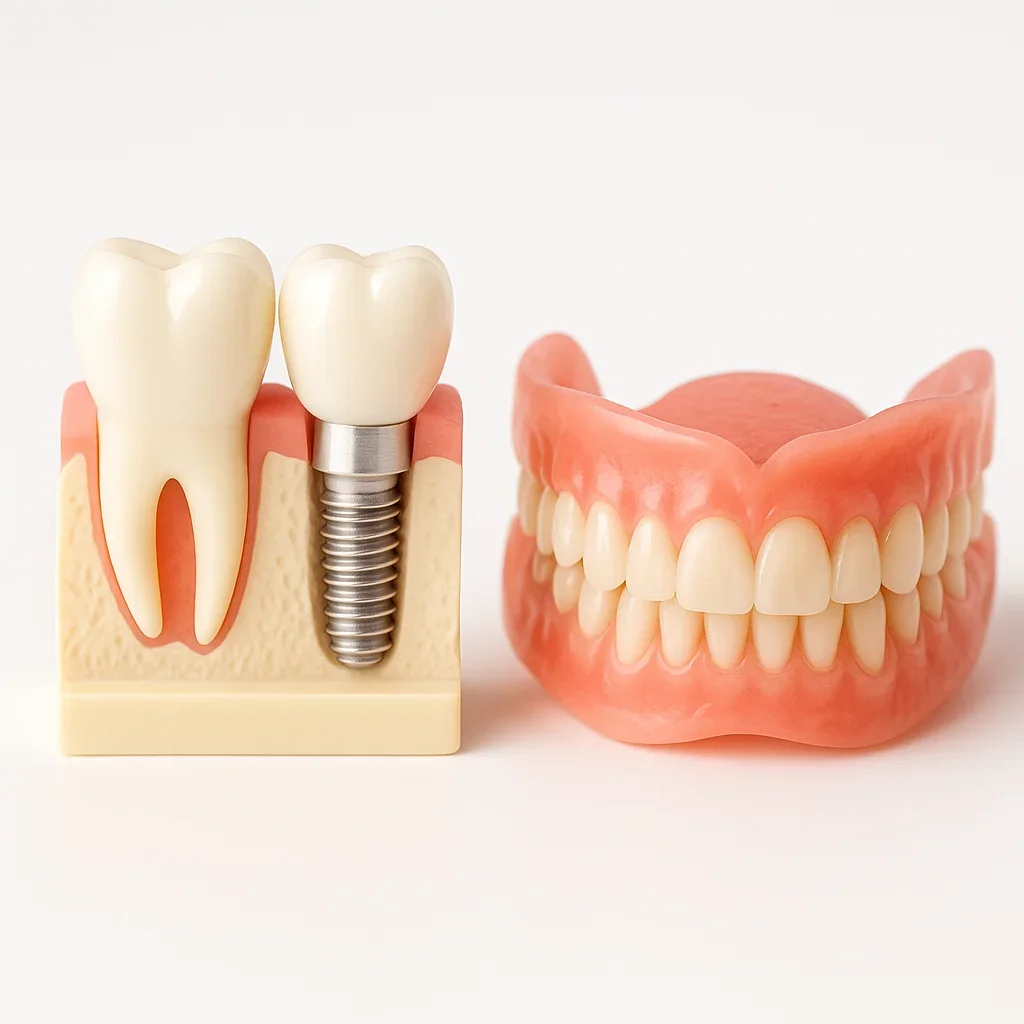
Conclusion: Embracing Dental Implants and Dentures in 2025
In 2025, the combination of dental implants and dentures stands as one of the most effective and transformative solutions for tooth loss. From restoring chewing ability and improving speech to boosting confidence and preserving jawbone health, these treatments provide life-changing benefits. Patients who invest in their oral health through modern restorations often report dramatic improvements not only in function, but also in overall quality of life. 😁
Summary of Key Benefits
Throughout this guide, we explored how dental implants and dentures address multiple aspects of oral health. Implants provide unmatched stability, bone preservation, and natural aesthetics, while dentures offer affordability and accessibility. When combined, implant-supported dentures deliver the best of both worlds, giving patients flexibility and confidence. Innovations such as 3D printing, nanotechnology, and AI planning have made these treatments faster, safer, and more predictable than ever.
Balancing Cost and Value
One of the most common concerns patients have is cost. While implants carry higher upfront expenses compared to traditional dentures, their longevity and lower maintenance needs make them highly cost-effective in the long term. Traditional dentures, while more affordable initially, may require frequent adjustments and replacements. Choosing dental implants and dentures together provides a balance of stability and affordability, ensuring patients maximize both value and comfort.
Commitment to Maintenance
Longevity relies heavily on consistent oral hygiene and professional follow-ups. Patients who brush, floss, and schedule regular dental checkups extend the lifespan of their restorations significantly. Denture wearers must commit to proper cleaning routines, while implant patients should follow post-surgery care diligently. With these practices, dental implants and dentures can last for decades, providing reliable function and aesthetics.
Choosing the Right Clinic
The success of treatment depends on selecting a qualified clinic equipped with advanced technology and high safety standards. Patients should prioritize experience, patient reviews, and material quality when choosing a provider. Accredited clinics with skilled specialists consistently achieve superior results with dental implants and dentures. Dental tourism in destinations like Turkey has also emerged as a cost-effective option for patients seeking top-quality care abroad.
Lifestyle and Long-Term Wellness
Beyond the dental chair, diet and lifestyle habits play a crucial role in treatment success. Nutritious diets, hydration, non-smoking habits, and regular exercise all contribute to stronger gums, healthier bones, and longer-lasting results. Patients who integrate dental implants and dentures into a healthy lifestyle enjoy improved overall well-being, not just better oral health.
Looking Ahead
The future of dentistry continues to evolve with breakthroughs in regenerative medicine, smart dentures, and AI-guided surgeries. These innovations ensure that dental implants and dentures remain at the forefront of oral rehabilitation. Patients in 2025 and beyond can expect even more advanced treatments that are minimally invasive, sustainable, and personalized.
Final Thoughts
Missing teeth can affect self-esteem, diet, and health, but modern solutions provide hope and transformation. Whether through individual implants, traditional dentures, or hybrid approaches, patients have more choices than ever. The key is making informed decisions, following professional guidance, and committing to long-term care. With dental implants and dentures, patients can confidently reclaim their smiles and embrace a healthier, happier future. 🌟
For personalized treatment plans and expert consultation, connect with us at the Redent Klinik Contact Page. For authoritative dental resources and care guidelines, explore the American Dental Association.