
Modern cosmetic and restorative dentistry has transformed the way people improve their smiles, oral health, and self-confidence. One of the most effective combinations available today is dental implants and invisalign. Patients who suffer from missing teeth, crooked teeth, bite problems, or smile insecurities often choose dental implants and invisalign together because these treatments provide both functional and aesthetic benefits. Whether someone wants to replace lost teeth, straighten misaligned teeth, or completely rebuild their smile, dental implants and invisalign can create life-changing results 😊.
Understanding how dental implants and invisalign work is important before beginning treatment. Dental implants are permanent tooth replacements designed to mimic natural tooth roots. They are surgically placed into the jawbone and topped with crowns that look and function like real teeth. Invisalign, on the other hand, is a clear aligner orthodontic system that gradually moves teeth into proper alignment without the need for traditional metal braces. When combined, dental implants and invisalign help patients achieve a healthier bite, better chewing ability, and a more attractive smile.
Many patients wonder whether they should straighten their teeth before replacing missing teeth. In most cases, dentists recommend starting Invisalign treatment first because natural teeth can move while implants remain fixed in place. Proper planning ensures that dental implants and invisalign work harmoniously together. During the consultation phase, digital scans, X-rays, and 3D imaging are often used to create a customized treatment plan tailored to the patient’s oral condition.
One of the major reasons why dental implants and invisalign are so popular is because they address multiple dental concerns simultaneously. Invisalign corrects spacing issues, overcrowding, crossbites, overbites, and underbites, while dental implants restore missing teeth and preserve jawbone structure. This combination not only improves appearance but also supports long-term oral health. Patients who ignore missing teeth can experience bone loss, shifting teeth, facial sagging, and bite problems over time. With dental implants and invisalign, these complications can often be prevented.
Another advantage of dental implants and invisalign is comfort and convenience. Invisalign aligners are removable, nearly invisible, and more comfortable than traditional braces. Dental implants feel stable and natural once healing is complete. Patients can smile confidently during treatment because Invisalign trays are discreet and implants blend naturally with surrounding teeth. This makes dental implants and invisalign especially attractive for adults and professionals who prefer less noticeable dental treatments.
The treatment timeline for dental implants and invisalign depends on individual needs. Invisalign treatment may take anywhere from several months to two years depending on the complexity of tooth movement. Dental implant treatment also requires healing time because the implant must integrate with the jawbone through a process called osseointegration. Some patients may receive temporary restorations during this period. An experienced dental team carefully coordinates every stage of dental implants and invisalign treatment to maximize success and efficiency.
Patients considering dental implants and invisalign often ask about candidacy. Generally, healthy adults with good oral hygiene are excellent candidates. However, gum disease, severe bone loss, smoking, or uncontrolled health conditions may require additional treatment before proceeding. Dentists usually evaluate gum health, bone density, and bite alignment before recommending dental implants and invisalign. In some cases, bone grafting or periodontal treatment may be necessary to prepare the mouth for successful outcomes.
Cost is another common concern regarding dental implants and invisalign. Pricing varies depending on the number of implants, complexity of orthodontic correction, clinic location, and additional procedures required. In many countries, a single dental implant may range from $1,500 to $4,000, while Invisalign treatment may range between $3,000 and $8,000. Some clinics offer package pricing for combined dental implants and invisalign treatment plans, making the process more affordable for patients seeking a complete smile makeover.
Estimated Treatment Prices 💰
- Single Dental Implant: $1,500 – $4,000
- Full Invisalign Treatment: $3,000 – $8,000
- Bone Grafting (if needed): $500 – $3,000
- Implant Crown: $800 – $2,000
- Smile Makeover with Dental Implants and Invisalign: Customized Pricing
Patients should also understand the importance of choosing a reputable clinic for dental implants and invisalign. Experience, technology, sterilization standards, and treatment planning significantly influence results. Advanced clinics use digital smile design, CBCT scans, intraoral scanners, and guided implant surgery to improve accuracy and patient comfort. Reading reviews, checking before-and-after photos, and scheduling consultations can help patients make informed decisions.
Long-term maintenance is essential after completing dental implants and invisalign. Patients should brush and floss carefully, wear retainers after Invisalign treatment, and attend regular dental checkups. Dental implants require healthy gums and proper oral hygiene to remain successful for many years. Invisalign results are also maintained through retainer use and consistent follow-up care. Patients who follow professional recommendations often enjoy beautiful results for decades.
In addition to cosmetic improvements, dental implants and invisalign can positively impact overall health and confidence. Properly aligned teeth are easier to clean, reducing the risk of cavities and gum disease. Replacing missing teeth improves chewing efficiency and speech clarity. Many patients report increased self-esteem, improved social interactions, and greater comfort smiling in photos after completing dental implants and invisalign treatment.
Choosing the right dental provider is a critical step in achieving successful outcomes with dental implants and invisalign. Patients looking for personalized care and detailed treatment planning can contact experienced professionals through the Redent Klinik Contact Page. It is also helpful to review educational resources from trusted organizations such as the American Dental Association to better understand modern restorative and orthodontic procedures.
Ultimately, dental implants and invisalign offer one of the most comprehensive smile transformation solutions available in modern dentistry. By combining tooth replacement with orthodontic alignment, patients can restore function, improve aesthetics, and achieve long-lasting oral health benefits. With proper planning, advanced dental technology, and expert care, dental implants and invisalign can completely transform both smiles and confidence levels for patients of all ages ✨.
What Are Dental Implants and Invisalign Treatments?
Understanding dental implants and invisalign is essential for patients who want to improve both oral health and smile aesthetics. Modern dentistry has evolved significantly over the last decade, allowing patients to correct missing teeth, crooked teeth, bite problems, and smile imperfections with highly advanced techniques. Today, dental implants and invisalign are among the most requested dental procedures because they combine restorative and cosmetic benefits into one comprehensive treatment approach 😊.
Many people confuse restorative dentistry with cosmetic dentistry, but dental implants and invisalign actually bridge both categories. Dental implants restore missing teeth and oral function, while Invisalign aligners improve tooth alignment and smile appearance. Together, these treatments help patients regain confidence, improve chewing ability, and achieve healthier oral structures.
What Are Dental Implants?
Dental implants are artificial tooth roots usually made from titanium or zirconia. They are surgically inserted into the jawbone to support crowns, bridges, or dentures. Once healed, dental implants function similarly to natural teeth. Unlike removable dentures, implants remain fixed and stable inside the mouth. This stability is one of the reasons why dental implants and invisalign are frequently recommended together for full smile rehabilitation.
The implant itself integrates with the jawbone through a natural biological process called osseointegration. During this healing phase, the implant becomes securely fused to the bone, creating a strong foundation for replacement teeth. Patients who undergo dental implants and invisalign treatment often experience significant improvements in speaking, eating, and smiling comfortably.
Main Components of Dental Implants
- Implant Fixture: The titanium post inserted into the jawbone.
- Abutment: The connector piece placed above the implant.
- Dental Crown: The visible tooth restoration attached to the implant.
Dental implants are considered one of the most durable tooth replacement options available today. With proper care, implants can last for decades. This long-term reliability makes dental implants and invisalign an excellent investment for patients seeking permanent smile improvements.
What Is Invisalign?
Invisalign is an orthodontic system that uses clear removable aligners to gradually straighten teeth. Unlike traditional braces that rely on metal brackets and wires, Invisalign aligners are nearly invisible and more comfortable to wear. Patients receive a series of custom-made trays that slowly shift teeth into their ideal positions over time.
One reason patients prefer dental implants and invisalign is because Invisalign aligners are discreet and removable. This means patients can eat their favorite foods, brush normally, and maintain better oral hygiene compared to traditional braces. Adults especially appreciate the subtle appearance of Invisalign treatment in social and professional settings.
Conditions Invisalign Can Correct
- Crooked teeth
- Overbite
- Underbite
- Crossbite
- Open bite
- Gaps between teeth
- Overcrowding
When patients combine dental implants and invisalign, dentists can correct bite alignment before permanently replacing missing teeth. This coordinated approach often produces more precise and aesthetically pleasing results.
Why Patients Combine Dental Implants and Invisalign
Combining dental implants and invisalign allows dentists to address both alignment issues and tooth loss simultaneously. For example, a patient may have missing molars along with crowded front teeth. Invisalign can first create proper spacing and alignment, after which dental implants replace the missing teeth in ideal positions.
This treatment sequence is extremely important because implants cannot move once placed. Natural teeth can shift with Invisalign aligners, but implants remain fixed in the jawbone. Proper planning ensures that dental implants and invisalign complement one another effectively and provide long-lasting functional results.
Patients often notice several improvements after completing dental implants and invisalign treatment:
- Improved facial aesthetics ✨
- Better bite balance
- Enhanced chewing ability
- Reduced jaw strain
- Greater self-confidence
- Clearer speech
- Healthier oral hygiene habits
The Technology Behind Dental Implants and Invisalign
Modern dental technology has dramatically improved the success of dental implants and invisalign. Advanced clinics now use digital scanning systems, 3D smile simulations, CBCT imaging, and guided implant surgery to create highly accurate treatment plans. These innovations reduce discomfort, shorten treatment time, and improve predictability.
For Invisalign treatment, digital intraoral scanners replace messy traditional impressions. Dentists can show patients a simulated preview of their future smile before treatment even begins. Similarly, implant planning software allows precise implant positioning while minimizing surgical risks.
Because of these technological advances, dental implants and invisalign have become safer, faster, and more comfortable than ever before.
How Long Does Treatment Take?
The timeline for dental implants and invisalign depends on each patient’s oral condition. Invisalign treatment may range from six months to two years depending on tooth movement complexity. Dental implants require healing time after placement, often several months, to fully integrate with the jawbone.
Some patients complete Invisalign first and then proceed with implants. Others may receive implants during Invisalign treatment depending on the case. A customized treatment plan is essential for achieving successful dental implants and invisalign outcomes.
Who Is a Good Candidate?
Most healthy adults are candidates for dental implants and invisalign, although a comprehensive dental evaluation is always necessary. Ideal candidates should have healthy gums, sufficient jawbone density, and commitment to good oral hygiene. Smokers or patients with severe periodontal disease may require additional treatment before starting the process.
Patients considering dental implants and invisalign should consult experienced professionals who specialize in both restorative and orthodontic dentistry. Personalized planning greatly improves treatment success and patient satisfaction.
For patients interested in restoring their smile, professional consultation is highly recommended through the Redent Klinik Contact Page. Additional educational resources about oral health and modern dental procedures can also be found through the American Dental Association.
Ultimately, dental implants and invisalign represent one of the most advanced solutions available in modern dentistry. By correcting missing teeth and alignment problems together, patients can achieve a healthier bite, a natural-looking smile, and improved confidence that lasts for many years 😁.
How Dental Implants and Invisalign Work Together
One of the most common questions patients ask is how dental implants and invisalign can be combined into a single treatment plan. Modern dentistry allows these two advanced procedures to work together seamlessly, helping patients achieve both functional restoration and cosmetic improvement at the same time. When coordinated properly, dental implants and invisalign create balanced, healthy, and aesthetically pleasing smiles that can last for decades 😊.
Many patients suffer from multiple oral health issues simultaneously. Some may have missing teeth along with crooked or crowded teeth, while others may struggle with bite problems caused by tooth loss. In these situations, dental implants and invisalign are often the ideal combination because they address both alignment and tooth replacement together.
Why Combining Dental Implants and Invisalign Is Important
Teeth work as a complete system inside the mouth. When one tooth is missing, surrounding teeth often begin shifting into the empty space. Over time, this movement can create bite imbalances, jaw discomfort, uneven wear, and aesthetic concerns. Invisalign helps reposition natural teeth correctly before implants are placed permanently. This is why dentists frequently recommend Invisalign before finalizing dental implants and invisalign treatment plans.
Because dental implants remain fixed inside the jawbone, they cannot move like natural teeth. Invisalign aligners, however, gradually shift natural teeth into better positions. Coordinating dental implants and invisalign carefully ensures the implant is placed exactly where it will provide the best long-term bite and smile results.
Common Problems Treated Together
- Missing teeth with crowding
- Gaps caused by tooth loss
- Shifting teeth after extraction
- Bite misalignment
- Jaw imbalance
- Uneven smile aesthetics
- Difficulty chewing properly
For patients with these conditions, dental implants and invisalign often provide a more complete solution compared to using only one treatment alone.
The Typical Treatment Sequence
The sequence of dental implants and invisalign treatment depends on each patient’s oral condition, but in many cases Invisalign treatment begins first. Straightening the teeth before implant placement allows dentists to create ideal spacing and bite alignment.
Step 1: Consultation and Digital Planning
The process begins with comprehensive examinations that include digital scans, X-rays, photographs, and 3D imaging. Dentists analyze jaw structure, tooth positions, gum health, and bite function before developing a personalized dental implants and invisalign treatment plan.
Advanced clinics use digital smile design technology to simulate expected outcomes before treatment even begins. This helps patients visualize how dental implants and invisalign can improve their smile and oral function.
Step 2: Invisalign Treatment
In many cases, Invisalign aligners are used first to move natural teeth into ideal positions. During this phase, patients wear clear aligners approximately 20–22 hours daily. Each set of trays gradually shifts teeth according to the treatment plan.
Invisalign treatment can correct:
- Crooked teeth
- Overbite
- Underbite
- Crossbite
- Spacing issues
- Tooth crowding
Correcting these issues first creates a stronger foundation for successful dental implants and invisalign treatment overall.
Step 3: Dental Implant Placement
Once Invisalign has created proper spacing and alignment, dental implants can be placed into the jawbone. The implant procedure is typically performed under local anesthesia, making it relatively comfortable for most patients.
After placement, the implant undergoes osseointegration, a healing process where the implant fuses with the surrounding bone. This healing period is critical for long-term stability in dental implants and invisalign treatment.
Step 4: Final Restoration
After healing is complete, custom crowns are attached to the implants. These crowns are designed to match the color, shape, and size of natural teeth. At this stage, patients usually complete their dental implants and invisalign transformation and enjoy a fully restored smile ✨.
Benefits of Combining Dental Implants and Invisalign
Patients who choose dental implants and invisalign together often experience advantages that go beyond cosmetic improvements. Properly aligned teeth distribute biting forces more evenly, reducing stress on the jaw joints and surrounding teeth.
Major Advantages Include:
- Improved smile aesthetics
- Better oral function
- Enhanced speech clarity
- Reduced risk of future dental complications
- Better chewing efficiency
- More balanced bite alignment
- Improved facial symmetry
- Long-lasting dental stability
Another benefit of dental implants and invisalign is improved oral hygiene. Straight teeth are easier to clean, while implants prevent bone loss that often occurs after tooth extraction. Together, these treatments contribute to healthier gums and stronger overall oral health.
Technology Used in Dental Implants and Invisalign
Modern dental technology plays a major role in successful dental implants and invisalign treatment. Advanced clinics now use:
- CBCT 3D imaging
- Digital intraoral scanners
- Computer-guided implant surgery
- Digital smile simulations
- Artificial intelligence treatment planning
These technologies improve precision, reduce treatment errors, and increase patient comfort. Digital planning also helps dentists coordinate Invisalign tooth movement with future implant placement locations.
How Long Does Combined Treatment Take?
The total duration of dental implants and invisalign treatment varies depending on complexity. Invisalign treatment may require several months to two years, while implant healing can take several additional months.
Some patients complete Invisalign before implants entirely, while others receive temporary implants during orthodontic treatment. Every case is unique, which is why individualized planning is critical for successful dental implants and invisalign outcomes.
Who Benefits Most from This Combination?
Patients who benefit most from dental implants and invisalign often include adults with:
- Missing teeth and crowding
- Shifting teeth after extraction
- Smile asymmetry
- Bite instability
- Difficulty chewing
- Low self-confidence related to smile appearance
For many adults, dental implants and invisalign provide an opportunity to completely rebuild oral health and smile aesthetics without traditional metal braces or removable dentures.
Patients considering treatment should consult experienced professionals through the Redent Klinik Contact Page. Educational information regarding restorative and orthodontic procedures can also be reviewed through the American Dental Association.
Ultimately, combining dental implants and invisalign allows patients to achieve healthier teeth, stronger bite function, and dramatically improved confidence. With modern dental technology and proper planning, these treatments work together to create natural-looking, long-lasting smile transformations 😁.
Who Is a Good Candidate for Dental Implants and Invisalign?
Choosing dental implants and invisalign can completely transform a person’s oral health, smile appearance, and confidence. However, not every patient automatically qualifies for these treatments without proper evaluation. Dentists carefully assess oral health, bone structure, bite alignment, and lifestyle habits before recommending dental implants and invisalign. Understanding candidacy requirements helps patients prepare for successful treatment outcomes and long-term dental stability 😊.
Many adults seek dental implants and invisalign because they want to replace missing teeth while also correcting crooked teeth or bite problems. This combination treatment is ideal for patients who want both restorative and cosmetic improvements simultaneously. Whether someone has lost teeth due to injury, decay, or gum disease, modern dentistry now allows comprehensive smile rehabilitation through properly planned dental implants and invisalign.
Ideal Candidates for Dental Implants and Invisalign
In general, healthy adults with stable oral health are strong candidates for dental implants and invisalign. Candidates should have sufficient jawbone density to support implants and healthy gums capable of maintaining long-term oral stability. Invisalign also requires commitment because aligners must be worn consistently every day for effective results.
Characteristics of Good Candidates
- Missing one or more teeth
- Crooked or crowded teeth
- Good overall health
- Healthy gum tissue
- Adequate jawbone density
- Commitment to oral hygiene
- Non-smoking or willing to quit smoking
- Desire for long-term smile improvement
Patients who meet these conditions often experience highly successful outcomes with dental implants and invisalign. Dentists typically perform digital imaging and clinical examinations before confirming eligibility.
Why Jawbone Health Matters
Jawbone quality plays a critical role in successful dental implants and invisalign treatment. Dental implants require strong bone support because the implant fixture integrates directly with the jawbone. Patients who have experienced tooth loss for many years may suffer from bone resorption, where the jawbone gradually shrinks over time.
When evaluating patients for dental implants and invisalign, dentists often use CBCT scans to measure bone density and identify whether bone grafting may be necessary. Fortunately, even patients with mild bone loss may still qualify for implants after preparatory procedures.
Signs of Bone Loss
- Facial sagging
- Sunken cheeks
- Loose dentures
- Difficulty chewing
- Shifting teeth
- Jaw discomfort
Addressing bone health early significantly improves the success of dental implants and invisalign treatment and helps preserve facial structure long-term.
Gum Health and Periodontal Stability
Healthy gums are essential before beginning dental implants and invisalign. Gum disease can weaken supporting tissues and increase the risk of implant failure. Inflammation and bacterial infection must be controlled before implant surgery or orthodontic movement begins.
Patients with periodontal disease may still qualify for dental implants and invisalign, but they often require deep cleaning, scaling and root planing, or periodontal therapy first. Dentists carefully monitor gum stability throughout the entire treatment process.
Symptoms That Require Evaluation
- Bleeding gums
- Bad breath
- Gum recession
- Loose teeth
- Swollen gum tissue
- Pain while chewing
Treating these issues before starting dental implants and invisalign greatly increases long-term treatment success.
Age Considerations for Dental Implants and Invisalign
Adults of many different ages can benefit from dental implants and invisalign. Younger adults often pursue treatment for cosmetic reasons, while older adults may seek restoration after tooth loss. There is no strict upper age limit for dental implants as long as the patient maintains sufficient bone health and general wellness.
However, dental implants are usually not recommended for teenagers whose jawbones are still developing. Invisalign treatment alone may sometimes be appropriate for younger patients, but comprehensive dental implants and invisalign planning is generally performed after jaw growth is complete.
Medical Conditions That May Affect Treatment
Certain health conditions may influence candidacy for dental implants and invisalign. Dentists carefully review medical history to minimize risks and improve healing outcomes.
Conditions That Require Special Attention
- Uncontrolled diabetes
- Autoimmune disorders
- Osteoporosis
- Heart disease
- Heavy smoking habits
- Severe bruxism (teeth grinding)
- Immune system disorders
Although these conditions do not automatically disqualify patients, they may require additional planning before beginning dental implants and invisalign. Communication between dentists and physicians is often important for safe treatment coordination.
Patient Commitment and Lifestyle Factors
Successful dental implants and invisalign treatment requires patient cooperation and consistency. Invisalign aligners must typically be worn 20–22 hours per day. Patients must also attend regular follow-up appointments and maintain excellent oral hygiene habits.
Dental implants also require proper care after surgery. Smoking, poor oral hygiene, and missed appointments can negatively impact healing and long-term stability. Patients who fully commit to treatment instructions often achieve outstanding results with dental implants and invisalign.
Important Daily Habits
- Brushing twice daily
- Flossing consistently
- Cleaning Invisalign trays properly
- Avoiding smoking
- Wearing retainers after treatment
- Attending routine checkups
Psychological and Emotional Benefits
Many candidates pursue dental implants and invisalign not only for oral health reasons but also for emotional well-being. Missing teeth and smile insecurities can negatively affect self-esteem, social interactions, and professional confidence.
Patients often report dramatic improvements in confidence after completing dental implants and invisalign. Smiling comfortably in photos, speaking confidently in public, and enjoying social situations without embarrassment can greatly improve overall quality of life ✨.
Customized Evaluations Are Essential
Every patient has unique dental needs, which is why individualized assessments are critical before starting dental implants and invisalign. Experienced clinics evaluate:
- Jaw alignment
- Tooth positioning
- Bone density
- Gum health
- Facial aesthetics
- Bite function
- Long-term oral stability
These evaluations help create a treatment plan tailored specifically to the patient’s anatomy and goals.
Patients interested in personalized treatment planning for dental implants and invisalign can contact specialists through the Redent Klinik Contact Page. Additional educational resources regarding oral health and implant dentistry can also be reviewed through the American Dental Association.
Ultimately, ideal candidates for dental implants and invisalign are individuals who want long-lasting smile improvements, better oral function, and increased confidence. With proper evaluations, advanced technology, and professional planning, patients can achieve natural-looking and highly functional results that significantly improve everyday life 😁.
The Step-by-Step Process of Dental Implants and Invisalign
Understanding the complete process of dental implants and invisalign helps patients feel more confident and prepared before beginning treatment. Many people are initially nervous because they are unfamiliar with the procedures, healing phases, and timelines involved. Fortunately, modern dentistry has made dental implants and invisalign more comfortable, predictable, and efficient than ever before 😊.
The treatment journey for dental implants and invisalign usually involves several carefully coordinated stages. Dentists create personalized treatment plans based on oral health, bone structure, tooth alignment, and aesthetic goals. Every patient’s case is unique, but the overall process generally follows a structured sequence designed to maximize long-term success.
Initial Consultation and Comprehensive Evaluation
The first step in dental implants and invisalign treatment is a detailed consultation. During this appointment, dentists evaluate the patient’s oral health, smile appearance, jaw alignment, and overall dental condition.
Diagnostic Tools Commonly Used
- Digital X-rays
- CBCT 3D scans
- Intraoral scanners
- Digital smile analysis
- Photographic records
- Bite evaluation
These technologies allow dentists to design highly accurate treatment plans for dental implants and invisalign. Digital planning helps identify spacing problems, bone density issues, gum health concerns, and bite irregularities before treatment begins.
Patients also discuss their expectations, cosmetic goals, and budget considerations during this stage. This consultation is extremely important because successful dental implants and invisalign treatment depends heavily on detailed preparation and precise planning.
Creating a Personalized Treatment Plan
After collecting diagnostic information, the dental team creates a customized roadmap for dental implants and invisalign. This plan outlines the order of treatment, estimated timeline, expected outcomes, and any preparatory procedures required.
Many patients require Invisalign treatment before implant placement because teeth must often be repositioned to create ideal spacing. Since implants remain fixed and cannot move like natural teeth, careful coordination is essential during dental implants and invisalign planning.
Factors Considered During Planning
- Jawbone quality
- Tooth crowding
- Bite balance
- Missing tooth locations
- Facial symmetry
- Gum health
- Long-term stability
This stage ensures that dental implants and invisalign work together efficiently while minimizing complications later.
Beginning Invisalign Treatment
For many patients, Invisalign treatment begins first. Custom clear aligners are fabricated using digital scans and advanced orthodontic software. Each aligner tray gradually shifts the teeth into improved positions.
Patients typically wear Invisalign aligners for 20–22 hours daily. Every one to two weeks, a new set of trays is used to continue tooth movement. During this stage, dentists monitor progress regularly to ensure the dental implants and invisalign treatment plan remains on track.
Benefits of Invisalign Before Implants
- Creates proper spacing for implants
- Improves bite alignment
- Corrects crowding
- Enhances final smile aesthetics
- Reduces uneven pressure on implants
Patients appreciate that Invisalign trays are nearly invisible, removable, and significantly more comfortable than traditional braces. This makes the orthodontic phase of dental implants and invisalign treatment more convenient for adults and professionals.
Preparatory Procedures Before Implant Placement
Some patients require additional treatments before implant surgery. Dentists may recommend procedures that improve the stability and success of future implants.
Common Preparatory Procedures
- Tooth extractions
- Bone grafting
- Sinus lifting
- Periodontal treatment
- Deep cleaning
These procedures help establish a healthy foundation for dental implants and invisalign. For example, bone grafting may be necessary when jawbone density is insufficient to support implants securely.
Although preparatory procedures may slightly extend the treatment timeline, they greatly improve long-term outcomes for dental implants and invisalign.
Dental Implant Surgery
Once Invisalign treatment has created proper spacing and the mouth is fully prepared, dental implant placement can begin. Implant surgery is usually performed under local anesthesia, and many patients report minimal discomfort during the procedure.
Implant Surgery Process
- The dentist numbs the treatment area.
- A small opening is created in the gum tissue.
- The implant fixture is placed into the jawbone.
- The gum is closed around the implant.
- Healing begins immediately.
After surgery, the implant undergoes osseointegration, where the bone naturally fuses around the implant surface. This healing phase is one of the most critical stages in dental implants and invisalign treatment.
The Healing and Monitoring Phase
Healing after implant placement usually requires several months. During this time, the implant becomes securely anchored to the jawbone. Dentists monitor healing closely through follow-up visits and imaging.
Patients may continue wearing Invisalign aligners during certain stages of healing depending on the treatment plan. Coordinating these phases carefully ensures successful dental implants and invisalign integration.
Healing Recommendations
- Avoid smoking 🚭
- Maintain excellent oral hygiene
- Attend follow-up appointments
- Avoid excessive chewing pressure
- Follow dietary recommendations
Proper aftercare is essential for maintaining the stability and longevity of dental implants and invisalign.
Final Crown Placement
Once healing is complete, custom dental crowns are attached to the implants. These crowns are designed to match natural teeth in shape, size, and color. At this stage, patients usually see the full cosmetic benefits of dental implants and invisalign.
The final smile transformation often improves:
- Facial aesthetics
- Speech clarity
- Chewing efficiency
- Bite balance
- Self-confidence ✨
Many patients describe the completion of dental implants and invisalign as life-changing because they can finally smile, eat, and speak comfortably again.
Long-Term Maintenance and Retention
Even after treatment is complete, long-term maintenance remains extremely important for preserving results. Patients who complete dental implants and invisalign treatment are typically advised to wear retainers and maintain consistent oral hygiene routines.
Long-Term Care Tips
- Brush twice daily
- Floss carefully around implants
- Clean retainers properly
- Visit the dentist regularly
- Avoid grinding teeth
With proper maintenance, dental implants and invisalign can provide excellent results for many years or even decades.
Patients interested in beginning their smile transformation journey with dental implants and invisalign can contact professionals through the Redent Klinik Contact Page. Additional information about oral health standards and implant dentistry can also be reviewed through the American Dental Association.
Ultimately, the process of dental implants and invisalign combines advanced technology, personalized planning, and modern dental expertise to create healthier, stronger, and more beautiful smiles 😁.
Benefits of Choosing Dental Implants and Invisalign Together
Choosing dental implants and invisalign together offers patients one of the most advanced and comprehensive smile transformation options available in modern dentistry. Instead of treating missing teeth and alignment issues separately, this combined approach addresses both concerns simultaneously, leading to improved oral function, better aesthetics, and enhanced long-term dental health 😊.
Many patients initially seek treatment because they feel uncomfortable smiling, chewing, or speaking due to crooked teeth or missing teeth. However, the benefits of dental implants and invisalign extend far beyond cosmetic improvements. These treatments can positively affect oral hygiene, jaw stability, facial appearance, confidence, and overall quality of life.
Improved Smile Aesthetics
One of the most noticeable benefits of dental implants and invisalign is the dramatic improvement in smile appearance. Invisalign straightens crooked or crowded teeth, while dental implants restore missing teeth with natural-looking replacements.
When combined, dental implants and invisalign create a balanced, symmetrical, and attractive smile that often looks significantly younger and healthier. Patients frequently report feeling more confident during social interactions, work meetings, and photographs after completing treatment.
Cosmetic Improvements Patients Commonly Notice
- Straighter teeth
- More symmetrical smile lines
- Improved facial harmony
- Natural-looking replacement teeth
- Reduced gaps between teeth
- Better lip support
These aesthetic improvements are one reason why dental implants and invisalign are increasingly popular among adults seeking modern smile makeovers ✨.
Better Oral Function and Chewing Ability
Missing teeth and bite misalignment can significantly affect chewing efficiency and jaw comfort. Patients may struggle to eat certain foods or experience uneven pressure while chewing. By restoring tooth structure and correcting alignment, dental implants and invisalign help improve overall bite function.
Dental implants act like natural tooth roots, providing stable support for chewing and speaking. Invisalign aligners simultaneously improve the way upper and lower teeth fit together. Together, dental implants and invisalign create a stronger, more balanced bite.
Functional Benefits Include
- Improved chewing strength
- Better digestion from proper chewing
- Reduced jaw strain
- Clearer speech pronunciation
- More balanced bite pressure
- Reduced tooth wear
Patients often discover that eating becomes far more comfortable after completing dental implants and invisalign treatment.
Prevention of Bone Loss
One of the most important health benefits of dental implants and invisalign is jawbone preservation. When teeth are missing, the jawbone in that area gradually begins shrinking because it no longer receives stimulation from chewing forces.
Dental implants stimulate the jawbone similarly to natural tooth roots, helping preserve bone density and facial structure. Invisalign also improves bite distribution, reducing excessive pressure on certain areas of the mouth. Combined, dental implants and invisalign help maintain healthier oral structures long-term.
Problems Associated with Bone Loss
- Facial sagging
- Sunken cheeks
- Loose surrounding teeth
- Jaw instability
- Premature aging appearance
Preventing these issues is one of the major long-term advantages of dental implants and invisalign.
Improved Oral Hygiene
Straight teeth are significantly easier to clean than crowded or overlapping teeth. Invisalign gradually aligns the teeth into healthier positions, reducing areas where plaque and bacteria commonly accumulate.
Meanwhile, dental implants help fill empty spaces that could otherwise trap food particles and bacteria. Patients who complete dental implants and invisalign treatment often find daily brushing and flossing much easier and more effective.
Oral Hygiene Benefits
- Reduced plaque buildup
- Lower cavity risk
- Healthier gums
- Fresher breath
- Improved long-term dental stability
These preventive advantages make dental implants and invisalign valuable investments not only cosmetically but also medically.
Enhanced Comfort Compared to Traditional Treatments
Modern patients often prefer dental implants and invisalign because both treatments provide greater comfort compared to older dental solutions. Traditional removable dentures can shift and irritate the gums, while metal braces may cause discomfort and visibility concerns.
Invisalign aligners are smooth, removable, and nearly invisible. Dental implants remain securely fixed in place without slipping or clicking during speech. Together, dental implants and invisalign provide a more natural and comfortable treatment experience.
Comfort Advantages
- No metal brackets or wires
- Minimal speech interference
- Stable chewing support
- Natural tooth appearance
- Reduced gum irritation
Patients often appreciate how discreet and convenient dental implants and invisalign feel during everyday life.
Psychological and Emotional Benefits
The emotional impact of improving a smile should never be underestimated. Many people with missing or crooked teeth experience embarrassment, social anxiety, or reduced confidence. Completing dental implants and invisalign treatment often leads to major emotional improvements.
Patients frequently report:
- Higher self-esteem
- Greater confidence in public
- Improved professional interactions
- More willingness to smile
- Reduced anxiety during conversations
For some individuals, dental implants and invisalign become life-changing treatments that positively affect personal relationships and career confidence.
Long-Term Durability and Stability
Another major benefit of dental implants and invisalign is long-term stability. Dental implants are designed to last for decades with proper care, while Invisalign treatment creates improved tooth alignment that can be maintained through retainers.
Because implants preserve jawbone health and Invisalign improves bite balance, the combination often reduces future dental complications. Patients who maintain proper hygiene and regular checkups usually enjoy excellent long-term results with dental implants and invisalign.
Tips for Long-Term Success
- Brush twice daily
- Wear retainers consistently
- Avoid smoking 🚭
- Attend dental cleanings regularly
- Protect teeth from grinding
Advanced Technology Improves Outcomes
Modern clinics now use advanced digital technologies to optimize dental implants and invisalign treatment. Digital smile design, 3D imaging, guided implant surgery, and artificial intelligence treatment planning improve both accuracy and patient comfort.
These technologies allow dentists to create highly personalized smile transformations with greater precision than ever before. As a result, dental implants and invisalign treatments have become safer, more predictable, and more aesthetically advanced.
Patients interested in learning more about personalized smile restoration with dental implants and invisalign can contact specialists through the Redent Klinik Contact Page. Educational resources regarding restorative and cosmetic dentistry can also be reviewed through the American Dental Association.
Ultimately, the benefits of dental implants and invisalign extend far beyond appearance alone. These treatments improve oral health, preserve bone structure, enhance chewing function, increase confidence, and help patients enjoy healthier and more attractive smiles for many years 😁.
Dental Implants and Invisalign Costs and Payment Options
One of the most important topics patients research before beginning treatment is the cost of dental implants and invisalign. Since these procedures are considered advanced dental treatments, pricing can vary significantly depending on the patient’s oral condition, clinic location, technology used, and the complexity of the treatment plan. Understanding the financial side of dental implants and invisalign helps patients make informed decisions and prepare for their smile transformation journey 😊.
Many people initially feel concerned about the investment required for dental implants and invisalign. However, it is important to understand that these treatments often provide long-term functional and cosmetic benefits that can last for decades. Compared to temporary or lower-quality alternatives, properly performed dental implants and invisalign treatments can improve oral health, preserve jawbone structure, and reduce future dental complications.
Average Cost of Dental Implants
Dental implant pricing depends on several factors, including the number of implants needed, bone quality, surgical complexity, and restoration materials. A single implant typically includes the implant fixture, abutment, and crown restoration.
Estimated Dental Implant Costs 💰
- Single Dental Implant: $1,500 – $4,000
- Implant Crown: $800 – $2,000
- Bone Grafting: $500 – $3,000
- Sinus Lift Procedure: $1,000 – $4,000
- Full Mouth Implant Restoration: $15,000 – $50,000+
Patients considering dental implants and invisalign should understand that implant quality and dentist experience greatly affect long-term success. Lower-cost implants may sometimes involve lower-quality materials or less advanced technology.
Average Cost of Invisalign Treatment
The cost of Invisalign treatment varies depending on the severity of tooth movement required. Mild alignment issues generally cost less, while complex orthodontic cases involving bite correction or severe crowding may require longer treatment times and additional aligners.
Estimated Invisalign Costs
- Mild Invisalign Cases: $3,000 – $4,500
- Moderate Cases: $4,500 – $6,500
- Complex Orthodontic Cases: $6,500 – $8,500+
- Retainers After Treatment: $200 – $800
Because Invisalign aligners are custom-manufactured using advanced digital technology, the treatment often costs more than traditional braces. However, many adults prefer Invisalign because it is discreet, removable, and more comfortable. Combining dental implants and invisalign often creates superior cosmetic and functional results compared to using either treatment alone.
Factors That Influence Dental Implants and Invisalign Costs
Every patient has unique oral health needs, so the total price of dental implants and invisalign can vary considerably. Dentists evaluate many clinical factors before providing a final treatment estimate.
Main Cost Factors
- Number of missing teeth
- Severity of tooth misalignment
- Need for bone grafting
- Clinic location
- Dentist experience level
- Technology and equipment used
- Treatment duration
- Material quality
Advanced clinics that specialize in dental implants and invisalign often use premium implant systems, digital planning software, and 3D imaging technology. While this may slightly increase cost, it can significantly improve treatment accuracy and long-term success.
Why Dental Implants and Invisalign Are Long-Term Investments
Although dental implants and invisalign may seem expensive initially, many patients view them as valuable long-term investments in both oral health and confidence. Dental implants can last for decades with proper care, while Invisalign helps create healthier tooth alignment that reduces future dental problems.
Patients who ignore missing teeth or bite problems may eventually experience:
- Bone loss
- Jaw pain
- Tooth shifting
- Difficulty chewing
- Gum disease
- Speech problems
- Additional tooth loss
Correcting these complications later may ultimately cost more than starting dental implants and invisalign treatment earlier.
Insurance Coverage for Dental Implants and Invisalign
Insurance coverage for dental implants and invisalign varies widely depending on the insurance provider and policy details. Some dental insurance plans partially cover implant restorations or orthodontic treatment, while others consider them cosmetic procedures.
Insurance May Cover
- Initial consultations
- X-rays and diagnostics
- Part of implant surgery
- Crowns or restorations
- Orthodontic treatment portions
Patients should contact their insurance provider directly to verify coverage for dental implants and invisalign. Many clinics also help patients review insurance benefits and estimate out-of-pocket expenses.
Flexible Payment Plans and Financing Options
Because the total cost of dental implants and invisalign can be significant, many dental clinics now offer flexible payment plans to make treatment more accessible.
Common Financing Options
- Monthly payment plans
- Medical financing companies
- Interest-free installment plans
- Credit card financing
- Healthcare savings accounts
Flexible financing allows many patients to begin dental implants and invisalign treatment sooner rather than delaying necessary care for years.
Cost Differences Between Countries
Many patients also travel internationally for dental implants and invisalign treatment because pricing varies substantially between countries. Dental tourism has become increasingly popular for patients seeking high-quality care at more affordable prices.
Countries Commonly Chosen for Dental Tourism
- Turkey
- Mexico
- Hungary
- Thailand
- Poland
Patients considering international treatment for dental implants and invisalign should carefully research clinic credentials, technology standards, sterilization protocols, and dentist qualifications before making decisions.
How to Choose the Right Clinic
Selecting the right provider is essential for successful dental implants and invisalign outcomes. While cost matters, quality and experience are equally important.
Important Questions to Ask Clinics
- What implant systems are used?
- Is digital treatment planning available?
- How experienced is the dentist?
- Are before-and-after cases available?
- What technologies are used during treatment?
- Are financing options offered?
Choosing experienced professionals often leads to more predictable and successful dental implants and invisalign results.
Patients interested in personalized treatment pricing and consultation options for dental implants and invisalign can contact specialists through the Redent Klinik Contact Page. Educational information regarding restorative dentistry and orthodontics can also be found through the American Dental Association.
Ultimately, while the cost of dental implants and invisalign can vary, these treatments often provide long-lasting improvements in oral health, appearance, and confidence. With proper planning, flexible financing, and expert care, many patients find the investment highly worthwhile for achieving a healthier and more beautiful smile 😁.
Recovery, Aftercare, and Oral Hygiene Tips
Proper recovery and aftercare are essential for achieving long-lasting success with dental implants and invisalign. While modern dental technology has made treatment more comfortable and predictable, patients still play a major role in maintaining healthy results after procedures are completed. Good oral hygiene habits, follow-up care, and lifestyle choices significantly influence the longevity of dental implants and invisalign 😊.
Many patients are surprised by how manageable recovery can be after beginning dental implants and invisalign treatment. Invisalign aligners generally involve minimal discomfort compared to traditional braces, while dental implant recovery is often easier than patients initially expect. However, proper care during healing is extremely important to reduce complications and ensure successful outcomes.
Recovery After Dental Implant Surgery
Dental implant surgery is a highly advanced and carefully controlled procedure. Most patients experience only mild swelling, tenderness, or discomfort during the first few days after surgery. Recovery varies depending on the number of implants placed and whether additional procedures such as bone grafting were required.
Common Symptoms After Implant Surgery
- Mild swelling
- Minor bleeding
- Slight bruising
- Tender gums
- Temporary chewing sensitivity
These symptoms are generally temporary and manageable with proper aftercare. Dentists typically provide detailed instructions following dental implants and invisalign procedures to help patients heal comfortably and safely.
Important Recovery Tips After Implant Placement
- Apply cold compresses during the first 24 hours
- Avoid smoking 🚭
- Eat soft foods temporarily
- Avoid intense physical activity
- Take medications as prescribed
- Maintain gentle oral hygiene
Following these recommendations improves healing and helps ensure successful osseointegration during dental implants and invisalign treatment.
Healing Timeline for Dental Implants
One of the most important phases of dental implants and invisalign treatment is osseointegration, where the implant naturally fuses with the jawbone. This biological process creates a stable foundation for the future crown restoration.
Typical Healing Timeline
- First 24–72 hours: Initial swelling and tenderness
- 1–2 weeks: Gum tissue healing
- 2–6 months: Bone integration process
- After healing: Permanent crown placement
Healing duration varies depending on bone quality, overall health, and oral hygiene. Patients who carefully follow instructions during dental implants and invisalign recovery often experience smoother healing and stronger long-term results.
Adjusting to Invisalign Aligners
Invisalign treatment is generally comfortable, but patients may experience mild pressure or tightness when switching to a new aligner set. This sensation is normal and indicates that the aligners are gradually moving the teeth into better positions.
Because Invisalign trays are removable, patients undergoing dental implants and invisalign treatment can continue brushing and flossing more effectively compared to traditional braces.
Tips for Invisalign Comfort
- Wear aligners 20–22 hours daily
- Switch to new trays before bedtime
- Clean aligners regularly
- Remove trays when eating or drinking hot beverages
- Use Invisalign chewies if recommended
Consistency is extremely important during dental implants and invisalign treatment. Failing to wear aligners properly may delay results and affect final alignment outcomes.
Best Foods During Recovery
Diet plays an important role during the recovery process for dental implants and invisalign. After implant surgery, patients should temporarily avoid hard, crunchy, or sticky foods that may irritate the surgical area.
Recommended Soft Foods 🍲
- Soup
- Mashed potatoes
- Yogurt
- Eggs
- Smoothies
- Pasta
- Soft fish
As healing progresses, patients can gradually reintroduce normal foods. Once fully healed, dental implants and invisalign allow patients to enjoy a much wider range of foods comfortably.
Oral Hygiene During Dental Implants and Invisalign Treatment
Maintaining excellent oral hygiene is one of the most important factors for long-term success with dental implants and invisalign. Poor hygiene can lead to gum inflammation, implant complications, bad breath, and delayed orthodontic progress.
Daily Oral Hygiene Routine
- Brush teeth twice daily
- Floss carefully around implants
- Clean aligners every day
- Use antibacterial mouthwash if recommended
- Attend regular professional cleanings
Straight teeth created by Invisalign are often easier to clean, while implants help preserve healthy oral structure. Together, dental implants and invisalign support better long-term oral hygiene habits.
Protecting Dental Implants and Invisalign Results
After completing treatment, patients should take steps to protect the results of dental implants and invisalign. Long-term maintenance is essential because neglect can compromise both implant stability and tooth alignment.
Important Long-Term Protection Tips
- Wear retainers consistently
- Avoid teeth grinding
- Use a night guard if needed
- Schedule regular dental checkups
- Avoid tobacco products
Retainers are especially important after Invisalign treatment because teeth naturally attempt to shift over time. Patients who maintain their dental implants and invisalign results properly often enjoy stable smiles for many years.
Warning Signs Patients Should Never Ignore
Although complications are relatively uncommon, patients should contact their dentist immediately if they notice unusual symptoms during dental implants and invisalign treatment.
Signs That Require Professional Evaluation
- Persistent severe pain
- Implant mobility
- Excessive swelling
- Gum infection
- Difficulty wearing aligners
- Bleeding around implants
Early intervention helps prevent minor problems from becoming major complications during dental implants and invisalign treatment.
Psychological Benefits During Recovery
Many patients notice emotional improvements even before treatment is fully complete. Watching the smile gradually improve during dental implants and invisalign treatment often increases motivation and self-confidence.
Patients frequently report:
- Improved self-esteem
- Greater willingness to smile
- Reduced social anxiety
- More confidence during conversations
- Higher satisfaction with appearance ✨
These emotional benefits are an important part of the overall value of dental implants and invisalign.
The Importance of Professional Follow-Up Care
Regular dental visits are essential throughout the entire dental implants and invisalign process. Dentists monitor healing, check implant stability, evaluate Invisalign progress, and ensure oral tissues remain healthy.
Patients interested in professional guidance and personalized aftercare planning for dental implants and invisalign can contact specialists through the Redent Klinik Contact Page. Additional oral health resources can also be reviewed through the American Dental Association.
Ultimately, successful recovery after dental implants and invisalign depends on a combination of professional care, patient commitment, and proper oral hygiene habits. With consistent maintenance and healthy routines, patients can enjoy beautiful, functional, and long-lasting smile results for many years 😁.
Common Myths About Dental Implants and Invisalign
There are many misconceptions surrounding dental implants and invisalign, and these myths often prevent patients from seeking treatments that could significantly improve their oral health and confidence. Modern dentistry has advanced dramatically over the years, yet misinformation still circulates online and through personal anecdotes. Understanding the truth behind these myths can help patients make informed decisions about dental implants and invisalign 😊.
Some people assume these procedures are painful, unreliable, or only intended for cosmetic purposes. Others believe treatment is too complicated or only suitable for celebrities and wealthy individuals. In reality, dental implants and invisalign are widely used, scientifically supported, and highly successful treatments that benefit patients of many ages and backgrounds.
Myth 1: Dental Implants and Invisalign Are Extremely Painful
One of the most common myths about dental implants and invisalign is that the procedures are unbearably painful. This misconception often creates unnecessary anxiety before treatment.
Modern implant dentistry and Invisalign technology are designed with patient comfort in mind. Dental implant placement is typically performed under local anesthesia, and many patients report that the discomfort is less severe than a tooth extraction. Invisalign aligners may create temporary pressure sensations when switching trays, but they are generally more comfortable than traditional braces.
The Reality
- Implant surgery is usually minimally painful
- Invisalign aligners are smooth and removable
- Modern anesthesia improves patient comfort
- Most discomfort is temporary and manageable
Patients who complete dental implants and invisalign treatment are often surprised by how comfortable the process actually feels compared to their expectations.
Myth 2: Dental Implants Look Fake
Some patients worry that dental implants will appear unnatural or obvious when they smile. However, modern implant restorations are specifically designed to closely mimic natural teeth in color, shape, and translucency.
Experienced dentists carefully customize implant crowns to blend seamlessly with surrounding teeth. Combined with properly aligned teeth from Invisalign, dental implants and invisalign often create extremely natural-looking smile transformations.
Why Modern Implants Look Natural
- Custom shade matching
- Natural crown contours
- Advanced ceramic materials
- Digital smile design technology
- Precise implant positioning
Most people cannot distinguish high-quality implant restorations from natural teeth after successful dental implants and invisalign treatment.
Myth 3: Invisalign Only Works for Minor Problems
Many individuals incorrectly believe Invisalign can only correct mild cosmetic concerns. While early versions of clear aligners had limitations, modern Invisalign systems can now treat a wide range of orthodontic issues.
Today, dental implants and invisalign are frequently used together to address complex cases involving bite misalignment, crowding, spacing, overbites, underbites, and crossbites.
Conditions Invisalign Can Treat
- Severe crowding
- Spacing issues
- Crossbite
- Overbite
- Underbite
- Open bite
Advanced digital planning and attachment systems have significantly expanded the capabilities of dental implants and invisalign treatment.
Myth 4: Dental Implants and Invisalign Are Only Cosmetic
While dental implants and invisalign certainly improve smile appearance, their benefits extend far beyond aesthetics. These treatments also improve oral function, bite balance, jaw health, and long-term dental stability.
Missing teeth can cause bone loss, shifting teeth, speech problems, and chewing difficulties. Crooked teeth can increase the risk of cavities and gum disease because they are harder to clean properly. By addressing these issues, dental implants and invisalign contribute to both oral and overall health.
Health Benefits Include
- Improved chewing efficiency
- Healthier gums
- Reduced bone loss
- Better oral hygiene
- Balanced jaw function
- Lower risk of tooth wear
These functional improvements make dental implants and invisalign valuable restorative treatments, not just cosmetic enhancements.
Myth 5: Dental Implants Require Constant Replacement
Another common misconception is that implants fail quickly or need constant replacement. In reality, dental implants have extremely high success rates when properly maintained.
With good oral hygiene and regular dental visits, many implants can last for decades. Invisalign results can also remain stable long-term when patients wear retainers as instructed after treatment.
Factors That Improve Longevity
- Proper oral hygiene
- Routine dental checkups
- Avoiding smoking 🚭
- Wearing retainers consistently
- Protecting teeth from grinding
Long-term stability is one of the biggest advantages of dental implants and invisalign.
Myth 6: Invisalign Takes Longer Than Braces
Some patients assume Invisalign treatment always requires more time than traditional braces. In reality, treatment duration depends mainly on case complexity and patient compliance.
For many adults, Invisalign treatment times are comparable to traditional orthodontics. Because Invisalign aligners are digitally planned with precision, dental implants and invisalign treatment can often progress very efficiently.
Factors That Affect Invisalign Speed
- Complexity of tooth movement
- Consistency of aligner wear
- Patient age
- Bite correction requirements
- Regular dental monitoring
Patients who wear aligners properly usually achieve excellent dental implants and invisalign results within the estimated treatment timeframe.
Myth 7: Older Adults Cannot Get Dental Implants and Invisalign
Age alone does not disqualify patients from receiving dental implants and invisalign. Many adults in their 50s, 60s, and even 70s successfully complete treatment and experience significant improvements in oral health and confidence.
As long as the patient has adequate bone support and healthy gums, age is often far less important than overall oral condition. In fact, older adults frequently pursue dental implants and invisalign because they want to restore missing teeth and improve smile appearance later in life.
Myth 8: The Process Is Too Complicated
Some patients avoid treatment because they believe the process of dental implants and invisalign is overly complicated or difficult to manage. While treatment does involve several stages, modern clinics use advanced technology to simplify and streamline the experience.
Digital scans, guided implant surgery, and computerized Invisalign planning make the entire process more predictable and patient-friendly than ever before.
Modern Technology Improves Treatment
- 3D digital imaging
- Digital smile simulations
- Computer-guided implant placement
- Custom aligner manufacturing
- Advanced treatment monitoring
These innovations have made dental implants and invisalign significantly more efficient and accessible for modern patients.
The Importance of Professional Consultation
The best way to separate myths from facts about dental implants and invisalign is through professional consultation. Every patient has unique needs, and experienced dentists can provide realistic expectations based on individual oral conditions.
Patients interested in learning more about dental implants and invisalign can contact specialists through the Redent Klinik Contact Page. Additional educational resources regarding restorative dentistry and orthodontics are also available through the American Dental Association.
Ultimately, understanding the truth behind these misconceptions allows patients to approach dental implants and invisalign with greater confidence. Modern dentistry has made these treatments safer, more comfortable, and more effective than ever before, helping millions of people achieve healthier and more attractive smiles 😁.
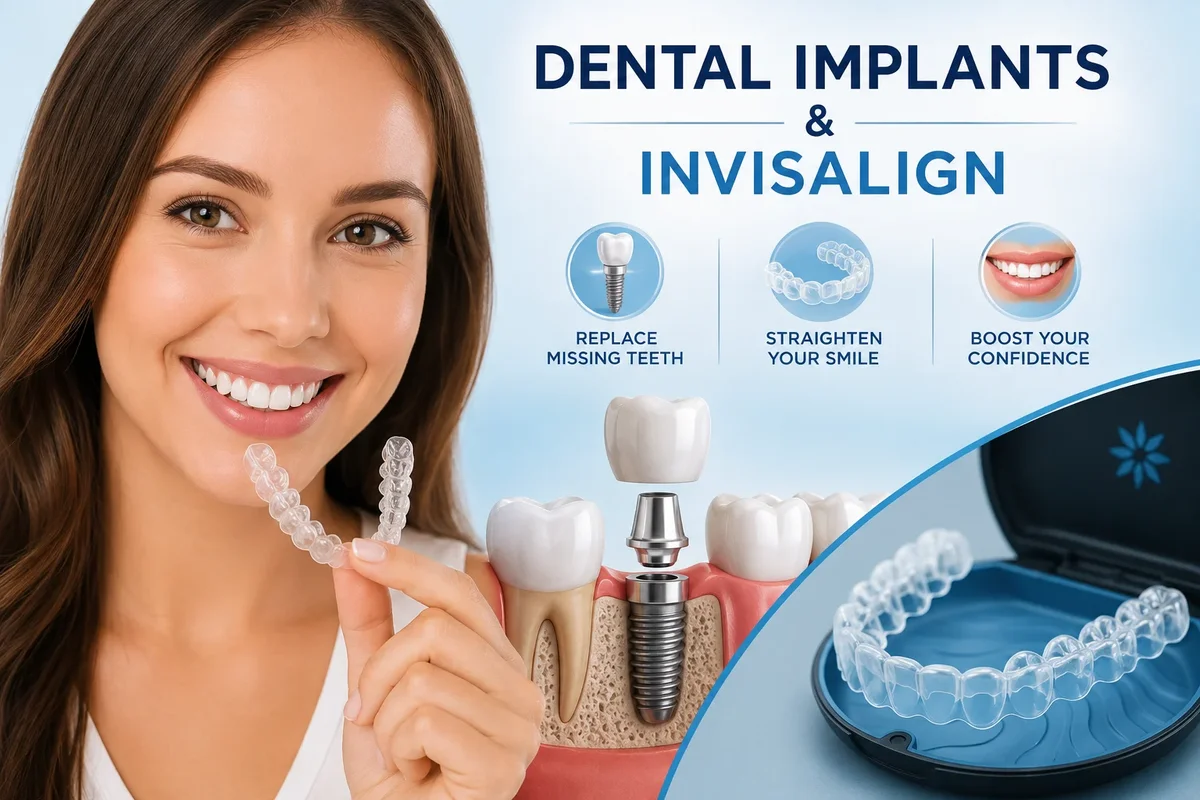
How to Choose the Right Clinic for Dental Implants and Invisalign
Choosing the right clinic for dental implants and invisalign is one of the most important decisions patients will make during their smile transformation journey. Even the most advanced treatments require proper planning, modern technology, and experienced professionals to achieve safe, long-lasting, and aesthetically pleasing results. Since dental implants and invisalign involve both restorative and orthodontic procedures, selecting a qualified clinic significantly affects treatment success, comfort, and long-term oral health 😊.
Many patients initially focus only on price when searching for dental implants and invisalign, but quality, expertise, and technology are equally important. Poorly planned implant placement or inaccurate orthodontic treatment can lead to complications such as bite problems, implant failure, gum recession, or unsatisfactory cosmetic results. Understanding what to look for in a dental clinic helps patients make informed and confident decisions.
Why Experience Matters
Experience plays a major role in successful dental implants and invisalign treatment. Implant placement requires detailed knowledge of jaw anatomy, bone density, gum health, and prosthetic design. Invisalign treatment also requires expertise in orthodontic tooth movement and bite correction.
Clinics that frequently perform dental implants and invisalign are often better equipped to manage complex cases involving missing teeth, severe crowding, bite imbalance, or bone loss.
Questions Patients Should Ask About Experience
- How many implant procedures are performed yearly?
- Does the clinic specialize in Invisalign treatment?
- Are before-and-after photos available?
- What advanced certifications does the dentist hold?
- How long has the clinic offered dental implants and invisalign?
Experienced professionals can often identify potential complications early and create more predictable treatment plans for dental implants and invisalign.
The Importance of Advanced Technology
Modern technology has dramatically improved the safety and precision of dental implants and invisalign. Clinics that invest in advanced equipment are often able to provide more accurate diagnostics, better treatment planning, and greater patient comfort.
Important Technologies to Look For
- CBCT 3D imaging
- Digital intraoral scanners
- Guided implant surgery systems
- Digital smile design software
- Artificial intelligence treatment planning
- 3D printing technology
Digital imaging allows dentists to carefully analyze jawbone structure, nerve positioning, and tooth alignment before beginning dental implants and invisalign treatment. This precision significantly reduces treatment risks and improves long-term outcomes.
Checking Reviews and Patient Testimonials
Reading patient reviews can provide valuable insight into the quality of a clinic’s dental implants and invisalign services. Honest testimonials often reveal information about communication, professionalism, cleanliness, comfort, and overall patient satisfaction.
When reviewing testimonials, patients should look for:
- Consistent positive experiences
- Natural-looking smile results
- Comments about professionalism
- Long-term satisfaction
- Transparent communication
- Comfort during treatment
While no clinic is perfect, a strong pattern of positive reviews may indicate reliable expertise in dental implants and invisalign.
Evaluating Clinic Hygiene and Safety Standards
Strict hygiene protocols are essential for successful dental implants and invisalign treatment. Implant procedures involve oral surgery, which requires sterile conditions to minimize infection risks.
Signs of a Professional Clinic
- Clean and modern facilities
- Visible sterilization procedures
- Use of disposable materials where appropriate
- Professional staff behavior
- Organized treatment rooms
- Clear patient communication
Patients should feel comfortable asking clinics about sterilization standards and safety protocols before beginning dental implants and invisalign treatment.
Understanding the Consultation Process
A high-quality consultation is one of the strongest indicators of a reputable clinic offering dental implants and invisalign. During consultation appointments, dentists should thoroughly explain the treatment process, timelines, risks, benefits, and expected outcomes.
Patients should never feel rushed or pressured during consultations. Instead, clinics should encourage questions and provide realistic expectations about dental implants and invisalign.
A Good Consultation Should Include
- Comprehensive oral examination
- Digital imaging and diagnostics
- Discussion of treatment alternatives
- Estimated timelines
- Transparent pricing
- Detailed treatment planning
Open communication helps patients feel more confident and prepared before starting dental implants and invisalign.
Comparing Costs Without Sacrificing Quality
While affordability is important, choosing the cheapest clinic is not always the best decision for dental implants and invisalign. Extremely low prices may sometimes indicate lower-quality materials, outdated technology, or limited experience.
Patients should compare:
- Implant brands used
- Technology available
- Dentist qualifications
- Included services
- Warranty policies
- Follow-up care availability
High-quality dental implants and invisalign treatment is an investment in long-term oral health and confidence, making quality an important consideration alongside cost.
Dental Tourism and International Clinics
Many patients travel abroad for dental implants and invisalign treatment because pricing can vary greatly between countries. Dental tourism has become increasingly popular in destinations such as Turkey, Hungary, Mexico, and Thailand.
Important Factors for International Patients ✈️
- Clinic accreditation
- Dentist credentials
- Technology standards
- Patient reviews
- Communication quality
- Post-treatment support
Patients considering international dental implants and invisalign treatment should research clinics carefully and avoid making decisions based solely on advertising or low pricing.
Personalized Treatment Planning Is Essential
Every patient has unique oral anatomy and treatment goals. The best clinics understand that successful dental implants and invisalign treatment requires personalized planning rather than generic solutions.
Customized treatment plans may include:
- Bone grafting
- Orthodontic sequencing
- Bite correction
- Smile design adjustments
- Long-term maintenance planning
This individualized approach helps maximize both cosmetic and functional outcomes for dental implants and invisalign.
The Importance of Follow-Up Care
Long-term support is another important factor when selecting a clinic for dental implants and invisalign. Patients require ongoing monitoring after treatment to ensure implant stability, retainer effectiveness, and oral health maintenance.
Quality Follow-Up Care Includes
- Routine implant evaluations
- Professional cleanings
- Retainer monitoring
- Bite assessments
- Emergency support if needed
Clinics that prioritize follow-up care often achieve better long-term success rates with dental implants and invisalign.
Questions Patients Should Always Ask
Before selecting a provider, patients should feel comfortable asking detailed questions regarding dental implants and invisalign.
Important Questions Include
- What technologies are used during treatment?
- What are the estimated timelines?
- Are financing options available?
- What materials are used for implants?
- How are complications managed?
- What maintenance is required after treatment?
Clear answers to these questions help patients identify trustworthy providers for dental implants and invisalign.
Patients interested in professional consultation and personalized treatment planning for dental implants and invisalign can contact specialists through the Redent Klinik Contact Page. Additional educational information about oral health and restorative dentistry can also be reviewed through the American Dental Association.
Ultimately, selecting the right clinic for dental implants and invisalign is essential for achieving safe, natural-looking, and long-lasting results. With experienced professionals, advanced technology, personalized care, and strong follow-up support, patients can enjoy healthier smiles, improved confidence, and better oral function for many years 😁.
Disclosure: this page may contain affiliate links. We may earn a commission if you use them, at no extra cost to you.