
When people search for solutions to missing teeth, severe oral problems, or long-term smile restoration, they often come across the combined importance of dental implants and oral surgery. This comprehensive treatment category is one of the most effective ways to rebuild oral function, restore confidence, and protect overall health. In this detailed guide, we will explore how these procedures work, why they are essential, and what patients can expect throughout the journey. Whether someone is suffering from tooth loss due to decay, trauma, or gum disease, or simply wants a permanent alternative to dentures, this topic opens the door to life-changing possibilities. 🦷✨
The term dental implants and oral surgery refers to a variety of advanced procedures performed by oral surgeons or implant specialists to replace missing teeth, regenerate lost bone, treat oral diseases, and repair facial structures. These treatments are supported by decades of research and are endorsed by institutions such as the American Dental Association. With continued advancement in digital dentistry, 3D imaging, and biocompatible materials, success rates for implant procedures now routinely exceed 95%, making them one of the most predictable treatments in modern dentistry.
What makes this field unique is its combination of functional restoration and aesthetic improvement. Patients who undergo dental implants and oral surgery not only regain the ability to chew and speak properly but also achieve a more natural-looking smile. Unlike removable dentures, implants integrate directly with the bone through a process called osseointegration, which prevents bone loss and maintains facial structure. This means better stability, improved bite strength, and long-lasting results that can often endure for decades with proper care. 🦷💪
The journey usually begins with a comprehensive consultation. During this stage, the oral surgeon evaluates jawbone density, gum health, bite alignment, and overall medical history. Technologies such as CBCT (Cone Beam Computed Tomography) scanners allow specialists to create highly accurate 3D maps of the mouth. These detailed images ensure that the placement of dental implants is planned with maximum precision. This level of planning minimizes risks, shortens surgery time, and enhances long-term stability. Many clinics, including globally recognized centers, encourage early evaluation so that patients can avoid bone deterioration, which complicates treatment if delayed.
Another critical component in the world of dental implants and oral surgery is personalized treatment planning. Every patient has unique needs depending on the number of missing teeth, the position of gaps, and the condition of surrounding tissues. Some may require single-tooth implants, while others benefit more from full-arch restorations such as All-on-4 or All-on-6 systems. These advanced techniques are especially effective for patients who seek immediate function and minimal downtime. They use strategically angled implants to support an entire arch of prosthetic teeth, offering faster recovery and reduced cost compared to traditional implant methods.
Some patients may require preparatory procedures before implants can be placed. Bone grafting, sinus lifts, ridge augmentation, and soft tissue grafting are common adjunctive surgeries that rebuild the foundation needed to support implants. Although these steps may extend treatment duration, they significantly improve long-term outcomes. These procedures highlight the deep connection between dental implants and oral surgery as a holistic, medically guided approach to restoring oral health. With proper planning and expert execution, even patients with severe bone loss can eventually become good candidates for implants.
Beyond function, implants bring psychological benefits as well. Many patients report a dramatic improvement in self-esteem after treatment. They no longer worry about dentures slipping, difficulty chewing, or hiding their smile in social situations. The permanence of implants allows people to enjoy foods they love without fear, speak clearly without embarrassment, and smile freely with a renewed sense of confidence. 😊
Throughout this process, staying in contact with a specialist is essential. Patients seeking guidance or appointment scheduling can use the internal link here: Redent Klinik Contact Page. Whether someone needs a consultation or wants clarification about specific procedures, early communication helps ensure a smooth and predictable experience.
In essence, the field of dental implants and oral surgery is a powerful combination of science, technology, and artistry. It restores not only oral structures but also quality of life. By replacing missing teeth with stable, long-lasting implants and utilizing cutting-edge surgical techniques, modern dentistry offers solutions that are functional, aesthetic, and durable. This first section of our guide lays the foundation for understanding how these treatments work and why they have become the gold standard for permanent tooth replacement. The following sections will dive deeper into benefits, procedures, recovery timelines, risks, aftercare, and ideal candidate profiles, each offering detailed, user-friendly insights. 🦷🌟
Benefits of Dental Implants and Oral Surgery for Long-Term Oral Health
When patients explore long-term solutions for tooth loss, bone deterioration, or structural oral problems, one of the first recommendations they encounter is dental implants and oral surgery. These procedures are widely known for their durability, functionality, and natural appearance. More importantly, they offer transformative oral health benefits that extend far beyond aesthetics. In this section, we will deeply examine why these treatments provide superior results compared to traditional alternatives, how they prevent future dental issues, and why they are considered the gold standard in restorative dentistry. 🦷🌟
Enhanced Stability and Function Compared to Traditional Restorations
One of the most significant advantages of dental implants and oral surgery is the exceptional stability they offer. Unlike dentures, which rest on the gums and may shift during eating or speaking, implants integrate directly with the jawbone. This natural fusion, known as osseointegration, creates a secure foundation for prosthetic teeth. As a result, patients can bite, chew, speak, and smile with complete confidence. Foods that are difficult to eat with removable dentures—such as apples, nuts, and grilled meats—become easy to enjoy again. 🍎🥩
In contrast, bridgework requires the reshaping of adjacent healthy teeth for support. Implants, however, replace only the missing tooth by inserting a titanium or zirconia post into the bone. This preserves natural tooth structure and eliminates unnecessary damage to otherwise healthy enamel. Over time, the superior functionality of implant-supported restorations ensures a healthier bite and reduces strain on surrounding teeth.
Prevention of Bone Loss and Facial Collapse
One of the most overlooked benefits of dental implants and oral surgery is their ability to stop bone loss. The jawbone requires constant stimulation from tooth roots to maintain density and strength. When a tooth is lost, this stimulation ceases, and the bone begins to shrink. This process, known as resorption, can lead to premature facial aging, sunken cheeks, and shifting of remaining teeth.
Because implants act as artificial roots, they provide essential mechanical stimulation to the jawbone. This preserves bone density, protects facial structure, and maintains oral stability. For patients with advanced bone loss, oral surgery procedures such as bone grafting or ridge augmentation can rebuild the jaw prior to implant placement. This powerful combination of treatments highlights why dental implants and oral surgery are considered essential for long-term oral health.
Improved Gum Health and Reduced Risk of Oral Diseases
Missing teeth create gaps where food particles and bacteria can accumulate. Over time, this increases the risk of gum infections, periodontal disease, and tooth decay. Implant-supported restorations fill these gaps completely, preventing bacteria from settling in hard-to-clean areas. Additionally, implants do not rely on neighboring teeth for support, which reduces the risk of cavities and structural damage to adjacent teeth.
The surface materials used in implants—typically titanium or zirconia—are biocompatible and resistant to decay. Unlike natural teeth, implants cannot develop cavities. While proper oral hygiene is still essential, the risk of long-term bacterial complications is significantly lower.
Long-Term Durability and High Success Rates
The long-term success of dental implants and oral surgery is supported by decades of scientific research. According to global clinical studies, dental implant success rates range from 94% to 98%, depending on the treatment plan and patient health. With proper maintenance, implants can last 20 years or more—many last a lifetime.
Traditional dentures and bridges typically require replacements or adjustments every 5–10 years due to wear, bone changes, or structural issues. Implants, on the other hand, provide long-term stability with minimal maintenance. This durability makes implants more cost-effective over time, especially when considering the repeated expenses associated with removable prosthetics.
Material Strength and Biological Compatibility
Implants are commonly made from titanium or zirconia—materials known for their strength, durability, and ability to integrate safely with bone tissue. Titanium has been used in medicine for decades due to its exceptional biocompatibility. Zirconia, a ceramic-based alternative, is often chosen for patients with metal sensitivities or for those seeking enhanced aesthetics.
Boosted Confidence and Quality of Life
Beyond physical benefits, dental implants and oral surgery offer profound psychological improvements. Patients often report feeling more confident, socially comfortable, and satisfied with their appearance following treatment. With implants, they no longer worry about dentures slipping, clicking sounds, or avoiding certain foods. The freedom to enjoy daily activities without embarrassment creates a substantial positive shift in quality of life. 😄✨
Better Speech and Natural Aesthetics
Missing teeth or ill-fitting dentures can affect speech clarity. Implants eliminate this problem by providing a secure and natural-feeling foundation for the prosthetic teeth. The crown placed on top of the implant is carefully shaped and color-matched to blend seamlessly with the patient’s natural smile.
A Comprehensive and Integrated Oral Health Approach
Because dental implant treatment often includes additional surgical procedures—such as bone grafting, sinus lifts, or soft tissue augmentation—the combined field of dental implants and oral surgery provides a complete, medically guided solution. This integrated approach ensures that the mouth is fully restored in terms of structure, stability, and aesthetics.
Patients seeking consultation or more information about treatment options can reach out through the internal link here: Redent Klinik Contact Page. Early evaluation allows specialists to identify issues before they advance, improving treatment outcomes and reducing overall costs.
Overall, the long-term benefits of dental implants and oral surgery make them the superior choice for patients wanting lifelong oral health, structural stability, and outstanding aesthetic results. The following section will further explore the various types of implant and surgical procedures available, providing even deeper insight into this transformative field. 🦷💡
Types of Dental Implants and Oral Surgery Procedures Explained
Understanding the various types of dental implants and oral surgery procedures is essential for patients who want to restore missing teeth or correct structural oral problems. Modern dentistry offers a wide range of surgical solutions tailored to different conditions, bone density levels, aesthetic needs, and long-term health goals. In this section, we will explain each major procedure in detail, including how it works, when it is recommended, and what patients can expect before and after treatment. 🦷✨
Single Tooth Implants
Single tooth implants are one of the most common and effective treatments within the field of dental implants and oral surgery. This procedure is ideal for patients missing just one tooth due to decay, trauma, or congenital defects. The process begins with the placement of a titanium or zirconia post into the jawbone. After the post integrates with the bone, a custom-made crown is attached to restore the tooth’s natural appearance and functionality.
Unlike traditional bridges, single tooth implants do not require reshaping healthy adjacent teeth. This preserves natural enamel and reduces future risk of decay. Patients who choose this method often enjoy superior bite strength, long-term durability, and improved oral aesthetics. 😁
Multiple Teeth Implants and Implant Bridges
For patients missing several teeth in a row, implant-supported bridges are an excellent alternative to conventional bridgework. Instead of relying on natural teeth for support, the bridge is anchored to two or more implants. This approach prevents bone loss, avoids unnecessary damage to healthy teeth, and ensures a stable, long-lasting restoration.
The combination of dental implants and oral surgery in these cases allows surgeons to rebuild entire sections of the mouth with improved function and appearance. Implant bridges are often recommended for patients who want a permanent solution for multiple missing teeth without relying on removable partial dentures.
Full-Arch Restorations: All-on-4 and All-on-6 Systems
One of the most groundbreaking advancements in restorative dentistry is the development of full-arch implant systems such as All-on-4 and All-on-6. These procedures are ideal for patients who have lost most or all of their teeth due to gum disease, trauma, or prolonged decay.
Using as few as four implants placed at strategic angles, surgeons can support an entire arch of prosthetic teeth. This eliminates the need for individual implants for each tooth. All-on-4 and All-on-6 offer immediate function, minimal downtime, and transformative results. Patients often walk out of surgery with a new smile on the same day. 😄
Key Benefits of Full-Arch Systems
- Immediate restoration of chewing and speaking ability
- Reduced surgical time and faster healing
- Superior stability compared to dentures
- Lower cost compared to traditional full-mouth implants
These advanced techniques demonstrate how modern dental implants and oral surgery offer life-changing outcomes with minimally invasive approaches.
Zygomatic Implants
Zygomatic implants are a specialized solution for patients with severe bone loss in the upper jaw. Instead of anchoring into the jawbone, these implants are placed into the zygomatic (cheek) bone, which provides a strong and stable foundation.
This procedure is typically recommended for patients who cannot undergo bone grafting or sinus lift procedures. Although more complex, it avoids long healing periods and allows for immediate function in many cases. Because the technique requires advanced surgical expertise, it is performed by highly trained oral surgeons experienced in complex dental implants and oral surgery.
Mini Dental Implants
Mini implants are thinner versions of traditional implants, often used when bone density is insufficient for standard-sized posts. They are commonly used to stabilize lower dentures or restore smaller teeth such as incisors. Mini implants require less invasive surgery and usually offer shorter recovery times.
While they may not be suitable for all patients, they provide an excellent alternative for individuals seeking a minimally invasive option within the spectrum of dental implants and oral surgery.
Bone Grafting Procedures
Bone grafting is often necessary when the jawbone does not have enough volume or density to support implants. Loss of bone can occur due to long-term tooth loss, gum disease, infection, or natural aging. Bone grafts rebuild the structural foundation needed for successful implant placement.
Types of Bone Grafts
- Autografts: Using the patient’s own bone (most successful).
- Allografts: Donor bone from certified tissue banks.
- Xenografts: Bone from bovine sources, widely used in dentistry.
- Alloplasts: Synthetic bone materials.
The grafting process strengthens the jaw and promotes new bone growth, making it an essential part of dental implants and oral surgery for many patients.
Sinus Lift Surgery
When the upper jaw does not have enough bone height for implants—often due to an enlarged sinus cavity—oral surgeons perform a sinus lift. This procedure raises the sinus membrane and adds bone material beneath it, creating adequate space for implant placement.
Sinus lifts dramatically improve implant success rates and are commonly paired with full-arch implant procedures or molar restorations. The technique highlights the precision and complexity involved in dental implants and oral surgery.
Soft Tissue Grafting
Gum recession can lead to tooth sensitivity, bone exposure, and implant instability. Soft tissue grafting rebuilds the gumline, improves aesthetics, and protects implant surfaces. This procedure is especially important for patients undergoing full-mouth restoration.
Link for Consultation
Patients interested in learning which surgical option is best for their oral condition can schedule a consultation via:
Redent Klinik Contact Page
Overall, the wide range of dental implants and oral surgery procedures ensures that every patient—regardless of bone structure, oral history, or aesthetic goals—can achieve a healthy, functional, and beautiful smile. The next section will explore how to prepare for these procedures to ensure predictable and successful outcomes. 🦷💡
How to Prepare for Dental Implants and Oral Surgery
Preparing properly for dental implants and oral surgery is one of the most important steps toward ensuring a smooth, predictable, and successful treatment outcome. Patients who understand what to expect before surgery, how to get their health ready, which habits to adjust, and what preoperative instructions to follow often experience faster healing times, fewer complications, and a more comfortable recovery process. In this comprehensive section, we will walk through every essential preparation stage, covering medical evaluations, oral assessments, lifestyle adjustments, medication reviews, diagnostic imaging, and surgeon-recommended preparations. 🦷✨
Comprehensive Medical and Dental Evaluation
A successful treatment plan begins with a full medical and dental examination. Oral surgeons need to evaluate not only the condition of the mouth but also the patient’s general health status. Because dental implants and oral surgery involve bone integration, tissue healing, and surgical precision, medical history plays a crucial role in determining readiness.
Key Elements of the Evaluation
- Medical history review: chronic diseases, autoimmune conditions, blood disorders, past surgeries, and allergies.
- Medication analysis: especially blood thinners, osteoporosis drugs, steroids, or immunosuppressants.
- Oral health condition: gum health, tooth decay, infection, or untreated periodontal disease.
- Bite and jaw alignment: important for long-term implant stability.
Patients should be honest and thorough when sharing health details. Even minor medical factors can influence how the body responds to implants. Surgeons rely on this information to tailor treatment safely and effectively.
Advanced Diagnostic Imaging and 3D Treatment Planning
Before undergoing dental implants and oral surgery, advanced imaging tools are used to analyze jawbone density, nerve pathways, sinus positioning, and anatomical structures. The most common imaging methods include:
- CBCT scans (Cone Beam CT) for 3D mapping of the jaw
- Panoramic X-rays for full-mouth structural evaluation
- Intraoral scans for digital impressions
These tools allow the surgeon to visualize the exact placement angle, depth, and alignment of each implant. This step significantly increases accuracy, reduces surgical risks, and ensures long-term stability.
Treating Existing Oral Problems Before Surgery
If the patient has underlying oral issues—such as gum disease, infection, abscesses, or bone loss—these must be treated before surgery. Healthy gums and bone structures are vital for long-term implant success.
Common Pre-Surgical Treatments
- Periodontal therapy to eliminate gum inflammation
- Deep cleaning procedures (scaling and root planing)
- Tooth extractions if severely decayed or damaged teeth remain
- Bone grafting if bone density is insufficient
This preparatory phase ensures the mouth provides the ideal environment for osseointegration—the process where implants fuse with the jawbone. Without strong foundational tissue, the success rate of dental implants and oral surgery can decrease, making this step indispensable.
Lifestyle Adjustments for Faster Healing
Certain lifestyle habits significantly influence healing efficiency after surgery. Patients should begin adjusting their routines at least 2–4 weeks before the procedure.
Essential Lifestyle Guidelines
- Stop smoking and vaping: Nicotine restricts blood flow, dramatically reducing implant success.
- Reduce alcohol intake: Alcohol slows healing and increases infection risk.
- Improve oral hygiene habits: Brush twice daily, floss, and use antiseptic mouthwash.
- Strengthen your immune system: Hydrate, sleep well, and maintain balanced nutrition.
Patients who strictly follow these recommendations typically experience fewer complications during dental implants and oral surgery and recover more comfortably.
Preoperative Medications and Supplements
Surgeons may prescribe or recommend certain medications before the procedure. Common recommendations include:
- Antibiotics to prevent infection
- Anti-inflammatory medications to reduce swelling
- Vitamin C and D supplements to support tissue healing
- Calcium and collagen support for bone health depending on patient needs
Patients must inform their surgeon of all over-the-counter supplements and herbal products they take. Some natural supplements—such as ginkgo, garlic tablets, or ginseng—can increase bleeding risk during dental implants and oral surgery.
Preparing the Home Environment for Recovery
Comfort and convenience play major roles in the recovery process. Setting up the home environment in advance ensures a smoother postoperative experience.
Recommended Preparations
- Prepare soft foods such as soups, yogurt, mashed vegetables, and smoothies.
- Buy ice packs to control swelling during the first 48 hours.
- Arrange extra pillows to elevate the head during sleep.
- Stock up on prescribed medications before surgery day.
- Create a relaxing rest area with entertainment or calming music.
Patients undergoing more complex procedures, such as full-arch restoration or extensive bone grafting, may require additional support at home during the first few days.
Night Before and Day of Surgery Instructions
Surgeons provide specific guidelines for the hours leading up to the procedure. These instructions ensure patient safety and optimal surgical conditions.
Night Before Surgery
- Avoid eating or drinking after the time indicated by your surgeon.
- Brush teeth gently but thoroughly.
- Prepare comfortable clothing for the next day.
- Ensure transportation is arranged if sedation will be used.
Day of Surgery
- Arrive early for pre-surgical preparation.
- Do not wear makeup, jewelry, or contact lenses.
- Bring medical documents, medication lists, and emergency contacts.
- Stay relaxed—the procedure is safe, predictable, and surgeon-controlled.
Patients needing additional clarification or scheduling assistance can contact the clinic at:
Redent Klinik Contact Page
Proper preparation ensures that dental implants and oral surgery proceed smoothly with predictable healing and excellent long-term success. The next section will guide you step-by-step through the actual implant placement process, providing a clear, patient-friendly explanation of what happens during surgery. 🦷💡
Step-by-Step Process of Dental Implant Placement
The journey toward restoring a complete and healthy smile through dental implants and oral surgery follows a carefully structured process designed to ensure safety, predictability, and long-term success. Understanding each phase helps reduce anxiety, builds realistic expectations, and empowers patients to feel confident before, during, and after the surgical procedure. In this section, we will walk through every step of implant placement—from the initial evaluation to the final restoration—providing a clear, detailed, and patient-friendly overview. 🦷✨
Initial Consultation and Diagnostic Preparation
Every successful implant procedure begins with a comprehensive clinical examination. During the initial consultation, the oral surgeon reviews medical history, dental conditions, allergies, medications, and previous treatments. Since dental implants and oral surgery require strong bone support and healthy tissues, this evaluation stage ensures the mouth is ready for the next steps.
Diagnostic Imaging
Advanced imaging tools are essential in planning the surgical approach. These typically include:
- CBCT scanning for a 3D view of the jawbone and sinus cavities
- Digital X-rays to assess roots, bone levels, and anatomical structures
- Intraoral scans to create precise digital impressions
This technology allows the surgeon to measure bone density, identify ideal implant sites, and plan the depth and angle of insertion. Precise planning minimizes surgical risks and enhances long-term implant stability.
Pre-Surgical Treatments and Preparation
Before proceeding to the placement of implants, some patients may require essential preparatory procedures. Since not everyone has optimal bone or gum conditions, the preparatory phase ensures the mouth provides a strong foundation for implants.
Common Pre-Surgical Treatments
- Bone grafting to restore insufficient bone mass
- Sinus lift when the upper jaw lacks height
- Tooth extractions for severely damaged or infected teeth
- Gum disease treatment to eliminate inflammation
These treatments increase the long-term survival rate of implants. They also allow surgeons to optimize the structure and stability needed for osseointegration—the biological process where implants fuse with bone.
Surgery Day: Implant Placement Procedure
The actual placement of dental implants and oral surgery is a well-organized, highly predictable, and minimally painful process. Most implant surgeries take between 45 minutes to 2 hours depending on how many implants are being placed.
Sedation and Anesthesia Options
The surgeon begins by selecting the most suitable anesthesia method:
- Local anesthesia to numb the surgical area
- IV sedation for deeper relaxation
- Oral sedatives for anxiety management
The patient remains comfortable and pain-free throughout the procedure.
Incision and Preparation of the Implant Site
Once anesthesia takes effect, the surgeon gently creates a small incision in the gum tissue to expose the jawbone. A specialized dental drill is used to create a tiny hole—just large enough to securely insert the implant post. This step requires precision and follows the digitally planned path created during the diagnostic phase.
Placement of the Implant Post
The implant post, made of titanium or zirconia, is inserted directly into the prepared bone site. This post serves as an artificial tooth root and plays a crucial role in supporting the final crown. After placement:
- The implant is secured for stability.
- The gum tissue is repositioned and sutured.
- A healing cap may be placed to shape future gum contours.
This marks the beginning of the healing and integration phase.
Healing and Osseointegration Phase
Once the implant is placed, a critical biological process begins. Over the next several weeks or months, the bone naturally bonds with the implant surface through a phenomenon called osseointegration. This fusion is what makes dental implants and oral surgery so effective and durable.
Average Healing Timeline
- Lower jaw: 2–3 months due to denser bone
- Upper jaw: 3–6 months because the bone is softer
During this period, patients should follow the surgeon’s aftercare instructions carefully—avoiding smoking, alcohol, heavy pressure on the implant area, or poor oral hygiene practices.
Placement of the Abutment
After osseointegration is complete, the next stage involves attaching the abutment—a small connector that links the implant post to the final crown.
Steps in Abutment Placement
- Local anesthesia is applied if needed.
- The healing cap is removed.
- The abutment is secured onto the implant.
- A temporary crown may be placed depending on the case.
This step is simple and usually requires only a brief appointment.
Final Crown Placement
The last step in the process involves attaching the permanent crown, bridge, or full-arch prosthesis. The crown is designed to match the color, shape, and size of your natural teeth using advanced digital design technologies.
Types of Restorations
- Single crowns for individual teeth
- Implant-supported bridges for multiple missing teeth
- Full-arch restorations for complete smile transformation
When the final restoration is secured, the patient regains full chewing ability, a natural-looking appearance, and enduring oral stability.
Final Check-Up and Long-Term Maintenance
After the restoration is placed, follow-up visits ensure the implant is functioning as expected. Patients are advised to maintain excellent oral hygiene and regular check-ups to support long-term success.
For consultation or guidance about the implant process, patients can visit:
Redent Klinik Contact Page
The step-by-step process of dental implants and oral surgery offers a highly effective, comprehensively planned path to restoring a healthy, functional, and beautiful smile. Up next, we will explore the role of bone grafting and sinus lift procedures, explaining why they are essential for many implant cases. 🦷💡
Bone Grafting and Sinus Lift Procedures Before Implants
Many patients preparing for dental implants and oral surgery require additional foundational procedures to restore lost bone and create a suitable environment for long-term implant stability. Bone grafting and sinus lift surgeries are two of the most common preparatory treatments used to rebuild the structural integrity of the jaw before implant placement. Because implants must fuse securely with the bone through osseointegration, these procedures play a critical role in achieving predictable, durable results. In this detailed section, we will explore why bone volume matters, the different techniques involved, how these surgeries are performed, expected recovery timelines, and how they impact overall implant success. 🦷✨
Why Bone Volume Is Essential for Implant Success
Dental implants rely on strong, healthy bone to remain stable. When bone density is low or the jawbone has deteriorated due to tooth loss, gum disease, trauma, or aging, the implant may fail to integrate properly. This is why many patients undergo preparatory procedures before dental implants and oral surgery.
Bone loss begins quickly after tooth extraction—approximately 25% reduction in volume occurs within the first year. Without intervention, this loss continues, making future implant placement increasingly difficult. Bone grafting and sinus lifting reverse this process and rebuild a stable foundation.
Common Causes of Bone Loss
- Untreated periodontal disease
- Long-term missing teeth
- Genetic predisposition
- Trauma or accidents affecting the jaw
- Severe decay leading to tooth extraction
Because the success of dental implants and oral surgery depends heavily on bone quality, surgeons prioritize restoring volume before moving forward.
Bone Grafting: Restoring Strength and Volume
Bone grafting is a specialized procedure that rebuilds lost bone. It involves adding bone material to the deficient area, stimulating natural regeneration. Over time, the graft fuses with the patient’s existing bone, creating a solid base for implant placement.
Types of Bone Grafts Used in Dentistry
- Autografts – Bone taken from the patient’s own body, usually from the chin or jaw.
- Allografts – Donor bone from accredited tissue banks.
- Xenografts – Bone derived from bovine sources, commonly used for volume restoration.
- Alloplasts – Synthetic, biocompatible materials designed to mimic real bone.
Each type has specific advantages depending on the extent of bone loss, patient preference, and surgeon recommendations. Autografts are often considered the gold standard due to their high biocompatibility and natural regenerative properties.
When Is Bone Grafting Necessary?
Not every patient requires bone grafting before dental implants and oral surgery, but it becomes essential when the jawbone lacks height, width, or density. The decision is based on diagnostic imaging and clinical evaluation.
Signs a Bone Graft Is Needed
- Thin or narrow ridge where the implant should be placed
- Visible bone loss in X-rays or 3D scans
- Implant area near critical structures like sinuses or nerves
- Loose teeth caused by periodontal disease
For many patients, bone grafting is a crucial step toward successful implant outcomes and long-lasting oral restoration.
Sinus Lift Surgery: Creating Space for Upper Jaw Implants
A sinus lift—also known as sinus augmentation—is a highly specialized oral surgery procedure used when the upper jaw does not have enough bone height to support implants. This is particularly common in the molar and premolar areas where natural bone is naturally thinner and the sinus cavity is located close by.
Why a Sinus Lift Is Needed
The upper jawbone may be too shallow for implants due to:
- Enlarged or low-positioned sinus cavities
- Previous tooth loss causing bone collapse
- A naturally thin maxilla
- Genetic or developmental factors
Without a sinus lift, implants would penetrate the sinus membrane, which is unsafe and ineffective. Sinus augmentation creates safe, stable bone height for implant placement during dental implants and oral surgery.
How a Sinus Lift Procedure Works
The surgeon gently elevates the sinus membrane and places bone grafting material beneath it. Over several months, this material integrates with the natural bone, increasing height and density.
Types of Sinus Lifts
- Direct (Lateral Window) Technique: Ideal for substantial bone height increase.
- Indirect (Osteotome) Technique: Suitable for minor to moderate augmentation.
The chosen method depends on the patient’s anatomy and implant location.
Recovery Expectations After Bone Grafting and Sinus Lifts
Recovery is generally smooth with proper aftercare. Mild swelling, tenderness, or congestion may occur, especially with sinus-related procedures. Most symptoms resolve within a few days.
Typical Healing Timeline
- Minor grafts: 2–3 months
- Moderate grafts: 3–6 months
- Sinus lifts: 6–9 months
Only after full integration will the surgeon proceed with implant placement to ensure long-term success. Although healing takes time, this additional step significantly boosts the success rates of dental implants and oral surgery.
Impact on Long-Term Implant Success
Bone grafts and sinus lifts dramatically improve the outcome of dental restoration. They strengthen the implant’s foundation, prevent future bone loss, and create a more natural aesthetic appearance once the crowns are placed.
Patients who require these procedures but choose to skip them often face implant failure, misalignment, or reduced oral function—proving how essential they are within advanced treatment planning.
Need Help or More Information?
Patients who want to determine whether bone grafting or sinus lifting is necessary for their case can schedule an evaluation via:
Redent Klinik Contact Page
These preparatory procedures are key components of dental implants and oral surgery, making them vital for achieving strong, stable, and durable implant results. In the next section, we’ll explore the full recovery timeline after implant placement and what patients should expect during the healing process. 🦷💡
Recovery Timeline After Dental Implants and Oral Surgery
The recovery phase is one of the most important parts of the journey with dental implants and oral surgery. While modern techniques ensure minimal discomfort and fast healing, patients should understand how the recovery timeline works, what symptoms are normal, and which habits promote optimal healing. A well-informed patient not only heals faster but also contributes actively to long-term implant success. In this comprehensive guide, we break down the recovery process step-by-step—from the first 24 hours to full osseointegration—so you know exactly what to expect. 🦷✨
The First 24 Hours: Immediate Post-Operative Phase
The initial 24 hours after dental implants and oral surgery are crucial for controlling bleeding, swelling, and early healing. Patients are typically still under the influence of anesthesia or sedation during this period.
What to Expect Immediately After Surgery
- Mild bleeding for 2–4 hours is normal; gauze helps control it.
- Swelling begins within a few hours and may peak around 48 hours.
- Numbness in lips, chin, or tongue may persist temporarily from anesthesia.
- Tenderness in the implant site is expected.
Patients should avoid touching the surgical area, spitting forcefully, or using straws—these actions can dislodge the initial blood clot and delay healing.
Tips for the First Day
- Apply ice packs to reduce swelling (20 minutes on, 20 minutes off).
- Stick to cold, soft foods such as yogurt, smoothies, or pudding.
- Take prescribed medications exactly as directed.
- Rest fully and keep physical activity to a minimum.
The first day sets the foundation for successful healing, so careful adherence to the surgeon’s instructions is essential.
Days 2–4: Inflammation and Early Tissue Healing
During this stage, the body actively begins repairing soft tissues. Swelling usually peaks around day 2 or 3, which is completely normal after dental implants and oral surgery.
Common Symptoms
- Moderate swelling in cheeks or jaw
- Minor bruising around the jaw area
- Slight discomfort when opening the mouth
- Minor sinus pressure if the surgery involved sinus lifting
Patients should continue consuming soft foods and avoid chewing on the surgical side. Warm saltwater rinses (after 24 hours) help keep the mouth clean and reduce bacteria.
Week 1: Stabilization and Reduced Swelling
By the end of the first week, swelling gradually subsides and discomfort decreases significantly. Stitches (if not dissolvable) may be removed during this time. Oral hygiene becomes increasingly important to prevent infection while the surgical site stabilizes.
Oral Care Recommendations
- Brush teeth gently but avoid the implant area directly.
- Continue saltwater rinses to prevent bacterial buildup.
- Avoid alcohol, smoking, and carbonated drinks—these negatively impact healing.
Patients typically report improved comfort and normal functioning by this stage.
Weeks 2–4: Early Bone Integration Stage
During weeks 2 to 4, internal healing becomes the primary focus. Even though the gums may appear healed, deeper tissues are still regenerating. The implant begins bonding with the surrounding bone during this stage of dental implants and oral surgery.
Diet and Activity Recommendations
- Slowly reintroduce soft solid foods like pasta, eggs, and steamed vegetables.
- Avoid biting into hard foods such as nuts or raw carrots.
- Return to normal daily activities but avoid intense exercise until cleared by your surgeon.
Regular follow-up appointments ensure the implant is healing smoothly and without complications.
1–3 Months: Osseointegration Progress
Osseointegration—the biological process in which the implant fuses with the jawbone—is the core goal of dental implants and oral surgery. This phase typically lasts from 6 to 12 weeks depending on bone density, patient health, and implant type.
What Happens During Osseointegration?
- The bone grows around the implant and stabilizes it.
- Soft tissues regenerate and strengthen around the gum line.
- The implant becomes a permanent structure in the jaw.
Although patients feel fully healed on the outside, internal fusion continues silently and determines long-term implant success.
3–6 Months: Final Healing Phase
By this stage, the implant is typically stable enough for abutment placement followed by the final crown. Patients who required bone grafting or sinus lifts may experience longer healing times due to the additional biology involved.
Milestones During This Phase
- Final impressions for crowns or bridges are taken.
- Soft tissue shaping improves gum aesthetics.
- Chewing forces can gradually increase.
This is the period where results start to become beautifully visible, giving patients a functional and natural-looking smile.
Long-Term Healing and Maintenance
Even after full integration, long-term maintenance remains essential. Excellent oral hygiene protects the implant from peri-implantitis—a gum infection that can threaten its stability. Regular check-ups every 6 months ensure optimal health.
Long-Term Care Tips
- Brush twice daily with a soft-bristle brush.
- Use implant-safe floss or interdental brushes.
- Avoid smoking to maintain bone health.
- Protect teeth from grinding using nightguards if needed.
Patients seeking support or guidance during recovery can contact the clinic here:
Redent Klinik Contact Page
Understanding this detailed recovery timeline helps patients navigate the healing journey confidently and ensures the long-term success of dental implants and oral surgery. In the next section, we will examine common risks and complications and how to prevent them effectively. 🦷💡
Common Risks and Complications to Know Before Treatment
While modern dental implants and oral surgery techniques are highly predictable and safe, every surgical procedure carries certain risks that patients should understand before treatment. Being aware of potential complications not only helps manage expectations but also empowers patients to take preventive measures that reduce their likelihood. Thanks to advancements in digital dentistry, 3D planning, and biocompatible materials, complication rates remain low—but informed patients consistently achieve better outcomes. In this comprehensive section, we will examine each potential risk in detail, explain why it may occur, discuss how surgeons prevent it, and outline the symptoms patients should monitor during recovery. 🦷⚠️
Infection at the Implant Site
Infection is one of the most common risks associated with dental implants and oral surgery. Although rare, it typically occurs due to bacteria entering the surgical site during the early healing period. Good oral hygiene and adherence to postoperative instructions are key to preventing infection.
Symptoms of Infection
- Persistent swelling beyond 3–4 days
- Increasing pain instead of improvement
- Redness and warmth around the implant area
- Unpleasant odor or taste
- Pus or discharge from the gum tissue
Most infections can be treated easily with antibiotics if detected early, highlighting the importance of timely communication with the surgeon.
Implant Failure (Lack of Osseointegration)
Implant failure occurs when the implant does not fully integrate with the jawbone. This risk is relatively low—success rates exceed 95%—but factors such as smoking, diabetes, insufficient bone structure, and poor oral hygiene can increase the chances.
Causes of Failed Osseointegration
- Smoking reduces blood flow and oxygen to tissues.
- Unmanaged diabetes may impair healing.
- Placing excessive bite pressure too early.
- Undiagnosed infection or inflammation around the implant.
Because osseointegration is the foundation of successful dental implants and oral surgery, surgeons take great care in planning and selecting appropriate implant types based on a patient’s anatomy.
Nerve Damage or Sensory Disturbances
Nerve-related complications may occur if the implant is placed too close to a nerve channel—especially in the lower jaw. Advanced 3D imaging and digital planning have greatly reduced this risk.
Possible Symptoms
- Numbness in the lips, chin, or tongue
- Tingling or “pins and needles” sensation
- Altered taste or slight burning sensation
These symptoms are often temporary and resolve as tissues heal. Permanent nerve damage is extremely rare when treatment is performed by qualified specialists.
Sinus-Related Complications
When implants are placed in the upper jaw—especially near the premolar and molar regions—sinus complications may arise if bone height is insufficient. A sinus lift is typically recommended to create the necessary bone volume before dental implants and oral surgery.
Potential Issues
- Sinus membrane perforation during surgery
- Postoperative sinus infection
- Implant shifting into the sinus cavity (rare)
With experienced surgeons and proper imaging, sinus complications are significantly minimized.
Excessive Bleeding
Mild bleeding is normal after surgery, but prolonged or heavy bleeding may occur in patients taking blood thinners or those with clotting disorders. This is why detailed medical history is essential prior to surgery.
Preventive Measures
- Adjusting medications under physician supervision
- Using pressure gauze as directed
- Avoiding strenuous activity for 48 hours
Patients should carefully follow postoperative instructions to reduce bleeding risks.
Gum Recession and Soft Tissue Problems
Gum recession around the implant area can occur if gum tissue is thin or irritated during healing. Proper placement, flap design, and soft tissue grafting techniques help prevent this.
Risks Associated With Gum Recession
- Exposed implant threads
- Sensitivity or discomfort
- Aesthetic concerns in the front teeth area
Soft tissue management is a key part of modern dental implants and oral surgery planning, ensuring long-term beauty and stability.
Damage to Adjacent Teeth or Restorations
In rare cases, drilling near tight spaces may cause temporary sensitivity or minor trauma to adjacent teeth. Surgeons rely on precision imaging to avoid this, making such complications uncommon.
Possible Effects
- Mild sensitivity lasting a few days
- Temporary gum irritation
- Rare cases of root damage if teeth are very close together
Good planning virtually eliminates these risks.
Peri-Implantitis: The Most Serious Long-Term Complication
Peri-implantitis is a bacterial infection affecting the tissues around the implant. It is similar to gum disease and can cause bone loss if untreated. Poor oral hygiene, smoking, and inconsistent check-ups significantly increase the risk.
Warning Signs of Peri-Implantitis
- Bleeding gums when brushing
- Deep pockets around the implant
- Bad breath or unpleasant taste
- Loose-feeling implant
Although serious, early detection and treatment can stop its progression and preserve implant stability.
Allergic Reactions (Rare)
Some patients may have sensitivity to titanium or other materials used in implants. In these cases, zirconia implants offer an excellent alternative. Material allergies are rare but should be discussed during consultation.
Minimizing Risks Through Professional Care
The best way to reduce complications is to choose a qualified, experienced surgeon who uses advanced imaging and proven protocols. Additionally, patients should follow all pre- and postoperative instructions carefully and maintain excellent oral hygiene.
For personalized guidance or risk evaluation, patients may contact the clinic here:
Redent Klinik Contact Page
Understanding these potential risks ensures that patients undergoing dental implants and oral surgery feel informed, confident, and fully prepared. Next, we will explore proven aftercare strategies to help implants last a lifetime. 🦷💡
Aftercare Tips to Make Dental Implants Last a Lifetime
Proper aftercare is one of the most crucial steps in ensuring the long-term success of dental implants and oral surgery. Even though modern implants are exceptionally durable and capable of lasting decades, their longevity depends heavily on how well the patient maintains their oral hygiene, daily habits, diet, and follow-up schedule. With the right care routines, patients can prevent complications, preserve gum health, and protect their implants from issues such as peri-implantitis, bone loss, or mechanical failure. In this comprehensive aftercare guide, you’ll learn exactly how to maintain your implants, what habits to avoid, and how to create an oral health routine that supports lifelong function and aesthetics. 🦷🌟
Immediate Aftercare: First Days Post-Surgery
After dental implants and oral surgery, the first few days require careful handling to ensure proper healing. Patients must protect the surgical site and avoid disturbing stitches, blood clots, and early tissues that begin forming immediately after the procedure.
Critical Early Aftercare Tips
- Use ice packs in the first 24–48 hours to minimize swelling.
- Avoid touching or poking the surgical site with fingers or the tongue.
- Stick to cold and soft foods such as yogurt, pudding, soup, and mashed potatoes.
- Avoid smoking, alcohol, or carbonated drinks for at least 72 hours.
- Follow all medication instructions—especially antibiotics and pain relievers.
These steps help create the ideal environment for early tissue regeneration and reduce the risk of infection.
Maintaining Optimal Oral Hygiene
Daily cleaning is one of the strongest predictors of long-term implant success. Implants do not decay like natural teeth, but the surrounding gums and bone can become infected if not cleaned properly—especially in the early months following dental implants and oral surgery.
Key Hygiene Practices
- Use a soft-bristle toothbrush to gently clean around the implant.
- Brush for at least two minutes twice daily.
- Use implant-safe floss or interdental brushes to clean between restorations.
- Consider using an antimicrobial mouthwash if recommended by your dentist.
- Use water flossers cautiously to avoid disturbing healing tissues.
Proper plaque control prevents peri-implantitis, one of the biggest long-term threats to implant stability.
Dietary Considerations for Long-Term Implant Health
A healthy diet plays an underrated but vital role in maintaining the strength of the jawbone and surrounding tissues. Certain foods support healing, while others may damage the implant or abutment if consumed too early. After dental implants and oral surgery, patients should be particularly mindful of their chewing habits.
Foods to Prioritize
- Soft proteins like eggs, tofu, and fish
- Vitamin-rich vegetables like spinach, carrots, and broccoli
- Calcium-rich foods such as yogurt, cheese, and almonds
- Healthy fats like avocados and olive oil
Foods to Avoid
- Hard items (nuts, seeds, ice)
- Chewy foods like caramel, taffy, or gum
- Crunchy snacks such as chips or popcorn
- Very spicy or acidic foods that irritate tissues
Maintaining strong nutrition supports bone density and overall healing capacity.
Protecting Implants from Excessive Force
Mechanical stress can cause significant damage to implants if not managed properly. This is especially important during the months following dental implants and oral surgery, when the implant is still bonding with the bone.
Habits to Avoid
- Teeth grinding or clenching (bruxism)
- Biting nails or hard objects
- Using teeth as tools (e.g., opening packages)
- Chewing on ice or other hard foods
Patients who grind or clench should consider a custom nightguard to protect both natural teeth and implant-supported restorations.
Monitor Gum Health Regularly
Healthy gums are essential for long-term implant stability. Gum inflammation can lead to peri-implantitis, a disease similar to gum disease, which can cause bone loss around the implant.
Warning Signs to Watch For
- Bleeding when brushing or flossing
- Red or swollen gum tissue
- Persistent bad breath
- Pain or tenderness near the implant
Any signs of inflammation should be reported immediately to the clinic to prevent further complications.
The Importance of Regular Dental Check-Ups
Routine follow-up visits are vital for monitoring implant stability. Dentists evaluate the gums, bone structure, bite alignment, and functionality of the implant-supported restorations. After dental implants and oral surgery, these appointments help catch early signs of problems before they become serious.
Recommended Follow-Up Schedule
- First follow-up: 7–10 days after surgery
- Second follow-up: 3–4 weeks after surgery
- Regular check-ups: Every 6 months
- X-rays: Once every 1–2 years to evaluate bone levels
With consistent monitoring, implant success rates remain extremely high.
Lifestyle Choices That Influence Implant Longevity
Certain lifestyle habits have a significant impact on healing and long-term implant performance. Patients undergoing dental implants and oral surgery should pay attention to the following factors to ensure the best possible results.
Key Lifestyle Recommendations
- Quit smoking: Tobacco use dramatically increases failure rates.
- Maintain good hydration: Moisture helps keep tissues healthy.
- Exercise moderately: Supports overall immunity and healing.
- Manage health conditions: Control diabetes and other systemic issues.
Implants thrive in a healthy environment where blood flow, nutrition, and immune function are optimized.
When to Call Your Dental Surgeon
Recognizing early signs of complications can save an implant from failure. Patients should contact their dental surgeon immediately if they experience any of the following:
- Severe or worsening pain after several days
- Excessive swelling or bruising
- Pus or unpleasant discharge near the implant
- A loose-feeling implant or restoration
- Sudden changes in bite alignment
Quick evaluation often prevents minor issues from becoming major complications.
Professional Support for Ongoing Care
To maintain your implants in the best health possible, you can reach out to the clinic for expert guidance and routine follow-ups:
Redent Klinik Contact Page
By following these aftercare strategies consistently, patients greatly increase the longevity and stability of dental implants and oral surgery outcomes. In the next section, we will explore who makes the ideal candidate for implant treatment and how eligibility is determined. 🦷💡
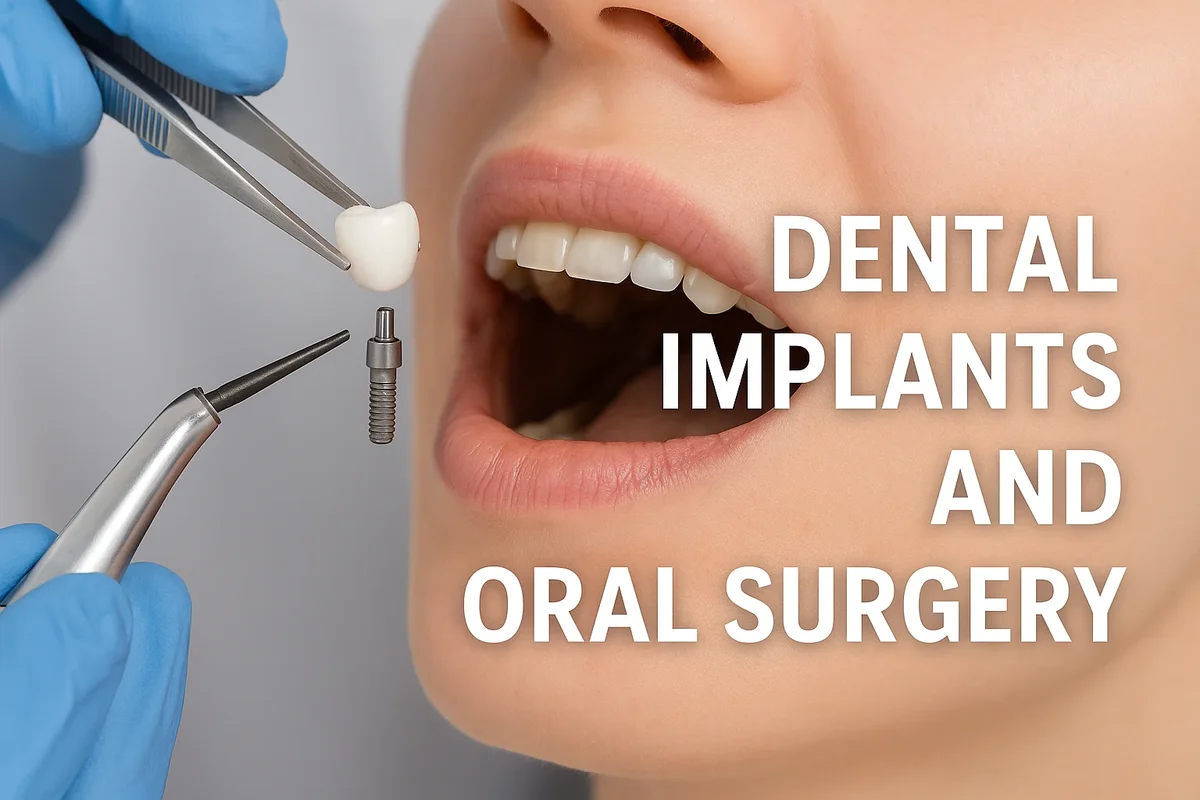
Who Is the Ideal Candidate for Dental Implants and Oral Surgery?
The success of dental implants and oral surgery depends heavily on choosing the right candidates for treatment. While implants are one of the most versatile and effective tooth replacement options in modern dentistry, not every patient automatically qualifies. An ideal candidate is someone with stable oral health, sufficient bone density, good immune function, and a commitment to long-term oral hygiene. In this comprehensive section, we will explore the factors that determine candidacy, the medical conditions that may affect the process, lifestyle habits that influence healing, and the diagnostic evaluations used by dental surgeons to ensure that implants can be placed safely and predictably. 🦷🔍
General Requirements for Implant Candidates
Most adults in good health are strong candidates for dental implants and oral surgery. The fundamental requirement is that the patient has a healthy jawbone capable of supporting the implant structure during the osseointegration process.
Key General Criteria Include:
- Good overall health with no uncontrolled systemic conditions
- Healthy gums free from active periodontal disease
- Sufficient bone density in the jaw to support implants
- Non-smoker or willing to reduce/quit smoking before surgery
- Commitment to oral hygiene and routine dental check-ups
These basic factors help ensure that implants integrate smoothly and function for many years without complications.
The Role of Bone Density in Candidacy
Bone density is one of the most important factors determining eligibility for dental implants and oral surgery. Because implants must fuse firmly to the jawbone, patients with insufficient bone mass may require preparatory procedures such as bone grafting or sinus lifting to create a stable foundation.
Causes of Low Bone Density
- Long-term tooth loss
- Severe gum disease
- Osteoporosis
- Previous dental trauma
Fortunately, advanced bone regeneration techniques allow most patients with insufficient bone to still receive implants successfully.
Age Considerations for Implant Candidates
While implants are widely used among adults of all ages, certain age-related factors influence candidacy.
Adults and Older Patients
- Most adults over 18 are eligible once jawbone growth is complete.
- Older adults often make excellent candidates as long as they have good health and sufficient bone volume.
- Age itself is not a barrier—overall health matters more.
Teenagers and Growing Patients
Implants are typically not recommended for teenagers whose bones are still developing. Growth must be complete to ensure proper alignment and long-term success.
Medical Conditions That Influence Eligibility
Some medical conditions may affect healing or increase the risk of complications following dental implants and oral surgery.
Conditions That May Require Additional Evaluation
- Diabetes – controlled diabetes is acceptable; uncontrolled diabetes slows healing.
- Cardiovascular disease – requires physician clearance.
- Autoimmune disorders – may affect tissue regeneration.
- Osteoporosis – may reduce bone strength, requiring modified techniques.
- Blood clotting disorders – may require coordinated care with a medical specialist.
Most conditions do not automatically disqualify a patient but may require collaboration between the dental surgeon and primary care physician to ensure proper safety measures.
The Impact of Lifestyle Habits
Daily habits—especially smoking and oral hygiene routines—play a significant role in determining candidacy for dental implants and oral surgery. Certain behaviors may increase the risk of implant failure or slow healing.
Habits That Affect Implant Success
- Smoking: Reduces blood flow, increases infection risk, and delays healing.
- Poor oral hygiene: Increases risk of gum inflammation and peri-implantitis.
- Bruxism (teeth grinding): Puts excessive force on implants.
- High alcohol consumption: Negatively affects tissue healing.
Patients who can modify these habits enjoy significantly higher long-term success rates.
Gum Health and Its Role in Candidacy
Healthy gums provide a protective seal around the implant and support long-term stability. Active gum disease must be treated before proceeding with dental implants and oral surgery.
Reasons Gum Health Matters
- Healthy gums minimize the risk of infection.
- Strong soft tissues help maintain implant aesthetics.
- Gum recession or inflammation increases long-term risk.
Treating gum disease beforehand dramatically improves surgical outcomes.
Psychological and Behavioral Considerations
While often overlooked, psychological readiness and behavior influence candidacy. Implants require commitment during healing, follow-ups, and maintenance.
Key Behavioral Factors
- Willingness to follow postoperative instructions
- Consistency with oral hygiene routines
- Understanding that full healing may take several months
Patients who actively participate in their care typically experience better results.
Diagnostic Evaluations Before Surgery
To determine eligibility, surgeons use advanced imaging and diagnostic tools to assess the patient’s structural and biological conditions.
Pre-Surgical Diagnostic Tools
- 3D CBCT scans: Evaluate bone height, density, and proximity to nerves and sinuses.
- Digital impressions: Provide precise measurements for custom implant placement.
- Medical history review: Identifies potential risk factors.
- Periodontal assessment: Checks gum stability and inflammation levels.
These tools ensure that surgery is planned with maximum precision and minimal risk.
Why Many Patients Who Think They’re Not Candidates Actually Are
Many individuals believe they are not eligible due to age, missing teeth, or previous dental issues. However, thanks to modern techniques such as bone grafting, sinus lifts, and zirconia implants, a large majority of patients can successfully undergo dental implants and oral surgery.
Common Misconceptions
- “I’m too old for implants.” – Age rarely disqualifies a patient.
- “I don’t have enough bone.” – Bone grafting often solves this issue.
- “I have medical issues.” – Many conditions are manageable with proper care.
With personalized treatment planning, most adults qualify for implants.
Get a Personalized Implant Eligibility Evaluation
If you’re unsure whether you are a candidate for implants, you can schedule a consultation here:
Redent Klinik Contact Page
Understanding candidacy factors helps patients make informed decisions and ensures successful outcomes with dental implants and oral surgery. With proper diagnostics, lifestyle adjustments, and professional guidance, most individuals can achieve a strong, functional, and beautiful smile through implant therapy. 🦷💡