
Losing teeth can affect nearly every part of daily life, from eating and speaking to self-confidence and long-term oral health. Many people search for dental implants at no cost because traditional implant treatment is often expensive and difficult to afford without financial assistance. Fortunately, there are real programs, nonprofit organizations, dental schools, grants, and community clinics that may help eligible patients receive dental implants at no cost or at significantly reduced prices. Understanding how these opportunities work can help patients make informed decisions and avoid misleading advertisements online. 😊
Dental implants at no cost are usually offered through assistance programs designed for low-income individuals, veterans, seniors, people with disabilities, or patients experiencing severe dental health issues. While completely free implants are not guaranteed for every applicant, many clinics and organizations provide partial sponsorships, payment support, or low-cost implant solutions. Some patients may qualify for free consultations, free extractions, discounted implant surgery, or free implant-supported dentures depending on their medical and financial situation.
Dental implants are artificial tooth roots commonly made from titanium. They are surgically placed into the jawbone to support crowns, bridges, or dentures. Compared to removable dentures, implants provide greater stability, improved chewing ability, and better long-term bone preservation. This is why many patients actively search for dental implants at no cost instead of choosing temporary tooth replacement options.
One of the most common ways to receive dental implants at no cost is through dental schools. Dental universities often need patients for clinical training programs supervised by experienced implant specialists. In these cases, treatment may cost much less than private clinics, and some patients with financial hardship may receive heavily discounted or free procedures. Although treatment at dental schools may take longer due to educational supervision, the quality of care is generally high because licensed professionals closely monitor every procedure.
Nonprofit organizations can also help patients searching for dental implants at no cost. Some charities focus specifically on restoring smiles for individuals facing serious health, emotional, or financial difficulties. Programs may prioritize patients who have lost teeth because of accidents, medical conditions, domestic violence, or advanced dental disease. Community health centers may additionally offer affordable oral surgery services through state-funded healthcare initiatives.
Another important factor involves dental insurance. While many insurance plans do not fully cover implants, some policies partially contribute toward examinations, imaging, extractions, or restorations. Combining insurance benefits with grants or financial aid can reduce the total treatment cost dramatically. Patients searching for dental implants at no cost should carefully review their insurance plans and ask clinics about financing partnerships or charity opportunities.
Below is a general overview of average implant treatment costs in the United States before assistance programs are applied:
| Treatment Type | Average Price Range |
|---|---|
| Single Dental Implant | $3,000 – $6,000 |
| Implant-Supported Bridge | $5,000 – $15,000 |
| All-on-4 Full Arch Implants | $15,000 – $30,000 |
| Bone Grafting | $300 – $3,000 |
| Sinus Lift Procedure | $1,500 – $5,000 |
Because these prices are high, interest in dental implants at no cost continues to grow every year. Patients should understand, however, that legitimate free implant programs often have waiting lists and strict eligibility requirements. Clinics usually review medical history, oral health condition, smoking habits, bone density, and financial documentation before approving treatment assistance.
Patients should also be cautious about misleading online advertisements promising instant dental implants at no cost. Some websites use aggressive marketing tactics that collect personal information without offering genuine financial assistance. It is always safer to work with licensed dental clinics, verified nonprofit organizations, or accredited dental schools. Trusted oral health information can also be reviewed through the American Dental Association.
For individuals exploring international treatment opportunities, dental tourism may provide another affordable solution. Some clinics abroad offer implant treatment at significantly lower prices compared to the United States or Western Europe. Turkey has become one of the most popular destinations for implant dentistry due to modern clinics, experienced specialists, and competitive pricing. Patients seeking professional guidance can contact Redent Klinik Contact Page for detailed information about treatment planning and implant procedures.
In addition to affordability, patients searching for dental implants at no cost often want reassurance regarding safety and long-term success. Dental implants have very high success rates when performed by experienced professionals and when patients maintain proper oral hygiene. Regular dental checkups, smoking avoidance, and healthy lifestyle habits all improve implant longevity. Many implant-supported restorations can last for decades with proper care. 🦷
There are also several semantically related treatment terms connected to dental implants at no cost, including free implant dentistry, low-cost tooth replacement, affordable dental restoration, implant grants, and subsidized oral surgery programs. Understanding these related terms may help patients discover more financial assistance opportunities during their research.
Ultimately, finding dental implants at no cost requires patience, research, and realistic expectations. Although completely free treatment is limited, many patients successfully reduce costs through charitable organizations, university clinics, grants, government assistance, and international dental providers. By exploring multiple options carefully and consulting experienced dental professionals, patients can restore both their smile and quality of life without overwhelming financial stress.
How Dental Implants at No Cost Programs Really Work
Many patients searching online for dental implants at no cost wonder whether free implant treatment is actually real or simply a marketing strategy. The truth is that some legitimate programs do exist, but they usually operate under specific eligibility requirements and financial assistance guidelines. Understanding how these systems work is essential for patients who want to avoid scams and improve their chances of receiving affordable treatment. 🦷
Dental implants at no cost programs are typically designed to help individuals who cannot afford traditional implant procedures due to financial hardship, medical conditions, disabilities, or special circumstances. Instead of functioning like a standard dental appointment where any patient can immediately receive treatment, these programs usually involve an application process, oral evaluations, income verification, and long waiting periods.
Why Dental Implant Treatment Is Normally Expensive
To understand why dental implants at no cost opportunities are limited, patients first need to understand the complexity of implant dentistry. Dental implants involve multiple stages, advanced materials, surgical expertise, and custom restorations. Unlike removable dentures, implants are permanent structures placed directly into the jawbone. The process often includes:
- Initial dental examinations
- 3D imaging and digital scans
- Tooth extractions if necessary
- Bone grafting procedures
- Titanium implant placement
- Healing and osseointegration
- Custom crowns or bridges
Each stage requires specialized training and equipment. Because of this, the total cost for full-mouth implants can reach tens of thousands of dollars in some countries. This is one major reason why interest in dental implants at no cost continues to increase globally.
Types of Dental Implants at No Cost Programs
There are several different categories of dental implants at no cost assistance programs available today. Some offer completely free treatment, while others reduce costs significantly through grants, donations, or educational programs.
Dental School Programs
Dental universities are among the most reliable sources for reduced-cost or partially free implant care. Students in advanced implantology programs perform procedures under close supervision by experienced oral surgeons and prosthodontists. Because treatment also serves educational purposes, costs are often much lower than private clinics. Some schools occasionally provide dental implants at no cost for selected patients who meet strict financial or educational case requirements.
Charitable and Nonprofit Organizations
Several nonprofit organizations focus on helping patients restore oral function and self-confidence. These programs may prioritize:
- Veterans
- Cancer survivors
- Victims of domestic violence
- Patients with severe tooth loss
- Low-income families
- Individuals with disabilities
Patients applying for dental implants at no cost through charities often need to provide documentation proving financial hardship and medical necessity.
Clinical Trials and Research Studies
Universities and implant manufacturers sometimes conduct clinical research studies involving new implant systems or treatment techniques. Patients selected for these studies may receive dental implants at no cost in exchange for participating in long-term evaluations and follow-up appointments.
Eligibility Requirements for Free Implant Assistance
Not every applicant automatically qualifies for dental implants at no cost. Programs often have strict requirements because funding and treatment spaces are limited. Common qualification factors include:
- Low household income
- Lack of dental insurance
- Medical necessity
- Severe tooth loss affecting nutrition
- Good overall health
- Non-smoking status
- Sufficient jawbone density
Smoking, uncontrolled diabetes, or poor oral hygiene may reduce eligibility because these factors can increase implant failure risk. Patients should also understand that some programs cover only part of the treatment process. For example, extractions may be free while crowns or implant restorations still require payment.
Common Misunderstandings About Dental Implants at No Cost
One major misconception is that every online advertisement promising dental implants at no cost offers genuine free care. Unfortunately, some websites use misleading headlines simply to attract leads or sell financing plans. Patients should carefully research clinics before providing personal information.
Reliable programs usually include:
- Transparent eligibility rules
- Licensed dental professionals
- Verified clinic addresses
- Detailed consultation processes
- Written treatment explanations
Patients should avoid organizations demanding large upfront “registration fees” while advertising supposedly free implants.
How Long the Process Usually Takes
Receiving dental implants at no cost often requires patience because demand is very high. Waiting periods may range from several months to over a year depending on program availability and geographic location.
The process usually includes:
- Application submission
- Financial screening
- Medical review
- Dental examination
- Treatment approval
- Surgical scheduling
- Healing period
- Final restoration placement
Because implant treatment itself requires healing time, patients should understand that full restoration can take several months even after approval.
Alternative Low-Cost Implant Options
Some patients may not qualify for full dental implants at no cost programs but can still reduce expenses significantly. Dental tourism has become increasingly popular because countries such as Turkey provide high-quality implant treatment at much lower prices than many Western countries.
Clinics specializing in implant dentistry often combine modern technology, experienced surgeons, and affordable treatment packages. Patients interested in learning more about implant treatment options may visit the Redent Klinik Contact Page for detailed guidance and consultation information.
Patients should also review educational information from trusted organizations such as the American Dental Association before beginning treatment.
The Long-Term Value of Implant Dentistry
Although many individuals initially search for dental implants at no cost because of financial concerns, it is also important to understand the long-term value of implant treatment. Dental implants can help preserve jawbone structure, improve speech, restore chewing function, and increase confidence. Compared to removable dentures, implants often provide greater comfort and stability for daily life. 😊
Semantically related terms connected to dental implants at no cost include affordable implant dentistry, free tooth replacement programs, implant grants, low-cost oral rehabilitation, and subsidized dental surgery. Exploring these related options may help patients discover additional resources and financial support opportunities.
Ultimately, dental implants at no cost programs can genuinely help selected patients restore their smiles and improve oral health. However, success usually depends on careful research, realistic expectations, eligibility qualifications, and choosing trustworthy dental providers. Patients who remain informed and proactive often have the best chance of finding safe, affordable, and life-changing implant treatment solutions.
Who Qualifies for Dental Implants at No Cost Assistance
Many people searching for dental implants at no cost wonder whether they personally qualify for financial assistance programs or free implant treatment opportunities. Eligibility depends on several important factors, including income level, oral health condition, medical history, age, and the type of assistance program being considered. While not every applicant will receive completely free treatment, understanding qualification criteria can greatly improve the chances of obtaining affordable implant care. 😊
Dental implants at no cost programs are usually created for individuals facing severe financial hardship or significant oral health problems. These programs are often funded through nonprofit organizations, educational institutions, charitable foundations, community clinics, government support systems, or implant manufacturers conducting public outreach initiatives.
Financial Qualifications for Dental Implants at No Cost
The most common factor affecting eligibility for dental implants at no cost is financial need. Many assistance organizations prioritize patients who cannot reasonably afford standard implant treatment. Applicants may need to submit financial documents such as:
- Tax returns
- Bank statements
- Pay stubs
- Proof of unemployment
- Government assistance records
- Social security income documents
Programs often compare household income against local poverty guidelines or median income statistics. Lower-income applicants usually receive higher priority because implant dentistry is considered expensive restorative care.
However, having financial hardship alone does not automatically guarantee approval for dental implants at no cost. Most organizations also review oral health conditions and medical suitability before accepting patients into treatment programs.
Medical and Oral Health Requirements
Patients searching for dental implants at no cost should understand that implants require proper healing conditions and adequate oral health. Because dental implants involve oral surgery and jawbone integration, applicants are often evaluated carefully before treatment approval.
Good Bone Density
Successful implant placement depends heavily on jawbone strength and density. Patients with severe bone loss may require additional procedures such as bone grafting or sinus lifts before implants can be placed. Some free implant programs may not cover these advanced preparatory treatments due to budget limitations.
Controlled Medical Conditions
Applicants with uncontrolled diabetes, severe autoimmune diseases, active infections, or untreated periodontal disease may not immediately qualify for dental implants at no cost. These conditions can interfere with healing and increase implant failure risk.
Patients with controlled medical conditions are often still eligible if their overall health is stable and monitored by healthcare professionals.
Non-Smoking or Reduced Smoking Status
Smoking is another major factor affecting eligibility for dental implants at no cost. Tobacco use reduces blood circulation and can slow healing after implant surgery. Many programs either require smoking cessation or strongly encourage patients to stop smoking before treatment begins.
Special Groups Often Prioritized
Several categories of patients may receive priority access to dental implants at no cost programs due to their unique circumstances or healthcare needs.
Veterans
Military veterans may qualify for implant assistance through veterans’ healthcare systems, charitable foundations, or oral rehabilitation programs created specifically for former service members. Tooth loss related to combat injuries, trauma, or healthcare limitations may increase approval opportunities.
Seniors
Older adults frequently search for dental implants at no cost because tooth loss becomes more common with age. Some nonprofit organizations focus specifically on helping seniors restore chewing function and improve nutritional health through implant-supported restorations.
Individuals With Disabilities
Patients with physical disabilities or severe medical limitations may also qualify for specialized implant programs. Restoring oral function can dramatically improve quality of life, speech, and nutritional intake for these individuals.
Victims of Trauma or Domestic Violence
Certain charitable organizations provide reconstructive dental treatment for patients who lost teeth because of accidents, facial trauma, or domestic violence situations. These programs may include dental implants at no cost as part of emotional and physical rehabilitation.
Dental School Eligibility Standards
Dental schools offering dental implants at no cost or low-cost treatment often use different qualification standards compared to nonprofit organizations. Educational institutions may select patients based on the complexity of the dental case and the educational value for students.
For example, patients needing multiple implants or advanced restorative work may qualify because their treatment offers valuable clinical experience for graduate students studying implantology.
Although dental schools usually provide lower treatment costs, patients should understand that treatment timelines may be longer due to supervision requirements and academic scheduling.
Common Reasons Applications Are Denied
Unfortunately, not all applicants receive approval for dental implants at no cost. Common reasons for denial include:
- Insufficient jawbone structure
- Active gum disease
- Heavy smoking
- Poor oral hygiene
- Uncontrolled health conditions
- Incomplete application documents
- Limited program funding
- Long waiting lists
Patients denied from one program should not lose hope. Many individuals eventually find affordable treatment through alternative clinics, international providers, dental schools, or financing solutions.
How to Improve Approval Chances
Patients interested in dental implants at no cost can improve their approval chances by preparing carefully before applying.
Maintain Good Oral Hygiene
Programs prefer patients who demonstrate commitment to long-term implant maintenance. Brushing, flossing, and regular dental cleanings show responsibility and improve oral health outcomes.
Gather Complete Documentation
Submitting organized financial and medical records can accelerate the review process for dental implants at no cost applications.
Attend Consultations Promptly
Missing appointments or delaying evaluations may reduce approval opportunities because many programs have long waiting lists and limited treatment capacity.
Alternative Affordable Implant Solutions
Patients who do not fully qualify for dental implants at no cost may still access highly affordable treatment options through international dental clinics. Countries such as Turkey have become leading destinations for implant dentistry because treatment costs are significantly lower while maintaining modern technology and experienced specialists.
Patients seeking personalized implant consultations and affordable restorative solutions can contact the Redent Klinik Contact Page for professional guidance.
Trusted oral health education and implant information can also be reviewed through the American Dental Association.
Understanding Realistic Expectations
It is important for patients searching for dental implants at no cost to maintain realistic expectations throughout the process. Fully free implant treatment opportunities are relatively limited and highly competitive. However, many patients successfully reduce treatment expenses substantially through grants, educational clinics, charity programs, and payment assistance systems.
Related semantic terms associated with dental implants at no cost include free implant programs, affordable tooth replacement, subsidized dental care, implant grants, and low-cost oral surgery services. Exploring these options carefully can help patients identify additional financial support opportunities.
Ultimately, qualification for dental implants at no cost depends on a combination of medical suitability, financial need, program availability, and patient commitment to long-term oral health. Patients who remain proactive, organized, and informed often have the greatest success in securing affordable implant treatment that improves both function and confidence for many years.
Government and Nonprofit Resources for Dental Implants at No Cost
For many individuals struggling with tooth loss, the cost of implant treatment can feel overwhelming. This is why thousands of patients search every month for dental implants at no cost through government programs, nonprofit organizations, and community healthcare initiatives. Although fully free implant treatment is relatively limited, several legitimate resources exist that may significantly reduce costs or provide treatment assistance for qualified patients. Understanding how these organizations operate can help patients avoid misinformation and locate trustworthy support systems. 😊
Dental implants at no cost programs are usually designed for individuals experiencing financial hardship, severe oral health issues, disabilities, or medical complications related to missing teeth. Some programs provide full implant coverage, while others assist with diagnostic imaging, surgery, dentures, or restorative components.
Government Assistance Programs for Dental Care
Government-supported healthcare systems sometimes provide limited assistance for dental implants at no cost, particularly when tooth loss affects medical health, nutrition, or daily function.
Medicaid Dental Coverage
In the United States, Medicaid dental benefits vary by state. While many Medicaid programs primarily cover emergency dental care, some states may partially cover implant-related procedures when medically necessary. This could include:
- Tooth extractions
- Oral surgery
- Bone grafting
- Implant-supported dentures
- Diagnostic examinations
Patients searching for dental implants at no cost through Medicaid should contact local dental offices directly because implant coverage rules differ significantly depending on state regulations.
Veterans Affairs Dental Programs
Veterans may qualify for implant treatment assistance through the U.S. Department of Veterans Affairs (VA). Some veterans with service-related dental injuries or qualifying disabilities can receive extensive restorative treatment, including dental implants at no cost. Eligibility depends on military service records, disability ratings, and medical necessity evaluations.
Veterans experiencing severe tooth loss often receive priority consideration because oral health can strongly affect overall physical and emotional well-being.
Community Health Clinics
Federally funded community clinics sometimes partner with oral surgeons or dental schools to provide affordable restorative dentistry services. While these centers may not always offer completely free implants, they can dramatically reduce treatment costs for low-income patients searching for dental implants at no cost.
Nonprofit Organizations Supporting Implant Dentistry
Several nonprofit organizations work specifically to improve oral health access for underserved populations. These charities often help patients searching for dental implants at no cost by organizing donations, volunteer care programs, or discounted surgical services.
Dental Lifeline Network
One of the best-known nonprofit organizations is Dental Lifeline Network, which connects vulnerable individuals with volunteer dentists. This program primarily supports:
- Seniors
- Patients with disabilities
- Medically fragile individuals
- People unable to afford dental treatment
Although not every patient automatically receives implants, some approved applicants may qualify for advanced restorative procedures depending on available volunteer specialists and local funding.
Mission of Mercy Events
Mission of Mercy clinics organize large-scale free dental care events across different regions. These temporary clinics provide essential dental services to underserved communities. While implant placement itself is less commonly offered during these events, patients searching for dental implants at no cost may receive examinations, extractions, referrals, and restorative planning assistance.
Smiles for Everyone Foundation
This nonprofit organization supports individuals needing extensive dental rehabilitation. In certain situations, implant-supported restorations may be included for patients experiencing severe oral health challenges or emotional hardship due to tooth loss.
Dental Schools and Educational Programs
Educational institutions are among the most realistic pathways for patients seeking dental implants at no cost or highly discounted implant treatment. Universities offering advanced implantology training programs often need patients for clinical education.
How University Clinics Work
At dental schools, graduate students perform implant procedures under supervision from experienced oral surgeons and prosthodontists. Because treatment supports educational training, costs are usually much lower than traditional private practices.
Some universities may even provide dental implants at no cost when cases meet specific research or educational requirements. However, patients should understand that treatment timelines can be longer because procedures follow academic schedules and supervision protocols.
Advantages of Dental School Treatment
- Lower treatment costs
- Access to advanced technology
- Care supervised by specialists
- Comprehensive treatment planning
- High educational standards
Patients willing to accept longer treatment periods often find dental schools to be one of the safest and most affordable alternatives to expensive private implant clinics.
Faith-Based and Local Charity Programs
Religious organizations and local charities may also assist patients searching for dental implants at no cost. Churches, humanitarian foundations, and regional healthcare initiatives sometimes sponsor oral rehabilitation for individuals facing serious financial or medical difficulties.
These programs often focus on restoring:
- Nutrition and eating ability
- Speech function
- Social confidence
- Employment opportunities
- General health quality
Applicants may need recommendation letters, financial proof, or medical records before receiving approval.
Common Challenges Patients Should Expect
Although there are legitimate opportunities for dental implants at no cost, patients should understand that demand greatly exceeds available funding in many regions.
Long Waiting Lists
Some nonprofit organizations maintain waiting lists lasting several months or even years due to limited volunteer availability and high patient demand.
Partial Coverage Limitations
Many programs cover only specific treatment stages rather than complete implant restoration. For example, surgery may be discounted while crowns or prosthetics remain partially patient-funded.
Strict Eligibility Screening
Programs offering dental implants at no cost usually prioritize individuals with severe medical or financial need. Applicants with stable incomes or alternative treatment options may not qualify.
Alternative Affordable Implant Solutions Abroad
Patients who cannot secure full dental implants at no cost assistance often explore international dental treatment as a cost-effective alternative. Countries like Turkey have become major centers for implant dentistry because clinics frequently combine advanced technology, experienced specialists, and lower treatment costs.
Patients interested in affordable implant solutions and personalized consultations can visit the Redent Klinik Contact Page for professional guidance and treatment information.
Trusted oral healthcare education and implant resources can also be found through the American Dental Association.
Understanding the Bigger Picture
Searching for dental implants at no cost is often about much more than cosmetic appearance. Missing teeth can affect nutrition, self-confidence, speech, social interaction, and overall health. This is why many nonprofit organizations and public health systems consider oral rehabilitation an important healthcare priority.
Related semantic phrases connected to dental implants at no cost include affordable implant programs, free oral surgery assistance, low-cost dental restoration, implant grants, and subsidized tooth replacement services.
Ultimately, patients pursuing dental implants at no cost should remain patient, proactive, and well-informed. Combining government resources, nonprofit assistance, dental school programs, and international treatment alternatives often provides the best opportunity to restore oral function and improve quality of life without overwhelming financial pressure.
Dental Schools Offering Dental Implants at No Cost or Reduced Prices
For patients searching for dental implants at no cost, dental schools are often one of the most realistic and trustworthy options available. Universities with advanced dental education programs regularly provide implant treatment at significantly reduced costs compared to private clinics. In some cases, selected patients may even qualify for dental implants at no cost through educational studies, clinical research projects, or charitable university partnerships. 🦷
Dental implant treatment is normally expensive because it involves surgery, advanced imaging, laboratory work, prosthetic manufacturing, and long-term follow-up care. However, dental schools reduce costs because procedures are performed within educational environments where graduate students gain practical clinical experience under specialist supervision.
How Dental School Implant Programs Work
Most university dental clinics operate through graduate training programs in implantology, prosthodontics, oral surgery, or restorative dentistry. Students perform procedures while licensed professors and experienced implant specialists supervise every treatment stage carefully.
Patients interested in dental implants at no cost through educational institutions usually begin with a consultation process that includes:
- Oral examination
- Medical history review
- 3D dental imaging
- Bone density evaluation
- Treatment planning discussion
- Financial screening in some cases
Because dental schools prioritize both patient safety and educational quality, treatment protocols are often extremely detailed and carefully monitored.
Why Dental Schools Can Reduce Implant Costs
Dental schools are able to offer lower-cost care because treatment serves educational purposes. Graduate students need supervised clinical experience to complete advanced implant training. As a result, universities frequently charge lower fees than private practices.
Patients searching for dental implants at no cost may discover several types of financial advantages at dental schools:
Reduced Surgical Fees
Universities often lower surgical costs substantially because student participation reduces overall labor expenses.
Lower Laboratory Costs
Some schools operate internal dental laboratories that manufacture crowns, bridges, and implant restorations at reduced prices.
Research-Based Free Treatment
Certain research projects investigating new implant systems or treatment methods may provide dental implants at no cost for selected participants willing to join clinical studies.
Payment Plans
Many dental schools also offer structured financing programs to help patients spread implant costs over time.
What Procedures May Be Included
Dental school implant programs can include a wide range of procedures depending on the institution and patient eligibility. Patients seeking dental implants at no cost should understand that coverage varies significantly between schools.
Possible treatments include:
- Single tooth implants
- Multiple implants
- Implant-supported dentures
- Bone grafting
- Tooth extractions
- Sinus lift procedures
- Full-mouth restoration
Some educational clinics cover diagnostic imaging and consultations at low cost, while others may charge separately for laboratory materials and prosthetic restorations.
Advantages of Choosing a Dental School
Patients exploring dental implants at no cost opportunities often feel uncertain about treatment quality at educational institutions. However, dental schools frequently provide excellent clinical standards because every procedure is reviewed carefully by experienced faculty specialists.
Specialist Supervision
Unlike some busy private clinics where patients may see limited specialist involvement, university cases are usually supervised step-by-step by trained implant experts.
Advanced Technology
Many dental schools invest heavily in modern digital dentistry equipment, including:
- 3D cone beam imaging
- Digital scanners
- Computer-guided implant surgery
- Advanced sterilization systems
- CAD/CAM restorations
Comprehensive Evaluations
Educational clinics often perform extremely detailed examinations because treatment planning is integrated into student learning objectives.
Possible Disadvantages Patients Should Know
Although dental schools can be excellent sources for dental implants at no cost or affordable treatment, patients should understand some potential limitations.
Longer Treatment Times
Because students are learning and procedures require faculty review, appointments may take longer than standard private practice visits. Full implant treatment may also extend over several months.
Limited Availability
Many university clinics have long waiting lists because demand for low-cost implant treatment is extremely high.
Case Selection Requirements
Not all patients qualify for every educational program. Schools may prioritize cases that provide educational value for students or match specific research objectives.
How to Apply for Dental School Implant Programs
Patients searching for dental implants at no cost through universities should prepare carefully before applying.
Gather Medical Records
Schools often request dental X-rays, health histories, and medication lists during initial evaluations.
Demonstrate Commitment to Oral Hygiene
Patients who maintain good oral hygiene may improve their acceptance chances because implant success depends heavily on long-term maintenance.
Be Flexible With Scheduling
Educational clinics typically operate according to academic calendars and student schedules. Flexibility can improve access to treatment opportunities.
Average Implant Costs at Dental Schools
Although prices vary depending on location and treatment complexity, dental school fees are usually much lower than private clinic costs. Below is a general comparison:
| Treatment | Private Clinic Average | Dental School Average |
|---|---|---|
| Single Implant | $3,000 – $6,000 | $1,500 – $3,500 |
| Implant Crown | $1,000 – $3,000 | $700 – $1,500 |
| All-on-4 Implants | $15,000 – $30,000 | $8,000 – $18,000 |
These lower costs explain why many patients searching for dental implants at no cost choose university clinics as their primary treatment option.
Combining Dental School Care With Other Assistance Programs
Some patients reduce costs even further by combining dental school treatment with nonprofit grants, community healthcare assistance, or insurance benefits. This combination strategy can dramatically lower out-of-pocket expenses for implant procedures.
Patients interested in learning about affordable implant solutions and treatment planning can contact the Redent Klinik Contact Page for professional guidance and consultation support.
Additional trusted oral health information is also available through the American Dental Association.
Are Dental Schools Safe for Implant Dentistry?
One of the most common concerns among patients considering dental implants at no cost through universities is treatment safety. In reality, dental schools maintain strict sterilization standards, faculty supervision protocols, and educational regulations.
Many patients report excellent experiences because cases receive detailed attention and extensive planning. Implant procedures performed under specialist supervision can achieve high long-term success rates comparable to private implant centers.
Related semantic phrases connected to dental implants at no cost include low-cost implant clinics, affordable dental restoration, university dental care, free oral rehabilitation programs, and implant grant assistance.
Ultimately, dental schools provide one of the best opportunities for patients seeking dental implants at no cost or highly affordable implant treatment. By combining educational resources, advanced technology, and supervised specialist care, university clinics help many individuals restore their smiles and improve oral health without facing overwhelming financial burdens.
How Insurance and Grants Can Help Cover Implant Costs
Many patients searching for dental implants at no cost are surprised to learn that insurance benefits, healthcare grants, and financial assistance programs can sometimes reduce implant expenses significantly. Although traditional dental insurance rarely covers the full cost of implants, combining multiple financial resources may help patients receive affordable treatment with much lower out-of-pocket expenses. Understanding how these systems work is extremely important for anyone trying to access quality implant dentistry without overwhelming financial pressure. 😊
Dental implants at no cost opportunities often become more realistic when patients combine insurance contributions, nonprofit grants, dental school programs, financing plans, and international treatment options. Instead of relying on a single source of assistance, many successful patients strategically use several support systems together.
Why Dental Insurance Often Limits Implant Coverage
Dental implant treatment is usually classified as a major restorative procedure. Because implants involve surgery, laboratory manufacturing, imaging, and prosthetic reconstruction, insurance providers frequently limit reimbursement levels.
This is one reason why so many patients search online for dental implants at no cost alternatives. Traditional insurance plans may cover preventive care such as:
- Dental cleanings
- X-rays
- Fillings
- Basic extractions
- Routine examinations
However, implant-related procedures often involve annual maximums or partial reimbursement structures that leave patients responsible for large remaining balances.
What Implant Procedures Insurance May Cover
Although full implant treatment is not always fully insured, some plans partially contribute to different stages of the process. Patients pursuing dental implants at no cost should carefully review policy details because partial benefits can still reduce total expenses substantially.
Diagnostic Evaluations
Insurance plans commonly help cover consultations, oral examinations, and imaging procedures used before implant surgery.
Tooth Extractions
If damaged teeth require removal before implant placement, extraction procedures may be partially or fully covered depending on the policy.
Bone Grafting
Some medical or dental insurance plans assist with bone grafting when tooth loss causes jawbone deterioration.
Implant-Supported Dentures
Certain plans provide limited benefits for implant-supported dentures instead of individual implant crowns.
Patients searching for dental implants at no cost should always ask clinics for a pre-treatment insurance estimate before beginning procedures.
Understanding Dental Grants
Dental grants are financial assistance programs designed to help patients afford restorative dental care. While grants rarely provide guaranteed completely free treatment, they can reduce implant costs dramatically.
Many individuals searching for dental implants at no cost apply for grants through nonprofit organizations, charitable foundations, educational institutions, or healthcare support networks.
How Grant Programs Work
Most dental grant systems require applicants to complete:
- Financial documentation
- Medical history forms
- Oral examinations
- Treatment evaluations
- Eligibility interviews
Grant committees often prioritize patients experiencing severe tooth loss, financial hardship, or medical complications related to missing teeth.
Partial vs Full Grant Coverage
Many patients misunderstand how grant programs operate. Fully free dental implants at no cost are relatively uncommon. More often, grants provide:
- Percentage discounts
- Surgical assistance
- Reduced laboratory fees
- Consultation support
- Partial restorative coverage
Even partial assistance can reduce thousands of dollars from total implant expenses.
Medical Insurance and Implant Dentistry
In some situations, medical insurance rather than dental insurance may help cover implant-related treatment. Patients searching for dental implants at no cost should understand that certain medical conditions qualify for broader healthcare support.
Trauma-Related Tooth Loss
If teeth were lost because of accidents or facial injuries, medical insurance may contribute toward reconstructive procedures.
Cancer and Surgical Reconstruction
Patients who lost teeth because of oral cancer treatment or jaw surgery may qualify for medically necessary reconstructive implant procedures.
Congenital Conditions
Some congenital disorders affecting tooth development may also qualify for medical insurance assistance.
Flexible Spending Accounts and Health Savings Accounts
Patients pursuing dental implants at no cost alternatives should also consider tax-advantaged healthcare accounts.
Flexible Spending Accounts (FSA)
FSA programs allow employees to use pre-tax income for eligible medical and dental expenses, including implant procedures.
Health Savings Accounts (HSA)
HSA funds can also help patients pay for implant treatment using tax-free healthcare savings.
Although these accounts do not provide completely free implants, they reduce the overall financial burden associated with implant dentistry.
Combining Multiple Financial Resources
One of the best strategies for reducing implant costs involves combining several assistance methods simultaneously. Patients searching for dental implants at no cost often achieve the greatest savings through coordinated planning.
For example, a patient may combine:
- Dental insurance benefits
- University clinic discounts
- Charitable grant assistance
- Flexible financing
- International treatment savings
This layered approach frequently reduces treatment costs dramatically compared to relying on only one financial source.
International Treatment as a Cost-Saving Option
Patients unable to secure full dental implants at no cost coverage sometimes explore treatment abroad. Countries such as Turkey have become internationally recognized for modern implant dentistry offered at much lower prices than many Western countries.
Lower operational expenses allow clinics to provide advanced implant procedures while maintaining high-quality technology and experienced specialists.
Patients interested in affordable implant consultations and personalized treatment planning can visit the Redent Klinik Contact Page for additional information.
Reliable oral healthcare education and insurance guidance can also be reviewed through the American Dental Association.
Average Out-of-Pocket Implant Costs After Assistance
Below is a general example showing how assistance programs may reduce implant expenses:
| Treatment Type | Original Cost | Possible Reduced Cost |
|---|---|---|
| Single Implant | $4,000 | $1,500 – $3,000 |
| Implant Denture | $12,000 | $5,000 – $9,000 |
| Full Arch Restoration | $25,000 | $10,000 – $18,000 |
These reductions explain why many individuals searching for dental implants at no cost eventually find affordable solutions even if completely free treatment is unavailable.
Important Tips Before Applying for Grants or Insurance Support
Patients interested in dental implants at no cost programs should always:
- Verify clinic credentials
- Request written treatment plans
- Confirm insurance coverage details
- Avoid misleading online advertisements
- Ask about hidden laboratory fees
- Review financing terms carefully
Related semantic phrases connected to dental implants at no cost include implant grant assistance, affordable restorative dentistry, subsidized oral surgery, low-cost implant programs, and free dental rehabilitation support.
Ultimately, insurance benefits and grant programs can play a major role in helping patients reduce implant treatment expenses. Although fully free dental implants at no cost remain relatively rare, combining multiple financial resources often allows patients to restore oral health, improve confidence, and regain long-term dental function without facing impossible treatment costs.
Comparing Full Mouth Implant Costs and Free Treatment Options
Patients experiencing extensive tooth loss often search for dental implants at no cost because full-mouth implant restoration can be one of the most expensive procedures in modern dentistry. Replacing an entire upper arch, lower arch, or full set of teeth with implants requires advanced surgical planning, multiple implant placements, custom prosthetics, and long-term restorative care. Understanding the true costs involved, along with available free or reduced-cost treatment options, can help patients make informed decisions about their oral health future. 😊
Dental implants at no cost programs are especially important for patients requiring full-mouth reconstruction because total treatment expenses can become financially overwhelming without assistance. While completely free treatment remains relatively rare, there are several ways patients can dramatically reduce costs through educational clinics, nonprofit organizations, grants, financing plans, and international dental treatment.
What Full Mouth Dental Implants Include
Full-mouth implant treatment involves replacing all missing or severely damaged teeth using implant-supported restorations. Unlike removable dentures, implants are surgically anchored into the jawbone to create stable and long-lasting support structures.
Patients searching for dental implants at no cost should understand that full-mouth rehabilitation may include:
- Initial oral examinations
- 3D digital imaging
- Tooth extractions
- Bone grafting procedures
- Sinus lift surgery
- Titanium implant placement
- Temporary restorations
- Permanent prosthetic teeth
- Follow-up maintenance visits
Because of this complexity, full-mouth implants generally cost much more than single-tooth implant procedures.
Average Full Mouth Implant Costs
The overall price of full-mouth implant restoration varies significantly depending on location, clinic reputation, implant materials, and patient-specific treatment needs.
Traditional Full Arch Implants
Traditional implant reconstruction may require 6 to 10 implants per jaw along with custom bridges or prosthetics.
All-on-4 Implant Systems
All-on-4 systems use four strategically placed implants to support a full dental arch. This technique often reduces surgical complexity and total treatment cost.
Patients searching for dental implants at no cost frequently compare these options because pricing differences can be substantial.
| Treatment Type | Average U.S. Price |
|---|---|
| Single Implant | $3,000 – $6,000 |
| Implant-Supported Denture | $8,000 – $20,000 |
| All-on-4 Per Arch | $15,000 – $30,000 |
| Full Mouth Implants | $30,000 – $60,000+ |
These high prices explain why demand for dental implants at no cost assistance programs continues to grow rapidly.
Why Full Mouth Implants Are Expensive
Many patients wonder why implant dentistry costs significantly more than traditional dentures. The answer lies in the complexity, technology, and long-term durability involved.
Advanced Surgical Procedures
Implant placement requires highly trained oral surgeons or implant specialists. Surgical precision is essential for successful jawbone integration and long-term function.
High-Quality Materials
Dental implants are typically manufactured from medical-grade titanium or zirconia materials designed for biocompatibility and durability.
Customized Prosthetics
Every full-mouth restoration is custom-designed to match the patient’s facial structure, bite alignment, and esthetic goals.
Because of these factors, many individuals actively seek dental implants at no cost opportunities to reduce financial pressure while still obtaining reliable treatment.
Can Full Mouth Implants Ever Be Completely Free?
Although rare, some patients do receive dental implants at no cost through specialized programs. However, these opportunities are usually reserved for individuals facing severe financial hardship or significant medical need.
Nonprofit Assistance Programs
Certain charitable organizations occasionally sponsor complete oral rehabilitation cases for deserving applicants.
Clinical Research Studies
Universities and implant manufacturers sometimes conduct clinical trials involving full-mouth reconstruction techniques. Approved participants may receive heavily discounted or free treatment.
Veteran Support Programs
Some veterans with qualifying medical or service-related conditions may access advanced restorative treatment through government healthcare systems.
However, because funding is limited, waiting lists for dental implants at no cost programs are often extremely long.
Affordable Alternatives to Fully Free Treatment
Many patients eventually discover that highly affordable treatment options are more realistic than completely free implants.
Dental Schools
University clinics often provide full-mouth implant procedures at substantially lower prices compared to private practices.
International Dental Tourism
Countries such as Turkey have become internationally recognized for advanced implant dentistry offered at much lower costs.
Financing Plans
Some clinics allow patients to divide treatment costs into manageable monthly payments.
These alternatives help patients searching for dental implants at no cost obtain quality care even if fully free treatment is unavailable.
Comparing Dentures and Implant Solutions
Patients considering dental implants at no cost often compare implants with traditional dentures to understand the long-term benefits.
| Feature | Traditional Dentures | Dental Implants |
|---|---|---|
| Stability | May shift during eating | Fixed and stable |
| Bone Preservation | Limited support | Helps preserve jawbone |
| Comfort | Can irritate gums | Feels more natural |
| Longevity | Requires frequent replacement | Can last decades |
| Chewing Strength | Reduced | Much stronger bite force |
While dentures remain less expensive initially, implants often provide better long-term function, comfort, and confidence.
Important Questions Patients Should Ask
Before beginning treatment, patients interested in dental implants at no cost should ask providers several important questions:
- What procedures are included in the price?
- Are temporary teeth included?
- Does the quote include imaging and laboratory fees?
- Will bone grafting cost extra?
- How long will treatment take?
- What maintenance is required afterward?
Clear communication helps patients avoid unexpected costs and treatment misunderstandings.
Finding Reliable and Affordable Implant Providers
Patients exploring alternatives to dental implants at no cost should prioritize clinics with experienced specialists, transparent pricing, and strong patient reviews.
Individuals seeking personalized treatment guidance and affordable implant solutions can contact the Redent Klinik Contact Page for professional consultation support.
Trusted educational resources regarding implant treatment and oral health standards are also available through the American Dental Association.
The Long-Term Value of Full Mouth Implants
Although many patients initially focus on finding dental implants at no cost, it is equally important to consider long-term value and quality of life improvements. Full-mouth implants can restore:
- Natural chewing ability
- Speech clarity
- Facial support
- Self-confidence
- Nutritional health
- Social comfort
Related semantic phrases connected to dental implants at no cost include affordable full-mouth restoration, low-cost implant dentures, implant grant assistance, subsidized oral rehabilitation, and free implant consultation programs.
Ultimately, comparing treatment costs, financing options, and realistic assistance programs helps patients make smarter decisions about full-mouth reconstruction. While completely free dental implants at no cost remain uncommon, many patients successfully achieve life-changing smile restoration through a combination of affordable treatment solutions and financial support resources.
Risks and Benefits of Choosing Dental Implants at No Cost
Many patients searching for dental implants at no cost focus mainly on affordability, but it is equally important to understand the potential risks and long-term benefits associated with free or reduced-cost implant treatment. While implant assistance programs can create life-changing opportunities for individuals who otherwise could not afford care, patients should still carefully evaluate treatment quality, provider experience, safety standards, and realistic expectations before beginning the process. 😊
Dental implants at no cost programs can provide tremendous advantages for patients suffering from tooth loss, difficulty eating, low self-confidence, or severe oral health issues. However, not every free treatment opportunity is the same. Some programs are highly professional and supervised by experienced specialists, while others may involve longer waiting periods, limited treatment choices, or partial coverage restrictions.
The Main Benefits of Dental Implants
Before exploring the specific advantages of dental implants at no cost, patients should understand why implant dentistry is considered one of the most effective tooth replacement solutions available today.
Improved Chewing Ability
Dental implants restore much stronger bite force compared to removable dentures. Patients can often eat foods more comfortably, including meats, vegetables, nuts, and fruits that may otherwise be difficult to chew.
Natural Appearance
Implants are designed to closely resemble natural teeth. Custom crowns and bridges are created to match surrounding teeth in shape, size, and color.
Jawbone Preservation
Unlike traditional dentures, implants help stimulate the jawbone and reduce bone loss after tooth extraction. This is one reason why many people actively search for dental implants at no cost rather than removable prosthetic alternatives.
Long-Term Durability
With proper oral hygiene and professional maintenance, dental implants can last for decades. Many patients consider implants a long-term investment in oral health and quality of life.
Emotional and Psychological Benefits
Patients searching for dental implants at no cost are often motivated by more than cosmetic concerns. Missing teeth can strongly affect confidence, emotional well-being, and social interaction.
Improved Self-Confidence
Many individuals feel embarrassed speaking, smiling, or eating in public because of missing teeth. Implant restoration can significantly improve confidence and daily comfort.
Better Speech Clarity
Loose dentures or missing teeth sometimes affect pronunciation and speech patterns. Implant-supported restorations usually improve speech stability.
Enhanced Social Interaction
Patients often report improved personal relationships and greater willingness to participate in social activities after implant treatment.
These emotional improvements explain why demand for dental implants at no cost programs continues growing worldwide.
Potential Risks of Implant Treatment
Although implants have high long-term success rates, patients pursuing dental implants at no cost should also understand the possible risks associated with implant surgery and restorative care.
Surgical Complications
Like any surgical procedure, implant placement carries certain risks, including:
- Bleeding
- Infection
- Nerve irritation
- Sinus complications
- Delayed healing
- Swelling or discomfort
Choosing experienced implant providers greatly reduces these risks.
Implant Failure
In some cases, implants may fail to integrate properly with the jawbone. This condition is called failed osseointegration.
Common factors increasing failure risk include:
- Smoking
- Poor oral hygiene
- Uncontrolled diabetes
- Severe bone loss
- Excessive teeth grinding
Patients seeking dental implants at no cost should understand that good oral hygiene and follow-up care remain essential even when treatment is subsidized or free.
Risks Specific to Free or Low-Cost Programs
Patients exploring dental implants at no cost opportunities should carefully evaluate the quality and transparency of treatment providers.
Long Waiting Periods
Many nonprofit or educational programs have high demand and limited funding. Patients may wait several months or longer before treatment begins.
Limited Treatment Options
Some programs provide only basic implant solutions rather than premium restorative options.
Restricted Provider Availability
Patients may not always choose their preferred surgeon or prosthodontist in charitable programs.
Incomplete Coverage
Some advertisements promoting dental implants at no cost actually cover only consultations or partial procedures. Patients should always request detailed written treatment plans before proceeding.
How to Reduce Implant Risks
Patients can significantly improve treatment outcomes by following several important safety recommendations.
Choose Qualified Implant Specialists
Whether treatment is free, reduced-cost, or fully paid, provider experience matters greatly. Patients should verify:
- Professional credentials
- Specialized implant training
- Clinic sterilization standards
- Patient reviews
- Before-and-after treatment examples
Maintain Excellent Oral Hygiene
Successful implants require regular brushing, flossing, and professional dental cleanings.
Attend Follow-Up Appointments
Post-surgical monitoring helps identify healing complications early and improves long-term implant stability.
Comparing Free Treatment and Affordable International Care
Some patients searching for dental implants at no cost eventually discover that affordable international treatment may offer a faster and more flexible alternative.
Countries like Turkey have become highly respected for implant dentistry because many clinics combine:
- Modern technology
- Experienced surgeons
- Competitive pricing
- Advanced implant systems
- Personalized patient care
Patients interested in affordable implant consultations and treatment planning can contact the Redent Klinik Contact Page for professional guidance and information.
Additional educational resources regarding implant safety and oral health standards can also be reviewed through the American Dental Association.
Understanding Realistic Expectations
Patients pursuing dental implants at no cost should maintain realistic expectations throughout the process. Implant treatment often requires multiple stages, healing periods, and long-term maintenance.
Even with free or subsidized treatment, patients remain responsible for:
- Daily oral hygiene
- Healthy lifestyle habits
- Routine dental visits
- Avoiding smoking
- Protecting implants from excessive force
Successful long-term results depend heavily on patient cooperation and maintenance.
Why Many Patients Still Choose Implants
Despite the costs and surgical considerations, implants remain one of the most trusted restorative solutions in modern dentistry. Patients searching for dental implants at no cost often view implant treatment as life-changing because it restores:
- Comfort while eating
- Natural smile appearance
- Speech function
- Facial support
- Self-esteem
- Long-term oral stability
Related semantic phrases connected to dental implants at no cost include affordable implant treatment, free oral rehabilitation, low-cost implant surgery, subsidized dental restoration, and implant assistance programs.
Ultimately, understanding both the risks and benefits of dental implants at no cost helps patients make safer, smarter, and more informed treatment decisions. By choosing reliable providers, maintaining realistic expectations, and prioritizing long-term oral health, many individuals successfully restore their smiles and dramatically improve their quality of life through implant dentistry.
How to Apply Successfully for Dental Implants at No Cost
Applying for dental implants at no cost can feel confusing and overwhelming for many patients, especially because free or reduced-cost implant programs often have strict eligibility rules and long waiting lists. However, patients who understand the application process and prepare carefully usually have a much better chance of receiving financial assistance or affordable treatment opportunities. Knowing exactly what organizations look for can help applicants avoid common mistakes and improve approval success. 😊
Dental implants at no cost programs are typically offered through nonprofit organizations, dental schools, government-supported clinics, charitable foundations, veterans’ assistance programs, and clinical research studies. Each organization uses different qualification standards, but most require applicants to complete several important steps before approval is considered.
Start With a Professional Dental Evaluation
Before applying for dental implants at no cost, patients should first schedule a professional oral examination whenever possible. A dentist or oral surgeon can evaluate the current condition of the teeth, gums, jawbone, and surrounding oral structures.
This evaluation often helps determine:
- Whether implants are medically suitable
- If bone grafting is necessary
- The number of implants required
- Potential treatment complexity
- Approximate treatment costs
Many assistance programs require recent dental records or imaging before reviewing applications.
Gather Important Application Documents
One of the most important parts of applying for dental implants at no cost is preparing complete documentation. Missing paperwork is one of the most common reasons applications are delayed or rejected.
Financial Records
Most organizations require proof of financial hardship. Common financial documents include:
- Recent tax returns
- Pay stubs
- Bank statements
- Proof of unemployment
- Government assistance records
- Disability income documentation
Medical History Information
Applicants may also need to provide:
- Medication lists
- Medical diagnoses
- Health insurance details
- Smoking status information
- Previous dental treatment records
Programs offering dental implants at no cost usually evaluate overall health carefully because implant surgery requires good healing ability.
Dental Imaging and X-Rays
Some clinics request panoramic X-rays or 3D scans before evaluating eligibility for implant procedures.
Research Legitimate Assistance Programs Carefully
Patients searching online for dental implants at no cost should carefully verify that organizations are legitimate before submitting personal information.
Look for Licensed Providers
Reliable programs usually work with licensed dentists, oral surgeons, prosthodontists, or accredited educational institutions.
Check Reviews and Credentials
Applicants should research:
- Clinic reputation
- Professional certifications
- Patient testimonials
- Before-and-after treatment examples
- Years of experience
Avoid Misleading Advertisements
Some websites advertise dental implants at no cost simply to collect personal data or promote expensive financing plans. Legitimate organizations are transparent about eligibility rules and treatment limitations.
Apply to Multiple Programs
One of the smartest strategies for patients pursuing dental implants at no cost is applying to several programs simultaneously. Because funding availability varies widely, relying on only one organization may reduce the chances of success.
Patients may apply to:
- Dental schools
- Nonprofit foundations
- Veterans’ healthcare programs
- Community health clinics
- Clinical research studies
- Grant assistance programs
Submitting multiple applications increases the likelihood of finding affordable treatment opportunities.
Be Honest During the Application Process
Organizations providing dental implants at no cost usually perform detailed reviews of financial and medical information. Honesty is extremely important throughout the process.
Disclose Health Conditions Accurately
Conditions such as diabetes, smoking, gum disease, or osteoporosis may affect implant healing and treatment planning.
Provide Realistic Financial Information
Attempting to exaggerate financial hardship can create serious complications if discrepancies are discovered later.
Transparent communication helps programs determine the safest and most appropriate treatment solutions.
Improve Oral Health Before Applying
Applicants pursuing dental implants at no cost can often improve their acceptance chances by strengthening their oral health beforehand.
Practice Excellent Oral Hygiene
Programs prefer patients who demonstrate commitment to maintaining implants long-term.
Daily habits should include:
- Brushing twice daily
- Flossing regularly
- Using antibacterial mouthwash
- Attending routine dental cleanings
Stop Smoking if Possible
Smoking significantly increases implant failure risk. Some organizations require smoking cessation before approving implant treatment.
Prepare for Waiting Periods
Patients searching for dental implants at no cost should understand that waiting periods are common. Demand for affordable implant care is extremely high, especially in nonprofit and educational programs.
Wait times may range from:
- Several weeks
- Several months
- Over one year in some cases
Staying patient and responsive during the process is very important.
Understand That Some Costs May Still Apply
Even when approved for dental implants at no cost, some programs may not cover every part of treatment completely.
Possible Remaining Expenses
- Laboratory fees
- Sedation costs
- Temporary restorations
- Travel expenses
- Follow-up maintenance visits
Applicants should request detailed written treatment plans explaining exactly which services are included.
Alternative Affordable Treatment Options
Patients who cannot secure completely free dental implants at no cost programs often explore affordable international treatment alternatives. Countries such as Turkey have become highly respected for advanced implant dentistry at lower costs compared to many Western countries.
Patients seeking affordable implant consultations and personalized treatment planning can visit the Redent Klinik Contact Page for professional support and guidance.
Trusted educational information regarding oral health and implant treatment can also be reviewed through the American Dental Association.
How Persistence Improves Success
Patients applying for dental implants at no cost should not become discouraged after a single rejection. Many successful applicants secure affordable care only after contacting several organizations or waiting for program availability.
Persistence, organization, and proactive communication often improve long-term success rates significantly.
Final Tips for a Strong Application
Patients interested in dental implants at no cost should remember several key recommendations:
- Apply early whenever possible
- Keep copies of all documents
- Follow instructions carefully
- Respond quickly to requests
- Attend all scheduled appointments
- Maintain positive communication with providers
Related semantic phrases connected to dental implants at no cost include implant grant applications, affordable implant programs, low-cost oral rehabilitation, subsidized dental surgery, and free restorative dentistry assistance.
Ultimately, applying successfully for dental implants at no cost requires preparation, patience, honesty, and persistence. Patients who remain organized and informed often discover meaningful opportunities to restore oral health, improve confidence, and regain comfortable daily function through implant dentistry assistance programs.
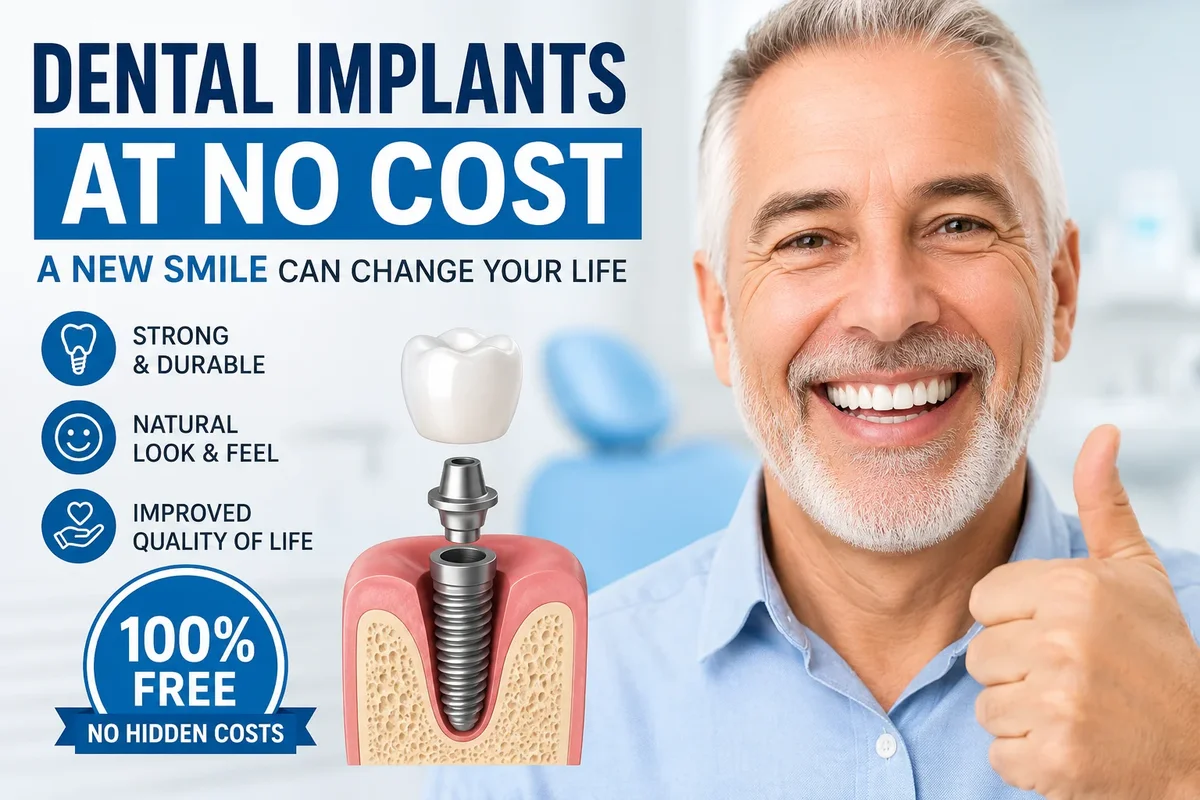
Why Dental Implants Improve Long-Term Oral Health and Confidence
Many patients initially search for dental implants at no cost because they want an affordable way to replace missing teeth, but the long-term advantages of implant dentistry extend far beyond appearance alone. Dental implants are widely considered one of the most advanced and effective restorative treatments available in modern dentistry because they improve oral health, jawbone stability, chewing ability, speech function, and emotional well-being. Understanding these long-term benefits helps patients appreciate why implant treatment is often viewed as a life-changing investment in both health and confidence. 😊
Dental implants at no cost programs exist because untreated tooth loss can seriously affect a person’s daily life. Missing teeth influence far more than smiling. They can contribute to poor nutrition, bone deterioration, speech problems, social anxiety, and declining oral health over time. Implant treatment addresses many of these problems simultaneously.
How Missing Teeth Affect Oral Health
Before understanding the advantages of implants, patients searching for dental implants at no cost should first recognize the long-term consequences of untreated tooth loss.
Jawbone Loss
When a tooth is lost, the surrounding jawbone gradually begins shrinking because it no longer receives stimulation from chewing forces. Over time, this bone loss can alter facial structure and weaken support for neighboring teeth.
Shifting Teeth
Adjacent teeth may drift into empty spaces after tooth loss. This movement can affect bite alignment and create additional oral health complications.
Chewing Difficulties
Missing teeth often reduce chewing efficiency, making it harder to eat healthy foods comfortably. Some individuals avoid nutritious foods entirely because chewing becomes painful or difficult.
These health concerns explain why many individuals actively seek dental implants at no cost instead of delaying restorative treatment.
How Dental Implants Protect Jawbone Health
One of the greatest long-term advantages of implants is their ability to help preserve jawbone structure.
Bone Stimulation Through Osseointegration
Dental implants integrate directly into the jawbone through a biological process called osseointegration. This allows implants to function similarly to natural tooth roots.
Because implants transfer chewing pressure into the bone, they help maintain bone density and reduce long-term deterioration.
Preventing Facial Collapse
Severe tooth loss and bone shrinkage can eventually create a sunken facial appearance. Patients searching for dental implants at no cost are often motivated not only by functional needs but also by concerns about facial aging and appearance changes.
Implants help preserve facial structure and maintain more natural facial support over time.
Improved Chewing and Nutritional Health
Chewing efficiency plays a major role in overall health and nutrition. Implant-supported restorations are significantly more stable than removable dentures.
Stronger Bite Force
Dental implants allow patients to bite and chew with greater strength compared to traditional removable prosthetics.
More Food Choices
Patients who receive implant treatment often regain the ability to comfortably eat:
- Fresh vegetables
- Fruits
- Nuts
- Lean meats
- Whole grains
This improvement in nutrition is one reason many healthcare providers support dental implants at no cost programs for patients experiencing severe tooth loss.
Speech and Communication Improvements
Missing teeth or unstable dentures can affect pronunciation and speech clarity.
Reduced Slipping and Movement
Traditional dentures sometimes shift during speaking, causing discomfort and embarrassment.
More Natural Speech Patterns
Implants provide stable support structures that help patients speak more naturally and confidently.
Many patients pursuing dental implants at no cost report dramatic improvements in communication comfort after treatment.
Psychological and Emotional Benefits
The emotional impact of tooth loss is often underestimated. Patients may experience anxiety, embarrassment, social withdrawal, or low self-esteem because of missing teeth.
Restored Self-Confidence
One of the most commonly reported benefits of implant treatment is improved confidence while smiling, speaking, and interacting socially.
Improved Quality of Life
Patients often feel more comfortable participating in:
- Social gatherings
- Professional meetings
- Family events
- Photographs
- Public speaking situations
This emotional transformation explains why many patients continue searching for dental implants at no cost despite long application processes and waiting lists.
Long-Term Durability and Stability
Dental implants are known for their exceptional durability when maintained properly.
Potential to Last Decades
With good oral hygiene and professional care, implants may remain functional for many years or even decades.
Lower Long-Term Maintenance Compared to Dentures
Traditional dentures often require:
- Frequent adjustments
- Relining procedures
- Adhesives
- Periodic replacements
Implants generally provide greater long-term stability and comfort.
Why Preventive Oral Care Still Matters
Even patients receiving dental implants at no cost must remain committed to proper oral hygiene after treatment.
Daily Cleaning Is Essential
Although implants cannot develop cavities, surrounding gum tissues remain vulnerable to infection and inflammation.
Regular Dental Checkups
Routine examinations help monitor implant stability and identify complications early.
Healthy long-term results depend heavily on patient cooperation and maintenance habits.
Comparing Implants With Other Tooth Replacement Options
Patients searching for dental implants at no cost often compare implants with traditional dentures or bridges.
| Feature | Traditional Dentures | Dental Implants |
|---|---|---|
| Jawbone Preservation | Limited | Excellent |
| Stability | Can shift | Highly stable |
| Comfort | May irritate gums | Feels more natural |
| Speech Support | Variable | Improved stability |
| Long-Term Durability | Requires replacement | Long-lasting solution |
Affordable Treatment and Global Implant Solutions
Although many patients search specifically for dental implants at no cost, others eventually discover highly affordable treatment alternatives abroad. Countries such as Turkey are internationally recognized for advanced implant dentistry offered at significantly lower prices than many Western countries.
Patients interested in personalized implant consultations and affordable restorative treatment can visit the Redent Klinik Contact Page for additional information and professional guidance.
Trusted oral healthcare education and implant safety recommendations are also available through the American Dental Association.
The Bigger Impact of Implant Dentistry
Patients searching for dental implants at no cost are often seeking much more than cosmetic improvement. Implant treatment can positively influence:
- Physical health
- Nutritional balance
- Social confidence
- Mental well-being
- Professional communication
- Long-term oral stability
Related semantic phrases connected to dental implants at no cost include affordable implant restoration, low-cost tooth replacement, free oral rehabilitation programs, implant grant assistance, and subsidized restorative dentistry.
Ultimately, dental implants provide far-reaching benefits that extend well beyond replacing missing teeth. By improving oral health, protecting jawbone structure, restoring chewing function, and rebuilding confidence, implant dentistry can dramatically enhance overall quality of life. This is why so many individuals continue pursuing dental implants at no cost opportunities in hopes of achieving a healthier, stronger, and more confident smile for the future.