
Choosing the right dental implants center is one of the most important decisions you can make for your oral health, comfort, and long-term quality of life 🦷. Dental implants are not just a cosmetic solution; they are a medical treatment that replaces missing teeth in a way that closely mimics natural tooth structure. This is why a specialized dental implants center plays a critical role in ensuring safe procedures, predictable outcomes, and long-lasting results.
A dental implants center is a specialized dental facility focused primarily on implant dentistry. Unlike general dental clinics, these centers are designed around advanced implant technologies, highly trained implantologists, and a structured treatment workflow. Patients who visit a dental implants center usually seek permanent tooth replacement solutions that restore both function and aesthetics while preserving jawbone health.
One of the defining characteristics of a professional dental implants center is its multidisciplinary approach. Implant dentistry often involves oral surgeons, prosthodontists, radiologists, and sometimes periodontists working together as a team 🤝. This collaborative model ensures that every aspect of the implant process—from bone evaluation to crown placement—is handled with precision and care.
At a modern dental implants center, treatment typically begins with an in-depth consultation. This includes 3D imaging such as CBCT scans, digital impressions, and a full medical history review. These diagnostic steps are essential for determining bone density, nerve locations, and sinus anatomy. By using advanced diagnostics, a dental implants center minimizes risks and maximizes implant success.
Patients often choose a dental implants center because of its focus on long-term outcomes rather than temporary fixes. Traditional solutions like removable dentures or dental bridges may seem convenient, but they often lead to bone loss, discomfort, and repeated maintenance. In contrast, dental implants placed in a specialized dental implants center integrate directly with the jawbone, creating a stable foundation that can last decades with proper care.
Another advantage of visiting a dedicated dental implants center is access to cutting-edge implant systems and materials. High-quality titanium or zirconia implants are commonly used because they are biocompatible and durable. Many centers also utilize guided implant surgery, which improves accuracy and shortens recovery time 🚀. These innovations significantly enhance patient comfort and treatment predictability.
A trusted dental implants center also prioritizes patient education. Before starting treatment, patients receive clear explanations about each stage of the procedure, healing timelines, and post-operative care. This transparency helps reduce anxiety and empowers patients to make informed decisions about their oral health. Education is a cornerstone of ethical implant dentistry.
Pain management and comfort are also key priorities at a professional dental implants center. Modern anesthesia techniques, sedation options, and minimally invasive surgical methods ensure that implant placement is far less intimidating than many patients expect 😊. Most individuals report minimal discomfort and are able to return to daily activities within a short time.
From a health perspective, a dental implants center contributes significantly to overall well-being. Missing teeth can affect digestion, speech, facial structure, and self-confidence. By restoring proper chewing function and preventing bone resorption, dental implants support not only oral health but also general health and nutrition.
Finally, choosing the right dental implants center means selecting a facility that follows international clinical standards, uses evidence-based protocols, and maintains strict hygiene practices. Reputable centers often align their treatments with guidelines from global dental authorities and continuously update their techniques through ongoing professional training.
In summary, a dental implants center is far more than a place to replace missing teeth. It is a specialized healthcare environment designed to deliver safe, advanced, and life-changing dental solutions. For patients seeking a permanent, natural-looking, and functional tooth replacement option, starting their journey at a qualified dental implants center is the smartest and most reliable choice 🌟.
What Is a Dental Implants Center and How It Works
A dental implants center is a specialized healthcare facility dedicated primarily to the planning, placement, and restoration of dental implants. Unlike general dental practices that offer a wide range of basic treatments, a dental implants center focuses on advanced implant dentistry, combining medical precision with aesthetic excellence 🦷. Understanding how a dental implants center works helps patients feel more confident and prepared before starting treatment.
At its core, a dental implants center is designed to manage complex tooth replacement cases using a structured, evidence-based workflow. This means every step—from diagnosis to final crown placement—is performed under one roof, using standardized protocols and modern technology. The goal is not just to replace missing teeth, but to restore full oral function, facial balance, and long-term health.
Core Functions of a Dental Implants Center
A professional dental implants center operates around several key functions. The first is advanced diagnostics. Patients undergo detailed examinations including digital X-rays, CBCT scans, and intraoral imaging. These tools allow the dental implants center to assess bone volume, detect anatomical risks, and create a customized treatment plan.
The second core function of a dental implants center is surgical implant placement. This procedure is typically performed by highly trained implantologists or oral surgeons who specialize in implant dentistry. Using guided surgery techniques, the dental implants center ensures precise implant positioning, which directly impacts long-term success and aesthetics.
The third essential function is prosthetic restoration. After the implant integrates with the jawbone, the dental implants center designs and places the final crown, bridge, or full-arch prosthesis. This restorative phase focuses on achieving natural appearance, proper bite alignment, and comfortable chewing 😊.
How a Dental Implants Center Differs from a Regular Clinic
One major difference between a dental implants center and a general dental clinic is specialization. While general dentists may offer implant services occasionally, a dental implants center performs these procedures daily. This high case volume leads to greater expertise, refined techniques, and more predictable outcomes.
Another difference is infrastructure. A modern dental implants center is equipped with surgical-grade sterilization systems, digital planning software, and in-house laboratories or close lab partnerships. These resources allow the dental implants center to control quality at every stage of treatment.
Team-Based Approach in a Dental Implants Center
A defining feature of a reputable dental implants center is its multidisciplinary team approach 🤝. Implant treatment often involves multiple specialists working together. Oral surgeons handle implant placement, prosthodontists design restorations, and radiologists assist with imaging analysis. This collaboration ensures that complex cases are treated comprehensively rather than in isolation.
The patient also benefits from coordinated care. Instead of visiting multiple clinics, everything is managed within the same dental implants center. This saves time, reduces miscommunication, and improves overall treatment efficiency.
Patient Journey Inside a Dental Implants Center
The journey through a dental implants center usually starts with a consultation and ends with a fully restored smile 🌟. During the initial visit, the patient’s medical history, oral condition, and expectations are carefully evaluated. This step is crucial because implant success depends on factors such as bone health, systemic conditions, and lifestyle habits.
Next, the dental implants center creates a personalized treatment plan. This plan outlines the number of implants needed, whether bone grafting is required, the estimated timeline, and recovery expectations. Transparency at this stage builds trust and helps patients feel in control of their decisions.
Surgical placement follows, typically under local anesthesia or sedation for comfort. A well-equipped dental implants center uses minimally invasive techniques whenever possible, which reduces swelling, pain, and healing time. After surgery, patients receive detailed aftercare instructions and ongoing support.
Long-Term Follow-Up and Maintenance
A high-quality dental implants center does not end its responsibility once the implant is placed. Long-term follow-up is a critical part of how these centers work. Regular check-ups ensure that the implant remains stable, the surrounding gums stay healthy, and the prosthetic restoration functions properly.
Patients are also educated on home care routines, such as proper brushing, flossing, and professional cleanings. With consistent maintenance and guidance from a dental implants center, implants can last many years—often a lifetime.
In conclusion, a dental implants center is a highly specialized environment built around precision, safety, and patient-centered care. By combining advanced technology, expert teams, and structured workflows, a dental implants center delivers results that go far beyond simple tooth replacement. For anyone seeking a permanent and reliable solution to missing teeth, understanding how a dental implants center works is the first step toward a healthier, more confident smile 😄.
Who Is the Ideal Candidate for a Dental Implants Center
One of the most common questions patients ask is whether they are suitable for treatment at a dental implants center. The good news is that modern implant dentistry has evolved significantly, allowing a wide range of patients to benefit from dental implants 🦷. However, determining the ideal candidate requires a thorough evaluation, which is exactly what a specialized dental implants center is designed to provide.
An ideal candidate for a dental implants center is someone who has lost one or more teeth and is seeking a permanent, stable, and natural-looking replacement. Tooth loss can occur due to decay, gum disease, trauma, or congenital conditions. Regardless of the cause, a dental implants center focuses on restoring both function and aesthetics while preserving long-term oral health.
Basic Health Requirements for Dental Implant Candidates
General health plays a crucial role in implant success. A professional dental implants center will always review a patient’s medical history before recommending treatment. Patients with well-controlled chronic conditions such as diabetes or high blood pressure are often suitable candidates, provided their condition is stable and monitored.
Good oral health is another key requirement. While missing teeth are expected, the surrounding gums should be free from active infection. If gum disease is present, a dental implants center will typically treat it first to create a healthy foundation for implant placement 😊.
Bone Density and Jaw Structure Evaluation
Adequate jawbone volume is one of the most important factors assessed at a dental implants center. Dental implants rely on bone integration for stability, so sufficient bone density is essential. Using advanced imaging such as CBCT scans, the dental implants center evaluates bone height, width, and quality with great precision.
Patients who lack sufficient bone are not automatically disqualified. A modern dental implants center often offers bone grafting or sinus lift procedures to rebuild lost bone. These techniques have expanded eligibility, allowing many patients who were previously considered unsuitable to receive implants successfully.
Lifestyle Factors Considered by a Dental Implants Center
Lifestyle habits are carefully evaluated by a dental implants center because they can influence healing and long-term success. Smoking, for example, is known to increase the risk of implant failure by affecting blood flow and bone healing. While smokers are not always excluded, a dental implants center may strongly recommend reducing or quitting smoking before and after treatment 🚭.
Oral hygiene habits are equally important. Candidates who are committed to daily brushing, flossing, and regular dental check-ups are more likely to succeed with implants. A dental implants center prioritizes patients who understand that implants, like natural teeth, require consistent care.
Age Considerations for Dental Implant Treatment
Age alone is rarely a limiting factor at a dental implants center. Adults of all ages, including seniors, can be excellent candidates for dental implants. What matters more than age is bone health, overall medical condition, and the ability to heal properly.
Younger patients, however, must have fully developed jawbones. A dental implants center will not place implants until jaw growth is complete, as placing implants too early can lead to complications later on.
Psychological Readiness and Expectations
An often-overlooked factor in candidate selection at a dental implants center is psychological readiness. Patients should have realistic expectations about the treatment timeline, healing process, and outcomes. Implant dentistry is a process that may take several months, especially if preparatory procedures are required.
A reputable dental implants center ensures that patients fully understand each stage of treatment. This open communication builds trust and leads to higher satisfaction rates 😄.
Special Cases Handled by a Dental Implants Center
Many patients assume they are not candidates because they have been missing teeth for a long time. In reality, a specialized dental implants center often excels at treating complex cases, including long-term tooth loss, advanced bone resorption, or full-arch restorations.
Patients who struggle with removable dentures frequently find life-changing solutions at a dental implants center. Implant-supported dentures or full-arch implant systems offer superior stability, comfort, and chewing efficiency compared to traditional dentures.
In conclusion, the ideal candidate for a dental implants center is not defined by a single factor but by a combination of health, bone condition, lifestyle, and commitment to care. Thanks to modern techniques and personalized treatment planning, dental implants centers can successfully treat a wide range of patients. If you are missing teeth and looking for a long-term solution, a consultation at a dental implants center is the best way to determine your suitability and begin your journey toward a healthier, more confident smile 🌟.
Advanced Technologies Used in a Modern Dental Implants Center
A modern dental implants center stands apart from traditional clinics through its use of advanced technologies that improve accuracy, safety, comfort, and long-term success 🦷. Implant dentistry is highly technical, and even small improvements in diagnostics or surgical precision can make a significant difference in outcomes. This is why leading dental implants centers continuously invest in cutting-edge tools and digital workflows.
Technology in a dental implants center is not used for convenience alone; it is a core component of evidence-based care. From diagnosis to final restoration, advanced systems allow clinicians to plan treatments virtually, reduce human error, shorten recovery times, and deliver highly predictable results. Patients benefit from safer procedures and a smoother overall experience.
3D Imaging and Digital Diagnostics
One of the most important technologies in a dental implants center is three-dimensional imaging. Cone Beam Computed Tomography (CBCT) provides a detailed, 360-degree view of the jawbone, nerves, sinuses, and surrounding structures. Unlike traditional X-rays, CBCT scans allow the dental implants center to evaluate bone quality and quantity with exceptional precision.
This level of detail is critical for avoiding complications and planning implant placement accurately. With CBCT data, a dental implants center can identify potential risks before surgery and design a treatment plan that is both safe and customized 😊.
Digital Impressions and Intraoral Scanners
Gone are the days of uncomfortable impression trays. A modern dental implants center uses intraoral scanners to capture digital impressions of the patient’s teeth and gums. These scanners create highly accurate 3D models in minutes, improving comfort and reducing errors associated with traditional molds.
Digital impressions also streamline communication between the dental implants center and dental laboratories. Crowns and prosthetics can be designed with exact measurements, resulting in better fit, improved aesthetics, and fewer adjustments.
Computer-Guided Implant Surgery
One of the most transformative innovations in a dental implants center is computer-guided implant surgery. Using specialized software, clinicians can virtually place implants in the optimal position before any surgical step begins. This digital planning considers bone density, bite alignment, and aesthetic goals.
During surgery, custom surgical guides created from this digital plan ensure that implants are placed exactly as designed. For patients, this means shorter procedures, minimal tissue trauma, and faster healing 🚀. For the dental implants center, it means greater consistency and higher success rates.
Minimally Invasive Surgical Techniques
Advanced technology enables a dental implants center to perform minimally invasive implant procedures whenever possible. Flapless surgery, for example, reduces the need for large incisions, resulting in less swelling, reduced discomfort, and quicker recovery times.
These techniques are especially beneficial for anxious patients or those with medical considerations. A well-equipped dental implants center uses technology not only to place implants effectively, but also to enhance patient comfort throughout the process.
High-Quality Implant Materials and Systems
Material science plays a vital role in the success of a dental implants center. Modern implants are typically made from medical-grade titanium or zirconia, both known for their biocompatibility and strength. These materials integrate naturally with bone, providing a stable and long-lasting foundation.
A reputable dental implants center carefully selects implant systems backed by clinical research and long-term success data. This commitment to quality ensures durability, reduces the risk of complications, and supports lifelong oral function 😄.
Digital Smile Design and Prosthetic Planning
Advanced prosthetic planning tools allow a dental implants center to design restorations that look and feel natural. Digital Smile Design software helps clinicians visualize the final result before treatment begins, aligning implants with facial features, lip position, and smile aesthetics.
This technology allows patients to preview their expected outcome, increasing confidence and satisfaction. It also ensures that implants are placed not only for function but also for optimal visual harmony.
On-Site or Integrated Dental Laboratories
Many advanced dental implants center facilities work closely with on-site or digital dental laboratories. This integration allows for faster turnaround times, better communication, and more precise restorations. In some cases, same-day implant restorations are possible thanks to digital workflows.
By controlling every stage of the process, a dental implants center ensures consistent quality from diagnosis to final crown placement.
In conclusion, technology is the backbone of a modern dental implants center. From 3D imaging and guided surgery to advanced materials and digital smile design, these innovations work together to deliver safer, faster, and more predictable implant treatments. For patients seeking reliable, long-term tooth replacement, choosing a dental implants center that embraces advanced technology is a decisive step toward lasting oral health and confidence 🌟.
Dental Implants Center vs Traditional Tooth Replacement Methods
When patients are missing one or more teeth, they are often presented with several treatment options. Understanding the difference between a dental implants center and traditional tooth replacement methods is essential for making an informed decision 🦷. While solutions like dentures and dental bridges have been used for decades, modern implant dentistry offered by a dental implants center provides distinct advantages in terms of health, comfort, and longevity.
A dental implants center focuses on permanent tooth replacement solutions that closely replicate natural teeth. Traditional methods, on the other hand, often prioritize short-term functionality or cost considerations. Comparing these approaches side by side highlights why more patients are choosing treatment at a dental implants center for long-term oral health.
Dental Implants Center vs Removable Dentures
Removable dentures are one of the most common traditional tooth replacement options. They rest on the gums and are held in place by suction or adhesives. While dentures can restore basic appearance, they often come with drawbacks such as instability, discomfort, and difficulty chewing.
In contrast, a dental implants center offers implant-supported solutions that are anchored directly into the jawbone. This provides unmatched stability and eliminates the slipping or clicking often associated with dentures 😊. Patients treated at a dental implants center can eat, speak, and smile with confidence, without worrying about their teeth shifting.
Impact on Bone Health
One of the most significant differences lies in bone preservation. Dentures do not stimulate the jawbone, leading to gradual bone loss over time. This can result in facial sagging and an aged appearance. A dental implants center, however, places implants that integrate with the bone, stimulating it just like natural tooth roots.
By preserving bone structure, a dental implants center helps maintain facial contours and prevents the long-term complications often seen with traditional dentures.
Dental Implants Center vs Dental Bridges
Dental bridges are another traditional method used to replace missing teeth. They rely on adjacent healthy teeth for support, which must be reshaped to hold the bridge in place. While bridges can restore appearance and function, they may compromise the integrity of surrounding teeth.
A dental implants center takes a different approach. Implants stand independently, meaning neighboring teeth remain untouched. This conservative method preserves natural tooth structure and reduces the risk of future dental problems 😄.
Longevity and Maintenance Comparison
Dental bridges typically last between 5 and 15 years, depending on oral hygiene and wear. Over time, the supporting teeth may weaken, requiring replacement or additional treatment. A dental implants center offers implants designed to last decades, often a lifetime, with proper care.
Maintenance also differs significantly. Implants placed in a dental implants center are cared for just like natural teeth, with regular brushing and professional cleanings. Bridges and dentures often require special cleaning routines and periodic adjustments.
Comfort and Daily Functionality
Comfort is a major factor when comparing a dental implants center to traditional methods. Dentures can cause sore spots, irritation, and reduced taste sensation due to palate coverage. Bridges may feel bulky or unnatural to some patients.
Dental implants, however, feel and function like real teeth. A dental implants center designs restorations to match bite force, chewing efficiency, and speech patterns. This leads to a more natural daily experience, allowing patients to enjoy a wider variety of foods without discomfort 🍎.
Aesthetic Outcomes and Confidence
While traditional solutions can improve appearance, they often fall short of achieving truly natural aesthetics. A dental implants center uses advanced materials and digital planning to create restorations that blend seamlessly with existing teeth.
Patients treated at a dental implants center frequently report improved self-esteem and confidence. Knowing that their teeth are secure and visually natural allows them to smile freely in social and professional settings 🌟.
Long-Term Value Perspective
At first glance, traditional tooth replacement methods may appear more affordable. However, repeated repairs, replacements, and maintenance costs can add up over time. A dental implants center focuses on long-term value rather than short-term fixes.
By investing in implants once, patients often avoid the ongoing expenses associated with dentures or bridges. From both a health and financial perspective, treatment at a dental implants center can be a more cost-effective solution in the long run.
In summary, the difference between a dental implants center and traditional tooth replacement methods is substantial. While dentures and bridges may still be suitable for certain cases, a dental implants center offers superior stability, bone preservation, comfort, aesthetics, and longevity. For patients seeking a permanent and natural solution, choosing a dental implants center represents a modern, health-focused approach to restoring smiles and quality of life 😁.
Dental Implants Center Treatment Process Step by Step
Understanding the treatment process at a dental implants center helps patients feel confident, prepared, and relaxed before beginning their implant journey 🦷. Dental implant therapy is not a single appointment but a carefully planned medical process designed to deliver long-lasting, natural results. A professional dental implants center follows a structured step-by-step protocol to ensure safety, precision, and predictable success.
Unlike quick cosmetic procedures, treatment at a dental implants center focuses on long-term oral health. Each phase is customized to the patient’s anatomy, medical condition, and expectations. Below is a detailed breakdown of how a dental implants center typically manages the entire process from start to finish.
Initial Consultation and Comprehensive Assessment
The first step in any dental implants center is a detailed consultation. During this visit, the clinician reviews the patient’s medical history, current oral health, and tooth loss situation. Conditions such as diabetes, osteoporosis, or smoking habits are discussed because they can influence healing and implant success.
Advanced diagnostics are a defining feature of a dental implants center. CBCT scans, digital X-rays, and intraoral scans are used to evaluate bone density, nerve positions, and sinus anatomy. This data allows the dental implants center to determine whether implants can be placed immediately or if preparatory treatments are needed 😊.
Personalized Treatment Planning
After diagnostics, the dental implants center creates a customized treatment plan. This plan outlines the number of implants required, implant positions, type of restoration, estimated timeline, and healing phases. Clear communication at this stage ensures patients understand every step before moving forward.
A reputable dental implants center encourages questions and provides visual explanations using digital models or simulations. This transparency builds trust and reduces anxiety.
Preparatory Procedures (If Needed)
Not all patients are immediately ready for implant placement. A dental implants center may recommend preparatory procedures such as bone grafting, sinus lifting, or gum treatment to create a stable foundation. These steps significantly increase implant success rates and long-term stability.
While preparatory treatments may extend the timeline, a dental implants center prioritizes safety and durability over speed. Proper preparation ensures that implants integrate correctly with the jawbone 🔧.
Dental Implant Placement Surgery
Implant placement is the core surgical phase performed at a dental implants center. The procedure is typically done under local anesthesia, with sedation options available for anxious patients. Thanks to modern techniques, implant surgery is far less invasive than many people expect.
Using guided surgery technology, the dental implants center places the implant into the jawbone with exceptional precision. The procedure usually takes less than an hour per implant, and most patients experience only mild discomfort afterward.
Post-Surgical Care and Healing
After surgery, the dental implants center provides detailed aftercare instructions. Mild swelling or soreness is normal and typically resolves within a few days. Patients are advised on medication use, oral hygiene, and dietary adjustments during healing.
The healing phase, known as osseointegration, allows the implant to fuse with the jawbone. This process can take several weeks to a few months, depending on individual factors. A dental implants center closely monitors this phase through follow-up visits.
Abutment Placement and Restoration Phase
Once osseointegration is complete, the dental implants center moves to the restorative stage. An abutment is attached to the implant, serving as the connector between the implant and the final crown or prosthesis.
Digital impressions are taken to design a custom restoration that matches the patient’s natural teeth in color, shape, and size. A dental implants center focuses on both function and aesthetics to ensure the final result looks and feels natural 😄.
Final Crown or Prosthetic Placement
The final step at a dental implants center is the placement of the permanent crown, bridge, or full-arch restoration. This component is securely attached and carefully adjusted to ensure proper bite alignment and comfort.
Patients often describe this moment as life-changing. The restored tooth feels stable, natural, and fully functional—just like a real tooth. A dental implants center ensures that patients leave with a confident smile and clear instructions for long-term care 🌟.
Ongoing Maintenance and Follow-Up
Treatment does not end once the restoration is placed. A high-quality dental implants center emphasizes long-term maintenance through regular check-ups and professional cleanings. Patients are educated on how to care for their implants at home.
With proper care and routine monitoring, implants placed in a dental implants center can last for decades, often a lifetime.
In summary, the step-by-step process at a dental implants center is designed to deliver safe, durable, and highly satisfying results. From initial consultation to long-term maintenance, each phase is carefully managed to restore oral function, health, and confidence. Choosing a trusted dental implants center means choosing a proven path to a permanent, natural smile 😁.
Dental Implants Center Safety, Success Rates, and Longevity
One of the strongest reasons patients choose a dental implants center is the high level of safety, proven success rates, and long-term reliability associated with implant treatment 🦷. Dental implants are considered one of the most predictable procedures in modern dentistry, especially when performed in a specialized dental implants center that follows strict clinical protocols and international standards.
Safety and longevity are not accidental outcomes. They are the result of careful planning, advanced technology, skilled professionals, and ongoing patient care. A reputable dental implants center is structured to minimize risks and maximize long-term implant performance.
Safety Protocols in a Dental Implants Center
Patient safety is a top priority in any professional dental implants center. Before treatment begins, comprehensive medical and dental evaluations are conducted to identify potential risk factors. Conditions such as uncontrolled diabetes, immune disorders, or active infections are carefully assessed and managed before implant placement.
Sterilization and infection control protocols in a dental implants center go beyond standard dental practices. Surgical instruments are sterilized using hospital-grade systems, and implant procedures are often performed in dedicated surgical environments. These measures significantly reduce the risk of post-operative infections 😊.
Role of Advanced Diagnostics in Safety
Advanced diagnostics play a critical role in ensuring safety at a dental implants center. CBCT imaging allows clinicians to visualize nerves, blood vessels, and sinus cavities in three dimensions. This precision helps avoid nerve injury, sinus perforation, and improper implant placement.
By identifying anatomical challenges in advance, a dental implants center can plan safer surgical approaches and reduce unexpected complications.
Success Rates of Dental Implants
Dental implants have one of the highest success rates in dentistry. Studies consistently show success rates between 95% and 98% when implants are placed in optimal conditions. At a specialized dental implants center, these rates are often even higher due to experience and advanced planning.
Success depends on several factors, including bone quality, implant placement accuracy, patient health, and post-operative care. A dental implants center addresses each of these factors systematically, ensuring the best possible outcome 😄.
Immediate vs Long-Term Success
Immediate success refers to proper implant placement and early healing, while long-term success focuses on stability over many years. A dental implants center monitors both phases carefully. Regular follow-up appointments help detect early signs of complications, allowing timely intervention.
This proactive approach significantly increases long-term success and patient satisfaction.
Longevity of Implants Placed in a Dental Implants Center
One of the most appealing benefits of choosing a dental implants center is the longevity of dental implants. With proper care, implants can last 20 years or more, and many patients enjoy them for a lifetime. This durability far exceeds that of traditional bridges or dentures.
Implant longevity is closely linked to bone integration, oral hygiene, and professional maintenance. A dental implants center educates patients on how to care for their implants to protect this long-term investment 🌟.
Factors That Influence Long-Term Implant Success
Several factors influence how long implants last after treatment at a dental implants center. These include:
- Bone quality and volume
- Implant material and design
- Accuracy of surgical placement
- Patient’s oral hygiene habits
- Lifestyle factors such as smoking
A dental implants center addresses these variables through careful candidate selection, personalized treatment planning, and patient education.
Maintenance and Follow-Up Care
Long-term success does not end with implant placement. A high-quality dental implants center emphasizes regular check-ups and professional cleanings. These visits help maintain healthy gums around the implant and ensure that the prosthetic components remain secure.
Patients are also taught proper home care techniques, including brushing, flossing, and the use of interdental cleaners. With consistent maintenance, implants placed in a dental implants center can function just like natural teeth for decades 😊.
Risk Management and Complication Prevention
While dental implant complications are rare, a dental implants center is equipped to manage and prevent them effectively. Early signs of inflammation or implant instability can be addressed promptly through professional intervention.
The structured follow-up system of a dental implants center ensures that minor issues are resolved before they become serious problems.
In conclusion, safety, success rates, and longevity are defining strengths of treatment at a dental implants center. Through advanced diagnostics, strict safety protocols, expert care, and ongoing maintenance, dental implants offer one of the most reliable and long-lasting solutions for tooth replacement. For patients seeking peace of mind and a permanent smile solution, a dental implants center represents the gold standard in modern dentistry 😁.
Costs and Value: What to Expect from a Dental Implants Center
One of the most important considerations for patients exploring implant treatment is cost. Understanding the pricing structure and overall value offered by a dental implants center helps patients make informed, confident decisions 🦷. While dental implants are often seen as a premium treatment, their long-term benefits frequently outweigh the initial investment when compared to traditional tooth replacement methods.
A professional dental implants center does not approach pricing as a one-size-fits-all model. Instead, costs are carefully calculated based on individual needs, clinical complexity, and the quality of materials and technology used. This personalized approach ensures that patients pay for a solution tailored specifically to their oral health situation.
What Factors Influence Costs at a Dental Implants Center
Several variables determine the total cost of treatment at a dental implants center. One of the primary factors is the number of implants required. Replacing a single tooth will naturally cost less than full-arch or multiple implant restorations.
Another key factor is bone condition. Patients who require preparatory procedures such as bone grafting or sinus lifts may see higher overall costs. A dental implants center includes these treatments to ensure long-term stability and success, rather than cutting corners for short-term savings 😊.
Technology and Material Quality
The use of advanced technology significantly influences pricing at a dental implants center. Facilities that utilize CBCT imaging, guided surgery, and digital prosthetic design invest heavily in equipment that improves accuracy and safety. These investments are reflected in treatment costs but also translate into higher success rates and patient satisfaction.
Implant materials also play a major role. Medical-grade titanium or zirconia implants, commonly used in reputable dental implants centers, are designed for biocompatibility and durability. While lower-cost alternatives may exist, high-quality materials reduce the risk of complications and implant failure.
Short-Term Cost vs Long-Term Value
It is essential to distinguish between upfront cost and long-term value when evaluating a dental implants center. Traditional solutions like dentures or bridges may appear more affordable initially, but they often require frequent adjustments, replacements, and ongoing maintenance.
In contrast, implants placed at a dental implants center are designed to last for decades. With proper care, many patients never need to replace their implants, making them a cost-effective solution over time 💡.
Reduced Future Dental Expenses
Dental implants help prevent bone loss, shifting teeth, and bite problems. By preserving oral structure, a dental implants center helps patients avoid additional dental treatments that may be necessary with traditional tooth replacement options.
This preventive benefit adds significant value that is often overlooked when comparing prices alone.
Transparent Pricing and Treatment Plans
A trustworthy dental implants center prioritizes transparency. Patients receive a detailed treatment plan outlining all expected costs before treatment begins. This plan typically includes diagnostics, surgery, restorations, and follow-up care.
Clear communication about pricing builds trust and allows patients to plan financially without unexpected surprises 😊.
Financing and Payment Considerations
Many patients worry that implant treatment may be financially out of reach. A modern dental implants center often provides flexible payment options or financing plans to make treatment more accessible.
By spreading costs over time, patients can benefit from high-quality care without compromising their budget. This patient-centered approach reflects the commitment of a dental implants center to long-term oral health rather than short-term transactions.
Insurance and Coverage Awareness
While dental insurance coverage for implants varies, a dental implants center typically assists patients in understanding their benefits. Some parts of the treatment, such as crowns or diagnostic imaging, may be partially covered depending on the plan.
Clear guidance from the dental implants center helps patients maximize available benefits and reduce out-of-pocket expenses.
Comparing Value Between Different Dental Implants Centers
Not all dental implants centers offer the same level of care. When comparing prices, patients should consider experience, technology, safety standards, and long-term support. A lower-cost option may lack the infrastructure or expertise necessary for optimal results.
Choosing a reputable dental implants center means investing in predictable outcomes, reduced risk, and lasting satisfaction 🌟.
In conclusion, while the cost of treatment at a dental implants center may initially seem higher than traditional alternatives, the long-term value is substantial. From durability and reduced maintenance to improved quality of life and oral health, dental implants represent a wise investment. By focusing on transparency, quality, and patient-centered care, a dental implants center delivers value that extends far beyond the price tag 😁.
How to Choose the Best Dental Implants Center for Your Needs
Selecting the right dental implants center is one of the most critical decisions you will make on your journey toward restoring your smile 🦷. Dental implants are a long-term medical solution, not a temporary cosmetic fix, so the quality, experience, and standards of the dental implants center you choose directly affect your health, comfort, and results. Knowing what to look for empowers you to make a confident and informed choice.
A reputable dental implants center combines clinical expertise, advanced technology, transparent communication, and patient-centered care. While many clinics may advertise implant services, not all offer the same level of specialization or long-term support. Understanding key selection criteria helps you distinguish a true dental implants center from a general practice offering limited implant treatment.
Experience and تخصص in Implant Dentistry
One of the first factors to evaluate is the level of experience at the dental implants center. Implant dentistry requires advanced training beyond general dental education. Ask how many implant procedures the center performs annually and whether implantology is a primary focus of the practice.
A dental implants center with extensive experience is more likely to handle complex cases successfully, including bone loss, full-arch restorations, and implant revisions 😊. High case volume often correlates with refined techniques and better outcomes.
Credentials and Ongoing Education
A trustworthy dental implants center employs clinicians who regularly participate in continuing education and stay updated with the latest implant techniques. Implant dentistry evolves rapidly, and ongoing training ensures that patients receive care aligned with current scientific standards.
Centers that follow guidelines supported by organizations such as the American Dental Association demonstrate a commitment to evidence-based practice and patient safety.
Technology and Diagnostic Capabilities
Advanced technology is a defining characteristic of a high-quality dental implants center. Look for facilities that utilize CBCT imaging, digital treatment planning, guided surgery, and modern sterilization systems. These tools enhance accuracy, reduce complications, and improve healing times.
A dental implants center that invests in technology shows dedication to precision and patient comfort rather than shortcuts or outdated methods 🚀.
Comprehensive Consultation and Treatment Planning
The consultation process reveals a great deal about a dental implants center. During your first visit, the team should perform a thorough evaluation, explain your options clearly, and create a personalized treatment plan. Avoid centers that rush consultations or provide vague explanations.
A professional dental implants center values transparency. You should understand the timeline, procedures involved, potential risks, and expected outcomes before committing to treatment 😄.
Clear Communication and Patient Education
Effective communication is essential when choosing a dental implants center. The team should be willing to answer questions, address concerns, and explain each step in plain language. Feeling heard and informed builds trust and reduces anxiety.
Educational support is especially important for long-term success, as patients play an active role in implant maintenance.
Hygiene Standards and Clinical Environment
A clean, organized, and well-equipped environment is non-negotiable in a dental implants center. Implant procedures are surgical in nature, so strict infection control protocols are essential. The center should follow hospital-grade sterilization and safety procedures.
Observing the clinic environment during your visit can provide valuable insight into the professionalism and care standards of the dental implants center.
Long-Term Care and Follow-Up Support
A reliable dental implants center does not disappear after the implant is placed. Long-term follow-up, regular check-ups, and maintenance guidance are crucial for implant longevity. Ask how the center monitors implant health over time.
Centers that emphasize ongoing care demonstrate a long-term commitment to your oral health rather than a one-time procedure 🌟.
Accessibility and Patient Support
Location, communication channels, and patient support services also matter when choosing a dental implants center. Easy appointment scheduling, responsive staff, and clear contact options improve the overall experience.
If you are considering treatment or want professional guidance, you can reach out directly through the Redent Klinik Contact Page to receive detailed information and personalized assistance.
Balancing Cost with Quality
While budget is an important consideration, choosing a dental implants center based solely on price can be risky. Lower costs may reflect limited technology, reduced experience, or compromised materials. True value lies in safety, durability, and long-term success.
A high-quality dental implants center focuses on predictable outcomes and patient satisfaction rather than shortcuts. Investing in the right center often prevents costly complications or revisions in the future.
In conclusion, choosing the best dental implants center requires careful evaluation of experience, technology, communication, hygiene standards, and long-term support. By prioritizing quality and expertise over convenience or price alone, patients set themselves up for lasting success. The right dental implants center does more than replace teeth—it restores confidence, function, and quality of life for years to come 😁.
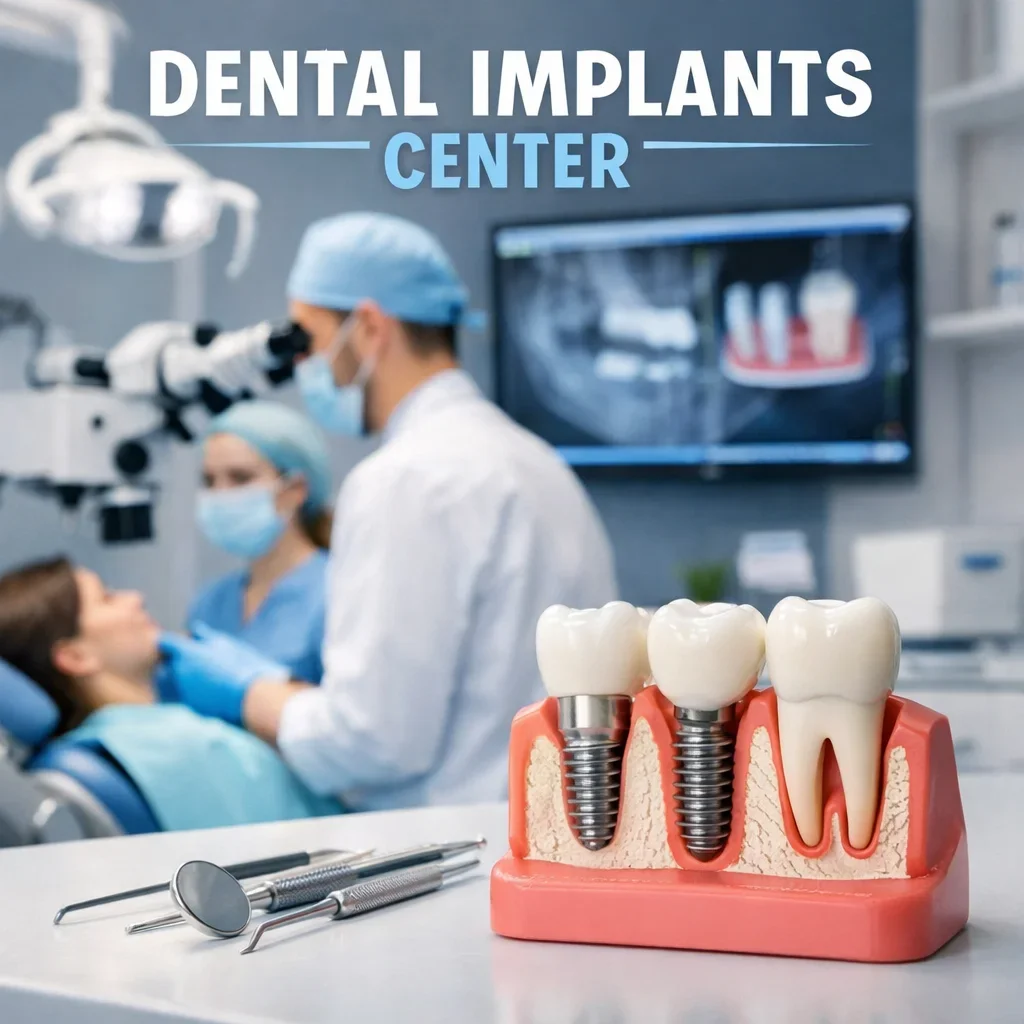
Frequently Asked Questions About Dental Implants Center Care
Patients considering treatment at a dental implants center often have many questions before moving forward 🦷. This is completely normal, as dental implant therapy is a long-term medical decision that affects health, comfort, and quality of life. A professional dental implants center encourages questions and believes that informed patients achieve better outcomes and higher satisfaction.
Below are the most frequently asked questions patients raise when visiting a dental implants center, along with detailed, accurate explanations to help you feel confident and well-prepared.
Is Treatment at a Dental Implants Center Painful?
One of the most common concerns is pain. The reality is that treatment at a dental implants center is far more comfortable than many patients expect. Implant placement is typically performed under local anesthesia, and sedation options are often available for anxious patients.
Most patients report mild discomfort rather than pain after the procedure, comparable to a simple tooth extraction. A dental implants center provides detailed post-operative care instructions and, when necessary, medication to ensure a smooth and comfortable recovery 😊.
How Long Does Treatment at a Dental Implants Center Take?
The total treatment time at a dental implants center varies depending on individual needs. Some patients may complete treatment in a few months, while others may require additional time for bone grafting or healing.
Typically, the process includes consultation, implant placement, healing (osseointegration), and final restoration. A dental implants center prioritizes long-term success over speed, ensuring each phase is completed correctly rather than rushed.
Can Implants Be Placed in One Day?
In certain cases, immediate implant placement or same-day restorations are possible at a dental implants center. This depends on bone quality, gum health, and overall stability. Your dental implants center will determine whether this option is safe and appropriate for you.
How Long Do Dental Implants Last?
Dental implants placed at a reputable dental implants center are designed to be a long-term solution. With proper care, implants can last 20 years or more, and many patients enjoy them for a lifetime.
Longevity depends on factors such as oral hygiene, regular dental visits, and lifestyle habits. A dental implants center educates patients on maintenance routines to protect their investment 😄.
Are Dental Implants Safe?
Yes, dental implants are considered one of the safest and most predictable procedures in modern dentistry. A dental implants center follows strict safety protocols, advanced diagnostics, and evidence-based techniques to minimize risks.
Success rates are extremely high when implants are placed by experienced professionals in a specialized dental implants center.
What Are the Possible Risks?
While complications are rare, risks may include infection, implant failure, or delayed healing. A professional dental implants center significantly reduces these risks through careful planning, proper sterilization, and close follow-up care.
Who Is Not Suitable for a Dental Implants Center?
Most adults are suitable candidates for treatment at a dental implants center. However, individuals with uncontrolled medical conditions, active infections, or insufficient bone may require additional treatment before implants can be placed.
A dental implants center evaluates each patient individually and may offer preparatory procedures to expand eligibility rather than automatically excluding patients.
How Do I Care for Implants After Treatment?
Caring for implants placed at a dental implants center is similar to caring for natural teeth. Daily brushing, flossing, and regular professional cleanings are essential to maintain gum health and implant stability.
A dental implants center provides personalized hygiene instructions and ongoing support to ensure long-term success 🪥.
Do Implants Require Special Cleaning Tools?
In some cases, a dental implants center may recommend interdental brushes or water flossers to clean around implants more effectively. These tools enhance plaque removal and support gum health.
Is Treatment at a Dental Implants Center Worth It?
Patients often ask whether dental implants are worth the investment. Compared to traditional solutions, treatment at a dental implants center offers superior stability, bone preservation, comfort, and aesthetics.
Beyond physical benefits, implants improve confidence, speech, and quality of life. Most patients consider treatment at a dental implants center one of the best long-term decisions for their oral health 🌟.
How Do I Get Started with a Dental Implants Center?
The first step is scheduling a consultation at a trusted dental implants center. During this visit, your oral health will be evaluated, and a personalized treatment plan will be created.
If you are considering implant treatment and would like expert guidance, you can contact a professional team through the Redent Klinik Contact Page to receive clear information and next-step support.
In summary, understanding the most common questions about treatment at a dental implants center helps patients move forward with confidence and clarity. From safety and longevity to comfort and care, dental implants offer a proven, life-changing solution when provided by an experienced dental implants center. An informed patient is an empowered patient—and the journey to a healthy, confident smile begins with the right information 😁.