
Embarking on the journey toward a confident, healthy smile begins with one essential step — a dental implants consultation. This is not just an appointment; it’s the foundation for a transformative dental experience that can restore both your oral function and your self-esteem. Whether you’re missing one tooth or several, understanding what happens during a consultation helps you make informed decisions and ensures the best outcome for your dental implant treatment. In this comprehensive 2025 guide, we’ll explore every detail you need to know about the consultation process, from diagnosis and digital imaging to treatment planning and cost discussions.
Understanding the Purpose of a Dental Implants Consultation
The dental implants consultation is the first and most critical phase in your implant journey. It allows your dentist or implant specialist to evaluate your oral health, bone density, and overall suitability for implants. This isn’t a quick “look and see” session — it’s a detailed assessment involving advanced diagnostic tools such as 3D cone beam CT scans, panoramic X-rays, and digital impressions. During this visit, the dentist gathers all the necessary data to determine the best type, size, and placement of implants for your unique anatomy. The consultation also gives you the opportunity to discuss your goals, preferences, and any concerns you may have about the procedure.
For example, patients who have been missing teeth for a long time might have insufficient jawbone density. In such cases, the specialist may recommend bone grafting or sinus lifting before implant placement. This is why the dental implants consultation is indispensable — it ensures that no critical details are overlooked, and your treatment plan is fully customized for long-term success.
What Happens During the Consultation 🪥
Your first dental implants consultation typically includes several structured steps designed to assess your readiness and suitability for implants:
- Medical and dental history review: Your dentist will discuss your overall health, medications, and previous dental procedures. Conditions like diabetes, smoking, or autoimmune diseases can affect healing time and success rates.
- Oral examination: The dentist will check your gums, teeth, and jaw alignment to evaluate the condition of your oral tissues.
- Imaging and diagnostics: 3D scans or digital X-rays help determine if you have enough bone density to support implants and identify the best implant sites.
- Treatment discussion: You’ll learn about implant types (single, multiple, or full-arch), materials (titanium or zirconia), and the entire treatment timeline.
- Cost estimate and financing: The consultation also covers pricing and payment plans. Transparency here helps you plan without financial surprises.
Many clinics, including Redent Klinik Contact Page, offer free or discounted consultations to encourage patients to explore their options. These sessions help patients understand the value of a well-planned implant treatment before committing.
The Importance of Personalized Treatment Planning
No two mouths are the same, which is why personalization during a dental implants consultation is essential. Advanced dental technology allows clinics to create 3D models of your mouth, simulate implant placement digitally, and predict the aesthetic and functional outcomes. This virtual planning minimizes risks, ensures optimal results, and allows you to visualize your new smile before treatment even begins.
At this stage, your dentist will also determine whether additional procedures are required. Bone grafting, sinus lifts, or soft tissue adjustments might be necessary to ensure a strong foundation for the implant. Addressing these factors during the consultation prevents complications later and contributes to the long-term success of your dental implants.
Educational Component: Empowering Patients Through Knowledge
An effective dental implants consultation isn’t just about diagnostics — it’s also an educational session. The specialist will explain how implants integrate with your jawbone through a process called osseointegration, the differences between implant-supported bridges and traditional dentures, and the realistic timeline for healing. Patients are encouraged to ask questions and express any concerns about pain management, post-surgery care, and long-term maintenance.
Understanding the science behind implants builds confidence. For example, titanium implants are biocompatible and fuse naturally with bone, providing a permanent base for artificial teeth. Modern implants can last decades with proper care, making them one of the most durable tooth replacement solutions available today.
Linking Your Consultation to Oral Health Goals
Many patients pursue a dental implants consultation to restore missing teeth, but the benefits extend far beyond aesthetics. Implants prevent bone loss, preserve facial structure, and improve chewing efficiency — all of which contribute to long-term oral health. By aligning your consultation goals with these outcomes, your dentist can create a plan that enhances both your appearance and your functionality.
In addition, patients should check whether the clinic adheres to international safety and hygiene standards. For reference, you can explore the American Dental Association guidelines to learn about implant best practices and patient safety protocols.
Conclusion: The First Step Toward a Confident Smile 😁
A dental implants consultation is more than a preliminary appointment — it’s the foundation of your new smile. From diagnostic imaging to treatment planning and education, every detail is designed to ensure your comfort, confidence, and long-term satisfaction. If you’ve been considering dental implants, there’s no better time than now to schedule your consultation and take the first step toward a healthier, more beautiful smile.
With the right clinic and a thorough consultation, you’ll gain not only a personalized treatment plan but also peace of mind. Remember, the journey to a perfect smile begins with knowledge — and that knowledge starts with your dental implants consultation.
Why a Dental Implants Consultation Is the Key to a Perfect Smile 😁
A dental implants consultation is more than a routine check-up — it’s the cornerstone of a successful smile restoration journey. This detailed appointment sets the stage for accurate diagnosis, precise treatment planning, and long-term oral health stability. Whether you’ve lost a single tooth or need a full-arch restoration, the consultation ensures that every step of your implant process is designed around your unique anatomy and expectations. Without a proper consultation, even the best implants can fail to achieve lasting success. Let’s explore why this step is so critical for creating your dream smile.
The Role of Consultation in Achieving a Natural, Functional Smile
The purpose of a dental implants consultation is to blend aesthetics with functionality. The implant specialist evaluates how your teeth, gums, and jawbone interact to achieve a result that looks natural and feels comfortable. Using digital scans, the dentist can visualize the bone’s thickness and density, ensuring that the chosen implant fits securely and integrates effectively with your jaw.
In addition, modern consultations focus on facial harmony — not just filling a gap. Your dentist considers lip position, smile line, and symmetry to design an implant that complements your facial structure. This personalized approach ensures that your restored teeth align seamlessly with your natural smile, giving you both beauty and function in perfect balance.
Digital Dentistry and Precision Planning 🦷
One of the greatest advancements in dental implants consultation today is the integration of digital technology. High-resolution 3D imaging, intraoral scanners, and virtual implant placement software have revolutionized the way treatment is planned. Instead of relying solely on physical impressions, dentists now use digital mapping to simulate implant positioning before surgery. This eliminates guesswork and allows for precise placement, minimizing complications and ensuring long-term implant success.
For instance, a cone beam CT scan provides a three-dimensional view of your jawbone, nerves, and sinus cavities. This level of detail allows your dentist to avoid critical structures while placing implants, guaranteeing both safety and accuracy. Digital dentistry transforms your consultation from a basic assessment into a scientific, data-driven process that ensures optimal results.
Personalized Treatment Planning Based on Individual Needs
No two patients are alike, and a professional dental implants consultation reflects that individuality. The specialist tailors every aspect of the treatment plan — from the number of implants to the prosthetic design — according to your specific needs. Some patients may require single-tooth implants, while others need multiple implants or even a full-arch “All-on-4” system. Your oral health history, lifestyle, and long-term expectations all play a role in these decisions.
For example, if you have a habit of grinding your teeth (bruxism), your dentist might recommend reinforced crowns or splints to protect your implants. Similarly, if bone loss has occurred due to prolonged tooth loss, bone grafting or sinus augmentation may be discussed during the consultation. Every potential issue is addressed beforehand, reducing the risk of complications later.
Emotional and Psychological Confidence Through Preparation
Many patients underestimate the psychological impact of missing teeth. A dental implants consultation doesn’t just focus on the medical side — it also addresses emotional readiness. Dentists and implant specialists often take time to discuss how tooth loss has affected your confidence and quality of life. This open dialogue helps you set realistic expectations and regain a sense of control over your appearance and well-being.
Restoring a smile is a deeply personal experience. Knowing what to expect and being informed about every stage of the procedure empowers patients to feel comfortable and positive about their decision. When anxiety and uncertainty are replaced with knowledge and clarity, patients experience smoother recoveries and higher satisfaction with their final results.
Financial Transparency and Cost Clarity 💰
A professional dental implants consultation also includes a transparent discussion about costs. This ensures there are no financial surprises later. Typically, clinics provide itemized breakdowns for diagnostic imaging, surgical placement, prosthetic crowns, and follow-up care. Many clinics — including Redent Klinik Contact Page — offer flexible payment plans and free consultations to make high-quality dental care accessible to more people.
Prices vary depending on geography, materials, and procedure complexity. On average, dental implant consultations can cost between $100 and $300 in the U.S., but in countries like Turkey, the consultation is often free or included in the total treatment cost. Transparent discussions about budget and payment help align patient expectations and treatment goals from the start.
Education and Patient Empowerment During Consultation
A well-conducted dental implants consultation educates patients about implant technology, surgical procedures, and recovery care. During this session, your dentist explains how implants integrate with bone (osseointegration), how long healing takes, and how to maintain implants for life. Patients also learn about the benefits of choosing dental implants over bridges or dentures — including durability, natural aesthetics, and bone preservation.
Building Trust and Long-Term Relationships
One often overlooked aspect of the dental implants consultation is relationship-building. Choosing a skilled and trustworthy dental team is crucial, as implant treatment is not a one-day process — it involves multiple stages over several months. A successful consultation creates a foundation of trust between patient and dentist, ensuring open communication throughout the journey. Clinics that follow international safety and hygiene standards, such as those recommended by the American Dental Association, often achieve the highest success rates and patient satisfaction levels.
Conclusion: Why Skipping Consultation Is Never Worth the Risk
Skipping or minimizing your dental implants consultation can lead to severe consequences — from improper implant placement to failed osseointegration or aesthetic mismatches. The consultation is the blueprint for your treatment, ensuring every element is perfectly aligned with your oral health, appearance goals, and lifestyle. By investing time in this crucial step, you’re setting yourself up for a lifetime of confident smiles, improved oral function, and restored self-assurance.
In short, a detailed and patient-focused dental implants consultation is the key to achieving a perfect smile that looks natural, feels comfortable, and lasts for decades. With modern technology, professional expertise, and a personalized approach, your consultation transforms the dream of a perfect smile into a realistic, achievable goal.
Step-by-Step Process of a Professional Dental Implants Consultation 🦷
Undergoing a dental implants consultation is the first and most crucial stage in your journey toward a restored smile. This structured process involves far more than just a simple check-up — it’s a comprehensive evaluation that blends advanced diagnostics, patient education, and personalized treatment planning. Understanding each stage of the consultation can help you feel more confident and prepared for what’s ahead. Let’s take a detailed look at how a professional consultation unfolds from start to finish.
Step 1: Initial Appointment and Health Assessment
The first step of any dental implants consultation begins with a thorough review of your medical and dental history. Your implant specialist will ask about chronic conditions such as diabetes, osteoporosis, or heart disease, as these can influence healing and implant success. Medications and allergies are also noted to prevent any complications during anesthesia or surgery.
This step also includes a detailed discussion about your oral hygiene habits, smoking status, and previous dental treatments. Patients who smoke or have gum disease might need preliminary care before implants can be placed. By evaluating your overall health and lifestyle factors, the dentist ensures that your implant treatment is both safe and successful in the long term.
Why Medical History Matters
Your body’s ability to heal plays a direct role in the success of dental implants. That’s why the dental implants consultation always includes an in-depth medical review. Conditions like diabetes or autoimmune disorders can delay bone healing, while certain medications (like bisphosphonates) may interfere with bone metabolism. By identifying these factors early, your dentist can tailor the treatment to minimize risk and ensure predictable outcomes.
Step 2: Oral Examination and Digital Imaging
Next comes a comprehensive clinical and radiographic assessment. Your dentist examines your teeth, gums, bite alignment, and soft tissue condition. The star of this stage is advanced imaging technology. Using panoramic X-rays or 3D cone beam CT scans, the dentist gains a full picture of your jawbone structure, nerve pathways, and sinus cavities. This allows for accurate diagnosis and planning.
During the dental implants consultation, digital imaging ensures that every millimeter of bone is analyzed for density and volume. This helps determine whether additional treatments, such as bone grafting or sinus lifting, are required before implant placement. Digital technology also eliminates the need for messy impressions by capturing a virtual 3D model of your mouth — a more comfortable and precise experience for patients.
Technology That Enhances Accuracy
Modern clinics employ digital software that simulates implant placement before surgery. This predictive technology helps map out the best implant angles and depths, avoiding vital structures like nerves or sinus cavities. The virtual approach reduces the risk of complications and shortens recovery time. In short, the digital era has turned the dental implants consultation into a high-tech, error-free experience.
Step 3: Discussion of Treatment Options
Once the diagnostics are complete, your dentist will present different treatment possibilities based on your oral condition and goals. Options may include single-tooth implants, implant-supported bridges, or full-arch restorations like All-on-4 or All-on-6 systems. Each method has its advantages in terms of durability, cost, and recovery time.
During this stage, the dental implants consultation becomes highly interactive. You’ll review images of your current oral structure, discuss material options (such as titanium or zirconia), and learn how each choice affects aesthetics and longevity. If bone grafting or sinus lift procedures are recommended, the dentist will explain why these are necessary and how they enhance implant stability.
Customized Planning for Every Patient
The best part about a professional dental implants consultation is personalization. Your treatment plan is designed to match your specific dental anatomy, health background, and aesthetic goals. Advanced computer-aided design (CAD) tools even allow dentists to show a digital preview of what your final smile will look like — helping you visualize the end result before the procedure begins.
Step 4: Financial and Time Planning 💰
Transparency is critical in every dental implants consultation. After treatment options are discussed, the dentist provides a clear breakdown of costs, including the implant surgery, prosthetic crowns, anesthesia, and follow-up care. Clinics like Redent Klinik Contact Page typically offer flexible payment plans or package deals for international patients. Some even include transportation and hotel accommodations for those traveling from abroad.
Cost varies by country. For instance, a single implant in the U.S. may cost between $3,000 and $4,500, while in Turkey or Eastern Europe, the total price (including the crown) can be as low as $700–$1,000. This financial transparency helps patients plan effectively and reduces the stress associated with dental expenses.
Step 5: Patient Education and Informed Consent
A successful dental implants consultation also serves as an educational experience. Your dentist will explain how implants fuse with your jawbone (a process known as osseointegration), the expected healing timeline, and post-surgery care requirements. You’ll also learn about long-term maintenance — including proper brushing, flossing, and regular dental checkups — to ensure your implants last for decades.
Before proceeding with treatment, you’ll be asked to sign an informed consent form. This ensures you understand all potential risks and benefits. Ethical clinics, such as those following American Dental Association standards, always prioritize patient education and clarity.
Empowering Patients With Knowledge
When patients fully understand the process, they feel more confident about moving forward. The dental implants consultation provides a platform for open communication, allowing patients to ask questions about pain management, sedation options, or recovery expectations. This transparency builds trust and helps reduce anxiety.
Step 6: Scheduling the Treatment and Next Steps
Once the consultation is complete and both patient and dentist are aligned on the plan, the next step is scheduling the surgery. Preoperative instructions, medication guidance, and aftercare plans are discussed in detail. You’ll receive a timeline outlining each stage of the process — from implant placement to crown fitting — so you know exactly what to expect.
Clinics that emphasize comprehensive planning during the dental implants consultation tend to have the highest success rates. By the time you leave the consultation, you’ll know every step of your journey, from financial planning to post-operative care. This clarity transforms what could be a stressful decision into a well-organized, empowering experience.
Conclusion: The Power of Structured Planning in Implant Success
The dental implants consultation is not a mere formality — it’s the blueprint for a lifetime of oral health and confidence. Each phase, from the initial health review to digital imaging and education, plays a vital role in ensuring success. By understanding the entire process, you can approach your implant journey with complete confidence, knowing that every detail has been carefully considered. In short, the consultation transforms uncertainty into assurance — the first real step toward reclaiming your natural, radiant smile.
Questions to Ask Your Dentist Before Getting Dental Implants 🗣️
Scheduling a dental implants consultation is one of the smartest decisions you can make on your journey to a healthy, natural-looking smile. However, the true value of this consultation comes from asking the right questions. Knowing what to ask helps you make informed decisions, compare clinics accurately, and ensure you’re fully prepared for the treatment ahead. The following guide will walk you through the most essential questions to ask your dentist before proceeding with dental implants — covering every detail from qualifications to aftercare.
Understanding Your Dentist’s Qualifications and Experience
One of the most important aspects of your dental implants consultation is verifying the credentials of the specialist who will perform your surgery. Implant dentistry requires advanced training, precision, and an understanding of both surgical and restorative techniques. Not all dentists have equal experience in implantology, so don’t hesitate to ask direct questions such as:
- How long have you been performing dental implant procedures?
- What type of implant systems do you use (titanium, zirconia, or others)?
- Are you certified in implantology or a member of professional organizations like the American Dental Association or the International Congress of Oral Implantologists?
- Can I see before-and-after photos or patient testimonials from similar cases?
These questions ensure that your dentist is not only qualified but also experienced with modern techniques and technologies that can affect the success of your implant procedure.
Why Experience Matters in Dental Implant Success
Experience directly influences the outcome of your treatment. During the dental implants consultation, you should confirm that your dentist routinely performs implants rather than occasionally. A professional who specializes in implant dentistry will have a deeper understanding of jawbone anatomy, implant placement angles, and how to handle complications if they arise. This expertise translates to a smoother procedure and a faster, safer recovery.
Questions About the Treatment Process and Planning
Dental implant procedures are multi-step treatments that typically occur over several months. During your dental implants consultation, it’s essential to ask about the overall treatment timeline and each phase involved. Important questions include:
- How many appointments will be needed from start to finish?
- Will I need bone grafting or sinus lifting before implant placement?
- What type of anesthesia or sedation will be used?
- How long will recovery take, and when can I resume eating normally?
Understanding these details ensures that you’re mentally and physically prepared for each stage. It also helps you plan your schedule — particularly if you’re traveling abroad for treatment, such as to Turkey, where clinics like Redent Klinik Contact Page specialize in international dental implant patients.
Importance of Customization During Planning
Each patient’s mouth is unique, and your dentist should tailor your treatment accordingly. During your dental implants consultation, ask whether the clinic uses digital planning systems or 3D imaging for customized placement. You can also inquire about the brand of implants being used — as reputable brands like Straumann, Nobel Biocare, or Zimmer Biomet are known for long-term success and global warranty support.
Discussing Risks, Complications, and Success Rates
Every surgical procedure carries some level of risk, and dental implants are no exception. Transparency is key. During your dental implants consultation, ask your dentist to clearly explain potential risks such as infection, nerve damage, or implant failure. The key questions to include are:
- What are the potential complications associated with dental implants?
- What measures do you take to minimize risks?
- What is your clinic’s implant success rate?
Most reputable clinics boast a success rate of around 95–98% when proper preoperative assessment and hygiene are maintained. However, it’s crucial to understand that lifestyle factors like smoking or poor oral hygiene can affect these outcomes.
How Post-Consultation Care Impacts Long-Term Results
Your post-operative care plan is just as vital as the surgery itself. Ask your dentist what kind of follow-up care is provided after implant placement. A good clinic will schedule check-ups at regular intervals to monitor osseointegration and gum healing. Additionally, you should clarify how issues such as inflammation or sensitivity will be handled during the recovery period.
Financial Transparency and Cost Breakdown 💰
A dental implants consultation is the ideal time to discuss costs in detail. Dental implants involve several stages, including imaging, surgery, and prosthetic restoration — each with its own pricing. Ask for a complete breakdown that covers:
- The cost of the implant, abutment, and crown
- Fees for anesthesia or sedation
- Follow-up visits and any additional care
- Payment plans or insurance coverage
For international patients, many clinics offer all-inclusive packages covering transportation, accommodation, and care. Understanding every financial aspect upfront allows you to plan without surprises later.
Questions About Materials and Aesthetics
The appearance and quality of your implants depend on the materials used. During your dental implants consultation, ask whether the clinic uses titanium (the most common and durable option) or zirconia (a metal-free, aesthetic alternative). Also, confirm if the crowns are made of porcelain or ceramic and whether they’ll match your natural tooth shade.
These aesthetic details ensure that your new smile looks and feels natural. A professional clinic will even let you preview potential shades or digital smile designs before beginning treatment.
Asking About Recovery, Aftercare, and Maintenance
Your journey doesn’t end with implant placement. Maintenance is essential to long-term success. Be sure to ask questions like:
- What should I expect during recovery after the surgery?
- How can I care for my implants at home?
- Are there foods or habits I should avoid?
- How often should I visit for professional cleanings?
During your dental implants consultation, the dentist should provide clear guidance on maintaining oral hygiene and preventing complications such as peri-implantitis. Consistent follow-up visits are key to ensuring your implants remain healthy for years to come.
Conclusion: Knowledge Is Your Greatest Asset
Asking thoughtful, detailed questions during your dental implants consultation gives you the power to make educated decisions and achieve the best possible results. The more you understand the process, the more confident you’ll feel about your investment in your smile. From qualifications and materials to cost transparency and aftercare, each question brings you one step closer to a safe, successful, and beautiful transformation. Remember — great dental outcomes start with great communication, and your consultation is the perfect time to start that conversation.
How to Prepare for Your Dental Implants Consultation Effectively 🪥
Preparing for your dental implants consultation is just as important as the consultation itself. Being well-prepared helps you communicate effectively with your dentist, ask relevant questions, and ensure a smooth, productive appointment. It also allows your dentist to evaluate your oral health more accurately and provide a fully personalized treatment plan. Whether this is your first consultation or a second opinion, the steps you take beforehand can significantly influence your implant journey’s success. Below, we’ll explore everything you should do before, during, and immediately after your consultation to make the most of it.
Step 1: Gather All Necessary Medical and Dental Information
The first and most critical preparation step before a dental implants consultation is compiling your complete medical and dental history. Your dentist will rely on this information to evaluate your eligibility for dental implants. Bring a list of your current medications, supplements, allergies, and any chronic conditions such as diabetes, osteoporosis, or cardiovascular issues. These conditions can affect healing, bone regeneration, and implant stability.
If you’ve had previous dental X-rays, tooth extractions, or restorative work like bridges or crowns, bring those records too. This background allows the dentist to assess previous procedures and understand your oral anatomy better. In some cases, recent panoramic X-rays or 3D scans can eliminate the need for additional imaging, saving both time and cost during the dental implants consultation.
Pro Tip: Request Digital Copies
If you’re switching clinics or visiting a specialist for a second opinion, request digital copies of your dental records in advance. Most modern dental offices can email these files directly. Having this data ready streamlines your consultation and ensures no crucial detail is overlooked.
Step 2: Evaluate Your Oral Health at Home
Before your dental implants consultation, it’s a good idea to perform a basic oral self-assessment. Stand in front of a mirror and observe your gums, tongue, and existing teeth. Check for signs of inflammation, bleeding, gum recession, or missing teeth. Noting these issues helps you communicate symptoms accurately during your visit.
If you wear removable dentures or bridges, bring them with you to the appointment. Your dentist might want to assess how these devices fit and whether your gums have adapted well. Documenting any discomfort, pain, or aesthetic concerns ensures that the dental implants consultation covers every relevant issue comprehensively.
Maintaining Good Oral Hygiene Before Consultation
Proper hygiene is essential before your appointment. Brush, floss, and rinse thoroughly in the days leading up to your visit. This not only gives your dentist a clearer view of your oral condition but also reduces bacterial buildup that could interfere with diagnostic accuracy. Some dentists recommend using an antimicrobial mouthwash before the dental implants consultation to ensure optimal oral cleanliness.
Step 3: Prepare a List of Questions and Expectations
Clarity is key. Before arriving for your dental implants consultation, write down any questions or concerns you have about the procedure, cost, pain management, or recovery. Common examples include:
- How long will my entire dental implant process take from start to finish?
- Will I need bone grafting or sinus lifting before implant placement?
- Which type of implants (titanium or zirconia) are best for my situation?
- What kind of anesthesia or sedation is available?
Having these questions ready ensures you don’t forget important details and helps your dentist tailor explanations to your needs. A clear list of expectations also gives your specialist insight into your goals — whether they’re functional, aesthetic, or both.
Be Honest About Lifestyle Habits
During your dental implants consultation, honesty is crucial. Inform your dentist if you smoke, grind your teeth, or have dietary habits that may impact implant success. Smoking, for instance, can significantly reduce healing capacity and increase the risk of implant failure. Transparency allows the dentist to design preventive measures or recommend additional treatments to ensure your implants last for decades.
Step 4: Plan Financially and Logistically 💰
Understanding the financial side of implant dentistry is an essential part of preparation. During your dental implants consultation, you’ll likely receive an estimate based on the type of implant, required procedures, and materials. Before the visit, research potential insurance coverage or financing options. You can also explore clinics that offer comprehensive packages.
For example, reputable clinics such as Redent Klinik Contact Page often provide free initial consultations, including X-rays and treatment planning for international patients. If you’re traveling abroad for treatment, prepare your passport, medical documents, and travel arrangements in advance.
Understanding Price Factors
Implant costs vary depending on the number of implants, the type of prosthetic restoration, and the materials used. In the U.S., a single implant can range between $3,000 and $5,000, while in Turkey, comprehensive packages often start from $700 per implant. Having a general idea of costs helps you budget realistically before your dental implants consultation.
Step 5: Familiarize Yourself with the Implant Procedure
Before your dental implants consultation, it’s beneficial to understand the basic steps of implant placement. The process typically involves surgical insertion of the implant post, a healing period for osseointegration (fusion with bone), and finally, placement of the abutment and crown. Being aware of these phases helps you ask informed questions and better visualize your treatment journey.
Additionally, review reputable educational resources, such as the American Dental Association website, to learn about implant safety standards, materials, and aftercare protocols. This background knowledge helps you identify a professional and ethical clinic that adheres to international best practices.
Emotional and Mental Preparation
A dental implants consultation can feel intimidating if you’ve never undergone oral surgery before. It’s natural to feel anxious, but preparing mentally can ease nerves. Visualization techniques, deep breathing, or bringing a friend for support can help calm pre-consultation anxiety. Remember that the consultation is non-invasive — it’s all about evaluation and education, not treatment.
Step 6: Bring Supporting Documentation and Identification
To streamline your appointment, arrive with all necessary documentation. This includes identification (passport or ID), medical history forms, X-rays, and insurance cards if applicable. Many clinics require patients to fill out consent and privacy forms during the dental implants consultation, so having your documents ready will make the process faster and more organized.
Conclusion: Preparation Equals Confidence
Thorough preparation ensures that your dental implants consultation is efficient, informative, and stress-free. By gathering medical records, maintaining oral hygiene, preparing thoughtful questions, and managing your finances, you set the stage for a seamless experience. Preparation not only saves time but also helps your dentist design a more accurate and personalized treatment plan. The more you prepare, the better the communication, and the greater your confidence in taking the first step toward your new, radiant smile.
Common Mistakes to Avoid During a Dental Implants Consultation ⚠️
Attending a dental implants consultation is a vital step toward restoring your smile with precision and confidence. However, many patients unknowingly make mistakes that can delay treatment, lead to inaccurate diagnoses, or even compromise implant success. Knowing what to avoid during your consultation is just as crucial as understanding the procedure itself. In this comprehensive guide, we’ll outline the most common errors patients make before and during a dental implants consultation — and how you can ensure your experience leads to the best possible outcome.
Mistake 1: Not Sharing Complete Medical and Dental History
One of the most frequent mistakes during a dental implants consultation is failing to disclose full medical or dental details. Your dentist relies on accurate health information to determine whether you’re a suitable candidate for implants. Omitting critical details — such as medications, past surgeries, or health conditions like diabetes or hypertension — can lead to complications during surgery or healing.
Even small details matter. For example, medications like blood thinners or corticosteroids can affect bleeding and bone healing. Likewise, autoimmune disorders or smoking habits can significantly influence the implant’s long-term stability. Being completely transparent with your dentist ensures they can adjust your treatment plan accordingly to achieve the safest and most effective result.
Tip:
Before your appointment, prepare a written list of your medications, supplements, and past treatments. This allows the dentist to identify potential contraindications before the dental implants consultation progresses into planning or surgery stages.
Mistake 2: Ignoring Pre-Consultation Oral Hygiene
Another common mistake is neglecting basic oral hygiene before the dental implants consultation. Arriving with plaque buildup, gum inflammation, or untreated cavities can make it difficult for your dentist to accurately evaluate your oral condition. Healthy gums and clean teeth allow for more precise diagnostic imaging and better examination results.
If you haven’t visited a dentist recently, consider scheduling a routine cleaning or periodontal checkup before your consultation. Gum health plays a major role in implant success, and dentists prefer to assess your mouth when it’s free from active infection or inflammation.
Pro Tip:
Use an antimicrobial mouthwash, floss thoroughly, and brush gently before your visit. A clean oral environment allows the dentist to focus on deeper structural issues during your dental implants consultation.
Mistake 3: Not Asking Enough Questions
Many patients hesitate to ask questions because they fear appearing uninformed — but a dental implants consultation is precisely the time to seek clarity. Failing to ask about materials, techniques, or aftercare may result in misunderstandings later. Your consultation is your opportunity to learn everything you can about implant types, timelines, costs, and success rates.
Important questions include:
- What is the estimated duration of the entire implant process?
- Do I need bone grafting before implant placement?
- What are the differences between titanium and zirconia implants?
- How many implants have you successfully placed in the past year?
Asking detailed questions demonstrates your commitment to achieving the best results. Moreover, a reputable dentist will appreciate your engagement and answer all concerns transparently.
Empowering Yourself with Knowledge
Consult credible sources like the American Dental Association to research implant safety, standards, and technology before your appointment. This will help you identify red flags and confidently evaluate your dentist’s responses during the dental implants consultation.
Mistake 4: Focusing Only on Price Instead of Quality 💰
While budget considerations are important, choosing a clinic solely based on the lowest cost is one of the biggest mistakes patients make. A dental implants consultation should focus on quality, expertise, and technology rather than price alone. Cheaper options may use inferior materials, lack advanced digital imaging, or skip necessary preliminary procedures like bone grafting — all of which can lead to implant failure.
High-quality clinics such as Redent Klinik Contact Page emphasize safety, hygiene, and precision. These clinics often use globally recognized implant brands and follow internationally accepted sterilization protocols. Paying slightly more for expert care ensures that your implants last a lifetime and look completely natural.
Tip:
When comparing clinics, ask for detailed quotes that include implant materials, anesthesia, aftercare, and warranty. Transparency during your dental implants consultation helps you evaluate value instead of price alone.
Mistake 5: Overlooking Bone Health and Diagnostic Scans
Some patients underestimate the importance of diagnostic imaging during the dental implants consultation. Skipping or refusing 3D CT scans to save time or money can have serious long-term consequences. These scans are vital for assessing bone density, nerve pathways, and sinus positions. Without them, the dentist cannot accurately plan implant placement — increasing the risk of implant failure or nerve injury.
If your dentist recommends imaging, it’s because they need precise data to determine whether additional procedures like sinus lifts or bone grafts are necessary. Accurate imaging ensures implants are placed safely and in optimal alignment.
Why Diagnostic Accuracy Matters
Advanced digital imaging allows your dentist to create a virtual 3D model of your jaw. This model helps plan the surgery digitally before the actual procedure. It also reduces risks and ensures long-term success. Always confirm that your chosen clinic uses these technologies during your dental implants consultation.
Mistake 6: Not Discussing Aftercare and Maintenance
Patients often focus on the surgical aspect of implants but forget to discuss maintenance. Long-term success depends on proper care after the procedure. During your dental implants consultation, you should always ask about recovery timelines, diet restrictions, and maintenance routines.
For instance, some patients assume implants are completely maintenance-free. In reality, implants require regular checkups, professional cleanings, and proper oral hygiene to prevent peri-implantitis — an infection that can lead to implant loss. Clarifying aftercare expectations early helps you prepare for a lifetime of healthy implants.
Example Questions to Ask
- How often should I visit for follow-up appointments?
- What oral hygiene tools should I use for cleaning around implants?
- Are there foods or habits I should avoid post-surgery?
Mistake 7: Rushing Through the Consultation
Lastly, one of the most significant mistakes is treating the dental implants consultation as a quick visit. A thorough consultation should last between 45 minutes and 90 minutes. If you feel rushed or if the dentist skips steps like imaging or patient education, consider seeking another opinion. A rushed consultation often means the dentist is not dedicating enough time to personalized treatment planning — and personalized planning is essential for successful results.
Conclusion: Precision Begins with Preparation
A dental implants consultation is your foundation for a safe, durable, and aesthetically pleasing smile. Avoiding common mistakes — such as hiding health information, skipping diagnostics, or focusing solely on price — ensures you make the most of your visit. Take the time to prepare, ask questions, and verify every detail. The consultation is not just an appointment; it’s your roadmap to a confident, lasting smile. By staying informed and proactive, you’re setting yourself up for dental implant success that can last a lifetime.
How Much Does a Dental Implants Consultation Cost? 💰
When planning your journey toward a confident smile, one of the first questions many patients ask is: “How much does a dental implants consultation cost?” The answer depends on several factors, including the country, clinic reputation, and diagnostic technology used. Understanding the cost structure helps you plan financially and ensures you’re getting fair, transparent pricing without hidden surprises. In this section, we’ll explore consultation fees across regions, what’s typically included, and how to identify the best value for your investment in long-term oral health.
Understanding What You’re Paying For
A dental implants consultation involves much more than a simple check-up. It’s a detailed evaluation that combines advanced diagnostic imaging, personalized treatment planning, and professional advice tailored to your oral health. Depending on the clinic, the consultation fee may include:
- 3D cone beam CT scans or panoramic X-rays
- Comprehensive oral examination and bone density evaluation
- Treatment planning with digital simulation tools
- Cost estimation and financial consultation
- Discussion about anesthesia and surgical preparation
In reputable clinics, these steps ensure accuracy, transparency, and optimal treatment outcomes. Therefore, the cost of the dental implants consultation reflects the expertise and technology involved rather than being just an entry fee.
Why Advanced Diagnostics Add Value
High-quality diagnostic imaging is crucial for implant success. A 3D cone beam CT scan provides an exact view of bone thickness, nerve locations, and sinus cavities. Without such precision, improper placement can lead to implant failure or nerve injury. When clinics invest in these technologies, patients benefit from safer, more predictable results — justifying a slightly higher consultation cost.
Typical Consultation Prices by Region
The cost of a dental implants consultation varies widely depending on the region. Here’s a breakdown of average prices across popular dental tourism and domestic markets:
| Country / Region | Average Cost of Consultation | Includes Imaging? |
|---|---|---|
| United States | $100 – $300 | Often No (charged separately) |
| United Kingdom | £75 – £200 | Usually Yes |
| Germany | €80 – €250 | Yes |
| Turkey | Free – $50 | Yes (often complimentary) |
| Canada | $120 – $250 CAD | Sometimes |
In popular dental destinations such as Turkey, many reputable clinics like Redent Klinik Contact Page offer free or low-cost consultations to attract international patients. These clinics often include panoramic X-rays and even digital 3D scans in the initial visit, providing exceptional value without compromising quality.
Factors That Influence the Cost
Several factors determine how much a dental implants consultation costs:
- Technology Used: Clinics equipped with 3D imaging and digital planning tools typically charge more due to advanced diagnostic accuracy.
- Dentist’s Expertise: Specialists with advanced training or international certifications may have higher fees reflecting their experience.
- Clinic Location: Urban clinics in major cities tend to have higher operational costs, reflected in consultation pricing.
- Included Services: Some clinics bundle follow-up visits, imaging, and treatment planning into one package.
- Promotions or Packages: Dental tourism hubs often provide free consultations as part of treatment packages for international patients.
High-End vs. Standard Clinics
Luxury or internationally accredited clinics might charge more for a dental implants consultation, but they usually include comprehensive digital diagnostics, personalized care, and high success rates. These clinics often adhere to international guidelines like those set by the American Dental Association, ensuring that your investment yields lasting results.
Is a Free Consultation Worth It?
Free consultations can be appealing, but it’s important to understand what’s included. Some clinics offer a complimentary dental implants consultation as part of a promotional strategy but may charge separately for X-rays or 3D scans. Always ask whether imaging and treatment planning are part of the free offer. A genuine free consultation should provide value — not just a sales pitch.
When assessing clinics offering free consultations, evaluate their professionalism, facilities, and patient reviews. If they provide detailed assessments, use digital equipment, and have certified implantologists, a free consultation can be an excellent way to begin your implant journey without financial pressure.
Tip for International Patients
If you’re considering dental tourism, choose clinics that offer online dental implants consultation options before traveling. Many modern clinics conduct video assessments using your dental records and photos to create a preliminary treatment plan. This helps save time and ensures you’re a good candidate before booking your trip.
What’s Included in a Premium Consultation Package
Premium consultations often go beyond a simple assessment. Here’s what you can expect when visiting top-tier clinics for a dental implants consultation:
- Detailed panoramic and 3D imaging with radiation-safe equipment
- Virtual 3D simulation of implant placement and smile preview
- Full oral health and bone density evaluation
- Digital treatment plan, including stages and estimated duration
- Personalized cost breakdown with flexible payment options
While premium consultations may cost slightly more, they provide peace of mind, accuracy, and an individualized treatment roadmap. This approach is especially beneficial for complex cases involving multiple missing teeth or bone reconstruction needs.
Financing and Payment Options
Most clinics understand that dental implants are a significant investment. During your dental implants consultation, ask about payment flexibility. Many offer 0% financing, installment plans, or partnerships with healthcare credit providers. International clinics often accept multiple currencies or digital payments, making it easier for foreign patients to manage costs.
Average Implant Package Cost Overview
Although the consultation itself may be low-cost or free, understanding total treatment costs is vital. Here’s a general guideline:
- Single Tooth Implant (U.S.): $3,000 – $4,500
- Single Tooth Implant (Turkey): $700 – $1,000
- Full Arch “All-on-4” Implants (U.S.): $20,000 – $30,000
- Full Arch “All-on-4” Implants (Turkey): $3,000 – $6,000
Discussing full pricing during your dental implants consultation ensures there are no hidden charges later. Reputable clinics provide written quotations outlining every stage, from surgery to crown placement.
Conclusion: Transparency Brings Trust
A dental implants consultation is not an expense — it’s an investment in accuracy, safety, and long-term satisfaction. Whether it’s free or paid, what matters most is the thoroughness and professionalism of the process. Look for clinics that combine affordability with advanced technology, transparent pricing, and clear communication. By understanding consultation costs upfront, you’ll be better equipped to make confident, informed decisions about your smile transformation and ensure your investment delivers a lifetime of value and confidence.
What Happens After a Dental Implants Consultation: Next Steps 🦷
After completing your dental implants consultation, you’ve taken the first major step toward restoring your smile. But what happens next? Understanding the post-consultation process helps you stay prepared, confident, and informed throughout your dental implant journey. From receiving your personalized treatment plan to preparing for surgery and recovery, each phase plays a vital role in ensuring long-term success. This comprehensive guide outlines everything that follows a dental implants consultation — step by step — so you know exactly what to expect on your road to a perfect, functional smile.
Step 1: Reviewing Your Personalized Treatment Plan
After your dental implants consultation, the first step is a detailed review of your treatment plan. This document serves as the roadmap for your entire implant journey. It typically includes:
- The number and type of implants required (single, multiple, or full-arch)
- Any necessary pre-treatment procedures, such as bone grafting or sinus lifting
- Estimated duration of treatment and healing phases
- A complete breakdown of costs and financing options
- Expected outcome visuals, including 3D smile simulations
Your dentist will go over each section of this plan, explaining the rationale behind every recommendation. This step ensures transparency and helps you understand the timeline and investment involved. You’ll also have the chance to discuss your preferences — for example, whether you want zirconia or titanium implants, or whether sedation will be used during the surgery. The goal is to make sure you’re completely comfortable and well-informed before treatment begins.
Collaborating on the Final Plan
Some clinics use digital platforms that allow you to approve your plan online. During this stage, you can also request modifications — such as scheduling preferences or different implant brands — based on your comfort and budget. By actively participating in this process, you help your dentist tailor the treatment to your exact needs.
Step 2: Scheduling the Implant Surgery
Once your plan is finalized, the next step after your dental implants consultation is scheduling the surgery. Depending on your specific case, surgery can take place immediately after your consultation (same-day implant placement) or within a few weeks after preparatory treatments.
The scheduling process will include confirming your available dates, preoperative instructions, and payment arrangements. For international patients — especially those traveling for treatment to destinations like Turkey — clinics such as Redent Klinik Contact Page often provide travel assistance, hotel booking, and local transport to ensure a smooth experience.
Pre-Surgery Guidelines
Your dentist will give you specific preoperative instructions during this stage. These may include avoiding food or beverages before anesthesia, discontinuing certain medications (with your doctor’s approval), and maintaining excellent oral hygiene. Proper preparation reduces the risk of complications and ensures optimal healing conditions once the implants are placed.
Step 3: Bone Grafting or Sinus Lift (If Required)
Not all patients can immediately proceed to implant surgery after a dental implants consultation. If your jawbone isn’t dense or thick enough to support implants, you may require bone grafting or a sinus lift. These procedures rebuild the bone structure and provide a stable foundation for implants.
Although this extends the overall treatment timeline, it greatly enhances long-term implant success. Bone grafting can take three to six months to heal before the implant is placed. Your dentist will explain these steps during the consultation so you can plan your treatment schedule accordingly.
Advances in Bone Regeneration
Modern dentistry uses biocompatible materials and growth factors to accelerate bone healing. These innovations mean that even patients with significant bone loss can now receive implants safely and effectively after the appropriate preparatory procedures.
Step 4: The Dental Implant Surgery
Once you’re medically and anatomically ready, your implant surgery is scheduled. This is the stage where the titanium or zirconia post is inserted into your jawbone — acting as the artificial tooth root. The procedure is typically performed under local anesthesia or conscious sedation, depending on your comfort level.
During surgery, your dentist will use the 3D digital plan created during your dental implants consultation to guide precise placement. Computer-assisted navigation ensures that the implant is positioned at the perfect angle and depth, reducing risks and ensuring ideal aesthetics and function.
Post-Surgery Recovery
Most patients experience minimal discomfort after the procedure, often managed with mild pain medication. Swelling and tenderness subside within a few days. You’ll receive detailed aftercare instructions about diet, oral hygiene, and activity restrictions to promote healing and prevent infection.
Step 5: Osseointegration and Healing Period
After surgery, your body begins a biological process called osseointegration — where the implant fuses with your jawbone. This is one of the most critical phases following a dental implants consultation and surgery, as it determines the implant’s stability and longevity. Osseointegration usually takes between 3 to 6 months, depending on the patient’s bone quality and healing capacity.
During this period, you may receive a temporary crown or denture for aesthetics and function. It’s important to follow your dentist’s instructions, maintain oral hygiene, and attend follow-up appointments to ensure successful integration.
Monitoring Healing Progress
Your dentist will schedule regular check-ups during the healing phase to monitor progress. Advanced clinics use digital X-rays or 3D imaging to assess bone integration and detect any early issues. Staying consistent with these follow-ups ensures early intervention if problems arise.
Step 6: Placement of the Abutment and Crown
Once osseointegration is complete, the next step after your dental implants consultation is placing the abutment — a connector piece that links the implant to the final crown. The dentist then takes digital impressions to design a perfectly fitted prosthetic crown. This crown is custom-crafted to match your natural teeth in shape, size, and color, ensuring flawless aesthetics.
In some modern clinics, same-day abutment and crown placement are possible thanks to digital milling technology. This significantly shortens the total treatment timeline, allowing patients to enjoy their new smile sooner.
Choosing the Right Crown Material
Patients can choose between porcelain, zirconia, or hybrid ceramic crowns. Each offers different advantages in durability and appearance. Your dentist will help you select the ideal option during your final fitting stage, based on the discussions held during your initial dental implants consultation.
Step 7: Long-Term Maintenance and Follow-Up
The journey doesn’t end once your crown is placed. Long-term success depends on regular maintenance. Your dentist will recommend follow-up visits every 6–12 months for professional cleanings and implant check-ups. Proper brushing, flossing, and avoiding habits like smoking are essential for preserving your investment.
In addition, clinics adhering to global standards — such as those following the American Dental Association — emphasize preventive care and patient education to extend implant life. Remember: with proper maintenance, implants can last 20 years or more, often a lifetime.
Conclusion: The Journey After Consultation Leads to Lasting Confidence
Your dental implants consultation is the beginning of a life-changing process that continues through surgery, healing, and final restoration. Each stage — from planning and imaging to recovery and maintenance — is interconnected, designed to ensure comfort, precision, and beauty. By understanding what happens after your consultation, you can move forward with confidence, knowing every step brings you closer to a permanent, natural-looking smile that enhances your health and quality of life for years to come.
Benefits of Having a Professional Dental Implants Consultation 🌟
A dental implants consultation is far more than just a preliminary meeting — it’s the foundation of a successful implant journey. Many people underestimate how critical this stage is for achieving the perfect combination of functionality, aesthetics, and long-term oral health. A professional consultation helps patients understand their specific dental needs, identify potential risks early, and design a customized treatment plan. In this section, we’ll explore the numerous benefits of undergoing a well-structured and professional dental implants consultation, and why skipping or rushing this step can be a costly mistake.
1. Comprehensive Oral Health Evaluation 🦷
The first major benefit of a dental implants consultation is the in-depth evaluation of your oral health. Unlike routine dental checkups, this process involves advanced diagnostics to assess the structure, density, and health of your jawbone, gums, and existing teeth. Through detailed X-rays, 3D cone beam CT scans, and physical examinations, your dentist can detect hidden issues such as bone loss, infections, or nerve proximity that may affect implant placement.
These findings allow the dentist to determine whether you’re a suitable candidate for implants or if you require preparatory procedures like bone grafting or sinus lifting. This personalized analysis ensures the procedure is tailored to your unique anatomy and health profile — drastically improving the success rate.
Why a Professional Evaluation Matters
A general dentist may not have the expertise or equipment needed to assess implant feasibility accurately. Professional implant clinics invest in advanced imaging technology and specialized training, ensuring precision from the very first consultation. This makes the dental implants consultation not only diagnostic but also preventative, identifying potential complications before they occur.
2. Personalized Treatment Planning
A major advantage of a professional dental implants consultation is the creation of a customized treatment plan. Every patient has unique needs — from bone density and gum health to aesthetic goals and bite alignment. Your dentist uses diagnostic data to design a treatment roadmap that specifies implant type, placement angle, and restorative materials. This plan acts as your blueprint for the entire process, helping you visualize the expected outcome and understand each stage in advance.
Digital Simulation and Smile Design
Modern clinics often use computer-aided design tools to simulate your final smile before surgery. This 3D visualization allows patients to preview how the implants will look and function once completed. Seeing the projected results builds confidence and helps patients make informed decisions. A professional dental implants consultation therefore transforms uncertainty into clarity — a vital emotional and psychological benefit.
3. Risk Assessment and Prevention
Every medical procedure carries some level of risk, and dental implants are no exception. However, most complications can be avoided with proper preoperative evaluation. A dental implants consultation helps your dentist identify potential challenges, such as insufficient bone support, gum disease, or uncontrolled diabetes, before surgery begins. Addressing these issues early ensures safer outcomes and faster healing.
During the consultation, your dentist may order additional tests or collaborate with your physician if you have chronic health conditions. This multidisciplinary approach ensures your overall safety, reducing postoperative risks like infection or implant rejection.
Preventing Common Complications
For instance, if your consultation reveals signs of periodontitis, the dentist may recommend periodontal therapy before proceeding with implants. Similarly, for smokers, the dentist might suggest a temporary cessation plan to enhance healing. This preventive care approach makes the dental implants consultation a crucial step toward long-term success.
4. Transparent Cost Estimates and Financial Planning 💰
One of the most practical benefits of a professional dental implants consultation is transparency in pricing. Instead of vague or hidden costs, a comprehensive consultation provides a detailed breakdown of expenses — from surgery and anesthesia to crown fabrication and post-operative care. Clinics that prioritize transparency build trust and allow patients to plan their finances effectively.
In international clinics, such as Redent Klinik Contact Page, patients often receive all-inclusive treatment packages that include consultation, X-rays, surgery, temporary teeth, and follow-up visits. This bundled approach removes uncertainty and makes high-quality dental implants accessible at affordable prices.
Financing and Insurance Benefits
Some clinics also offer interest-free payment plans or assist with insurance claims. During the dental implants consultation, the financial coordinator will explain available options, ensuring you understand all aspects of the investment before proceeding. This prevents financial surprises and gives peace of mind throughout the treatment.
5. Building Trust and Communication Between Patient and Dentist
A dental implants consultation establishes the essential trust between you and your dental specialist. Open communication during the consultation allows you to share concerns, ask questions, and discuss aesthetic preferences. The dentist, in turn, explains the procedure, risks, and expected results clearly, setting realistic expectations. This mutual understanding is key to a positive experience and long-term satisfaction.
Comfort and Confidence Through Transparency
When patients understand each step of their journey, anxiety decreases significantly. Many individuals who feared dental procedures feel reassured after an informative and empathetic consultation. This psychological benefit is invaluable, particularly for those who have avoided dental treatment due to fear or past trauma. A professional dental implants consultation helps patients approach surgery with calmness and confidence.
6. Access to Advanced Technology and Expertise
Reputable clinics use state-of-the-art technology during the dental implants consultation. From digital scanners and panoramic imaging to guided surgery planning software, these innovations increase precision and minimize risks. Advanced tools enable implantologists to simulate exact placement, evaluate bone density, and plan restoration angles — all before a single incision is made.
Furthermore, certified implantologists with international credentials often lead these consultations, ensuring you receive world-class expertise. Many follow standards set by the American Dental Association or the European Association for Osseointegration, reflecting the highest professional quality in patient care.
Ensuring Predictable Results
Advanced planning tools allow dentists to pre-determine optimal implant positioning and depth, ensuring stability and longevity. This accuracy minimizes complications and maximizes aesthetics — the hallmark of a successful implant outcome. Without such precision, patients risk uneven bite alignment or premature implant wear.
7. Psychological Benefits and Motivation
Many people who undergo a dental implants consultation report feeling a renewed sense of hope and motivation. For patients who have struggled with missing teeth or dentures for years, learning that a permanent, natural-looking solution is within reach can be life-changing. The consultation helps them see that restoring their smile isn’t just about appearance — it’s about reclaiming confidence, functionality, and quality of life.
This emotional boost often translates into better cooperation throughout treatment, higher adherence to aftercare instructions, and greater overall satisfaction.
Conclusion: The Consultation Is the Key to Success
In summary, a professional dental implants consultation lays the groundwork for safe, predictable, and life-changing results. From accurate diagnosis and personalized planning to cost transparency and emotional reassurance, every aspect of this process adds value. Investing time in a proper consultation ensures you’re informed, prepared, and fully confident before committing to treatment. Whether at home or abroad, choosing a reputable clinic with experienced specialists will transform your implant journey from uncertainty to lasting success — helping you smile brighter, live better, and enjoy the confidence you truly deserve.
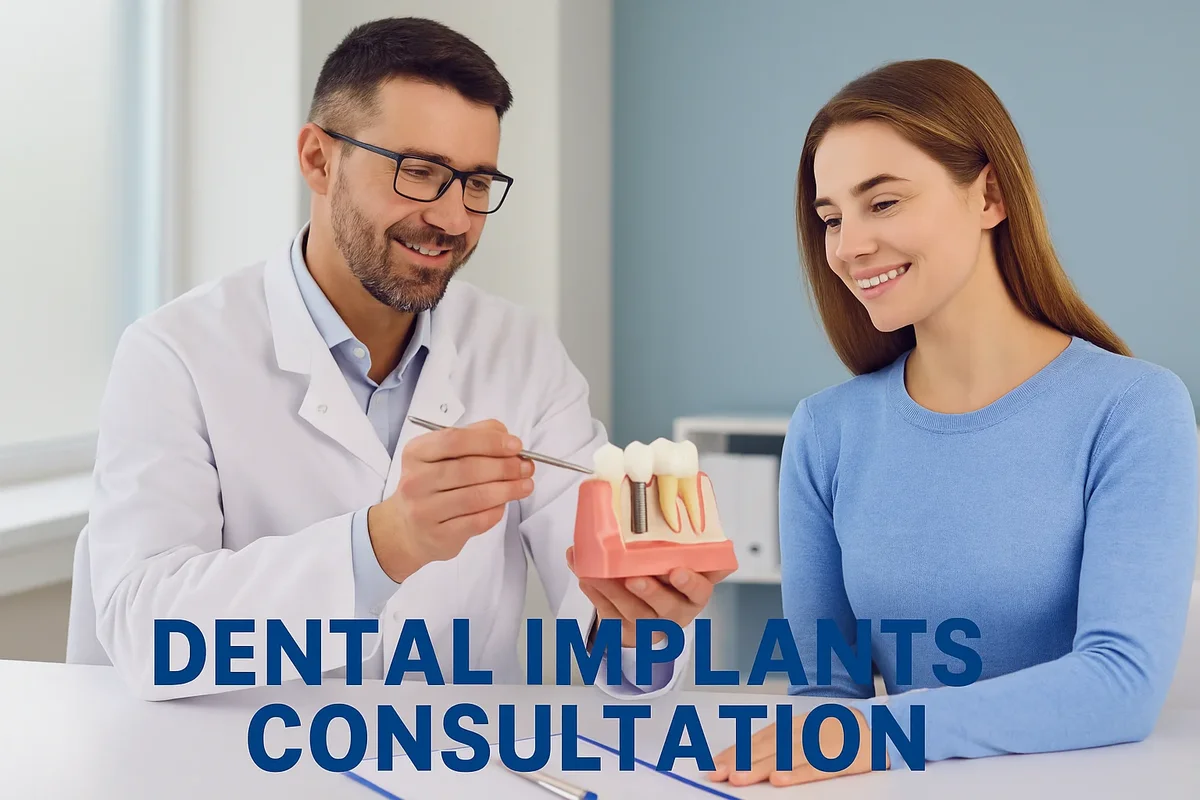
Why Choosing the Right Clinic for Your Dental Implants Consultation Matters 🏥
Selecting the right clinic for your dental implants consultation can make the difference between a successful, stress-free experience and one filled with complications, hidden costs, or unsatisfactory results. Implants are a long-term investment — in both your smile and your health — so choosing a trustworthy, technologically advanced, and transparent dental clinic is absolutely essential. In this comprehensive section, we’ll explain how to identify a reputable clinic, what factors to evaluate before booking your appointment, and how this choice impacts every phase of your dental implant journey.
1. The Importance of Professional Expertise and Credentials
The most critical factor in any dental implants consultation is the expertise of the dental professional conducting it. Dental implantology requires specialized training, precision, and experience beyond general dentistry. A certified implantologist — ideally one affiliated with organizations such as the American Dental Association or the European Association for Osseointegration — has undergone rigorous education in bone anatomy, surgical techniques, and restorative aesthetics.
When evaluating clinics, ask about the qualifications and certifications of their implant specialists. A reliable clinic will proudly share the dentist’s credentials, years of experience, and number of successful implant cases completed. Avoid clinics that seem hesitant to provide such information. Transparency in expertise is a hallmark of professionalism and a clear sign that your consultation will be both thorough and safe.
Why Board Certification Matters
Board-certified implantologists adhere to strict standards of practice and ongoing education. This ensures that your dental implants consultation is guided by the most current research, materials, and technologies available. Certified specialists are also trained to manage complex cases — such as patients requiring bone grafting or full-arch rehabilitation — with precision and confidence.
2. Advanced Technology and Diagnostic Tools 🦷
Modern clinics invest heavily in technology to improve patient outcomes. A professional dental implants consultation should include the use of 3D cone beam CT scans, intraoral digital scanners, and computer-guided implant planning software. These advanced tools allow dentists to visualize your jawbone in three dimensions, evaluate bone density, and plan implant placement with surgical accuracy.
Without these diagnostic tools, the consultation may rely on outdated methods like 2D X-rays, which can miss critical details such as sinus positioning or nerve pathways. Choosing a clinic that embraces innovation ensures your implants are placed with minimal risk and maximum precision.
Digital Workflow Advantage
Clinics with a fully digital workflow streamline every stage of the process — from the dental implants consultation to surgery and final crown placement. This means fewer appointments, faster results, and a more comfortable experience. Digital scans also improve crown accuracy and bite alignment, ensuring your new teeth look and feel completely natural.
3. Hygiene Standards and Safety Protocols
Implant dentistry involves surgical procedures, making hygiene and sterilization absolutely non-negotiable. A reputable clinic maintains strict infection control protocols that align with international safety standards. During your dental implants consultation, pay attention to how the clinic handles sterilization — the use of sealed instruments, disposable gloves, and disinfected treatment areas are indicators of high standards.
Some clinics are accredited by international healthcare organizations that evaluate cleanliness, safety, and ethical standards. Choosing such a clinic not only protects your health but also guarantees that every aspect of your procedure — from consultation to recovery — is conducted in a sterile, patient-centered environment.
Questions to Ask About Safety
- Does the clinic use autoclave sterilization equipment?
- Are instruments and surfaces disinfected between every patient?
- Is the staff trained in cross-contamination prevention?
If a clinic avoids these questions or appears careless about safety, it’s best to continue your search elsewhere.
4. Transparent Pricing and Ethical Communication 💬
A trustworthy clinic provides clear and honest information about the cost of a dental implants consultation and the overall treatment. Be cautious of clinics that advertise ultra-low prices without explaining what’s included. Some may exclude necessary components like imaging, anesthesia, or abutments, resulting in unexpected charges later.
During your consultation, ask for a written treatment plan and a detailed cost breakdown. This document should specify the brand of implants, type of crown, surgical procedures, and warranty policies. A transparent clinic has nothing to hide — they will explain every fee and provide options that fit your budget without compromising on quality.
Red Flags to Watch For
Be wary of clinics that pressure you to commit immediately, refuse to provide written quotes, or discourage second opinions. Genuine professionals encourage informed decision-making and patient empowerment. Clinics like Redent Klinik Contact Page are excellent examples of ethical transparency, offering detailed consultations and free written estimates before any procedure.
5. Comprehensive Patient Support and Aftercare
Post-consultation support is an often-overlooked but vital component of quality care. A professional dental implants consultation doesn’t end once you leave the clinic — it extends to postoperative guidance, checkups, and lifelong maintenance. Reliable clinics assign patient coordinators or aftercare specialists who monitor your recovery and provide personalized follow-up advice.
For international patients, especially those traveling for dental tourism, aftercare coordination includes communication via phone, email, or teleconsultations after returning home. This ensures continuity of care and quick response in case of concerns or complications.
Warranty and Long-Term Assurance
Top clinics offer implant warranties ranging from 5 to 10 years or even lifetime coverage on certain brands. During your dental implants consultation, confirm these guarantees in writing. A strong warranty policy reflects the clinic’s confidence in their materials, techniques, and craftsmanship — giving patients peace of mind for years to come.
6. Reputation and Patient Reviews 🌍
In the digital era, patient feedback is one of the most reliable indicators of clinic quality. Before scheduling your dental implants consultation, research online reviews, testimonials, and case studies. Look for consistency in positive experiences — especially regarding communication, comfort, and final results. Authentic reviews often highlight the professionalism of staff, cleanliness, and transparency of pricing.
Additionally, explore before-and-after photo galleries to gauge the clinic’s aesthetic outcomes. High-quality clinics proudly showcase real patient transformations to demonstrate their skill and credibility.
Third-Party Accreditations
Some of the best dental centers hold certifications from global organizations such as ISO or JCI (Joint Commission International), proving they meet global healthcare standards. These accreditations guarantee that every dental implants consultation and subsequent procedure meets strict quality and safety benchmarks.
Conclusion: The Right Clinic Defines Your Smile’s Future
Your choice of clinic determines the success, comfort, and longevity of your dental implants. A professional dental implants consultation with experienced experts, modern technology, and transparent communication ensures your treatment is safe, effective, and customized. Prioritize clinics with strong reputations, international certifications, and a patient-first philosophy. When you invest time in selecting the right clinic, you’re not just securing a dental procedure — you’re safeguarding your health, confidence, and quality of life for decades to come. The right consultation today lays the foundation for a beautiful, lasting smile tomorrow.