
Dental implants have become the gold standard for replacing missing teeth — offering unmatched durability, natural aesthetics, and long-term oral health benefits. But one of the most common questions patients ask before undergoing treatment is: “What is the dental implants cost in 2025?” Understanding the full cost of dental implants is essential to making an informed and confident decision about your dental health and finances.
The dental implants cost can vary widely depending on the country, clinic, materials used, and complexity of the procedure. On average, in the United States, the cost of a single dental implant ranges from $3,000 to $6,000, while in countries like Turkey or Mexico, the same high-quality implant may cost between $800 and $1,500. This wide price gap often leads patients to explore dental tourism, especially when quality and savings can go hand in hand. 🌍
So, what exactly are you paying for when you invest in dental implants? Each implant consists of three main parts: the titanium post (which replaces the tooth root), the abutment (the connector), and the crown (the visible part that looks like your natural tooth). The total dental implants cost includes not only these components but also the surgical procedure, pre-surgery consultations, X-rays, CT scans, anesthesia, and post-operative care. Each of these steps requires specialized equipment, materials, and professional expertise, all of which contribute to the final cost.
In 2025, with technological advancements such as 3D-guided implant surgery and computer-aided design (CAD/CAM) crowns, precision and safety have improved dramatically. However, these innovations can slightly increase the price — while also ensuring faster healing times and more predictable outcomes. Patients seeking the best value should look for clinics offering comprehensive treatment plans that outline every detail of the dental implants cost upfront to avoid hidden fees later.
It’s also important to note that the average dental implants cost depends on how many teeth need replacement. A single tooth implant might be sufficient for one missing tooth, but for patients missing several teeth, a full arch restoration or All-on-4 dental implant system might be recommended. The All-on-4 treatment can range from $12,000 to $25,000 per arch in the U.S., while in Turkey, the same procedure often costs around $4,000 to $8,000, making it a highly attractive option for international patients seeking premium dental care at reasonable prices.
When evaluating the dental implants cost, you should also consider the long-term value compared to other tooth replacement options. Unlike dentures or bridges that may need replacement every few years, dental implants can last 20 years or more — often a lifetime — when properly cared for. That means while the initial investment might seem high, the long-term cost-effectiveness makes implants a smarter choice overall. 🦷✨
Moreover, the benefits of dental implants go far beyond aesthetics. They help preserve jawbone structure, prevent bone loss, and maintain facial symmetry. They also restore the full biting force, allowing patients to eat comfortably without dietary restrictions. Many patients report a significant boost in self-confidence and quality of life after implant placement — a priceless result when compared to the dental implants cost.
According to the American Dental Association, dental implant procedures have a success rate exceeding 95%, making them one of the safest and most predictable dental restorations available today. When performed by experienced implantologists and supported by high-quality materials, the investment yields long-lasting and aesthetically pleasing results.
However, before proceeding with treatment, patients should always request a detailed cost breakdown. A transparent quote should include:
- Initial consultation and diagnostic imaging (X-rays or 3D scans)
- Surgical placement of the titanium implant
- Abutment and custom-made crown
- Post-operative care and follow-up appointments
- Any additional procedures like bone grafting or sinus lifting, if required
At Redent Klinik, located in Turkey, patients benefit from world-class dental care at affordable prices. If you’re curious about how much your personalized treatment might cost, visit our Redent Klinik Contact Page to schedule a free consultation and receive a customized price estimate. 🇹🇷
In conclusion, while the dental implants cost in 2025 can seem like a major investment, it’s essential to view it as a long-term health and lifestyle improvement. By choosing a reputable clinic, comparing global options, and understanding the components behind the cost, you can ensure that your smile restoration journey is safe, effective, and financially smart.
Next, we’ll explore “What Are Dental Implants and How Do They Work?” to help you understand the science behind this life-changing treatment.
What Are Dental Implants and How Do They Work?
Before diving deeper into dental implants cost, it’s important to understand what dental implants are and how they function. Dental implants are advanced, permanent tooth replacement solutions that mimic the natural structure of your teeth. They are composed of three primary parts: the implant post, the abutment, and the dental crown. Each part plays a vital role in restoring not only your smile’s aesthetics but also its function and long-term stability. 🦷
Understanding the Structure of a Dental Implant
A typical dental implant is made from biocompatible titanium or zirconia, materials that integrate naturally with the jawbone through a process called osseointegration. This process allows the implant post to act like a natural tooth root, providing a stable foundation for the artificial crown. The abutment is then attached to the implant and serves as the connector between the post and the crown. Finally, the dental crown — custom-made to match the color and shape of your natural teeth — completes the restoration.
This structure ensures durability and functionality. Once fully healed, a patient can chew, speak, and smile with confidence. In fact, properly placed implants can last 20 years or longer, making the dental implants cost a long-term investment rather than a recurring expense like dentures or bridges.
The Step-by-Step Dental Implant Procedure
The dental implant procedure is typically performed in several stages and may take several months to complete. However, this phased approach is essential for ensuring long-term success and stability.
Step 1: Initial Consultation and Treatment Planning
The journey begins with an in-depth consultation where your dentist evaluates your oral health using 3D imaging and digital scans. These diagnostics help determine whether your jawbone is strong enough to support an implant. If bone density is insufficient, bone grafting may be recommended to strengthen the area. During this stage, your dentist will also provide a detailed breakdown of the dental implants cost, outlining every component from surgery to final crown placement.
Step 2: Surgical Implant Placement
Under local anesthesia or sedation, the dentist surgically inserts the titanium implant post into the jawbone. This post serves as a replacement for your natural tooth root. Over the next few months, osseointegration takes place — the process where the bone fuses with the implant, creating a stable and secure foundation. This biological bonding is what sets implants apart from traditional dentures or bridges.
Step 3: Healing and Abutment Placement
After osseointegration, the healing process continues for 3–6 months. Once the implant is firmly anchored, a minor follow-up procedure is performed to attach the abutment. This part connects the implant post to the crown. Patients may receive a temporary crown during this period while the permanent crown is fabricated in a dental lab.
Step 4: Final Crown Placement
Once the gums have healed, the final step involves placing the custom-made crown on top of the abutment. This crown is carefully designed to match the size, color, and contour of your surrounding teeth, achieving a seamless and natural appearance. At this stage, the restoration is complete — the implant looks and functions just like a natural tooth.
Types of Dental Implants and Their Impact on Cost
There are several types of dental implants, and each can influence the overall dental implants cost. The two most common types are:
- Endosteal Implants: These are the most widely used implants and are surgically placed into the jawbone. They are suitable for most patients with healthy bone structure.
- Subperiosteal Implants: These sit above the jawbone but beneath the gum tissue and are often used when the patient doesn’t have sufficient bone density and prefers not to undergo bone grafting.
Advanced systems such as All-on-4 or All-on-6 implants are ideal for patients needing full-arch restoration. While they involve higher upfront costs, they provide superior long-term results and require fewer implants than traditional full-mouth replacements.
Why Dental Implants Are Considered the Best Tooth Replacement Option
Unlike dentures that can slip or bridges that require the alteration of healthy teeth, dental implants provide a permanent, independent solution. They preserve the jawbone by stimulating bone growth, preventing facial sagging, and maintaining natural oral structure. Furthermore, implants allow for unrestricted eating habits — from biting into apples 🍎 to enjoying your favorite steak — without discomfort or fear of movement.
From a cost-benefit perspective, while the dental implants cost may seem higher initially, the durability and natural functionality justify the investment. Over time, patients save money by avoiding frequent repairs or replacements associated with dentures and bridges. Moreover, implants enhance self-confidence and oral health, making them an excellent long-term value.
Technological Advancements in Implant Dentistry
Modern dentistry continues to evolve, and so do dental implants. Today’s implants benefit from computer-guided placement, 3D printing, and digital smile design technology. These innovations minimize surgical risks, improve accuracy, and enhance overall comfort. However, such advanced procedures may add a small premium to the dental implants cost — though patients often find the precision and reduced recovery time well worth it.
Professional Expertise and Its Role in Treatment Success
Successful dental implant procedures rely heavily on the expertise of the dental team. Experienced implantologists not only ensure correct placement but also reduce the risk of post-operative complications. This is why clinics like Redent Klinik in Turkey have gained global recognition — offering world-class dental implants at competitive prices. Patients can contact them directly through the Redent Klinik Contact Page to receive a personalized consultation and detailed price estimate.
Final Thoughts on How Dental Implants Work
In essence, dental implants combine advanced science, precision engineering, and aesthetic artistry. By replacing the entire tooth structure — root and crown — they deliver unparalleled strength and natural appeal. Understanding how implants work helps patients appreciate the value behind the dental implants cost. When viewed as a long-term health investment rather than a short-term fix, implants emerge as the most reliable, functional, and cost-effective solution for tooth loss.
Next, we’ll explore “Average Dental Implants Cost in 2025: Global Comparison 🌍” to see how pricing varies across regions and what factors influence these differences.
Average Dental Implants Cost in 2025: Global Comparison 🌍
The dental implants cost in 2025 continues to vary significantly across the globe, depending on several factors such as labor costs, material quality, and healthcare systems in different countries. Patients today are more informed and willing to travel internationally to receive high-quality dental treatments at a fraction of domestic prices. Understanding how implant costs differ worldwide can help you make smarter, budget-conscious decisions without compromising on quality or safety. Let’s take a closer look at how much dental implants cost in major regions — from the United States to Turkey and beyond.
United States: The Highest Average Dental Implants Cost
In the United States, the average dental implants cost per tooth in 2025 ranges between $3,000 and $6,000, depending on the city and dentist’s expertise. This price usually covers the implant post, abutment, and crown, but it may exclude procedures like bone grafting or sinus lifts, which can add an additional $500 to $2,000 per implant. Cities like New York, Los Angeles, and Miami often have higher prices due to overhead costs and market demand. On the other hand, states with lower living costs — such as Texas or Florida — may offer slightly more affordable options while maintaining similar treatment quality.
In the U.S., dental insurance rarely covers the full dental implants cost, as most insurers classify implants as cosmetic rather than medical procedures. However, some premium plans may reimburse a portion of the cost, especially when the implant is necessary for functional reasons such as speech or chewing improvement.
United Kingdom and Western Europe: Moderate to High Costs
In the United Kingdom, the dental implants cost per tooth in 2025 typically ranges from £2,000 to £3,500. This often includes the surgical placement and crown restoration but not advanced procedures like bone grafts or extractions. Similarly, in Western European countries such as Germany, France, and the Netherlands, the cost per implant ranges between €2,000 and €4,000.
While these prices may seem high, they reflect the region’s stringent medical standards and advanced technology. European dental clinics tend to use premium implant systems from brands such as Nobel Biocare or Straumann, which are known for their superior integration and longevity. Nevertheless, these costs encourage many patients to explore dental tourism in countries like Hungary, Poland, or Turkey — where the same high-quality materials are used but at significantly lower prices.
Asia: Affordable Yet Technologically Advanced Options
Asia has become a hub for affordable and advanced dental care. In countries such as India, Thailand, and the Philippines, the dental implants cost per tooth typically ranges between $800 and $1,500. Many clinics in these regions are internationally accredited and staffed by highly trained dental surgeons. With modern technology, sterilization standards, and patient-centric services, they attract thousands of medical tourists each year.
Thailand, in particular, has emerged as a leading destination for dental implants due to its excellent reputation for hospitality, affordability, and medical tourism infrastructure. Similarly, India’s dental clinics provide world-class treatments, often using the same implant brands found in the U.S. and Europe at less than half the price. Patients looking for excellent quality and significant savings can find these Asian countries an ideal choice.
Turkey: The Global Hotspot for Dental Implants 🇹🇷
In 2025, Turkey remains one of the most sought-after destinations for dental implant treatments, offering a perfect balance between cost, quality, and luxury experience. The dental implants cost per tooth in Turkey ranges from $700 to $1,200 for premium materials. Full-mouth implant solutions, such as All-on-4 or All-on-6 systems, typically cost between $4,000 and $8,000 per arch — about 60–70% cheaper than the same procedures in the U.S. or Western Europe.
One of the key advantages of choosing Turkey is the combination of European-standard dental care with affordable pricing. Clinics such as Redent Klinik in Istanbul specialize in dental implants and cater to international patients by offering all-inclusive treatment packages. These packages often cover the consultation, 3D imaging, implant placement, hotel accommodation, airport transfers, and follow-up care. Patients interested in a free quote can visit the Redent Klinik Contact Page to learn more.
Latin America: Quality Care for American Patients
For North American patients seeking to cut costs without traveling too far, destinations like Mexico, Costa Rica, and Colombia provide exceptional value. The average dental implants cost in Mexico ranges from $900 to $1,500 per tooth, making it one of the most affordable options for U.S. residents. Many clinics near the U.S.-Mexico border offer English-speaking staff and use American Dental Association-approved materials, ensuring international standards are met. Similarly, Costa Rica’s dental tourism industry is thriving, with highly skilled implantologists offering competitive pricing and high-quality care.
Australia and Canada: High Standards with Premium Pricing
In both Australia and Canada, patients can expect to pay between $3,500 and $5,500 per implant. While these countries maintain strict dental regulations and high clinical standards, the higher cost often stems from labor rates, equipment imports, and government taxation. However, Canadian dental schools and university clinics occasionally offer reduced pricing as part of training programs — providing an opportunity for patients on a budget.
Price Comparison Table (2025 Averages)
| Country | Average Cost per Implant (USD) | Full Mouth (All-on-4) |
|---|---|---|
| United States | $3,000 – $6,000 | $20,000 – $25,000 |
| United Kingdom | $2,500 – $4,000 | $15,000 – $20,000 |
| Germany/France | $2,000 – $3,500 | $12,000 – $18,000 |
| Turkey | $700 – $1,200 | $4,000 – $8,000 |
| Thailand/India | $800 – $1,500 | $5,000 – $9,000 |
| Mexico | $900 – $1,500 | $6,000 – $10,000 |
Why Dental Tourism Continues to Rise in 2025
Dental tourism has become a global phenomenon driven by the wide variation in dental implants cost. Patients from Western countries are increasingly flying abroad for affordable treatments in Turkey, Thailand, or Mexico — saving up to 70% while enjoying premium care and vacation experiences. These clinics often partner with hotels and travel agencies, offering “smile makeover” packages that combine dental treatment with luxury stays.
With the rise of online reviews, video consultations, and medical travel agencies, it’s easier than ever for patients to research and verify clinic reputations before booking. Transparency in pricing, modern facilities, and international accreditation have made dental tourism both accessible and reliable.
Conclusion: Comparing Costs for Smart Dental Decisions
In conclusion, understanding the global differences in dental implants cost can empower patients to find the best balance between affordability and quality. While countries like the U.S. and U.K. maintain high standards, nations like Turkey and Thailand offer the same quality at a fraction of the price. When choosing your treatment destination, always consider the experience of the dental team, the technology used, and post-treatment support — not just the price tag.
Next, we’ll explore “Factors That Affect Dental Implants Cost” to help you understand why prices vary and how you can manage your treatment budget effectively.
Factors That Affect Dental Implants Cost
The dental implants cost varies significantly depending on a combination of medical, material, and geographical factors. Every patient’s mouth is unique, and the total treatment plan must be tailored individually — from implant selection to bone condition, surgical technique, and even post-operative care. Understanding these cost variables helps patients make informed financial decisions and prevents unexpected surprises later in the process. Below is a detailed look at the most influential factors that determine how much you’ll pay for dental implants in 2025.
1. The Type and Quality of Dental Implant Material
One of the most important cost drivers is the type of material used. Most implants are made of titanium or zirconia — both biocompatible materials that fuse naturally with the jawbone. Titanium implants have been the gold standard for decades due to their strength and proven success rate. Zirconia implants, on the other hand, are metal-free and preferred for patients with metal sensitivities or those seeking a more aesthetic, natural look.
High-end implants produced by globally recognized manufacturers such as Straumann, Nobel Biocare, and Zimmer Biomet tend to raise the dental implants cost due to their advanced surface technology and long-term reliability. Budget implant systems may cost less upfront but might not provide the same long-lasting integration or warranty support. As a general rule, the higher the material quality, the longer the implant lifespan — making the initial investment more worthwhile.
2. The Number of Implants Needed
The total dental implants cost depends heavily on how many teeth require replacement. A single implant naturally costs less than a full-arch restoration. However, if multiple teeth are missing, treatment plans often incorporate advanced systems like All-on-4 or All-on-6 implants. These techniques use four or six strategically placed implants to support a complete set of upper or lower teeth, reducing the overall cost per tooth.
Example Pricing by Case Type
- Single Tooth Implant: $800 – $2,000 (depending on the region)
- Implant-Supported Bridge: $2,500 – $6,000
- Full Arch (All-on-4): $4,000 – $8,000 in Turkey; up to $25,000 in the U.S.
While the dental implants cost per tooth decreases in multiple-implant cases, the overall treatment still represents a major investment. This is why patients should consider both the number of implants and the type of restoration planned before committing to treatment.
3. Bone Quality and the Need for Additional Procedures
Bone health plays a crucial role in determining the success and total dental implants cost. Patients with insufficient jawbone density may require bone grafting or sinus lift surgery before implant placement. These procedures add to the total cost but are vital for achieving long-term stability.
Bone grafting typically costs between $400 and $1,200 per site, depending on the material used (synthetic, bovine, or autogenous bone). A sinus lift, which is often needed for upper molar implants, can add another $1,000 to $3,000 to the final bill. While these steps increase the price, they ensure the implant’s success and prevent complications in the future.
4. Dentist’s Expertise and Clinic Reputation
The experience and credentials of your dentist significantly influence the dental implants cost. Highly trained implantologists, especially those certified by organizations such as the American Dental Association or the European Federation of Periodontology, charge more for their professional skills. However, their precision often results in better outcomes, fewer complications, and longer-lasting results — saving money in the long run.
Clinics with a strong international reputation often invest in advanced diagnostic tools like CBCT (Cone Beam CT) scanners and digital CAD/CAM systems. While these technologies enhance treatment accuracy, they can also slightly raise overall costs. For instance, top-tier clinics like Redent Klinik in Turkey combine world-class equipment with competitive pricing, offering affordable packages without compromising quality. To request a personalized estimate, patients can reach out via the Redent Klinik Contact Page.
5. Geographic Location and Currency Value
Location is one of the most visible factors affecting the dental implants cost. The same procedure can cost five times more in one country than another. For example, an implant that costs $4,000 in the U.S. may only cost $900 in Turkey or India — without any difference in implant material or quality. This price variation is largely due to lower labor costs, operational expenses, and favorable currency exchange rates.
Even within the same country, dental prices can differ drastically. Urban centers like London, New York, or Sydney tend to be more expensive than smaller cities or regional clinics. Therefore, patients looking to save money often combine treatment with travel, a trend known as dental tourism.
6. Technology and Equipment Used
Modern dentistry has embraced technologies like 3D-guided implant surgery, laser-assisted healing, and intraoral scanning. These innovations improve surgical precision, reduce discomfort, and shorten recovery time. However, incorporating cutting-edge tools also adds to the clinic’s operational costs — which can marginally increase the dental implants cost.
Despite this, most patients find the higher cost justified because technology-driven procedures have higher success rates, minimize risks, and enhance long-term comfort. Clinics investing in digital dentistry offer more predictable and safer results, especially for complex implant cases.
7. Type of Restoration: Crown, Bridge, or Denture
The final restoration — whether a single crown, bridge, or implant-supported denture — also influences the overall dental implants cost. Porcelain-fused-to-metal crowns are less expensive than all-ceramic or zirconia crowns, which offer superior aesthetics. For instance, a zirconia crown might cost around $1,000, while a basic porcelain option could be half that price. Similarly, full-arch restorations that use multiple implants will naturally involve higher material and laboratory costs.
8. Post-Treatment Care and Maintenance
Finally, ongoing maintenance should be factored into your total dental implants cost. Regular checkups, professional cleanings, and occasional X-rays are necessary to ensure the implants remain healthy. While these costs are minimal compared to the initial surgery, neglecting maintenance can lead to expensive complications such as infection or bone loss. In the long term, well-maintained implants can last decades — making them an excellent investment in both function and aesthetics.
Conclusion: Evaluating Value Beyond Price
In summary, while the dental implants cost varies from patient to patient, the true value lies in the outcome — a confident smile, improved oral health, and restored functionality. Factors like implant quality, surgical expertise, and modern technology all contribute to achieving durable and natural-looking results. By understanding these variables, patients can make educated decisions, balance affordability with quality, and choose the best treatment plan for their individual needs.
Next, we’ll explore “Single vs. Multiple Dental Implants: Which Is More Affordable?” to help you determine the best solution for your dental restoration goals.
Single vs. Multiple Dental Implants: Which Is More Affordable?
One of the most common questions patients ask when evaluating dental implants cost is whether it’s more affordable to replace individual teeth one by one or opt for a multi-implant restoration such as the All-on-4 or All-on-6 system. Both approaches have unique benefits and cost structures, and understanding their differences can help patients select the most efficient and cost-effective treatment plan. 🦷
Understanding the Difference Between Single and Multiple Implants
Before comparing prices, it’s essential to understand how these two treatment types differ in design and purpose. A single dental implant replaces one missing tooth with an individual titanium or zirconia post, topped by a single crown. In contrast, multiple implants or full-arch systems use several implants to support multiple replacement teeth — sometimes even an entire set.
In single-tooth cases, each implant functions independently, meaning it has its own abutment and crown. For patients missing several adjacent teeth, an implant-supported bridge can be used, which reduces the number of implants needed and, therefore, the overall dental implants cost. Meanwhile, in cases of full-mouth restoration, All-on-4 or All-on-6 systems provide complete stability using fewer implants, which dramatically affects cost efficiency.
Single Dental Implants: Detailed Cost Analysis
The average dental implants cost for a single tooth ranges from $800 to $2,000 in affordable destinations like Turkey and $3,000 to $6,000 in the United States. This price usually includes the titanium post, abutment, and dental crown but not additional procedures like bone grafting or sinus lifts.
Who Should Consider a Single Implant?
- Patients missing only one or two teeth.
- Individuals with healthy surrounding teeth and strong jawbone density.
- Those seeking a natural appearance without impacting adjacent teeth.
Single implants are ideal for preserving oral health because they don’t rely on neighboring teeth for support. However, when multiple implants are required, the per-tooth cost can increase due to separate surgeries and crowns, making full-mouth systems more economical for extensive restorations.
Multiple Dental Implants: Cost and Efficiency
For patients missing several teeth or full arches, multiple dental implants can offer a balance between function, comfort, and cost-effectiveness. The total dental implants cost depends on how many implants are used and what type of restoration they support. For example, an implant-supported bridge typically requires two implants to support three or four connected crowns, significantly lowering the overall price compared to single implants for each missing tooth.
Average Multiple Implant Costs in 2025
| Treatment Type | Number of Implants | Estimated Cost (USD) |
|---|---|---|
| Two-Implant Bridge (3 Teeth) | 2 | $2,500 – $6,000 |
| All-on-4 Full Arch | 4 | $4,000 – $8,000 (Turkey), $15,000 – $25,000 (U.S.) |
| All-on-6 Full Arch | 6 | $5,500 – $9,000 (Turkey), $18,000 – $30,000 (U.S.) |
These systems provide complete mouth rehabilitation with minimal implants, making them particularly cost-effective in the long term. The dental implants cost per tooth is significantly lower when using these techniques because one set of implants supports multiple crowns or a full denture. This reduces material and surgical expenses while providing excellent stability and aesthetics.
All-on-4 vs. All-on-6 Systems
The All-on-4 system uses four implants per jaw to anchor a full arch of 10–14 teeth. The All-on-6 system, on the other hand, uses six implants for additional stability and strength, especially for patients with reduced bone density. Although the dental implants cost for All-on-6 is higher, it provides enhanced distribution of biting forces and longer-lasting results — often seen as a worthwhile upgrade.
Pros and Cons of Each System
- All-on-4 Pros: Less invasive, faster recovery, and lower cost.
- All-on-4 Cons: Not suitable for patients with significant bone loss in the posterior jaw.
- All-on-6 Pros: Superior stability, greater chewing comfort, and durability.
- All-on-6 Cons: Slightly higher price and longer treatment time.
Patients should consult an experienced implantologist to determine which system suits their anatomical and financial needs best. Clinics such as Redent Klinik in Turkey provide personalized consultations that include digital scans, cost estimates, and treatment simulations. To inquire about your specific case, visit the Redent Klinik Contact Page.
Long-Term Value Comparison
When comparing single versus multiple implants, one must also consider long-term savings. While a single implant might seem cheaper initially, replacing several teeth individually increases cumulative costs. In contrast, systems like All-on-4 reduce maintenance, materials, and surgical sessions — leading to substantial savings over time.
Moreover, the durability of implants minimizes replacement needs. Traditional dentures, for instance, require adjustments every few years and replacements every 7–10 years, while implants can last decades. This longevity offsets the initial dental implants cost and enhances lifetime value.
Additional Factors Affecting Affordability
The affordability of single or multiple implants also depends on other factors like clinic reputation, dentist experience, and technological equipment. For example, advanced 3D-guided implant placement ensures precision but slightly increases cost. Still, this method reduces recovery time and complications, providing better overall value. Patients are advised to balance budget considerations with quality to ensure lasting success.
Final Verdict: Which Option Is More Affordable?
Ultimately, whether single or multiple implants are more affordable depends on the extent of tooth loss and the patient’s treatment goals. For one or two missing teeth, single implants offer a perfect balance of cost and aesthetics. However, for patients needing full-mouth restoration, All-on-4 or All-on-6 implants provide exceptional long-term value, reducing the dental implants cost per tooth and offering durable, functional, and natural-looking results.
It’s crucial to evaluate the full financial picture rather than the upfront cost. Choosing high-quality materials, experienced specialists, and reputable clinics ensures that every dollar spent contributes to a lifelong smile — making the investment in dental implants one of the most rewarding oral health decisions you can make.
Next, we’ll explore “Hidden Costs of Dental Implants You Should Know” to help you prepare for any additional expenses associated with implant treatment.
Hidden Costs of Dental Implants You Should Know
When planning for dental implant treatment, many patients focus solely on the main procedure cost — the surgery, implant, and crown. However, the dental implants cost extends beyond these core components. There are several additional or “hidden” costs that patients should consider when budgeting for their treatment. These expenses, while sometimes overlooked, play a crucial role in the overall success and longevity of the implant. Understanding these hidden costs ensures you are financially prepared and helps you avoid unpleasant surprises later on. 💡
1. Initial Consultation and Diagnostic Imaging
Every implant journey begins with a comprehensive examination and diagnostic imaging, which are essential for treatment planning. These preliminary steps may seem minor, but they are indispensable in ensuring that the implant is placed precisely and safely. Clinics use 3D CBCT scans, panoramic X-rays, and digital impressions to evaluate bone density, gum health, and nerve positioning.
These diagnostic procedures typically cost between $100 and $300 in most countries, although many reputable clinics, such as Redent Klinik, offer them free of charge in their initial consultation packages. Nonetheless, it’s important to confirm whether the consultation and imaging are included in your total dental implants cost estimate.
2. Tooth Extraction Before Implant Placement
If you have a damaged or decayed tooth that needs removal before receiving an implant, the extraction adds to the total treatment cost. Depending on the complexity, simple extractions range between $75 and $300, while surgical extractions can go up to $500 per tooth. Patients often underestimate this step when calculating the dental implants cost, but it is necessary to create a healthy foundation for the implant’s long-term success.
3. Bone Grafting and Sinus Lifting Procedures
Many patients don’t have sufficient bone density to support an implant, particularly those who have experienced prolonged tooth loss or gum disease. In such cases, additional procedures like bone grafting or sinus lifting become essential.
Bone Grafting Costs
The price of bone grafting depends on the material used and the complexity of the procedure. Synthetic or donor bone grafts usually cost between $400 and $1,200 per site. Autogenous grafts (taken from your own body) tend to be more expensive due to the surgical technique involved. While this increases the overall dental implants cost, it significantly improves implant stability and longevity.
Sinus Lift Costs
For upper jaw implants, especially near molars, a sinus lift may be required to create enough space for implant placement. This procedure typically costs $1,000 to $3,000. Although it adds to the treatment duration and cost, it is a crucial investment for achieving successful long-term results.
4. Temporary Restorations or Healing Caps
During the healing phase — known as osseointegration — patients often require temporary restorations or healing abutments to maintain aesthetics and function. These temporary crowns or dentures may cost between $200 and $800 depending on the material used and whether they are removable or fixed. While not always included in initial quotes, they form a necessary part of the complete dental implants cost.
5. Anesthesia or Sedation Fees
Most implant surgeries are performed under local anesthesia, which is usually included in the base price. However, patients who prefer conscious sedation or general anesthesia for comfort may face additional costs. Sedation fees range from $250 to $750 per session, depending on the clinic and location. Advanced sedation techniques ensure a stress-free experience, especially for patients with dental anxiety, but they also contribute to the overall dental implants cost.
6. Follow-Up Visits and Maintenance Costs
Post-surgery follow-up visits are critical to ensure proper healing, integration, and oral hygiene maintenance. While most reputable clinics offer a few free follow-up appointments, additional visits or professional cleanings may incur separate charges. Regular maintenance visits, typically every six months, can cost around $100 to $200 each. These costs should be factored into your annual dental budget since they protect your implant investment and prevent costly complications.
7. Medications and Post-Operative Care
After surgery, patients are prescribed medications such as antibiotics, painkillers, and anti-inflammatory drugs. Although these are relatively inexpensive (usually under $100), they are an essential part of the healing process. Some clinics may also recommend specialized mouth rinses or gels to reduce infection risk, slightly adding to the overall dental implants cost.
8. Laboratory and Customization Fees
Dental labs play a crucial role in designing and fabricating custom crowns, bridges, or dentures that match your natural teeth perfectly. The more precise and aesthetic the restoration, the higher the lab fee. Premium materials like zirconia or porcelain-fused-to-metal can increase the final dental implants cost by $300 to $1,000 per restoration, depending on design complexity and brand quality. However, these materials ensure long-lasting, lifelike results that justify the added expense.
9. Travel and Accommodation (for Dental Tourism)
For patients traveling abroad — for instance, to Turkey, Thailand, or Mexico — travel and accommodation are additional considerations. Flights, hotel stays, and transportation can add $500 to $1,500 to the total dental implants cost. Fortunately, leading clinics such as Redent Klinik offer all-inclusive dental packages that cover accommodation, transfers, and consultation fees, reducing logistical stress. To request a personalized quote, visit the Redent Klinik Contact Page.
10. Repairs, Replacements, or Warranty Extensions
While dental implants are designed to last decades, accidents or unforeseen issues may require crown replacement or abutment repairs. Replacing a broken crown typically costs between $400 and $1,000. Some clinics offer extended warranties for an additional fee, which can be a smart investment for peace of mind. Always check the warranty terms before starting treatment to ensure that your dental implants cost covers potential future issues.
Final Thoughts: Transparency Is Key
In summary, while the base price of dental implants may seem straightforward, the true dental implants cost often includes multiple hidden elements that affect the total investment. From pre-surgery diagnostics to aftercare and maintenance, every step carries its own financial weight. The key to avoiding surprises is transparency — always ask for a detailed written estimate that includes every component of your treatment plan.
At Redent Klinik and other reputable clinics, all-inclusive packages are provided to ensure clarity and affordability. By understanding these hidden costs upfront, you can budget accurately, make confident decisions, and enjoy your new smile without unexpected financial stress. 🌟
Next, we’ll explore “How to Save Money on Dental Implants Without Compromising Quality” — a detailed guide to getting the best results at the best price.
How to Save Money on Dental Implants Without Compromising Quality
The dental implants cost can be a significant financial commitment, especially when patients are seeking premium materials, expert care, and long-lasting results. However, reducing the price doesn’t have to mean sacrificing quality. By understanding where and how savings can be made, you can access affordable dental implants that meet international standards and ensure excellent outcomes. Let’s explore proven strategies to lower your treatment expenses while maintaining world-class dental care. 💎
1. Consider Dental Tourism in Trusted Countries
One of the most effective ways to reduce the dental implants cost is through dental tourism. Countries like Turkey, Thailand, Hungary, and Mexico have become global leaders in affordable, high-quality dental care. These nations offer state-of-the-art clinics with internationally accredited dentists at prices that are often 60–70% lower than in Western Europe or the U.S.
For example, a single dental implant that costs around $4,000 in the U.S. may only cost between $700 and $1,200 in Turkey. This price typically includes consultation, 3D imaging, surgery, abutment, and crown. Clinics such as Redent Klinik in Istanbul provide all-inclusive packages that cover not only the medical procedure but also accommodation, airport transfers, and translation services. You can request a personalized quote via the Redent Klinik Contact Page.
Tip:
When choosing a clinic abroad, verify international certifications, patient reviews, and partnerships with trusted implant brands like Straumann or Nobel Biocare. Quality assurance ensures that lower costs don’t translate into lower standards.
2. Choose High-Value Implant Systems
Premium implant brands tend to come at a higher price, but many mid-range systems offer excellent performance and durability at a reduced dental implants cost. Modern mid-tier implants now use the same materials and design principles as their premium counterparts, offering patients more cost-effective alternatives without compromising success rates.
For example, brands like Osstem or BioHorizons provide clinically proven implants at 30–40% less cost than top-tier brands. Discussing options with your dentist allows you to select an implant system that balances cost and quality effectively.
3. Opt for All-Inclusive Treatment Packages
Many international dental clinics now offer all-inclusive packages that combine every step of the treatment — consultation, imaging, implant placement, abutment, crown, anesthesia, and follow-ups — into one transparent fee. This approach not only reduces the overall dental implants cost but also prevents unexpected charges later in the process.
Some clinics even include hotel stays, airport transfers, and medication in the package. These deals provide peace of mind, especially for international patients who want to avoid the hassle of managing multiple payments. Always ensure that your quote explicitly covers every aspect of your procedure to avoid hidden costs.
4. Take Advantage of Seasonal Discounts and Promotions
Just like other industries, dental clinics occasionally offer seasonal promotions or group discounts. Patients who schedule their treatment during off-peak periods may enjoy lower rates. Some clinics also provide discounts for couples, friends, or family members booking together, effectively reducing the per-person dental implants cost.
Additionally, many clinics provide free consultation campaigns or offer a complimentary second opinion. These offers allow patients to compare treatment plans and prices before making a commitment — a great strategy to maximize savings.
5. Evaluate Financing and Payment Plans
Even if paying the full amount upfront is challenging, many clinics offer interest-free installment plans or long-term financing options. Spreading the dental implants cost over several months makes the treatment more affordable while allowing patients to proceed without financial strain. In some regions, banks and healthcare credit companies offer specialized dental loans with flexible repayment terms and low interest rates.
Example Financing Plan
- Initial deposit: 30% of total cost
- Remaining balance paid over 6–12 months
- Interest rate: 0–5%, depending on the provider
Always review financing agreements carefully, ensuring no hidden fees or penalties apply. This way, you can manage the dental implants cost efficiently while maintaining financial stability.
6. Combine Procedures Efficiently
If you require multiple dental procedures — such as extractions, sinus lifts, or crowns — scheduling them during the same treatment trip can significantly reduce the overall dental implants cost. This consolidation minimizes anesthesia sessions, travel expenses, and clinic fees. Many clinics offer reduced prices for bundled services, especially for full-mouth restorations.
7. Verify Warranty and Aftercare Coverage
Choosing a clinic that provides a warranty on implants and crowns is another smart way to protect your investment. Reputable clinics typically offer a 5 to 10-year warranty on implants, and some extend lifetime coverage for the titanium post. This ensures that if issues arise, repairs or replacements are handled without additional charges.
Always confirm whether follow-up care or annual checkups are included in the initial dental implants cost. Reliable clinics like Redent Klinik emphasize aftercare and provide free follow-up visits for international patients within a certain time frame.
8. Compare Clinics and Request Transparent Quotes
Don’t accept the first estimate you receive. Instead, compare multiple clinics — both local and international — and request detailed breakdowns of their quotes. A trustworthy clinic should list every component of the treatment, including consultation, implant, crown, and aftercare. Transparency helps you identify the best value and prevents being overcharged.
When comparing prices, ensure that each quote refers to similar materials, technologies, and brands. Lower prices may sometimes reflect inferior materials or inexperienced practitioners, which can compromise long-term success. Prioritize clinics with verified credentials and patient testimonials to ensure that your lower-cost treatment still meets world-class standards.
9. Explore Dental Schools for Budget Options
If you prefer local treatment, dental schools can offer cost-effective solutions. Supervised dental students perform implant procedures at reduced rates, lowering the dental implants cost by up to 50%. Although procedures may take longer, the treatment quality remains reliable due to expert supervision. This can be an excellent choice for budget-conscious patients who prefer staying in their home country.
10. Maintain Excellent Oral Hygiene
Perhaps the most cost-effective strategy of all is prevention. Maintaining good oral hygiene and regular dental checkups can prevent implant complications that lead to expensive repairs or replacements. Brushing twice a day, flossing, avoiding smoking, and attending periodic cleanings extend the lifespan of your implants — effectively reducing your lifetime dental implants cost.
Final Thoughts: Smart Spending for a Lasting Smile
Saving money on dental implants doesn’t mean cutting corners on quality. By choosing accredited international clinics, comparing transparent quotes, and taking advantage of package deals or financing plans, you can make your dream smile achievable and affordable. The goal is not just to reduce the dental implants cost — it’s to ensure that your investment results in a durable, healthy, and confident smile for decades to come. 🌟
Next, we’ll explore “Turkey Dental Implants Cost: Why It’s a Global Hotspot 🇹🇷” to understand why thousands of patients worldwide choose Turkey for premium-quality dental implants at unmatched prices.
Turkey Dental Implants Cost: Why It’s a Global Hotspot 🇹🇷
In recent years, Turkey has become one of the most sought-after destinations for dental care — particularly for patients seeking affordable and high-quality dental implants. The dental implants cost in Turkey is significantly lower than in countries like the U.S., the U.K., or Germany, yet the quality of service rivals — and often surpasses — global standards. This unique balance of affordability and excellence has turned Turkey into a dental tourism hub, attracting thousands of patients each year from around the world. 🌍
1. Understanding the Price Advantage in Turkey
The first question most patients ask is: “Why are dental implants in Turkey so much cheaper?” The lower dental implants cost doesn’t mean lower quality — it’s the result of structural advantages in Turkey’s healthcare and economic systems. Factors such as lower operational costs, favorable currency exchange rates, and government-supported medical tourism initiatives contribute to highly competitive prices.
For example, while the average cost of a single dental implant in the U.S. ranges from $3,000 to $6,000, the same treatment in Turkey typically costs between $700 and $1,200 — including consultation, surgery, abutment, and crown. For full-mouth restorations such as All-on-4 or All-on-6 systems, Turkish clinics offer packages from $3,000 to $8,000, a fraction of the price charged in Western countries.
2. Internationally Accredited Clinics and Surgeons
One of the reasons patients confidently choose Turkey is the presence of internationally accredited clinics that adhere to European and American treatment standards. Clinics like Redent Klinik employ highly qualified dentists who have studied or trained abroad and use globally recognized implant systems such as Straumann, Nobel Biocare, and Osstem.
Accreditation by organizations such as the American Dental Association and ISO-certified facilities guarantee safety, hygiene, and consistent quality. This ensures that patients receive world-class results at a far lower dental implants cost.
What Accreditation Means for Patients
- Strict sterilization and hygiene protocols in accordance with EU standards.
- Use of FDA-approved materials and advanced 3D imaging technology.
- Experienced surgeons with specialized implantology training.
This combination of professional excellence and technological advancement allows clinics in Turkey to offer outstanding treatment outcomes while keeping prices accessible.
3. All-Inclusive Dental Tourism Packages
Another major factor behind Turkey’s popularity is the all-inclusive dental tourism model. Many clinics provide comprehensive packages that include accommodation, transfers, and translation services, in addition to the actual dental procedures. This not only simplifies the patient’s experience but also reduces their overall dental implants cost by eliminating logistical expenses.
For example, Redent Klinik offers packages where the price covers:
- Initial consultation and 3D scan
- Implant surgery and crown placement
- Hotel stay (3–5 stars) during treatment
- VIP airport transfers and personal translation support
Such offers make the experience seamless for international visitors while providing savings of up to 70% compared to Western countries. Patients can inquire about personalized treatment packages through the Redent Klinik Contact Page.
4. Quality Materials and Technology
Despite its competitive pricing, Turkey’s dental clinics use the same premium materials and technologies found in the U.S. or Europe. Modern equipment like 3D CBCT imaging, CAD/CAM design, and computer-guided implant placement ensures precision and durability. These advanced methods help shorten recovery times and improve the success rate — which already exceeds 95% in top Turkish clinics.
By investing in cutting-edge technology, Turkish dentists maintain international quality while offering prices that make implant treatments accessible to a wider audience. This is a key reason the dental implants cost in Turkey remains low without compromising results.
5. Currency and Economic Factors
Currency exchange rates play a pivotal role in making Turkey an affordable destination for dental care. The Turkish lira’s value relative to major currencies like the euro, pound, or dollar allows international patients to enjoy significant savings. For example, a treatment that costs €10,000 in Germany can often be completed for less than €3,000 in Turkey, including travel and accommodation.
This favorable economic environment benefits patients without affecting the quality of materials or expertise — the core drivers of successful implantology.
6. Exceptional Patient Experience and Hospitality
Turkish dental clinics are renowned for their exceptional hospitality and patient-centered approach. Many provide English-, French-, and German-speaking coordinators who guide patients throughout their stay. From airport pick-up to post-treatment checkups, the experience is designed to be stress-free and comfortable.
This personalized care builds trust and encourages repeat visits or referrals — a cornerstone of Turkey’s reputation as a top-tier dental tourism destination. It also contributes to the perceived value of the treatment, making the dental implants cost seem even more worthwhile.
7. Travel Convenience and Recovery Comfort
Turkey’s geographical location — bridging Europe and Asia — makes it easily accessible from nearly every continent. Major cities like Istanbul, Antalya, and Izmir host numerous world-class clinics within close proximity to international airports. Moreover, many patients take advantage of the opportunity to combine their dental trip with a vacation, recovering in beautiful coastal or cultural surroundings. 🏖️
This combination of healthcare and leisure has created a new category known as medical tourism holidays, where patients can relax and recover affordably, further maximizing the value of their dental implants cost.
8. Transparent Pricing and No Hidden Fees
Reputable Turkish clinics emphasize transparency in pricing. Patients receive a detailed quote before treatment begins, outlining every element — from the implant brand and abutment to the final crown. This clarity prevents unexpected add-ons and ensures that the quoted dental implants cost is the total amount paid.
Clinics like Redent Klinik also provide lifetime warranties for implants and five-year guarantees for crowns. This level of transparency and post-care support makes the investment safe and predictable, even for international patients traveling long distances.
9. Testimonials and Global Recognition
Patient testimonials, before-and-after photos, and global media coverage have further solidified Turkey’s reputation as a dental care leader. Thousands of patients from the U.K., Germany, the U.S., and the Middle East share positive experiences about affordability, comfort, and natural-looking results — all achieved at a fraction of Western prices.
International recognition from medical tourism associations and dental organizations also reinforces the credibility of Turkish clinics. This growing reputation ensures that Turkey will remain a top choice for anyone seeking to minimize their dental implants cost while maximizing treatment quality.
Final Thoughts: Why Turkey Leads in Affordable Excellence
Turkey’s rise as a dental tourism hotspot is not merely due to low prices — it’s a reflection of strategic investment in healthcare quality, professional training, and patient experience. The combination of accredited clinics, advanced technology, transparent pricing, and cultural hospitality ensures that patients receive world-class results at a remarkably low dental implants cost.
For anyone considering dental implants abroad, Turkey offers a balance of excellence and affordability unmatched anywhere else. By choosing trusted clinics like Redent Klinik, patients can enjoy a safe, comfortable, and cost-effective path to restoring their smile — with the added bonus of exploring one of the most beautiful countries in the world. 🇹🇷✨
Next, we’ll examine “Insurance Coverage and Financing Options for Dental Implants” to help you understand how to manage payments and maximize your dental investment wisely.
Insurance Coverage and Financing Options for Dental Implants
One of the most common questions patients ask when exploring dental implants cost is whether insurance will cover any portion of the treatment. Because implants are often categorized as elective or cosmetic procedures, insurance coverage can be limited — but not impossible. Understanding the financial landscape, available financing plans, and potential reimbursement options is essential to making informed decisions about your dental care investment. 🦷💳
1. Why Dental Implants Are Often Not Fully Covered
Traditional dental insurance policies were originally designed to cover routine care such as cleanings, fillings, and extractions, not advanced procedures like implants. As a result, most standard insurance plans only partially cover implant-related services. They might reimburse certain stages of the treatment, such as diagnostic imaging, tooth extraction, or crown placement, while excluding the implant post itself.
That said, the growing recognition of dental implants as a necessary restorative treatment (not just cosmetic) is slowly leading to broader coverage. Insurers increasingly acknowledge that implants prevent jawbone loss, improve oral function, and support overall health — leading to expanded policies that now help offset dental implants cost for eligible patients.
Typical Coverage Range
- Diagnostic and Consultation: Often covered up to 80–100%.
- Extractions and X-rays: Frequently included under basic dental coverage.
- Implant Surgery and Post: Usually partially covered or excluded unless medically necessary.
- Crown and Abutment: Commonly reimbursed under restorative or prosthodontic categories.
Every plan differs, so patients should verify specific terms before starting treatment. It’s also wise to ask your provider whether medical insurance might help if tooth loss resulted from an accident or medical condition.
2. How to Maximize Insurance Benefits
Even if full coverage isn’t available, there are ways to make the most of your policy. Strategic planning and communication with your dentist can ensure that every eligible service is billed correctly for reimbursement.
Tips for Maximizing Coverage
- Request Pre-Authorization: Ask your insurance provider for a written confirmation of what portions are covered.
- Split Treatments by Calendar Year: If your annual maximum benefit is limited (e.g., $1,500), consider spreading procedures across two years to double reimbursement potential.
- Use Medical Insurance When Possible: For accidents, bone loss due to disease, or congenital conditions, medical insurance may partially cover the dental implants cost.
- Submit Detailed Treatment Codes: Ensure your clinic provides complete documentation, including procedural codes (CDT or ICD-10), for faster approval.
Many international clinics such as Redent Klinik also assist patients with insurance paperwork, helping them secure reimbursements from their home country after treatment abroad. You can inquire directly via the Redent Klinik Contact Page.
3. Financing Options for Dental Implants
Even when insurance doesn’t fully cover implant treatment, numerous financing options exist to make the process affordable. These include in-house payment plans, third-party healthcare loans, credit-based solutions, and even dental savings memberships.
In-House Payment Plans
Many modern dental clinics — especially those specializing in implantology — offer interest-free installment plans. These allow patients to spread the dental implants cost over several months, typically between 6 and 18 months. This flexibility ensures that patients can proceed with their treatment without financial strain.
Third-Party Financing
Companies like CareCredit, LendingClub, and Alphaeon Credit provide healthcare-specific financing for dental procedures. These services offer fixed or flexible repayment terms and sometimes include promotional interest-free periods.
| Financing Option | Repayment Term | Interest Rate | Coverage Area |
|---|---|---|---|
| CareCredit | 6–24 months | 0–14% | U.S. and select countries |
| LendingClub | 12–60 months | 5–12% | U.S. |
| Clinic In-House Plan | 6–18 months | 0% | Global |
These options allow patients to access high-quality care without delaying essential treatments. Properly structured financing can transform a seemingly expensive procedure into a manageable monthly expense.
4. Health Savings Accounts (HSA) and Flexible Spending Accounts (FSA)
Patients in countries like the U.S. can use HSA or FSA funds to pay for eligible dental implant expenses. These accounts let you use pre-tax income for medical costs, effectively reducing the total dental implants cost by up to 30% depending on your tax bracket.
However, keep in mind that some FSAs have “use-it-or-lose-it” policies, meaning you must use the funds within the plan year. Planning your implant procedure before year-end can ensure you maximize these benefits.
5. Dental Discount Plans and Memberships
Dental savings or membership programs offer reduced prices at participating clinics for an annual fee. Unlike insurance, these plans have no waiting periods, deductibles, or coverage limits. Patients can save between 15% and 50% on procedures, including implants.
While such programs don’t directly pay for treatments, they help patients reduce the overall dental implants cost by accessing negotiated lower rates. They are particularly useful for patients without traditional insurance or those undergoing multiple procedures.
6. International Patients and Reimbursement
Patients who travel abroad for dental care can often submit treatment receipts to their home insurance provider for partial reimbursement. European residents under certain policies (such as EHIC or private insurers) may receive compensation even for treatment abroad, provided the clinic is internationally accredited.
To facilitate this, clinics like Redent Klinik provide detailed invoices, procedural codes, and proof of care quality, making it easier for patients to reclaim part of their dental implants cost after returning home.
7. Understanding Lifetime Investment Value
While insurance and financing ease the short-term burden, patients should remember that implants are a lifetime investment. Unlike dentures or bridges that need replacement every 7–10 years, dental implants can last several decades with proper care. This long-term durability effectively reduces the lifetime dental implants cost compared to alternative treatments.
Final Thoughts: Making Implants Financially Accessible
Modern financial tools and expanding insurance coverage make dental implants more accessible than ever. Whether through partial reimbursements, flexible payment plans, or tax-advantaged accounts, there are numerous ways to manage the overall dental implants cost intelligently.
Working closely with your clinic’s financial coordinator ensures a transparent plan tailored to your budget. With proper planning, you can achieve a lasting, healthy smile without financial stress — proving that world-class dental care is not just for the wealthy but for anyone committed to oral health. 🌟
Next, we’ll compare “Dental Implants vs. Other Tooth Replacement Options” to evaluate long-term value and functionality across all available restorative treatments.
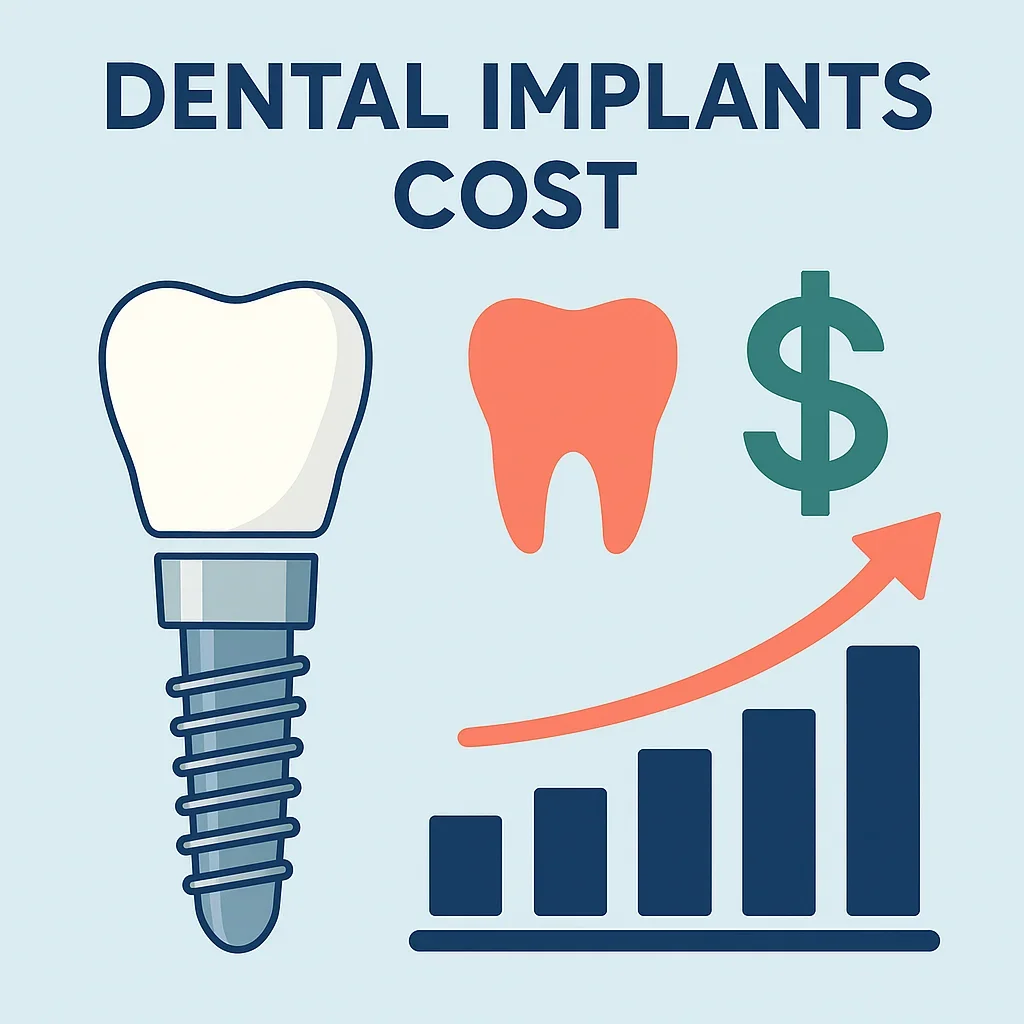
Comparing Dental Implants to Other Tooth Replacement Options
When evaluating the dental implants cost, it’s essential to understand how implants compare to other tooth replacement options like dentures, bridges, and removable partials. While the upfront investment in implants can be higher, their long-term benefits — including durability, comfort, and natural aesthetics — make them the most cost-effective and functional solution over time. In this section, we’ll explore each alternative in detail, comparing quality, lifespan, maintenance, and total lifetime value. 🦷✨
1. Dental Implants vs. Traditional Dentures
Dentures have been a go-to solution for decades, providing an affordable and non-surgical option for tooth replacement. However, when comparing them to implants, several key differences emerge that directly influence both performance and the true dental implants cost over time.
Cost Comparison
| Treatment | Initial Cost (USD) | Average Lifespan | Maintenance Cost (10 Years) |
|---|---|---|---|
| Full Dentures (Upper + Lower) | $1,000 – $3,000 | 5–8 years | $2,000 – $4,000 |
| Dental Implants (Full Mouth / All-on-4) | $4,000 – $8,000 (Turkey) / $15,000 – $25,000 (U.S.) | 20+ years | $0 – minimal |
While dentures appear cheaper initially, they often require frequent adjustments, relines, and replacements due to gum and bone shrinkage. Over time, this adds up — making implants more affordable in the long run. Moreover, implants preserve jawbone density, preventing the facial collapse commonly associated with long-term denture use.
Functionality and Comfort
Dental implants integrate directly with the jawbone, creating stability that mimics natural teeth. In contrast, dentures can slip or cause irritation, especially during eating or speaking. This stability makes implants far superior in terms of comfort and usability, justifying the higher initial dental implants cost.
2. Dental Implants vs. Dental Bridges
Bridges are another common restorative choice, typically recommended when one or more teeth are missing in a row. However, they require the grinding down of healthy adjacent teeth for support, which can compromise natural enamel.
Longevity and Maintenance
While bridges last 7–15 years, dental implants can last decades or even a lifetime with proper care. Additionally, bridges can fail if supporting teeth weaken or decay. Implants, being standalone structures, are immune to such risks and protect surrounding teeth. Though the dental implants cost is initially higher, the need for fewer replacements over time makes them a more durable and cost-effective investment.
Hygiene and Aesthetic Comparison
- Bridges: Require specialized flossing tools and are harder to clean under the bridge.
- Implants: Cleaned just like natural teeth, promoting superior oral hygiene.
From an aesthetic standpoint, implant-supported crowns are customized to match the patient’s natural tooth color and shape perfectly. This gives implants a distinct advantage for patients prioritizing a seamless, natural look.
3. Dental Implants vs. Removable Partial Dentures
Removable partial dentures (RPDs) are a low-cost solution for replacing several missing teeth in one arch. They attach to remaining natural teeth using metal or acrylic clasps. Although affordable, RPDs come with long-term challenges.
Cost and Durability
Partial dentures generally cost between $400 and $1,500, but they require replacement every 5–7 years. When maintenance and relining costs are factored in, their total lifetime expense approaches or even exceeds that of implants. Patients seeking permanent comfort and functionality often find that the dental implants cost yields greater value over time.
Functional and Health Differences
Implants preserve jawbone volume and prevent bone resorption — a critical advantage over RPDs, which provide no such stimulation. Over time, bone loss can lead to facial sagging and poor fit for future restorations. Implants not only prevent these issues but also improve bite force and chewing efficiency by up to 90%, compared to only 30–40% with dentures or RPDs.
4. Longevity and Lifetime Cost Analysis
When calculating the real value of treatment, it’s essential to consider total lifetime cost rather than just the upfront price. A well-placed dental implant can last 25 years or longer, whereas dentures and bridges require periodic replacements. Let’s look at an example of long-term financial comparison:
10-Year Cost Projection Example
| Restoration Type | Initial Cost | Replacements (10 Years) | Total 10-Year Cost |
|---|---|---|---|
| Dentures | $2,000 | 1–2 | $4,000 – $6,000 |
| Bridge | $3,500 | 1 | $6,000 – $7,000 |
| Dental Implants | $5,000 | 0 | $5,000 |
This analysis shows that even though implants may have a higher initial dental implants cost, they often equal or surpass the cost-efficiency of other methods within a decade — not to mention superior performance and longevity.
5. Patient Experience and Aesthetic Outcomes
Implant-supported restorations feel, look, and function like real teeth. Patients report a significant improvement in confidence and speech clarity, which traditional dentures or bridges cannot match. The psychological benefits — such as restored self-esteem and worry-free eating — further justify the higher dental implants cost.
6. Long-Term Health Impact
Beyond cosmetic and comfort advantages, dental implants provide tangible health benefits. By stimulating the jawbone, they prevent bone atrophy and gum recession, which are common with dentures. Implants also prevent the shifting of adjacent teeth, maintaining a stable and balanced bite.
Additionally, implants reduce the risk of digestive issues that stem from poor chewing efficiency — a hidden benefit often overlooked when evaluating dental implants cost. They promote better nutrition and overall systemic health, making them an investment in more than just oral aesthetics.
7. Environmental and Material Considerations
Unlike plastic-based dentures that require frequent replacements, dental implants use biocompatible materials like titanium or zirconia that last a lifetime. This makes implants more sustainable and environmentally friendly over time, reducing waste and the need for recurring dental materials.
Final Thoughts: Value Beyond the Price Tag
When comparing all restorative options, dental implants consistently emerge as the most durable, comfortable, and health-conscious choice. While the upfront dental implants cost may be higher, their longevity, minimal maintenance needs, and superior function make them the most cost-effective solution over time.
Choosing dental implants is not just about replacing teeth — it’s about restoring confidence, oral health, and quality of life. For those seeking a permanent solution with lasting value, implants represent the gold standard in modern restorative dentistry. 🌟
Finally, we’ll conclude with “Is the Dental Implants Cost Worth It?” — a comprehensive reflection on long-term value, satisfaction, and the life-changing impact of implant dentistry.