
Understanding Medicare Coverage for Dental Implants
When it comes to oral health and tooth replacement, one of the most common questions seniors ask is: are dental implants covered by Medicare? In 2025, this remains a critical issue since millions of older adults are seeking long-term solutions for missing teeth. Unfortunately, Medicare Part A and Part B, which are the traditional components of Medicare, do not generally cover routine dental care or implants. This is because Medicare was originally designed to focus on hospital and medical services, not dental procedures.
That being said, there are specific situations where dental implants may be considered medically necessary. For example, if you require reconstructive jaw surgery due to an accident or medical condition, certain aspects of your treatment may fall under Medicare coverage. Still, the actual implant placement itself is often excluded. That’s why so many patients researching dental implants covered by Medicare discover that they must look for alternative solutions or supplemental coverage.
Medicare Part A (Hospital Insurance) sometimes covers dental services if they are directly tied to inpatient hospital procedures. For instance, if you are hospitalized for another condition and require a dental procedure during that stay, Medicare might pay for those services. However, implant-specific costs almost never fall into this category. On the other hand, Medicare Part B (Medical Insurance) might cover diagnostic or preparatory services, but it does not extend to the cost of implants or prosthetics themselves.
Another important factor is that dental implants are not just cosmetic; they provide functional and health benefits. They help preserve bone density, improve speech, and allow patients to chew properly. Despite these advantages, Medicare’s exclusion of most dental benefits leaves a large gap in healthcare coverage for older adults. This gap has led many patients to seek Redent Klinik Contact Page for private consultations to explore affordable implant options.
It’s also worth noting that new policies are being discussed in Congress about expanding Medicare to include more comprehensive dental coverage. Advocacy groups and organizations such as the American Dental Association are pushing for these reforms, citing the importance of oral health in overall wellbeing. Until such reforms are officially passed, however, individuals must explore alternative dental coverage options beyond Medicare.
In terms of cost, dental implants can be expensive. A single implant in the U.S. in 2025 may range between $3,000–$5,000 per tooth depending on the clinic, location, and complexity of the procedure. This includes the implant, abutment, and crown. Unfortunately, without substantial insurance or supplemental dental plans, patients must cover these expenses out of pocket. The fact that dental implants covered by Medicare is still an exception rather than the rule means that many retirees face financial challenges when seeking permanent tooth replacement.
👉 To summarize this section: Medicare generally does not cover dental implants, except in rare cases tied to medical necessity. Seniors looking for dental implants covered by Medicare will likely need to consider Medicare Advantage plans, supplemental dental insurance, or financing options offered by dental clinics. The best approach is to review your current Medicare plan documents and speak with both your dentist and Medicare advisor about the most up-to-date options available in 2025.
Why Medicare Rarely Covers Dental Implants
One of the most frustrating realities for seniors is discovering that dental implants covered by Medicare is still a rare exception in 2025. To understand why this is the case, we need to examine the history and framework of the Medicare program. When Medicare was established in 1965, dental care was deliberately excluded from standard benefits. Lawmakers at the time viewed dentistry as a separate field, distinct from general medical and hospital care. As a result, dental implants, dentures, and even routine cleanings have been consistently omitted from basic coverage for decades.
Another reason that Medicare rarely covers dental implants is cost. Dental implants are considered one of the most advanced and expensive tooth replacement solutions available today. On average, a single implant may cost between $3,000 and $5,000 in the United States, while a full-mouth restoration can range anywhere from $25,000 to $50,000 depending on the case. With millions of Medicare beneficiaries, adding such coverage universally would dramatically increase government spending. For this reason, policymakers have limited dental benefits under traditional Medicare.
Additionally, Medicare Part A and Part B are structured to cover medically necessary services rather than procedures that are often classified as restorative or elective. Although modern dentistry clearly shows that implants are not purely cosmetic — they improve chewing ability, bone retention, and overall quality of life — Medicare still categorizes them outside the scope of “essential medical care.” This explains why so many patients searching for dental implants covered by Medicare are disappointed to learn they will have to pay out of pocket or explore supplemental options.
From a policy perspective, Medicare’s limited dental coverage is also tied to political debates. Some lawmakers argue that expanding coverage to include implants would significantly improve seniors’ health, while others worry about sustainability and cost. As of 2025, Medicare reform discussions are ongoing, but there is no nationwide mandate requiring implants to be included. This leaves beneficiaries in a challenging position, especially those who view implants as the only viable long-term solution for missing teeth.
Another factor is that dental implants require specialized surgical training and equipment. Not all hospitals or clinics associated with Medicare have the infrastructure to provide implant services. Because implants are highly individualized, Medicare has been hesitant to set a standardized reimbursement structure for them. Instead, coverage remains focused on hospital-based oral surgeries or medically necessary extractions, rather than comprehensive implant procedures.
It’s worth noting that certain exceptions exist. If a patient needs dental implants as part of reconstructive surgery after facial trauma or due to a congenital condition, Medicare may cover some associated medical expenses, such as hospitalization, anesthesia, or diagnostic imaging. However, the implant hardware, abutment, and prosthetic crown are rarely included. That is why the term dental implants covered by Medicare almost always requires careful reading of plan details and often leads patients to explore Medicare Advantage or private dental insurance.
📌 For patients, the key takeaway is that Medicare’s exclusion of implants is not accidental but deeply rooted in its design and financial framework. While advocacy groups like the American Dental Association continue to push for expanded coverage, seniors must be proactive in planning for these expenses. Clinics such as Redent Klinik Contact Page can provide consultations about cost-effective options and payment strategies for those facing the reality of limited Medicare support.
In conclusion, Medicare rarely covers dental implants because of historical exclusions, high costs, and the ongoing categorization of implants as elective rather than essential. Until policy changes occur, older adults must assume that dental implants covered by Medicare will remain the exception rather than the rule in 2025. This makes researching supplemental plans and alternative financial options more important than ever for anyone considering dental implants.
Alternatives: Medicare Advantage & Dental Insurance Plans
For seniors disappointed by the lack of dental implants covered by Medicare, there is some good news: alternatives exist. The two most common paths are Medicare Advantage plans (also known as Part C) and private dental insurance policies. These options are increasingly popular in 2025 because they help bridge the gap between what traditional Medicare excludes and what patients actually need for oral health and quality of life.
Medicare Advantage plans are offered by private insurers but regulated by Medicare. They combine Part A and Part B benefits and often include additional perks such as vision, hearing, and dental coverage. While not every Medicare Advantage plan covers implants, a growing number do offer partial reimbursement for implant procedures. This means that while you may not get 100% of your costs covered, you could receive significant financial assistance. Seniors researching dental implants covered by Medicare often discover that switching to or enrolling in a Medicare Advantage plan is the most practical route.
Private dental insurance is another option. Many insurance providers now offer plans specifically designed for seniors, with coverage tiers that include preventive care, crowns, and sometimes implants. The catch is that implant coverage often comes with a waiting period, annual maximums, or co-pays that still leave the patient responsible for a portion of the bill. In 2025, the average annual dental insurance premium for an older adult is around $350–$600, with maximum yearly benefits ranging from $1,000 to $2,000. Since dental implants can cost several thousand dollars per tooth, this type of insurance typically helps reduce, but not eliminate, out-of-pocket expenses.
Some patients choose to combine strategies. For example, they may use Medicare Advantage for partial coverage while also carrying a supplemental dental policy. Others may join discount dental programs, which are membership-based services offering reduced rates at participating clinics. While these programs do not technically count as insurance, they can significantly cut costs for seniors seeking dental implants covered by Medicare alternatives.
Financing programs and in-office payment plans also play a key role. Many dental clinics now offer interest-free monthly installment plans or extended financing through third-party providers. This approach spreads the cost of implants over time, making them more accessible to patients who cannot afford to pay thousands of dollars upfront. Clinics such as Redent Klinik Contact Page frequently provide these types of payment solutions, ensuring seniors have a pathway to high-quality care even without full insurance coverage.
Another alternative gaining popularity is dental tourism. Seniors sometimes travel abroad to countries where implant procedures are more affordable while maintaining high standards of care. Turkey, Mexico, and certain Eastern European countries are well-known for offering implants at a fraction of the U.S. cost. However, when pursuing this option, it’s crucial to carefully research the clinic, dentist credentials, and follow-up care requirements. Even in these cases, the question of dental implants covered by Medicare is moot, since Medicare does not reimburse procedures performed outside the United States.
📊 To provide perspective, here is a snapshot of average implant-related coverage in 2025:
Estimated Coverage Options:
– Traditional Medicare (Parts A & B): $0 for implants
– Medicare Advantage: Partial coverage, $1,000–$2,500 annual allowance
– Private Dental Insurance: $1,000–$2,000 per year after waiting period
– Discount Dental Plan: 20%–40% savings on procedures
In summary, while traditional Medicare leaves a significant gap, seniors still have alternatives to help manage implant expenses. Medicare Advantage plans and dental insurance policies are among the most effective ways to offset costs. However, it is essential to review plan details carefully, as coverage levels and exclusions vary widely. For older adults determined to find dental implants covered by Medicare or through other means, these alternatives provide a practical path forward in 2025.
Out-of-Pocket Costs and Average Prices for Implants in 2025
One of the biggest challenges for seniors is understanding the real out-of-pocket costs when it comes to dental implants covered by Medicare. Since traditional Medicare typically excludes implants, patients must often prepare for significant personal expenses. In 2025, the average price for a single dental implant in the United States ranges from $3,000 to $5,000, depending on the region, the dentist’s experience, and the complexity of the procedure. This price usually includes the implant post, abutment, and crown. For patients who need multiple teeth replaced, the costs increase dramatically, with full-mouth implants often exceeding $25,000–$50,000.
Because Medicare Parts A and B rarely provide implant coverage, seniors find themselves looking at their finances to determine how to handle these high expenses. For someone relying solely on Social Security income, affording implants can feel impossible. That’s why the search for dental implants covered by Medicare is so popular — but often leads to disappointment. Even with Medicare Advantage or supplemental insurance, out-of-pocket costs are usually unavoidable.
Let’s break down the typical components of implant pricing in 2025:
- Implant Post: $1,500–$2,000 per tooth
- Abutment: $300–$500
- Crown (prosthetic tooth): $1,000–$1,500
- Bone graft (if needed): $400–$1,200
- CT scan & diagnostic imaging: $200–$500
This breakdown shows how quickly costs add up, especially for patients needing several implants. And because traditional Medicare does not recognize implants as “essential medical care,” patients are left paying these amounts themselves. Seniors who contact clinics such as Redent Klinik Contact Page often inquire about financing plans or discounts that can reduce these expenses.
📊 To illustrate further, here is an example of what a patient might expect to pay in 2025 for implants in the U.S.:
Estimated Implant Costs (2025):
– Single Tooth Implant: $3,500 (average)
– Four Implants with Bridge: $12,000–$18,000
– Full Upper or Lower Arch with All-on-4: $25,000–$35,000
– Full-Mouth Reconstruction: $40,000–$55,000
The reality is that these numbers place a significant burden on retirees. For many, Medicare Advantage or private insurance may help reduce some costs, but annual maximums are typically capped at $1,000–$2,500, leaving a large portion unpaid. As such, dental implants covered by Medicare remains more of an aspiration than a widespread reality. Seniors must plan carefully, compare treatment options, and consider long-term benefits before making a financial commitment.
Some patients turn to dental schools or community clinics, where supervised students perform implant procedures at reduced costs. While this can make implants more affordable, the availability is limited, and waitlists can be long. Another option is dental tourism, where patients travel abroad to countries like Turkey, Mexico, or Hungary for lower-cost implant procedures. For example, the average price for a single implant in Turkey may be $700–$1,000 in 2025 — a fraction of U.S. costs. However, Medicare does not reimburse international care, so for those seeking dental implants covered by Medicare, this option still requires full out-of-pocket payment.
It’s also important to consider long-term value. Although implants have high upfront costs, they often last a lifetime with proper care. Compared to dentures, which may need replacement every 5–10 years, implants can be more cost-effective over time. From a health perspective, implants help maintain jawbone density and overall oral health, reducing other medical complications. Yet, until Medicare recognizes this preventive value, patients will continue to face high financial responsibility.
In conclusion, while implants offer unmatched stability and quality of life improvements, the current lack of dental implants covered by Medicare means that seniors must budget for out-of-pocket expenses. By exploring Medicare Advantage, supplemental insurance, financing, or even international options, patients can make implants more accessible in 2025 — but careful planning remains essential.
Medical Necessity: When Medicare May Partially Help
While it’s true that traditional Medicare generally does not cover dental implants, there are a few rare circumstances where dental implants covered by Medicare may apply indirectly. The key factor here is medical necessity. Medicare will occasionally pay for dental services if they are considered integral to another medical treatment or procedure. This exception, though limited, can make a difference for patients who require implants as part of a broader medical care plan in 2025.
For example, if a patient suffers severe jawbone loss after an accident or a traumatic injury, reconstructive surgery may be deemed medically necessary. In such cases, Medicare Part A (Hospital Insurance) might cover hospitalization, anesthesia, and surgical expenses associated with the injury. While the implant hardware itself is often excluded, some supportive services could be reimbursed. This creates a situation where seniors searching for dental implants covered by Medicare may qualify for partial help if implants are tied to restorative jaw procedures.
Another instance is when dental implants are required to prepare a patient for other essential medical treatments. For example, patients undergoing radiation therapy for oral cancer may need implants or surgical adjustments to stabilize their jaw or oral function. In scenarios like these, Medicare Part B (Medical Insurance) could cover related diagnostic imaging, pathology, or other medically necessary care. However, the final implant placement typically falls outside of what Medicare pays for.
Let’s clarify with a practical scenario: imagine a senior who loses multiple teeth due to osteoporosis-related fractures. If implant-supported reconstruction is essential for restoring chewing ability and overall health, certain hospital-based services might be covered. Yet, the crown, abutment, and implant post itself would still be excluded. This is why the term dental implants covered by Medicare should always be read carefully; partial assistance does not mean complete financial relief.
📌 Here are some of the most common medical scenarios where Medicare may indirectly contribute to implant-related costs:
- Jaw reconstruction after traumatic injury
- Treatment preparation for oral or throat cancer
- Surgical procedures tied to systemic diseases affecting the mouth
- Hospital-based extractions followed by bone grafting
Still, even in these cases, Medicare’s assistance is limited. Patients are responsible for the majority of the expenses, particularly for the actual implant devices. Seniors who need clarification often consult their providers and also seek guidance from specialized clinics like Redent Klinik Contact Page, where treatment plans and payment strategies are explained in detail.
It’s also important to note that coverage decisions can vary depending on the Medicare contractor, the hospital, and the nature of the medical condition. Some beneficiaries may find that their claims are partially approved, while others face outright denials. Appeals are possible, but they require extensive medical documentation to prove that the procedure is medically necessary. This is why so many patients researching dental implants covered by Medicare often experience frustration with inconsistent results.
From a policy standpoint, advocates continue to argue that implants should be recognized not only as restorative but also as preventive. Poor oral health is linked to malnutrition, heart disease, and diabetes — conditions already covered by Medicare. By excluding implants, the system often ends up paying more in medical costs down the line. Organizations such as the American Dental Association highlight these links as part of their push for reform in 2025.
In conclusion, Medicare may provide partial help for implant-related services only in cases where implants are tied to medically necessary treatments. However, patients should never assume that dental implants covered by Medicare means full reimbursement. Instead, beneficiaries must carefully review their circumstances, gather medical evidence, and consider supplemental insurance to ensure access to affordable, high-quality dental care.
Financing Options and Payment Plans for Seniors 🦷💳
Since traditional Medicare rarely pays for implants, many older adults are left asking how they can afford such life-changing treatments. The reality is that dental implants covered by Medicare is an exception, not the rule, which means financing options and payment plans become essential for seniors in 2025. Fortunately, there are multiple strategies available that make implants more accessible without having to pay the entire cost upfront.
One of the most common solutions is in-office financing provided directly by dental clinics. Many modern practices understand that seniors cannot cover implant procedures in one lump sum. As a result, they partner with financing companies or set up internal payment schedules that allow patients to pay monthly. These plans may be interest-free for a limited period (often 6–12 months) or come with low interest rates for extended repayment terms. Patients who inquire about dental implants covered by Medicare are often redirected to these customized financing programs when coverage is denied.
Another popular option is third-party healthcare financing services, such as CareCredit or LendingClub Patient Solutions. These providers specialize in medical and dental loans. For example, a patient could borrow $5,000 for a single implant and repay it over 24 or 36 months. The benefit is that treatment can begin immediately, rather than waiting to save thousands of dollars. Seniors living on fixed incomes often find these services to be a lifeline when Medicare excludes implants.
Health Savings Accounts (HSAs) and Flexible Spending Accounts (FSAs) can also be used for implant procedures, provided the patient is enrolled in a qualifying high-deductible health plan. While Medicare beneficiaries typically do not have active HSAs, some may still use funds accumulated before retirement. Although this doesn’t change the fact that dental implants covered by Medicare is rare, it provides an additional way to manage out-of-pocket costs effectively.
📌 Here are some of the most common financing routes seniors explore in 2025:
- In-house dental financing: Monthly payments arranged directly with the clinic
- Third-party healthcare loans: Flexible repayment options through lenders
- Credit cards: Often used as a last resort, but may work with promotional 0% APR offers
- HSAs or FSAs: Tax-advantaged accounts to offset implant expenses
- Dental discount membership programs: Reduce upfront costs through negotiated clinic rates
For seniors who prefer more predictable budgeting, some clinics offer “implant packages” that bundle services together at a discounted rate. For example, a clinic may offer a single implant, crown, and abutment for $3,000 flat, compared to itemized billing. While this doesn’t technically count as dental implants covered by Medicare, it provides transparency and helps patients plan their finances more effectively.
International patients or those considering dental tourism also benefit from financing options in their home country. Even if a patient travels abroad for cheaper implants — such as to Turkey or Mexico — they can still finance the cost of travel and treatment through personal loans. Clinics like Redent Klinik Contact Page frequently assist patients by explaining financing and travel considerations together, ensuring informed decision-making.
It’s also worth noting that nonprofit organizations and charitable programs occasionally provide assistance for seniors in financial distress. While limited, these programs may cover partial costs of dental care, particularly for veterans or low-income retirees. Unfortunately, these opportunities are scarce, and the demand is far greater than the supply. This further emphasizes the importance of planning ahead and exploring financing options as early as possible.
In conclusion, while dental implants covered by Medicare remains largely unavailable in 2025, seniors still have practical ways to afford treatment. By using in-office financing, third-party loans, HSAs, or dental discount plans, older adults can access implants without facing overwhelming financial pressure. Planning, comparing options, and asking the right questions at consultations ensures that patients can regain their smiles and confidence even when Medicare does not provide full support.
Comparing Dental Implants vs. Dentures Under Medicare Rules
When weighing tooth replacement options, seniors often find themselves deciding between dental implants and dentures. Unfortunately, whether you choose implants or dentures, the issue of dental implants covered by Medicare remains a challenge. Medicare’s standard plans typically exclude both options, leaving patients to navigate coverage gaps and financial hurdles. However, the differences in cost, function, and long-term benefits make this comparison essential for anyone planning dental care in 2025.
Dentures have long been the more affordable solution. A complete set of traditional dentures in the U.S. can cost between $1,000 and $3,000, depending on materials and customization. Partial dentures are even cheaper, sometimes available for as little as $500. In contrast, dental implants can cost $3,000–$5,000 per tooth, with full-mouth restorations ranging from $25,000 to $50,000. For seniors on a fixed income, this dramatic price difference often leads them to consider dentures. However, cost alone does not tell the full story.
Functionality is where implants shine. Unlike dentures, which may slip, cause sore spots, or require adhesive creams, implants fuse with the jawbone and act like natural teeth. This provides superior stability, chewing ability, and confidence in speaking. For seniors who prioritize quality of life, implants are unmatched. Yet, because dental implants covered by Medicare is still extremely rare, many feel forced to choose dentures despite the drawbacks.
Another major factor is longevity. Dentures typically need replacement every 5–10 years due to wear, bone resorption, or changes in the mouth’s shape. Implants, on the other hand, can last a lifetime with proper care. While the upfront cost of implants is higher, the long-term investment may actually be more cost-effective. From a health perspective, implants also help preserve jawbone density, preventing the sunken facial appearance that often develops in long-term denture wearers.
From a Medicare rules perspective, both dentures and implants face exclusions. Medicare Part A and Part B do not cover either option unless connected to medically necessary hospital procedures. Even then, coverage usually applies only to related services like imaging or anesthesia, not the prosthetics themselves. Seniors hoping to find dental implants covered by Medicare or dentures covered by Medicare will quickly discover that both fall outside traditional benefits.
That said, Medicare Advantage plans (Part C) sometimes break this cycle. Many Advantage plans include dental benefits that cover dentures, cleanings, and in some cases, partial implant reimbursement. For example, an Advantage plan might provide $1,500 annually toward dental prosthetics, which can reduce out-of-pocket costs. While not a complete solution, this offers some relief compared to traditional Medicare’s zero-dollar contribution.
📊 To help compare the two options under Medicare’s framework, here’s a quick breakdown:
Dentures vs. Implants (Medicare, 2025):
– Dentures: Lower cost ($500–$3,000); often partially covered by Advantage plans
– Implants: Higher cost ($3,000–$5,000 per tooth); rarely covered by Medicare
– Durability: Dentures: 5–10 years; Implants: Potential lifetime
– Functionality: Dentures: Moderate; Implants: Superior
– Aesthetics: Dentures: Natural-looking but removable; Implants: Closest to real teeth
Seniors must weigh these differences carefully. For some, the affordability of dentures makes them the practical choice, even if less ideal. For others, financing and savings strategies make implants possible despite Medicare’s limits. Clinics such as Redent Klinik Contact Page often help patients explore both options, presenting realistic cost breakdowns and financing solutions.
In conclusion, while both dentures and implants have pros and cons, the persistent issue remains: dental implants covered by Medicare is not a guarantee, and dentures fare only slightly better under Advantage plans. Seniors must balance cost, health benefits, and lifestyle needs when deciding which option aligns best with their goals in 2025.
How to Maximize Your Coverage: Tips & Expert Advice
For seniors frustrated with the lack of dental implants covered by Medicare, the good news is that there are practical ways to stretch benefits, reduce costs, and improve access to care in 2025. While Medicare Part A and B still exclude implants directly, smart planning and leveraging supplemental options can make a significant difference. The following expert tips provide actionable steps for maximizing your coverage.
1. Explore Medicare Advantage Plans (Part C)
Medicare Advantage is the most effective tool for seniors seeking dental coverage beyond the basics. Many Advantage plans include annual dental allowances, ranging from $1,000 to $2,500, which can offset implant-related costs. Patients searching for dental implants covered by Medicare often find that switching to an Advantage plan is their best option. When comparing plans, pay attention to annual caps, waiting periods, and provider networks to ensure the benefits truly support implant care.
2. Combine Supplemental Dental Insurance
Even if you have Medicare Advantage, adding a private dental insurance plan can increase your overall coverage. Some insurers offer implant-specific benefits, though they usually involve waiting periods of 6–12 months. Still, combining plans can help reduce the financial burden of large treatments, particularly if you require multiple implants or additional procedures like bone grafting.
3. Use Flexible Spending Accounts (FSAs) and Health Savings Accounts (HSAs)
While FSAs and HSAs are not tied directly to Medicare, many seniors may have accumulated funds from pre-retirement employment. These accounts allow you to use tax-free money for dental procedures, including implants. Though this doesn’t change the fact that dental implants covered by Medicare remains uncommon, it helps lower your taxable income and manage costs strategically.
4. Negotiate with Dental Clinics
Don’t underestimate the power of negotiation. Many clinics offer discounts for upfront payment or bundled treatment packages. For example, if you need multiple implants, the dentist may provide a per-implant discount. Clinics such as Redent Klinik Contact Page often provide personalized consultations that include cost-saving strategies for seniors without full Medicare support.
5. Take Advantage of Preventive Coverage
Even though implants are excluded, Medicare Advantage plans often include preventive care like cleanings, x-rays, and exams. Using these benefits can catch oral health issues early, reducing the need for more expensive treatments later. Preventive care also supports implant success by ensuring healthy gums and strong bone structure prior to placement.
6. Consider Dental Tourism Carefully
Traveling abroad for implants may cut costs by 50%–70%. In 2025, destinations like Turkey, Mexico, and Hungary are popular for affordable dental tourism. However, remember that Medicare will not reimburse foreign treatments. For patients searching for dental implants covered by Medicare, this option means paying fully out of pocket. Still, combining lower international fees with financing at home may make implants more achievable.
7. Research Charitable Programs
While limited, nonprofit organizations, dental schools, and charitable programs sometimes offer reduced-cost or free care. Veterans may also qualify for dental benefits through the VA system, which can cover implants in certain cases. Although this is not the same as dental implants covered by Medicare, it provides alternative avenues for financial relief.
📌 Pro Tip: Always keep thorough documentation of your dental and medical history. If implants are recommended as part of a medically necessary procedure, detailed records increase your chances of partial Medicare reimbursement. This includes diagnostic images, physician letters, and surgical recommendations.
In conclusion, while Medicare rarely pays for implants, seniors can still maximize coverage through Advantage plans, supplemental insurance, tax-advantaged accounts, and careful planning. By exploring all available options, negotiating costs, and maintaining preventive care, patients can reduce the financial strain of treatment. Until policy changes occur, those seeking dental implants covered by Medicare must be proactive and resourceful in their approach.
Patient Stories: Real Experiences With Medicare & Implants
Statistics and rules only tell part of the story — the lived experiences of real patients provide the clearest picture of how dental implants covered by Medicare (or not covered) affects seniors’ lives. In 2025, thousands of older adults face the same struggle: balancing the desire for long-term oral health with the reality of limited Medicare coverage. Below are a few representative patient stories that highlight these challenges and how individuals found creative solutions.
Mary, 72 — Florida
Mary lost several teeth due to periodontal disease and wanted implants for stability and confidence. When she asked her provider whether dental implants covered by Medicare applied in her case, she was disappointed to learn that Part A and Part B excluded the procedure. She enrolled in a Medicare Advantage plan that provided a $2,000 annual dental allowance. While this did not cover her full $12,000 treatment, it reduced her out-of-pocket burden significantly. Mary then combined this with an in-office payment plan, allowing her to pay monthly over three years. Today, she says her implants have restored her ability to eat and smile without discomfort.
James, 68 — Ohio
James suffered a jaw fracture in a car accident and required reconstructive surgery. Medicare Part A covered his hospitalization and surgery costs, but not the implants themselves. After months of appeals, he received approval for partial reimbursement of related diagnostic imaging and anesthesia, but the implant posts and crowns remained excluded. James describes the process as frustrating but emphasizes the importance of thorough documentation. His case demonstrates how dental implants covered by Medicare only in medically necessary scenarios still leaves large gaps in financial protection.
Linda, 75 — California
Linda considered dentures but wanted a permanent solution. With no Medicare coverage for implants, she researched dental tourism and decided to travel to Turkey, where a full-mouth implant restoration cost about $12,000 — less than half of U.S. prices. While she paid entirely out of pocket, the savings compared to American clinics made it manageable. Linda notes that dental implants covered by Medicare would have made staying in the U.S. easier, but in its absence, traveling abroad gave her a smile she could afford.
Robert, 70 — Texas
Robert is a veteran who qualified for certain dental benefits through the VA system. While Medicare did not cover his implants, the VA provided partial assistance because his missing teeth were linked to service-related injuries. This hybrid support helped him access high-quality treatment without overwhelming costs. His experience highlights how seniors sometimes must combine different programs beyond Medicare to address oral health needs effectively.
Clara, 80 — New York
Clara initially believed that Medicare would cover her implants because her dentist emphasized their health benefits. She was shocked when she learned that dental implants covered by Medicare was essentially a myth for routine cases. Discouraged, she opted for dentures, which her Medicare Advantage plan partially covered. Although she appreciates the lower cost, Clara admits she struggles with discomfort and difficulty chewing. Her story illustrates the compromises many seniors make when implants are financially out of reach.
📌 Key Lessons from Patient Stories:
- Medicare rarely pays for implants, except when tied to medical necessity.
- Medicare Advantage can provide partial coverage, but caps limit benefits.
- Dental tourism offers affordability, but requires careful planning and trust in providers.
- Veterans may access unique dental benefits through the VA system.
- Patients without supplemental coverage often settle for dentures due to cost.
Each of these stories emphasizes the importance of preparation, persistence, and flexibility. While seniors continually hope for dental implants covered by Medicare, reality forces them to explore alternatives. Clinics like Redent Klinik Contact Page often become valuable resources in guiding patients through financing, coverage options, and realistic expectations.
In conclusion, patient experiences prove that while Medicare’s dental exclusions create financial and emotional stress, determination and creative planning can lead to successful outcomes. For now, dental implants covered by Medicare remains an exception — but these stories reveal the resilience of seniors who find ways to achieve the care they deserve.
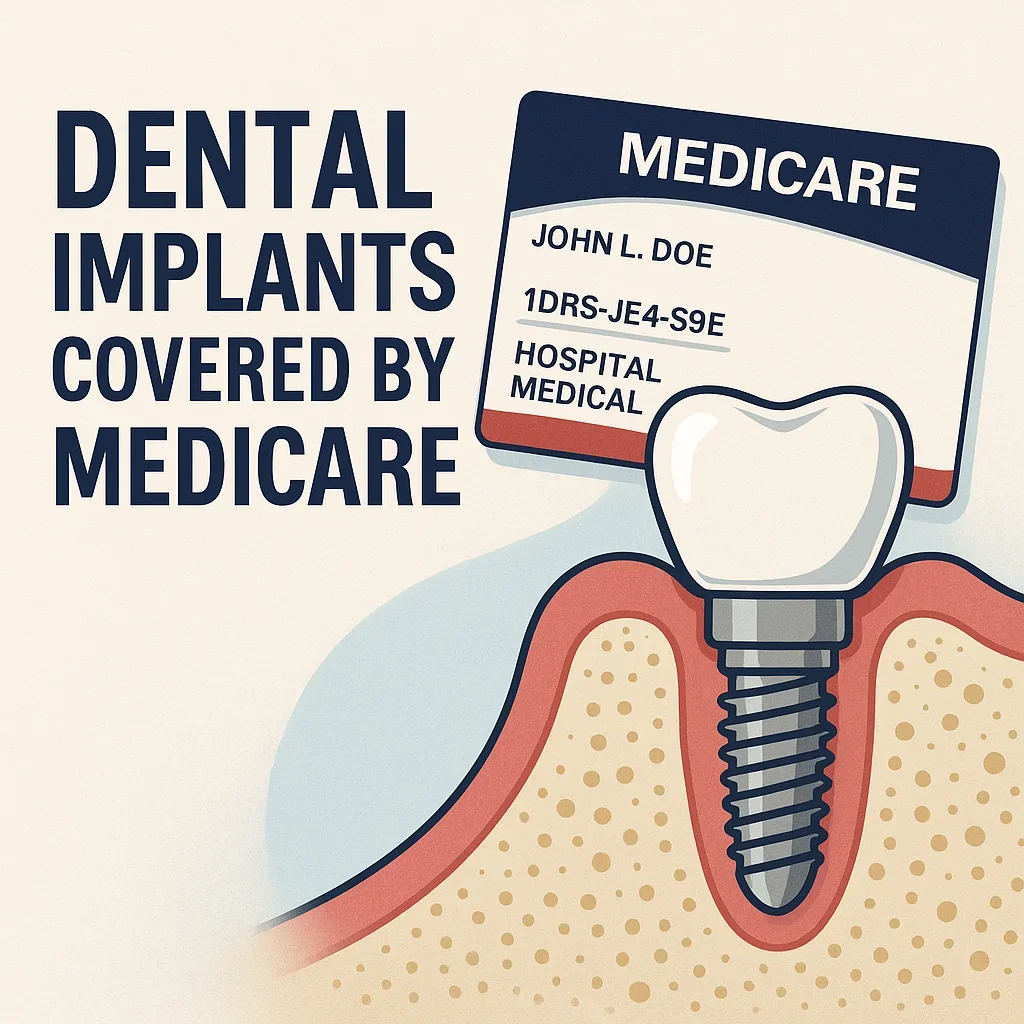
Future Outlook: Will Medicare Cover Dental Implants Soon?
One of the most pressing questions seniors ask in 2025 is whether there will soon be dental implants covered by Medicare. With millions of older adults struggling to afford dental care, policy experts, advocacy groups, and medical organizations are calling for reform. Oral health is increasingly recognized as essential to overall wellbeing, and lawmakers are under pressure to close the gap between medical and dental benefits.
Currently, traditional Medicare (Parts A and B) does not cover implants, and this has not changed for decades. However, several policy discussions are ongoing in Congress. In 2025, proposals are being debated to expand Medicare dental coverage, which may include preventive care, dentures, and in some cases, partial implant coverage. Advocacy from organizations like the American Dental Association has highlighted the link between poor oral health and systemic conditions such as diabetes, heart disease, and malnutrition. Their argument is clear: ignoring oral health costs Medicare more in the long run.
Medicare Advantage plans already show what’s possible. Many of these plans now include dental benefits, and some even cover implants with annual allowances. This trend demonstrates that expanding dental coverage is not only feasible but also popular with beneficiaries. Seniors searching for dental implants covered by Medicare often find themselves enrolling in Advantage plans because they provide the only realistic pathway for financial support. As more people choose these plans, pressure increases on policymakers to bring similar benefits to traditional Medicare.
Another encouraging sign is the growing public awareness of oral health equity. In 2025, reports from health agencies emphasize that access to dental care should be considered a basic right for seniors. Studies reveal that tooth loss affects nutrition, mental health, and quality of life. As a result, there is momentum to expand Medicare’s role in supporting oral healthcare. If reforms move forward, the phrase dental implants covered by Medicare could shift from a rarity to a reality within the next decade.
Despite these positive signs, obstacles remain. Expanding Medicare to include implants would require substantial funding. Given that a single implant averages $3,500 and full-mouth procedures can exceed $40,000, nationwide coverage could add billions in costs annually. Policymakers must balance this expense with the benefits of preventive care, which could reduce hospitalizations and chronic disease complications. Until a clear funding model emerges, seniors should assume that Medicare’s exclusions will continue in the short term.
📌 Future Predictions for Dental Implants & Medicare:
- Medicare Advantage plans will expand dental benefits further, including more implant options.
- Traditional Medicare may add limited dental coverage, starting with preventive services before implants.
- Advocacy groups will continue to push for reforms, emphasizing oral health as preventive medicine.
- Innovations in implant technology may reduce costs, making future coverage more sustainable.
- Charitable and nonprofit programs may grow to fill the gap until federal policies catch up.
Patients should also keep in mind that state-level programs and supplemental dental insurance may evolve more quickly than federal Medicare policies. Some states are experimenting with expanded Medicaid dental benefits, which can serve as models for future Medicare reforms. Seniors hoping for dental implants covered by Medicare should stay informed, review annual policy changes, and consider Advantage or private insurance in the meantime.
In conclusion, while implants are not fully included in Medicare today, the future outlook is cautiously optimistic. Growing recognition of oral health’s importance, combined with advocacy and patient demand, increases the likelihood of reform. Until then, older adults must continue to explore supplemental insurance, financing, and alternative solutions. The dream of dental implants covered by Medicare may not be realized in 2025, but momentum is building, and change could be on the horizon within the next several years.