
When it comes to restoring a confident and natural-looking smile, dental implants crowns stand as one of the most advanced and reliable solutions in modern dentistry. Whether you’ve lost a single tooth or several, this combination of implant and crown offers a permanent, natural-looking replacement that mimics the look and feel of real teeth. In this comprehensive guide, we’ll explore everything you need to know about dental implants crowns — from how they work to their benefits, materials, costs, and aftercare — so you can make an informed decision for your oral health and aesthetics. 😁
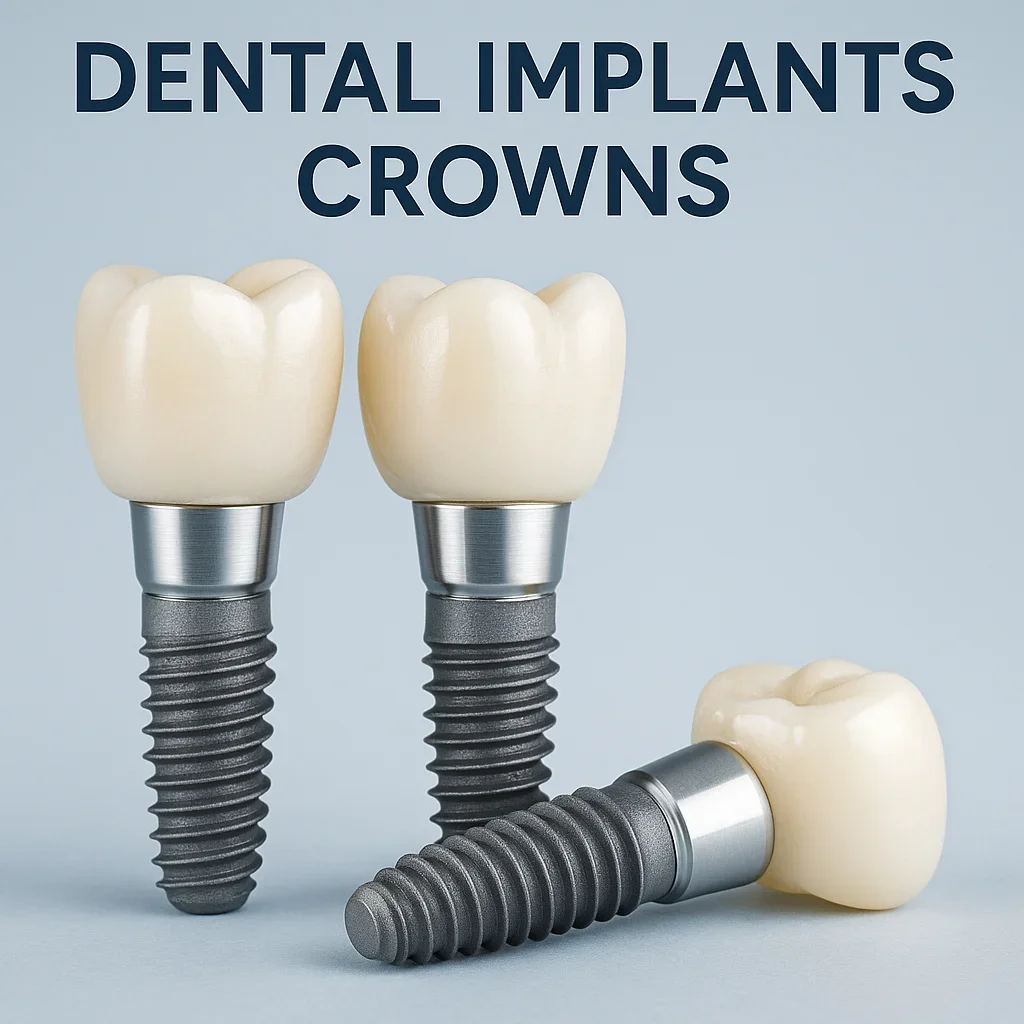
The term dental implants crowns refers to a two-part restoration system designed to replace missing teeth. First, a titanium or zirconia implant post is surgically placed into the jawbone, acting as an artificial tooth root. Once the bone fuses with the implant through a natural process called osseointegration, a custom-made crown is attached on top. The result is a restoration that not only looks beautiful but also provides strength and stability comparable to natural teeth. Unlike removable dentures or traditional bridges, implants integrate with your bone, preventing bone loss and maintaining facial structure.
Why Dental Implants Crowns Are a Game-Changer in Modern Dentistry
In the past, patients with missing teeth had limited options: removable dentures or fixed bridges. However, these alternatives often came with discomfort, maintenance issues, and aesthetic compromises. The evolution of dental implants crowns changed everything. They offer unmatched durability, improved oral health, and a smile that truly feels natural. When done properly, an implant crown can last 15–25 years — sometimes even a lifetime — making it a long-term investment in both your health and self-confidence.
Beyond appearance, dental implants crowns restore your ability to eat, speak, and smile freely. Many patients report that their self-esteem dramatically improves after treatment. The implant post fuses with the jawbone, just like a real tooth root, which means your bone density is preserved. This helps prevent the sunken look that often occurs with tooth loss or removable dentures. Moreover, because each implant crown is custom-designed to match your existing teeth, it’s nearly impossible to distinguish between a natural tooth and an implant crown. ✨
The Anatomy of a Dental Implant Crown
To fully understand how dental implants crowns work, it helps to break down their structure. A typical implant restoration consists of three main parts:
- Implant Post: This is the screw-like base that is placed into the jawbone, usually made from biocompatible titanium or zirconia.
- Abutment: A connector that attaches the implant post to the visible crown above the gumline.
- Crown: The visible portion that resembles a natural tooth, often made from porcelain, ceramic, or zirconia for durability and aesthetics.
Together, these components form a unified structure that functions exactly like a natural tooth. Advanced digital imaging and CAD/CAM technology are now used to design crowns that match your bite, shape, and color with precision.
Who Can Benefit from Dental Implants Crowns?
Almost anyone with missing teeth can benefit from dental implants crowns. Ideal candidates are adults with good oral hygiene, healthy gums, and sufficient jawbone density. However, even patients with mild bone loss can often qualify for implants after bone grafting or sinus lift procedures. Whether you lost a tooth due to decay, injury, or periodontal disease, implants can restore your smile to full function and aesthetics.
It’s also worth noting that dental implant crowns aren’t just for individual tooth replacement. They can be used to anchor full-arch bridges or dentures, offering stability and preventing movement while eating or speaking. This makes them an ideal solution for anyone seeking both cosmetic and functional improvement.
Long-Term Benefits and Confidence
Choosing dental implants crowns means choosing longevity, comfort, and natural beauty. The materials used in modern implants are resistant to decay and wear, allowing you to maintain your oral health without needing frequent replacements. Furthermore, implants help stimulate bone growth through natural chewing pressure, preventing jawbone deterioration — a problem common with traditional dentures.
From a psychological perspective, patients often report a renewed sense of confidence. Smiling, laughing, or eating in public becomes effortless again. By investing in dental implants crowns, you’re not just fixing your teeth — you’re reclaiming your quality of life. 🌟
Trusted Sources and Professional Guidance
If you’re considering getting dental implants crowns, it’s essential to consult with a trusted dental professional who specializes in implantology. You can also visit the American Dental Association for verified information and scientific research related to implant procedures. To schedule a personalized consultation and learn more about your treatment options, reach out via the Redent Klinik Contact Page.
In the upcoming sections of this guide, we’ll explore the step-by-step procedure, the materials used, pricing details, aftercare, and how to choose the right specialist to ensure lasting results with your dental implants crowns. Stay tuned to uncover how this advanced treatment can transform your smile for a lifetime. 🦷
The Step-by-Step Procedure for Getting Dental Implants Crowns
Getting dental implants crowns is a life-changing decision that restores your smile and oral functionality. However, the process is not as simple as placing a single crown on a natural tooth. It’s a carefully planned and multi-stage procedure that combines surgical precision, healing, and prosthetic craftsmanship. In this section, we’ll walk you through each step — from initial evaluation to the final placement — so you’ll know exactly what to expect and how to prepare for your dental implant journey. 🦷
1. Initial Consultation and Comprehensive Evaluation
The first and most crucial step in the dental implants crowns process is the consultation. During this appointment, your dentist or oral surgeon performs a detailed evaluation of your mouth, teeth, and jawbone. Digital X-rays, 3D CBCT scans, and intraoral imaging are often used to assess the bone structure and determine whether there’s sufficient density to support the implant.
Your dentist will also review your medical history, current medications, and any chronic health conditions. This ensures the procedure is safe and tailored to your unique needs. If bone loss is detected, bone grafting may be recommended before proceeding with the implant. The goal of this stage is to develop a fully personalized treatment plan that guarantees long-term success and aesthetic excellence with your dental implants crowns.
2. Treatment Planning and Digital Imaging
After your evaluation, your dentist uses digital planning software to map out the exact placement of each implant. This step is vital because even a small variation in implant positioning can affect bite alignment or crown fit. Modern dentistry uses advanced tools like guided surgery templates to ensure millimeter-level accuracy. This means your dental implants crowns will fit naturally and look indistinguishable from real teeth. 🖥️
During this phase, the type of implant, abutment, and crown material is also selected based on your preferences and clinical requirements. Common crown materials include zirconia, porcelain-fused-to-metal (PFM), or all-ceramic, each offering specific advantages in aesthetics and durability.
3. Surgical Placement of the Dental Implant
Once planning is complete, the surgical phase begins. The dentist first numbs the area with local anesthesia, ensuring a painless experience. If you’re anxious, sedation options like IV sedation or oral relaxants may also be offered. A small incision is made in the gum tissue to expose the jawbone, and a tiny hole is drilled to insert the titanium or zirconia implant post.
This post acts as an artificial tooth root, forming the foundation for the future crown. After placement, the gums are sutured, and the healing process begins. It’s important to note that this stage is minimally invasive when performed by a skilled professional. Many patients report only mild discomfort afterward, easily managed with over-the-counter medication.
4. Osseointegration: The Healing and Fusion Period
Perhaps the most important part of the dental implants crowns process is osseointegration — a biological phenomenon where the implant fuses with the surrounding jawbone. This phase can take anywhere from 8 to 16 weeks, depending on your bone health and healing ability. During this time, the implant becomes one with your bone, creating a stable base that can withstand normal chewing forces.
While healing, you may be given a temporary crown or bridge to maintain aesthetics and function. Proper hygiene is essential during this period. Brushing gently around the surgical site, rinsing with a non-alcoholic antibacterial mouthwash, and following your dentist’s dietary recommendations will help ensure smooth recovery. 🧼
5. Placement of the Abutment
After osseointegration, your dentist reopens the gum slightly to attach an abutment — a small connector that joins the implant post to the final crown. This step is usually done under local anesthesia and involves minimal discomfort. The gum tissue is then allowed to heal for about one to two weeks before the final crown placement.
The abutment plays a critical role in the long-term stability of dental implants crowns. It must be perfectly positioned to ensure that the crown sits flush with the gumline, giving a natural appearance and proper bite alignment. High-quality abutments are typically made from titanium or zirconia for strength and biocompatibility.
6. Crafting the Custom Crown
Once your gums have healed, it’s time for the most exciting stage — crafting your permanent crown. Your dentist takes digital or physical impressions of your teeth and bite to create a perfectly fitting restoration. The crown is designed to match your tooth color, shape, and size, blending seamlessly with your natural smile. Advanced dental labs use CAD/CAM milling or 3D printing to achieve unmatched precision.
Depending on your preferences, you may choose between screw-retained or cement-retained crowns. Screw-retained crowns allow easier removal for maintenance, while cement-retained ones provide superior aesthetics. Both methods ensure that your dental implants crowns are durable, functional, and visually flawless.
7. Final Placement and Bite Adjustment
In the final appointment, your custom crown is securely attached to the abutment. The dentist ensures that your bite feels natural, with no high spots or pressure points. A well-fitted crown allows for smooth chewing and clear speech, making it feel just like a natural tooth. 🪞
Before you leave, your dentist will give you detailed aftercare instructions — including how to brush, floss, and maintain your new dental implants crowns. Proper oral hygiene and regular checkups are key to long-term success. With good care, your implants can last decades or even a lifetime.
Important Considerations After Implant Placement
After the procedure, mild swelling or tenderness is normal for a few days. Cold compresses and soft foods can help alleviate discomfort. Avoid smoking, as it significantly slows healing and increases the risk of implant failure. Your dentist will likely schedule a follow-up visit to monitor bone integration and gum health.
Patients are often amazed by how natural their dental implants crowns feel. Unlike removable dentures that can slip or click, implants are fixed permanently into the jawbone, providing stability and confidence. They also prevent neighboring teeth from shifting and maintain jawbone volume — two major advantages for facial aesthetics and long-term oral health.
Professional Guidance and Reliable Resources
If you want to ensure your dental implants crowns procedure goes smoothly, always work with a certified implant specialist. Clinics like Redent Klinik Contact Page can help you book an expert consultation tailored to your needs. For additional clinical insights and educational materials, visit the American Dental Association.
Every smile is unique, and so is every dental implant case. With proper planning, advanced materials, and professional expertise, dental implants crowns can truly transform your oral health, confidence, and quality of life. 🌟
Types of Dental Implant Crowns: Materials and Designs Explained
Choosing the right type of dental implants crowns is one of the most important decisions you’ll make during your treatment journey. While every dental implant serves the same fundamental purpose — to replace missing teeth and restore full functionality — the crown’s material and design can significantly affect both the appearance and performance of your restoration. In this section, we’ll explore all available materials, their pros and cons, the different design options, and how to choose the ideal combination for your unique needs. 🦷
1. Understanding the Role of the Crown in Dental Implants
The crown is the visible portion of your dental implants crowns system — the part that looks and functions like a natural tooth. It must be both strong enough to handle daily chewing forces and aesthetic enough to blend seamlessly with your surrounding teeth. Since every patient has different goals — whether cosmetic, functional, or budget-oriented — dentists offer several material options. These materials differ in translucency, durability, and cost, allowing for customized solutions that meet each individual’s expectations.
2. Main Types of Dental Implant Crown Materials
Let’s break down the most common types of materials used in dental implants crowns, explaining how each performs in real-life situations:
Porcelain-Fused-to-Metal (PFM) Crowns
PFM crowns are a long-standing and reliable choice in implant dentistry. They consist of a metal substructure covered with a porcelain layer that mimics the natural tooth enamel. The metal core provides strength and durability, while the porcelain ensures a natural-looking finish. However, in some cases, a thin dark line can appear near the gumline over time due to metal exposure. Despite this, PFM crowns are still widely used because they strike a great balance between aesthetics and strength.
All-Ceramic Crowns
All-ceramic crowns are made entirely of ceramic or porcelain materials, offering superior aesthetics. They’re ideal for front teeth where visual appearance is critical. Because they are metal-free, they are biocompatible and suitable for patients with metal allergies. The translucency of these crowns closely resembles that of natural enamel, making them a top choice for patients who value a lifelike smile. 🌟 However, they may not be as strong as metal-based alternatives, particularly for molars that endure heavy chewing forces.
Zirconia Crowns
Zirconia crowns have become increasingly popular for dental implants crowns due to their exceptional strength, durability, and aesthetic appeal. They are crafted from zirconium dioxide, a ceramic-like material known for its resistance to wear and fracture. Unlike traditional ceramics, zirconia crowns can withstand the biting forces of molars while maintaining a natural appearance. Additionally, zirconia is translucent and customizable, allowing dental technicians to match the color perfectly to the patient’s natural teeth. 💎
E-Max (Lithium Disilicate) Crowns
E-Max crowns are made from a special type of glass-ceramic material called lithium disilicate. These crowns are highly aesthetic and suitable for both front and back teeth, thanks to their combination of strength and translucency. They are often used for single dental implant crowns when patients want a result that’s indistinguishable from natural teeth. Their smooth surface also helps resist plaque buildup, promoting better oral hygiene.
3. Screw-Retained vs. Cement-Retained Crowns
Aside from material choice, the design of your dental implants crowns also plays a key role in long-term success. There are two primary attachment methods: screw-retained and cement-retained crowns.
Screw-Retained Crowns
In this design, the crown is attached to the abutment using a small screw. The main advantage is easy removal for maintenance or repair without damaging the surrounding structures. Dentists often recommend screw-retained crowns for full-arch restorations or where future access to the implant is anticipated. A small screw access hole is later covered with composite resin to blend with the tooth surface.
Cement-Retained Crowns
Cement-retained crowns, on the other hand, are bonded permanently to the abutment using dental cement. This option offers superior aesthetics because there’s no visible screw hole. However, removing cemented crowns is more challenging, which can make maintenance slightly more complicated. Still, this design remains the preferred option for single-tooth restorations where appearance is the top priority.
4. Single vs. Multiple Unit Implant Crowns
Dental implants crowns can also vary depending on how many teeth are being replaced. Single-unit implants are ideal for replacing one tooth, while multi-unit bridges supported by implants can replace several missing teeth in a row. For patients missing all upper or lower teeth, a full-arch restoration — often referred to as an “All-on-4” or “All-on-6” — can provide complete rehabilitation using only a few strategically placed implants. These advanced configurations offer both strength and aesthetic harmony across the entire arch. 😁
5. Choosing the Right Crown Material for Your Needs
When selecting your ideal dental implants crowns, several factors must be considered:
- Location of the tooth: For front teeth, aesthetics take priority, so all-ceramic or E-Max crowns are excellent choices. For molars, zirconia offers the strength needed for chewing.
- Budget: PFM crowns tend to be more affordable, while zirconia and E-Max represent premium options.
- Allergies or sensitivities: Patients allergic to metals should opt for metal-free crowns such as zirconia or ceramic.
- Desired longevity: Zirconia crowns typically last the longest and are highly resistant to wear.
Your dentist will consider all these elements during your consultation to recommend the perfect material and design for your smile. They will also evaluate your bite alignment, gum line, and shade preferences to ensure that your new dental implants crowns blend flawlessly with your natural teeth.
6. Durability and Maintenance
The durability of dental implants crowns depends largely on proper maintenance. Regular brushing, flossing, and professional cleanings help preserve both the crown and the underlying implant. Although materials like zirconia and E-Max are stain-resistant, avoiding excessive coffee, tea, or smoking will help keep your restorations looking their best. With proper care, most implant crowns can last 15–25 years or even longer.
7. Trusted Sources and Professional Help
Before deciding on a material, always discuss your expectations with a qualified implant specialist. Clinics such as Redent Klinik Contact Page provide expert evaluations to help determine which crown type suits your specific case. You can also learn more about dental material safety and research by visiting the American Dental Association, which offers evidence-based guidance on restorative materials.
In summary, understanding the various materials and designs for dental implants crowns empowers you to make an informed decision that balances beauty, strength, and cost-effectiveness. Whether you choose zirconia for durability, ceramic for aesthetics, or PFM for practicality, modern dentistry offers remarkable options to restore your smile with confidence and precision. 🌟
Benefits of Choosing Dental Implants Crowns Over Other Restorations
When it comes to replacing missing teeth, modern dentistry offers several options — from dentures and bridges to the gold-standard dental implants crowns. Each method has its place, but none can match the long-term health, comfort, and aesthetic advantages of dental implants. This section explains why choosing dental implants crowns is often the smartest investment for your oral health, appearance, and overall quality of life. 🦷
1. Natural Appearance and Feel
One of the most compelling advantages of dental implants crowns is how naturally they look and feel. Unlike dentures that can shift or bridges that rely on adjacent teeth for support, implants are anchored directly into the jawbone. This gives them unmatched stability and realism. The crowns are custom-crafted to match your natural teeth in color, shape, and size, making it nearly impossible to tell the difference between a real tooth and an implant crown.
Furthermore, because the implant functions as an artificial root, it stimulates the surrounding bone just like a natural tooth would. This ensures that your jawline maintains its natural shape, preventing that “sunken” appearance that often occurs with tooth loss. The result? A beautiful, youthful smile that feels as authentic as it looks. 🌟
2. Long-Term Durability and Strength
Unlike other restorative options that may need replacement every few years, dental implants crowns are built to last. The implant post — typically made from titanium or zirconia — integrates directly with your bone through a process called osseointegration. Once fused, the implant becomes part of your body, offering a stable foundation for decades of daily use.
While bridges can wear down adjacent teeth and dentures can break or warp, implants maintain their strength and structure for 15–25 years or even a lifetime with proper care. This long lifespan makes them a cost-effective choice in the long run. You pay more upfront, but you save significantly on replacements and repairs over time.
3. Protection for Natural Teeth
Traditional bridges require filing down the adjacent teeth to support the artificial crown in between. This process permanently alters otherwise healthy teeth. With dental implants crowns, no neighboring teeth are touched — the implant stands on its own. That means your natural teeth remain intact, strong, and healthy for years to come. 🪥
This preservation of your natural tooth structure is one of the biggest advantages of implants over bridges or partial dentures. It not only prevents future dental problems but also promotes long-term oral stability.
4. Prevention of Bone Loss
Bone loss is one of the most serious consequences of missing teeth. When a tooth root is lost, the surrounding bone begins to resorb or shrink due to a lack of stimulation. Over time, this leads to facial sagging and premature aging. Dental implants crowns prevent this by mimicking the function of natural tooth roots. The implant post stimulates the bone every time you chew, maintaining density and strength.
In contrast, dentures and bridges rest above the gumline and provide no stimulation, which means bone loss continues even after restoration. This unique ability of implants to preserve bone makes them a critical investment for both oral health and facial aesthetics.
5. Improved Chewing and Speech
Many patients are surprised at how much better they can chew after getting dental implants crowns. Unlike removable dentures, implants do not slip or shift. You can bite into hard foods like apples, nuts, and steak with confidence and comfort. Because they are permanently anchored, you regain nearly 100% of your natural chewing power. 🍎
Speech is another area where implants shine. Dentures can cause slurred or unclear speech due to instability. Dental implants, however, feel and function just like natural teeth, allowing you to pronounce words clearly and confidently without worrying about movement or discomfort.
6. Easy Maintenance and Oral Hygiene
Taking care of dental implants crowns is simple and straightforward. You brush and floss them just like your natural teeth. There’s no need for adhesives, soaking solutions, or complicated cleaning routines as required with dentures. Regular dental checkups and professional cleanings will ensure both the crown and surrounding gum tissue remain in top condition.
Because the crowns are made from durable, non-porous materials like zirconia or ceramic, they resist staining and bacterial buildup. With proper oral hygiene, your implants will look bright and fresh for decades.
7. Enhanced Comfort and Confidence
One of the biggest emotional benefits of dental implants crowns is restored self-confidence. Many people who wear removable dentures struggle with insecurity, fearing their teeth might slip while talking or eating. Implants eliminate these worries completely. They are fixed, stable, and indistinguishable from your natural teeth — giving you the freedom to smile, laugh, and eat without hesitation. 😁
Patients often report feeling younger and more outgoing after completing their implant treatment. The psychological impact of having a confident smile cannot be overstated — it can improve both personal relationships and professional opportunities.
8. Cost Efficiency Over Time
While the initial cost of dental implants crowns is higher than dentures or bridges, the long-term return on investment is exceptional. Dentures typically need replacement every 5–8 years, and bridges can weaken adjacent teeth, leading to additional treatments. Implants, on the other hand, rarely need replacement if maintained properly. This means you invest once and enjoy benefits for decades. 💰
Moreover, implants help avoid the indirect costs of other restorations — such as adhesives, frequent dental visits for adjustments, or treatments for bone loss. When calculated over 20 years, dental implants often turn out to be the most affordable and sustainable solution.
9. Healthier Gums and Oral Stability
Because dental implants crowns replace both the root and the crown of a missing tooth, they maintain proper spacing between teeth. This prevents neighboring teeth from drifting and keeps your bite properly aligned. Crowns that fit precisely also prevent food particles from lodging between teeth, reducing the risk of gum disease or bad breath. Fresh breath, strong gums, and aligned teeth all contribute to better overall oral health.
10. Professional Guidance and Resources
If you’re considering dental implants crowns, make sure to consult with an experienced implant specialist. A skilled professional can design a customized plan based on your bone structure, aesthetic goals, and budget. You can schedule an expert consultation through the Redent Klinik Contact Page to explore your personalized options. Additionally, for research-based information on implant success rates and safety standards, visit the American Dental Association.
In summary, the benefits of choosing dental implants crowns extend far beyond aesthetics. They restore health, function, and confidence in ways that no other dental restoration can. By preserving bone structure, protecting natural teeth, and offering a lifelong solution, dental implants stand as the modern gold standard for tooth replacement — giving you a reason to smile every single day. 🌟
Common Problems and How to Maintain Your Dental Implants Crowns
Although dental implants crowns are one of the most durable and long-lasting tooth replacement options available, proper maintenance is essential to ensure their success over time. Just like natural teeth, implants and crowns can experience wear, inflammation, or even damage if neglected. Understanding the most common issues and adopting the right oral hygiene habits can help you preserve your investment for decades. In this section, we’ll cover the potential problems, their causes, and proven maintenance strategies to keep your dental implants crowns healthy and shining. 🦷
1. Common Issues After Dental Implant Placement
Even with high success rates exceeding 95%, dental implants crowns can encounter certain complications, especially if proper care is not followed. Let’s review the most common problems patients may face:
Peri-Implantitis (Gum Infection)
Peri-implantitis is an inflammatory condition that affects the soft and hard tissues around an implant. It’s similar to gum disease but occurs around the implant instead of a natural tooth. Poor oral hygiene, smoking, or untreated plaque buildup are common causes. Symptoms include swollen gums, bleeding while brushing, and in severe cases, bone loss around the implant. Regular professional cleanings and daily oral hygiene can prevent this issue.
Implant Loosening or Failure
Implant loosening may occur if osseointegration (the fusion between implant and bone) fails. This can happen due to infection, poor bone density, or excessive biting forces. The good news is that such issues are rare with today’s advanced surgical techniques. When properly integrated, dental implants crowns provide unmatched stability and longevity.
Chipped or Cracked Crowns
Although crowns made of zirconia or ceramic are extremely strong, they can still chip or crack due to habits like teeth grinding (bruxism), biting hard foods, or accidents. Wearing a nightguard while sleeping and avoiding extremely hard foods can help protect your crowns. Regular dental visits ensure early detection and quick repair if needed.
Gum Recession Around the Implant
Sometimes, the gum tissue around the implant may recede slightly, exposing part of the abutment or implant post. This may cause aesthetic concerns and mild sensitivity. Recession usually occurs due to aggressive brushing, smoking, or poor-fitting restorations. Gentle brushing with a soft-bristle toothbrush and proper dental follow-ups help minimize this risk.
2. How to Maintain Dental Implants Crowns for Lifelong Success
Maintaining your dental implants crowns doesn’t have to be complicated. A consistent, gentle, and thorough oral care routine will protect your implants and natural teeth alike. Here’s a step-by-step breakdown of what you should do daily and annually:
Daily Cleaning Routine
- Brush Twice a Day: Use a soft-bristle toothbrush or an electric brush to clean all surfaces around your implant crowns. Avoid abrasive toothpaste that can scratch ceramic surfaces.
- Floss or Use Interdental Brushes: Clean between implants and natural teeth using floss specifically designed for implants or interdental brushes. This helps remove plaque and food debris that can cause inflammation.
- Rinse with Antibacterial Mouthwash: Choose an alcohol-free mouthwash to kill bacteria while preserving gum health. Rinsing daily reduces the risk of peri-implantitis.
Professional Maintenance
Even with excellent home care, professional dental visits are crucial for keeping your dental implants crowns healthy. Your dentist will use special instruments that won’t scratch implant surfaces while cleaning the gums and crown margins. Professional care every 6 months — or every 3–4 months for high-risk patients — ensures early detection of any issues before they become serious.
3. Lifestyle Habits That Influence Implant Longevity
The success of your dental implants crowns depends not only on cleaning but also on lifestyle choices. Here are the key factors that impact implant health:
- Avoid Smoking: Smoking reduces blood flow to the gums, delays healing, and increases the risk of implant failure by nearly 30%. Quitting smoking greatly improves implant longevity.
- Limit Sugary Foods and Drinks: Although implants themselves don’t decay, sugar promotes plaque buildup and gum inflammation. Choose water and nutrient-rich foods instead.
- Protect Against Teeth Grinding: If you grind your teeth, ask your dentist for a custom nightguard. It prevents stress fractures on both natural teeth and implant crowns.
4. Nutrition for Strong Bone and Gum Health
What you eat plays an important role in the success of dental implants crowns. A balanced diet supports strong bones and healthy gums, ensuring your implants stay well integrated. Include the following nutrients:
- Calcium and Vitamin D: Essential for bone density and implant stability. Found in dairy, leafy greens, and sunlight exposure.
- Vitamin C: Supports gum tissue repair and strengthens the immune system. Found in citrus fruits, bell peppers, and strawberries.
- Protein: Helps tissue healing after surgery and maintains muscle strength for optimal oral health.
Staying hydrated is also crucial — it keeps saliva flowing, which naturally cleanses the mouth and reduces bacteria.
5. Warning Signs to Watch Out For
Even with great care, problems can occasionally arise. Recognizing early warning signs helps prevent serious complications. Contact your dentist if you notice any of the following:
- Persistent gum bleeding or swelling around the implant
- Unusual discomfort when biting or chewing
- Looseness of the crown or implant post
- Receding gums or exposure of the implant screw
Timely professional intervention can often resolve these issues quickly, avoiding more complex procedures later.
6. The Role of Regular Checkups
Routine dental checkups are vital for maintaining the integrity of your dental implants crowns. During each visit, your dentist will evaluate bite alignment, check gum condition, and take X-rays if needed to confirm that the bone around the implant remains healthy. These appointments also allow your dental team to polish your crowns, keeping them bright and stain-free. ✨
7. When Repairs or Replacements Are Needed
Although dental implants crowns are designed for longevity, the crown portion may need replacement after 15–20 years due to normal wear or aesthetic reasons. The underlying implant post usually remains intact. If your crown chips or loosens, a dentist can repair or replace it quickly without invasive surgery. Regular follow-ups ensure these issues are addressed early, maintaining long-term success.
8. Trusted Support and Professional Guidance
If you’re uncertain about your implant maintenance routine or suspect any issues, it’s best to consult professionals experienced in implant care. You can schedule an appointment through the Redent Klinik Contact Page for personalized advice. For general oral health and implant maintenance guidelines, the American Dental Association offers credible, research-based recommendations for both patients and practitioners.
In conclusion, the longevity of dental implants crowns depends on the combination of proper hygiene, regular professional care, and healthy lifestyle choices. With mindful maintenance, these restorations can function beautifully and comfortably for decades — giving you a strong, confident smile that lasts a lifetime. 😁
The Cost of Dental Implants Crowns in 2025: What to Expect 💰
One of the most common questions patients ask before treatment is, “How much do dental implants crowns cost?” While the answer depends on several factors, understanding the typical price range and what influences it helps you make informed financial decisions. This section breaks down the full cost structure of dental implants crowns in 2025 — including materials, clinic location, additional procedures, and long-term value — so you know exactly what to expect before your investment in a healthier smile. 🦷
1. Average Price Range in 2025
The cost of dental implants crowns varies globally, but as of 2025, you can expect the following approximate ranges per tooth:
- United States: $3,000 – $6,000 per tooth
- United Kingdom: £2,000 – £4,000 per tooth
- European Union: €1,500 – €3,500 per tooth
- Turkey (including Redent Klinik): $700 – $1,200 per tooth
- Middle East & Asia: $900 – $2,000 per tooth
These costs typically include the implant post, abutment, and crown. However, if additional treatments such as bone grafting, sinus lifting, or extractions are required, the total price may increase. Turkey has become a popular destination for patients seeking affordable, high-quality dental implants crowns, especially due to advanced technology and internationally certified clinics like Redent Klinik Contact Page.
2. Factors Affecting the Cost of Dental Implants Crowns
The price of dental implants crowns is influenced by multiple factors — from material selection to the expertise of your dental surgeon. Below are the main variables that determine your final treatment cost:
Implant Material and Crown Type
Titanium implants are typically less expensive than zirconia ones due to production costs. Similarly, crown materials vary in price: porcelain-fused-to-metal (PFM) crowns are more affordable, while full zirconia or E-Max crowns offer superior aesthetics at a higher cost. High-quality materials ensure long-term performance and reduce future maintenance expenses.
Number of Implants Needed
The total cost depends on whether you need one, several, or full-arch restorations. For example, replacing a single tooth costs less than a full “All-on-4” or “All-on-6” system, which restores an entire jaw using four to six implants. While full-arch solutions are more expensive upfront, they provide unmatched functionality and aesthetics, often replacing entire dentures permanently.
Preliminary and Additional Procedures
Some patients require preparatory treatments before implant placement. These may include:
- Bone grafting: $300 – $1,000 depending on bone loss severity.
- Sinus lift: $600 – $2,000 for upper jaw augmentation.
- Tooth extraction: $100 – $300 per tooth.
These procedures ensure the implant can integrate properly into the bone and last for many years.
Location and Clinic Reputation
Dental care costs vary dramatically by region. Clinics in large cities or Western countries typically charge higher fees due to operational costs and insurance. In contrast, dental tourism destinations like Turkey offer top-tier dental implants crowns at 60–70% lower prices without compromising on quality. That’s why thousands of patients from Europe, the US, and the Middle East choose Turkish clinics for their treatments each year. 🇹🇷
Experience of the Dentist
Another key factor influencing cost is the dentist’s expertise. An experienced implantologist with advanced training may charge more, but their precision reduces the risk of complications and ensures perfect aesthetic results. Remember, in implant dentistry, skill directly translates to longevity and beauty.
3. Long-Term Value vs. Short-Term Cost
It’s tempting to focus only on the upfront cost, but the real value of dental implants crowns lies in their long-term benefits. Unlike dentures that need replacement every few years or bridges that damage adjacent teeth, implants are a one-time investment that can last a lifetime. When you calculate total costs over 20 years, implants are often cheaper than temporary solutions. 💎
Additionally, implants prevent bone loss and preserve facial structure — avoiding costly reconstructive procedures later. Their durability and natural aesthetics enhance your confidence, speech, and chewing ability, contributing to a higher quality of life.
4. Financing Options and Dental Tourism Packages
Many reputable clinics now offer flexible payment plans for dental implants crowns. Monthly installment options, 0% financing, and comprehensive dental tourism packages make treatment more accessible to international patients. These packages often include:
- Consultation and diagnostic imaging
- Implant surgery and crown placement
- Hotel accommodation and airport transfers
- Translation and personal assistance services
For instance, in Turkey, clinics such as Redent Klinik provide all-inclusive dental tourism experiences combining affordable pricing with exceptional care and advanced technology. This not only ensures top results but also allows patients to enjoy cultural tourism while receiving treatment. 🕌
5. Insurance Coverage and Tax Benefits
Insurance coverage for dental implants crowns varies by country and provider. In most cases, implants are considered elective procedures and may not be fully covered. However, partial reimbursements are becoming more common as insurers recognize the medical benefits of implants for bone preservation and oral function. Always check your policy and request a pre-treatment estimate from your clinic to clarify costs.
In some regions, dental implant expenses may also qualify for medical tax deductions. Consult with your tax advisor to see if you can claim deductions for medically necessary procedures.
6. Comparing Prices and Quality
When comparing prices between clinics, always look beyond the number. A cheap offer may exclude essential steps like bone grafting, high-quality materials, or aftercare. It’s better to invest in a clinic that offers transparency, international sterilization standards, and warranties on their dental implants crowns. Remember — a successful implant procedure should prioritize quality, not just affordability.
7. Where to Get Trusted Information
Before committing to treatment, research accredited organizations and licensed dental professionals. You can verify implant standards and patient safety protocols on the American Dental Association website. For direct consultation or detailed price quotes, contact experts via the Redent Klinik Contact Page.
In conclusion, while the cost of dental implants crowns may seem high initially, their durability, functionality, and aesthetics make them a wise long-term investment. Whether you choose treatment locally or abroad, prioritize experience, materials, and patient care. The confidence of a perfect, lasting smile is truly priceless. 🌟
Dental Implants Crowns vs. Bridges and Veneers: Key Differences
When replacing or restoring damaged teeth, patients often find themselves choosing between dental implants crowns, bridges, or veneers. While all three treatments improve aesthetics and function, they differ significantly in procedure, durability, and long-term oral health impact. Understanding these differences is essential to selecting the best option for your specific needs, lifestyle, and budget. In this section, we’ll compare dental implants crowns with traditional bridges and veneers to help you make an informed and confident decision. 🦷
1. Overview of Each Treatment Option
Before diving into the comparisons, let’s first understand what each treatment entails and how it works to restore your smile.
Dental Implants Crowns
Dental implants crowns are complete tooth replacements consisting of a titanium or zirconia post (the implant) and a custom-made crown that mimics the natural tooth. The implant is surgically inserted into the jawbone, acting as an artificial root that fuses with bone through a process called osseointegration. Once healed, a crown is attached to restore the tooth’s appearance and function. This solution is permanent, stable, and prevents bone loss, offering the closest replacement to a natural tooth. 🌟
Dental Bridges
Bridges are non-surgical restorations that replace missing teeth by connecting an artificial tooth (pontic) between two adjacent natural teeth. These neighboring teeth are filed down and capped with crowns that hold the bridge in place. While bridges are faster and less expensive initially, they compromise the structure of healthy teeth and do not address bone loss under the missing tooth.
Dental Veneers
Veneers are thin shells made of porcelain or composite resin, applied to the front surface of teeth to improve appearance. They are primarily cosmetic and used for issues like discoloration, small gaps, or chipped teeth — not for replacing missing teeth. Veneers enhance aesthetics but provide no structural reinforcement or bone support.
2. Procedural Differences
The treatment process for dental implants crowns is more involved than that for bridges or veneers, but the results are also more permanent and stable.
- Implants: Require surgical placement of the implant post, followed by a healing period (osseointegration) and final crown attachment. Total treatment time: 3–6 months.
- Bridges: Require reshaping of adjacent teeth and placement of crowns on them. Total time: 2–3 weeks.
- Veneers: Involve removing a small amount of enamel from the front surface of teeth, then bonding veneers in place. Total time: 1–2 weeks.
While implants take longer, they offer a permanent, natural-looking solution that preserves oral structure. Bridges and veneers provide quicker results but may need replacement within 5–15 years depending on maintenance.
3. Durability and Longevity
When it comes to lifespan, dental implants crowns outperform both bridges and veneers by a wide margin. Implants can last 20–30 years or even a lifetime with proper care. Titanium and zirconia materials resist corrosion and wear, ensuring the implant remains securely anchored in the jaw.
By contrast, bridges typically last 10–15 years and may need replacement if the supporting teeth decay or the cement weakens. Veneers last around 10–20 years depending on material and lifestyle habits. However, because veneers only cover the tooth surface, they’re more vulnerable to damage from grinding or biting hard foods.
4. Impact on Natural Teeth
The health of your natural teeth should always be a top priority when choosing a restoration. Here’s how each option affects them:
- Implants: No impact on neighboring teeth. Each dental implants crowns unit stands independently, preserving the integrity of adjacent teeth.
- Bridges: Require grinding down healthy teeth on either side of the gap to support the bridge. This weakens those teeth permanently.
- Veneers: Require minimal enamel removal, but once done, it cannot be reversed. Teeth will always need covering afterward.
For patients who value long-term oral preservation, implants are the clear winner since they do not compromise surrounding teeth or bone structure. 🏆
5. Bone Health and Facial Structure
Bone preservation is one of the most significant advantages of dental implants crowns. Because the implant post integrates with the jawbone, it stimulates bone growth and prevents bone loss — maintaining your natural facial shape. Bridges and veneers, on the other hand, only restore surface-level appearance and do not prevent bone resorption.
Over time, missing tooth areas restored with bridges can lead to bone shrinkage, resulting in a sunken appearance or misalignment of other teeth. Implants actively prevent these complications by maintaining healthy bone density. 💪
6. Aesthetic Comparison
All three options can provide excellent cosmetic results, but the realism of dental implants crowns is unmatched. Modern crowns made from zirconia or E-Max ceramic are highly translucent, mimicking the natural tooth’s shine and color. Bridges and veneers can also look natural, but since they rest above the gumline, they might not replicate the same level of realism or gum integration.
In cases where gum recession occurs, the metal base of a bridge might become visible, reducing aesthetic appeal. Implants, however, emerge naturally from the gumline, maintaining a realistic appearance even years later.
7. Cost Comparison
At first glance, bridges and veneers appear more affordable than implants. However, the long-term cost of replacing them multiple times often exceeds the one-time investment in dental implants crowns. Here’s a simplified comparison of average costs (per tooth, 2025 estimates):
- Dental Implants Crowns: $700 – $1,200 (Turkey), $3,000 – $6,000 (USA)
- Bridges: $500 – $2,500 depending on material and location
- Veneers: $300 – $1,500 per tooth
When longevity and maintenance are factored in, implants often prove to be the most economical choice over 20+ years. 💰
8. Maintenance and Hygiene
Maintenance needs differ between these options. Dental implants crowns are cleaned like natural teeth — regular brushing, flossing, and professional cleanings are sufficient. Bridges require special flossing tools to clean beneath the pontic (false tooth), while veneers demand gentle care to prevent chipping.
Implants have a clear hygiene advantage because they are individual units, making them easier to clean and maintain over the long term. This reduces the risk of gum inflammation and secondary decay.
9. Comfort and Lifestyle
From a comfort perspective, dental implants crowns feel indistinguishable from real teeth. They don’t slip, click, or shift, even while eating hard foods. Bridges may feel slightly bulky at first, while veneers only change the front surface and have minimal impact on function. For anyone who wants to regain full chewing ability and confidence, implants deliver the most natural experience. 😁
10. Making the Right Choice
When deciding between these restorative options, consider your priorities — longevity, comfort, cost, or cosmetic enhancement. If you’re looking for a permanent, natural-feeling, and health-preserving solution, dental implants crowns are the best choice. For purely aesthetic corrections, veneers work well, while bridges remain a short-term fix for those seeking a non-surgical approach.
For professional consultation and tailored recommendations, visit the Redent Klinik Contact Page. To explore scientifically verified comparisons and materials used in restorative dentistry, consult the American Dental Association.
In summary, while bridges and veneers serve important roles in cosmetic and restorative dentistry, only dental implants crowns combine strength, longevity, and bone preservation. They restore not just your smile, but also your confidence, function, and long-term oral health — making them the superior investment for a lifetime of perfect smiles. 🌟
Aftercare Tips for Long-Lasting Dental Implants Crowns
Getting dental implants crowns is a major investment in your oral health, confidence, and overall quality of life. However, even though implants are built to last decades, their longevity depends heavily on proper care and maintenance. Good aftercare practices ensure your implants stay healthy, your gums remain strong, and your crowns continue to look as brilliant as the day they were placed. In this section, we’ll explore the most effective aftercare tips, from post-surgery recovery to lifelong maintenance habits, so you can protect your smile for years to come. 🦷
1. Immediate Post-Surgery Care
Right after receiving your dental implants crowns or the implant post itself, your body begins the healing process. The first few days are crucial to allow the bone and tissue to recover properly. Here’s what you should do:
- Avoid touching the implant site: Don’t disturb the surgical area with your tongue or fingers to prevent infection and irritation.
- Use cold compresses: Applying ice packs in 10-minute intervals can help reduce swelling and discomfort.
- Eat soft foods: Stick to yogurt, soups, mashed potatoes, and smoothies for the first 48–72 hours.
- Stay hydrated: Drink plenty of water, but avoid using straws, as suction can interfere with healing.
- Don’t smoke or drink alcohol: These slow down healing and increase the risk of implant failure.
During this stage, mild bleeding or swelling is normal, but any excessive pain or persistent bleeding should be reported to your dentist immediately. Following your dentist’s aftercare instructions is essential to ensure proper osseointegration — the natural fusion between the implant and your jawbone.
2. Oral Hygiene Routine for Implants
Maintaining excellent oral hygiene is the single most important factor in keeping your dental implants crowns healthy. Plaque buildup around implants can lead to gum inflammation or peri-implantitis, a condition that can jeopardize the implant’s stability.
Daily Cleaning Routine
- Brush twice daily: Use a soft-bristle or electric toothbrush to clean around the implant and crown. Choose non-abrasive toothpaste to avoid scratching the crown’s surface.
- Floss daily: Regular flossing removes plaque between implants and adjacent teeth. Special implant floss or interdental brushes can clean hard-to-reach areas more effectively.
- Rinse with antibacterial mouthwash: Alcohol-free mouthwashes help reduce bacteria and keep your gums healthy without causing dryness.
For added protection, consider investing in a water flosser (oral irrigator). This device uses a gentle stream of water to clean deep between teeth and below the gumline, making it ideal for maintaining dental implants crowns.
3. Managing Sensitivity and Discomfort
It’s normal to experience slight sensitivity or tenderness for a few days after crown placement. This typically resolves quickly. To minimize discomfort:
- Take prescribed pain medication as directed by your dentist.
- Avoid very hot or cold foods until sensitivity subsides.
- Rinse your mouth gently with warm salt water (½ teaspoon of salt in a glass of warm water) to soothe gums.
If you experience persistent pain, swelling, or mobility in the implant, contact your dentist immediately for evaluation. Early detection ensures any issue can be corrected before it affects your implant’s success. 🌿
4. Nutrition and Diet for Strong Implants
A balanced diet plays an important role in maintaining the strength of your dental implants crowns. Nutrients like calcium, vitamin D, and protein are essential for bone health and gum tissue regeneration.
- Calcium-rich foods: Milk, cheese, almonds, and leafy greens strengthen the jawbone around the implant.
- Vitamin D: Helps your body absorb calcium; get it from sunlight or supplements if necessary.
- Protein: Essential for tissue healing; found in fish, eggs, and lean meats.
- Antioxidant-rich foods: Berries, green tea, and vegetables support immune health and gum repair.
In the first few months after placement, avoid sticky, hard, or crunchy foods that can put unnecessary pressure on the implant. Once healing is complete, you can enjoy a full range of foods with confidence — one of the biggest benefits of dental implants crowns. 🍎
5. Regular Dental Checkups and Professional Cleaning
Even though dental implants crowns don’t decay like natural teeth, they still require professional care. Schedule checkups at least twice a year for your dentist to evaluate the implant’s stability and surrounding gum health. During these visits, your dental hygienist will clean the area using special tools that won’t scratch the implant surface.
These appointments also allow your dentist to detect early signs of inflammation or bite misalignment. Adjusting minor issues early prevents more serious complications down the line.
6. Avoiding Harmful Habits
Some habits can significantly reduce the lifespan of your dental implants crowns. To protect your investment, avoid:
- Chewing ice, pens, or fingernails — these can chip or crack your crown.
- Using teeth to open packages — this may loosen or damage the restoration.
- Smoking — reduces blood flow and increases infection risk.
- Clenching or grinding — ask your dentist about a nightguard to protect your implants during sleep.
Remember, the goal is to treat your implants as you would your natural teeth — with care, consistency, and attention to detail.
7. Signs That Require Immediate Attention
Knowing when to seek professional help can save your dental implants crowns from serious complications. Contact your dentist if you experience any of the following:
- Persistent pain, throbbing, or swelling around the implant site
- Bleeding or pus near the crown
- Looseness or clicking sensation when biting
- Receding gums or visible metal at the gumline
Prompt care can prevent peri-implantitis or mechanical failure, ensuring long-term success and stability of your implant.
8. Long-Term Maintenance and Lifespan
With proper care, dental implants crowns can last 20 years or more — many even last a lifetime. Their longevity depends on several factors: regular dental visits, good hygiene, and maintaining a healthy lifestyle. Most importantly, follow your dentist’s advice regarding follow-ups and cleanings. Your implant should feel and function just like a natural tooth for decades. 🪥
9. Professional Support and Reliable Information
To ensure your implant care plan is optimized, schedule follow-up consultations with certified professionals. For personalized care and maintenance guidance, visit the Redent Klinik Contact Page. You can also consult the American Dental Association for expert recommendations on implant hygiene and best practices.
In summary, maintaining dental implants crowns is about consistency — daily hygiene, mindful eating, and regular dental checkups. With these simple habits, you’ll protect your investment, preserve your beautiful smile, and enjoy full chewing comfort for many years. 🌟
Choosing the Right Dentist for Your Dental Implants Crowns
When it comes to dental implants crowns, choosing the right dentist is one of the most crucial decisions you’ll make. The expertise, technology, and precision of your dentist directly impact the success, comfort, and appearance of your implant. A skilled and experienced professional ensures that your treatment lasts decades — not just a few years. In this section, we’ll guide you through how to find the perfect dental specialist, what qualifications to look for, questions to ask, and why choosing the right clinic can make all the difference in your smile’s longevity and aesthetics. 😁
1. The Importance of Dentist Experience in Implant Success
Research consistently shows that the experience level of the dentist performing dental implants crowns strongly influences the treatment’s outcome. Even though implants have a 95–98% success rate overall, poorly planned or inaccurately placed implants can lead to complications such as gum recession, misalignment, or even implant failure.
A qualified implantologist understands not only surgical precision but also occlusion (bite balance), gum aesthetics, and long-term maintenance. This comprehensive knowledge ensures your implant integrates perfectly with your bone and your crown blends seamlessly with your natural teeth. 🌟
What Experience Really Means
- Years of practice: A dentist with at least 5–10 years of implantology experience is preferable.
- Number of successful cases: Ask how many dental implants crowns the dentist has placed — consistency reflects expertise.
- Advanced training: Look for professionals who’ve completed postgraduate programs or certifications in oral implantology or prosthodontics.
- Technology familiarity: Dentists using 3D imaging, guided surgery, and CAD/CAM crown design achieve higher precision and better outcomes.
2. Qualifications and Certifications to Look For
Not all dentists are trained equally when it comes to placing dental implants crowns. Choosing one with the right credentials ensures safety and quality. Here are key qualifications to verify:
- Dental degree and national registration: Ensure the dentist is licensed and registered with the official dental association in their country.
- Implantology certification: Recognized certifications from organizations such as the American Dental Association, ITI (International Team for Implantology), or ICOI (International Congress of Oral Implantologists) show commitment to professional excellence.
- Continuing education: Implant dentistry evolves rapidly, so ongoing training and participation in implantology conferences signal dedication to staying updated.
Highly qualified professionals combine surgical skill with restorative artistry — creating natural-looking, fully functional dental implants crowns that last for decades.
3. Technology and Techniques Used by Modern Dentists
Advanced technology enhances both accuracy and patient comfort. When researching a dental clinic, check if they use the following modern tools:
- 3D CBCT Scanning: Allows for detailed visualization of bone structure, nerve positions, and sinus cavities to ensure precise implant placement.
- Computer-Guided Surgery: Improves accuracy and reduces surgical trauma for faster healing.
- Digital Impressions: Eliminates messy molds, creating a perfectly fitting crown using 3D scanning technology.
- CAD/CAM Design: Enables same-day creation of customized implant crowns with exceptional aesthetics and fit.
Clinics that utilize these innovations deliver safer, faster, and more predictable outcomes. Patients also experience less discomfort and enjoy quicker recovery times after dental implants crowns placement.
4. Evaluating Before-and-After Results
One of the best ways to assess a dentist’s skill is by reviewing before-and-after photos of their previous implant cases. These images reveal the quality of crown alignment, gum contouring, and color matching. A great dentist should be proud to showcase real examples of their work — not stock photos. Pay attention to how natural the results look and how symmetrical the smiles appear.
Additionally, reading patient testimonials or independent reviews can give valuable insight into the overall experience, from consultation to follow-up care. Look for feedback that highlights professionalism, comfort, and satisfaction with dental implants crowns.
5. The Consultation Process: What to Expect
A comprehensive consultation is key to successful implant treatment. During your first visit, your dentist should:
- Examine your oral health and bone density using X-rays or 3D scans.
- Discuss medical history, medications, and lifestyle habits that may affect healing.
- Provide a personalized treatment plan with cost estimates and timelines.
- Explain every step of the implant and crown process in clear, understandable terms.
If a clinic rushes through consultation or fails to provide detailed information, consider it a red flag. A professional implantologist will always prioritize clarity, comfort, and long-term success when planning your dental implants crowns.
6. The Importance of Communication and Trust
The relationship between you and your dentist should be built on transparency and trust. Open communication helps you feel confident and informed at every stage of your treatment. A reliable dentist takes the time to answer your questions, ease your concerns, and tailor treatment to your expectations.
At clinics like Redent Klinik Contact Page, patient-focused care is central to achieving outstanding outcomes. Personalized consultations and ongoing support ensure your dental implants crowns experience is smooth, safe, and satisfying from start to finish. 🌿
7. Checking the Clinic’s Hygiene Standards and Equipment
Implant surgery requires absolute cleanliness and sterile conditions. Make sure the dental clinic adheres to international hygiene standards, including sterilized instruments, disposable surgical tools, and controlled environments. Ask if the clinic follows ISO or ADA sterilization protocols. These safety measures protect both your health and the success rate of your implants.
8. Understanding Cost Transparency and Guarantees
Reputable clinics are upfront about the total cost of dental implants crowns. They provide detailed breakdowns of what’s included — such as consultation, implant post, abutment, and final crown — and whether follow-up visits or warranties are offered.
Some top clinics even provide written guarantees for their implants, covering replacement or adjustments if complications arise. A transparent pricing policy and warranty indicate confidence in the quality of their work and materials. 💰
9. International Patients and Dental Tourism
For those seeking affordable yet high-quality implant treatments, dental tourism has become increasingly popular. Countries like Turkey offer world-class care at significantly reduced prices. Clinics with multilingual staff, international accreditations, and travel assistance — such as Redent Klinik — provide seamless experiences for foreign patients.
These clinics combine cutting-edge technology, experienced surgeons, and luxurious amenities, making them ideal for patients who want to pair treatment with a relaxing holiday. 🌍
10. Final Thoughts: Making the Right Choice
Selecting the right dentist for your dental implants crowns is not just about price — it’s about trust, experience, and quality of care. The best implantologists invest in patient education, advanced tools, and personalized treatment plans. Always verify credentials, review results, and ask questions before proceeding. Remember: your smile deserves precision, not shortcuts.
For expert guidance and safe, reliable implant procedures, contact the specialists through the Redent Klinik Contact Page. For educational resources and professional standards, visit the American Dental Association. With the right professional by your side, your dental implants crowns will look stunning, feel natural, and stand the test of time. 🌟
Choosing the Right Dentist for Your Dental Implants Crowns
Choosing the right professional for your dental implants crowns treatment is the single most important step in ensuring long-term success. While dental implants have one of the highest success rates in modern dentistry, the outcome largely depends on the experience, skill, and precision of your dentist. A qualified implantologist not only restores your smile aesthetically but also ensures that the implant integrates properly with your bone and functions just like a natural tooth. In this section, you’ll learn how to identify a trustworthy, highly skilled dentist, what qualifications to look for, and how to evaluate their technology, transparency, and patient care. 🦷
1. Why Dentist Selection Matters for Dental Implants Crowns
The process of placing dental implants crowns is both a surgical and restorative procedure that requires technical mastery and artistic skill. A small error in placement angle or bone assessment can lead to gum recession, bite imbalance, or even implant failure. For that reason, choosing the right dentist is more than just comparing prices — it’s about choosing precision, safety, and long-term oral health.
Experienced implantologists also understand the biological aspects of osseointegration (how the implant fuses with the bone), ensuring a stable foundation for the crown. When properly executed, implants can last a lifetime. 🌟
2. Qualifications and Certifications to Look For
Not every general dentist is qualified to place dental implants crowns. Here’s what you should verify before making your choice:
- Accreditation and licensing: Your dentist must hold a valid dental degree and be registered with a recognized dental authority in your country.
- Implantology specialization: Look for additional postgraduate training in implantology, prosthodontics, or oral surgery.
- Certifications: Credentials from respected institutions such as the American Dental Association, ICOI (International Congress of Oral Implantologists), or ITI (International Team for Implantology) demonstrate advanced knowledge and ethical practice.
- Ongoing education: Implant technology evolves quickly, so a reliable dentist continues professional training to stay current.
A highly trained specialist in dental implants crowns ensures you receive treatment based on science, precision, and aesthetics — not guesswork.
3. Experience and Case Success Rate
Experience directly impacts the success of your implants. A dentist who has performed hundreds of implant procedures develops the skill to anticipate and avoid complications. When researching clinics, ask the following:
- How many years have they been placing implants?
- What is their personal success rate for dental implants crowns (ideally above 95%)?
- Can they provide before-and-after photos of real patients?
Reviews and testimonials are also important indicators. Satisfied patients and consistent positive results often reflect a dentist’s professionalism and reliability.
4. Technology and Modern Equipment
Modern technology enhances accuracy, comfort, and healing. When comparing clinics, look for advanced systems such as:
- 3D Cone Beam CT (CBCT) scans: Provide detailed bone and nerve imaging for accurate implant positioning.
- Digital impressions: Replace uncomfortable molds with precise digital scans for a perfect crown fit.
- Computer-guided implant surgery: Minimizes surgical errors and ensures optimal placement.
- CAD/CAM technology: Allows same-day crown design and manufacturing for faster results.
These technologies improve the success and aesthetics of your dental implants crowns, ensuring both comfort and precision throughout your treatment.
5. Hygiene, Safety, and Sterilization Standards
Dental implant surgery must take place under strict hygiene conditions. Verify that the clinic follows international sterilization protocols such as those outlined by the American Dental Association or ISO standards. The use of sterile surgical tools, disposable materials, and a clean operating environment significantly reduces infection risk and promotes healing.
6. The Consultation Process and Communication
A reliable dentist takes time to understand your needs, expectations, and oral health background before starting any procedure. During your initial consultation, the dentist should:
- Perform a comprehensive oral examination and 3D scan.
- Assess bone quality and gum health.
- Discuss treatment stages, duration, and costs in detail.
- Answer your questions clearly and honestly.
If your dentist rushes the consultation or avoids explaining the process, consider it a warning sign. The right professional values patient education and transparency — both essential for a successful dental implants crowns journey. 🪥
7. Transparency in Cost and Guarantees
A trustworthy clinic provides full cost breakdowns and written treatment plans. This includes every stage — from implant post to abutment and crown — and any potential additional procedures. Ask whether the clinic offers warranties on implants or crowns. A written guarantee reflects confidence in their materials and craftsmanship.
Reputable clinics, such as Redent Klinik, maintain transparent communication about prices and results, helping patients make confident decisions about their dental implants crowns investment.
8. Emotional Comfort and Patient Care
Beyond credentials, you should feel comfortable and supported during your treatment. Implant surgery can be stressful, so empathy and communication matter. A caring dental team explains each step, provides reassurance, and ensures minimal pain through effective anesthesia and aftercare.
Look for clinics with multilingual support and a patient-centered philosophy — where comfort and satisfaction are as important as technical results. 🌿
9. International Standards and Dental Tourism Options
If you’re traveling for affordable, high-quality dental care, countries like Turkey are top destinations. Clinics specializing in dental implants crowns provide complete packages including accommodation, airport transfers, and personalized care. Turkish clinics, such as Redent Klinik, combine world-class standards with affordable pricing, making them popular among international patients seeking both quality and savings. 🇹🇷
10. Final Thoughts: Your Smile Deserves the Best
Choosing the right dentist is the foundation of a successful, lifelong smile. Expertise, technology, and trust should guide your decision more than convenience or cost. Verify qualifications, review real results, and ask as many questions as needed before proceeding. With the right professional, your dental implants crowns will not only restore your smile but also enhance your overall quality of life.
For safe, evidence-based, and personalized care, reach out through the Redent Klinik Contact Page. For more educational resources and official implantology standards, consult the American Dental Association. With proper guidance, your investment in dental implants crowns will reward you with decades of strength, beauty, and confidence. 🌟