
In today’s world of modern dentistry, dental implants dentures have become a revolutionary solution for people who want to restore their smiles, confidence, and oral functionality. Whether you have missing teeth due to aging, accidents, or oral diseases, this treatment option combines the stability of implants with the full-arch restoration of dentures, giving you the best of both worlds. 🦷
Unlike traditional dentures that may slip or cause discomfort, dental implants dentures are securely anchored into your jawbone using titanium or zirconia posts. These posts act like artificial tooth roots, ensuring your dentures stay in place no matter what you eat, drink, or say. This innovation allows patients to experience natural-looking teeth and improved chewing ability — something that was once difficult to achieve with removable dentures alone.
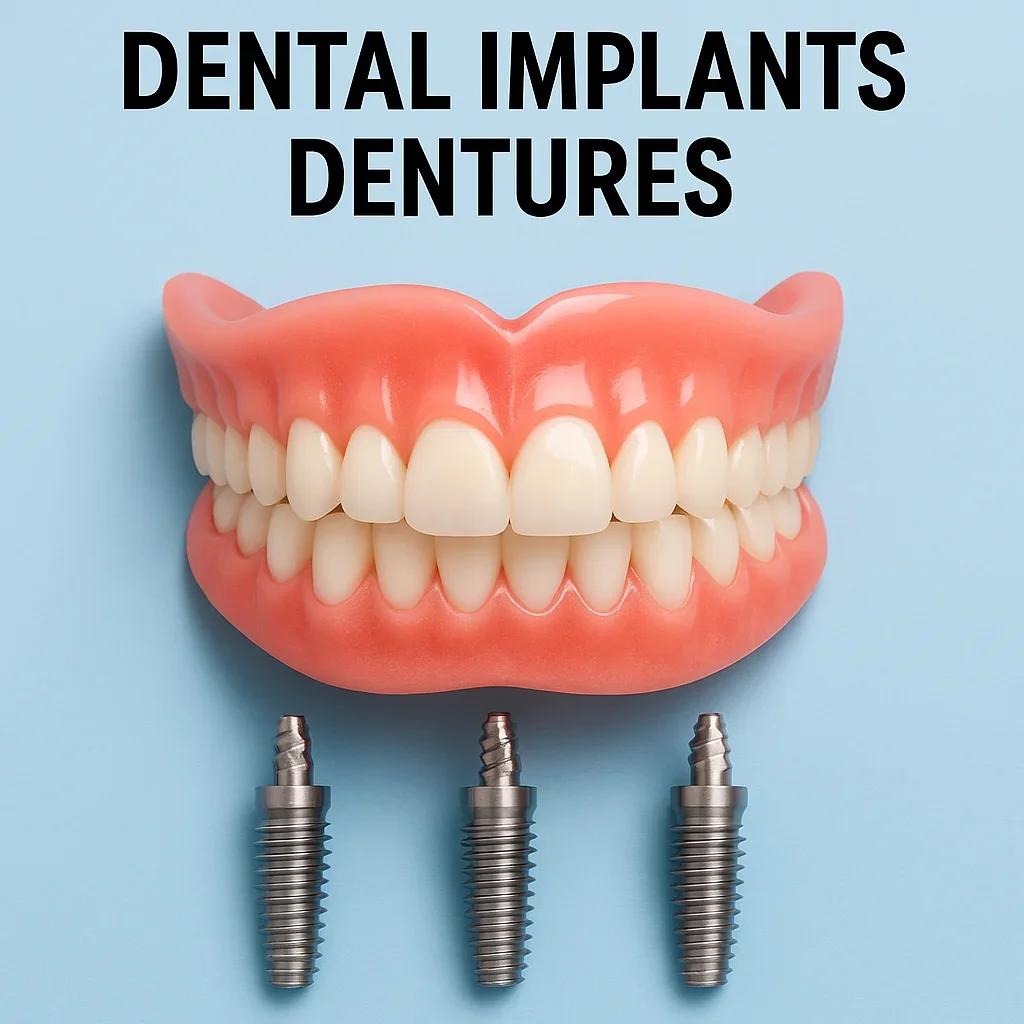
From a structural perspective, dental implants dentures consist of three main components: the implant posts, the abutments, and the denture itself. The implant post is surgically embedded into the bone, integrating with it through a process known as osseointegration. Over time, the implant becomes part of your jaw’s structure, providing remarkable strength and durability. The abutment serves as a connector, linking the post to the custom-made denture, which is designed to resemble natural teeth in both form and color.
Many patients searching for dental implants dentures are often curious about comfort levels. The truth is, implant-supported dentures feel much more secure than conventional ones. Because they don’t rely on suction or adhesives, you can laugh, talk, and eat your favorite meals — even crunchy or chewy foods — without fear of slippage. This is why so many individuals consider this treatment a life-changing investment rather than a mere dental procedure.
From an aesthetic point of view, dental implants dentures can transform facial appearance. When teeth are missing, the facial muscles tend to sag, giving an aged and tired look. Implant-supported dentures restore the natural contour of your face by supporting your jawbone and preventing bone loss. This rejuvenates your facial structure, making you appear more youthful and confident. ✨
Another important benefit of dental implants dentures lies in their long-term impact on oral health. Traditional dentures may lead to gradual bone resorption because they do not stimulate the jawbone. However, implants function like natural tooth roots, maintaining bone density and preventing atrophy. This keeps your oral foundation strong and healthy for many years. Additionally, when placed and maintained properly, implant dentures can last for decades — far longer than traditional removable dentures.
It’s essential to understand that dental implants dentures are not a one-size-fits-all solution. Each patient has unique anatomical and aesthetic needs. During your consultation at a specialized dental clinic, digital imaging and 3D scanning are often used to create a personalized treatment plan. This ensures perfect alignment, optimal bite balance, and an appearance that matches your natural smile.
Moreover, this type of treatment plays a significant psychological role. Many individuals who once avoided social gatherings due to missing teeth rediscover their confidence after receiving dental implants dentures. Smiling without hesitation, enjoying meals in public, and speaking clearly are emotional victories that profoundly enhance quality of life. 😄
Globally recognized organizations like the American Dental Association have emphasized the clinical safety and effectiveness of implant-based restorations. Modern techniques, high-quality materials, and digital precision have made dental implants dentures a predictable and highly successful treatment option for most adults.
If you are considering restoring your smile, you can reach out to experts who specialize in this field. Schedule an appointment through the Redent Klinik Contact Page to explore whether this treatment is right for you. At Redent Klinik, experienced dental professionals use state-of-the-art technology to ensure every patient achieves both functional and aesthetic excellence with dental implants dentures.
In conclusion, dental implants dentures are the ultimate combination of beauty, durability, and health. They offer a permanent and natural-looking solution for tooth loss, helping patients smile again with complete confidence. Whether you’re looking to replace a few missing teeth or an entire arch, this modern innovation provides an unparalleled level of stability and comfort. As dental science continues to evolve, implant-supported dentures remain at the forefront of restorative dentistry, changing lives one smile at a time. 💎
Understanding Dental Implants Dentures: What They Really Are
When it comes to restoring a healthy and beautiful smile, few treatments are as transformative as dental implants dentures. This modern hybrid solution merges the stability of dental implants with the full-arch functionality of dentures, giving patients the best of both systems. Understanding what this treatment really is — and how it works — is the first step toward reclaiming your oral health and self-confidence. 🦷
What Are Dental Implants Dentures?
Dental implants dentures are advanced prosthetic devices supported by titanium or zirconia implants anchored into the jawbone. Unlike conventional dentures that rest on the gums and may shift during eating or speaking, these dentures are firmly secured in place by implant posts. This structure ensures they function and feel just like natural teeth.
Typically, four to six implant posts are placed in the upper or lower jaw. These implants act as artificial tooth roots that fuse with the bone through a biological process called osseointegration. Once healed, a custom-designed denture is attached to the implants, completing the restoration. The result is a stable, comfortable, and long-lasting replacement that closely mimics real teeth — both in appearance and performance.
The Key Components Explained
To fully understand how dental implants dentures work, it’s essential to explore their components:
1. Implant Posts
These are small, screw-like fixtures made from medical-grade titanium or zirconia. They are surgically inserted into the jawbone to act as permanent anchors. Titanium is biocompatible, meaning it fuses naturally with bone tissue and does not cause allergic reactions. This fusion process provides a rock-solid foundation for dentures.
2. Abutments
The abutments serve as connectors between the implant post and the denture. They ensure a secure attachment while allowing easy removal or adjustment by dental professionals during maintenance visits. Some systems use a “locator” design that allows patients to snap the denture in and out easily.
3. The Denture
The visible part of the restoration — the denture — is crafted from high-quality acrylic or porcelain materials. It is designed to match the patient’s natural teeth in color, size, and shape, delivering an aesthetically pleasing and lifelike result.
How Dental Implants Dentures Differ from Traditional Dentures
The biggest difference between dental implants dentures and traditional removable dentures lies in stability and comfort. Traditional dentures rest on the gums, often requiring adhesives or suction to stay in place. Over time, they may become loose as the jawbone shrinks due to a lack of stimulation.
In contrast, implant-supported dentures are anchored directly into the bone, preventing bone loss and maintaining jaw structure. They also allow patients to enjoy foods like steak, apples, or nuts — items that are often off-limits to those with standard dentures. Moreover, since the implants stimulate the bone just like natural tooth roots, they help preserve facial volume and prevent premature aging. 😁
Who Is a Good Candidate for Dental Implants Dentures?
Ideal candidates for dental implants dentures include individuals who have lost multiple teeth or complete arches and want a permanent, stable, and functional solution. Good overall health and sufficient jawbone density are critical factors for success. However, modern bone grafting techniques allow even those with bone loss to qualify for this procedure after appropriate preparation.
Non-smokers and individuals with healthy gums generally experience faster healing and more predictable results. Those with conditions such as diabetes can also be candidates, provided their health is well-managed under professional guidance.
The Role of Technology in Modern Implant Dentistry
Today’s digital advancements have revolutionized the field of dental implants dentures. Dentists use 3D cone-beam CT scans, digital impressions, and computer-guided implant placement to ensure precise results. This technology enables personalized planning, minimizing surgical risks and reducing recovery time.
In some advanced clinics, same-day implant-supported dentures — also known as “teeth in a day” — allow patients to leave the office with a brand-new smile just hours after surgery. These cutting-edge workflows combine science and artistry, redefining the standards of restorative dentistry.
Longevity and Maintenance
With proper care, dental implants dentures can last 15–25 years or more. Regular checkups, professional cleanings, and daily oral hygiene are vital to preserving their function and appearance. Patients should brush with non-abrasive toothpaste, use interdental brushes, and rinse with antibacterial mouthwash to keep their implants and gums healthy. 🪥
Unlike traditional dentures that may require frequent relining or replacement, implant-supported dentures maintain their stability for many years. Routine dental visits ensure early detection of any potential issues, guaranteeing long-term comfort and satisfaction.
Psychological and Lifestyle Benefits
Beyond physical restoration, dental implants dentures dramatically improve emotional well-being. Patients often report feeling more self-assured in social settings, smiling freely, and regaining the ability to enjoy life’s pleasures without hesitation. This emotional confidence is one of the most rewarding outcomes of modern implant dentistry.
Professional Consultation and Personalized Care
Anyone considering this treatment should consult a qualified dental specialist who can assess their oral condition and create a customized plan. At Redent Klinik, experts use advanced diagnostic tools and patient-centered care to design implant solutions that deliver both function and beauty.
For further professional insights, the American Dental Association provides evidence-based research and guidelines that validate the effectiveness of implant-supported restorations worldwide.
In summary, dental implants dentures represent the future of full-mouth restoration — a blend of innovation, precision, and natural aesthetics. They not only restore missing teeth but also renew confidence, enhance facial appearance, and offer a long-term solution for oral health. By understanding how they work, patients can make informed decisions and take the first step toward achieving a brighter, stronger, and more radiant smile. ✨
The Step-by-Step Procedure for Getting Dental Implants Dentures
The process of obtaining dental implants dentures involves several carefully planned stages that ensure long-lasting results and maximum comfort for the patient. Understanding each step of the procedure not only prepares you for what to expect but also highlights the level of precision and expertise required to achieve a flawless smile restoration. From the first consultation to the final fitting, this treatment is a journey toward regaining full dental function and self-confidence. 🦷
Step 1: Comprehensive Dental Evaluation and Planning
Every successful dental implants dentures treatment begins with a detailed assessment by an experienced dentist or oral surgeon. During this initial consultation, digital X-rays, panoramic imaging, or 3D cone-beam CT scans are taken to evaluate your bone density, gum health, and overall oral condition. These diagnostic tools help the specialist determine the best implant placement strategy and identify whether bone grafting is necessary.
At this stage, your dental history, medical conditions, and aesthetic expectations are thoroughly discussed. Advanced clinics use digital smile design software to simulate your future smile, allowing you to visualize the expected outcome before any procedure begins. This personalized planning ensures that every implant is positioned for optimal strength, functionality, and natural appearance.
Step 2: Tooth Extraction and Site Preparation (If Needed)
Before placing dental implants dentures, any remaining damaged or decayed teeth must be removed. This extraction process is performed under local anesthesia or conscious sedation for comfort. In cases where the bone volume is insufficient to support implants, a bone graft or sinus lift may be performed. These preparatory procedures strengthen the jawbone, ensuring that the implants can integrate successfully.
Bone Grafting Explained
Bone grafting involves adding bone material (either synthetic or natural) to the jawbone area where it has deteriorated. Over a few months, the graft fuses with the natural bone, creating a solid foundation for implant placement. This step is vital for achieving stability and longevity of dental implants dentures.
Step 3: Surgical Placement of the Implants
The implant surgery is the core step of the process. Using a pre-planned digital guide, the dentist precisely places titanium or zirconia implants into the jawbone. Depending on the treatment plan, typically four to six implants are used to support a full arch of dentures. This approach is known as the “All-on-4” or “All-on-6” technique.
The surgery is performed under sterile conditions, and the implants are strategically angled to maximize contact with the existing bone, ensuring strong anchorage. Once the implants are in place, healing caps are attached to protect them during the recovery phase. Most patients report minimal discomfort thanks to advanced anesthesia techniques and modern surgical methods.
Step 4: Osseointegration – The Healing Process
After implant placement, a critical biological process called osseointegration begins. This occurs when the jawbone naturally fuses with the titanium implant, creating a permanent bond. It usually takes three to six months for complete integration, though this timeline can vary depending on individual healing responses and bone quality.
During this period, temporary dentures may be provided so you can maintain your daily routine and appearance. It’s important to follow your dentist’s aftercare instructions carefully, as this stage determines the long-term stability of your dental implants dentures. Avoiding smoking, maintaining good oral hygiene, and eating soft foods will help ensure successful healing. 🪥
Step 5: Abutment Placement and Impression Taking
Once osseointegration is confirmed, the next step is to attach abutments — small connectors that link the implant posts to the final dentures. This is typically done through a minor surgical procedure under local anesthesia. After the abutments are placed, impressions or digital scans are taken to design the custom denture that will perfectly fit your mouth.
Digital Impression Technology
Modern clinics now use intraoral scanners instead of traditional molds. This eliminates discomfort and ensures a higher level of precision in crafting your dental implants dentures. The digital files are then sent to a dental laboratory where skilled technicians fabricate your prosthetic using premium materials like porcelain or high-density acrylic for a natural look.
Step 6: Final Denture Attachment
Once the custom dentures are ready, your dentist will attach them to the abutments. Depending on the system used, they may be screw-retained (permanent) or snap-on (removable for cleaning). During this appointment, bite adjustments are made to ensure optimal alignment and comfort. The dentist will check the fit, color, and aesthetics to guarantee that the final result looks and feels completely natural.
When your dental implants dentures are secured, you can immediately enjoy restored chewing power, speech clarity, and self-assurance. Patients often describe this moment as life-changing — the instant return of a confident, radiant smile. 😁
Step 7: Post-Procedure Care and Follow-Up
After the installation, maintaining your new dentures is crucial for longevity. Your dentist will schedule follow-up visits to monitor healing, make adjustments, and clean the implants. Daily oral hygiene practices such as brushing twice a day, flossing around the abutments, and rinsing with an antibacterial solution are strongly recommended.
Patients are also advised to schedule professional cleanings every six months. This ensures plaque does not accumulate around the implant area, protecting the gum tissue and bone from inflammation or infection. By following these simple guidelines, your dental implants dentures can last decades with minimal maintenance.
Why the Procedure Is Worth It
Though the process may seem lengthy, the outcome is truly rewarding. Dental implants dentures provide unparalleled stability, comfort, and aesthetics that far exceed what traditional dentures can offer. You can enjoy your favorite foods, speak confidently, and smile without hesitation. Furthermore, this treatment prevents bone loss and facial sagging — two major drawbacks of removable dentures.
For professional consultation and evaluation, patients can schedule an appointment at Redent Klinik Contact Page. The clinic’s specialists use 3D diagnostics and modern surgical protocols to ensure safety and precision at every stage of the procedure.
According to the American Dental Association, implant-based restorations like these have a success rate exceeding 95%, making them one of the most reliable dental treatments available today. As technology continues to evolve, dental implants dentures are expected to become even more accessible and refined — helping millions regain not just their teeth, but their confidence and quality of life. 🌟
Top Benefits of Dental Implants Dentures Compared to Traditional Options
Modern dentistry has evolved far beyond simple removable dentures. Today, dental implants dentures represent the gold standard for patients seeking long-term, functional, and aesthetic tooth replacement solutions. Unlike conventional dentures that rely on adhesives and suction, implant-supported dentures are anchored securely into the jawbone, offering unmatched comfort and performance. Understanding their advantages helps patients make informed decisions about their oral health and lifestyle. 😁
1. Superior Stability and Chewing Power
One of the most notable benefits of dental implants dentures is their remarkable stability. Traditional dentures often shift or slip, especially during eating or speaking. This can be both frustrating and embarrassing. Implant-supported dentures, however, are securely attached to the jawbone through titanium posts, acting as artificial tooth roots. This foundation provides exceptional stability, allowing patients to bite and chew naturally.
With dental implants dentures, you can comfortably enjoy foods that were previously off-limits, such as steak, corn on the cob, apples, or crusty bread. The increased chewing efficiency also promotes better digestion and overall nutrition, as patients no longer need to restrict their diet to soft foods. 🥩🍎
Real-Life Functional Improvement
Studies published by the American Dental Association indicate that patients with implant-supported dentures experience up to 90% of their original chewing power, compared to only 20–30% with conventional dentures. This improvement significantly enhances quality of life and supports long-term health and well-being.
2. Enhanced Comfort and Fit
Traditional dentures often cause irritation or soreness due to friction between the denture base and gum tissue. Over time, bone loss beneath the gums leads to looseness, requiring frequent relines. In contrast, dental implants dentures are fixed to the bone and do not move or rub against the gums. This eliminates discomfort and reduces the need for messy adhesives or pastes.
Furthermore, the custom design of implant dentures ensures a precise fit tailored to each patient’s mouth structure. The result is a smooth, seamless feel that mimics the sensation of natural teeth. Patients often describe the experience as “forgetting they even wear dentures.”
3. Prevention of Bone Loss and Facial Sagging
Perhaps the most significant medical advantage of dental implants dentures is their ability to prevent jawbone deterioration. When natural teeth are lost, the underlying bone begins to resorb (shrink) due to lack of stimulation. This leads to facial sagging, wrinkles, and a prematurely aged appearance.
Implants, on the other hand, stimulate the bone just like real tooth roots. This stimulation keeps the bone active and healthy, maintaining facial structure and preventing further bone loss. The result is a youthful, natural appearance that lasts for years. 🌟
Facial Aesthetic Restoration
By maintaining bone density, dental implants dentures also preserve lip and cheek support, preventing the “sunken” look often seen with long-term denture wearers. This rejuvenates your facial profile and restores harmony to your smile.
4. Long-Term Durability and Cost-Effectiveness
While traditional dentures might seem more affordable initially, they often require replacement every five to seven years due to wear and bone changes. In contrast, dental implants dentures can last decades — sometimes even a lifetime — with proper care. The titanium implants are biocompatible and resistant to decay, offering exceptional longevity.
Over time, this makes implant-supported dentures a more cost-effective solution. Patients save on repeated adjustments, adhesives, and replacements. Considering their lifespan and superior functionality, the investment pays off both financially and in daily comfort.
5. Natural Appearance and Confidence Boost
Implant dentures are meticulously designed to resemble natural teeth in color, shape, and alignment. Whether you’re smiling, laughing, or speaking, they look completely authentic. This natural aesthetic helps patients regain confidence and eliminates the social anxiety often associated with removable dentures.
The newfound stability also allows individuals to speak more clearly, without fear of slippage or clicking sounds. This emotional and psychological uplift is one of the most rewarding aspects of dental implants dentures.
Confidence That Changes Lives
Many patients report that receiving dental implants dentures has profoundly improved their personal and professional lives. Being able to smile freely, attend social gatherings, or give public presentations without worry restores a sense of normalcy and self-esteem. 😃
6. Simplified Maintenance and Hygiene
Contrary to common assumptions, dental implants dentures are easy to maintain. Daily brushing with a soft toothbrush, flossing around the abutments, and regular dental checkups are usually sufficient. Unlike removable dentures, they do not need overnight soaking or special cleansing solutions. This simplifies your oral care routine and keeps your mouth healthier overall.
Most importantly, proper hygiene prevents plaque buildup and gum inflammation, ensuring your implants remain strong and functional for years to come.
7. Improved Speech and Articulation
Traditional dentures often slip while talking, causing speech difficulties or embarrassing clicking noises. Implant-supported dentures eliminate this issue entirely. Because they are fixed in place, the tongue and lips can move naturally, improving pronunciation and clarity. You can speak confidently without worrying about slippage or discomfort during conversations.
8. Emotional and Lifestyle Freedom
Beyond functional advantages, dental implants dentures offer emotional liberation. No more fear of dentures falling out during a meal, or the need to carry adhesive tubes everywhere. The sense of freedom, combined with a beautiful smile, leads to a happier and more fulfilling life.
9. Professional Support and Continuous Care
To enjoy all these benefits, patients should seek care from qualified dental professionals. At Redent Klinik Contact Page, specialists provide customized implant solutions, digital smile design, and advanced follow-up care to ensure long-term success. Their expertise ensures that every step — from diagnosis to final fitting — is completed with precision and compassion.
Backed by the American Dental Association guidelines, these procedures are considered among the safest and most successful in modern restorative dentistry. With over a 95% success rate, dental implants dentures have transformed millions of smiles globally, empowering people to live healthier, more confident lives.
In summary, dental implants dentures combine science, aesthetics, and comfort into a single life-changing solution. They restore full dental function, enhance facial beauty, and deliver confidence that radiates through every smile. Whether you’re seeking a better quality of life or a permanent solution for missing teeth, this treatment represents the pinnacle of modern dental innovation. 💎
Potential Risks and Complications You Should Know About
While dental implants dentures offer life-changing benefits and exceptional success rates, no surgical or restorative dental procedure is entirely risk-free. Understanding potential complications helps patients prepare realistically and ensures they can take proactive measures to maintain long-term results. Fortunately, most risks associated with implant-supported dentures are preventable or easily manageable with proper care and professional guidance. 🦷
1. Surgical Risks and Initial Healing Challenges
The procedure for dental implants dentures involves placing titanium or zirconia posts directly into the jawbone. As with any oral surgery, there are some inherent risks, including infection, bleeding, swelling, or bruising. In most cases, these symptoms are mild and subside within a few days. However, patients must follow post-operative instructions carefully to prevent infection and promote successful healing.
Some patients may experience minor discomfort or sensitivity in the gums. This is usually temporary and can be managed with prescribed medications and cold compresses. It’s also essential to maintain gentle oral hygiene during recovery to avoid disturbing the surgical sites. 🩹
Infection at the Implant Site
Infection, known as peri-implantitis, can occur if bacteria accumulate around the implant area. This risk increases when oral hygiene is neglected. Regular brushing, antiseptic rinses, and routine dental visits can effectively prevent this complication. When detected early, peri-implantitis is treatable, but if ignored, it can lead to bone loss or implant failure.
2. Risk of Implant Failure
Although the success rate for dental implants dentures exceeds 95%, implant failure can occur in rare cases. This typically results from insufficient bone density, uncontrolled medical conditions (like diabetes), smoking, or improper aftercare. Implant failure means that the implant does not properly integrate with the bone — a process called osseointegration — and becomes loose or unstable.
Early vs. Late Failure
Early implant failure occurs within the first few months, often due to surgical infection or excessive stress on the implant before complete bone fusion. Late failure happens years later and can be related to gum disease, bone resorption, or trauma. To minimize these risks, patients must strictly adhere to their dentist’s recommendations during the healing phase and attend follow-up appointments regularly.
3. Nerve or Sinus Complications
In upper jaw procedures, implants may be placed near the sinus cavity, while in the lower jaw, they may be close to nerve pathways. If not properly planned, these anatomical structures can be affected. Advanced digital imaging, such as 3D cone-beam CT scans, virtually eliminates this risk by allowing the surgeon to visualize the precise location of nerves and sinuses before placing the implants.
Thanks to modern surgical planning and computer-guided implant placement, such complications are extremely rare in contemporary dental implants dentures treatments. However, it’s vital to select a qualified and experienced implantologist who utilizes advanced imaging and navigation technologies to ensure precise results.
4. Gum Recession and Soft Tissue Issues
Over time, some patients may experience minor gum recession around their implants. This can expose the metal abutment or affect the appearance of the gum line. Proper oral hygiene and routine dental maintenance help minimize this risk. In some cases, soft tissue grafting — a procedure that adds gum tissue to the affected area — can correct aesthetic concerns and restore gum health.
Healthy gums are essential for the success of dental implants dentures. They act as a natural barrier against bacteria and maintain the stability of the prosthetic structure. Regular dental cleanings help preserve this balance and prevent future problems.
5. Bone Loss Around Implants
Although implants stimulate bone growth, certain conditions such as infection, trauma, or excessive force can cause localized bone loss. This is typically identified through dental X-rays during routine checkups. When detected early, bone loss can be treated with bone grafting or regenerative therapies, allowing the implant to remain stable and functional.
How to Prevent Bone Loss
Maintaining a diet rich in calcium and vitamin D, quitting smoking, and practicing excellent oral hygiene significantly lower the chances of bone loss. Furthermore, avoiding teeth grinding (bruxism) through night guards can prevent excessive pressure on the implants.
6. Allergic Reactions or Sensitivities
Although rare, some patients may develop an allergic reaction to the materials used in dental implants dentures, particularly titanium. Symptoms include persistent irritation, burning sensations, or unusual swelling. Zirconia implants are an excellent alternative for patients with known metal sensitivities, as they are fully biocompatible and metal-free.
7. Overloading the Implants
Overloading occurs when the denture is placed too soon after surgery or when excessive biting pressure is applied before full healing. This can cause the implant to shift or fail. To prevent overloading, dentists often recommend a healing period of three to six months before attaching the permanent prosthesis. Temporary dentures may be used during this phase to maintain comfort and appearance.
8. Speech or Adaptation Difficulties
During the initial adjustment phase, some patients may notice slight changes in speech patterns or chewing behavior as they adapt to their new dental implants dentures. These effects are temporary and typically resolve within a few weeks. Practicing speech exercises and reading aloud can accelerate the adaptation process.
9. Long-Term Maintenance and Monitoring
Most complications arise from inadequate maintenance. Regular dental checkups every six months are vital to inspect the condition of your implants, gums, and dentures. Professional cleanings remove plaque and tartar buildup around the implant sites, ensuring that your smile remains healthy and functional for decades.
At Redent Klinik Contact Page, specialists conduct thorough evaluations using digital X-rays and professional hygiene protocols to detect and prevent early signs of complications. With proper aftercare and periodic assessments, the longevity of your dental implants dentures can exceed 25 years.
10. Professional Insight and Assurance
According to research supported by the American Dental Association, implant-related complications occur in fewer than 5% of cases. Most can be effectively managed with timely intervention and maintenance. This underscores the importance of selecting an experienced dental team that prioritizes precision, hygiene, and patient education.
In conclusion, while dental implants dentures present minimal risks, being aware of possible complications ensures you remain proactive about your oral health. With the right dentist, proper care, and consistent follow-up, you can enjoy a stable, beautiful, and functional smile for a lifetime — without the worries associated with traditional dentures. 🌟
Aftercare Tips for Long-Lasting Dental Implants Dentures 🪥
Once you’ve completed the journey of receiving dental implants dentures, proper aftercare becomes essential to preserving your investment and ensuring long-term success. Implant-supported dentures are designed to last for decades, but their longevity depends on your oral hygiene habits, diet, and regular professional maintenance. Taking care of them properly will not only enhance comfort and function but also prevent complications such as infection or bone loss. Below is a complete guide to maintaining your new smile. 😁
1. Immediate Post-Procedure Care
After your dental implants dentures surgery, the first 24 to 72 hours are crucial for healing. Your dentist will provide detailed instructions, which typically include resting, using cold compresses to reduce swelling, and avoiding hot or spicy foods. Mild discomfort, bruising, or swelling are normal and subside within a few days.
Managing Discomfort and Swelling
To manage discomfort, you may use dentist-approved pain relievers or anti-inflammatory medications. Ice packs applied intermittently (15 minutes on, 15 minutes off) help minimize swelling. Avoid touching the surgical sites with your fingers or tongue, as this may disturb the healing process.
Diet During Recovery
Stick to soft foods like soups, mashed potatoes, yogurt, and smoothies for the first few days. Avoid crunchy or hard foods that may stress the implants. Hydration is key, but avoid using straws — the suction can dislodge the blood clots essential for healing.
2. Maintaining Oral Hygiene
Proper cleaning habits are vital to ensure the longevity of dental implants dentures. Even though your prosthetic teeth cannot decay, the surrounding gums and bone tissue can still develop infection if bacteria accumulate.
Daily Cleaning Routine
- Brushing: Use a soft-bristled toothbrush and non-abrasive toothpaste twice daily. Pay close attention to the gumline where food debris tends to gather.
- Flossing: Special floss such as implant-safe threaders or interdental brushes should be used to clean around abutments and under the denture framework.
- Mouthwash: Rinse with an alcohol-free antibacterial mouthwash to control plaque and bacteria.
Maintaining this daily hygiene routine not only keeps your mouth clean but also protects the tissues surrounding your implants from inflammation, which could otherwise lead to peri-implantitis.
3. Professional Dental Visits
Routine checkups are essential for the success of dental implants dentures. Your dentist will evaluate the health of your gums, verify implant stability, and professionally clean hard-to-reach areas. These visits are typically recommended every six months, although patients with specific risk factors (such as diabetes or smoking) may require more frequent monitoring.
What Happens During a Professional Cleaning?
During a cleaning session, specialized tools are used to remove plaque and tartar around the abutments without scratching the implant surface. Your dentist may also polish the denture and inspect for wear, cracks, or loose fittings. Regular professional maintenance prevents complications and ensures your implants function optimally for years. 🧼
4. Nutrition and Lifestyle Habits
Your daily diet plays a major role in preserving the health of your dental implants dentures. A balanced diet rich in vitamins, minerals, and proteins supports bone density and tissue repair. Incorporate foods like fish, leafy greens, dairy products, and eggs to enhance healing and maintain strong jawbones.
Habits to Avoid
- Do not smoke — nicotine reduces blood flow and delays healing.
- Avoid excessive alcohol consumption, especially during recovery.
- Never use your teeth as tools to open packages or bite non-food items, as this can damage both dentures and implants.
By eliminating these harmful habits, you significantly extend the lifespan of your implants and keep your oral environment healthy.
5. Managing Long-Term Wear and Tear
Even though dental implants dentures are durable, they are not indestructible. Over time, normal wear may affect their fit or aesthetics. If you experience clicking, discomfort, or difficulty chewing, schedule a dental visit immediately. Early adjustments are simple and prevent potential damage to the implant structure.
Your dentist may occasionally replace the O-rings or attachments that connect your dentures to the implants. This ensures a secure fit and smooth daily function. Such maintenance is part of the long-term success plan for every implant patient.
6. Nighttime Care and Protection
While dental implants dentures are typically worn all day, your dentist may recommend removing them at night in some cases, especially for removable overdenture types. For fixed implant bridges, wearing them continuously is perfectly safe. However, using a mouthguard during sleep is advisable if you grind your teeth, as it prevents undue pressure on the implants.
Storing Removable Dentures
If your dentures are removable, store them in a clean, dry case or in water overnight to prevent warping. Avoid using hot water, as it can distort the acrylic material. Keeping your dentures moist maintains their shape and ensures a comfortable fit the next day.
7. Recognizing Warning Signs Early
While complications are rare, being alert to early warning signs can prevent serious problems. Symptoms such as persistent gum swelling, bleeding, bad breath, or pain around the implants should never be ignored. These may indicate infection or mechanical issues requiring immediate professional attention.
Regular observation and quick response to any abnormalities safeguard both your oral health and the structural integrity of your dental implants dentures.
8. The Role of Follow-Up Appointments
Consistent follow-up care allows your dental team to track bone density, gum health, and the alignment of your dentures. Digital scans and X-rays may be used to ensure that the implants remain properly integrated into the bone. These sessions are also opportunities to ask questions and receive personalized advice about your ongoing care routine.
9. Professional Guidance for Lifelong Success
At Redent Klinik Contact Page, patients receive individualized aftercare instructions, professional cleanings, and comprehensive follow-up plans designed to extend the lifespan of their dental implants dentures. The clinic emphasizes preventive care and education to empower patients in maintaining excellent oral health for decades.
The American Dental Association supports long-term maintenance as the cornerstone of implant success. Research shows that patients who attend regular follow-ups and practice consistent hygiene have a 98% success rate after 10 years of use — a testament to the power of good care and professional monitoring.
In summary, dental implants dentures are a durable, life-enhancing investment — but like any valuable asset, they require commitment and care. By following these aftercare tips, adopting healthy habits, and working closely with your dental specialist, you can enjoy a radiant, functional smile for the rest of your life. 🌟
How to Maintain Oral Hygiene with Dental Implants Dentures
Maintaining proper oral hygiene with dental implants dentures is the cornerstone of keeping your new smile healthy, functional, and beautiful for many years. Even though these advanced restorations are resistant to decay, the tissues surrounding them — including the gums and bone — remain vulnerable to plaque, bacteria, and inflammation. With the right care routine, patients can prevent complications such as peri-implantitis, ensure the longevity of their implants, and enjoy fresh breath and comfort daily. 🦷
1. The Importance of Daily Cleaning
Just like natural teeth, dental implants dentures need consistent cleaning to remove food debris and bacteria. Skipping daily hygiene can lead to infections or gum irritation around the implant posts. Although the dentures themselves cannot develop cavities, the supporting gum tissue and abutments must be kept clean to prevent harmful biofilm buildup.
Brush your dentures twice a day using a soft-bristled brush. Choose a low-abrasive toothpaste — one specifically made for implants or dentures — to avoid scratching the surface. When brushing, focus on the gum line and around the metal attachments where bacteria tend to accumulate.
Best Brushing Techniques
- Hold your brush at a 45-degree angle to clean the junction between the denture and gum.
- Use circular motions and avoid harsh scrubbing.
- Brush both the outer and inner surfaces of your dentures, as well as the tongue and cheeks to eliminate odor-causing bacteria.
Remember: gentle yet thorough brushing ensures your dental implants dentures remain stain-free and odor-free. 🪥
2. Flossing and Interdental Cleaning
Flossing around implants may seem challenging, but it’s essential. Food particles and plaque can hide between implants and under the denture structure, creating ideal conditions for bacterial growth. Specialized tools such as super floss, interdental brushes, or water flossers make cleaning easier and more effective.
Flossing Tips for Implant-Supported Dentures
- Use implant-safe floss that has a stiff end to thread between the implants.
- Gently move the floss back and forth, avoiding forceful motions that might irritate the gum tissue.
- Water flossers can be used daily to flush away trapped debris beneath fixed dentures.
Consistent flossing supports the health of the gum line and prevents plaque accumulation — ensuring that your dental implants dentures remain secure and bacteria-free.
3. The Role of Antibacterial Mouthwash
Incorporating an alcohol-free antibacterial mouthwash into your daily routine helps control bacterial levels and maintain fresh breath. Rinsing for 30 seconds twice a day can dramatically reduce the risk of inflammation and infection around the implants. It’s also recommended to use mouthwash after meals if brushing isn’t immediately possible.
Avoid mouthwashes containing alcohol, as they can dry out the tissues and disrupt natural healing. Instead, look for products formulated for implant care or recommended by your dentist.
4. Cleaning Removable Dentures
Patients with removable dental implants dentures should clean their prosthesis outside the mouth at least once daily. Use a denture brush and mild soap or non-abrasive cleaner — never regular toothpaste, which may scratch the acrylic. Rinse thoroughly before reinserting to avoid residue that can irritate the gums.
Nighttime Storage
If your dentures are removable, store them in clean water or a denture-soaking solution overnight. This keeps the acrylic moist and prevents warping. Always rinse them in the morning before placing them back in your mouth. Fixed dentures, on the other hand, remain in place and can be cleaned like natural teeth.
5. Professional Cleaning and Checkups
Regular professional maintenance plays a crucial role in the success of dental implants dentures. Even with excellent home care, professional cleanings every 6 months (or more frequently, if recommended) are vital. During these appointments, your dentist will remove hardened tartar, check gum health, and ensure the implants are stable.
Why Professional Care Matters
Dental professionals use specialized instruments that safely clean around implant posts without damaging them. They also assess for early signs of inflammation or bone changes that may go unnoticed at home. Early intervention can prevent minor issues from becoming major complications.
6. Preventing Peri-Implantitis
Peri-implantitis is the implant equivalent of gum disease — a bacterial infection that affects the tissues and bone surrounding the implant. Symptoms include red or swollen gums, bleeding during brushing, and bad breath. Without treatment, it can cause bone loss and implant instability.
To prevent peri-implantitis, maintain a meticulous cleaning routine, avoid smoking, and manage systemic conditions like diabetes. Smokers are at significantly higher risk of developing inflammation due to reduced blood flow and delayed healing. 🚭
7. Managing Dietary Habits for Oral Health
Your diet influences the long-term success of dental implants dentures. Sugary and sticky foods promote bacterial growth and should be limited. Instead, focus on nutrient-rich options like vegetables, lean proteins, and calcium-rich dairy to strengthen bone and gum tissue. Stay hydrated throughout the day to maintain saliva flow, which naturally cleanses your mouth and neutralizes acids.
Foods to Include
- Fish and eggs for protein and vitamin D
- Leafy greens for minerals and antioxidants
- Yogurt and cheese for calcium support
- Water and green tea for natural cleansing
A balanced diet not only benefits your general health but also contributes to the durability of your dental implants dentures.
8. Avoiding Harmful Habits
To preserve your implants and dentures, avoid using your teeth to open bottles or bite hard objects. Such habits can crack the prosthesis or loosen the implant structure. Similarly, excessive clenching or grinding (bruxism) exerts unnatural pressure that may damage implants. If you grind your teeth at night, consult your dentist about a custom mouthguard for protection.
9. Ongoing Monitoring and Professional Advice
Every patient’s oral condition is unique, and ongoing dental monitoring ensures that your treatment remains successful. Schedule regular visits at Redent Klinik Contact Page for expert cleanings and follow-ups. Their specialists provide personalized hygiene plans based on your individual implant type and lifestyle.
Furthermore, organizations such as the American Dental Association highlight the importance of professional dental maintenance for implant-supported restorations. Following their evidence-based recommendations drastically increases implant longevity and oral health stability.
In summary, maintaining excellent hygiene practices with dental implants dentures is the key to long-term success. Through proper brushing, flossing, dietary awareness, and regular professional care, you can preserve your radiant smile and protect your oral health for decades to come. With dedication and guidance from your dental team, your implants will continue to perform beautifully — just like natural teeth. 🌟
Real-Life Results: Success Stories and Patient Experiences 😁
Nothing builds confidence in dental implants dentures more than hearing the success stories of real patients who have regained their smiles and quality of life. These firsthand experiences highlight how modern implant technology can transform not just oral health, but emotional well-being, social interactions, and even self-image. Let’s explore what real patients have experienced before and after their implant-supported dentures — and why this treatment has one of the highest satisfaction rates in all of restorative dentistry. 🌟
1. From Tooth Loss to Total Transformation
Many individuals seeking dental implants dentures do so after struggling with years of missing teeth or ill-fitting removable dentures. Before their procedures, they often report embarrassment, difficulty eating, and constant discomfort. However, after receiving implant-supported dentures, their daily lives improve dramatically. The ability to smile freely, enjoy all kinds of food, and speak confidently brings a renewed sense of joy and normalcy.
Case Example: Sarah’s Journey
Sarah, a 58-year-old teacher, had been using traditional dentures for nearly a decade. Over time, her jawbone deteriorated, causing her dentures to loosen and shift during conversations. After transitioning to dental implants dentures, she described the experience as “life-changing.” She could finally eat apples, laugh loudly, and speak in front of her students without fear. Her face also appeared younger and more symmetrical due to the bone stimulation provided by the implants.
2. Confidence Restored Through Natural-Looking Smiles
One of the biggest emotional benefits of dental implants dentures is restored confidence. Patients often feel more attractive and self-assured once they regain their natural-looking teeth. The design of implant-supported dentures replicates real teeth so accurately that most people can’t distinguish them from natural ones — even up close. This aesthetic enhancement often has a profound impact on both professional and personal interactions.
Case Example: John’s Confidence Boost
John, a 45-year-old business consultant, had lost several teeth in a sports accident. Despite trying partial dentures, he constantly worried about them slipping during meetings. Once he opted for implant-supported dentures, his smile looked completely natural, and he no longer hesitated to interact with clients. He said, “It felt like getting a second chance — not just for my teeth, but for my confidence.”
3. Long-Term Comfort and Functionality
Beyond appearance, comfort is one of the greatest advantages cited by patients with dental implants dentures. Traditional dentures can irritate the gums or cause sore spots, while implant-supported versions stay firmly in place and distribute pressure evenly across the jaw. This makes everyday activities — eating, laughing, and talking — feel completely natural.
Testimonial Insight
According to post-treatment surveys from multiple dental clinics, more than 95% of patients report “excellent comfort levels” after receiving dental implants dentures. Many describe the feeling as “forgetting they even wear dentures.” This comfort extends to their daily routine, as the dentures do not require adhesives, frequent adjustments, or removal at night.
4. Enhanced Quality of Life
The psychological and emotional changes after dental implants dentures cannot be overstated. Patients often describe the treatment as regaining control over their lives. Eating out with friends, attending social events, or smiling for photos becomes effortless once again. This newfound confidence translates into improved mental well-being and a more active lifestyle.
One patient shared, “I stopped hiding my smile. For years, I covered my mouth when I laughed. Now, I laugh without thinking twice.” These stories are common and showcase how restorative dentistry goes beyond physical repair — it truly transforms self-perception and happiness.
5. Longevity and Success Rates
Statistical evidence further supports these positive outcomes. According to data from the American Dental Association, implant-supported dentures have a long-term success rate exceeding 95%. Most patients continue to enjoy their results for decades without major issues, provided they maintain good oral hygiene and regular dental checkups.
Scientific Findings
Studies published in reputable dental journals show that dental implants dentures not only restore function but also preserve bone density. Patients who switched from traditional dentures to implant-supported systems experienced a 70% improvement in chewing efficiency and a significant reduction in bone resorption. These measurable results validate the testimonials shared by countless satisfied individuals worldwide. 📊
6. The Emotional Impact of a Renewed Smile
The joy of regaining a confident smile extends beyond the dentist’s office. Patients report improved relationships, better career opportunities, and higher self-esteem after completing their implant treatments. The change in appearance — coupled with the ability to eat normally and speak clearly — leads to a profound boost in overall happiness.
At social events, many patients notice that they smile more often, appear more approachable, and engage in conversations with ease. This ripple effect enhances not only their dental health but their social well-being and quality of life.
7. Professional Insights and Clinical Validation
Dentists and oral surgeons consistently emphasize the reliability of dental implants dentures as a long-term solution. Modern techniques, such as computer-guided surgery and digital smile design, allow for incredibly precise results tailored to each patient’s anatomy. This precision dramatically reduces complications and ensures natural aesthetics that exceed expectations.
Clinicians often highlight the “before and after” transformations as some of the most rewarding outcomes in dentistry. They witness how patients who once avoided cameras or social situations now proudly share their new smiles — a true testament to the power of implant dentistry. 📸
8. Patient Feedback and Ongoing Support
Following their treatment, patients are typically enrolled in personalized follow-up programs. At Redent Klinik Contact Page, each individual receives custom aftercare guidance and scheduled maintenance to ensure that their dental implants dentures remain in perfect condition. This long-term care approach contributes significantly to continued satisfaction and success.
Continued Monitoring for Success
Regular follow-ups not only preserve the health of implants but also reinforce patient trust and confidence. Knowing that a skilled professional monitors their progress provides peace of mind and encourages adherence to proper hygiene routines.
9. The Global Impact of Implant Dentistry
Across the world, millions of patients have experienced the transformative power of dental implants dentures. Whether in Europe, North America, or Asia, success stories share a common theme — a complete return to normal life. Advances in materials and surgical techniques have made this solution accessible to more people than ever before.
In fact, patient satisfaction rates remain above 97%, surpassing nearly every other restorative dental procedure. This widespread success reflects both the reliability of modern implant systems and the emotional significance of a restored smile.
10. The Lasting Legacy of Smile Restoration
Ultimately, every success story involving dental implants dentures is a story of renewal — a second chance at living life without limitations. Whether it’s enjoying your favorite meal again, speaking clearly in public, or simply seeing your reflection and smiling proudly, the impact goes far beyond the dental chair.
Through expert care, innovative technology, and continuous support from professionals like those at Redent Klinik, patients achieve permanent transformations that enhance both health and happiness. Their radiant smiles serve as living proof that dental implants are not just about replacing teeth — they’re about restoring life’s most beautiful expressions. 💎
Cost and Insurance Coverage for Dental Implants Dentures
When considering dental implants dentures, one of the most common questions patients have is about cost. While this treatment represents a long-term investment in oral health, confidence, and quality of life, understanding its financial aspects helps you make an informed decision. The price of implant-supported dentures can vary significantly based on materials, procedures, and geographic location. In this section, we’ll explore the complete breakdown of costs, what influences them, and how insurance and financing options can make the process more affordable. 💰
1. The Average Cost of Dental Implants Dentures
The total cost of dental implants dentures depends on several factors, including the number of implants, type of denture, and whether additional procedures like bone grafting are required. On average, a full set of implant-supported dentures (for both upper and lower arches) can range between $15,000 and $40,000 in the United States. A single arch (upper or lower) typically costs between $7,000 and $20,000.
Cost Breakdown by Component
- Consultation and Imaging: $200 – $500
- Implant Surgery (per implant): $1,000 – $2,500
- Abutment Placement: $300 – $600 per implant
- Denture Fabrication: $2,000 – $5,000 per arch
- Follow-up Appointments and Maintenance: $200 – $500 annually
While these numbers might seem high compared to traditional dentures, the durability, comfort, and functional benefits of dental implants dentures make them a long-term cost-effective solution. Unlike removable dentures that need replacement every 5–7 years, implant-supported systems can last 20 years or more with proper care.
2. Factors That Influence the Total Cost
Several key factors affect the overall cost of dental implants dentures. Each patient’s needs are unique, which is why prices vary from one case to another.
1. Number of Implants Used
Full-arch restorations generally require four to six implants (the “All-on-4” or “All-on-6” systems). The more implants placed, the higher the cost. However, these systems are still more economical than replacing each tooth individually with an implant and crown.
2. Type of Prosthesis
Fixed implant dentures (permanent bridges) are typically more expensive than removable overdentures, as they use higher-grade materials and more complex attachment systems. Patients often choose based on lifestyle and maintenance preferences.
3. Bone Grafting or Sinus Lifts
If bone volume is insufficient to support implants, bone grafting or sinus lift procedures may be necessary. These procedures add to the overall cost, ranging from $500 to $3,000 depending on complexity.
4. Material Choice
The type of material used for the dentures also influences price. Acrylic dentures are more affordable, while porcelain or zirconia options offer superior durability and aesthetics but come at a higher cost.
5. Geographic Location and Clinic Expertise
Dental clinics in metropolitan areas or regions with higher living costs generally charge more. Similarly, experienced implant specialists and high-end clinics with advanced equipment may have higher fees — though they often deliver superior results and fewer complications.
3. Long-Term Value and Cost Efficiency
While the initial investment for dental implants dentures may seem substantial, they are significantly more cost-effective in the long run. Traditional dentures require frequent relining, adhesive purchases, and periodic replacements, which can accumulate over time. In contrast, implant-supported dentures offer decades of reliable performance with minimal maintenance expenses.
Furthermore, implants prevent bone loss — a factor that saves money on potential future corrective procedures. By stimulating the jawbone, implants help maintain facial structure, eliminating the need for costly cosmetic interventions later in life.
4. Insurance Coverage Options
Dental insurance policies vary widely when it comes to covering dental implants dentures. Unfortunately, most standard insurance plans classify implants as an elective or cosmetic procedure, covering only partial costs. However, many policies now recognize their medical necessity and may cover portions such as extractions, imaging, or dentures themselves.
Typical Coverage Breakdown
- Diagnostic and imaging costs: Often covered (50–100%)
- Bone grafting or surgical procedures: May be partially covered
- Implant posts and abutments: Rarely covered, but exceptions exist
- Dentures or prosthesis: Frequently covered up to 50%
It’s important to review your policy or speak directly with your insurance provider to understand your specific benefits. Some patients use a combination of dental and medical insurance, particularly if tooth loss resulted from trauma or medical conditions.
5. Financing and Payment Plans
Many dental clinics, including Redent Klinik, offer flexible financing options to make dental implants dentures more accessible. Monthly payment plans, third-party financing services, or healthcare credit programs allow patients to spread out payments over time with low or no interest.
Financing Options to Consider
- In-House Payment Plans: Managed directly through the clinic.
- Third-Party Lenders: Such as CareCredit or LendingClub, offering 6–24 month financing.
- Health Savings Accounts (HSAs): Tax-free savings that can be used for dental treatments.
- Medical Loans: Personal loans designed for healthcare expenses.
By using these flexible payment options, many patients find that achieving a confident, functional smile with implants becomes far more attainable.
6. Comparing Global Costs: Why Turkey Is a Popular Choice 🇹🇷
Dental tourism has surged in recent years, with countries like Turkey offering world-class dental implants dentures at a fraction of the cost compared to Western nations. Patients from the UK, USA, and Europe often travel for treatment because of highly skilled professionals, advanced facilities, and affordable pricing.
Typical Price Comparison (Per Arch)
| Country | Average Cost (USD) |
|---|---|
| United States | $15,000 – $20,000 |
| United Kingdom | $10,000 – $15,000 |
| Germany | $8,000 – $12,000 |
| Turkey | $4,000 – $7,000 |
These savings, combined with internationally accredited dental clinics and high-quality materials, make Turkey a top destination for affordable implant treatments. Redent Klinik, for example, offers comprehensive care packages that include accommodation, airport transfers, and post-treatment follow-up — providing exceptional value without compromising on quality.
7. The Role of Professional Consultation
Before making financial decisions, it’s essential to undergo a thorough consultation. At Redent Klinik Contact Page, specialists provide personalized cost estimates based on your needs, bone health, and treatment goals. Transparent pricing and detailed treatment plans ensure that patients fully understand each step before proceeding.
8. Expert Endorsement and Cost Transparency
The American Dental Association emphasizes the importance of transparency and informed consent in dental care. Reputable clinics provide clear pricing structures and discuss long-term value rather than just upfront costs. Patients should always choose certified professionals who prioritize both affordability and safety.
9. Final Thoughts on Cost and Value
While the price of dental implants dentures may initially appear high, the unparalleled comfort, aesthetics, and longevity make it one of the most valuable dental investments available. Unlike conventional dentures, which may cause ongoing inconvenience and insecurity, implant-supported solutions restore full function and confidence — improving daily life in countless ways.
By carefully evaluating your options, exploring insurance coverage, and considering reputable clinics like Redent Klinik, you can find an affordable, high-quality solution tailored to your goals. Remember, your smile is not just an expense — it’s an investment in your health, happiness, and overall well-being. 🌟
Future Trends and Innovations in Dental Implants Dentures
The world of dental implants dentures is evolving faster than ever, thanks to advances in digital technology, materials science, and surgical precision. The coming years promise revolutionary improvements that will make implant-supported dentures even more comfortable, durable, and accessible to patients around the world. From AI-guided surgery to biomimetic materials that mimic natural bone, these innovations are transforming the way we think about restorative dentistry. 🌍
1. Digital Dentistry and 3D Printing Revolution
Digital workflows have already reshaped how dental implants dentures are designed and placed. With the introduction of intraoral scanning and CAD/CAM (Computer-Aided Design and Manufacturing), dentists can create a perfect digital model of a patient’s mouth within minutes. This eliminates messy impressions and improves accuracy, comfort, and turnaround time. 🖥️
3D Printing for Custom Fit
3D printing now allows for rapid production of custom-fit dentures and implant components. Each prosthesis can be tailored precisely to the patient’s bone structure, ensuring a snug, natural fit. These advanced printers use biocompatible resins or ceramics that are lightweight, durable, and aesthetically superior. In the near future, same-day fabrication of dental implants dentures may become standard in modern clinics, drastically reducing waiting periods and improving patient satisfaction.
2. AI-Guided Implant Planning
Artificial intelligence is playing an increasingly critical role in dentistry. AI algorithms can analyze digital scans to predict optimal implant placement, angle, and depth for maximum stability and longevity. This not only enhances the accuracy of dental implants dentures but also minimizes human error during surgery.
Precision Meets Predictability
By processing thousands of successful implant cases, AI systems learn patterns that guide clinicians toward the best treatment decisions. These tools can simulate different scenarios before surgery, showing dentists how implants will behave in the jawbone — a process known as virtual implant planning. As a result, the success rate of implant procedures continues to climb, with fewer complications and faster recovery times.
3. Biomimetic Materials and Bone Integration
One of the most exciting trends in dental implants dentures involves the use of biomimetic materials — substances that replicate the properties of natural bone and tissue. Traditional titanium implants have proven highly successful, but researchers are now developing advanced zirconia and hybrid materials that blend seamlessly with surrounding tissue and minimize allergic reactions.
Enhanced Osseointegration
Modern implant surfaces are engineered at the microscopic level to encourage faster and stronger bone integration (osseointegration). Coatings infused with calcium phosphate, hydroxyapatite, or bioactive glass accelerate healing and create a more stable foundation for dentures. These innovations significantly extend the lifespan of implant-supported prosthetics.
4. Regenerative Dentistry: Growing Bone Naturally
Bone loss has always been a challenge for patients requiring dental implants dentures. However, regenerative dentistry is changing the game. Through the use of stem cell therapy and platelet-rich plasma (PRP), dentists can now stimulate natural bone regeneration before implant placement.
Stem Cells in Oral Reconstruction
By harvesting stem cells from a patient’s own tissue, clinicians can encourage bone regrowth in areas affected by resorption. This approach eliminates the need for synthetic grafts and speeds up recovery time. In the near future, we may see fully biological implants that integrate naturally into the jawbone without traditional surgery.
5. Smart Implants and Sensor Technology
Imagine dental implants dentures that monitor their own health. This is becoming a reality with the development of smart implants equipped with microscopic sensors. These sensors can measure bite pressure, detect infection, and even send data to your dentist via a wireless connection.
How Smart Implants Work
Embedded nanotechnology enables implants to communicate real-time information about surrounding tissue health and stability. This allows early detection of issues such as inflammation or bone loss, preventing costly repairs or replacements. The result is a proactive, data-driven approach to oral care that ensures long-term success.
6. Minimally Invasive and Robotic-Assisted Surgery
Minimally invasive techniques are becoming the gold standard for implant placement. Using computer-guided systems, dentists can insert implants with pinpoint accuracy through tiny incisions, reducing trauma and healing time. Robotic-assisted surgery takes this one step further by combining human expertise with mechanical precision.
Advantages of Robotic-Assisted Implantation
- Enhanced precision and consistency during placement.
- Reduced surgical risk and faster healing.
- Greater comfort for patients and predictable results for clinicians.
These advancements not only improve the success rate of dental implants dentures but also make the procedure more accessible to patients with complex anatomical conditions.
7. The Rise of Digital Twin Technology
The concept of a “digital twin” — a real-time virtual model of a patient’s mouth and implants — is emerging as a revolutionary tool. This allows dentists to track changes in bone density, tissue health, and bite force over time. With continuous data updates, clinicians can adjust care strategies and detect potential issues before they escalate.
8. Eco-Friendly and Sustainable Dentistry 🌱
As global awareness of sustainability grows, the field of dental implants dentures is also embracing eco-friendly practices. Manufacturers are focusing on recyclable packaging, low-waste materials, and digital recordkeeping to reduce the environmental footprint. Additionally, 3D printing minimizes excess material use, making implant production both efficient and sustainable.
Biodegradable Materials in Research
Research is underway to develop biodegradable scaffolds that promote bone regeneration and then safely dissolve, leaving behind a healthy implant structure. This innovation could dramatically reduce the need for secondary surgeries or synthetic materials.
9. Personalized Dentistry and Genetic Insights
The future of dental implants dentures will be deeply personalized. Genetic testing and molecular diagnostics can reveal how a patient’s body might respond to implants, allowing dentists to select materials and techniques optimized for individual biology. Personalized treatment plans will improve outcomes, minimize complications, and accelerate healing.
10. Collaboration Between Dentistry and Artificial Intelligence
The integration of AI, 3D imaging, and robotics represents the next frontier of implant dentistry. AI can track long-term performance, predict maintenance needs, and even guide automated implant placement with unparalleled precision. Patients will benefit from faster treatment, improved safety, and long-lasting results.
Leading institutions such as the American Dental Association are already investing in research and guidelines for digital implantology and smart dental systems. Similarly, clinics like Redent Klinik are adopting cutting-edge technologies to stay ahead of the curve, offering patients the very latest in implant-supported solutions.
In conclusion, the future of dental implants dentures is not just about replacing missing teeth — it’s about integrating science, technology, and artistry to restore smiles in smarter, faster, and more sustainable ways. As innovations continue to unfold, patients can look forward to a new era of dentistry defined by precision, personalization, and lifelong oral health. 🚀