
Dental implants have revolutionized modern dentistry by offering a permanent, natural-looking solution for missing teeth. However, while they are one of the most effective treatments available, the cost can often make patients hesitate. This is where dental implants financing becomes essential — helping patients access life-changing care without overwhelming financial stress. In this comprehensive guide, we’ll explore how financing works, why it’s worth considering, and how you can make dental implants affordable for your specific situation. 🦷💰
Understanding the Value Behind Dental Implants
Before diving into dental implants financing, it’s important to understand why implants are worth the investment. Unlike dentures or bridges, dental implants fuse with the jawbone through a process called osseointegration. This makes them stable, long-lasting, and natural in appearance. Implants don’t just restore your smile—they prevent bone loss, preserve facial structure, and allow you to eat and speak comfortably. When maintained properly, implants can last a lifetime, making them a long-term investment in both health and confidence.
Many patients are surprised to learn that traditional tooth replacement options often require replacement every few years, which can add up over time. By comparison, a well-placed dental implant offers decades of durability. This makes finding a smart financing plan for dental implants even more valuable — spreading the cost of a lifetime solution into manageable monthly payments.
How Much Do Dental Implants Cost?
The total cost of dental implants varies depending on several factors, such as the number of teeth replaced, materials used, bone grafting requirements, and clinic location. On average, a single dental implant in the U.S. costs between $3,000 and $5,000. A full-mouth implant restoration can range from $20,000 to $45,000, depending on complexity. While this may seem expensive, financing dental implants allows patients to proceed with treatment immediately while paying over time — often with little or no interest.
Estimated Cost Breakdown (2025 Averages):
- Single Tooth Implant: $3,000 – $5,000
- All-on-4 Implants: $15,000 – $25,000 per arch
- Full Mouth Restoration: $30,000 – $45,000
These figures may vary, but financing programs make these treatments accessible to more people. Some dental clinics even offer in-house payment plans, where you can split the total cost over 6, 12, or 24 months. This approach helps reduce the upfront burden while still allowing you to receive the best possible care.
The Role of Dental Implants Financing
Dental implants financing refers to flexible payment options designed to help patients cover the cost of their procedures without full upfront payment. Most financing programs work through third-party lenders that specialize in healthcare, such as CareCredit, LendingClub, or Proceed Finance. These lenders evaluate your credit history and offer repayment terms that suit your budget. Depending on your credit score, you may qualify for 0% interest for a limited time or a low fixed-rate plan.
Some clinics collaborate directly with financing providers, streamlining the approval process. Others may even offer customized internal financing options, allowing patients to make direct monthly payments to the clinic. These programs are becoming increasingly popular, especially among patients looking for affordable dental implant payment plans that don’t require perfect credit scores.
Why Financing Makes Dental Implants Accessible
Access to dental implants financing has transformed how patients approach dental health. Instead of postponing treatment due to high costs, individuals can now restore their smiles immediately. This proactive approach not only improves oral health but also boosts confidence and social well-being. When you choose financing, you’re investing in a healthier lifestyle — without draining your savings.
Many people associate financing with debt, but in healthcare, it’s a tool that bridges the gap between your needs and your budget. By making predictable monthly payments, patients avoid delaying critical treatment. Moreover, financing options often come with flexible repayment periods ranging from 6 months to 5 years, depending on the provider and loan amount.
Dental Implants Financing and Credit Considerations
Eligibility for dental implants financing generally depends on your credit history, income, and financial stability. Most lenders prefer applicants with fair to excellent credit, but some companies offer special programs for patients with lower credit scores. In such cases, a co-signer or higher down payment might be required. It’s advisable to request a detailed breakdown of all financing options before starting treatment.
Even if you don’t have perfect credit, many clinics collaborate with lenders that specialize in healthcare-specific loans, designed to help patients overcome financial barriers. Always review the interest rates, monthly payment terms, and any penalties for late payments before signing a financing agreement.
Finding the Right Clinic and Support
Choosing a reliable dental clinic that offers transparent financing options is crucial. A professional clinic will not only provide excellent treatment but also help you explore multiple financing avenues. For example, at Redent Klinik Contact Page, patients can request personalized consultation and learn more about available payment structures tailored to their needs.
Before committing to any plan, consult with your dentist about the best treatment and payment combination. Additionally, refer to authoritative organizations such as the American Dental Association for trusted guidance on dental care and financing best practices.
Conclusion: A Smart Path to a Confident Smile
Ultimately, dental implants financing empowers patients to take control of their oral health. By offering flexible, affordable solutions, financing ensures that cost no longer prevents you from enjoying a strong, beautiful smile. Whether through low-interest loans, in-house plans, or specialized lenders, there’s a financing solution for everyone. Investing in your smile today means embracing a healthier, more confident tomorrow. 🌟
Why Dental Implants Are Worth the Investment 💎
When it comes to restoring a healthy and confident smile, few treatments rival dental implants. Despite their higher initial cost compared to dentures or bridges, implants are widely considered the gold standard in tooth replacement. Understanding dental implants financing is key to appreciating why this investment pays off over time. In this section, we’ll explore the functional, health, and emotional benefits of dental implants — and why spreading the cost through financing makes this life-changing treatment accessible to more people.
The Long-Term Value of Dental Implants
Unlike removable dentures or temporary solutions, dental implants are designed to last for decades. Through a process called osseointegration, the titanium post fuses with your jawbone, creating a stable foundation for the artificial tooth. This means that once placed, an implant functions almost exactly like a natural tooth — allowing you to eat, speak, and smile with total confidence. 🦷
Most patients who choose dental implants financing quickly realize that the long-term benefits outweigh the short-term costs. Consider this: dentures often need to be replaced every 5–8 years, and bridges can cause stress on surrounding teeth. Dental implants, on the other hand, can last a lifetime with proper care. This makes financing a wise strategy, allowing patients to enjoy superior results while paying gradually over time.
Health Benefits That Go Beyond Aesthetics
The benefits of dental implants extend far beyond aesthetics. Missing teeth can cause bone loss in the jaw, shifting of remaining teeth, and even facial sagging over time. Dental implants prevent these issues by stimulating bone growth and maintaining the integrity of the jaw structure. This biological advantage is something no other dental restoration can offer.
Patients who use dental implants financing are not just investing in a cosmetic fix — they are protecting their oral and overall health. Untreated tooth loss can lead to nutritional deficiencies due to difficulty chewing, speech problems, and lowered self-esteem. By securing an affordable payment plan, you can restore your oral health without delay, avoiding the long-term complications of missing teeth.
Cost Efficiency and Financing Advantages
At first glance, dental implants may seem expensive. However, when evaluated over time, they often prove to be more cost-effective than alternatives. Dentures require frequent adjustments, replacements, adhesives, and maintenance costs that can add up quickly. Bridges may cause damage to surrounding teeth, leading to additional expenses in the future. Implants eliminate these recurring costs, offering a one-time solution with lasting results.
This is why many clinics and patients turn to dental implants financing. Financing allows the total cost to be divided into smaller, predictable monthly payments — making treatment accessible without large upfront costs. With competitive interest rates and flexible repayment options, patients can balance financial stability and oral health at the same time. In some cases, clinics even offer 0% interest for 6 to 12 months, giving you breathing space to complete treatment while maintaining your budget.
Comparing Short-Term Cost vs. Lifetime Value
Let’s consider an example: if a single implant costs $4,000 and lasts 25 years, that’s only $160 per year — far less than what most people spend on dental check-ups or coffee! When paired with a smart financing plan for dental implants, this treatment becomes not just affordable but financially responsible.
When you evaluate dental care as an investment in your long-term health, rather than a short-term expense, the numbers make sense. Financing bridges the gap between affordability and quality, ensuring you don’t compromise your care because of cost concerns.
Financial Peace of Mind Through Monthly Payments
For many patients, the greatest advantage of dental implants financing lies in peace of mind. Knowing exactly what your monthly payments will be — and that they fit comfortably within your budget — removes one of the biggest obstacles to getting treatment. Instead of postponing care, you can take action today and enjoy the results immediately.
In addition, financing often covers not just the implant itself but also associated procedures like bone grafting or sinus lifts, which are sometimes necessary for implant placement. This comprehensive approach allows patients to plan holistically for their treatment rather than worrying about unexpected expenses along the way.
Emotional and Lifestyle Benefits
Beyond oral health, dental implants transform lives. The ability to smile confidently, eat comfortably, and speak clearly can have profound psychological effects. Patients who have struggled with tooth loss often report renewed self-esteem and a better quality of life after implant treatment. 😁
By using dental implants financing, you’re not just buying a dental procedure — you’re investing in your emotional well-being. Confidence in your appearance can positively influence your personal and professional life, leading to improved relationships, greater job opportunities, and overall happiness.
Why Financing Makes Dental Implants More Accessible
It’s no secret that cost remains the biggest barrier preventing people from choosing implants. However, thanks to evolving dental implants financing options, patients from all financial backgrounds can now access premium care. Many clinics offer flexible payment structures, online credit applications, and fast approval processes. Some programs are even tailored for patients with fair or limited credit history, making dental implants a realistic option for nearly everyone.
Additionally, financing enables patients to complete full-mouth restorations or multi-tooth implants without cutting corners or compromising quality. Rather than opting for cheaper, less durable treatments, patients can finance top-tier dental work and enjoy lifelong results.
Conclusion: A Lifetime Investment in Health and Confidence
Ultimately, the value of dental implants extends well beyond their price tag. With dental implants financing, the path to a strong, radiant, and healthy smile becomes both achievable and sustainable. Patients no longer have to choose between affordability and quality — they can have both. By viewing dental implants as a long-term investment supported by manageable payment options, you ensure that your oral health, confidence, and financial comfort are all aligned. 🌟
Understanding the Cost of Dental Implants in 2025
The cost of dental implants is one of the most frequently asked questions among patients considering treatment. While dental implants are an exceptional long-term investment, their pricing can vary greatly depending on several key factors — including the number of implants, the type of restoration, and the clinic’s geographic location. Fortunately, dental implants financing in 2025 offers more flexibility than ever before, helping patients access the best care without overwhelming upfront costs. This section explores all aspects of implant pricing and the financial options available to make treatment attainable. 💰
Breaking Down the Average Cost of Dental Implants
In 2025, the average price of a single dental implant in the United States typically ranges between $3,000 and $5,000. This includes the implant post, abutment, and crown. However, several other elements influence total pricing, such as bone grafting, sinus lifts, and 3D imaging or digital scanning. When multiple implants are needed, or full-mouth restoration is required, the costs can rise significantly.
Average Dental Implant Cost Estimates (2025):
- Single Tooth Implant: $3,000 – $5,000
- Implant-Supported Bridge: $6,000 – $10,000
- All-on-4 Implants (per arch): $15,000 – $25,000
- Full-Mouth Implants: $30,000 – $45,000
These prices may appear high, but they reflect the complexity and precision of modern implant dentistry. Fortunately, dental implants financing programs help patients break down these costs into manageable monthly payments, turning what seems like a major expense into a feasible and stress-free investment.
Key Factors That Influence Implant Pricing
Understanding why dental implants cost what they do is essential for making informed financial decisions. Below are the main components that contribute to total cost:
1. Number of Implants
The more teeth you replace, the higher the overall cost. However, not every missing tooth requires an individual implant. For example, an implant-supported bridge may use only two or three implants to replace several teeth in a row — a much more cost-effective solution.
2. Material Quality
Most dental implants are made of titanium or zirconia. Titanium remains the most common due to its proven strength and biocompatibility, while zirconia is valued for its metal-free and aesthetic properties. Premium materials can increase the overall cost but also improve long-term performance and comfort.
3. Diagnostic and Preparatory Procedures
High-quality dental implant treatment involves digital imaging, cone beam CT scans, and thorough planning. Some patients also need bone grafting or sinus lifts to strengthen the jaw before implant placement. These additional procedures ensure long-term success but can add $500–$3,000 to the overall cost.
4. Dentist’s Expertise and Location
Experienced implant specialists or oral surgeons typically charge more than general dentists, reflecting their advanced skill set and success rates. Likewise, clinic location matters — implants in major metropolitan areas tend to cost more than in smaller towns. Nevertheless, dental implants financing options help offset these regional differences.
What’s Included in the Total Cost?
When evaluating implant quotes, it’s important to ask what’s included. Some clinics may advertise low prices but exclude essential steps such as abutments or crowns. A comprehensive treatment plan should typically include:
- Initial consultation and 3D diagnostic imaging
- Implant surgery (post insertion)
- Healing abutment placement
- Final crown or prosthesis installation
- Follow-up care and maintenance guidance
These components ensure your treatment is safe, predictable, and long-lasting. A transparent cost breakdown also makes it easier to estimate your dental implants financing needs and monthly repayment schedule.
The Role of Dental Implants Financing in Managing Costs
Dental implants are a premium service, but financing options make them accessible to a broader range of patients. In 2025, most reputable clinics offer direct partnerships with healthcare lenders like CareCredit, LendingClub, Proceed Finance, or Sunbit. These companies allow patients to apply online and receive instant decisions, often with 0% or low-interest plans. Some clinics even provide in-house installment programs to support patients without credit-based approval.
Typical repayment terms range from 6 to 60 months, depending on your credit score and the total loan amount. Patients with excellent credit may qualify for interest-free financing for the first 12–18 months, while others can opt for fixed low-interest plans. The flexibility of dental implants financing ensures that patients can begin treatment immediately — rather than delaying care due to cost.
Regional and Global Price Differences
The cost of dental implants varies widely across countries and regions. For example, treatment in the U.S. and Canada is typically more expensive than in Turkey, Mexico, or Eastern Europe. Medical tourism has grown significantly as patients seek affordable yet high-quality options abroad. Clinics in Turkey, in particular, have become popular for combining advanced technology with cost-effective pricing — often offering packages that include travel and accommodation.
Average International Implant Costs (2025):
- Turkey: $600 – $1,200 per implant
- Mexico: $800 – $1,500 per implant
- Thailand: $900 – $1,400 per implant
However, even with lower international prices, dental implants financing in your home country offers the advantage of ongoing support, post-surgery checkups, and long-term care — all of which are essential for successful results.
Maximizing Affordability Through Smart Planning
Patients can reduce implant costs by planning strategically. Choosing package deals for multiple implants, taking advantage of seasonal discounts, or combining treatment phases can all save money. Additionally, discussing dental implants financing options early with your dentist ensures that your treatment plan aligns with your budget and expectations. Many clinics even offer pre-qualification tools that allow you to estimate monthly payments without affecting your credit score.
Final Thoughts: The Real Price of a Confident Smile
When viewed as a lifetime investment, dental implants are remarkably cost-effective. Financing options have transformed the way patients approach dental care — turning what once seemed out of reach into an achievable goal. Whether you’re seeking treatment domestically or abroad, understanding the true cost and leveraging dental implants financing can make your dream smile a reality. 🌟
For personalized financial guidance or to explore treatment options tailored to your needs, contact our experts at Redent Klinik Contact Page. You can also visit the American Dental Association for trusted information on dental procedures and patient care.
How Dental Implants Financing Works: Step-by-Step Guide
Many patients dream of restoring their smile with dental implants but hesitate because of the upfront cost. Thankfully, dental implants financing programs make it easier than ever to start treatment immediately and pay over time. Understanding how the financing process works can help you plan your dental care with confidence and peace of mind. This step-by-step guide explains how to apply, qualify, and manage your payments effectively — so you can achieve the smile you deserve without financial stress. 💳🦷
Step 1: Get a Comprehensive Dental Evaluation
The journey toward financing your dental implants begins with a professional evaluation. During your initial consultation, your dentist will assess your oral health, bone density, and overall suitability for implants. They may use digital X-rays or 3D scans to determine whether additional procedures (like bone grafting or sinus lifts) are required.
At this stage, you’ll receive a personalized treatment plan, which includes a cost estimate. This detailed breakdown serves as the foundation for your dental implants financing application. Accurate cost estimates are essential because lenders will base the loan amount on the treatment total.
Key Tip:
Ask your dentist for an all-inclusive treatment quote. It should list every step, from implant placement to final crown installation. This ensures that your financing application covers all expenses, preventing unexpected costs later on.
Step 2: Explore Financing Options with Your Clinic
Once you have your treatment plan, the next step is to explore available payment options. Most reputable dental clinics collaborate with financing providers such as CareCredit, LendingClub, Proceed Finance, or Sunbit. These lenders specialize in healthcare financing and offer flexible repayment terms that align with your budget.
Some clinics also offer in-house dental implants financing programs. These plans allow you to make payments directly to the clinic without involving third-party lenders. They may have shorter terms but lower approval barriers, making them ideal for patients with limited credit history or those seeking faster approval.
When comparing financing options, consider the following factors:
- Interest rate (APR) and whether a 0% promotional period is available
- Loan term length (typically 6 to 60 months)
- Minimum down payment required
- Late payment penalties or fees
- Eligibility requirements, such as credit score and income verification
Example Scenario:
If your total implant cost is $4,800 and you qualify for a 12-month, 0% interest plan, your monthly payment would be $400. With longer-term financing (say, 36 months at 6% interest), your payment might drop to around $146 per month — a manageable amount for most budgets.
Step 3: Submitting the Financing Application
Applying for dental implants financing is typically fast and straightforward. Most clinics provide online application links directly through their financing partners. You’ll be asked to provide basic personal and financial information, including your income, employment, and housing details.
Some lenders offer instant pre-qualification, meaning you can check your eligibility and estimated rates without affecting your credit score. Once approved, the lender sends payment directly to the dental clinic, allowing your treatment to begin immediately.
Application Tips:
- Double-check your personal details for accuracy before submission.
- If you have moderate or low credit, consider applying with a co-signer to increase approval chances.
- Ask about automatic payment setup to avoid missing deadlines and incurring late fees.
Step 4: Begin Treatment Without Financial Delay
Once your dental implants financing is approved, you can start treatment right away. This immediate access ensures that oral health issues don’t worsen while waiting to save up funds. Early intervention prevents bone loss and other complications associated with delayed implant placement.
Financing also gives you the flexibility to choose high-quality materials and advanced procedures that may have been otherwise unaffordable. Many patients find that manageable monthly payments empower them to opt for better long-term solutions instead of settling for temporary fixes.
Quick Note:
Some dental clinics may require a small down payment before treatment begins — usually between 10% and 20% of the total cost. This not only secures your treatment date but may also improve your loan terms or lower your monthly payment.
Step 5: Manage and Track Your Payments
After starting your dental implant journey, maintaining consistent payments is essential. Most financing companies offer online dashboards or mobile apps to track your account, view statements, and make payments conveniently. Setting up automatic transfers helps ensure you never miss a due date, protecting your credit and avoiding interest penalties.
Additionally, patients using dental implants financing can often pay off their balance early without any prepayment penalty. This flexibility allows you to reduce interest costs and achieve financial freedom faster.
Step 6: Utilize Dental Insurance or Secondary Payment Options
While most insurance plans don’t fully cover dental implants, they might pay for related procedures like extractions or bone grafts. Combining partial insurance benefits with dental implants financing helps minimize out-of-pocket expenses. Some patients also use flexible spending accounts (FSA) or health savings accounts (HSA) to pay for part of the treatment tax-free.
If your insurance covers 20% of the total implant cost and financing covers the remaining 80%, your monthly payments will be significantly lower, making treatment far more affordable.
Step 7: Maintain Communication with Your Dental Clinic
Throughout the process, stay in touch with your dental clinic’s finance coordinator. They can assist you with payment tracking, account updates, and any adjustments needed during treatment. A good clinic will support you from application to the completion of your dental implant process.
At Redent Klinik Contact Page, patients receive personalized financing guidance, ensuring clarity and comfort at every step. Additionally, you can refer to the American Dental Association for educational resources and patient protection standards related to dental treatment financing.
Final Thoughts: Simplifying the Path to a New Smile
In summary, dental implants financing is a structured, patient-friendly solution that bridges the gap between need and affordability. The process — from evaluation to approval — is designed to make high-quality dental care accessible for everyone. By understanding each step, comparing lenders, and managing payments responsibly, you can transform your smile with confidence and without unnecessary financial strain. 🌟
Dental implants are not just an expense; they are a lifelong investment in health, functionality, and self-esteem. With the right financing strategy, you can start your treatment today and enjoy the results for decades to come.
Best Dental Implants Financing Plans and Providers
Choosing the right financing plan can make a significant difference in your overall experience with dental implants. With so many lenders and payment options available, understanding how to compare and select the most suitable program is essential. In 2025, a growing number of patients are using dental implants financing solutions to afford premium dental care while managing their budget comfortably. This guide explores the top financing providers, their features, and how to choose the best plan for your needs. 🦷💳
Overview: The Growing Demand for Dental Implants Financing
The rising popularity of dental implants has created a parallel demand for accessible financing programs. Many patients recognize the benefits of implants — durability, function, and aesthetics — but hesitate due to upfront costs. Dental implants financing bridges this gap, allowing patients to begin treatment right away while paying manageable monthly installments.
Modern financing options go beyond traditional credit cards or personal loans. Healthcare-specific lenders now offer customized packages for dental treatments, often featuring low or zero-interest terms, flexible repayment schedules, and fast approval processes. Below, we explore the most reputable and trusted financing providers in the dental industry today.
Top Financing Providers for Dental Implants in 2025
1. CareCredit
CareCredit remains one of the most recognized names in healthcare financing. It operates like a credit card designed specifically for medical and dental procedures. Patients can apply online and receive instant approval decisions. CareCredit offers promotional 0% interest plans ranging from 6 to 24 months for qualified applicants, as well as longer-term financing options with low fixed rates.
One of the main advantages of CareCredit is its wide acceptance. Thousands of dental clinics in the U.S. and abroad accept it, making it ideal for patients who want flexibility in where they receive care. It’s especially beneficial for those seeking advanced procedures like implants, veneers, or orthodontics under a single account. Dental implants financing through CareCredit is a convenient and transparent way to access premium treatment with predictable payments.
2. Proceed Finance
Proceed Finance specializes in large healthcare procedures like full-mouth restorations or All-on-4 implants. It offers high loan limits — up to $75,000 — with repayment terms of up to 10 years. The program is particularly beneficial for patients who require comprehensive dental work or multiple implants.
Unlike many lenders, Proceed Finance works with a broad credit range, meaning even patients with fair credit can qualify. It’s one of the few companies that tailor interest rates to patient profiles, providing realistic and affordable dental implants financing for a wide audience.
3. LendingClub Patient Solutions
LendingClub has become another major player in healthcare financing. It provides installment loans that deposit funds directly into your account or pay the dental provider upfront. Borrowers can choose between flexible term lengths and benefit from competitive interest rates that often beat standard credit cards.
Through LendingClub, patients can finance individual implant procedures or complete smile makeovers. The online application process is quick, and prequalification does not impact your credit score. This makes LendingClub an appealing choice for patients exploring multiple dental implants financing offers before committing.
4. Sunbit
Sunbit has emerged as one of the most user-friendly options for short-term financing. Its approval rate exceeds 85%, even for applicants with average credit. Sunbit’s technology enables instant approvals in less than 30 seconds and offers flexible terms from 3 to 24 months.
What sets Sunbit apart is its transparency — no hard credit checks, no hidden fees, and clear monthly payment breakdowns. This makes it ideal for patients who prefer straightforward and manageable dental implants financing plans for smaller or mid-sized procedures.
5. GreenSky
GreenSky partners directly with banks to provide high-credit-limit healthcare loans. Patients can receive credit lines of up to $50,000 and enjoy fixed monthly payments with competitive rates. It’s a preferred option for those seeking longer repayment schedules or financing multiple dental services at once. Many clinics in the U.S. collaborate with GreenSky to offer in-office applications, simplifying the approval process.
How to Compare Financing Providers
Not all dental implants financing options are created equal. To make an informed choice, patients should compare providers based on several key factors:
- Interest Rates: Look for promotional 0% terms or low fixed-rate plans.
- Repayment Terms: Longer terms lower your monthly payment but may increase total interest.
- Loan Limits: Ensure the provider can finance the full cost of your treatment.
- Approval Process: Choose a lender with soft credit checks and instant approval decisions.
- Customer Support: Read reviews and evaluate communication quality and transparency.
For instance, if you need to finance a $25,000 full-mouth restoration, Proceed Finance may be more suitable than CareCredit, due to its higher loan ceiling and extended repayment period. However, for single-implant procedures, CareCredit or Sunbit could offer more cost-effective options.
Understanding Interest-Free and Low-Interest Plans
Many dental implants financing programs offer promotional interest-free periods, typically lasting 6 to 24 months. During this time, you can repay the balance without incurring any additional costs. However, if you fail to pay off the full amount before the promotional period ends, deferred interest may apply retroactively.
Important Tip:
Always confirm the “deferred interest clause” before signing any financing contract. Understanding this fine print ensures you avoid unexpected charges and manage your payments effectively.
Choosing Between Third-Party and In-House Financing
While third-party lenders dominate the market, some dental clinics provide in-house financing — meaning they manage payment plans directly with patients. These internal programs may not require a credit check and often include short-term, interest-free options. The trade-off is that repayment periods are usually shorter (6–12 months), and approval amounts may be limited.
For example, Redent Klinik Contact Page offers customized in-house payment solutions, enabling patients to start treatment immediately. Such flexibility can be crucial for patients who prefer to avoid external lenders.
How to Choose the Best Financing Plan for You
When deciding on a dental implants financing plan, consider the total cost, your financial stability, and your long-term goals. Ask your dental provider the following questions:
- What financing options do you accept or recommend?
- Are there administrative fees or application costs?
- Can I prepay early without penalties?
- What happens if I miss a payment?
Always choose a plan that aligns with your comfort level. It’s better to secure a realistic payment schedule with a slightly longer term than to risk late fees or credit issues due to short-term financial strain.
Final Thoughts: Making the Right Financial Decision
Finding the ideal dental implants financing plan is about balancing affordability, flexibility, and trust. Whether you choose a major provider like CareCredit or an in-house solution from your local clinic, the goal remains the same — achieving your dream smile without financial stress. By comparing interest rates, terms, and approval conditions, you can confidently select a plan that supports your health and your budget. 🌟
For verified information and professional advice on dental standards, you can visit the American Dental Association. Or, if you’re ready to discuss personalized payment options, reach out to Redent Klinik Contact Page to explore tailored financing solutions for your implant treatment today.
Low-Interest and Zero-Interest Payment Options Explained
When planning for dental implant treatment, the financial aspect often plays a major role in decision-making. Thankfully, modern dental implants financing solutions offer multiple ways to make treatment affordable — including low-interest and even zero-interest payment plans. These options help patients manage costs without sacrificing quality or delaying necessary care. Understanding how these plans work, who qualifies, and how to choose the right one will ensure that your financing journey is smooth, transparent, and stress-free. 💳🦷
What Are Low-Interest and Zero-Interest Plans?
Low-interest and zero-interest financing plans are designed to make high-value treatments, such as dental implants, accessible to a broader audience. A zero-interest plan allows you to pay for your dental care over a set period (usually 6–24 months) without being charged any additional interest, provided you make all payments on time. A low-interest plan, on the other hand, offers a fixed and reduced interest rate over a longer term (often 24–60 months), allowing for smaller monthly payments.
Both types of financing serve the same purpose — making it easier for patients to afford treatment immediately rather than postponing it. Many clinics collaborate with established healthcare lenders to offer these dental implants financing options, enabling patients to choose the structure that best suits their financial comfort and timeline.
How Zero-Interest Dental Financing Works
Zero-interest financing is often promotional. For example, a lender may offer a 12-month 0% APR plan if the balance is paid in full within that time. During this period, no interest is charged, giving you the chance to pay for your dental implants financing loan without incurring extra costs. However, if the balance isn’t cleared by the end of the promotional term, interest may be applied retroactively from the purchase date — a key detail that patients should be aware of before signing an agreement.
Example Scenario:
Suppose your total implant cost is $4,500 and you choose a 12-month 0% interest plan. Your monthly payment would be $375. As long as you pay the full amount within 12 months, you won’t owe a single cent in interest. However, if you carry a remaining balance of $500 past the 12th month, the lender could apply interest to the entire loan amount retroactively — potentially adding hundreds of dollars in unexpected costs.
How Low-Interest Dental Financing Works
Low-interest plans are ideal for patients who need a longer repayment timeline. These plans often feature fixed APRs between 5% and 14%, depending on your credit score and lender. The advantage is predictability — your monthly payments remain consistent, and the total cost is spread out evenly. Patients who choose long-term dental implants financing often prefer these plans because they offer both affordability and flexibility without the risk of deferred interest penalties.
For instance, a patient financing a $10,000 full-mouth restoration with a 7% APR over 60 months would pay about $198 per month. That’s significantly easier to manage than paying the full amount upfront, especially for those balancing other financial obligations.
Comparing Low-Interest vs. Zero-Interest Plans
Both plans have their benefits, but choosing the right one depends on your personal circumstances. Here’s a quick comparison:
| Feature | Zero-Interest Plan | Low-Interest Plan |
|---|---|---|
| Typical Duration | 6–24 months | 24–60 months |
| Interest Charged | None (if paid in full on time) | Fixed rate (5–14%) |
| Best For | Short-term payers | Long-term affordability |
| Risk | Deferred interest if balance unpaid | Higher total cost over time |
Zero-interest plans work best for patients who can commit to paying off the balance quickly, while low-interest plans offer a safer long-term option for those who need more flexibility. Both are essential tools in the landscape of dental implants financing.
Popular Lenders Offering Low or Zero Interest
1. CareCredit
CareCredit offers 0% interest for 6, 12, 18, or 24 months on qualifying purchases. It’s accepted by thousands of dental clinics, making it a go-to solution for dental implants financing. After the promotional period, standard APRs (26.99% or higher) may apply, so timely repayment is key.
2. Proceed Finance
Proceed Finance specializes in longer-term loans with competitive fixed rates. Patients can borrow up to $75,000, with APRs typically ranging between 5% and 15%. Their structure suits complex procedures like full-mouth restorations or All-on-4 implants.
3. LendingClub
LendingClub Patient Solutions offers low-interest installment loans with flexible repayment options. It’s a great choice for patients who want predictable monthly payments and direct deposits for faster treatment access.
4. Sunbit
Sunbit is perfect for short-term, zero-interest dental implants financing arrangements. It approves most applicants within seconds and provides payment plans ranging from 3 to 24 months, making it ideal for smaller or medium-sized treatments.
Qualification Requirements and Credit Factors
To qualify for the best dental implants financing rates, patients typically need a fair to excellent credit score. Lenders assess your creditworthiness, income stability, and debt-to-income ratio. Those with lower credit may still qualify but might face higher interest rates or shorter repayment terms. Some lenders also allow co-signers to strengthen applications and secure better terms.
Tip for Applicants:
Before applying, check your credit report for inaccuracies and calculate your monthly budget. This ensures you select a plan that you can sustain comfortably over time. Many providers offer pre-qualification checks that don’t affect your credit score, allowing you to compare options safely.
Managing Payments Responsibly
Once you begin your repayment plan, staying consistent with payments is vital. Most lenders provide online portals or mobile apps to manage your account and schedule auto-pay. Missing payments can lead to late fees or higher interest rates, especially under deferred interest programs.
If you find yourself struggling, contact your financing provider immediately. Many lenders can restructure payment schedules or offer temporary relief programs to help you stay on track with your dental implants financing.
Combining Financing with Insurance and HSAs
Combining insurance coverage, flexible spending accounts (FSA), or health savings accounts (HSA) with dental implants financing can further reduce your out-of-pocket expenses. Insurance may cover preparatory treatments (like extractions or bone grafts), while HSAs allow you to use pre-tax income for eligible dental expenses — saving up to 20–30% in taxes.
Final Thoughts: The Power of Smart Financing
Low-interest and zero-interest financing plans have made dental implants more accessible than ever before. They allow patients to prioritize oral health and aesthetics without feeling overwhelmed by immediate costs. Whether you choose a short-term zero-interest option or a long-term low-interest plan, both represent smart, structured ways to manage treatment expenses responsibly.
To explore tailored financing solutions that fit your goals, contact Redent Klinik Contact Page for a personalized consultation. For additional guidance and trusted information on dental care standards, visit the American Dental Association. With the right dental implants financing plan, your dream smile is closer than you think — and more affordable than ever. 🌟
How to Qualify for Dental Implants Financing: Eligibility & Tips
Qualifying for dental implants financing is easier today than ever before, thanks to the growing availability of flexible payment options and specialized healthcare lenders. Whether you’re seeking a single-tooth implant or a full-mouth restoration, financing can help make this life-changing treatment accessible. However, understanding the eligibility criteria, credit requirements, and best strategies for approval is essential. This comprehensive guide explains how to qualify, improve your chances of approval, and choose the right financing plan for your situation. 🦷💳
Understanding the Basic Eligibility Requirements
Before applying for dental implants financing, it’s important to know that most lenders and clinics have specific eligibility criteria. While each financing provider has its own requirements, they typically evaluate your credit history, income, and ability to make regular payments. Below are the common factors considered during the application process:
- Age Requirement: Applicants must usually be 18 years or older (some programs may require 21+).
- Proof of Income: A stable income source is necessary to demonstrate repayment ability.
- Credit Score: Most lenders require a fair to good credit score (600+), though some offer options for lower credit levels.
- Employment Verification: Steady employment is often required to secure financing approval.
- Valid ID and Residency: Applicants must provide proof of identification and residency in the country of application.
While these factors may sound strict, even individuals with imperfect credit can still qualify for dental implants financing through alternative lenders or in-house payment programs offered by dental clinics.
Step-by-Step Process to Apply for Financing
Applying for dental implants financing generally follows a simple and structured process. Below is a step-by-step outline to help you navigate the application efficiently:
Step 1: Obtain a Detailed Treatment Plan
Your dental provider will first prepare a personalized treatment plan that includes a full cost estimate. This plan helps determine how much financing you need and what repayment options are realistic for your budget.
Step 2: Choose a Financing Provider
After receiving your treatment plan, you can apply through popular lenders such as CareCredit, Proceed Finance, LendingClub, or Sunbit. Each provider offers different loan terms, interest rates, and qualification standards. Your clinic may also offer an in-house dental implants financing program, which can be faster and more flexible than third-party lenders.
Step 3: Submit Your Application
Most applications can be completed online or directly at your dental clinic. You’ll need to provide basic information — including your income, employment details, and social security number — to verify eligibility. Some lenders perform a “soft credit check” first, which does not affect your credit score.
Step 4: Review Your Financing Offer
If approved, you’ll receive a financing offer detailing the interest rate, repayment term, and monthly payment amount. Review all terms carefully to ensure there are no hidden fees or deferred interest penalties. Once accepted, funds are disbursed directly to the dental clinic, and your implant treatment can begin immediately.
Credit Score and Its Role in Dental Implants Financing
Your credit score is one of the most influential factors in determining approval and interest rates. Lenders use this number to assess your financial reliability. However, patients with lower scores still have options. Some lenders offer tiered financing programs that adjust rates based on credit risk, while others provide secured loans or require co-signers to improve approval chances.
Credit Score Breakdown:
- Excellent (750+): Eligible for 0% or low-interest financing.
- Good (700–749): Likely to qualify for favorable rates and flexible terms.
- Fair (640–699): May receive moderate interest rates with shorter repayment periods.
- Poor (below 640): Still eligible through in-house plans or subprime lenders with adjusted terms.
Improving your credit score before applying for dental implants financing can significantly lower your costs. Paying off small debts, correcting credit report errors, and maintaining a consistent payment history are effective strategies to boost your score within a few months.
Options for Applicants with Low or No Credit
Even if your credit history is limited or poor, you still have viable options for financing your implants. Many dental offices understand that credit challenges shouldn’t prevent anyone from receiving care. Here are alternative paths to approval:
1. In-House Financing
Some clinics provide direct dental implants financing through internal programs. These typically feature flexible terms, no credit checks, and short repayment periods (6–12 months). While they may require a down payment, approval rates are high, and the process is quick.
2. Co-Signer Assistance
Having a family member or trusted friend co-sign your application can increase your chances of approval and help secure better terms. The co-signer shares repayment responsibility, which reassures lenders of reduced risk.
3. Healthcare Credit Cards
Specialized credit cards like CareCredit allow patients to finance healthcare expenses, including dental implants, even with mid-level credit. These cards often feature 0% introductory APR offers, making them an accessible dental implants financing tool for many patients.
4. Medical Lending Companies
Companies like United Medical Credit and Alphaeon Credit offer financing to patients with varying credit levels. Their programs consider more than just credit scores, taking into account income and employment history.
Tips to Improve Your Chances of Approval
Getting approved for dental implants financing is not just about your credit — it’s about preparation and presentation. Follow these practical steps to improve your chances:
- Check your credit report: Use free credit monitoring tools to ensure your records are accurate before applying.
- Reduce existing debt: Paying off smaller balances lowers your credit utilization ratio, which can raise your score quickly.
- Increase your income documentation: Stable income and low debt-to-income ratios make you a more attractive borrower.
- Compare multiple lenders: Don’t settle for the first offer — applying with several soft-check lenders can reveal better rates.
- Start with pre-qualification: Use pre-approval options that won’t harm your credit score to gauge likely outcomes.
How to Maintain Eligibility After Approval
Once you secure dental implants financing, maintaining your eligibility and good standing is key. Make all payments on time, avoid missed installments, and communicate with your lender if financial difficulties arise. Many lenders offer flexible hardship programs to help patients stay current without penalty.
Combining Financing with Other Payment Methods
Patients can maximize affordability by combining financing with partial insurance coverage, tax-free health accounts (HSA/FSA), or discounts for upfront partial payments. This hybrid approach ensures you minimize long-term debt while benefiting from flexible financing options.
Final Thoughts: Smart Preparation Leads to Approval
Qualifying for dental implants financing is achievable for nearly everyone with the right strategy. By understanding eligibility factors, preparing financial documents, and comparing lenders, you can find a plan that suits your budget and needs. Even if your credit is less than perfect, modern lenders and clinics now provide inclusive solutions that prioritize accessibility and transparency. 🌟
For expert assistance and tailored financing guidance, visit Redent Klinik Contact Page to explore personalized implant payment options. To learn more about reputable dental standards and financing guidelines, consult the American Dental Association. With careful preparation and the right plan, your dream smile is not only possible — it’s affordable.
Combining Insurance Coverage with Dental Implants Financing
When planning dental implant treatment, understanding how insurance coverage interacts with dental implants financing can significantly reduce out-of-pocket costs. Many patients assume that dental implants are not covered by insurance — but that’s not entirely true anymore. As dental care becomes more advanced, an increasing number of insurance providers are offering partial coverage for implant-related procedures. By strategically combining insurance benefits with flexible financing, patients can make this life-changing treatment both accessible and affordable. 🦷💰
How Dental Insurance Typically Covers Implants
Most dental insurance plans consider implants as a “major procedure,” meaning partial reimbursement is possible under specific conditions. While full implant coverage is still uncommon, many plans pay for certain components of the procedure such as:
- Tooth extraction or bone grafting before the implant
- The abutment or crown that attaches to the implant post
- Alternative treatments like dentures if implants are not covered
When paired with dental implants financing, this coverage allows patients to minimize their total costs while enjoying manageable monthly payments. Even if insurance does not cover the implant post itself, financing fills that gap and ensures treatment can proceed without delay.
Understanding the Breakdown of Implant Costs
Before discussing insurance reimbursement, it’s helpful to understand the total cost breakdown of dental implants. An average single-tooth implant in 2025 costs between $3,000 and $5,000, depending on the clinic and materials used. Below is an approximate structure of expenses:
- Implant post (titanium or zirconia): $1,000 – $2,000
- Abutment connection: $300 – $500
- Crown restoration: $800 – $1,500
- Preparatory procedures: $500 – $2,000 (bone graft, sinus lift, etc.)
Insurance might reimburse 10–50% of these individual parts, leaving patients responsible for the remainder. This is where dental implants financing comes in — to cover the uninsured portion in convenient monthly installments.
Types of Insurance Plans That May Help
1. PPO Dental Plans
Preferred Provider Organization (PPO) plans offer flexibility and partial reimbursement for major treatments, including implants. These are the most common and most favorable plans for patients seeking dental implants financing partnerships with coverage. PPOs often cover diagnostic exams and crown restoration at higher percentages than surgical placement.
2. Indemnity (Fee-for-Service) Plans
Indemnity plans allow you to choose any dentist and submit reimbursement claims afterward. They’re ideal for complex implant cases because they don’t restrict you to a specific network. Many patients combine indemnity plans with financing programs for greater flexibility.
3. Employer-Sponsored Health Coverage
Some employers now include dental implant benefits under extended health packages. These plans may cover part of the implant post or bone graft procedure, especially when the implant is deemed medically necessary. Patients can finance the remaining portion using third-party lenders like CareCredit or Proceed Finance.
Combining Insurance and Financing Strategically
Integrating insurance with dental implants financing requires a bit of planning but can yield substantial savings. Here’s how to do it effectively:
Step 1: Request a Pre-Treatment Estimate
Ask your dentist to submit a pre-authorization request to your insurance company before starting treatment. This helps you understand exactly what’s covered and how much you’ll owe out-of-pocket. The remaining balance can then be financed through a payment plan.
Step 2: Apply for Financing After Insurance Approval
Once your insurer confirms coverage, apply for financing to cover only the uninsured portion. This prevents over-borrowing and reduces interest costs. Lenders like LendingClub, GreenSky, or Sunbit specialize in flexible dental-specific loans that align perfectly with this approach.
Step 3: Combine with HSA or FSA Funds
If you have a Health Savings Account (HSA) or Flexible Spending Account (FSA), use those funds first before finalizing your dental implants financing. HSAs and FSAs allow you to pay dental expenses using pre-tax income, reducing your overall cost by up to 30%.
Example Scenario: Maximizing Benefits
Imagine your total implant procedure costs $4,800. Your insurance covers $1,500 for the crown and diagnostic services. You use $800 from your HSA to cover part of the surgery. The remaining $2,500 is financed with a 12-month zero-interest plan. By combining these sources, you reduce your out-of-pocket burden dramatically while maintaining financial flexibility.
Common Pitfalls to Avoid
While combining insurance and financing offers major advantages, patients should avoid these common mistakes:
- Not verifying coverage limits: Always confirm your annual maximum benefits (often $1,500–$2,000).
- Overlapping claims: Ensure that your insurance doesn’t exclude implants due to prior prosthetic replacements.
- Missing billing deadlines: Filing claims late may result in denied reimbursement.
- Ignoring deferred interest: If your dental implants financing includes a zero-interest promotion, pay the full balance within the period to avoid retroactive charges.
Benefits of Combining Insurance with Financing
By merging both payment strategies, you unlock several advantages:
- Immediate access to high-quality dental care
- Reduced financial stress and smaller monthly payments
- Improved cash flow and budgeting flexibility
- Higher approval rates for lower financing amounts
- Opportunity to retain savings or emergency funds
Tips for a Seamless Coordination Process
Communication between your dental office, insurer, and financing provider is key. Choose a clinic experienced in managing dental implants financing and insurance claims together. Clinics like Redent Klinik Contact Page provide personalized consultations to estimate insurance coverage and financing options simultaneously, ensuring accuracy and transparency throughout your treatment plan.
Tax Benefits of Financing with Insurance
In some cases, the portion you finance can also qualify as a deductible medical expense if your total medical costs exceed a certain percentage of your annual income. This means your dental implants financing payments could indirectly reduce your tax liability — a valuable advantage for high-cost treatments.
Final Thoughts: Smart Financial Coordination for Long-Term Value
Combining dental insurance with dental implants financing creates a comprehensive, flexible approach that empowers patients to prioritize oral health without financial strain. By carefully evaluating coverage, maximizing tax-advantaged accounts, and financing only what’s necessary, patients can enjoy premium implant care affordably and responsibly. 🌟
To explore customized plans or receive a coverage estimate, reach out to Redent Klinik Contact Page for assistance. For credible information on implant-related insurance standards, visit the American Dental Association. With the right strategy, your dental implant investment becomes not only manageable — but financially optimized.
How to Choose the Right Dental Clinic for Financing and Implants
Selecting the right dental clinic is just as important as choosing the best dental implants financing plan. The quality of your treatment, the transparency of pricing, and the ease of managing payments all depend on the dental provider you choose. A reputable clinic not only ensures world-class care but also offers tailored financial solutions that align with your personal circumstances. This guide explores the essential factors to consider, from experience and credentials to financing flexibility and aftercare services. 🏥💳
Why the Right Clinic Matters for Dental Implants Financing
Implant dentistry is a complex procedure that combines surgical precision, restorative artistry, and long-term follow-up. Not all clinics maintain the same standards of technology or financing transparency. A trusted clinic will explain every aspect of the procedure — including total costs, timelines, and available dental implants financing options — before you commit. This ensures you know exactly what you’re paying for and helps prevent unexpected expenses later.
Additionally, experienced clinics often partner with leading financing providers such as CareCredit, Proceed Finance, and Sunbit to offer low- or zero-interest payment plans. These partnerships make the treatment more affordable and reduce administrative stress for patients. Choosing a clinic that provides both medical excellence and financial flexibility is key to a smooth implant experience.
Step-by-Step Guide to Choosing the Best Dental Clinic
1. Check Credentials and Experience
Always begin by verifying the qualifications of the dental professionals. Board-certified implantologists or prosthodontists possess advanced training in implant placement, bone grafting, and restoration. A clinic that employs certified specialists demonstrates a commitment to safety and excellence. Look for affiliations with organizations like the American Dental Association or international dental academies to ensure that high standards are met.
2. Evaluate Financing Transparency
A trustworthy clinic provides clear, written estimates before starting any procedure. They should break down each component — such as implant posts, abutments, crowns, and follow-up visits — along with the associated costs. The clinic’s financial advisor should also walk you through available dental implants financing options, explaining the differences between in-house payment plans and third-party lenders. Transparency builds trust and prevents unpleasant financial surprises later.
3. Compare Payment Flexibility
Different clinics offer different payment structures. Some allow patients to spread payments across multiple months with 0% interest, while others partner with banks to provide extended financing up to 60 months. The more flexible a clinic’s financing model, the easier it will be for you to fit treatment into your budget. In-house payment systems are especially valuable for those with limited or no credit history, as they often skip the credit check process entirely.
4. Assess Technology and Techniques
The use of advanced diagnostic and surgical technology significantly affects both treatment success and overall cost. Clinics using 3D imaging, guided surgery systems, and digital impressions can provide safer, faster, and more precise outcomes. While these technologies might seem costly, many modern clinics include them within comprehensive dental implants financing packages, spreading out the total expense over manageable monthly payments.
Red Flags to Watch Out For
Not all clinics operate with full transparency. Here are some warning signs that you may be dealing with an unreliable provider:
- Prices that are too low compared to market averages — this can indicate the use of low-quality materials or inexperienced staff.
- Lack of clear information about follow-up care and warranties.
- Hidden administrative fees or unclear repayment terms for dental implants financing.
- Pressure tactics to sign contracts immediately without time to compare options.
Reputable clinics encourage you to take your time, review all documents, and even seek a second opinion. Their goal should always be your long-term health and satisfaction — not just a one-time transaction.
How to Compare Financing Programs Among Clinics
When comparing clinics, request a side-by-side breakdown of their financing terms. Key details to evaluate include:
- Interest rates: Are there zero-interest promotions or fixed low-APR plans?
- Repayment terms: How many months or years are available for repayment?
- Credit flexibility: Does the clinic offer in-house dental implants financing for patients with lower credit scores?
- Hidden fees: Are there administrative or setup charges included?
For instance, Redent Klinik offers highly flexible payment structures designed for both local and international patients. Their financial advisors help match patients with suitable financing providers or create personalized in-house payment plans when external approval is difficult. Patients can easily reach them via the Redent Klinik Contact Page for detailed consultations.
Importance of Aftercare and Warranty
Top-quality clinics don’t just focus on the procedure — they also provide long-term support through check-ups and implant warranties. Some even include aftercare within their dental implants financing package, ensuring comprehensive protection for your investment. Warranty terms often range from 5 years for implant crowns to lifetime coverage for implant posts, depending on the manufacturer and clinic policy.
Pro Tip:
Before committing, ask your dentist whether follow-up cleanings, maintenance, or X-rays are included in your financing plan. This not only saves money over time but also ensures the longevity of your implants.
Patient Reviews and Testimonials
Online reviews and patient testimonials are invaluable when evaluating a clinic’s reputation. Look for consistent mentions of professionalism, transparency, and financing convenience. Positive feedback about both the treatment quality and dental implants financing process indicates that the clinic values customer satisfaction. Avoid clinics with complaints about billing errors or unresponsive financial departments.
Balancing Cost, Quality, and Convenience
While affordability is a major factor, it shouldn’t be the only one. A low-cost clinic may save money upfront but result in complications later if implant quality or precision is compromised. On the other hand, a high-quality clinic that offers clear dental implants financing options gives you the best of both worlds — superior care and financial comfort. Always aim for the balance between value and reliability.
Final Thoughts: Making a Confident and Informed Decision
Choosing the right dental clinic is a long-term investment in your smile, confidence, and health. The ideal clinic will not only use advanced techniques and biocompatible materials but also provide transparent, flexible dental implants financing plans tailored to your needs. Take time to research credentials, compare quotes, and verify that the financing process is as professional as the clinical care itself. 🌟
To learn more about premium-quality dental implant treatments and financing plans, contact Redent Klinik Contact Page. For internationally recognized standards and ethical guidelines in dentistry, refer to the American Dental Association. When you choose the right clinic, your journey to a confident and lasting smile begins with clarity, comfort, and complete peace of mind.
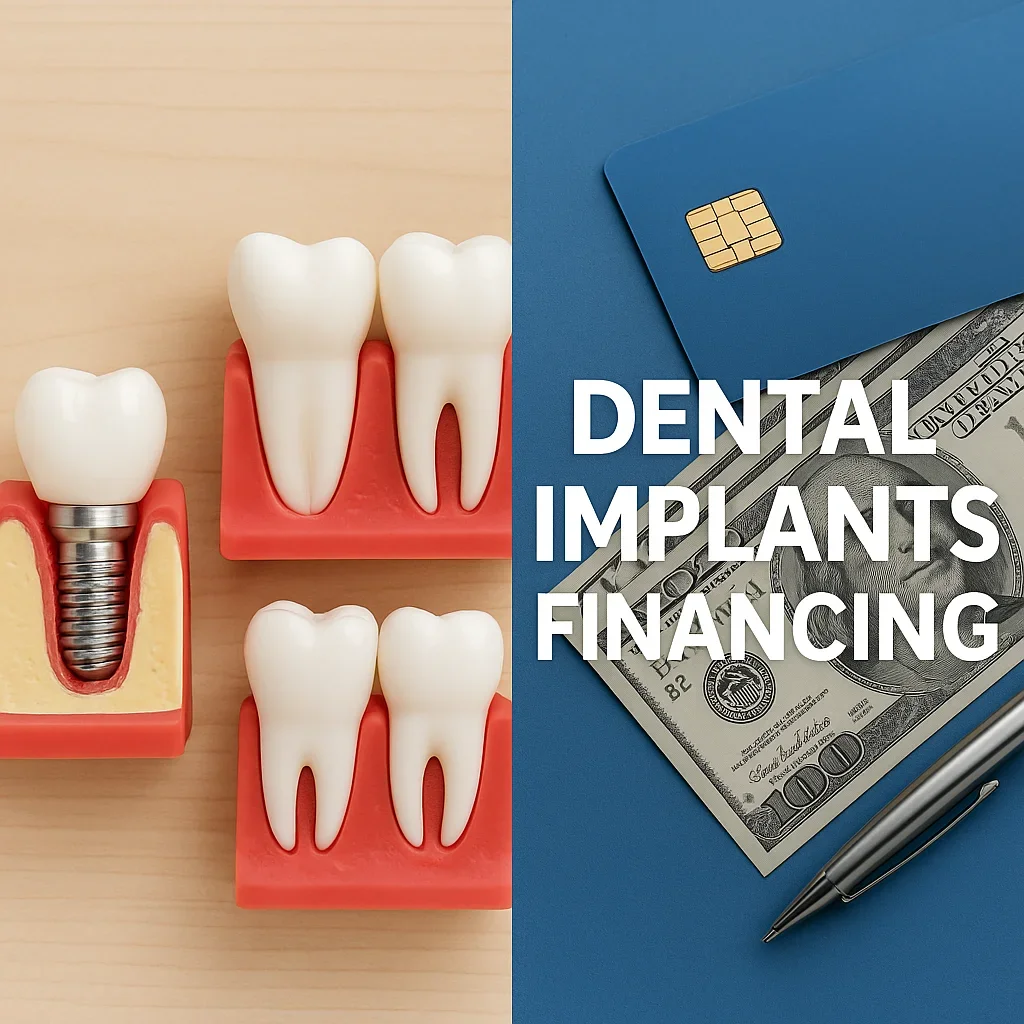
Step-by-Step Guide to Applying for Dental Implants Financing
Applying for dental implants financing doesn’t have to be confusing or overwhelming. With proper preparation and a clear understanding of the process, you can secure the right plan that makes your treatment both affordable and stress-free. This guide walks you through each stage of the application process — from gathering documentation to final approval — ensuring that you make the best financial decision for your dental health. 🦷💰
Why a Step-by-Step Plan Matters
Financing dental implants involves more than just filling out an application form. It’s about understanding your financial options, comparing lenders, and organizing your information properly. Following a structured approach will not only increase your approval chances but also help you avoid hidden fees, deferred interest, or long-term debt traps. When you take the time to plan, your dental implants financing experience becomes smooth and predictable — exactly what you need before undergoing a significant procedure like implants.
Step 1: Get a Detailed Treatment Plan and Cost Estimate
Your financing journey starts at the dental clinic. Before applying, request a comprehensive treatment plan from your dentist, including all projected costs — from implant placement and abutments to crown installation and follow-up appointments. This estimate serves as your foundation for calculating how much you’ll need to borrow.
Top clinics such as Redent Klinik provide itemized treatment breakdowns that make it easier to align with dental implants financing programs. If additional procedures (like bone grafts or sinus lifts) are required, they’ll be included upfront, helping you avoid surprises later.
Step 2: Review Your Financial Health
Before applying, take an honest look at your current financial situation. Lenders evaluate factors such as credit score, income stability, and debt-to-income ratio. If your credit score is low, take time to pay off smaller debts or correct inaccuracies in your credit report. Even improving your score by 20–30 points can help you qualify for better interest rates and longer repayment terms.
Pro Tip:
Use online prequalification tools offered by lenders like CareCredit, Sunbit, or LendingClub. These perform soft credit checks (no impact on your credit score) and show likely approval outcomes for your dental implants financing application.
Step 3: Compare Multiple Financing Providers
Never apply to just one provider without exploring alternatives. Different lenders offer unique benefits — some specialize in zero-interest short-term plans, while others focus on long-term low-interest options. Comparing 3–4 lenders side-by-side allows you to find the best deal for your budget and treatment timeline.
Look for key details in each offer:
- Interest rate (APR) and promotional terms
- Repayment period (6, 12, 24, or 60 months)
- Monthly payment estimate
- Late payment policies
- Prepayment penalties (if any)
For example, CareCredit may offer 0% APR for 12 months, while Proceed Finance allows up to 10 years for repayment. Selecting the right balance between flexibility and cost efficiency is vital for successful dental implants financing.
Step 4: Gather Required Documentation
Once you choose a lender, gather the necessary documents to expedite the approval process. These may include:
- Proof of identity (driver’s license, passport)
- Proof of income (recent pay stubs or tax returns)
- Bank statements (last 3 months)
- Credit report (if required by the lender)
- Estimated treatment cost from your dentist
Organizing these documents beforehand will demonstrate reliability and speed up approval. Many lenders process dental implants financing applications within 24–48 hours if the information is complete.
Step 5: Complete the Application Process
You can typically apply online, over the phone, or directly at your dental clinic. The application process usually takes less than 10 minutes. Be sure to double-check all information before submission — even small errors in income or address details can delay approval.
Once submitted, most lenders provide an instant decision. If your application is pending review, expect a follow-up request for additional verification (for example, proof of employment or income stability).
Step 6: Review and Accept the Financing Offer
When you receive a financing offer, read it thoroughly before signing. Confirm the following details:
- Total loan amount and disbursement schedule
- APR and any promotional interest terms
- Monthly payment amount and due dates
- Consequences of missed or late payments
- Cancellation or refund policy in case of treatment changes
Important:
Always check whether the plan includes “deferred interest.” This means if you fail to pay off the balance within the promotional period, all interest will be charged retroactively from the start. This is a common clause in short-term dental implants financing programs, so read the fine print carefully.
Step 7: Coordinate with Your Dental Clinic
After approval, your lender will typically send funds directly to your dental clinic. This allows treatment to begin immediately without financial delays. Stay in contact with the clinic’s finance coordinator to confirm payment processing and appointment scheduling.
At Redent Klinik Contact Page, financial coordinators assist patients through every stage — from applying for financing to ensuring payments are properly aligned with treatment milestones. This seamless collaboration makes the experience smooth and stress-free.
Step 8: Manage Payments Responsibly
Once your plan begins, it’s crucial to make timely monthly payments. Setting up automatic payments through your bank ensures you never miss a due date. Many lenders offer online dashboards to track balances, make early payments, or adjust payment schedules if necessary. Responsible repayment not only keeps your account in good standing but also boosts your credit score — improving your future financing opportunities.
Step 9: Use Financing for Related Dental Procedures
Most dental implants financing plans can also cover related procedures like bone grafting, extractions, or even cosmetic restorations. This makes them a comprehensive financial tool rather than just a single-use loan. Discuss with your dentist whether you can bundle multiple treatments under the same financing plan for convenience.
Step 10: Monitor Your Financial Progress
As your treatment and payments progress, regularly review your statements and repayment timeline. If you encounter any financial challenges, contact your lender early — many offer hardship programs or payment extensions. Maintaining open communication ensures your financing remains manageable throughout the course of treatment.
Final Thoughts: A Confident Path to Affordable Implants
Applying for dental implants financing is one of the most practical steps toward restoring your smile with confidence. By following this structured, step-by-step approach, you can secure affordable rates, avoid hidden pitfalls, and begin treatment without financial stress. Each stage — from evaluation to repayment — contributes to a smoother experience and a successful dental outcome. 🌟
For personalized financing guidance and professional dental implant care, reach out to Redent Klinik Contact Page. For trustworthy dental standards and recommendations, visit the American Dental Association. With preparation, transparency, and expert support, your dream smile is within reach — and financially achievable.
Disclosure: this page may contain affiliate links. We may earn a commission if you use them, at no extra cost to you.