
Dental health plays a vital role in overall well-being, confidence, and quality of life. For individuals living with physical, cognitive, or medical challenges, maintaining oral health can sometimes be more complex. This is where dental implants for disabled patients offer a transformative solution. These advanced dental treatments are designed not only to restore missing teeth but also to improve functionality, comfort, and independence. In this comprehensive guide, we will explore everything you need to know about dental implants for disabled individuals, including how they work, who they are suitable for, and why they are considered one of the most effective long-term dental solutions available today. 😊
Dental implants for disabled patients are titanium posts that are surgically placed into the jawbone to act as artificial tooth roots. These implants provide a stable foundation for crowns, bridges, or dentures, making them significantly more secure than traditional removable options. For many patients with disabilities, removable dentures can be difficult to manage due to limited motor skills or oral sensitivity. In contrast, dental implants for disabled individuals offer a fixed and reliable alternative that eliminates the need for adhesives and frequent adjustments.
One of the most important aspects of dental implants for disabled patients is customization. Every individual has unique medical conditions, mobility levels, and oral health needs. Therefore, dental professionals carefully assess each case to create a personalized treatment plan. This includes evaluating bone density, gum health, and the patient’s ability to maintain oral hygiene. In many cases, modern technologies such as 3D imaging and guided implant surgery are used to ensure maximum precision and safety during the procedure.
Another key advantage of dental implants for disabled patients is improved functionality. Missing teeth can make chewing difficult, leading to poor nutrition and digestive issues. By restoring full chewing ability, dental implants for disabled individuals help patients enjoy a balanced diet and maintain better overall health. Additionally, implants support clear speech, which can be especially important for individuals with communication challenges.
Comfort is also a major benefit. Traditional dentures can cause irritation, slipping, and discomfort, especially for patients with sensitive oral tissues. Dental implants for disabled patients eliminate these issues by integrating directly with the jawbone, creating a natural and stable feel. This stability reduces anxiety and enhances daily comfort, allowing patients to focus on their routines without worrying about their dental appliances.
From a psychological perspective, dental implants for disabled individuals can significantly boost self-esteem and confidence. A complete and natural-looking smile helps patients feel more comfortable in social situations, improving their quality of life. For caregivers and family members, this improvement can also reduce stress and enhance overall care experiences.
It is also worth noting that dental implants for disabled patients are supported by leading dental organizations such as the American Dental Association, which recognizes implants as a safe and effective solution for tooth replacement. With proper planning and professional care, even patients with complex medical conditions can successfully undergo implant treatment.
At specialized clinics like Redent Klinik Contact Page, experienced dental teams provide tailored care for individuals seeking dental implants for disabled patients. These clinics focus on accessibility, patient comfort, and advanced treatment methods to ensure the best possible outcomes. From initial consultation to post-treatment follow-up, every step is carefully managed to meet the unique needs of each patient.
In conclusion, dental implants for disabled individuals represent a life-changing dental solution that goes beyond aesthetics. They restore function, improve comfort, and enhance confidence, making them an ideal choice for many patients with special needs. With advancements in dental technology and a patient-centered approach, achieving a healthy, functional smile is now more accessible than ever. 🌟
What Are Dental Implants for Disabled Patients?
Understanding dental implants for disabled patients begins with recognizing how modern dentistry adapts to diverse patient needs. Dental implants are advanced, biocompatible titanium structures placed into the jawbone to replace missing teeth. For individuals with disabilities, these implants are not just a cosmetic improvement—they are a functional and life-enhancing solution. Dental implants for disabled individuals are specifically planned with additional care, accessibility considerations, and medical coordination to ensure safe and successful outcomes. 😊
Unlike traditional dentures, which can shift or require frequent removal, dental implants for disabled patients provide a permanent and stable foundation for artificial teeth. This is especially important for individuals who may struggle with manual dexterity, cognitive challenges, or neuromuscular conditions. With dental implants for disabled, daily oral routines become simpler and more manageable, significantly improving independence.
How Dental Implants Work
The process of placing dental implants for disabled patients involves inserting a small titanium post into the jawbone, which acts as an artificial tooth root. Over time, the implant integrates with the bone through a process called osseointegration. This creates a strong and durable base for crowns, bridges, or implant-supported dentures.
For many individuals, dental implants for disabled offer a superior alternative to removable prosthetics. Because the implant is fixed in place, it eliminates issues such as slipping, discomfort, or difficulty chewing. This is particularly beneficial for patients who may have difficulty adjusting or maintaining removable dental appliances.
Osseointegration Explained
Osseointegration is a key factor in the success of dental implants for disabled. During this process, the jawbone grows around the implant, securing it firmly in place. This integration not only ensures stability but also helps preserve bone density, which can deteriorate when teeth are missing. For disabled patients, maintaining bone health is crucial, and dental implants for disabled play a vital role in achieving this.
Who Can Benefit from Dental Implants
Dental implants for disabled patients are suitable for a wide range of individuals, including those with physical disabilities, developmental conditions, or chronic illnesses. Patients who have lost teeth due to trauma, disease, or congenital conditions can greatly benefit from this treatment. Additionally, dental implants for disabled individuals are often recommended when traditional dentures are not practical or comfortable.
It is important to note that eligibility for dental implants for disabled depends on several factors, including overall health, bone density, and the ability to undergo minor surgical procedures. Dental professionals work closely with caregivers and medical teams to ensure that dental implants for disabled patients receive appropriate care tailored to their specific needs.
Advantages Over Traditional Tooth Replacement
One of the primary reasons patients choose dental implants for disabled is their long-term reliability. Unlike dentures, which may need frequent adjustments or replacements, implants are designed to last for many years with proper care. This durability makes dental implants for disabled a cost-effective and convenient solution in the long run.
Additionally, dental implants for disabled improve chewing efficiency, allowing patients to enjoy a wider variety of foods. This contributes to better nutrition and overall health. Speech clarity is also enhanced, as implants eliminate the movement that can occur with removable dentures.
Safety and Professional Standards
The safety of dental implants for disabled is supported by global dental authorities such as the American Dental Association. These organizations emphasize that implant procedures are highly predictable and safe when performed by qualified professionals. Clinics specializing in dental implants for disabled patients often use advanced imaging technologies and minimally invasive techniques to reduce risks and improve outcomes.
For patients seeking personalized care, consulting with experienced clinics is essential. Facilities like Redent Klinik Contact Page provide tailored treatment plans designed to meet the unique requirements of each patient. From initial assessment to post-treatment care, every step is carefully managed to ensure success in dental implants for disabled cases.
In summary, dental implants for disabled patients are a modern, reliable, and life-changing dental solution. They offer stability, comfort, and improved functionality, making them an ideal choice for individuals with special needs. By understanding how dental implants for disabled work and who they benefit, patients and caregivers can make informed decisions that lead to better oral health and enhanced quality of life. 🌟
Benefits of Dental Implants for Disabled Individuals
The advantages of dental implants for disabled individuals go far beyond simply replacing missing teeth. These advanced solutions are designed to restore function, improve comfort, and enhance overall quality of life. For patients who face physical, cognitive, or medical challenges, dental implants for disabled provide a stable, long-term alternative to traditional dentures, which can often be difficult to manage. Understanding these benefits helps patients and caregivers make informed decisions about treatment options. 😊
Improved Oral Function and Chewing Ability
One of the most significant benefits of dental implants for disabled patients is the restoration of proper chewing function. Missing teeth or unstable dentures can make it difficult to eat a balanced diet, leading to nutritional deficiencies. With dental implants for disabled, patients can enjoy a wider range of foods, including fruits, vegetables, and proteins that require strong biting force.
Because implants are anchored directly into the jawbone, they mimic the strength and stability of natural teeth. This allows individuals using dental implants for disabled solutions to chew efficiently without fear of slippage or discomfort. Improved chewing not only enhances nutrition but also supports better digestion and overall health.
Enhanced Speech Clarity
Speech can be negatively affected by missing teeth or loose dentures. Words may sound unclear, and patients may feel self-conscious during communication. Dental implants for disabled individuals provide a secure foundation that eliminates movement, helping patients speak clearly and confidently. This is especially beneficial for individuals with existing communication challenges.
Greater Comfort and Stability
Traditional dentures often cause irritation, pressure sores, and discomfort, particularly for individuals with sensitive oral tissues. In contrast, dental implants for disabled offer a fixed solution that integrates with the jawbone. This eliminates friction and reduces the risk of pain or inflammation.
For patients who struggle with manual dexterity, managing removable dentures can be frustrating. Dental implants for disabled remove the need for adhesives and daily removal, making oral care routines simpler and more convenient. This increased stability contributes to a more comfortable daily experience.
Boosted Confidence and Psychological Well-Being
The emotional impact of tooth loss can be significant, particularly for individuals already facing challenges related to disability. Dental implants for disabled patients help restore a natural-looking smile, which can greatly improve self-esteem. Feeling confident in one’s appearance encourages social interaction and reduces anxiety in public settings.
Many patients report that dental implants for disabled treatments help them feel more independent and empowered. The ability to eat, speak, and smile without concern contributes to a more positive outlook on life. 🌟
Social and Lifestyle Benefits
Social engagement is an important aspect of mental health. With dental implants for disabled, patients are more likely to participate in social activities, knowing that their teeth are secure and natural-looking. This can lead to improved relationships and a more active lifestyle.
Long-Term Durability and Reliability
Another key advantage of dental implants for disabled is their durability. Unlike traditional dentures, which may need frequent replacement, implants are designed to last many years—often decades—with proper care. This makes them a reliable and cost-effective option over time.
The long lifespan of dental implants for disabled reduces the need for repeated dental visits and adjustments. For individuals with mobility limitations or complex medical conditions, minimizing dental interventions is a significant benefit.
Bone Preservation and Oral Health
When teeth are lost, the jawbone can begin to deteriorate due to lack of stimulation. Dental implants for disabled help prevent this by stimulating the bone, similar to natural tooth roots. This preserves facial structure and prevents the sunken appearance often associated with tooth loss.
Maintaining bone health is especially important for individuals using dental implants for disabled, as it supports long-term oral stability. Healthy bone structure also contributes to better overall dental health and reduces the risk of further complications.
Safety and Professional Support
The effectiveness and safety of dental implants for disabled are supported by leading organizations such as the American Dental Association. When performed by experienced professionals, implant procedures are highly predictable and successful.
Specialized clinics, including Redent Klinik Contact Page, provide tailored treatment plans for patients seeking dental implants for disabled. These clinics focus on accessibility, patient comfort, and advanced technology to ensure optimal results.
In conclusion, dental implants for disabled individuals offer a wide range of benefits, from improved oral function and comfort to enhanced confidence and long-term health. By addressing both physical and emotional needs, these implants provide a comprehensive solution that significantly improves quality of life. Choosing dental implants for disabled is not just a dental decision—it is an investment in overall well-being and independence. 💙
Eligibility Criteria for Dental Implants for Disabled Patients
Determining whether a patient is a suitable candidate for dental implants for disabled individuals is a crucial step in the treatment process. While modern dentistry has made dental implants for disabled patients more accessible than ever, not every individual is automatically eligible. A thorough evaluation by a qualified dental professional is essential to ensure safety, effectiveness, and long-term success. This section provides a detailed overview of the key eligibility criteria for dental implants for disabled patients, helping both patients and caregivers understand what to expect. 😊
General Health Considerations
Overall health plays a significant role in determining eligibility for dental implants for disabled patients. Since implant placement involves a minor surgical procedure, patients must be healthy enough to undergo surgery and heal properly. Conditions such as uncontrolled diabetes, severe cardiovascular disease, or compromised immune systems may affect healing and increase the risk of complications.
However, having a disability does not automatically disqualify someone from receiving dental implants for disabled. In fact, many individuals with disabilities successfully undergo implant procedures with proper medical supervision. Dentists often collaborate with physicians to ensure that dental implants for disabled patients receive safe and appropriate care tailored to their medical history.
Medical Clearance and Coordination
For patients with complex medical conditions, obtaining medical clearance is an essential step. This ensures that dental implants for disabled procedures can be performed safely. Coordination between dental and medical teams helps minimize risks and optimize outcomes, making dental implants for disabled a viable option for many patients who might otherwise be considered high-risk.
Bone Density and Jaw Health
A strong and healthy jawbone is necessary to support dental implants for disabled. The implant must integrate with the bone through osseointegration, which requires sufficient bone density. Patients who have experienced bone loss due to missing teeth, periodontal disease, or long-term denture use may require additional procedures such as bone grafting.
Fortunately, advancements in dental technology have made it possible for more patients to qualify for dental implants for disabled even with reduced bone density. Techniques such as sinus lifts and bone augmentation can improve the chances of successful implant placement.
Advanced Imaging and Assessment
Dentists use 3D imaging and digital scans to evaluate bone structure and plan dental implants for disabled procedures with precision. This detailed assessment ensures that implants are placed in the most suitable locations, reducing risks and improving long-term stability.
Oral Hygiene and Care Ability
Maintaining proper oral hygiene is essential for the success of dental implants for disabled. Patients must be able to keep their implants clean to prevent infections such as peri-implantitis. For individuals who have difficulty performing daily oral care, caregivers often play a crucial role in maintaining hygiene.
Dental professionals may provide specialized instructions and tools to support patients using dental implants for disabled. This can include adaptive toothbrushes, water flossers, or caregiver training to ensure consistent oral care.
Behavioral and Cognitive Factors
For patients with cognitive or behavioral challenges, cooperation during dental procedures is an important consideration. Some individuals may experience anxiety, sensory sensitivities, or difficulty remaining still during treatment. In such cases, sedation dentistry or general anesthesia may be recommended to facilitate dental implants for disabled procedures safely and comfortably.
These approaches allow more patients to benefit from dental implants for disabled, even if they would otherwise struggle with traditional dental treatments. The goal is to create a stress-free environment that prioritizes patient comfort and safety.
Sedation Options
Sedation techniques range from mild oral sedatives to full general anesthesia, depending on the patient’s needs. These options make dental implants for disabled accessible to a wider range of individuals, ensuring that treatment is both safe and manageable.
Age and Lifestyle Factors
Age is generally not a limiting factor for dental implants for disabled. Both younger adults and seniors can be suitable candidates, provided their overall health and bone condition are adequate. Lifestyle factors such as smoking or poor nutrition, however, can affect healing and implant success.
Patients considering dental implants for disabled are often advised to adopt healthier habits to improve treatment outcomes. This includes maintaining a balanced diet, avoiding tobacco use, and following professional dental advice.
Professional Evaluation and Support
The final decision regarding eligibility for dental implants for disabled is made through a comprehensive dental evaluation. Clinics specializing in implant dentistry use advanced diagnostic tools and personalized treatment planning to assess each patient’s suitability.
Trusted institutions such as the American Dental Association emphasize the importance of professional evaluation in ensuring the success of dental implants for disabled. Choosing an experienced clinic is essential for achieving optimal results.
For personalized consultation and expert care, patients can visit Redent Klinik Contact Page, where specialists provide tailored solutions for dental implants for disabled patients. These clinics focus on accessibility, patient-centered care, and advanced treatment techniques.
In conclusion, eligibility for dental implants for disabled depends on a combination of medical, dental, and personal factors. With proper evaluation and professional support, many individuals who may initially seem unsuitable can successfully receive implants. Understanding these criteria helps patients and caregivers make informed decisions and take the first step toward improved oral health and quality of life. 🌟
Types of Dental Implants for Disabled Patients
When considering dental implants for disabled patients, it is essential to understand that there is no one-size-fits-all solution. Modern implant dentistry offers a variety of implant types, each designed to address specific needs, anatomical conditions, and levels of disability. Choosing the right type of dental implants for disabled individuals depends on factors such as bone density, oral health, dexterity, and the ability to maintain hygiene. This section provides a detailed overview of the most common types of dental implants for disabled patients and how they can be tailored to ensure maximum comfort and functionality. 😊
Endosteal Implants (Standard Implants)
Endosteal implants are the most commonly used type of dental implants for disabled patients. These implants are placed directly into the jawbone and act as artificial tooth roots. Typically made of titanium, they provide a strong and stable foundation for crowns, bridges, or implant-supported dentures.
For many patients, dental implants for disabled using the endosteal method offer excellent long-term results. They are ideal for individuals with sufficient bone density and good overall health. Because they integrate with the bone through osseointegration, these implants provide superior stability compared to traditional dentures.
Advantages of Endosteal Implants
The main advantage of endosteal dental implants for disabled patients is their durability and natural feel. Once healed, they function like natural teeth, allowing patients to eat, speak, and smile with confidence. This type is often recommended for individuals who can maintain basic oral hygiene routines or have caregiver support.
Subperiosteal Implants
Subperiosteal implants are an alternative type of dental implants for disabled patients who may not have sufficient bone density for traditional implants. Instead of being placed inside the jawbone, these implants sit on top of the bone but beneath the gum tissue. A metal framework supports the prosthetic teeth.
For patients who cannot undergo bone grafting procedures, dental implants for disabled using subperiosteal designs provide a viable solution. This option reduces the need for invasive bone augmentation while still offering improved stability compared to removable dentures.
When Subperiosteal Implants Are Recommended
Subperiosteal dental implants for disabled are typically recommended for patients with significant bone loss or medical conditions that make traditional surgery more complex. They are particularly useful for elderly patients or those with limited healing capacity.
All-on-4 and Full-Arch Implants
The All-on-4 system is a revolutionary approach to dental implants for disabled patients who need full-mouth restoration. This technique uses four strategically placed implants to support an entire arch of teeth. It is especially beneficial for patients who have lost most or all of their teeth.
With dental implants for disabled using the All-on-4 method, patients can receive a full set of fixed teeth in a shorter time frame compared to traditional implant procedures. This reduces the number of surgeries and overall treatment duration, making it a convenient option for individuals with mobility or medical challenges.
Benefits of All-on-4 for Disabled Patients
The All-on-4 approach to dental implants for disabled offers several benefits, including fewer implants, reduced healing time, and improved stability. It also simplifies oral hygiene compared to removable dentures, which is crucial for patients with limited dexterity.
Mini Dental Implants
Mini dental implants are smaller in diameter than traditional implants and are often used in cases where bone density is limited. These dental implants for disabled patients provide a less invasive option and can often be placed with minimal surgery.
For individuals who may not tolerate extensive procedures, mini dental implants for disabled offer a quicker and more comfortable alternative. They are commonly used to stabilize dentures, preventing movement and improving comfort.
When Mini Implants Are Ideal
Mini dental implants for disabled are ideal for patients who require a simpler solution with reduced recovery time. They are particularly beneficial for elderly patients or those with medical conditions that limit surgical options.
Zygomatic Implants
Zygomatic implants are a specialized type of dental implants for disabled patients with severe bone loss in the upper jaw. Instead of anchoring into the jawbone, these implants are placed in the cheekbone (zygoma), which provides a stable foundation.
This advanced technique allows patients who were previously considered unsuitable for dental implants for disabled to receive treatment without extensive bone grafting. It is a complex procedure that requires highly experienced professionals.
Choosing the Right Implant Type
Selecting the appropriate type of dental implants for disabled patients requires a comprehensive evaluation by a dental specialist. Factors such as bone condition, medical history, and personal needs are carefully considered. Advanced diagnostic tools, including 3D imaging, help determine the best approach.
Organizations like the American Dental Association emphasize the importance of individualized treatment planning for successful outcomes. Working with experienced clinics ensures that dental implants for disabled patients receive the most suitable and effective care.
Patients can explore personalized treatment options through Redent Klinik Contact Page, where specialists provide expert guidance on dental implants for disabled. These clinics focus on accessibility, patient comfort, and advanced techniques to achieve optimal results.
In conclusion, the variety of dental implants for disabled options available today allows for highly customized treatment plans. Whether using standard implants, mini implants, or advanced solutions like All-on-4, patients can achieve improved oral health and quality of life. Understanding these types helps patients and caregivers choose the best solution tailored to their unique needs. 🌟
Step-by-Step Procedure for Dental Implants for Disabled
The process of receiving dental implants for disabled patients involves multiple carefully planned stages to ensure safety, comfort, and long-term success. Each step is tailored to the individual’s medical condition, physical abilities, and oral health needs. Understanding the full procedure helps patients and caregivers feel more confident and prepared for treatment. Dental implants for disabled individuals are performed using advanced techniques that prioritize precision and patient-centered care. 😊
Initial Consultation and Assessment
The journey toward dental implants for disabled begins with a comprehensive consultation. During this stage, the dentist evaluates the patient’s oral health, medical history, and specific needs. This includes examining the gums, jawbone, and existing teeth, as well as reviewing any underlying medical conditions.
For dental implants for disabled patients, this step is particularly important because it allows the dental team to identify potential risks and adapt the treatment plan accordingly. Caregivers may also be involved in discussions to ensure that the patient’s daily care routine supports implant success.
Advanced Diagnostic Imaging
Modern clinics use 3D imaging and digital scans to plan dental implants for disabled procedures with high accuracy. These tools help determine bone density, nerve locations, and optimal implant placement. This reduces complications and improves outcomes for dental implants for disabled patients.
Treatment Planning and Preparation
Once the evaluation is complete, a customized treatment plan is developed. This plan outlines the number of implants, type of restoration, and any additional procedures required, such as bone grafting. For dental implants for disabled, planning may also include sedation options or special accommodations to ensure patient comfort.
Preparation may involve improving oral health before surgery. For example, gum disease must be treated to create a healthy environment for dental implants for disabled. Patients may also receive instructions on maintaining oral hygiene prior to the procedure.
Pre-Surgical Adjustments
In some cases, pre-surgical procedures like bone grafting or sinus lifts are necessary to support dental implants for disabled. These steps enhance bone structure and increase the likelihood of successful implant integration.
Implant Placement Surgery
The surgical placement of dental implants for disabled is performed under local anesthesia, sedation, or general anesthesia, depending on the patient’s needs. During the procedure, the dentist makes a small incision in the gum and inserts the titanium implant into the jawbone.
For many dental implants for disabled patients, sedation dentistry plays a crucial role in ensuring a stress-free experience. This is especially beneficial for individuals with anxiety, sensory sensitivities, or difficulty remaining still during treatment.
Minimally Invasive Techniques
Advanced techniques allow for minimally invasive placement of dental implants for disabled, reducing discomfort and recovery time. Guided surgery ensures precise positioning, which improves both function and aesthetics.
Healing and Osseointegration
After the implant is placed, a healing period begins. During this time, the implant integrates with the jawbone through osseointegration. This process can take several weeks to a few months, depending on the patient’s health and bone condition.
For dental implants for disabled, careful monitoring during healing is essential. Dentists provide detailed aftercare instructions to ensure proper recovery. Caregivers may assist with maintaining oral hygiene and attending follow-up appointments.
Temporary Restorations
In some cases, temporary teeth may be placed during the healing phase of dental implants for disabled. This allows patients to maintain appearance and basic function while the implant stabilizes.
Abutment Placement and Final Restoration
Once healing is complete, an abutment is attached to the implant. This small connector holds the final restoration, such as a crown, bridge, or denture. The dentist then places the custom-made prosthetic tooth, completing the dental implants for disabled process.
The final restoration is designed to match the patient’s natural teeth in color, shape, and size. This ensures that dental implants for disabled look and feel natural, providing both functional and aesthetic benefits.
Post-Procedure Care and Follow-Up
After completing dental implants for disabled, regular follow-up visits are necessary to monitor the implants and maintain oral health. Dentists check for signs of infection, ensure proper healing, and provide guidance on long-term care.
Organizations such as the American Dental Association recommend consistent dental check-ups to ensure the longevity of dental implants for disabled. Proper care can help implants last for decades.
Patients seeking expert care can consult Redent Klinik Contact Page for personalized treatment plans tailored to dental implants for disabled. These clinics offer comprehensive support from consultation to recovery.
In conclusion, the step-by-step process of dental implants for disabled is designed to provide safe, effective, and long-lasting results. Each stage is carefully planned and executed to meet the unique needs of the patient, ensuring improved oral health, comfort, and quality of life. 🌟
Cost of Dental Implants for Disabled: What to Expect
The cost of dental implants for disabled patients is one of the most important considerations for individuals and caregivers planning treatment. While dental implants for disabled offer long-term value and life-changing benefits, the initial investment can vary depending on several factors. Understanding the pricing structure, what influences costs, and available financial options helps patients make informed decisions with confidence. 😊
Average Cost of Dental Implants
The price of dental implants for disabled can differ significantly depending on the country, clinic, and complexity of the case. On average, a single dental implant may range between $1,500 and $4,000 in the United States. This typically includes the implant post, abutment, and crown. However, for full-mouth restoration using dental implants for disabled, costs can range from $15,000 to $40,000 or more.
In countries known for dental tourism, such as Turkey, the cost of dental implants for disabled is often more affordable. Patients may expect to pay between $600 and $1,200 per implant, depending on the clinic and materials used. These lower costs make high-quality treatment more accessible without compromising standards.
Example Cost Breakdown
- Single implant (implant + crown): $1,500 – $4,000
- Full arch (All-on-4 system): $8,000 – $20,000
- Bone grafting (if needed): $300 – $3,000
- Consultation and imaging: $100 – $500
These estimates provide a general idea of what to expect when planning dental implants for disabled, though exact pricing varies based on individual needs.
Factors That Influence the Cost
Several key factors affect the overall cost of dental implants for disabled. Understanding these variables can help patients better prepare financially.
Number of Implants Required
The more implants needed, the higher the total cost. Patients requiring full-mouth restoration with dental implants for disabled will naturally have higher expenses compared to those needing a single implant.
Bone Quality and Additional Procedures
Patients with bone loss may require bone grafting or sinus lifts before receiving dental implants for disabled. These additional procedures increase the overall cost but are often necessary for long-term success.
Type of Implant System
Different implant systems, such as All-on-4 or mini implants, have varying costs. Advanced solutions for dental implants for disabled may require specialized materials and techniques, which can influence pricing.
Clinic Expertise and Location
Highly experienced clinics with advanced technology may charge more for dental implants for disabled. However, this often ensures better outcomes, safety, and long-term reliability. Location also plays a significant role, with prices varying widely between countries.
Insurance and Financial Assistance
In many cases, dental insurance may partially cover the cost of dental implants for disabled, especially if the procedure is medically necessary. However, coverage varies depending on the insurance provider and policy.
Some patients may also qualify for government assistance programs or disability benefits that help cover the cost of dental implants for disabled. It is advisable to consult with both dental providers and insurance companies to explore available options.
Flexible Payment Plans
Many clinics offer financing options to make dental implants for disabled more affordable. Payment plans allow patients to spread the cost over several months or years, reducing the financial burden. This makes high-quality care accessible to a wider range of individuals.
Long-Term Value of Dental Implants
Although the initial cost of dental implants for disabled may seem high, they offer excellent long-term value. Unlike dentures, which require frequent replacement, implants can last decades with proper care. This durability reduces future dental expenses.
Additionally, dental implants for disabled improve oral health, prevent bone loss, and enhance overall quality of life. These benefits make them a worthwhile investment for many patients.
Choosing the Right Clinic for Cost Efficiency
Selecting a reputable clinic is essential when considering dental implants for disabled. While lower prices may be appealing, quality and safety should always be the top priority. Clinics that follow international standards and use high-quality materials provide better long-term results.
Organizations like the American Dental Association emphasize the importance of choosing qualified professionals for implant procedures. Patients should look for clinics with proven experience in dental implants for disabled treatments.
For personalized cost estimates and expert care, patients can visit Redent Klinik Contact Page. Specialized clinics provide tailored treatment plans for dental implants for disabled, ensuring both affordability and quality.
In conclusion, the cost of dental implants for disabled depends on various factors, including the number of implants, additional procedures, and clinic expertise. While the investment may be significant, the long-term benefits in terms of comfort, functionality, and quality of life make dental implants for disabled a valuable and effective solution. 💙
Challenges and Solutions in Dental Implants for Disabled
While dental implants for disabled patients offer remarkable benefits, the journey is not always without challenges. Individuals with physical, cognitive, or medical conditions may face unique obstacles during diagnosis, treatment, and aftercare. However, modern dentistry has evolved significantly, providing effective solutions that make dental implants for disabled more accessible, safer, and successful than ever before. Understanding these challenges—and how they are addressed—helps patients and caregivers approach treatment with confidence. 😊
Medical and Health-Related Challenges
One of the primary concerns in dental implants for disabled cases is the patient’s overall health. Chronic conditions such as diabetes, cardiovascular disease, or immune disorders can affect healing and increase the risk of complications. Additionally, certain medications may interfere with bone integration or recovery.
To overcome these issues, dental professionals carefully coordinate with medical teams before performing dental implants for disabled. A detailed evaluation ensures that the patient’s condition is stable and that any risks are minimized. In many cases, adjustments in medication or timing of the procedure can significantly improve outcomes.
Solution: Multidisciplinary Care Approach
A collaborative approach between dentists, physicians, and caregivers is essential for successful dental implants for disabled. This ensures that all medical factors are considered, allowing for a safer and more predictable treatment process.
Limited Mobility and Accessibility Issues
Patients with physical disabilities may face challenges accessing dental clinics or maintaining proper positioning during procedures. Limited mobility can also make routine dental visits more difficult, which may delay treatment or follow-up care for dental implants for disabled.
Modern clinics address these concerns by offering wheelchair-accessible facilities, adjustable dental chairs, and specialized equipment. These improvements make dental implants for disabled procedures more comfortable and manageable for patients with mobility limitations.
Solution: Accessible Dental Facilities
Clinics that specialize in dental implants for disabled often prioritize accessibility, ensuring that patients can receive treatment without unnecessary physical strain. Home-care instructions are also adapted to suit individual needs.
Oral Hygiene and Maintenance Difficulties
Maintaining oral hygiene is crucial for the long-term success of dental implants for disabled. However, some patients may struggle with brushing and flossing due to limited dexterity or cognitive challenges. Poor oral hygiene can lead to infections such as peri-implantitis, which may compromise the implant.
To address this, dentists provide tailored hygiene plans for dental implants for disabled. Caregivers often play a vital role in assisting with daily oral care, ensuring that implants remain clean and healthy.
Solution: Adaptive Tools and Caregiver Support
Specialized tools such as electric toothbrushes, water flossers, and modified handles can make oral care easier. Training caregivers to assist with hygiene routines is a key component of successful dental implants for disabled maintenance.
Anxiety and Behavioral Challenges
Dental anxiety is common among many patients, but it can be particularly pronounced in individuals with disabilities. Sensory sensitivities, fear of medical environments, or difficulty understanding procedures may create barriers to receiving dental implants for disabled.
To overcome these challenges, dentists often use sedation techniques or behavioral management strategies. These methods help create a calm and supportive environment, making dental implants for disabled procedures more comfortable.
Solution: Sedation Dentistry and Patient-Centered Care
Sedation options range from mild relaxation techniques to general anesthesia, depending on the patient’s needs. This ensures that dental implants for disabled can be performed safely and without distress.
Financial Barriers
The cost of dental implants for disabled can be a significant concern for many patients. Since implants are often considered a long-term investment, the initial expense may seem overwhelming. Additionally, not all insurance plans fully cover implant procedures.
Fortunately, many clinics offer flexible payment plans, financing options, and guidance on insurance coverage. Some patients may also qualify for government assistance programs that help reduce the cost of dental implants for disabled.
Professional Expertise and Treatment Complexity
Performing dental implants for disabled requires specialized skills and experience. Each patient presents unique challenges that demand personalized treatment planning. Choosing an inexperienced provider may increase the risk of complications.
Organizations like the American Dental Association emphasize the importance of selecting qualified professionals for implant procedures. Experienced clinics use advanced technology and proven techniques to ensure successful outcomes for dental implants for disabled.
Patients can seek expert consultation through Redent Klinik Contact Page, where specialists provide customized solutions for dental implants for disabled. These clinics focus on addressing challenges while delivering high-quality care.
Emotional and Social Considerations
Beyond physical challenges, emotional and social factors can also impact the decision to pursue dental implants for disabled. Patients may feel hesitant due to fear, past experiences, or lack of awareness about available solutions.
Education and support play a crucial role in overcoming these barriers. By understanding the benefits and safety of dental implants for disabled, patients can make informed decisions that improve their quality of life.
In conclusion, while there are challenges associated with dental implants for disabled, modern dentistry offers effective solutions to overcome them. Through advanced technology, personalized care, and professional expertise, patients can achieve successful outcomes and enjoy the long-term benefits of dental implants for disabled. Addressing these challenges proactively ensures a smoother treatment journey and a healthier, more confident smile. 🌟
Aftercare Tips for Dental Implants for Disabled Patients
Proper aftercare is essential to ensure the long-term success of dental implants for disabled patients. While the procedure itself is highly advanced and reliable, the healing and maintenance phase plays a critical role in preventing complications and maximizing durability. For individuals with disabilities, aftercare routines may require additional support, adaptive techniques, and caregiver involvement. Understanding how to care for dental implants for disabled patients helps protect the investment and ensures a healthy, functional smile for years to come. 😊
Immediate Post-Surgery Care
After receiving dental implants for disabled, the first few days are crucial for healing. Patients may experience mild swelling, discomfort, or minor bleeding, which are normal responses to the procedure. Dentists typically provide detailed instructions to manage these symptoms effectively.
Applying cold compresses, taking prescribed medications, and avoiding strenuous activity can help reduce swelling and promote healing. For dental implants for disabled, caregivers may assist in monitoring symptoms and ensuring that post-operative guidelines are followed correctly.
Dietary Recommendations
During the initial healing phase of dental implants for disabled, patients should stick to soft foods such as yogurt, mashed vegetables, and soups. Avoiding hard, sticky, or hot foods prevents irritation and protects the surgical site.
Maintaining Oral Hygiene
Oral hygiene is one of the most important aspects of caring for dental implants for disabled. Keeping the implant area clean prevents infections such as peri-implantitis, which can compromise the implant’s stability.
Patients should brush gently using a soft-bristled toothbrush and non-abrasive toothpaste. For dental implants for disabled, adaptive tools like electric toothbrushes or water flossers can make daily cleaning easier and more effective.
Caregiver Involvement
For individuals who cannot perform oral hygiene independently, caregivers play a vital role in maintaining dental implants for disabled. Training caregivers on proper cleaning techniques ensures consistent and thorough care, reducing the risk of complications.
Regular Dental Check-Ups
Routine dental visits are essential for monitoring the health of dental implants for disabled. Dentists check for signs of infection, assess implant stability, and perform professional cleanings to maintain oral health.
Organizations like the American Dental Association recommend regular check-ups to ensure the longevity of dental implants. For dental implants for disabled, these visits are particularly important to address any issues early and maintain optimal results.
Frequency of Visits
Most patients with dental implants for disabled should visit their dentist every 3 to 6 months, depending on their individual needs. More frequent visits may be recommended for patients with higher risk factors.
Avoiding Harmful Habits
Certain habits can negatively affect the success of dental implants for disabled. Smoking, excessive alcohol consumption, and poor dietary choices can slow healing and increase the risk of implant failure.
Patients are encouraged to adopt healthier lifestyles to support the longevity of dental implants for disabled. This includes maintaining a balanced diet, staying hydrated, and avoiding habits that may damage oral tissues.
Managing Sensitivity and Discomfort
Some patients may experience temporary sensitivity after receiving dental implants for disabled. This usually subsides as the implant integrates with the jawbone. Dentists may recommend desensitizing toothpaste or medications to manage discomfort.
For persistent pain or unusual symptoms, it is important to seek professional advice promptly. Early intervention ensures that dental implants for disabled remain stable and healthy.
Long-Term Maintenance Strategies
Long-term care is key to preserving dental implants for disabled. This includes maintaining consistent oral hygiene, attending regular dental visits, and following professional recommendations. With proper care, implants can last for decades.
Patients should also be aware of any changes in their oral health and report them to their dentist. Proactive care ensures that dental implants for disabled continue to function effectively and comfortably.
Professional Support and Guidance
Access to professional support is essential for successful aftercare of dental implants for disabled. Clinics that specialize in implant dentistry provide ongoing guidance and personalized care plans tailored to each patient’s needs.
For expert assistance, patients can consult Redent Klinik Contact Page, where specialists offer comprehensive support for dental implants for disabled. These clinics focus on patient education, accessibility, and long-term success.
In conclusion, aftercare is a critical component of the success of dental implants for disabled. By following proper hygiene practices, attending regular check-ups, and adopting healthy habits, patients can enjoy the full benefits of their implants. With the right support and care, dental implants for disabled provide a durable, comfortable, and life-enhancing solution for individuals with special needs. 🌟
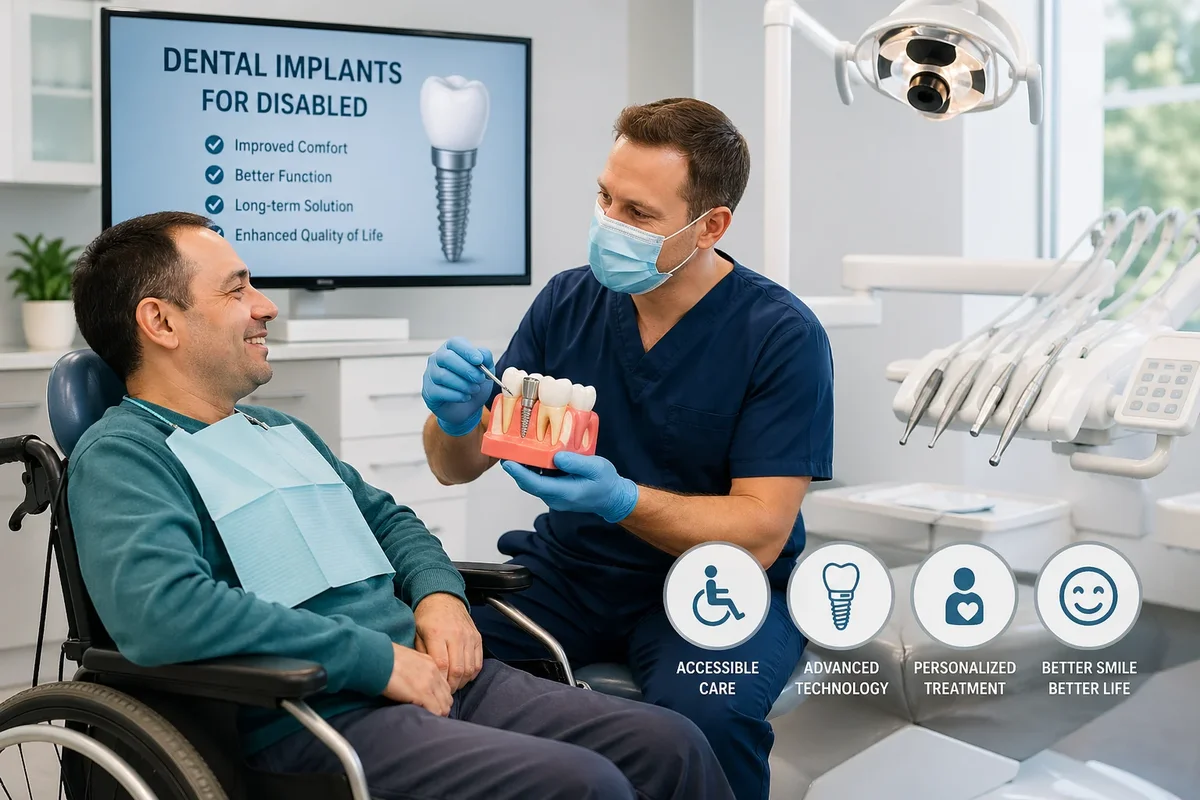
Choosing the Right Clinic for Dental Implants for Disabled
Selecting the right clinic is one of the most critical decisions when planning dental implants for disabled patients. The success of the procedure, the comfort of the patient, and the long-term results all depend heavily on the expertise of the dental team and the quality of the facility. For individuals with disabilities, this decision becomes even more important because it requires a clinic that understands accessibility, personalized care, and specialized treatment approaches. Choosing the best provider for dental implants for disabled ensures not only a successful procedure but also a positive overall experience. 😊
Experience and Specialization in Implant Dentistry
When evaluating clinics for dental implants for disabled, one of the first factors to consider is the experience of the dental professionals. Implant dentistry requires advanced training and precision, and not all clinics have the same level of expertise. It is essential to choose a clinic with a proven track record in performing dental implants for disabled procedures successfully.
Specialized clinics often have teams that are trained to handle complex cases, including patients with physical or cognitive challenges. This expertise ensures that dental implants for disabled are planned and executed with the highest level of care and accuracy.
Checking Credentials and Certifications
Patients should verify the qualifications and certifications of the dental team. Membership in professional organizations such as the American Dental Association indicates adherence to high standards of care. Clinics that follow these guidelines are more likely to deliver safe and effective dental implants for disabled treatments.
Accessibility and Patient-Friendly Environment
Accessibility is a key consideration when choosing a clinic for dental implants for disabled. The facility should be designed to accommodate patients with mobility challenges, including wheelchair access, elevators, and adjustable dental chairs. A comfortable and welcoming environment reduces stress and improves the overall experience.
Clinics that specialize in dental implants for disabled often provide additional support services, such as assistance with transportation or flexible appointment scheduling. These features make it easier for patients and caregivers to manage treatment visits.
Importance of Staff Training
Staff members should be trained to work with individuals with disabilities, demonstrating patience, empathy, and effective communication. This ensures that patients receiving dental implants for disabled feel respected and understood throughout their treatment journey.
Advanced Technology and Treatment Methods
Modern technology plays a significant role in the success of dental implants for disabled. Clinics equipped with advanced tools such as 3D imaging, digital scanning, and guided implant surgery can provide more accurate and efficient treatments.
These technologies allow dentists to plan dental implants for disabled procedures with precision, reducing risks and improving outcomes. Minimally invasive techniques also contribute to faster recovery times, which is particularly beneficial for patients with medical complexities.
Use of High-Quality Materials
The quality of materials used in dental implants for disabled directly affects durability and performance. Reputable clinics use premium implant systems that are biocompatible and designed for long-term success.
Personalized Treatment Plans
Every patient is unique, and this is especially true for individuals requiring dental implants for disabled. A reliable clinic will provide a customized treatment plan based on the patient’s medical history, oral condition, and personal needs.
This personalized approach ensures that dental implants for disabled are tailored to achieve the best possible results. It also allows for adjustments in treatment methods, such as sedation options or alternative implant techniques, to suit the patient’s comfort level.
Transparent Pricing and Financial Options
Cost transparency is another important factor when choosing a clinic for dental implants for disabled. Patients should receive a clear breakdown of all expenses, including consultation, surgery, and follow-up care.
Many clinics offer flexible payment plans to make dental implants for disabled more affordable. Understanding the financial aspects helps patients plan their treatment without unexpected surprises.
Avoiding Hidden Costs
Reputable clinics provide detailed cost estimates and explain any additional procedures that may be required. This transparency builds trust and ensures that patients feel confident in their decision to proceed with dental implants for disabled.
Patient Reviews and Testimonials
Reading reviews and testimonials from previous patients can provide valuable insights into the quality of care offered by a clinic. Positive feedback from individuals who have undergone dental implants for disabled treatments indicates reliability and patient satisfaction.
Before-and-after photos, case studies, and success stories can also help patients evaluate the clinic’s expertise in handling dental implants for disabled cases.
Ongoing Support and Aftercare Services
The relationship between the patient and the clinic does not end after the procedure. Ongoing support is essential for maintaining the success of dental implants for disabled. Clinics should offer follow-up care, regular check-ups, and guidance on oral hygiene.
For comprehensive care and expert support, patients can visit Redent Klinik Contact Page. Specialized clinics provide continuous assistance for dental implants for disabled, ensuring long-term success and patient satisfaction.
In conclusion, choosing the right clinic for dental implants for disabled requires careful consideration of experience, accessibility, technology, and patient support. By selecting a reputable and specialized provider, patients can achieve safe, effective, and life-changing results. Investing time in this decision ensures that dental implants for disabled deliver maximum benefits in terms of comfort, functionality, and overall quality of life. 🌟