
Tooth loss can significantly affect daily life, confidence, and overall oral health. Many people who have lost most or all of their teeth struggle with traditional dentures that slip, cause discomfort, or make eating difficult. Fortunately, modern dentistry offers a reliable and long-lasting solution: dental implants for full dentures. This advanced treatment provides stability, comfort, and a natural-looking smile for patients who need a complete tooth replacement.
Dental implants for full dentures combine the strength of dental implants with the functionality of full dentures. Instead of relying on suction or adhesives like traditional dentures, this treatment uses surgically placed titanium implants that anchor the dentures securely to the jawbone. Because the dentures are attached to implants, patients enjoy improved chewing ability, better speech, and greater confidence in everyday life. For individuals who have struggled with loose or uncomfortable dentures, dental implants for full dentures can be life-changing.
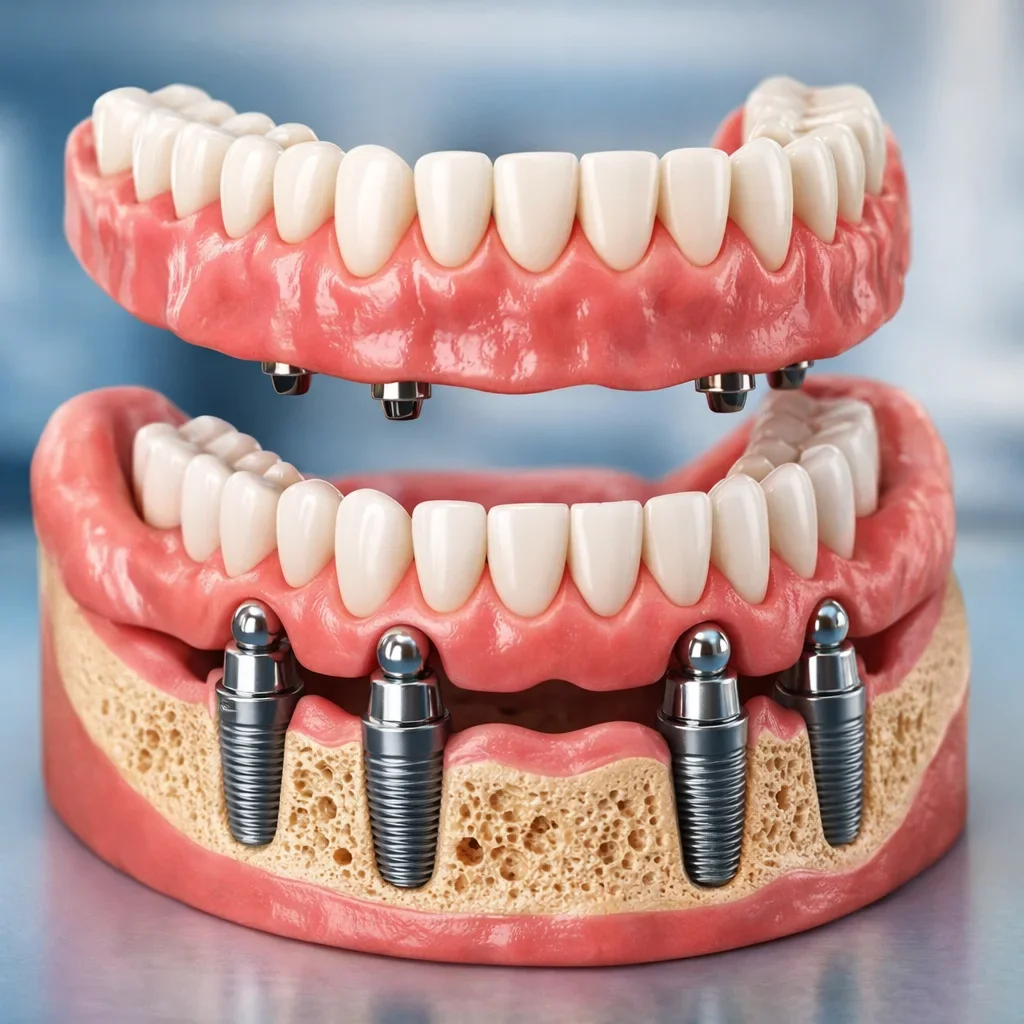
Dental implants themselves act as artificial tooth roots. They are typically made from biocompatible titanium and are placed directly into the jawbone during a minor surgical procedure. Over time, the implants fuse with the bone through a natural process called osseointegration. Once healing is complete, the implants become a strong and stable foundation for supporting full dentures. This is the key reason why dental implants for full dentures provide such exceptional stability compared with removable dentures.
One of the main advantages of dental implants for full dentures is improved comfort. Traditional dentures can shift or rub against the gums, leading to irritation and sore spots. Implant-supported dentures remain firmly in place, eliminating the movement that often causes discomfort. As a result, many patients report that dental implants for full dentures feel much closer to natural teeth than conventional dentures.
Another important benefit is improved chewing power. People with removable dentures often avoid certain foods because their dentures are unstable. Hard foods, sticky foods, and crunchy items can become difficult to eat. With dental implants for full dentures, the dentures are anchored to implants, allowing patients to chew more efficiently and enjoy a wider range of foods. This improvement not only enhances quality of life but also supports better nutrition.
Beyond comfort and function, dental implants for full dentures also help maintain jawbone health. When teeth are missing, the jawbone can begin to shrink over time due to lack of stimulation. Dental implants act like natural tooth roots, stimulating the bone and helping prevent bone loss. This means that patients who choose dental implants for full dentures may maintain better facial structure and avoid the sunken appearance that sometimes occurs with long-term denture use.
The appearance of implant-supported dentures is another major advantage. Modern dental materials allow dentists to create dentures that closely mimic natural teeth in shape, color, and alignment. When supported by implants, these dentures remain stable, allowing patients to smile, speak, and laugh confidently. Many individuals who choose dental implants for full dentures report a dramatic improvement in self-esteem and social confidence. 😊
There are several treatment approaches when it comes to dental implants for full dentures. In some cases, two to four implants may support a removable overdenture that snaps securely into place. In other cases, four to six implants may support a fixed full-arch prosthesis that remains permanently attached. This fixed solution is sometimes referred to as a “full arch implant restoration” or “implant-supported full denture.” Both options are highly effective and can be tailored to the patient’s oral health, bone structure, and treatment goals.
Dental professionals around the world recognize the effectiveness of implant-supported solutions. Organizations such as the
American Dental Association highlight dental implants as one of the most reliable tooth replacement options available today. With proper care, dental implants for full dentures can last many years and provide patients with a durable, comfortable alternative to traditional dentures.
Patients considering dental implants for full dentures often begin with a comprehensive consultation. During this evaluation, the dentist will examine the gums, jawbone density, and overall oral health. Advanced imaging such as 3D scans may be used to determine the ideal placement of implants. Once the treatment plan is established, the dentist can explain the procedure, healing process, and expected results.
If you are struggling with missing teeth or unstable dentures, dental implants for full dentures may offer the stable and natural solution you have been searching for. This modern approach allows patients to restore both function and confidence, making everyday activities like eating, speaking, and smiling feel effortless again.
For individuals interested in learning more about treatment options, scheduling a consultation is the best next step. You can contact a professional dental team through the
Redent Klinik Contact Page to receive personalized guidance and explore whether dental implants for full dentures are the right solution for restoring your smile.
What Are Dental Implants for Full Dentures and How Do They Work?
Modern dentistry has dramatically transformed the way full tooth loss is treated. One of the most effective solutions today is dental implants for full dentures. This treatment combines advanced implant technology with full denture prosthetics to create a stable, comfortable, and long-lasting solution for patients missing all or most of their teeth. Instead of relying on traditional dentures that sit on the gums, dental implants for full dentures use surgically placed implants to anchor the denture firmly in the jawbone.
Understanding how dental implants for full dentures work is important for anyone considering a permanent and reliable tooth replacement option. This system is designed to mimic the natural structure of teeth, including both the visible crown and the underlying root that stabilizes the tooth in the jaw.
The Basic Structure of Dental Implants for Full Dentures
At the core of dental implants for full dentures are small titanium posts that function as artificial tooth roots. These implants are surgically inserted into the jawbone where missing teeth once existed. Titanium is used because it is highly biocompatible and integrates naturally with bone tissue.
Once placed, the implants go through a healing process called osseointegration. During this stage, the bone gradually grows around the implant surface, locking it securely in place. This biological process is the key reason why dental implants for full dentures provide excellent stability and durability.
After osseointegration is complete, the implants become a permanent foundation for supporting a full denture prosthesis. Because the denture is attached to implants rather than resting on the gums, dental implants for full dentures significantly improve comfort and chewing performance.
Main Components of Implant-Supported Dentures
A full implant-supported denture system typically includes three primary components:
- Dental Implants: Titanium posts surgically placed into the jawbone.
- Abutments: Small connectors attached to implants that hold the denture.
- Full Denture Prosthesis: The custom-made artificial teeth and gum structure.
These components work together to form a stable tooth replacement system. When patients receive dental implants for full dentures, the implants replace missing roots while the denture replaces visible teeth. This dual function helps restore both appearance and oral function.
How Dental Implants Support Full Dentures
Unlike traditional dentures that rely on suction, adhesives, or gum pressure, dental implants for full dentures use mechanical attachment systems. The denture is securely connected to implants through special attachments or bars, preventing movement during eating or speaking.
There are generally two types of implant-supported denture solutions available:
1. Implant-Supported Removable Dentures
In this option, the denture can be removed by the patient for cleaning, but it remains firmly attached to implants during daily use. Usually two to four implants support the denture. Patients appreciate this option because dental implants for full dentures provide stability while still allowing easy removal for maintenance.
2. Implant-Supported Fixed Dentures
Fixed dentures are permanently attached to implants and can only be removed by a dentist. These systems often use four to six implants per arch and provide a very natural feel. Because of their stability, many patients consider fixed dental implants for full dentures to be the closest alternative to natural teeth.
Both options improve oral function dramatically compared with traditional dentures. Patients with dental implants for full dentures typically report stronger bite force, improved speech clarity, and greater comfort.
Why Jawbone Support Matters
One major advantage of dental implants for full dentures is their ability to stimulate the jawbone. When teeth are missing, the jawbone begins to shrink because it no longer receives stimulation from tooth roots. This bone loss can lead to facial sagging and difficulty wearing dentures.
Because implants function like artificial roots, they help maintain bone density. This makes dental implants for full dentures an important solution not only for replacing teeth but also for preserving facial structure and long-term oral health.
Maintaining healthy bone structure also improves the fit and longevity of dentures. Patients who choose dental implants for full dentures often experience more predictable results and fewer denture adjustments over time.
Everyday Benefits for Patients
The functional benefits of dental implants for full dentures extend far beyond appearance. Patients frequently notice improvements in daily activities that were previously challenging with traditional dentures.
- Better chewing ability and stronger bite force
- Improved speech without denture slipping
- Greater comfort with reduced gum irritation
- Enhanced confidence while smiling and talking
- Reduced need for denture adhesives
These advantages are why dental implants for full dentures have become one of the most recommended solutions for complete tooth replacement. According to the
American Dental Association, dental implants are considered one of the most reliable long-term options for restoring missing teeth and supporting prosthetic restorations.
Patients interested in learning more about treatment planning, candidacy, or consultation can easily reach a dental professional through the
Redent Klinik Contact Page. A detailed evaluation helps determine whether dental implants for full dentures are the most suitable solution for restoring both function and confidence.
Ultimately, dental implants for full dentures represent one of the most advanced approaches in modern restorative dentistry. By combining implant stability with the full coverage of dentures, this treatment allows patients to regain a natural-looking smile, enjoy comfortable chewing, and maintain long-term oral health. 😊
Benefits of Choosing Dental Implants for Full Dentures
For individuals who have lost all or most of their teeth, finding a reliable and comfortable replacement solution is essential for both health and quality of life. One of the most effective modern treatments is dental implants for full dentures. Unlike traditional dentures that simply rest on the gums, implant-supported dentures are anchored securely into the jawbone, creating a stable and long-lasting foundation for artificial teeth.
Choosing dental implants for full dentures offers a wide range of benefits, including improved comfort, enhanced chewing ability, long-term bone preservation, and greater confidence when speaking or smiling. Patients who switch from removable dentures to implant-supported dentures often describe the experience as life-changing because dental implants for full dentures provide both functional and aesthetic advantages that closely mimic natural teeth.
Improved Stability and Comfort
One of the most important advantages of dental implants for full dentures is stability. Traditional dentures rely on suction, adhesives, and the shape of the gums to stay in place. Over time, these dentures may become loose due to natural bone loss in the jaw. This movement can cause discomfort, sore spots, and frustration during everyday activities.
By contrast, dental implants for full dentures are anchored directly into the jawbone using titanium implants. Once these implants fuse with the bone, they create a stable base for the denture. Because of this secure attachment, patients rarely experience slipping or shifting while eating or speaking.
This stability dramatically increases comfort. Many patients say that dental implants for full dentures feel much more natural compared with traditional dentures. Instead of worrying about denture movement, patients can focus on enjoying their daily activities with confidence.
Why Implant Stability Matters
- Prevents denture slipping or shifting
- Reduces gum irritation and sore spots
- Eliminates the need for messy adhesives
- Improves overall comfort throughout the day
Because of these advantages, dental implants for full dentures are widely recommended for patients seeking a dependable and comfortable tooth replacement solution.
Better Chewing and Eating Ability
Eating can become difficult when dentures are unstable. Many people with traditional dentures avoid certain foods because chewing becomes uncomfortable or unreliable. Hard foods, crunchy vegetables, and chewy meats may be challenging to eat with conventional dentures.
However, dental implants for full dentures restore much stronger bite force. Because the denture is secured to implants embedded in the jawbone, the chewing pressure is distributed more evenly across the implants rather than the gums.
As a result, patients with dental implants for full dentures can enjoy a wider variety of foods, including healthier options that require stronger chewing ability. This improvement often leads to better nutrition and overall well-being.
Patients frequently report that they can comfortably eat foods such as:
- Fresh fruits and vegetables
- Nuts and seeds
- Lean meats
- Crispy foods like apples or carrots
The improved chewing power offered by dental implants for full dentures makes daily meals more enjoyable and less stressful.
Preservation of Jawbone and Facial Structure
Another major advantage of dental implants for full dentures is their ability to prevent jawbone loss. When natural teeth are missing, the jawbone gradually shrinks because it no longer receives stimulation from tooth roots. Over time, this bone loss can cause the face to appear sunken and older.
Dental implants act like artificial roots, stimulating the bone whenever a person chews or bites. This stimulation helps maintain bone density and supports long-term oral health. Because of this biological benefit, dental implants for full dentures can preserve the natural shape of the face and reduce the risk of significant bone deterioration.
Patients who choose dental implants for full dentures often maintain better facial support and a more youthful appearance compared with individuals who rely on conventional dentures for many years.
How Implants Protect Bone Health
- Stimulate natural bone regeneration
- Prevent progressive bone loss
- Maintain facial structure
- Improve long-term denture stability
These structural benefits are one reason dental professionals frequently recommend dental implants for full dentures as a long-term restorative solution.
Enhanced Confidence and Quality of Life
Tooth loss can affect emotional well-being and self-confidence. Many people with unstable dentures worry about their dentures slipping while speaking, laughing, or eating in public. These concerns can lead to social anxiety and reduced self-esteem.
Because dental implants for full dentures remain firmly anchored, patients gain confidence when interacting with others. They can smile freely, speak clearly, and laugh without fear of denture movement. This improvement in confidence often leads to a more active and enjoyable social life. 😊
Additionally, implant-supported dentures are designed to look very natural. Modern dental materials allow dentists to create dentures that match the color, shape, and alignment of natural teeth. When combined with the stability of implants, dental implants for full dentures provide both aesthetic and functional improvements.
Long-Term Durability and Reliability
Another significant benefit of dental implants for full dentures is their durability. While traditional dentures may need frequent adjustments or replacements due to bone changes, implant-supported dentures tend to remain stable for many years.
Dental implants themselves are extremely strong and can last decades with proper care. According to guidance from the
American Dental Association, dental implants are one of the most reliable tooth replacement options available today.
With good oral hygiene and regular dental checkups, patients who receive dental implants for full dentures can enjoy a long-lasting restoration that continues to function effectively for years.
A Personalized Treatment Solution
Every patient has unique oral health needs. Dentists evaluate factors such as jawbone density, gum health, and medical history before recommending treatment. Because dental implants for full dentures can be customized using different implant numbers and denture designs, they can be tailored to suit each patient’s specific situation.
Individuals who want to explore whether dental implants for full dentures are the right choice for them can consult with a dental specialist for a personalized treatment plan. A professional evaluation helps determine the best approach for restoring both function and aesthetics.
Patients seeking more information about treatment options or consultation scheduling can visit the
Redent Klinik Contact Page. A dental professional can provide guidance and determine whether dental implants for full dentures are the ideal solution for achieving a healthy, confident smile.
Ultimately, the many advantages of dental implants for full dentures make them one of the most advanced and effective solutions in modern restorative dentistry. By combining stability, comfort, durability, and aesthetic improvement, this treatment helps patients regain both oral function and confidence in everyday life.
Who Is a Good Candidate for Dental Implants for Full Dentures?
Not every patient with missing teeth has the same dental condition, lifestyle, or treatment goals. Determining whether someone is a suitable candidate for dental implants for full dentures requires a professional dental evaluation and careful assessment of oral health, bone structure, and general medical history. Fortunately, many individuals who struggle with missing teeth or uncomfortable dentures are excellent candidates for this advanced restorative treatment.
Dental implants for full dentures are specifically designed for people who have lost most or all of their teeth in the upper jaw, lower jaw, or both. Instead of relying on traditional removable dentures, this treatment anchors a full denture to implants placed within the jawbone. The result is a stable, secure, and natural-feeling solution that significantly improves chewing ability and confidence.
Patients with Complete or Extensive Tooth Loss
One of the most common groups of candidates for dental implants for full dentures includes individuals who have lost all their teeth. Tooth loss can occur due to gum disease, severe tooth decay, trauma, or long-term dental neglect. When an entire arch of teeth is missing, traditional dentures may seem like the only solution. However, dental implants for full dentures provide a more stable and functional alternative.
People who currently wear removable dentures often discover that implants dramatically improve comfort and stability. Instead of worrying about denture slipping, patients who choose dental implants for full dentures can enjoy a secure fit that feels closer to natural teeth.
Signs You May Need Full-Arch Implant Support
- Most or all teeth are missing
- Current dentures feel loose or unstable
- Difficulty chewing certain foods
- Frequent denture sores or irritation
- Loss of confidence when speaking or smiling
Patients experiencing these challenges may benefit greatly from dental implants for full dentures, which restore both function and appearance.
Individuals with Adequate Jawbone Density
Successful placement of dental implants for full dentures depends largely on the health and density of the jawbone. Because dental implants act like artificial tooth roots, they must be anchored securely within the bone. A sufficient amount of healthy bone helps ensure long-term implant stability.
When teeth are missing for many years, the jawbone can gradually shrink due to lack of stimulation. Fortunately, modern dentistry offers solutions for patients who have experienced bone loss. Procedures such as bone grafting or sinus lifting may help rebuild the jawbone, making it possible to place dental implants for full dentures successfully.
During the consultation stage, dentists typically use digital imaging or 3D scans to evaluate bone density. This allows them to determine whether the jawbone can support dental implants for full dentures or if additional preparatory procedures are required.
Patients with Good Overall Oral Health
Healthy gums and good oral hygiene habits are essential for the long-term success of dental implants for full dentures. Gum infections, untreated periodontal disease, or severe inflammation may interfere with the healing process after implant placement.
Before receiving implants, dentists typically ensure that the mouth is free from active infection. Treating gum disease or performing necessary dental procedures beforehand increases the chances of successful integration for dental implants for full dentures.
Healthy Habits That Support Implant Success
- Regular brushing and flossing
- Routine dental checkups
- A balanced diet that supports oral health
- Avoiding tobacco products
Patients who maintain these habits are more likely to experience long-term success with dental implants for full dentures.
Adults Seeking a Permanent and Stable Solution
Many people become frustrated with removable dentures because they shift during speaking or eating. Adhesives can help temporarily, but they rarely provide the level of stability patients truly want. This is why dental implants for full dentures are increasingly popular among adults seeking a permanent and reliable solution.
Implant-supported dentures provide stronger bite force and improved stability compared with traditional dentures. Patients who choose dental implants for full dentures often report that their dentures feel much more secure, allowing them to enjoy everyday activities without concern.
Additionally, implant-supported dentures are designed to look natural. The artificial teeth are custom-made to match facial features, giving patients a confident smile that feels authentic.
Patients Who Want Long-Term Oral Health Benefits
Another important reason people choose dental implants for full dentures is the long-term health benefit. Unlike traditional dentures, implants stimulate the jawbone during chewing. This stimulation helps prevent bone loss and preserves facial structure.
Without this stimulation, the jawbone may continue to shrink over time. As a result, dentures may become loose and require frequent adjustments. Dental implants for full dentures help prevent these issues by supporting bone health and maintaining facial balance.
According to the
American Dental Association, dental implants are one of the most reliable methods for replacing missing teeth and maintaining oral health.
Professional Consultation Is the First Step
While many individuals qualify for dental implants for full dentures, a thorough dental evaluation is essential before beginning treatment. Dentists examine the mouth, gums, and jawbone structure to determine the most appropriate treatment plan.
The consultation process typically includes:
- Comprehensive dental examination
- 3D imaging of the jawbone
- Evaluation of medical history
- Discussion of treatment goals and expectations
These steps help ensure that dental implants for full dentures are both safe and effective for each individual patient.
Anyone interested in learning whether they are a suitable candidate can schedule a consultation through the
Redent Klinik Contact Page. A professional dental team can evaluate oral health, discuss treatment options, and create a personalized plan for restoring a complete and confident smile.
Ultimately, many adults with missing teeth qualify for dental implants for full dentures. With proper evaluation, treatment planning, and professional care, this advanced solution can restore both dental function and quality of life for years to come.
The Step-by-Step Procedure for Dental Implants for Full Dentures
Understanding the treatment process helps patients feel more confident when considering dental implants for full dentures. This advanced dental procedure is carefully planned and performed in several stages to ensure safety, stability, and long-term success. Unlike traditional dentures that simply sit on the gums, dental implants for full dentures involve surgically placing implants into the jawbone so they can support a full arch of replacement teeth.
Although the procedure may sound complex, modern dental technology has made dental implants for full dentures predictable and highly successful. Dentists follow a detailed treatment plan that includes consultation, implant placement, healing, and final denture attachment. Each step is designed to ensure the implants integrate properly with the jawbone and provide a strong foundation for the denture restoration.
Step 1: Comprehensive Consultation and Treatment Planning
The journey toward dental implants for full dentures begins with a comprehensive dental evaluation. During this initial consultation, the dentist carefully examines the patient’s oral health, jawbone structure, and medical history. Advanced imaging tools such as digital X-rays or 3D CT scans are commonly used to analyze bone density and determine the best implant placement positions.
This planning stage is essential because the long-term success of dental implants for full dentures depends on accurate implant positioning. The dentist evaluates several important factors, including:
- Jawbone density and volume
- Gum health and existing infections
- Number of implants required for stability
- Patient’s general health and healing ability
If bone loss is detected, the dentist may recommend additional procedures such as bone grafting before placing dental implants for full dentures. These preparatory treatments help ensure that the implants will remain stable and secure for many years.
Digital Planning Improves Accuracy
Modern implant dentistry often uses digital planning software to simulate the placement of dental implants for full dentures. This technology allows dentists to visualize the final results and determine the ideal implant angles and depths before the procedure begins.
Step 2: Surgical Placement of Dental Implants
Once the treatment plan is finalized, the next stage is the surgical placement of implants. During this procedure, small titanium implants are inserted into the jawbone where natural tooth roots once existed. These implants act as the foundation for supporting dental implants for full dentures.
The surgery is typically performed under local anesthesia or sedation to ensure patient comfort. Most patients report that implant placement is less painful than expected. The dentist carefully creates small openings in the jawbone and places the implants into these positions.
Depending on the treatment plan, two to six implants may be used to support dental implants for full dentures. The exact number depends on factors such as bone quality and the type of denture restoration being used.
After placement, the gums are usually closed around the implants so the healing process can begin. Temporary dentures may be provided during this stage to maintain appearance and function while the implants integrate with the bone.
Step 3: Healing and Osseointegration
One of the most important phases of dental implants for full dentures is the healing process known as osseointegration. During this stage, the bone tissue gradually grows around the implant surface and fuses with it. This biological bonding creates a stable and durable foundation for the denture.
The healing period typically lasts between three and six months, although this timeline can vary depending on the patient’s bone quality and overall health. During this time, the implants become firmly anchored within the jawbone, making dental implants for full dentures significantly more stable than traditional dentures.
Patients are usually advised to follow certain guidelines during the healing stage, including:
- Maintaining good oral hygiene
- Avoiding hard foods that could stress the implants
- Attending follow-up appointments for monitoring
These precautions help ensure the successful integration of dental implants for full dentures and reduce the risk of complications.
Step 4: Attaching Abutments and Final Dentures
After the implants have fully integrated with the bone, the next step is attaching small connectors called abutments. These abutments serve as the link between the implants and the final denture prosthesis.
The dentist then places the custom-designed denture onto the implants. This denture is carefully crafted to match the patient’s facial structure, bite alignment, and natural smile aesthetics. Once attached, the denture becomes securely anchored to the implants, completing the dental implants for full dentures restoration.
Types of Implant-Supported Dentures
There are two primary options when receiving dental implants for full dentures:
- Removable Implant Dentures: The denture snaps onto implants but can be removed for cleaning.
- Fixed Implant Dentures: The denture remains permanently attached and can only be removed by a dentist.
Both options provide significantly greater stability than traditional dentures. The choice depends on patient preference, bone structure, and treatment recommendations.
Step 5: Final Adjustments and Follow-Up Care
Once the denture is attached, the dentist performs final adjustments to ensure proper bite alignment and comfort. These adjustments are crucial because well-fitted dental implants for full dentures should feel natural and stable during everyday activities like speaking and eating.
Regular dental checkups are also important after the procedure. Dentists monitor the condition of the implants, gums, and denture to ensure everything remains healthy and functional.
According to the
American Dental Association, dental implants are among the most reliable and predictable methods for replacing missing teeth when properly maintained.
Patients interested in exploring this treatment option can schedule a professional consultation through the
Redent Klinik Contact Page. A personalized evaluation helps determine whether dental implants for full dentures are the best solution for restoring oral function and a confident smile.
Overall, the step-by-step process of dental implants for full dentures is carefully designed to deliver long-lasting results. From initial consultation to final denture placement, each stage plays a critical role in ensuring a stable, comfortable, and natural-looking smile for patients who have experienced significant tooth loss. 😊
Cost Breakdown of Dental Implants for Full Dentures
One of the most common questions patients ask when considering tooth replacement options is the cost of treatment. Understanding the financial aspect of dental implants for full dentures is important because this solution involves several stages, including consultation, implant surgery, healing, and denture fabrication. Although the initial investment may be higher than traditional dentures, many patients find that dental implants for full dentures provide long-term value, durability, and improved quality of life.
The cost of dental implants for full dentures varies depending on several factors such as the number of implants required, the condition of the jawbone, the type of denture used, and the location of the dental clinic. Some patients may require additional procedures such as bone grafting or sinus lifting before implants can be placed. These factors influence the total price of the treatment plan.
Main Factors That Influence the Cost
Several important variables determine the overall price of dental implants for full dentures. Understanding these factors can help patients make informed decisions and plan their treatment budget more effectively.
1. Number of Implants Needed
The number of implants required is one of the biggest cost factors. In many cases, two to four implants are used to support removable dentures, while four to six implants may be required for fixed dental implants for full dentures. More implants generally mean greater stability, but they also increase the overall cost of treatment.
2. Type of Implant-Supported Denture
The type of denture restoration also affects the cost of dental implants for full dentures. There are typically two options:
- Removable Implant-Supported Dentures: These dentures snap onto implants and can be removed for cleaning.
- Fixed Implant Dentures: These are permanently attached to implants and provide a more natural feel.
Fixed implant dentures usually cost more because they require additional implants and more complex prosthetic design.
3. Preparatory Dental Procedures
Some patients require additional procedures before receiving dental implants for full dentures. These may include:
- Bone grafting to rebuild lost jawbone
- Sinus lift surgery for upper jaw implants
- Tooth extractions if remaining teeth are damaged
While these treatments increase the total cost, they help ensure the long-term success and stability of dental implants for full dentures.
Estimated Price Range for Dental Implants for Full Dentures
Prices can vary significantly between countries and clinics. However, general price ranges help patients understand what to expect when planning treatment with dental implants for full dentures.
- Single Dental Implant: $1,500 – $3,500
- Implant-Supported Removable Denture (2–4 implants): $8,000 – $20,000 per arch
- Fixed Full Arch Implant Denture (4–6 implants): $20,000 – $50,000 per arch
- Full Mouth Restoration (both arches): $40,000 – $90,000+
These price estimates include the implants, surgical placement, and denture prosthesis. However, individual treatment plans for dental implants for full dentures may differ depending on patient needs and clinic expertise.
Why Dental Implants for Full Dentures Are a Long-Term Investment
Although traditional dentures are less expensive initially, they often require frequent adjustments, replacements, and adhesive products over time. By contrast, dental implants for full dentures are designed to last many years and provide superior stability.
Dental implants themselves can last decades when properly maintained. This durability means that many patients view dental implants for full dentures as a long-term investment rather than a temporary solution.
Some long-term advantages include:
- Reduced need for denture replacements
- Better chewing ability and nutrition
- Improved comfort compared to traditional dentures
- Prevention of jawbone deterioration
Because of these benefits, many dental professionals consider dental implants for full dentures the most advanced solution for complete tooth replacement.
Insurance and Financing Options
In some countries, dental insurance may partially cover certain stages of dental implants for full dentures, such as extractions or prosthetic dentures. However, full implant coverage is less common.
To make treatment more accessible, many dental clinics offer flexible financing options. Payment plans allow patients to spread the cost of dental implants for full dentures over several months or years. This approach makes advanced dental restoration more manageable for patients seeking long-term oral health solutions.
Common Payment Options
- Monthly payment plans through dental clinics
- Medical financing programs
- Partial insurance coverage
- Health savings accounts (HSA or FSA)
Choosing the Right Dental Clinic
When evaluating the cost of dental implants for full dentures, patients should consider not only price but also the experience and reputation of the dental team. Implant dentistry requires advanced training, precision planning, and high-quality materials.
Reliable clinics typically provide detailed consultations, transparent pricing, and personalized treatment plans. According to the
American Dental Association, patients should always choose qualified dental professionals when considering implant-based treatments.
Patients interested in learning about personalized treatment costs can schedule a consultation through the
Redent Klinik Contact Page. A dental specialist can evaluate oral health, review treatment options, and provide a clear cost estimate for dental implants for full dentures.
Ultimately, while the upfront price may seem significant, dental implants for full dentures often deliver exceptional value by restoring both dental function and long-term oral health. With proper care, this modern solution allows patients to regain a strong, stable, and natural-looking smile for many years. 😊
Recovery and Healing After Dental Implants for Full Dentures
The recovery process plays a crucial role in the long-term success of dental implants for full dentures. While modern implant procedures are highly predictable and safe, proper healing allows the implants to integrate securely with the jawbone and provide a stable foundation for the denture. Patients who understand what to expect during recovery from dental implants for full dentures often feel more confident and prepared for the treatment journey.
Healing after implant surgery occurs gradually and involves several biological processes. The most important of these is osseointegration, which allows the implant to fuse with the surrounding bone. During this period, the body naturally adapts to the newly placed implants. With proper care, dental implants for full dentures can heal successfully and provide a strong and reliable solution for replacing missing teeth.
What Happens Immediately After Implant Surgery?
Immediately after the placement of implants, the body begins the natural healing process. Mild swelling, tenderness, and slight bleeding are common during the first few days. These symptoms are temporary and typically manageable with medication and simple home care instructions provided by the dentist.
Patients receiving dental implants for full dentures are often advised to rest during the first 24–48 hours after surgery. Applying cold compresses can help reduce swelling, while prescribed medications may control discomfort. Most individuals are surprised to find that recovery from dental implants for full dentures is usually less painful than expected.
Common Early Recovery Symptoms
- Mild swelling around the implant area
- Minor bruising of the gums or cheeks
- Slight bleeding during the first day
- Temporary sensitivity when chewing
These symptoms normally improve within a few days as the body begins adapting to the implants that support dental implants for full dentures.
The Osseointegration Healing Phase
One of the most important stages of recovery after receiving dental implants for full dentures is osseointegration. During this process, the bone tissue gradually grows around the implant surface, creating a strong bond between the implant and the jawbone. This biological integration ensures that the implants remain stable and capable of supporting the denture prosthesis.
Osseointegration typically takes between three and six months, although healing time may vary depending on the patient’s bone density, age, and general health. During this period, the implants used for dental implants for full dentures become increasingly secure as the bone adapts and strengthens around them.
Dentists usually schedule follow-up appointments during this phase to monitor the progress of healing. These visits ensure that the implants supporting dental implants for full dentures are integrating properly and that there are no signs of infection or complications.
Temporary Dentures During the Healing Period
In many cases, patients receive temporary dentures while the implants heal. These temporary restorations allow individuals to maintain normal appearance and basic chewing ability during recovery. However, patients must be cautious and avoid excessive pressure on the healing implants.
Temporary dentures are carefully adjusted to ensure they do not interfere with the implants supporting dental implants for full dentures. Following the dentist’s dietary recommendations is important during this time.
Recommended Diet During Healing
- Soft foods such as yogurt, soup, and mashed vegetables
- Smoothies and nutrient-rich liquids
- Scrambled eggs or soft pasta
- Foods that require minimal chewing
Avoiding hard, crunchy, or sticky foods helps protect the implants and supports successful healing for dental implants for full dentures.
Oral Hygiene During Recovery
Maintaining excellent oral hygiene is essential during the healing period. Although the implant sites may feel sensitive at first, gentle cleaning helps prevent bacteria from accumulating around the gums.
Dentists typically recommend brushing carefully around the implant area and using antimicrobial mouth rinses. Proper hygiene supports the healing process and ensures that dental implants for full dentures integrate successfully with the surrounding tissues.
Tips for Maintaining Oral Hygiene
- Use a soft-bristled toothbrush
- Clean around implants gently but thoroughly
- Follow any prescribed mouth rinse instructions
- Avoid smoking during the healing phase
Smoking is strongly discouraged because it can interfere with blood flow and slow the healing process after receiving dental implants for full dentures.
When the Final Denture Is Placed
Once osseointegration is complete, the dentist attaches the final denture to the implants. At this stage, the implants have become firmly anchored in the jawbone and can safely support the prosthetic teeth.
The final prosthesis used in dental implants for full dentures is custom-designed to match the patient’s facial features and bite alignment. After placement, patients often notice a dramatic improvement in comfort and stability compared with traditional dentures.
Many individuals report that chewing, speaking, and smiling feel much more natural once their dental implants for full dentures are fully functional. 😊
Long-Term Healing and Adaptation
Even after the final denture is placed, the mouth continues adapting to the implants over time. Regular dental visits help ensure the implants remain healthy and the denture remains properly fitted.
According to the American Dental Association, dental implants have a high long-term success rate when patients follow proper aftercare and attend routine dental checkups.
Patients considering this treatment can learn more or schedule a consultation through the
Redent Klinik Contact Page. A dental professional can evaluate oral health and explain the recovery timeline associated with dental implants for full dentures.
Overall, recovery after receiving dental implants for full dentures is a gradual but rewarding process. With proper care, patience, and professional guidance, patients can achieve a stable, comfortable, and long-lasting smile that restores both oral function and confidence.
Comparing Traditional Dentures vs Dental Implants for Full Dentures
When patients lose all their teeth, they often face an important decision about how to restore their smile and oral function. Traditionally, removable dentures were the most common solution. However, modern dentistry now offers a more advanced option known as dental implants for full dentures. Understanding the differences between traditional dentures and dental implants for full dentures helps patients make informed decisions about which treatment best suits their needs, lifestyle, and long-term oral health goals.
Both solutions aim to replace missing teeth, restore the ability to chew, and improve appearance. However, the way they function and the long-term results they provide are significantly different. While traditional dentures sit on the gums and rely on suction or adhesives, dental implants for full dentures are anchored directly into the jawbone. This fundamental difference affects stability, comfort, durability, and overall quality of life for patients.
How Traditional Dentures Work
Traditional dentures are removable prosthetic devices designed to replace missing teeth and surrounding gum tissue. These dentures rest on the gums and rely on the natural shape of the jawbone for support. Although they can restore appearance and basic chewing ability, traditional dentures do not replace the function of natural tooth roots.
Because traditional dentures lack root support, the jawbone gradually shrinks over time. This process, known as bone resorption, can cause dentures to loosen and require periodic adjustments. Patients often need denture adhesives to improve stability. As the jawbone changes, dentures may become uncomfortable or shift while eating or speaking.
Common Characteristics of Traditional Dentures
- Rest directly on the gums
- Removable for cleaning
- May require adhesives for stability
- Do not prevent jawbone shrinkage
- Often require periodic relining or replacement
While traditional dentures remain a widely used treatment option, many patients eventually seek alternatives that provide greater stability and comfort.
How Dental Implants for Full Dentures Work
Unlike traditional dentures, dental implants for full dentures use titanium implants surgically placed into the jawbone. These implants act as artificial tooth roots, providing a strong foundation for supporting a full denture prosthesis. Because the implants fuse with the bone during the healing process, dental implants for full dentures create a stable and durable connection between the jawbone and the replacement teeth.
This stability allows the denture to remain securely in place without adhesives. Patients who receive dental implants for full dentures typically experience improved chewing ability, clearer speech, and greater confidence in daily activities.
Key Features of Implant-Supported Dentures
- Implants anchor the denture directly to the jawbone
- Significantly improved stability compared with traditional dentures
- Prevention of jawbone loss through stimulation
- Better chewing efficiency
- Natural appearance and improved comfort
Because of these advantages, dental implants for full dentures are increasingly recommended by dental professionals for patients seeking a more permanent solution.
Stability and Chewing Performance
One of the most noticeable differences between traditional dentures and dental implants for full dentures is chewing performance. Traditional dentures may move slightly during chewing, which can limit the types of foods patients feel comfortable eating. Hard or sticky foods often become difficult to manage.
With dental implants for full dentures, the denture is anchored to implants embedded in the jawbone. This allows patients to apply stronger bite pressure and chew food more efficiently. Many patients report that eating feels much more natural with dental implants for full dentures, allowing them to enjoy a wider variety of foods.
Jawbone Health and Facial Structure
Another important difference between these two options is their impact on jawbone health. Traditional dentures do not stimulate the jawbone because they lack root support. As a result, the bone gradually shrinks, which can cause facial sagging and changes in appearance.
In contrast, dental implants for full dentures stimulate the jawbone in a similar way to natural tooth roots. This stimulation helps maintain bone density and preserve facial structure. Patients who receive dental implants for full dentures often maintain a more youthful facial appearance compared with those who rely on conventional dentures for many years.
Comfort and Daily Convenience
Comfort is another major factor when comparing these treatment options. Traditional dentures can sometimes cause sore spots or irritation on the gums due to movement during chewing or speaking. Adhesives may be needed daily to keep the denture secure.
Because dental implants for full dentures remain anchored in the jawbone, they reduce friction and eliminate the need for adhesives. Many patients describe implant-supported dentures as feeling much more stable and comfortable throughout the day.
Daily Lifestyle Advantages of Implant Dentures
- No denture slipping while talking or laughing
- No need for denture adhesives
- More natural chewing and biting ability
- Greater confidence in social situations
These improvements significantly enhance quality of life for patients who choose dental implants for full dentures.
Long-Term Durability
Traditional dentures typically need to be replaced every five to ten years due to wear and changes in jawbone shape. Over time, repeated adjustments may be necessary to maintain comfort.
By contrast, dental implants for full dentures are designed for long-term durability. The implants themselves can last decades when properly maintained. While the denture prosthesis may occasionally require maintenance or replacement, the underlying implants remain stable.
According to the
American Dental Association, dental implants are considered one of the most reliable methods for replacing missing teeth and supporting prosthetic restorations.
Which Option Is Right for You?
Choosing between traditional dentures and dental implants for full dentures depends on several factors including oral health, bone density, treatment goals, and budget. While traditional dentures may be suitable for some patients, many individuals prefer the stability and long-term benefits offered by dental implants for full dentures.
A professional dental consultation can help determine which option is best. Dentists evaluate jawbone health, discuss treatment expectations, and create personalized plans for restoring a patient’s smile.
Patients who want to explore their treatment options can schedule a consultation through the
Redent Klinik Contact Page. A dental specialist can assess whether dental implants for full dentures are the most suitable solution for achieving a stable, healthy, and confident smile.
Ultimately, while traditional dentures remain a viable option, dental implants for full dentures represent a significant advancement in modern restorative dentistry. By combining implant stability with full-arch denture restoration, this treatment provides improved function, comfort, and long-term oral health benefits. 😊
Care and Maintenance of Dental Implants for Full Dentures
Receiving dental implants for full dentures is a significant step toward restoring oral health, confidence, and quality of life. However, maintaining the long-term success of this treatment requires consistent care and proper oral hygiene. While dental implants for full dentures are designed to be durable and stable, they still require daily maintenance and professional monitoring to ensure that the implants, surrounding gums, and denture prosthesis remain healthy.
One of the major advantages of dental implants for full dentures is that they function similarly to natural teeth. This means they require regular cleaning and preventive care to avoid complications such as gum inflammation or peri-implant disease. With proper maintenance, patients can enjoy the benefits of dental implants for full dentures for many years, often decades.
Daily Oral Hygiene Routine
A strong oral hygiene routine is the foundation of maintaining dental implants for full dentures. Even though the artificial teeth cannot decay, the surrounding gum tissue and bone must remain healthy to support the implants. Poor oral hygiene can lead to plaque accumulation, which may cause gum infections around the implant site.
Patients who have dental implants for full dentures should treat them with the same level of care as natural teeth. This means brushing at least twice per day and cleaning around the implant attachments thoroughly.
Recommended Daily Cleaning Steps
- Brush gently with a soft-bristled toothbrush twice daily
- Clean around implant attachments carefully
- Use low-abrasive toothpaste designed for implants
- Rinse with antibacterial mouthwash if recommended by your dentist
These simple daily habits can significantly extend the lifespan of dental implants for full dentures and help prevent inflammation or infection around the implants.
Cleaning Removable Implant Dentures
Some patients receive removable implant-supported dentures that snap onto the implants. If your treatment includes removable dental implants for full dentures, cleaning the prosthesis daily is extremely important.
Removing the denture allows patients to thoroughly clean both the denture surface and the implant attachments underneath. This helps prevent food debris and plaque from accumulating in difficult-to-reach areas.
Steps for Cleaning Removable Dentures
- Remove the denture carefully before cleaning
- Brush the denture with a denture-safe cleanser
- Rinse thoroughly to remove cleaning residue
- Clean the gums and implant attachments before reinserting
Following these steps ensures that removable dental implants for full dentures remain hygienic and comfortable during daily use.
Maintaining Fixed Implant Dentures
For patients with permanently attached dentures, maintaining dental implants for full dentures requires special attention to cleaning beneath the prosthesis. Because fixed dentures cannot be removed at home, dentists often recommend specialized cleaning tools.
Interdental brushes, water flossers, and implant-specific floss can help remove plaque from areas beneath the denture bridge. These tools make it easier to maintain healthy gums and ensure that dental implants for full dentures remain free from bacteria buildup.
Many dental professionals recommend water flossers because they can effectively clean around implants and beneath the denture structure without causing irritation.
Regular Dental Checkups
Even with excellent home care, regular dental checkups remain essential for patients with dental implants for full dentures. Dentists monitor the health of the implants, gums, and denture components during routine visits. These appointments help detect early signs of complications before they become serious.
Most dentists recommend checkups every six months, although some patients may require more frequent visits depending on their oral health history. Professional cleanings remove plaque and tartar that cannot be eliminated with daily brushing alone.
According to the American Dental Association, regular dental examinations are essential for maintaining long-term oral health, especially for patients with implant-supported restorations like dental implants for full dentures.
Protecting Your Implants from Damage
Although implants are extremely strong, protecting dental implants for full dentures from excessive force is important. Avoid using your teeth to open packages, biting extremely hard objects, or chewing ice. These habits can damage the denture prosthesis or place unnecessary stress on the implants.
Patients who grind their teeth at night may also benefit from wearing a protective night guard. Grinding can place pressure on dental implants for full dentures and may shorten the lifespan of the denture if left untreated.
Habits That Protect Implant Longevity
- Avoid chewing very hard objects
- Stop smoking to support gum health
- Wear a night guard if recommended
- Maintain a balanced diet for bone health
Following these guidelines helps ensure that dental implants for full dentures remain strong and functional for many years.
Long-Term Success of Dental Implants
When properly maintained, dental implants for full dentures have an excellent long-term success rate. The implants themselves can last decades because they integrate directly with the jawbone. While the denture prosthesis may occasionally need adjustments or replacement due to wear, the underlying implants typically remain stable.
The key to long-term success is consistent care. Patients who maintain excellent oral hygiene and attend regular dental checkups can expect dental implants for full dentures to provide reliable function and comfort for many years.
If you are considering implant-supported dentures or want professional guidance on maintaining your current implants, you can contact a dental specialist through the
Redent Klinik Contact Page. A personalized consultation can help ensure that your dental implants for full dentures remain healthy, comfortable, and functional for the long term.
Ultimately, caring for dental implants for full dentures is straightforward when patients follow the correct hygiene routine and maintain regular dental visits. With proper maintenance, this advanced dental solution continues to provide stable chewing ability, natural aesthetics, and renewed confidence for many years. 😊
Common Questions About Dental Implants for Full Dentures
Patients considering dental implants for full dentures often have many questions about the procedure, recovery, long-term benefits, and overall expectations. This is completely normal. Replacing all teeth with implant-supported dentures is a significant decision, and understanding the details can help patients feel confident about their treatment choice.
Modern dentistry has made dental implants for full dentures one of the most predictable and successful treatments for full-arch tooth replacement. However, people frequently want to know how long the treatment takes, whether the procedure is painful, how durable the implants are, and whether the results will look natural. In this section, we answer some of the most common questions patients ask about dental implants for full dentures.
How Long Do Dental Implants for Full Dentures Last?
One of the biggest advantages of dental implants for full dentures is their durability. The titanium implants placed in the jawbone are designed to last for decades. When properly maintained with good oral hygiene and regular dental visits, implants supporting dental implants for full dentures can remain stable for many years, often for the rest of a patient’s life.
The denture prosthesis itself may require replacement or adjustment after several years due to normal wear. However, the implants that anchor dental implants for full dentures typically remain intact and functional for a very long time.
Factors That Influence Implant Longevity
- Consistent oral hygiene habits
- Regular dental checkups
- Healthy gums and bone structure
- Avoiding smoking and harmful oral habits
Patients who follow their dentist’s recommendations usually experience excellent long-term outcomes with dental implants for full dentures.
Is the Procedure Painful?
Many patients worry about discomfort during the implant procedure. Fortunately, modern implant dentistry uses local anesthesia and sometimes sedation to ensure patient comfort. Most people report that receiving dental implants for full dentures is far less painful than they expected.
After surgery, mild swelling or soreness may occur for a few days, but these symptoms can typically be managed with medication and simple aftercare instructions. Compared with the long-term discomfort that can occur with unstable traditional dentures, many patients find that dental implants for full dentures provide much greater comfort overall.
How Long Does the Treatment Take?
The full treatment timeline for dental implants for full dentures usually ranges from three to six months. This timeframe allows the implants to integrate with the jawbone through the natural process of osseointegration.
In some cases, temporary dentures can be placed immediately after implant surgery, allowing patients to maintain normal appearance while healing. Once the implants are fully integrated, the final prosthetic teeth are attached, completing the dental implants for full dentures restoration.
Typical Treatment Timeline
- Initial consultation and treatment planning
- Implant placement surgery
- Healing and bone integration (3–6 months)
- Placement of the final denture prosthesis
Although the process takes time, the long-term stability of dental implants for full dentures makes the treatment worthwhile for many patients.
Will Dental Implants for Full Dentures Look Natural?
Yes. Modern dental prosthetics are designed to closely replicate natural teeth in both shape and color. Dentists carefully design the prosthesis used in dental implants for full dentures to match the patient’s facial structure and smile aesthetics.
Because implant-supported dentures are anchored securely to the jawbone, they also appear more natural when speaking or smiling. Unlike traditional dentures that may move slightly, dental implants for full dentures remain stable, allowing patients to express themselves confidently.
Many individuals report that friends and family cannot even tell they have artificial teeth after receiving dental implants for full dentures. 😊
Are Dental Implants for Full Dentures Safe?
Dental implants are considered one of the safest and most reliable treatments in modern dentistry. The materials used for implants are biocompatible and have been extensively studied for decades. According to the
American Dental Association, dental implants are a well-established treatment for replacing missing teeth.
When performed by experienced dental professionals, dental implants for full dentures have a very high success rate. Proper planning, advanced imaging, and careful surgical techniques help ensure that the implants integrate successfully with the jawbone.
How Do Dental Implants Improve Quality of Life?
Patients who receive dental implants for full dentures often experience dramatic improvements in daily life. Eating, speaking, and smiling become easier and more comfortable compared with traditional dentures.
The stability provided by dental implants for full dentures allows patients to enjoy foods they may have avoided for years. Social interactions also become more relaxed because there is no fear of dentures slipping during conversation.
Key Lifestyle Benefits
- Improved chewing ability
- Clearer speech
- Greater self-confidence
- More natural smile appearance
These advantages explain why many dental professionals consider dental implants for full dentures the gold standard for replacing all missing teeth.
How Can Patients Get Started?
The first step toward receiving dental implants for full dentures is scheduling a professional consultation. During this visit, the dentist evaluates oral health, reviews imaging of the jawbone, and discusses treatment options tailored to the patient’s needs.
Patients who want personalized advice about dental implants for full dentures can contact a qualified dental team through the
Redent Klinik Contact Page. A comprehensive evaluation helps determine whether implant-supported dentures are the best solution for restoring a healthy and confident smile.
Ultimately, understanding the details of dental implants for full dentures allows patients to make informed decisions about their oral health. With modern dental technology, this treatment offers a reliable, comfortable, and long-lasting way to restore both dental function and self-confidence.