
In recent years, dental implants for pensioners have become one of the most sought-after solutions to restore missing teeth and improve oral health in retirement. 🦷 With modern dentistry advancing at a rapid pace, older adults now have access to permanent, natural-looking solutions that were once considered risky or inaccessible. Whether you’re a retiree looking to enhance your smile or a family member exploring options for a loved one, this guide will walk you through everything you need to know in 2025.
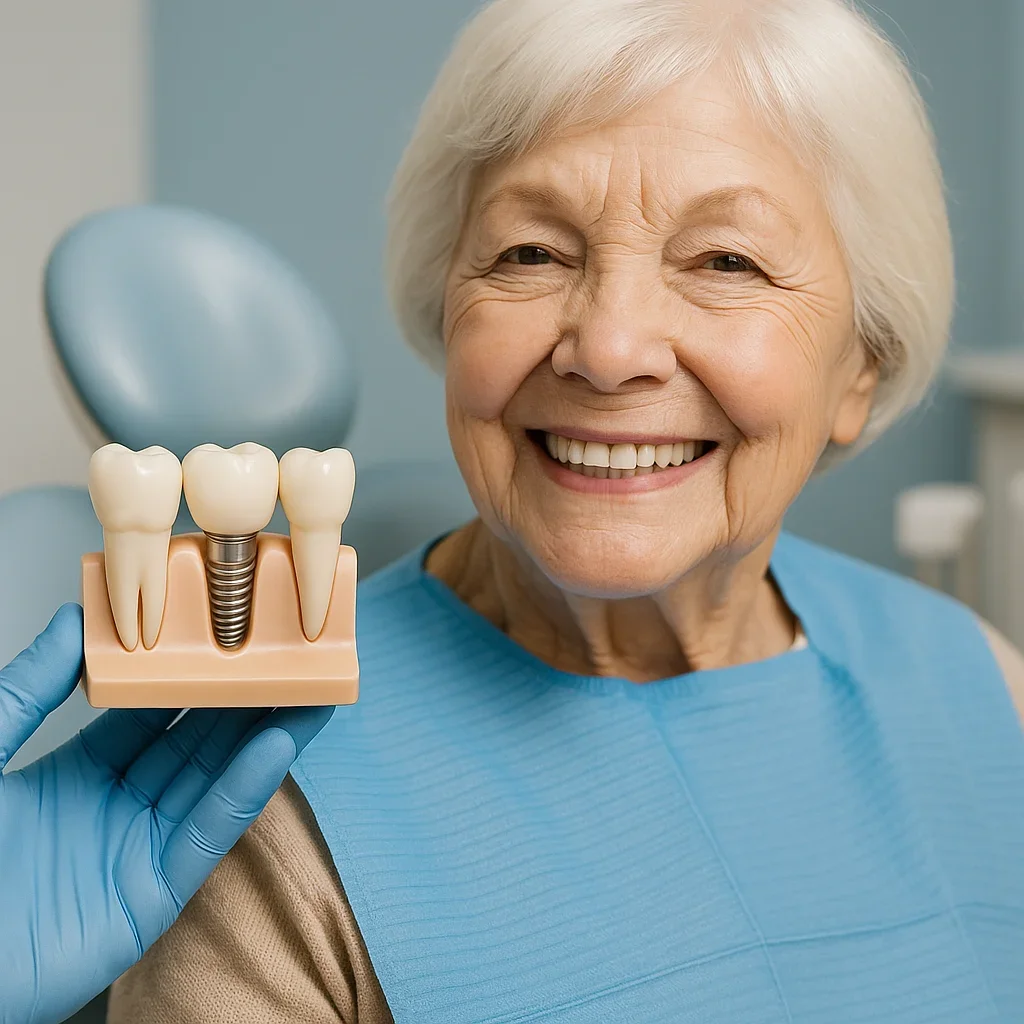
Many pensioners face challenges with traditional dentures — discomfort, slippage, and constant maintenance. In contrast, dental implants for pensioners offer a long-term fix that restores both function and confidence. Designed to mimic natural tooth roots, implants are surgically inserted into the jawbone, providing stability and preventing bone loss — a common issue among older adults.
The benefits go beyond aesthetics. Implants make it easier to chew nutritious foods, speak clearly, and avoid the social discomfort that sometimes accompanies removable dentures. 😁 More importantly, they contribute to better long-term health outcomes by reducing jawbone deterioration and maintaining facial structure.
Understanding the Needs of Pensioners
When considering dental implants for pensioners, it’s essential to understand the specific needs of aging individuals. Bone density, gum health, and medical history all play a role in determining implant eligibility. The good news is that age alone is not a limiting factor. In fact, many patients in their 70s and even 80s have successfully undergone implant surgery.
Dental specialists often perform a 3D bone scan to evaluate whether an individual has sufficient jawbone to support an implant. For those with bone loss, grafting procedures are available to rebuild support. The procedure is customized, taking into account any health conditions such as diabetes or cardiovascular disease. 🩺
What Makes Implants Senior-Friendly in 2025?
With technology evolving, the 2025 landscape of dental care includes innovations specifically designed for older adults. Today, dental implants for pensioners are faster to place and more affordable than ever. Immediate-load implants, for example, allow some patients to receive their replacement teeth on the same day as their surgery — reducing the number of clinic visits required.
Moreover, many clinics — including Redent Klinik Contact Page — now offer geriatric-focused implant services, taking into account medication interactions, anesthesia preferences, and mobility concerns. Patients receive personalized treatment plans that make the entire journey comfortable and reassuring.
Global Standards and Professional Backing
Implant procedures are supported by extensive research and international dental bodies such as the American Dental Association. These standards ensure safety, hygiene, and high success rates for older populations. In fact, the success rate of implants in pensioners is over 95%, thanks to meticulous planning and biocompatible materials like titanium.
For many retirees, investing in dental implants is about more than just appearance. It’s about preserving quality of life. Whether it’s enjoying a steak dinner 🍖 or sharing a hearty laugh with grandchildren, implants empower pensioners to live without limits.
Is It Worth the Investment?
One of the most common concerns about dental implants for pensioners is the cost. While implants may have a higher upfront price compared to dentures, they offer superior long-term value. Unlike dentures that need frequent replacement or adjustments, implants can last a lifetime with proper care.
Semantically related terms like “senior dental restoration” or “retiree tooth replacement options” are frequently searched in this context — underlining the rising demand for solutions tailored to the aging population. The growing availability of installment plans, insurance coverage, and even government aid is making implants more accessible than ever.
In summary, if you’re a senior exploring tooth replacement options, dental implants for pensioners may be your best bet for comfort, health, and confidence. In the sections that follow, we’ll dive deeper into types, prices, procedures, insurance, and patient stories to help you make an informed decision in 2025. 🧓👵
Why Are Dental Implants Ideal for Pensioners?
As we age, dental health becomes increasingly important — not just for aesthetics, but for overall well-being. That’s why dental implants for pensioners have emerged as the gold standard in restorative dentistry for seniors. Unlike removable dentures, implants offer a stable, comfortable, and long-lasting solution that improves both function and confidence. 😁
For many pensioners, the natural aging process can lead to tooth loss due to gum disease, bone resorption, or decay. Missing teeth not only affect appearance but can also impair speech and eating habits. Traditional dentures can slip, cause irritation, or even affect taste sensation by covering the roof of the mouth. In contrast, dental implants for pensioners are anchored securely into the jawbone, functioning just like natural teeth.
Improved Chewing and Nutrition 🍎🥦
One of the most important reasons to consider dental implants for pensioners is their ability to restore proper chewing function. Poor dental health can lead seniors to avoid nutritious foods like fruits, vegetables, and lean proteins. Over time, this nutritional deficiency can negatively impact overall health, increasing the risk of conditions such as malnutrition, muscle loss, and cognitive decline.
Implants make it possible to enjoy a wide range of foods again, from crunchy apples to hearty steaks. That means better digestion, more enjoyment during meals, and fewer dietary restrictions — all essential for aging gracefully and healthfully.
Preserving Jawbone and Facial Structure
Another major benefit of dental implants for pensioners is their ability to prevent bone loss. When a tooth is lost, the surrounding jawbone begins to deteriorate due to lack of stimulation. Over time, this can lead to facial sagging, sunken cheeks, and an older appearance. Implants act like tooth roots, stimulating the bone and maintaining its density and structure.
This biological interaction makes implants the only restorative option that preserves facial aesthetics and promotes bone health. As a result, pensioners can maintain a youthful appearance and reduce the risk of complications associated with bone loss. 🦴
Boosting Self-Esteem and Social Confidence
Confidence plays a vital role in the quality of life for seniors. Unfortunately, tooth loss often leads to embarrassment, social isolation, and even depression. Dental implants for pensioners can be a life-changing investment in emotional well-being, offering a natural-looking smile and the freedom to laugh, talk, and engage without fear.
Unlike dentures, which can shift or fall out, implants are fixed and secure. That means no more worrying about adhesives, slippage, or awkward moments in public. Many pensioners report a significant boost in confidence and a renewed zest for social activities after getting implants. 💬🎉
Long-Term Financial Value
Though the initial cost may seem high, dental implants for pensioners are often more economical in the long run. Traditional dentures may need to be relined, replaced, or adjusted every few years. Implants, on the other hand, can last 20+ years or even a lifetime with proper care — making them a smart and durable choice.
When evaluating total cost of ownership, implants often prove to be the most cost-effective solution, particularly when factoring in improved health, reduced dental complications, and fewer clinic visits. Many clinics, like Redent Klinik, offer senior-friendly pricing plans and consultation services tailored to retirees.
Customizable and Adaptable Options
Today, implant systems are highly customizable, making dental implants for pensioners a viable option for a wide range of individuals. Whether you need a single implant, an implant-supported bridge, or a full-arch replacement, modern dental technology provides solutions adapted to every situation. Mini implants are also available for those with limited bone density or other health considerations.
Additionally, advanced planning tools like 3D imaging, guided surgery, and digital impressions ensure optimal outcomes and a smoother experience, even for patients in their later years. 🖥️🦷
Safe and Proven Track Record
Implant procedures have a remarkably high success rate, especially when performed by experienced professionals. According to the American Dental Association, dental implants are among the most predictable and successful procedures in modern dentistry. For pensioners, this means peace of mind and a safe return on their investment in oral health.
With success rates consistently above 95%, it’s clear that dental implants for pensioners are not only feasible but also highly recommended for those seeking reliable, permanent tooth replacement options.
Enhancing Overall Health and Well-being
It’s worth noting that the benefits of dental implants for pensioners go far beyond the mouth. Better oral function leads to improved nutrition, which in turn supports cardiovascular health, mental clarity, and immune strength. Seniors with implants often experience fewer infections, improved digestion, and better sleep — all crucial components of healthy aging. 🌿💤
In conclusion, the advantages of dental implants for pensioners are numerous and well-supported by science and patient success stories. In the next section, we’ll explore the different types of implants that are particularly suited to older adults, including traditional, mini, and All-on-4 solutions.
Types of Dental Implants Suitable for Seniors
When exploring dental implants for pensioners, it’s important to understand the different types available and how they suit the unique needs of seniors. Not all implants are the same, and selecting the right type can dramatically affect comfort, healing time, aesthetics, and long-term success. Thankfully, modern dentistry offers several implant options tailored to older adults, ensuring both safety and effectiveness. 🧓🦷
As we age, considerations such as bone density, medical conditions, and oral hygiene capacity become central to implant planning. Here’s an in-depth look at the most commonly recommended types of dental implants for pensioners in 2025.
1. Traditional Endosteal Implants
These are the most common type of dental implants for pensioners and consist of titanium posts surgically inserted into the jawbone. After healing, a crown is attached, creating a tooth that looks and functions naturally. This method is ideal for seniors with good bone health and no contraindicating medical issues.
Pros:
- Durable and long-lasting (20+ years)
- Highest success rate
- Excellent chewing and speaking function
Cons:
- Requires sufficient jawbone density
- Longer healing time (3–6 months)
2. Mini Dental Implants (MDIs)
For pensioners with reduced bone volume or those who prefer a less invasive option, mini dental implants are an excellent choice. These are narrower than traditional implants and require less bone to anchor. Often used to stabilize dentures, they’re a great entry point into implant dentistry for older adults.
Mini dental implants for pensioners are placed in a shorter procedure with quicker healing and minimal discomfort — making them particularly attractive for patients with medical or mobility issues. 👵
Pros:
- Less invasive, shorter surgery
- Faster recovery (a few days)
- Ideal for stabilizing lower dentures
Cons:
- Not suitable for full-mouth restorations
- May not last as long as full-size implants
3. All-on-4 Implants
The All-on-4 system is a revolutionary solution for pensioners needing full arch replacement. Using just four strategically placed implants per arch, a full set of teeth is anchored securely. This is a popular and efficient option in 2025 for those seeking fast and functional full-mouth restoration.
These dental implants for pensioners are placed in a single day in many cases, with a temporary set of teeth provided immediately. This minimizes the waiting time and helps seniors regain confidence and oral function right away. 😁
Pros:
- Quick results — teeth in a day
- Less bone required
- Lower cost than individual implants per tooth
Cons:
- Requires precise surgical planning
- Can be costly if not covered by insurance
4. Zygomatic Implants
In cases where severe bone loss has occurred and bone grafting is not viable, zygomatic implants may be recommended. These are longer implants that anchor into the cheekbone (zygoma) instead of the jawbone. Although more complex, they allow pensioners with extreme bone atrophy to still benefit from implant-supported restorations.
These are typically used as part of a full upper arch replacement and must be performed by a highly experienced surgeon. While not common, they can be a lifesaver for seniors who’ve been told implants aren’t an option. 🧠
Choosing the Right Implant Type
Selecting the most suitable dental implants for pensioners depends on various factors:
- Amount and quality of jawbone
- Overall health and medications
- Smoking status
- Budget and insurance coverage
- Number of missing teeth
Working with an experienced clinic like Redent Klinik ensures that all these considerations are addressed during a personalized consultation. Many clinics use 3D scanning technology to map out bone structures and simulate results — helping pensioners make informed choices.
What About Removable Implant-Retained Dentures?
This hybrid solution combines the stability of implants with the flexibility of removable dentures. Often, two or more implants are used to “snap” the denture into place, offering superior retention without the hassle of adhesive creams. It’s a great balance between affordability and functionality.
These types of dental implants for pensioners are especially useful for those who prioritize easy cleaning and maintenance while still enjoying secure chewing and speaking ability. 🧼🗣️
Which Option Is Right for You?
Ultimately, the best type of implant varies from person to person. But rest assured — there are more options now than ever before. Whether it’s a single implant, a full-arch system, or a mini-stabilization solution, dental implants for pensioners continue to evolve and offer life-changing benefits to the senior community.
In the next section, we’ll break down the current pricing for each type of implant in 2025 and what pensioners can expect when budgeting for their dental transformation. 💰
Cost of Dental Implants for Pensioners in 2025
Understanding the cost of dental implants for pensioners in 2025 is crucial for planning both financially and emotionally. While dental implants are an investment in oral health, longevity, and quality of life, many seniors are understandably concerned about affordability — especially those on a fixed income or retirement budget. 💸
Fortunately, as technology advances and more clinics offer pensioner-specific pricing and payment plans, the barriers to accessing dental implants for pensioners are slowly diminishing. In this section, we’ll break down the average costs, variables affecting pricing, and tips to make implants more affordable for older adults.
Average Costs in 2025
The total cost of dental implants for pensioners can vary significantly depending on several factors, including the number of implants needed, location, bone health, and the type of restoration. Here’s a general cost breakdown for 2025:
- Single Tooth Implant: $2,500 – $4,800 (including crown)
- Implant-Supported Bridge (3–4 teeth): $6,000 – $9,000
- All-on-4 Full Arch Restoration: $15,000 – $25,000 per arch
- Mini Dental Implants: $800 – $1,500 each
- Denture Stabilization with 2 Implants: $3,000 – $5,000
Prices may be lower in certain countries, especially where dental tourism is common. For example, clinics in Turkey such as Redent Klinik offer premium quality dental implants for pensioners at significantly reduced rates compared to the U.S. or U.K., often with packages that include accommodation and local transfers. ✈️🦷
Factors Influencing the Cost
Several key elements determine the total price a pensioner might pay for dental implants:
- Number of implants: More implants mean higher costs, especially for full-mouth restorations.
- Type of implant: Mini implants and removable overdentures are typically more affordable than full-arch or zygomatic solutions.
- Location: Clinics in metropolitan areas may charge more than those in smaller cities or abroad.
- Need for additional procedures: Bone grafting, sinus lifts, or extractions can add $500–$3,000 to the total cost.
- Lab fees and material choices: Porcelain or zirconia crowns cost more than acrylic alternatives.
Insurance and Financial Assistance
In 2025, most standard dental insurance plans still don’t fully cover dental implants for pensioners. However, partial reimbursements may be available for diagnostic imaging, extractions, or implant-supported dentures. Some Medicare Advantage (Part C) plans now include limited implant coverage, but eligibility and coverage limits vary widely.
Here are ways pensioners can reduce their out-of-pocket expenses:
- Look for implant-inclusive dental insurance plans designed for seniors
- Use Health Savings Accounts (HSA) or Flexible Spending Accounts (FSA), if eligible
- Explore low-interest medical financing plans like CareCredit or dental-specific loans
- Seek treatment at dental schools or clinics offering sliding-scale pricing
- Consider treatment abroad in reputable dental tourism countries 🌍
Are They Worth the Cost?
While the price tag may seem daunting at first, dental implants for pensioners are a one-time investment with long-term returns. When compared to dentures — which require ongoing adjustments, replacements, adhesives, and limitations — implants offer superior performance and significantly improve quality of life. 🌟
Here’s a comparative estimate over 10 years:
Removable Dentures: $5,000–$8,000 (including replacements, relines, and care products)
Dental Implants: $4,000–$20,000 (one-time cost, long-term value)
Moreover, implants reduce the need for future dental work caused by shifting teeth or bone loss — saving even more money and discomfort down the road. They’re also more hygienic, as they don’t trap bacteria under prosthetics like some dentures do.
Making the Right Financial Decision
Pensioners should consider implants not just as a cosmetic solution, but as a critical component of aging healthily. The long-term benefits — from better nutrition and digestion to improved mental well-being — can’t be overstated. 🧠💪
If you’re unsure about how to afford dental implants for pensioners, it’s worth reaching out to trusted clinics that offer payment flexibility. Redent Klinik, for example, offers free consultations and custom quote plans that fit senior budgets.
In the next section, we’ll examine the government subsidies, programs, and insurance alternatives available to help pensioners access the dental implants they deserve. Stay tuned. 👵📝
Government & Insurance Support for Elderly Dental Implants
For many seniors, the biggest hurdle to receiving dental implants for pensioners is affordability. While the benefits of implants are clear — improved function, appearance, and quality of life — the financial aspect remains a concern, especially for those living on a retirement income. Thankfully, there are several pathways through government programs, insurance plans, and nonprofit support that can make dental implants more accessible in 2025. 🏛️💡
Do Government Programs Cover Dental Implants?
The answer is: it depends. In many countries, basic government health plans do not fully cover dental implants for pensioners since they are often categorized as “elective” or “cosmetic” procedures. However, coverage options are evolving, and there are certain exceptions and programs that offer partial or even full support for eligible seniors.
Here’s a quick overview of what’s available in 2025:
- Medicare (USA): Original Medicare (Parts A & B) does not cover dental implants. However, some Medicare Advantage (Part C) plans now include partial coverage for implant-related procedures like extractions, 3D imaging, or implant-supported dentures.
- Medicaid: Coverage varies by state. Some states offer implant-related benefits under specific medical necessity clauses — especially for elderly patients with significant health impacts due to tooth loss.
- VA Benefits: In the U.S., qualifying veterans may receive full implant coverage through the Department of Veterans Affairs. Dental implants for pensioners who are veterans may be entirely subsidized. 🇺🇸
- NHS (UK): The National Health Service generally does not cover implants unless there’s a documented medical necessity. Even then, a lengthy approval process applies.
- European and Canadian Health Systems: Coverage differs by region. For example, France and Germany offer partial reimbursement under certain statutory schemes, especially for seniors with demonstrated need.
Private Dental Insurance Options for Pensioners
In the absence of full government support, many retirees turn to private insurance for help. While traditional dental insurance plans typically exclude implants, more providers now offer specialized senior plans that include partial reimbursement or discounted implant services.
Popular private insurers in 2025 offering implant-inclusive plans for pensioners include:
- Delta Dental PPO Premium (USA)
- Mutuelle UFR Implant Plan (France)
- AXA Senior Dental Plan (UK & EU)
- Guardian Dental Advantage (USA)
These plans usually offer 20%–50% coverage on dental implants for pensioners after a waiting period (typically 6–12 months). Be sure to check the annual maximums, as most policies cap implant-related reimbursements between $1,000–$2,500 per year.
Nonprofit & Local Assistance Programs
Aside from insurance, many nonprofit organizations and local charities help seniors receive dental implants for pensioners at reduced or no cost. These programs are often income-based or targeted at vulnerable populations, including the disabled and homebound elderly. 🧓❤️
Examples include:
- Dental Lifeline Network (USA): Offers donated dental services for seniors in need.
- Smiles for Seniors Program: A nonprofit initiative in Canada providing implants and dentures to qualifying elderly citizens.
- Local Rotary or Lions Clubs: Often sponsor dental health initiatives for seniors in local communities.
Additionally, teaching dental hospitals and universities often provide low-cost implant services performed by dental students under supervision. While appointments may take longer, the quality of care is typically excellent, and pricing is significantly lower than private clinics.
Flexible Payment Options & Clinics with Senior Discounts
Many modern clinics, including Redent Klinik, understand the financial limitations faced by seniors and offer flexible payment options such as:
- Zero-interest installment plans
- Discounted rates for retirees and pensioners
- “Pay-as-you-go” implant packages spread over several months
- Seasonal campaigns offering free imaging or consultation for pensioners
These offers significantly reduce the upfront burden of dental implants for pensioners while making it easier to budget for essential oral care. Clinics that specialize in senior dental services often assist with filing insurance claims and offer personalized consultations to discuss financial planning.
Tips to Maximize Coverage
If you or a loved one is considering dental implants for pensioners, here’s how to make the most of available support:
- Ask your dentist to document medical necessity (e.g., malnutrition, speech impairment)
- Shop around for multiple quotes and compare insurance benefits
- Look into dental travel options where costs are substantially lower abroad
- Bundle procedures (e.g., full arch replacements) to reduce overall cost per implant
Always ensure that the clinic is certified and complies with standards set by global authorities such as the American Dental Association for safety, hygiene, and materials used.
The Bottom Line
While full coverage is still rare, the combined resources of government programs, private insurance, nonprofit support, and clinic financing options are making dental implants for pensioners increasingly accessible in 2025. With proper planning and guidance, seniors no longer have to settle for subpar dental solutions. 🦷💪
Next, we’ll compare the pros and cons of implants versus dentures — helping you make an informed decision based on function, aesthetics, cost, and lifestyle.
Comparing Dentures and Implants for Retirees
One of the most common decisions seniors face when dealing with tooth loss is choosing between traditional dentures and dental implants for pensioners. While both options aim to restore function and aesthetics, they differ significantly in terms of stability, comfort, longevity, and long-term health benefits. In this section, we’ll break down the key differences to help retirees make an informed choice in 2025. 🦷🔍
Fit and Stability
Traditional dentures rest on the gums and are held in place either through suction or dental adhesives. This often results in movement, slipping, or clicking sounds — especially while talking or eating. In contrast, dental implants for pensioners are surgically anchored into the jawbone, providing a secure, immovable foundation for crowns, bridges, or dentures. This stability means no more embarrassing moments during meals or conversations. 🗣️🍽️
Comfort and Convenience
Dentures can sometimes irritate the gums, cause sore spots, and lead to difficulty with certain foods. They also require daily removal, soaking, and adhesive reapplication. Meanwhile, dental implants for pensioners function like real teeth. They feel natural in the mouth, don’t press on the gums, and require no special care beyond brushing and flossing.
For seniors looking for a more hassle-free solution, implants eliminate the need for cumbersome maintenance routines — improving both comfort and convenience.
Bone Health and Facial Structure
This is where dental implants for pensioners truly shine. Because they mimic natural tooth roots, implants stimulate the jawbone and prevent bone loss — a major concern for older adults. Dentures, on the other hand, do not interact with the jawbone. In fact, over time, wearing dentures can accelerate bone resorption, leading to a sunken or aged facial appearance. 😟
By preserving the jawbone, implants maintain facial contours and support a more youthful appearance. This alone can have a dramatic effect on a retiree’s self-esteem and overall health.
Chewing Efficiency and Nutrition
Retirees with dentures often struggle with chewing efficiency. Foods like apples, nuts, and steak may be off-limits or difficult to enjoy. This can lead to poor nutrition and decreased enjoyment of meals. Dental implants for pensioners restore up to 90% of natural chewing power, allowing seniors to eat a wide variety of nutritious foods again. 🥗🥩🍏
Improved nutrition directly impacts health outcomes — reducing the risk of digestive issues, maintaining muscle mass, and supporting cognitive health.
Appearance and Confidence
Modern dentures can look quite natural, but they still carry a stigma for many older adults. Their tendency to slip or require adhesive can lead to self-consciousness. Dental implants for pensioners offer a fixed, natural-looking solution that closely resembles original teeth. This boosts confidence, encourages social interaction, and contributes to better mental well-being. 😄
For retirees who want to smile without hesitation and speak freely in public, implants provide the peace of mind that dentures often lack.
Longevity and Durability
Dentures generally need to be replaced every 5–7 years due to wear and jawbone changes. They may also need regular relining or adjustments. In contrast, dental implants for pensioners can last 20 years or more with proper care — and the implant posts themselves are often permanent. Though crowns or bridges may eventually need replacement, the core structure remains stable and durable.
This makes implants a long-term investment with less ongoing expense and fewer dental visits over time.
Cost Comparison Over Time
While dentures are initially less expensive, their long-term cost can add up. Consider the following:
Dentures (over 10 years): $5,000–$8,000 (replacements, adhesives, adjustments)
Dental implants for pensioners: $4,000–$20,000 (one-time surgical investment with long-term benefits)
Moreover, the enhanced lifestyle and health benefits offered by implants often justify the higher upfront cost — especially for retirees planning to maintain their independence and quality of life for the long haul. 💰💡
Adaptability and Customization
Many seniors believe implants are an “all-or-nothing” solution, but that’s not true. Dental implants for pensioners can be fully customized. Options include:
- Single tooth replacement
- Implant-supported bridges
- Overdentures (removable dentures stabilized by implants)
- All-on-4 fixed full-arch systems
This flexibility makes implants a viable solution for many pensioners, regardless of how many teeth they are missing or what their budget is. Clinics like Redent Klinik specialize in tailoring solutions to suit each individual’s medical and financial needs.
The Final Verdict
While dentures may seem like the simpler choice upfront, the long-term value, comfort, and health advantages of dental implants for pensioners are unmatched. They restore not just smiles, but confidence, freedom, and functionality — all essential elements of a happy and healthy retirement. 🌞
In the next section, we’ll walk you through how seniors can best prepare for dental implant surgery after age 60, including necessary evaluations and medical considerations.
How to Prepare for Dental Implant Surgery After 60
While many seniors are enthusiastic about restoring their smiles with dental implants for pensioners, preparing for the procedure after age 60 involves unique considerations. Proper preparation ensures not only a smooth surgery but also a higher success rate and faster recovery. In this section, we’ll walk through the essential steps that retirees should take to prepare physically, medically, and mentally for dental implant surgery in 2025. 🧓🦷
Step 1: Comprehensive Dental Evaluation
The journey to receiving dental implants for pensioners starts with a thorough dental examination. This includes a clinical check-up, digital X-rays, and often a 3D cone beam CT scan. These diagnostic tools allow your dentist to assess:
- Jawbone density and quality
- Location of nerves and sinuses
- Gum health and presence of periodontal disease
- Tooth alignment and bite mechanics
Seniors who’ve worn dentures for many years or lost teeth long ago may have experienced bone resorption. In such cases, bone grafting may be required before implants can be placed. Planning early is crucial to avoid delays in treatment. 🗓️
Step 2: Review of Medical History
At age 60 and beyond, it’s common for individuals to have chronic conditions such as hypertension, diabetes, or osteoporosis. That’s why a detailed review of your health history is an essential part of preparing for dental implants for pensioners.
Your dentist or oral surgeon will ask about:
- Prescription medications (especially blood thinners or immunosuppressants)
- History of radiation therapy or chemotherapy
- Bone health medications (e.g., bisphosphonates)
- Any surgeries or complications from anesthesia
Controlling underlying conditions like diabetes before surgery improves healing and reduces the risk of implant failure. It’s important to consult your general practitioner if any condition needs to be optimized before proceeding. 🩺
Step 3: Lifestyle Adjustments
In the weeks leading up to implant surgery, certain habits may need to be adjusted to improve outcomes. These include:
- Quit smoking: Nicotine impairs healing and increases implant failure risk.
- Maintain good oral hygiene: Brush and floss regularly to reduce bacterial load.
- Eat a balanced diet: Nutrient-rich foods aid tissue regeneration and bone health.
Nutrition plays a critical role in recovery. Seniors preparing for dental implants for pensioners should focus on vitamin D, calcium, and protein intake to support post-op healing and osseointegration (the fusion of implant and bone). 🥦🍗
Step 4: Pre-Surgical Instructions
Once cleared for surgery, your dental team will provide specific pre-op instructions such as:
- Fasting before the procedure if IV sedation or general anesthesia is used
- Arranging transportation to and from the clinic
- Wearing comfortable clothing
- Stopping certain medications as advised by your doctor
It’s also recommended to prepare your home for a comfortable recovery. Stock your fridge with soft foods (yogurt, soups, smoothies), place extra pillows for head elevation, and ensure you have any prescribed medications on hand.
Step 5: Choosing the Right Clinic
Not all dental clinics are experienced in providing dental implants for pensioners. It’s essential to choose a provider that specializes in senior care and offers tailored implant options such as mini implants or All-on-4 systems. A reputable clinic like Redent Klinik provides geriatric-focused dental implant care, with detailed consultations and support every step of the way. ✅
Ask the clinic about:
- Success rates with senior patients
- Use of sedation or anxiety management techniques
- Follow-up care and availability for post-op questions
- In-house imaging and planning technologies
Step 6: Managing Expectations
While dental implants for pensioners are a game-changer, it’s important to have realistic expectations about the timeline and healing process. Implant surgery usually occurs in stages:
- Implant placement
- Healing period (osseointegration): 3–6 months
- Abutment and crown placement
For some seniors, immediate-load implants may be an option, reducing overall treatment time. However, full healing and final results can still take several months. Being patient and following your care plan closely is key to long-term success. ⏳
Bonus Tip: Seek Emotional Support
Major dental surgery can be daunting, especially later in life. Don’t hesitate to talk about your concerns with your dental team, family, or even a therapist. Anxiety management tools — from music to guided breathing or sedation options — can make the process easier. Many pensioners report that once they complete the journey, they feel years younger, healthier, and more self-assured. 🌈
Conclusion
Preparing for dental implants for pensioners after age 60 requires a holistic approach — combining medical clearance, oral hygiene, nutritional support, and emotional readiness. With proper planning, you’ll be well on your way to enjoying a stable, beautiful smile that enhances your health and quality of life for years to come. 💪😁
In the next section, we’ll guide you through what to expect after implant surgery, including healing timelines, tips for faster recovery, and how to care for your new teeth long-term.
Recovery Time and Aftercare for Senior Implant Patients
Understanding the recovery timeline and aftercare requirements is critical for seniors considering dental implants for pensioners. While the procedure is safe and highly successful, especially with today’s advancements in 2025, the healing phase plays a crucial role in determining long-term success. In this section, we’ll walk you through what to expect post-surgery, how to support healing, and the best practices for maintaining your implants well into retirement. 🦷🛏️
Immediate Post-Surgery Phase (First 72 Hours)
After receiving dental implants for pensioners, it’s normal to experience some mild discomfort, swelling, or bruising. These symptoms are temporary and can usually be managed with prescribed pain relievers or over-the-counter medications such as acetaminophen. 🩹
During the first 48–72 hours, pensioners are advised to:
- Apply a cold compress to reduce swelling
- Avoid hot foods and drinks
- Refrain from using straws (to prevent dislodging clots)
- Rest with the head elevated
Your dentist will likely prescribe antibiotics to prevent infection. Be sure to complete the entire course as directed. Drinking plenty of water and avoiding alcohol or tobacco is essential during this early recovery window.
Initial Healing Period (1–2 Weeks)
Within a week, the gums around the implant site will begin to heal. For most retirees, this period is quite manageable. Stitches — if not dissolvable — are typically removed around day 7–10. During this stage, dental implants for pensioners require minimal interference, so soft foods and gentle oral hygiene are encouraged.
Recommended foods include:
- Mashed potatoes 🥔
- Scrambled eggs 🍳
- Smoothies 🥤
- Soups and stews 🍲
- Yogurt and pudding 🍮
Brushing should be done with a soft-bristled toothbrush, and flossing should avoid the surgical area until fully healed. Mouth rinses (as prescribed) can be used to keep the site clean without disturbing sutures.
Osseointegration Phase (2–6 Months)
The most critical stage of recovery is called osseointegration — the process where the titanium implant fuses with the jawbone. This typically takes 3–6 months, depending on the patient’s age, bone density, and overall health. For many receiving dental implants for pensioners, this is a waiting period with minimal discomfort.
During this time:
- Routine check-ups are scheduled every 4–6 weeks
- Temporary crowns or dentures may be used
- Diet should still focus on soft or moderately textured foods
Osseointegration ensures that the implant is securely anchored and capable of supporting a permanent crown or bridge. Seniors with osteoporosis or other bone-related conditions may take slightly longer to heal, but success rates remain high with proper management. 🦴
Placing the Abutment and Crown
Once the implant has integrated fully, the abutment and crown are attached. This final phase involves exposing the implant post and placing a custom-made crown that matches the rest of the teeth. For dental implants for pensioners, the aesthetics are particularly important — helping retirees look and feel younger with a natural smile. 😁
This stage usually requires only one or two short appointments and carries little to no downtime.
Long-Term Aftercare for Pensioners
After your new tooth (or teeth) is in place, the real journey begins — maintaining it. The good news is that caring for dental implants for pensioners is similar to maintaining natural teeth:
- Brush twice daily with a soft or electric toothbrush
- Floss with implant-safe floss or use a water flosser
- Visit the dentist every 6 months for cleanings and exams
- Avoid hard candies or chewing ice
Many clinics, like Redent Klinik, offer special senior hygiene packages and implant cleaning sessions that are gentler and specifically designed for elderly patients.
Common Recovery Questions from Seniors
“Will I need help at home?”
Most pensioners recover independently, but arranging support for the first 24–48 hours is wise.
“Can I wear my old dentures during recovery?”
If you’re transitioning from dentures, they may need to be adjusted or avoided for a few weeks to allow healing.
“What if I have multiple implants?”
Recovery may be slightly longer, but it follows the same stages. All-on-4 patients often receive temporary teeth the same day.
“Can I exercise after surgery?”
Light walking is fine after the first few days, but avoid strenuous activity for 1–2 weeks. 🏃♂️❌
Conclusion
Proper aftercare and patience are key to enjoying the full benefits of dental implants for pensioners. With careful attention during recovery and a commitment to oral hygiene, most seniors find their implants feel just like natural teeth — offering years, even decades, of confident eating, smiling, and living. 🌟
In the next section, we’ll share real-life success stories from pensioners who’ve undergone dental implant procedures and how it transformed their daily lives.
Real Patient Stories: Pensioners Who Got Dental Implants
Reading real-life success stories can be one of the most reassuring steps for seniors considering dental implants for pensioners. These stories highlight the emotional and physical transformation experienced by individuals who have taken the leap — often after years of discomfort with dentures or failing teeth. Below, we share inspirational accounts from pensioners across different backgrounds who regained their smiles, confidence, and quality of life thanks to dental implants. 😊🦷
Margaret, 72 – “I Finally Feel Like Myself Again”
Margaret, a retired teacher from the UK, had worn full upper dentures for over a decade. “They never fit quite right. I was constantly applying adhesive, and eating apples was out of the question,” she says. After learning about dental implants for pensioners, she scheduled a consultation at her local clinic and was surprised to find she was an ideal candidate for the All-on-4 implant solution.
“It changed my life. The surgery went smoothly, and I left the same day with fixed temporary teeth. I felt younger instantly. For the first time in years, I laughed without covering my mouth.” Today, Margaret proudly enjoys her favorite meals again — including crusty bread and corn on the cob! 🌽🍞
George, 68 – “Better Health, Better Smile”
Living with type 2 diabetes, George had concerns about whether he could safely receive dental implants for pensioners. His dentist worked with his physician to stabilize his condition before surgery. “Once everything was under control, I went ahead with a two-implant-supported lower denture,” George explains.
He reports improved digestion, better nutrition, and an easier time managing his diabetes thanks to more consistent, healthy eating. “It wasn’t just about looking better — it was about living better. I can chew salad again and I’ve lost 10 pounds the healthy way.” 🥗💪
Hildegard, 75 – “No More Slipping Dentures in Public”
Hildegard from Germany struggled with denture embarrassment for years. “They always moved when I spoke — especially during choir practice or family dinners. I was so self-conscious.” After researching dental implants for pensioners, she discovered mini implants as a quick and minimally invasive option to stabilize her lower denture.
“It was a simple procedure, and the results were immediate. I can now speak and sing clearly again. I even joined my community’s senior theater group!” 🎭🎶
Jack, 80 – “Age Doesn’t Matter”
Jack is proof that it’s never too late for a smile makeover. At age 80, he decided to get dental implants for pensioners after losing his upper teeth due to periodontal disease. “Everyone told me I was too old, but the clinic reassured me and did all the tests.” After a bone graft and a few months of healing, Jack received a full-arch restoration that completely transformed his face and self-esteem.
“It took time, but it was worth every minute. I feel strong, I look younger, and I’ve even started dating again.” Jack now volunteers at a senior center, encouraging others not to give up on their dental health. ❤️
Nora and Luis, 67 & 69 – “We Did It Together”
This couple from Spain decided to undergo dental implant treatment as a shared retirement goal. “We saved for a few years and traveled to Turkey to get high-quality yet affordable dental implants for pensioners at Redent Klinik,” says Nora.
The clinic arranged everything — including accommodation and airport pickup. “We were treated like royalty, and the cost was less than half of what it would’ve been in Spain.” Both now have implant-supported bridges and enjoy meals, travels, and laughter without worry. ✈️🍷
Common Themes Across Stories
These real patient experiences highlight several recurring themes:
- Improved quality of life: Patients report feeling more confident, healthier, and socially active after treatment.
- Minimal age barriers: Many individuals over 70 successfully received dental implants for pensioners.
- Accessible options: From mini implants to All-on-4, there’s a solution for nearly every senior budget and health profile.
- International care: Dental tourism, particularly in Turkey, makes implants financially feasible without compromising quality.
Encouragement for Future Patients
If you’ve been considering dental implants for pensioners but feel uncertain or intimidated, let these stories inspire you. From enhanced nutrition to emotional wellness, the benefits extend far beyond the smile. 🧓✨
Speak to your dentist, book a consultation, and take that first step. Whether you’re 60 or 85, a healthy, confident smile is well within reach. And just like Margaret, Jack, or Nora — you too can enjoy a renewed chapter of life, full of flavor, laughter, and connection. ❤️
In the next section, we’ll guide you on how to find and choose the best clinic for dental implants as a senior — including red flags to avoid and what questions to ask during your consultation.
How to Choose the Right Dental Clinic for Implants
Selecting the right clinic is one of the most important steps in the journey to receiving dental implants for pensioners. With so many options available in 2025 — from local dental offices to internationally renowned clinics — it can be overwhelming to know where to begin. For seniors, the stakes are even higher: age-related health conditions, fixed incomes, and safety concerns all need to be carefully considered. 🏥🔍
In this final section, we’ll explore the key factors pensioners should evaluate when choosing a dental clinic, how to compare providers, and what specific services are essential for elderly patients undergoing implant treatment.
1. Experience with Senior Patients
Not all dentists have experience treating older adults. Clinics that specialize in dental implants for pensioners understand the unique anatomical, medical, and emotional needs of seniors. Look for providers that prominently list geriatric dentistry, implantology, and senior-specific care in their credentials and marketing materials.
Ask these questions during your consultation:
- How many patients over age 60 have you treated?
- Do you offer special implant protocols for pensioners?
- Do you coordinate with a patient’s general physician if needed?
Dental teams that work closely with general practitioners, cardiologists, or endocrinologists ensure comprehensive care — especially important for patients with diabetes, osteoporosis, or other chronic conditions. 🩺
2. Technology and Diagnostic Tools
The best clinics for dental implants for pensioners use state-of-the-art technology to ensure accuracy, safety, and comfort. At a minimum, your clinic should offer:
- 3D cone beam CT scanning
- Digital impressions (instead of messy molds)
- Implant planning software
- Intraoral cameras for diagnostics
These tools improve surgical precision and reduce treatment times — making the process smoother and less invasive for seniors. Additionally, clinics that use these technologies are more likely to detect potential complications early, ensuring a safer experience overall.
3. Transparent Pricing and Senior Discounts
Affordability is a major concern when considering dental implants for pensioners. A trustworthy clinic will provide clear, written estimates upfront with no hidden fees. Look for the following:
- All-inclusive implant packages (consultation, surgery, abutment, and crown)
- Flexible installment plans or 0% financing
- Senior or retiree discounts
- Assistance with insurance paperwork and claims
Reputable clinics will never pressure you into a decision. They will give you time to consider your options and provide written documentation of all costs before you proceed.
4. Patient Reviews and Testimonials
Online reviews and patient testimonials are valuable sources of insight. Search platforms like Google Reviews, Trustpilot, or the clinic’s own website for feedback from seniors who received dental implants for pensioners. Look for consistent praise in the areas of:
- Professionalism and friendliness of staff
- Cleanliness and accessibility of the facility
- Pain management and aftercare quality
- Overall satisfaction with results
Positive testimonials, especially those from individuals over 60, signal that the clinic is well-versed in managing implant procedures for pensioners. 🌟
5. International Clinics & Dental Tourism
Many seniors are now exploring dental tourism as a cost-effective way to receive high-quality implants. Countries like Turkey, Hungary, and Mexico offer world-class dental care at a fraction of the cost found in the U.S. or Western Europe. Clinics like Redent Klinik specialize in dental implants for pensioners and offer complete travel packages including accommodation, airport transfers, and interpreters. ✈️🌍
When choosing an international provider, ensure that they:
- Use internationally certified implant brands (e.g., Straumann, Nobel Biocare)
- Have English-speaking staff or translation services
- Offer follow-up support or remote consultations
6. Aftercare Services
Aftercare is essential to the long-term success of dental implants for pensioners. Choose a clinic that provides:
- Post-op monitoring and follow-up visits
- Emergency contact options
- Custom maintenance plans and hygiene instructions
- Annual check-up packages tailored for implant patients
Some clinics even offer lifetime warranties on their implant systems, a huge advantage for pensioners looking for peace of mind.
7. Comfort and Accessibility
Finally, make sure the clinic environment is senior-friendly. Features like wheelchair access, elevators, comfortable waiting areas, and flexible appointment scheduling (including weekends) go a long way in ensuring a stress-free experience.
Conclusion
Choosing the right clinic is the final — and perhaps most important — step in your journey to restoring your smile. Whether you’re looking locally or abroad, make sure your provider specializes in dental implants for pensioners, offers modern technology, transparent pricing, and compassionate care tailored to seniors.
With the right team by your side, you’ll not only gain new teeth — but also renewed confidence, better health, and the freedom to enjoy life to the fullest. 😁🌈
We hope this complete guide has provided you with the knowledge and encouragement you need to explore dental implants for pensioners. For personalized advice or to schedule a consultation, we invite you to visit Redent Klinik — where your smile and comfort are our top priorities.