
Dental implants for teeth have become one of the most trusted and long-lasting solutions for individuals
who have lost one or more teeth due to decay, trauma, gum disease, or age-related factors. Today, patients
all over the world choose implant dentistry because it restores not only chewing strength but also
confidence, facial harmony, and overall oral health. In this comprehensive guide, you will learn everything
you need to know before undergoing treatment — from the science behind implants to the step-by-step process,
healing expectations, and how to choose the right clinic. 🙂
If you are researching dental implants for teeth, it’s likely because you want a durable,
natural-looking, and medically approved tooth replacement option. Unlike removable dentures, implants
integrate with the jawbone, acting like real tooth roots. This means the result is stable, permanent,
and realistic — often indistinguishable from natural teeth. The longevity and success of implants are
supported by global dental authorities such as the
American Dental Association, which recognizes implant therapy
as a safe and scientifically validated treatment method.
One of the biggest reasons patients choose dental implants for teeth is their ability to preserve
jawbone structure. After losing a tooth, the bone begins to shrink (a process known as resorption). This can
lead to facial sagging, premature aging, and shifting of neighboring teeth. Implants prevent this by stimulating
the bone just like a natural tooth root. Over time, the implant and bone fuse together through a biological
process called osseointegration, securing the implant firmly in place. Well-integrated implants can
support single crowns, bridges, and even full-arch restorations such as All-on-4 or All-on-6 systems.
Patients often wonder whether the procedure is painful. Modern dentistry has advanced considerably; therefore,
treatment is typically comfortable thanks to local anesthesia, sedation options, and minimally invasive surgical
techniques. The placement of dental implants for teeth usually takes less time than many expect —
often under one hour for a single implant. After the procedure, mild swelling or sensitivity is normal, but most
patients return to daily activities quickly. A precise digital scan is taken for the final crown, ensuring a
custom fit that matches your bite, tooth color, and facial structure.
It’s also important to consider the functional benefits of implants. Unlike conventional dentures, implants do
not slip, click, or cause discomfort while speaking or eating. They allow you to enjoy all types of foods: apples,
nuts, meats, salads, and more. Many patients report a dramatic improvement in their quality of life after receiving
dental implants for teeth. Additionally, proper care is simple — brushing, flossing, and regular
check-ups with your dentist are usually enough to maintain long-term stability.
A critical part of the process involves selecting a trained and experienced clinic. A reputable dental center will
perform a thorough evaluation using 3D CBCT scans, clinical examinations, and medical history assessments. These
diagnostics allow the dentist to evaluate bone density, gum health, nerve position, and sinus anatomy. If the jawbone
is insufficient, procedures such as sinus lifting or bone grafting may be recommended before implant placement.
If you wish to speak directly with an expert about your case, you may contact the clinic easily through the
Redent Klinik Contact Page.
Another advantage of dental implants for teeth is their longevity. With proper care, implants can
last 20 years or more — often a lifetime. Many people consider them a long-term investment in both oral function
and appearance. Compared with traditional bridges, implants do not require shaving down neighboring healthy teeth.
This makes them a more conservative and biologically friendly option.
In summary, dental implants for teeth offer a combination of durability, aesthetics, and structural
support unmatched by other treatments. Whether you have lost one tooth or several, implants provide a stable,
beautiful, and scientifically proven solution that restores natural function and enhances your overall health.
This guide will continue to explore deeper aspects of implant procedures, healing stages, pricing factors, and
how to make the best treatment decision — ensuring that you feel fully informed, confident, and supported throughout
your dental journey. 🌟
How Dental Implants for Teeth Restore Your Smile
Understanding how dental implants for teeth restore your smile requires exploring not only
the science behind implant technology but also the aesthetic, functional, and long-term advantages they offer.
Modern implant dentistry has revolutionized tooth replacement, giving patients the opportunity to regain natural
beauty, full chewing function, and confidence. This section explains the full transformation process — from
jawbone support to facial symmetry — and why implants are widely considered the gold standard for tooth restoration.
The Foundation: How Implants Mimic Natural Tooth Roots
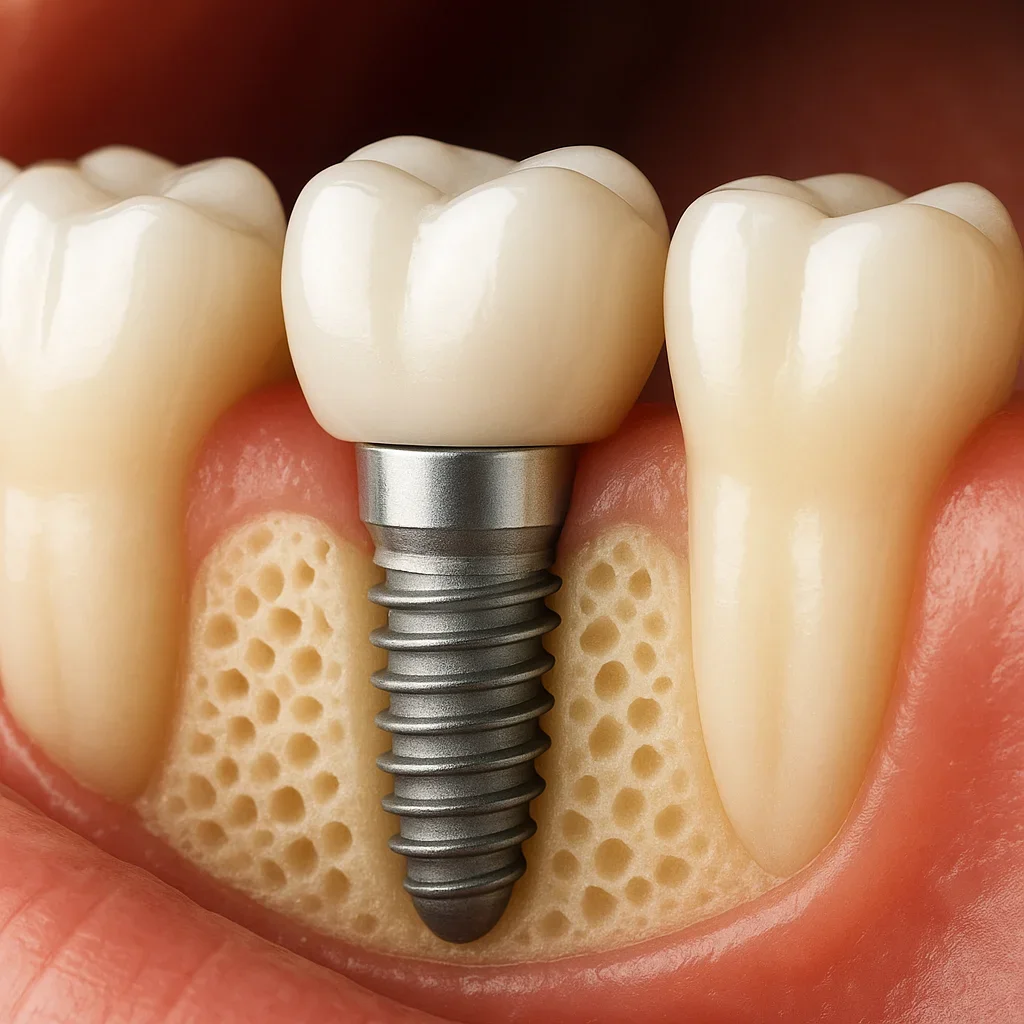
Dental implants are titanium or zirconia posts placed into the jawbone to serve as artificial tooth roots.
This is the most fundamental reason why they are so effective. Unlike dentures that sit on the gums or bridges
that rely on neighboring teeth, dental implants for teeth are anchored within the bone.
As the bone heals, it bonds tightly with the implant through a biological process known as osseointegration.
This fusion provides a stable foundation capable of supporting crowns, bridges, or full-arch prosthetics.
Osseointegration not only stabilizes the implant but also stimulates the jawbone in the same way a natural tooth
root does. After tooth loss, the jawbone begins to deteriorate because it no longer receives chewing pressure.
Implants recreate that stimulation, preventing bone shrinkage, facial collapse, and premature aging. This is one
of the key differences between implants and removable dentures — while dentures may accelerate bone loss, implants
preserve bone volume and maintain facial structure.
Aesthetic Transformation: Achieving a Natural-Looking Smile
One of the most common concerns among patients is whether the final result will look natural. High-quality
dental implants for teeth are designed to blend seamlessly into your smile. The visible part of
the implant — the crown — is custom-crafted to match the shape, size, and color of your natural teeth. Advanced
digital dentistry allows dentists to create crowns that mirror your enamel texture and translucency for a highly
aesthetic outcome.
In cases where multiple teeth are missing, implants can support bridges or full-arch restorations such as All-on-4
or All-on-6. These restorations restore not only the visible aesthetics but also the underlying support for the lips
and cheeks. Patients often notice that their facial features look fuller and more youthful after treatment. This
dramatic improvement contributes to better self-esteem and overall emotional wellbeing. 😊
Digital Smile Design (DSD) and Precision Planning
Many leading clinics use Digital Smile Design systems to preview the final results before treatment even begins.
By analyzing facial proportions, bite structure, gum levels, and tooth aesthetics, clinicians create a virtual
model that guides implant placement. This ensures that the new teeth perfectly complement the patient’s facial
harmony.
The use of 3D CBCT imaging allows precise mapping of bone density and nerve locations, preventing complications
and helping dentists position dental implants for teeth with millimeter accuracy.
Functional Restoration: Regaining Chewing Power and Speech Clarity
While aesthetics are important, the functional benefits of implants are often life-changing. Unlike dentures that
can slip, cause sores, or limit the types of food you can enjoy, implants restore up to 90–100% of natural chewing
force. This means you can comfortably bite into apples, nuts, vegetables, and meats without hesitation.
Speech improvements are another significant advantage. Missing teeth or loose dentures can cause lisps, whistling,
or unclear pronunciation. dental implants for teeth eliminate these issues by providing fixed,
stable support for the tongue and lips during speech.
Preventing Problems Caused by Tooth Loss
Tooth loss can create a chain reaction in the mouth. Adjacent teeth begin to shift, gums recede, and the bite
changes, leading to temporomandibular joint (TMJ) discomfort. Implants prevent this downward spiral. They maintain
proper spacing and alignment, helping preserve overall oral health.
Long-Term Benefits: Durability, Stability, and Confidence
One of the primary reasons patients invest in dental implants for teeth is their long-term
success rate. With proper care, implants can last 20 years or even a lifetime. They are resistant to cavities,
do not decay, and maintain stability over time. Many studies published by international dental associations
confirm implant success rates of over 95%.
The psychological benefits cannot be ignored. Patients often report improved confidence, willingness to smile,
and enhanced quality of life. They no longer worry about dentures slipping in social situations, nor do they need
adhesives or repeated adjustments. Implants behave like real teeth — so much so that many patients forget they
have them.
If you wish to explore treatment options or get personalized recommendations, you can easily reach a specialist
through the Redent Klinik Contact Page.
Additionally, clinical guidelines and safety standards can be reviewed through reputable sources like the
American Dental Association.
In summary, dental implants for teeth restore your smile by reinforcing bone health, enhancing
facial aesthetics, improving function, and providing long-term stability. Whether you are missing one tooth or
seeking a full-mouth transformation, implants offer a scientifically proven, safe, and life-changing solution
that helps you look, feel, and function at your best. 🌟
Types of Dental Implants for Teeth and Their Benefits
When patients begin researching dental implants for teeth, one of the first questions they
often ask is: “Which type of implant is best for my situation?” Modern implant dentistry offers several
implant designs, materials, and placement methods tailored to individual needs. Understanding these options
helps patients make informed decisions and ensures long-term treatment success. In this detailed section, we
explain every major implant type, their advantages, and when each option is recommended.
Endosteal Implants: The Most Common and Reliable Type
Endosteal implants are the most widely used form of dental implants for teeth. These implants
are placed directly into the jawbone, acting as artificial tooth roots. They are typically made of titanium or
zirconia for maximum compatibility with human bone. This type offers exceptional strength, long-term durability,
and extremely high success rates thanks to effective osseointegration.
Patients who choose endosteal implants often appreciate how closely the final result resembles natural teeth, both
in appearance and performance. Whether you need a single crown, a multi-unit bridge, or a full-arch restoration,
endosteal implants provide unmatched stability. Because they fuse with the bone, they are ideal for anyone who
wants a permanent and reliable tooth replacement that looks and feels completely natural.
Who Is a Good Candidate for Endosteal Implants?
Patients with adequate jawbone density are the best candidates. If you’ve experienced bone loss due to tooth
extraction, gum disease, or long-term denture use, your dentist may recommend bone grafting before placing
dental implants for teeth to ensure proper support and long-term success.
Subperiosteal Implants: A Solution for Low Bone Density
Subperiosteal implants are placed on top of the jawbone but beneath the gum tissue, rather than inside the bone
itself. These implants rest on a metal framework designed to fit the contour of the jaw. While less common today
thanks to advancements in bone regeneration, subperiosteal implants are still an option for patients who cannot
undergo bone grafting procedures.
Subperiosteal implants were originally developed for patients with significant bone loss. Although endosteal
implants are typically preferred today, subperiosteal implants remain a valuable alternative when bone grafting
is not possible or when the patient wants a shorter treatment timeline. Their main benefit is that they provide
functional tooth support without requiring deep insertion into the jawbone.
When Are Subperiosteal Implants Recommended?
They may be suggested for patients who:
- Have extensive bone resorption
- Cannot undergo grafting due to medical conditions
- Prefer a non-invasive surgical procedure
Even though modern dentistry offers more advanced alternatives, subperiosteal implants still provide a viable
option for certain complex cases.
Zygomatic Implants: Advanced Solutions for Severe Bone Loss
One of the most innovative developments in implantology is the zygomatic implant. These implants anchor into the
zygomatic bone (cheekbone) instead of the maxilla (upper jaw). They are significantly longer than traditional
implants and provide outstanding stability even for patients with extreme bone loss in the upper jaw.
dental implants for teeth placed in the zygomatic bone allow individuals to avoid sinus lifts,
bone grafts, and lengthy healing periods. Many full-arch restorations use a combination of standard and zygomatic
implants to provide immediate function. This is especially beneficial for patients seeking fast, reliable
restorations after years of wearing removable dentures.
Advantages of Zygomatic Implants
- No need for extensive bone grafting
- Immediate load options (teeth-in-a-day)
- High success rate in severely atrophic maxilla cases
These implants represent one of the most effective solutions for patients who were previously told they lacked
sufficient bone for implant treatment.
All-on-4 and All-on-6: Full-Arch Implant Solutions
For patients missing most or all of their teeth, the All-on-4 and All-on-6 systems provide life-changing
full-mouth restoration using a limited number of implants. These systems use strategically angled implants to
maximize bone contact and eliminate the need for bone grafting in many cases. Once placed, a fixed full-arch
prosthesis is attached, providing immediate aesthetics and function.
Because these systems use fewer implants than traditional full-mouth rehabilitation, they reduce treatment time
and cost while still delivering high stability. Many patients regain full chewing ability and smile confidently
within 24 hours.
Who Benefits Most from All-on-4 / All-on-6?
- Long-term denture wearers
- Patients with widespread tooth loss
- Patients wanting fast results with minimal surgeries
- Those seeking a cost-effective full-mouth solution
These systems offer a functional, aesthetic, and durable alternative to traditional dentures.
Mini Dental Implants: A Less Invasive Option
Mini dental implants are narrower and smaller in diameter compared to standard implants. They are used primarily
to stabilize removable dentures or replace small missing teeth. Their minimally invasive placement method makes
them ideal for patients with limited bone density who want to avoid extensive surgery.
Mini implants still provide excellent retention for dentures and can be placed in a single appointment. While
they may not offer the same strength as larger implants, they deliver excellent functional improvement for
appropriate cases.
When Are Mini Implants a Good Choice?
- To stabilize lower dentures
- For patients with limited bone volume
- As temporary implants during longer treatment plans
Their simplicity and convenience make them a popular treatment option.
In conclusion, the wide variety of dental implants for teeth allows dentists to tailor treatment
to each patient’s anatomy, health status, and aesthetic goals. Whether you require a single implant, zygomatic
support, mini implants, or a full-arch restoration, modern implant dentistry offers safe, predictable, and highly
successful solutions for restoring function and beauty. For personalized guidance, you can reach a specialist
through the Redent Klinik Contact Page, or review professional
standards from the American Dental Association.
These options ensure that every patient receives individualized, high-quality care designed for long-term success.
The Step-by-Step Procedure for Getting Dental Implants
For patients considering dental implants for teeth, understanding the complete treatment
procedure from start to finish is essential. The implant journey is a carefully planned medical process involving
advanced imaging, surgical precision, restorative craftsmanship, and dedicated aftercare. This section provides a
comprehensive, step-by-step explanation designed to answer every question related to timing, expectations, and how
each phase contributes to a successful long-term outcome. By the end, you will have a clear picture of how implants
are placed, how they heal, and what ensures their long-term success.
Initial Consultation and Comprehensive Evaluation
Every implant journey begins with a professional consultation. During this appointment, your dentist will assess the
health of your gums, remaining teeth, jawbone density, and overall oral structure. Because dental implants for
teeth require strong bone support, this part of the assessment is crucial. Your dentist may also ask about your
medical history to ensure you are a suitable candidate — conditions like uncontrolled diabetes or smoking may affect
healing and need to be managed properly before surgery.
Diagnostic Imaging: CBCT, X-rays, and Digital Scans
Advanced imaging is key to planning implant placement. A CBCT (Cone Beam Computed Tomography) scan provides a detailed
3D view of your bone structure, sinus location, nerve path, and any potential obstacles. Digital impressions are also
taken to create an accurate model of your mouth. These technologies help dentists place dental implants for
teeth with millimeter-level precision, reducing surgical risks and improving long-term success rates.
Personalized Treatment Planning
After evaluation, your dentist develops a custom treatment plan tailored specifically to your needs. This plan includes:
- The number of implants required
- The type of implants suitable for your case
- Bone grafting or sinus lift needs (if applicable)
- The timeline for placement and healing
- Temporary teeth arrangements
For patients missing an entire arch of teeth, full-mouth solutions such as All-on-4 may be recommended. For single-tooth
restorations, a straightforward single implant and crown approach may be all that is necessary.
Preparatory Procedures (If Needed)
Not all patients require preparation, but some need bone grafting or sinus lifting to create enough support for
dental implants for teeth. These additional procedures help regenerate lost bone and ensure long-term
stability. Although they add a few months to the overall timeline, they greatly improve implant durability and success.
Bone Grafting
A dental bone graft involves adding natural or synthetic material to strengthen the jawbone. Over several months, your
body integrates with the graft material, creating a stronger foundation for implant placement.
Sinus Lift
A sinus lift is recommended for upper jaw implants when the sinus cavity is too close to the implant site. This
procedure gently lifts the sinus membrane and adds bone underneath, creating adequate space for secure implant placement.
Surgical Placement of the Dental Implant
Once the jawbone is ready, implant placement surgery is scheduled. This procedure is generally painless, thanks to local
anesthesia and modern surgical techniques. The dentist makes a small incision in the gum, drills a precise hole, and
inserts the titanium or zirconia implant into the bone.
Many patients are surprised by how quick and comfortable the surgery is — a single implant can often be placed in less
than 30 minutes.
Healing Cap or Cover Screw Placement
After the implant is inserted, a healing cap may be attached to shape the gums during recovery. In other cases, a cover
screw is placed and the gum is sutured closed to protect the implant during the healing period.
Osseointegration: The Most Important Phase
Osseointegration is the natural process where your bone fuses with the implant. This phase typically lasts 3 to 6 months.
During this time, dental implants for teeth become strong, stable, and capable of supporting chewing
forces just like natural roots. Your dentist will monitor healing progress through periodic check-ups.
Temporary crowns may be provided to maintain your smile and oral function during this phase. These temporaries are
carefully designed to avoid putting pressure on the implants to ensure successful integration.
Attaching the Abutment
After osseointegration is complete, the abutment is attached. This small connector piece links the implant to the final
prosthetic (crown, bridge, or full arch). Your gum tissue may require a short healing period after this step.
Impression Taking for the Final Restoration
Your dentist will take precise digital impressions to design your final crown. The dental lab uses these images to craft
teeth that match your bite, shade, and facial structure perfectly.
The result is a natural-looking restoration built for long-term performance.
Placing the Final Crown or Prosthesis
Once your crown or full-arch prosthesis is ready, your dentist will securely attach it to the abutment. At this point,
your treatment is complete — and your restored smile will look and function just like natural teeth.
Patients often express joy at how seamless their new dental implants for teeth feel, both in comfort and
appearance.
Post-Procedure Care and Long-Term Maintenance
After receiving your final restoration, you’ll receive detailed care instructions. Maintaining implants is easy — brush,
floss, and attend routine check-ups. With proper care, implants can last 20 years or even a lifetime.
For personal guidance regarding the procedure, scheduling, or clinic selection, you may visit the
Redent Klinik Contact Page.
You can also review scientific guidelines through the
American Dental Association.
In summary, the step-by-step process of receiving dental implants for teeth is carefully structured to
ensure precision, comfort, and long-term success. From consultation and advanced imaging to implant placement and final
restoration, each phase contributes to a beautiful, functional, and confident smile that lasts for decades. 🌟
Bone Grafting and Sinus Lift Requirements for Implants
Many patients exploring dental implants for teeth quickly discover that not every case can move
straight to implant placement. In some situations, the jawbone may not have enough height, width, or density to
securely support an implant. Before placing an implant, a strong and stable bone foundation is essential. If the
bone is too thin or too soft, the implant will not integrate properly and may fail prematurely.
This is where **bone grafting** and **sinus lift** procedures become vitally important. These preparatory
treatments allow patients with bone loss to still receive successful, long-lasting implants.
This section explains everything you need to know — why these procedures are sometimes required, how they are
performed, and what to expect during recovery.
Understanding Why Bone Support Matters
The success of dental implants for teeth depends heavily on osseointegration, the natural process
in which the bone fuses with the implant surface. Without sufficient bone thickness or quality, the implant
cannot anchor firmly. Bone loss occurs for many reasons, including:
- Long-term tooth loss leading to natural bone resorption
- Chronic periodontitis (advanced gum disease)
- Trauma or infection
- Developmental bone deficiencies
- Wearing dentures for many years
When bone loss is significant, a graft or sinus lift helps rebuild the structure needed to support an implant.
These procedures dramatically increase implant success rates, allowing even complex cases to achieve excellent
results.
Bone Grafting: Rebuilding the Foundation for Implants
Bone grafting is a procedure that restores or increases bone volume in areas where bone has been lost. A graft
acts as a scaffold, encouraging the body to regenerate new, strong bone tissue. For patients who lack adequate
bone for dental implants for teeth, this treatment can make implant placement possible when it
otherwise would not be.
Types of Bone Grafts
The grafting material may come from different sources depending on the clinical need:
- Autograft: Bone taken from the patient’s own body (e.g., jaw, hip).
- Allograft: Donor bone processed and sterilized for medical use.
- Xenograft: Sterile bone from bovine sources.
- Alloplast: Synthetic biocompatible materials such as hydroxyapatite.
All graft materials are medically safe and widely used in modern restorative dentistry. Your dentist selects the
best option based on your anatomy, bone thickness, and medical history.
How Bone Grafting Is Performed
During a grafting procedure, the dentist makes a small incision in the gum and places bone material into the area
where bone density is lacking. The site is then covered with a specialized membrane to protect the graft and guide
healing. Over several months, your natural bone integrates with the graft, forming a stronger foundation for your
future implant.
For minor cases, grafting may be done at the same time as implant placement. Significant bone loss, however, usually
requires a separate healing period of 3–6 months before moving to the implant stage.
Sinus Lift: Creating Space for Upper Jaw Implants
A sinus lift (also known as a sinus augmentation) is recommended when the upper jaw bone beneath the sinus cavity
is too shallow to hold an implant securely. This issue is common in the molar and premolar areas of the upper jaw.
Without a sinus lift, placing dental implants for teeth in these regions may risk penetrating the
sinus membrane — which is unsafe and would compromise implant stability.
Why Sinus Lifts Are Needed
The maxillary sinus naturally expands over time after tooth loss, reducing bone height. Additional factors that
increase the need for a sinus lift include:
- Long-term missing upper teeth
- Genetically thin sinus floors
- Excessive bone resorption
- Trauma or infection in the upper jaw
A sinus lift restores the space needed for proper implant placement and ensures long-term stability.
How the Sinus Lift Procedure Works
The dentist creates a small window in the upper jawbone to gently lift the sinus membrane upward. Bone graft material
is then placed underneath the membrane, increasing the vertical height of the jawbone. After healing, this newly
formed bone provides a firm base for dental implants for teeth.
Depending on the amount of bone added, healing typically ranges from 4 to 9 months before implants can be placed.
In some cases, simultaneous implant placement is possible.
Recovery and Healing Expectations
Patients usually experience mild soreness, swelling, or pressure in the area for the first few days. Dentists often
prescribe antibiotics and anti-inflammatory medications to ensure comfortable healing. You’ll also receive specific
instructions to protect the graft, such as avoiding blowing your nose, vigorous rinsing, or intense physical activity
for a short time.
Once the graft or sinus lift heals, implant placement becomes straightforward. Most patients are surprised by how
smooth and predictable the process feels when handled by a skilled implant specialist.
Long-Term Benefits of Bone Preparation
Bone grafts and sinus lifts dramatically enhance long-term success rates. They create a stronger foundation, allow
for better implant positioning, and support natural-looking restorations. Many patients who once thought they weren’t
candidates for dental implants for teeth discover that bone regeneration opens the door to full
restoration and renewed confidence.
If you’re unsure whether you need grafting or a sinus lift, you can reach out through the
Redent Klinik Contact Page.
For clinical standards, research, and safety guidelines, authoritative insights can be found at the
American Dental Association.
In summary, bone grafting and sinus lift procedures are essential steps that prepare your jaw for successful
dental implants for teeth. They restore bone strength, improve implant predictability, and ensure
your new smile is built on a foundation designed to last for decades. 🌟
Healing Timeline and Post-Implant Care Instructions
Once patients receive dental implants for teeth, one of the most important phases that follows is the
healing process. Although implants are considered one of the most reliable and predictable dental treatments today,
their long-term success depends greatly on how well the healing phase progresses and how carefully patients follow
aftercare guidelines. This section provides a highly detailed, step-by-step explanation of the healing timeline, what
to expect during each phase, and the essential post-implant care instructions needed to ensure your implants last for
decades. By understanding the healing journey, you can support optimal osseointegration and maintain a healthy,
functional smile. 🙂
Understanding the Healing Process After Implant Placement
The body needs time to fuse the implant with the jawbone. This fusion, known as osseointegration, is what makes
dental implants for teeth so durable. While each patient’s healing timeline varies depending on bone
density, immune health, oral hygiene, and implant location, most cases follow a predictable pattern.
Immediately following implant placement, the body initiates a natural healing response. The surrounding bone begins
to integrate with the titanium or zirconia implant, forming a strong anchor. This biological bonding process usually
takes 3–6 months but can extend slightly longer in patients who underwent bone grafting, sinus lifting, or treatment
for severe periodontal disease.
Understanding each stage helps you prepare mentally and physically for the journey ahead.
Stage 1: The First 24–48 Hours
The initial healing period is focused on reducing inflammation and protecting the implant site. During the first day
or two, patients may notice minor swelling, bleeding, or mild discomfort. These symptoms are completely normal and
usually subside quickly. Cold compresses, gentle rest, and prescribed medications help ease this initial phase.
Key Instructions During the First Two Days
- Avoid touching or disturbing the implant site.
- Do not rinse vigorously—gentle mouthwash use is recommended only after 24 hours.
- Stick to soft, cool foods (e.g., yogurt, smoothies, soups).
- Avoid smoking completely, as it slows osseointegration.
- Refrain from intense physical activity that increases blood flow to the mouth.
Following these guidelines helps stabilize the implant and prevent complications such as prolonged bleeding or
infection.
Stage 2: The First Week
Within a week, soft tissue healing is well underway. Swelling typically peaks within 48 hours and gradually diminishes.
Sutures may still be present depending on the technique used. During this period, maintaining excellent oral hygiene is
critical — without disturbing the implant site directly.
Patients commonly notice that discomfort decreases significantly around day 3–4.
Oral Hygiene Guidance During Week One
- Brush all other teeth normally while avoiding the surgical site.
- Use a soft-bristled toothbrush.
- Rinse gently with warm saltwater several times a day.
- Avoid spicy or crunchy foods that may irritate the gums.
Proper hygiene during this stage prevents bacterial buildup, which is essential for the success of
dental implants for teeth.
Stage 3: Weeks 2–6 — Early Osseointegration
This is a crucial phase because the bone begins deeply integrating with the implant surface. Although patients often
feel normal and pain-free during this period, the internal healing process is still very active. Excess pressure or
chewing forces can disrupt bone formation, so caution is necessary.
Do’s and Don’ts During Early Bone Integration
- Do: Continue excellent oral hygiene.
- Do: Attend follow-up appointments as scheduled.
- Don’t: Bite on hard foods near the implant site.
- Don’t: Clench or grind your teeth (a nightguard may be recommended).
Patients must remember that the strength of dental implants for teeth depends on osseointegration.
Avoiding unnecessary pressure helps support proper bone development.
Stage 4: Months 3–6 — Full Osseointegration
By month 3, the bond between the implant and the bone is significantly stronger. In many straightforward cases, the
abutment can be placed during this period. Patients who underwent sinus lifts or extensive bone grafting may require
slightly longer healing times.
Once full osseointegration occurs, the implant can safely withstand chewing forces like a natural tooth root.
Symptoms You May Notice
- A stable, comfortable feeling around the implant
- Reduced tenderness
- Healthy gum tissue forming
Your dentist will verify healing using X-rays and clinical assessments before proceeding to the restorative phase.
Post-Implant Care Instructions for Long-Term Success
Even after the implant is restored with a crown, bridge, or denture, proper care must continue. Daily habits play a
major role in ensuring that dental implants for teeth last for decades — or even a lifetime.
Daily Oral Care Recommendations
- Brush twice a day using a soft brush.
- Floss or use interdental brushes to clean around the implant.
- Use alcohol-free mouthwash to protect sensitive tissue.
- Maintain regular dental cleanings every 4–6 months.
Modern implants are resistant to decay, but the surrounding gums and bone are not. Keeping the area clean prevents
peri-implantitis — an inflammation similar to gum disease that can affect implants.
Lifestyle Factors That Affect Healing
- Smoking: Greatly reduces blood flow and increases implant failure risk.
- Bruxism: Constant grinding can overload implants.
- Diet: A balanced diet rich in calcium and vitamin D supports bone health.
Patients should address these factors early to maximize the lifespan of their implants.
Final Follow-Up and Restoration Placement
Once the implant is fully integrated, the abutment and final crown are placed. This represents the completion of the
healing journey. The crown is custom-designed to match your bite, facial features, and tooth color for seamless
integration.
Patients often describe the final result as indistinguishable from natural teeth — a powerful testament to the
effectiveness of dental implants for teeth.
If at any stage you need professional guidance, you may reach out through the
Redent Klinik Contact Page.
Additionally, clinical standards, safety protocols, and scientific implant research can be accessed through the
American Dental Association.
In conclusion, the healing process for dental implants for teeth unfolds over several months but
leads to a strong, natural, and long-lasting foundation for your smile. By following your dentist’s instructions,
maintaining excellent oral hygiene, and supporting your overall health, you give your implants the best possible
chance to succeed for decades. 🌟
Dental Implant Success Rates and Long-Term Durability
One of the most compelling reasons patients choose dental implants for teeth is their remarkable
success rate and long-term durability. Today, dental implants are regarded as the most advanced, reliable, and
medically approved method for replacing missing teeth. Supported by decades of research and technological progress,
implant dentistry offers unparalleled longevity compared to dentures and traditional bridges.
This section provides an in-depth, detailed explanation of why implants succeed, what affects their lifespan, and how
patients can maintain long-term oral health after treatment.
Understanding Why Implants Are So Successful
Dental implants mimic the natural structure of a tooth root, anchoring directly into the jawbone. This root-like
design helps implants become part of your body through a process known as osseointegration. Once fully integrated,
dental implants for teeth can support chewing forces as effectively as natural teeth.
Research from global institutions, including the
American Dental Association, confirms implant success rates of
over 95–98% when placed under proper conditions and maintained correctly.
This high success rate is due to several key biological and technological factors:
- Biocompatible materials like titanium and zirconia
- Advanced surface treatments that promote bone-cell attachment
- Precision imaging using CBCT scans
- Computer-guided surgical placement
- Proper patient-specific treatment planning
When these factors work together, implants become extremely strong, dependable, and natural-feeling — offering
patients a second chance at healthy oral function.
How Long Do Dental Implants Last?
With proper care, dental implants for teeth can last 20 to 30 years or even a lifetime. Unlike
traditional bridges, which may last only 10–15 years, implants do not decay and resist daily wear.
Their longevity depends on three major factors:
- The quality of the surgical placement
- The health of surrounding gum and bone tissue
- The patient’s oral hygiene and lifestyle habits
Studies show that approximately 90% of implants remain successful even after 25 or more years, particularly in
patients who maintain routine dental check-ups and practice good oral care.
Factors That Influence Long-Term Durability
Although implants are exceptionally durable, several variables can influence their long-term success. Understanding
these factors helps patients take the right actions to protect their investment.
1. Bone Quality and Density
A healthy, dense jawbone is essential for long-term stability. Patients with poor bone quality may require bone
grafting before receiving dental implants for teeth. Once restored, however, bone grafts provide
excellent support for long-lasting integration.
2. Oral Hygiene Maintenance
Even though implants do not develop cavities, the gums and surrounding tissues remain vulnerable to infection.
A condition called peri-implantitis can develop if plaque accumulates around the implant. This disease causes
bone loss and, if untreated, can lead to implant failure.
Daily brushing, flossing, and routine dental cleanings are essential to preserving implant health for decades.
3. Lifestyle Choices
Smoking has been scientifically proven to slow healing and increase implant failure risk. Nicotine restricts
blood flow, reduces oxygen supply, and interferes with bone regeneration.
Similarly, uncontrolled diabetes or bruxism (teeth grinding) may shorten implant lifespan unless properly managed.
4. Professional Follow-Up Care
Regular check-ups ensure early detection of gum problems, bite misalignment, or excessive pressure on crowns or
bridges supported by implants. These check-ups prevent minor issues from becoming long-term complications.
Long-Term Functional Benefits
One of the standout advantages of dental implants for teeth is their ability to maintain full
chewing function without slipping or discomfort. Unlike dentures, implants do not rely on adhesives or suction.
They provide stability for everyday activities like chewing, speaking, or laughing freely — without fear of movement.
Because implants stimulate the jawbone, they help preserve facial structure and prevent bone shrinkage. This
prevents sagging cheeks and premature aging, which are commonly seen with long-term denture use.
The Role of Prosthetic Materials in Durability
The implant post is only one part of the system. The crown or bridge attached to the implant also plays an
important role in longevity.
Common Prosthetic Materials Include:
- Zirconia: Highly durable, fracture-resistant, and extremely natural in appearance.
- Porcelain-fused-to-metal (PFM): Strong and aesthetically pleasing.
- Full Ceramic Restorations: Excellent for esthetics.
These materials ensure that the visible portion of the implant remains strong and beautiful for decades, even under
constant chewing pressure.
Implant Survival Rates Over Time
Long-term clinical research shows the following approximate survival rates:
- 5 years: 98% survival
- 10 years: 95% survival
- 20+ years: 90% survival
These numbers highlight the reliability and longevity of dental implants for teeth, making them one
of the best investments in restorative dentistry.
Ensuring Lifelong Success: Patient Responsibilities
Patients who follow proper maintenance routines enjoy the highest implant success rates. These routines include:
- Brushing twice daily
- Flossing or using interdental brushes
- Routine scaling and polishing appointments
- Managing habits like smoking or grinding
- Wearing nightguards when recommended
When these steps are taken seriously, implants remain stable, functional, and aesthetically beautiful for many years.
If you need personalized guidance or wish to book an evaluation, you may contact a specialist through the
Redent Klinik Contact Page.
To learn more about safe implant protocols and scientific guidelines, explore the
American Dental Association.
In summary, dental implants for teeth offer unmatched long-term durability, exceptional success
rates, and life-changing functional benefits. When properly maintained, they remain stable for decades — providing
a natural-looking, confident, and reliable smile that supports both oral health and everyday comfort. 🌟
Common Risks, Complications, and How to Prevent Them
While dental implants for teeth are widely considered one of the safest and most predictable
treatments in modern dentistry, every surgical or restorative procedure carries potential risks. Fortunately, implant
technology has advanced significantly, making complications rare — especially when treatment is provided by skilled,
experienced professionals.
This section offers an in-depth, highly detailed overview of the most common risks associated with dental implants,
why they occur, how frequently they happen, and — most importantly — the steps patients and clinicians can take to
prevent them. Understanding these factors empowers patients to make informed decisions, follow proper aftercare, and
ensure long-term implant success.
Understanding Implant-Related Risks
Most complications linked to dental implants for teeth fall into one of three categories:
- Surgical complications—issues that occur during or right after surgery
- Biological complications—related to bone or gum tissue healing
- Mechanical complications—problems with the implant, abutment, or crown
Thankfully, when implants are placed by qualified clinicians using CBCT-guided planning, digital imaging, and
sterile surgical protocols, the risk of severe complications is extremely low.
Surgical Risks and Their Prevention
Every surgical implant procedure involves some degree of risk. The good news is that modern technology, advanced
training, and minimally invasive surgical techniques greatly reduce the likelihood of complications.
1. Infection at the Implant Site
Infection is one of the most common — but highly preventable — complications. It typically develops when bacteria
enter the surgical site during healing. Symptoms include swelling, redness, warmth, or persistent pain.
Prevention:
- Follow all prescribed antibiotic instructions
- Maintain excellent oral hygiene
- Avoid smoking, which slows healing and increases infection risk
- Use the prescribed antiseptic mouth rinse
Professional cleaning and early intervention can resolve most infections before they threaten the implant.
2. Nerve or Sinus Complications
In rare cases, implant placement may affect nerves or encroach on the sinus cavity. Symptoms may include numbness,
tingling, or sinus pressure.
Prevention:
- Use of CBCT imaging for precise mapping
- Computer-guided implant placement
- Proper assessment of bone height before placing dental implants for teeth
A skilled implant dentist evaluates nerve pathways and sinus anatomy carefully before surgery to avoid these issues
entirely.
3. Excessive Bleeding
Some bleeding is normal for the first 24 hours. Persistent bleeding is rare but may occur in patients taking blood
thinners.
Prevention:
- Discuss all medications with your dentist during consultation
- Use gentle gauze pressure at home as instructed
- Avoid strenuous activity for 48 hours
Most bleeding complications resolve quickly with proper care.
Biological Complications
Biological complications relate to gum tissue, bone healing, or the osseointegration process. These issues are
important to understand because they directly affect the stability of dental implants for teeth.
1. Implant Failure (Lack of Osseointegration)
Sometimes the implant may not properly integrate with the jawbone. This is known as early implant failure and
typically occurs during the first 3–6 months.
Common Causes:
- Poor bone quality
- Smoking or nicotine use
- Excessive pressure on the implant during healing
- Uncontrolled diabetes
Prevention:
- Pre-surgical bone grafting if needed
- Stopping smoking during the entire healing period
- Using temporary teeth that avoid pressure on the implant
- Maintaining excellent blood sugar control
Implant failure is rare — success rates remain above 95% when the procedure is performed properly and the patient
follows aftercare guidelines.
2. Peri-Implantitis (Gum and Bone Infection)
Peri-implantitis is a condition similar to gum disease. It causes inflammation around the implant and can lead to
bone loss if untreated.
Symptoms:
- Bleeding gums
- Redness or swelling
- Bad breath
- Discomfort around the implant
Prevention:
- Brush twice a day using a soft toothbrush
- Floss around the implant daily
- Schedule dental cleanings every 4–6 months
When detected early, peri-implantitis is treatable and reversible.
3. Gum Recession Around the Implant
In some cases, the gum tissue around dental implants for teeth may recede, exposing part of the
implant surface. This may happen due to aggressive brushing, thin gum tissue, or infection.
Prevention:
- Use gentle brushing techniques
- Choose soft-bristled brushes
- Address gum disease early
Mechanical Complications
Mechanical issues involve the physical components of the implant — the implant post, the abutment, or the artificial
crown. Modern materials make these problems rare, but they can still occur under certain circumstances.
1. Loose Implant Screws
High bite pressure, grinding, or trauma can sometimes loosen screws inside the implant assembly. This does not mean
the implant itself has failed — often, it simply needs tightening.
2. Crown or Prosthesis Damage
Although the implant acts as a strong foundation, the crown may chip, crack, or wear over time.
Prevention:
- Avoid biting on extremely hard objects (ice, nutshells)
- Use a nightguard if you grind your teeth
- Attend regular follow-up appointments
Who Is at Higher Risk of Complications?
Certain individuals may have slightly higher risks when receiving dental implants for teeth. These include:
- Smokers
- Individuals with uncontrolled diabetes
- Patients with severe gum disease
- Patients taking certain medications (e.g., bisphosphonates)
With proper assessment, planning, and preventive measures, many of these patients can still undergo successful
treatment.
Steps to Ensure a Safe and Successful Implant Experience
Whether you’re considering implants or preparing for surgery, following these preventive strategies will
drastically minimize risks:
- Choose an experienced implant dentist
- Undergo all recommended imaging (CBCT scans)
- Follow post-operative instructions carefully
- Maintain excellent oral hygiene
- Attend routine implant check-ups
For personalized consultation or expert evaluation, you may reach a specialist through the
Redent Klinik Contact Page.
You can also consult authoritative clinical guidelines from the
American Dental Association.
In summary, although risks and complications exist, dental implants for teeth remain one of the
most predictable and safest treatments available. With proper planning, careful surgical technique, and diligent
aftercare, complications become extremely rare — allowing patients to enjoy long-lasting function, comfort, and
confidence. 🌟
Cost Factors and What Influences Implant Pricing
Understanding the cost of dental implants for teeth is one of the most important considerations for
patients planning their treatment. Implant dentistry is an investment in long-term oral health, function, and
aesthetics. However, the price can vary widely depending on clinical, technological, and geographical factors.
This section provides a highly detailed breakdown of all the elements that influence implant pricing, including
materials, surgical steps, additional procedures, and long-term value. By the end, you will have a clear picture of
why prices differ and how to evaluate the true worth of implant treatment.
Why Dental Implant Pricing Varies
Patients often compare prices across clinics and countries, wondering why there is such a wide range. The truth is
that dental implants for teeth are highly individualized treatments. Every patient’s needs are
different — bone density, gum health, number of missing teeth, and complexity of the case all play major roles in
determining the final cost.
While a single implant may seem like a simple concept, it actually involves multiple stages: consultation, imaging,
surgery, healing, abutment placement, and final restoration. Each of these steps has its own cost structure.
Main Factors That Influence Implant Costs
Below are the most important factors that affect what you pay for dental implants for teeth. Understanding
these helps you evaluate treatment plans objectively.
1. Number of Implants Required
The most obvious cost factor is how many implants you need.
- Single Implant: Includes the implant post, abutment, and crown.
- Multiple Implants: Used when several teeth are missing.
- Full-Arch Restorations (All-on-4 / All-on-6): Support an entire set of upper or lower teeth.
Full-mouth systems generally cost more overall but are cost-efficient per tooth replaced.
2. Bone Grafting or Sinus Lift Requirements
Many patients require preparatory procedures before implants can be placed securely. Bone grafts, sinus lifts, and
ridge augmentations add additional cost.
However, they also dramatically increase long-term success rates for dental implants for teeth.
3. Implant Material and Brand
High-quality implant systems have a higher cost because they invest heavily in research, technology, and clinical
testing. The most common materials include:
- Titanium Implants: The gold standard due to strength and biocompatibility.
- Zirconia Implants: A metal-free, aesthetic alternative often preferred in front-tooth areas.
Premium implant brands offer specialized surface coatings that promote faster osseointegration and long-term
durability, which may influence pricing.
4. The Type of Crown or Prosthesis
Once the implant integrates with the bone, the final restoration must be attached. The material and quality of this
crown or prosthesis significantly affect the price.
- Zirconia Crowns: Extremely durable and natural-looking.
- Porcelain-Fused-to-Metal (PFM): Strong and cost-effective.
- Full Ceramic Crowns: Excellent esthetics for visible teeth.
For full-arch restorations, longer and more complex prostheses — such as reinforced bridges — increase costs.
5. Diagnostic and Technological Tools
Quality implant planning requires advanced technology. Modern clinics use digital tools that increase accuracy and
reduce complications, including:
- 3D CBCT scans
- Intraoral digital scanners
- Computer-guided implant placement
While these technologies add to cost, they significantly improve the success of dental implants for teeth.
6. Surgeon Expertise and Clinic Reputation
Highly trained specialists with extensive experience often charge more because they deliver safer, more precise
results. Implant dentistry requires years of specialized training, and experience greatly reduces the risk of
complications.
A reputable clinic follows strict sterilization protocols, invests in modern equipment, and employs a skilled team —
all of which contribute to implant cost.
7. Geographic Location
Implant pricing differs across countries and even between cities.
For example:
- Clinics in major metropolitan areas often have higher costs.
- Certain countries offer high-quality implants at lower prices due to different healthcare systems.
Turkey, for example, is known worldwide for offering affordable yet high-quality dental implants for teeth
performed by experienced specialists.
Estimated Price Ranges (Based on Global Averages)
While prices vary widely, below is an approximate range based on international research for educational purposes:
Single Dental Implant (Implant + Abutment + Crown): $1,500 – $6,000
All-on-4 Full Arch Restoration: $8,000 – $30,000
Sinus Lift: $1,500 – $5,000
Bone Graft: $300 – $3,000
These ranges differ significantly by country, clinic, implant brand, and case complexity.
Long-Term Value: Are Implants Worth the Investment?
Although the upfront cost of dental implants for teeth may seem high, their long-term value is
exceptional. Here’s why:
- They last decades — often a lifetime.
- They prevent bone loss and facial sagging.
- They restore full chewing strength.
- They look and feel completely natural.
- They do not decay like natural teeth.
Compared with dentures or bridges that need periodic replacements, implants often save patients money in the long run.
How to Reduce Costs Without Compromising Quality
Patients can balance financial considerations with excellent care by:
- Choosing clinics with transparent pricing
- Asking about payment plans
- Selecting clinically proven implant systems over luxury brands
- Avoiding unnecessary add-ons not recommended by the dentist
Proper planning and consultation ensure that you get the best treatment within your budget.
If you would like a personalized cost breakdown based on your specific needs, you can contact a specialist through
the Redent Klinik Contact Page.
For additional professional guidelines, the
American Dental Association offers extensive resources on implant
safety and materials.
In summary, the cost of dental implants for teeth depends on the complexity of the case, materials,
surgeon expertise, and any additional procedures needed. When viewed as a long-term investment in oral health, implants
offer unmatched value, durability, and aesthetic results — making them one of the best decisions for restoring your
smile confidently. 🌟
Choosing the Right Clinic for Dental Implants for Teeth
Selecting the right clinic for dental implants for teeth is one of the most influential factors
in achieving a successful, comfortable, and long-lasting treatment outcome. Implant dentistry requires precision
surgery, advanced technology, comprehensive diagnostics, and strong restorative expertise. Not all clinics offer
the same standards of care, and choosing wisely means ensuring your investment in oral health delivers the highest
possible benefits.
This section offers a deeply detailed, step-by-step guide to evaluating clinics, understanding essential
qualifications, recognizing red flags, and making confident decisions about where to receive your treatment.
The Importance of Choosing an Experienced Implant Clinic
Dental implants are not a procedure where “one size fits all.” The success of dental implants for teeth
depends greatly on the dentist’s skill, experience, and ability to adapt the treatment plan to each patient’s unique
anatomy.
Experienced implant dentists understand the nuances of bone density, gum condition, sinus anatomy, and prosthetic
design. Their expertise reduces surgical risks and ensures long-term functional and aesthetic success.
What Makes an Implant Dentist Truly Qualified?
A qualified implant specialist typically has:
- Advanced surgical training beyond general dentistry
- Certification in implantology or oral surgery
- Experience with hundreds of implant cases
- Use of CBCT and digital planning systems
- Ability to perform grafting, sinus lifts, and full-arch cases
Dentists with extensive training can better manage complex cases and prevent complications that less experienced
clinicians may overlook.
Essential Technology Every Implant Clinic Should Have
Modern technology dramatically improves the accuracy and success of dental implants for teeth. A
high-quality clinic should invest in advanced digital equipment that ensures precise planning and minimally invasive
surgery.
1. 3D CBCT Imaging
CBCT (Cone Beam Computed Tomography) provides detailed imaging of your jawbone, sinus structure, nerve pathways, and
bone density. This data is essential for planning the exact implant position while avoiding anatomical complications.
2. Digital Impressions (Intraoral Scanning)
Digital scanners replace uncomfortable traditional impression trays and create highly accurate 3D models of your mouth.
They ensure perfect-fitting crowns and prosthetics for long-term comfort.
3. Computer-Guided Surgery
Computer-guided implant placement uses surgical templates created from your CBCT data to deliver ultra-precise
implant positioning — down to fractions of a millimeter.
4. In-House Prosthetic Laboratory
Clinics with in-house labs can design and fabricate crowns, bridges, and full-arch prosthetics more efficiently.
The result is faster delivery, better customization, and improved aesthetic outcomes.
Evaluating Clinical Standards and Safety Protocols
Safety and hygiene standards are crucial. Since dental implants for teeth involve surgical
procedures, sterile environments reduce infection risk and ensure optimal healing.
- Clinics should follow strict sterilization procedures.
- Disposable tools should be used when appropriate.
- Rooms should be sanitized after every surgical procedure.
- Surgical staff should use protective equipment at all times.
Feel free to ask the clinic about their sterilization protocols — reputable clinics are transparent about them.
Questions Every Patient Should Ask
Before committing to any implant clinic, you should ask informed questions to understand their expertise and approach.
These questions help you assess whether the clinic is trustworthy, experienced, and capable of delivering top-quality
results.
- How many implant cases have you completed?
- Do you offer guided surgery or freehand surgery?
- What implant brands do you use?
- Do I need bone grafting or a sinus lift?
- Can I see before-and-after photos of previous cases?
- Do you provide a treatment guarantee?
An experienced clinic will answer all questions confidently, transparently, and with supporting documentation.
Identifying Red Flags When Choosing a Clinic
Not all clinics offer the high standards needed for long-term implant success. Be cautious of:
- Unusually low prices that seem too good to be true
- Lack of 3D imaging or digital planning tools
- No detailed consultation or clinical examination
- Poor communication or vague treatment plans
- No post-operative instructions or follow-up care
Choosing a low-cost clinic without proper qualifications increases the risk of implant failure and future corrective
surgeries.
The Role of Patient Reviews and Before/After Photos
A trustworthy clinic will be proud to share patient testimonials, detailed case studies, and before/after images.
These resources offer insight into:
- The clinic’s cosmetic skills
- Consistency of results
- Patient satisfaction levels
- The quality of restorations used
Make sure the clinic provides real, verifiable results rather than generic stock images.
Considering Cost vs. Quality
While affordability is important, high-quality dental implants for teeth require expertise, premium
materials, and advanced technology.
Choosing the cheapest clinic often leads to additional costs later due to complications or poor aesthetics.
Instead, aim for a balance between reasonable pricing and superior clinical standards.
Long-Term Value of Choosing the Right Clinic
When implants are placed correctly, they offer:
- Decades of durability
- Natural-looking aesthetics
- Stable and comfortable chewing
- Lower risk of complications
The right clinic ensures your investment pays off in the long run.
Importance of Clear Communication and Personalized Treatment Planning
Your dentist should explain every phase of the treatment, including consultation, surgery, healing, and restoration.
The most successful dental implants for teeth treatments are those tailored specifically to the
patient’s unique anatomy and goals.
Custom treatment planning ensures:
- Precise implant positioning
- Natural-looking prosthetics
- Comfortable bite alignment
- Long-term success
Clarity, transparency, and patient-centered planning are indicators of a trustworthy clinic.
If you are researching qualified clinics or want professional guidance tailored to your case, you can contact a
specialist directly using the
Redent Klinik Contact Page.
Additionally, for evidence-based clinical guidelines and implant safety insights, the
American Dental Association provides authoritative resources.
In summary, choosing the right clinic for dental implants for teeth is essential for achieving
long-lasting, comfortable, and aesthetically outstanding results. When you select a skilled, well-equipped, and
patient-focused clinic, you invest in a lifetime of healthy function and confident smiling. 🌟