
Dental tourism has grown dramatically over the past decade, and one destination consistently stands out in Europe: dental implants Hungary. Patients from the United Kingdom, Germany, France, Scandinavia, and even North America are increasingly traveling to Hungary for advanced dental treatments. The combination of experienced implant specialists, modern dental technology, and competitive pricing has made dental implants Hungary a preferred option for thousands of international patients every year.
But why exactly are dental implants Hungary becoming so popular? The answer lies in a combination of affordability, expertise, and high clinical standards. Hungarian dental clinics, particularly in cities like Budapest and Sopron, have built a strong reputation for delivering world-class implant treatments while maintaining costs that are significantly lower than many Western countries.
Dental implants are widely considered the most reliable and long-lasting solution for replacing missing teeth. Unlike removable dentures or bridges, implants are surgically placed into the jawbone and act as artificial tooth roots. This allows the crown to function and feel like a natural tooth. Because of this durability and natural feel, many patients researching tooth replacement options eventually discover dental implants Hungary as a highly attractive treatment pathway.
One of the biggest advantages of choosing dental implants Hungary is the balance between quality and cost. In many Western European countries or the United States, a single dental implant can cost several thousand euros. In Hungary, however, the same treatment may be available for a fraction of the price while still using premium implant brands, advanced imaging technology, and internationally trained dentists.
Another key reason patients choose dental implants Hungary is the extensive experience of Hungarian implantologists. Many dentists in Hungary specialize specifically in implantology and cosmetic dentistry. Clinics often treat international patients daily, meaning staff are experienced in communicating in English, German, or French and are familiar with the expectations of overseas visitors.
Hungary also has strict healthcare regulations and dental education standards. Hungarian dental universities are among the most respected in Europe, and many implant specialists participate in international training programs and conferences. Organizations such as the American Dental Association also emphasize global standards in implant dentistry, which Hungarian clinics actively follow.
Modern clinics offering dental implants Hungary typically feature cutting-edge technologies such as:
- 3D cone beam CT scans for precise implant planning
- Digital smile design software
- Computer-guided implant surgery
- High-quality titanium implant systems
- Advanced sterilization protocols
These technologies improve accuracy, reduce treatment time, and significantly increase the success rate of implant procedures. As a result, patients traveling for dental implants Hungary often receive treatments that meet or exceed the standards of clinics in their home countries.
Another important factor is the convenience offered by dental tourism services. Many clinics that specialize in dental implants Hungary provide full treatment packages for international patients. These packages may include airport transfers, hotel accommodation assistance, treatment planning consultations, and follow-up care instructions. Such services make the entire process smoother and less stressful for patients who are traveling abroad for dental care.
Patients considering dental implants Hungary also benefit from shorter waiting times. In many countries, it can take weeks or even months to secure an appointment with an implant specialist. In Hungary, however, clinics that focus on international patients often provide consultations and treatment scheduling much more quickly.
Additionally, Hungary’s location in Central Europe makes travel relatively simple. Budapest International Airport connects to most major European cities, allowing patients to travel conveniently for their implant procedures. This accessibility further strengthens the appeal of dental implants Hungary for dental tourists.
From a medical perspective, dental implants offer several advantages over other tooth replacement solutions:
- They prevent jawbone loss after tooth extraction
- They restore chewing ability and speech clarity
- They provide a natural aesthetic appearance
- They can last decades with proper care
- They do not require grinding down adjacent teeth
Because of these long-term benefits, more patients are researching dental implants Hungary as a permanent solution for missing teeth rather than temporary alternatives.
Of course, every dental treatment requires proper planning and consultation. Patients interested in dental implants Hungary should always begin with a comprehensive dental evaluation, including X-rays or CT scans. Many clinics offer online consultations where patients can send dental images and receive preliminary treatment plans before traveling.
If you are considering treatment abroad, it is essential to choose a reputable clinic with transparent communication and experienced specialists. Clinics that focus on international patients often provide multilingual support and detailed treatment plans. For example, you can easily request consultation information through the Redent Klinik Contact Page, where experienced dental professionals can guide you through the next steps.
Ultimately, the growing popularity of dental implants Hungary reflects a broader shift in global healthcare: patients are increasingly seeking high-quality treatment beyond their home countries. With its strong medical infrastructure, highly trained dentists, modern clinics, and attractive pricing, Hungary has firmly established itself as one of Europe’s leading destinations for implant dentistry.
In the following sections, we will explore everything you need to know about dental implants Hungary, including costs, procedure steps, clinic selection tips, recovery expectations, and travel planning strategies. This guide will help you make an informed decision and understand whether Hungary could be the right destination for your dental implant treatment.
Why Dental Implants Hungary Has Become a Global Treatment Destination
Over the past two decades, dental implants Hungary has become one of the most searched and trusted dental tourism options for international patients. Every year, thousands of people travel from across Europe, the United Kingdom, and even North America to receive implant treatment in Hungary. The reason is simple: dental implants Hungary offers a powerful combination of high-quality dentistry, modern technology, experienced specialists, and significantly lower treatment costs compared to many Western countries.
For patients suffering from missing teeth, dental implants provide one of the most reliable and long-lasting solutions. However, the high cost of implant treatment in many countries pushes patients to explore international options. This is where dental implants Hungary has emerged as a global leader in dental tourism.
Highly Experienced Implant Specialists
One of the main reasons why patients choose dental implants Hungary is the expertise of Hungarian dentists. Hungary has a long tradition of excellence in dentistry, and many implantologists receive advanced training both in Europe and internationally.
Dentists performing dental implants Hungary procedures often specialize specifically in implantology, oral surgery, and cosmetic dentistry. Many professionals regularly attend international conferences, workshops, and training programs to stay updated with the latest implant techniques.
This strong professional education system means that patients traveling for dental implants Hungary can expect treatment from dentists who are highly experienced in complex implant procedures such as:
- Single tooth implants
- Multiple implants
- All-on-4 implant systems
- Full mouth reconstruction
- Bone grafting procedures
Because many clinics specialize in dental tourism, dentists performing dental implants Hungary treatments often complete hundreds of implant surgeries every year, significantly increasing their level of expertise.
Advanced Dental Technology and Modern Clinics
Another major advantage of choosing dental implants Hungary is access to state-of-the-art dental technology. Leading Hungarian dental clinics invest heavily in modern equipment to ensure precision, safety, and predictable results.
Most clinics providing dental implants Hungary services are equipped with technologies such as:
- 3D cone beam CT imaging
- Digital smile design software
- Computer-guided implant surgery
- CAD/CAM dental laboratories
- Advanced sterilization systems
These technologies help dentists plan implant placement with incredible accuracy. For example, CT imaging allows implantologists to evaluate bone density and determine the safest position for implant placement before surgery begins. As a result, treatments involving dental implants Hungary often have excellent long-term success rates.
Precision Planning Improves Implant Success
Digital planning tools used in dental implants Hungary procedures allow dentists to simulate implant placement before surgery. This means patients benefit from more predictable outcomes, shorter surgical times, and faster recovery periods.
Computer-guided surgery also minimizes the risk of complications and improves the long-term stability of the implant.
Affordable Prices Without Compromising Quality
Perhaps the most well-known reason patients research dental implants Hungary is affordability. Implant treatment costs in countries such as the United Kingdom, Germany, or the United States can be extremely high.
Hungarian clinics, however, are able to provide the same treatments at significantly lower prices while maintaining strict clinical standards.
Typical Price Comparison
The following table shows approximate costs for a single implant treatment:
- United States: $3,000 – $5,000 per implant
- United Kingdom: £2,500 – £4,000 per implant
- Germany: €2,000 – €3,500 per implant
- Dental implants Hungary: €900 – €1,600 per implant
This price difference is one of the primary reasons why dental implants Hungary continues to attract international patients seeking affordable dental care.
Convenient Travel and Dental Tourism Services
Hungary is centrally located in Europe, making travel relatively simple for international visitors. Budapest International Airport offers direct flights from many major European cities, allowing patients to travel easily for dental implants Hungary treatments.
Many clinics specializing in dental implants Hungary also provide full dental tourism support. These services may include:
- Airport pickup and transportation
- Hotel recommendations or partner accommodations
- Personal treatment coordinators
- Multilingual communication
- Post-treatment support
This level of organization ensures that patients traveling for dental implants Hungary can focus on their treatment while the clinic helps manage the logistics of the trip.
High Safety Standards and International Guidelines
Patients often worry about safety when considering dental treatment abroad. Fortunately, clinics performing dental implants Hungary follow strict medical regulations and international standards.
Hungarian dental practices adhere to European Union healthcare regulations, which require strict sterilization protocols, modern equipment maintenance, and qualified medical staff.
Many dentists providing dental implants Hungary treatments also follow guidelines established by global organizations such as the American Dental Association, ensuring high levels of patient safety and treatment reliability.
Personalized Treatment Planning
Another benefit of choosing dental implants Hungary is the personalized care provided by many clinics. Because dental tourism is a major part of their services, clinics often offer detailed treatment planning even before patients arrive in Hungary.
Patients can send X-rays or CT scans to the clinic and receive an initial consultation remotely. This helps determine whether the patient is a suitable candidate for dental implants Hungary and allows dentists to estimate treatment costs and timelines in advance.
If you are interested in exploring treatment options, you can request professional guidance through the Redent Klinik Contact Page, where experienced dental specialists can provide consultation information and help you plan the next steps.
Ultimately, the global popularity of dental implants Hungary comes from a powerful combination of expertise, technology, affordability, and patient-focused care. These factors have transformed Hungary into one of the leading dental tourism destinations in the world.
In the next section, we will explore the most important question for many patients considering treatment abroad: the actual cost of dental implants Hungary compared with other countries.
Average Cost of Dental Implants Hungary Compared to Other Countries
One of the most compelling reasons international patients consider dental implants Hungary is the significant cost advantage. Dental implant treatment is known for its durability and long-term effectiveness, but in many countries the price can be prohibitively high. In contrast, dental implants Hungary provide a high-quality solution at a considerably more affordable price while still maintaining excellent clinical standards.
Patients researching tooth replacement solutions often discover that the price difference between Western Europe or North America and dental implants Hungary can be substantial. This cost gap has helped Hungary become one of Europe’s leading destinations for dental tourism. Thousands of patients travel each year specifically for dental implants Hungary, combining advanced dental treatment with a short international trip.
Typical Cost of Dental Implants Hungary
The price of dental implants Hungary varies depending on several factors, including the type of implant used, the complexity of the procedure, the clinic’s expertise, and whether additional treatments such as bone grafting are required. However, even when all treatment components are included, the overall cost remains highly competitive.
Estimated Implant Price Range
The following estimates show typical prices patients may encounter when researching dental implants Hungary:
- Single dental implant: €900 – €1,600
- Implant abutment: €250 – €400
- Implant crown: €350 – €700
- Full implant package (implant + crown): €1,500 – €2,500
- All-on-4 full arch restoration: €6,000 – €9,000
Compared to many Western countries, these prices make dental implants Hungary one of the most cost-effective implant solutions available in Europe. Importantly, the reduced cost does not necessarily mean reduced quality. Many clinics use internationally recognized implant brands such as Straumann, Nobel Biocare, or Alpha Bio.
Cost Comparison With Other Countries
Understanding how dental implants Hungary compare with other regions can help patients make informed decisions. Dental implant procedures are expensive in many countries because of higher clinic operating costs, insurance systems, and labor expenses.
Global Price Comparison
- United States: $3,000 – $5,500 per implant
- United Kingdom: £2,500 – £4,000 per implant
- Germany: €2,000 – €3,500 per implant
- France: €2,000 – €3,000 per implant
- Dental implants Hungary: €900 – €1,600 per implant
This comparison explains why patients across Europe and beyond are increasingly searching for dental implants Hungary. Even after factoring in travel expenses, many patients still save a significant amount compared with undergoing treatment in their home country.
Why Dental Implants Hungary Are More Affordable
There are several reasons why clinics providing dental implants Hungary can offer lower prices while maintaining excellent treatment quality.
Lower Operating Costs
Hungary generally has lower operating costs compared to Western European countries or the United States. Rent, salaries, and administrative expenses are lower, allowing clinics to reduce treatment prices without compromising standards.
High Treatment Volume
Many dental clinics that specialize in dental implants Hungary treat a large number of international patients every year. Because of this high patient volume, clinics can maintain efficient workflows and reduce the cost per treatment.
Competitive Dental Tourism Market
Hungary has built a strong reputation as a dental tourism hub. As a result, clinics offering dental implants Hungary compete to provide excellent treatment quality while maintaining attractive pricing. This competition benefits patients who are looking for affordable yet reliable implant solutions.
Additional Costs Patients Should Consider
While the cost of dental implants Hungary is generally lower, patients should also consider additional factors that may influence the total treatment cost.
- Diagnostic imaging (X-rays or CT scans)
- Bone grafting or sinus lift procedures
- Temporary crowns or bridges
- Travel and accommodation expenses
- Follow-up appointments
Fortunately, many clinics that specialize in dental implants Hungary provide detailed treatment plans before patients travel. These plans outline all expected costs, helping patients avoid unexpected expenses.
Value Beyond Price
Although affordability is one of the main reasons patients consider dental implants Hungary, the decision should never be based on price alone. Quality of care, dentist experience, clinic reputation, and treatment technology are equally important factors.
Many Hungarian dental clinics follow international standards and best practices promoted by organizations such as the American Dental Association. These standards ensure patient safety and help maintain high success rates for implant procedures.
Patients considering treatment abroad should always research clinics carefully, review patient testimonials, and request detailed treatment plans before making a decision. If you want professional guidance regarding implant treatment options, you can easily reach specialists through the Redent Klinik Contact Page.
Ultimately, the strong balance between affordability and high-quality dentistry explains why dental implants Hungary have become such a popular option for international patients. By combining modern dental technology, experienced specialists, and competitive pricing, Hungary continues to attract patients seeking reliable and cost-effective implant treatments.
In the next section, we will explore the different types of implants available in Hungary and how dentists determine which implant system is best suited for each patient.
Types of Dental Implants Available in Hungary Clinics
When patients begin researching dental implants Hungary, one of the first questions they often ask is: “What types of implants are available?” Modern implant dentistry has evolved significantly, and clinics providing dental implants Hungary offer a wide range of implant systems and treatment solutions designed to match each patient’s oral health condition.
Dental implants are not a one-size-fits-all treatment. The right implant solution depends on several factors such as bone density, the number of missing teeth, overall oral health, and aesthetic expectations. Fortunately, clinics specializing in dental implants Hungary typically provide multiple implant options using internationally recognized implant brands and advanced surgical techniques.
Understanding the types of implants available can help patients make more informed decisions about their treatment when considering dental implants Hungary.
Single Tooth Dental Implants
The most common implant procedure performed in clinics offering dental implants Hungary is the single tooth implant. This treatment is recommended when a patient has lost one tooth due to injury, decay, or periodontal disease.
A single implant replaces both the root and the visible crown of the missing tooth. A titanium implant post is surgically placed into the jawbone, acting as an artificial root. After the implant integrates with the bone—a process known as osseointegration—a custom crown is attached to restore both function and appearance.
Advantages of Single Implants
- Preserves surrounding natural teeth
- Prevents bone loss in the jaw
- Looks and functions like a natural tooth
- Provides long-term durability
Because of these benefits, many international patients traveling for dental implants Hungary choose single implants when replacing individual missing teeth.
Multiple Dental Implants
Patients who are missing several teeth may benefit from multiple implants. Instead of replacing each tooth with a separate implant, dentists performing dental implants Hungary often place strategically positioned implants that support bridges or partial prosthetics.
This approach can restore several missing teeth efficiently while maintaining excellent stability and comfort. Multiple implants are especially common among patients who lost teeth due to trauma or long-term dental disease.
Implant-Supported Bridges
An implant-supported bridge is frequently used in dental implants Hungary procedures when several adjacent teeth are missing. Instead of placing an implant for every missing tooth, two or more implants can support a bridge that replaces multiple teeth.
This solution provides:
- Greater stability than traditional bridges
- Reduced treatment costs
- Improved chewing efficiency
- Natural aesthetics
Because of these advantages, implant-supported bridges are commonly recommended in dental implants Hungary treatment plans.
Full Mouth Dental Implants
Patients who have lost most or all of their teeth often consider full mouth reconstruction using implants. Clinics specializing in dental implants Hungary offer several advanced solutions for complete smile restoration.
Full mouth implants provide a permanent and stable alternative to removable dentures. This treatment is particularly popular among international dental tourism patients seeking long-term solutions.
All-on-4 Implant System
The All-on-4 system is one of the most innovative treatments available through dental implants Hungary. This technique uses four strategically placed implants to support a full arch of replacement teeth.
The implants are angled to maximize contact with the jawbone, allowing many patients to avoid additional procedures such as bone grafting.
Benefits of the All-on-4 system include:
- Fewer implants required
- Shorter treatment time
- Immediate temporary teeth in many cases
- Improved stability compared to dentures
Because of its efficiency and affordability, the All-on-4 treatment is one of the most requested procedures in dental implants Hungary clinics.
All-on-6 Implant System
Another option available for patients seeking dental implants Hungary is the All-on-6 system. This method uses six implants instead of four to support a full arch prosthesis.
Additional implants provide greater structural support and are often recommended for patients with stronger bone density or those requiring maximum long-term stability.
Mini Dental Implants
Mini implants are smaller than traditional implants and are sometimes used in dental implants Hungary treatments when bone density is limited or when patients prefer a less invasive procedure.
Mini implants are commonly used to stabilize removable dentures or replace smaller teeth. Although they are not suitable for every patient, they can be an effective option in specific situations.
When Mini Implants Are Recommended
- Patients with limited jawbone volume
- Stabilizing loose dentures
- Lower-cost implant alternatives
- Less invasive procedures
However, dentists performing dental implants Hungary typically evaluate each patient carefully to determine whether mini implants or standard implants provide the best long-term results.
Premium Implant Brands Used in Hungary
Another reason international patients trust dental implants Hungary is the use of high-quality implant systems manufactured by globally recognized companies.
Common implant brands used in Hungarian clinics include:
- Straumann
- Nobel Biocare
- Zimmer Biomet
- Alpha Bio
- Megagen
These implant systems are known for their durability, advanced surface technology, and high long-term success rates. Many clinics performing dental implants Hungary use these brands because they provide reliable results and strong patient satisfaction.
How Dentists Determine the Best Implant Type
Before recommending a specific treatment, dentists offering dental implants Hungary perform a detailed examination that typically includes:
- Digital X-rays
- 3D CT scans
- Jawbone density analysis
- Oral health evaluation
- Patient medical history review
These diagnostic steps help dentists determine which implant type will provide the safest and most effective outcome. Many clinics offering dental implants Hungary also provide remote consultations where patients can send scans and receive preliminary treatment recommendations before traveling.
For personalized consultation regarding implant options, patients can contact specialists through the Redent Klinik Contact Page. Experienced dental professionals can evaluate individual cases and recommend suitable implant treatments.
Clinics performing dental implants Hungary also follow international treatment protocols and safety guidelines supported by organizations such as the American Dental Association. These standards ensure that patients receive safe, predictable, and high-quality care.
Ultimately, the variety of implant systems available through dental implants Hungary allows dentists to tailor treatment plans to each patient’s needs. Whether replacing a single missing tooth or restoring an entire smile, Hungarian implant clinics provide modern solutions that combine advanced technology with experienced surgical expertise.
The Step-by-Step Dental Implant Procedure in Hungary
Understanding the full treatment process is extremely important for patients considering dental implants Hungary. Many international patients travel to Hungary specifically for implant treatment, so knowing each stage of the procedure helps them prepare both medically and logistically. Clinics offering dental implants Hungary follow structured treatment protocols designed to maximize safety, comfort, and long-term success.
The dental implant process involves several carefully planned stages, beginning with an initial consultation and ending with the placement of the final crown or prosthetic restoration. The entire process for dental implants Hungary may take several months depending on bone healing and individual patient conditions. However, the predictable nature of the procedure allows dentists to achieve excellent results for patients seeking permanent tooth replacement.
Initial Consultation and Treatment Planning
The first step for patients exploring dental implants Hungary is a detailed consultation. This stage is crucial because it determines whether the patient is a suitable candidate for implant treatment and what type of implant solution will provide the best results.
During the consultation for dental implants Hungary, dentists evaluate several factors including oral health, bone density, gum condition, and medical history. Many clinics provide online consultations for international patients, allowing individuals to send dental X-rays or CT scans before traveling.
Diagnostic Tools Used During Consultation
Clinics performing dental implants Hungary typically use advanced diagnostic technology to ensure accurate planning. These tools include:
- 3D Cone Beam CT scans
- Digital panoramic X-rays
- Intraoral scanners
- Computer-guided treatment planning software
These technologies allow dentists to precisely analyze bone structure and determine the safest implant placement position. The use of advanced diagnostics significantly improves the success rate of dental implants Hungary procedures.
Tooth Extraction and Bone Preparation
If a damaged tooth is still present, it must be removed before implant placement. Clinics offering dental implants Hungary perform tooth extractions using modern surgical techniques that minimize discomfort and promote faster healing.
After extraction, the dentist evaluates the jawbone. In some cases, patients may require additional procedures to prepare the bone for implant placement.
Bone Grafting or Sinus Lift (If Needed)
Not all patients have sufficient bone density for immediate implant placement. In these situations, dentists performing dental implants Hungary may recommend:
- Bone grafting to increase jawbone volume
- Sinus lift surgery for upper jaw implants
- Guided bone regeneration techniques
These procedures strengthen the implant foundation and increase the long-term stability of dental implants Hungary. Although they may extend the treatment timeline slightly, they significantly improve treatment success.
Implant Placement Surgery
The next stage in the dental implants Hungary process is implant placement surgery. During this procedure, a small titanium implant post is inserted into the jawbone where the missing tooth root once existed.
The surgery is typically performed under local anesthesia and is usually painless. Many patients report that the implant procedure is less uncomfortable than tooth extraction.
Computer-Guided Implant Placement
Many clinics specializing in dental implants Hungary now use computer-guided implant surgery. This technology allows dentists to place implants with extreme precision using pre-planned digital surgical guides.
Advantages of guided implant surgery include:
- Greater accuracy during implant placement
- Shorter surgical time
- Reduced tissue trauma
- Faster healing
This advanced technique is one of the reasons why dental implants Hungary has developed such a strong international reputation.
Osseointegration: The Healing Phase
After implant placement, the body begins a biological process known as osseointegration. During this phase, the jawbone gradually fuses with the titanium implant surface.
Osseointegration is essential for the long-term stability of dental implants Hungary. This healing process typically takes between 3 and 6 months depending on the patient’s bone quality and overall health.
During this period, patients may receive temporary restorations that allow them to maintain normal appearance and function while the implant integrates with the bone.
Abutment Placement
Once osseointegration is complete, the next stage of the dental implants Hungary procedure involves attaching an abutment to the implant. The abutment acts as a connector between the implant post and the final crown.
This step is relatively simple and usually performed under local anesthesia. The gum tissue is gently opened to expose the implant, and the abutment is secured on top.
Healing After Abutment Placement
After the abutment is placed, the gum tissue requires a short healing period. This usually takes about one to two weeks before the final crown can be attached. During this stage, dentists carefully monitor healing to ensure the success of dental implants Hungary.
Final Crown or Prosthetic Restoration
The final step in the dental implants Hungary treatment process is attaching the permanent crown or prosthetic restoration. This crown is custom-designed to match the color, shape, and size of the surrounding natural teeth.
Modern dental laboratories often use CAD/CAM technology to produce extremely precise and aesthetic restorations. Once the crown is attached, the implant functions like a natural tooth.
Patients who complete treatment with dental implants Hungary often report significant improvements in:
- Chewing ability
- Speech clarity
- Smile appearance
- Overall confidence
Post-Treatment Support and Follow-Up
After the final restoration is placed, dentists provide patients with instructions on how to care for their implants properly. Good oral hygiene and regular dental checkups are essential for maintaining the longevity of dental implants Hungary.
Patients traveling from abroad can also receive long-term support by contacting their clinic for guidance. If you would like to discuss treatment options or schedule a consultation, you can reach dental professionals through the Redent Klinik Contact Page.
Clinics offering dental implants Hungary also follow strict international dental standards and guidelines recommended by organizations such as the American Dental Association, ensuring patient safety and high treatment quality.
Understanding each stage of the implant procedure helps patients feel more confident about their treatment journey. The structured and carefully planned approach used in dental implants Hungary clinics ensures reliable results and high satisfaction for international patients seeking permanent tooth replacement solutions.
How to Choose the Best Clinic for Dental Implants Hungary
Choosing the right clinic is one of the most important decisions when considering dental implants Hungary. Because dental implant treatment involves surgery, long-term planning, and precise prosthetic work, selecting a reputable clinic directly influences the success and longevity of the treatment. Hungary is home to many highly qualified dental clinics, but international patients should still evaluate several factors carefully before committing to a provider for dental implants Hungary.
With the growing popularity of dental tourism, many clinics specialize specifically in treating international patients seeking dental implants Hungary. These clinics often combine advanced technology, experienced implant specialists, and patient-focused service to deliver excellent treatment outcomes.
Check the Dentist’s Qualifications and Experience
The first and most important factor when selecting a clinic for dental implants Hungary is the dentist’s qualifications and professional experience. Implant dentistry requires specialized training beyond general dental education.
When researching clinics offering dental implants Hungary, patients should look for dentists who:
- Have specialized training in implantology or oral surgery
- Have years of experience performing implant procedures
- Attend international dental conferences and training programs
- Have documented implant case studies or before-and-after examples
Many Hungarian implant specialists treat hundreds of implant cases each year, which significantly improves surgical precision and treatment outcomes. High clinical experience is one reason why dental implants Hungary maintains a strong global reputation.
Look for International Certifications
Some dentists performing dental implants Hungary are members of international dental organizations or professional associations. These memberships indicate commitment to continuing education and adherence to international clinical standards.
Clinics that follow treatment guidelines recommended by organizations such as the American Dental Association often maintain high levels of safety and treatment reliability.
Evaluate Technology and Equipment
Modern implant dentistry depends heavily on advanced diagnostic tools and surgical technologies. Clinics providing dental implants Hungary should use modern equipment to ensure accurate diagnosis and precise implant placement.
Key technologies patients should look for when researching dental implants Hungary include:
- 3D Cone Beam CT scanning
- Digital treatment planning software
- Computer-guided implant surgery
- CAD/CAM dental laboratory technology
- Advanced sterilization and hygiene systems
These technologies improve treatment accuracy, minimize complications, and increase the long-term success rate of dental implants Hungary. Clinics that invest in modern equipment demonstrate a commitment to high-quality patient care.
Review Patient Testimonials and Case Results
Patient reviews are extremely valuable when choosing a clinic for dental implants Hungary. Testimonials provide insight into the experiences of previous patients, particularly international visitors who traveled for dental treatment.
When evaluating clinics offering dental implants Hungary, patients should review:
- Online reviews and ratings
- Before-and-after treatment photos
- Patient video testimonials
- Case studies showing implant success
Many leading clinics proudly display real patient results because successful implant treatments are one of the strongest indicators of professional expertise in dental implants Hungary.
Consistency of Positive Feedback
While reading reviews, patients should look for consistent positive feedback regarding implant results, dentist communication, and clinic professionalism. Clinics specializing in dental implants Hungary often have extensive international patient feedback due to the high volume of dental tourists they treat each year.
Assess Communication and Consultation Quality
Clear communication is essential when planning treatment abroad. Clinics specializing in dental implants Hungary usually have multilingual staff members who assist international patients throughout the entire process.
Before traveling, patients should receive a detailed consultation that explains:
- The recommended implant treatment plan
- Estimated treatment timeline
- Total treatment costs
- Potential additional procedures
- Post-treatment care instructions
Many clinics offering dental implants Hungary provide remote consultations through email or video calls. Patients can send dental X-rays or CT scans and receive preliminary treatment recommendations before traveling.
If you would like to request a professional consultation regarding implant treatment options, you can contact experienced dental specialists through the Redent Klinik Contact Page. Personalized guidance helps patients better understand their treatment possibilities.
Understand Pricing Transparency
Transparent pricing is another critical factor when selecting a clinic for dental implants Hungary. A reputable clinic will clearly explain all treatment costs before the procedure begins.
Patients researching dental implants Hungary should ask whether the quoted price includes:
- Implant placement surgery
- Abutment and crown
- Diagnostic imaging
- Temporary restorations
- Follow-up visits
Understanding the full cost structure ensures patients avoid unexpected expenses and can accurately compare clinics offering dental implants Hungary.
Implant Brand Transparency
Patients should also ask which implant brand the clinic uses. Many clinics performing dental implants Hungary use globally trusted implant systems such as Straumann, Nobel Biocare, or Zimmer Biomet.
High-quality implant brands provide better long-term durability and reliability.
Evaluate Patient Support Services
Because many people travel specifically for dental implants Hungary, clinics often provide additional services to support international patients.
These services may include:
- Airport transportation assistance
- Hotel accommodation partnerships
- Dedicated treatment coordinators
- Travel guidance and appointment scheduling
- Aftercare instructions for returning home
These services simplify the experience of receiving dental implants Hungary and allow patients to focus on their treatment rather than logistical concerns.
Importance of Follow-Up Care
Long-term success of dental implants Hungary depends on proper aftercare and regular dental checkups. Patients should ask clinics how follow-up care is handled after returning home.
Many implant clinics provide detailed aftercare instructions and maintain communication with international patients even after the treatment is completed.
Ultimately, selecting the right clinic for dental implants Hungary involves careful research, transparent communication, and evaluation of clinical expertise. By choosing a reputable clinic with experienced specialists and modern technology, patients can achieve excellent implant results while benefiting from the affordability and quality that Hungary’s dental industry offers.
Recovery Process and Healing Time After Dental Implants Hungary
Understanding the recovery process is an essential part of planning treatment abroad, especially for patients traveling for dental implants Hungary. Although dental implant surgery is a highly predictable and safe procedure, proper healing and aftercare are crucial for long-term success. Patients who choose dental implants Hungary often experience smooth recovery because clinics follow advanced surgical protocols and provide detailed post-treatment guidance.
Healing after implant surgery occurs in stages, and the overall recovery timeline can vary depending on factors such as bone quality, the number of implants placed, and the patient’s overall health. Most patients receiving dental implants Hungary are pleasantly surprised to learn that recovery is usually faster and less uncomfortable than they expected.
Immediate Recovery After Implant Surgery
The first stage of recovery begins immediately after the implant placement procedure. During this phase, patients who undergo dental implants Hungary may experience mild swelling, slight bleeding, or minor discomfort around the surgical area. These symptoms are normal and typically resolve within a few days.
Dentists performing dental implants Hungary usually provide detailed aftercare instructions to help patients manage the initial healing phase effectively.
Common Short-Term Symptoms
- Mild swelling around the gums or jaw
- Slight bruising near the implant area
- Minor bleeding during the first 24 hours
- Temporary sensitivity when chewing
Patients receiving dental implants Hungary are usually advised to rest during the first day after surgery and avoid strenuous activities. Applying a cold compress to the affected area can help reduce swelling and improve comfort.
The First Week of Healing
The first week is an important period in the recovery process following dental implants Hungary. During this stage, the gum tissue begins to heal around the implant site. Most patients can resume normal daily activities within 24 to 48 hours, although dentists recommend avoiding hard foods during the early healing phase.
Patients who receive dental implants Hungary are typically advised to follow a soft-food diet for several days. Foods such as yogurt, soup, mashed vegetables, smoothies, and soft pasta can help prevent unnecessary pressure on the implant area.
Recommended Aftercare Practices
- Maintain gentle oral hygiene around the implant area
- Avoid smoking during the healing period
- Use prescribed mouth rinses if recommended
- Attend scheduled follow-up appointments
Following these guidelines greatly improves healing outcomes for patients undergoing dental implants Hungary.
Osseointegration: The Key Healing Phase
The most important stage in the recovery process after dental implants Hungary is known as osseointegration. During this biological process, the jawbone gradually fuses with the titanium implant surface. This integration creates a strong and stable foundation for the artificial tooth.
Osseointegration usually takes between three and six months depending on individual bone density and healing ability. During this period, dentists closely monitor the stability of dental implants Hungary to ensure the implant is integrating properly with the surrounding bone.
Many patients are able to wear temporary crowns or bridges while osseointegration occurs. These temporary restorations help maintain normal appearance and chewing function during the healing process.
Factors That Affect Healing Time
The healing timeline after dental implants Hungary may vary depending on several factors:
- Bone density and jawbone quality
- The number of implants placed
- Patient age and overall health
- Smoking habits
- Oral hygiene practices
Patients with strong bone density and good oral hygiene often experience faster healing after dental implants Hungary.
Placement of the Final Crown
Once osseointegration is complete, the next stage of dental implants Hungary involves attaching the permanent crown or prosthetic restoration. This stage is usually simple and painless.
The dentist first places an abutment on the implant, which connects the implant post to the final crown. A custom-made crown is then secured on the abutment, completing the restoration process.
After the final crown is attached, the implant functions like a natural tooth. Patients who receive dental implants Hungary often report improved chewing ability, clearer speech, and increased confidence in their smile.
Long-Term Recovery and Adaptation
Even after the final crown is placed, the body continues to adapt to the new implant. Over time, the surrounding bone and gum tissue stabilize, ensuring the long-term durability of dental implants Hungary.
One of the major advantages of dental implants is their longevity. With proper care, dental implants Hungary can last decades and often remain functional for a lifetime.
Long-Term Maintenance Tips
- Brush teeth twice daily with a soft toothbrush
- Use dental floss or interdental brushes
- Schedule regular dental checkups
- Avoid excessive pressure from teeth grinding
Maintaining good oral hygiene significantly increases the lifespan of dental implants Hungary.
Follow-Up Care for International Patients
Patients traveling abroad for dental implants Hungary often wonder how follow-up care will be managed once they return home. Most clinics provide clear aftercare instructions and remain available for consultation if patients have questions during recovery.
If you would like personalized guidance regarding implant treatment or recovery expectations, you can contact dental specialists through the Redent Klinik Contact Page. Professional consultation ensures that patients receive accurate information before beginning treatment.
Clinics offering dental implants Hungary also follow strict international standards for patient safety and implant success, often referencing guidelines from trusted organizations such as the American Dental Association.
Overall, the recovery process for dental implants Hungary is generally smooth and manageable. With proper care, professional guidance, and good oral hygiene habits, patients can enjoy the long-term benefits of stable, natural-looking dental implants that restore both function and confidence.
Travel Planning Tips for Patients Getting Dental Implants Hungary
Traveling abroad for dental care has become increasingly popular, and dental implants Hungary is one of the most common procedures sought by international dental tourists. Hungary, particularly Budapest, has established itself as a global center for implant dentistry due to its experienced specialists, advanced technology, and competitive pricing. However, successful treatment abroad requires careful travel planning. Patients considering dental implants Hungary should prepare both medically and logistically to ensure a smooth and comfortable experience.
Planning ahead helps patients maximize the benefits of dental implants Hungary while minimizing stress during the treatment journey. From scheduling consultations to arranging accommodations and understanding treatment timelines, every step plays a role in ensuring the success of the procedure.
Plan Your Dental Consultation Before Traveling
The first step in preparing for dental implants Hungary is scheduling a consultation with the clinic. Many dental clinics that specialize in international patients offer online consultations before travel. This allows dentists to evaluate the patient’s dental condition using X-rays or CT scans and develop a preliminary treatment plan.
Patients researching dental implants Hungary can often send dental images and receive a professional assessment before booking their trip. This step is extremely helpful because it allows the clinic to determine whether additional treatments such as bone grafting or sinus lift procedures may be necessary.
Documents to Prepare for Consultation
- Recent dental X-rays or CT scans
- Medical history records
- List of current medications
- Previous dental treatment records
Providing accurate information helps dentists develop a reliable treatment plan for dental implants Hungary and reduces the likelihood of unexpected complications.
Understand the Treatment Timeline
Another important part of travel planning for dental implants Hungary is understanding the full treatment timeline. Implant procedures typically require multiple stages, including implant placement, healing time, and final crown placement.
In many cases, patients traveling for dental implants Hungary may need to visit the clinic twice. The first visit is usually for implant placement surgery, while the second visit occurs several months later after osseointegration is complete.
Typical Treatment Schedule
- Day 1: Consultation and diagnostic imaging
- Day 2–3: Implant placement surgery
- Healing period: 3–6 months
- Second visit: Final crown placement
Some clinics offering dental implants Hungary also provide immediate temporary teeth during the healing phase, allowing patients to maintain their smile while waiting for the permanent restoration.
Choose the Right Travel Dates
Patients traveling for dental implants Hungary should carefully select travel dates that allow enough time for both treatment and recovery. Although implant surgery is relatively straightforward, it is advisable to remain in Hungary for several days after the procedure.
This allows dentists to monitor early healing and address any minor issues that may arise. Many clinics specializing in dental implants Hungary recommend staying at least four to five days after implant placement.
Recovery-Friendly Travel Planning
- Allow time for rest after surgery
- Avoid scheduling flights immediately after treatment
- Choose comfortable accommodations near the clinic
Proper scheduling ensures a more relaxed and successful experience for patients undergoing dental implants Hungary.
Arrange Accommodation Near the Clinic
Convenient accommodation can make a significant difference during the treatment process. Many clinics offering dental implants Hungary partner with nearby hotels or apartments to provide comfortable lodging for international patients.
Staying close to the clinic allows patients to attend follow-up appointments easily and reduces travel stress during recovery.
Accommodation Options for Dental Tourists
- Partner hotels recommended by dental clinics
- Short-term rental apartments
- Medical tourism accommodation packages
Some clinics specializing in dental implants Hungary even provide assistance with booking accommodation and transportation.
Consider Travel and Transportation Options
Budapest is well connected to major European cities, making travel for dental implants Hungary relatively easy. Budapest Ferenc Liszt International Airport offers direct flights from many countries, which simplifies travel planning for dental tourists.
Once in Hungary, patients can use taxis, airport shuttles, or public transportation to reach their dental clinic. Many clinics offering dental implants Hungary also arrange airport transfers for international patients.
Budget for Travel and Treatment Expenses
While dental implants Hungary are significantly more affordable than many Western countries, patients should still plan their overall budget carefully.
Expenses may include:
- Dental treatment costs
- Flights and airport transfers
- Hotel or accommodation
- Meals and daily expenses
- Follow-up visits if required
Even when travel costs are included, many patients still save thousands of euros by choosing dental implants Hungary compared to treatment in their home countries.
Communicate Clearly With Your Dental Clinic
Good communication is essential when traveling abroad for medical treatment. Clinics specializing in dental implants Hungary often provide multilingual staff who assist patients throughout the process.
Before traveling, patients should confirm:
- Appointment dates and times
- Treatment costs and payment methods
- Recovery instructions
- Follow-up appointment schedules
If you are considering treatment abroad and want to speak with experienced dental professionals, you can request consultation details through the Redent Klinik Contact Page. Proper communication ensures that patients fully understand their treatment journey.
Trust Clinics That Follow International Standards
When planning treatment abroad, it is important to choose clinics that follow strict medical guidelines. Many clinics offering dental implants Hungary adhere to European Union healthcare standards and international protocols.
These clinics often reference recommendations from organizations such as the American Dental Association to maintain safe and effective treatment practices.
Ultimately, careful preparation ensures that patients traveling for dental implants Hungary enjoy a smooth, well-organized experience. With proper planning, patients can combine advanced dental treatment with the opportunity to visit one of Europe’s most beautiful and culturally rich destinations.
Risks, Safety Standards, and Success Rates of Dental Implants Hungary
For patients considering treatment abroad, understanding potential risks and safety standards is essential. Fortunately, dental implants Hungary has earned a strong international reputation not only for affordability but also for safety, advanced technology, and excellent clinical outcomes. Modern implant dentistry has extremely high success rates, and clinics specializing in dental implants Hungary follow strict European healthcare regulations designed to protect patient safety.
While dental implants are considered one of the most reliable tooth replacement solutions available today, every surgical procedure carries certain risks. Understanding these risks—and how experienced dentists minimize them—helps patients feel confident when choosing dental implants Hungary as their treatment destination.
Overall Success Rate of Dental Implants
Dental implants have one of the highest success rates in modern dentistry. Studies show that implant procedures generally have a success rate between 95% and 98% when performed by experienced professionals. Clinics specializing in dental implants Hungary often achieve similar or even higher success rates due to advanced diagnostic planning and high surgical experience.
Several factors contribute to the strong success rate of dental implants Hungary, including:
- Detailed pre-treatment diagnostics
- High-quality implant materials
- Experienced implant surgeons
- Modern digital treatment planning
- Careful post-operative monitoring
Because many Hungarian implantologists perform a large number of implant procedures each year, their experience plays a major role in maintaining the excellent outcomes associated with dental implants Hungary.
Factors That Improve Implant Success
Success rates for dental implants Hungary are strongly influenced by patient health and treatment planning. Several conditions help ensure long-term implant stability:
- Good oral hygiene
- Healthy gum tissue
- Sufficient jawbone density
- Non-smoking lifestyle
- Regular dental checkups
Patients who follow proper aftercare instructions significantly increase the longevity of their dental implants Hungary.
Potential Risks of Dental Implant Treatment
Although complications are rare, it is important for patients to understand the potential risks associated with implant procedures. Clinics offering dental implants Hungary take extensive precautions to minimize these risks through detailed planning and strict sterilization protocols.
Possible Implant Complications
Some potential complications associated with dental implants include:
- Infection at the implant site
- Implant failure due to poor bone integration
- Nerve damage in rare cases
- Sinus complications for upper jaw implants
- Inflammation of gum tissue (peri-implantitis)
However, these complications occur infrequently, especially when treatment is performed by experienced specialists providing dental implants Hungary. Most issues can be prevented through careful patient evaluation and proper surgical technique.
Strict Safety Standards in Hungarian Dental Clinics
Clinics performing dental implants Hungary operate under European Union healthcare regulations, which require strict standards for hygiene, sterilization, and medical training. These regulations ensure that dental facilities maintain high-quality patient care.
Modern clinics providing dental implants Hungary typically follow rigorous sterilization procedures that include:
- Medical-grade instrument sterilization
- Single-use surgical materials when appropriate
- Regular equipment maintenance
- Strict infection control protocols
These procedures significantly reduce the risk of infection and ensure patient safety throughout the implant process.
International Treatment Guidelines
Many clinics offering dental implants Hungary follow treatment guidelines established by internationally recognized organizations. These standards help ensure that implant procedures meet global best practices.
For example, dentists frequently reference clinical guidelines supported by the American Dental Association, which promotes evidence-based dental treatment and patient safety worldwide.
Importance of Proper Diagnosis and Planning
One of the most effective ways to reduce risks during dental implants Hungary treatment is thorough diagnostic evaluation. Modern clinics rely heavily on advanced imaging technology to plan implant placement with precision.
Advanced Diagnostic Tools
- 3D Cone Beam CT scans
- Digital X-ray imaging
- Computer-guided implant planning
- Digital bite analysis
These technologies allow dentists performing dental implants Hungary to identify potential complications before surgery even begins. This proactive planning significantly improves safety and treatment success.
Patient Responsibilities for Implant Success
Although dentists play a crucial role in implant success, patients also share responsibility for maintaining the health of their dental implants Hungary. Good oral hygiene and regular dental visits are essential for protecting implants over the long term.
After receiving dental implants Hungary, patients should follow several important care guidelines:
- Brush teeth twice daily with a soft toothbrush
- Use floss or interdental brushes regularly
- Avoid smoking and excessive alcohol consumption
- Attend routine dental checkups
Following these practices significantly reduces the risk of implant complications and ensures long-term durability.
Monitoring and Long-Term Follow-Up
Clinics specializing in dental implants Hungary often provide long-term monitoring and follow-up care instructions for international patients. Even after returning home, patients can contact their clinic for guidance regarding implant care.
Patients interested in learning more about treatment safety or scheduling an implant consultation can contact dental professionals through the Redent Klinik Contact Page. Professional guidance helps patients fully understand both the benefits and potential risks of implant treatment.
Ultimately, the combination of advanced technology, experienced surgeons, and strict healthcare standards ensures that dental implants Hungary remains one of the safest and most reliable dental treatment options available internationally. With proper planning and professional care, patients can enjoy long-lasting results and restored confidence in their smile.
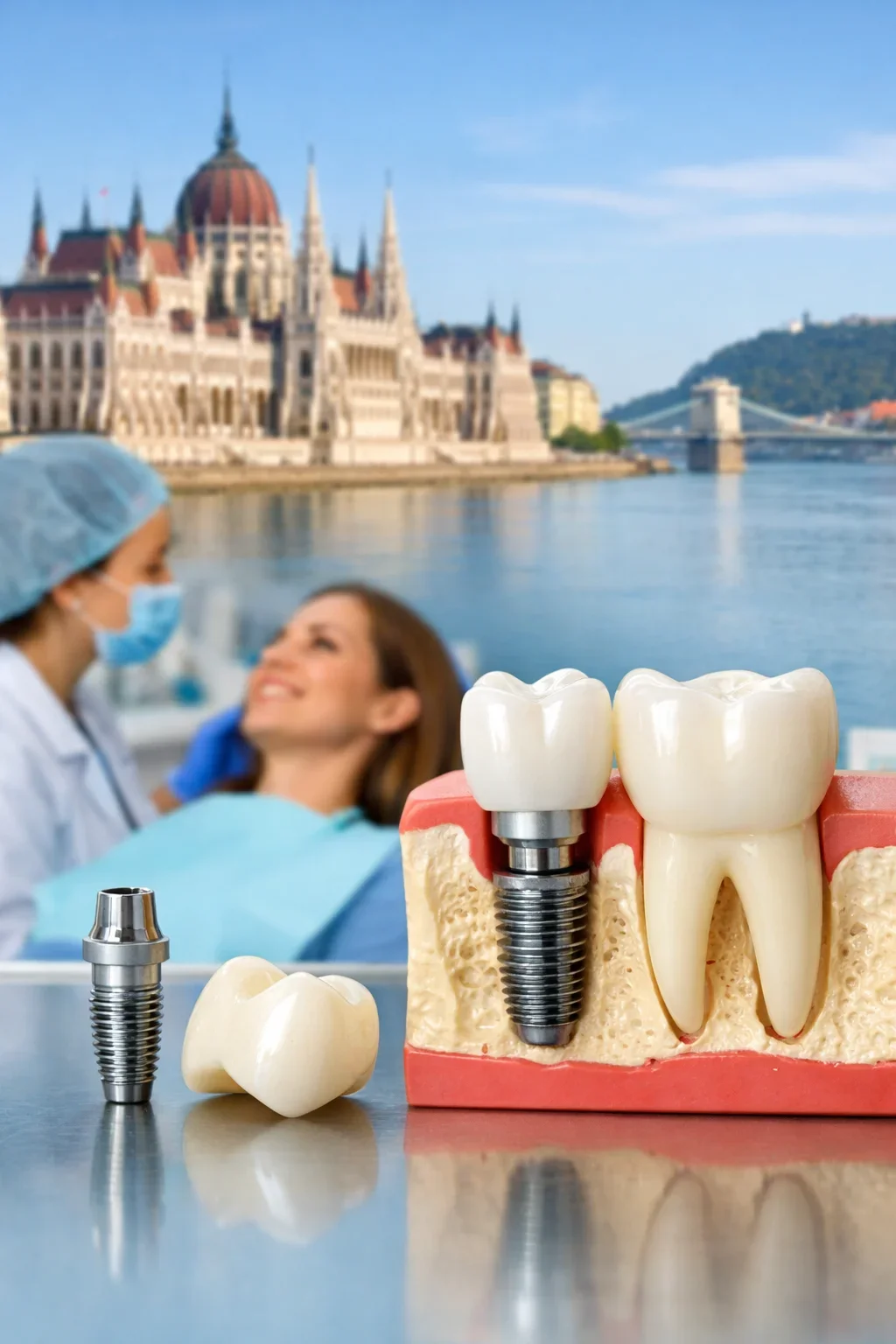
Long-Term Care and Maintenance of Dental Implants Hungary
Once treatment is complete, proper long-term care becomes essential to ensure the durability and health of dental implants Hungary. Dental implants are designed to function like natural teeth and can last for decades when maintained correctly. However, their longevity depends heavily on consistent oral hygiene, professional monitoring, and healthy lifestyle habits. Patients who receive dental implants Hungary should understand that implants require ongoing care similar to natural teeth, although they are not susceptible to cavities.
Because implant treatment represents a long-term investment in oral health, clinics performing dental implants Hungary place significant emphasis on educating patients about maintenance and preventive care. With proper attention, many patients enjoy fully functional implants for 20 years or more.
Daily Oral Hygiene for Dental Implants
Daily oral hygiene is the foundation of maintaining healthy dental implants Hungary. Although implants are made from titanium and cannot decay, the surrounding gum tissue must remain healthy in order to keep the implant stable.
Poor oral hygiene can lead to peri-implantitis, a condition similar to gum disease that affects the tissues around implants. To prevent this, patients who have received dental implants Hungary should follow strict oral hygiene routines.
Essential Daily Cleaning Routine
- Brush teeth at least twice per day using a soft-bristled toothbrush
- Use low-abrasive toothpaste suitable for implants
- Clean between teeth using dental floss or interdental brushes
- Rinse with an antibacterial mouthwash if recommended by your dentist
Maintaining these daily habits significantly increases the lifespan of dental implants Hungary. Regular cleaning removes plaque and bacteria that could otherwise irritate the gums surrounding the implant.
Professional Dental Checkups
Regular dental visits are extremely important after receiving dental implants Hungary. Dentists can monitor the stability of the implant, evaluate gum health, and professionally clean areas that may be difficult to reach at home.
Most dental professionals recommend that patients who receive dental implants Hungary schedule dental checkups every six months. These appointments allow dentists to detect early signs of inflammation or implant stress before they develop into serious complications.
What Happens During Implant Checkups
During routine follow-up visits after dental implants Hungary, dentists typically perform several evaluations:
- Examination of gum health around the implant
- X-rays to evaluate bone stability
- Professional cleaning to remove plaque and tartar
- Assessment of crown condition and bite alignment
These examinations help ensure that dental implants Hungary remain stable and functional for many years.
Avoiding Harmful Habits
While implants are extremely durable, certain habits can shorten their lifespan. Patients who have undergone dental implants Hungary should be mindful of behaviors that may place excessive stress on implants.
Habits to Avoid
- Smoking, which slows healing and increases gum disease risk
- Teeth grinding or clenching (bruxism)
- Chewing extremely hard foods or objects
- Poor oral hygiene practices
Dentists performing dental implants Hungary often recommend protective night guards for patients who grind their teeth during sleep. These devices reduce pressure on implants and prevent damage to the surrounding teeth.
Diet and Lifestyle Considerations
A healthy lifestyle also contributes to the longevity of dental implants Hungary. Balanced nutrition supports strong bone structure and healthy gum tissue, both of which are essential for maintaining implant stability.
Patients should aim to consume a diet rich in:
- Calcium for strong bone health
- Vitamin D for improved bone absorption
- Protein for tissue repair
- Fresh fruits and vegetables for overall oral health
Maintaining overall health helps protect dental implants Hungary and ensures the body continues to support the implant structure.
How Long Dental Implants Typically Last
One of the most appealing advantages of dental implants Hungary is their longevity. Unlike dentures or bridges, implants are designed as a long-term solution for missing teeth.
Average Lifespan of Dental Implants
- Implant post (titanium root): often lasts 20–30 years or longer
- Implant crown: typically lasts 10–15 years before replacement
- Overall implant success rate: approximately 95–98%
Because of these impressive durability statistics, many patients choose dental implants Hungary instead of traditional tooth replacement methods.
Importance of Experienced Implant Clinics
Another factor influencing the long-term success of dental implants Hungary is the expertise of the dental clinic performing the procedure. Experienced implant specialists carefully plan implant placement to maximize bone stability and ensure optimal bite alignment.
Clinics that follow internationally recognized treatment standards often deliver the most reliable results. Many Hungarian implant specialists follow recommendations from respected organizations such as the American Dental Association, which promotes safe and evidence-based dental treatment.
If you are considering implant treatment or would like professional guidance about maintaining your implants, you can request consultation through the Redent Klinik Contact Page. Speaking with experienced professionals can help you understand the best practices for protecting your investment in dental implants Hungary.
Protecting Your Investment in Your Smile
Dental implants represent one of the most advanced solutions for replacing missing teeth. Patients who choose dental implants Hungary often do so because they want a stable, natural-looking solution that improves both function and confidence.
By maintaining excellent oral hygiene, attending regular dental visits, and following healthy lifestyle habits, patients can protect their dental implants Hungary for many years. With proper care, implants can continue to provide reliable chewing ability, aesthetic appearance, and long-term oral health benefits.
Ultimately, long-term success is a partnership between patient and dentist. Clinics specializing in dental implants Hungary provide the surgical expertise and technology needed for successful treatment, while patients maintain the results through consistent care and attention.